



3587 Results for "

ALA

" in MedChemExpress (MCE) Product Catalog:
Products (3587)

3587 Results for "ALA" in MCE Product Catalog:

28
28 Cited Publications
Cat. No.: HY-P1363B
CAS No.: 107761-42-2
Target:  

Amyloid-β

Research Areas:  

Neurological Disease

β-Amyloid (1-42), human, HFIP-treated, a 42-amino acid peptide that has been treated with HFIP from β-Amyloid (1-42), human (HY-P1363A), is a brain-penetrant amyloid protein fragment, which can be used in research on Alzheimer's disease and Down’s syndrome. β-Amyloid (1-42), human, HFIP-treated remaining as a monomer exhibits antioxidant and neuroprotective effects. β-Amyloid (1-42), human, HFIP-treated, after being dissolved in DMSO to form the stock solution, on the one hand, can form soluble oligomers (AβOs) when incubated at 4°C, which have synaptic toxicity and neurotoxicity; on the other hand, it can be incubated at 37°C to form insoluble fibrils, with lower neurotoxicity, and participating in the oxidative damage process. Aβ42 oligomers bind to various neuronal surface receptors (such as PrPc, mGluR5, NMDA receptors, etc.), triggering oxidative stress, calcium homeostasis imbalance, and synaptic toxicity via activating downstream signaling pathways, leading to neuronal dysfunction and death .
loading...
    loading...
26
26 Cited Publications
Cat. No.: HY-P1731C
Synonyms: LY3298176 sodium
Tirzepatide sodium (LY3298176 sodium) is a dual glucose-dependent insulinotropic polypeptide (GIP) and glucagon-like peptide-1 (GLP-1) receptor agonist. Tirzepatide sodium exerts anti-apoptotic and pro-differentiation effects via the pAkt/CREB/BDNF cascade and miRNA in neurons; in the heart, it promotes BCAA catabolism and inhibits the mTOR pathway by mediating the dephosphorylation of BCKDHA; meanwhile, it effectively reduces insulin and leptin levels and suppresses inflammatory responses at the systemic level. Tirzepatide sodium can be used for research on myocardial infarction, colon cancer, diabetes, diabetic cognitive impairment, neurodegeneration, diabetes-related neuropathy, and obesity .
loading...
    loading...
25
25 Cited Publications
Cat. No.: HY-P0028
CAS No.: 17466-45-4
Target:  

Fluorescent Dye

Research Areas:  

Others

Phalloidin is a mushroom-derived toxin which can be used to label F-actin of the cytoskeleton with fluorochrome .
loading...
    loading...
24
24 Cited Publications
Cat. No.: HY-164388
CAS No.: 162852-62-2
Z-VAD is an irreversible, broad-spectrum pan-caspase inhibitor that can inhibit a variety of caspases including caspase-3, -6, -7, -8, -9, etc. (with a weaker inhibitory effect on caspase-2). Z-VAD can block apoptosis signaling pathways, induce autophagy and necrosis in tumor cells, and has anti-angiogenic activity. Z-VAD can enhance the sensitivity of breast cancer and lung cancer cells to radiotherapy in vitro and in vivo, and prolong the growth delay of tumor xenograft models. Z-VAD is well tolerated and is mainly used in research related to cancer radiosensitization and cell death pathway regulation .
loading...
    loading...
23
23 Cited Publications
Cat. No.: HY-B1247
CAS No.: 553-12-8
Synonyms: PPIX
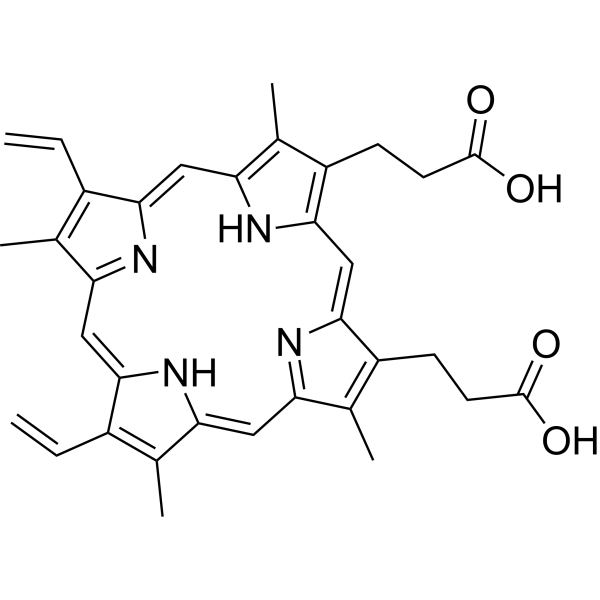
Protoporphyrin IX is a final intermediate in the heme biosynthetic pathway, which acts as a radiation sensitizer enhancing ROS generation even in a hypoxic state and inducing DNA damage. Protoporphyrin IX also acts as a photo sensitizer undergoing photobleaching that occurs through direct degradation by light irradiation. Protoporphyrin IX is formed and accumulated following 5-aminolevulinic acid (5-ALA) (HY-W000450) administration in the tumor cells of rats. Protoporphyrin IX causes selective improvement of basal cell carcinoma when activated red fluorescence of a peak wavelength at 405 nm. Protoporphyrin IX is promising for research of sonodynamic and photodynamic agents for a wide range of cancers, such as bladder cancer and nodular basal cell carcinoma .
loading...
    loading...
23
23 Cited Publications
Cat. No.: HY-B1247A
CAS No.: 50865-01-5
Synonyms: PPIX disodium
Target:  

Endogenous Metabolite

Research Areas:  

Cancer

Protoporphyrin IX disodium is a final intermediate in the heme biosynthetic pathway, which acts as a radiation sensitizer enhancing ROS generation even in a hypoxic state and inducing DNA damage. Protoporphyrin IX disodium also acts as a photo sensitizer undergoing photobleaching that occurs through direct degradation by light irradiation. Protoporphyrin IX disodium is formed and accumulated following 5-aminolevulinic acid (5-ALA) (HY-W000450) administration in the tumor cells of rats. Protoporphyrin IX disodium causes selective improvement of basal cell carcinoma when activated red fluorescence of a peak wavelength at 405 nm. Protoporphyrin IX disodium is promising for research of sonodynamic and photodynamic agents for a wide range of cancers, such as bladder cancer and nodular basal cell carcinoma .
loading...
    loading...
23
23 Cited Publications
Cat. No.: HY-P1009
CAS No.: 210344-97-1
Target:  

Caspase

Research Areas:  

Cancer

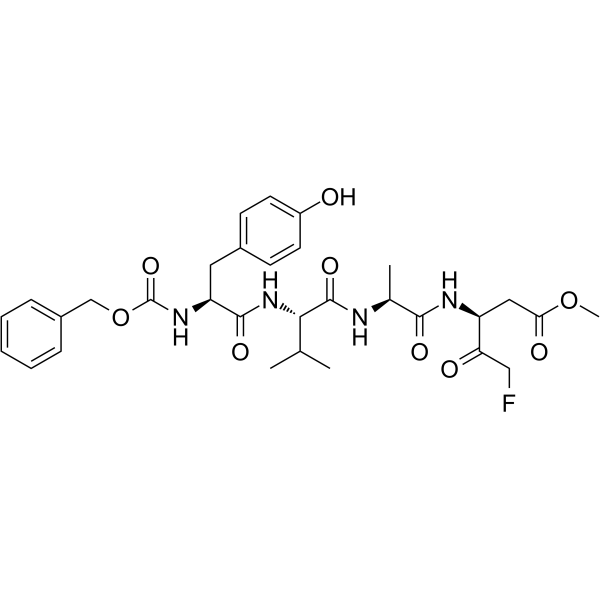
Z-YVAD-FMK is a cell-permeable caspase-1 and -4 inhibitor with anti-inflammatory and anti-tumor activities .
loading...
    loading...
22
22 Cited Publications
Cat. No.: HY-P1439
CAS No.: 1449566-36-2
Research Areas:  

Inflammation/Immunology

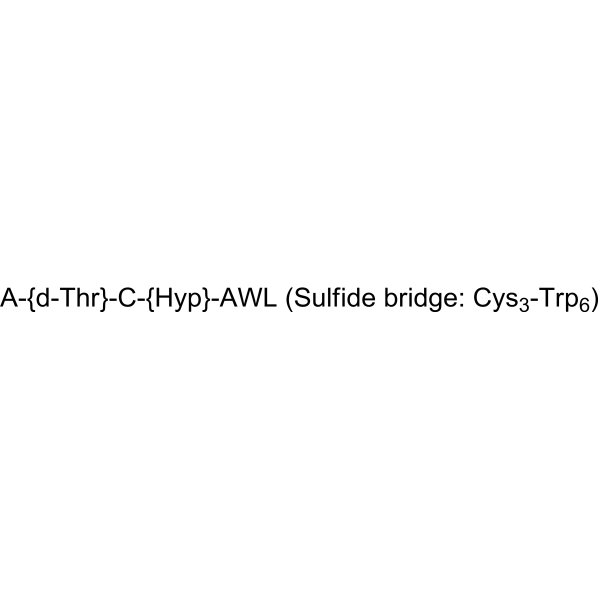
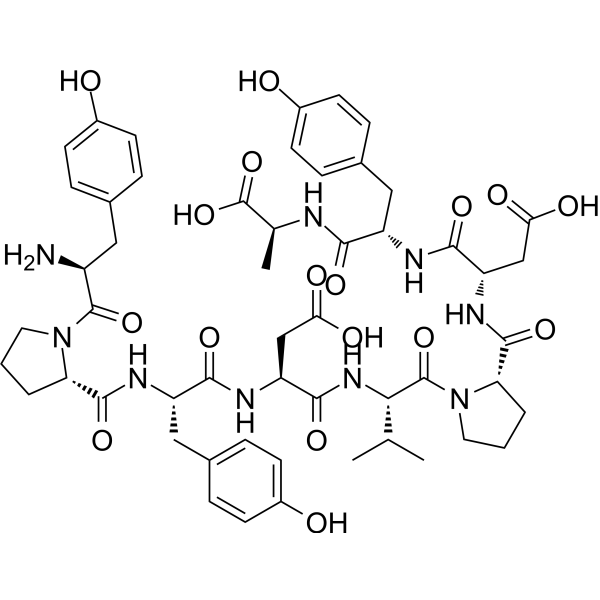
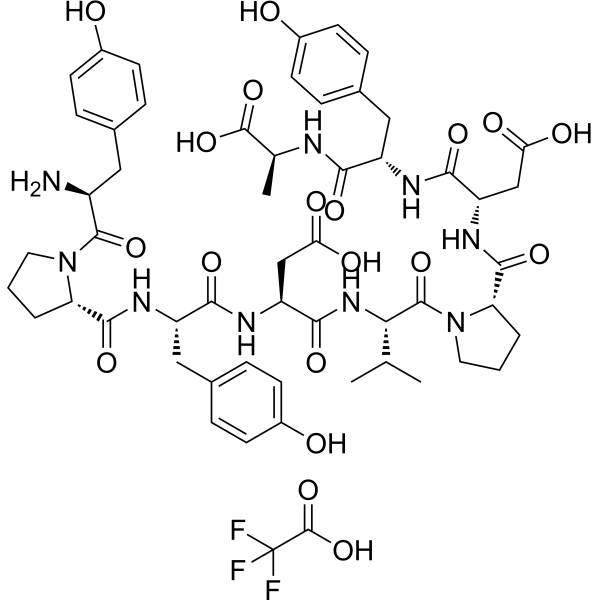
RS 09 is an LPS (HY-D1056) peptide mimic and TLR4 agonist. RS 09 can bind to TLR-4 and activate NF-κB. RS 09 can function as an adjuvant in vivo, enhancing the antigen-specific immune response .
loading...
    loading...
21
21 Cited Publications
Cat. No.: HY-N0305
CAS No.: 5451-09-2
Synonyms: 5-ALA hydrochloride; δ-Aminolevulinic acid hydrochloride; 5-Amino-4-oxopentanoic acid hydrochloride
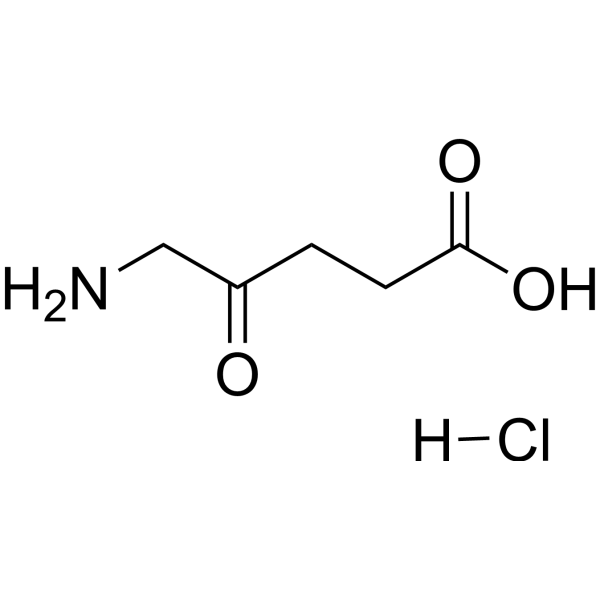
5-Aminolevulinic acid (5-ALA; δ-Aminolevulinic acid; 5-Amino-4-oxopentanoic acid) hydrochloride is an orally active heme precursor. 5-Aminolevulinic acid hydrochloride promotes aerobic energy metabolism and increases ATP levels by enhancing the activity of cytochrome c oxidase. 5-Aminolevulinic acid hydrochloride enhances LPS-induced proinflammatory cytokine production and gene activation, and restores the phagocytic activity and ROS generation capacity of neutrophils. 5-Aminolevulinic acid hydrochloride selectively accumulates protoporphyrin IX in tumor cells; as a photosensitizer and radiosensitizer, it induces ROS burst upon light or X-ray irradiation to inhibit tumor growth. 5-Aminolevulinic acid hydrochloride can be applied to the research of septic shock, melanoma, and cancer radiotherapy .
loading...
    loading...
21
21 Cited Publications
Cat. No.: HY-W000450
CAS No.: 106-60-5
Synonyms: 5-ALA; δ-Aminolevulinic acid; 5-Amino-4-oxopentanoic acid
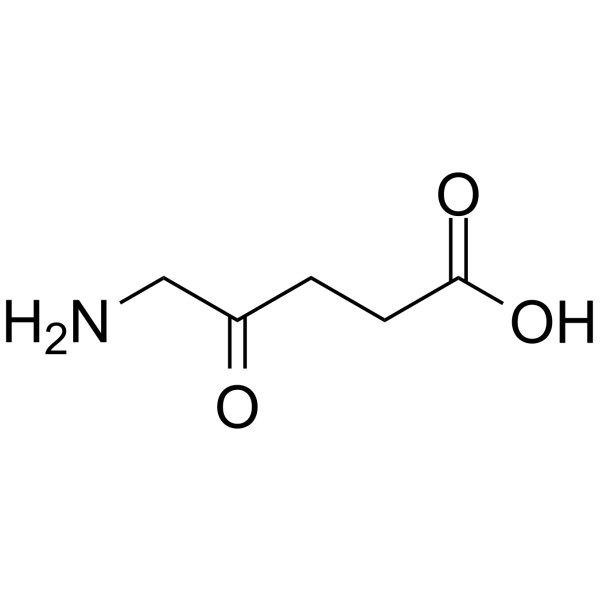
5-Aminolevulinic acid (5-ALA; δ-Aminolevulinic acid; 5-Amino-4-oxopentanoic acid) is an orally active heme precursor. 5-Aminolevulinic acid promotes aerobic energy metabolism and increases ATP levels by enhancing the activity of cytochrome c oxidase. 5-Aminolevulinic acid enhances LPS-induced proinflammatory cytokine production and gene activation, and restores the phagocytic activity and ROS generation capacity of neutrophils. 5-Aminolevulinic acid selectively accumulates protoporphyrin IX in tumor cells; as a photosensitizer and radiosensitizer, it induces ROS burst upon light or X-ray irradiation to inhibit tumor growth. 5-Aminolevulinic acid can be applied to the research of septic shock, melanoma, and cancer radiotherapy .
loading...
    loading...
18
18 Cited Publications
Cat. No.: HY-P1097
CAS No.: 10047-33-3
Research Areas:  

Endocrinology

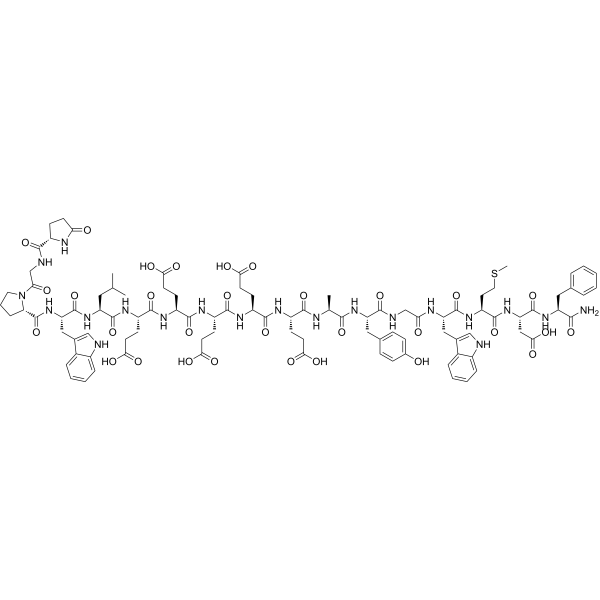
Gastrin I, human is the endogenous peptide produced in the stomach, and increases gastric acid secretion via cholecystokinin 2 (CCK2) receptor.
loading...
    loading...
17
17 Cited Publications
Cat. No.: HY-P0233
CAS No.: 20449-79-0
Target:  

Phospholipase

Research Areas:  

Inflammation/Immunology Cancer

Melittin is a PLA2 activator, stimulates the activity of the low molecular weight PLA2, while it does not the increase activity of the high molecular weight PLA2 .
loading...
    loading...
17
17 Cited Publications
Cat. No.: HY-P0233A
Target:  

Phospholipase

Research Areas:  

Infection Cancer

Melittin TFA is a PLA2 activator, stimulates the activity of the low molecular weight PLA2, while it does not the increase activity of the high molecular weight PLA2 .
loading...
    loading...
17
17 Cited Publications
Cat. No.: HY-P1026
CAS No.: 249537-73-3
Synonyms: VIVIT peptide
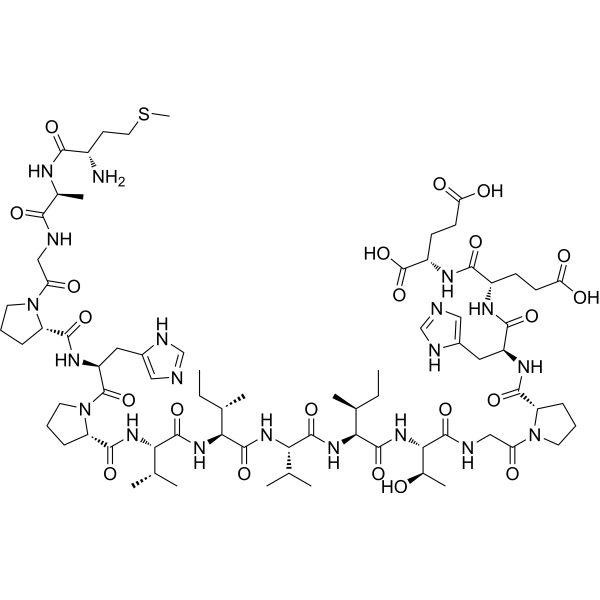
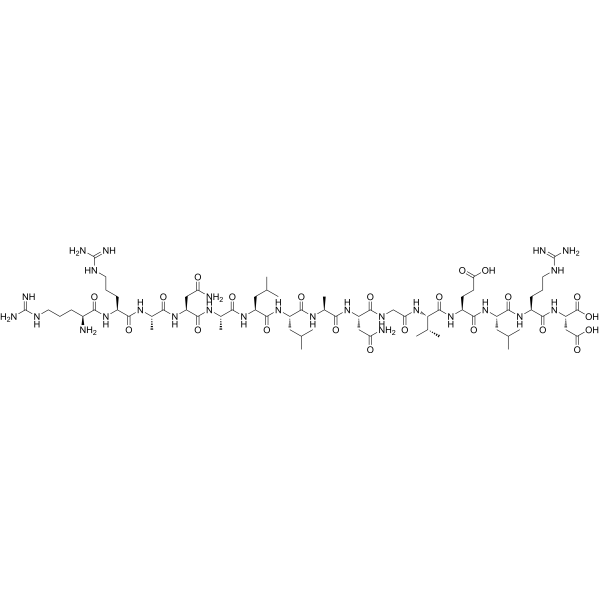
NFAT Inhibitor (VIVIT peptide) is an inhibitor of nuclear factor of activated Tcells (NFAT) that selectively inhibits calcineurin-mediated dephosphorylation of NFAT .
loading...
    loading...
17
17 Cited Publications
Cat. No.: HY-12559
CAS No.: 254435-95-5
Purity:  98.08%
Synonyms: Debio-025; DEB-025
Target:  

Cyclophilin HCV

Research Areas:  

Infection

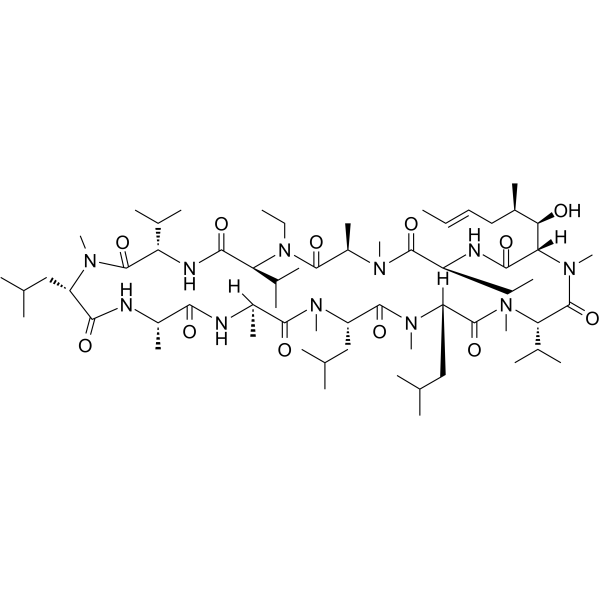
Alisporivir (Debio-025) is a cyclophilin inhibitor molecule with potent anti-hepatitis C virus (HCV) activity.
loading...
    loading...
16
16 Cited Publications
Cat. No.: HY-P0239
CAS No.: 92000-76-5
HA Peptide (HA tag) is a nine amino acids peptide derived from the human influenza hemagglutinin (HA). HA Peptide is extensively used to isolate, purify, detect, and track the protein of interest in cell biology and biochemistry.
loading...
    loading...
16
16 Cited Publications
Cat. No.: HY-P0239A
HA Peptide (TFA) is a nine amino acids peptide derived from the human influenza hemagglutinin (HA). HA Peptide (TFA) is extensively used to isolate, purify, detect, and track the protein of interest in cell biology and biochemistry .
loading...
    loading...
14
14 Cited Publications
Cat. No.: HY-P1860
CAS No.: 144796-71-4
Research Areas:  

Inflammation/Immunology Cancer

TNF-α (31-45), human is a potent NF-kB pathway activator. TNF-αis a proinflammatory cytokine that induces necrosis or apoptosis. TNF alpha stimulates NF-κB pathway via TNFR2 promotes cancer growth, invasion, and metastasis .
loading...
    loading...
14
14 Cited Publications
Cat. No.: HY-P1860A
Research Areas:  

Inflammation/Immunology

TNF-α (31-45), human TFA is a potent NF-kB pathway activator. TNF-αis a proinflammatory cytokine that induces necrosis or apoptosis. TNF alpha stimulates NF-κB pathway via TNFR2 promotes cancer growth, invasion, and metastasis .
loading...
    loading...
14
14 Cited Publications
Cat. No.: HY-P0082
CAS No.: 16941-32-5
Synonyms: Glucagon
Target:  

GCGR

Research Areas:  

Metabolic Disease Cancer

Glucagon (1-29), bovine, human, porcine is a peptide hormone, produced by pancreatic α-cells. Glucagon stimulates gluconeogenesis . Glucagon (1-29), bovine, human, porcine activates HNF4α and increases HNF4α phosphorylation .
loading...
    loading...

