3251 Results for "

T cell

" in MedChemExpress (MCE) Product Catalog:
Products (3251)

3251 Results for "T cell" in MCE Product Catalog:

29
29 Cited Publications
Cat. No.: HY-N1724A
CAS No.: 80890-47-7
Synonyms: Antibiotic X 4357B (purity≥70%); Folimycin (purity≥70%); X 4357B (purity≥70%)
Concanamycin A (purity≥70%) (Antibiotic X 4357B) is a macrolide antibiotic, a vacuolar type H +-ATPase (V-ATPase) inhibitor. Concanamycin A (purity≥70%) is also an inhibitor of lysosomal acidification, can be used to T cell-mediated inflammation research - .
loading...
    loading...
28
28 Cited Publications
Cat. No.: HY-15689
CAS No.: 1204669-58-8
Purity:  98.47%
Synonyms: INCB 024360
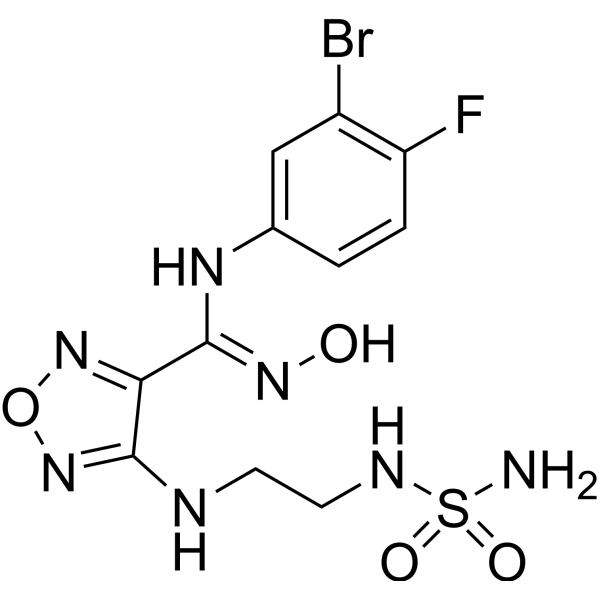
Epacadostat (INCB 024360) is a potent and selective indoleamine 2,3-dioxigenase 1 (IDO1) inhibitor with an IC50 of 71.8 nM . Epacadostat can effectively reduce Trp metabolism, entailing increased activation and maturation of dendritic cells, and enhanced proliferation of effector T cells and natural killer cells (NKs), as well as attenuated Tregs expansion.
loading...
    loading...
25
25 Cited Publications
Cat. No.: HY-15558A
CAS No.: 23491-45-4
Purity:  99.51%
Synonyms: bisBenzimide H 33258 trihydrochloride; H 33258 trihydrochloride
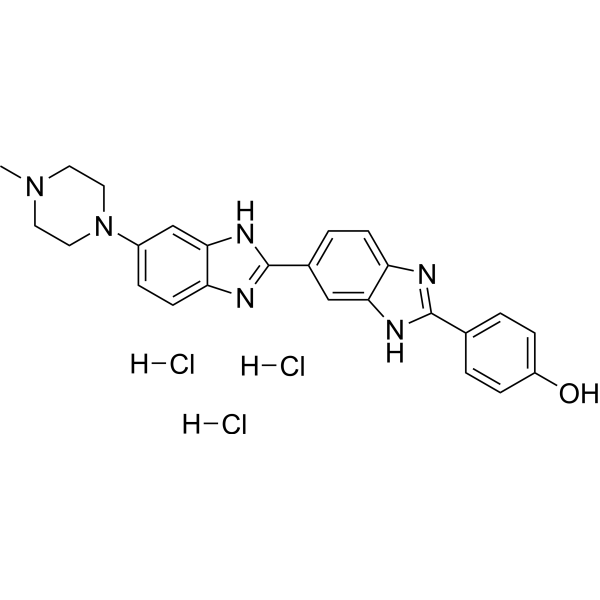
Hoechst 33258 trihydrochloride is a marker dye in Hoechst series. Hoechst is A live nuclear marker dye. Hoechst binds to the grooves in the DNA double strand, which tends to be A/ T-rich DNA strand. Although it binds to all nucleic acids, the A/ T-rich double strand DNA significantly enhances fluorescence intensity Therefore,Hoechst dye can be used for living cell labeling. The fluorescence intensity of Hoechst dye increases with the increase of pH of solution .
loading...
    loading...
25
25 Cited Publications
Cat. No.: HY-15558
CAS No.: 23491-44-3
Purity:  99.11%
Synonyms: bisBenzimide H 33258; H 33258
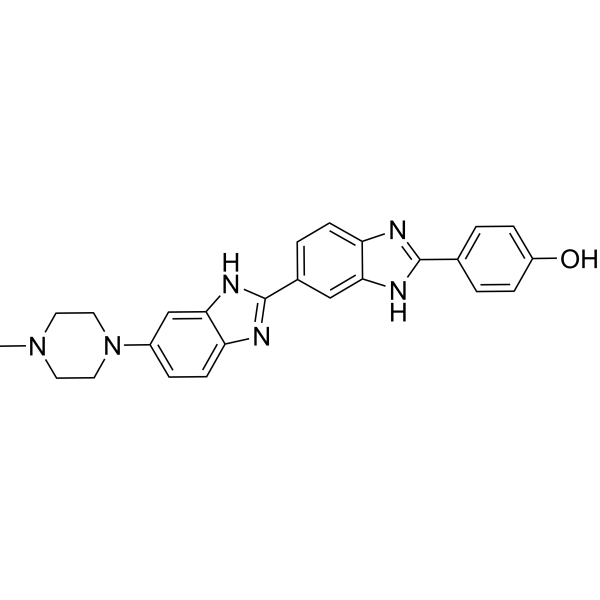
Hoechst 33258 is a blue to blue-green fluorescent live cell dye that can label DNA. Hoechst 33258 can specifically bind to the minor groove of DNA (and tends to bind to A/T-rich DNA), resulting in a significant increase in fluorescence intensity. Hoechst 33258 can cross the cell membrane and cause changes in DNA structure, such as G2/M phase arrest. Hoechst 33258 can bind to live or fixed cells, and the fluorescence intensity increases with increasing solution pH. As a DNA-specific probe, Hoechst 33258 can be used to detect DNA content, analyze cell cycle, etc. The excitation wavelength of Hoechst 33258 is 350-365 nm, and the emission wavelength is 460-490 nm .
loading...
    loading...
24
24 Cited Publications
Cat. No.: HY-P7037
Purity:  ≥ 95%, as determined by reducing SDS-PAGE.
Synonyms: IL2; T cell Growth Factor; Interleukin 2; Aldesleukin; IL-2; Involved In Regulation Of T-cell Clonal Expansion; TCGF; T-cell Growth Factor; Interleukin-2; Lymphokine
Species:  
Human
Source:  
E. coli
loading...
    loading...
23
23 Cited Publications
Cat. No.: HY-14171
CAS No.: 153559-49-0
Purity:  99.92%
Synonyms: LGD1069
Target:  

RAR/RXR Autophagy

Research Areas:  

Cancer

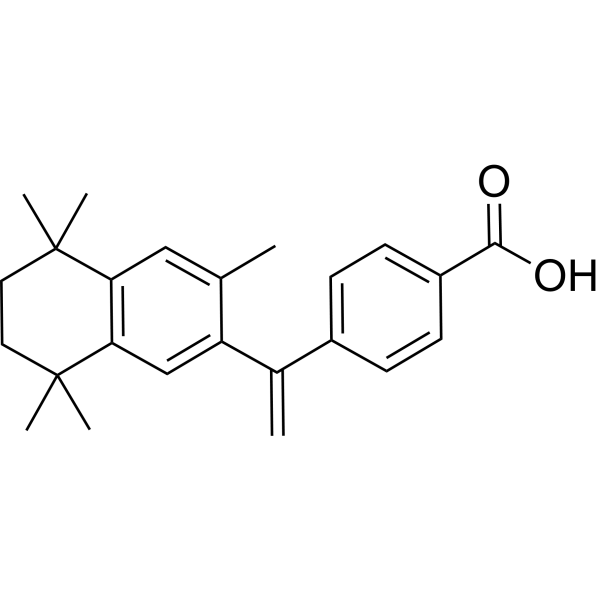
Bexarotene (LGD1069) is a high-affinity and selective retinoid X receptors (RXR) agonist with EC50s of 33, 24, 25 nM for RXRα, RXRβ, and RXRγ, respectively. Bexarotene shows limited affinity for RAR receptors (EC50 >10000 nM) . Bexarotene can be used for the research of cutaneous T-cell lymphoma.
loading...
    loading...
20
20 Cited Publications
Cat. No.: HY-110251
CAS No.: 1539318-36-9
Purity:  98.11%
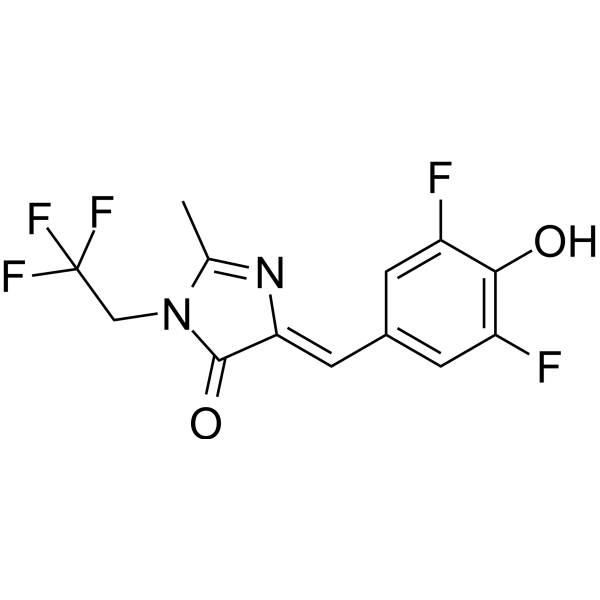
DFHBI-1T is a membrane-permeable RNA aptamers-activated fluorescence probe (ex/em=472 nm/507 nm). DFHBI-1T binds to RNA aptamers (Spinach, Spinach2, iSpinach, and Broccoli) and causes specific fluorescence and lower background fluorescence. DFHBI-1T is used to image RNA in live cells .
loading...
    loading...
18
18 Cited Publications
Cat. No.: HY-12795
CAS No.: 1383716-33-3
Purity:  99.79%
Target:  

PI3K Autophagy

Research Areas:  

Cancer

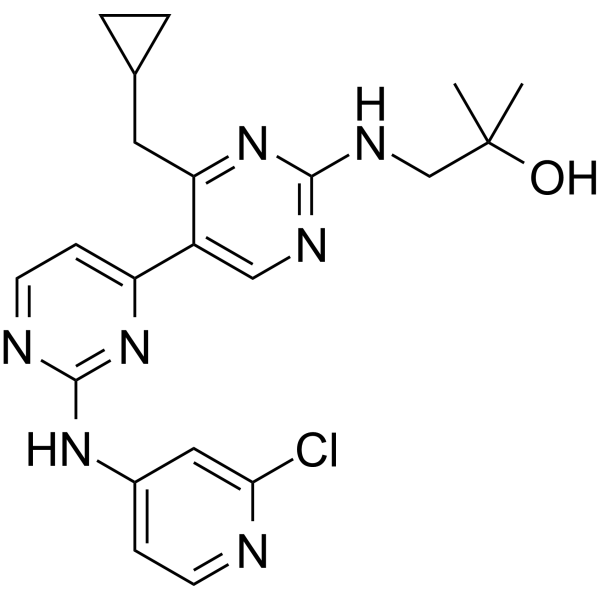
Vps34-IN-1 is a potent and selective inhibitor of class III Vps34 PI3K. Vps34-IN-1 inhibits phosphorylation of PtdIns by recombinant insect cell expressed Vps34-Vps15 complex with an IC50 of ~25 nM. Vps34-IN-1 can suppress SGK3 activation by reducing PtdIns(3)P levels via lowering phosphorylation of T-loop and hydrophobic motifs. Vps34-IN-1 modulates autophagy .
loading...
    loading...
16
16 Cited Publications
Cat. No.: HY-15405
CAS No.: 163451-81-8
Purity:  99.92%
Synonyms: A77 1726
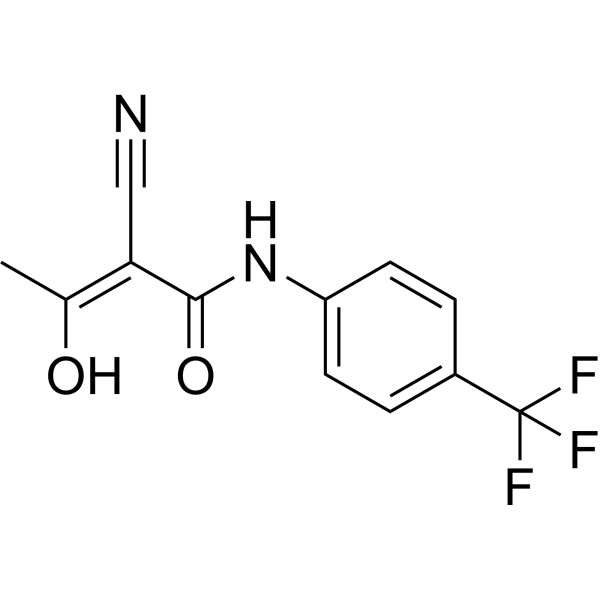
Teriflunomide is the active metabolite of leflunomide, an approved therapy for rheumatoid arthritis. It inhibits pyrimidine synthesis and therefore potently decreases T cell and B cell proliferation.
loading...
    loading...
16
16 Cited Publications
Cat. No.: HY-15888
CAS No.: 315704-66-6
Purity:  99.76%
Target:  

BMI1 Autophagy

Research Areas:  

Cancer

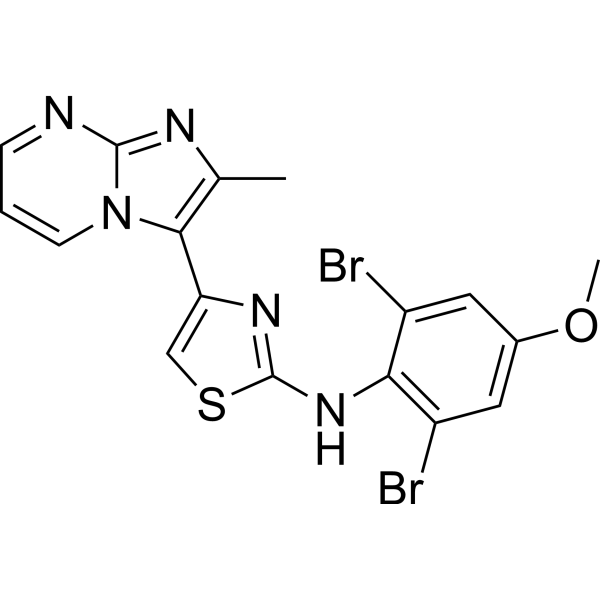
PTC-209 is a specific BMI-1 inhibitor with an IC50 of 0.5 μM in HEK293T cell line. PTC-209 irreversibly impairs colorectal cancer-initiating cells (CICs). PTC-209 shows potent anti-myeloma activity and impairs the tumor microenvironment .
loading...
    loading...
16
16 Cited Publications
Cat. No.: HY-15888A
CAS No.: 1217022-63-3
Purity:  99.44%
Target:  

BMI1 Autophagy

Research Areas:  

Cancer

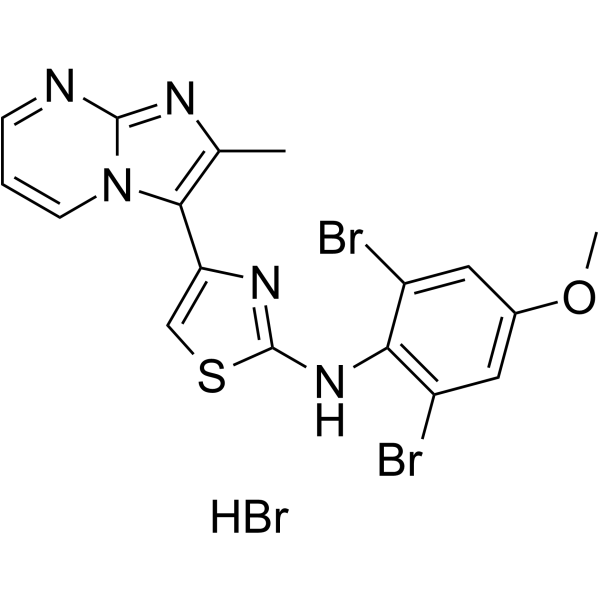
PTC-209 hydrobromide is a specific BMI-1 inhibitor with an IC50 of 0.5 μM in HEK293T cell line. PTC-209 hydrobromide irreversibly impairs colorectal cancer-initiating cells (CICs). PTC-209 hydrobromide shows potent anti-myeloma activity and impairs the tumor microenvironment .
loading...
    loading...
16
16 Cited Publications
Cat. No.: HY-N0527
CAS No.: 14937-32-7
Synonyms: Penta-O-galloyl-β-D-glucose; 1,2,3,4,6-Pentagalloyl glucose
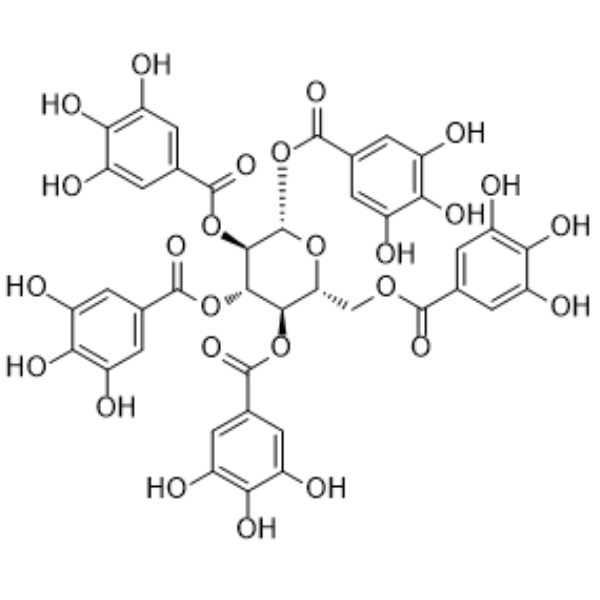
Pentagalloylglucose (Penta-O-galloyl-β-D-glucose) is an orally active gallic tannin compound and an inducer of apoptosis and autophagy. Pentagalloglucose induces cell apoptosis and autophagy through the GSK3β/β-catenin pathway. Pentagalloylglucose inhibits UBE2T-mediated p53 ubiquitination, upregulates p53, downregulates RRM1/RRM2 in pancreatic cancer organoids. Pentagalloglucose has antioxidant, anti mutagenic, anti-inflammatory, anticonvulsant, cardioprotective, anti allergic, cholesterol lowering, and anti-tumor activities .
loading...
    loading...
15
15 Cited Publications
Cat. No.: HY-32219
CAS No.: 701232-20-4
Target:  

Acyltransferase

Research Areas:  

Metabolic Disease

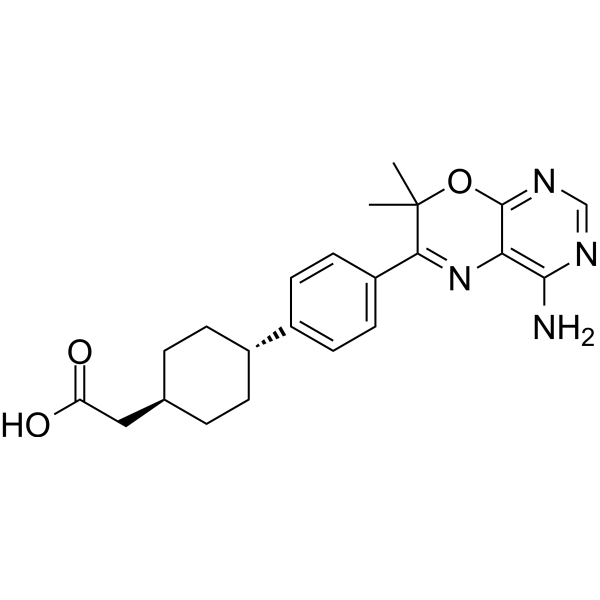
T863 is an orally active, selective and potent DGAT1 (acyl-CoA:diacylglycerol acyltransferase 1) inhibitor with an IC50 of 15 nM. T863 has no inhibitory activity against human MGAT3, human DGAT2, or human MGAT2. T863 interacts with the acyl-CoA binding site of DGAT1, and inhibits triacylglycerol synthesis in cells .
loading...
    loading...
14
14 Cited Publications
Cat. No.: HY-K1094

MCE Viability/Cytotoxicity Assay Kit for Live & Dead Cells (Calcein/PI) enables dual fluorescent staining of both live and dead cells, making it suitable for assessing cell viability and cytotoxicity. The 500 T is defined as the base specification. All larger sizes correspond to incremental volumes of this base.

loading...
    loading...
14
14 Cited Publications
Cat. No.: HY-B0199
CAS No.: 128794-94-5
Synonyms: RS 61443; TM-MMF
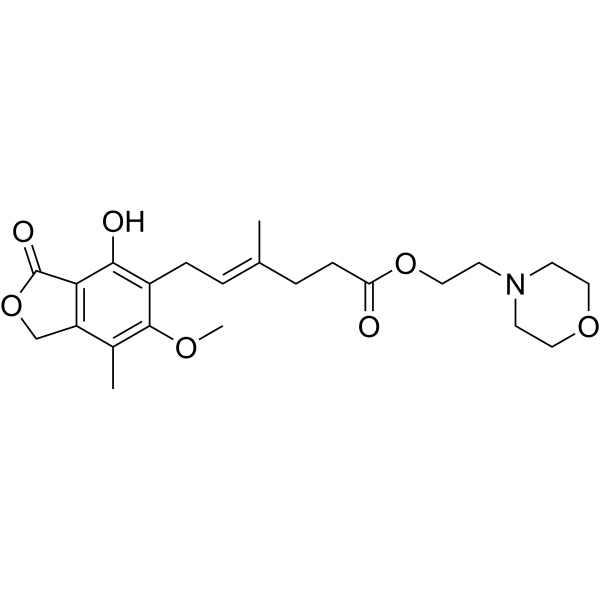
Mycophenolate mofetil (RS 61443) is the morpholinoethylester proagent of Mycophenolic acid. Mycophenolate mofetil inhibits de novo purine synthesis via the inhibition of inosine monophosphate dehydrogenase (IMPDH). Mycophenolate mofetil shows selective lymphocyte antiproliferative effects involve both T and B cells, preventing antibody formation .
loading...
    loading...
14
14 Cited Publications
Cat. No.: HY-12467
CAS No.: 1338545-07-5
Purity:  99.74%
Target:  

TOPK CDK Apoptosis

Research Areas:  

Cancer

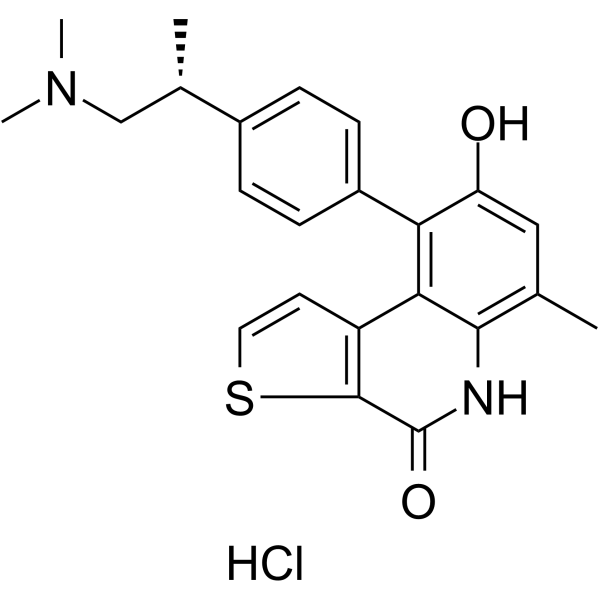
OTS964 hydrochloride is an orally active, high affinity and selective TOPK (T-lymphokine-activated killer cell-originated protein kinase) inhibitor with an IC50 of 28 nM . OTS964 hydrochloride is also a potent inhibitor of the cyclin-dependent kinase CDK11, which binds to CDK11B with a Kd of 40 nM .
loading...
    loading...
14
14 Cited Publications
Cat. No.: HY-B0199A
CAS No.: 116680-01-4
Synonyms: RS 61443 hydrochloride; TM-MMF hydrochloride
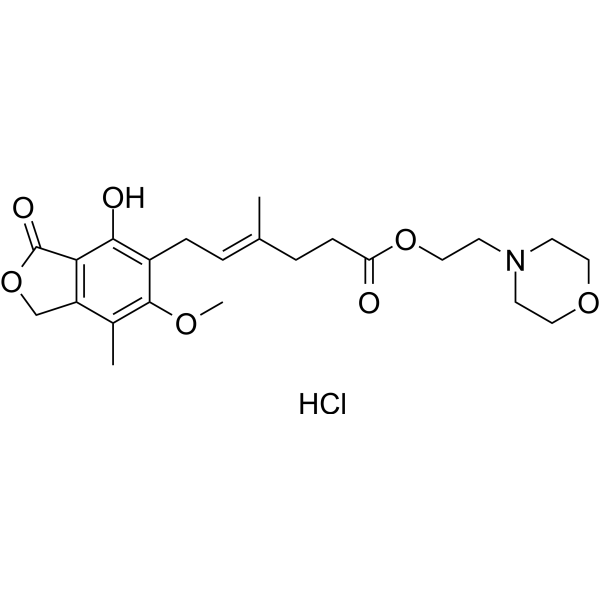
Mycophenolate mofetil (RS 61443; TM-MMF) hydrochloride is an orally active antimetabolic immunosuppressant with antiproliferative and anti-inflammatory properties. Mycophenolate mofetil hydrochloride significantly inhibits the production of B, T lymphocytes and the proliferation of smooth muscle cells by selectively blocking the de novo purine synthesis pathway. Mycophenolate mofetil hydrochloride effectively reduces adventitial inflammation, medial necrosis and intimal thickening in rat aortic allografts, and decreases the number of lymphocytes expressing the IL-2 receptor, thereby delaying xenograft rejection. Mycophenolate mofetil hydrochloride shows certain toxicity in a hamster-to-rat limb xenotransplantation model when used in combination with FK506 (HY-13756). Mycophenolate mofetil hydrochloride is widely used in studies related to allograft arteriosclerosis (chronic rejection) .
loading...
    loading...
13
13 Cited Publications
Cat. No.: HY-P7119
Purity:  ≥ 95%, as determined by reducing SDS-PAGE.
Synonyms: TGFB2; Transforming Growth Factor, Beta 2; Transforming Growth Factor Beta 2; BSC-1 cell Growth Inhibitor; Glioblastoma-Derived T-cell Suppressor Factor; TGF-Beta2; Transforming Growth Factor Beta-2 Proprotein; Polyergin; Prepro-Transforming Growth Factor
Species:  
Human
Source:  
HEK293
loading...
    loading...
13
13 Cited Publications
Cat. No.: HY-117433
CAS No.: 39800-16-3
Purity:  ≥98.0%
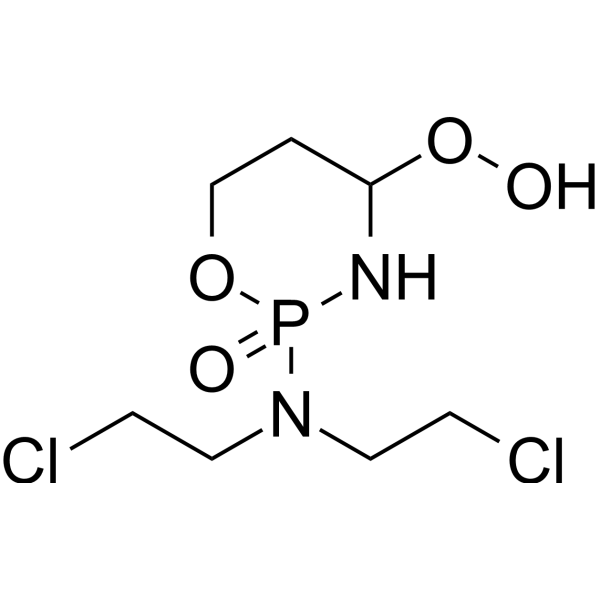
4-Hydroperoxy cyclophosphamide is the active metabolite form of the precursor Cyclophosphamide. 4-Hydroperoxy cyclophosphamide cross-links DNA to induce T cell apoptosis independent of caspase receptor activation, and can activate the mitochondrial death pathway by producing reactive oxygen species (ROS). 4-Hydroperoxy cyclophosphamide can be used in the study of rheumatoid arthritis and autoimmune diseases .
loading...
    loading...
12
12 Cited Publications
Cat. No.: HY-19344
CAS No.: 1025967-78-5
Synonyms: SAR 1118; SHP-606
Target:  

Integrin

Research Areas:  

Inflammation/Immunology

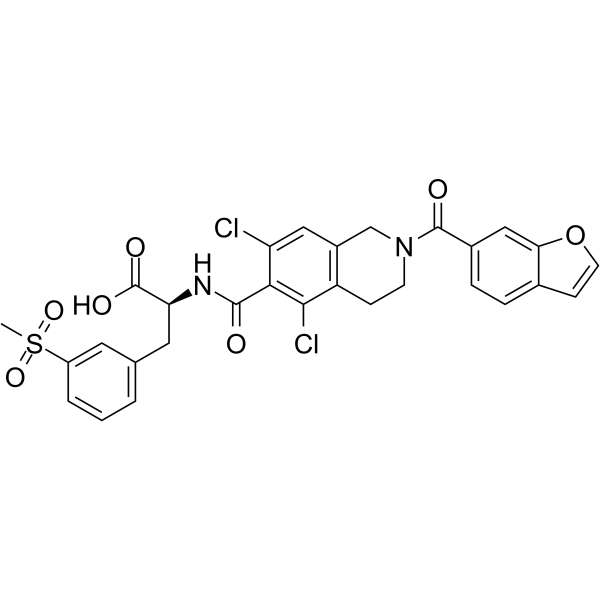
Lifitegrast (SAR 1118) is a potent integrin antagonist. Lifitegrast blocks the binding of intercellular adhesion molecule 1 (ICAM-1) to lymphocyte function-associated antigen 1 (LFA-1), interrupting the T cell-mediated inflammatory cycle. Lifitegrast inhibits Jurkat T cell attachment to ICAM-1 with an IC50 of 2.98 nM. Lifitegrast can be used for researching dry eye disease .
loading...
    loading...

