338 Results for "

high concentration

" in MedChemExpress (MCE) Product Catalog:
Products (338)

338 Results for "high concentration" in MCE Product Catalog:

4
4 Cited Publications
Cat. No.: HY-D0014
CAS No.: 6104-58-1
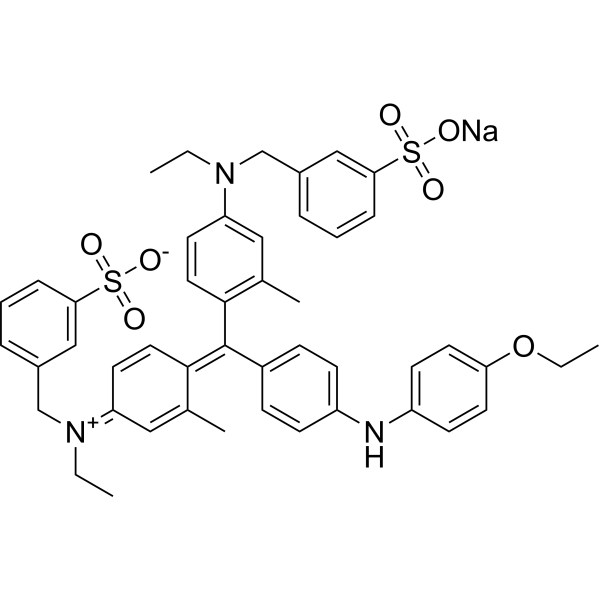
Brilliant Blue G-250 is a dye commonly used for the visualization of proteins separated by SDS-PAGE, offering a simple staining procedure and high quantitation. In the Bradford protein assay, protein concentrations are determined by the absorbance at 595 nm due to the binding of Brilliant Blue G-250 to proteins. Brilliant Blue G-250 is a safe highly selective P2×7R antagonist with promising consequent inactivation of NLRP3 inflammasome .
loading...
    loading...
3
3 Cited Publications
Cat. No.: HY-136408
CAS No.: 108347-84-8
Purity:  ≥98.0%
Synonyms: Malonyl coenzyme A lithium
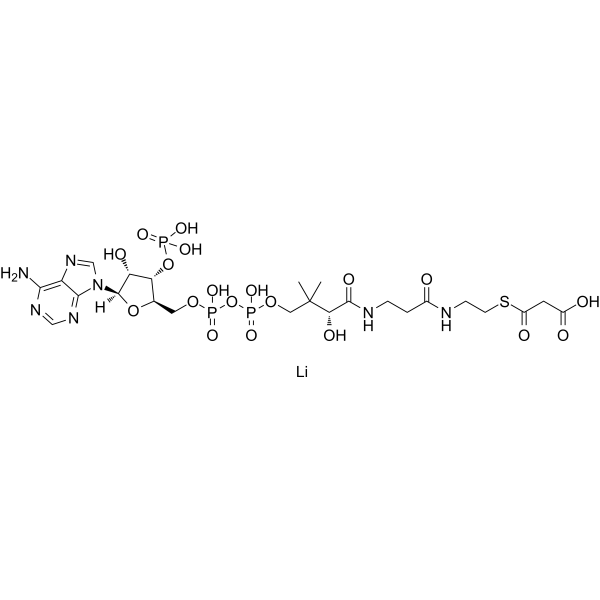
Malonyl CoA (Malonyl Coenzyme A) lithium is an inhibitor of carnitine palmitoyl transferase 1 (CPT1). High Malonyl CoA lithium concentrations suppress fatty acid oxidation, while low Malonyl CoA lithium concentrations are permissive for fat oxidation .
loading...
    loading...
3
3 Cited Publications
Cat. No.: HY-17461A
CAS No.: 50-04-4
Synonyms: Cortisone 21-acetate
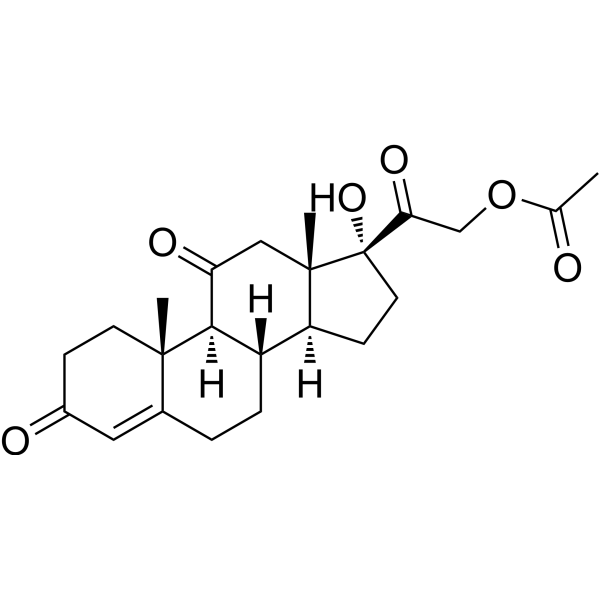
Cortisone acetate (Cortisone 21-acetate), an oxidized metabolite of Cortisol (a Glucocorticoid). Cortisone acetate acts as an immunosuppressant and anti-inflammatory agent. Cortisone acetate can partially intervene in binding of Glucocorticoid to Glucocorticoid-receptor at high concentrations .
loading...
    loading...
3
3 Cited Publications
Cat. No.: HY-D1498
CAS No.: 1097709-31-3
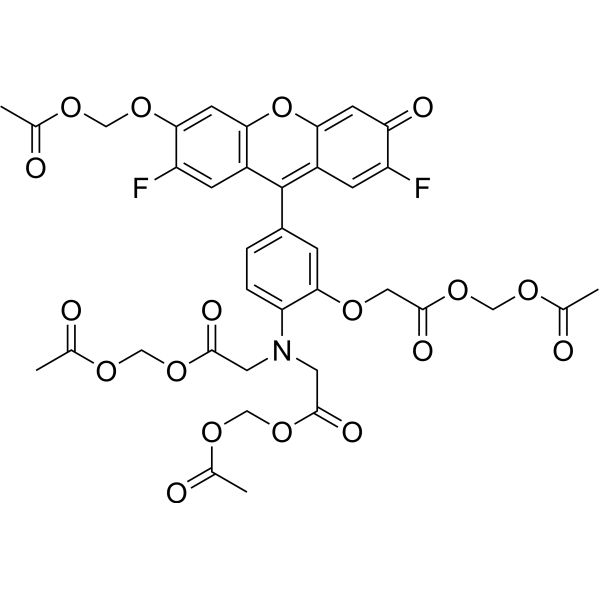
Mag-Fluo-4 AM, an analog of Fluo-4 AM (HY-101896), is an intracellular Mg 2+ (Kd = 4.7 mM) indicator and a Ca 2+ (Kd = 22 μM) indicator. Mag-Fluo-4 AM suitable for monitoring high concentrations and rapidly changing Ca 2+ signals, and changes in intracellular Mg 2+ homeostasis (Ex/Em = 496/525 nm).
loading...
    loading...
3
3 Cited Publications
Cat. No.: HY-W034953
CAS No.: 52698-84-7
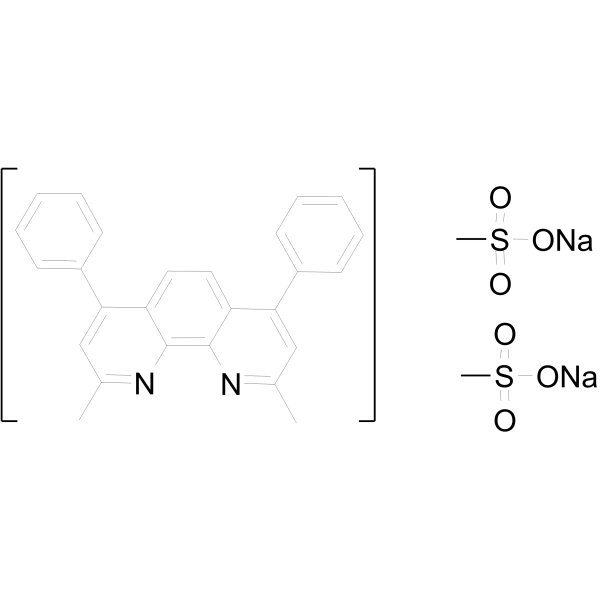
Bathocuproine disulfonate disodium (BCS) is an organic compound used as a highly sensitive colorimetric reagent for copper ions in biochemical and analytical applications. It has a bright yellow color and absorbs light at specific wavelengths, so it can be used to detect and quantify trace copper. In biochemical applications, BCS is commonly used to study the role of copper ions in various biological processes. Copper is an essential nutrient for many organisms, but it can also be toxic in high concentrations, so accurate measurement of copper levels is important to understand its impact on living systems. In terms of analysis, BCS is often used in environmental monitoring and water quality testing to detect copper pollution. It can detect copper even at very low concentrations, making it an invaluable tool for identifying potential sources of pollution and assessing the impact of industrial activities on aquatic ecosystems.
loading...
    loading...
2
2 Cited Publications
Cat. No.: HY-130412
CAS No.: 212118-77-9
Purity:  98.98%
Target:  

Fluorescent Dye

Research Areas:  

Others

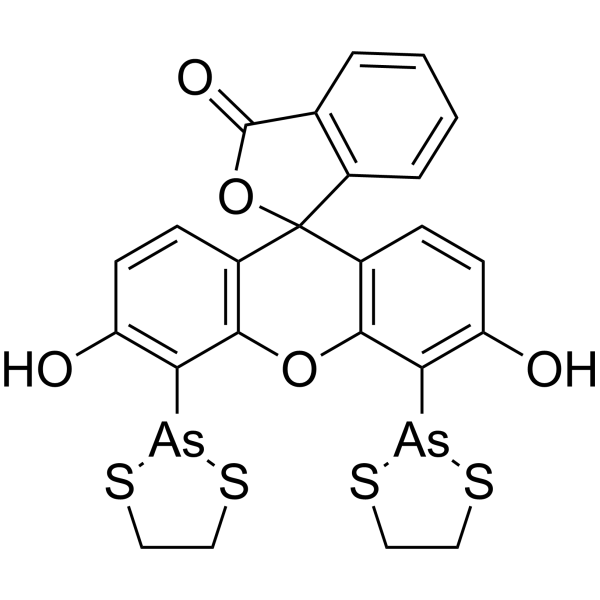
FlAsH-EDT2 is a protein labeling reagent. FlAsH-EDT2 binds to Cys4 with high affinity and emits fluorescence. FlAsH-EDT2 can cross the cell membrane and enter the interior of the cell. FlAsH-EDT2 can only be used for labeling proteins with high concentration .
loading...
    loading...
2
2 Cited Publications
Cat. No.: HY-N0367
CAS No.: 4180-23-8
Synonyms: (E)​-Anethole
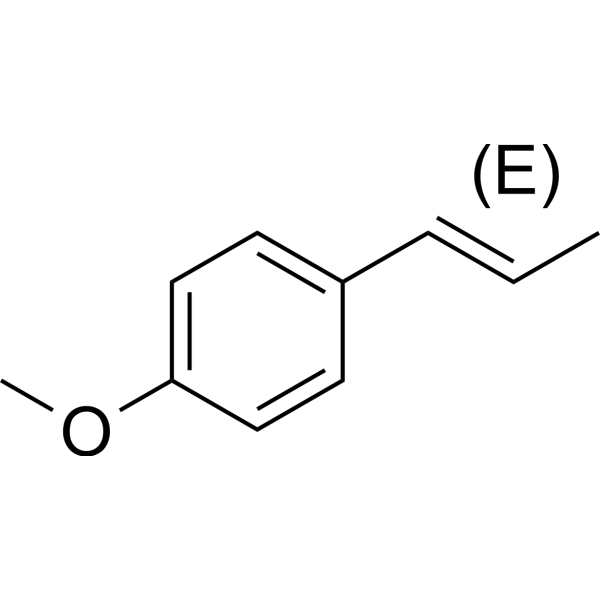
Trans-Anethole ((E)-Anethole) is an orally active phenylpropene derivative found in Foeniculum vulgare that is estrogenic at low concentrations and cytotoxic at high concentrations in tumor cell lines. Trans-Anethole also has anti-aflatoxin, anti-thrombotic and anti-diabetic activities. Trans-Anethole is an important odor component in plants such as fennel, myrtle, liquorice, and camphor .
loading...
    loading...
2
2 Cited Publications
Cat. No.: HY-K6008

MCE High-Concentration Basement Membrane Matrix (Phenol Red-Free) is primarily composed of natural basement membrane matrix extracted from mouse tumors. It is rich in extracellular matrix components and various naturally occurring growth factors, and is mainly used for the establishment of animal models and 3D tumor models.

loading...
    loading...
2
2 Cited Publications
Cat. No.: HY-N11849
CAS No.: 135248-05-4
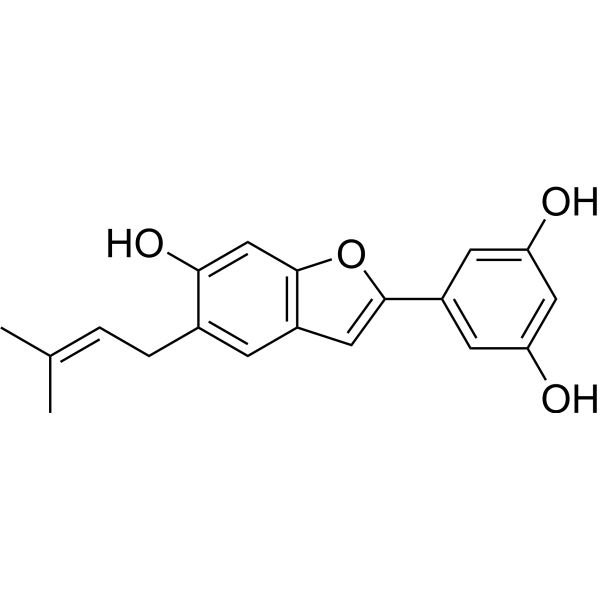
Moracin N is a benzofuran compound. At low concentrations, Moracin N activates the Keap1/Nrf2 pathway, downregulates the expression of FTH1 and ACSL4, enhances glutathione synthesis, and inhibits neuronal ferroptosis. At high concentrations, Moracin N induces ROS accumulation, activates mitochondrial apoptosis, and triggers autophagy-mediated cell death by inhibiting the AKT/mTOR pathway. Moracin N can be used in research related to non-small cell lung cancer, hepatocellular carcinoma and ischemic brain injury .
loading...
    loading...
2
2 Cited Publications
Cat. No.: HY-B1986
CAS No.: 72-55-9
Synonyms: 4,4'-DDE; p,p'-Dichlorodiphenyldichloroethylene
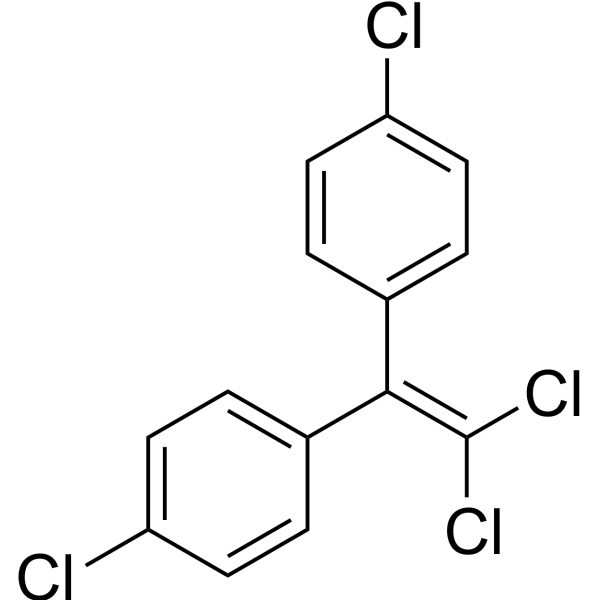
p,p'-DDE (4,4'-DDE) is the major and persistent metabolite of DDT. p,p'-DDE is a orally active androgen receptor antagonist with an IC50 of 5 μM and a Ki of 3.5 μM. p,p'-DDE can affect the development and function of the male reproductive system. Additionally, high serum concentrations of p,p'-DDE may be a risk factor for type 2 diabetes in women .
loading...
    loading...
2
2 Cited Publications
Cat. No.: HY-100784
CAS No.: 52497-36-6
Purity:  ≥99.0%
Target:  

EAAT

Research Areas:  

Neurological Disease

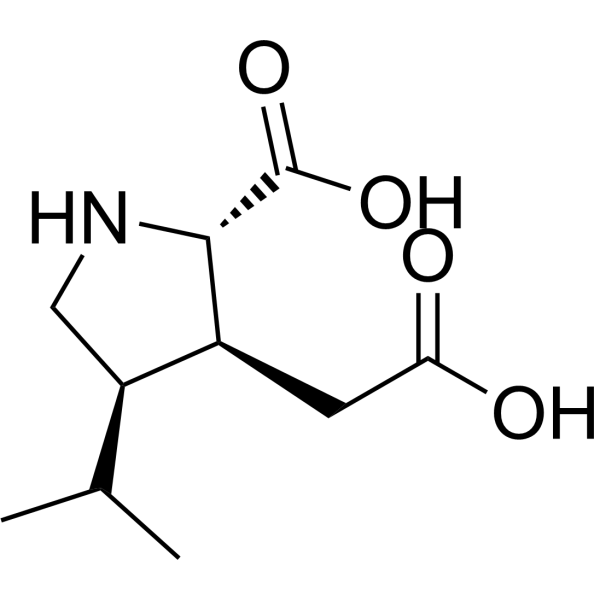
Dihydrokainic acid is a glutamate transporters (especially GLT1) inhibitor. Dihydrokainic acid targets GLT1 with high affinity, effectively inhibiting its transport function. Dihydrokainic acid exerts its effect by inhibiting the uptake of glutamate, leading to an increase in extracellular glutamate concentration, thereby affecting neuronal excitability and neurotransmission. Dihydrokainic acid is mainly applied in the field of neuroscience for research on glutamate-related neural functions, epilepsy, learning, and memory .
loading...
    loading...
2
2 Cited Publications
Cat. No.: HY-N5134
CAS No.: 85-32-5
Synonyms: 5'-GMP; 5'-guanosine monophosphate
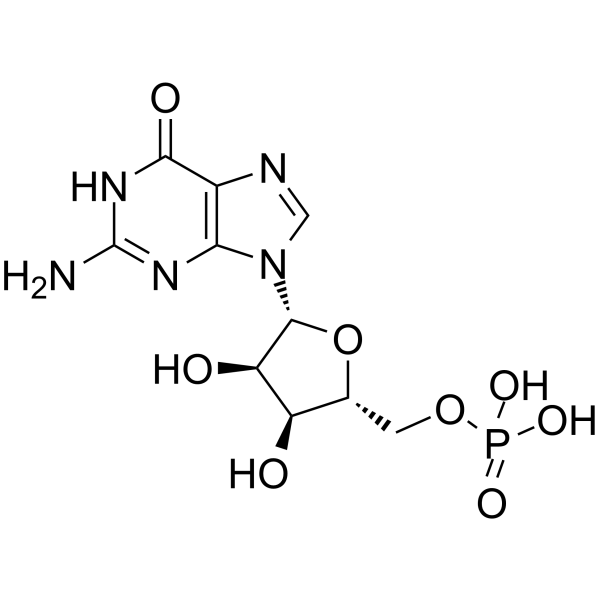
5'-Guanylic acid is a purine nucleotide that participates in physiological processes such as energy metabolism, signal transduction, and gene expression regulation. 5'-Guanylic acid regulates the expression of genes related to fatty acid metabolism. 5'-Guanylic acid is the weak agonist for ionotropic glutamate receptors (iGluR), reduces the activity of the glutamatergic system and exhibits neuroprotective effect. 5'-Guanylic acid also causes neuronal cell death at high concentrations .
loading...
    loading...
2
2 Cited Publications
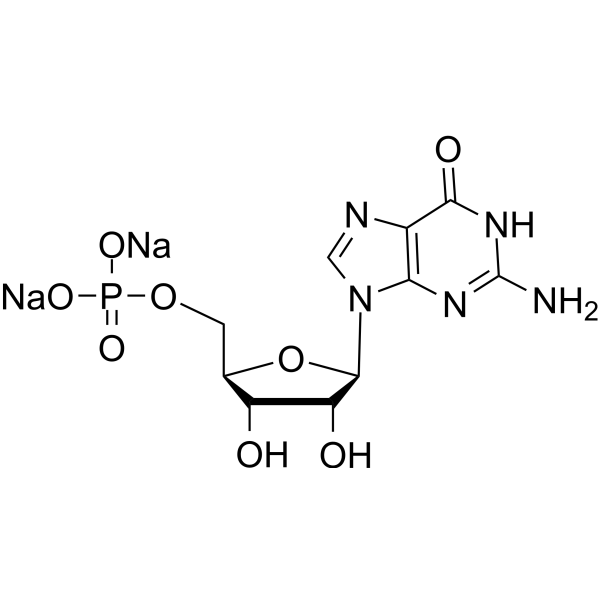
Cat. No.: HY-W010970
CAS No.: 5550-12-9
Synonyms: 5'-GMP disodium salt; 5'-guanosine monophosphate disodium salt
5'-Guanylic acid disodium salt is the disodium salt form of 5'-Guanylic acid (HY-N5134). 5'-Guanylic acid disodium salt is a purine nucleotide that participates in physiological processes such as energy metabolism, signal transduction, and gene expression regulation. 5'-Guanylic acid disodium salt regulates the expression of genes related to fatty acid metabolism. 5'-Guanylic acid disodium salt is the weak agonist for ionotropic glutamate receptors (iGluR), reduces the activity of the glutamatergic system and exhibits neuroprotective effect. 5'-Guanylic acid disodium salt also causes neuronal cell death at high concentrations .
loading...
    loading...
2
2 Cited Publications
Cat. No.: HY-D1806
Vari Fluor 594-Streptavidin is a dye marker of Vari Fluor-streptavidin consisting of labeling streptavidin with a Vari Fluor series of fluorescent probes. Streptavidin is a high-affinity tetramer protein, each tetramer consisting of four identical streptavidin subunits. Streptavidin binds to biotin specifically via a reversible non-covalent effect. Streptavidin can achieve rapid and efficient detection of biotin markers, and is often used in immunofluorescence (IF), enzyme-linked immunosorbent assay (ELISA), immunohistochemical staining (IFH), in situ hybridization (ISH) and other experiments. Ex/Em=590 nm/617 nm.
Product Concentration: 0.8 mg/mL
loading...
    loading...
1
1 Cited Publications
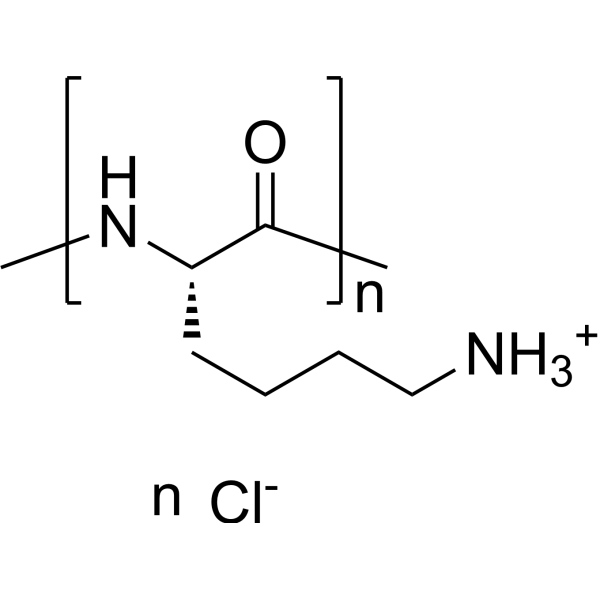
Cat. No.: HY-126437A
CAS No.: 26124-78-7
Poly-L-lysine hydrochloride is a nonspecific attachment factor for cells useful in promoting cell adhesion to solid substrates by enhancing electrostatic interaction between negatively charged ions of the cell membrane and the culture surface. Poly-L-lysine hydrochloride is a strong-attraction regulator that promotes liquid-liquid phase separation (LLPS) at low concentrations but suppresses LLPS at high concentrations. Antibacterial cationic peptide. .
loading...
    loading...
1
1 Cited Publications
Cat. No.: HY-K6005

MCE Basement Membrane Matrix HC (High Concentration, Phenol Red) is primarily composed of natural basement membrane matrix extracted from mouse tumorsand contains abundant extracellular matrix components and a variety of naturally occurring growth factors. This product is mainly used for angiogenesis experiments, construction of animal models and 3D tumor models.

loading...
    loading...
1
1 Cited Publications
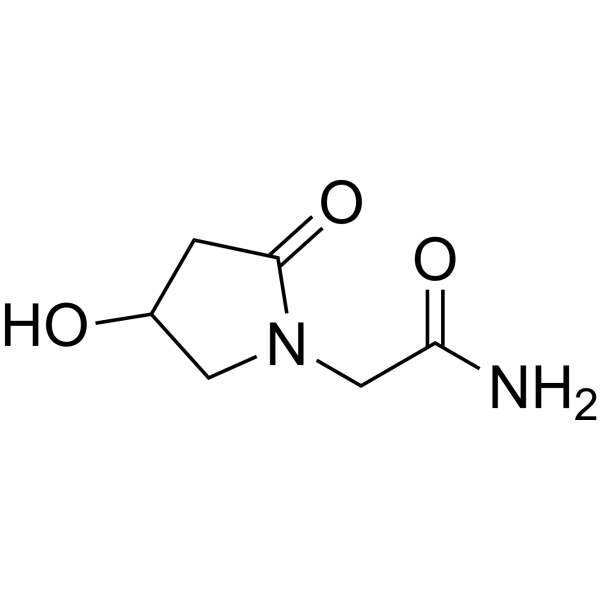
Cat. No.: HY-B1715
CAS No.: 62613-82-5
Synonyms: ISF2522
Research Areas:  

Infection Neurological Disease

Oxiracetam (ISF2522) is an orally active and a BBB-penetrable cyclic derivative of γ-aminobutyric acid (GABA). Oxiracetam reaches the hippocampus and cerebral cortex in high concentrations. Oxiracetam can promote cognitive function and regulate inflammatory response, with powerful neuroprotective effects. Oxiracetam can be used in the study of central nervous system diseases .
loading...
    loading...
1
1 Cited Publications
Cat. No.: HY-N3026
CAS No.: 118194-13-1
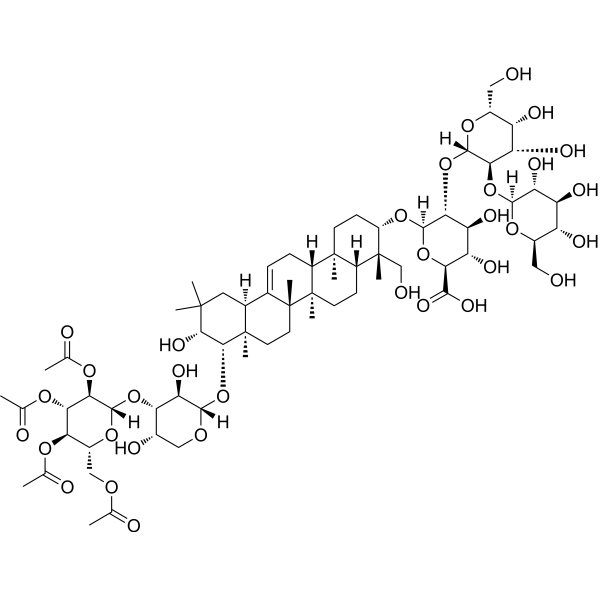
Soyasaponin Ab is an orally active soyasaponin. Soyasaponin Ab inhibits PPARγ transcriptional activity. Soyasaponin Ab induces apoptosis in high concentrations. Soyasaponin Ab exerts anti-obesity, anti-oxidation, anti-inflammation, anti-aging effects. Soyasaponin Ab prevents Scopolamine (HY-N0296)-induced memory impairment .
loading...
    loading...
1
1 Cited Publications
Cat. No.: HY-148105
CAS No.: 2373065-59-7
Purity:  99.10%
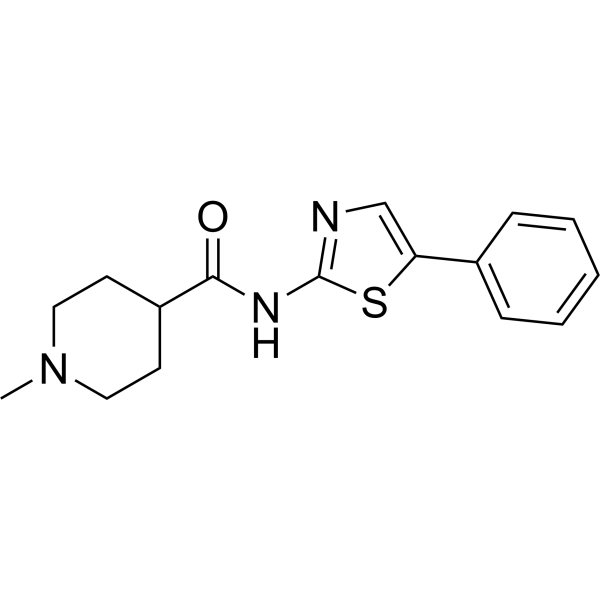
DS12881479 is a selective non-ATP-competitive MNK1 inhibitor with an IC50 value of 387 nM. DS12881479 stabilizes MNK1 in its autoinhibited DFD-out conformation, blocks eIF4E phosphorylation, suppresses tumor cell proliferation and induces weak apoptosis. DS12881479 also inhibits FLT3 and DYRK1a kinase activity at high concentrations. DS12881479 can be used for the research of cancer, such as leukemia .
loading...
    loading...
1
1 Cited Publications
Cat. No.: HY-164117
CAS No.: 106476-75-9
Research Areas:  

Cancer

BNN6 is a thermoresponsive nitric oxide (NO) donor that often works by binding to a carrier. BNN6 decomposes under the heat stimulation generated by photothermal action, releasing high concentrations of NO, which exerts anti-tumor activity by inducing tumor cell apoptosis and inhibiting their repair. BNN6 can be used to synthesize the multifunctional biosensor BNN6-BiTiS3-iRGD, which exerts a synergistic anti-cancer effect with photothermal therapy (PTT) .
loading...
    loading...

