
226 Results for "

membrane probe

" in MedChemExpress (MCE) Product Catalog:
Products (226)

226 Results for "membrane probe" in MCE Product Catalog:

8
8 Cited Publications
Cat. No.: HY-15930C
CAS No.: 54827-18-8
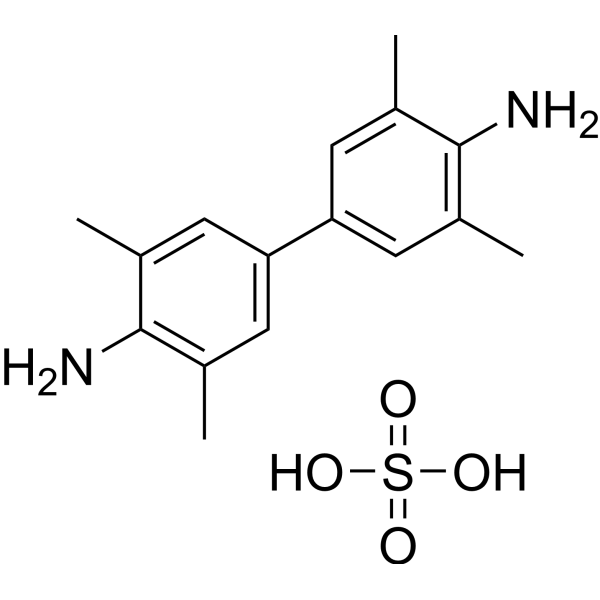
Synonyms: BM blue monosulfate; Sure Blue TMB monosulfate
TMB monosulfate is the monosulfate form of TMB (HY-15930). TMB monosulfate is a non-toxic, non-mutagenic, colorless dye that is also used as a chromogenic agent in enzyme detection systems based on horseradish peroxidase (HRP). TMB monosulfate can function as a photoacoustic probe for reactive oxygen and nitrogen species (ROS/RNS), reacting with hypochlorite, hydrogen peroxide, singlet oxygen, and nitrogen dioxide to produce blue oxidation products. TMB monosulfate can detect the singlet oxygen produced by the outer membrane of Escherichia coli ATCC 25922 .
loading...
    loading...
7
7 Cited Publications
Cat. No.: HY-W009756
CAS No.: 90-30-2
Target:  

Fluorescent Dye

Research Areas:  

Infection

N-Phenyl-1-naphthylamine is a dye that fluoresces strongly when bound to the inner phospholipid bilayer of Gram-negative bacteria. N-Phenyl-1-naphthylamine can be used to measure outer membrane permeability. N-Phenylnaphthalen-1-amine is a fluorescence probe for odorant-binding proteins (OBP) with a dissociation constant of 1.67 μM. N-Phenylnaphthalen-1-amine exhibits an excitation wavelength of 337 nM and an emission wavelength of 407 nM .
loading...
    loading...
7
7 Cited Publications
Cat. No.: HY-D1063
CAS No.: 207399-07-3
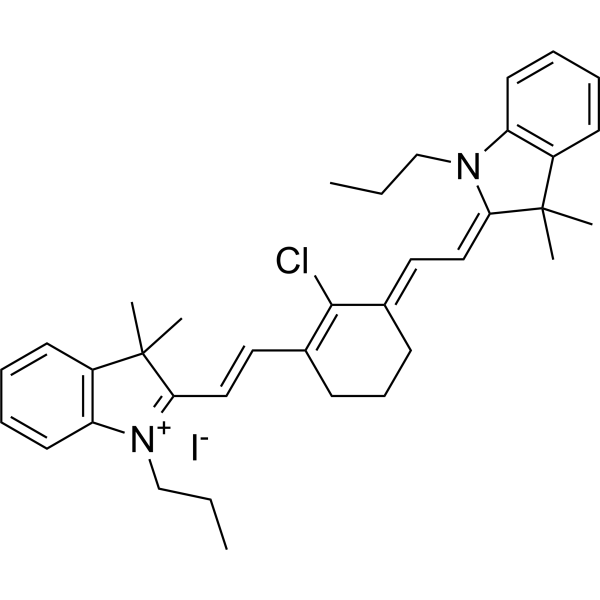
IR-780 is a near-infrared fluorescent probe for in vivo imaging of tumor cells. IR-780 is transported into tumor cells via OATPs and ABCB10, with uptake dependent on glycolytic activity and plasma membrane potential. IR-780 preferentially accumulates in tumor cell mitochondria, including those of drug-resistant cancer cells, without chemical conjugation. IR-780 generates reactive oxygen species (ROS), induces hyperthermia and apoptosis, inhibits tumor growth and recurrence, and modulates HSP70 expression upon ultrasound or 808 nm laser exposure. IR-780 acts as a sonosensitizer, photodynamic and photothermal agent, and drug delivery carrier, with low acute imaging-dose toxicity and rapid vital organ clearance. IR-780 can be used for the research of cancer, such as breast cancer, lung cancer, and non-small cell lung cancer (NSCLC) .
loading...
    loading...
6
6 Cited Publications
Cat. No.: HY-125623
CAS No.: 1392820-50-6
Purity:  98.14%
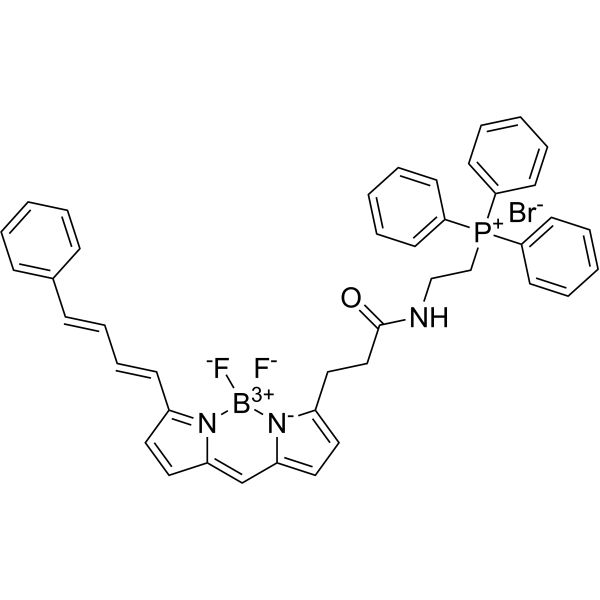
MitoPerOx is a mitochondrial-targeted, lipid peroxidation-indicating fluorescent probe with BODIPY581/591 fluorophores. The triphenylphosphine cation (TPP+) of MitoPerOx can be selectively enriched in mitochondria (depending on membrane potential) and can be used to detect lipid peroxidation in the inner mitochondrial membrane. Under the action of lipid peroxides, the BODIPY581/591 fluorophores of MitoPerOx shift their emission wavelength from 590 nm (reduced state) to 520 nm (oxidized state), and ratiometric detection can be performed at an excitation wavelength of 488 nm. MitoPerOx can specifically monitor the peroxidation of mitochondrial phospholipids (especially cardiolipin) and is used in the study of oxidative stress-related diseases (such as aging, neurodegenerative diseases, and mitochondrial dysfunction)[1][2].
loading...
    loading...
6
6 Cited Publications
Cat. No.: HY-131615
CAS No.: 2804595-86-4
Purity:  99.79%
Target:  

Sodium Channel

Research Areas:  

Others

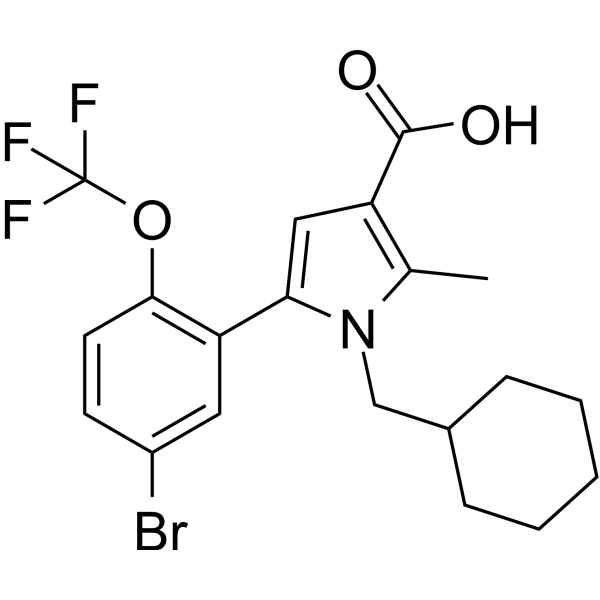
TPC2-A1-P is a powerful and membrane permeable agonist of two pore channel 2 (TPC2) with an EC50 of 10.5 μM. TPC2-A1-P plays its role by mimicking the physiological actions of PI(3,5)P2. TPC2-A1-P also shows higher potency to induce Na 2+ mobilisation from TPC2 than TPC-A1-N (HY-131614). TPC2-A1-P can be used to probe different functions of TPC2 channels in intact cells .
loading...
    loading...
4
4 Cited Publications
Cat. No.: HY-D0309
CAS No.: 989-38-8
Synonyms: Basic Red 1
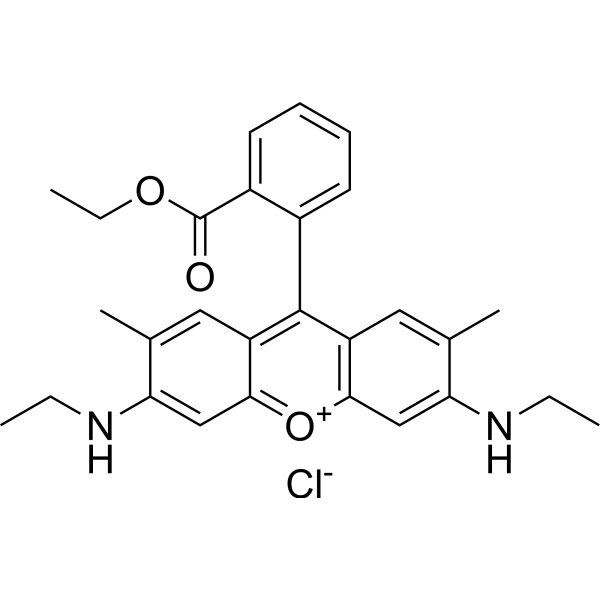
Rhodamine dyes are membrane-permeable cationic fluorescent probes that specifically recognize mitochondrial membrane potentials, thereby attaching to mitochondria and producing bright fluorescence, and at certain concentrations, rhodamine dyes have low toxicity to cells, so they are commonly used to detect mitochondria in animal cells, plant cells, and microorganisms .
loading...
    loading...
4
4 Cited Publications
Cat. No.: HY-131442
CAS No.: 1694495-59-4
Purity:  99.72%
Synonyms: Alkyne tyramide; Alk-Ph
Research Areas:  

Others

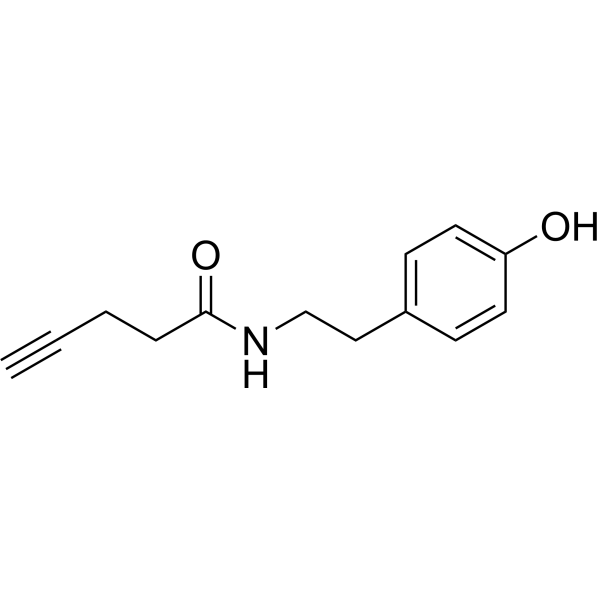
Alkyne-phenol (Alk-Ph) is a clickable ascorbate peroxidase 2 (APEX2) probe. Alkyne-phenol substantially improves APEX-labeling efficiency in intact yeast cells, as it is more cell wall-permeant than APEX2 substrate biotin-phenol (BP). Alkyne-phenol also facilitates the identification of APEX-labeling sites, allowing the unambiguous assignment of membrane topology of mitochondrial proteins . Alkyne-phenol is a click chemistry reagent, it contains an Alkyne group and can undergo copper-catalyzed azide-alkyne cycloaddition (CuAAc) with molecules containing Azide groups.
loading...
    loading...
4
4 Cited Publications
Cat. No.: HY-D0155
CAS No.: 288574-78-7
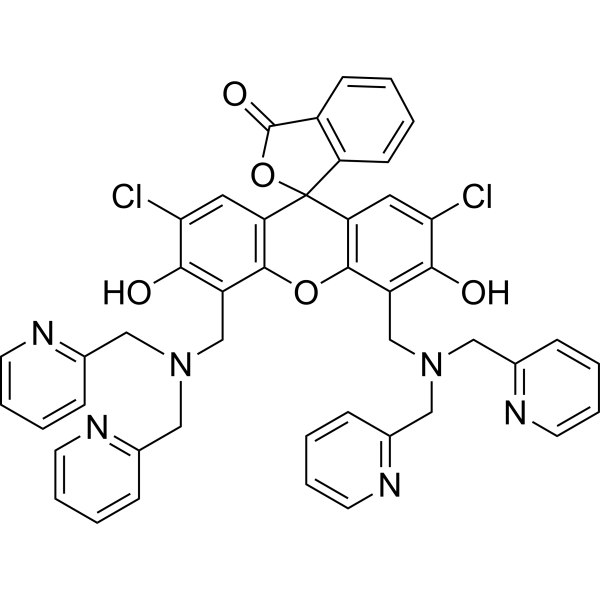
Zinpyr-1 is a zinc-responsive fluorescent indicator and a membrane-permeable metal-binding probe. Zinpyr-1 forms a complex with Mn 2+ ions and generates a fluorescence turn-on signal. Zinpyr-1 binds to free zinc ions in serum, enabling quantitative detection of free zinc concentration. Zinpyr-1 produces fluorescence signals reflecting the relative zinc concentration in plant root cells, localizes to specific layers of plant root cells, and can be used to support analyses related to plant zinc transporter mutations and homeostasis .
loading...
    loading...
3
3 Cited Publications
Cat. No.: HY-W040258
CAS No.: 905-96-4
Synonyms: DiOC2(3)
Target:  

Fluorescent Dye

Research Areas:  

Others

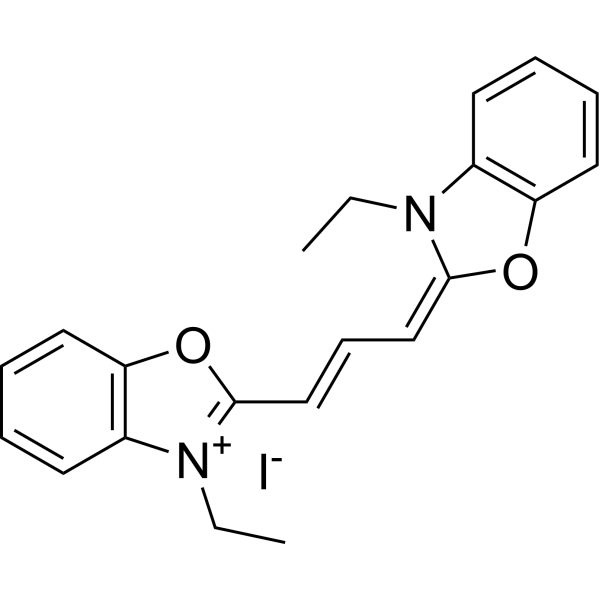
3,3'-Diethyloxacarbocyanine iodide (DiOC2 (3)) is a Fluorescent probe used for microviscosity detection, micelle and microemulsion probing, critical micelle concentration determination, photophysical property research, and bacterial membrane potential assessment. The excitation wavelength of 3,3'-Diethyloxacarbocyanine iodide is 355 nm .
loading...
    loading...
3
3 Cited Publications
Cat. No.: HY-D2346
HBmito Crimson is a deep red fluorescent probe (λex: 658 nm, λem: 678 nm) for the inner mitochondrial membrane. HBmito Crimson is a cell membrane-permeable probe with high selectivity for the mitochondrial inner membrane, suitable for specific fluorescence staining of the inner mitochondrial membrane in living cells. HBmito Crimson has high photostability and brightness, suitable for long-term dynamic fluorescence imaging.
loading...
    loading...
3
3 Cited Publications
Cat. No.: HY-D1296
CAS No.: 220524-71-0
Green DND-26 is a green fluorescently labeled lysosomal probe with a maximum excitation/emission wavelength of 504/511 nm. The structure is composed of a fluorescein group and linked weak bases, which can freely cross the cell membrane and generally gather on spherical organelles. Green DND-26 is suitable for observing the internal biosynthesis and related pathogenesis of lysosomes .
loading...
    loading...
3
3 Cited Publications
Cat. No.: HY-135416
CAS No.: 98072-47-0
Streptolysin O is a cholesterol-targeting, thiol-activated pore-forming toxin. Streptolysin O binds to cholesterol via its C-terminal domain 4, oligomerizes to form arc-shaped or ring-shaped structures, inserts amphipathic helices into the lipid bilayer, and forms transmembrane β-barrel pores, resulting in cell permeabilization. Streptolysin O enables controllable cell membrane permeabilization, fluorescent probe delivery, and exogenous molecule uptake .
loading...
    loading...
3
3 Cited Publications
Cat. No.: HY-118155
CAS No.: 3548-09-2
Purity:  99.56%
Synonyms: ACMA
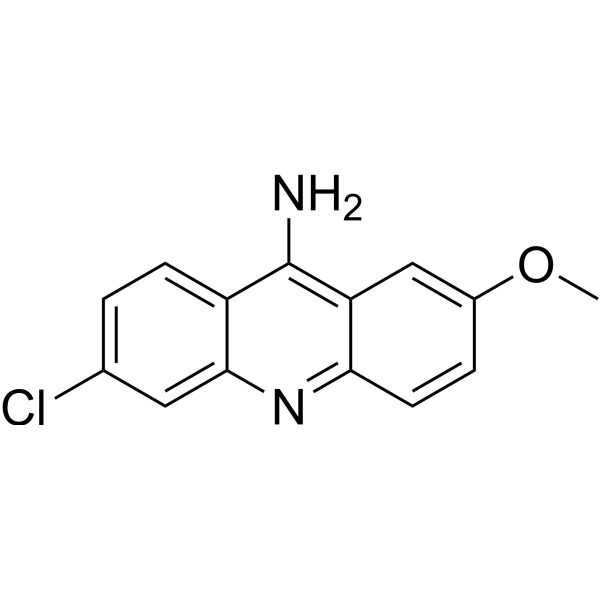
9-Amino-6-chloro-2-methoxyacridine (ACMA) is an acridine derivative and Fluorescent probe. 9-Amino-6-chloro-2-methoxyacridine inhibits viral replication, inhibits DNA synthesis and protein metabolism through cell cycle arrest, and induces lipid metabolism regulation, genotoxicity, mutagenicity, and cytotoxicity through DNA strand breaks. 9-Amino-6-chloro-2-methoxyacridine partially intercalates into DNA, forming three distinct complexes, stabilizes the DNA helix, and quenches fluorescence upon intercalation through electron transfer with guanine. 9-Amino-6-chloro-2-methoxyacridine monitors the generation and collapse of the proton motive force, H + pumping by F1F0-ATP synthase, and the collapse of pH gradients in inverted membrane vesicles. 9-Amino-6-chloro-2-methoxyacridine shows potent anti-BVDV activity. 9-Amino-6-chloro-2-methoxyacridine can be used for research on bovine viral diarrhea virus infection, leishmaniasis, and MRSA infection .
loading...
    loading...
2
2 Cited Publications
Cat. No.: HY-D1683
CAS No.: 178119-00-1
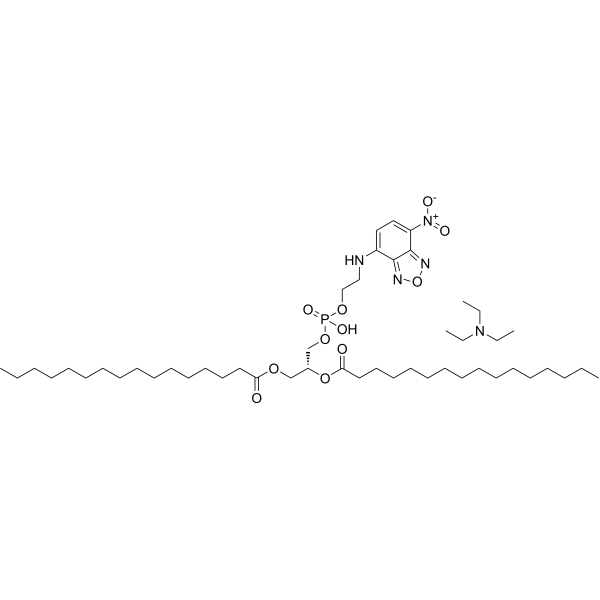
NBD-PE is an effective lipid fluorescent probe (Excitation/Emission: 465/535 nm; Color: Green). NBD-PE offers a wide array of applications in membrane and cell biology .
loading...
    loading...
2
2 Cited Publications
Cat. No.: HY-156404
CAS No.: 1449483-78-6
Purity:  99.04%
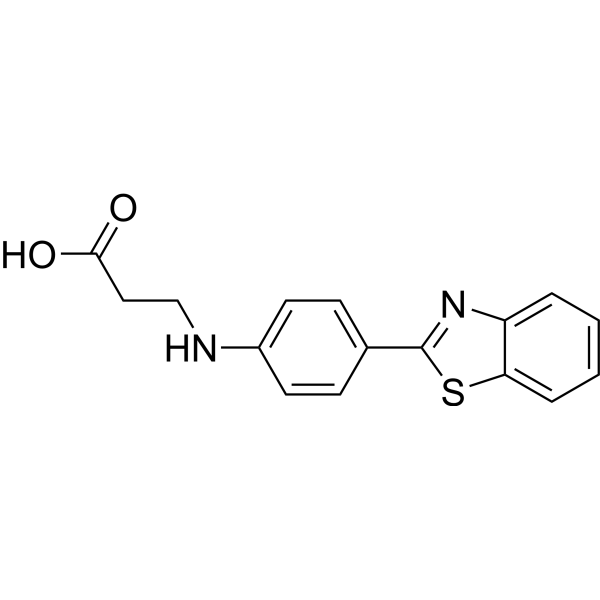
PM-1, a derivative of Thioflavin-T (ThT; HY-D0218), is a small but highly specific plasma membrane (PM) fluorescent dye for specific and long-time membrane imaging of living and fixed cells. PM-1 is embedded directly into the cell membrane and exhibits a very long retention time on the plasma membrane with a half-life of approximately 15 h. PM-1 can be used in combination with protein labeling probes to study ectodomain shedding and endocytosis processes of cell surface proteins .
loading...
    loading...
2
2 Cited Publications
Cat. No.: HY-D0150
CAS No.: 107091-89-4
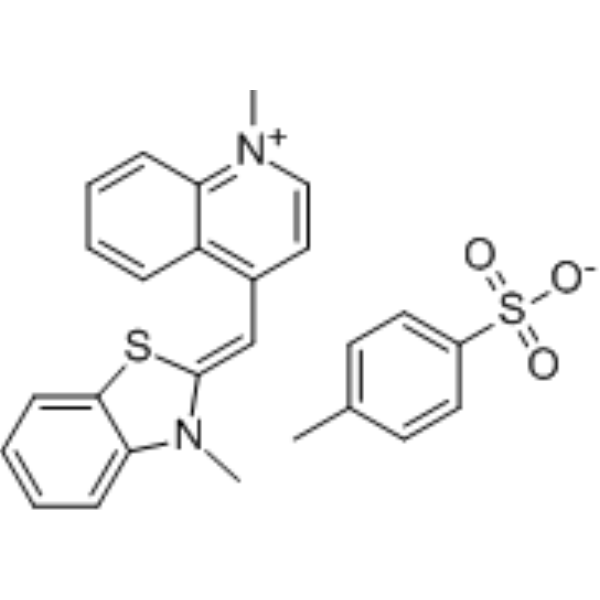
Thiazole Orange is an asymmetric anthocyanin dye that can be coupled with oligonucleotides (ONs) to prepare fluorescent hybridization probes. Thiazole Orange has been widely used in biomolecular detection and staining of DNA/ RNA in gels and can be used for reticulocyte analysis. Thiazole orange generates a significant fluorescence enhancement and high quantum yield when it binds with nucleic acids, especially RNA. Thiazole orange can permeate living cell membranes. Thiazole orange can use UV light for detection, but can also be detected with blue light. The excitation and emission of Thiazole orange are λex = 510 nm (488 nm and 470 nm also show strong excitation) and λem = 527 nm, respectively .
loading...
    loading...
1
1 Cited Publications
Cat. No.: HY-D1428
CAS No.: 797785-10-5
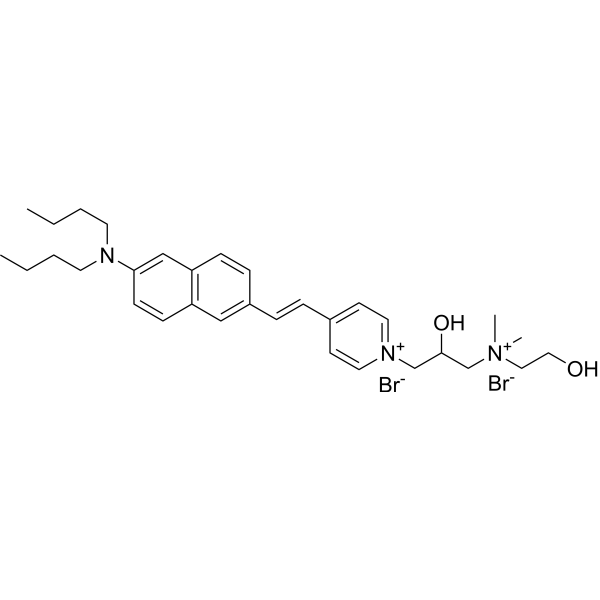
Di-4-ANEPPDHQ is a polarity-sensitive membrane probe with a doubly positive charge that can be used to visualize membrane microdomains in living Arabidopsis cells. Di-4-ANEPPDHQ produces a fluorescence spectrum shift by changing the polarity of the lipid environment after embedding into the cell membrane, thereby quantifying the degree of lipid accumulation. The excitation wavelength of Di-4-ANEPPDHQ is 488 nm, and the emission wavelengths are 560 nm and 650 nm in the liquid ordered and disordered phases, respectively. Di-4-ANEPPDHQ is often used for fluorescence imaging studies of membrane microstructure, lipid order, and membrane tension response in living cells[1][2][3].
loading...
    loading...
1
1 Cited Publications
Cat. No.: HY-D1378
CAS No.: 959839-06-6
Target:  

Fluorescent Dye

Research Areas:  

Others

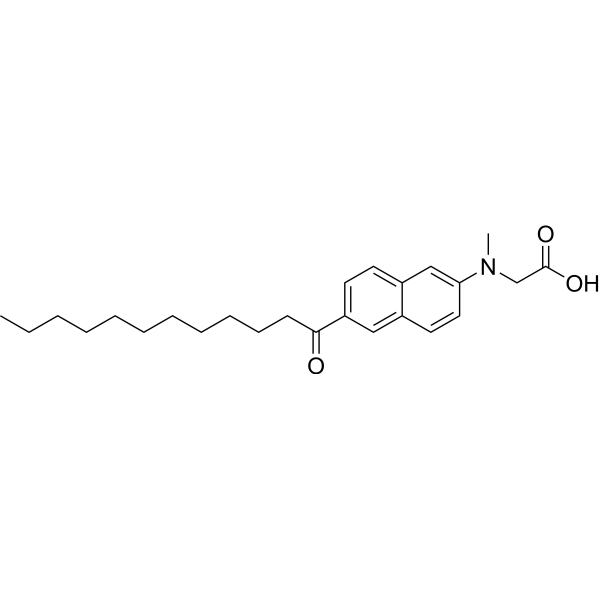
C-Laurdan is a modified Laurdan (HY-D0080) probe that imaging lipid rafts with environmentally sensitive fluorescence. C-Laurdan can be used in research of lipid arrangement and fluidity in biological membranes or artificial lipid membranes .
loading...
    loading...
1
1 Cited Publications
Cat. No.: HY-W127703
CAS No.: 65603-19-2
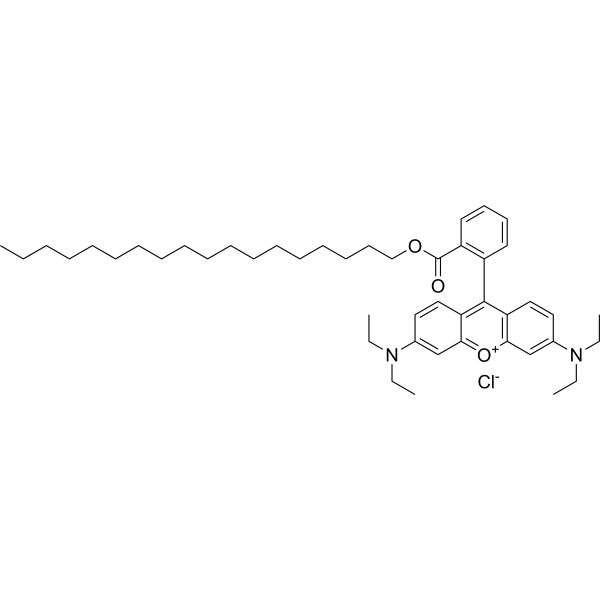
Octadecyl Rhodamine B chloride is an amphiphilic fluorescent probe with both membrane-binding ability and fluorescent properties, which easily forms aggregates in aqueous phase leading to self-quenching. Octadecyl Rhodamine B chloride can be used for cell membrane staining and further applied in membrane biology research. The maximum absorption/emission wavelengths of Octadecyl Rhodamine B chloride monomer in Triton X-100 are 565 nm/585 nm; the absorption peaks of aggregates in water are blue-shifted to 524 nm and 574 nm, with significantly quenched fluorescence .
loading...
    loading...
1
1 Cited Publications
Cat. No.: HY-D1694
CAS No.: 1064123-31-4
LysoTracker Yellow HCK 123 is a potent yellow membrane-permeable fluorescent probe. LysoTracker Yellow HCK 123 is a weakly basic amine that selectively accumulates in cellular compartments with low luminal pH .
loading...
    loading...

