
2110 Results for "

role

" in MedChemExpress (MCE) Product Catalog:
Products (2110)

2110 Results for "role" in MCE Product Catalog:

54
54 Cited Publications
Cat. No.: HY-134541
CAS No.: 2089251-47-6
Purity:  99.97%
Target:  

Liposome

Research Areas:  

Infection

SM-102 is an amino cationic lipid useful in the formation of lipid nanoparticles (LNPs). SM-102 has higher transfection efficiency. SM-102 plays an important role in the effectiveness of lipid nanoparticles (LNPs) in delivering mRNA therapeutics and vaccines .
loading...
    loading...
46
46 Cited Publications
Cat. No.: HY-108882
CAS No.: 9003-98-9
Synonyms: DNase
Target:  

Others

Research Areas:  

Inflammation/Immunology Cancer

DNase I (EC 3.1.21.1) is an enzyme that degrade DNA, it plays a key role in the cleavage of extracellular DNA is crucial for limiting the inflammatory response and maintaining homeostasis. Exogenous deoxyribonuclease shows beneficial effects in inflammatory diseases and cancer .
loading...
    loading...
46
46 Cited Publications
Cat. No.: HY-108882C
CAS No.: 9003-98-9
Target:  

DNA/RNA Synthesis

Research Areas:  

Inflammation/Immunology

DNase I is an enzyme that degrades DNA. DNase I is mainly produced by digestive system organs, such as the pancreas and parotid gland. Three types of DNase I are known in mammals: pancreatic type, parotid type, and pancreatico-parotid type. DNase I plays a key role in the cleavage of extracellular DNA, and is critical for limiting inflammatory responses and maintaining homeostasis. DNase I is responsible for digesting extracellular nucleoproteins, which may be essential for preventing autoimmune reactions. Decreased DNase I activity may be associated with the occurrence and development of systemic lupus erythematosus (SLE). DNase I (filtered) is filtered through a 0.22 μM membrane and is not tested for pyrogenicity .
loading...
    loading...
46
46 Cited Publications
Cat. No.: HY-108882B
CAS No.: 9003-98-9
Target:  

DNA/RNA Synthesis

Research Areas:  

Inflammation/Immunology

DNase I is an enzyme that degrades DNA. DNase I is mainly produced by digestive system organs, such as the pancreas and parotid gland. Three types of DNase I are known in mammals: pancreatic type, parotid type, and pancreatico-parotid type. DNase I plays a key role in the cleavage of extracellular DNA, and is critical for limiting inflammatory responses and maintaining homeostasis. DNase I is responsible for digesting extracellular nucleoproteins, which may be essential for preventing autoimmune responses. Decreased DNase I activity may be associated with the onset and progression of systemic lupus erythematosus (SLE). DNase I (RNase & Protease free) is a molecular biology-grade DNase I purified by chromatography to remove RNase and protease .
loading...
    loading...
39
39 Cited Publications
Cat. No.: HY-100168
CAS No.: 85233-19-8
Purity:  98.10%
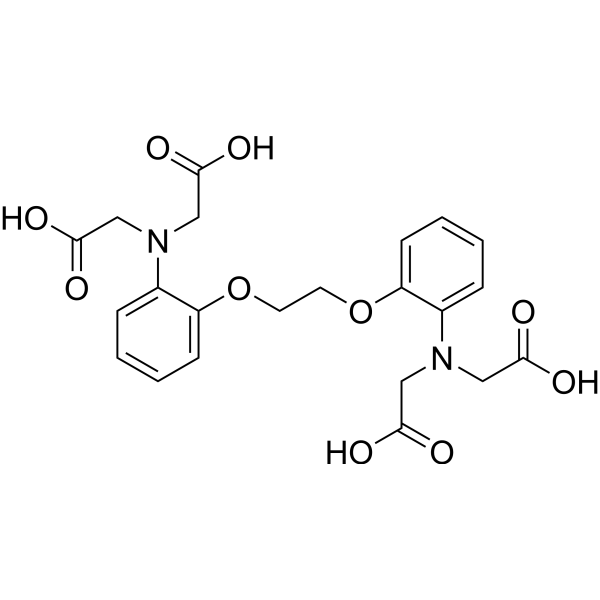
BAPTA is a selective and cell-impermeant chelator for calcium. BAPTA has high selectivity against magnesium and calcium. BAPTA can also inhibit phospholipase C activity independently of their role as Ca 2+ chelators .
loading...
    loading...
39
39 Cited Publications
Cat. No.: HY-100168A
CAS No.: 126824-24-6
Purity:  99.70%
Target:  

Phospholipase

Research Areas:  

Others

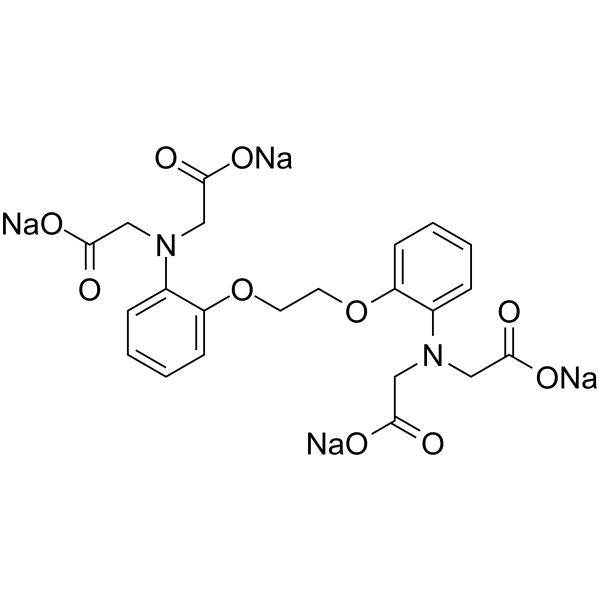
BAPTA tetrasodium is a selective and cell-impermeant chelator for calcium. BAPTA tetrasodium has high selectivity against magnesium and calcium. BAPTA can also inhibit phospholipase C activity independently of their role as Ca 2+ chelators .
loading...
    loading...
39
39 Cited Publications
Cat. No.: HY-100168B
CAS No.: 73630-08-7
Purity:  99.45%
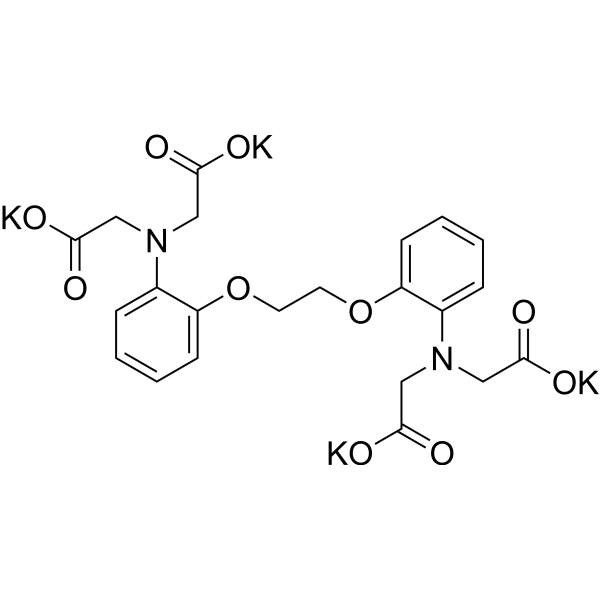
BAPTA tetrapotassium is a selective and cell-impermeant chelator for calcium. BAPTA has high selectivity against magnesium and calcium. BAPTA tetrapotassium can also inhibit phospholipase C activity independently of their role as Ca 2+ chelators .
loading...
    loading...
35
35 Cited Publications
Cat. No.: HY-F0004
CAS No.: 1094-61-7
Synonyms: β-Nicotinamide mononucleotide; β-NM; NMN
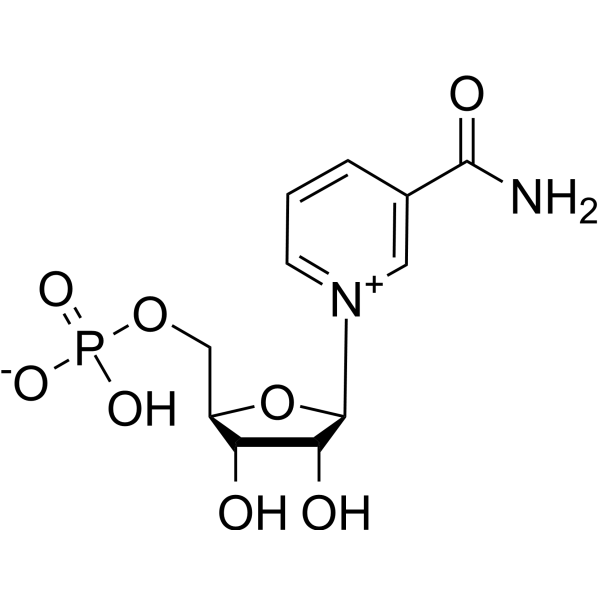
Fosribnicotinamide (β-nicotinamide mononucleotide) is a product of the nicotinamide phosphoribosyltransferase (NAMPT) reaction and a key NAD + intermediate. The pharmacological activities of Fosribnicotinamide include its role in cellular biochemical functions, cardioprotection, diabetes, Alzheimer's disease, and complications associated with obesity .
loading...
    loading...
35
35 Cited Publications
Cat. No.: HY-126304
CAS No.: 154804-51-0
Purity:  ≥98.0%
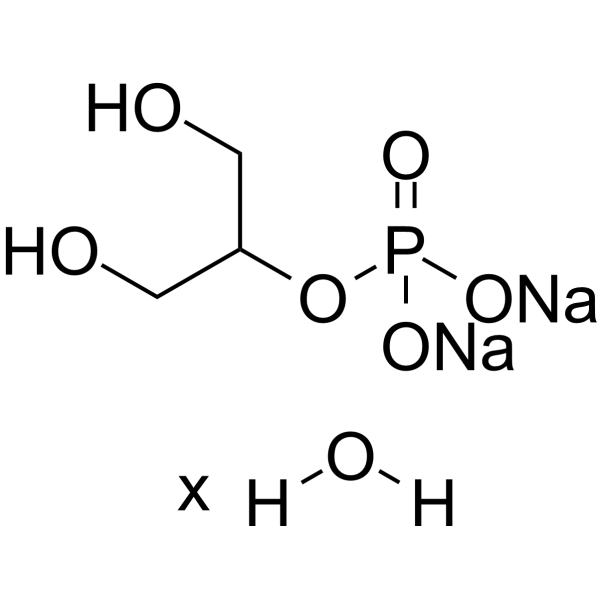
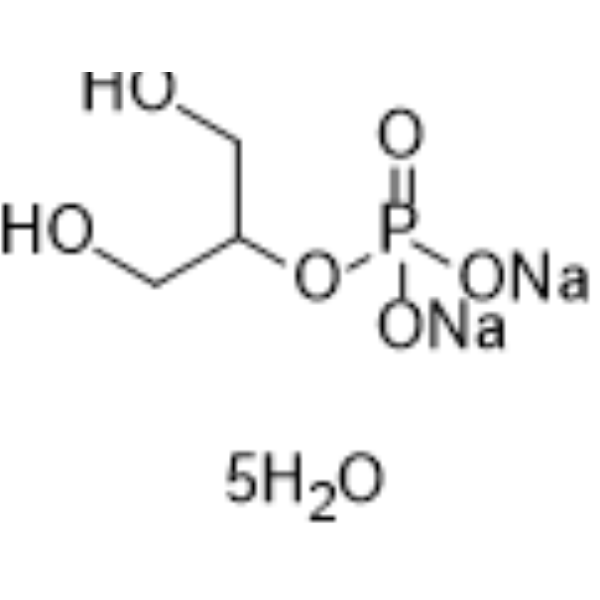
β-Glycerophosphate disodium salt pentahydrate is a bioactive endogenous metabolite and a phosphatase inhibitor. β-Glycerophosphate disodium salt pentahydrate plays an important role in inducing and maintaining osteoblast differentiation, mineral metabolism and signal transduction, and can be used as a drug carrier to form heat-sensitive hydrogels. β-Glycerophosphate disodium salt hydrate accelerates the calcification of vascular smooth muscle cells .
loading...
    loading...
35
35 Cited Publications
Cat. No.: HY-D0886
CAS No.: 13408-09-8
β-Glycerophosphate disodium salt pentahydrate is a bioactive endogenous metabolite and a phosphatase inhibitor. β-Glycerophosphate disodium salt pentahydrate plays an important role in inducing and maintaining osteoblast differentiation, mineral metabolism and signal transduction, and can be used as a drug carrier to form heat-sensitive hydrogels. β-Glycerophosphate disodium salt hydrate accelerates the calcification of vascular smooth muscle cells .
loading...
    loading...
33
33 Cited Publications
Cat. No.: HY-B0282A
CAS No.: 66-23-9
Synonyms: ACh bromide
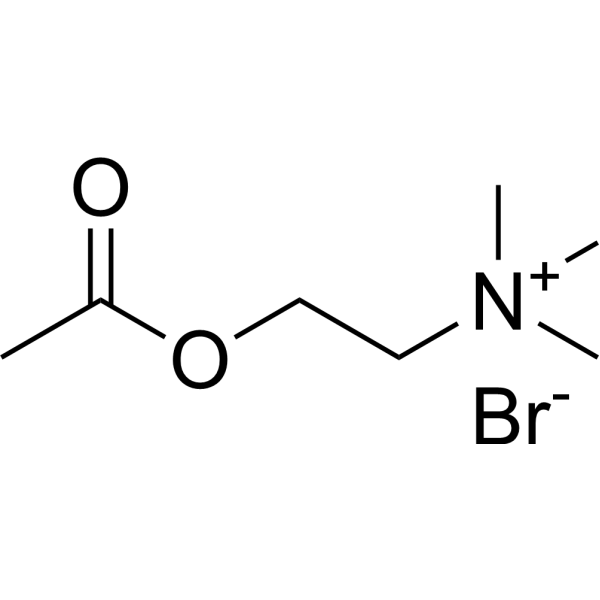
Acetylcholine bromide is an organic choline salt compound commonly used in neurophysiology and pharmacology experiments. It plays an important role in the nervous system, acting as a neurotransmitter that transmits signals and regulates many important physiological functions. Due to its special biological activity, Acetylcholine bromide is widely used in the study of neurotransmitters, nerve damage and muscle movement.
loading...
    loading...
32
32 Cited Publications
Cat. No.: HY-B0451
CAS No.: 51-61-6
Synonyms: ASL279 free base
Dopamine is a catecholamine neurotransmitter that is produced in the substantia nigra, ventral tegmental area, and hypothalamus of the brain. Dopamine plays several important roles in the brain and body . Dopamine acts through D2 dopamine receptors to induce endocytosis of VEGFR2, which is critical for promoting angiogenesis .
loading...
    loading...
32
32 Cited Publications
Cat. No.: HY-B0451A
CAS No.: 62-31-7
Synonyms: ASL279
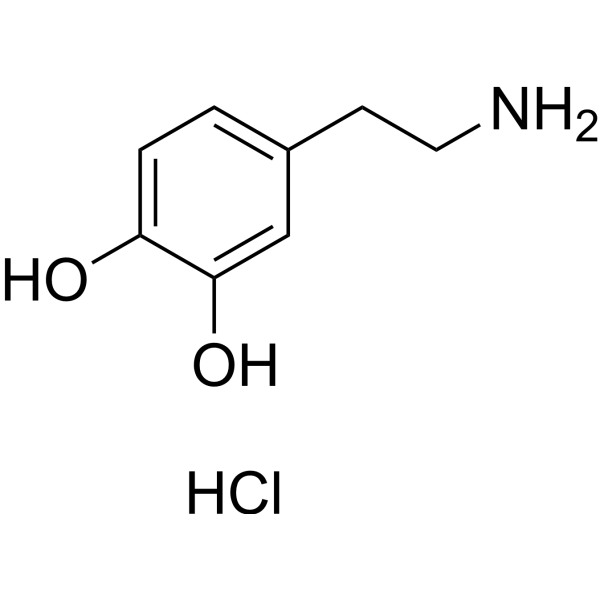
Dopamine hydrochloride (ASL279) is a catecholamine neurotransmitter that is produced in the substantia nigra, ventral tegmental area, and hypothalamus of the brain. Dopamine hydrochloride (ASL279) plays several important roles in the brain and body . Dopamine hydrochloride (ASL279) acts through D2 dopamine receptors to induce endocytosis of VEGFR2, which is critical for promoting angiogenesis .
loading...
    loading...
29
29 Cited Publications
Cat. No.: HY-108434
CAS No.: 2323027-38-7
Purity:  99.68%
Target:  

ATF6

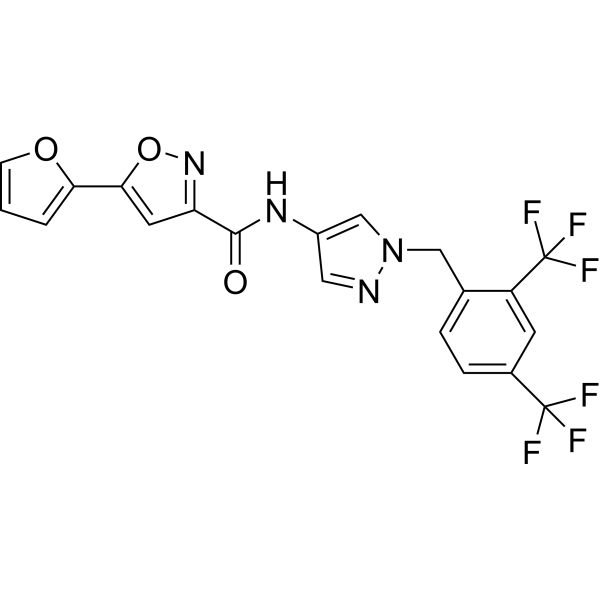
Ceapin-A7 is a selective blocker of ATF6α signaling in response to ER stress, with an IC50 of 0.59 μM. Ceapin-A7 can be used to explore both the mechanism of activation of ATF6α and its role in pathological settings .
loading...
    loading...
25
25 Cited Publications
Cat. No.: HY-B0152
CAS No.: 73-24-5
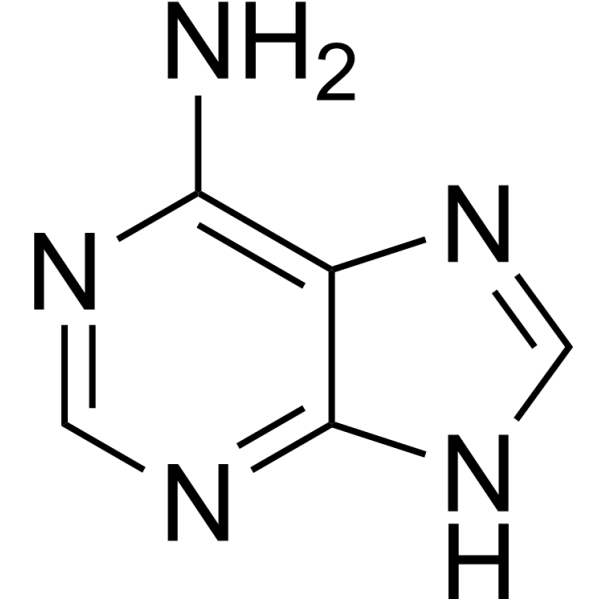
Adenine (6-Aminopurine), a purine, is one of the four nucleobases in the nucleic acid of DNA. Adenine acts as a chemical component of DNA and RNA. Adenine also plays an important role in biochemistry involved in cellular respiration, the form of both ATP and the cofactors (NAD and FAD), and protein synthesis .
loading...
    loading...
25
25 Cited Publications
Cat. No.: HY-B0152A
CAS No.: 2922-28-3
Synonyms: 6-Aminopurine hydrochloride; Vitamin B4 hydrochloride
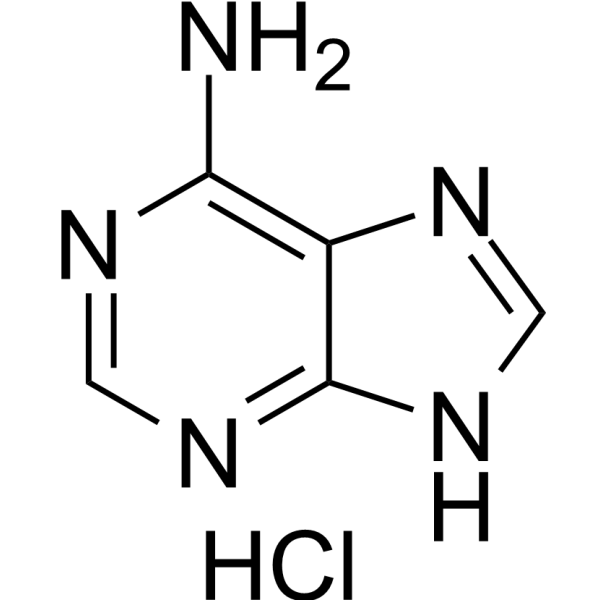
Adenine hydrochloride (6-Aminopurine hydrochloride), a purine, is one of the four nucleobases in the nucleic acid of DNA. Adenine hydrochloride acts as a chemical component of DNA and RNA. Adenine hydrochloride also plays an important role in biochemistry involved in cellular respiration, the form of both ATP and the cofactors (NAD and FAD), and protein synthesis .
loading...
    loading...
25
25 Cited Publications
Cat. No.: HY-B0152B
CAS No.: 321-30-2
Synonyms: 6-Aminopurine hemisulfate; Vitamin B4 hemisulfate
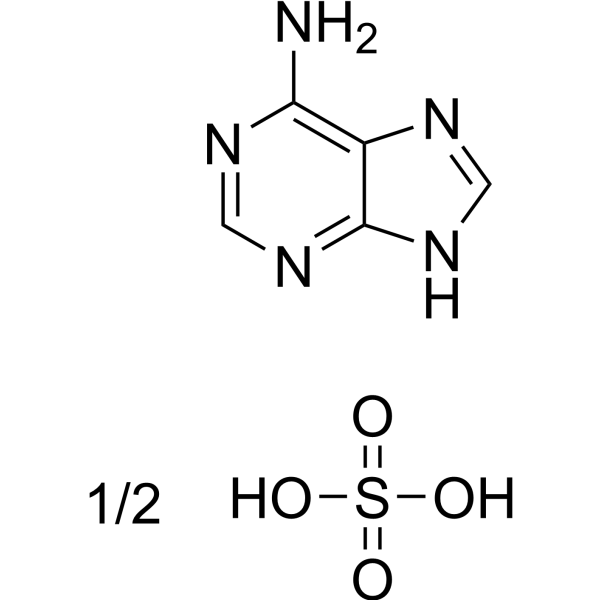
Adenine hemisulfate (6-Aminopurine hemisulfate), a purine, is one of the four nucleobases in the nucleic acid of DNA. Adenine hemisulfate acts as a chemical component of DNA and RNA. Adenine hemisulfate also plays an important role in biochemistry involved in cellular respiration, the form of both ATP and the cofactors (NAD and FAD), and protein synthesis .
loading...
    loading...
25
25 Cited Publications
Cat. No.: HY-W015213
CAS No.: 6055-72-7
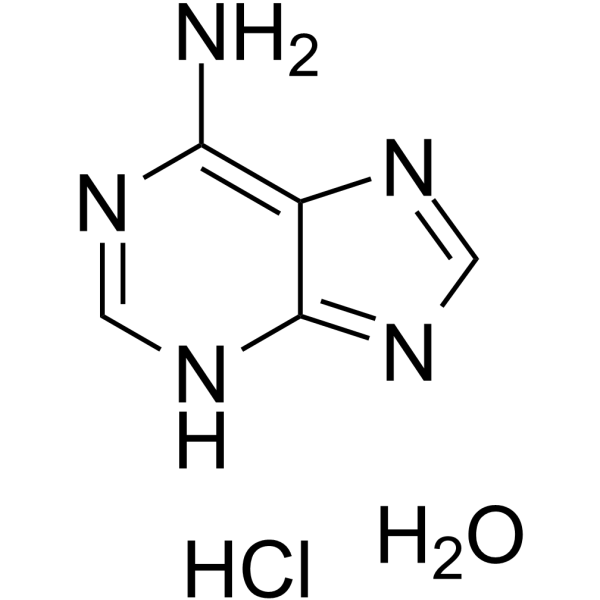
Adenine monohydrochloride hemihydrate is a hydrochloride derivative of Adenine. Adenine (6-Aminopurine), a purine, is one of the four nucleobases in the nucleic acid of DNA. Adenine acts as a chemical component of DNA and RNA. Adenine also plays an important role in biochemistry involved in cellular respiration, the form of both ATP and the cofactors (NAD and FAD), and protein synthesis .
loading...
    loading...
25
25 Cited Publications
Cat. No.: HY-B0617
CAS No.: 29908-03-0
Synonyms: S-Adenosyl methionine; Ademetionine; AdoMet
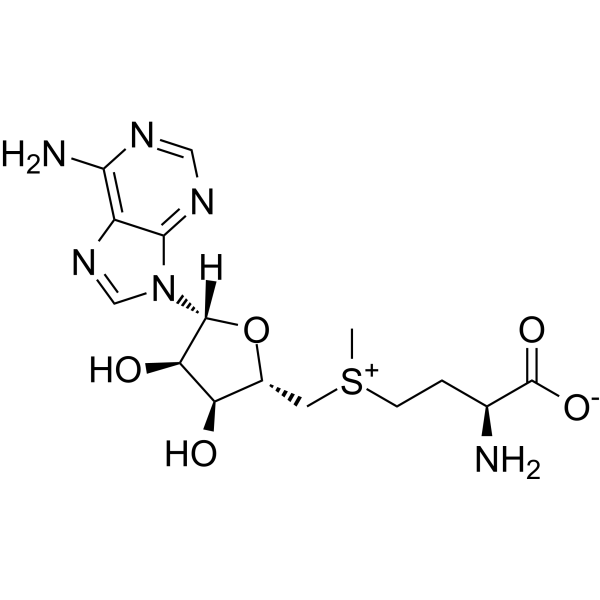
S-Adenosyl-L-methionine (S-Adenosyl methionine) is an orally active methyl group donor. S-Adenosyl-L-methionine is a dietary supplement with potent antidepressant effects. S-Adenosyl-L-methionine also has anti‑proliferative, pro‑apoptotic and anti‑metastatic roles in cancers. S-Adenosyl-L-methionine has the potential for, cancer, liver disease and osteoarthritis research .
loading...
    loading...
24
24 Cited Publications
Cat. No.: HY-W017770
CAS No.: 97540-22-2
Synonyms: Ademetionine disulfate tosylate; S-Adenosyl methionine disulfate tosylate; AdoMet disulfate tosylate
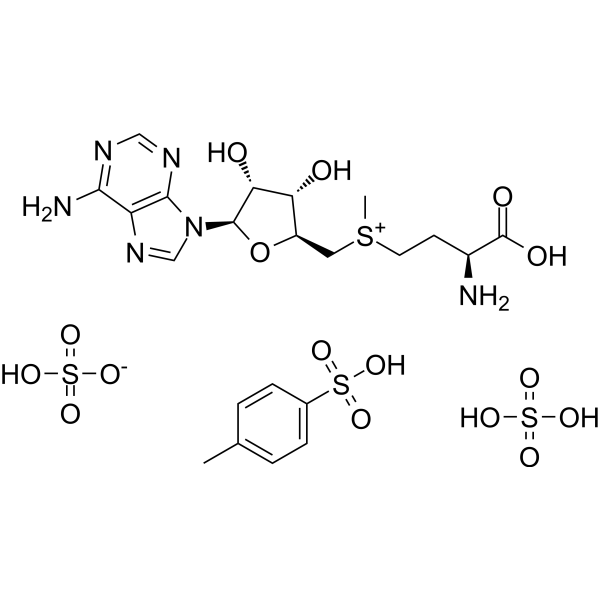
S-Adenosyl-L-methionine (Ademetionine) disulfate tosylate is the disulfate tosylate form of S-Adenosyl-L-methionine (HY-B0617). S-Adenosyl-L-methionine disulfate tosylate is an orally active methyl group donor. S-Adenosyl-L-methionine disulfate tosylate is a dietary supplement with potent antidepressant effects. S-Adenosyl-L-methionine disulfate tosylate also has anti‑proliferative, pro‑apoptotic and anti‑metastatic roles in cancers. S-Adenosyl-L-methionine disulfate tosylate has the potential for, cancer, liver disease and osteoarthritis research .
loading...
    loading...

