
122 Results for "

fever

" in MedChemExpress (MCE) Product Catalog:
Products (122)

122 Results for "fever" in MCE Product Catalog:

1
1 Cited Publications
Cat. No.: HY-113308AS
CAS No.: 2410279-97-7
Purity:  99.4%
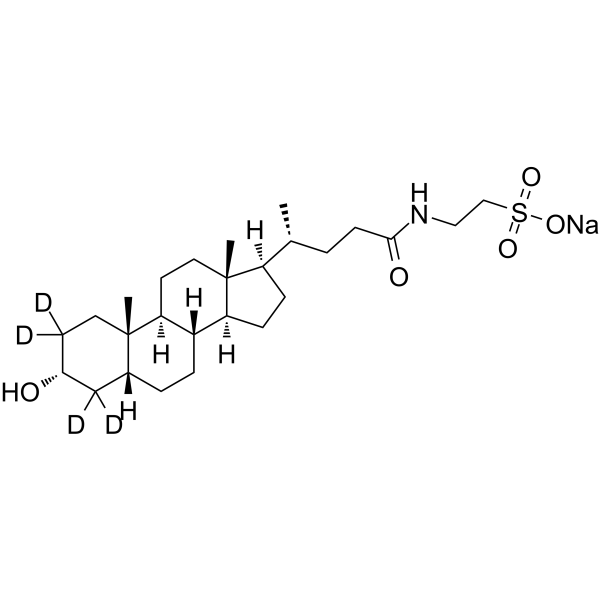
Taurolithocholic acid-d4 (sodium) is the deuterium labeled Taurolithocholic acid (sodium salt). Taurolithocholic acid sodium is an orally active bile acid and antiviral agent. Taurolithocholic acid sodium upregulates FADS2 by activating the TGR5-PI3K/AKT-SREBP2 signaling axis, inhibits SFTSV-induced ferroptosis, viral replication and viral entry of HBV/HDV, while reducing the release of IL-1β, lipid ROS and LDH. While exerting antiviral protective effects, Taurolithocholic acid sodium also stimulates the recycling of hepatocellular membrane transporters, impairs canalicular bile acid secretion function, and induces hepatocyte cholestasis, apoptosis and acute hepatocellular injury. Taurolithocholic acid sodium serves as an experimental model compound for hepatocellular cholestasis. At concentrations ≤200 μM, Taurolithocholic acid sodium shows no cytotoxicity and does not activate the interferon pathway. Taurolithocholic acid sodium not only protects mice from lethal SFTSV infection but also is suitable for studies related to severe fever with thrombocytopenia syndrome and cholestasis .
loading...
    loading...
1
1 Cited Publications
Cat. No.: HY-113308S1
CAS No.: 2410279-96-6
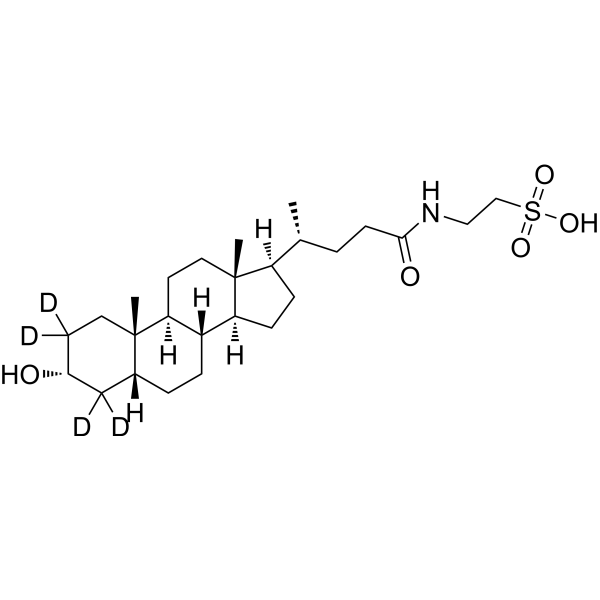
Taurolithocholic acid-d4 is deuterium labeled Taurolithocholic acid. Taurolithocholic acid is an orally active bile acid and antiviral agent. Taurolithocholic acid upregulates FADS2 by activating the TGR5-PI3K/AKT-SREBP2 signaling axis, inhibits SFTSV-induced ferroptosis, viral replication and viral entry of HBV/HDV, while reducing the release of IL-1β, lipid ROS and LDH. While exerting antiviral protective effects, Taurolithocholic acid also stimulates the recycling of hepatocellular membrane transporters, impairs canalicular bile acid secretion function, and induces hepatocyte cholestasis, apoptosis and acute hepatocellular injury. Taurolithocholic acid serves as an experimental model compound for hepatocellular cholestasis. At concentrations ≤200 μM, Taurolithocholic acid shows no cytotoxicity and does not activate the interferon pathway. Taurolithocholic acid not only protects mice from lethal SFTSV infection but also is suitable for studies related to severe fever with thrombocytopenia syndrome and cholestasis .
loading...
    loading...
Cat. No.: HY-W096171
CAS No.: 5796-17-8
Synonyms: 3-Hydroxy-D-tyrosine
Target:  

Carboxypeptidase

Research Areas:  

Infection Neurological Disease

D-Dopa (3-Hydroxy-D-tyrosine) is a potent, orally active, non-competitive and allosteric inhibitor of glutamate carboxypeptidase II (GCPII) with an IC50 of 200 nM. D-Dopa elevates brain dopamine and produce turning behavior in rats. D-Dopa inhibit severe fever with thrombocytopenia syndrome (SFTS) virus infection. D-Dopa can be used for neurological disease and virus infection research .
loading...
    loading...
Cat. No.: HY-NP002B
CAS No.: 9048-46-8
Synonyms: Rabbit Serum Albumin
RSA Protein (Rabbit) (Rabbit Serum Albumin) is a plasma protein derived from rabbits. Rabbit Serum Albumin can hydrolyze the carbamate pesticide carbaryl and induce fever in rabbits. Rabbit Serum Albumin can be used for biochemical and immunological research, including vaccine developing .
loading...
    loading...
Cat. No.: HY-135731
CAS No.: 519-98-2
Purity:  99.80%
Target:  

COX Drug Metabolite

Research Areas:  

Inflammation/Immunology

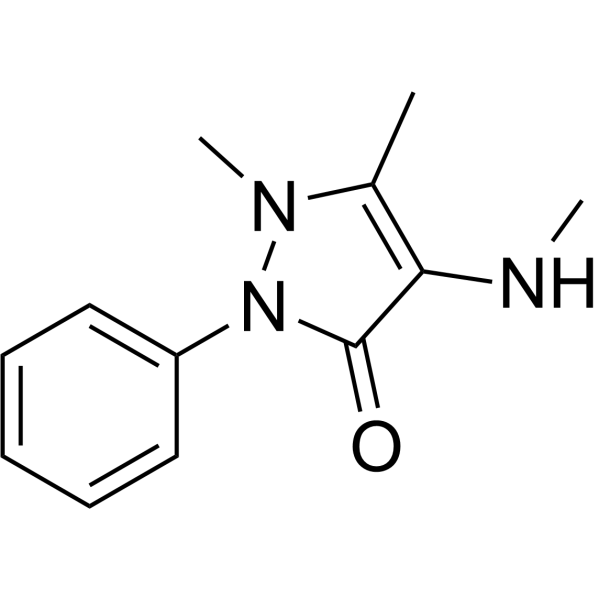
4-Methylamino antipyrine is an active metabolite of Metamizole. Metamizole is a pyrazolone non-steroidal anti-inflammatory drug (NSAID) and inhibits COX. Metamizole is an nonopioid analgesic agent and can be used for pain and fever . 4-Methylamino antipyrine has analgesic, antipyretic, and relatively weak antiinflammatory properties .
loading...
    loading...
Cat. No.: HY-B0641
CAS No.: 5728-52-9
Synonyms: 4-Biphenylacetic acid
Target:  

COX

Research Areas:  

Inflammation/Immunology

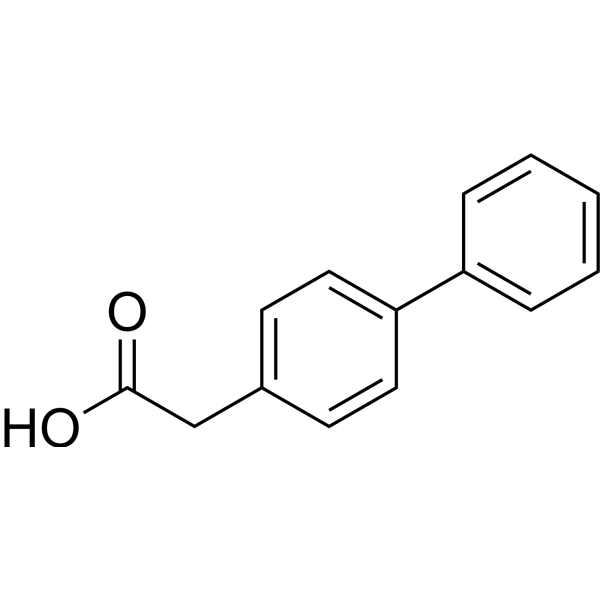
Felbinac is a metabolite of fenbufen, an orally active nonsteroidal anti-inflammatory agent and a cyclooxygenase (COX) inhibitor with an IC50 of 865.68 nM for COX1 and 976 nM for COX2. Felbinac reduces the production of prostaglandins by inhibiting COX to relieve pain, reduce inflammation and reduce fever. Felbinac can inhibit CHIKV viral activity .
loading...
    loading...
Cat. No.: HY-B0970
CAS No.: 132-18-3
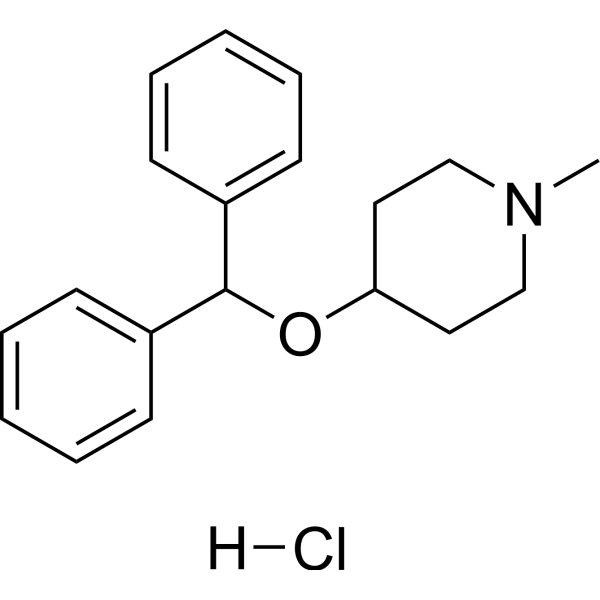
Synonyms: 4-Diphenylmethoxy-1-methylpiperidine hydrochloride
Target:  

Histamine Receptor

Research Areas:  

Neurological Disease Endocrinology

Diphenylpyraline hydrochloride is a potent histamine H1?receptor antagonist. Diphenylpyraline hydrochloride acts as an orally active antihistamine agent?with antimuscarinic and antiallergic effects. Diphenylpyraline hydrochloride can be used for the relief of allergic conditions including rhinitis and hay fever, and in pruritic skin disorders in vivo.
loading...
    loading...
Cat. No.: HY-129724A
CAS No.: 2828433-34-5
Synonyms: ACTH-(11-13) acetate; Lys-Pro-Val acetate; H-Lys-Pro-Val-OH acetate
α-MSH (11-13) (ACTH-(11-13)) acetate is a C-terminal tripeptide of α-MSH that can cross the blood-brain barrier. α-MSH (11-13) acetate exhibits antipyretic, anti-inflammatory, and antibacterial activities. α-MSH (11-13) acetate also exerts neuroprotective effects after traumatic brain injury by inhibiting excessive activation of microglia and reducing neuronal apoptosis. α-MSH (11-13) acetate can be used in research related to traumatic brain injury, fever, and bacterial infections .
loading...
    loading...
Cat. No.: HY-Y0442
CAS No.: 529-20-4
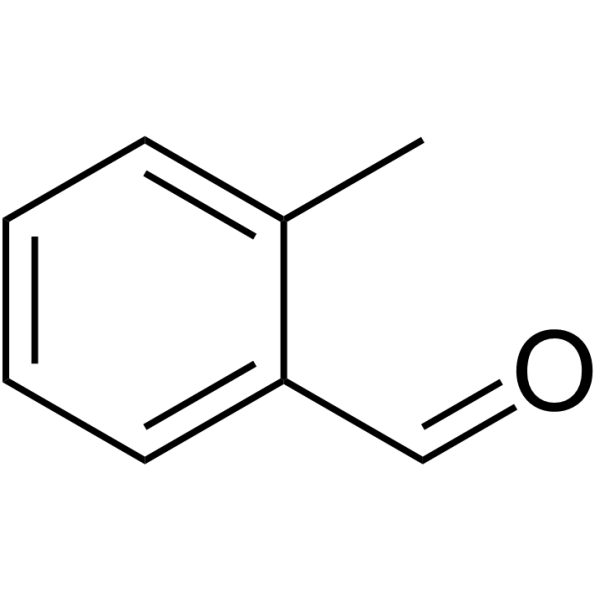
2-Methylbenzaldehyde is an acaricide found in Morinda officinalis. 2-Methylbenzaldehyde exerts fumigant and contact acaricidal activity against Dermatophagoides farinae, Dermatophagoides pteronyssinus, and Haemaphysalis longicornis. 2-Methylbenzaldehyde can be used for the research of severe fever with thrombocytopenia syndrome .
loading...
    loading...
Cat. No.: HY-N1479
CAS No.: 1260-04-4
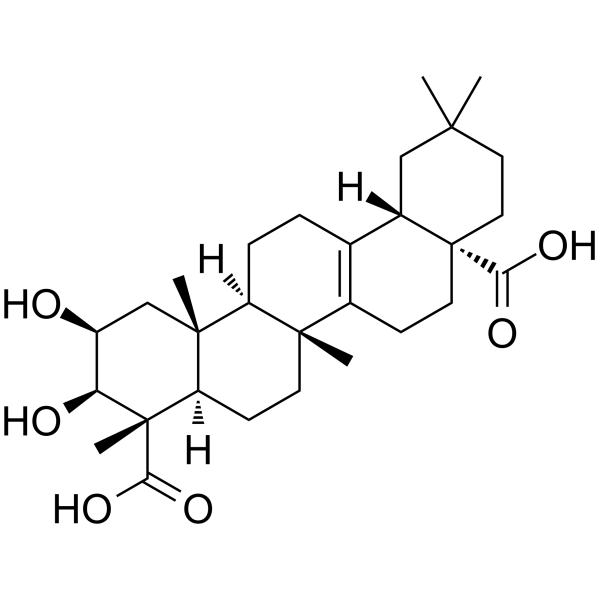
Polygalic acid is a polyphenolic acid with neuroprotective effects, and also an inhibitor of African swine fever virus polymerase (AsfvPolX), with an IC50 value of 5.05 μM. Polygalic acid alleviates neuroinflammation by regulating cholinergic activity, and its fecal level decreases in diseased mice. Polygalic acid can be used in research related to painful diabetic peripheral neuropathy complicated with cognitive impairment and African swine fever .
loading...
    loading...
Cat. No.: HY-N7252
CAS No.: 486-55-5
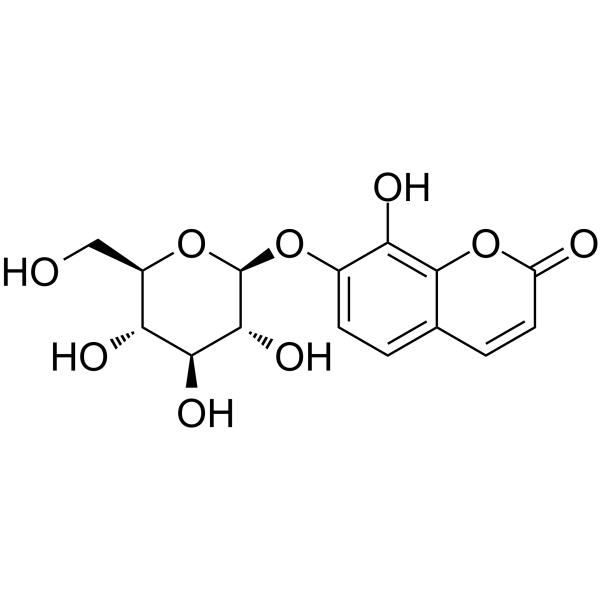
Daphnin is one of the major coumarin bioactive components with antibacterial activity. Daphnin is isolated from the whole herb of Daphne odora (Thunb.), which is a folk medicine in China for the relief of fever .
loading...
    loading...
Cat. No.: HY-124871
CAS No.: 554438-52-7
Purity:  99.87%
Target:  

Arenavirus

Research Areas:  

Infection

LASV-IN-1 is a Lassa fever virus (LASV) inhibitor. LASV-IN-1 binds with LASV glycoprotein (GP) and promotes virus membrane fusion and infection. LASV-IN-1 can be used for LASV infection research .
loading...
    loading...
Cat. No.: HY-103487
CAS No.: 1496551-77-9
Purity:  99.20%
Synonyms: IDX21437; MK-3682
Target:  

HCV

Research Areas:  

Infection

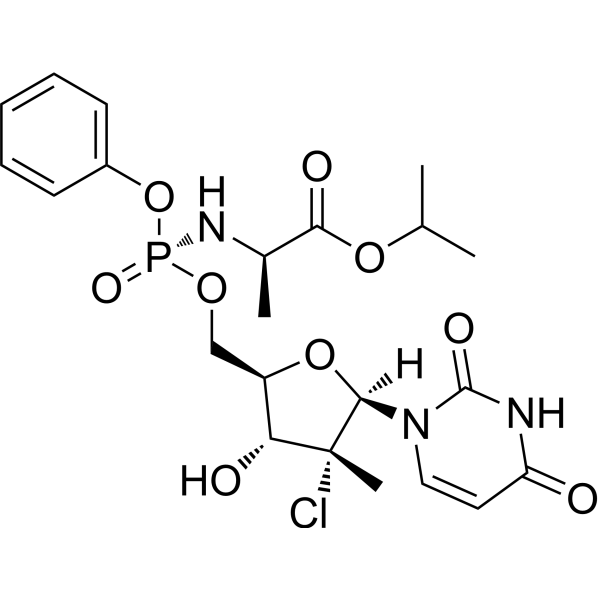
Uprifosbuvir (IDX21437; MK-3682) is a nucleotide analog inhibitor that inhibits YFV NS5 RNA-dependent RNA polymerase (RNA polymerase) and HCV NS5b. Uprifosbuvir can be used for research on yellow fever and chronic hepatitis C virus (HCV) infection .
loading...
    loading...
Cat. No.: HY-129724
CAS No.: 67727-97-3
Synonyms: ACTH-(11-13); Lys-Pro-Val; H-Lys-Pro-Val-OH
α-MSH (11-13) (ACTH-(11-13)) is a C-terminal tripeptide of α-MSH that can cross the blood-brain barrier. α-MSH (11-13) exhibits antipyretic, anti-inflammatory, and antibacterial activities. α-MSH (11-13) also exerts neuroprotective effects after traumatic brain injury by inhibiting excessive activation of microglia and reducing neuronal apoptosis. α-MSH (11-13) can be used in research related to traumatic brain injury, fever, and bacterial infections .
loading...
    loading...
Cat. No.: HY-N3388
CAS No.: 66056-30-2
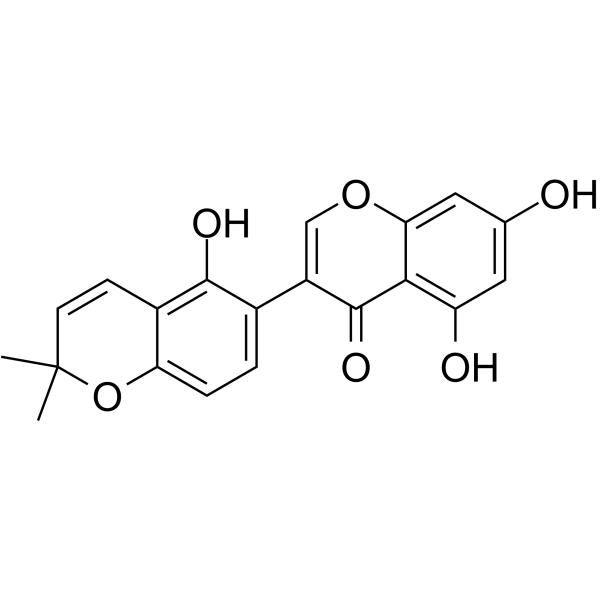
Licoisoflavone B is an orally active flavonoid found in licorice. Licoisoflavone B alleviates psoriasis via SCD1-targeted lipid metabolism reprogramming and suppression of Th17/IL-17-mediated inflammation. Licoisoflavone B inhiibits superoxide anion generation and superoxide anion-induced lipid peroxidation. Licoisoflavone B binds tightly to Lassa virus nucleoprotein and can be used as a nucleoprotein antagonist of Lassa virus. Licoisoflavone B exhibits anti-mutagenic activity
against carcinogenic mutagen, by preventing DNA damage. Licoisoflavone B can be used for the research of psoriasis, Lassa fever, inflammation and cancer .
loading...
    loading...
Cat. No.: HY-124662
CAS No.: 1447464-73-4
Purity:  ≥96.0%
Research Areas:  

Infection

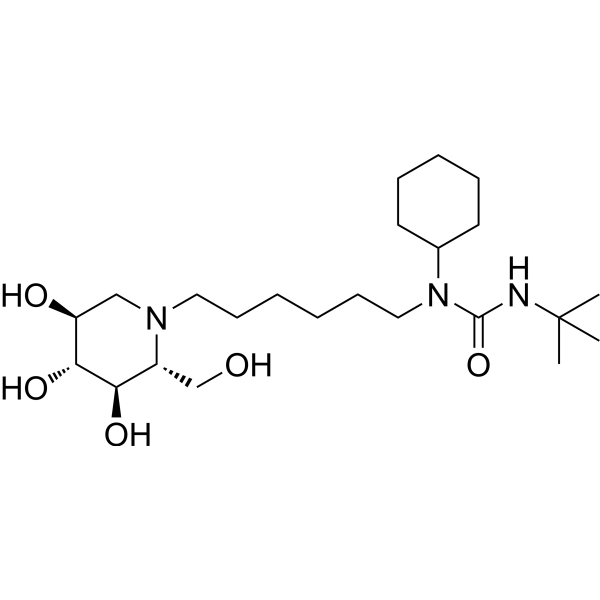
IHVR-19029 is a potent endoplasmic reticulum (ER) α-glucosidases I and II inhibitor, with an IC50 of 0.48 μM for ER a-glucosidase I. IHVR-19029 efficiently blocks the replication of several hemorrhagic fever viruses, such as Dengue virus (DENV), Ebola virus (EBOV) and Rift Valley fever virus. The combination of IHVR-19029 with Favipiravir (HY-14768) improves the antiviral efficacy .
loading...
    loading...
Cat. No.: HY-B2031R
CAS No.: 95737-68-1
Synonyms: S-31183 (Standard)
Research Areas:  

Infection

Pyriproxyfen (S-31183) (Standard) is the analytical standard of Pyriproxyfen. This product is intended for research and analytical applications. Pyriproxyfen is a juvenile hormone analog and insect growth regulator. Pyriproxyfen is used in research related to dengue fever and malaria .
loading...
    loading...
Cat. No.: HY-W121901
CAS No.: 41945-43-1
Synonyms: (S)-Naproxen-β-D-glucuronide
Target:  

COX

Research Areas:  

Inflammation/Immunology

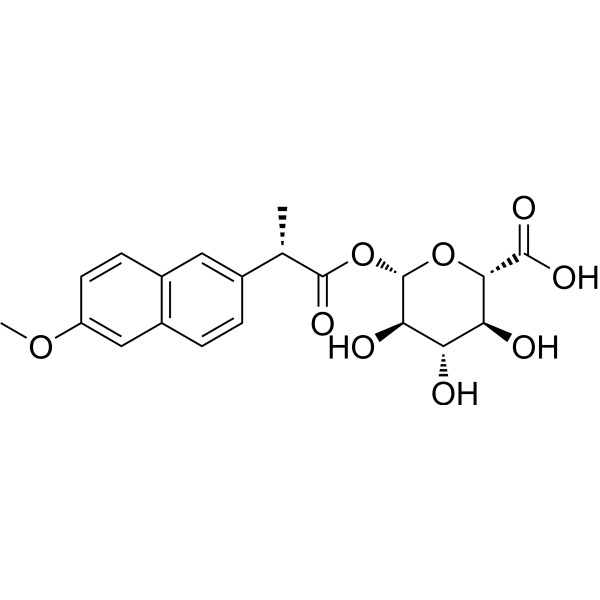
Naproxen glucuronide ((S)-Naproxen-β-D-glucuronide) is a non-selective COX inhibitor. Naproxen glucuronide, a metabolite of naproxen, is a nonsteroidal anti-inflammatory drug (NSAID) of the propionic acid class (the same as ibuprofen) that relieves pain, fever, swelling, and stiffness .
loading...
    loading...
Cat. No.: HY-P99436
CAS No.: 1370261-50-9
Synonyms: ABR-214936
Anatumomab mafenatox (ABR-214936) is a 73 KDa recombinant protein to recognize the tumor-associated antigen 5T4, which is widely expressing in malignancy. Anatumomab mafenatox is between a modified form of SEA and a murine Fab. The main side effects of Anatumomab mafenatox are reported to include fever, low blood pressure, pain, nausea and drowsiness .
loading...
    loading...
Cat. No.: HY-N11665
CAS No.: 1017237-81-8
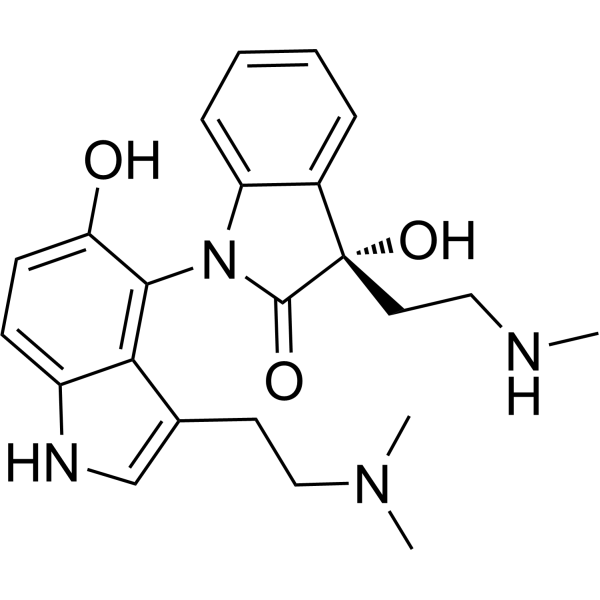
Donasine, indole alkaloid, is a nature product with effect of reducing fever. Donasine can be isolated from the rhizomes of Arundo donax L .
loading...
    loading...

