476 Results for "

nerve

" in MedChemExpress (MCE) Product Catalog:
Products (476)

476 Results for "nerve" in MCE Product Catalog:

2
2 Cited Publications
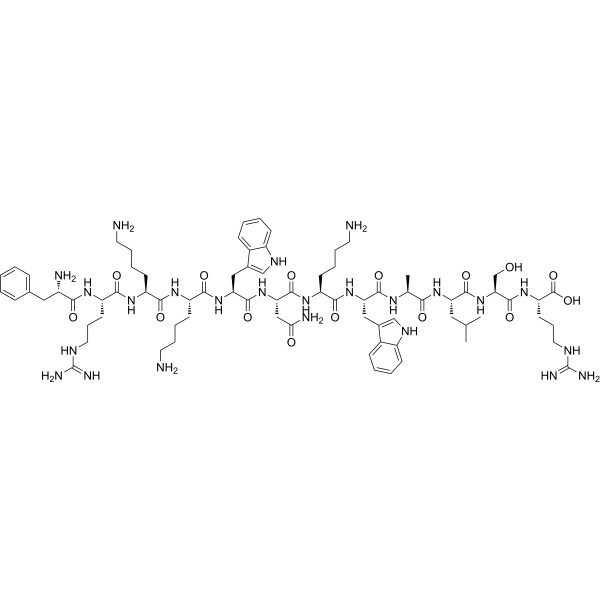
Cat. No.: HY-P3419
CAS No.: 929905-12-4
PAMP-12 (unmodified) is an endogenous peptide and is a MrgX2 agonist. PAMP-12 (unmodified) can reduce cAMP accumulation, increase Ca 2+ levels, enhance beta-arrestin recruitment, decrease IP-1, and increases phosphoERK. PAMP-12 (unmodified) can elicit hypotension through inhibiting catecholamine secretion from sympathetic nerve endings and adrenal chromaffin cells. PAMP-12 (unmodified) can be used for the research of hypotension and ulcerative colitis .
loading...
    loading...
2
2 Cited Publications
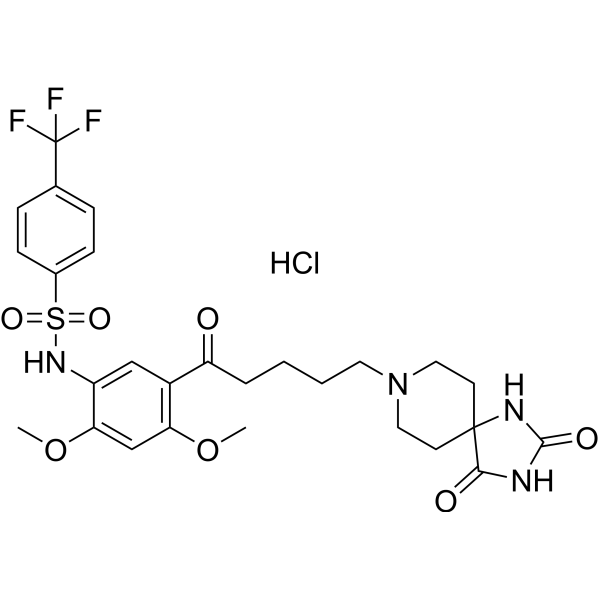
Cat. No.: HY-101365A
CAS No.: 187397-18-8
Purity:  99.33%
Target:  

5-HT Receptor

Research Areas:  

Neurological Disease

RS-102221 hydrochloride is a selective 5-HT2C receptor antagonist (Ki=10 nM). RS-102221 hydrochloride shows nearly 100-fold selectivity for the 5-HT2C receptor as compared to the 5-HT2A and 5-HT2B receptors. RS-102221 hydrochloride can promote the differentiation of new nerve cells. RS-102221 hydrochloride increases food-intake and weight-gain in rats .
loading...
    loading...
2
2 Cited Publications
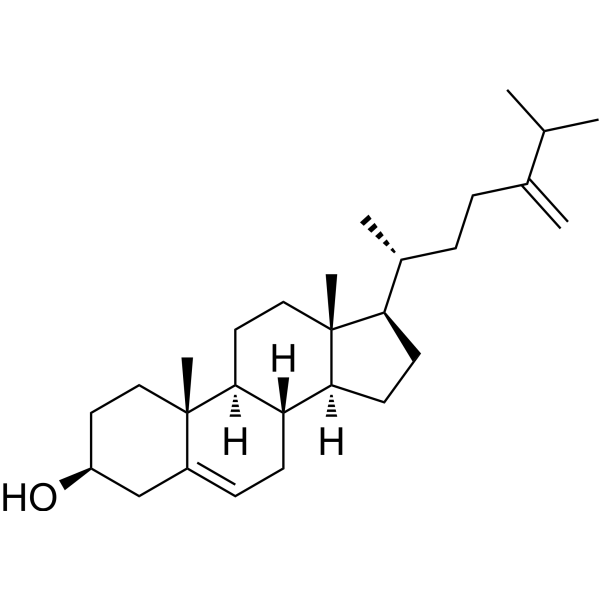
Cat. No.: HY-133968
CAS No.: 474-63-5
Purity:  99.48%
Synonyms: Ostreasterol
24-Methylenecholesterol (Ostreasterol) is a regulator targeting acyl-CoA cholesterol acyltransferase (ACAT) with anti-aging and neuroprotective effects. 24-Methylenecholesterol mimics the effects of nerve growth factor (NGF), can extend yeast lifespan through an anti-oxidative stress mechanism, and exhibits neuroprotective activity in PC12 cells. 24-Methylenecholesterol can reduce intracellular reactive oxygen species (ROS) and malondialdehyde (MDA) levels, activate anti-oxidative stress pathways (such as UTH1, SOD-related genes), and promote synaptic growth .
loading...
    loading...
2
2 Cited Publications
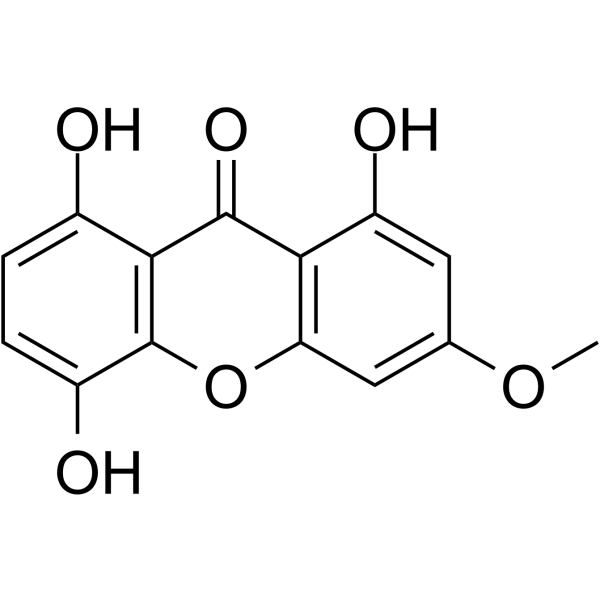
Cat. No.: HY-N2000
CAS No.: 2798-25-6
Bellidifolin is an orally active compound with antiproliferative, anti-inflammatory and antioxidant properties. Bellidifolin modulates key signaling pathways including STAT3, PI3K-Akt, mTOR and BRD4, and inhibits the viral protein R (Vpr). Bellidifolin induces cell cycle arrest and apoptosis, exerts significant antifibrotic effects, and protects the heart, liver and nervous system. Bellidifolin is applicable to the research of various diseases such as lung cancer, non-alcoholic fatty liver disease, myocardial hypertrophy and ischemic cranial nerve injury .
loading...
    loading...
2
2 Cited Publications
Cat. No.: HY-B0197
CAS No.: 121679-13-8
Synonyms: GR-85548A
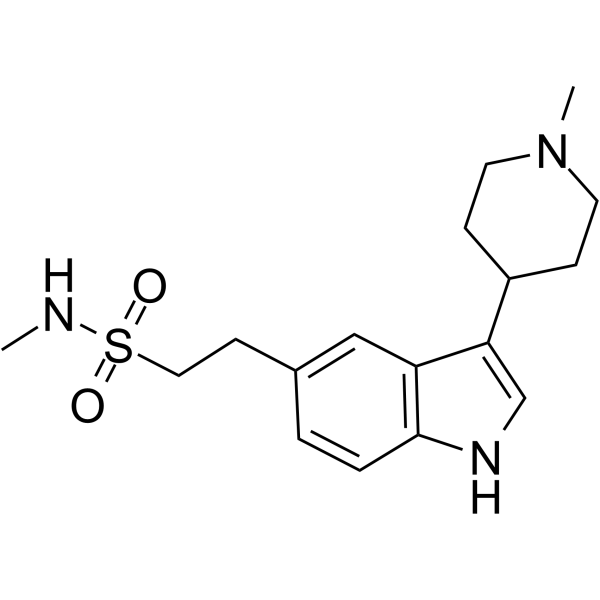
Naratriptan is an orally active and selective 5-HT1B/1D receptor agonist. Naratriptan is peripherally active and has good oral bioavailability, inducing cranial artery vasoconstriction by activating 5-HT1B/1D receptors (EC50=0.11 μM for dog basilar artery). Naratriptan also inhibits trigeminal nerve-mediated dural neurogenic plasma extravasation and reduces sterile inflammation. Naratriptan is mainly used in the research of acute migraine, targeting cranial vascular and neuroinflammatory mechanisms .
loading...
    loading...
2
2 Cited Publications
Cat. No.: HY-B0197A
CAS No.: 143388-64-1
Synonyms: GR-85548A hydrochloride
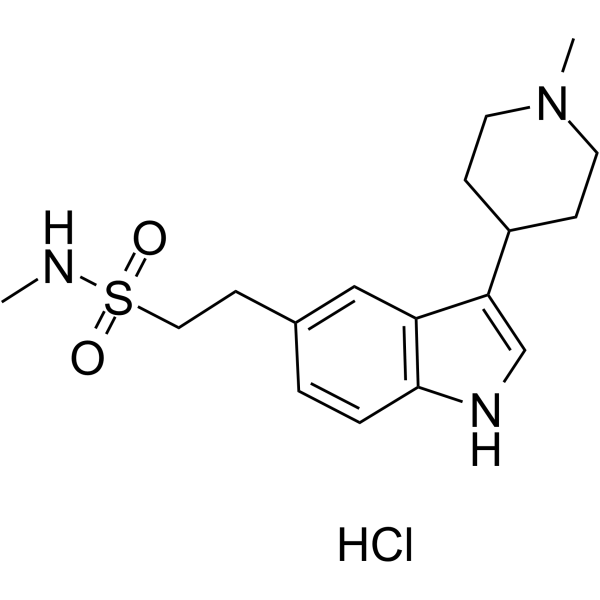
Naratriptan (GR-85548A) hydrochloride is a selective 5-HT1B/1D receptor agonist. Naratriptan hydrochloride is peripherally active and has good oral bioavailability, inducing cranial artery vasoconstriction by activating 5-HT1B/1D receptors (EC50=0.11 μM for dog basilar artery). Naratriptan hydrochloride also inhibits trigeminal nerve-mediated dural neurogenic plasma extravasation and reduces sterile inflammation. Naratriptan hydrochloride is mainly used in the research of acute migraine, targeting cranial vascular and neuroinflammatory mechanisms .
loading...
    loading...
2
2 Cited Publications
Cat. No.: HY-N5063
CAS No.: 147331-98-4
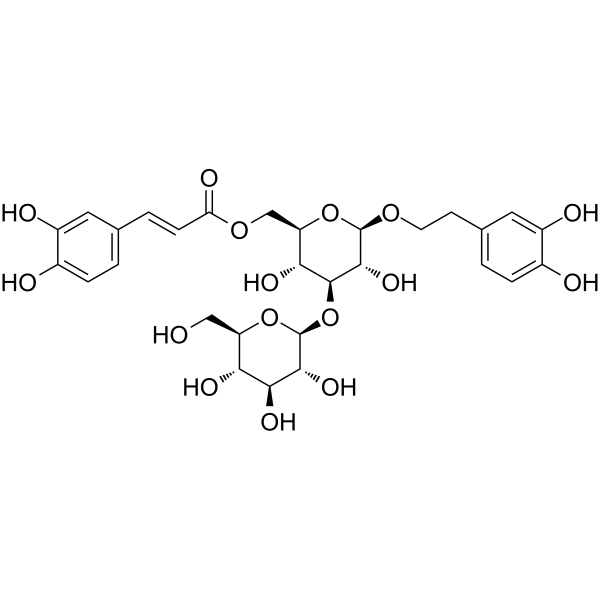
Plantainoside D, a phenylethanoid glycosides, is a IKK-β inhibitor with diverse biological activities. Plantainoside D shows inhibitory activity of angiotensin-converting enzyme (ACE) with an IC50 of 2.17 mM. Plantainoside D significantly reduces the release of glutamate from nerve terminals in the cerebral cortex of rats by inhibiting the voltage-dependent calcium channel (VDCCs) and protein kinase C (PKC) signaling cascade. Plantainoside D significantly alleviates cell apoptosis by inhibiting the generation of ROS and the activation of NF-κB. Plantainoside D significantly improves acute lung injury (ALI) induced by sepsis by regulating the Sirt3/NLRP3 signaling pathway. Plantainoside D can be used for the study of neuroprotection, antioxidant, anti-inflammation, antihypertension .
loading...
    loading...
2
2 Cited Publications
Cat. No.: HY-101448
CAS No.: 287403-39-8
Purity:  99.59%
Synonyms: WAY-171318
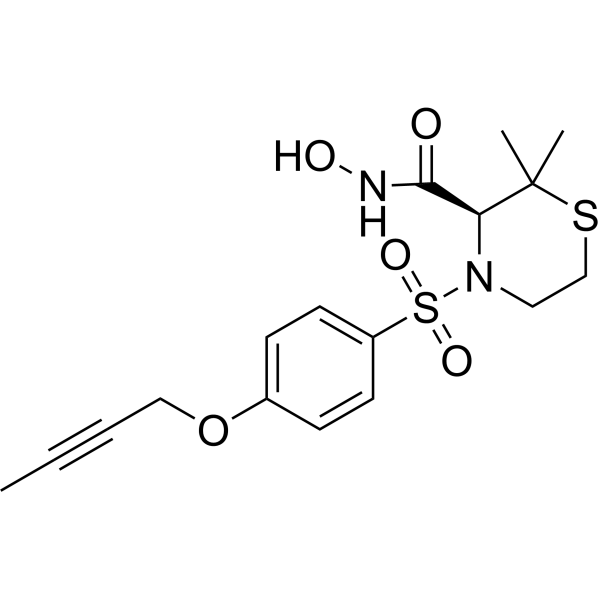
TMI-1 (WAY-171318) inhibits TNF converting enzyme (TACE) (IC50 of 8.4 nM), ADAM-TS-4, ADAM-17 and various MMPs with oral activity. TMI-1 significantly suppresses the secretion of TNF-α , alleviating collagen-induced arthritis in mice. TMI-1 inhibits cancer cell proliferation, induces apoptosis through a caspase-dependent pathway. TMI-1 also reverses TRPV1 upregulation and lowers the levels of inflammatory factors (TNF-α、IL-1β、IL-6) in nerve cells, protecting against paclitaxel-induced neurotoxicity. TMI-1 leads to changes in pro-atherogenic lipoprotein profiles, but does not affect the progression of early lesions .
loading...
    loading...
1
1 Cited Publications
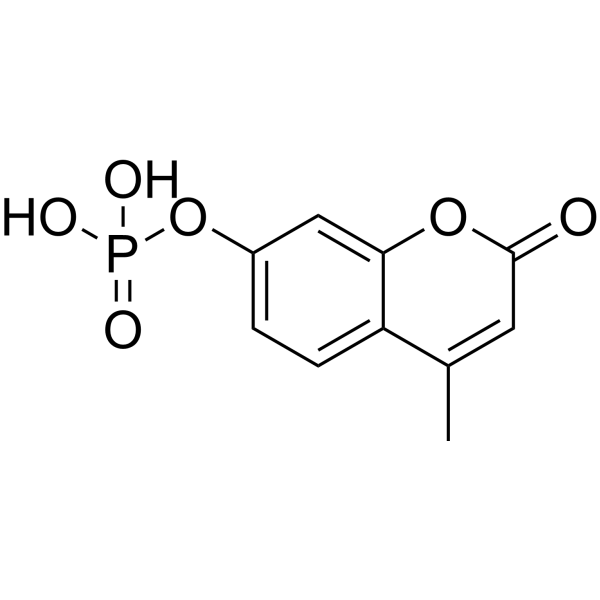
Cat. No.: HY-D0994
CAS No.: 3368-04-5
Synonyms: 4-MUP; MUP
4-Methylumbelliferyl phosphate (4-MUP), an anionic organophosphate, is a acid and alkaline phosphatase fluorogenic substrate. 4-Methylumbelliferyl phosphate is also a nerve agent simulant .
loading...
    loading...
1
1 Cited Publications
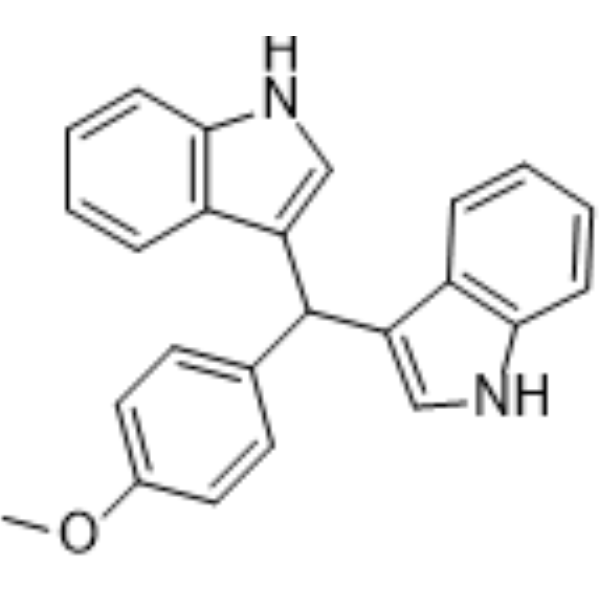
Cat. No.: HY-111492
CAS No.: 33985-68-1
Purity:  99.41%
Research Areas:  

Cancer

DIM-C-pPhOCH3 is a Nur77 agonist. Nerve growth factor-induced Bα (NGFI-Bα, Nur77) is an orphan nuclear receptor.
loading...
    loading...
1
1 Cited Publications
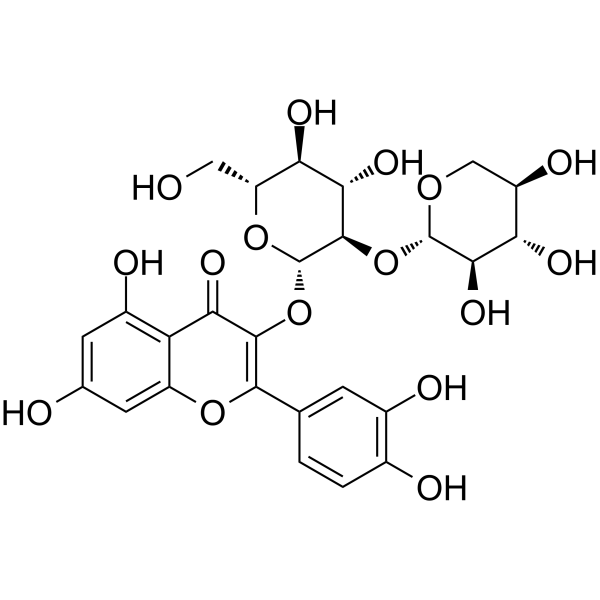
Cat. No.: HY-N8028
CAS No.: 83048-35-5
Quercetin-3-O-sambubioside is a monomeric compound found in Eucommia ulmoides male flowers. Quercetin-3-O-sambubioside promotes the stimulation of the nerve center. Antioxidant and anticancer activities .
loading...
    loading...
1
1 Cited Publications
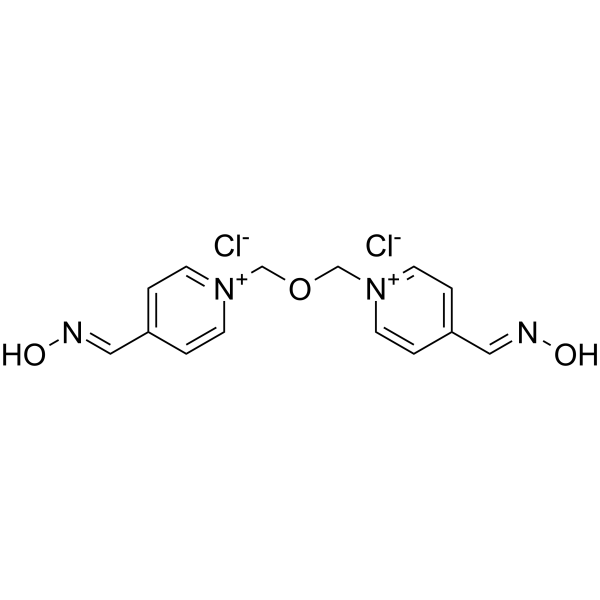
Cat. No.: HY-W011108
CAS No.: 114-90-9
Target:  

Cholinesterase (ChE)

Research Areas:  

Neurological Disease

Obidoxime dichloride is a non-full spectrum oxime agent and can be used as an antidote for organophosphate nerve agent poisoning. Obidoxime dichloride reactivates sarin-inhibited acetylcholinesterase (AChE) and reduces acute toxicity of sarin-evaluated .
loading...
    loading...
1
1 Cited Publications
Cat. No.: HY-101253
CAS No.: 133229-11-5
Purity:  99.28%
Target:  

Potassium Channel

Research Areas:  

Cardiovascular Disease

AM-92016 hydrochloride is a specific blocker of rectifier potassium current (IK). AM-92016 hydrochloride delays rectifier potassium channel (IK), repolarizes the membrane thereby restricting the duration of the nerve impulse thereby restricting the duration of the nerve impulse .
loading...
    loading...
1
1 Cited Publications
Cat. No.: HY-124778
CAS No.: 62289-81-0
Purity:  99.74%
Target:  

Apoptosis

Research Areas:  

Cancer

SW106065 is an apoptosis inducer in malignant peripheral nerve sheath tumors (MPNST). SW106065 inhibits ATP consumption of sMPNST and other models of MPNST with an EC50 of 1 µM. SW106065 can be used for MPNST research .
loading...
    loading...
1
1 Cited Publications
Cat. No.: HY-106901AS
Purity:  ≥96.0%
Synonyms: HI-6-d4
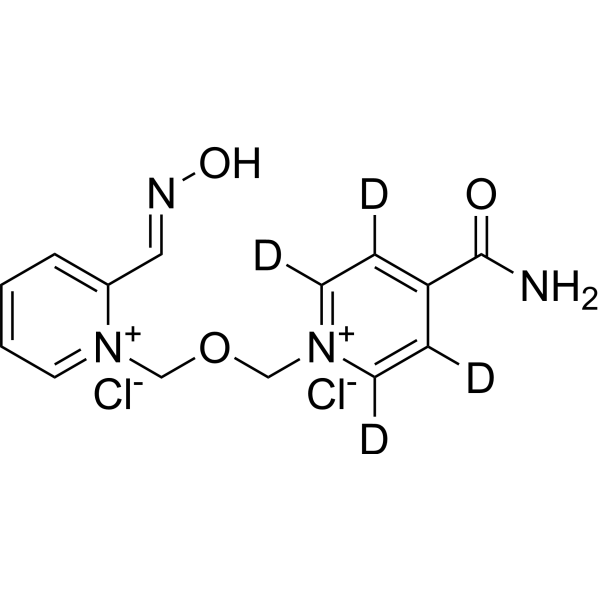
Asoxime-d4 dichloride (HI-6-d4) is the deuterium labeled Asoxime dichloride. Asoxime dichloride is an orally active thiosemicarbazone-based antidote. Asoxime dichloride is a reversible inhibitor of AChE, and its core mechanism of action is to re-activate AChE inhibited by nerve toxins, thereby restoring the cholinergic nerve function. Asoxime dichloride significantly restores the function of poisoned muscles without reactivating AChE. Asoxime dichloride is an antagonist of acetylcholine receptors (AChRs), including nicotinic receptor and α7 nAChR. Asoxime dichloride can serve as an effective immunomodulator, improving the immune effect of the nervous system.
loading...
    loading...
1
1 Cited Publications
Cat. No.: HY-41076
CAS No.: 1402821-24-2
Target:  

Calcium Channel CDK

Research Areas:  

Neurological Disease

Ca 2+ channel agonist 1 is an agonist of N-type Ca 2+ channel and an inhibitor of Cdk2, with EC50s of 14.23 μM and 3.34 μM, respectively, and is used as a potential treatment for motor nerve terminal dysfunction.
loading...
    loading...
1
1 Cited Publications
Cat. No.: HY-I0021
CAS No.: 125602-71-3
Target:  

Histamine Receptor

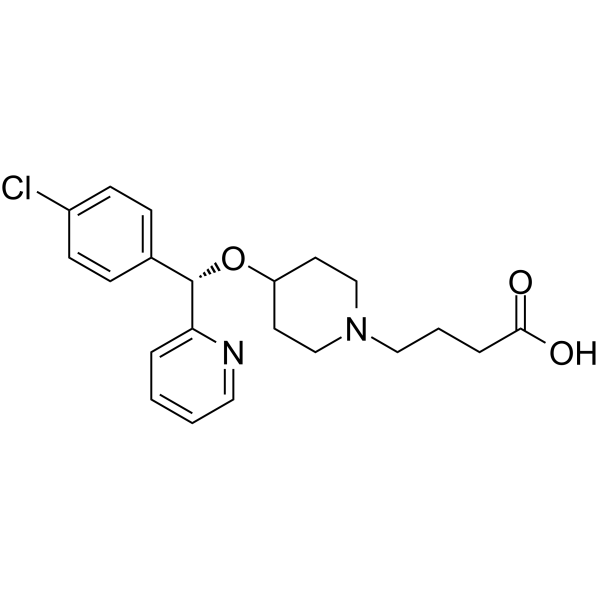
Bepotastine is a selective and orally active second-generation histamine H1 receptor antagonist, can suppress the expression of nerve growth factor (NGF). Bepotastine has the potential for allergic rhinitis, allergic conjunctivitis and urticaria/pruritus research .
loading...
    loading...
1
1 Cited Publications
Cat. No.: HY-A0015
CAS No.: 190786-44-8
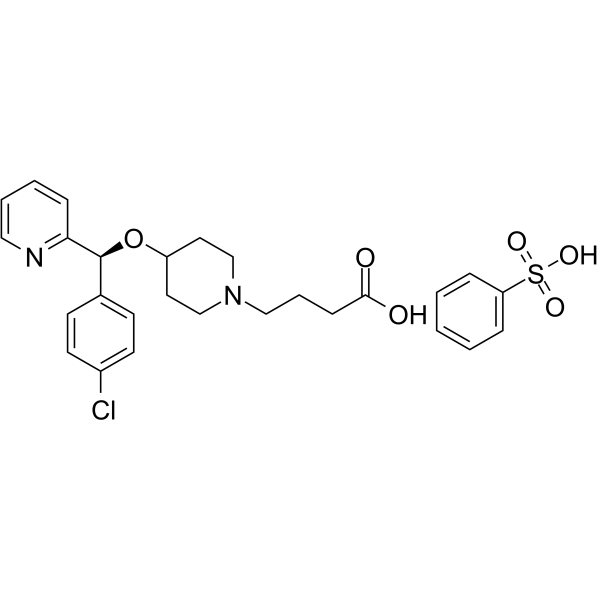
Bepotastine besilate is a selective and orally active second-generation histamine H1 receptor antagonist, can suppress the expression of nerve growth factor (NGF). Bepotastine besilate has the potential for allergic rhinitis, allergic conjunctivitis and urticaria/pruritus research .
loading...
    loading...
1
1 Cited Publications
Cat. No.: HY-106199
CAS No.: 40312-34-3
Purity:  98.93%
Adenosine A1 receptor activator T62 is an allosteric enhancer of adenosine A1 receptor. Adenosine A1 receptor activator T62 produces antinociception in animal models of acute pain and also reduces hypersensitivity in models of inflammatory and nerve-injury pain .
loading...
    loading...
1
1 Cited Publications
Cat. No.: HY-N0015R
CAS No.: 480-10-4
Synonyms: Astragaline (Standard); 3-Glucosylkaempferol (Standard); Kaempferol 3-β-D-glucopyranoside (Standard)
Astragalin (Standard) is the analytical standard of Astragalin. This product is intended for research and analytical applications. Astragalin (Astragaline) a flavonoid with anti-inflammatory, antioxidant, anticancer, bacteriostatic activity. Astragalin inhibits cancer cells proliferation and migration, induces apoptosis. Astragalin is orally active and provides nerve and heart protection, and resistance against and osteoporosis .
loading...
    loading...

