1013 Results for "

Content uniformity test

" in MedChemExpress (MCE) Product Catalog:
Products (1013)

1013 Results for "Content uniformity test" in MCE Product Catalog:

3
3 Cited Publications
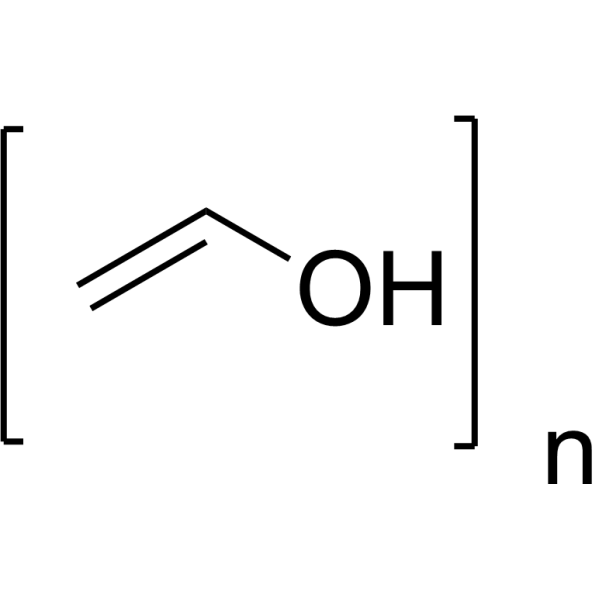
Cat. No.: HY-Y0850I
CAS No.: 9002-89-5
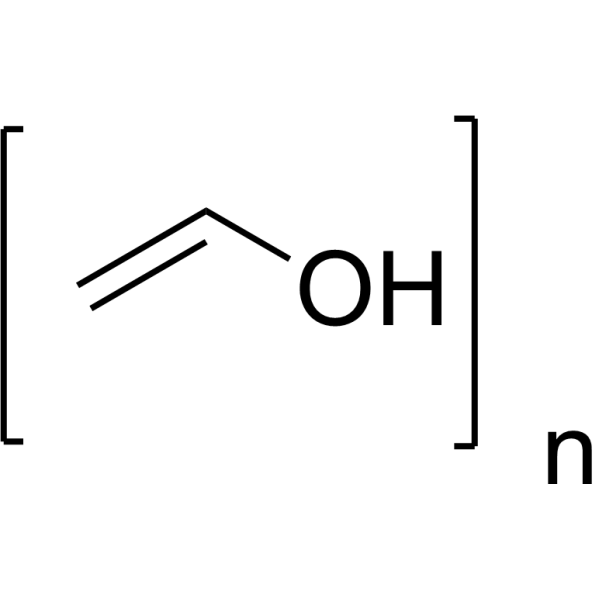
Synonyms: PVA (Mw 9000-10000, 80% hydrolyzed); Poly(Ethenol) (Mw 9000-10000, 80% hydrolyzed)
Polyvinyl alcohol (Mw 9000-10000, 80% hydrolyzed) also known as PVA, is a vinyl water-soluble polymer that can be used as a non-ionic surfactant. Polyvinyl alcohol (Mw 9000-10000, 80% hydrolyzed) can be used as a biodegradable polymer and can be used in adhesives, coatings, textiles, ceramics, and cosmetics. Polyvinyl alcohol can be used in tissue engineering by electrospinning. Polyvinyl alcohol can achieve high cellular density, infiltration, and uniform distribution, facilitating functional connections between cells. Polyvinyl alcohol can improve cell vitality through in vitro cultivation. Polyvinyl alcohol demonstrates promising inhibition of ostersarcoma cancer cells with Doxorubicin (HY-15142A) .
loading...
    loading...
3
3 Cited Publications
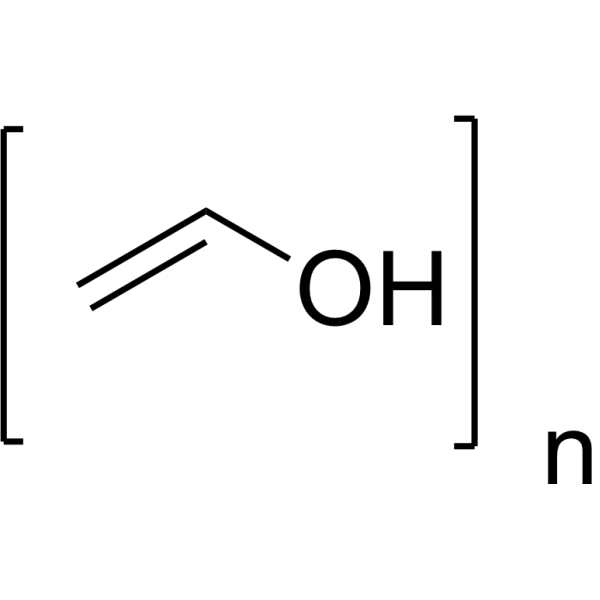
Cat. No.: HY-Y0850P
CAS No.: 9002-89-5
Synonyms: PVA (Mw 146000-186000, 87-89% hydrolyzed); Poly(Ethenol) (Mw 146000-186000, 87-89% hydrolyzed)
Polyvinyl alcohol (Mw 146000-186000, 87-89% hydrolyzed) is a polyvinyl alcohol with a molecular weight of 146000-186000 and hydrolytic properties. Polyvinyl alcohol (Mw 146000-186000, 87-89% hydrolyzed) is the hydrolysis and removal of acetate groups after the polymerization of ethylene acetate. And polyvinyl alcohol is obtained. Polyvinyl alcohol with different degrees of hydrolysis can be used to self-crosslink to form cryogel, which can be used as biological excipient. Polyvinyl alcohol can be used in tissue engineering by electrospinning. Polyvinyl alcohol can achieve high cellular density, infiltration, and uniform distribution, facilitating functional connections between cells. Polyvinyl alcohol can improve cell vitality through in vitro cultivation. Polyvinyl alcohol demonstrates promising inhibition of ostersarcoma cancer cells with Doxorubicin (HY-15142A) .
loading...
    loading...
3
3 Cited Publications
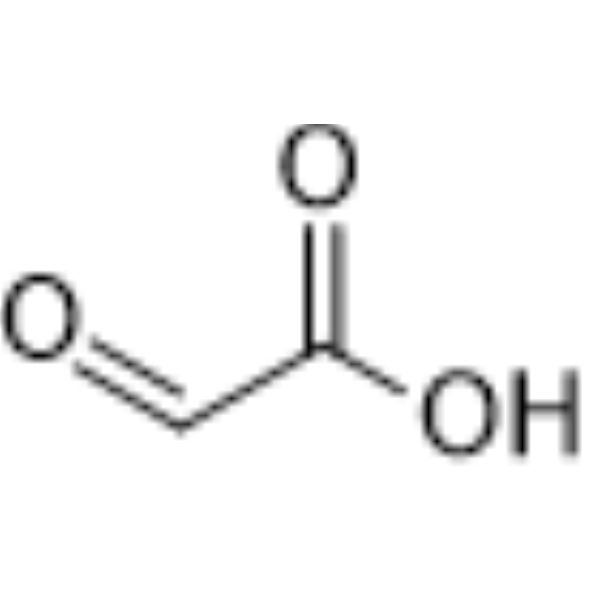
Cat. No.: HY-79494
CAS No.: 298-12-4
Synonyms: NSC 27785; Formylformic acid; Oxalaldehydic acid
Glyoxalic acid (NSC 27785) (50%w/w in water) is an organic compound that is both an aldehyde and a carboxylic acid. Glyoxalic acid (50%w/w in water) induces fluorescence. Glyoxalic acid (50%w/w in water) is used to study neurons .
The product has a content (w/w) of 50%, meaning that the mass of Glyoxalic acid in a 250 g Size is 125 g.
loading...
    loading...
3
3 Cited Publications
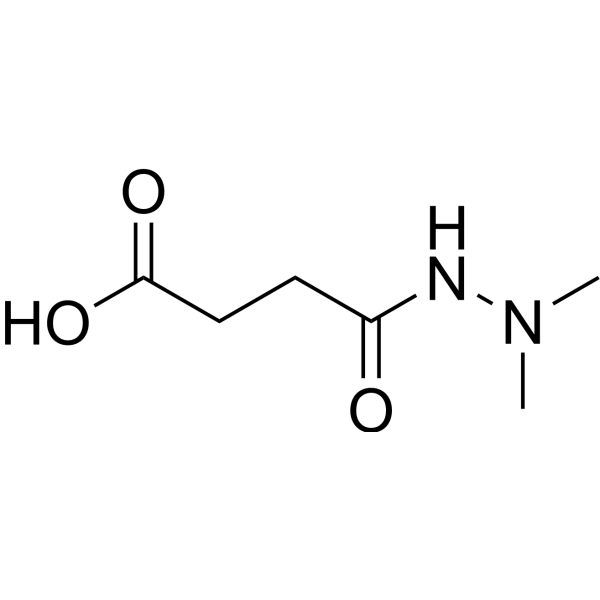
Cat. No.: HY-13643
CAS No.: 1596-84-5
Purity:  99.79%
Daminozide, a plant growth regulator, is a selective inhibitor of the human KDM2/7 histone demethylases, with IC50s of 0.55, 1.5 and 2.1 μM for PHF8, KDM2A, and KIAA1718, respectively. Daminozide has >100-fold selectivity for KDM2/7 subfamily versus other demethylase subfamily members tested .
loading...
    loading...
3
3 Cited Publications
Cat. No.: HY-Y0850J
CAS No.: 9002-89-5
Synonyms: PVA (Mw 13000-23000, 87-89% hydrolyzed); Poly(Ethenol) (Mw 13000-23000, 87-89% hydrolyzed)
Polyvinyl alcohol (Mw 13000-23000, 87-89% hydrolyzed) is a polyvinyl alcohol with a molecular weight of 130000-23000 and hydrolytic properties. Polyvinyl alcohol (Mw 13000-23000, 87-89% hydrolyzed) is the hydrolysis and removal of acetate groups after the polymerization of ethylene acetate and polyvinyl alcohol is obtained. A degree of hydrolysis of 87-89% indicates that a large part of the acetate groups have been removed, resulting in a large number of hydroxyl groups in the PVA structure. Polyvinyl alcohol with different degrees of hydrolysis can be used to self-crosslink to form cryogel, which can be used as biological excipient. Polyvinyl alcohol can be used in tissue engineering by electrospinning. Polyvinyl alcohol can achieve high cellular density, infiltration, and uniform distribution, facilitating functional connections between cells. Polyvinyl alcohol can improve cell vitality through in vitro cultivation. Polyvinyl alcohol demonstrates promising inhibition of ostersarcoma cancer cells with Doxorubicin (HY-15142A) .
loading...
    loading...
3
3 Cited Publications
Cat. No.: HY-D0970
CAS No.: 72-57-1
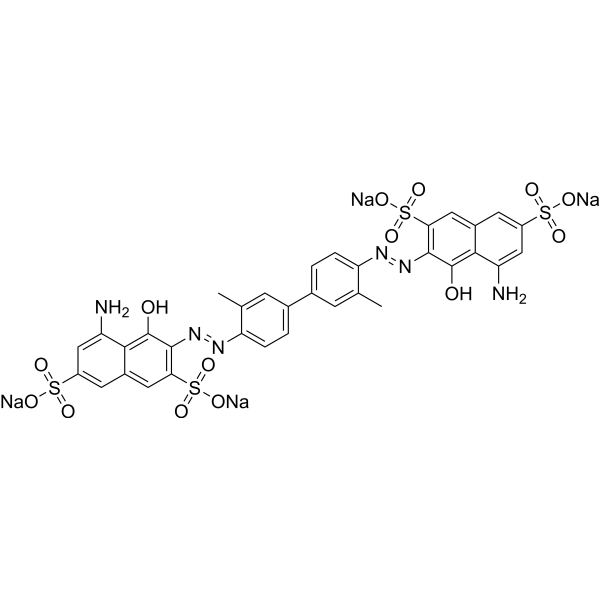
Synonyms: Direct Blue 14; Trypan Blue
Diphenyl Blue (Trypan Blue) is a cell active dye, the most commonly used dye for the identification of dead cells, of en used to test cell membrane integrity and cell viability. Diphenyl Blue staining is one of the methods for tissue and cell culture. When cells are deactivated or have incomplete cell membranes, Diphenyl Blue can stain them Blue. Normal living cells with intact cell membranes reject Diphenyl blue and do not stain them blue. However, macrophages are capable of phagocytosis of Diphenyl Blue, so it can be used as a living stain for macrophages .
loading...
    loading...
3
3 Cited Publications
Cat. No.: HY-W034953
CAS No.: 52698-84-7
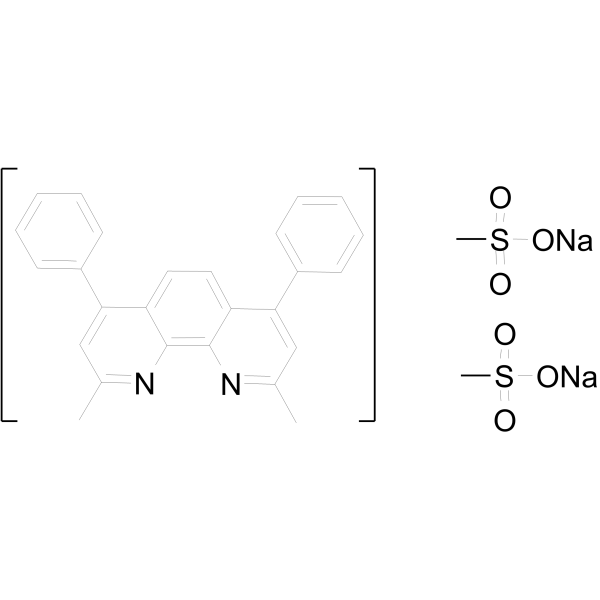
Bathocuproine disulfonate disodium (BCS) is an organic compound used as a highly sensitive colorimetric reagent for copper ions in biochemical and analytical applications. It has a bright yellow color and absorbs light at specific wavelengths, so it can be used to detect and quantify trace copper. In biochemical applications, BCS is commonly used to study the role of copper ions in various biological processes. Copper is an essential nutrient for many organisms, but it can also be toxic in high concentrations, so accurate measurement of copper levels is important to understand its impact on living systems. In terms of analysis, BCS is often used in environmental monitoring and water quality testing to detect copper pollution. It can detect copper even at very low concentrations, making it an invaluable tool for identifying potential sources of pollution and assessing the impact of industrial activities on aquatic ecosystems.
loading...
    loading...
2
2 Cited Publications
Cat. No.: HY-B1908
CAS No.: 35457-80-8
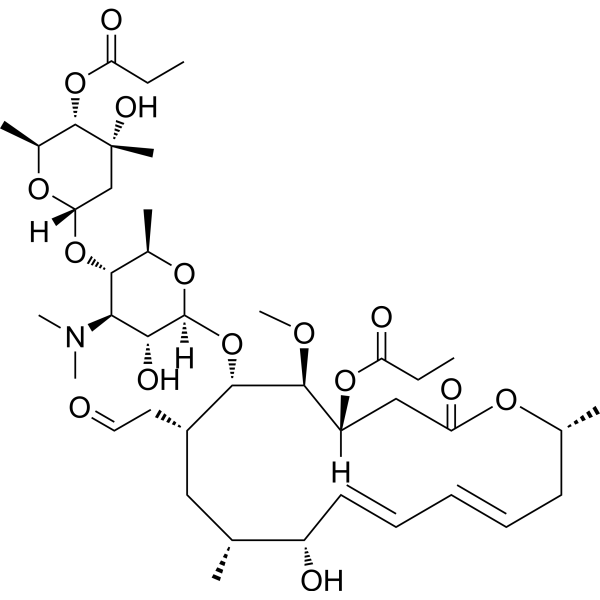
Synonyms: SF-837; Antibiotic SF-837
Midecamycin, an acetoxy-substituted macrolide antibiotic, is tested against gram-positive and gram-negative bacteria.
loading...
    loading...
2
2 Cited Publications
Cat. No.: HY-K2001

MCE Bradford Protein Assay Kit is suitable for detecting the total protein content in samples such as serum, plasma, animal tissues, and cells.

loading...
    loading...
2
2 Cited Publications
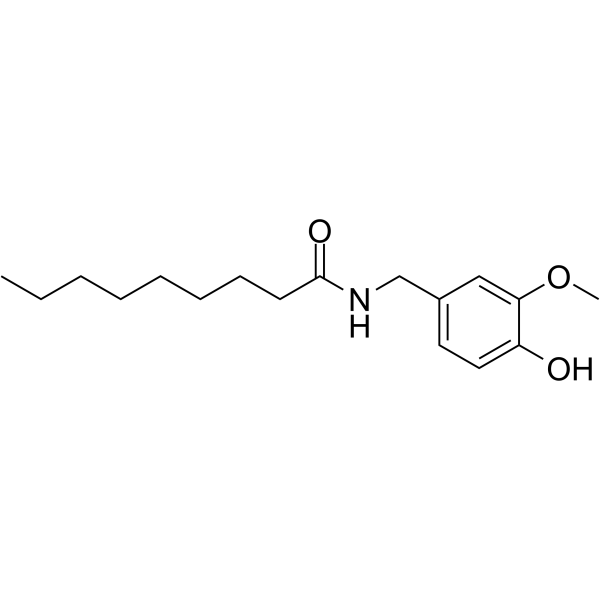
Cat. No.: HY-17568
CAS No.: 2444-46-4
Synonyms: Pelargonic acid vanillylamide; Nonanoic acid vanillylamide; Pseudocapsaicin
Nonivamide is a agonist, which exhibits 4d-EC50 value of 5.1 mg/L in static toxicity tests.
loading...
    loading...
2
2 Cited Publications
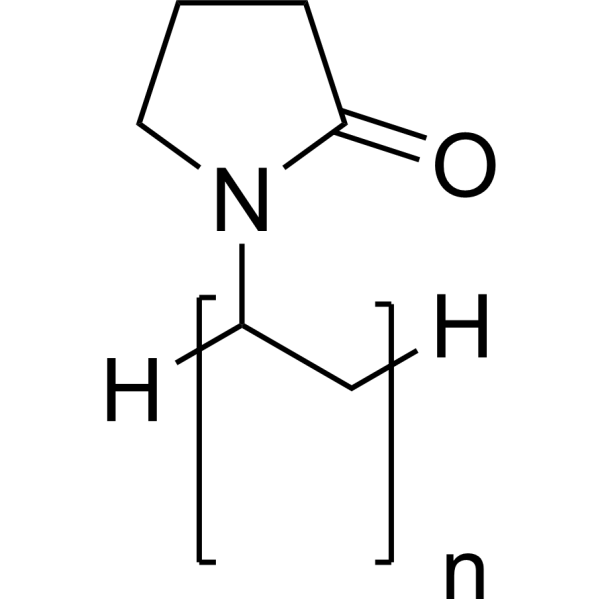
Cat. No.: HY-B1620
CAS No.: 9003-39-8
Synonyms: PVP K30; Polyvidone K30; Povidone K30
Polyvinylpyrrolidone K30 is a compound which has been widely tested and used in human and veterinary medicine as an effective wound healing accelerator and disinfectant when combined with iodine and other compounds.
loading...
    loading...
2
2 Cited Publications
Cat. No.: HY-131901
CAS No.: 637-03-6
Purity:  99.32%
Synonyms: Oxophenylarsine; PhAsO; Arsenosobenzene
Research Areas:  

Others

Phenylarsine oxide (PAO), an inhibitor of endocytosis, inhibits PTPε with an IC50 of 18 μM. Phenylarsine oxide (PAO) inhibits oxygen consumption and decreases cellular ATP content overlap with those used to inhibit protein internalization .
loading...
    loading...
2
2 Cited Publications
Cat. No.: HY-Y1878C
CAS No.: 7758-98-7
Synonyms: Cupric sulfate anhydrous, 99%
Anhydrous copper sulfate, 99% (Cupric sulfate anhydrous, 99%) is an orally administerable disinfectant. Anhydrous copper sulfate, 99% can be used as a biomaterial or organic compound related to life sciences research, and it can increase the Cu content in rat organs .
loading...
    loading...
2
2 Cited Publications
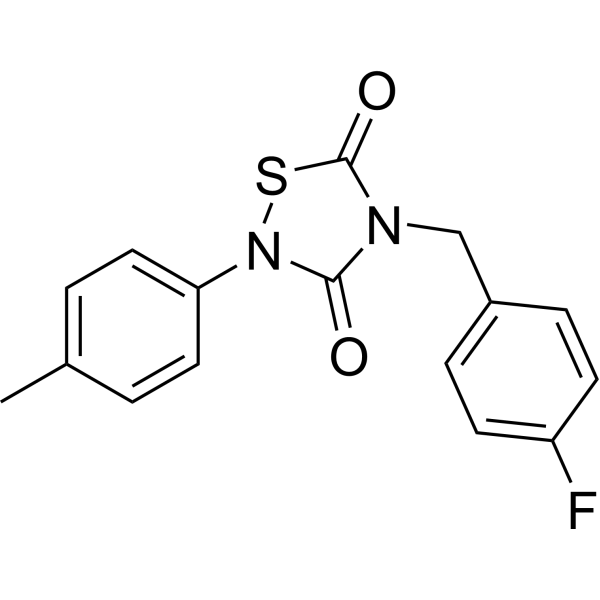
Cat. No.: HY-13509
CAS No.: 883050-24-6
Purity:  99.62%
Target:  

RGS Protein

Research Areas:  

Inflammation/Immunology

CCG-50014 is the most potent against the regulator of G-protein signaling protein type 4 (RGS4) (IC50 =30 nM) and is >20-fold selective for RGS4 over other RGS proteins. CCG-50014 binds covalently to the RGS, forming an adduct on two cysteine residues located in an allosteric regulatory site . CCG50014, reduces nociceptive responses and enhances opioid-mediated analgesic effects in the mouse formalin test .
loading...
    loading...
2
2 Cited Publications
Cat. No.: HY-P2733
CAS No.: 9046-28-0
Synonyms: GPO
Glycerol-3-phosphate oxidase, E. coli (GPO) is a key intermediate in glycerol metabolism. Glycerol-3-phosphate oxidase, E. coli is the skeleton of phospholipids in membrane lipids, and also a substrate in the respiratory chain. Glycerol-3-phosphate oxidase, E. coli produces electrons through oxidation. Glycerol-3-phosphate oxidase, E. coli is an enzyme with important functions in the field of biochemistry, and is widely used in medical testing and scientific research .
loading...
    loading...
2
2 Cited Publications
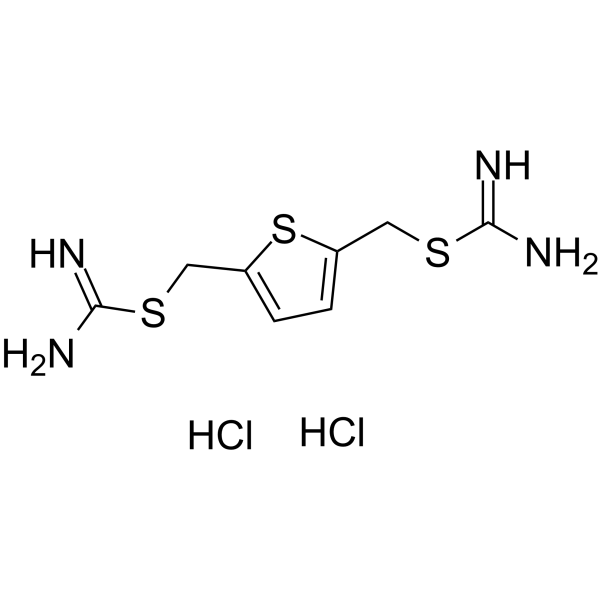
Cat. No.: HY-13769A
CAS No.: 2076-91-7
Purity:  ≥98.0%
Synonyms: NSC55712; TPU-260 Dihydrochloride
TPT-260 Dihydrochloride (NSC55712), a thiophene thiourea derivative, is a retromer complex stabilizer against thermal denaturation (Kd = ~5 µM). TPT-260 Dihydrochloride increases the levels of retromer proteins, shifts amyloid-precursor protein (APP) away from the endosome, and decreases the pathogenic processing of APP. TPT-260 Dihydrochloride inhibits TLR4 upregulation, IKKβ phosphorylation, NF-κB p65 nuclear translocation, and NLRP3 inflammasome formation. TPT-260 Dihydrochloride improves retromer-mediated cargo trafficking, reduces brain infarct area, and decreases amyloid plaque deposition. TPT-260 Dihydrochloride exhibits minimal cytotoxicity to primary microglia at tested concentrations. TPT-260 Dihydrochloride can be used for the research of inflammatory bowel disease, ischemic stroke and Alzheimer's disease .
loading...
    loading...
1
1 Cited Publications
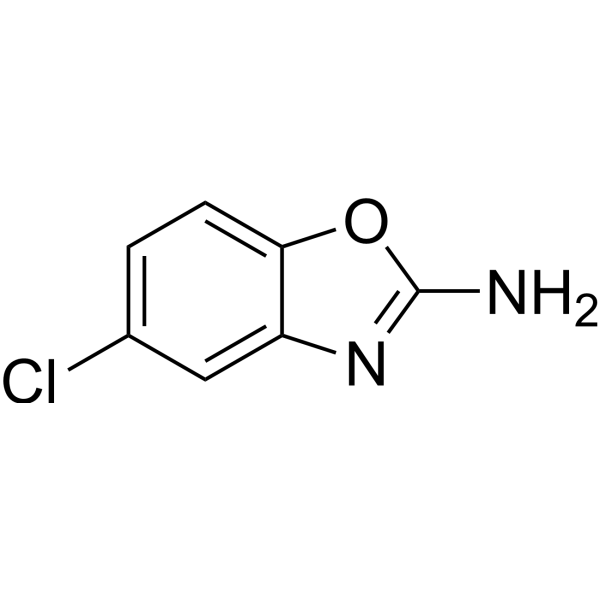
Cat. No.: HY-B1307
CAS No.: 61-80-3
Target:  

Cytochrome P450

Research Areas:  

Neurological Disease

Zoxazolamine is widely used for a pharmacologic test that serves as a convenient indicator of changes in cytochrome P-450 activity in rodents.
loading...
    loading...
1
1 Cited Publications
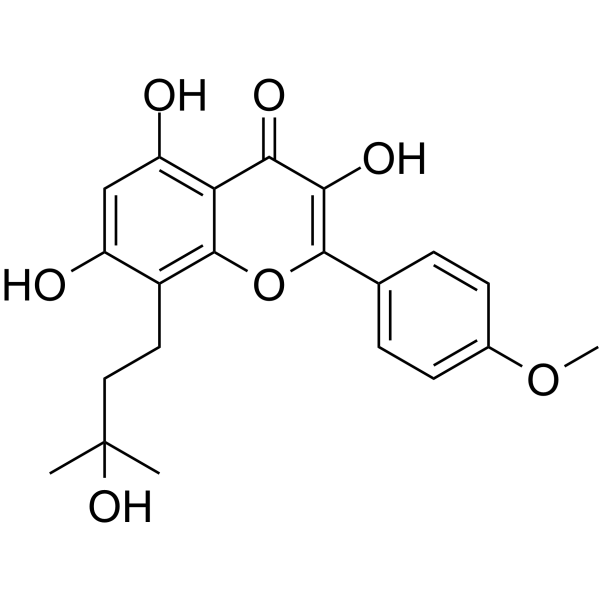
Cat. No.: HY-N4111
CAS No.: 521-45-9
Wushanicaritin exhibits significant antioxidant activity (IC50=35.3 μM) in DPPH radical scavenging activity tests. Antitumor effects and anti-inflammatory property .
loading...
    loading...
1
1 Cited Publications
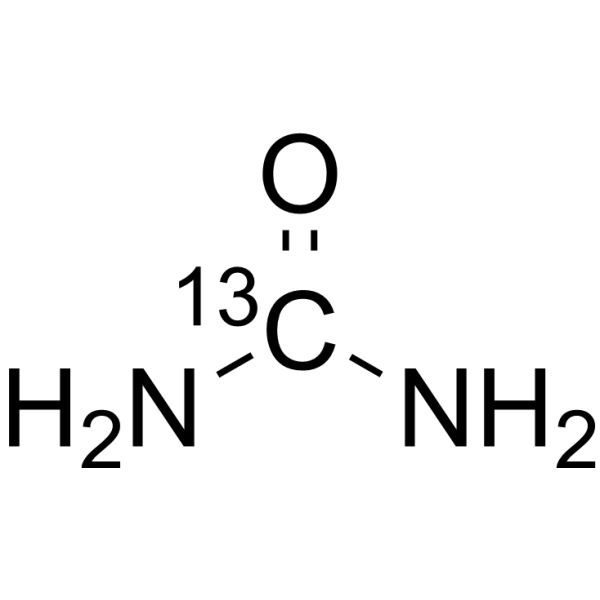
Cat. No.: HY-118877
CAS No.: 58069-82-2
Purity:  99.1%
Synonyms: Carbonyl diamide-13C
Urea- 13C is the 13C labelled urea. The Urea- 13C breath test ( 13C-UBT) is one of the best methods for the diagnosis of Helicobacter pylori infection .
loading...
    loading...
1
1 Cited Publications
Cat. No.: HY-10533
CAS No.: 59989-18-3
Purity:  99.93%
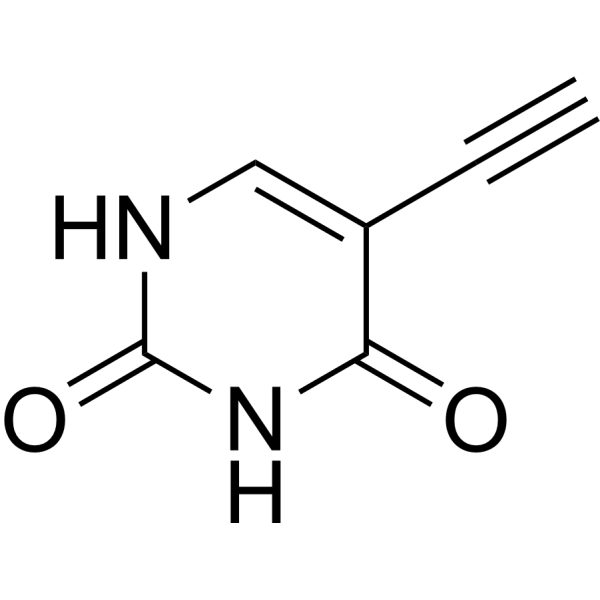
Synonyms: 5-Ethynyluracil; GW776C85
Research Areas:  

Cancer

Eniluracil (5-Ethynyluracil) is an orally active dihydropyrimidine dehydrogenase (DPD) inhibitor. Eniluracil irreversibly inhibits DPD, increases the oral bioavailability of 5-fluorouracil to 100%, and facilitates the uniform absorption and toxicity of 5-fluorouracil. Eniluracil can be used in cancer research of combination with fluoropyrimidines (including 5-fluorouracil) . Eniluracil is a click chemistry reagent, it contains an Alkyne group and can undergo copper-catalyzed azide-alkyne cycloaddition (CuAAc) with molecules containing Azide groups.
loading...
    loading...

