


359 Results for "

Intestinal cells

" in MedChemExpress (MCE) Product Catalog:
Products (359)

359 Results for "Intestinal cells" in MCE Product Catalog:

1
1 Cited Publications
Cat. No.: HY-107831
CAS No.: 13110-96-8
Purity:  99.84%
Target:  

Drug Derivative

Research Areas:  

Inflammation/Immunology Cancer

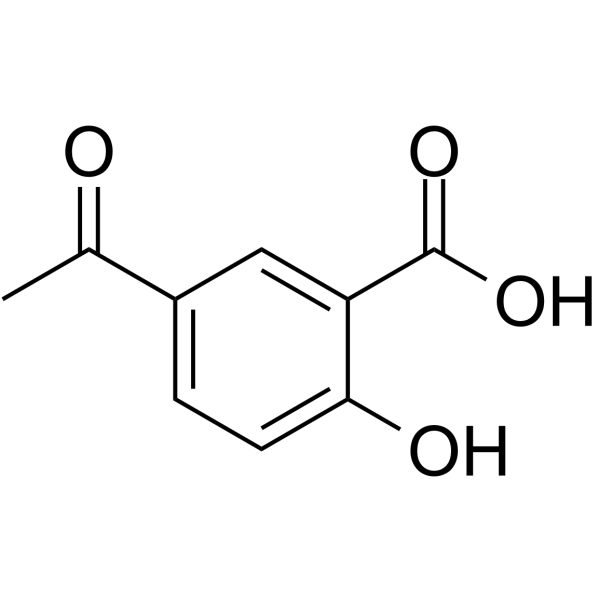
5-Acetylsalicylic acid is the derivate of Aspirin (HY-14654), with anti-inflammatory property. 5-Acetylsalicylic acid is the active metabolite of Sulfasalazine (HY-14655) and its production is regulated by beneficial bacteria in the gut but is confined to the intestinal tract. 5-Acetylsalicylic acid exhibits a mild cytotoxicity effect on B16F10 cells. 5-Acetylsalicylic acid can be used for the study of inflammatory bowel disease (IBD) such as ulcerative colitis (UC) .
loading...
    loading...
1
1 Cited Publications
Cat. No.: HY-P0204
CAS No.: 117399-93-6
Synonyms: Endothelin 3 (Rat,Human)
Research Areas:  

Neurological Disease

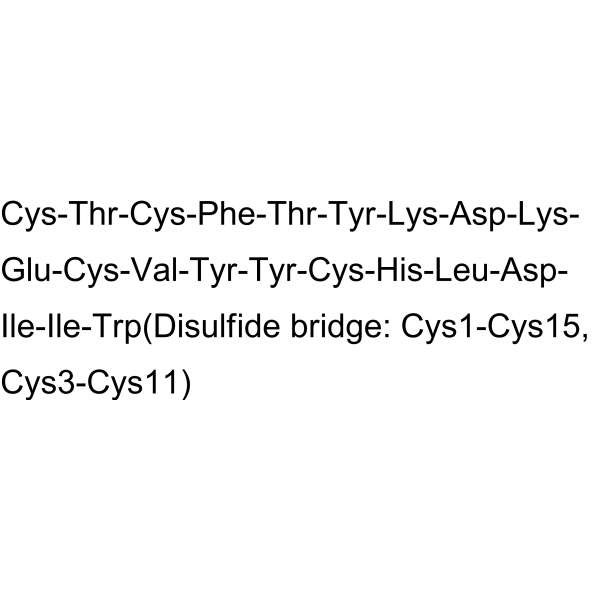
Endothelin-3, human, mouse, rabbit, rat (Endothelin 3 (Rat,Human)) is an adhesion stimulant. Endothelin-3, human, mouse, rabbit, rat stimulates the adhesion of enteric neural crest cells to various ECM components. Endothelin-3, human, mouse, rabbit, rat plays an important role in the maintenance and self-renewal of intestinal progenitor cells, participates in the migration of enteric neural crest cells, and helps maintain a suitable environment for the colonization of enteric neural crest cells. Endothelin-3, human, mouse, rabbit, rat acts synergistically with the β1-integrin signaling pathway during enteric nervous system development. Endothelin-3, human, mouse, rabbit, rat can be used in studies related to distal aganglionosis .
loading...
    loading...
1
1 Cited Publications
Cat. No.: HY-P0204A
Synonyms: Endothelin 3 (Rat,Human) TFA
Research Areas:  

Neurological Disease

Endothelin-3, human, mouse, rabbit, rat TFA (Endothelin 3 (Rat,Human) TFA) is an adhesion stimulant. Endothelin-3, human, mouse, rabbit, rat TFA stimulates the adhesion of enteric neural crest cells to various ECM components. Endothelin-3, human, mouse, rabbit, rat TFA plays an important role in the maintenance and self-renewal of intestinal progenitor cells, participates in the migration of enteric neural crest cells, and helps maintain a suitable environment for the colonization of enteric neural crest cells. Endothelin-3, human, mouse, rabbit, rat TFA acts synergistically with the β1-integrin signaling pathway during enteric nervous system development. Endothelin-3, human, mouse, rabbit, rat TFA can be used in studies related to distal aganglionosis .
loading...
    loading...
1
1 Cited Publications
Cat. No.: HY-W127512
CAS No.: 546-18-9
Target:  

Drug Intermediate

Research Areas:  

Others

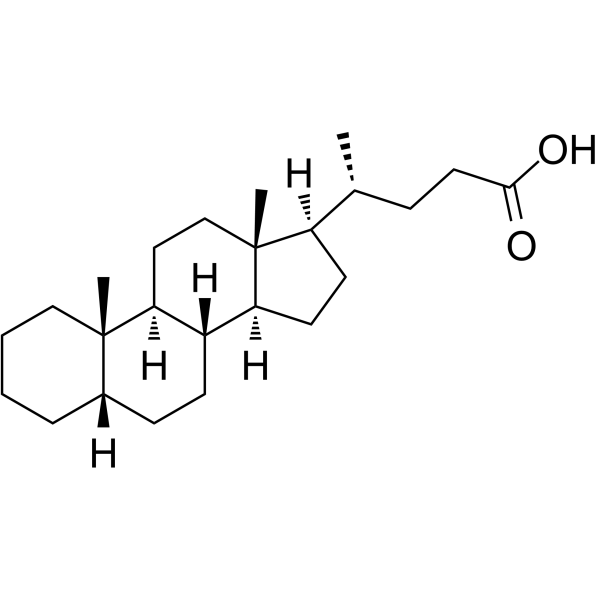
5β-Cholanic acid is a hydrophobic modifier used to modify polymer carriers. 5β-Cholanic acid can improve the acid stability, cell penetration efficiency and drug sustained release ability of nanocarriers, and optimize the oral effectiveness of delivered molecules. 5β-Cholanic acid can covalently bind to Glycol chitosan (GC) to form a GC-CA conjugate, which optimizes the hydrophobic anchoring ability of nanoparticles and enables them to be stably adsorbed on the surface of PLGA nanoparticles. Such nanoparticles can resist dissociation in the gastric acid environment and maintain positive charge to enhance endocytic uptake by intestinal epithelial cells (such as Caco-2 cells). 5β-Cholanic acid can be used in the development of drug delivery systems .
loading...
    loading...
1
1 Cited Publications
Cat. No.: HY-N2830
CAS No.: 21499-24-1
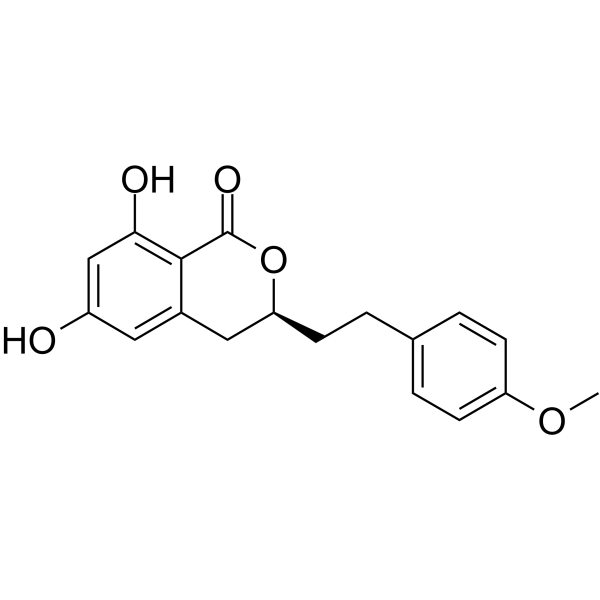
Agrimonolide is a phenethyl isocoumarin compound discovered from Agrimonia pilosa, exhibiting anti-inflammatory, antioxidant, and anticancer activities. Agrimonolide inhibits NF-κB, MAPK, and TLR4-mediated neuroinflammatory signaling, suppresses Notch and JAK2/STAT3 signaling to modulate Th17/Treg balance and maintain the intestinal barrier. Agrimonolide decreases HIF1A expression, inhibits glycolysis, and induces ferroptosis and cell cycle arrest via the mTOR pathway in tumor models, thereby suppressing cancer cell viability, proliferation, and metastasis. Agrimonolide exerts hepatoprotective and anti-fibrotic effects by regulating bile acid transporter expression and reducing hepatic bile acid accumulation. Agrimonolide is used for research on ulcerative colitis, ovarian cancer, non-small cell lung cancer, cholestatic liver injury, and neuroinflammation .
loading...
    loading...
1
1 Cited Publications
Cat. No.: HY-W015635
CAS No.: 2179-57-9
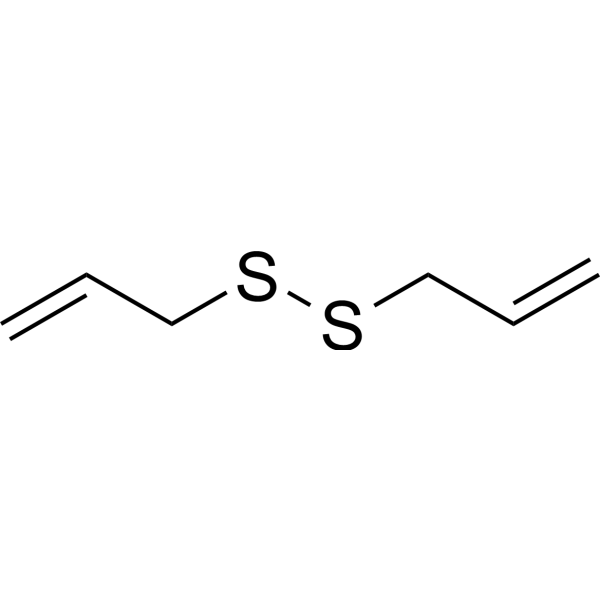
Diallyl disulfide is an orally active decomposition product of allicin and has a pungent odor. Diallyl disulfide can act as a hydrogen sulfide donor. Diallyl disulfide has inhibitory activity against squalene monooxygenase with an IC50 of 400 μM. Diallyl disulfide can alleviate the cytotoxicity and apoptosis of intestinal and liver cells induced by Ethyl Carbamate (HY-B1207). Diallyl disulfide can prevent emphysema induced by cigarette smoke. Diallyl disulfide also has anti-colon cancer and anti-inflammatory neurogenic activities, and can reverse the depressive-like behavior of mice .
loading...
    loading...
1
1 Cited Publications
Cat. No.: HY-N1916
CAS No.: 63644-62-2
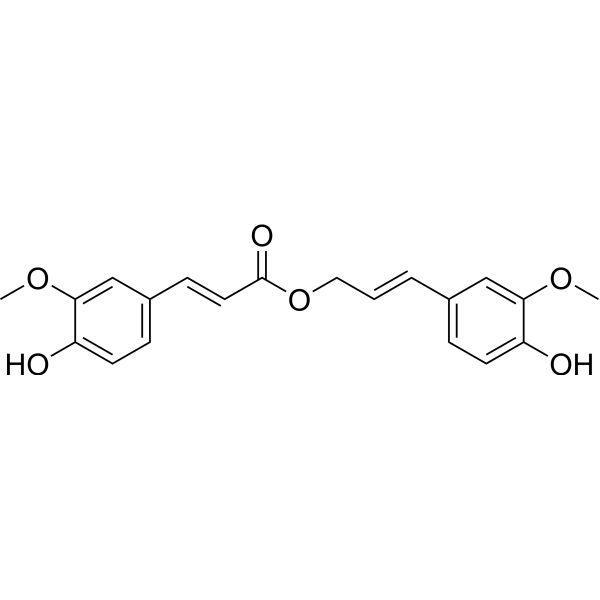
Coniferyl ferulate is an orally active phenolic acid compound. Coniferyl ferulate is a potent inhibitor of glutathione S-transferase (GST) (IC50 = 0.3 μM), which downregulates P-gp expression, induces apoptosis in B-MD-C1 (ADR+/+) cells, and reverses multidrug resistance. Coniferyl ferulate blocks the NMDAR/NR2B-CaMKII-MAPKs signaling pathway, inhibits ROS production and mitochondrial apoptosis, while reshapes the intestinal microbiota and microbial metabolism, ameliorates colonic inflammation and alleviates depressive symptoms in mice. Coniferyl ferulate can alleviate the toxicity of xylene to hematopoietic stem and progenitor cells by targeting Mgst2. Coniferyl ferulate exhibits antibacterial activity against the Gram-positive Bacillus subtilis and Staphylococcus aureus .
loading...
    loading...
1
1 Cited Publications
Cat. No.: HY-N3415
CAS No.: 3301-49-3
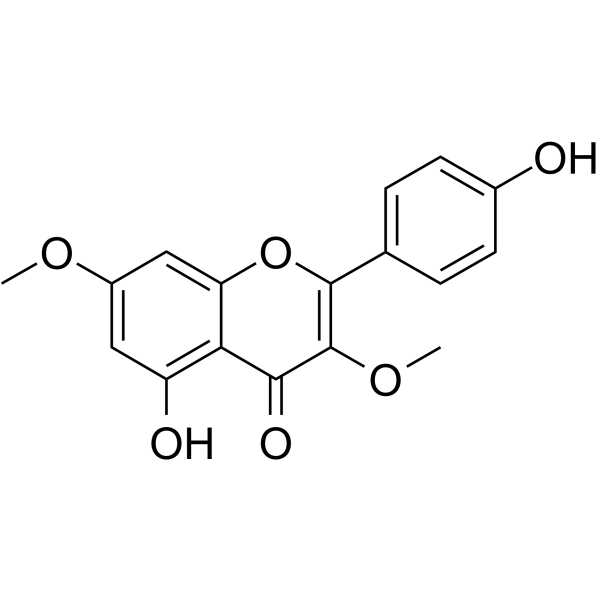
Kumatakenin is an orally active apoptosis inducer and autophagy inhibitor, with a Kd value of 2.94 μM for mouse ATG5. Kumatakenin increases the activities of caspase-3, caspase-8 and caspase-9, thereby inducing caspase-dependent apoptosis in ovarian cancer cells. Kumatakenin reduces the expression of chemokines and pro-oncogenic factors in ovarian cancer cells, and inhibits M2 macrophage polarization. Kumatakenin inactivates TRIM65 function, reduces the expression and stability of FASN, and thus inhibits the proliferation, migration, invasion and tumor progression of esophageal cancer cells. Kumatakenin interacts with ATG5 to reduce its protein level, decrease LC3 level, and reduce the number of autophagosomes in the hippocampus. Kumatakenin binds to Eno3 to upregulate its expression, reduce the stability and expression level of IRP1 mRNA, inhibit ferroptosis, alleviate intestinal inflammation, and restore epithelial barrier function. Kumatakenin enhances the efficacy of antibiotics against pathogenic bacteria, inhibits SARS-CoV-2 replication, and reduces cytokine production. Kumatakenin is applicable to research related to ovarian cancer, esophageal cancer, depression and colitis .
loading...
    loading...
1
1 Cited Publications
Cat. No.: HY-P1108
CAS No.: 681260-70-8
Target:  

CRFR

Astressin 2B is a blood-brain barrier-impermeable, highly selective CRFR2 antagonist (rCRFR2, IC50=0.57 nM). Astressin 2B blocks the protective effects mediated by CRFR2, thereby exacerbating indomethacin (HY-14397)-induced hemorrhagic intestinal injury in rats. Astressin 2B reverses the protective effects of Urocortin 1 against intestinal hypermotility, bacterial invasion and upregulation of inflammatory mediators. Astressin 2B also blocks the anxiogenic effect of Urocortin 2 and attenuates stress-induced anxiety-related behaviors. In the Clostridioides difficile toxin A (C. difficile toxin A)-mediated enteritis model, Astressin 2B mimics the phenotype of CRFR2-deficient mice, significantly exacerbating intestinal epithelial damage, edema, neutrophil migration and the expression of multiple proinflammatory cytokines. Astressin 2B is an important tool molecule for investigating the intestinal protective mechanisms of CRFR2 .
loading...
    loading...
1
1 Cited Publications
Cat. No.: HY-N16011
CAS No.: 1246303-12-7
Synonyms: 18:1 LBPA (S,S)
Research Areas:  

Inflammation/Immunology

18:1 BMP (S,S) ammonium (18:1 LBPA (S,S)) is a monounsaturated fatty acid phospholipid. 18:1 BMP (S,S) ammonium reduces lysosomal lipid peroxidation and inhibits the ionizing radiation-induced elevation of intracellular labile ferrous ion (Fe 2+) levels. 18:1 BMP (S,S) ammonium can be used in studies related to ionizing radiation-induced intestinal injury .
loading...
    loading...
1
1 Cited Publications
Cat. No.: HY-B0113S
CAS No.: 922731-01-9
Synonyms: H 16868-d3
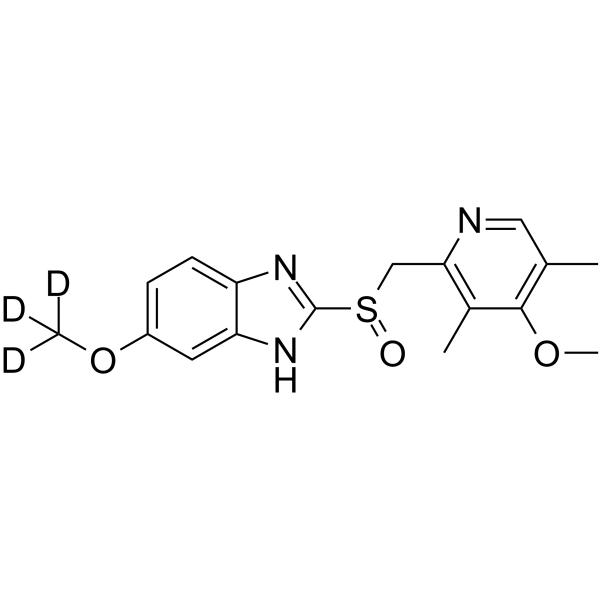
Omeprazole-d3 (H 16868-d3) is deuterium labeled Omeprazole. Omeprazole (H 16868) is an orally active H +,K +-ATPase inhibitor and a proton pump inhibitor. Omeprazole competitively inhibits CYP2C19, CYP3A4, and CYP2C9 activity. Omeprazole inhibits gastric acid secretion and can be used for acid-related gastrointestinal disorders. Omeprazole inhibits pancreatic cancer cell proliferation, induces apoptosis, autophagosome accumulation (elevated LC3-I and LC3-II levels), oxidative stress, and cytogenetic imbalance, modulates lysosomal transport, reduces inflammatory cytokines. Omeprazole alters small intestinal morphology and magnesium absorption, and induces gastric mucosa morphologic changes. Omeprazole aslo has neuroprotective and antibacterial effects .
loading...
    loading...
1
1 Cited Publications
Cat. No.: HY-B1953
CAS No.: 111988-49-9
Research Areas:  

Infection

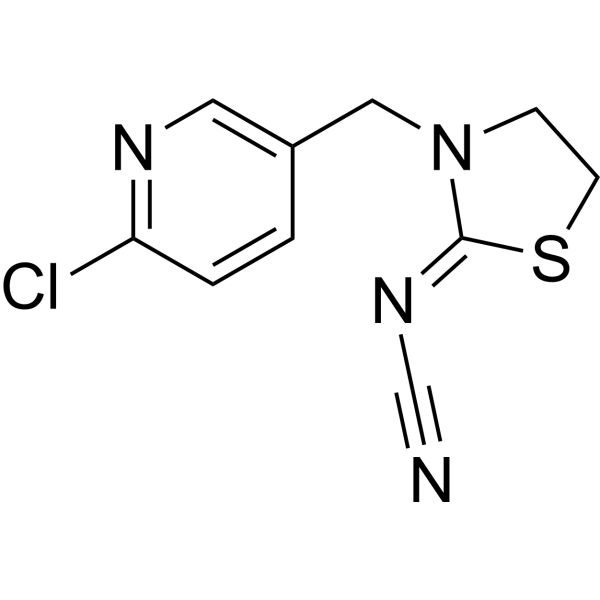
Thiacloprid is an orally active neurotoxic insecticide and also a nAChR agonist. Thiacloprid reduces the viability of healthy cells, depletes reduced glutathione, and increases MDA levels, thereby inducing cytotoxicity and oxidative stress damage. In practical applications, Thiacloprid has lower acute toxicity to honeybees than other compounds of the same class such as Imidacloprid (HY-B0838), but it still significantly impairs the learning and memory function, immune capacity and survival status of honeybees. Thiacloprid induces intestinal microbial dysbiosis and reduces survival rate in middle-aged honeybees, increases the risk of premature collapse in bumblebee colonies, and significantly decreases the final colony weight and reproductive output. Thiacloprid is used in broad-spectrum agricultural pest control, often alone or in combination with Deltamethrin (HY-B1971), and meets the pest management needs of various crops including potatoes, cabbages, various fruits and vegetables, and nuts .
loading...
    loading...
1
1 Cited Publications
Cat. No.: HY-N2376
CAS No.: 35775-49-6
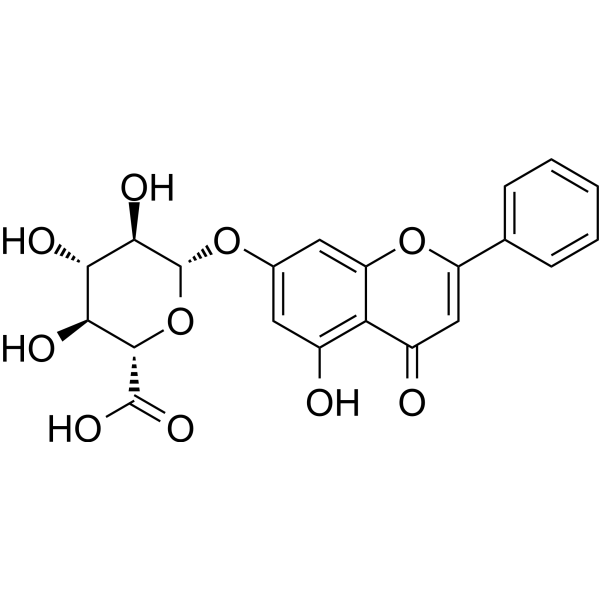
Chrysin-7-O-glucuronide is a flavonoid found in Scutellaria baicalensis. Chrysin-7-O-glucuronide inhibits α-glucosidase and α-amylase with IC50 values of 612.13 and 980.73 μg/mL. Chrysin-7-O-glucuronide suppresses NF-κB signaling activity. Chrysin-7-O-glucuronide scavenges free radicals, acts as a tight junction protector, and mitigates intestinal mucosal barrier injury. Chrysin-7-O-glucuronide can be used for the research of type 2 diabetes and severe acute pancreatitis-induced intestinal mucosal barrier injury .
loading...
    loading...
1
1 Cited Publications
Cat. No.: HY-19695
CAS No.: 62284-79-1
Synonyms: L-p-Bromotetramisole oxalate; 6-Bromolevamisole oxalate
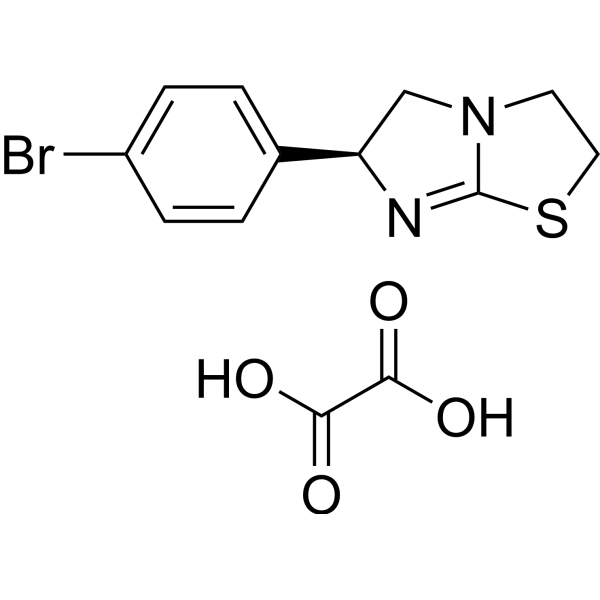
(-)-p-Bromotetramisole oxalate (L-p-Bromotetramisole oxalate) is an alkaline phosphatase inhibitor. (-)-p-Bromotetramisole (oxalate) is applicable to research related to erythroleukemia .
loading...
    loading...
1
1 Cited Publications
Cat. No.: HY-132830
CAS No.: 1933514-13-6
Purity:  99.58%
Synonyms: KVD900
Target:  

Kallikrein

Research Areas:  

Cardiovascular Disease

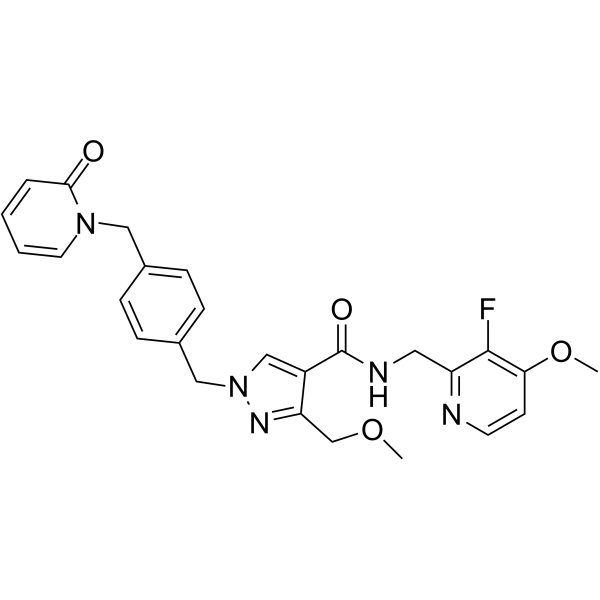
Sebetralstat (KVD900) is an orally active and selective plasma kallikrein inhibitor, with an IC50 of 6.0 nM and a Ki of 3.0 nM against the human target. Sebetralstat binds to the active site of plasma kallikrein, inducing a conformational flip of Trp215 to form a U-shaped conformation; its P1 group interacts with the S1 pocket through hydrophobic interactions and displacement of high-energy water molecules, independent of the Asp189 ionic bond. Sebetralstat inhibits plasma kallikrein-kinin system activation in whole plasma, rapidly relieves laryngeal and abdominal attack symptoms of hereditary angioedema (HAE-C1INH), and reduces attack severity. Sebetralstat can be used in research related to hereditary angioedema (HAE) .
loading...
    loading...
Cat. No.: HY-D1736
CAS No.: 158757-82-5
BODIPY FL-C16 is a BODIPY-labeled analog of Palmitic acid (HY-N0830), which serves as a fluorescent lipid tracer. BODIPY FL-C16 also acts as a ligand for liver fatty acid-binding protein (L-FABP) and intestinal fatty acid-binding protein (I-FABP) , with Kd values of 270 nM and 330 nM, respectively. BODIPY FL-C16 is rapidly taken up by cells, and after metabolic conversion to phospholipids, it is incorporated into the membrane structures of intracellular organelles and extracellular vesicles .
loading...
    loading...
Cat. No.: HY-W011053
CAS No.: 165450-17-9
Research Areas:  

Metabolic Disease

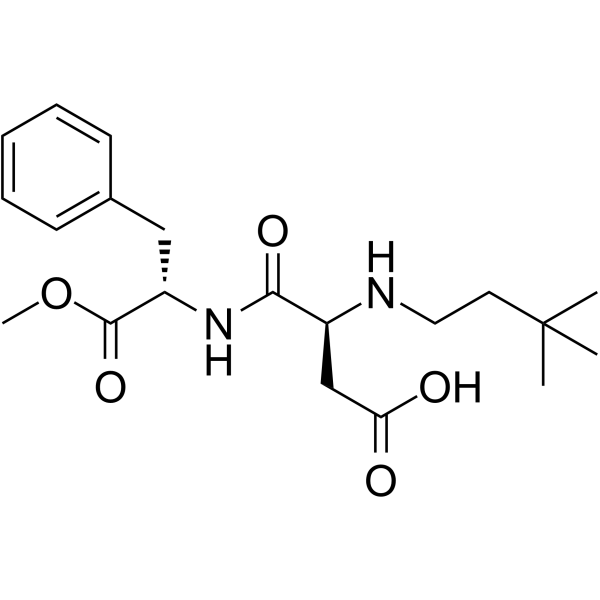
Neotame is a derivative of Aspartame (HY-B0361) and is a flavor enhancer and low-caloric, non-nutritive, high-intensity artificial sweetener that is 7000-13,000 times sweeter than sugar. Neotame causes intestinal epithelial cell death at high concentrations. Neotame induces Apoptosis of Caco-2 cells .
loading...
    loading...
Cat. No.: HY-W145518
CAS No.: 9000-69-5
Pectin is a heteropolysaccharide, derived from the cell wall of higher plants. Pectin involves in the formation of nanoparticles as a delivery vehicle of agents. Pectin is also an adsorbent, a broad-spectrum antimicrobial agent that binds to bacteria toxins and other irritants in the intestinal mucosa, relieves irritated mucosa .
loading...
    loading...
Cat. No.: HY-N2468
CAS No.: 6860-47-5
Synonyms: 1,4-β-D-Xylobiose; 1,4-D-Xylobiose
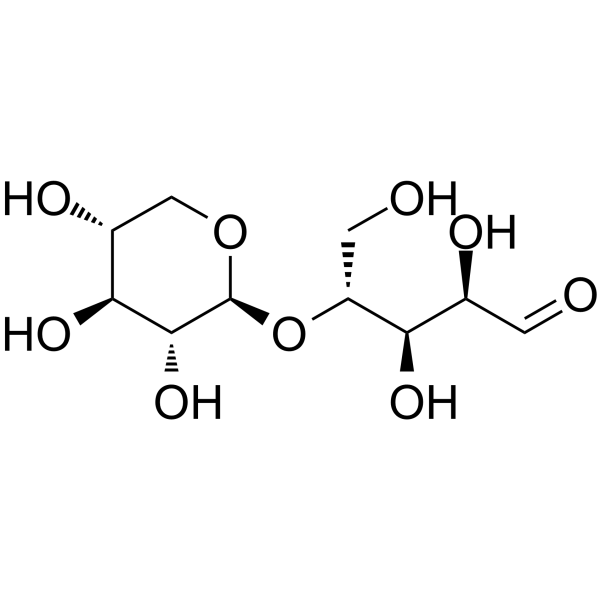
Xylobiose (1,4-β-D-Xylobiose; 1,4-D-Xylobiose) is an orally active Claudin 2/CLDN2 inhibitor and HSP27 inducer. Xylobiose works by regulating intestinal barrier function and glucose and lipid metabolism-related signaling pathways. Xylobiose inhibits CLDN2 expression to reduce intestinal permeability, induces HSP27 to enhance cell protection, and regulates the miR-122a/miR-33a axis to inhibit liver lipid synthesis and improve insulin resistance. Xylobiose can strengthen intestinal barrier integrity, reduce blood sugar and blood lipid levels, and reduce oxidative stress and inflammatory response. Xylobiose can be used in the study of type 2 diabetes and metabolic syndrome .
loading...
    loading...
Cat. No.: HY-W001160
CAS No.: 1953-54-4
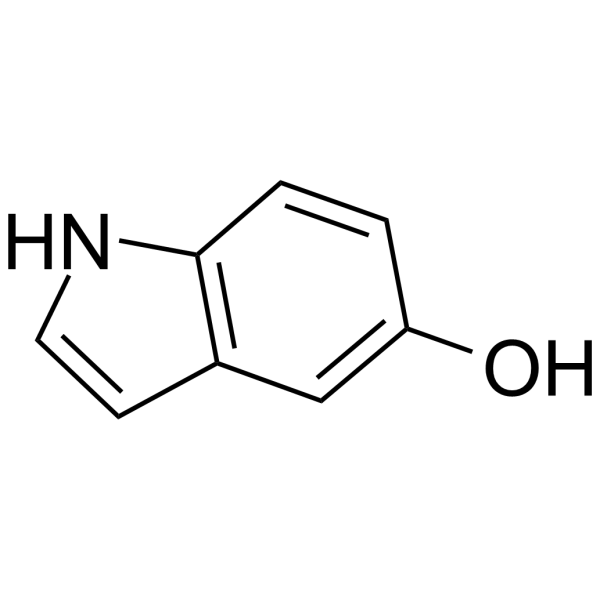
5-Hydroxyindole is an orally active hydroxylated indole and tryptophan metabolite. 5-Hydroxyindole activates α7 nicotinic acetylcholine receptors and acts on intestinal L-type calcium channels. 5-Hydroxyindole slows down the desensitization of 5-HT3 receptor-mediated ion currents in cells. 5-Hydroxyindole causes convulsions and loss of consciousness. 5-Hydroxyindole is used in the study of neuroblastoma, schizophrenia, and diseases related to intestinal motility disorders .
loading...
    loading...

