3716 Results for "

binding protein

" in MedChemExpress (MCE) Product Catalog:
Products (3716)

3716 Results for "binding protein" in MCE Product Catalog:

8
8 Cited Publications
Cat. No.: HY-122727
CAS No.: 1326852-06-5
Purity:  ≥98.0%
Target:  

DNA-PK Apoptosis

Research Areas:  

Cancer

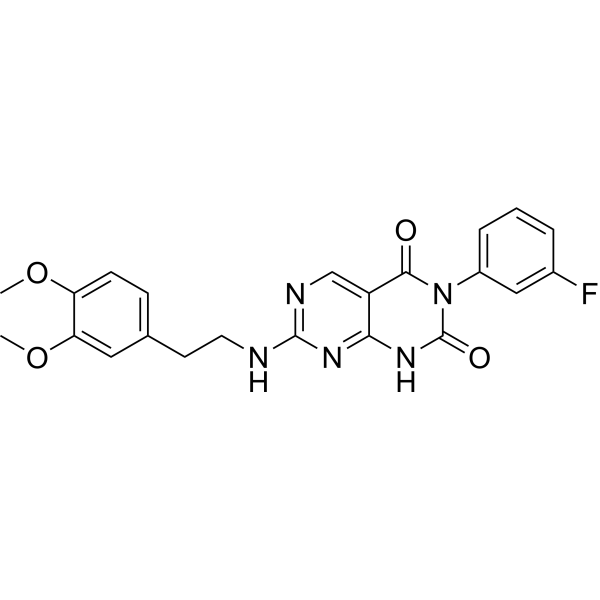
STL127705 (Compound L) is a potent Ku 70/80 heterodimer protein inhibitor with an IC50 of 3.5 μM. STL127705 interferes the binding of Ku70/80 to DNA and by inhibits the activation of the DNA-PKCS kinase. STL127705 shows antiproliferative and anticancer activity. STL127705 induces apoptosis .
loading...
    loading...
7
7 Cited Publications
Cat. No.: HY-109103
CAS No.: 1227637-23-1
Purity:  99.84%
Synonyms: Tegavivint; BC2059
Target:  

β-catenin

Research Areas:  

Cancer

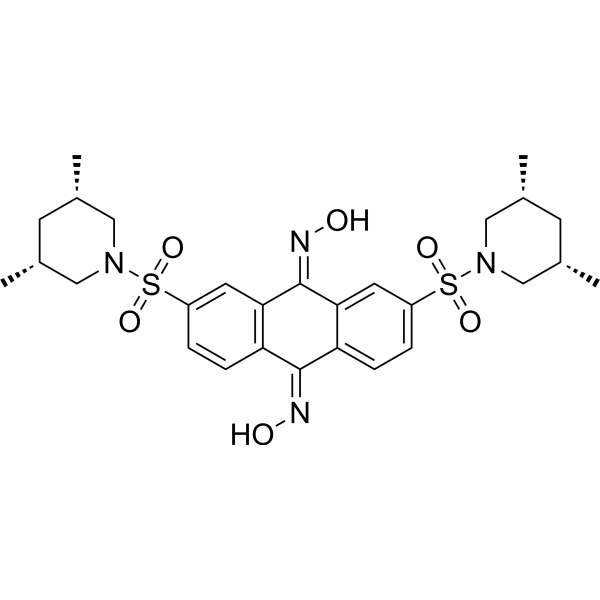
Tegatrabetan (BC2059) is a β-Catenin antagonist. Tegatrabetan disrupts the binding of β-catenin with the scaffold protein transducin β-like 1 (TBL1) .
loading...
    loading...
7
7 Cited Publications
Cat. No.: HY-110188
CAS No.: 101714-41-4
Purity:  99.88%
Target:  

Apoptosis

Research Areas:  

Neurological Disease

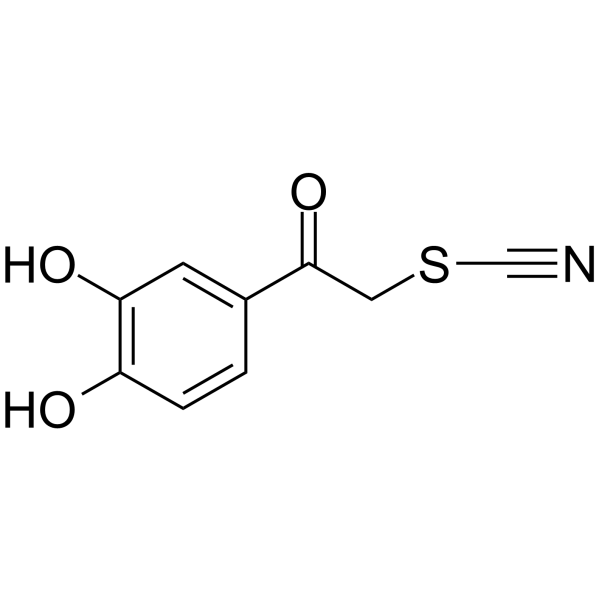
BiP inducer X, a selective inducer of immunoglobulin heavy chain binding protein (BiP)/GRP78, is an effective ER (endoplasmic reticulum) stress inhibitor. BiP inducer X preferentially induces BiP with slight inductions of GRP94, calreticulin, and C/EBP homologous protein. BiP inducer X protects neurons from ER stress .
loading...
    loading...
7
7 Cited Publications
Cat. No.: HY-B1327
CAS No.: 64-72-2
Synonyms: 7-Chlorotetracycline hydrochloride
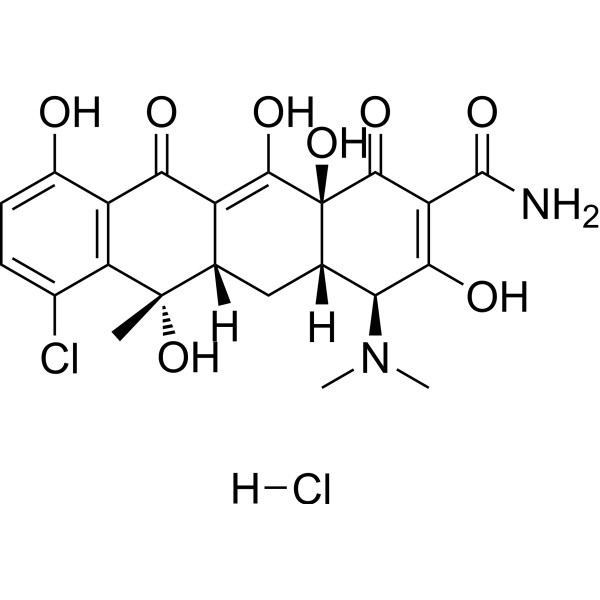
Chlortetracycline hydrochloride (7-Chlorotetracycline hydrochloride) is an orally active, effective and selectively methanogenic bacteria inhibitor with bactericidal effects. Chlortetracycline hydrochloride is also a antibiotic that acts by inhibiting bacterial protein synthesis. Additionally, Chlortetracycline hydrochloride is a specific and potent calcium ionophore antibiotic, inhibiting binding of aminoacyl-tRNA to ribosomes .
loading...
    loading...
7
7 Cited Publications
Cat. No.: HY-B1811
CAS No.: 11000-17-2
Synonyms: Arginine vasopressin; Antidiuretic hormone
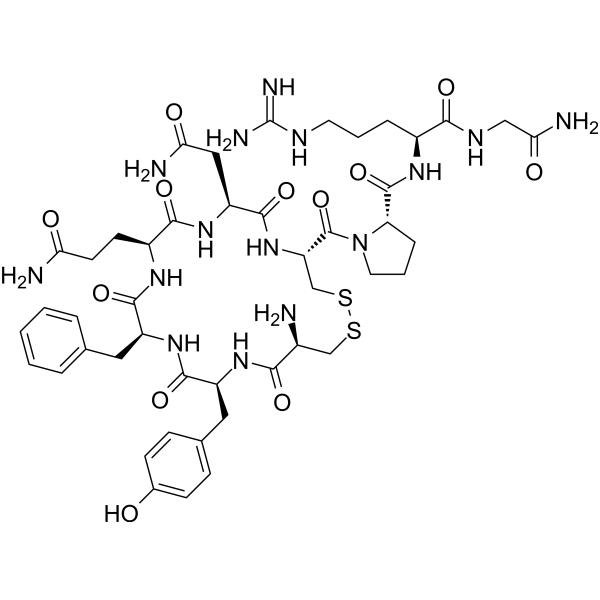
Vasopressin is a cyclic nonapeptide that is synthesized centrally in the hypothalamus. Vasopressin participates in the hypothalamic-pituitary-adrenal axis, and regulates pituitary corticotropin secretion by potentiating the stimulatory effects of corticotropin releasing factor. Vasopressin also can act as a neurotransmitter, exerting its action by binding to specific G protein-coupled receptors .
loading...
    loading...
7
7 Cited Publications
Cat. No.: HY-18962
CAS No.: 20324-87-2
Research Areas:  

Cancer

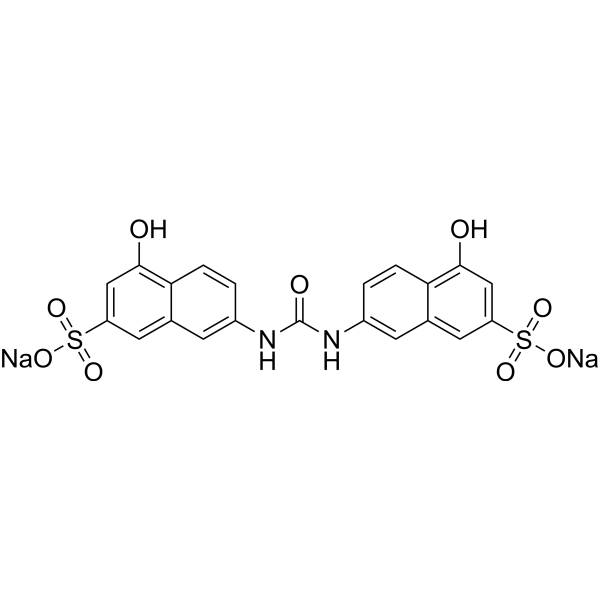
AMI-1 is a potent, cell-permeable and reversible inhibitor of protein arginine N-methyltransferases (PRMTs), with IC50s of 8.8 μM and 3.0 μM for human PRMT1 and yeast-Hmt1p, respectively. AMI-1 exerts PRMTs inhibitory effects by blocking peptide-substrate binding .
loading...
    loading...
7
7 Cited Publications
Cat. No.: HY-B0435
CAS No.: 80214-83-1
Synonyms: RU-28965
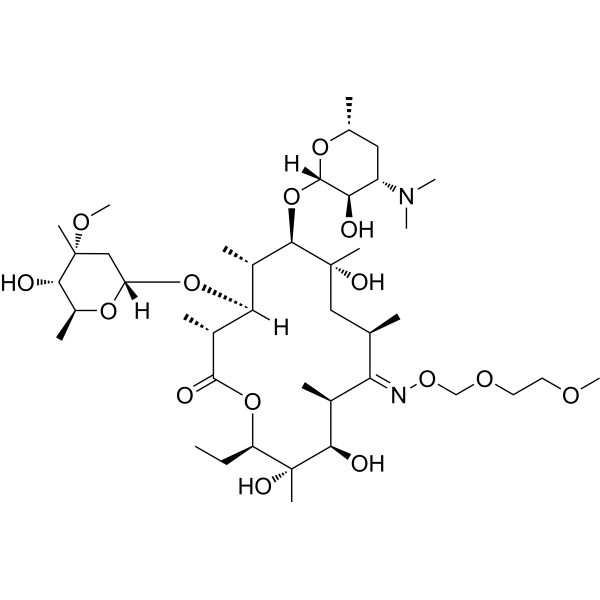
Roxithromycin (RU-28965) is an orally active semi-synthethic macrolide antibiotic. Roxithromycin inhibits protein biosynthesis in the elongation step by binding to 50S bacterial ribosome. Roxithromycin has antimicrobial, antiproliferative, anti-inflammatory, tumour vasculature inhibiting and lung injury ameliorating effects .
loading...
    loading...
7
7 Cited Publications
Cat. No.: HY-18962A
CAS No.: 134-47-4
Research Areas:  

Cancer

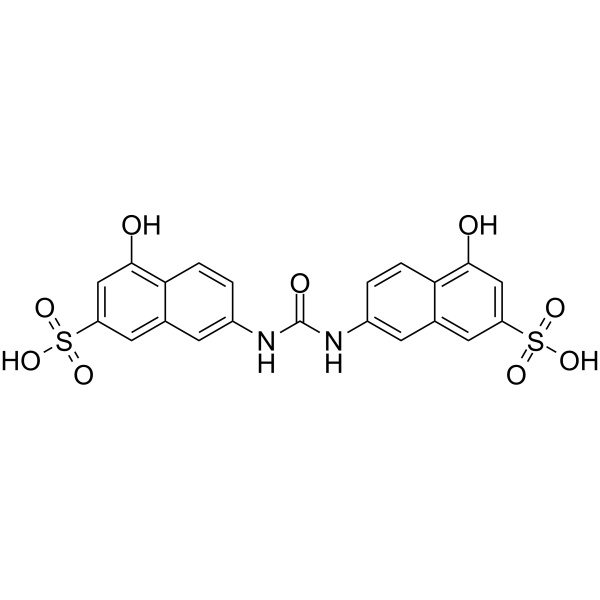
AMI-1 free acid is a potent, cell-permeable and reversible inhibitor of protein arginine N-methyltransferases (PRMTs), with IC50s of 8.8 μM and 3.0 μM for human PRMT1 and yeast-Hmt1p, respectively. AMI-1 free acid exerts PRMTs inhibitory effects by blocking peptide-substrate binding .
loading...
    loading...
7
7 Cited Publications
Cat. No.: HY-P9919A
CAS No.: 1428935-60-7
Synonyms: MEDI 4736 (anti-PD-L1)

Target:  

PD-1/PD-L1

Research Areas:  

Cancer

Durvalumab (anti-PD-L1)(MEDI 4736) is a human anti-PD-L1 protein monoclonal antibody. Durvalumab (anti-PD-L1) completely blocks PD-L1 binding to PD-1 and CD80, IC 50 are 0.1 and 0.04 nM respectively, has anti-tumor activity .
loading...
    loading...
7
7 Cited Publications
Cat. No.: HY-14507
CAS No.: 1037184-44-3
Purity:  99.91%
Research Areas:  

Cancer

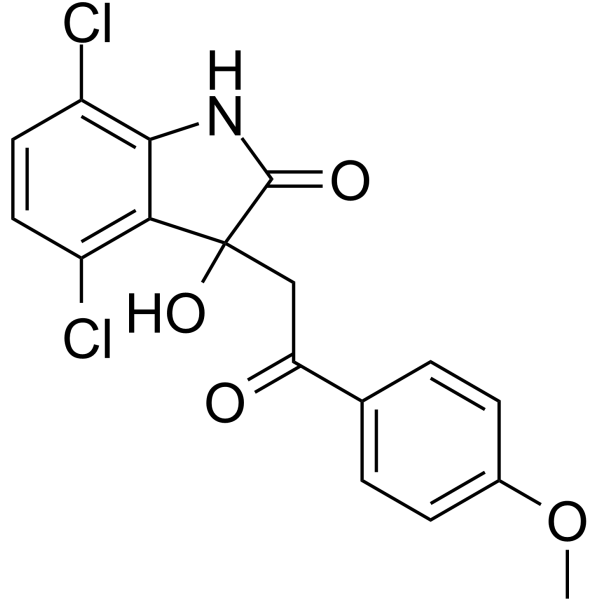
YK-4-279 blocks RNA Helicase A (RHA) binding with EWS-FLI1 (oncogenic protein). YK-4-279 induces apoptosis and shows anti-proliferation activities towards various cancer cells. YK-4-279 has a chiral center and it can be separated into two enantiomers. YK-4-279 can be used for the research of cancer .
loading...
    loading...
7
7 Cited Publications
Cat. No.: HY-P80316
Synonyms: AML3, CBFA1, OSF2, PEBP2A, RUNX2, Runt-related transcription factor 2, Acute myeloid leukemia 3 protein, Core-binding factor subunit alpha-1, Oncogene AML-3, Osteoblast-specific transcription factor 2, Polyomavirus enhancer-binding protein 2 alpha A subunit, SL3-3 enhancer factor 1 alpha A subunit, SL3/AKV core-binding factor alpha A subunit, CBF-alpha-1, OSF-2, PEA2-alpha A, PEBP2-alpha A

Host:  

Rabbit

Application:  

WB, IHC-P, ICC/IF, IP, FC, IF-Tissue, mIHC

Reactivity:  

Human, Mouse, Rat

loading...
    loading...
7
7 Cited Publications
Cat. No.: HY-P70570
Purity:  ≥ 90%, as determined by reducing SDS-PAGE.
Synonyms: HMGB1; Sulfoglucuronyl Carbohydrate binding protein; Prev. HMG1; Amphoterin; High Mobility Group protein B1; HMG-1; High Mobility Group protein 1; Nuclear Dot-Associated Sp100 protein; SBP-1; Nuclear Autoantigen Sp-100; HMG3; High-Mobility Group Box 1; Hi
Species:  
Human
Source:  
E. coli
loading...
    loading...
7
7 Cited Publications
Cat. No.: HY-W009756
CAS No.: 90-30-2
Target:  

Fluorescent Dye

Research Areas:  

Infection

N-Phenyl-1-naphthylamine is a dye that fluoresces strongly when bound to the inner phospholipid bilayer of Gram-negative bacteria. N-Phenyl-1-naphthylamine can be used to measure outer membrane permeability. N-Phenylnaphthalen-1-amine is a fluorescence probe for odorant-binding proteins (OBP) with a dissociation constant of 1.67 μM. N-Phenylnaphthalen-1-amine exhibits an excitation wavelength of 337 nM and an emission wavelength of 407 nM .
loading...
    loading...
7
7 Cited Publications
Cat. No.: HY-112461A
CAS No.: 627034-85-9
Purity:  97.39%
Target:  

P2X Receptor

Research Areas:  

Cardiovascular Disease

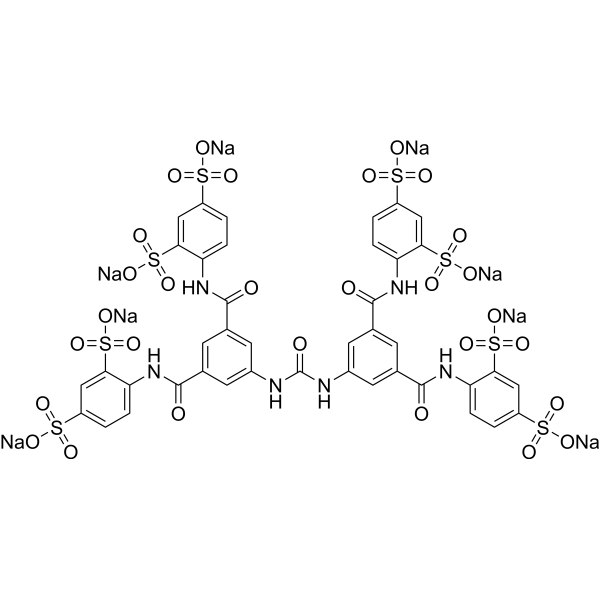
NF449 octasodium is a highly potent P2X1 receptor antagonist, with IC50s of 0.28, 0.69, and 120 nM for rP2X1, rP2X1+5, P2X2+3, respectively. NF449 octasodium is a Gsα-selective G Protein antagonist. NF449 octasodium suppresses the rate of GTP[γS] binding to Gsα-s, inhibits the stimulation of adenylyl cyclase activity, and blocks the coupling of β-adrenergic receptors to Gs .
loading...
    loading...
7
7 Cited Publications
Cat. No.: HY-P7862
Purity:  ≥ 95%, as determined by reducing SDS-PAGE.
Synonyms: C3; Complement Component 3; Complement C3; C3a Anaphylatoxin; CPAMD1; Prepro-C3; ARMD9; Epididymis Secretory Sperm binding protein Li 62p; C3a; Acylation-Stimulating protein Cleavage Product; C3b; HEL-S-62p; C3 And PZP-Like Alpha-2-Macroglobulin Domain-Containing protein 1; AHUS5; Complement Component C3a; ASP; Complement Component C3b
Species:  
Human
Source:  
E. coli
loading...
    loading...
6
6 Cited Publications
Cat. No.: HY-15121
CAS No.: 3081-61-6
Purity:  99.67%
Synonyms: L-Glutamic Acid γ-ethyl amide; Nγ-Ethyl-L-glutamine
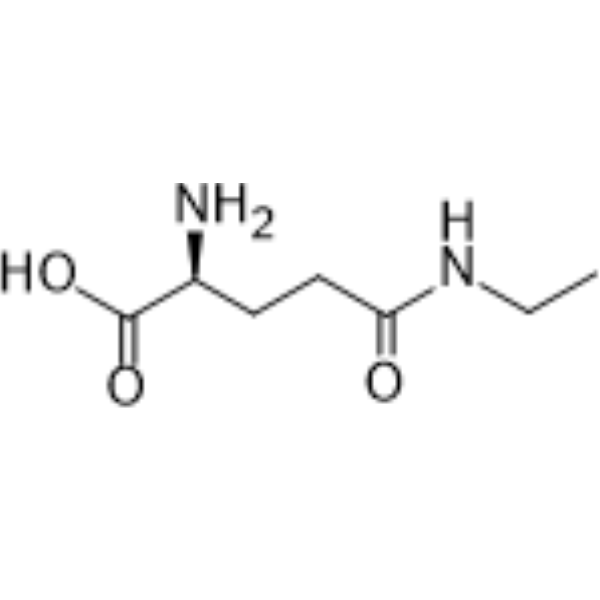
L-Theanine (L-Glutamic Acid γ-ethyl amide) is a non-protein amino acid contained in green tea leaves, which blocks the binding of L-glutamic acid to glutamate receptors in the brain, and with neuroprotective, anticancer and anti-oxidative activities. L-Theanine can pass through the blood–brain barrier and is orally active .
loading...
    loading...
6
6 Cited Publications
Cat. No.: HY-B0026
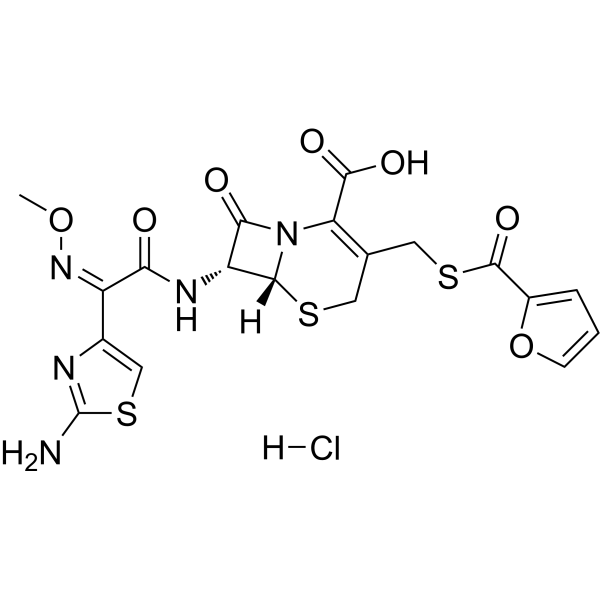
CAS No.: 103980-44-5
Ceftiofur hydrochloride is a cell wall synthesis inhibitor that targets bacterial penicillin-binding proteins (PBPs) and has anti-inflammatory effects in endotoxemia. Ceftiofur hydrochloride exerts bactericidal effects by inhibiting the synthesis of bacterial cell wall peptidoglycan, leading to bacterial cell lysis. Ceftiofur hydrochloride also inhibits the activation of NF-κB and MAPKs, thereby reducing the secretion of pro-inflammatory cytokines such as TNF-α, IL-1β, and IL-6 .
loading...
    loading...
6
6 Cited Publications
Cat. No.: HY-B0898
CAS No.: 104010-37-9
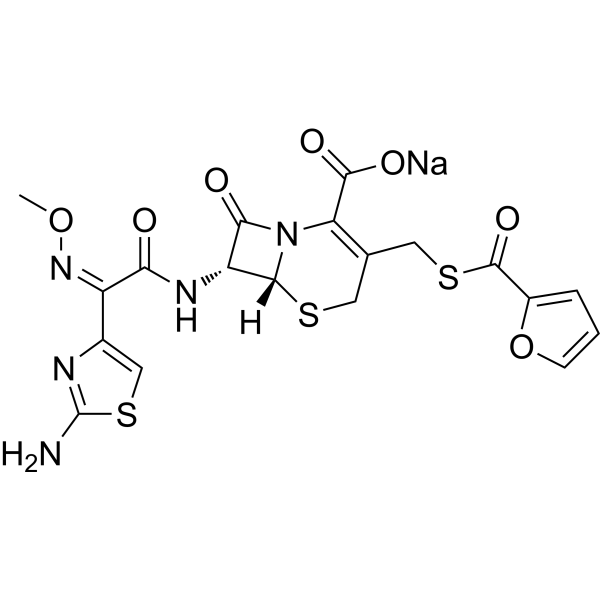
Synonyms: sodium ceftiofur
Ceftiofur sodium is a cell wall synthesis inhibitor that targets bacterial penicillin-binding proteins (PBPs) and has anti-inflammatory effects in endotoxemia. Ceftiofur sodium exerts bactericidal effects by inhibiting the synthesis of bacterial cell wall peptidoglycan, leading to bacterial cell lysis. Ceftiofur sodium also inhibits the activation of NF-κB and MAPKs, thereby reducing the secretion of pro-inflammatory cytokines such as TNF-α, IL-1β, and IL-6 .
loading...
    loading...
6
6 Cited Publications
Cat. No.: HY-N7102
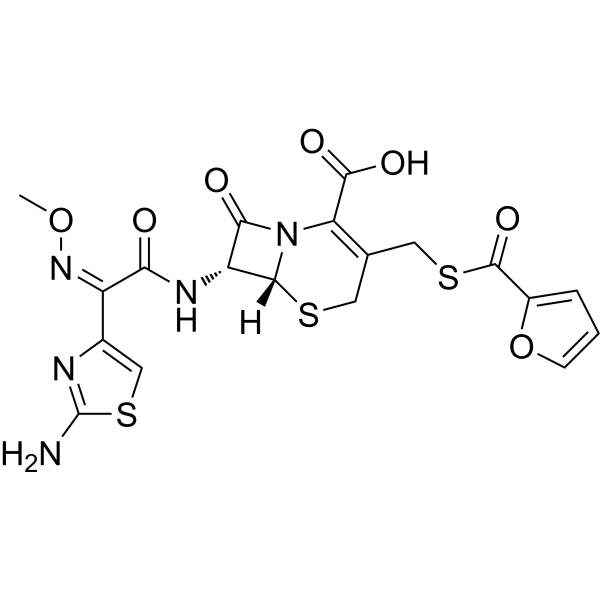
CAS No.: 80370-57-6
Ceftiofur is a cell wall synthesis inhibitor that targets bacterial penicillin-binding proteins (PBPs) and has anti-inflammatory effects in endotoxemia. Ceftiofur exerts bactericidal effects by inhibiting the synthesis of bacterial cell wall peptidoglycan, leading to bacterial cell lysis. Ceftiofur also inhibits the activation of NF-κB and MAPKs, thereby reducing the secretion of pro-inflammatory cytokines such as TNF-α, IL-1β, and IL-6 .
loading...
    loading...
6
6 Cited Publications
Cat. No.: HY-12695
CAS No.: 36051-31-7
Purity:  ≥95.0%
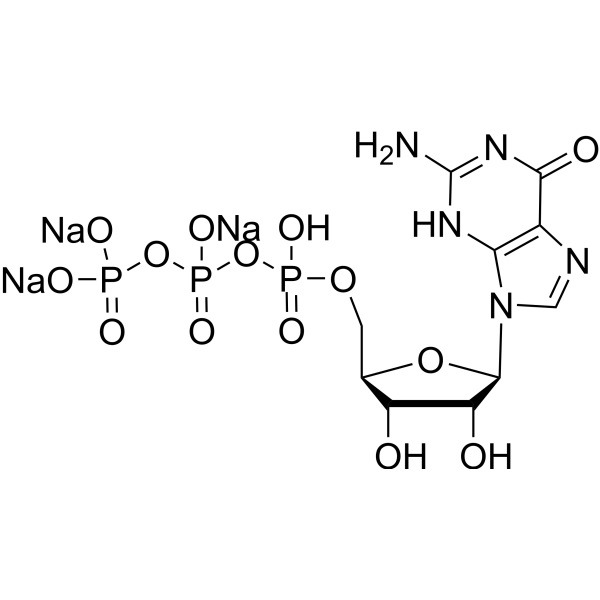
Synonyms: GTP trisodium
Guanosine triphosphate (GTP) trisodium is a critical nucleotide and regulator of cellular metabolism. Guanosine triphosphate trisodium promotes ribosomal DNA localization, pre-rRNA transcription and ribosome biogenesis by binding to RNA polymerase I and GPN proteins (GPN1/3). Guanosine triphosphate trisodium links MYC-dependent ribosome biogenesis to nucleotide sufficiency, acts as a metabolic gatekeeper supporting protein synthesis, DNA/RNA synthesis and cellular signal transduction, while also participating in the physiological activities of pancreatic β-cells and serving as an oxidative substrate for reactive oxygen species. In small cell lung cancer with high MYC expression, Guanosine triphosphate trisodium accumulates through the IMPDH-driven synthetic pathway, thereby affecting apoptosis and mitotic processes. Guanosine triphosphate trisodium is used in the research of small cell lung cancer, hepatoblastoma and cellular metabolism .
loading...
    loading...

