

99 Results for "

α-Amylase Inhibitor

" in MedChemExpress (MCE) Product Catalog:
Products (99)

99 Results for "α-Amylase Inhibitor" in MCE Product Catalog:

9
9 Publications Verification
Cat. No.: HY-132179
CAS No.: 9072-19-9
Purity:  ≥98.0%
Fucoidan, a biologically active polysaccharide, is an efficient inhibitor of α-amylase and α-glucosidase. Anticoagulant, antitumor, antioxidant and antisteatotic activities .
loading...
    loading...
3
3 Cited Publications
Cat. No.: HY-N1425
CAS No.: 20316-62-5
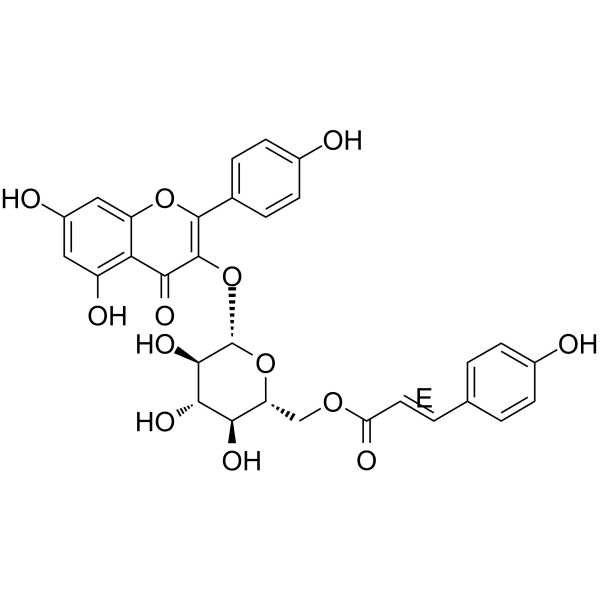
Tiliroside, a glycosidic flavonoid, possesses anti-diabetic activities. Tiliroside is a noncompetitive inhibitor of α-amylase with a Ki value of 84.2  μM. Tiliroside inhibits carbohydrate digestion and glucose absorption in the gastrointestinal tract .
loading...
    loading...
3
3 Cited Publications
Cat. No.: HY-Y0598
CAS No.: 614-47-1
Synonyms: Benzylideneacetophenone
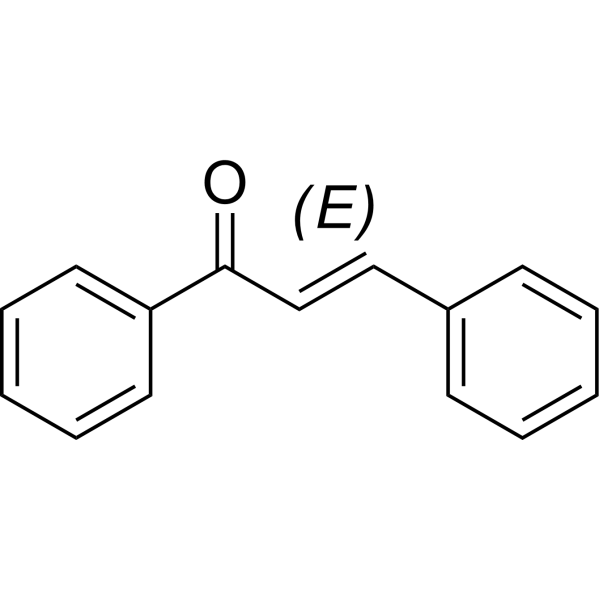
trans-Chalcone, isolated from Aronia melanocarpa skin, is a biphenolic core structure of flavonoids precursor. trans-Chalcone is a potent fatty acid synthase (FAS) and α-amylase inhibitor. trans-Chalcone causes cellcycle arrest and induces apoptosis in the breastcancer cell line MCF-7. trans-Chalcone has antifungal and anticancer activity .
loading...
    loading...
2
2 Cited Publications
Cat. No.: HY-N0668
CAS No.: 64849-39-4
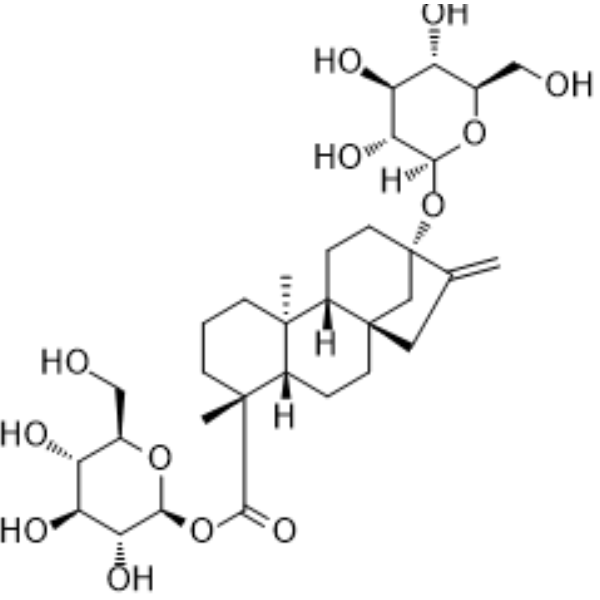
Rubusoside is a diterpene glycoside that is also a sweetener and solubilizer with anti-angiogenic, anti-cancer, anti-obesity, anti-allergic and anti-asthmatic effects. Rubusoside attenuates airway hyperresponsiveness and reduces inflammatory cells in bronchoalveolar lavage fluid (BALF), reducing OVA (HY-W250978)-induced airway inflammation. Rubusoside also prevents palmitic acid-induced lipotoxicity in pancreatic INS-1 cells, reduces the transport of human glucose transporters GLUT-1 and fructose GLUT-5, and inhibits NF-κB and α-amylase (α-amylase) .
loading...
    loading...
2
2 Cited Publications
Cat. No.: HY-N8599
CAS No.: 531-58-8
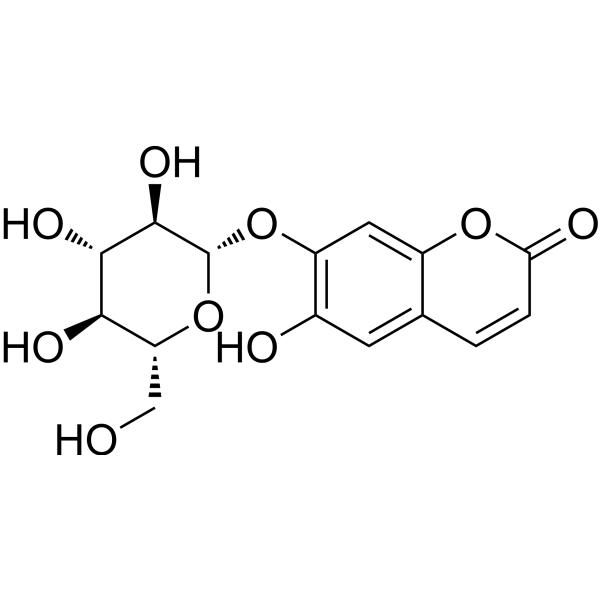
Cichoriin is an orally active coumarin glycoside with broad biological activities. Cichoriin exhibits inhibitory activities against α-amylase, α-glucosidase, pancreatic lipase and DPP-IV, with IC50 values of 5.76, 2.94, 16.83 and 9.16 μg/mL, respectively. Cichoriin significantly improves metabolic dysfunction-associated steatohepatitis (MASH) in mice by activating the AMPK signaling pathway. Cichoriin upregulates PPAR-γ in adipose tissue and alleviates obesity and associated cardiorenal injury in rats. Cichoriin blocks monosodium urate crystal-induced activation of the NLRP3 inflammasome and cell pyroptosis by inhibiting P2Y14R (IC50 = 8.47 nM). In silico virtual screening reveals that Cichoriin has a strong binding affinity for SARS-CoV-2 .
loading...
    loading...
1
1 Cited Publications
Cat. No.: HY-N2376
CAS No.: 35775-49-6
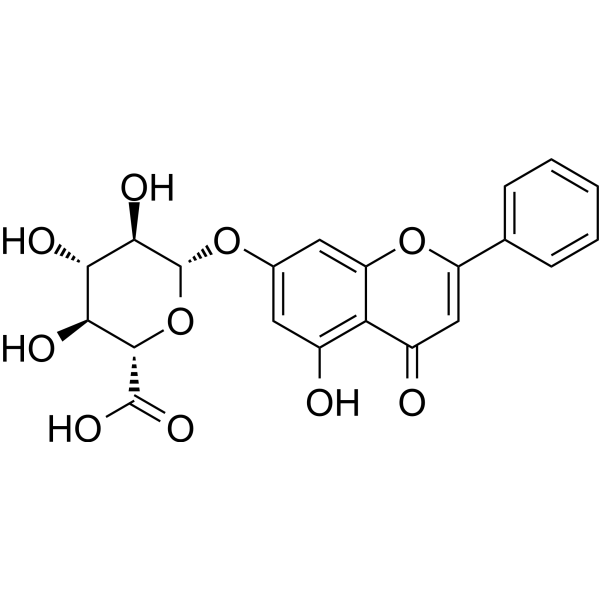
Chrysin-7-O-glucuronide is a flavonoid found in Scutellaria baicalensis. Chrysin-7-O-glucuronide inhibits α-glucosidase and α-amylase with IC50 values of 612.13 and 980.73 μg/mL. Chrysin-7-O-glucuronide suppresses NF-κB signaling activity. Chrysin-7-O-glucuronide scavenges free radicals, acts as a tight junction protector, and mitigates intestinal mucosal barrier injury. Chrysin-7-O-glucuronide can be used for the research of type 2 diabetes and severe acute pancreatitis-induced intestinal mucosal barrier injury .
loading...
    loading...
1
1 Cited Publications
Cat. No.: HY-W017370
CAS No.: 99-48-9
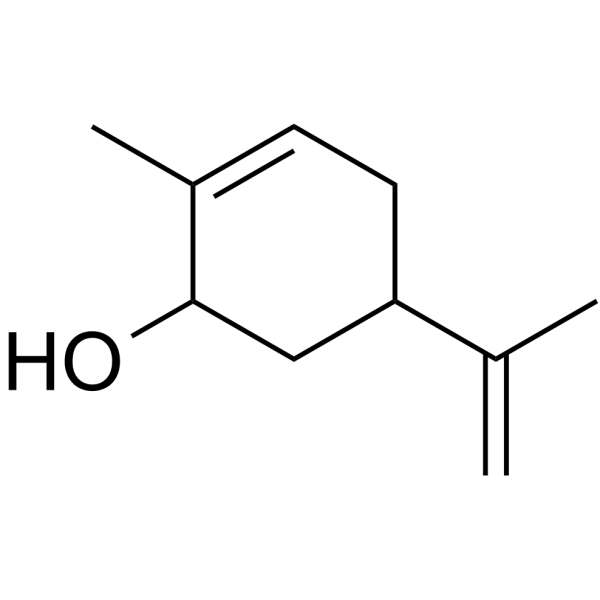
Carveol is an orally active monoterpenoid alcohol with neuroprotective, antioxidant, anti-inflammatory, anticonvulsant, antidiabetic, hypolipidemic and hepatoprotective activities. Carveol upregulates the expression of Bcl2, downregulates the expression of caspase-3, TNF-α, IL1β and IL6, activates the Nrf2/HO-1 antioxidant signaling pathway, inhibits the RAGE/NF-κB signaling pathway, and suppresses neuroinflammation and neuronal apoptosis. Carveol inhibits α-synuclein aggregation, improves cognitive ability, and inhibits α-amylase activity. Carveol exerts neuroprotective effects in a rat model of Parkinson's disease. Carveol exhibits antidiabetic effects in alloxan-induced diabetic rats. Carveol alleviates PTZ-induced seizures in rats. Carveol can be used in research related to Parkinson's disease, epilepsy, diabetes and ischemic stroke .
loading...
    loading...
1
1 Cited Publications
Cat. No.: HY-W041324
CAS No.: 119018-29-0
Research Areas:  

Metabolic Disease

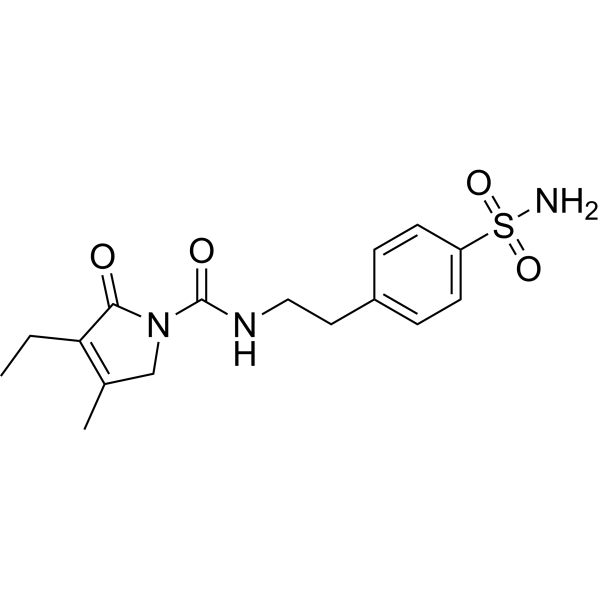
Glimepiride sulfonamide acts as both a DPP-IV inhibitor and an α-Amylase inhibitor. It serves as an intermediate for the synthesis of Glimepiride (HY-B0104). Glimepiride sulfonamide stimulates the production and secretion of insulin. It possesses anti-diabetic potential and can be used in diabetes-related research .
loading...
    loading...
Cat. No.: HY-126052
CAS No.: 86361-55-9
Purity:  99.86%
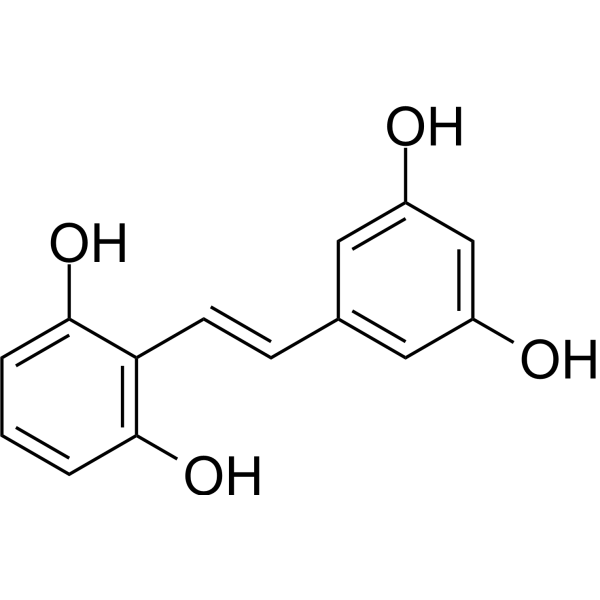
Gnetol is a phenolic compound isolated from the root of Gnetum montanum . Gnetol potently inhibits COX-1 (IC50 of 0.78 μM) and HDAC. Gnetol is a potent tyrosinase inhibitor with an IC50 of 4.5 μM for murine tyrosinase and suppresses melanin biosynthesis. Gnetol has antioxidant, antiproliferative, anticancer and hepatoprotective activity. Gnetol also possesses concentration-dependent α-Amylase, α-glucosidase, and adipogenesis activities .
loading...
    loading...
Cat. No.: HY-N6675
CAS No.: 94238-00-3
Gardenia yellow is a competitive inhibitor of α-Amylase (HY-B2193) and α-glucosidase. Gardenia yellow can bind to the catalytic sites of α-Amylase and α-glucosidase, inhibit starch digestion, and significantly increase the contents of resistant starch and slowly digestible starch in starch-based systems. Gardenia yellow reduces the glycemic index and hydrolysis index. Gardenia yellow can be used in diabetes-related research .
loading...
    loading...
Cat. No.: HY-W068682
CAS No.: 528-71-2
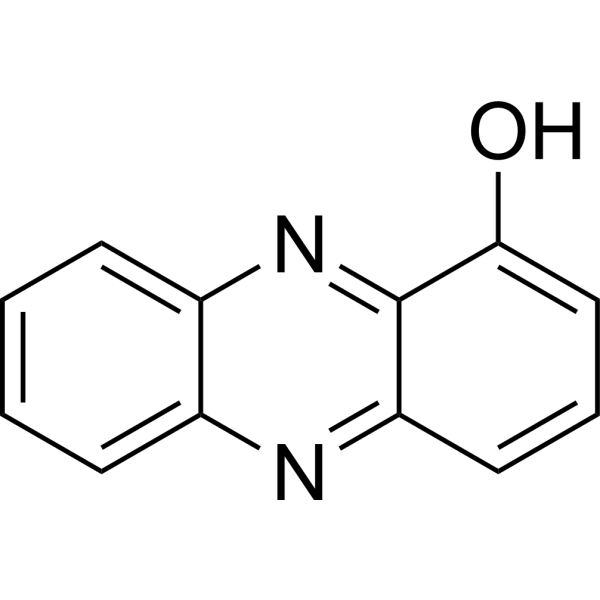
Synonyms: Hemipyocyanine; 1-Phenazinol; Hemi-pyocyanin
1-Hydroxyphenazine (Hemipyocyanine; 1-Phenazinol; Hemi-pyocyanin) is an inhibitor for α-Amylase with an IC50 of 3.1 μg/mL . 1-Hydroxyphenazine exhibits anticancer and anti-inflammatory activity against cells A549, 1321N1 and RAW264.7, antifungal and antibacterial activity against strains Candida albicans, Aspergillus fumigatus, Escherichia coli and Xanthomonas campestris .
loading...
    loading...
Cat. No.: HY-W016993
CAS No.: 610-02-6
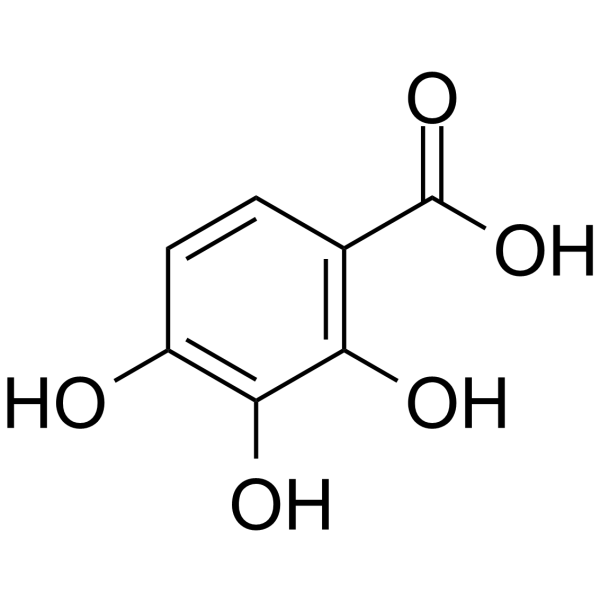
2,3,4-Trihydroxybenzoic acid is an α-amylase inhibitor with an IC50 of 17.30 mM against porcine α-amylase. 2,3,4-Trihydroxybenzoic acid increases cellular p21 and p27 protein levels. 2,3,4-Trihydroxybenzoic acid inhibits cancer cell growth and delays starch digestion to suppress postprandial hyperglycemia. 2,3,4-Trihydroxybenzoic acid can be used in research related to colorectal cancer, breast cancer and type 2 diabetes .
loading...
    loading...
Cat. No.: HY-135530
CAS No.: 5424-20-4
Purity:  ≥96.0%
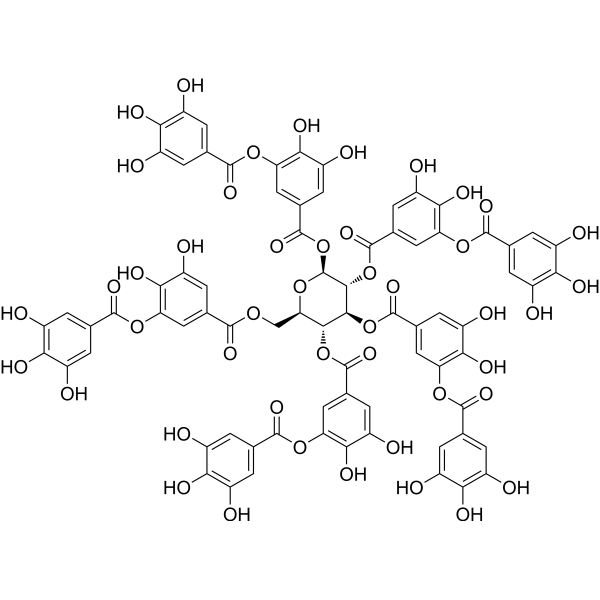
Chinese gallotannin is a non-specific promiscuous α-amylase inhibitor with a Ki of 0.82 μg/mL for human salivary α-amylase. Chinese gallotannin can be used for the research of diabetes .
loading...
    loading...
Cat. No.: HY-W005598
CAS No.: 59-31-4
Target:  

Glycosidase Amylases

Research Areas:  

Metabolic Disease

2-Hydroxyquinoline is an α-glucosidase inhibitor (IC50 = 64.4 µg/mL) and an α-amylase inhibitor (IC50 = 130.5 µg/mL). 2-Hydroxyquinoline inhibits α-glucosidase and α-amylase activities. 2-Hydroxyquinoline exhibits antidiabetic effects. 2-Hydroxyquinoline can be used for research on diabetes .
loading...
    loading...
Cat. No.: HY-N4309
CAS No.: 6871-67-6
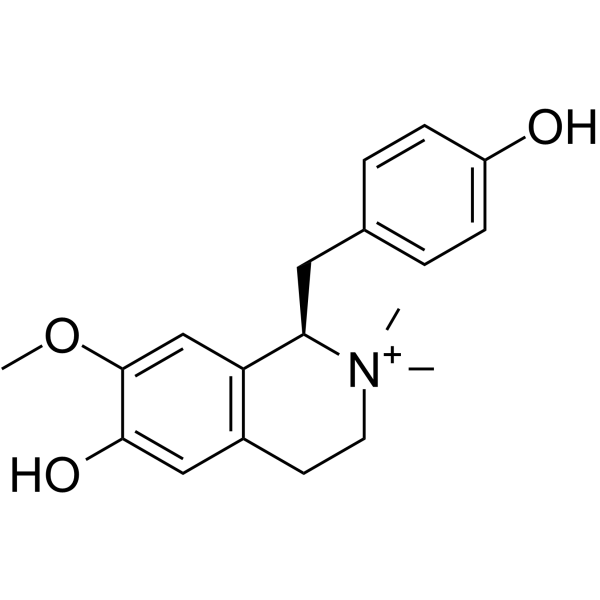
Lotusine is an orally active signaling pathway modulator and enzyme inhibitor, with an IC50 of 30.60 μg/mL against α-amylase and an IC50 of 36.15 μg/mL against α-glucosidase. Lotusine inhibits the EGFR-Akt-ERK signaling pathway by reducing the levels of phosphorylated EGFR, Akt and ERK. Lotusine induces apoptosis, triggers G0/G1 cell cycle arrest and inhibits cancer cell proliferation. Lotusine reduces lipid peroxidation and increases the activities of SOD, CAT and GPx. Lotusine is applicable to researches related to non-small cell lung cancer, type 2 diabetes and autism spectrum disorder .
loading...
    loading...
Cat. No.: HY-200541
CAS No.: 31499-72-6
Dihydro-α-ionone is a volatile compound found in the essential oil of Persicaria hydropiper L. leaves. The essential oil can inhibit α-glucosidase and α-amylase activities .
loading...
    loading...
Cat. No.: HY-146752
Target:  

Amylases

Research Areas:  

Others

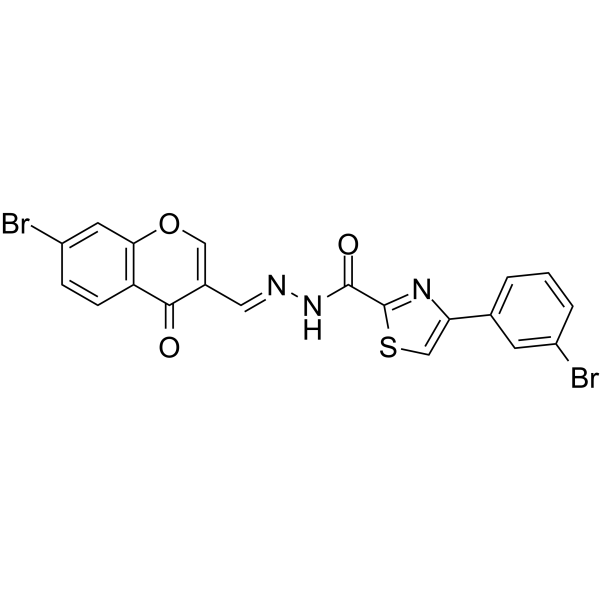
α-Amylase-IN-1 is a potent α-amylase inhibitor with an IC50 of 4.46 μM .
loading...
    loading...
Cat. No.: HY-N12999
CAS No.: 5779-62-4
Stigmast-5-en-3-ol induces cancer cell apoptosis and inhibits proliferation by increasing the production of Bax, Caspase-9, p53, and PARP cleavage and reducing Bcl-xl expression. Stigmast-5-en-3-ol exhibits potent inhibitory activity against glucoamylase and α-amylase and possesses high antioxidant activity. Stigmast-5-en-3-ol can be used in the research of diseases such as leukemia, breast cancer, type 2 diabetes, and obesity .
loading...
    loading...
Cat. No.: HY-N17254
CAS No.: 1008798-85-3
Onjisaponin R is an α-amylase inhibitor. Onjisaponin R can be used in diabetes research .
loading...
    loading...
Cat. No.: HY-N9454
CAS No.: 91893-83-3
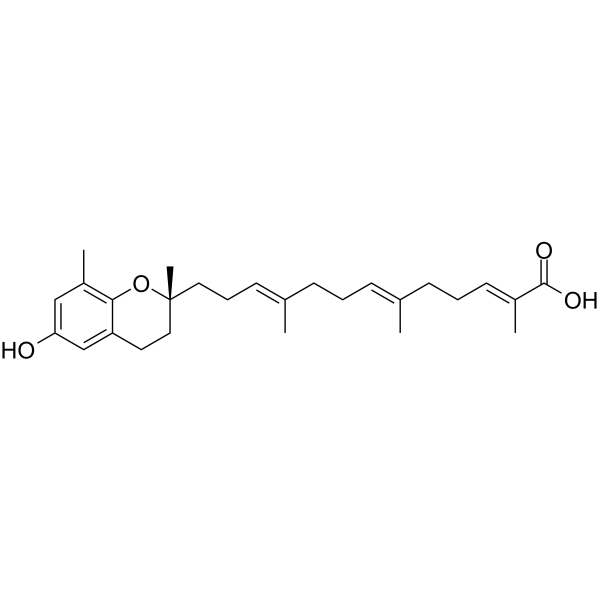
Garcinoic acid is an orally active anti-inflammatory agent that crosses the blood-brain barrier. Garcinoic acid also enhances efferocytosis and enzyme/receptor regulation, and selectively inhibits human COX-2, porcine α-amylase, Saccharomyces cerevisiae α-glucosidase and human DNA polymerase β (IC50=11 μM), as well as activates human PXR. Garcinoic acid enhances macrophage efferocytosis via receptors such as MerTK and LRP-1, and promotes the production of pro-resolving lipid mediators. Garcinoic acid inhibits NF-κB activation and pro-inflammatory cytokine secretion, interferes with aggregation, downregulates NLRP3 inflammasome activity, and binds to targets including CD44 and EGFR to inhibit leukemia cell proliferation. The pharmacological activities of Garcinoic acid, such as antioxidant, anti-inflammatory and lipid metabolism-regulating effects, are widely used in studies related to various diseases including atherosclerosis, Alzheimer's disease, type 2 diabetes, inflammatory bowel disease and viral pneumonia .
loading...
    loading...

