From 11:00 pm to 12:00 pm EST ( 8:00 pm to 9:00 pm PST ) on January 6th, the website will be under maintenance. We are sorry for the inconvenience. Please arrange your schedule properly.
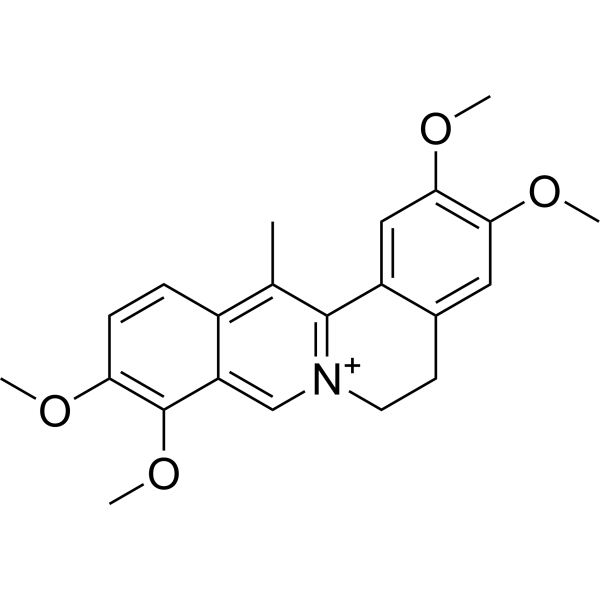
Dehydrocorydaline (13-Methylpalmatine) is an alkaloid that regulates protein expression of Bax, Bcl-2; activates caspase-7, caspase-8, and inactivates PARP . Dehydrocorydaline elevates p38 MAPK activation. Anti-inflammatory and anti-cancer activities . Dehydrocorydaline shows strong anti-malarial effects (IC50=38 nM), and low cytotoxicity (cell viability > 90%) using P. falciparum3D7 strain .
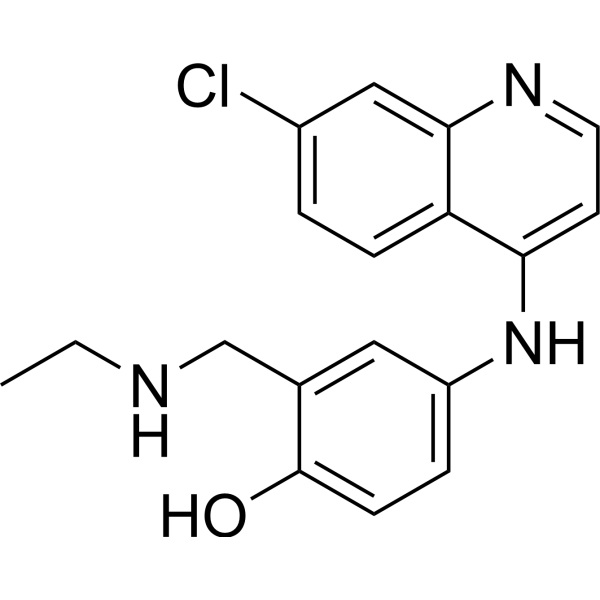
N-Desethyl amodiaquine is the biologically active metabolite of Amodiaquine (HY-B1322A). N-Desethyl amodiaquine is an antiparasitic agent, has inhibitory for strains V1/S and 3D7 with IC50 values of 97 nM and 25 nM, respectively. N-Desethyl amodiaquine can be used for the research of malaria .
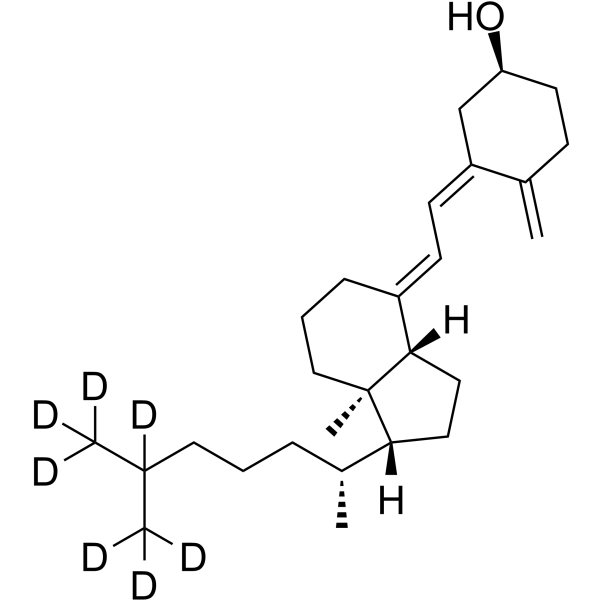
Vitamin D3-d7 is the deuterium labeled Vitamin D3. Vitamin D3 (Cholecalciferol) is a naturally occuring form of vitamin D. Vitamin D3 induces cell differentiation and prevents proliferation of cancer cells .
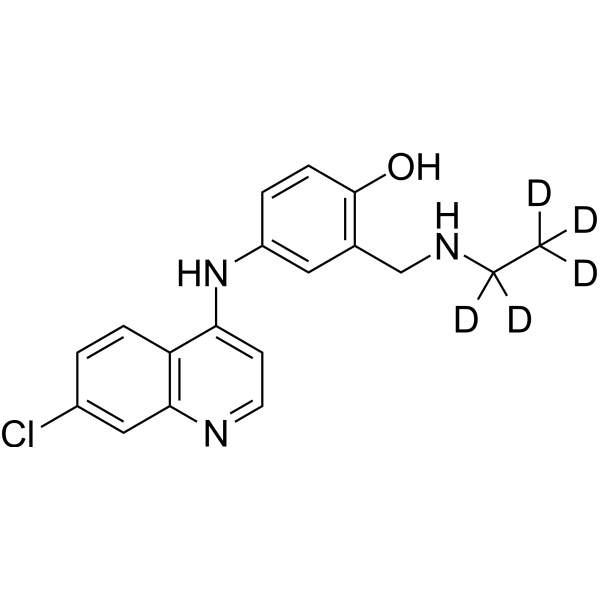
N-Desethyl amodiaquine-d5 is the deuterium labeled N-Desethyl amodiaquine. N-Desethyl amodiaquine is the major biologically active metabolite of Amodiaquine. N-Desethyl amodiaquine is an antiparasitic agent. IC50 values for strains V1/S and 3D7 are 97 nM and 25 nM, respectively .
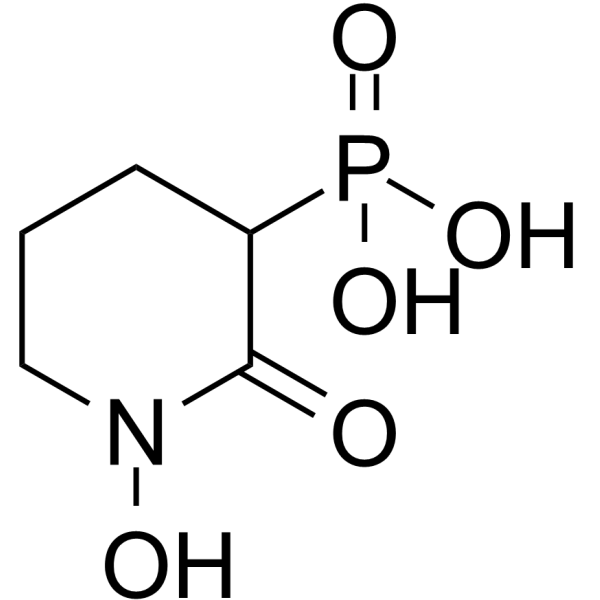
Hex is an enolase inhibitor and antimalarial agent with Ki values of 74.4 nM and 269.4 nM for ENO2 and ENO1, respectively. Hex is a NfENO and TbENO inhibitor with IC50s value of 0.14 μM and 2.1 μM, respectively. Hex has antimalarial activity against Plasmodium falciparum3D7, Naegleria fowleri trophozoites and Plasmodium berghei ANKA strain. Hex has anti-tumor effects against intracranial tumors .
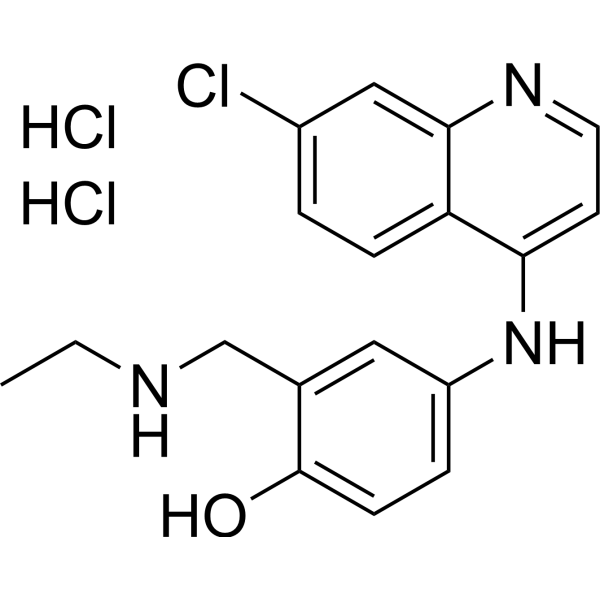
N-Desethyl amodiaquine dihydrochloride is the biologically active metabolite of Amodiaquine (HY-B1322A). N-Desethyl amodiaquine dihydrochloride is an antiparasitic agent, has inhibitory for strains V1/S and 3D7 with IC50 values of 97 nM and 25 nM, respectively. N-Desethyl amodiaquine dihydrochloride can be used for the research of malaria .
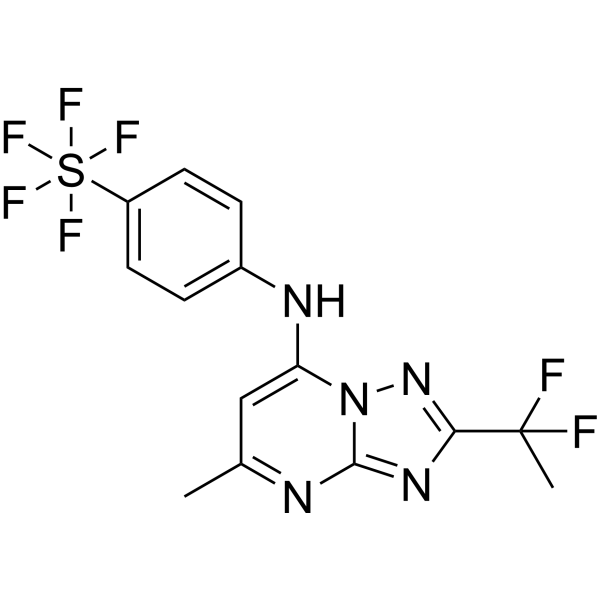
DSM265 is a long-duration inhibitor of P. falciparum dihydroorotate dehydrogenase (PfDHODH) with an IC50 of 8.9 nM. DSM265 can also inhibit the growth of Pf3D7 parasites with an EC50 of 4.3 nM .
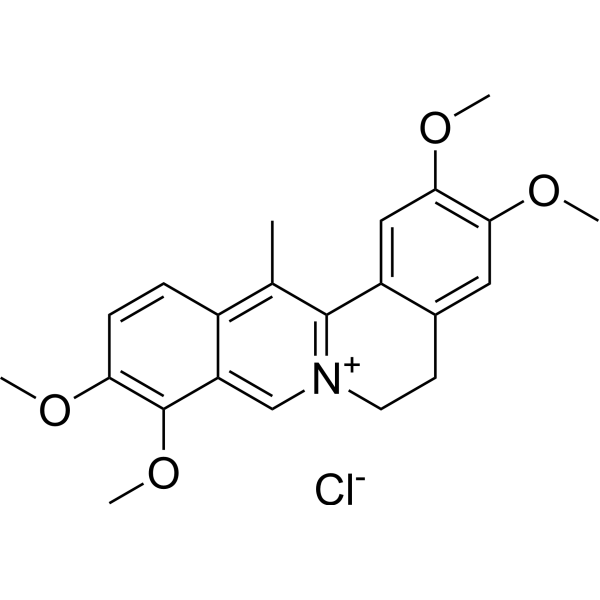
Dehydrocorydaline chloride (13-Methylpalmatine chloride) is an alkaloid that regulates protein expression of Bax, Bcl-2; activates caspase-7, caspase-8, and inactivates PARP . Dehydrocorydaline chloride elevates p38 MAPK activation. Anti-inflammatory and anti-cancer activities . Dehydrocorydaline chloride shows strong anti-malarial effects (IC50?=38 nM), and low cytotoxicity (cell viability?>?90%) using P. falciparum3D7 strain .
2-Amino-1-phenylethanol is a pharmaceutical intermediate that can be used for the synthesis of antimalarial agents and β2-adrenergic receptor agonists .
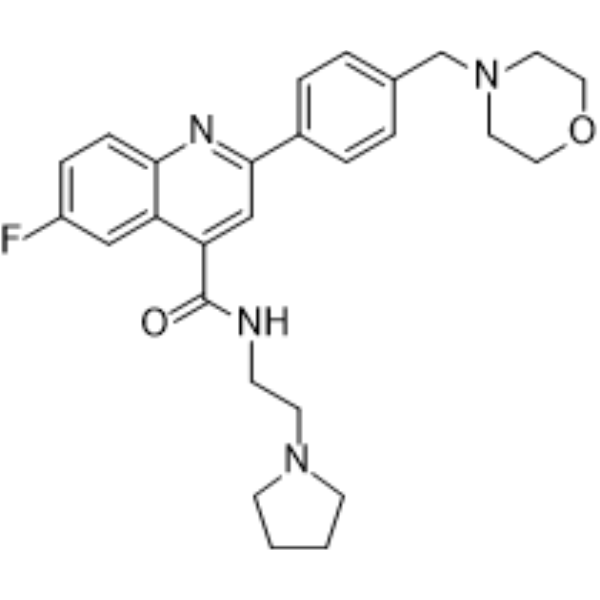
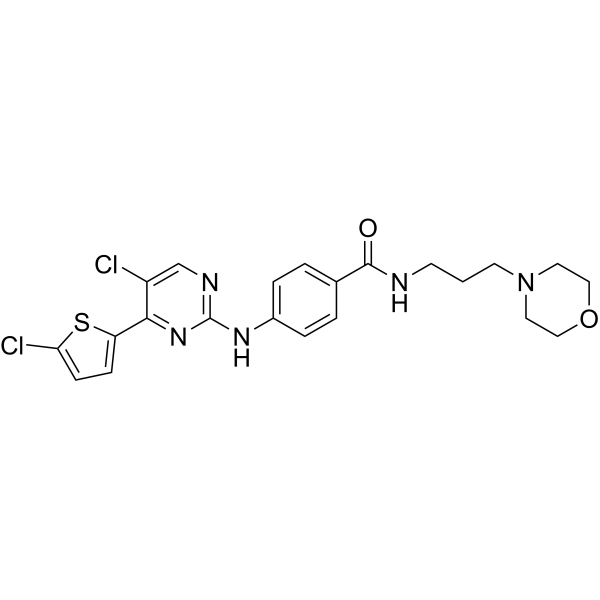
PfGSK3/PfPK6-IN-1 is a dual Plasmodium serine/threonine kinase inhibitor, with an IC50 of 97 nM against PfGSK3 and 8 nM against PfPK6 of Plasmodium falciparum. PfGSK3/PfPK6-IN-1 inhibits the proliferation of blood-stage parasites of Plasmodium falciparum 3D7. PfGSK3/PfPK6-IN-1 shows low cytotoxicity to hepatocytes at a concentration of 200 nM, and reduces cell viability at a concentration of 2 μM. PfGSK3/PfPK6-IN-1 is applicable to malaria-related research .
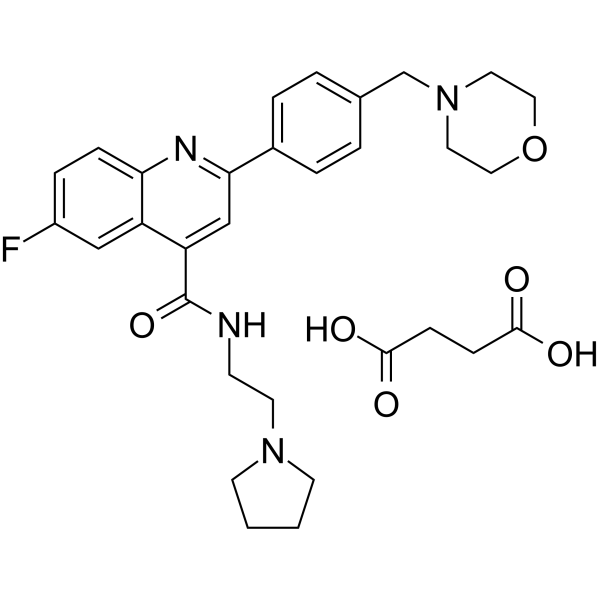
Cabamiquine (DDD107498) is a potent and orally active antimalarial agent, inhibits multiple life-cycle stages of the parasite, with an EC50 of 1 nM against P. falciparum3D7. Cabamiquine inhibits protein synthesis by targeting eEF2/CaMKIII, with an EC50 of 2 nM for WT-PfeEF2 .
9-Hydroxycalabaxanthone (Xanthone I) is a known xanthone isolated from Garcinia mangostana Linn. 9-Hydroxycalabaxanthone has quorum-sensing inhibitory, anti-microbial, and anti-malarial activities (IC50=1.2-1.5 μM) .
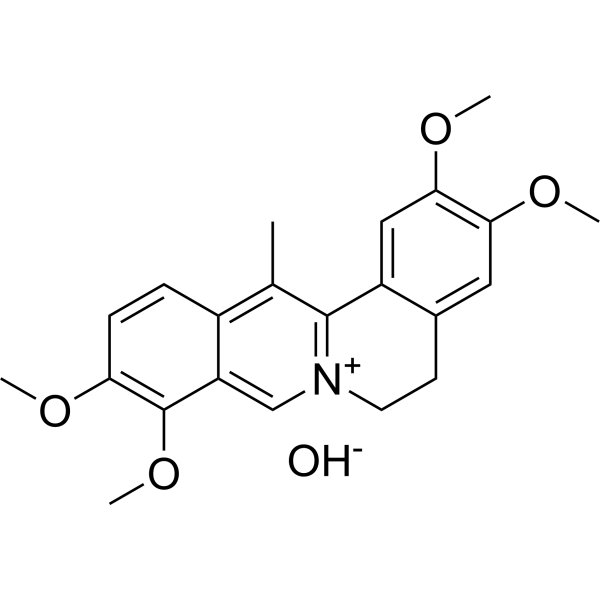
Dehydrocorydaline (13-Methylpalmatine) hydroxyl is an alkaloid that regulates protein expression of Bax, Bcl-2; activates caspase-7, caspase-8, and inactivates PARP. Dehydrocorydaline hydroxyl elevates p38 MAPK activation. Anti-inflammatory and anti-cancer activities. Dehydrocorydaline hydroxyl shows strong anti-malarial effects (IC50=38 nM), and low cytotoxicity (cell viability > 90%) using P. falciparum 3D7 strain.
trans,trans-Dibenzylideneacetone ((E,E)-Dibenzylideneacetone) (compound A1) is a dibenzylideneacetone with a week antimalarial activity. trans,trans-Dibenzylideneacetone inhibits P. falciparum3D7 strain with an IC50 of 213.41 μM .
DSM1465 (Compound 82) is a potent, selective inhibitor of P. falciparum dihydroorotate dehydrogenase (PfDHODH) with an IC50 value of 15 nM, inhibits P. falciparum3D7(Pf3D7) parasites with an EC50 value of 1.4 nM. DSM1465 shows potent in vivo activity in the humanized P. falciparum mouse model .
N-Desethyl amodiaquine-d5 dihydrochloride is the deuterium labeled N-Desethyl amodiaquine dihydrochloride. N-Desethyl amodiaquine dihydrochloride is the major biologically active metabolite of Amodiaquine. N-Desethyl amodiaquine dihydrochloride is an antiparasitic agent. IC50 values for strains V1/S and 3D7 are 97 nM and 25 nM, respectively .
Cabamiquine (DDD107498) succinate is a potent and orally active antimalarial agent, inhibits multiple life-cycle stages of the parasite, with an EC50 of 1 nM against P. falciparum3D7. Cabamiquine succinate inhibits protein synthesis by targeting eEF2/CaMKIII, with an EC50 of 2 nM for WT-PfeEF2 .
Purfalcamine is an orally active, selective Plasmodium falciparum calcium-dependent protein kinase 1 (PfCDPK1) inhibitor with an IC50 of 17 nM and an EC50 of 230 nM. Purfalcamine has antimalarial activity and causes malaria parasites developmental arrest at the schizont stage .
Warangalone is an anti-malarial compound which can inhibit the growth of both strains of parasite 3D7 (chloroquine sensitive) and K1 (chloroquine resistant) with IC50s of 4.8 μg/mL and 3.7 μg/mL, respectively. Warangalone can also inhibit cyclic AMP-dependent protein kinase catalytic subunit (cAK) with an IC50 of 3.5 μM.
Desmethylastemizole (O-Demethylastemizole) , a metabolite of Astemizole (HY-12532), is a β-hematin (βH) inhibitor. Desmethylastemizole has an antiplasmodium activity against P. falciparum with IC50 of 0.12, 0.11 and 0.06 μM for Pf3D7, PfDd2, and PfItG strains, respectively. Desmethylastemizole is also a Histamine H1 receptor antagonist. Desmethylastemizole significantly blocks hERG K + channels and also inhibits histone-lysine N-methyltransferase EZH2 activity. Desmethylastemizole can be used for long QT syndrome and malaria research .
Fosmidomycin is an orally active antibiotic, which exhibits antimalarial activity through inhibition of 1-deoxy-D-xylulose 5-phosphate reductoisomerase (DOXP reductoisomerase). Fosmidomycin inhibits P. falciparum strains 3D7, HB3, Dd2 and A2, with IC50s of 150, 71, 170 and 150 ng/mL, respectively. Fosmidomycin exhibits synergistic effect with Clindamycin (HY-B1455), and ameliorates malaria in mouse model .
CWHM-1008 is a potent and orally active antimalarial agent, with EC50 values of 46 and 21 nM against agent-sensitive Plasmodium falciparum3D7 and drug-resistant Dd2 strains, respectively .
RMM23 is an inhibitor targeting PfBDP1 with a Kd value of 1.24 μM. RMM23 against the wild-type strains 3D7 and NF54, and the multidrug-resistant K1 strain in vitro blood stage, with EC50 values of 18 μM, 14 μM, 20 μM, respectively .
MMV009085 is a potent PfHT1 (Plasmodium falciparum hexose transporter)-specific inhibitor and a potential anti-malarial agent . MMV009085 is also a human glucose transporter inhibitor, it has high potency in inhibiting both glucose uptake (IC50: 2.6 μM in glucose uptake assay) and growth of the parasites (EC50: 1.23±0.04 μM against 3D7) .
Aristolactam A II (Aristololactam A II) is a weak COX inhibitor with cytotoxic and anti-plasmodial activities. Aristolactam A II exhibits inhibitory activity against Chloroquine (HY-17589A)-sensitive strains, and exerts its inhibitory effect on Plasmodium falciparum growth by inducing cell membrane damage marked by LDH release. Aristolactam A II can be applied to the research of malaria-related mechanisms .
Melicopine is an alkaloid found in Z. simulans with antimalarial and anticancer activities. It exhibits inhibitory activity against chloroquine-sensitive 3D7 and chloroquine-resistant Dd2 strains of P. falciparum, with IC50 values of 29.7 and 33.7 µg/mL, respectively. Melicopine is cytotoxic to prostate cancer cells PC-3M and LNCaP (IC50 values of 47.9 and 37.8 µg/mL), but has no effect on non-cancerous HEK293 cells (IC50 greater than 100 µg/mL). Melicopine holds promise for research in anticancer and anti-infection fields .
DS-103 is an inhibitor for HDAC that inhibits HDAC1, HDAC2, HDAC3, HDAC6 and HDAC8 with IC50s of 0.029, 0.123, 0.022, 0.367 and 9.26 μM, respectively. DS-103 inhibits Plasmodium falciparum3D7 with IC50 of 5.08 μM. DS-103 exhibits cytotoxicity in cells A2780 and Cal27 with IC50 of 1.48 μM and 1.47 μM, reverses Cisplatin (HY-17394) resistance in A2780 and Cal27 with IC50 of 4.62 μM and 2.23 μM. DS-103 exhibits synergistic effect with Cisplatin (HY-17394), enhances Cisplatin-induced apoptosis .
Antimalarial agent 15 (Compound 4e) is a parasite inhibitor. Antimalarial agent 15 shows antimalarial activity, and can inhibit P. falciparum3D7 parasite growth (IC50=20 nM) .
Antimalarial agent 36 (compound 1) is an antimalarial agent, with the EC50s of 58 nM and 42 nM, for Dd2 and 3D7, respectively. Antimalarial agent 36 targets EphA2 .
DXR-IN-4 (Compound 12a) is the inhibitor for 1-deoxy-D-xylulose 5-phosphate reductoisomerase (DXR). DXR-IN-4 inhibits DXR in Plasmodium falciparum Pf DXR, Escherichia coli Ec DXR, and Mycobacterium tuberculosis Mt DXR with IC50s of 18, 4.9 and 89 nM, respectively. DXR-IN-4 exhibits antimalarial activity that inhibits P. falciparum strains 3D7 and Dd2 with IC50 of 11 μM and 12 μM .
N-Desethyl amodiaquine dihydrochloride (Standard) is the analytical standard of N-Desethyl amodiaquine dihydrochloride. This product is intended for research and analytical applications. N-Desethyl amodiaquine dihydrochloride is the biologically active metabolite of Amodiaquine (HY-B1322A). N-Desethyl amodiaquine dihydrochloride is an antiparasitic agent, has inhibitory for strains V1/S and 3D7 with IC50 values of 97 nM and 25 nM, respectively. N-Desethyl amodiaquine dihydrochloride can be used for the research of malaria .
Brevicompanine B, a diketopiperazine alkaloid, is an antiplasmodial agent. Brevicompanine B is active against the malaria parasite Plasmodium falciparum3D7 IC50 of 35 mg/mL .
Antiproliferative agent-56 (Compound 31) is an antimalarial agent, that inhibits Plasmodium falciparum3D7 (Pf3D7) with an IC50 >12.5 (48h) and 0.03 μM (98h), and reveals a slow-acting property .
Antimalarial agent 12 (compound R-3b) is a potent antimalarial agent. Antimalarial agent 12 shows growth inhibition on P. falciparum Dd2 Strain (EC50=155 nM), 3D7 strain (EC50=136 nM). Antimalarial agent 12 has CC50 values of 10,000 to 50,000 nM for HEK-293 and hPHep cell lines. Antimalarial agent 12 has a MIC of >250,000 nM for Escherichia coli .
Phosphodiesterase-IN-1 (Compound 7) is a phosphodiesterase (PDE) inhibitor with anti-Plasmodium activity. Phosphodiesterase-IN-1 has antiproliferative activity against P. falciparum (strain 3D7) with an IC50 value of 0.64 μM .
SPB07935 inhibits the plasmepsin II in Plasmodium falciparum and can be used as an antimalarial agent. SPB07935 regulates the life cycle of P. falciparum, inhibits the growth of Plasmodium strains FcB1 and 3D7 with IC50 of 8 μM and 4.7 μM .
Anti-infective agent 11 (Compound 19) is an orally active antiparasitic agent. Anti-infective agent 11 inhibits the proteolytic activity of P. falciparum. Anti-infective agent 11 exhibits inhibitory activity against P. falciparum3D7 with an IC50 of 0.28 μM .
SAL-0010042 is the inhibitor for Plasmodiumphosphodiesterase β (PDEβ), that inhibits the hydrolysis of cAMP and cGMP (IC50=48.9 nM) in gametocytes, activates PKG, and inhibits the growth and development of Plasmodium (IC50 for 3D7 and Dd2 is 142 nM and 218 nM). SAL-0010042 inhibits hPDE5 and hPDE6 with IC50 of 632 nM and 73 nM .
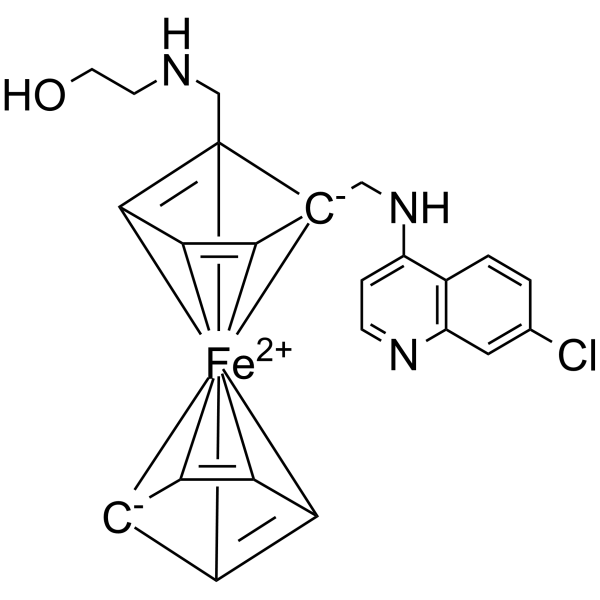
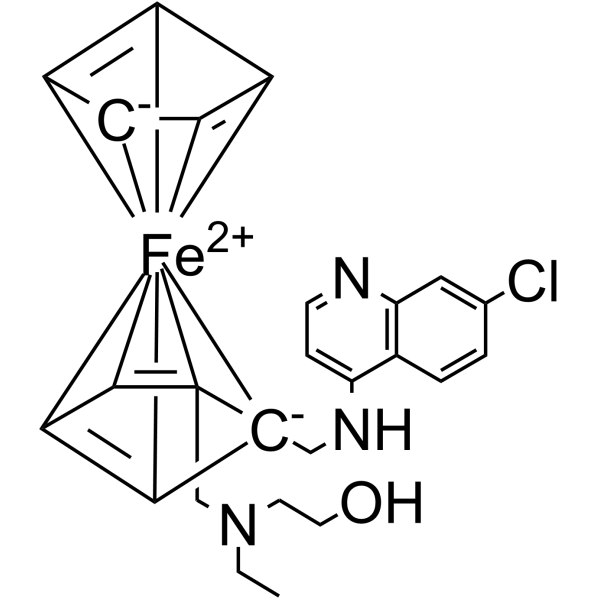
Antimalarial agent 10 (Compound 17b) is an aminoalcohol quinoline compound. Antimalarial agent 10 is an antimalarial agent with IC50 values of 14.9 nM and 11.0 nM against respectively Pf3D7 and PfW2 and a selectivity index higher than 770 whatever the cell line is .
JMI-346 is a potent PfFP-2 (Plasmodium falciparum falcipain-2 protease) inhibitor. JMI-346 inhibits the growth of CQ S (3D7; IC50=13 µM) and CQ R (RKL-9; IC50=33 µM) strains of P. falciparum. JMI-346 has the potential to be used as an anti-malarial agent .
Penicinoline (Marinamide) (Compound 1), a pyrrolyl 4-quinolinone alkaloid, is a microbial secondary metabolite. Penicinoline can be isolated from endophytic fungus Penicillium sp. Penicinoline has antimalarial activity against Chloroquine (HY-17589A) sensitive strain (pf3d7) and against Chloroquine resistant strain (pfDd2) of plasmodium falciparum. Penicinoline also has strong insecticidal activity against Aphis gossypii and selective anticancer effect with significant cytotoxicity for 95-D and HepG2 cells .
SARS-CoV-IN-1 is an effective inhibitor of SARS-CoV replication. SARS-CoV-IN-1 shows anti-Coronavirus activity with an EC50 of 4.9 μM in Vero cells. SARS-CoV-IN-1 inhibits the 3D7 and W2 strains of P. falciparum with IC50s of 15.4 and 133.2 nM; and IC90s of 25.7 and 459.1 nM; respectively. Antimalarial and antiviral activities .
Genz-669178 is an inhibitor for dihydroorotate dehydrogenase (DHODH) with IC50 of 0.015-0.05 μM in Plasmodium spp.. Genz-669178 inhibits P. berghei, P. falciparum strains 3D7 and Dd2 with IC50 of 0.068, 0.008 and 0.01 μM, respectively. Genz-669178 exhibits anti-malarial efficacy in P. berghei-infected mice with ED50 of 13-21 mg/kg/day. Genz-669178 exhibits good pharmacokinetic characteristics in mice .
CHMFL-PI4K-127 (compound 15g) is an orally active, potent and high selective PfPI4K (Plasmodium falciparum PI4K kinase) inhibitor, with an IC50 of 0.9 nM. CHMFL-PI4K-127 exhibits potent activity against 3D7Plasmodium falciparum, with an EC50 of 25.1 nM. CHMFL-PI4K-127 shows antimalaria efficacy .
SARS-CoV-IN-3 is an effective inhibitor of SARS-CoV replication. SARS-CoV-IN-3 shows anti-Coronavirus activity with an EC50 of 3.6 μM in Vero cells. SARS-CoV-IN-3 inhibits the 3D7 and W2 strains of P. falciparum with IC50s of 11.7 and 20.4 nM; and IC90s of 29.19 and 56 nM; respectively. SARS-CoV-IN-3 reduces HIV-1-induced cytopathic effect with an EC50 of 10 μM in MT-4 cells .
JMI-105 is a potent PfFP-2 (Plasmodium falciparum falcipain-2 protease) inhibitor. JMI-105 inhibits the growth of CQ S (3D7; IC50=8.8 µM) and CQ R (RKL-9; IC50=14.3 µM) strains of P. falciparum. JMI-105 significantly decreases parasitemia and prolonged host survival in a murine model with P. berghei ANKA infection. JMI-105 has the potential to be used as an anti-malarial agent .
SARS-CoV-IN-2 is an effective inhibitor of SARS-CoV replication. SARS-CoV-IN-2 shows anti-Coronavirus activity with an EC50 of 1.9 μM in Vero cells. SARS-CoV-IN-2 inhibits the 3D7 and W2 strains of P. falciparum with IC50s of 21.5 and 30 nM; and IC90s of 51.0 and 99.9 nM; respectively. SARS-CoV-IN-2 reduces HIV-1-induced cytopathic effect with an EC50 of 2.9 μM in MT-4 cells. Antimalarial and Antiviral Activities .
HDAC-IN-88 (Compound HJ-9) is the inhibitor for HDAC that inhibits HDAC6, HDAC1, HDAC2, HDAC8 and HDAC3 with IC50s of 0.226, 1.103, 2.308, 3.255 and 3.864 μM, respectively. HDAC-IN-88 inhibits the proliferation of cancer cell HepG2, HCT116 and MV4-11 with IC50 of 5.47, 9.78 and 0.38 μM, inhibits the migration of HCT116, arrests the cell cycle at G0/G1 phase, and induces apoptosis and autophagy in MV4-11. HDAC-IN-88 reduces ROS level and mitochondrial membrane potential. HDAC-IN-88 exhibits antimalarial activity that inhibits P. falciparum3D7 with EC50 of 165 nM. HDAC-IN-88 also exhibits anti-angiogenic activity .
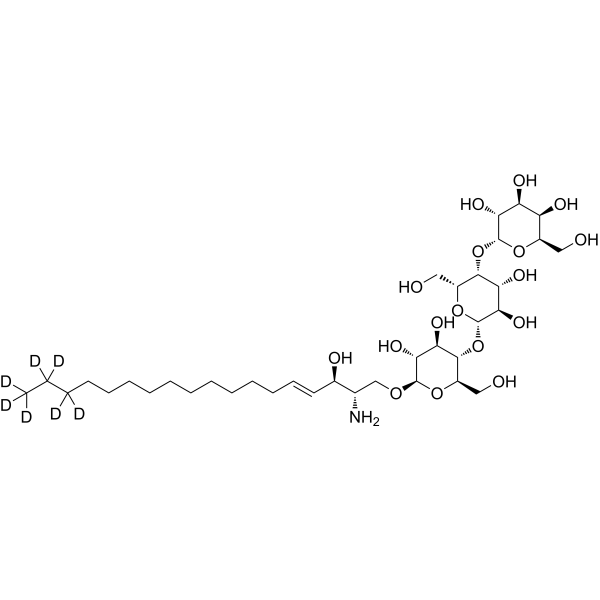
Ganglioside GM3-d7 is deuterium labeled Ganglioside GM3. Ganglioside GM3 is a precursor of a-, b-, and c-series gangliosides, interacts with transmembrane receptors such as the epidermal growth factor and insulin receptors, and regulates receptor functions by creating a specialized lipid environment. Ganglioside GM3 is synthesized by GM3 synthase and can be used for the research of hypercholesterolemia .
PIQ-2 (compound 54) is a antiprotozoal agent with the IC50 values of 9.4 nM and 1.6 nM against IP. falciparum 3D7I and B. divergens Rouen,respectively .
LSPN959 is a slow-acting indole peptidomimetic antiplasmodial agent with submicromolar activity against the Plasmodium falciparum3D7 strain. LSPN959 does not inhibit plastid-dependent isoprenoid biosynthesis. The combination of LSPN959 with Artesunate (HY-N0193) exhibits an additive effect against Plasmodium falciparum. LSPN959 can be used in malaria research .
CCOE-5 is a chalcone compound with antiplasmodial activity, showing an IC50 of 1.4 μg/mL against P. falciparum (3D7), and an IC50 of less than 5 μg/mL against P. falciparum (INDO). CCOE-5 holds promise for research in the field of anti-infective therapies .
PfDHODH-IN-2, a dihydrothiophenone derivative (Compound 11), is a potent Plasmodium falciparum dihydroorotate dehydrogenase (PfDHODH) inhibitor with an IC50 of 1.11 µM. PfDHODH-IN-2 acts as an antimalarial agent and can be used for the research of malaria .
3-Tosylimidazolidine-2,4-dione (compound 2C) is a hydantoins derivative, and exhibits inhibitory activity against the Pf3D7 strain, with an IC50 value of 3.97 nM .
PfPK6-IN-1 is a potent and selective PfPK6 inhibitor with an IC50 of 0.3 μM. PfPK6-IN-1 inhibits hemozoin formation, a Plasmodium-specific pathway with IC50 of 13 μM against β-hematin (βH). PfPK6-IN-1 exhibits rapid and broad-spectrum anti-malarial properties, being effective against both chloroquine-sensitive and resistant strains.PfPK6-IN-1 can be used for the study of antimalarial .
G6PD-IN-2 is a Plasmodium falciparumglucose-6-phosphate dehydrogenase (G6PD) inhibitor with an IC50 value of 0.2 μM. G6PD-IN-2 exerts weak inhibitory activity on Plasmodium falciparumglucose-6-phosphate dehydrogenase-6-phosphogluconolactonase (PfGluPho) with an IC50 value of 22.0 μM. G6PD-IN-2 inhibits growth of Plasmodium falciparum3D7 strain and exhibits low cytotoxicity in hepatocytes. G6PD-IN-2 can be used for the research of malaria .
Antiparasitic agent-17 (compound 5u) is an orally active antiparasitic agent. Antiparasitic agent-17 inhibits Chloroquine sensitive (Pf3D7) and Chloroquine resistant (PfK1) strain with IC50s of 0.96 μM and 1.67 μM, respectively .
HSP90-IN-21 (5e) is an antiplasmodial agent, with IC50 values of 0.04, 0.17 and 2.91 μM against erythrocytic stage of P. falciparum (Pf3D7 and PfDd2 strains), cytotoxicity of human liver hepatocellular carcinoma cell line (HepG2), respectively .
Antimalarial agent 49 is an orally active antimalarial compound. Antimalarial agent 49 inhibits growth of Pf3D7 and PfK1 strains (IC50: 0.84 μM and 0.4 μM respectively). Antimalarial agent 49 has antimalarial activity and inhibits the development of P. berghei liver stages. Antimalarial agent 49 can be used in the study of Plasmodium infection .
HDAC1-IN-3 is a potent Pf HDAC1 inhibitor. HDAC1-IN-3 shows antimalarial activity in wild-type and multidrug-resistant parasite strains. HDAC1-IN-3 shows a significant in vivo killing effect against all life cycles of parasites .
Cysteine protease inhibitor-3 (Compound 15) is a Cysteine protease inhibitor. Cysteine protease inhibitor-3 inhibits Pf3D7, PfW2, PfFP2 and PfFP3 with IC50s of 0.74 μM, 1.05 μM, 3.5 μM, and 4.9 μM, respectively. Cysteine protease inhibitor-3 has anti-plasmodial efficacy against both drug-sensitive and drug-resistant parasites .
Antimalarial agent 52 is an orally active formation of synthetic hemozoin (β-hematin) inhibitor with an IC50 of 6.6 μM. Antimalarial agent 52 exhibits in vitro antiplasmodial activity against P. falciparumPf3D7, PfDd2 strains and P. knowlesi with IC50s of 6.1, 6.4 and 3.3 nM. Antimalarial agent 52 remain highly effective against multidrug-resistant strains and demonstrates curative activity in the P. berghei mouse model .
HDAC-IN-76 (compound 6i) is a histone deacetylase (HDAC) inhibitor. HDAC-IN-76 IC50 values of 30 nM and 98 nM for Pf3D7 (chloroquine (HY-17589A) drug-susceptible strain) and PfDd2 (chloroquine (HY-17589A) drug-resistant strain), has a highly potent antimalarial activity against asexual blood-stage Plasmodium, respectively, and exhibits selective inhibition against parasites, with IC50 values of 7 nM and 9 nM for human HDAC1 and HDAC6, respectively, while inhibiting PfHDAC1 .
HDAC1-IN-12 is a Plasmodium falciparum HDAC1 (PfHDAC1) inhibitor with an IC50 of 4.1 nM against Pf3D7. HDAC1-IN-12 inhibits PfHDAC1, upregulates histone H3 acetylation in P. falciparum parasites, downregulates malaria invasion-related gene expression, and exhibits favorable safety profiles, improved physicochemical properties, and potent in vivo antimalarial activity. HDAC1-IN-12 can be used for the research of malaria .
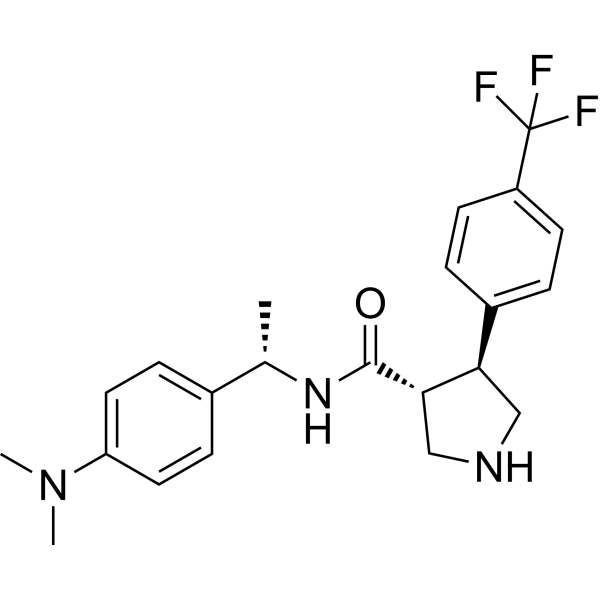
IMP-1002 is a PlasmodiumN-myristoyltransferase (NMT) inhibitor. IMP-1002 inhibits myristoylation activity, blocks parasite development. IMP-1002 can be used for the research of malaria .
SB5-171 is a covalent PfCLK3 inhibitor with IC50 values of 10-12 nM. SB5-171shows antiparasitic activity. SB5-171 can be used for the research of malaria .
Antiparasitic agent-32 (compound M9), a Piperaquine (HY-B1896) analog, is a potent P. falciparum lactate dehydrogenase (Pf LDH)-targeting antiparasitic agent (Pf3D7IC50 = 0.40 μM). Antiparasitic agent-32 exhibits significant activity against both Pf asexual and gametocyte stages. Antiparasitic agent-32 exerts antiplasmodial activity through stable and specific noncovalent interactions at the NADH-binding site. Antiparasitic agent-32 can be used for malaria research .
8-Acetonylidihydrochelerythrine is a benzophenanthridine alkaloid found in the stem bark of Zanthoxylum gilletii. 8-Acetonylidihydrochelerythrine inhibits growth of Chloroquine (HY-17589A)-resistant and Chloroquine-sensitive Plasmodium falciparum strains. 8-Acetonylidihydrochelerythrine can be used for the research of malaria .
LSPN954 (compound 4i) is an indole-based peptidomimetic antiplasmodial agent that exhibits submicromolar activity against both sensitive and multidrug-resistant *Plasmodium falciparum* strains, with low cytotoxicity to human cells and a high selectivity index. LSPN954 shows slow-acting inhibitory activity, allowing the initial development of *Plasmodium* followed by morphological changes, and its activity is independent of the inhibition of plastid-dependent isoprenoid biosynthesis. LSPN954 can be used in malaria research .
Antimalarial agent 61 is an antimalarial agent. Antimalarial agent 61 disrupts hemoglobin breakdown in Plasmodium falciparum asexual blood stage trophozoites. Antimalarial agent 61 exerts antiplasmodial activity against Chloroquine (HY-17589A)-sensitive Plasmodium falciparum parasites. Antimalarial agent 61 can be used for the research of malaria .
Dehydrocorydaline (13-Methylpalmatine) is an alkaloid that regulates protein expression of Bax, Bcl-2; activates caspase-7, caspase-8, and inactivates PARP . Dehydrocorydaline elevates p38 MAPK activation. Anti-inflammatory and anti-cancer activities . Dehydrocorydaline shows strong anti-malarial effects (IC50=38 nM), and low cytotoxicity (cell viability > 90%) using P. falciparum3D7 strain .
Dehydrocorydaline chloride (13-Methylpalmatine chloride) is an alkaloid that regulates protein expression of Bax, Bcl-2; activates caspase-7, caspase-8, and inactivates PARP . Dehydrocorydaline chloride elevates p38 MAPK activation. Anti-inflammatory and anti-cancer activities . Dehydrocorydaline chloride shows strong anti-malarial effects (IC50?=38 nM), and low cytotoxicity (cell viability?>?90%) using P. falciparum3D7 strain .
2-Amino-1-phenylethanol is a pharmaceutical intermediate that can be used for the synthesis of antimalarial agents and β2-adrenergic receptor agonists .
Dehydrocorydaline (13-Methylpalmatine) hydroxyl is an alkaloid that regulates protein expression of Bax, Bcl-2; activates caspase-7, caspase-8, and inactivates PARP. Dehydrocorydaline hydroxyl elevates p38 MAPK activation. Anti-inflammatory and anti-cancer activities. Dehydrocorydaline hydroxyl shows strong anti-malarial effects (IC50=38 nM), and low cytotoxicity (cell viability > 90%) using P. falciparum 3D7 strain.
Warangalone is an anti-malarial compound which can inhibit the growth of both strains of parasite 3D7 (chloroquine sensitive) and K1 (chloroquine resistant) with IC50s of 4.8 μg/mL and 3.7 μg/mL, respectively. Warangalone can also inhibit cyclic AMP-dependent protein kinase catalytic subunit (cAK) with an IC50 of 3.5 μM.
Fosmidomycin is an orally active antibiotic, which exhibits antimalarial activity through inhibition of 1-deoxy-D-xylulose 5-phosphate reductoisomerase (DOXP reductoisomerase). Fosmidomycin inhibits P. falciparum strains 3D7, HB3, Dd2 and A2, with IC50s of 150, 71, 170 and 150 ng/mL, respectively. Fosmidomycin exhibits synergistic effect with Clindamycin (HY-B1455), and ameliorates malaria in mouse model .
Aristolactam A II (Aristololactam A II) is a weak COX inhibitor with cytotoxic and anti-plasmodial activities. Aristolactam A II exhibits inhibitory activity against Chloroquine (HY-17589A)-sensitive strains, and exerts its inhibitory effect on Plasmodium falciparum growth by inducing cell membrane damage marked by LDH release. Aristolactam A II can be applied to the research of malaria-related mechanisms .
Melicopine is an alkaloid found in Z. simulans with antimalarial and anticancer activities. It exhibits inhibitory activity against chloroquine-sensitive 3D7 and chloroquine-resistant Dd2 strains of P. falciparum, with IC50 values of 29.7 and 33.7 µg/mL, respectively. Melicopine is cytotoxic to prostate cancer cells PC-3M and LNCaP (IC50 values of 47.9 and 37.8 µg/mL), but has no effect on non-cancerous HEK293 cells (IC50 greater than 100 µg/mL). Melicopine holds promise for research in anticancer and anti-infection fields .
Brevicompanine B, a diketopiperazine alkaloid, is an antiplasmodial agent. Brevicompanine B is active against the malaria parasite Plasmodium falciparum3D7 IC50 of 35 mg/mL .
Penicinoline (Marinamide) (Compound 1), a pyrrolyl 4-quinolinone alkaloid, is a microbial secondary metabolite. Penicinoline can be isolated from endophytic fungus Penicillium sp. Penicinoline has antimalarial activity against Chloroquine (HY-17589A) sensitive strain (pf3d7) and against Chloroquine resistant strain (pfDd2) of plasmodium falciparum. Penicinoline also has strong insecticidal activity against Aphis gossypii and selective anticancer effect with significant cytotoxicity for 95-D and HepG2 cells .
8-Acetonylidihydrochelerythrine is a benzophenanthridine alkaloid found in the stem bark of Zanthoxylum gilletii. 8-Acetonylidihydrochelerythrine inhibits growth of Chloroquine (HY-17589A)-resistant and Chloroquine-sensitive Plasmodium falciparum strains. 8-Acetonylidihydrochelerythrine can be used for the research of malaria .
The pfHPRT (Plasmodium falciparum hypoxanthine-guanine phosphoribosyltransferase) protein is a member of the LDH/MDH (lactate dehydrogenase/malate dehydrogenase) superfamily. It plays a crucial role in the purine metabolism salvage pathway of the malaria-causing parasite Plasmodium falciparum. LDH Protein, P. falciparum (His) is the recombinant LDH protein, expressed by E. coli , with C-His labeled tag.
The pfHPRT (Plasmodium falciparum hypoxanthine-guanine phosphoribosyltransferase) protein is a member of the LDH/MDH (lactate dehydrogenase/malate dehydrogenase) superfamily. It plays a crucial role in the purine metabolism salvage pathway of the malaria-causing parasite Plasmodium falciparum. HPRT Protein, P. falciparum (His) is the recombinant HPRT protein, expressed by E. coli , with N-His labeled tag.
Vitamin D3-d7 is the deuterium labeled Vitamin D3. Vitamin D3 (Cholecalciferol) is a naturally occuring form of vitamin D. Vitamin D3 induces cell differentiation and prevents proliferation of cancer cells .
N-Desethyl amodiaquine-d5 is the deuterium labeled N-Desethyl amodiaquine. N-Desethyl amodiaquine is the major biologically active metabolite of Amodiaquine. N-Desethyl amodiaquine is an antiparasitic agent. IC50 values for strains V1/S and 3D7 are 97 nM and 25 nM, respectively .
N-Desethyl amodiaquine-d5 dihydrochloride is the deuterium labeled N-Desethyl amodiaquine dihydrochloride. N-Desethyl amodiaquine dihydrochloride is the major biologically active metabolite of Amodiaquine. N-Desethyl amodiaquine dihydrochloride is an antiparasitic agent. IC50 values for strains V1/S and 3D7 are 97 nM and 25 nM, respectively .
Ganglioside GM3-d7 is deuterium labeled Ganglioside GM3. Ganglioside GM3 is a precursor of a-, b-, and c-series gangliosides, interacts with transmembrane receptors such as the epidermal growth factor and insulin receptors, and regulates receptor functions by creating a specialized lipid environment. Ganglioside GM3 is synthesized by GM3 synthase and can be used for the research of hypercholesterolemia .
Inquiry Online
Your information is safe with us. * Required Fields.
Western blot analysis of extracts from THP-1(lane 2(20μg), Jurkat (lane 3(20μg) and NIH3T3(lane 4(20μg) using FOXO1A (HY-P80132) Rabbit mAb. Proteins were transferred
to a PVDF membrane and blocked with 5% non-fat milk in TBST for 2 hour at room temperature. The primary antibody (1/1000) and Loading control antibody (Beta Actin, HY-P80438, 1/10000) was
used in 5% non-fat milk in TBST at 4°C overnight. Goat Anti-Mouse/Rabbit IgG-HRP Secondary Antibody (1/10000) was used for 1 hour at room temperature.
Western blot analysis of extracts from THP-1(lane 2(20μg), Jurkat (lane 3(20μg) and NIH3T3(lane 4(20μg) using FOXO1A (HY-P80132) Rabbit mAb. Proteins were transferred
to a PVDF membrane and blocked with 5% non-fat milk in TBST for 2 hour at room temperature. The primary antibody (1/1000) and Loading control antibody (Beta Actin, HY-P80438, 1/10000) was
used in 5% non-fat milk in TBST at 4°C overnight. Goat Anti-Mouse/Rabbit IgG-HRP Secondary Antibody (1/10000) was used for 1 hour at room temperature.
Western blot analysis of extracts from THP-1(lane 2(20μg), Jurkat (lane 3(20μg) and NIH3T3(lane 4(20μg) using FOXO1A (HY-P80132) Rabbit mAb. Proteins were transferred
to a PVDF membrane and blocked with 5% non-fat milk in TBST for 2 hour at room temperature. The primary antibody (1/1000) and Loading control antibody (Beta Actin, HY-P80438, 1/10000) was
used in 5% non-fat milk in TBST at 4°C overnight. Goat Anti-Mouse/Rabbit IgG-HRP Secondary Antibody (1/10000) was used for 1 hour at room temperature.
Western blot analysis of extracts from THP-1(lane 2(20μg), Jurkat (lane 3(20μg) and NIH3T3(lane 4(20μg) using FOXO1A (HY-P80132) Rabbit mAb. Proteins were transferred
to a PVDF membrane and blocked with 5% non-fat milk in TBST for 2 hour at room temperature. The primary antibody (1/1000) and Loading control antibody (Beta Actin, HY-P80438, 1/10000) was
MedchemExpress Validation 03
Western blot analysis of extracts from THP-1(lane 2(20μg), Jurkat (lane 3(20μg) and NIH3T3(lane 4(20μg) using FOXO1A (HY-P80132) Rabbit mAb. Proteins were transferred
MedchemExpress Validation 04
Western blot analysis of extracts from THP-1(lane 2(20μg), Jurkat (lane 3(20μg) and NIH3T3(lane 4(20μg) using FOXO1A (HY-P80132) Rabbit mAb. Proteins were transferred
to a PVDF membrane and blocked with 5% non-fat milk in TBST for 2 hour at room temperature. The primary antibody (1/1000) and Loading control antibody (Beta Actin, HY-P80438, 1/10000) was
used in 5% non-fat milk in TBST at 4°C overnight. Goat Anti-Mouse/Rabbit IgG-HRP Secondary Antibody (1/10000) was used for 1 hour at room temperature.
MedchemExpress Validation
Western blot analysis of extracts from THP-1(lane 2(20μg), Jurkat (lane 3(20μg) and NIH3T3(lane 4(20μg) using FOXO1A (HY-P80132) Rabbit mAb. Proteins were transferred
to a PVDF membrane and blocked with 5% non-fat milk in TBST for 2 hour at room temperature. The primary antibody (1/1000) and Loading control antibody (Beta Actin, HY-P80438, 1/10000) was
used in 5% non-fat milk in TBST at 4°C overnight. Goat Anti-Mouse/Rabbit IgG-HRP Secondary Antibody (1/10000) was used for 1 hour at room temperature.
Western blot analysis of extracts from THP-1(lane 2(20μg), Jurkat (lane 3(20μg) and NIH3T3(lane 4(20μg) using FOXO1A (HY-P80132) Rabbit mAb. Proteins were transferred
to a PVDF membrane and blocked with 5% non-fat milk in TBST for 2 hour at room temperature. The primary antibody (1/1000) and Loading control antibody (Beta Actin, HY-P80438, 1/10000) was
used in 5% non-fat milk in TBST at 4°C overnight. Goat Anti-Mouse/Rabbit IgG-HRP Secondary Antibody (1/10000) was used for 1 hour at room temperature.
MedchemExpress Validation
Western blot analysis of extracts from THP-1(lane 2(20μg), Jurkat (lane 3(20μg) and NIH3T3(lane 4(20μg) using FOXO1A (HY-P80132) Rabbit mAb. Proteins were transferred
to a PVDF membrane and blocked with 5% non-fat milk in TBST for 2 hour at room temperature. The primary antibody (1/1000) and Loading control antibody (Beta Actin, HY-P80438, 1/10000) was
used in 5% non-fat milk in TBST at 4°C overnight. Goat Anti-Mouse/Rabbit IgG-HRP Secondary Antibody (1/10000) was used for 1 hour at room temperature.
MedchemExpress Validation
Western blot analysis of extracts from THP-1(lane 2(20μg), Jurkat (lane 3(20μg) and NIH3T3(lane 4(20μg) using FOXO1A (HY-P80132) Rabbit mAb. Proteins were transferred
to a PVDF membrane and blocked with 5% non-fat milk in TBST for 2 hour at room temperature. The primary antibody (1/1000) and Loading control antibody (Beta Actin, HY-P80438, 1/10000) was
used in 5% non-fat milk in TBST at 4°C overnight. Goat Anti-Mouse/Rabbit IgG-HRP Secondary Antibody (1/10000) was used for 1 hour at room temperature.
MedchemExpress Validation
Western blot analysis of extracts from THP-1(lane 2(20μg), Jurkat (lane 3(20μg) and NIH3T3(lane 4(20μg) using FOXO1A (HY-P80132) Rabbit mAb. Proteins were transferred
to a PVDF membrane and blocked with 5% non-fat milk in TBST for 2 hour at room temperature. The primary antibody (1/1000) and Loading control antibody (Beta Actin, HY-P80438, 1/10000) was
used in 5% non-fat milk in TBST at 4°C overnight. Goat Anti-Mouse/Rabbit IgG-HRP Secondary Antibody (1/10000) was used for 1 hour at room temperature.
MedchemExpress Validation
Western blot analysis of extracts from THP-1(lane 2(20μg), Jurkat (lane 3(20μg) and NIH3T3(lane 4(20μg) using FOXO1A (HY-P80132) Rabbit mAb. Proteins were transferred
to a PVDF membrane and blocked with 5% non-fat milk in TBST for 2 hour at room temperature. The primary antibody (1/1000) and Loading control antibody (Beta Actin, HY-P80438, 1/10000) was
used in 5% non-fat milk in TBST at 4°C overnight. Goat Anti-Mouse/Rabbit IgG-HRP Secondary Antibody (1/10000) was used for 1 hour at room temperature.
MedchemExpress Validation
Western blot analysis of extracts from THP-1(lane 2(20μg), Jurkat (lane 3(20μg) and NIH3T3(lane 4(20μg) using FOXO1A (HY-P80132) Rabbit mAb. Proteins were transferred
to a PVDF membrane and blocked with 5% non-fat milk in TBST for 2 hour at room temperature. The primary antibody (1/1000) and Loading control antibody (Beta Actin, HY-P80438, 1/10000) was
used in 5% non-fat milk in TBST at 4°C overnight. Goat Anti-Mouse/Rabbit IgG-HRP Secondary Antibody (1/10000) was used for 1 hour at room temperature.
MedchemExpress Validation
Western blot analysis of extracts from THP-1(lane 2(20μg), Jurkat (lane 3(20μg) and NIH3T3(lane 4(20μg) using FOXO1A (HY-P80132) Rabbit mAb. Proteins were transferred
to a PVDF membrane and blocked with 5% non-fat milk in TBST for 2 hour at room temperature. The primary antibody (1/1000) and Loading control antibody (Beta Actin, HY-P80438, 1/10000) was
used in 5% non-fat milk in TBST at 4°C overnight. Goat Anti-Mouse/Rabbit IgG-HRP Secondary Antibody (1/10000) was used for 1 hour at room temperature.
MedChemExpress values your privacy and your trust is important to us. We use cookies to enhance your website experience. Some cookies are necessary to run the website.
Privacy and Cookie Policy

