1. Search Result
Search Result
Results for "

AhR

" in MedChemExpress (MCE) Product Catalog:

222

Inhibitors & Agonists

3

Fluorescent Dye

3

Biochemical Assay Reagents

39

Natural
Products

1

Recombinant Proteins

22

Isotope-Labeled Compounds

3

Antibodies

1

Click Chemistry

3

Oligonucleotides

1

GMP Molecules

Targets Recommended:
Cat. No. Product Name Target Research Areas Chemical Structure
  • HY-12684
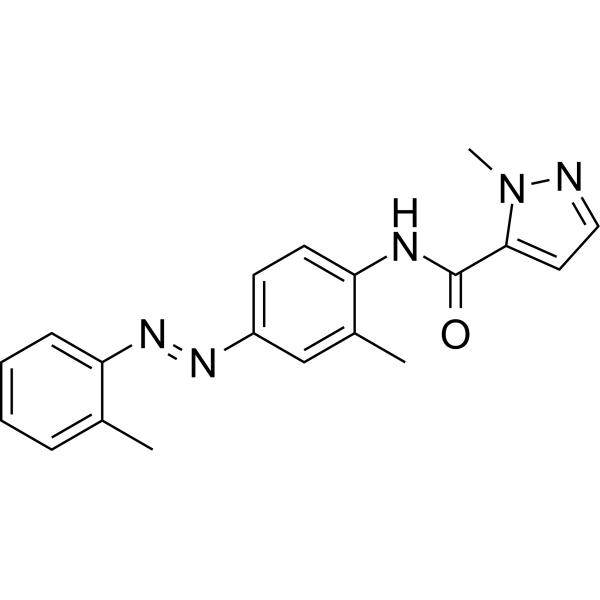
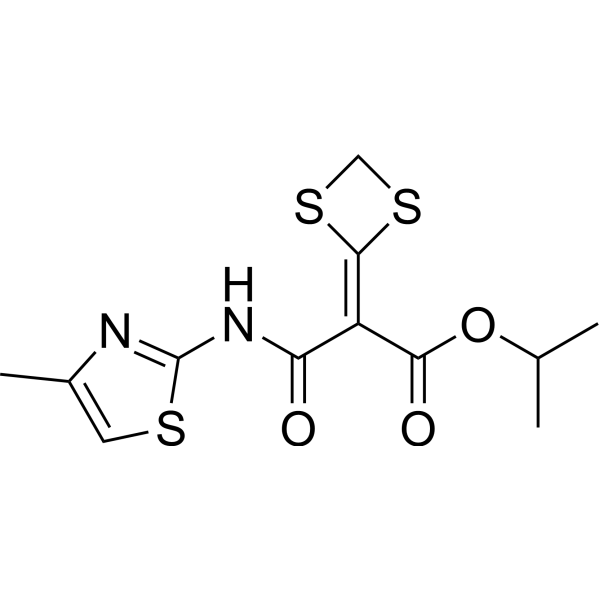
    CH-223191
    110+ Cited Publications

    Aryl Hydrocarbon Receptor Cancer
    CH-223191 is a potent and specific antagonist of aryl hydrocarbon receptor (AhR). CH-223191 inhibits TCDD-mediated nuclear translocation and DNA binding of AhR, and inhibits TCDD-induced luciferase activity with an IC50 of 0.03 μM .
    CH-223191
  • HY-15001
    Stemregenin 1
    15+ Cited Publications

    SR1

    Aryl Hydrocarbon Receptor Cancer
    Stemregenin 1 is a potent aryl hydrocarbon receptor (AhR) antagonist with IC50 of 127 nM.
    Stemregenin 1
  • HY-135829
    BAY 2416964
    1 Publications Verification

    Aryl Hydrocarbon Receptor Cancer
    BAY 2416964 is a potent and orally active aryl hydrocarbon receptor (AHR) antagonist extracted from patent WO2018146010A1, example 192, has an IC50 of 341 nM. BAY 2416964 has the potential for solid tumors treatment .
    BAY 2416964
  • HY-12451
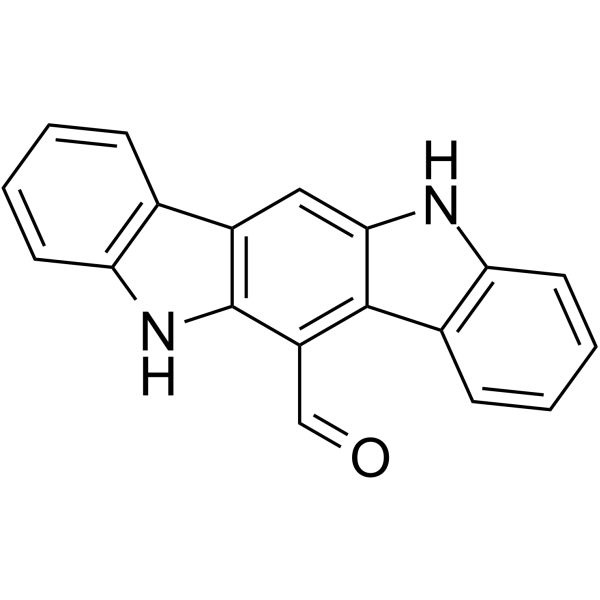
    FICZ
    25+ Cited Publications

    6-Formylindolo[3,2-b]carbazole

    Aryl Hydrocarbon Receptor Others
    FICZ is a potent aryl hydrocarbon receptor (AhR) agonist with a Kd of 70 pM.
    FICZ
  • HY-W014502

    Aryl Hydrocarbon Receptor Endogenous Metabolite Cancer
    D-kynurenine, a metabolite of D-tryptophan, can serve as the bioprecursor of kynurenic acid (KYNA) and 3-hydroxykynurenine. D-Kynurenine is an agonist for G protein-coupled receptor, GPR109B. D-Kynurenine is a substrate in a fluorometric assay of D-amino acid oxidase. D-kynurenine promotes epithelial-to-mesenchymal transition via activating aryl hydrocarbon receptor (AHR) .
    D-Kynurenine
  • HY-141609

    AhR antagonist 5 free base

    Aryl Hydrocarbon Receptor Cancer
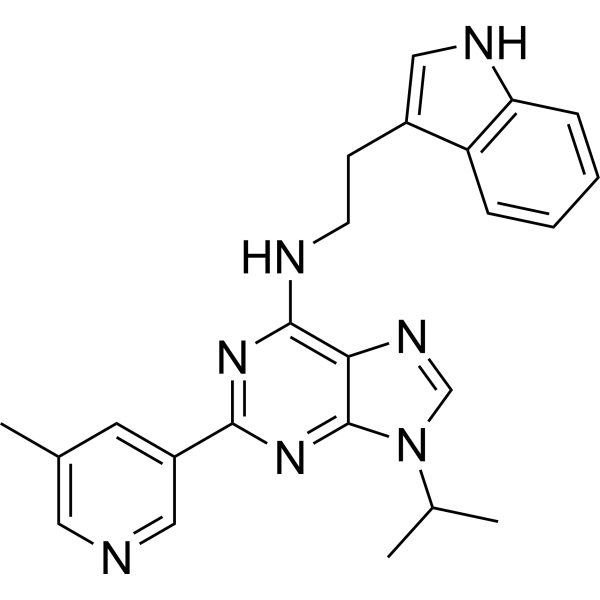
    IK-175 is a selective and orally active aryl hydrocarbon receptor (AHR) inhibitor. IK-175 effectively blocks AHR from translocating from the cytoplasm to the nucleus. IK-175 is highly selective for AHR over other receptors, transporters, and kinases .
    IK-175
  • HY-102023
    GNF351
    5+ Cited Publications

    Aryl Hydrocarbon Receptor Others
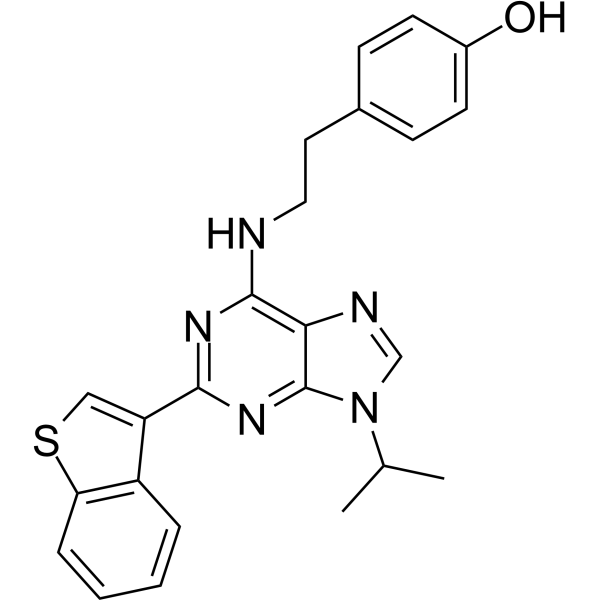
    GNF351 is a full aryl hydrocarbon receptor (AHR) antagonist. GNF351 competes with a photoaffinity AHR ligand for binding to the AHR with an IC50 of 62 nM. GNF351 is minimal toxicity in mouse or human keratinocytes .
    GNF351
  • HY-W015273A
    trans-3-Indoleacrylic acid
    1 Publications Verification

    Endogenous Metabolite Ferroptosis Metabolic Disease Cancer
    Trans-3-Indoleacrylic acid is a tryptophan metabolite, which promotes tumor development through inhibition of RSL3 (HY-100218A) induced ferroptosis via AHR-ALDH1A3-FSP1-CoQ10 axis, and facilitates colorectal carcinogenesis
    trans-3-Indoleacrylic acid
  • HY-B0845
    Prochloraz
    1 Publications Verification

    BTS 40542

    Environmental Pollutants Estrogen Receptor/ERR Aryl Hydrocarbon Receptor Fungal Androgen Receptor Infection Endocrinology
    Prochloraz is an imidazole antifungal. Prochloraz is as an estrogen receptor (ER) and androgen receptor (AR) antagonist and an aromatase inhibitor with IC50 values of 25 μM, 4 μM and 0.3 μM, respectively. Prochloraz is able to activate the aryl hydrocarbon receptor (AhR) having an EC50 of 1 μM .
    Prochloraz
  • HY-19317
    ITE
    5+ Cited Publications

    Aryl Hydrocarbon Receptor Inflammation/Immunology Cancer
    ITE is a potent endogenous agonist of aryl hydrocarbon receptor (AhR), binding directly to AHR, with a Ki of 3 nM. ITE also has immunosuppressive activity.
    ITE
  • HY-111449
    BAY-218
    2 Publications Verification

    AhR antagonist 1

    Aryl Hydrocarbon Receptor Inflammation/Immunology Cancer
    BAY-218 (AHR antagonist 1) is an aryl hydrocarbon receptor (AHR) antagonist. BAY-218 has AHR inhibitory activity with an IC50 of 39.9 nM in in U87 glioblastoma cells. BAY-218 can be used for the research of cancer or conditions with dysregulated immune responses .
    BAY-218
  • HY-12545
    Brevetoxin-3
    1 Publications Verification

    PbTx-3

    Sodium Channel Inflammation/Immunology
    Brevetoxin-3 (PbTx-3) is a potent allosteric voltage-gated Na + channel activator and has multiple active centers (A-ring lactone, C-42 of R side chain) . Brevetoxin-3 (PbTx-3) has a high affinity to site 5 of the voltage-sensitive Na + channels, inhibits the inactivation of Na + channels and prolongs the mean open time of these channels. Brevetoxin-3 (PbTx-3) repeated exposures can lead to prolonged airway hyperresponsiveness (AHR) and lung inflammation .
    Brevetoxin-3
  • HY-18619
    YL-109
    2 Publications Verification

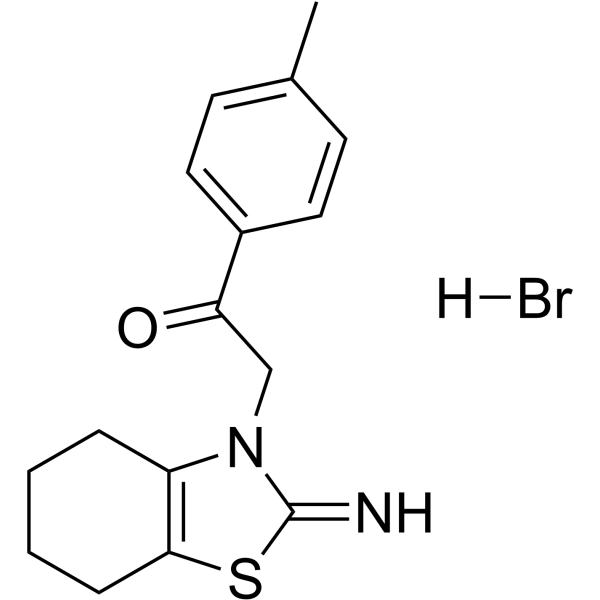
    Aryl Hydrocarbon Receptor Cancer
    YL-109 is an antitumor agent that can induce carboxyl terminus of Hsp70-interacting protein (CHIP) expression through aryl hydrocarbon receptor (AhR) signaling. YL-109 has ability to inhibit breast cancer cell growth and invasiveness .
    YL-109
  • HY-122208
    SGA360
    3 Publications Verification

    Apolipoprotein Inflammation/Immunology
    SGA360 suppress inflammatory SAA1 signaling in an AHR-dependent manner through a mechanism that does not require AHR binding to its cognate response element (partial antagonist) .
    SGA360
  • HY-17357

    AhR 9434; AL 6515

    COX Prostaglandin Receptor Neurological Disease Inflammation/Immunology Endocrinology Cancer
    Nepafenac (AHR 9434; AL 6515), a nonsteroidal anti-inflammatory agent, is a topically administered COX-2 inhibitor with an IC50 of 0.12 μM. Nepafenac exhibits only weak COX-1 inhibitory activity (IC50 = 64.3 μM). Nepafenac possesses unique prodrug properties, which enable it to rapidly convert into the active metabolite Amfenac (HY-17479) in the ocular tissues, thereby achieving high concentrations in the retina and choroid. Nepafenac reduces inflammation and pain by inhibiting the activity of cyclooxygenase (COX) enzymes and thereby decreasing the production of prostaglandin PGE. Nepafenac can delay the metastasis of uveal melanoma (UM) in rabbit eyes. Nepafenac is mainly used for pain management and inflammation control after ophthalmic surgeries .
    Nepafenac
  • HY-B0678

    AhR438; NSC170959

    NF-κB PGC-1α Neurological Disease Inflammation/Immunology
    Metaxalone (AHR438; NSC170959) is an FDA-approved muscle relaxant. Metaxalone acts mainly on the central nervous system and achieves muscle relaxation by inhibiting polysynaptic reflex arcs. In addition, Metaxalone is an inhibitor of MAO-A, which has anti-inflammatory and antioxidant effects. Metaxalone inhibits IL-1β-induced inflammatory phenotype, modulates NF-κB and other related signaling pathways, and decreases MAO-A expression and activity in IL-1β-treated microglia .
    Metaxalone
  • HY-G0006
    Omeprazole sulfide
    2 Publications Verification

    Ufiprazole

    Drug Metabolite Aryl Hydrocarbon Receptor Bacterial Infection Metabolic Disease
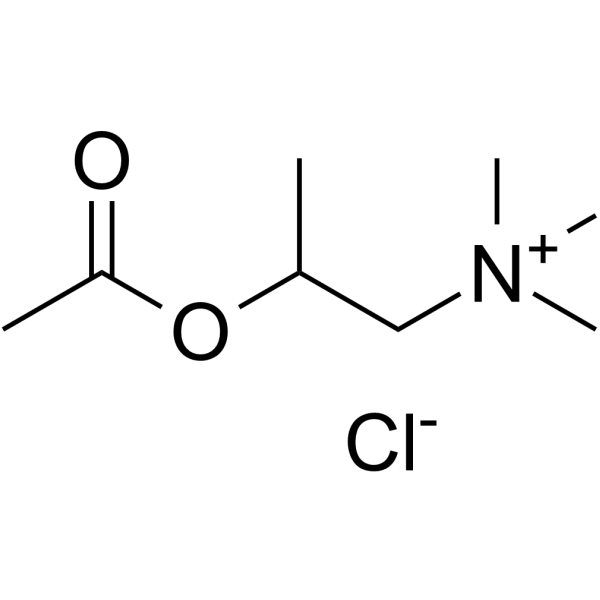
    Omeprazole sulfide (Ufiprazole) is a metabolic degradation product of Omeprazole (HY-B0113). Omeprazole sulfide acts as a modulator of AhR. Omeprazole sulfide in cells with low CYP3A4 expression, functions as an AhR antagonist; however, in cells with high CYP3A4 expression, it is rapidly metabolized to Omeprazole, thereby acting as an AhR agonist. Omeprazole sulfide exhibits antibacterial activity when conjugated with silver nanoparticles (AgNPs). Omeprazole sulfide can be used in research on acid suppression and bacterial infections .
    Omeprazole sulfide
  • HY-144339
    AhR agonist 2
    1 Publications Verification

    Aryl Hydrocarbon Receptor Others
    AhR agonist 2 (Compound 12a) is a potent agonist of aryl hydrocarbon receptor (AhR) with an EC50 of 0.03 nM. AhR agonist 2 induces rapid nuclear enrichment of AhR, triggers the transcription of downstream genes and promote skin barrier repair. AhR agonist 2 has the potential for the research of psoriasis .
    AhR agonist 2
  • HY-135831
    AHR antagonist 2
    1 Publications Verification

    Aryl Hydrocarbon Receptor Inflammation/Immunology Cancer
    AHR antagonist 2 (Example 1) is a potent aryl hydrocarbon receptor (AHR) antagonist with IC50s of 885 pM and 2.03 nM for human and mouse AHR. AHR antagonist 2 can be used for the studies of cancers and imbalance of the immune response .
    AHR antagonist 2
  • HY-117102

    Aryl Hydrocarbon Receptor Checkpoint Kinase (Chk) Cancer
    ANI-7 is an activator of aryl hydrocarbon receptor (AhR) pathway. ANI-7 inhibits the growth of multiple cancer cells, and potently and selectively inhibits the growth of MCF-7 breast cancer cells with a GI50 of 0.56 μM. ANI-7 induces CYP1-metabolizing mono-oxygenases by activating AhR pathway, and also induces DNA damage, checkpoint Kinase 2 (Chk2) activation, S-phase cell cycle arrest, and cell death in sensitive breast cancer cell lines .
    ANI-7
  • HY-103220
    6,2',4'-Trimethoxyflavone
    1 Publications Verification

    Aryl Hydrocarbon Receptor Neurological Disease Cancer
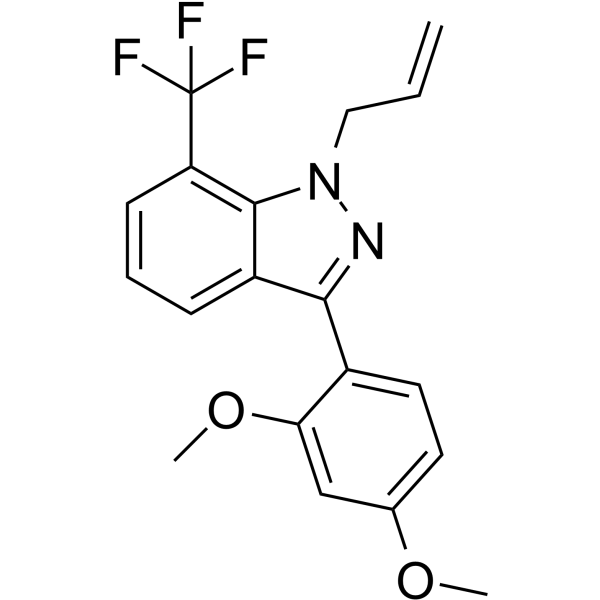
    6,2',4'-Trimethoxyflavone is a potent aryl hydrocarbon receptor (AHR) antagonist. 6,2',4'-Trimethoxyflavone represses AHR-mediated gene induction .
    6,2',4'-Trimethoxyflavone
  • HY-103222

    3',4'-Dimethoxy-αNF

    Aryl Hydrocarbon Receptor Inflammation/Immunology
    DiMNF (3',4'-Dimethoxy-αNF) is a selective aryl hydrocarbon receptor (AHR) modulator. DiMNF is a competitive AHR ligand (IC50 = 21 nM) with apparent antagonistic activity. DiMNF can be used as an anti-inflammatory agent .
    DiMNF
  • HY-112628

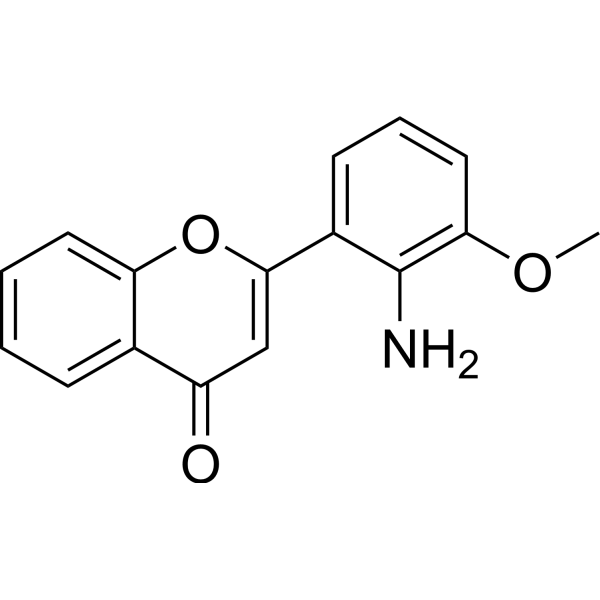
    AhR antagonist 7

    Aryl Hydrocarbon Receptor Cancer
    CAY10464 (AHR antagonist 7; compound 4j) is a selective and high-affinity aryl hydrocarbon receptor (AhR) antagonist with a Ki of 1.4 nM .
    CAY10464
  • HY-114682

    AhR 2277 free base

    Dopamine Receptor Neurological Disease
    Lenperone (AHR 2277 free base) has antipsychotic effect. Lenperone improves depressive symptoms .
    Lenperone
  • HY-RS00483

    Small Interfering RNA (siRNA) Others

    AHR Human Pre-designed siRNA Set A contains three designed siRNAs for AHR gene (Human), as well as a negative control, a positive control, and a FAM-labeled negative control.

    AHR Human Pre-designed siRNA Set A
    AHR Human Pre-designed siRNA Set A
  • HY-118438

    Aryl Hydrocarbon Receptor Inflammation/Immunology
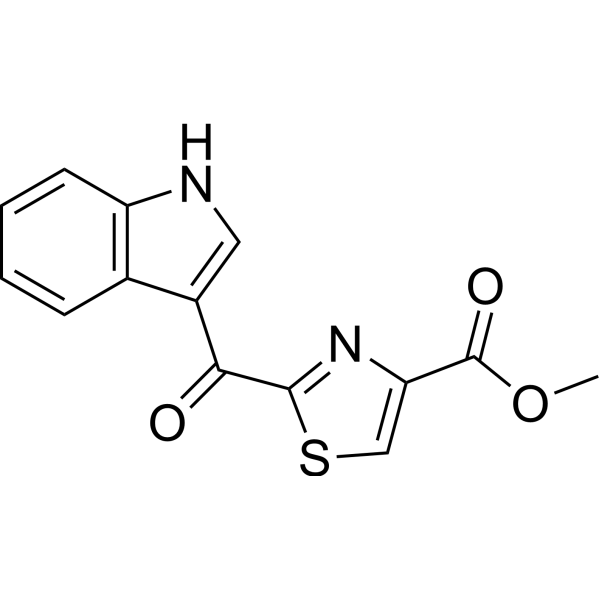
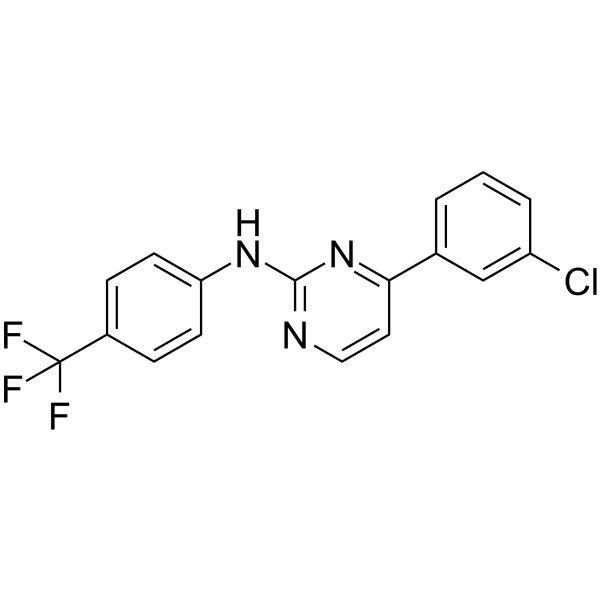
    10-Cl-BBQ is a high affinity AhR ligand with immunosuppressive activity. 10-Cl-BBQ promotes cytosol to nuclear translocation of AhR and activates the AhR-regulated reporter gene at nanomolar concentrations .
    10-Cl-BBQ
  • HY-105791

    GABA Receptor Inflammation/Immunology
    Sulazepam, a benzodiazepine, is a selective ovarian cancer G protein-coupled receptor (OGR1) agonist. Sulazepam has anticonvulsive action and has the potential for airway hyperresponsiveness (AHR) research .
    Sulazepam
  • HY-17357S

    AhR-9434-d5; AL-6515-d5

    Isotope-Labeled Compounds COX Prostaglandin Receptor Neurological Disease Inflammation/Immunology Endocrinology Cancer
    Nepafenac-d5 (AHR-9434-d5; AL-6515-d5) is the deuterium labeled Nepafenac (HY-17357). Nepafenac, a nonsteroidal anti-inflammatory agent, is a topically administered COX-2 inhibitor with an IC50 of 0.12 μM. Nepafenac exhibits only weak COX-1 inhibitory activity (IC50 = 64.3 μM). Nepafenac possesses unique prodrug properties, which enable it to rapidly convert into the active metabolite Amfenac (HY-17479) in the ocular tissues, thereby achieving high concentrations in the retina and choroid. Nepafenac reduces inflammation and pain by inhibiting the activity of cyclooxygenase (COX) enzymes and thereby decreasing the production of prostaglandin PGE. Nepafenac can delay the metastasis of uveal melanoma (UM) in rabbit eyes. Nepafenac is mainly used for pain management and inflammation control after ophthalmic surgeries.
    Nepafenac-d5
  • HY-111450

    Aryl Hydrocarbon Receptor Cancer
    CB7993113 is a potent AHR antagonist, with an IC50 of 0.33 μM. CB7993113 directly binds AHR protein and blocks AHR nuclear translocation. CB7993113 inhibits polycyclic aromatic hydrocarbon (PAH)- and TCDD-induced reporter activity by 75% and 90% respectively .
    CB7993113
  • HY-W338764

    Apoptosis Aryl Hydrocarbon Receptor Cancer
    AHR agonist 3 is an aryl hydrocarbon receptor (AhR) agonist, that can induces cell cycle arrest or apoptosis via activation of tumor-suppressive transcriptional programs. AHR agonist 3 inhibits triple-negative breast cancer (TNBC) stem cell growth via AhR while exhibits minimal cytotoxicity against normal human primary cells and can be used for cancer research .
    AHR agonist 3
  • HY-136220

    Aryl Hydrocarbon Receptor Cancer
    AHR antagonist 5, a potent and orally active aryl hydrocarbon receptor (AHR) antagonist extracted from patent WO2018195397, example 39, has an IC50 of < 0.5 μΜ. AHR antagonist 5 significantly inhibits tumor growth combined with checkpoint inhibitor anti-PD-1 .
    AHR antagonist 5
  • HY-117532

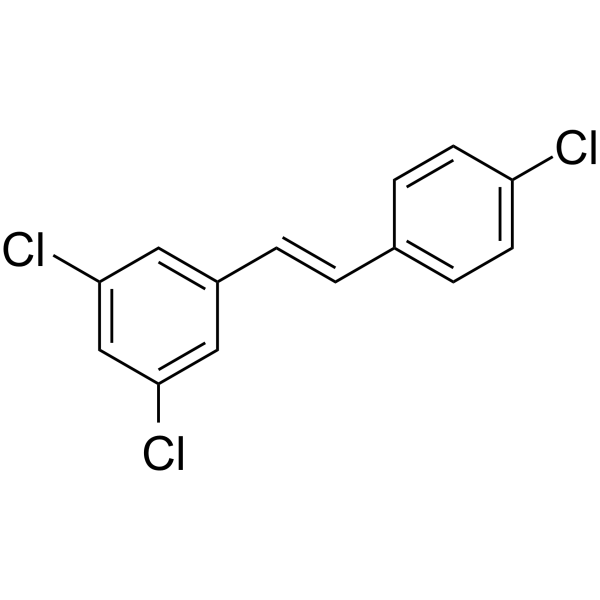
    PCB 118

    Pyroptosis Cancer
    PenCB (PCB 118) could induces pyroptosis by priming and activating NFκB-dependent NLRP3 inflammasome. PCB 118 induces oxidative stress and pyroptosis are dependent on Aryl hydrocarbon receptor (AhR) activation and subsequent cytochrome P450 1A1 upregulation .
    PenCB
  • HY-W015273AR

    Reference Standards Endogenous Metabolite Ferroptosis Metabolic Disease Cancer
    trans-3-Indoleacrylic acid (Standard) is the analytical standard of trans-3-Indoleacrylic acid. This product is intended for research and analytical applications. Trans-3-Indoleacrylic acid is a tryptophan metabolite, which promotes tumor development through inhibition of RSL3 (HY-100218A) induced ferroptosis via AHR-ALDH1A3-FSP1-CoQ10 axis, and facilitates colorectal carcinogenesis[1]
    trans-3-Indoleacrylic acid (Standard)
  • HY-W012278

    Tetraphene

    Environmental Pollutants Aryl Hydrocarbon Receptor Others
    Benz[a]anthracene (Tetraphene) (Compound 92) is a ligand for the aryl hydrocarbon receptor (AhR) with a pIC50 of 7.319. Benz[a]anthracene is a polycyclic aromatic hydrocarbon (PAH) that can be detected in spruce needles near aluminum smelters .
    Benz[a]anthracene
  • HY-101802

    AhR-8559

    Sodium Channel Neurological Disease
    Fluzinamide is an effective antiepileptic.
    Fluzinamide
  • HY-104026B

    Endogenous Metabolite Aryl Hydrocarbon Receptor Inflammation/Immunology
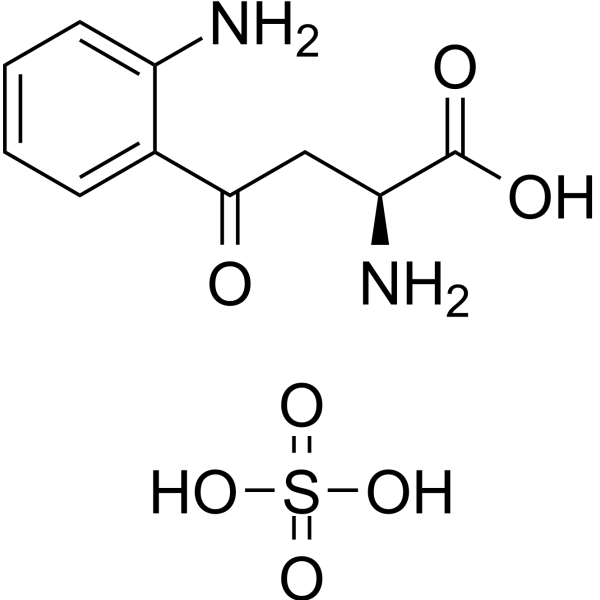
    L-Kynurenine sulfate, an aryl hydrocarbon receptor (AHR) agonist that activates AHR-directed, naive T cell polarization to the anti-inflammatory Treg phenotype .
    L-Kynurenine sulfate
  • HY-147128

    Aryl Hydrocarbon Receptor Cytochrome P450 Interleukin Related Inflammation/Immunology
    PY109 is an orally active and highly selective aryl hydrocarbon receptor (AHR) agonist. PY109's EC50 values in human-derived HepG2 and mouse Hepa-1c1c7 cells are 1.2 nM and 1.4 nM respectively. PY109 significantly upregulates the expression of CYP1A1 and IL-22, and inhibits the expression of IL-17A. PY109 significantly improves colitis in mice. PY109 can be used for research on colitis .
    PY109
  • HY-169753

    Aryl Hydrocarbon Receptor Cancer
    AHR-IN-1 (1-103) is an aryl hydrocarbon receptor (AHR) inhibitor with IC50 < 0.5 μM .
    AHR-IN-1
  • HY-135830

    Aryl Hydrocarbon Receptor Cancer
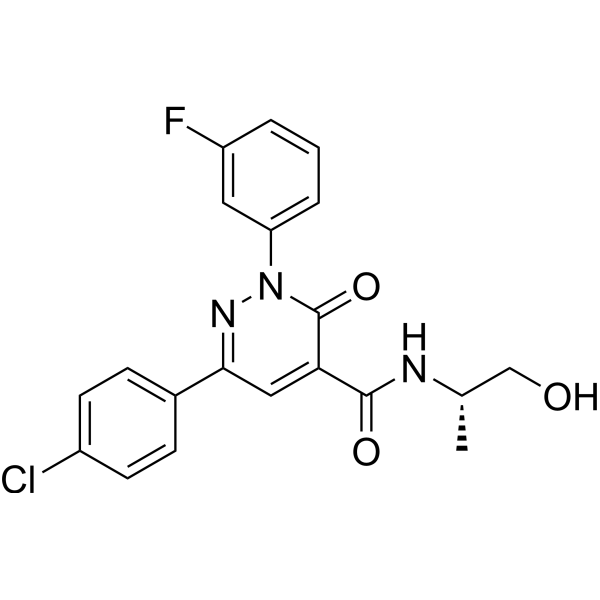
    AHR antagonist 4 is a 2-heteroaryl-3-oxo-2,3-dihydropyridazine-4-carboxamide compound and a potent aryl hydrocarbon receptor (AHR) antagonist extracted from patent WO2018146010A1, example 293, has an IC50 of 82.2 nM. AHR antagonist 4 has anti-cancer effects .
    AHR antagonist 4
  • HY-178053

    Aryl Hydrocarbon Receptor Cytochrome P450 Interleukin Related Inflammation/Immunology
    AHR agonist 10 is a potent AHR agonist (EC50 = 2.01 nM). AHR agonist 10 can elevate the transcript levels of key AHR downstream pathway target genes, including CYP1A1 and CYP1B1. AHR agonist 10 can downregulate the expression levels of CD36, IL-18 and shows low cytotoxicity (>40 μM) to normal cells. AHR agonist 10 can suppress the expression of CCL5, CCL20, IL-6, IL-8, S100A9, TLR4, TNF-α, and TNFR1, demonstrating that AHR agonist 10 effectively modulate inflammatory responses through AHR dependent signaling pathways. AHR agonist 10 can be used for psoriasis research .
    AHR agonist 10
  • HY-W251708

    Endogenous Metabolite Neurological Disease
    AHR 10240, a cyclic amide, is a metabolite of Bromfenac (HY-B1888). AHR 10240 can be used for analgesia research
    AHR 10240
  • HY-163665

    Aryl Hydrocarbon Receptor Dystrophin Others
    AHR antagonist 8 (compound SG-02) is a regulator of utrophin, a homolog of dystrophin, and an AhR antagonist (Kd: 41.68 nM). Studies have shown that 800 nM of AHR antagonist 8 can upregulate utrophin by 2.7 times. AHR antagonist 8 also stimulates increased MyHC expression, suggesting that it has the potential to enhance myogenesis. After ADME evaluation, AHR antagonist 8 also has a certain oral bioavailability .
    AHR antagonist 8
  • HY-155505

    Aryl Hydrocarbon Receptor Inflammation/Immunology
    AHR agonist 4 (compound 24e) is an agonist of Aryl hydrocarbon receptor (AHR), assocaited with the immune balance of Th17/22 and Treg cells. AHR agonist 4 serves as a lead compound for anti-psoriasis drug, alleviates imiquimod (IMQ)-induced psoriasis-like skin lesion . AHR agonist 4 is a click chemistry reagent, it contains an Alkyne group and can undergo copper-catalyzed azide-alkyne cycloaddition (CuAAc) with molecules containing Azide groups.
    AHR agonist 4
  • HY-RS16533

    Small Interfering RNA (siRNA) Others

    Ahr Mouse Pre-designed siRNA Set A contains three designed siRNAs for Ahr gene (Mouse), as well as a negative control, a positive control, and a FAM-labeled negative control.

    Ahr Mouse Pre-designed siRNA Set A
    Ahr Mouse Pre-designed siRNA Set A
  • HY-W046846

    Aryl Hydrocarbon Receptor Cancer
    Corannulene is an agonist of aryl hydrocarbon receptor (AhR). Corannulene causes less cytotoxic responses than Benzo[a]pyrene (HY-107377) in hepatoma cells. Corannulene is promising for research of cancers .
    Corannulene
  • HY-176771

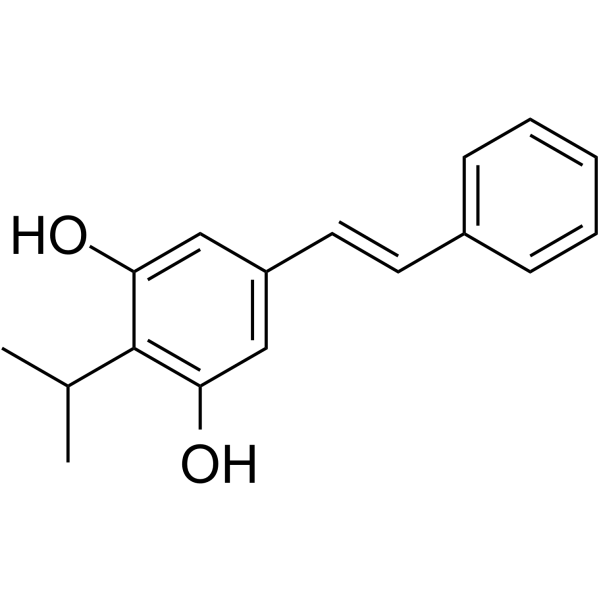
    Drug Intermediate Inflammation/Immunology
    Tapinarof prodrug-1 (Compound 31) is an orally active prodrug of Tapinarof (HY-109044). Tapinarof is an AhR agonist. Tapinarof prodrug-1 has an improving effect in the TNBS-induced mouse model of inflammatory bowel disease. Tapinarof prodrug-1 can be used in the research of inflammatory diseases .
    Tapinarof prodrug-1
  • HY-128229

    Aryl Hydrocarbon Receptor Cancer
    AHR antagonist 6 (Compound 44) is an aryl hydrocarbon receptor (AHR) antagonist used in cancer research .
    AHR antagonist 6
  • HY-19317R

    Aryl Hydrocarbon Receptor Inflammation/Immunology Cancer
    ITE (Standard) is the analytical standard of ITE. This product is intended for research and analytical applications. ITE is a potent endogenous agonist of aryl hydrocarbon receptor (AhR), binding directly to AHR, with a Ki of 3 nM. ITE also has immunosuppressive activity.
    ITE (Standard)
  • HY-158167

    Aryl Hydrocarbon Receptor Inflammation/Immunology
    AhR agonist 5 is an AHR agonist (EC50 = 6 nM). From patent WO2024061187A1, compound 5 .
    AhR agonist 5
  • HY-177563

    Aryl Hydrocarbon Receptor Cancer
    AhR modulator-2 (Compound Example 1) is an AHR activator, with an EC50 of 0.028 μM in HepG2-Lucia cells. AhR modulator-2 can be used for the study of diseases mediated by AHR protein, such as skin diseases and cancer .
    AhR modulator-2

Inquiry Online

Your information is safe with us. * Required Fields.

Salutation


Country or Region *

Applicant Name *


Organization Name *

Department *


Email Address *


Product Name *

Cat. No.


Requested quantity *

Phone Number *


Remarks

Inquiry Online

Inquiry Information

Product Name:
Cat. No.:
Quantity:
MCE Japan Authorized Agent:

