


1. Search Result
Search Result
Results for "

Alcoholic

" in MedChemExpress (MCE) Product Catalog:

223

Inhibitors & Agonists

4

Screening Libraries

2

Fluorescent Dyes

5

Biochemical Assay Reagents

11

Peptides

3

Inhibitory Antibodies

74

Natural
Products

19

Isotope-Labeled Compounds

4

Oligonucleotides

Cat. No. Product Name
  • HY-L199
    4,703 compounds

    Non-alcoholic fatty liver disease (NAFLD) is one of the most common liver diseases worldwide and is the primary liver manifestation of metabolic syndrome. The growth of NAFLD has coincided with the obesity epidemic. NAFLD is composed of excess lipid accumulation in the liver, causing steatotoxicity, and shows a wide range of histopathological abnormalities. NAFLD may progress from simple steatosis to Non-alcoholic steatohepatitis (NASH) with or without fibrosis (NASH), and eventually to cirrhosis and hepatocellular carcinoma. To date, very few drugs have been approved for marketing specifically for the treatment of NAFLD, so increased efforts to develop NAFLD drugs are necessary.

    MCE designs a unique collection of 4,703 small molecules with definite or potential anti-NAFLD activity, which is an important tool for studying the pathological mechanism of NAFLD and developing drugs for NAFLD.

  • HY-L241
    671 compounds

    Chinese Baijiu is one of the oldest alcoholic beverages in the world, with a history of over 2,000 years. It can be classified into 12 aroma types based on its fragrance and flavor characteristics. The specific flavor profile of Baijiu is determined by the composition and concentration of certain compounds. These trace compounds, present in low concentrations yet rich in esters, alcohols, acids, lactones, aldehydes, ketones, acetals, alkenes, and others, significantly influence the flavor of Baijiu. Additionally, some active components in Baijiu possess antioxidant properties, and moderate consumption may help reduce the risk of cardiovascular diseases, dementia, and insulin resistance. Therefore, studying the chemical composition of Baijiu is crucial for promoting its fermentation process and enhancing its flavor and quality.

    MCE has compiled included 671 Chinese Baijiu components, which can be used for drug development, Baijiu fermentation, and research related to Baijiu flavor and aroma.

  • HY-L208
    61 compounds

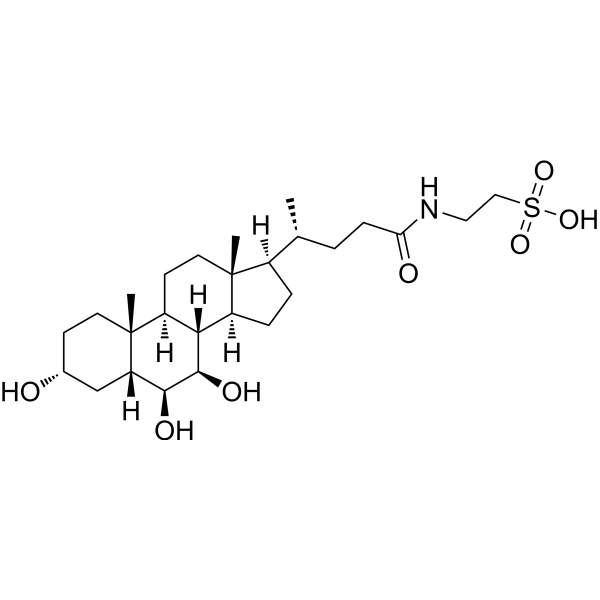
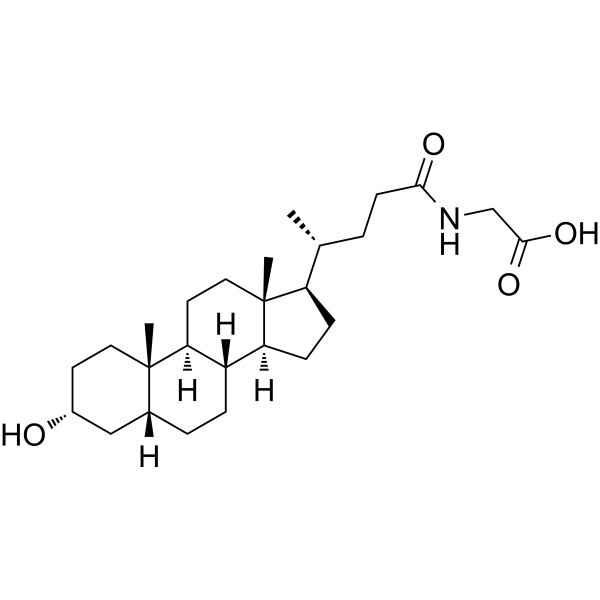
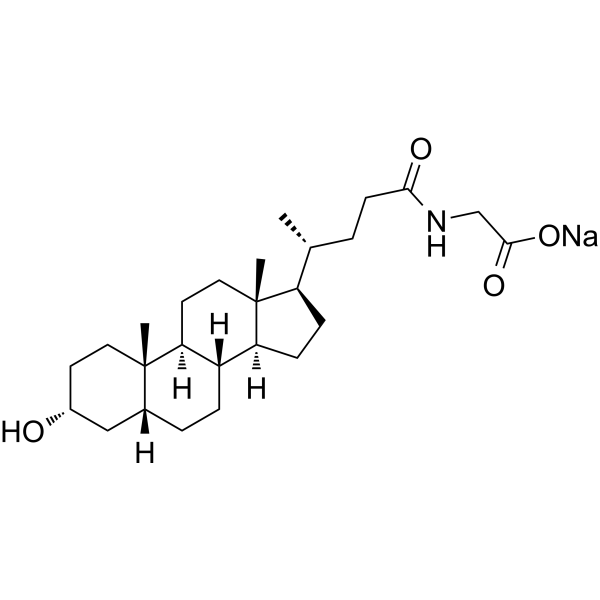
    Bile acids are a class of amphiphilic molecules derived from the metabolic breakdown of cholesterol, primarily synthesized in the liver, and play a crucial role in the intestines. Based on their structural characteristics, bile acids are mainly divided into two categories: free bile acids (including Cholic acid, Deoxycholic acid, Chenodeoxycholic acid) and conjugated bile acids (including Glycocholic acid, Glycochenodeoxycholic acid, Taurocholic acid, etc.). Bile acids play a significant role in the pathophysiological research of liver and gastrointestinal diseases and are closely associated with the occurrence of metabolic diseases such as obesity, type II diabetes, non-alcoholic fatty liver disease, and atherosclerosis. Bile acids maintain metabolic balance within the body by regulating sugar metabolism, lipid metabolism, and amino acid metabolism, and they influence the activity of metabolism-related enzymes and transporters. In addition, Bile acids can also be used to construct a bile acid metabolism research platform, which helps to delve into the metabolic pathways and dynamic changes of bile acids in living organisms and aids in identifying new biomarkers for certain diseases.

    MCE included 61 bile acids, including Cholic acid, Deoxycholic acid, Glycocholic acid, etc., which are effective tools for the study of liver and gallbladder diseases.

  • HY-L228
    145 compounds

    Lipids are important energy storage substances in the human body. They are involved in the regulation of cell structure and function, as well as signaling pathways and gene expression. Abnormal lipid levels in tissues or their dysregulation can lead to various diseases. These include obesity, type 2 diabetes, non-alcoholic fatty liver disease, neurodegenerative diseases, infections, and cancer. Therefore, maintaining normal levels of lipid metabolism is critical to overall health.

    One of the key features of cancer is aberrant lipid metabolism. This includes alterations in lipid uptake, lipid desaturation, neolipogenesis, lipid droplets, and fatty acid oxidation in cancer cells. These changes all contribute to cellular survival in an ever-changing microenvironment. They do this by modulating feed-forward oncogenic signals and key oncogenic functions. Additionally, they affect oxidative stress, other types of stress, immune responses, and intercellular communication. Alterations in lipid metabolism have a strong impact on the properties of cancer stem cells. This includes aspects such as self-renewal, differentiation, invasion, metastasis, drug sensitivity, and resistance. Furthermore, these alterations also modulate T cell responses.

    MCE can offer 145 metabolites of lipid metabolism pathways, which can be used for drug screening in cancer, immune-based diseases, metabolic diseases, and other diseases.

Inquiry Online

Your information is safe with us. * Required Fields.

Salutation


Country or Region *

Applicant Name *


Organization Name *

Department *


Email Address *


Product Name *

Cat. No.


Requested quantity *

Phone Number *


Remarks

Inquiry Online

Inquiry Information

Product Name:
Cat. No.:
Quantity:
MCE Japan Authorized Agent:

