
Search Result
Results for "
Allosteric activators
" in MedChemExpress (MCE) Product Catalog:
3
Biochemical Assay Reagents
12
Isotope-Labeled Compounds
| Cat. No. |
Product Name |
Target |
Research Areas |
Chemical Structure |
-
- HY-10219
-
-
-
- HY-N0197
-
-
-
- HY-15251
-
-
-
- HY-101455
-
|
|
Calcium Channel
|
Metabolic Disease
|
|
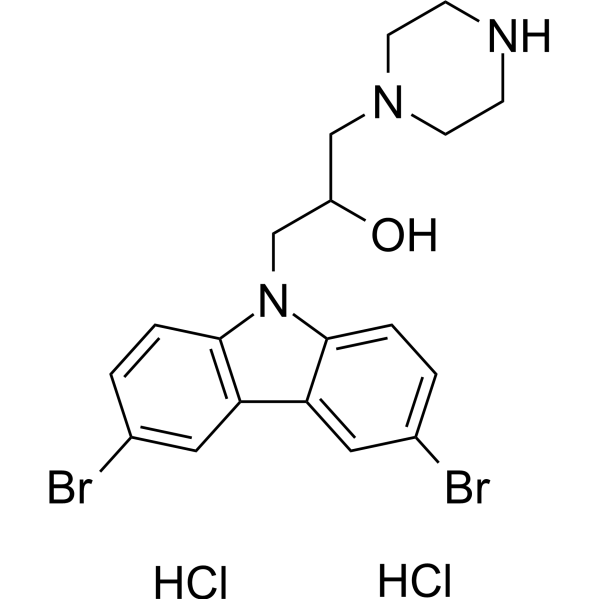
CDN1163 is an allosteric sarco/endoplasmic reticulum Ca 2+-ATPase (SERCA) activator that improves Ca 2+ homeostasis. CDN1163 attenuates diabetes and metabolic disorders .
|
-
-
- HY-114164
-
|
|
Thrombin
|
Neurological Disease
|
|
Thrombin (MW 37kDa) is a Na +-activated, allosteric serine protease that plays opposing functional roles in blood coagulation. Thrombin recognition sequence and can be used to digest GST-tagged proteins.
|
-
-
- HY-136173
-
|
TNO155
|
SHP2
Phosphatase
|
Cancer
|
|
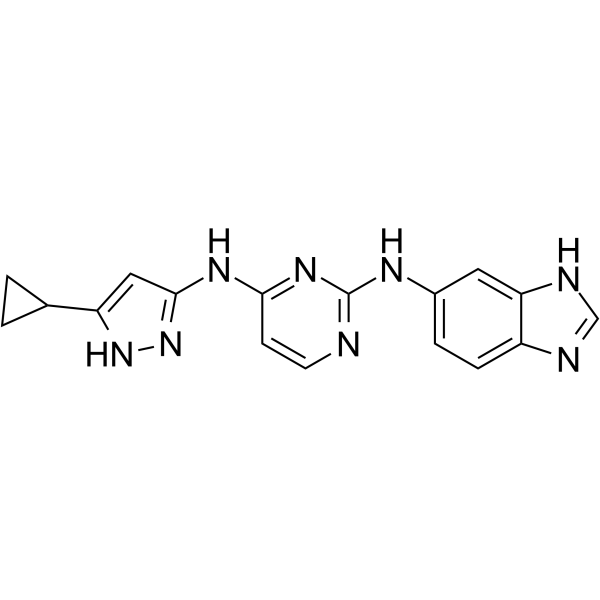
Batoprotafib (TNO155) is a potent selective and orally active allosteric inhibitor of wild-type SHP2 (IC50=0.011 µM). Batoprotafib has the potential for the study of RTK-dependent malignancies, especially advanced solid tumors .
|
-
-
- HY-103683
-
|
|
AMPK
|
Metabolic Disease
|
|
PF-06409577 is a potent and selective allosteric activator of AMPK α1β1γ1 isoform with an EC50 of 7 nM.
|
-
-
- HY-119339
-
|
|
CXCR
|
Inflammation/Immunology
Endocrinology
Cancer
|
|
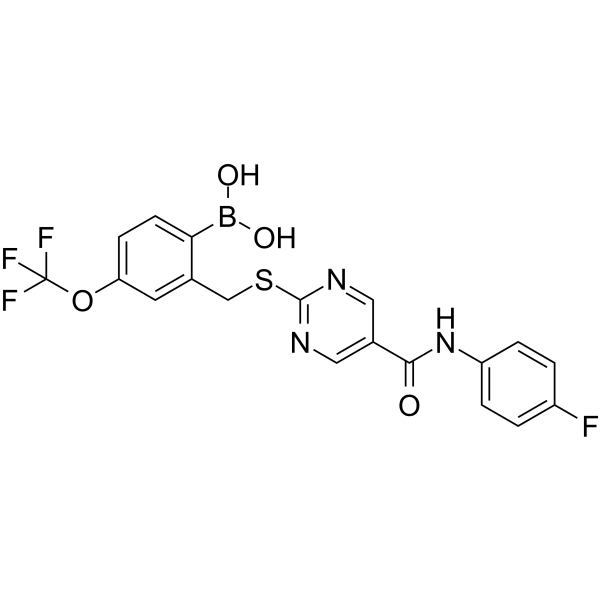
SX-682 is an orally bioavailable, potent allosteric inhibitor of CXCR1 and CXCR2. SX-682 can block tumor myeloid-derived suppressor cells (MDSCs) recruitment and enhance T cell activation and antitumor immunity .
|
-
-
- HY-Y1683
-
|
Racementhol
|
Environmental Pollutants
GABA Receptor
|
Infection
Neurological Disease
|
|
DL-Menthol (Racementhol) is an orally active, GABAaR positive allosteric modulator and UDP-glucuronosyltransferase (UGT) inhibitor that can cross the blood-brain barrier. DL-Menthol binds to GABAAR and exhibits an allosteric activation effect, enhancing GABA-mediated chloride influx and inhibiting neuronal excitability. DL-Menthol can induce surgical anesthesia in fish and inhibit the metabolic detoxification of tobacco carcinogens by human liver and intestinal UGT enzymes, resulting in reduced NNAL-N-Gluc production .
|
-
-
- HY-112769
-
EX229
5 Publications Verification
|
AMPK
|
Metabolic Disease
|
|
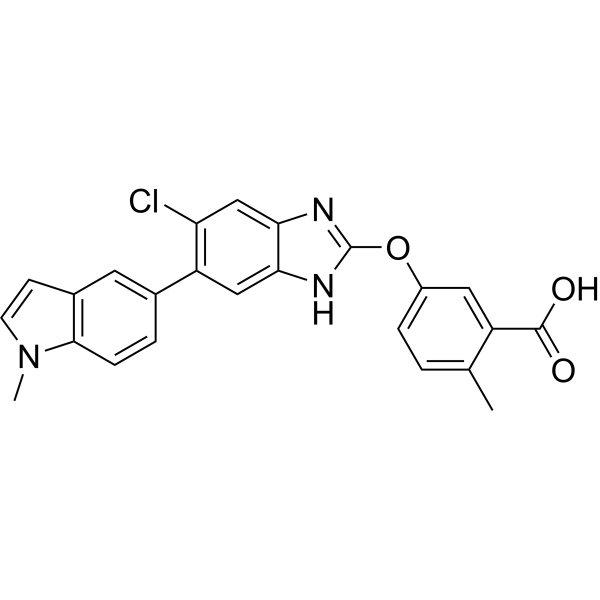
EX229, a Benzimidazole derivative, is a potent and allosteric activator of AMP-activated protein kinase (AMPK), with Kds of 0.06 μM, 0.06 μM and 0.51 μM for α1β1γ1, α2β1γ1 and α1β2γ1 in biolayer interferometry, respectively.
|
-
-
- HY-B1456A
-
|
LILLY-53858
|
COX
Melanocortin Receptor
ERK
|
Inflammation/Immunology
|
|
Fenoprofen (LILLY-53858) is a nonsteroidal anti-inflammatory agent (NSAID) and inhibits cyclooxygenase (COX). Fenoprofen is a melanocortin receptors (MCRs) positive allosteric modulator (PAM). Fenoprofen also increases ERK1/2 activation in HEK293T cells. Fenoprofen has anti-arthritic activities and can be used for the study of rheumatoid arthritis and osteoarthritis .
|
-
-
- HY-103269
-
|
|
Bcl-2 Family
Apoptosis
|
Cancer
|
|
BAI1 is a selective and allosteric inhibitor of BAX, an apoptosis regulator. BAI1 directly binds to BAX and allosterically inhibits BAX activation. BAI1 has the potential for the research of diseases mediated by BAX-dependent cell death .
|
-
-
- HY-19330
-
-
-
- HY-109128
-
|
MYK-491
|
Myosin
|
Cancer
|
|
Danicamtiv (MYK-491), an inotropic agent, is a selective allosteric activator of cardiac myosin. Danicamtiv increases cardiac systolic function and preserves mechanical efficiency .
|
-
-
- HY-N2370
-
|
|
iGluR
LXR
|
Neurological Disease
|
|
24-Hydroxycholesterol is a natural sterol, which serves as a positive allosteric modulator of N-Methyl-d-Aspartate (NMDA) receptorsR, and a potent activator of the transcription factors LXR.
|
-
-
- HY-119376
-
MDL-800
1 Publications Verification
|
Sirtuin
|
Cancer
|
|
MDL-800 is an allosteric and selective SIRT6 activator. MDL-800 increases SIRT6 deacetylation activity with an EC50 of 10.3 µM .
|
-
-
- HY-17592
-
-
-
- HY-115627
-
|
GPX4-Activator-1d4
|
Glutathione Peroxidase
|
Inflammation/Immunology
|
|
PKUMDL-LC-101-D04 (GPX4-Activator-1d4) is a glutathione peroxidase 4 (GPX4) allosteric activator (pEC50=4.7). PKUMDL-LC-101-D04 can inhibit ferroptosis and inflammation .
|
-
-
- HY-14569
-
-
-
- HY-W011102
-
|
NSC 83265; S-Tritylcysteine; 3-Tritylthio-L-alanine
|
Kinesin
Apoptosis
|
Cancer
|
|
S-Trityl-L-cysteine (NSC 83265) is a selective and allosteric kinesin Eg5 inhibitor with an IC50 of 1 μM for the inhibition of basal ATPase activity and 140 nM for the microtubule-activated ATPase activity. S-Trityl-L-cysteine has antitumor activities .
|
-
-
- HY-13965
-
|
ML161
|
Protease Activated Receptor (PAR)
|
Cardiovascular Disease
|
|
Parmodulin 2 (ML161) is an allosteric inhibitor of protease-activated receptor 1 (PAR1) with an IC50 of 0.26 μM . Parmodulin 2 is a potent and non-competitive inhibitor of SFLLRN-induced P-selectin expression leading to inhibition of platelet aggregation in vitro and platelet thrombus formation in vivo .
|
-
-
- HY-15252
-
-
-
- HY-17537
-
|
|
IRE1
|
Cancer
|
|
APY29, an ATP-competitive inhibitor, is an allosteric modulator of IRE1α which inhibits IRE1α autophosphorylation by binding to the ATP-binding pocket with IC50 of 280 nM. APY29 acts as a ligand that allosterically activates IRE1α adjacent RNase domain .
|
-
-
- HY-109160
-
|
CAD-1883
|
Potassium Channel
|
Neurological Disease
|
|
Rimtuzalcap (CAD-1883) is a first-in-class selective positive allosteric modulator of small-conductance calcium-activated potassium channels (SK channels). Rimtuzalcap can be used for the research of movement disorders including essential tremor (ET) and spinocerebellar ataxia (SCA) .
|
-
-
- HY-59047
-
|
MLR-1023
|
Src
|
Metabolic Disease
|
|
Tolimidone is a potent and selective allosteric activator of Lyn kinase with an EC50 of 63 nM.
|
-
-
- HY-10167A
-
|
R-568 hydrochloride; NPS R-568
|
CaSR
|
Others
|
|
Tecalcet Hydrochloride (R 568 Hydrochloride), an orally active calcimimetic compound, allosterically and positively modulates the calcium-sensing receptor (CaSR). Tecalcet Hydrochloride (R 568 Hydrochloride) increases the sensitivity to activation by extracellular Ca 2+ .
|
-
-
- HY-112606
-
|
|
RXFP Receptor
|
Others
|
|
ML-290 is a first-in-class and potent relaxin/insulin-like family peptide receptor (RXFP1) agonist and activator of anti-fibrotic genes, with an EC50 of 94 nM . ML290 is a biased allosteric agonist at the relaxin receptor RXFP1.
|
-
-
- HY-114304
-
COH000
2 Publications Verification
|
E1/E2/E3 Enzyme
|
Cancer
|
|
COH000 is an allosteric, covalent and irreversible inhibitor of ubiquitin-like 1-activating enzyme (SUMO-activating enzyme) (E1), with an IC50 of 0.2 μM for SUMOylation in vitro .
|
-
-
- HY-10219S
-
|
Sirolimus-d3; AY-22989-d3; NSC 226080-d3
|
Isotope-Labeled Compounds
mTOR
FKBP
Autophagy
|
Cancer
|
|
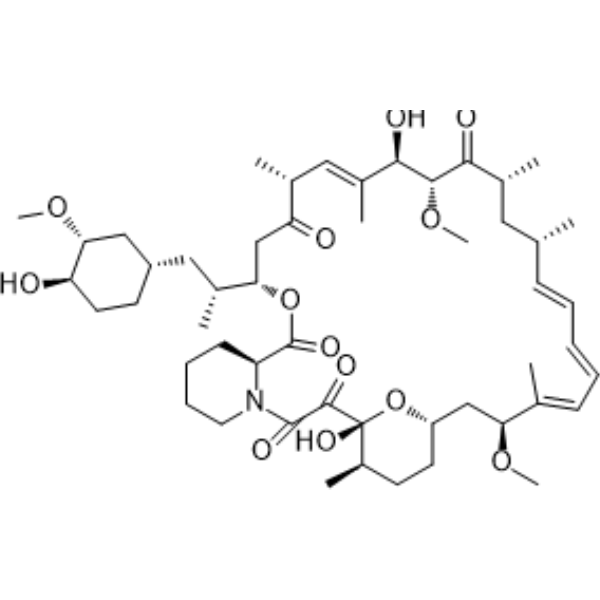
Rapamycin-d3 is the deuterium labeled Rapamycin. Rapamycin is a potent and specific mTOR inhibitor with an IC50 of 0.1 nM in HEK293 cells. Rapamycin binds to FKBP12 and specifically acts as an allosteric inhibitor of mTORC1. Rapamycin is an autophagy activator, an immunosuppressant .
|
-
-
- HY-19843
-
|
|
Glucokinase
|
Metabolic Disease
|
|
MK-0941 is a selective, orally active, and allosteric glucokinase activator with EC50s of 240 and 65 nM for recombinant human glucokinase in the presence of 2.5 and 10 mM glucose, respectively. MK-0941 activates hexokinase subtype IV. MK-0941 can increase insulin secretion and glucose uptake. MK-0941 can be studied in research for type 2 diabetes .
|
-
-
- HY-174801
-
|
|
Cyclic GMP-AMP Synthase
|
Inflammation/Immunology
|
|
XL-3156 is a cGAS inhibitor. XL-3156 occupies both allosteric and orthosteric sites simultaneously, and inhibits the interaction and phase separation between cGAS and DNA by stabilizing the closed conformation of the activation loop. XL-3156 can be used in the research of diseases such as autoimmune diseases and inflammation .
|
-
-
- HY-161296
-
|
|
Bacterial
HIV
|
Infection
|
|
TH6342 is a SAMHD1 modulator that binds to pretetrameric SAMHD1 and prevents its oligomerization and allosteric activation. SAMHD1 is a dNTP triphosphohydrolase and an HIV-1 restriction factor. SAMHD1 can limit the replication of retroviruses and DNA viruses and has antiviral effects. The inhibitory mechanism of TH6342 does not occupy the SAMHD1 nucleotide-binding pocket, gently binds the target, and functions as a chemical probe .
|
-
-
- HY-173352
-
|
|
Deubiquitinase
|
Cancer
|
|
USP7 activator 1 (compound MS-8) is an activator of USP7 by engaging the allosteric C-terminal binding pocket of USP7 .
|
-
-
- HY-157508
-
|
|
p97
|
Others
|
|
VCP Activator 1 is a VCP activator that dose-dependently stimulates VCP ATPase activity. VCP Activator 1 binds an allosteric pocket near the C-terminus. In addition, VCP Activator 1 binding site can also be occupied by a phenylalanine residue in the VCP C-terminal tail .
|
-
-
- HY-161928
-
|
|
Glutathione Peroxidase
Ferroptosis
|
Cancer
|
|
GPX4 activator 1 (Compound A9) is a allosteric activator of GPX4 (Kd = 5.86 μM, EC50 = 19.19 μM). GPX4 activator 1 can selectively act on ferroptosis and prevent the accumulation of intracellular lipid peroxides caused by ferroptosis inducers .
|
-
-
- HY-114164C
-
-
-
- HY-10595
-
|
|
Glucokinase
|
Metabolic Disease
|
|
RO-28-1675 is a potent allosteric glucokinase (GK) activator with an EC50 of 54 nM. RO-28-1675 can be used for the research of type 2 diabetes .
|
-
-
- HY-106199
-
|
|
Adenosine Receptor
|
Neurological Disease
Inflammation/Immunology
|
|
Adenosine A1 receptor activator T62 is an allosteric enhancer of adenosine A1 receptor. Adenosine A1 receptor activator T62 produces antinociception in animal models of acute pain and also reduces hypersensitivity in models of inflammatory and nerve-injury pain .
|
-
-
- HY-150210
-
|
|
Estrogen Receptor/ERR
|
Endocrinology
|
|
FSHR agonist 1 is a high affinity and allosteric follicle stimulating hormone receptor (FSHR) agonist with a pEC50 of 7.72. FSHR agonist 1 formes extensive interactions with the TMD to directly activate FSHR .
|
-
-
- HY-156757
-
-
-
- HY-153213
-
|
|
TSH Receptor
|
Metabolic Disease
|
|
Org 274179-0 is a potent and allosteric antagonist of thyroid-stimulating hormone (TSH) receptor, with an IC50 of nanomolar concentration. Org 274179-0 completely inhibits TSH (and TSI)-mediated TSH receptor activation with little effect on the potency of TSH. Org 274179-0 can be used for the research of Graves' disease (GD) .
|
-
-
- HY-16708A
-
|
|
AMPK
|
Metabolic Disease
|
|
ZLN024 hydrochloride is an AMPK allosteric activator. ZLN024 directly activates recombinant AMPK α1β1γ1, AMPK α2β1γ1, AMPK α1β2γ1 and AMPK α2β2γ1 heterotrimer with EC50s of 0.42 µM, 0.95 µM, 1.1 µM and 0.13 µM, respectively.
|
-
-
- HY-128358
-
MR-L2
1 Publications Verification
|
Phosphodiesterase (PDE)
|
Neurological Disease
|
|
MR-L2 is a reversible and noncompetitive allosteric activator of long-isoform phosphodiesterase-4 (PDE4), activates representative PDE4 long-isoform variants (PDE4A4, PDE4B1, PDE4C3, PDE4D5). MR-L2 suppresses PGE2-induced MDCK cell cyst formation with an EC50 of 1.2 μM .
|
-
-
- HY-18286
-
|
|
TSH Receptor
|
Endocrinology
|
|
NCGC00229600 is an allosteric inverse agonist of thyrotropin receptor (TSHR). NCGC00229600 inhibits both TSH and stimulating antibody activation of TSHRs endogenously expressed in Graves' disease .
|
-
-
- HY-176716
-
|
|
Aldehyde Dehydrogenase (ALDH)
|
Cardiovascular Disease
|
|
ALDH2 activator 1 (Compound Z17) is an allosteric aldehyde dehydrogenase 2 (ALDH2) agonist. ALDH2 activator 1 enhances cardiac function and reduces myocardial necrosis in a mouse model of myocardial ischemia-reperfusion. ALDH2 activator 1 is promising for research of cardiovascular diseases such as myocardial infarction (MI) .
|
-
-
- HY-124867
-
|
|
TSH Receptor
|
Endocrinology
|
|
D3-βArr is a positive allosteric modulator for thyrotropin receptor (TSHR), which initiates translocation of β-Arr 1 by direct TSHR activation and potentiates TSH-mediated preosteoblast differentiation in vitro .
|
-
-
- HY-14612
-
|
|
mGluR
|
Neurological Disease
|
|
CPPHA is potent and selective positive allosteric modulator (PAM) of the mGluR5 and mGluR1 (metabotropic glutamate receptor). CPPHA can potentiate responses of mGluR5 and mGluR1 to activation of these receptors. CPPHA is developed for the research of central nervous system disorders .
|
-
-
- HY-158991
-
|
|
CFTR
|
Inflammation/Immunology
|
|
I1421 is an activator of the cystic fibrosis transmembrane conductance regulator (CFTR) with an EC50 of 64 nM for WT CFTR currents. I1421 also allosterically activates multiple mutants causing cystic fibrosis (CF) with good in vivo potency, with an oral bioavailability of 60% in mice corresponding to a half-life of 75 min. I1421 synergizes with Elexacaftor (HY-111772) to enhance CFTR currents .
|
-
-
- HY-10936
-
|
|
iGluR
|
Neurological Disease
|
|
S 18986 is a selective, orally active, brain penetrant positive allosteric modulator of AMPA-type receptors. S 18986 shows cognitive enhancing properties in rodents. S 18986 activates the release of noradrenaline and acetylcholine in rat hippocampus and enhances rat memory in object-recognition tests .
|
-
-
- HY-114269
-
|
|
nAChR
|
Neurological Disease
Inflammation/Immunology
|
|
(-)-(S)-B-973B is an allosteric activator of α7 nicotinic acetylcholine receptor (α7 nAChR). (-)-(S)-B-973B alleviates pain behaviors. (-)-(S)-B-973B can be used for the research of inflammatory pain .
|
-
- HY-171177
-
|
|
Phosphatase
|
Neurological Disease
Cancer
|
|
P5SA-2 is a selective allosteric activator of PPP5C. P5SA-2 exerts its effects by modulating the phosphatase domain of PPP5C and can increase PPP5C activity by 3.2-fold at 100 μM with an apparent affinity constant of 7.8 μM. P5SA-2 can be used in cancer and Alzheimer's disease research .
|
-
- HY-110031
-
|
|
Apoptosis
Bcl-2 Family
|
Cancer
|
|
BAI1 hydrochloride is a selective apoptosis factor BAX allosteric inhibitors. BAI1 hydrochloride binds BAX and allosterically inhibits its activation. BAI1 hydrochloride has the potential to be used in the study of BAX dependent cell death-mediated diseases .
|
-
- HY-114164D
-
|
|
Thrombin
|
Cardiovascular Disease
|
|
Rat Thrombin is a Na +-activated, allosteric serine protease that plays opposing functional roles in blood coagulation. Thrombin recognition sequence and can be used to digest GST-tagged proteins .
|
-
- HY-129527
-
|
|
iGluR
|
Neurological Disease
|
|
GNE-9278 is a highly selective positive allosteric modulator of NMDAR that acts at the GluN1 transmembrane domain (TMD). GNE-9278 acts on activated NMDARs to increase peak current and agonist affinity .
|
-
- HY-118967
-
|
VU0183254
|
HCN Channel
|
Others
|
|
VUANT1 (VU0183254) is an allosteric antagonist of insect odorant receptor ion channels, which has the activity of inhibiting insect odorant receptor signaling. VUANT1 can inhibit the activation of insect odorant receptors through allosteric regulation, which is important for the study of the molecular mechanism of insect olfactory signaling. Although it may be of limited use in insect control programs, it can be used as a pharmacological tool to study related mechanisms.
|
-
- HY-15251A
-
|
(Rac)-Repertaxin; (Rac)-DF 1681Y
|
CXCR
|
Inflammation/Immunology
Endocrinology
Cancer
|
|
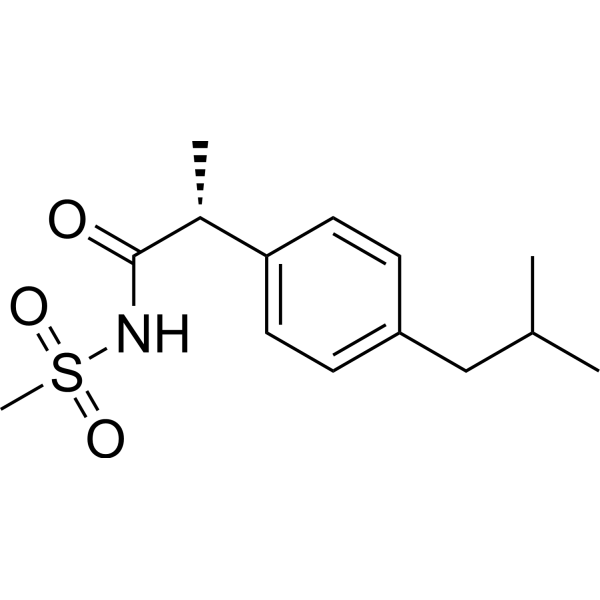
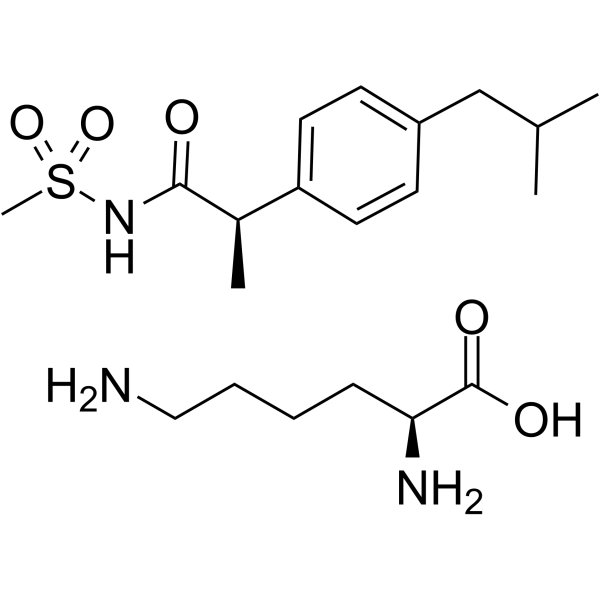
(Rac)-Reparixin is the isomer of Reparixin (HY-15251), and can be used as an experimental control. Reparixin is a non-competitive allosteric inhibitor of the chemokine receptors CXCR1 and CXCR2 activation with IC50s of 1 and 100 nM, respectively.
|
-
- HY-N0197R
-
-
- HY-175735
-
|
|
Factor XI
|
Cardiovascular Disease
|
|
Factor XI-IN-2 is a Factor XI activation inhibitor with an IC50 of 20 nM. Factor XI-IN-2 does not directly inhibit the enzymatic activity of FXIa, but specifically binds to the FXI enzyme precursor and allosterically inhibits the process by which it is activated by FXIIa. Factor XI-IN-2 inhibits thrombosis in the rabbit arteriovenous (AV) shunt thrombosis model. Factor XI-IN-2 can be used for the study of antithrombus .
|
-
- HY-139303
-
|
|
GnRH Receptor
|
Endocrinology
|
|
LUF5771 is a potent allosteric recombinant luteinizing hormone (recLH) and Org 43553 inhibitor. LUF5771 is able to partially activate the LH receptor with low efficacy .
|
-
- HY-110087
-
|
|
nAChR
|
Neurological Disease
|
|
4BP-TQS is a potent allosteric agonist of α7 nAChR. 4BP-TQS activates nAChRs via an allosteric transmembrane site .
|
-
- HY-N2370R
-
|
|
Reference Standards
iGluR
LXR
|
Neurological Disease
|
|
24-Hydroxycholesterol is a natural sterol, which serves as a positive allosteric modulator of N-Methyl-d-Aspartate (NMDA) receptorsR, and a potent activator of the transcription factors LXR.
|
-
- HY-115575
-
|
|
Neuropeptide Y Receptor
|
Metabolic Disease
|
|
tBPC is a selective positive allosteric modulator for human Y4 receptor (Y4R), which enhances the activation of Y4R in G protein signaling and arrestin3 recruitment .
|
-
- HY-111936
-
|
BML283
|
Pyruvate Kinase
|
Cancer
|
|
ML083 is a member of a series of highly specific allosteric activators for the tumor-specific isoform of human pyruvate kinase (M2 isoform). ML083 affects the cooperativity of phosphoenolpyruvate (PEP) binding. ML083 can be used in the research of tumors .
|
-
- HY-159527
-
|
Glovadalen
|
Dopamine Receptor
|
Neurological Disease
|
|
Glovadalenum (Glovadalen) is an orally active, selective, blood-brain barrier permeable positive allosteric modulator of dopamine D1 receptor. Glovadalenum selectively enhances the efficacy of dopamine in activating dopamine D1 receptor. Glovadalenum can be used for the research of Parkinson's disease .
|
-
- HY-100939
-
|
|
Sodium Channel
|
Neurological Disease
|
|
4-Chlorophenylguanidine hydrochloride is an urokinase-type plasminogen activator inhibitor. 4-Chlorophenylguanidine hydrochloride is a potent ASIC3 positive allosteric modulator and reverses the effects of ASIC3 desensitization. 4-Chlorophenylguanidine hydrochloride influences ASIC3 activity through directly activating the channel and increasing proton sensitivity. 4-Chlorophenylguanidine hydrochloride offers a chemical backbone for the design of new ASIC3 ligands to study ASIC3 in vivo .
|
-
- HY-16708
-
|
|
AMPK
|
Metabolic Disease
|
|
ZLN024 is an AMPK allosteric activator. ZLN024 directly activates recombinant AMPK α1β1γ1, AMPK α2β1γ1, AMPK α1β2γ1 and AMPK α2β2γ1 heterotrimer with EC50s of 0.42 µM, 0.95 µM, 1.1 µM and 0.13 µM, respectively.
|
-
- HY-114164E
-
|
|
Thrombin
|
Cardiovascular Disease
|
|
Rabbit Thrombin is a Na +-activated, allosteric serine protease that plays opposing functional roles in blood coagulation. Thrombin recognition sequence and can be used to digest GST-tagged proteins .
|
-
- HY-10167
-
|
R-568; NPS R-568 free base
|
CaSR
|
Others
|
|
Tecalcet (R 568), an orally active calcimimetic compound, allosterically and positively modulates the calcium-sensing receptor (CaSR). Tecalcet (R 568) increases the sensitivity to activation by extracellular Ca 2+ .
|
-
- HY-12316R
-
|
20α-Hydroxycholesterol (Standard)
|
Reference Standards
Smo
Endogenous Metabolite
|
Cancer
|
|
20(S)-Hydroxycholesterol (Standard) is the analytical standard of 20(S)-Hydroxycholesterol. This product is intended for research and analytical applications. 20(S)-hydroxyCholesterol (20α-Hydroxycholesterol) is an allosteric activator of the oncoprotein smoothened (Smo) that activates the hedgehog (Hh) signaling pathway with an EC50 of 3 μM in a gene transcription reporter assay using NIH3T3 cells .
|
-
- HY-P1402
-
|
|
PKC
|
Others
|
|
[Glu27]-PKC (19-36) is an inactive control for protein kinase C (PKC) (19-36). PKC (19-36) is a pseudosubstrate peptide inhibitor of protein kinase C, it may be responsible for maintaining the enzyme in the inactive form in the absence of allosteric activators such as phospholipids .
|
-
- HY-130155
-
|
|
AMPK
|
Neurological Disease
|
|
AMPK activator C2 is a potent allosteric AMPK activator that is promising for research of epilepsy and convulsions .
|
-
- HY-179110
-
|
|
Eukaryotic Initiation Factor (eIF)
|
Infection
Cancer
|
|
ISR activator 1 (compound B) is an eIF2B allosteric inhibitor. ISR activator 1 stabilizes the inactive state of eIF2B, inhibits translation initiation and global protein synthesis, and selectively activates the ISR pathway. ISR activator 1 can be used for research on cancer and viral infections .
|
-
- HY-158038
-
|
|
Aurora Kinase
Mitosis
|
Cancer
|
|
AurkA allosteric-IN-1 (compound 6h) is an Aurora A (AurkA) inhibitor (IC50: 6.50 μM) that inhibits the catalytic activity and non-catalytic functions of Aurora A. Aurora A regulates the assembly of the bipolar mitotic spindle and the fidelity of chromosome segregation during mitosis and has non-catalytic functions. AurkA allosteric-IN-1 blocks the interaction of AurkA with the activator TPX2 by binding to the Y pocket of AurkA .
|
-
- HY-121140
-
|
|
Free Fatty Acid Receptor
|
Metabolic Disease
|
|
AZ1729 is a potent free fatty acid 2 receptor (FFA2) activator, acting as a direct allosteric agonist and as a positive allosteric modulator. AZ1729 increases the activity of the endogenously produced short chain fatty acid propionate in Gi-mediated pathways, but not at those transduced by Gq/G11. AZ1729 induces inhibition of isoproterenol-induced lipolysis in mouse adipocytes. AZ1729 also can Induce migration of human neutrophils. AZ1729 can be used for researching the signaling pathways of the physiological roles of FFA2 .
|
-
- HY-109128S
-
|
MYK-491-d6
|
Isotope-Labeled Compounds
Myosin
|
Cardiovascular Disease
|
|
Danicamtiv-d6 (MYK-491-d6) is a deuterated labeled Danicamtiv (HY-109128). Danicamtiv (MYK-491), an inotropic agent, is a selective allosteric activator of cardiac myosin. Danicamtiv increases cardiac systolic function and preserves mechanical efficiency .
|
-
- HY-113689
-
|
|
Cannabinoid Receptor
|
Neurological Disease
|
|
GAT211 is a cannabinoid 1 receptor (CB1R) positive allosteric modulator (PAM). GAT211 activates cAMP and β-arrestin2 with EC50 values of 260 nM and 650 nM, respectively. GAT211 inhibits GAT211 can be used for neuropathic and/or inflammatory pain research .
|
-
- HY-176980
-
|
|
CCR
|
Inflammation/Immunology
|
|
CCR6 antagonist 4 (compound OXM1) is a potent and selective CC chemokine receptor 6 (CCR6) allosteric antagonist (IC50 = 158 nM). CCR6 antagonist 4 binds to an extracellular pocket and disrupts the receptor activation network. CCR6 antagonist 4 can be used for chronic inflammatory diseases research .
|
-
- HY-B1456AR
-
|
LILLY-53858 (Standard)
|
Reference Standards
COX
Melanocortin Receptor
ERK
|
Inflammation/Immunology
|
|
Fenoprofen (Standard) (LILLY-53858 (Standard)) is the analytical standard of Fenoprofen (HY-B1456A). This product is intended for research and analytical applications. Fenoprofenc is a nonsteroidal anti-inflammatory agent (NSAID) and inhibits cyclooxygenase (COX). Fenoprofen is a melanocortin receptors (MCRs) positive allosteric modulator (PAM). Fenoprofen also increases ERK1/2 activation in HEK293T cells. Fenoprofen has anti-arthritic activities and can be used for the study of rheumatoid arthritis and osteoarthritis.
|
-
- HY-101796
-
|
|
Ras
SOS1
|
Cancer
|
|
NSC-70220 is a selective and allosteric SOS1 inhibitor. NSC-70220 inhibits allosteric site activation, and partially inhibited catalytic site activation. NSC-70220 has an anticancer effect .
|
-
- HY-169013
-
|
|
Phosphatase
|
Others
|
|
DDO-3733 is a TRP-independent Protein Phosphatase 5 (PP5) allosteric activator that promotes dephosphorylation of downstream substrates .
|
-
- HY-114589
-
|
|
mGluR
|
Others
|
|
VU0240382 is a metabotropic glutamate receptor subtype 5 modulator whose activity differs depending on whether it has allosteric agonist activity. VU0240382 with allosteric agonist activity can activate mGlu(5) receptors in cell lines, but has no agonist activity in natural systems and has similar efficacy to mGlu(5) modulators without allosteric agonist activity in animal models.
|
-
- HY-161753
-
|
|
CFTR
|
Inflammation/Immunology
|
|
CFTR potentiator 1 (I1421) is a potent CFTR potentiator with an EC50 value of 64 nM. CFTR potentiator 1 allosterically activates a wide range of CF-causing mutants, such as ΔF508 and G551D CFTR .
|
-
- HY-15251R
-
|
Repertaxin (Standard); DF 1681Y (Standard)
|
CXCR
Reference Standards
|
Inflammation/Immunology
Endocrinology
Cancer
|
|
Reparixin (Standard) is the analytical standard of Reparixin. This product is intended for research and analytical applications. Reparixin is a non-competitive allosteric inhibitor of the chemokine receptors CXCR1 and CXCR2 activation with IC50s of 1 and 100 nM, respectively.
|
-
- HY-110124
-
|
|
Pyruvate Kinase
|
Cancer
|
|
ML202 is a highly specific allosteric activator of human pyruvate kinase M2 (hPK-M2), which can affect the cooperativity of phosphoenolpyruvate (PEP) binding, while adenosine diphosphate (ADP) binding almost no effect .
|
-
- HY-174259
-
|
|
mAChR
|
Neurological Disease
|
|
Muscarinic M4 modulator-1 is a Muscarinic M4 receptor positive allosteric modulator. Muscarinic M4 modulator-1 activates the muscarinic M4 receptor with allosteric potency EC50 s of 14 and 3 Nm in CHO-K1 cells and HEK293 cells. Muscarinic M4 modulator-1 has an antipsychotic-like activity, promising for psychiatric and/or neurological disorders research .
|
-
- HY-103683R
-
|
|
Reference Standards
AMPK
|
Metabolic Disease
|
|
PF-06409577 (Standard) is the analytical standard of PF-06409577. This product is intended for research and analytical applications. PF-06409577 is a potent and selective allosteric activator of AMPK α1β1γ1 isoform with an EC50 of 7 nM.
|
-
- HY-17592R
-
|
|
Reference Standards
Parasite
Bacterial
|
Infection
Cancer
|
|
Bithionol (Standard) is the analytical standard of Bithionol. This product is intended for research and analytical applications. Bithionol is an antibacterial, anthelmintic, and algaecide agent. Bithionol is also a potent inhibitor of soluble adenylyl cyclase through binding to the allosteric activator site (IC50: 4 μM) .
|
-
- HY-116050
-
-
- HY-115796
-
|
|
mGluR
|
Others
|
|
VU0477886 is a metabotropic glutamate receptor subtype 4 (mGlu4) positive allosteric modulator with potent activating activity on mGlu4 (EC50 = 95nM, 89% Glu Max), good pharmacokinetic characteristics (brain: plasma Kp = 1.3), and significant therapeutic efficacy in Parkinson's disease models.
|
-
- HY-109128S1
-
|
MYK-491-d3
|
Isotope-Labeled Compounds
Myosin
|
Cardiovascular Disease
|
|
Danicamtiv-d3 (MYK-491-d3) is a deuterated labeled Danicamtiv (HY-109128). Danicamtiv (MYK-491), an inotropic agent, is a selective allosteric activator of cardiac myosin. Danicamtiv increases cardiac systolic function and preserves mechanical efficiency .
|
-
- HY-109128S2
-
|
MYK-491-d3-1
|
Isotope-Labeled Compounds
Myosin
|
Cardiovascular Disease
|
|
Danicamtiv-d3-1 (MYK-491-d3-1) is a deuterated labeled Danicamtiv (HY-109128). Danicamtiv (MYK-491), an inotropic agent, is a selective allosteric activator of cardiac myosin. Danicamtiv increases cardiac systolic function and preserves mechanical efficiency .
|
-
- HY-122222
-
|
|
PPAR
|
Others
|
|
MRL20 is a PPARγ constitutive and allosteric agonist. MRL20 enhances the interaction between PPARγ and the co-activating peptide of TRAP220, with its EC50 being 10 nM. Even after being covalently blocked in the constitutive pocket by GW9662 (HY-16578) or T0070907 (HY-13202), MRL20 can still strengthen the interaction between PPARγ and TRAP220, with EC50 values of 176 and 440 nM respectively. MRL20 fails to completely inhibit its cell activation effect. MRL20 can be used to study the allosteric regulatory mechanism of PPARγ .
|
-
- HY-182062
-
|
|
NAMPT
E1/E2/E3 Enzyme
|
Neurological Disease
|
|
NAMPT activator-9 (Compound DIPM) is an allosteric, non-competitive NAMPT activator, with an EC50 of 3.366 μM against hNAMPT. NAMPT activator-9 enhances the enzymatic activity of NAMPT via an allosteric, non-competitive mechanism. NAMPT activator-9 increases intracellular NAD + levels. NAMPT activator-9 restores myotube diameter and reduces the expression of atrophy markers Atrogin-1 and MuRF1. NAMPT activator-9 is applicable to research related to muscle atrophy .
|
-
- HY-181936
-
|
|
Atg4
Autophagy
|
Cancer
|
|
Atg4B activator-1 (Compound 16a) is an allosteric, selective, and orally active ATG4B activator with a Kd of 0.2199 μM. Atg4B activator-1 binds to the allosteric pocket of ATG4B and induces conformational changes. Atg4B activator-1 induces Autophagy. Atg4B activator-1 inhibits the proliferation and migration of triple-negative breast cancer cells. Atg4B activator-1 can be used in studies related to triple-negative breast cancer .
|
-
- HY-101796R
-
|
|
Ras
SOS1
Reference Standards
|
Cancer
|
|
NSC-70220 (Standard) is the analytical standard of NSC-70220 (HY-101796). This product is intended for research and analytical applications. NSC-70220 is a selective and allosteric SOS1 inhibitor. NSC-70220 inhibits allosteric site activation, and partially inhibited catalytic site activation. NSC-70220 has an anticancer effect .
|
-
- HY-123661
-
|
|
Endogenous Metabolite
|
Neurological Disease
|
|
MIPS1455 is a light-activated M1 muscarinic acetylcholine receptor ligand with irreversible binding activity to the allosteric site of the receptor. MIPS1455 is a drug target under investigation for the suppression of cognitive deficits and may become a valuable molecular tool for further investigation of allosteric interactions of the receptor .
|
-
- HY-181559S
-
|
AG06827
|
mAChR
|
Neurological Disease
|
|
VU6025733 (AG06827) is a highly selective, orally active and blood-brain barrier-penetrant positive allosteric modulator of the muscarinic acetylcholine receptor subtype M4 (M4 mAChR). VU6025733 exerts a potentiating effect on acetylcholine-induced receptor activation with an EC50 of 23 nM for hM4 and 55 nM for rM4. VU6025733 shows high selectivity over other muscarinic acetylcholine receptor subtypes, dose-dependently reduces amphetamine-induced hyperlocomotion in rats. VU6025733 is applicable to the research of schizophrenia, Parkinson's disease, and Alzheimer's disease .
|
-
- HY-103269R
-
|
|
Reference Standards
Bcl-2 Family
Apoptosis
|
Cancer
|
|
BAI1 (Standard) is the analytical standard of BAI1 (HY-103269). This product is intended for research and analytical applications. BAI1 is a selective and allosteric inhibitor of BAX, an apoptosis regulator. BAI1 directly binds to BAX and allosterically inhibits BAX activation. BAI1 has the potential for the research of diseases mediated by BAX-dependent cell death .
|
-
- HY-115549
-
|
|
AMPK
Acetyl-CoA Carboxylase
|
Metabolic Disease
|
|
AMPK activator 18 is a potent allosteric activator of AMPK complexes containing the β2 isoform. AMPK activator 18activates α2-containing AMPK α2β2γ1 and α2β2γ3 complexes, with EC50 values of 17.2 and 82.1 nM. AMPK activator 18 stimulates β2-AMPK in cells, and glucose uptake by isolated skeletal muscle. AMPK activator 18 induces acetyl-coenzyme A carboxylase (ACC) and AMPK α-T172 phosphorylation. AMPK activator 18 can be used for the research of type 2 diabetes .
|
-
- HY-101455R
-
|
|
Calcium Channel
Reference Standards
|
Metabolic Disease
|
|
CDN1163 (Standard) is the analytical standard of CDN1163 (HY-101455). This product is intended for research and analytical applications. CDN1163 is an allosteric sarco/endoplasmic reticulum Ca2+-ATPase (SERCA) activator that improves Ca2+ homeostasis. CDN1163 attenuates diabetes and metabolic disorders .
|
-
- HY-116196
-
-
- HY-137782
-
|
|
Biochemical Assay Reagents
|
Others
|
|
Palmitoleoyl-CoA can be activated and transported into the mitochondria for metabolism, specifically for β-oxidation. Palmitoleoyl-CoA induces the cardiac mitochondrial membrane permeability transition, which causes mitochondrial dysfunction. Palmitoleoyl-CoA regulates metabolism via allosteric control of AMPK β1-isoforms .
|
-
- HY-133073
-
|
CCR7-Cmp2105
|
CCR
Ligands for Target Protein for PROTAC
|
Cancer
|
|
CCR7 Ligand 1 (CCR7-Cmp2105) is an allosteric Ligand and antagonist for human CC chemokine receptor 7 (CCR7) with a Kd of 3 nM. CCR7 Ligand 1, thiadiazole-dioxide ligan, suppresses arrestin binding in response to activation by CCL19 with an IC50 of 7.3 μM .
|
-
- HY-15251AR
-
|
(Rac)-Repertaxin (Standard); (Rac)-DF 1681Y (Standard)
|
CXCR
Reference Standards
|
Inflammation/Immunology
Endocrinology
Cancer
|
|
(Rac)-Reparixin (Standard) is the analytical standard of (Rac)-Reparixin. This product is intended for research and analytical applications. (Rac)-Reparixin is the isomer of Reparixin (HY-15251), and can be used as an experimental control. Reparixin is a non-competitive allosteric inhibitor of the chemokine receptors CXCR1 and CXCR2 activation with IC50s of 1 and 100 nM, respectively.
|
-
- HY-112247
-
|
|
PPAR
TGF-beta/Smad
|
Metabolic Disease
Inflammation/Immunology
|
|
SR 16832 is a dual-site covalent, orthosteric and allosteric PPARγ antagonist. SR 16832 activates the TGF-β signaling pathway and upregulates the expression of Vimentin and Fibronectin (Fibronectin). SR 16832 is toxic to bronchial epithelium. SR 16832 can be used in research related to type 2 diabetes and pulmonary fibrosis .
|
-
- HY-176979
-
|
|
CCR
|
Inflammation/Immunology
|
|
CCR6 antagonist 3 (compound OXM2) is a potent and selective CC chemokine receptor 6 (CCR6) allosteric antagonist (IC50 = 166 nM). CCR6 antagonist 3 binds to an extracellular pocket and disrupts the receptor activation network. CCR6 antagonist 3 can be used for chronic inflammatory diseases research .
|
-
- HY-12150
-
CCMI
1 Publications Verification
AVL-3288; UCI-4083
|
nAChR
|
Neurological Disease
|
|
CCMI (AVL-3288) is a potent and selective α7 nAChR-positive allosteric modulator, does not bind to or activate α7 nAChRs via the orthosteric site, and causes significant positive modulation of agonist-induced currents at α7 nAChRs. CCMI has potential in CNS diseases with cognitive dysfunction .
|
-
- HY-12689
-
|
AG-348
|
Pyruvate Kinase
|
Metabolic Disease
|
|
Mitapivat (AG-348) is an orally active pyruvate kinase allosteric activator. Mitapivat increases enzymatic activity, protein stability, and ATP levels over a broad range of PKLR genotypes, shows the potential to restore the activity of PK (pyruvate kinase)-deficient glycolytic pathways. Mitapivat can be used in study of PK deficiency .
|
-
- HY-12689B
-
|
AG-348 hemisulfate
|
Pyruvate Kinase
|
Metabolic Disease
|
|
Mitapivat hemisulfate is an orally active pyruvate kinase allosteric activator. Mitapivat hemisulfate increases enzymatic activity, protein stability, and ATP levels over a broad range of PKLR genotypes, shows the potential to restore the activity of PK (pyruvate kinase)-deficient glycolytic pathways. Mitapivat hemisulfate can be used in study of PK deficiency .
|
-
- HY-10595R
-
|
|
Reference Standards
Glucokinase
|
Metabolic Disease
|
|
RO-28-1675 (Standard) is the analytical standard of RO-28-1675 (HY-10595). This product is intended for research and analytical applications. RO-28-1675 is a potent allosteric glucokinase (GK) activator with an EC50 of 54 nM. RO-28-1675 can be used for the research of type 2 diabetes .
|
-
- HY-103320
-
|
|
CaSR
|
Metabolic Disease
|
|
Calhex 231 is a potent negative allosteric modulator that blocks (IC50 = 0.39 μM) increases in [ 3H]inositol phosphates elicited by activating the human wild-type CaSR transiently Ca 2+-sensing receptor. Calhex 231 can be used in the study of traumatic hemorrhagic shock (THS) and diabetic cardiomyopathy (DCM) .
|
-
- HY-10219R
-
|
Sirolimus (Standard); AY-22989 (Standard); NSC 226080 (Standard)
|
Reference Standards
mTOR
FKBP
Fungal
Autophagy
Endogenous Metabolite
Antibiotic
Bacterial
|
Cancer
|
|
Rapamycin (Standard) is the analytical standard of Rapamycin (HY-10219). This product is intended for research and analytical applications. Rapamycin (Sirolimus; AY 22989) is a potent and specific mTOR inhibitor with an IC50 of 0.1 nM in HEK293 cells. Rapamycin binds to FKBP12 and specifically acts as an allosteric inhibitor of mTORC1 . Rapamycin is an autophagy activator, an immunosuppressant .
|
-
- HY-103320A
-
|
|
CaSR
|
Metabolic Disease
|
|
Calhex 231 hydrochloride is a potent negative allosteric modulator that blocks (IC50 = 0.39 μM) increases in [ 3H]inositol phosphates elicited by activating the human wild-type CaSR transiently Ca 2+-sensing receptor. Calhex 231 hydrochloride can be used in the study of traumatic hemorrhagic shock (THS) and diabetic cardiomyopathy (DCM) .
|
-
- HY-181886
-
|
|
IRE1
PDGFR
c-Kit
|
Others
|
|
AK177 is an allosteric activator of IRE1α ribonuclease, with values of 480 nM and 180 nM against non-phosphorylated and phosphorylated IRE1α, respectively. AK177 promotes IRE1α-mediated cleavage of XBP1 mRNA probe in a concentration-dependent manner and binds stably to its kinase domain. However, AK177 shows poor kinase selectivity, and due to poor membrane permeability at the cellular level, it induces no significant downstream pathway activation or antiproliferative activity .
|
-
- HY-117163
-
FzM1.8
1 Publications Verification
|
Wnt
β-catenin
|
Cancer
|
|
FzM1.8, derives from FzM1, is an allosteric agonist of FZD4 with pEC50 of 6.4. FzM1.8 binds to FZD4 and activates the WNT/β-catenin pathway, by promoting TCF/LEF transcriptional activity in the absence of any WNT ligand. FzM1.8 stabilizes FZD4 with an increased affinity for heterotrimeric G protein and stimulates the release of the Gβγ subunit that in turn activates PI3K .
|
-
- HY-182723
-
|
|
GPR84
|
Cancer
|
|
PSB-16671 is an allosteric agonist of GPR84. PSB-16671 recruits β-arrestins and couples to Gi, enhances the Gi activation potency of orthosteric agonists, and exerts a synergistic effect with orthosteric agonists. PSB-16671 promotes G protein activation and partial chemotaxis independent of GPR84 in mouse neutrophils, maintains the phagocytic function of macrophages against cancer cells without inducing receptor desensitization. PSB-16671 can be used in cancer-related research .
|
-
- HY-107663
-
|
Pro-Leu-Gly-NH2; Melanostatin
|
Dopamine Receptor
|
Neurological Disease
|
|
MIF-1 (Melanostatin), an endogenous brain peptide, is a potent dopamine receptor allosteric modulator. MIF-1 inhibits melanin formation. MIF-1 blocks the effects of opioid receptor activation to modulate the analgesic effects. MIF-1 accesses from the blood to the CNS by directly crossing the blood-brain barrier (BBB) .
|
-
- HY-12689A
-
|
AG-348 hemisulfate sesquihydrate
|
Pyruvate Kinase
|
Metabolic Disease
|
|
Mitapivat hemisulfate sesquihydrate (AG-348) is an orally active pyruvate kinase allosteric activator. Mitapivat increases enzymatic activity, protein stability, and ATP levels over a broad range of PKLR genotypes, shows the potential to restore the activity of PK (pyruvate kinase)-deficient glycolytic pathways. Mitapivat can be used in study of PK deficiency .
|
-
- HY-117623
-
|
PF-249
|
AMPK
|
Metabolic Disease
|
|
PF-06685249 (PF-249) is a potent and orally active allosteric AMPK activator with an EC50 of 12 nM for recombinant AMPK α1β1γ1. PF-06685249 improves renal function in ZSF-1 rats with diabetic nephropathy. PF-06685249 can be used for diabetic nephropathy research .
|
-
- HY-154848
-
|
|
PI3K
Akt
|
Cardiovascular Disease
Neurological Disease
Cancer
|
|
UCL-TRO-1938 is a potent small molecule allosteric activator of PI3Kα with an EC50 value of approximately 60 μM. UCL-TRO-1938 can induce cell proliferation and has cardioprotective effects from ischaemia reperfusion injury and enhances nerve regeneration following nerve crush .
|
-
- HY-143312D
-
|
|
GLP Receptor
|
Metabolic Disease
|
|
(R)-V-0219 hydrochloride is an enantiomer of V-0219 (HY-143312). V-0219 is an orally active and positive allosteric modulator (PAM) of the GLP Receptor-1 (GLP-1R). (R)-V-0219 hydrochloride activates calcium fluxes in HEK cells stably expressing hGLP-1R .
|
-
- HY-P0172A
-
|
|
CXCR
|
Inflammation/Immunology
Endocrinology
Cancer
|
|
ATI-2341 is a potent and functionally selective allosteric agonist of C-X-C chemokine receptor type 4 (CXCR4), which functions as a biased ligand, favoring Gαi activation over Gα13. ATI-2341 activates the inhibitory heterotrimeric G protein (Gi) to promote inhibition of cAMP production and induce calcium mobilization. ATI-2341 is a potent and efficacious mobilizer of bone marrow polymorphonuclear neutrophils (PMNs) and hematopoietic stem and progenitor cells (HSPCs) .
|
-
- HY-P0172
-
|
|
CXCR
|
Inflammation/Immunology
Endocrinology
Cancer
|
|
ATI-2341 is a potent and functionally selective allosteric agonist of C-X-C chemokine receptor type 4 (CXCR4), which functions as a biased ligand, favoring Gαi activation over Gα13. ATI-2341 activates the inhibitory heterotrimeric G protein (Gi) to promote inhibition of cAMP production and induce calcium mobilization. ATI-2341 is a potent and efficacious mobilizer of bone marrow polymorphonuclear neutrophils (PMNs) and hematopoietic stem and progenitor cells (HSPCs) .
|
-
- HY-143312B
-
|
|
GLP Receptor
|
Metabolic Disease
|
|
(R)-V-0219 is an enantiomer of V-0219 (HY-143312). V-0219 is an orally active and positive allosteric modulator (PAM) of the GLP Receptor-1 (GLP-1R). (R)-V-0219 activates calcium fluxes in HEK cells stably expressing hGLP-1R .
|
-
- HY-164909
-
|
|
PANK
|
Inflammation/Immunology
|
|
PZ-3022 is an orally active and allosteric PanK activator that counteracts C3-CoA inhibition. PZ-3022 increases hepatic CoASH and C2-CoA and decreases C3-CoA in the propionic acidemia mouse model. PZ-3022 can be used for research of mitochondrial defect in propionic acidemia .
|
-
- HY-115452
-
|
|
JAK
Apoptosis
|
Cancer
|
|
G5-7, an orally active and allosteric JAK2 inhibitor, selectively inhibits JAK2 mediated phosphorylation and activation of EGFR (Tyr 1068) and STAT3 by binding to JAK2. G5-7 induces cell cycle arrest, apoptosis and possesses antiangiogenic effect. G5-7 has the potential for glioma study .
|
-
- HY-148510
-
|
|
Phosphatase
Apoptosis
Akt
ERK
Reactive Oxygen Species (ROS)
|
Cancer
|
|
HKB99 is an allosteric inhibitor of phosphoglycerate mutase 1 (PGAM1). HKB99 induces apoptosis. HKB99 inhibits the formation of invasive pseudopodia and inhibits migration. HKB99 increases the oxidative stress, activates JNK/c-Jun and suppresses AKT and ERK. HKB99 can be used for the research of non-small-cell lung cancer (NSCLC) .
|
-
- HY-G0021
-
|
Norclozapine; Desmethylclozapine; Normethylclozapine
|
mAChR
Opioid Receptor
Drug Metabolite
Virus Protease
|
Infection
|
|
N-Desmethylclozapine is a major active metabolite of the atypical antipsychotic agent Clozapine. N-Desmethylclozapine is a potent, allosteric and partial M1 receptors agonist (EC50=115 nM) and is able to potentiate hippocampal N-methyl-d-aspartate (NMDA) receptor currents through M1 receptor activation. N-Desmethylclozapine is also a δ-opioid agonist .
|
-
- HY-120645
-
|
|
Opioid Receptor
|
Neurological Disease
|
|
BMS-986122 is a selective, potent positive allosteric modulator of the mu-opioid receptor (µ-OR). BMS-986122 shows potentiation of orthosteric agonist-mediated β-arrestin recruitment, adenylyl cyclase inhibition, and G protein activation. BMS-986122 potentiates DAMGO-mediated [ 35S]GTPγS binding in mouse brain membranes .
|
-
- HY-B0288B
-
|
LILLY-53858 Calcium hydrate
|
COX
Melanocortin Receptor
ERK
|
Inflammation/Immunology
|
|
Fenoprofen (LILLY-53858) Calcium hydrate is a nonsteroidal anti-inflammatory agent (NSAID) and inhibits cyclooxygenase (COX). Fenoprofen Calcium hydrate is a melanocortin receptors (MCRs) positive allosteric modulator (PAM). Fenoprofen Calcium hydrate also increases ERK1/2 activation in HEK293T cells. Fenoprofen Calcium hydrate has anti-arthritic activities and can be used for the study of rheumatoid arthritis and osteoarthritis .
|
-
- HY-B0288A
-
|
LILLY-53858 Calcium
|
COX
Melanocortin Receptor
ERK
|
Inflammation/Immunology
|
|
Fenoprofen (LILLY-53858) Calcium is a nonsteroidal anti-inflammatory agent (NSAID) and inhibits cyclooxygenase (COX). Fenoprofen Calcium is a melanocortin receptors (MCRs) positive allosteric modulator (PAM). Fenoprofen Calcium also increases ERK1/2 activation in HEK293T cells. Fenoprofen Calcium has anti-arthritic activities and can be used for the study of rheumatoid arthritis and osteoarthritis .
|
-
- HY-134177
-
|
|
Pyruvate Kinase
|
Metabolic Disease
|
|
2,5-Anhydro-D-glucitol-1,6-diphosphate is a limited stimulator of yeast Pyruvate Kinase. 2,5-Anhydro-D-glucitol-1,6-diphosphate is used as an analogue of the a-form, 2,5-anhydro-D-mannitol 1,6-bisphosphate, while is an excellent allosteric activator of Pyruvate Kinase .
|
-
- HY-102070
-
|
|
Potassium Channel
|
Neurological Disease
|
|
NS13001 is a potent, selective, orally active allosteric positive modulator of SK channels (small conductance calcium-activated potassium channels). The EC50s are 1.8 and 0.14 μM for SK2 and SK3, respectively. NS13001 holds promise as a potential therapeutic agent for treatment of spinocerebellar ataxia type 2 (SCA2) and possibly other cerebellar ataxias .
|
-
- HY-107663A
-
|
Pro-Leu-Gly-NH2 TFA; Melanostatin TFA
|
Dopamine Receptor
|
Neurological Disease
|
|
MIF-1 TFA (Melanostatin), an endogenous brain peptide, is a potent dopamine receptor allosteric modulator. MIF-1 TFA inhibits melanin formation. MIF-1 TFA blocks the effects of opioid receptor activation to modulate the analgesic effects. MIF-1 TFA accesses from the blood to the CNS by directly crossing the blood-brain barrier (BBB) .
|
-
- HY-12316
-
|
20α-Hydroxycholesterol
|
Smo
Endogenous Metabolite
|
Cardiovascular Disease
Metabolic Disease
Cancer
|
|
20(S)-Hydroxycholesterol (20α-Hydroxycholesterol) is an allosteric activator that selectively targets the Smoothened (Smo) of the Hedgehog pathway with an EC50 of ~30 μM (Hedgehog). 20(S)-Hydroxycholesterol binds to the extracellular cysteine-rich domain (CRD) of Smo in a stereoselective manner, activating downstream Gli transcription factors (without inducing transcription of receptor genes in the Wnt pathway). 20(S)-Hydroxycholesterol enhances osteogenic differentiation of bone marrow stromal cells and synergistically activates the Raf/MEK/ERK pathway with Simvastatin (HY-17502) to promote bone regeneration. 20(S)-Hydroxycholesterol can be used to study the mechanisms of developmental biology, oncology, bone, and angiogenesis .
|
-
- HY-165475
-
|
|
iGluR
|
Neurological Disease
|
|
TDPAM02 is a positive allosteric modulator of AMPA receptor GluA2. TDPAM02 can specifically bind to the ligand-binding domain (LBD) of GluA2 and shows an IC50 of 1.4 nM for the GluA2 flop subtype. TDPAM02 can stabilize the activated conformation of GluA2 receptors, delay the receptor deactivation or desensitization process, maintaining the rapid excitatory synaptic transmission in the central nervous system .
|
-
- HY-10219S1
-
|
Sirolimus-13C,d3; AY-22989-13C,d3 NSC 226080-13C,d3
|
Isotope-Labeled Compounds
mTOR
FKBP
Fungal
Autophagy
Endogenous Metabolite
Antibiotic
Bacterial
|
Cancer
|
|
Rapamycin- 13C,d3 (Sirolimus- 13C,d3) is the 13C and deuterium labeled Rapamycin (HY-10219) . Rapamycin is a potent and specific mTOR inhibitor with an IC50 of 0.1 nM in HEK293 cells. Rapamycin binds to FKBP12 and specifically acts as an allosteric inhibitor of mTORC1. Rapamycin is an autophagy activator, an immunosuppressant .
|
-
- HY-124634
-
PZ-2891
4 Publications Verification
|
PANK
|
Neurological Disease
|
|
PZ-2891 is an orally bioavailable, brain penetrant pantothenate kinase (PANK) modulator. PZ-2891 act as an orthosteric inhibitor at high concentrations and an allosteric activator at lower sub-saturating concentrations. PZ-2891 inhibits human pantothenate kinases PANK1β, PANK2, and PANK3 with IC50s of 40.2 nM, 0.7 nM and 1.3 nM, respectively .
|
-
- HY-178978
-
|
|
Drug Derivative
Phosphatase
ERK
Ras
|
Inflammation/Immunology
|
|
α,δ-NAG is an orally active glutaminase-resistant less-hydrolyzable L-Glutamine derivative. α,δ-NAG is a G protein-coupled receptor (GPCR) allosteric modulator. α,δ-NAG suppresses neutrophilic airway inflammation by activating the GPCR/ERK/MKP-1 pathway. α,δ-NAG can be used for the researches of inflammation and immunology, such as asthma .
|
-
- HY-165474
-
|
|
iGluR
|
Neurological Disease
|
|
TDPAM01 is a positive allosteric modulator of AMPA receptor GluA2. TDPAM01 can specifically bind to the ligand-binding domain (LBD) of GluA2 and shows an IC50 of 13.4 nM for the GluA2 flop subtype. TDPAM01 can stabilize the activated conformation of GluA2 receptors, delay the receptor deactivation or desensitization process, maintaining the rapid excitatory synaptic transmission in the central nervous system .
|
-
- HY-13856
-
|
|
PDK-1
|
Cancer
|
|
(R)-PS210, the R enantiomer of PS210 (compound 4h-eutomer), is a substrate-selective allosteric activator of PDK1 with an AC50 value of 1.8 μM. (R)-PS210 targets to the PIF-binding pocket of?PDK1. PIF: The protein kinase C-related kinase 2 (PRK2)-interacting fragment .
|
-
- HY-10219G
-
|
Sirolimus; AY-22989; NSC 226080
|
mTOR
FKBP
Fungal
Autophagy
Endogenous Metabolite
Antibiotic
Bacterial
|
Infection
Cancer
|
|
Rapamycin (Sirolimus) (GMP) is Rapamycin (HY-10219) produced by using GMP guidelines. GMP small molecules works appropriately as an auxiliary reagent for cell therapy manufacture. Rapamycin (Sirolimus; AY 22989) is a potent and specific mTOR inhibitor with an IC50 of 0.1 nM in HEK293 cells. Rapamycin binds to FKBP12 and specifically acts as an allosteric inhibitor of mTORC1 . Rapamycin is an autophagy activator, an immunosuppressant .
|
-
- HY-N8852
-
|
6-MeOF
|
GABA Receptor
Taste Receptor
|
Neurological Disease
Metabolic Disease
|
|
6-Methoxyflavanone (6-MeOF) is a flavonoid compound that can cross the blood-brain barrier. 6-Methoxyflavanone is a positive allosteric modulator of GABAA receptors. 6-Methoxyflavanone exhibits positive allosteric regulatory effects on human recombinant α1β2γ2L and α2β2γ2L GABAA receptors, and is relatively inactive on the α1β2 GABAA receptor. 6-Methoxyflavanone showes inhibitory behavior towards the activation of bitter receptor hTAS2R39 and hTAS2R14, demonstrating a reversible and non-overcome antagonistic effect. 6-Methoxyflavanone has the effects of anti-anxiety, analgesia and relief of neuropathic pain .
|
-
- HY-137782A
-
|
|
Biochemical Assay Reagents
|
Others
|
|
Palmitoleoyl-CoA triammonium is the triammonium salt form of Palmitoleoyl-CoA (HY-137782). Palmitoleoyl-CoA triammonium can be activated and transported into the mitochondria for metabolism, specifically for β-oxidation. Palmitoleoyl-CoA triammonium induces the cardiac mitochondrial membrane permeability transition, which causes mitochondrial dysfunction. Palmitoleoyl-CoA triammonium regulates metabolism via allosteric control of AMPK β1-isoforms .
|
-
- HY-137782B
-
|
|
Biochemical Assay Reagents
|
Others
|
|
Palmitoleoyl-CoA lithium is the lithium salt form of Palmitoleoyl-CoA (HY-137782). Palmitoleoyl-CoA lithium can be activated and transported into the mitochondria for metabolism, specifically for β-oxidation. Palmitoleoyl-CoA lithium induces the cardiac mitochondrial membrane permeability transition, which causes mitochondrial dysfunction. Palmitoleoyl-CoA lithium regulates metabolism via allosteric control of AMPK β1-isoforms .
|
-
- HY-100403
-
|
|
mGluR
|
Cancer
|
|
Ro 67-7476 is a potent positive allosteric modulator of mGluR1 and potentiates glutamate-induced calcium release in HEK293 cells expressing rat mGluR1a with an EC50 of 60.1 nM . Ro 67-7476 is a potent P-ERK1/2 agonist and activates ERK1/2 phosphorylation in the absence of exogenously added glutamate (EC50=163.3 nM) .
|
-
- HY-12873
-
|
|
Ras
p38 MAPK
JNK
|
Cancer
|
|
RBC8 is a selective and allosteric RALA and RALB inhibitor. RBC8 stabilizes the inactive GDP-bound state of Ral, preventing its activation. RBC8 promotes the phosphorylation of proteins related to the MAPK/JNK pathway. RBC8 has the activity of inhibiting tumor cell proliferation, migration and invasion. RBC8 is used in the study of various cancers such as lung cancer, gastric cancer, and multiple myeloma .
|
-
- HY-G0021S
-
|
Norclozapine-d8; Desmethylclozapine-d8; Normethylclozapine-d8
|
mAChR
Opioid Receptor
Drug Metabolite
Virus Protease
|
Infection
|
|
N-Desmethylclozapine-d8 is the deuterium labeled N-Desmethylclozapine. N-Desmethylclozapine is a major active metabolite of the atypical antipsychotic agent Clozapine. N-Desmethylclozapine is a potent, allosteric and partial M1 receptors agonist (EC50=115 nM) and is able to potentiate hippocampal N-methyl-d-aspartate (NMDA) receptor currents through M1 receptor activation. N-Desmethylclozapine is also a δ-opioid agonist .
|
-
- HY-10219GL
-
|
Sirolimus (GMP Like); AY-22989 (GMP Like); NSC 226080 (GMP Like)
|
mTOR
FKBP
Fungal
Autophagy
Endogenous Metabolite
Antibiotic
Bacterial
|
Cancer
|
|
Rapamycin (Sirolimus) GMP Like is Rapamycin (HY-10219) produced by using GMP like guidelines. GMP Like small molecules works appropriately as an auxiliary reagent for cell therapy manufacture. Rapamycin (Sirolimus; AY 22989) is a potent and specific mTOR inhibitor with an IC50 of 0.1 nM in HEK293 cells. Rapamycin binds to FKBP12 and specifically acts as an allosteric inhibitor of mTORC1 . Rapamycin is an autophagy activator, an immunosuppressant .
|
-
- HY-10250S1
-
|
TCN-P-d3
|
Isotope-Labeled Compounds
ATP Synthase
|
Metabolic Disease
|
|
Triciribine phosphate-d3 (TCN-P-d3) is a deuterated compound of Triciribine phosphate (TCN-P). TCN-P inhibits adenosine monophosphate (AMP)-activated protein kinase through an allosteric mechanism, affecting the first key step in de novo purine biosynthesis. Triciribine phosphate also inhibits inosine monophosphate dehydrogenase, which is the first key step in guanosine nucleotide synthesis. Triciribine phosphate does not affect ligase activity .
|
-
- HY-103565
-
AMN082
1 Publications Verification
|
mGluR
|
Neurological Disease
|
|
AMN082, a selective, orally active, and brain penetrant mGluR7 agonist, directly activates receptor signaling via an allosteric site in the transmembrane domain. AMN082 potently inhibits cAMP accumulation and stimulates GTPγS binding (EC50 values, 64-290 nM) at transfected mammalian cells expressing mGluR7. AMN082 shows selectivity over other mGluR subtypes and selected ionotropic glutamate receptors. Antidepressant effects .
|
-
- HY-173572
-
|
|
Sirtuin
Autophagy
|
Cardiovascular Disease
|
|
SKLB-11A is a selective, orally active and allosteric SIRT3 (sirtuin 3) agonist with a Kd value of 4.7 μM. SKLB-11A is highly selective for other members of the SIRT family. SKLB-11A activates autophagy-related signaling pathways, prevents mitochondrial dysfunction, improves cardiac function in Doxorubicin (HY-15142A)-induced cardiotoxicity and myocardial ischemia/reperfusion models .
|
-
- HY-E70959
-
|
|
Endogenous Metabolite
|
Metabolic Disease
|
|
β-Hydroxybutyrate Dehydrogenase, Pseudomonas lemoignei (EC 1.1.1.30) is a soluble cytosolic enzyme that does not require a phospholipid allosteric activator. β-Hydroxybutyrate Dehydrogenase, Pseudomonas lemoignei is required for the utilization of ketone bodies as a source of metabolic energy. β-Hydroxybutyrate Dehydrogenase, Pseudomonas lemoignei catalyzes the oxidation of 3-hydroxybutyrate to acetoacetate, the first step in the conversion of ketone bodies to citric acid, which is then further metabolized via the tricarboxylic acid cycle (Krebs cycle).
|
-
- HY-P1045
-
|
|
Arp2/3 Complex
|
Others
|
|
187-1, N-WASP inhibitor, a 14-aa cyclic peptide, is an allosteric neural Wiskott-Aldrich syndrome protein (N-WASP) inhibitor. 187-1, N-WASP inhibitor potently inhibits actin assembly induced by phosphatidylinositol 4,5-bisphosphate (PIP2) with an IC50 of 2 μM. 187-1, N-WASP inhibitor prevents the activation of Arp2/3 complex by N-WASP by stabilizing the autoinhibited state of the protein .
|
-
- HY-G0021S1
-
|
Norclozapine-d8 hydrochloride; Desmethylclozapine-d8 hydrochloride; Normethylclozapine-d8 hydrochloride
|
mAChR
Opioid Receptor
Drug Metabolite
Virus Protease
|
Infection
|
|
N-Desmethylclozapine-d8 (hydrochloride) is the deuterium labeled N-Desmethylclozapine hydrochloride. N-Desmethylclozapine hydrochloride is a major active metabolite of the atypical antipsychotic agent Clozapine. N-Desmethylclozapine hydrochloride is a potent, allosteric and partial M1 receptors agonist (EC50=115 nM) and is able to potentiate hippocampal N-methyl-d-aspartate (NMDA) receptor currents through M1 receptor activation. N-Desmethylclozapine hydrochloride is also a δ-opioid agonist .
|
-
- HY-E70947
-
|
|
Endogenous Metabolite
|
Metabolic Disease
|
|
β-Hydroxybutyrate Dehydrogenase, Rhodopseudomonas sphaeroides (EC 1.1.1.30) is a soluble cytosolic enzyme that does not require a phospholipid allosteric activator. β-Hydroxybutyrate Dehydrogenase, Rhodopseudomonas sphaeroides is required for the utilization of ketone bodies as a source of metabolic energy. β-Hydroxybutyrate Dehydrogenase, Rhodopseudomonas sphaeroides catalyzes the oxidation of 3-hydroxybutyrate to acetoacetate, the first step in the conversion of ketone bodies to citric acid, which is then further metabolized via the tricarboxylic acid cycle (Krebs cycle).
|
-
- HY-159177
-
|
|
mAChR
|
Neurological Disease
|
|
M4 mAChR Modulator-1 (compound 23i) is a M4 mAChR positive allosteric modulator (PAM). M4 mAChR Modulator-1 exhibits significantly greater cooperativity with ACh in β-arrestin recruitment over G protein activation. M4 mAChR Modulator-1 displays weak PAM effect in G protein-mediated responses, but strong PAM effect in β-arrestin recruitment .
|
-
- HY-G0021R
-
|
Norclozapine (Standard); Desmethylclozapine (Standard); Normethylclozapine (Standard)
|
Reference Standards
mAChR
Opioid Receptor
Drug Metabolite
Virus Protease
|
Infection
|
|
N-Desmethylclozapine (Standard) is the analytical standard of N-Desmethylclozapine. This product is intended for research and analytical applications. N-Desmethylclozapine is a major active metabolite of the atypical antipsychotic agent Clozapine. N-Desmethylclozapine is a potent, allosteric and partial M1 receptors agonist (EC50=115 nM) and is able to potentiate hippocampal N-methyl-d-aspartate (NMDA) receptor currents through M1 receptor activation. N-Desmethylclozapine is also a δ-opioid agonist .
|
-
- HY-12689C
-
|
AG-348 hydrochloride
|
Pyruvate Kinase
|
Cardiovascular Disease
Metabolic Disease
|
|
Mitapivat (AG-348) hydrochloride is an orally active and selective allosteric pyruvate kinase R (PK-R) activator. Mitapivat hydrochloride accelerates the reaction of PK-R catalyzing the conversion of phosphoenolpyruvate to pyruvate, thereby promoting the glycolytic pathway, increasing the production of adenosine triphosphate (ATP) in red blood cells, and reducing the level of 2,3-diphosphoglycerate (2,3-DPG). Mitapivat hydrochloride is promising for research of pyruvate kinase deficiency and other anemia-related diseases .
|
-
- HY-170499
-
|
BI02982816
|
mGluR
|
Neurological Disease
|
|
VU6024578 (BI02982816) is a selective, orally active positive allosteric modulator (PAM) for metabotropic glutamate receptor (mGluR1), that activates human mGluR1 and rat mGluR1 with EC50 of 54 nM and 46 nM. VU6024578 exhibits antipsychotic activity in rats amphetamine-induced hyperactivity models and MK-801 (HY-15084B)-induced novel object recognition (NOR) models. VU6024578 is blood brain barrier penetrable .
|
-
- HY-183588
-
|
|
EAAT
Reactive Oxygen Species (ROS)
|
Neurological Disease
|
|
HCM-01 is an Excitatory amino acid transporter 2 (EAAT2) activator with oral effectiveness and blood-brain barrier penetration.HCM-01 binds to the allosteric site of EAAT2, increases EAAT2 expression in astrocytes, enhances glutamate-handling capacity, and modulates glutamate homeostasis.HCM-01 acts as an antioxidant, improves oxidative/antioxidative balance and increases total antioxidant capacity. HCM-01 can be used for the research of Alzheimer's disease .
|
-
- HY-103320AR
-
|
|
Reference Standards
CaSR
|
Metabolic Disease
|
|
Calhex 231 hydrochloride (Standard) is the analytical standard of Calhex 231 hydrochloride (HY-103320A). This product is intended for research and analytical applications. Calhex 231 hydrochloride is a potent negative allosteric modulator that blocks (IC50 = 0.39 μM) increases in [3H]inositol phosphates elicited by activating the human wild-type CaSR transiently Ca2+-sensing receptor. Calhex 231 hydrochloride can be used in the study of traumatic hemorrhagic shock (THS) and diabetic cardiomyopathy (DCM) .
|
-
- HY-116586
-
|
|
Sigma Receptor
mAChR
ERK
Amyloid-β
Tau Protein
|
Neurological Disease
|
|
AF710B is an orally effective allosteric agonist for the M1 muscarinic receptor and σ1 receptor. AF710B activates the downstream phosphorylated ERK1/2 and phosphorylated CREB signaling pathways. AF710B simultaneously improves cognitive function and alleviates the core pathological features of Alzheimer's disease, including Aβ deposition, excessive Tau phosphorylation and neuroinflammation. AF710B is applicable to the research of Alzheimer's disease .
|
-
- HY-W765245
-
|
Sirolimus-13C,d3-1; AY-22989-13C,d3-1
|
Isotope-Labeled Compounds
Fungal
mTOR
Bacterial
Autophagy
Endogenous Metabolite
FKBP
Antibiotic
|
Cancer
|
|
Rapamycin- 13C,d3-1 (Sirolimus- 13C,d3-1) is the deuterium labeled and 13C-labeled Rapamycin (HY-10219). Rapamycin (Sirolimus; AY 22989) is a potent and specific mTOR inhibitor with an IC50 of 0.1 nM in HEK293 cells. Rapamycin binds to FKBP12 and specifically acts as an allosteric inhibitor of mTORC1 . Rapamycin is an autophagy activator, an immunosuppressant .
|
-
- HY-182538
-
|
|
MEK
|
Cancer
|
|
G-963 is an allosteric inhibitor of mitogen-activated protein kinase kinase (MEK) with a MEK1 IC50 of 0.012 μM. G-963 interacts with Ser212 of MEK and exhibits potent antiproliferative activity against HCT116 colon cancer cells (EC50 = 0.120 μM) and A375 melanoma cells (EC50 = 0.025 μM). G-963 can be used for the research of colon cancer, melanoma .
|
-
- HY-107111
-
|
|
mAChR
|
Neurological Disease
|
|
GSK1034702 is an orally active and allosteric agonist of M1 mAChR (pEC50=8.1) that can cross the blood-brain barrier. GSK1034702 activates the Gq/11 protein-mediated signaling pathway, enhancing neuronal firing and long-term potentiation (LTP) in the CA1 region of the hippocampus. GSK1034702 can modulate hippocampal function, improve memory encoding in the nicotine withdrawal cognitive dysfunction model, and show pro-cognitive effects in rodents. GSK1034702 can be used for the study of the mechanisms of cognitive impairment diseases such as Alzheimer's disease, and has certain peripheral M receptor activation-related side effects (such as gastrointestinal reactions) .
|
-
- HY-107111A
-
|
|
Cholinesterase (ChE)
mAChR
|
Neurological Disease
|
|
GSK1034702 hydrochloride is an orally active and allosteric agonist of M1 mAChR (pEC50=8.1) that can cross the blood-brain barrier. GSK1034702 hydrochloride activates the Gq/11 protein-mediated signaling pathway, enhancing neuronal firing and long-term potentiation (LTP) in the CA1 region of the hippocampus. GSK1034702 hydrochloride can modulate hippocampal function, improve memory encoding in the nicotine withdrawal cognitive dysfunction model, and show pro-cognitive effects in rodents. GSK1034702 hydrochloride can be used for the study of the mechanisms of cognitive impairment diseases such as Alzheimer's disease, and has certain peripheral M receptor activation-related side effects (such as gastrointestinal reactions) .
|
-
- HY-143312C
-
|
|
GLP Receptor
|
Metabolic Disease
|
|
(S)-V-0219 is an enantiomer of V-0219 (HY-143312). V-0219 is an orally active and positive allosteric modulator (PAM) of the GLP Receptor-1 (GLP-1R). (S)-V-0219 activates calcium fluxes in HEK cells stably expressing hGLP-1R. (S)-V-0219 is orally active and ameliorates high glucose levels in mice and inhibits feeding behavior in fasted mice .
|
-
- HY-B0288BR
-
|
LILLY-53858 Calcium hydrate (Standard)
|
Reference Standards
COX
Melanocortin Receptor
ERK
|
Inflammation/Immunology
|
|
Fenoprofen (LILLY-53858 (Standard)) (Standard) Calcium hydrate is the analytical standard of Fenoprofen Calcium hydrate (HY-B0288B). This product is intended for research and analytical applications. Fenoprofen is a nonsteroidal anti-inflammatory agent (NSAID) and inhibits cyclooxygenase (COX). Fenoprofen is a melanocortin receptors (MCRs) positive allosteric modulator (PAM). Fenoprofen also increases ERK1/2 activation in HEK293T cells. Fenoprofen has anti-arthritic activities and can be used for the study of rheumatoid arthritis and osteoarthritis.
|
-
- HY-100953
-
|
|
LPL Receptor
|
Metabolic Disease
|
|
CYM-5520 is a selective and allosteric sphingosine 1-phosphate receptor 2 (S1PR2) agonist with an EC50 of 480 nM. CYM-5520 does not activate S1PR1, S1PR3, S1PR4 and S1PR5 receptors. CYM-5520 can co-bind in the S1PR2 receptor with S1P. CYM-5520 can be used for osteoporosis research .
|
-
- HY-151464
-
|
|
SHP2
Phosphatase
HDAC
|
Inflammation/Immunology
Cancer
|
|
SHP2/HDAC-IN-1 is a dual allosteric SHP2/HDAC inhibitor with IC50 values of 20.4 nM (SHP2) and 25.3 nM (HDAC1) respectively. SHP2/HDAC-IN-1 triggers efficient antitumor immunity by activating T cells, enhancing the antigen presentation function and promoting cytokine secretion. SHP2/HDAC-IN-1 can be used in the research of cancer immunoresearch .
|
-
- HY-143312E
-
|
|
GLP Receptor
|
Metabolic Disease
|
|
(S)-V-0219 hydrochloride is an enantiomer of V-0219 (HY-143312). V-0219 is an orally active and positive allosteric modulator (PAM) of the GLP Receptor-1 (GLP-1R). (S)-V-0219 hydrochloride activates calcium fluxes in HEK cells stably expressing hGLP-1R. (S)-V-0219 hydrochloride is orally active and ameliorates high glucose levels in mice and inhibits feeding behavior in fasted mice .
|
-
- HY-131445A
-
|
|
Orphan Nuclear Receptor
|
Metabolic Disease
Inflammation/Immunology
|
|
SS-RJW100 is a enantiomer of RJW100, which is a racemic agonist of nuclear receptor liver receptor homolog 1 (LRH-1) and steroidogenic factor 1 (SF-1). SS-RJW100 promotes recruitment of coregulator protein fragments in vitro, recruits the transcriptional intermediary factor 2 (Tif2) coactivator to LRH-1. SS-RJW100 diminishes LRH-1 allosteric activation networks, shows poor thermal stability .
|
-
- HY-P1045A
-
|
|
Arp2/3 Complex
|
Others
|
|
187-1, N-WASP inhibitor TFA, a 14-aa cyclic peptide, is an allosteric neural Wiskott-Aldrich syndrome protein (N-WASP) inhibitor. 187-1, N-WASP inhibitor TFA potently inhibits actin assembly induced by phosphatidylinositol 4,5-bisphosphate (PIP2) with an IC50 of 2 μM. 187-1, N-WASP inhibitor TFA prevents the activation of Arp2/3 complex by N-WASP by stabilizing the autoinhibited state of the protein .
|
-
- HY-103565A
-
|
|
mGluR
|
Neurological Disease
|
|
AMN082 free base, a selective, orally active, and brain penetrant mGluR7 agonist, directly activates receptor signaling via an allosteric site in the transmembrane domain. AMN082 free base potently inhibits cAMP accumulation and stimulates GTPγS binding (EC50 values, 64-290 nM) at transfected mammalian cells expressing mGluR7. AMN082 free base shows selectivity over other mGluR subtypes and selected ionotropic glutamate receptors. Antidepressant effects .
|
-
- HY-179419
-
|
|
Glucokinase
|
Metabolic Disease
|
|
Glucokinase activator 10, a thiazole-based compound, is a liver-selective and orally active glucokinase activator with an EC50 of 42 nM. Glucokinase activator 10 exhibits significant glucose lowering in acute diet-induced obese mouse oral glucose tolerance (OGTT) test. Glucokinase activator 10 can be used for the study of metabolic disorders .
|
-
- HY-136190
-
|
|
TRP Channel
|
Neurological Disease
|
|
TRPC6-PAM-C20 is a selective positive allosteric modulator (PAM) of TRPC6 channels. TRPC6-PAM-C20 is a potent enhancer of channel activation, enabling low basal concentrations of DAG to induce activation of the ion channel. TRPC6-PAM-C20 induces increases in intracellular Ca 2+ concentrations ([Ca 2+]i) in TRPC6-expressing HEK293 cells with an EC50 of 2.37 μM. TRPC6-PAM-C20 can be used as a valuable tool to selectively exaggerate TRPC6-dependent signals .
|
-
- HY-160004
-
|
|
AMPK
|
Cardiovascular Disease
Neurological Disease
Metabolic Disease
Inflammation/Immunology
Cancer
|
|
PXL770 is an orally active, direct allosteric AMP-activated protein kinase (AMPK) activator. PXL770 decreases C26:0 levels, improves mitochondrial respiration, reduces expression of proinflammatory genes and induces expression of compensatory transporters (ABCD2/3) in ALD fibroblasts/lymphocytes. PXL770 normalizes plasma VLCFA levels, significantly reduces elevated VLCFA levels in brain and spinal cord in Abcd1 KO mice. PXL770 improves glycemia, dyslipidemia, and insulin resistance in ob/ob and high-fat diet (HFD)-fed mice. PXL770 can be used for the study of X-linked adrenoleukodystrophy (ALD), autosomal dominant polycystic kidney disease and nonalcoholic steatohepatitis (NASH) .
|
-
- HY-153094
-
|
|
HIV
HIV Integrase
|
Infection
|
|
BDM-2 is an IN-LEDGF allosteric inhibitor (INLAI) of HIV-1 integrase (IN refers to integrase) (IC50=47 nM) with potent anti-Retroviral (ARV) activity. BDM-2 shows IN multimerization activation effect with an AC50 value of 20 nM. BDM-2 blocks the interaction between the catalytic core domain of IN (IN-CCD) and the Integrase binding domain of LEDGF/p75 (IBD), with an IC50 value of 0.15 μM. BDM-2 exhibits highly selective and favorable cytotoxicity .
|
-
- HY-103565R
-
|
|
Reference Standards
mGluR
|
Neurological Disease
|
|
AMN082 (Standard) is the analytical standard of AMN082. This product is intended for research and analytical applications. AMN082, a selective, orally active, and brain penetrant mGluR7 agonist, directly activates receptor signaling via an allosteric site in the transmembrane domain. AMN082 potently inhibits cAMP accumulation and stimulates GTPγS binding (EC50 values, 64-290 nM) at transfected mammalian cells expressing mGluR7. AMN082 shows selectivity over other mGluR subtypes and selected ionotropic glutamate receptors. Antidepressant effects .
|
-
- HY-B1456AS
-
|
LILLY-53858-13C6 sodium hydrate
|
Isotope-Labeled Compounds
COX
Melanocortin Receptor
ERK
|
Inflammation/Immunology
|
|
Fenoprofen- 13C6 (LILLY-53858- 13C6) sodium hydrate is the 13C labeled Fenoprofen (HY-B1456A).Fenoprofen (LILLY-53858) is a nonsteroidal anti-inflammatory agent (NSAID) and inhibits cyclooxygenase (COX). Fenoprofen is a melanocortin receptors (MCRs) positive allosteric modulator (PAM). Fenoprofen also increases ERK1/2 activation in HEK293T cells. Fenoprofen has anti-arthritic activities and can be used for the study of rheumatoid arthritis and osteoarthritis .
|
-
- HY-156025
-
|
|
Hydroxycarboxylic Acid Receptor (HCAR)
|
Inflammation/Immunology
|
|
HCAR2 agonist 1 (Compound 9n) is a Gi protein-biased allosteric modulator of HCAR2. HCAR2 agonist 1 activates the Gi protein signaling pathway. HCAR2 agonist 1 shows anti-inflammatory effect, and reduces mRNA level of pro-inflammatory cytokine (TNF-α, IL-1β, IL-6, and MCP-1). HCAR2 agonist 1 enhances anti-inflammatory effects of orthosteric agonists in the mouse model of colitis .
|
-
- HY-162299
-
|
|
EGFR
|
Cancer
|
|
EGFR kinase inhibitor 3 (compound 2) is a bivalent ATP-allosteric EGFR kinase inhibitor with IC50s of <10 nM, 1.5 nM, 0.059 nM, 0.064 nM for WT EGFR, EGFR-activating mutations L858R, L858R/T790M and L858R/T790M/C797S, respectively. EGFR kinase inhibitor 3 is a C-linked inhibitor .
|
-
- HY-117287
-
|
BMS-986165
|
JAK
Interleukin Related
IFNAR
Isotope-Labeled Compounds
|
Inflammation/Immunology
|
|
Deucravacitinib (BMS-986165) is a highly selective, orally bioavailable allosteric TYK2 inhibitor for the treatment of autoimmune diseases, which selectively binds to TYK2 pseudokinase (JH2) domain (IC50=1.0 nM) and blocks receptor-mediated Tyk2 activation by stabilizing the regulatory JH2 domain. Deucravacitinib inhibits IL-12/23 and type I IFN pathways. Deucravacitinib, the FDA's world first de novo deuterium, is available for study in moderate to severe plaque psoriasis .
|
-
- HY-14562
-
|
|
mAChR
Amyloid-β
|
Neurological Disease
Inflammation/Immunology
|
|
TBPB (tert-butyl peroxybenzoate) is a highly selective, blood-brain-permeable M1 mAChR allosteric agonist (EC50=289 nM) with anti-schizophrenia and anti-inflammatory activities. TBPB can enhance the sensitivity of M1 receptors to acetylcholine, activate downstream signaling pathways, and inhibit the release of pro-inflammatory cytokines (TNF-α, IL-6). TBPB can regulate the processing of amyloid and can be used in the study of neurodegenerative diseases (such as Alzheimer's disease) and inflammation-related diseases (such as sepsis) .
|
-
- HY-116152
-
|
Ciprofol; HSK3486
|
GABA Receptor
Sirtuin
Keap1-Nrf2
Apoptosis
|
Cardiovascular Disease
Neurological Disease
Metabolic Disease
Inflammation/Immunology
Cancer
|
|
Cipepofol (Ciprofol), a novel 2,6-disubstituted phenol derivative, is a positive allosteric modulator and direct agonist of the GABAA receptor. Cipepofol can cause the central nerve inhibition and promote sleep based on the structural modification of Propofol (HY-B0649). Cipepofol can activate the sirtuin1 (Sirt1)/Nrf2 pathway. Cipepofol protects the heart against Isoproterenol (ISO; HY-B0468)-induced myocardial infarction by reducing cardiac oxidative stress, inflammatory response and cardiomyocyte apoptosis .
|
-
- HY-12545
-
|
PbTx-3
|
Sodium Channel
|
Inflammation/Immunology
|
|
Brevetoxin-3 (PbTx-3) is a potent allosteric voltage-gated Na + channel activator and has multiple active centers (A-ring lactone, C-42 of R side chain) . Brevetoxin-3 (PbTx-3) has a high affinity to site 5 of the voltage-sensitive Na + channels, inhibits the inactivation of Na + channels and prolongs the mean open time of these channels. Brevetoxin-3 (PbTx-3) repeated exposures can lead to prolonged airway hyperresponsiveness (AHR) and lung inflammation .
|
-
- HY-100403R
-
|
|
mGluR
Reference Standards
|
Cancer
|
|
Ro 67-7476 (Standard) is the analytical standard of Ro 67-7476 (HY-100403). This product is intended for research and analytical applications. Ro 67-7476 is a potent positive allosteric modulator of mGluR1 and potentiates glutamate-induced calcium release in HEK293 cells expressing rat mGluR1a with an EC50 of 60.1 nM . Ro 67-7476 is a potent P-ERK1/2 agonist and activates ERK1/2 phosphorylation in the absence of exogenously added glutamate (EC50=163.3 nM) .
|
-
- HY-170948
-
|
|
Adenosine Receptor
|
Cancer
|
|
A2AR modulator-1 (Compound 45) is a selective negative allosteric adenosine A2a receptor (A2aR) modulator with an IC50 value of 9 nM. A2AR modulator-1 reduces the affinity of endogenous adenosine for the receptor and inhibits cAMP signaling pathway activation. A2AR modulator-1 potently restores pCREB phosphorylation in CD4 + T cells, reversing immunosuppression in the tumor microenvironment, and shows potential to suppress tumor growth and metastasis in triple-negative breast cancer models .
|
-
- HY-W677042
-
|
5α-Androst-16-en-3α-ol
|
GABA Receptor
|
Neurological Disease
|
|
α-Androstenol (5α-Androst-16-en-3α-ol) is a steroid pheromone that has been found in boar testes and male axillary sweat. α-Androstenol is also a positive allosteric modulator of GABAA receptors, which enhances GABA-activated currents in primary mouse cerebellar granule cells (EC50 of 0.4 μM). α-Androstenol produces anxiolytic-like, antidepressant-like, and anticonvulsant effects in mice. α-Androstenol can be used for the research of seizures .
|
-
- HY-107111R
-
|
|
Reference Standards
mAChR
|
Neurological Disease
|
|
GSK1034702 (Standard) is the analytical standard of GSK1034702 (HY-107111). This product is intended for research and analytical applications. GSK1034702 is an orally active and allosteric agonist of M1 mAChR (pEC50=8.1) that can cross the blood-brain barrier. GSK1034702 activates the Gq/11 protein-mediated signaling pathway, enhancing neuronal firing and long-term potentiation (LTP) in the CA1 region of the hippocampus. GSK1034702 can modulate hippocampal function, improve memory encoding in the nicotine withdrawal cognitive dysfunction model, and show pro-cognitive effects in rodents. GSK1034702 can be used for the study of the mechanisms of cognitive impairment diseases such as Alzheimer's disease, and has certain peripheral M receptor activation-related side effects (such as gastrointestinal reactions) .
|
-
- HY-P5542
-
|
SB-01; Peniel 2000
|
Factor Xa
TGF-beta/Smad
|
Inflammation/Immunology
|
|
Vicatertide (SB-01, Peniel 2000) is a polypeptide with both competitive inhibitory activity against TGF-β1 and selective inhibitory activity against human factor XIa (hFXIa, with a Ka of 80 nM for hFXIa). Vicatertide binds allosterically to the two binding sites of dimeric hFXI/hFXIa, while directly binding to activated TGF-β1, selectively blocking the Smad1/5/8 pathway and maintaining low-level activation of the Smad2 pathway to enhance the synthesis of type Ⅱ collagen and aggrecan. Vicatertide inhibits thrombus formation in arteriovenous thrombosis models, and also reduces thrombus weight and thrombus incidence in mouse lung cancer models. Vicatertide can be used for research on degenerative disc disease and thrombosis-related diseases .
|
-
- HY-118301
-
|
|
GABA Receptor
5-HT Receptor
|
Neurological Disease
|
|
ADX71441 is an orally active, blood-brain barrier penetrant positive allosteric modulator of GABAB receptor. ADX71441 potentiates the activity of endogenous GABA at GABAB receptor, with an EC50 of 96 nM. ADX71441 functionally inhibits adenosine transporters and 5-HT2B receptor. ADX71441 produces anxiolytic-like, analgesic, muscle relaxant, hypothermic and overactive bladder inhibitory effects, reduces acute locomotor activity levels, decreases voluntary intake of alcohol and saccharin, attenuates stress-induced neuronal activation, and exhibits anti-hyperalgesic activity .
|
-
- HY-109136
-
|
BAY 1101042
|
Guanylate Cyclase
|
Cardiovascular Disease
Metabolic Disease
|
|
Runcaciguat (BAY 1101042) is a selective, orally active, allosteric activator of soluble guanylate cyclase (sGC) that specifically targets its oxidized and heme-free form. Runcaciguat binds to sGC in a histidine-dependent manner and restores cyclic guanosine monophosphate (cGMP) production under oxidative stress, independent of nitric oxide (NO) or heme. Runcaciguat exhibits renoprotective and cardioprotective activities, such as reduced proteinuria and improved renal function. Runcaciguat is primarily being studied in chronic kidney disease (CKD) associated with hypertension, diabetes, and metabolic disorders, as well as potential cardiovascular indications such as heart failure with preserved ejection fraction (HFpEF) .
|
-
- HY-175597
-
|
|
ClpP
|
Infection
|
|
ClpP modulator-1 (Compound BC8a), a peptidomimetic, is an allosteric ClpP modulator. ClpP modulator-1 is a ClpP activator at low concentration with EC50s of 0.35 and 0.58 μM for for Neisseria meningitides ClpP (NmClpP) and Escherichia coli ClpP (EcClpP), resepectively. ClpP modulator-1 also inhibits peptidase activity at high concentration by competitively inhibiting substrate protein (LY-AMC) binding to ClpP C sites. ClpP modulator-1 has antibacterial activity. ClpP modulator-1 can be used for bacterial infections research .
|
-
- HY-117734
-
|
|
iGluR
|
Neurological Disease
|
|
PYD-106 is a stereoselective pyrrolidinone (PYD) positive allosteric modulator for GluN2C-containing NMDA receptors. PYD-106 increases opening frequency and open time of single channel currents activated by maximally effective concentrations of agonist but only has modest effects on glutamate and glycine EC50. PYD-106 selectively enhances the responses of diheteromeric GluN1/GluN2C receptors but not triheteromeric GluN1/GluN2A/GluN2C receptors .
|
-
- HY-182707
-
|
|
nAChR
Interleukin Related
TNF Receptor
NF-κB
|
Neurological Disease
|
|
JWX-A0108 is a selective human α7 nAChR positive allosteric modulator with an EC50 of 4.35 μM. JWX-A0108 potentiates α7 nAChR currents only in the presence of acetylcholine, with no direct activating effect or alteration of desensitization. JWX-A0108 enhances hippocampal GABAergic synaptic transmission by increasing spontaneous inhibitory postsynaptic currents. JWX-A0108 reduces the brain expression levels of IL-1β, TNF-α, and IL-6 by blocking the NF-κB signaling pathway, and reduces microglial activation by downregulating Iba1. JWX-A0108 effectively improves cognitive deficits, neuroinflammation, and hippocampal neuronal damage in mouse models of schizophrenia and Alzheimer's disease. JWX-A0108 can be used for research related to schizophrenia and Alzheimer's disease .
|
-
- HY-103565AR
-
|
|
Reference Standards
mGluR
|
Neurological Disease
|
|
AMN082 (free base) (Standard) is the analytical standard of AMN082 (free base). This product is intended for research and analytical applications. AMN082 free base, a selective, orally active, and brain penetrant mGluR7 agonist, directly activates receptor signaling via an allosteric site in the transmembrane domain. AMN082 free base potently inhibits cAMP accumulation and stimulates GTPγS binding (EC50 values, 64-290 nM) at transfected mammalian cells expressing mGluR7. AMN082 free base shows selectivity over other mGluR subtypes and selected ionotropic glutamate receptors. Antidepressant effects .
|
-
- HY-174802
-
|
|
Cyclic GMP-AMP Synthase
IKK
IFNAR
|
Neurological Disease
Inflammation/Immunology
Cancer
|
|
XL-3158 is a selective and cross-species Cyclic GMP-AMP synthase (cGAS) inhibitor (IC50: 11.1 μM for human cGAS, 2.19 μM for mouse cGAS). XL-3158 simultaneously occupy allosteric and orthosteric sites, stabilizing the activation loop in a closed, inactive conformation and thereby attenuating the cGAS-DNA interactions. XL-3158 inhibits cGAS by targeting phase separation. XL-3158 efficiently penetrates cells by inhibiting aggregate formation, effectively reducing the local concentration of cGAS within cells. XL-3158 can be used for the study of cGAS-dependent inflammatory diseases.
|
-
- HY-W856819
-
|
|
Opioid Receptor
Cholinesterase (ChE)
Drug Metabolite
nAChR
|
Neurological Disease
|
|
Eseroline is a potent μ-opioid receptor agonist, which is the hydrolytic metabolite of Physostigmine (HY-N6608). Eseroline is a selective and competitive acetylcholinesterase (AChE) inhibitor, with its Ki values for AChE and BuChE being 0.1 μM and 200 μM respectively. Eseroline has nicotinic acetylcholine receptor allosteric enhancing ligand (nAChR-APL) activity, meaning it does not activate the receptor but significantly enhances the signal transduction of Ach triggered by the receptor. Eseroline is neurotoxic, causing cell membrane damage (LDH leakage) and energy metabolism collapse (ATP depletion). Eseroline can be used for the study of Alzheimer's disease .
|
-
- HY-166594S
-
|
|
Isotope-Labeled Compounds
IFNAR
Interleukin Related
JAK
|
Inflammation/Immunology
|
|
Deucravacitinib- 13C,d3 is the 13C- and deuterium labeled Deucravacitinib. Deucravacitinib (BMS-986165) is a highly selective, orally bioavailable allosteric TYK2 inhibitor for the treatment of autoimmune diseases, which selectively binds to TYK2 pseudokinase (JH2) domain (IC50=1.0 nM) and blocks receptor-mediated Tyk2 activation by stabilizing the regulatory JH2 domain. Deucravacitinib inhibits IL-12/23 and type I IFN pathways. Deucravacitinib, the FDA's world first de novo deuterium, is available for study in moderate to severe plaque psoriasis .
|
-
- HY-182850
-
|
|
CXCR
|
Metabolic Disease
|
|
UCUF-965 is a CXCR4 positive allosteric modulator. UCUF-965 potentiates CXCL12-induced β-arrestin recruitment and cAMP signaling, activates lymphoblast migration, induces calcium flux, and does not bind CXCR4’s orthosteric CXCL12 site. UCUF-965 reduces miR-15b and miR-29a levels, increases miR-146a levels in fibroblasts. UCUF-965 enhances angiogenesis and reduces wound healing time in diabetic mice. UCUF-965 can be used for the research of diabetic wound healing impairment .
|
-
- HY-W069974
-
|
|
Calcium Channel
|
Inflammation/Immunology
|
|
Ca2+-Langerin-IN-1 (Compound 3) is a allosteric Langerin inhibitor. Langerin is a C-type lectin that is expressed on Langerhans cells and plays a crucial role in pathogen recognition and innate immune activation. The KD value of the CRD domain of murine Langerin protein for Ca2+-Langerin-IN-1 is 17 μM under the presence of Ca²⁺ and 53 μM under the absence of Ca²⁺ competition. Ca2+-Langerin-IN-1 induces conformational changes and competitively replaces Ca²⁺, thereby inhibiting the carbohydrate recognition function of the protein. Ca2+-Langerin-IN-1 can be used in the research of immunomodulatory therapy .
|
-
- HY-18654A
-
|
|
mGluR
|
Neurological Disease
|
|
ADX88178 TFA is an orally active, blood-brain barrier-penetrant, selective positive allosteric modulator of mGluR4, with an EC50 of 3.5 nM against hmGluR4. ADX88178 TFA modulates mGlu4 activity, enhances glutamate-mediated receptor activation, and increases the apparent affinity of glutamate for the receptor. ADX88178 TFA reverses haloperidol-induced catalepsy, potentiates the effects of levodopa (L-DOPA) and quinpirole, but fails to alleviate established abnormal involuntary movements, does not exacerbate L-DOPA-induced dyskinesia, and does not affect forelimb akinesia when administered alone. ADX88178 TFA can be used in research related to L-DOPA-induced dyskinesia and Parkinson's disease .
|
-
- HY-186112
-
|
|
P2X Receptor
|
Inflammation/Immunology
|
|
PSFL2915 is a P2X receptor inhibitor with oral effectiveness, with an IC50 of 0.319 μM for human P2X3, 0.261 μM for rat P2X2/3, and 13.3 μM for human P2X2, and exhibits ~42-fold selectivity for human P2X3 over human P2X2. PSFL2915 inhibits human P2X3 activation by preventing allosteric tightening of the inner pocket of the head domain required for channel opening, with magnesium-dependent inhibition. PSFL2915 inhibits rat P2X2/3 and human P2X2 receptor activation, and has low activity against human P2X1, P2X4, and P2X7 receptors. PSFL2915 can be used for the research of chronic cough .
|
-
- HY-131997
-
|
|
GABA Receptor
|
Neurological Disease
Inflammation/Immunology
|
|
2'MeO6MF is a brain-penetrant positive allosteric modulator at α2β1γ2L and all α1-containing GABAA receptors. 2'MeO6MF also can directly activate α2β2/3 and α2β2/3γ2L GABAA receptors. 2'MeO6MF has anxiolytic and psychomotor stabilizing properties. 2'MeO6MF offers neuroprotection and improved functional recovery and dampens the stroke-induced inflammatory response .
|
-
- HY-181102
-
|
|
G protein-coupled Bile Acid Receptor 1
|
Metabolic Disease
Inflammation/Immunology
|
|
TGR5 agonist 10 is a selective, allosteric and orally active Takeda G protein coupled receptor 5 (TGR5) agonist with EC50s of 0.8 μM and 0.6 μM for human TGR5 and mouse TGR5, respectively. TGR5 agonist 10 demonstrates selectivity for TGR5 over FXR. TGR5 agonist 10 activates hTGR5 and mTGR5 to induce cAMP accumulation, and positively modulates lithocholic acid functional activity and potency at hTGR5, with higher selectivity for cAMP formation over β-arrestin2 recruitment. TGR5 agonist 10 exerts glucose-lowering effects in Mus musculus oral glucose tolerance tests. TGR5 agonist 10 can be used for the research of diabetes .
|
-
- HY-147105
-
|
|
Orphan Nuclear Receptor
Interleukin Related
|
Inflammation/Immunology
|
|
LRH-1 agonist-2 (Compound 6N) is a selective, full LRH-1 agonist with an EC50 of 15.7 nM. LRH-1 agonist-2 directly interacts with the Thr352 and His390 residues in the LRH-1 binding pocket, promotes allosteric signaling to the activation function surface (AFS), stabilizes the AFS and enhances coactivator recruitment. LRH-1 agonist-2 induces the anti-inflammatory cytokine IL-10, and reduces the pro-inflammatory cytokines IL-1β and TNFα. LRH-1 modulator-1 exerts anti-inflammatory effects in intestinal organoids. LRH-1 modulator-1 can be used in studies related to inflammatory bowel disease .
|
-
- HY-W097625R
-
|
|
Toll-like Receptor (TLR)
MyD88
p38 MAPK
NF-κB
Heme Oxygenase (HO)
Reference Standards
PERK
|
Neurological Disease
Metabolic Disease
Inflammation/Immunology
Cancer
|
|
6-Methoxyflavone (Standard) is the analytical standard of 6-Methoxyflavone (HY-W097625). This product is intended for research and analytical applications. 6-Methoxyflavone is an orally active methoxyflavone. 6-Methoxyflavone suppresses neuroinflammation in microglia through the inhibition of TLR4/MyD88/p38 MAPK/NF-κB dependent pathways and the activation of HO-1/NQO-1 signaling. 6-Methoxyflavone induces S-phase arrest through the CCNA2/CDK2/p21CIP1 signaling pathway and activates the PERK/EIF2a/ATF4/CHOP pathway in HeLa cells. 6-Methoxyflavone acts as a Flumazenil (HY-B0009)-insensitive positive allosteric modulator at human recombinant α1β2γ2L and α2β2γ2L GABAα receptors. 6-Methoxyflavone inhibits NFAT Translocation into the nucleus and suppresses T cell activation. 6-Methoxyflavone partially restores chronic ethanol-induced behavioral deficits in mice. 6-Methoxyflavone antagonizes chronic constriction injury and diabetes associated neuropathic nociception expression. 6-Methoxyflavone can be used for the study of cancer, inflammation and neurological diseases .
|
-
- HY-174984
-
|
|
p97
Caspase
p62
|
Cancer
|
|
VCP/p97 IN-3 is a VCP/p97 allosteric inhibitor. VCP/p97 IN-3 shows the inhibitory activity against the VCP proteins with an IC50 of 9 nM and the mutant VCP proteins with IC50 of 12 nM (N660K) and 19 nM (V474A/D649A). VCP/p97 IN-3 increases K48-linked ubiquitination and the level of cleaved caspase-3. VCP/p97 IN-3 activates ER-stress and the UPR. VCP/p97 IN-3 inhibits tumor growth in RPMI-8226 cell subcutaneous xenograft mouse models. VCP/p97 IN-3 can be used for the study of multiple myeloma .
|
-
- HY-156466
-
|
|
STAT
Interleukin Related
IFNAR
|
Inflammation/Immunology
|
|
QL-1200186 is a selective, orally active, allosteric inhibitor targeting the tyrosine kinase TYK2 pseudokinase domain JH2 (IC50=0.06 nM, TYK2 JH2), with 164-fold selectivity over TYK1 JH2 (IC50=9.85 nM,TYK1 JH2). QL-1200186 first stabilizes the TYK2 JH2 conformation, inhibits the activity of the JH1 catalytic domain, and blocks the IFNα, IL-12/IL-23-mediated JAK-STAT signaling pathway. QL-1200186 can inhibit the production of Th1/Th17 cell-related cytokines (such as IFNγ, IL-23), reduce immune cell activation, and has no significant effect on JAK1/2/3 kinase activity. QL-1200186 can significantly improve skin inflammation in the Imiquimod (HY-B0180)-induced psoriasis mouse model and reduce the Psoriasis Area and Severity Index (PASI) score. QL-1200186 can be used in the study of autoimmune diseases such as psoriasis and systemic lupus erythematosus (SLE) .
|
-
| Cat. No. |
Product Name |
Type |
-
- HY-10219G
-
|
Sirolimus; AY-22989; NSC 226080
|
Fluorescent Dye
|
|
Rapamycin (Sirolimus) (GMP) is Rapamycin (HY-10219) produced by using GMP guidelines. GMP small molecules works appropriately as an auxiliary reagent for cell therapy manufacture. Rapamycin (Sirolimus; AY 22989) is a potent and specific mTOR inhibitor with an IC50 of 0.1 nM in HEK293 cells. Rapamycin binds to FKBP12 and specifically acts as an allosteric inhibitor of mTORC1 . Rapamycin is an autophagy activator, an immunosuppressant .
|
-
- HY-10219GL
-
|
Sirolimus (GMP Like); AY-22989 (GMP Like); NSC 226080 (GMP Like)
|
Fluorescent Dye
|
|
Rapamycin (Sirolimus) GMP Like is Rapamycin (HY-10219) produced by using GMP like guidelines. GMP Like small molecules works appropriately as an auxiliary reagent for cell therapy manufacture. Rapamycin (Sirolimus; AY 22989) is a potent and specific mTOR inhibitor with an IC50 of 0.1 nM in HEK293 cells. Rapamycin binds to FKBP12 and specifically acts as an allosteric inhibitor of mTORC1 . Rapamycin is an autophagy activator, an immunosuppressant .
|
| Cat. No. |
Product Name |
Type |
-
- HY-10219G
-
|
Sirolimus; AY-22989; NSC 226080
|
Biochemical Assay Reagents
|
|
Rapamycin (Sirolimus) (GMP) is Rapamycin (HY-10219) produced by using GMP guidelines. GMP small molecules works appropriately as an auxiliary reagent for cell therapy manufacture. Rapamycin (Sirolimus; AY 22989) is a potent and specific mTOR inhibitor with an IC50 of 0.1 nM in HEK293 cells. Rapamycin binds to FKBP12 and specifically acts as an allosteric inhibitor of mTORC1 . Rapamycin is an autophagy activator, an immunosuppressant .
|
-
- HY-10219GL
-
|
Sirolimus (GMP Like); AY-22989 (GMP Like); NSC 226080 (GMP Like)
|
Biochemical Assay Reagents
|
|
Rapamycin (Sirolimus) GMP Like is Rapamycin (HY-10219) produced by using GMP like guidelines. GMP Like small molecules works appropriately as an auxiliary reagent for cell therapy manufacture. Rapamycin (Sirolimus; AY 22989) is a potent and specific mTOR inhibitor with an IC50 of 0.1 nM in HEK293 cells. Rapamycin binds to FKBP12 and specifically acts as an allosteric inhibitor of mTORC1 . Rapamycin is an autophagy activator, an immunosuppressant .
|
-
- HY-137782
-
|
|
Biochemical Assay Reagents
|
|
Palmitoleoyl-CoA can be activated and transported into the mitochondria for metabolism, specifically for β-oxidation. Palmitoleoyl-CoA induces the cardiac mitochondrial membrane permeability transition, which causes mitochondrial dysfunction. Palmitoleoyl-CoA regulates metabolism via allosteric control of AMPK β1-isoforms .
|
| Cat. No. |
Product Name |
Target |
Research Area |
-
- HY-P0172
-
|
|
CXCR
|
Inflammation/Immunology
Endocrinology
Cancer
|
|
ATI-2341 is a potent and functionally selective allosteric agonist of C-X-C chemokine receptor type 4 (CXCR4), which functions as a biased ligand, favoring Gαi activation over Gα13. ATI-2341 activates the inhibitory heterotrimeric G protein (Gi) to promote inhibition of cAMP production and induce calcium mobilization. ATI-2341 is a potent and efficacious mobilizer of bone marrow polymorphonuclear neutrophils (PMNs) and hematopoietic stem and progenitor cells (HSPCs) .
|
-
- HY-107663A
-
|
Pro-Leu-Gly-NH2 TFA; Melanostatin TFA
|
Dopamine Receptor
|
Neurological Disease
|
|
MIF-1 TFA (Melanostatin), an endogenous brain peptide, is a potent dopamine receptor allosteric modulator. MIF-1 TFA inhibits melanin formation. MIF-1 TFA blocks the effects of opioid receptor activation to modulate the analgesic effects. MIF-1 TFA accesses from the blood to the CNS by directly crossing the blood-brain barrier (BBB) .
|
-
- HY-P0172A
-
|
|
CXCR
|
Inflammation/Immunology
Endocrinology
Cancer
|
|
ATI-2341 is a potent and functionally selective allosteric agonist of C-X-C chemokine receptor type 4 (CXCR4), which functions as a biased ligand, favoring Gαi activation over Gα13. ATI-2341 activates the inhibitory heterotrimeric G protein (Gi) to promote inhibition of cAMP production and induce calcium mobilization. ATI-2341 is a potent and efficacious mobilizer of bone marrow polymorphonuclear neutrophils (PMNs) and hematopoietic stem and progenitor cells (HSPCs) .
|
-
- HY-P5542
-
|
SB-01; Peniel 2000
|
Factor Xa
TGF-beta/Smad
|
Inflammation/Immunology
|
|
Vicatertide (SB-01, Peniel 2000) is a polypeptide with both competitive inhibitory activity against TGF-β1 and selective inhibitory activity against human factor XIa (hFXIa, with a Ka of 80 nM for hFXIa). Vicatertide binds allosterically to the two binding sites of dimeric hFXI/hFXIa, while directly binding to activated TGF-β1, selectively blocking the Smad1/5/8 pathway and maintaining low-level activation of the Smad2 pathway to enhance the synthesis of type Ⅱ collagen and aggrecan. Vicatertide inhibits thrombus formation in arteriovenous thrombosis models, and also reduces thrombus weight and thrombus incidence in mouse lung cancer models. Vicatertide can be used for research on degenerative disc disease and thrombosis-related diseases .
|
-
- HY-107663
-
|
Pro-Leu-Gly-NH2; Melanostatin
|
Dopamine Receptor
|
Neurological Disease
|
|
MIF-1 (Melanostatin), an endogenous brain peptide, is a potent dopamine receptor allosteric modulator. MIF-1 inhibits melanin formation. MIF-1 blocks the effects of opioid receptor activation to modulate the analgesic effects. MIF-1 accesses from the blood to the CNS by directly crossing the blood-brain barrier (BBB) .
|
-
- HY-P1402
-
|
|
PKC
|
Others
|
|
[Glu27]-PKC (19-36) is an inactive control for protein kinase C (PKC) (19-36). PKC (19-36) is a pseudosubstrate peptide inhibitor of protein kinase C, it may be responsible for maintaining the enzyme in the inactive form in the absence of allosteric activators such as phospholipids .
|
-
- HY-P1045
-
|
|
Arp2/3 Complex
|
Others
|
|
187-1, N-WASP inhibitor, a 14-aa cyclic peptide, is an allosteric neural Wiskott-Aldrich syndrome protein (N-WASP) inhibitor. 187-1, N-WASP inhibitor potently inhibits actin assembly induced by phosphatidylinositol 4,5-bisphosphate (PIP2) with an IC50 of 2 μM. 187-1, N-WASP inhibitor prevents the activation of Arp2/3 complex by N-WASP by stabilizing the autoinhibited state of the protein .
|
-
- HY-P1045A
-
|
|
Arp2/3 Complex
|
Others
|
|
187-1, N-WASP inhibitor TFA, a 14-aa cyclic peptide, is an allosteric neural Wiskott-Aldrich syndrome protein (N-WASP) inhibitor. 187-1, N-WASP inhibitor TFA potently inhibits actin assembly induced by phosphatidylinositol 4,5-bisphosphate (PIP2) with an IC50 of 2 μM. 187-1, N-WASP inhibitor TFA prevents the activation of Arp2/3 complex by N-WASP by stabilizing the autoinhibited state of the protein .
|
| Cat. No. |
Product Name |
Category |
Target |
Chemical Structure |
| Cat. No. |
Product Name |
Chemical Structure |
-
- HY-117287
-
|
|
|
Deucravacitinib (BMS-986165) is a highly selective, orally bioavailable allosteric TYK2 inhibitor for the treatment of autoimmune diseases, which selectively binds to TYK2 pseudokinase (JH2) domain (IC50=1.0 nM) and blocks receptor-mediated Tyk2 activation by stabilizing the regulatory JH2 domain. Deucravacitinib inhibits IL-12/23 and type I IFN pathways. Deucravacitinib, the FDA's world first de novo deuterium, is available for study in moderate to severe plaque psoriasis .
|
-
-
- HY-10219S
-
1 Publications Verification
|
|
Rapamycin-d3 is the deuterium labeled Rapamycin. Rapamycin is a potent and specific mTOR inhibitor with an IC50 of 0.1 nM in HEK293 cells. Rapamycin binds to FKBP12 and specifically acts as an allosteric inhibitor of mTORC1. Rapamycin is an autophagy activator, an immunosuppressant .
|
-
-
- HY-10219S1
-
|
|
|
Rapamycin- 13C,d3 (Sirolimus- 13C,d3) is the 13C and deuterium labeled Rapamycin (HY-10219) . Rapamycin is a potent and specific mTOR inhibitor with an IC50 of 0.1 nM in HEK293 cells. Rapamycin binds to FKBP12 and specifically acts as an allosteric inhibitor of mTORC1. Rapamycin is an autophagy activator, an immunosuppressant .
|
-
-
- HY-G0021S1
-
|
|
|
N-Desmethylclozapine-d8 (hydrochloride) is the deuterium labeled N-Desmethylclozapine hydrochloride. N-Desmethylclozapine hydrochloride is a major active metabolite of the atypical antipsychotic agent Clozapine. N-Desmethylclozapine hydrochloride is a potent, allosteric and partial M1 receptors agonist (EC50=115 nM) and is able to potentiate hippocampal N-methyl-d-aspartate (NMDA) receptor currents through M1 receptor activation. N-Desmethylclozapine hydrochloride is also a δ-opioid agonist .
|
-
-
- HY-109128S
-
|
|
|
Danicamtiv-d6 (MYK-491-d6) is a deuterated labeled Danicamtiv (HY-109128). Danicamtiv (MYK-491), an inotropic agent, is a selective allosteric activator of cardiac myosin. Danicamtiv increases cardiac systolic function and preserves mechanical efficiency .
|
-
-
- HY-G0021S
-
|
|
|
N-Desmethylclozapine-d8 is the deuterium labeled N-Desmethylclozapine. N-Desmethylclozapine is a major active metabolite of the atypical antipsychotic agent Clozapine. N-Desmethylclozapine is a potent, allosteric and partial M1 receptors agonist (EC50=115 nM) and is able to potentiate hippocampal N-methyl-d-aspartate (NMDA) receptor currents through M1 receptor activation. N-Desmethylclozapine is also a δ-opioid agonist .
|
-
-
- HY-109128S1
-
|
|
|
Danicamtiv-d3 (MYK-491-d3) is a deuterated labeled Danicamtiv (HY-109128). Danicamtiv (MYK-491), an inotropic agent, is a selective allosteric activator of cardiac myosin. Danicamtiv increases cardiac systolic function and preserves mechanical efficiency .
|
-
-
- HY-109128S2
-
|
|
|
Danicamtiv-d3-1 (MYK-491-d3-1) is a deuterated labeled Danicamtiv (HY-109128). Danicamtiv (MYK-491), an inotropic agent, is a selective allosteric activator of cardiac myosin. Danicamtiv increases cardiac systolic function and preserves mechanical efficiency .
|
-
-
- HY-10250S1
-
|
|
|
Triciribine phosphate-d3 (TCN-P-d3) is a deuterated compound of Triciribine phosphate (TCN-P). TCN-P inhibits adenosine monophosphate (AMP)-activated protein kinase through an allosteric mechanism, affecting the first key step in de novo purine biosynthesis. Triciribine phosphate also inhibits inosine monophosphate dehydrogenase, which is the first key step in guanosine nucleotide synthesis. Triciribine phosphate does not affect ligase activity .
|
-
-
- HY-W765245
-
|
|
|
Rapamycin- 13C,d3-1 (Sirolimus- 13C,d3-1) is the deuterium labeled and 13C-labeled Rapamycin (HY-10219). Rapamycin (Sirolimus; AY 22989) is a potent and specific mTOR inhibitor with an IC50 of 0.1 nM in HEK293 cells. Rapamycin binds to FKBP12 and specifically acts as an allosteric inhibitor of mTORC1 . Rapamycin is an autophagy activator, an immunosuppressant .
|
-
-
- HY-B1456AS
-
|
|
|
Fenoprofen- 13C6 (LILLY-53858- 13C6) sodium hydrate is the 13C labeled Fenoprofen (HY-B1456A).Fenoprofen (LILLY-53858) is a nonsteroidal anti-inflammatory agent (NSAID) and inhibits cyclooxygenase (COX). Fenoprofen is a melanocortin receptors (MCRs) positive allosteric modulator (PAM). Fenoprofen also increases ERK1/2 activation in HEK293T cells. Fenoprofen has anti-arthritic activities and can be used for the study of rheumatoid arthritis and osteoarthritis .
|
-
-
- HY-166594S
-
|
|
|
Deucravacitinib- 13C,d3 is the 13C- and deuterium labeled Deucravacitinib. Deucravacitinib (BMS-986165) is a highly selective, orally bioavailable allosteric TYK2 inhibitor for the treatment of autoimmune diseases, which selectively binds to TYK2 pseudokinase (JH2) domain (IC50=1.0 nM) and blocks receptor-mediated Tyk2 activation by stabilizing the regulatory JH2 domain. Deucravacitinib inhibits IL-12/23 and type I IFN pathways. Deucravacitinib, the FDA's world first de novo deuterium, is available for study in moderate to severe plaque psoriasis .
|
-
| Cat. No. |
Product Name |
Target |
Research Areas |
Chemical Structure |
-
- HY-10219G
-
|
Sirolimus; AY-22989; NSC 226080
|
mTOR
FKBP
Fungal
Autophagy
Endogenous Metabolite
Antibiotic
Bacterial
|
Infection
Cancer
|
|
Rapamycin (Sirolimus) (GMP) is Rapamycin (HY-10219) produced by using GMP guidelines. GMP small molecules works appropriately as an auxiliary reagent for cell therapy manufacture. Rapamycin (Sirolimus; AY 22989) is a potent and specific mTOR inhibitor with an IC50 of 0.1 nM in HEK293 cells. Rapamycin binds to FKBP12 and specifically acts as an allosteric inhibitor of mTORC1 . Rapamycin is an autophagy activator, an immunosuppressant .
|
-
Your information is safe with us. * Required Fields.
Inquiry Information
- Product Name:
- Cat. No.:
- Quantity:
- MCE Japan Authorized Agent:

