


451 Results for "

BAX

" in MedChemExpress (MCE) Product Catalog:
Products (451)

451 Results for "BAX" in MCE Product Catalog:

  • Isoforms Recommended:
307
307 Publications Verification
Cat. No.: HY-10201
CAS No.: 284461-73-0
Purity:  99.92%
Synonyms: Bay 43-9006
Sorafenib (Bay 43-9006) is a potent oral active multikinase inhibitor. Sorafenib blocks autophosphorylation and activity of receptor tyrosine kinases (VEGFR-2, VEGFR-3) and RAF family kinases, thereby suppressing the RAF/MEK/ERK and PI3K/Akt pathways, inhibiting STAT3 phosphorylation, and selectively inhibiting the MAPK pathway in cancer cells. Sorafenib induces cell cycle arrest, autophagy, apoptosis, and PARP cleavage, reduces Bcl-2, Bcl-XL, cyclin D1 levels, and activates Bak and Bax. Sorafenib inhibits tumor growth and metastasis in mouse and rat models. Sorafenib can be used for cancer research, such as colon, breast, non-small-cell lung cancer (NSCLC), ovarian, pancreatic, melanoma, colorectal and hepatocellular carcinoma .
loading...
    loading...
307
307 Publications Verification
Cat. No.: HY-10201A
CAS No.: 475207-59-1
Purity:  99.75%
Synonyms: Bay 43-9006 tosylate
Sorafenib (Bay 43-9006) tosylate is a potent oral active multikinase inhibitor. Sorafenib blocks autophosphorylation and activity of receptor tyrosine kinases (VEGFR-2, VEGFR-3) and RAF family kinases, thereby suppressing the RAF/MEK/ERK and PI3K/Akt pathways, inhibiting STAT3 phosphorylation, and selectively inhibiting the MAPK pathway in cancer cells. Sorafenib tosylate induces cell cycle arrest, autophagy, apoptosis, and PARP cleavage, reduces Bcl-2, Bcl-XL, cyclin D1 levels, and activates Bak and Bax. Sorafenib tosylate inhibits tumor growth and metastasis in mouse and rat models. Sorafenib tosylate can be used for cancer research, such as colon, breast, non-small-cell lung cancer (NSCLC), ovarian, pancreatic, melanoma, colorectal and hepatocellular carcinoma .
loading...
    loading...
77
77 Cited Publications
Cat. No.: HY-13755
CAS No.: 4478-93-7
Purity:  98.87%
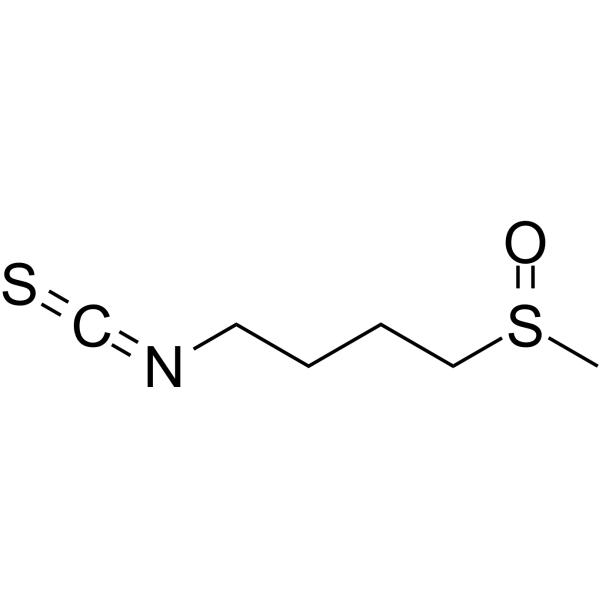
Sulforaphane is an orally active inducer of the Keap1/Nrf2/ARE pathway. Sulforaphane promotes the transcription of tumor-suppressing proteins and effectively inhibits the activity of HDACs. Through the activation of the Keap1/Nrf2/ARE pathway and further induction of HO-1 expression, Sulforaphane protects the heart. Sulforaphane suppresses high glucose-induced pancreatic cancer through AMPK-dependent signal transmission. Sulforaphane exhibits both anticancer and anti-inflammatory properties .
loading...
    loading...
72
72 Cited Publications
Cat. No.: HY-B0318
CAS No.: 443-48-1
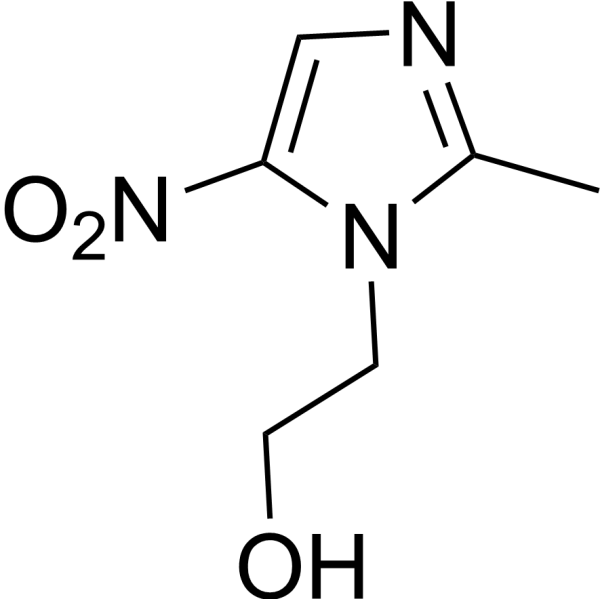
Metronidazole is an orally active nitroimidazole antibiotic. Metronidazole can cross blood brain barrier. Metronidazole can be used for the research of anaerobic infections .
loading...
    loading...
72
72 Cited Publications
Cat. No.: HY-B0318A
CAS No.: 69198-10-3
Synonyms: SC 326421
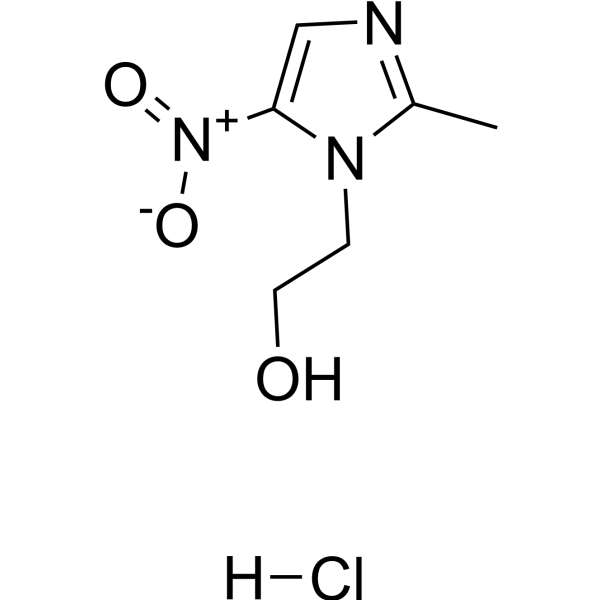
Metronidazole hydrochloride (SC 326421) is an orally active nitroimidazole antibiotic, can be used to research anaerobic infections. Metronidazole hydrochloride can cross blood brain barrier and results inflammation and skeletal muscle contraction under long-term application .
loading...
    loading...
71
71 Cited Publications
Cat. No.: HY-50907
CAS No.: 852808-04-9
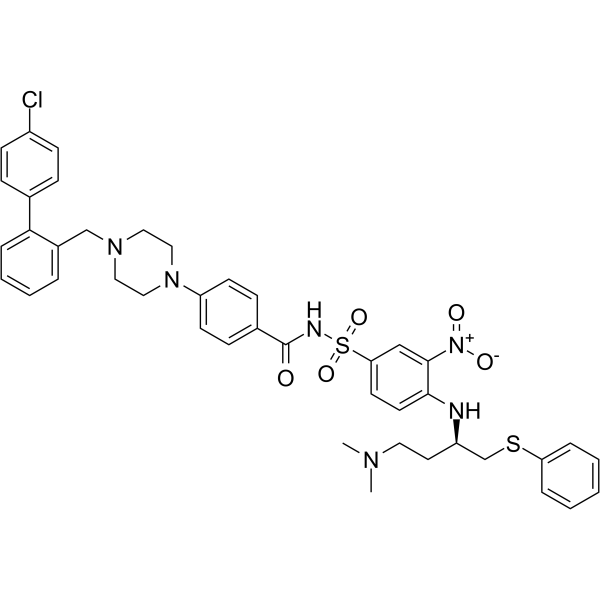
ABT-737, a BH3 mimetic, is a potent Bcl-2, Bcl-xL and Bcl-w inhibitor with EC50s of 30.3 nM, 78.7 nM, and 197.8 nM, respectively. ABT-737 induces the disruption of the BCL-2/BAX complex and BAK-dependent but BIM-independent activation of the intrinsic apoptotic pathway. ABT-737 induces autophagy and has the potential for acute myeloid leukemia (AML) research .
loading...
    loading...
47
47 Cited Publications
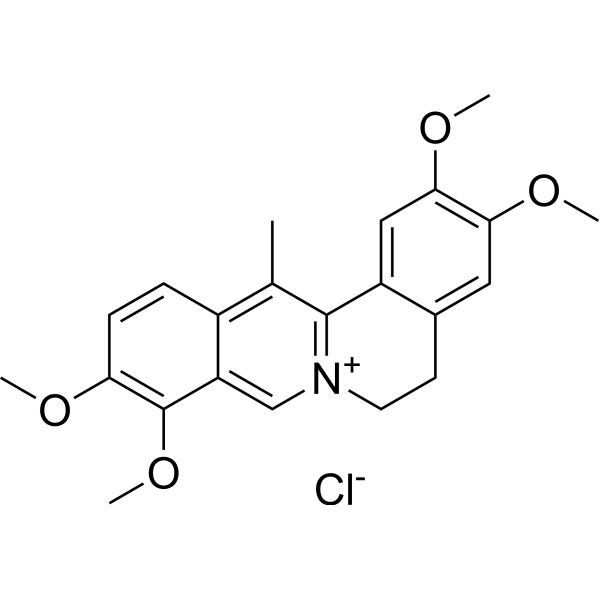
Cat. No.: HY-N0674A
CAS No.: 10605-03-5
Synonyms: 13-Methylpalmatine chloride
Dehydrocorydaline chloride (13-Methylpalmatine chloride) is an alkaloid that regulates protein expression of Bax, Bcl-2; activates caspase-7, caspase-8, and inactivates PARP . Dehydrocorydaline chloride elevates p38 MAPK activation. Anti-inflammatory and anti-cancer activities . Dehydrocorydaline chloride shows strong anti-malarial effects (IC50 =38 nM), and low cytotoxicity (cell viability > 90%) using P. falciparum 3D7 strain .
loading...
    loading...
47
47 Cited Publications
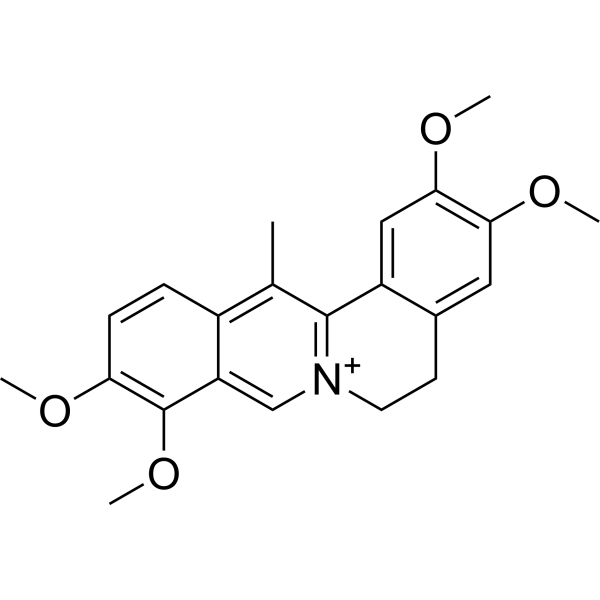
Cat. No.: HY-N0674
CAS No.: 30045-16-0
Synonyms: 13-Methylpalmatine
Dehydrocorydaline (13-Methylpalmatine) is an alkaloid that regulates protein expression of Bax, Bcl-2; activates caspase-7, caspase-8, and inactivates PARP . Dehydrocorydaline elevates p38 MAPK activation. Anti-inflammatory and anti-cancer activities . Dehydrocorydaline shows strong anti-malarial effects (IC50=38 nM), and low cytotoxicity (cell viability > 90%) using P. falciparum 3D7 strain .
loading...
    loading...
46
46 Cited Publications
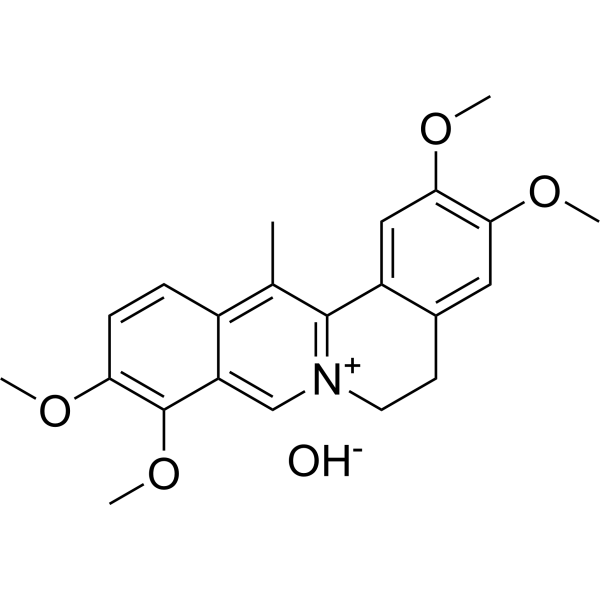
Cat. No.: HY-N0674B
Synonyms: 13-Methylpalmatine (hydroxyl)
Dehydrocorydaline (13-Methylpalmatine) hydroxyl is an alkaloid that regulates protein expression of Bax, Bcl-2; activates caspase-7, caspase-8, and inactivates PARP. Dehydrocorydaline hydroxyl elevates p38 MAPK activation. Anti-inflammatory and anti-cancer activities. Dehydrocorydaline hydroxyl shows strong anti-malarial effects (IC50=38 nM), and low cytotoxicity (cell viability > 90%) using P. falciparum 3D7 strain.
loading...
    loading...
45
45 Cited Publications
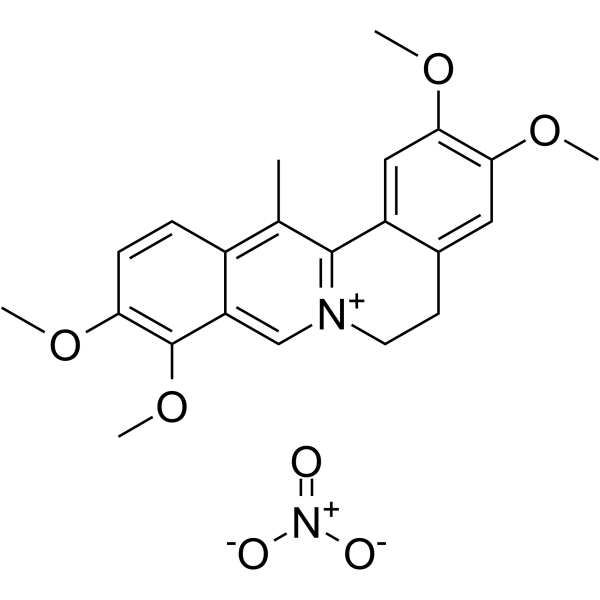
Cat. No.: HY-N4238
CAS No.: 13005-09-9
Synonyms: 13-Methylpalmatine nitrate
Dehydrocorydaline nitrate (13-Methylpalmatine nitrate) is an alkaloid. Dehydrocorydaline regulates protein expression of Bax, Bcl-2; activates caspase-7, caspase-8, and inactivates PARP . Dehydrocorydaline nitrate elevates p38 MAPK activation. Anti-inflammatory and anti-cancer activities. . Dehydrocorydaline nitrate shows strong anti-malarial effects (IC50 =38 nM), and low cytotoxicity (cell viability > 90%) using P. falciparum 3D7 strain .
loading...
    loading...
23
23 Cited Publications
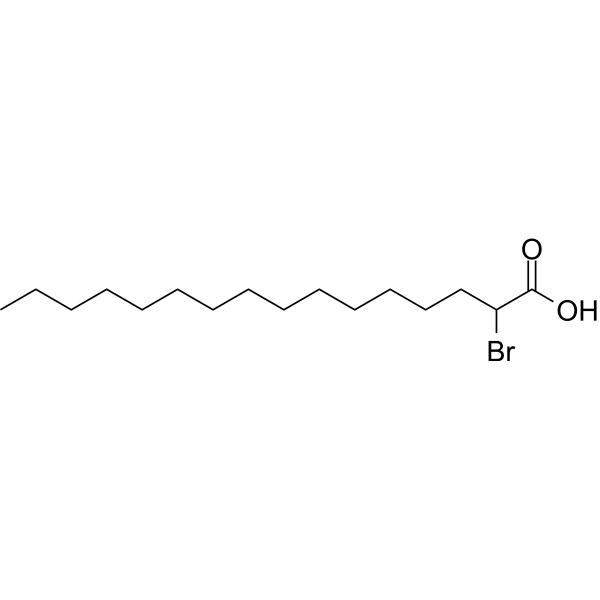
Cat. No.: HY-111770
CAS No.: 18263-25-7
Purity:  99.95%
Synonyms: 2-Bromopalmitic acid; 2-Bromopalmitate
Target:  

Pyroptosis

2-Bromohexadecanoic acid (2-Bromopalmitate; 2-BP) is a palmitoylation inhibitor targeting DHHC (Asp-His-His-Cys) protein palmitoyltransferase. 2-Bromohexadecanoic acid inhibits palmitoylation of GSDME-C during pyroptosis and inhibits BAK/BAX-Caspase 3-GSDME pathway-mediated pyroptosis .
loading...
    loading...
23
23 Cited Publications
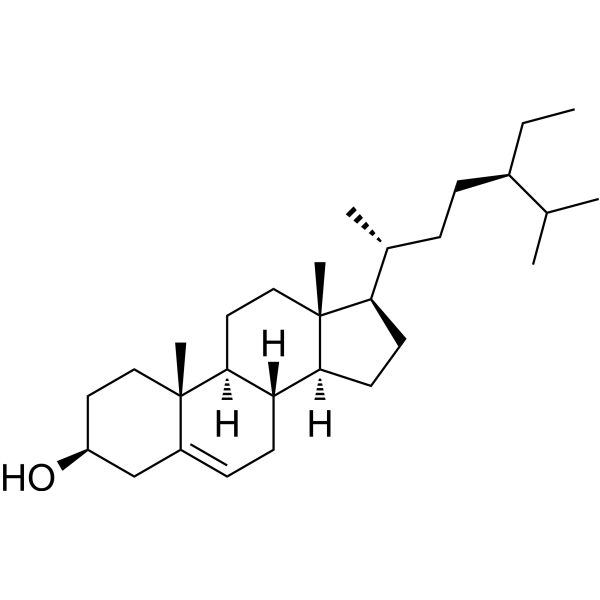
Cat. No.: HY-N0171
CAS No.: 83-46-5
Beta-Sitosterol (purity≥80%) is orally active. Beta-Sitosterol exhibits multiple activities, including anti-inflammatory, anticancer, antioxidant, antimicrobial, antidiabetic, antioxidant enzyme, and analgesic. Beta-Sitosterol inhibits inflammation and impaired adipogenesis in bovine mammary epithelial cells by reducing levels of ROS, TNF-α, IL-1β, and NF-κB p65 and restoring the activity of the HIF-1α/mTOR signaling pathway. Beta-Sitosterol induces apoptosis in cancer cells through ROS-mediated mitochondrial dysregulation and p53 activation. Beta-Sitosterol exerts its anticancer effects in cancer cells by activating caspase-3, caspase-8, and caspase-9, mediating PARP inactivation, MMP loss, altered Bcl-2-Bax ratio, and cytochrome c release. Beta-Sitosterol modulates macrophage polarization and reduces rheumatoid inflammation in mice. Beta-Sitosterol inhibits tumor growth in multiple mouse cancer models. Beta-Sitosterol can be used in the research of arthritis, lung cancer, breast cancer and other cancers, diabetes, etc .
loading...
    loading...
23
23 Cited Publications
Cat. No.: HY-N0171A
CAS No.: 83-46-5
Synonyms: β-Sitosterol (purity>98%); 22,23-Dihydrostigmasterol (purity>98%)
Beta-Sitosterol (purity>98%) is orally active. Beta-Sitosterol exhibits multiple activities, including anti-inflammatory, anticancer, antioxidant, antimicrobial, antidiabetic, antioxidant enzyme, and analgesic. Beta-Sitosterol inhibits inflammation and impaired adipogenesis in bovine mammary epithelial cells by reducing levels of ROS, TNF-α, IL-1β, and NF-κB p65 and restoring the activity of the HIF-1α/mTOR signaling pathway. Beta-Sitosterol induces apoptosis in cancer cells through ROS-mediated mitochondrial dysregulation and p53 activation. Beta-Sitosterol exerts its anticancer effects in cancer cells by activating caspase-3, caspase-8, and caspase-9, mediating PARP inactivation, MMP loss, altered Bcl-2-Bax ratio, and cytochrome c release. Beta-Sitosterol modulates macrophage polarization and reduces rheumatoid inflammation in mice. Beta-Sitosterol inhibits tumor growth in multiple mouse cancer models. Beta-Sitosterol can be used in the research of arthritis, lung cancer, breast cancer and other cancers, diabetes, etc .
loading...
    loading...
19
19 Cited Publications
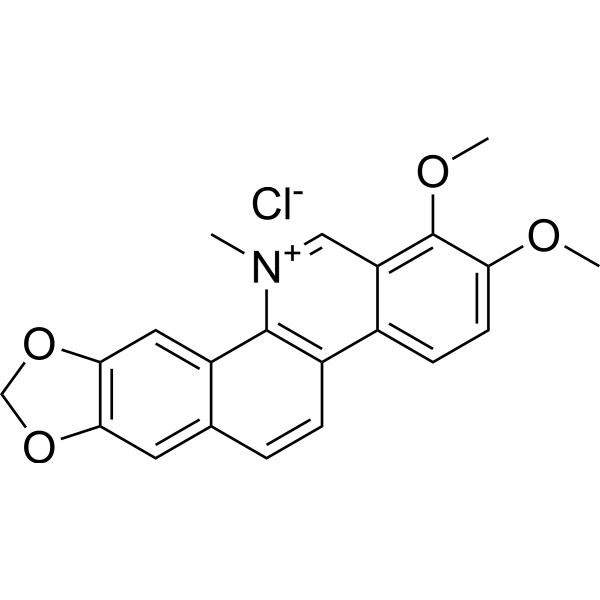
Cat. No.: HY-12048
CAS No.: 3895-92-9
Purity:  99.11%
Chelerythrine chloride is a potent, cell-permeable inhibitor of protein kinase C, with an IC50 of 660 nM. Chelerythrine chloride inhibits the Bcl-XL-Bak BH3 peptide binding with IC50 of 1.5 μM and displaces Bax from Bcl-XL. Chelerythrine chloride induces apoptosis and autophagy.
loading...
    loading...
16
16 Cited Publications
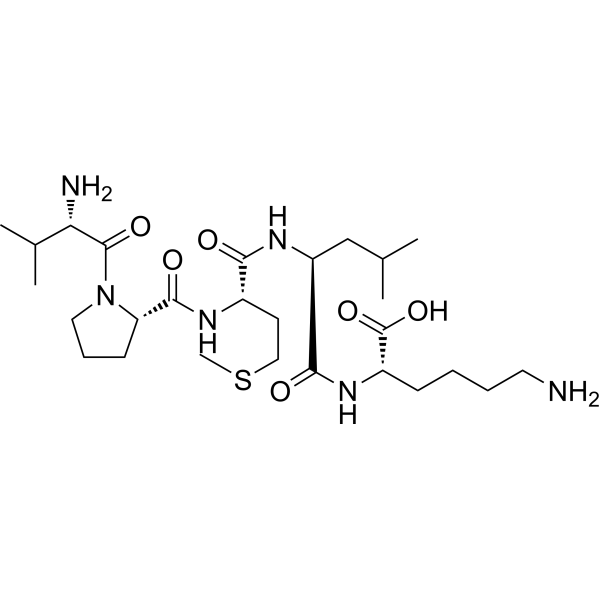
Cat. No.: HY-P0081
CAS No.: 579492-81-2
Synonyms: BIP-V5; BAX Inhibiting Peptide V5
Target:  

Bcl-2 Family Apoptosis

Research Areas:  

Cancer

Bax inhibitor peptide V5 (BIP-V5) is a Bax-mediated apoptosis inhibitor, used for cancer treatment.
loading...
    loading...
13
13 Cited Publications
Cat. No.: HY-18964
CAS No.: 110044-82-1
Synonyms: Calpain inhibitor I; Ac-LLnL-CHO; ALLN
Target:  

Proteasome Apoptosis

Research Areas:  

Cancer

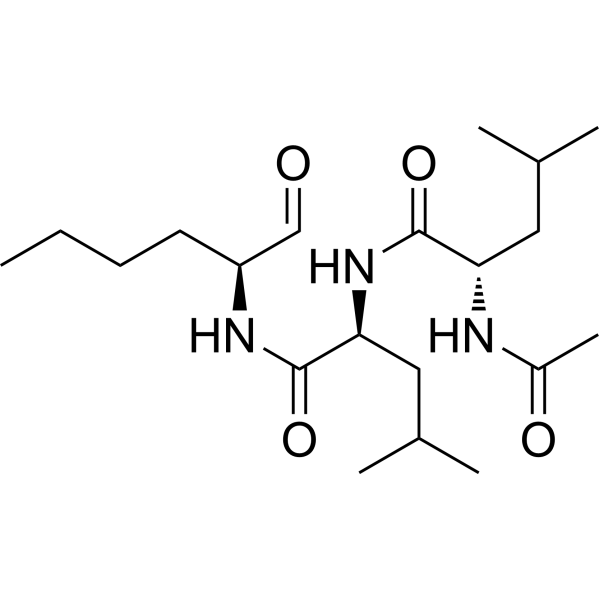
MG-101 (ALLN) is an inhibitor of cysteine proteases which inhibits calpain I, calpain II, cathepsin B and cathepsin L with Kis of 190, 220, 150 and 500 pM, respectively. MG-101 induces apoptosis and inhibits tumor growth, it can be used for the research of colon cancer .
loading...
    loading...
12
12 Cited Publications
Cat. No.: HY-103269
CAS No.: 335165-68-9
Purity:  99.89%
Target:  

Bcl-2 Family Apoptosis

Research Areas:  

Cancer

BAI1 is a selective and allosteric inhibitor of BAX, an apoptosis regulator. BAI1 directly binds to BAX and allosterically inhibits BAX activation. BAI1 has the potential for the research of diseases mediated by BAX-dependent cell death .
loading...
    loading...
12
12 Cited Publications
Cat. No.: HY-110031
CAS No.: 329349-20-4
Purity:  99.82%
Target:  

Apoptosis Bcl-2 Family

Research Areas:  

Cancer

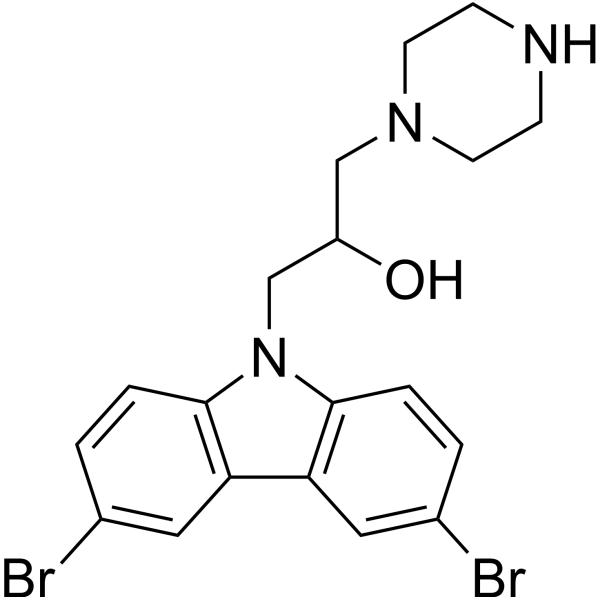
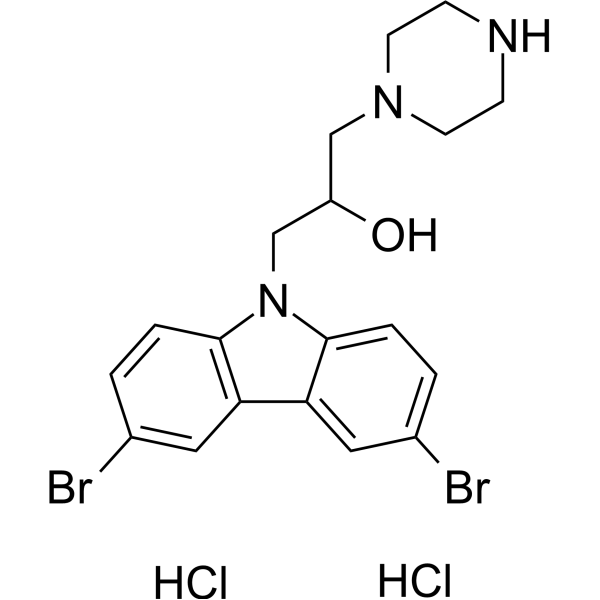
BAI1 hydrochloride is a selective apoptosis factor BAX allosteric inhibitors. BAI1 hydrochloride binds BAX and allosterically inhibits its activation. BAI1 hydrochloride has the potential to be used in the study of BAX dependent cell death-mediated diseases .
loading...
    loading...
10
10 Cited Publications
Cat. No.: HY-N2342
CAS No.: 37064-30-5
Synonyms: PCC1
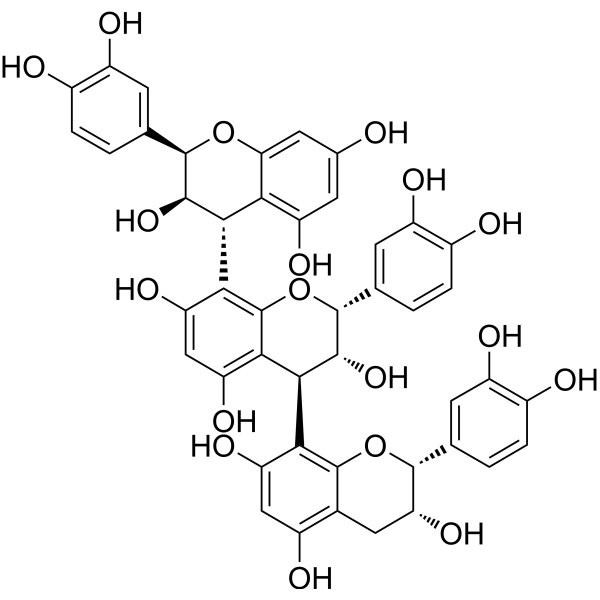
Procyanidin C1 (PCC1), a natural polyphenol with oral activity, causes DNA damage, cell cycle arrest and induces apoptosis. Procyanidin C1 decreases the level of Bcl-2, but enhances BAX, caspase 3 and 9 expression in cancer cells. Procyanidin C1 shows senotherapeutic activity and increases lifespan in mice .
loading...
    loading...
10
10 Cited Publications
Cat. No.: HY-P80028
Synonyms: BCL2L4, BAX, Apoptosis regulator BAX, Bcl-2-like protein 4, Bcl2-L-4

Host:  

Rabbit

Application:  

WB, ICC/IF, IP, FC

Reactivity:  

Human, Mouse, Rat

loading...
    loading...

