

63 Results for "

Biotransformation

" in MedChemExpress (MCE) Product Catalog:
Products (63)

63 Results for "Biotransformation" in MCE Product Catalog:

2
2 Cited Publications
Cat. No.: HY-P2848
CAS No.: 9028-76-6
Synonyms: ChOx, Microorganism
Target:  

Xanthine Oxidase

Research Areas:  

Infection Metabolic Disease

Cholesterol oxidase, Microorganism (ChOx, Microorganism) (EC 1.1.3.6) is a cholesterol oxidase identified from bacterial sources. Cholesterol oxidase, Microorganism catalyzes the oxidation of cholesterol to 4-cholesten-3-one, while simultaneously reducing oxygen to hydrogen peroxide. Cholesterol oxidase, Microorganism retains its enzymatic activity and exhibits improved catalytic efficiency upon immobilization. Cholesterol oxidase, Microorganism is applicable for cholesterol detection, steroid biotransformation, and research on tuberculosis-related diseases .
loading...
    loading...
Cat. No.: HY-W015590
CAS No.: 614-75-5
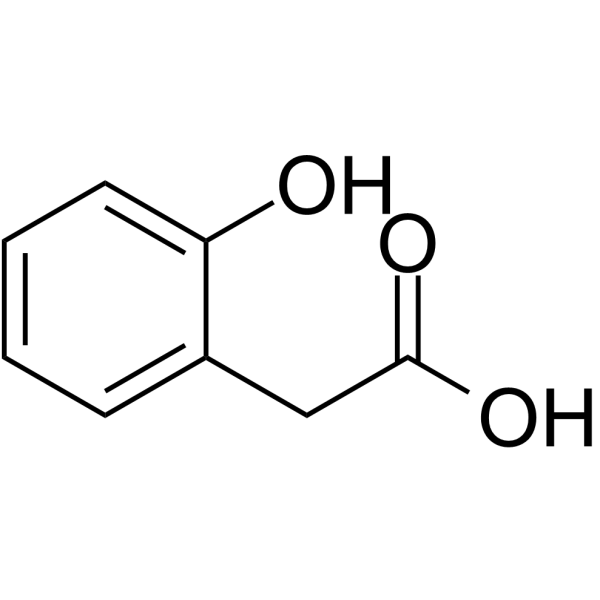
2-Hydroxyphenylacetic acid is a metabolite of Phenylalanine and Tyrosine, as well as a product of the biotransformation of Phenylacetonitrile by marine fungi. 2-Hydroxyphenylacetic acid acts as a potential biomarker for food. 2-Hydroxyphenylacetic acid slightly induces the expression of green fluorescent protein. 2-Hydroxyphenylacetic acid is used in the research of phenylketonuria and related hyperphenylalaninemia .
loading...
    loading...
Cat. No.: HY-P2816
CAS No.: 37278-89-0
Research Areas:  

Others

Xylanase is an enzyme targeting 1,4-β-D-xylan that randomly cleaves the β-1,4 backbone of xylan, a complex polysaccharide in plant cell walls. Xylanase finds applications in the food, feed and industrial sectors, including pulp and paper processing, baking, animal feed improvement, and biotransformation of waste .
loading...
    loading...
Cat. No.: HY-173351
CAS No.: 2901806-51-5
Research Areas:  

Cancer

G-6599 is a covalent molecular glue degrader targeting SMARCA2/SMARCA4, with DC50 values of 0.017 nM and 0.057 nM against SMARCA2 and SMARCA4 in SW1573 cells, respectively. G-6599 exhibits proteome selectivity for SMARCA2, SMARCA4, and PBRM1. G-6599 induces the assembly of the SMARCA2-FBXO22 ternary complex, enabling ubiquitination and proteasomal degradation of both proteins via the ubiquitin-proteasome pathway without the need for biotransformation. G-6599 shows antiproliferative effects in relevant cancer cell models. G-6599 can be used for research on androgen-dependent prostate cancer and SMARCA4-mutant non-small cell lung cancer .
loading...
    loading...
Cat. No.: HY-P2800
CAS No.: 9001-18-7
Research Areas:  

Others

Diaphorase, Recombinant microorganisms can be obtained from anaerobic sludge organisms. Diaphorase catalyzes biotransformation of hexahydro-1,3, 5-trinitro-1,3, 5-triazine (RDX) by denitrification .
loading...
    loading...
Cat. No.: HY-106405
CAS No.: 274925-86-9
Purity:  99.89%
Synonyms: BIA 3-202
Target:  

COMT

Research Areas:  

Metabolic Disease

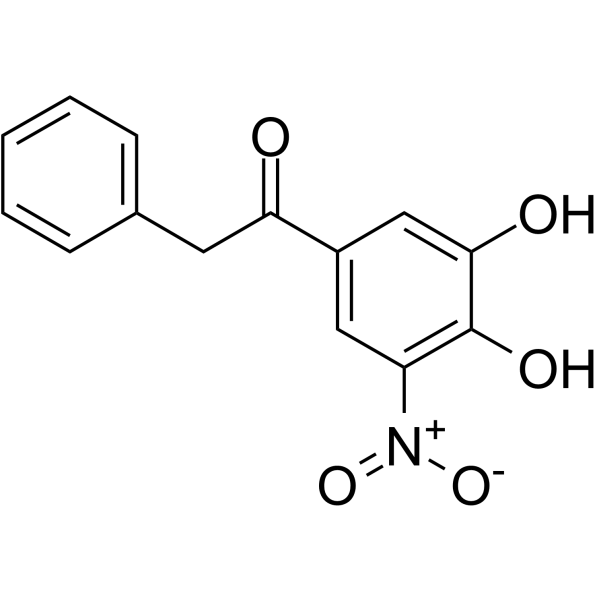
Nebicapone (BIA 3-202), a reversible catechol-O-methyltransferase (COMT) inhibitor, is mainly metabolized by glucuronidation. Nebicapone is mainly peripherally acting inhibitor that decreases the biotransformation of L-DOPA to 3-O-methyl-DOPA by inhibition of COMT, and it is potential for the treatment of Parkinson's disease .
loading...
    loading...
Cat. No.: HY-W013058
CAS No.: 84852-53-9
Synonyms: DBDPE; 1,2-Bis(perbromophenyl)ethane
Research Areas:  

Cancer

Decabromodiphenyl ethane (DBDPE) is a brominated flame retardant. Decabromodiphenyl ethane induces ROS-related cytotoxicity and apoptosis in human hepatoma cells, causes hepatocyte damage through oxidative stress, endoplasmic reticulum stress and decreased CYP3A expression, and accumulates and undergoes biotransformation in animal tissues. Decabromodiphenyl ethane can be used to study the environmental toxicology and biological effects of brominated flame retardants .
loading...
    loading...
Cat. No.: HY-131116
CAS No.: 3572-64-3
Purity:  99.26%
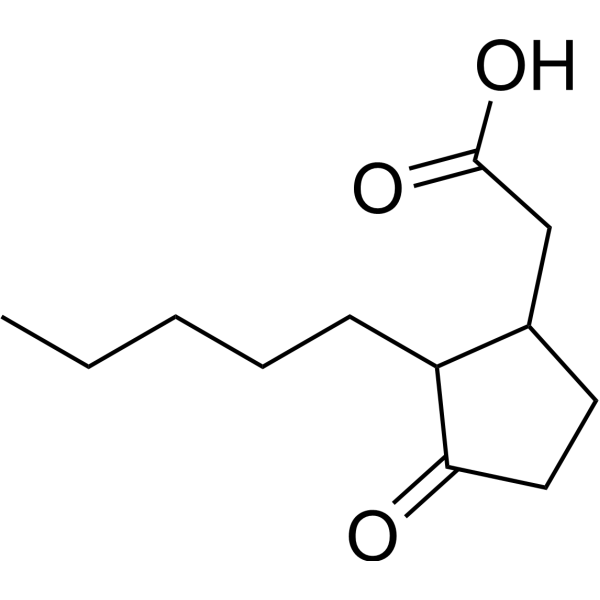
Dihydrojasmonic acid is a pentacyclic oxygen-containing lipid plant growth regulator related to Jasmonic acid (HY-122464), with activities including growth inhibition, promotion of leaf senescence, and induction of the accumulation of some plant secondary metabolites . Dihydrojasmonic acid serves as a substrate for metabolic modification and undergoes biotransformation via side-chain hydroxylation, glycosylation, and amino acid conjugation in the aerial parts and seedlings of barley (Hordeum vulgare). Dihydrojasmonic acid inhibits the growth of dwarf rice seedlings and can induce the synthesis of secondary metabolites in some plant cell culture species, with its activity being species-dependent. Dihydrojasmonic acid is involved in studies related to the regulation of plant growth and development .
loading...
    loading...
Cat. No.: HY-W004301
CAS No.: 112-54-9
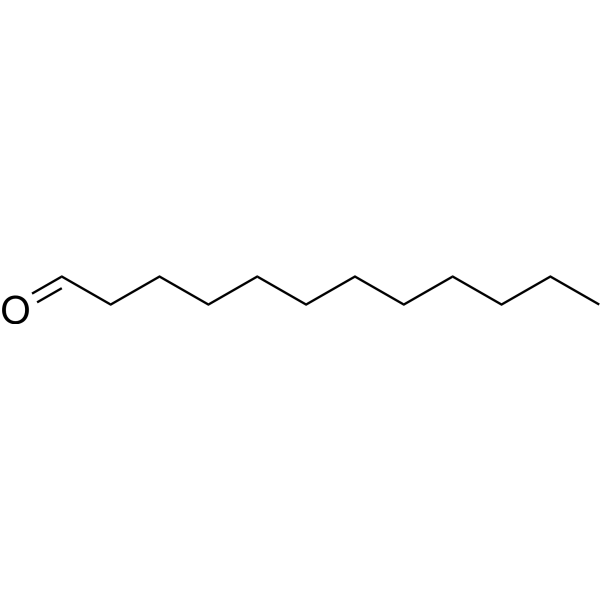
Dodecanal is an aliphatic aldehyde and serves as the major volatile metabolite in the leaves, stems and roots of Polygonum minus. Dodecanal acts as a substrate for oxidation reactions and is converted into dodecanoic acid by endogenous ALDH enzymes. Dodecanal is an intermediate in the biological oxidation pathway of n-dodecane and the biotransformation pathway of ω-aminododecane .
loading...
    loading...
Cat. No.: HY-N7921
CAS No.: 1006683-97-1
Urolithin M6 is a polyhydroxy-rich metabolite with potential antioxidant activity. Urolithin M6 is produced by intestinal microbial metabolism and may act as an analog of tannic acid compounds. The production of Urolithin M6 in humans requires specific bacterial 3-dehydroxylase activity, which provides a new mechanism for its biotransformation. The metabolic profile of Urolithin M6 helps to stratify volunteers and further explore its potential role in health and disease .
loading...
    loading...
Cat. No.: HY-P2866A
CAS No.: 9012-33-3
Synonyms: NAG, Porcine kidney
Target:  

Glycosidase

Research Areas:  

Others

β-N-Acetylhexosaminidase, Porcine kidney is a glycosidase with transglycosylation activity, used to generate health-beneficial human milk oligosaccharides, and it effectively interacts with low molecular weight sugar alcohols (such as glycerol, erythritol, and xylitol). The enzyme exhibits optimal activity at pH 5 and 40 °C, and shows high thermal stability (up to 55°C) when bound to the cell wall. β-N-Acetylhexosaminidase holds promise for applications in the biotransformation of Chitin (HY-126389) and research in the food health sector .
loading...
    loading...
Cat. No.: HY-W102516
CAS No.: 1162-56-7
Synonyms: Δ6-Progesterone
6-Dehydroprogesterone (Δ6-Progesterone) is a steroid compound that can be found in Botryodiplodia theobromae. 6-Dehydroprogesterone is a metabolic product of Progesterone (HY-N0437) after a microbial dehydrogenation reaction. 6-Dehydroprogesterone can be used to study steroid metabolism pathways, microbial dehydrogenase activity, and the biotransformation of steroids .
loading...
    loading...
Cat. No.: HY-W153159
CAS No.: 13062-76-5
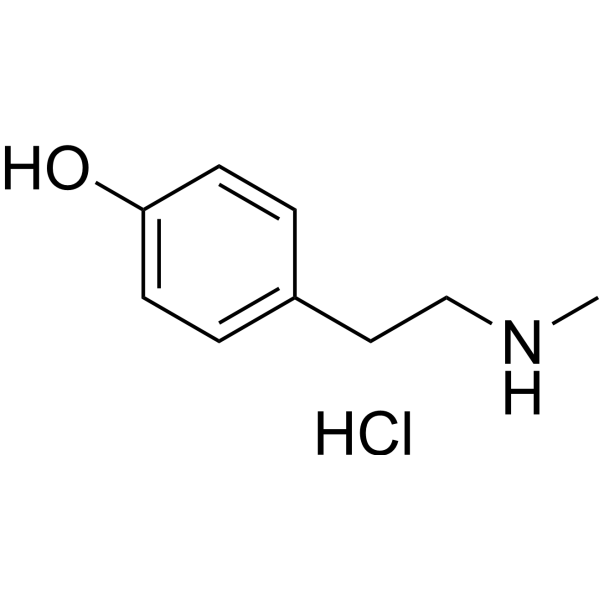
N-Methyltyramine hydrochloride is an orally active α2-adrenoreceptor antagonist with an IC50 value of 5.53 μM against rat targets. N-Methyltyramine hydrochloride blocks α2-adrenoreceptors, while inhibiting lipolysis, hyperactivity responses and small intestinal peristalsis in mice. N-Methyltyramine hydrochloride promotes gastrin release and pancreatic juice secretion, upregulates appetite, blood pressure, myocardial contraction frequency and contraction intensity, and increases renal blood flow, renal vascular resistance and mean peripheral arterial resistance. N-Methyltyramine hydrochloride relaxes mouse small intestinal smooth muscle and undergoes biotransformation in vivo to produce adrenaline. N-Methyltyramine hydrochloride can be used in studies related to gastrointestinal diseases .
loading...
    loading...
Cat. No.: HY-N16639
CAS No.: 105330-51-6
(+)-Catechin-3’-O-β-D-glucoside is a mono glucoside derivative of (+)-catechin (HY-N0898) after biotransformation. (+)-Catechin-3’-O-β-D-glucoside is a potential antioxidant .
loading...
    loading...
Cat. No.: HY-N11677
CAS No.: 1035154-52-9
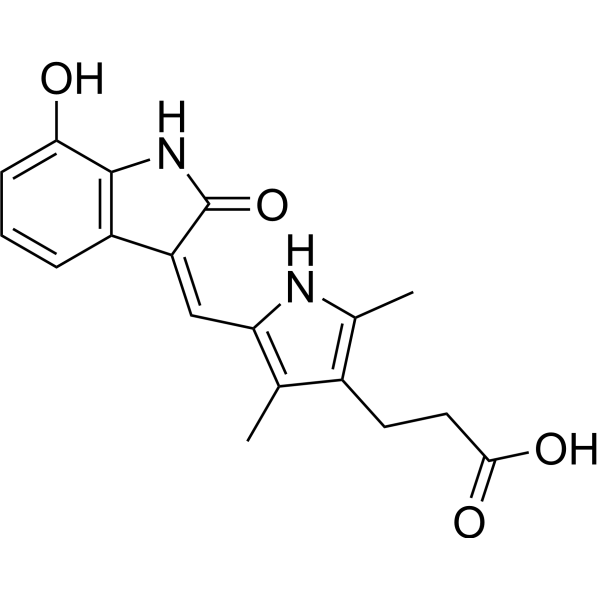
7-Hydroxy-TSU-68 is a derivative of TSU-68 (HY-10517). It is a metabolite of the biotransformation pathway of TSU-68 in human liver microsomes. The content represents the self-induced hydroxylation level of TSU-68 .
loading...
    loading...
Cat. No.: HY-P2848A
CAS No.: 9028-76-6
Synonyms: ChOx, rhodococcus sp
Target:  

Xanthine Oxidase

Research Areas:  

Infection Metabolic Disease

Cholesterol oxidase, rhodococcus sp (ChOx, rhodococcus sp) (EC 1.1.3.6) is a cholesterol oxidase identified from bacterial sources. Cholesterol oxidase, rhodococcus sp catalyzes the oxidation of cholesterol to 4-cholesten-3-one, while simultaneously reducing oxygen to hydrogen peroxide. Cholesterol oxidase, rhodococcus sp retains its enzymatic activity and exhibits improved catalytic efficiency upon immobilization. Cholesterol oxidase, rhodococcus sp is applicable for cholesterol detection, steroid biotransformation, and research on tuberculosis-related diseases .
loading...
    loading...
Cat. No.: HY-154916
CAS No.: 139958-51-3
Synonyms: 13-DMT; 13-O-Demethyl FK 506
Target:  

Drug Derivative

Research Areas:  

Others

13-O-Desmethyl tacrolimus (13-DMT; 13-O-Demethyl FK 506) is the major metabolite of Tacrolimus (HY-13756) formed via cytochrome P450 3A-mediated biotransformation. The ratio of 13-O-Desmethyl tacrolimus to Tacrolimus serves as a biomarker for myelotoxicity and hepatotoxicity .
loading...
    loading...
Cat. No.: HY-W153897
CAS No.: 370-98-9
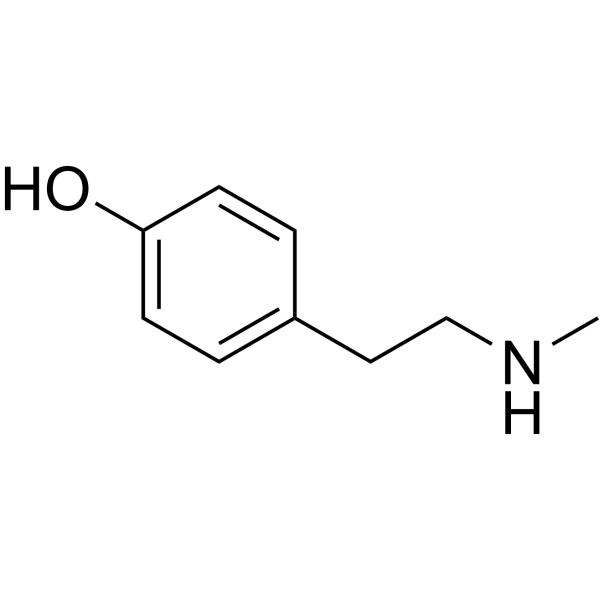
N-Methyltyramine is an orally active α2-adrenoreceptor antagonist with an IC50 value of 5.53 μM against rat targets. N-Methyltyramine blocks α2-adrenoreceptors, while inhibiting lipolysis, hyperactivity responses and small intestinal peristalsis in mice. N-Methyltyramine promotes gastrin release and pancreatic juice secretion, upregulates appetite, blood pressure, myocardial contraction frequency and contraction intensity, and increases renal blood flow, renal vascular resistance and mean peripheral arterial resistance. N-Methyltyramine relaxes mouse small intestinal smooth muscle and undergoes biotransformation in vivo to produce adrenaline. N-Methyltyramine can be used in studies related to gastrointestinal diseases .
loading...
    loading...
Cat. No.: HY-N8911
CAS No.: 121927-96-6
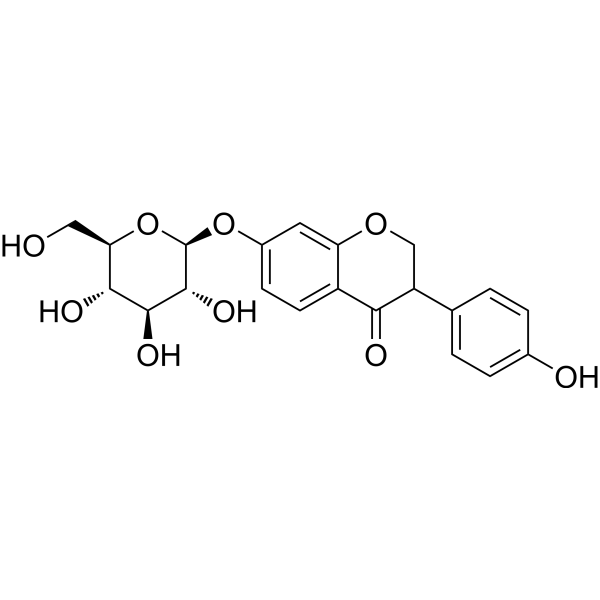
Dihydrodaidzin is an isoflavanone that can be isolated from Soybeans. Dihydrodaidzin is also a product of biotransformation by human intestinal bacteria .
loading...
    loading...
Cat. No.: HY-123340
CAS No.: 56784-39-5
Target:  

Endogenous Metabolite

Research Areas:  

Metabolic Disease

Ozolinone is a diuretic metabolite formed by biotransformation of the diuretic elkapin in mammals and exerts a potent diuretic effect in a variety of species .
loading...
    loading...

