

1. Search Result
Search Result
Results for "

Breast and Colon cancers.

" in MedChemExpress (MCE) Product Catalog:

163

Inhibitors & Agonists

1

Screening Libraries

2

Fluorescent Dyes

4

Biochemical Assay Reagents

13

Inhibitory Antibodies

26

Natural
Products

1

Oligonucleotides

Targets Recommended:
Cat. No. Product Name Target Research Areas Chemical Structure
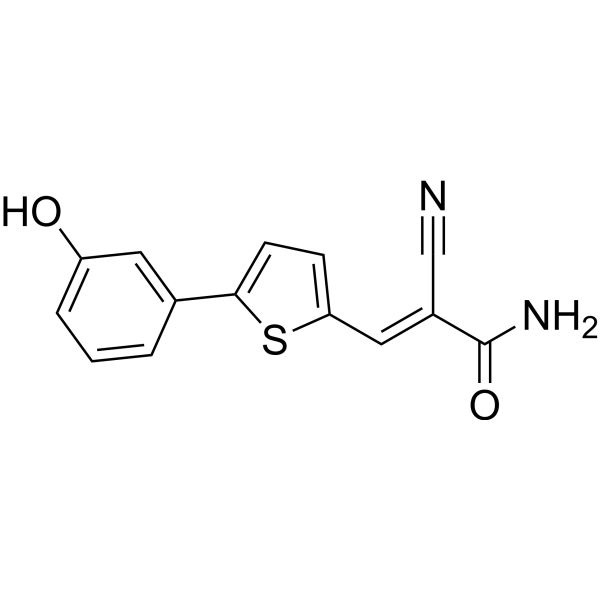
  • HY-15096
    MKT-077
    15+ Cited Publications

    FJ-776

    Fluorescent Dye HSP Cancer
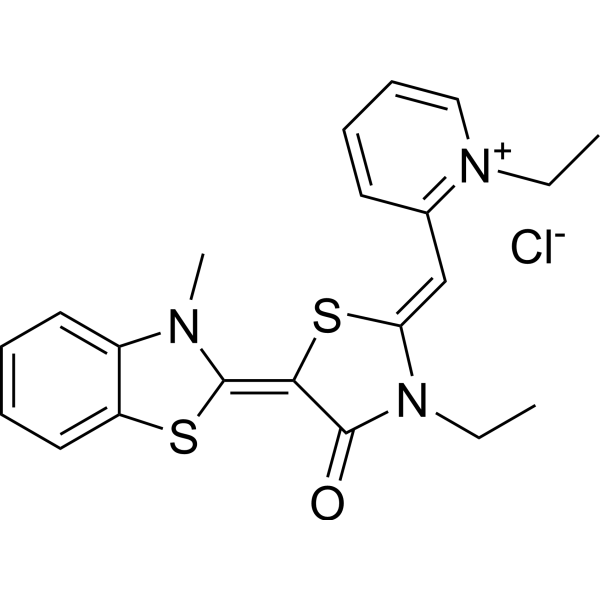
    MKT-077 (FJ-776), a highly water-soluble mitochondrial dye, has significant antitumor activity . MKT-077 exhibits low cytotoxicity, and inhibits broad-spectrum human cancer cell lines (colon cancer, breast cancer, pancreatic cancer). MKT-077 inhibits the growth of tumor in nude mice enograft tumor model. Ex/Em=488/543 nm .
    MKT-077
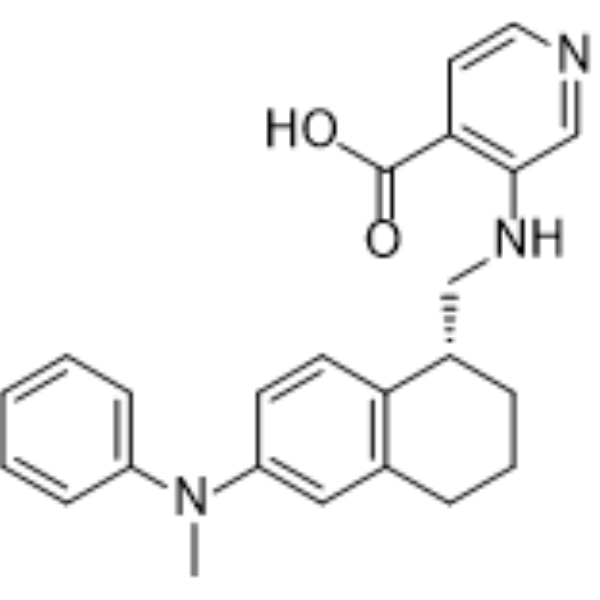
  • HY-175603

    Amine N-methyltransferase Cancer
    NCGC00685960 is a Nicotinamide N-methyltransferase (NNMT) inhibitor with an IC50 <10  nM. NCGC00685960 has potent antitumor activity. NCGC00685960 increases H3K27 trimethylation levels in ovarian cancer cells and inhibits α-SMA expression in NNMT-expressing ovarian fibroblasts. NCGC00685960 reduces 1-MNA levels, reverses SAM and H3K27 hypomethylation and significantly impairs collagen contractility in cancer-associated fibroblasts (CAFs). NCGC00685960 can be used for cancers research, such as ovarian cancer, breast cancer, colon cancer .
    NCGC00685960
  • HY-139662

    E1/E2/E3 Enzyme Cancer
    HB007 is a small ubiquitin-related modifier 1 (SUMO1) degrader. HB007 induces ubiquitination and degradation of SUMO1, resulting in reduced tumor growth in vivo. HB007 can be used for the research of brain, breast, colon, and lung cancers .
    HB007
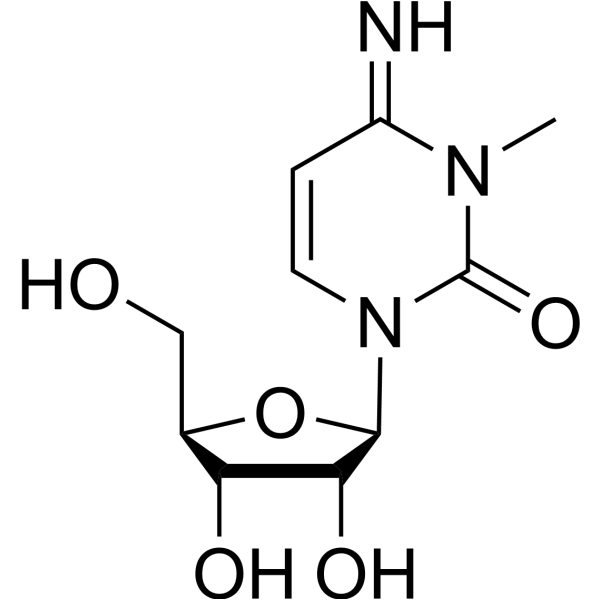
  • HY-111645
    3-Methylcytidine
    3 Publications Verification

    Nucleoside Antimetabolite/Analog Cancer
    3-Methylcytidine, a urinary nucleoside, can be used as a biomarker of four different types of cancer: lung cancer, gastric cancer, colon cancer, and breast cancer .
    3-Methylcytidine
  • HY-13661
    7-Hydroxystaurosporine
    1 Publications Verification

    UCN-01; KRX-0601

    PKC CDK Apoptosis Cadherin Neurological Disease Cancer
    7-Hydroxystaurosporine (UCN-01), a derivative of Staurosporine (HY-15141), is a selective protein kinase C (PKC) inhibitor with antitumor activity. 7-hydroxystaurosporine induces apoptosis and inhibits cell proliferation in colon carcinoma and leukemia cells, suppresses invasion and migration in glioblastoma cells. 7-Hydroxystaurosporine exhibits efficacy in breast cancer xenograft mouse models. 7-Hydroxystaurosporine can be used for colon carcinoma, breast cancer, glioblastoma and leukemia research .
    7-Hydroxystaurosporine
  • HY-N6579

    p38 MAPK Mitochondrial Metabolism Cancer
    Arvenin I is a natural cucurbitacin glucoside that activates T cells within the cancer-competitive environment. Arvenin I covalently reacts with and hyperactivates MKK3, thereby reviving the mitochondrial fitness of exhausted T cells through the activation of the p38MAPK pathway . Arvenin I exhibits broad-spectrum antiproliferative against cancer cells . Arvenin I enhances antitumor effects both as a monotherapy and in combination with immune checkpoint inhibitors in mice . Arvenin I can be used for cancer research, such as colon cancer, breast cancer, lung cancer, and ovarian cancer [1][2].
    Arvenin I
  • HY-175035

    Hexokinase Inflammation/Immunology Cancer
    HK-2-IN-1 is a Hexokinase 2 (HK-2) inhibitor. HK-2-IN-1 exhibits a non-activating effect on human recombinant HK-2 enzyme. HK-2-IN-1 has anti-tumor activity, affecting immune cells in the tumor microenvironment. HK-2-IN-1 has immunomodulatory effects and is potentially useful in the study of cancers such as colon cancer, liver cancer, and breast cancer .
    HK-2-IN-1
  • HY-156418

    DNA/RNA Synthesis Ferroptosis Apoptosis Reactive Oxygen Species (ROS) Cancer
    KY386 is a DHX33 helicase inhibitor with an IC50 of 0.019 μM. KY386 inhibits the cell viability of various cancer cells. KY386 induces ferroptosis in cancer cells, and induces apoptosis in some cancer cell lines. KY386 increases the intracellular levels of ROS, LPO and Fe 2+, and decreases the level of GSH in cancer cells . KY386 inhibits the growth of gastric cancer and colon cancer xenografts in nude mice. KY386 is applicable to the related research on liver cancer, lung cancer, pancreatic cancer, colorectal cancer, gastric cancer, breast cancer, leukemia, renal cancer, prostate cancer, esophageal cancer, cervical cancer, brain cancer (glioblastoma) and melanoma .
    KY386
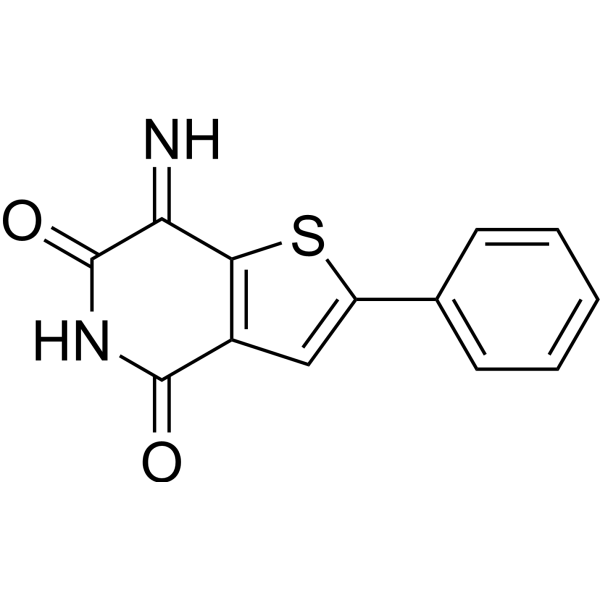
  • HY-139434

    Histone Demethylase Cancer
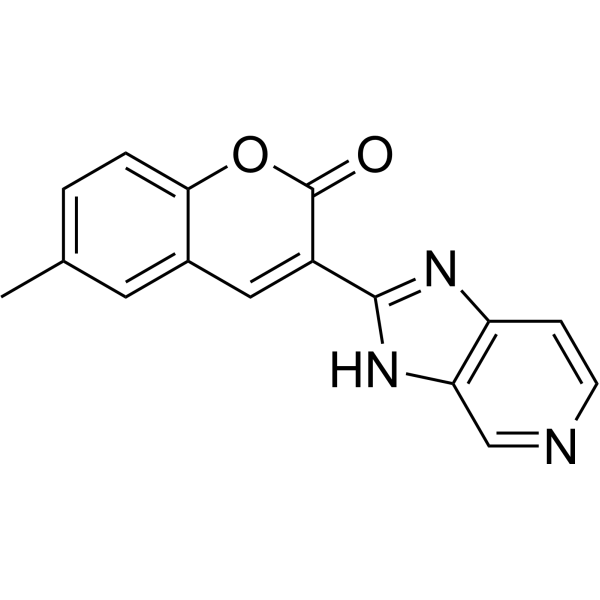
    JMJD6-IN-1 is a JMJD6 inhibitor, with an inhibition rate of 82% at 10 μM. JMJD6-IN-1 inhibits MCF-7 and HCC4006 cell proliferation with IC50 values of 19.2 μM and 25.2 μM. JMJD6-IN-1 inhibits JMJD6 demethylase activity. JMJD6-IN-1 can be used for the research of lung adenocarcinoma, prostate cancer, breast cancer, pancreatic cancer, colon cancer, oral squamous cell carcinoma, and glioblastoma .
    JMJD6-IN-1
  • HY-Y0519

    Endogenous Metabolite Neurological Disease Cancer
    Pyrimidine is a nitrogen-containing heterocyclic compound and endogenous metabolite. Pyrimidine derivatives can be used in pancreatic cancer, triple-negative breast cancer, colon carcinoma and neuron research .
    Pyrimidine
  • HY-W002016

    Reactive Oxygen Species (ROS) Cancer
    Phthalazine is a substrate for human aldehyde oxidase 1, which can lead to the production of ROS and subsequent enzyme inactivation. Phthalazine is a nitrogen-containing organic heterocyclic compound. Phthalazine exhibits antitumor activity in blood cancer, breast cancer, colon cancer, lung cancer and renal cancer .
    Phthalazine
  • HY-N4246

    Aquaporin PKC Akt PI3K Apoptosis Monoamine Oxidase Pregnane X Receptor (PXR) Cardiovascular Disease Neurological Disease Inflammation/Immunology Cancer
    Bacopaside I is an orally active aquaporin AQP1 inhibitor and PKC modulator with neuroprotective and anticancer activities. Bacopaside I specifically blocks the water channel and cGMP-gated ion channel activities of AQP1 without affecting AQP4, thereby inhibiting the migration of colon cancer cells expressing AQP1. Bacopaside I activates the Akt pathway by interacting with PI3K, specifically inhibits MAO-A, effectively alleviates neuron necrosis and apoptosis induced by oxygen-glucose deprivation, reduces oxidative stress, and regulates the surface expression of neuroreceptors. When combined with Bacopaside II (HY-N6016), Bacopaside I significantly reduces the viability, proliferation and invasion ability of breast cancer cells, and binds to the pregnane X receptor (PXR). Bacopaside I is applicable to the research of colon cancer, breast cancer, vascular dementia, cerebral ischemia and other related diseases .
    Bacopaside I
  • HY-P990824
    Anti-Mouse PD-1 Antibody (J43)
    1 Publications Verification

    PD-1/PD-L1 Inflammation/Immunology Cancer
    Anti-Mouse PD-1 Antibody (J43) is a kind of armenian hamster IgG antibody inhibitor, targeting to mouse PD-1. Anti-Mouse PD-1 Antibody (J43) inhibits the interaction of PD-1 with PD-L1. Anti-Mouse PD-1 Antibody (J43) can be used for the researches of cancer and immunology, such as breast cancer and colon cancer .
    Anti-Mouse PD-1 Antibody (J43)
  • HY-175341

    Acyltransferase Ras Akt Cancer
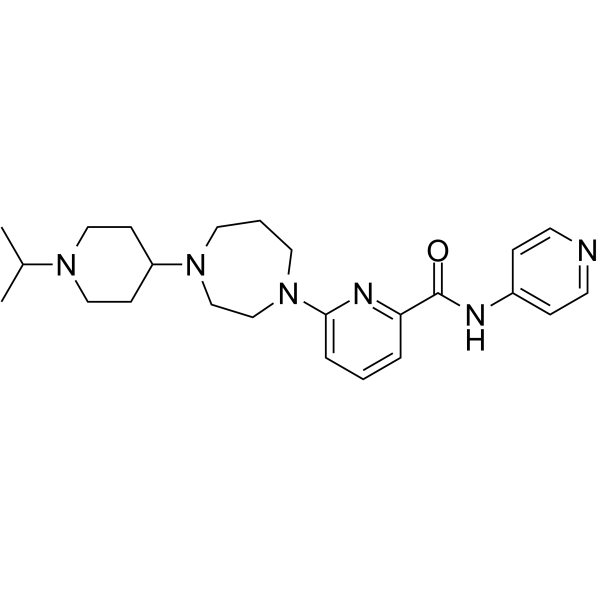
    Rac1-IN-5 is a specific, reversible inhibitor of RAC1 (KD = 30 nM). Rac1-IN-5 competes with guanine nucleotides for specific binding to RAC proteins, effectively blocking RAC1 activity and RAC1-dependent cellular functions. Rac1-IN-5 exhibits anti-tumor metastasis effects in vivo and can improve survival. Rac1-IN-5 can be used to study invasive cancers such as triple-negative breast cancer and colon cancer .
    Rac1-IN-5
  • HY-N0434
    Astragaloside III
    2 Publications Verification

    C-type Lectin-like Receptors (CTLRs) Apoptosis Dengue Virus Infection Cancer
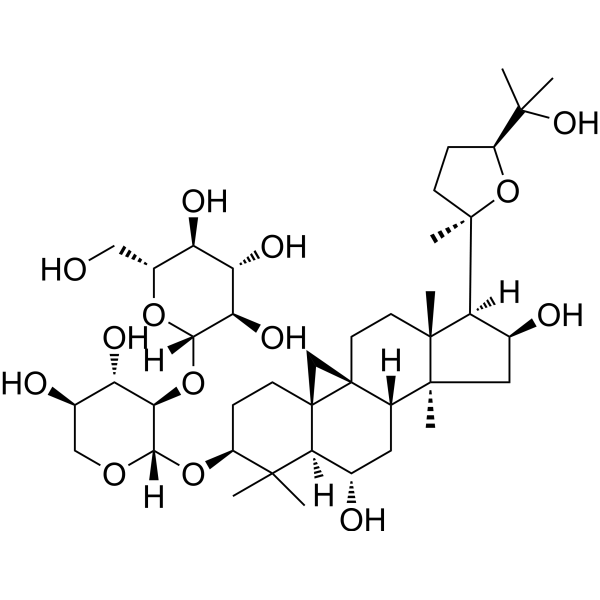
    Astragaloside III is a triterpenoid saponin. Astragaloside III can be extracted from Astragalus root. Astragaloside III increases NKG2D and induces TACE phosphorylation. Astragaloside III induces Apoptosis. Astragaloside III has antiviral activity against dengue serotypes 1 and 3. Astragaloside III has anticancer activity against breast and colon cancer .
    Astragaloside III
  • HY-14372

    CDK Cancer
    BS-194 is an orally active, selective and potent CDK inhibitor. BS-194 inhibits CDK2, CDK1, CDK5, CDK7, CDK9 (IC50s: 3, 30, 30, 250, and 90 nM respectively). BS-194 potently inhibits cancer cells proliferation. BS-194 can be used in the research of cancers like breast cancer, colon cancer .
    BS-194
  • HY-N7695

    Apoptosis Autophagy Cancer
    Physalin B, one of the major active steroidal constituents of Cape gooseberry, induces cell cycle arrest and triggers apoptosis in breast cancer cells through modulating p53-dependent apoptotic pathway. Physalin B inhibits the ubiquitin-proteasome pathway and induces incomplete autophagic response in human colon cancer cells in vitro .
    Physalin B
  • HY-12182A

    Prostaglandin Receptor Cancer
    ONO-8711 dicyclohexylamine is a selective and orally active EP1 competitive antagonist with Ki value of 0.6 nM and 1.7 nM for human and mouse EP1 respectively. ONO-8711 dicyclohexylamine effectively reduces tumor incidence and multiplicity in mouse models of colon, breast, and oral cancer .
    ONO-8711 dicyclohexylamine
  • HY-170859

    PROTACs Casein Kinase Cancer
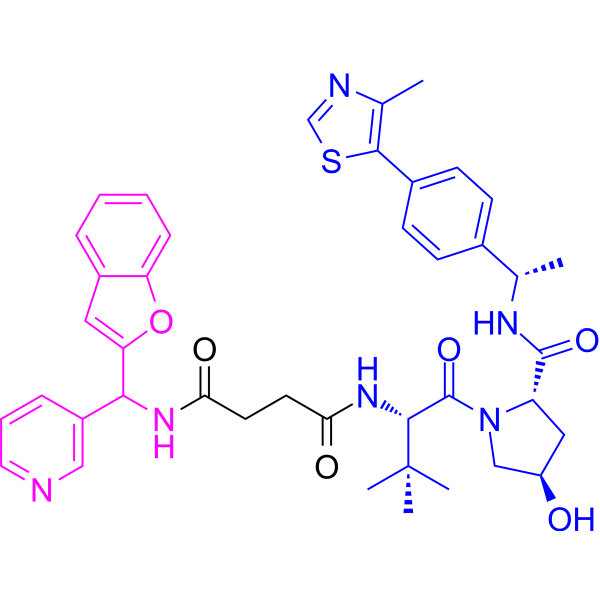
    AH078 is a PROTAC-based CK1δ/ε degrader (DC50=0.55 μM, Dmax=70%) that lacks subtype selectivity between CK1δ and CK1ε. AH078 induces target protein degradation either by recruiting the CUL4-CRBN E3 ligase complex and proteasome, or via the VHL- and ubiquitin-dependent pathway. AH078 also exhibits selectivity for CK1α, and is widely applicable to research related to colon cancer, pancreatic cancer, breast cancer, ovarian cancer, chronic lymphocytic leukemia, acute myeloid leukemia, glioma, and metastatic breast adenocarcinoma .
    AH078
  • HY-139342

    CDK Cancer
    CDK7-IN-4 (compound I) is a potent CDK7 (Cyclin-dependent kinase 7) inhibitor. CDK7-IN-4 shows anticancer activity. CDK7-IN-4 inhibits the in vitro growth of cancer cell lines from a variety of histologies including colon , breast , lung , ovary and stomach , in a dose dependent manner .
    CDK7-IN-4
  • HY-114244
    USL311
    1 Publications Verification

    CXCR Cancer
    USL311 is an orally active CXCR4 inhibitor. USL311 blocks the activity of the CXCR4 receptor. USL311 is applicable to research related to various cancers including breast cancer, bladder cancer, colon cancer, rectal cancer, liver cancer and glioblastoma .
    USL311
  • HY-111645R

    Nucleoside Antimetabolite/Analog Reference Standards Cancer
    3-Methylcytidine (Standard) is the analytical standard of 3-Methylcytidine. This product is intended for research and analytical applications. 3-Methylcytidine, a urinary nucleoside, can be used as a biomarker of four different types of cancer: lung cancer, gastric cancer, colon cancer, and breast cancer .
    3-Methylcytidine (Standard)
  • HY-N0308

    Environmental Pollutants Biochemical Assay Reagents Cancer
    Octyl acetate is an orally active aliphatic ester. Octyl acetate has certain antioxidant properties. Octyl acetate contributes to the formation of fruit aroma and affects the flavor of fruits such as strawberries. Octyl acetate can be used in the research of malignant melanoma, colon cancer and breast cancer .
    Octyl acetate
  • HY-19671

    SR-45023A; SR 9223i; SK&F-99085

    HMG-CoA Reductase (HMGCR) Apoptosis Cancer
    Apomine (SR-45023A) is an orally active antineoplastic agent that inhibits the mevalonate/isoprenoid pathway in cholesterol synthesis. Apomine can accelerate the degradation of 3-hydroxy-3-methylglutaryl-CoA reductase (HMGR). Apomine can also inhibit the growth of various types of cancer cells, including lung cancer, colon cancer, breast cancer, and skin cancer. Apomine is able to induce apoptosis in tumor cell lines derived from leukemia, colon cancer, liver cancer, ovarian cancer, and breast cancer .
    Apomine
  • HY-16055

    AR-67; DB 67

    Topoisomerase Drug Derivative MDM-2/p53 Cancer
    Silatecan (AR-67) is a blood-brain barrier-permeable derivative of Camptothecin (HY-16560), DNA topoisomerase I inhibitor, an anticancer agent, and a radiosensitizer. Silatecan potently radiosensitizes wild-type p53 gliomas. Silatecan can be used in research related to glioma, leukemia, non-small cell lung cancer, colon cancer, ovarian cancer, renal cancer, prostate cancer, breast cancer, cervical cancer, gastric cancer, nasopharyngeal cancer, and uterine cancer .
    Silatecan
  • HY-175233

    Ser/Thr Protease Cancer
    Mesotrypsin IN-1 (Compound CP13) is a selective Mesotrypsin inhibitor with an IC50 of 134.6 μM. Mesotrypsin IN-1 can be used for cancers, such as breast, colon and pancreatic cancer research .
    Mesotrypsin IN-1
  • HY-Y0519R

    Reference Standards Endogenous Metabolite Metabolic Disease
    Pyrimidine (Standard) is the analytical standard of Pyrimidine. This product is intended for research and analytical applications. Pyrimidine is a nitrogen-containing heterocyclic compound and endogenous metabolite. Pyrimidine derivatives can be used in pancreatic cancer, triple-negative breast cancer, colon carcinoma and neuron research .
    Pyrimidine (Standard)
  • HY-12182

    Prostaglandin Receptor Cancer
    ONO-8711 is a potent and selective competitive antagonist of EP1 receptor (Ki = 0.6 and 1.7 nM for human and mouse EP1 respectively). ONO-8711 effectively reduces tumor incidence and multiplicity in mouse models of colon, breast, and oral cancer .
    ONO-8711
  • HY-148664

    Eukaryotic Initiation Factor (eIF) Cancer
    eIF4E-IN-4 (Compound 33) is a selective inhibitor of eukaryotic initiation factor 4E (eIF4E) with biochemical activity value of 95 nM. eIF4E-IN-4 inhibits cap-dependent mRNA translation with an IC50 value of 2.5 μM. eIF4E-IN-4 can be used for breast cancer, colon cancer, and head and neck cancer study .
    eIF4E-IN-4
  • HY-12619

    HSP Cancer
    DMT003096 is a HSP70 inhibitor. HSP70 has been reported to be upregulated in various cancers including breast, lung, colon, and cervix .
    DMT003096
  • HY-W783415

    FAK Cancer
    STARD3-IN-1 (Compound VS1) is a STARD3 inhibitor with an IC₅₀ of 35 μM. STARD3 is a protein that is overexpressed in various cancers and is involved in cholesterol transport. STARD3-IN-1 exhibits anti-proliferative activity in breast cancer and colon cancer cells, significantly weakening the clonogenic ability of cancer cells. STARD3-IN-1 increases the protein levels of FAK and pTyr397-FAK. STARD3-IN-1 can be used for research on breast cancer and colon cancer .
    STARD3-IN-1
  • HY-59270

    Biochemical Assay Reagents Drug Intermediate Cancer
    Tricyclohexylphosphonium tetrafluoroborate is an intermediate. Tricyclohexylphosphonium tetrafluoroborate can be used to synthesize anticancer agents (Compounds 7a, 7e). Tricyclohexylphosphonium tetrafluoroborate can be used in the research of leukemia, lung cancer, liver cancer, breast cancer and colon cancer .
    Tricyclohexylphosphonium tetrafluoroborate
  • HY-175269

    DNA Alkylator/Crosslinker DNA/RNA Synthesis Topoisomerase Cancer
    MGB1Y is a noncovalent DNA minor groove binder (MGB). MGB1Y potently inhibits cancer cells proliferation and topoisomerase I activity. MGB1Y downregulates their breast cancer-related genes in MCF7 and MDA-MB-231 cells. MGB1Y has a broad-spectrum anticancer activity, such as breast cancer, colon cancer, and leukemia .
    MGB1Y
  • HY-179271

    Carbonic Anhydrase HDAC Cancer
    CA/HDAC-IN-1 (Compound 11) is a CA and HDAC inhibitor with Ki values of 7.4 nM, 31.0 nM, and 7.3 nM for hCA II, hCA IX, and hCA XII, respectively, and IC50 values of 0.21 μM and 3.60 μM for HDAC3 and HDAC8, respectively. CA/HDAC-IN-1 has anti-cancer activity against colon cancer, breast cancer, and melanoma .
    CA/HDAC-IN-1
  • HY-118474

    NSC 721648

    Aryl Hydrocarbon Receptor Cytochrome P450 Cancer
    GW 610 (NSC 721648), an antitumor agent, is a potent AhR ligand with a Ki of 6.8 nM. GW 610 induces CYP1A1 expression in MCF-7 cells. GW 610 shows potent and selective anticancer activity against lung, colon, and breast cancer cell lines .
    GW 610
  • HY-105522

    Tetraplatin; NSC 363812

    Drug Derivative Cancer
    Ormaplatin (Tetraplatin) is a Platinum (HY-W096169D) analog with anticancer activity. Ormaplatin demonstrates cytotoxic activity in Cisplatin (HY-17394)-sensitive cell lines in vitro and in vivo. Ormaplatin can be used for non-small cell lung, colon, and breast cancer research .
    Ormaplatin
  • HY-170648

    Thymidylate Synthase Apoptosis PI3K STAT Bcl-2 Family Cancer
    TS-IN-5 (Compound 15) is a thymidylate synthase (TS) inhibitor. TS-IN-5 induces Apoptosis by modulating Bax, BCL-2, PI3K, and STAT1 proteins. TS-IN-5 shows antitumor effects against liver, breast and colon cancers .
    TS-IN-5
  • HY-P991217

    Transmembrane Glycoprotein Cancer
    EU-103 is a humanized monoclonal antibody targeting V-Set And Immunoglobulin Domain Containing 4 (VSIG4) with a KD value ranging from 10 −7 and 10 −9. EU-103 blocks the interaction between VSIG4 and CD8+ T cells, promotes the conversion of M2 macrophages into M1 macrophages, induces the proliferation of CD8+ T cells and the secretion of pro-inflammatory cytokines, thereby inhibiting tumor growth. EU-103 is promising for research of cancers, such as bladder cancer, breast cancer, and colon cancer .
    EU-103
  • HY-131438

    Topoisomerase Cancer
    GI-149893 is a selective topoisomerase I (TopoI) inhibitor. GI-149893 prevents DNA religation and induces irreversible DNA damage in tumor cells. GI-149893 is promising for research of cancers (e.g., colon carcinoma HT-29/SW-48, breast MX-1, prostate PC-3 xenografts) .
    GI-149893
  • HY-178954

    Indoleamine 2,3-Dioxygenase (IDO) Cancer
    IDO1-IN-32 (Compound 45) is a potent and orally effective IDO1 inhibitor with an IC50 of 10 pM. IDO1-IN-32 exhibits significant anti-proliferative activity against Hela cells. IDO1-IN-32 can significantly inhibit tumor growth in CT26 and LCC transplanted mouse models by activating anti-tumor immunity. IDO1-IN-32 can be used for research on colon cancer and breast cancer .
    IDO1-IN-32
  • HY-119694

    Drug Metabolite Mitochondrial Metabolism Cytochrome P450 Cancer
    Rotenolone is a metabolite of Rotenone (HY-B1756), inhibitor of Mitochondrial complex I, and antiproliferative agent, with an IC50 of 137 nM against bovine complex I. Rotenolone undergoes biotransformation via multiple cytochrome P450 isoenzymes in rainbow trout liver microsomes. Rotenolone exhibits anticancer activity against ovarian cancer, breast cancer, prostate cancer, non-small cell lung cancer, and colon cancer. Rotenolone can be used in studies related to ovarian cancer, breast cancer, prostate cancer, non-small cell lung cancer, and colon cancer .
    Rotenolone
  • HY-146378

    Microtubule/Tubulin Cancer
    Tubulin polymerization-IN-20 (compound 11) is a potent inhibitor of tubulin polymerization. Tubulin polymerization-IN-20 has the potential for the research of breast cancers and chemoresistant colon cancers .
    Tubulin polymerization-IN-20
  • HY-146377

    Microtubule/Tubulin Cancer
    Tubulin polymerization-IN-19 (compound 4) is a potent inhibitor of tubulin polymerization. Tubulin polymerization-IN-20 has the potential for the research of breast cancers and chemoresistant colon cancers .
    Tubulin polymerization-IN-19
  • HY-146376

    Microtubule/Tubulin Cancer
    Tubulin polymerization-IN-18 (compound 8) is a potent inhibitor of tubulin polymerization. Tubulin polymerization-IN-18 has the potential for the research of breast cancers and chemoresistant colon cancers .
    Tubulin polymerization-IN-18
  • HY-13657

    KOS-1584

    Microtubule/Tubulin Cancer
    cis-9,10-Dehydroepothilone D (KOS-1584) is an epothilone derivative with antiproliferative activity and tubulin polymerization activity. cis-9,10-Dehydroepothilone D can be used for the study of lung cancer, colon cancer, prostate cancer and breast cancer .
    cis-9,10-Dehydroepothilone D
  • HY-128766A

    Checkpoint Kinase (Chk) Cancer
    CHK1-IN-4 hydrochloride is a selective checkpoint kinase 1 (Chk1) inhibitor with an IC50 ≤ 1 nM. The IC50 value of CHK1-IN-4 hydrochloride against Chk2 ranges from 50 to 100 nM. CHK1-IN-4 hydrochloride inhibits cancer cell proliferation and exhibits antitumor activity in colon cancer xenograft models. CHK1-IN-4 hydrochloride can be used for the research of colon cancer and breast cancer .
    CHK1-IN-4 hydrochloride
  • HY-128766

    Checkpoint Kinase (Chk) Cancer
    CHK1-IN-4 is a selective checkpoint kinase 1 (Chk1) inhibitor with an IC50 ≤ 1 nM. The IC50 value of CHK1-IN-4 against Chk2 ranges from 50 to 100 nM. CHK1-IN-4 inhibits cancer cell proliferation and exhibits antitumor activity in colon cancer xenograft models. CHK1-IN-4 can be used for the research of colon cancer and breast cancer .
    CHK1-IN-4
  • HY-164980

    Kinesin Cancer
    KIF18A-IN-16 (Compound 15) is a fused ring KIF18A inhibitor. KIF18A-IN-16 can be used in oncology (e.g., colon, breast, lung cancer) studies .
    KIF18A-IN-16
  • HY-W002016R

    Reference Standards Reactive Oxygen Species (ROS) Cancer
    Phthalazine (Standard) is the analytical standard of Phthalazine. This product is intended for research and analytical applications. Phthalazine is a substrate for human aldehyde oxidase 1, which can lead to the production of ROS and subsequent enzyme inactivation. Phthalazine is a nitrogen-containing organic heterocyclic compound. Phthalazine exhibits antitumor activity in blood cancer, breast cancer, colon cancer, lung cancer and renal cancer .
    Phthalazine (Standard)
  • HY-N3210

    Others Cancer
    Nb-Demethylechitamine is an alkaloid isolated from the methanol extract of Alstonia rostrata twigs. Nb-Demethylechitamine has in vitro cytotoxic activity against several human cancer cell lines, including human myeloid leukemia HL-60, liver cancer SMMC-7721, lung cancer A-549, breast cancer MCF-7, and colon cancer SW480 cells .
    Nb-Demethylechitamine

Inquiry Online

Your information is safe with us. * Required Fields.

Salutation


Country or Region *

Applicant Name *


Organization Name *

Department *


Email Address *


Product Name *

Cat. No.


Requested quantity *

Phone Number *


Remarks

Inquiry Online

Inquiry Information

Product Name:
Cat. No.:
Quantity:
MCE Japan Authorized Agent:

