


1. Search Result
Search Result
Results for "

CIA

" in MedChemExpress (MCE) Product Catalog:

49

Inhibitors & Agonists

4

Peptides

4

Inhibitory Antibodies

4

Natural
Products

2

Recombinant Proteins

5

Antibodies

6

Oligonucleotides

Cat. No. Product Name Target Research Areas Chemical Structure
  • HY-10999
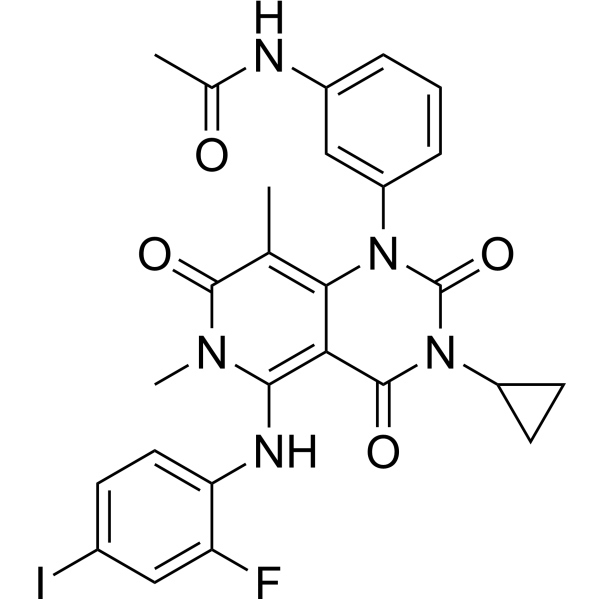
    Trametinib
    Maximum Cited Publications
    286 Publications Verification

    GSK1120212; JTP-74057

    MEK Autophagy Apoptosis Infection Neurological Disease Metabolic Disease Inflammation/Immunology Cancer
    Trametinib (GSK1120212; JTP-74057) is an orally active MEK inhibitor that inhibits MEK1 and MEK2 with IC50s of about 2 nM. Trametinib activates autophagy and induces apoptosis, cross the blood-brain barrier (BBB), used in research related to subarachnoid hemorrhage (SAH) .
    Trametinib
  • HY-N0171A
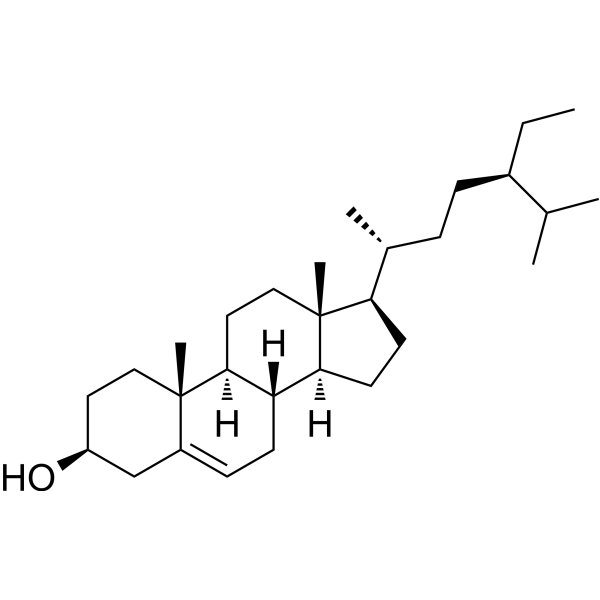
    Beta-Sitosterol (purity>98%)
    Maximum Cited Publications
    20 Publications Verification

    β-Sitosterol (purity>98%); 22,23-Dihydrostigmasterol (purity>98%)

    Bacterial Apoptosis Reactive Oxygen Species (ROS) MDM-2/p53 Caspase PARP MMP Bcl-2 Family HIF/HIF Prolyl-Hydroxylase TNF Receptor Interleukin Related NF-κB mTOR Lactate Dehydrogenase CDK Glutathione Peroxidase SOD Infection Cardiovascular Disease Inflammation/Immunology Cancer
    Beta-Sitosterol (purity>98%) is orally active. Beta-Sitosterol exhibits multiple activities, including anti-inflammatory, anticancer, antioxidant, antimicrobial, antidiabetic, antioxidant enzyme, and analgesic. Beta-Sitosterol inhibits inflammation and impaired adipogenesis in bovine mammary epithelial cells by reducing levels of ROS, TNF-α, IL-1β, and NF-κB p65 and restoring the activity of the HIF-1α/mTOR signaling pathway. Beta-Sitosterol induces apoptosis in cancer cells through ROS-mediated mitochondrial dysregulation and p53 activation. Beta-Sitosterol exerts its anticancer effects in cancer cells by activating caspase-3, caspase-8, and caspase-9, mediating PARP inactivation, MMP loss, altered Bcl-2-Bax ratio, and cytochrome c release. Beta-Sitosterol modulates macrophage polarization and reduces rheumatoid inflammation in mice. Beta-Sitosterol inhibits tumor growth in multiple mouse cancer models. Beta-Sitosterol can be used in the research of arthritis, lung cancer, breast cancer and other cancers, diabetes, etc .
    Beta-Sitosterol (purity>98%)
  • HY-153808
    Complete Freund's adjuvant (CFA)
    10+ Cited Publications

    Toll-like Receptor (TLR) Inflammation/Immunology
    Complete Freund's adjuvant (CFA) is an immunoadjuvant emulsified with antigen by its discoverer Jules T. Freund to enhance an animal's immune response to an antigen. Complete Freund's adjuvant (CFA) is also an inducer of the Th1 immune response and a ligand of TLRs. Complete Freund's adjuvant (CFA) contains heat-killed inactive tuberculosis bacilli and consists of a paraffin oil-in-water emulsion. Complete Freund's adjuvant (CFA) stimulates a strong and durable immune response and can be used to induce persistent inflammatory pain models in mice, experimental autoimmune myocarditis (EAM) models, and more. Incomplete Freund's adjuvant (IFA) (HY-153808A) is another type of Freund's Adjuvant that stimulates a weaker immune response .
    Complete Freund's adjuvant (CFA)
  • HY-153808A
    Incomplete Freund's adjuvant (IFA)
    4 Publications Verification

    Bacterial Inflammation/Immunology Cancer
    Incomplete Freund's adjuvant (IFA) (Montanide ISA-51) is an immunoadjuvant emulsified with antigen by its discoverer Jules T. Freund. Incomplete Freund's adjuvant (IFA) does not contain inactivated tuberculosis bacilli and consists of petroleum jelly containing lanolin. Incomplete Freund's adjuvant (IFA) induces high antibody titers and long-lasting effector T cell responses with no long-term effects on collagen disease, tumors, or death. Complete Freund's adjuvant (CFA) (HY-153808) is another type of Freund's Adjuvant that stimulates a stronger immune response .
    Incomplete Freund's adjuvant (IFA)
  • HY-153321
    Bexobrutideg
    1 Publications Verification

    NX-5948; BTK-IN-24

    PROTACs Btk Inflammation/Immunology Cancer
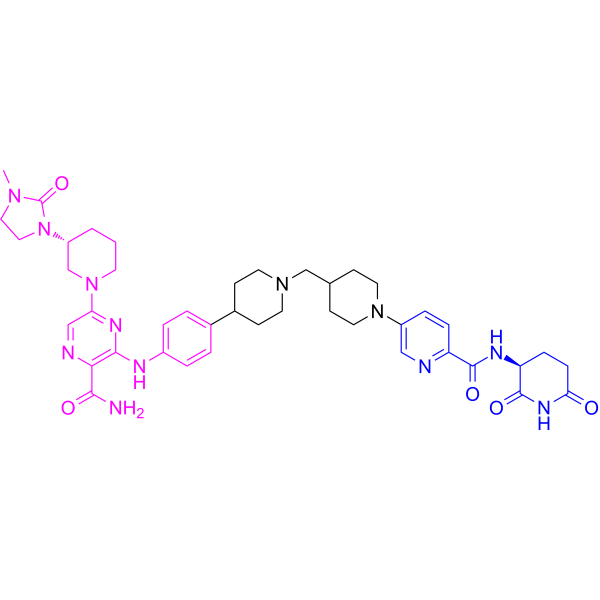
    Bexobrutideg (NX-5948) is an orally active chimeric targeting molecule (CTM) that induces specific BTK protein degradation by the cereblon E3 ligase (CRBN) complex without degradation of other cereblon neo-substrates. Bexobrutideg mediates potent anti-inflammatory activity via BTK degradation with resultant inhibition of B cell activation. Bexobrutideg exhibits potent tumor growth inhibition in TMD8 xenograft models that contain either wild-type BTK or BTKi-resistant mutations. Bexobrutideg is efficacious in a mouse collageninduced arthritis (CIA) model. Bexobrutideg can cross the blood brain barrier (BBB). Bexobrutideg is a PROTAC composed of the ligand for target protein, a linker, and a cereblon E3 ligase (CRBN) complex (Red: BTK ligand (HY-170324); Blue: CRBN ligand (HY-171893); Black: linker) .
    Bexobrutideg
  • HY-135844
    LS-102
    5+ Cited Publications

    E1/E2/E3 Enzyme Inflammation/Immunology
    LS-102 is a selective E3 ubiquitin ligase synoviolin (Syvn1) inhibitor. LS-102 inhibits the autoubiquitination of synoviolin with an IC50 of 35 μM. LS-102 has the potential for rheumatoid arthritis treatment .
    LS-102
  • HY-168625

    Molecular Glues Inflammation/Immunology
    VAV1 degrader-3 (Example 185) is an orally active VAV1 molecular glue degrader (DC50: 7 nM). VAV1 degrader-3 reduces immune cell activation, immune cell proliferation and the production of various cytokines. VAV1 degrader-3 can be used for research of inflammatory or autoimmune disorder. VAV1 degrader-3 inhibits disease progression in experimntal autoimmune encephalomyelitis (EAE) mouse model, Collagen-induced arthritis (CIA) mouse model, etc. .
    VAV1 degrader-3
  • HY-10999A
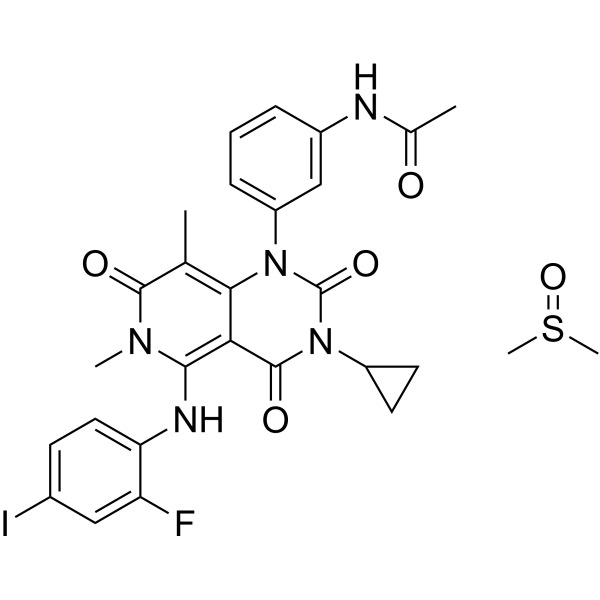
    Trametinib (DMSO solvate)
    Maximum Cited Publications
    286 Publications Verification

    GSK-1120212 (DMSO solvate); JTP-74057 (DMSO solvate)

    MEK Apoptosis Cancer
    Trametinib (DMSO solvate) (GSK-1120212 (DMSO solvate)) is an orally active MEK inhibitor that inhibits MEK1 and MEK2 with IC50s of about 2 nM. Trametinib (DMSO solvate) activates autophagy and induces apoptosis . This product is in solid form, a DMSO solvate, and a stable crystalline form.
    Trametinib (DMSO solvate)
  • HY-153808B

    Toll-like Receptor (TLR) Inflammation/Immunology
    Complete Freund's adjuvant (CFA, 1 mg/ml) is an immunoadjuvant emulsified with antigen that can enhance an animal's immune response to an antigen. Complete Freund's adjuvant (CFA, 1 mg/ml) is also an inducer of the Th1 immune response and a ligand of TLRs. Complete Freund's adjuvant (CFA, 1 mg/ml) contains heat-killed inactive tuberculosis bacilli and consists of a paraffin oil-in-water emulsion. Complete Freund's adjuvant (CFA, 1 mg/ml) stimulates a strong and durable immune response and can be used to induce rheumatoid arthritis in rats, and more .
    Complete Freund's adjuvant (CFA, 1 mg/ml)
  • HY-P10136
    IA9
    2 Publications Verification

    human TREM-2 182-190

    TREM receptor Inflammation/Immunology
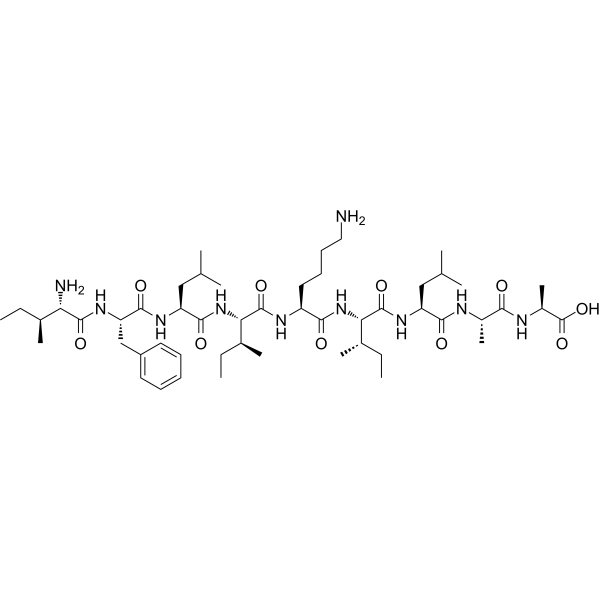
    IA9 (human TREM-2 182-190) is a potent, CNS-penetrant TREM-2 inhibitor. IA9 can diminish the release of proinflammatory cytokines and suppress joint inflammation and damage in a Collagen (HY-P5003)-induced arthritis (CIA) mouse model. IA9 can be used for neuroinflammation PET imaging. IA9 can be used for Rheumatoid arthritis (RA) and neuroinflammation research .
    IA9
  • HY-B0524A
    Betahistine dihydrochloride
    2 Publications Verification

    Histamine Receptor Neurological Disease Inflammation/Immunology Endocrinology
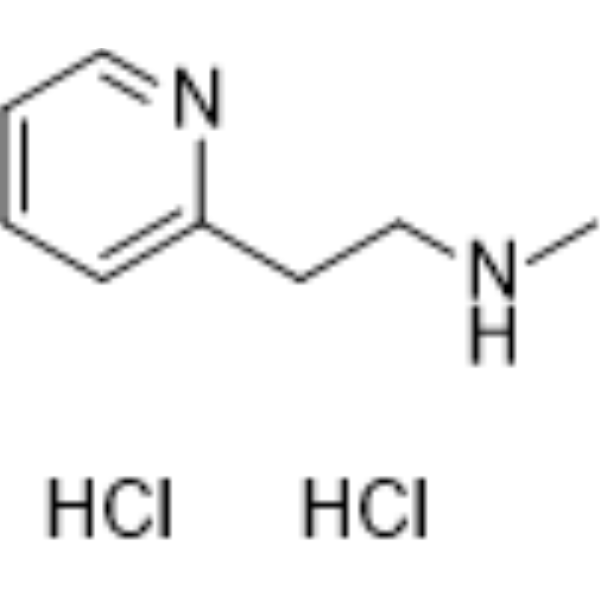
    Betahistine dihydrochloride is an orally active histamine H1 receptor agonist and a H3 receptor antagonist . Betahistine dihydrochloride is used for the study of rheumatoid arthritis (RA) .
    Betahistine dihydrochloride
  • HY-P990151

    TNF Receptor Inflammation/Immunology
    Anti-Mouse TL1A/TNFSF15 Antibody (5G4.6) is an anti-mouse TL1A/TNFSF15 IgG monoclonal antibody. Anti-Mouse TL1A/TNFSF15 Antibody (5G4.6) can reduce TL1A levels and block TL1A-DR3 interactions. Anti-Mouse TL1A/TNFSF15 Antibody (5G4.6) can be used for research on inflammation conditions such as colitis and collagen-induced arthritis (CIA) .
    Anti-Mouse TL1A/TNFSF15 Antibody (5G4.6)
  • HY-P990125

    c-Fms Cardiovascular Disease Neurological Disease Metabolic Disease Inflammation/Immunology
    Anti-Mouse (CSF1R/CD115) Antibody (AFS98) is an anti-mouse CSF1R IgG2a antibody inhibitor derived from rats. Anti-Mouse (CSF1R/CD115) Antibody (AFS98) inhibits M-CSF-dependent colony formation and cell growth by blocking the binding of M-CSF to its receptor. Anti-Mouse (CSF1R/CD115) Antibody (AFS98) can be used for the researches of inflammation, metabolic disease, cardiovascular disease and neurological disease, such as such as stroke, diabetes and arthritis .
    Anti-Mouse CSF1R/CD115 Antibody (AFS98)
  • HY-153780

    DC-806; LY4100504; S-011806

    Interleukin Related Inflammation/Immunology
    Navepdekinra (DC-806) is an orally active, potent interleukin-17A (IL-17A) inhibitor (IC50 = 10.81 nM). Navepdekinra disrupts the IL-17A protein-receptor interaction, suppressing the downstream pro-inflammatory signaling pathway. Navepdekinra inhibits arthritis in a collage-induced arthritis (CIA) rat model. Navepdekinra can be used for psoriasis, psoriatic arthritis, and ankylosing spondylitis .
    Navepdekinra
  • HY-110177
    SP-100030
    1 Publications Verification

    NF-κB Inflammation/Immunology
    SP-100030 is a potent NF-κB and activator protein-1 (AP-1) double inhibitor (IC50s=50 and 50 nM, respectively). SP-100030 inhibits IL-2, IL-8, and TNF-alpha production in Jurkat and other T cell lines. SP-100030 decreases murine collagen-induced arthritis (CIA) .
    SP-100030
  • HY-18054
    BVT 2733
    4 Publications Verification

    11β-HSD Inflammation/Immunology
    BVT 2733 is a potent, selective, and orally active non-steroidal 11β-hydroxydehydrogenase 1 (11β-HSD1) inhibitor. BVT 2733 is potently against the mouse enzyme (IC50=96 nM) over the human enzyme (IC50=3341 nM). BVT 2733 has the potential for the study of arthritis and obesity related disease .
    BVT 2733
  • HY-B0524
    Betahistine
    2 Publications Verification

    Histamine Receptor Inflammation/Immunology Cancer
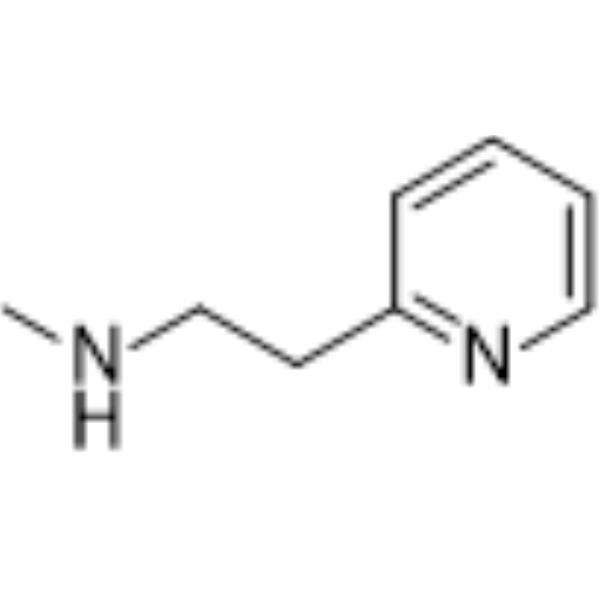
    Betahistine is an orally active histamine H1 receptor agonist and a H3 receptor antagonist . Betahistine is used for the study of rheumatoid arthritis (RA) .
    Betahistine
  • HY-139780

    ROR Inflammation/Immunology
    JNJ-61803534 is a potent and orally active RORγt inverse agonist with an IC50 of 9.6  nM. JNJ-61803534 has anti-inflammatory activity. JNJ-61803534 inhibits IL-17A production in human CD4+ T cells under Th17 differentiation conditions .
    JNJ-61803534
  • HY-P99414

    AMG 557

    Transmembrane Glycoprotein Interleukin Related Inflammation/Immunology
    Prezalumab (AMG 557) is a humanized IgG2 monoclonal antibody targeting ICOSL. Prezalumab inhibits T cell activation and related immune responses by binding to ICOSL and blocking the interaction between ICOS and ICOSL. Prezalumab can be used in the research of autoimmune diseases and inflammatory diseases such as systemic lupus erythematosus. Recommend Isotype Controls: Human IgG2 kappa, Isotype Control (HY-P99002) .
    Prezalumab
  • HY-N0440
    Germacrone
    2 Publications Verification

    Influenza Virus NF-κB 5 alpha Reductase Keap1-Nrf2 Lactate Dehydrogenase Apoptosis Infection Neurological Disease Inflammation/Immunology Endocrinology Cancer
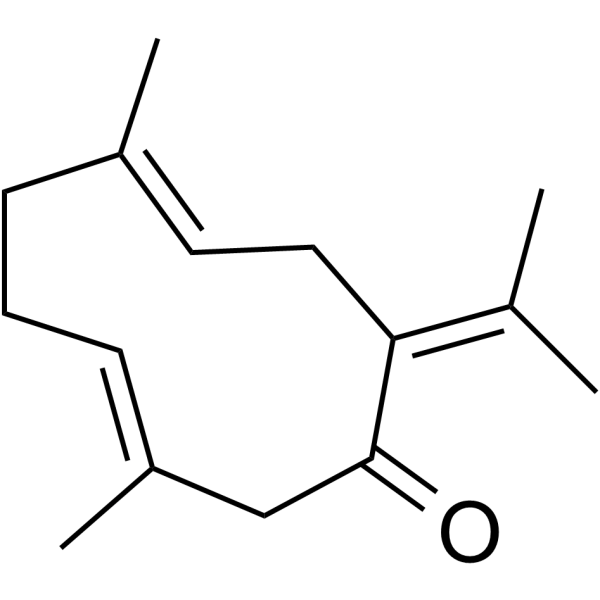
    Germacrone is a sesquiterpene compound with multiple biological activities. Germacrone inhibits the H1N1 and H3N2 influenza A virus and the influenza B virus. Germacrone blocks the progressionof arthritis by regulating Th1/Th2 balance and inhibiting NF-κB signaling. Germacrone can arrest the cell cycle at G0/G1 and G2/M phases and induce apoptosis in breast cancer cells. Germacrone inhibits 5α-reductase and has anti-androgenic effect. Germacrone has neuroprotective functions and can be used for the study of traumatic brain injury (TBI). Germacrone also has antioxidant activity .
    Germacrone
  • HY-P10136A
    IA9 TFA
    2 Publications Verification

    human TREM-2 182-190 TFA

    TREM receptor Inflammation/Immunology
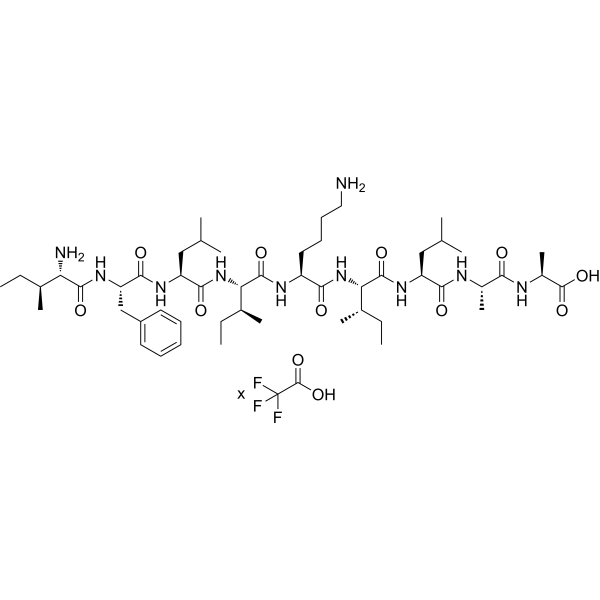
    IA9 TFA (human TREM-2 182-190 TFA) is a potent, CNS-penetrant TREM-2 inhibitor. IA9 TFA can diminish the release of proinflammatory cytokines and suppress joint inflammation and damage in a Collagen (HY-P5003)-induced arthritis (CIA) mouse model. IA9 TFA can be used for neuroinflammation PET imaging. IA9 TFA can be used for Rheumatoid arthritis (RA) and neuroinflammation research .
    IA9 TFA
  • HY-10999R

    GSK1120212 (Standard); JTP-74057 (Standard)

    Reference Standards MEK Autophagy Apoptosis Cancer
    Trametinib (Standard) is the analytical standard of Trametinib. This product is intended for research and analytical applications. Trametinib (GSK1120212; JTP-74057) is an orally active MEK inhibitor that inhibits MEK1 and MEK2 with IC50s of about 2 nM. Trametinib activates autophagy and induces apoptosis .
    Trametinib (Standard)
  • HY-P5003

    MMP Inflammation/Immunology
    Collagen Type II Fragment is an anti-inflammatory peptide that potently inhibits collagen-induced arthritis (CIA) in mice. Collagen Type II Fragment can be used for research on inflammation and immunity .
    Collagen Type II Fragment
  • HY-P990246

    Adhesion G Protein-coupled Receptors (AGPCRs) Inflammation/Immunology
    Anti-Mouse F4/80 Antibody (CI:A3-1) is an anti-mouse F4/80 IgG2b monoclonal antibody. Anti-Mouse F4/80 Antibody (CI:A3-1) can clear macrophages. Anti-Mouse F4/80 Antibody (CI:A3-1) can be used for research on inflammation conditions such as endometriosis. Anti-Mouse F4/80 Antibody (CI:A3-1) often used for flow cytometry analysis and immunohistochemical analysis .
    Anti-Mouse F4/80 Antibody (CI:A3-1)
  • HY-123133

    Kallikrein Inflammation/Immunology
    PKSI-527 is a new, highly selective plasma kallikrein inhibitor. PKSI-527 can suppress collagen-induced arthritis (CIA) by modifying the kallikrein-kinin system .
    PKSI-527
  • HY-119245

    BMS-986166

    LPL Receptor Inflammation/Immunology
    Udifitimod (BMS-986166) is a potent, selective and orally active S1P1R modulator. Udifitimod has the potential for the research of autoimmune diseases .
    Udifitimod
  • HY-177435

    FAP Inflammation/Immunology
    FAPI-800CW is a near-infrared (NIR) fluorescent-labeled fibroblast activation protein (FAP) inhibitor. FAPI-800CW shows specific uptake in inflamed paws in collagen-induced arthritis (CIA) model mice. FAPI-800CW can be used for in vivo molecular imaging of FAP expression in inflammatory diseases such as rheumatoid arthritis (RA) to monitor joint inflammation and disease activity .
    FAPI-800CW
  • HY-118363

    mAChR Neurological Disease
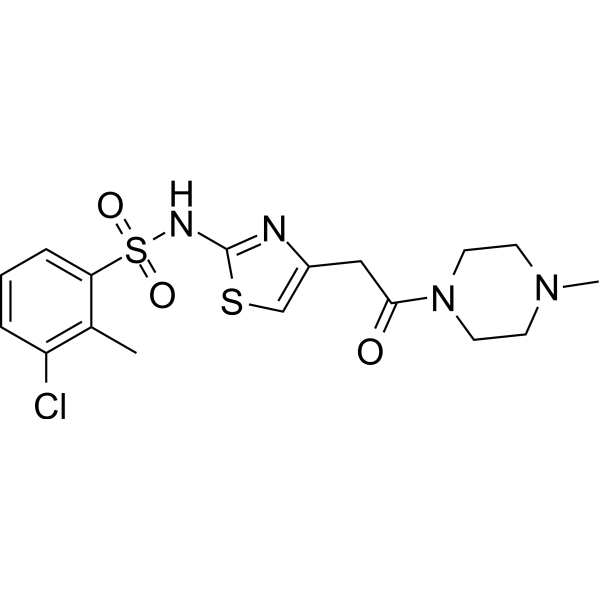
    Lu AE51090 is selective muscarinic M1 receptor agonist with blood-brain barrier penetration. Lu AE51090 activates human M1 receptor with EC50 of 61 nM, while showing no significant agonism at M2-M5 receptors. Lu AE51090 exerts procognitive effects in mice. Lu AE51090 can be used for the study of Alzheimer’s disease (AD) and cognitive impairment associated with schizophrenia (CIAS) .
    Lu AE51090
  • HY-13207A
    ONX-0914 TFA
    20+ Cited Publications

    PR-957 TFA

    Proteasome Bacterial HIV Infection Inflammation/Immunology
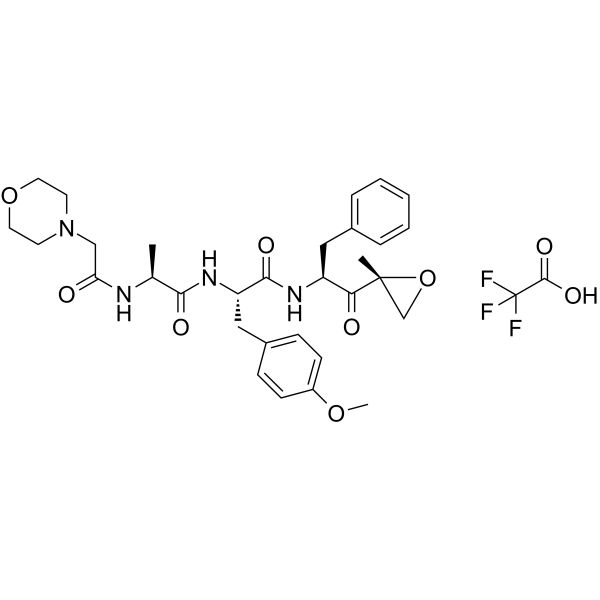
    ONX-0914 (PR-957) TFA is a selective inhibitor of low-molecular mass polypeptide-7 (LMP7), the chymotrypsin-like subunit of the immunoproteasome. ONX-0914 TFA blocks cytokine production and attenuates progression of experimental arthritis. ONX-0914 TFA is a noncompetitive irreversible inhibitor of the mycobacterial proteasome (Ki=5.2 μM). ONX-0914 TFA reactivates latent HIV-1 through p-TEFb activation mediated by HSF-1 .
    ONX-0914 TFA
  • HY-164102

    TNF Receptor NF-κB Inflammation/Immunology
    TNF-α-IN-18 (Compound 61) is an inhibitor for TNF-α (IC50 of 1.8 μM), that inhibits TNF signaling pathway through block of NF-kB migration from cytoplasm to nucleus. TNF-α-IN-18 exhibits slight cytotoxicity to mouse fibroblast LM cell, with a CC50 >50 μM. TNF-α-IN-18 ameliorates the TNF- or Lipopolysaccharide (HY-D1056)-induced sepsis in mouse models. TNF-α-IN-18 protects mice from rheumatoid arthritis .
    TNF-α-IN-18
  • HY-131903

    IRAK Inflammation/Immunology
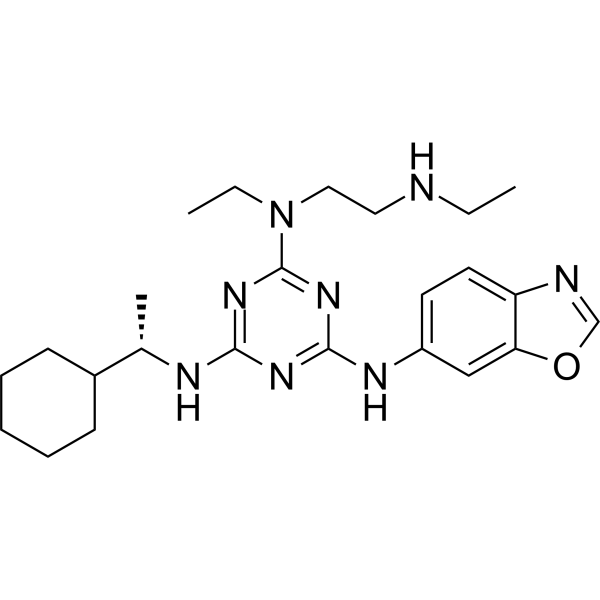
    HS271 is a highly potent, orally active and selective IRAK4 inhibitor, with an IC50 of 7.2 μM. HS271 exhibits superior enzymatic and cellular activities, as well as excellent pharmacokinetic properties .
    HS271
  • HY-156190

    Orphan Nuclear Receptor Cancer
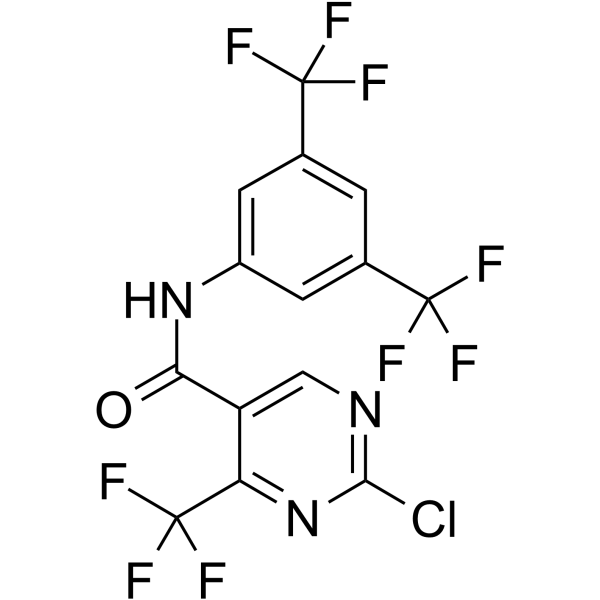
    NR2F2-IN-1 (CIA1) is a potent and selective orphan nuclear receptor COUP-TFII (NR2F2) inhibitor. NR2F2-IN-1 substantially inhibits COUP-TFII-driven NGFIA reporter expression. NR2F2-IN-1 directly binds to the COUP-TFII ligand-binding domain and disrupts COUP-TFII interaction with transcription regulators, including FOXA1, thus repressing COUP-TFII activity on target gene regulation .
    NR2F2-IN-1
  • HY-101490

    Phosphodiesterase (PDE) Neurological Disease
    PDE1-IN-2 is a PDE1 inhibitor extracted from patent WO2016/55618 A1, example 31. PDE1-IN-2 has IC50 values of 6 nM, 140 nM and 164 nM for PDE1C, PDE1B and PDE1A, respectvely. PDE1-IN-2 is developed for the research of neurodegenerative disorders and psychiatric disorders .
    PDE1-IN-2
  • HY-125997

    Btk Inflammation/Immunology
    BTK inhibitor 10 is a potent and orally active Bruton kinase (BTK) inhibitor, extracted from patent WO2018145525, example 33. BTK inhibitor 10 has a potential for rheumatoid arthritis treatment .
    BTK inhibitor 10
  • HY-163673

    Glucocorticoid Receptor Drug-Linker Conjugates for ADC Inflammation/Immunology
    Glucocorticoid receptor modulator 4 (Compound DL5) is a conjugate of a linker and a glucocorticoid receptor modulator. Glucocorticoid receptor modulator 4 exhibits GRE Reporter activity in mTNF expressing K562 cell with an EC50 of 40 μM. Glucocorticoid receptor modulator 4 binds with an anti-tumor necrosis factor (TNF) antibody, and exhibits anti-inflammtory activity against arthritis in mouse models .
    Glucocorticoid receptor modulator 4
  • HY-N0976

    11b-Hydroxy-11b,1-dihydromedicarpin

    Interleukin Related Wnt Inflammation/Immunology
    1,11b-Dihydro-11b-hydroxymedicarpin (11b-Hydroxy-11b,1-dihydromedicarpin) is a pterocarpan from Ononis viscosa subsp. breviflora is a Medicarpin derivative . Medicarpin, a natural pterocarpan, heals cortical bone defect by activation of Notch and Wnt canonical signaling pathways . Medicarpin prevents arthritis in post-menopausal conditions by arresting the expansion of TH17 cells and pro-inflammatory cytokines. Medicarpin down-regulates pro-inflammatory cytokines like TNF-α, IL-6 and IL-17A, while up-regulates anti-inflammatory cytokine IL-10 in arthritis (CIA) model of mice .
    1,11b-Dihydro-11b-hydroxymedicarpin
  • HY-153321A

    (R,R)-NX-5948; (R,R)-BTK-IN-24

    Drug Isomer PROTACs Btk Inflammation/Immunology Cancer
    (R,R)-Bexobrutideg is the (R,R)-enantiomer of Bexobrutideg (HY-153321). Bexobrutideg (NX-5948) is an orally active PROTAC that induces specific BTK protein degradation via a cereblon E3 ligase (CRBN) complex without degrading other cereblon neo substrates. Bexobrutideg mediates potent anti-inflammatory activity through BTK degradation, thereby inhibiting B cell activation. Bexobrutideg exhibits potent tumor growth inhibition in TMD8 xenograft models containing wild-type BTK or BTKi resistance mutations. Bexobrutideg is effective in a mouse model of collagen-induced arthritis (CIA). Bexobrutideg can cross the blood-brain barrier. NX-5948 consists of a target protein ligand, a linker, and a VHL E3 ubiquitin ligase (Red: BTK ligand (HY-170324); Blue: CRBN ligand (HY-171893); Black: linker) .
    (R,R)-Bexobrutideg
  • HY-112863

    ROR Inflammation/Immunology
    RORγt inhibitor 3 is an orally active and potent retinoic acid receptor-related orphan receptor-gamma-t (RORγt) inhibitor. RORγt inhibitor 3 shows high binding affinity and inhibitory activity of Th17 cell differentiation. RORγt inhibitor 3 also shows efficacy in both mouse experimental autoimmune encephalomyelitis (EAE) and collagen induced arthritis (CIA) models .
    RORγt inhibitor 3
  • HY-RS09093

    Small Interfering RNA (siRNA) Others

    NCOA5 Human Pre-designed siRNA Set A contains three designed siRNAs for NCOA5 gene (Human), as well as a negative control, a positive control, and a FAM-labeled negative control.

    NCOA5 Human Pre-designed siRNA Set A
    NCOA5 Human Pre-designed siRNA Set A
  • HY-RS01083

    Small Interfering RNA (siRNA) Others

    ASF1A Human Pre-designed siRNA Set A contains three designed siRNAs for ASF1A gene (Human), as well as a negative control, a positive control, and a FAM-labeled negative control.

    ASF1A Human Pre-designed siRNA Set A
    ASF1A Human Pre-designed siRNA Set A
  • HY-P10850

    TNF Receptor NF-κB Apoptosis Inflammation/Immunology
    PIYLGGVFQ is a peptide inhibitor for TNF-α. PIYLGGVFQ inhibits TNF-α-mediated apoptosis, NF-κB nuclear translocation and activation. PIYLGGVFQ exhibits anti-arthritic activity in the CIA mouse model .
    PIYLGGVFQ
  • HY-155031

    Reactive Oxygen Species (ROS) COX Inflammation/Immunology Cancer
    MCI alleviates inflammation by macrophage reprogramming via targeting ROS scavenging and COX-2 downregulation. MCI inhibits COX-2 with an IC50 value of 1.23 μM. MCI has significant anti-inflammatory effects in collagen-induced arthritis (CIA) models. MCI can be used in research for rheumatoid arthritis (RA) .
    MCI
  • HY-179216

    HDAC Neurological Disease Inflammation/Immunology
    KTT-1 is a kinetically selective and orally active HDAC2 inhibitor. KTT-1 exhibits high HDAC2-selectivity over HDAC1. KTT-1 inhibits osteoclast differentiation at an early stage by downregulating c-Fos expression. KTT-1 effectively suppresses arthritis symptoms in the collagen-induced arthritis (CIA) mouse model. KTT-1 can be used for the research of rheumatoid arthritis and neurodegenerative diseases .
    KTT-1
  • HY-163651

    (R)-CR6086

    Prostaglandin Receptor Inflammation/Immunology
    (R)-Vorbipiprant ((R)-CR6086) is an orally active antagonist for prostaglandin E2 receptor 4 (EP4) with Ki of 16.6 nM for human EP4. (R)-Vorbipiprant inhibits PGE2 (HY-101952)-induced cAMP production with an IC50 of 22 nM. (R)-Vorbipiprant exhibits immunomodulatory and anti-angiogenic activities, and ameliorates the collagen-induced arthritis in mice .
    (R)-Vorbipiprant
  • HY-18054R

    11β-HSD Inflammation/Immunology
    BVT 2733 (Standard) is the analytical standard of BVT 2733. This product is intended for research and analytical applications. BVT 2733 is a potent, selective, and orally active non-steroidal 11β-hydroxydehydrogenase 1 (11β-HSD1) inhibitor. BVT 2733 is potently against the mouse enzyme (IC50=96 nM) over the human enzyme (IC50=3341 nM). BVT 2733 has the potential for the study of arthritis and obesity related disease .
    BVT 2733 (Standard)
  • HY-B0524AR

    Reference Standards Histamine Receptor Neurological Disease Inflammation/Immunology Endocrinology
    Betahistine (dihydrochloride) (Standard) is the analytical standard of Betahistine (dihydrochloride). This product is intended for research and analytical applications. Betahistine dihydrochloride is an orally active histamine H1 receptor agonist and a H3 receptor antagonist . Betahistine dihydrochloride is used for the study of rheumatoid arthritis (RA) .
    Betahistine dihydrochloride (Standard)
  • HY-161354

    JAK Apoptosis Inflammation/Immunology
    JAK3 covalent inhibitor-2 (compound J1b) is a selective, orally potent JAK3 inhibitor (IC50=7.2 nM) with low toxicity, anti-inflammatory activity and good bioavailability .
    JAK3 covalent inhibitor-2
  • HY-N16465

    Apoptosis Reactive Oxygen Species (ROS) STAT Inflammation/Immunology
    Cinnamtannin D1 is an orally active polyphenolic compound with immunosuppressive activity. Cinnamtannin D1 regulates the balance of Th17/Treg cells by inhibiting AHR expression. Cinnamtannin D1 reduces apoptosis and ROS in INS-1 cells and primary cultured murine islets induced by Palmitic acid (PA) (HY-N0830). Cinnamtannin D1 reduces Th17 cell differentiation via downregulating p-STAT3/RORγt and promotes Treg cell differentiation via upregulating p-STAT5/Foxp3. Cinnamtannin D1 exerts excellent anti-arthritic efficacy in collagen-induced arthritis (CIA) model of mice. Cinnamtannin D1 can be used for the study of rheumatoid arthritis (RA) .
    Cinnamtannin D1
  • HY-173518

    Heme Oxygenase (HO) Reactive Oxygen Species (ROS) NO Synthase COX Interleukin Related Inflammation/Immunology
    SIN 14, a derivative of Sinomenine (HY-15122), is an orally active HO-1 activator (KD = 17.2 μM). SIN 14 binds to the catalytic core domain of HO-1 and induces HO-1 activation in catalysis. SIN 14 significantly increases HO-1 stability. SIN 14 has anti-inflammatory effects and inhibits M1 macrophage polarization while promoting M2 polarization in LPS (Lipopolysaccharides)(HY-D1056)-induced RAW264.7 cells. SIN 14 inhibits inflammatory mediator production (eg: NO, IL-6, IL-1β and CCL2, inhibits production of ROS and down-regulates the expression of COX-2 and iNOS. SIN 14 can inhibit RA-related inflammatory edema in collagen-induced arthritis (ClA) mice .
    SIN 14

Inquiry Online

Your information is safe with us. * Required Fields.

Salutation


Country or Region *

Applicant Name *


Organization Name *

Department *


Email Address *


Product Name *

Cat. No.


Requested quantity *

Phone Number *


Remarks

Inquiry Online

Inquiry Information

Product Name:
Cat. No.:
Quantity:
MCE Japan Authorized Agent:

