

1. Search Result
Search Result
Results for "

Hepatic cancer

" in MedChemExpress (MCE) Product Catalog:

83

Inhibitors & Agonists

1

Screening Libraries

1

Fluorescent Dyes

7

Biochemical Assay Reagents

9

Peptides

16

Natural
Products

9

Isotope-Labeled Compounds

1

Oligonucleotides

1

GMP Molecules

Targets Recommended:
Cat. No. Product Name Target Research Areas Chemical Structure
  • HY-114118
    Semaglutide
    Maximum Cited Publications
    35 Publications Verification

    GLP Receptor Insulin Receptor α-synuclein Apoptosis p38 MAPK Autophagy Bcl-2 Family Neurological Disease Metabolic Disease Cancer
    Semaglutide is a long-acting, selective, competitive GLP-1R agonist that can penetrate the blood-brain barrier. After activating GLP-1R, Semaglutide promotes insulin secretion, inhibits gastric emptying and appetite, and at the same time enhances autophagy, inhibits oxidative stress and apoptosis. Semaglutide also regulates mitochondrial function and lipid metabolism (such as reducing de novo lipogenesis in the liver). Semaglutide has activities such as lowering blood sugar, reducing weight, neuroprotection (such as improving motor function in Parkinson's disease models, reducing α-synuclein aggregation) and improving hepatic steatosis. Semaglutide can be used for the study of neurodegenerative diseases and liver diseases such as type 2 diabetes, obesity, Parkinson's disease, metabolic associated fatty liver disease (MASLD), and cancer .
    Semaglutide
  • HY-10585
    Valproic acid
    Maximum Cited Publications
    65 Publications Verification

    VPA; 2-Propylpentanoic acid; Dipropylacetic acid

    Organoid HDAC Autophagy Mitophagy HIV Notch Apoptosis Endogenous Metabolite Infection Neurological Disease Metabolic Disease Inflammation/Immunology Cancer
    Valproic acid (VPA) is an orally active HDAC inhibitor, with IC50 in the range of 0.5 and 2 mM. Valproic acid inhibits HDAC1 (IC50, 400 μM), and induces proteasomal degradation of HDAC2. Valproic acid activates Notch1 signaling and inhibits proliferation in small cell lung cancer (SCLC) cells. Valproic acid is used in the epilepsy, bipolar disorder, metabolic disease, HIV infection and prevention of migraine headaches .
    Valproic acid
  • HY-101563
    GSK3326595
    30+ Cited Publications

    EPZ015938

    Histone Methyltransferase SARS-CoV MDM-2/p53 CDK Apoptosis Infection Cancer
    GSK3326595 is a protein arginine methyltransferase 5 (PRMT5) inhibitor. GSK3326595 decreases SARS-CoV-2 infection, inhibits cancer cell proliferation and induces pro-inflammatory macrophage polarization and increases hepatic triglyceride levels without affecting atherosclerosis. GSK3326595 can be used for research of relapsed/refractory mantle cell lymphoma .
    GSK3326595
  • HY-10585A
    Valproic acid sodium
    Maximum Cited Publications
    65 Publications Verification

    Sodium Valproate; VPA sodium; 2-Propylpentanoic acid sodium

    Organoid HDAC Autophagy Mitophagy HIV Notch Apoptosis Endogenous Metabolite Infection Neurological Disease Metabolic Disease Cancer
    Valproic acid (Sodium Valproate) sodium is an orally active HDAC inhibitor, with IC50 in the range of 0.5 and 2 mM, also inhibits HDAC1 (IC50, 400 μM), and induces proteasomal degradation of HDAC2. Valproic acid sodium activates Notch1 signaling and inhibits proliferation in small cell lung cancer (SCLC) cells. Valproic acid sodium is used in the treatment of epilepsy, bipolar disorder, metabolic disease, HIV infection and prevention of migraine headaches .
    Valproic acid sodium
  • HY-B1334A
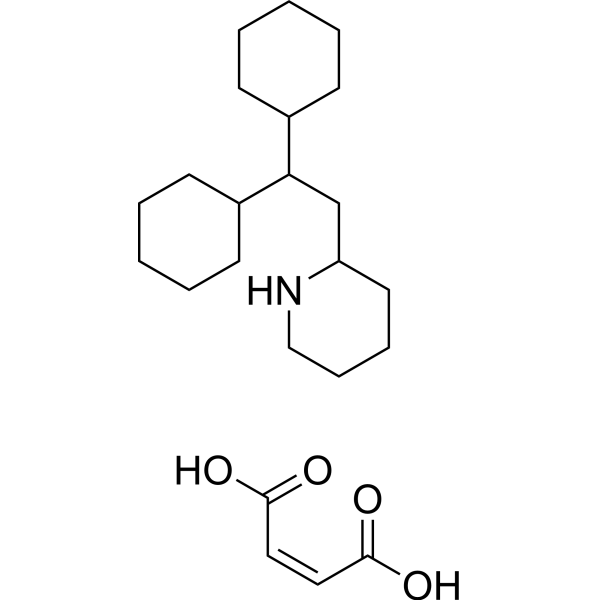
    Perhexiline maleate
    5+ Cited Publications

    Carnitine Palmitoyltransferase (CPT) Mitochondrial Metabolism Apoptosis Cardiovascular Disease Cancer
    Perhexiline maleate is an orally active CPT1 and CPT2 inhibitor that reduces fatty acid metabolism. Perhexiline maleate induces mitochondrial dysfunction and apoptosis in hepatic cells. Perhexiline maleate can cross the blood brain barrier (BBB) and shows anti-tumor activity. Perhexiline maleate can be used in the research of cancers, and cardiovascular disease like angina .
    Perhexiline maleate
  • HY-129389
    Benzyl-α-GalNAc
    5+ Cited Publications

    Glycosyltransferase Cancer
    Benzyl-α-GalNAc is a potent O-glycosylation inhibitor. Benzyl-α-GalNAc effectively inhibits the proliferation and activation of LX-2 cells and suppresses the expression of collagen I/III, which has good potential for investigation in liver fibrosis. Benzyl-α-GalNAc also significantly enhances the anti-tumour activity of 5-Fluorouracil (HY-90006) (e.g. pancreatic cancer) by inhibiting O-glycosylation .
    Benzyl-α-GalNAc
  • HY-N9933
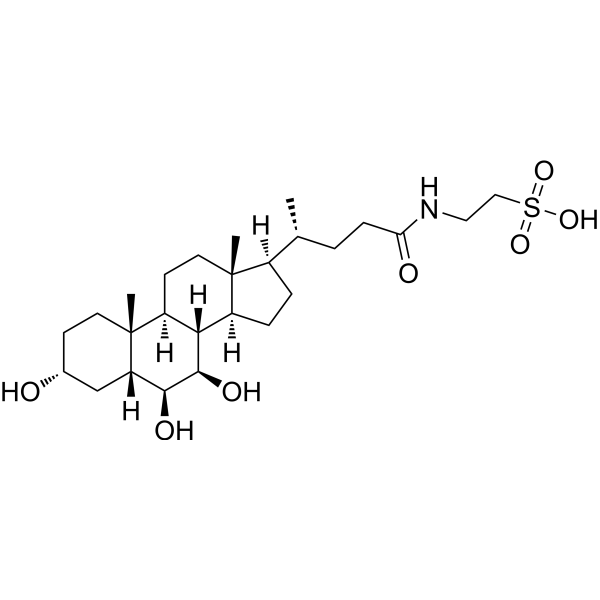
    Tauro-β-muricholic acid
    4 Publications Verification

    TβMCA

    FXR Apoptosis Neurological Disease Metabolic Disease Inflammation/Immunology Cancer
    Tauro-β-muricholic acid (TβMCA) is an orally active trihydroxylated bile acid and a competitive, reversible FXR antagonist (IC50=40 μM). Tauro-β-muricholic acid inhibits bile acid-induced hepatocyte apoptosis by maintaining mitochondrial membrane potential, while simultaneously inhibiting intestinal FXR signaling, affecting bile acid synthesis, hepatic lipid metabolism, and insulin sensitivity. Accumulation of tauro-β-muricholic acid disrupts metabolic homeostasis, promoting cancer stem cell proliferation and tumor progression. The mechanisms of tauro-β-muricholic acid involve two aspects: first, inhibiting the translocation of the pro-apoptotic protein Bax to mitochondria and maintaining mitochondrial membrane potential (MMP); and second, blocking the FXR signaling pathway to regulate bile acid metabolism, reduce serum ceramide production, and downregulate the hepatic SREBP1C/CIDEA pathway. Tauro-β-muricholic acid possesses anti-hepatocyte apoptosis, bile acid homeostasis regulation, and liver fat accumulation reduction properties, and also functions as a biomarker, making it useful in the study of diseases such as bile acid metabolism disorders, non-alcoholic fatty liver disease, colorectal cancer, and liver fibrosis .
    Tauro-β-muricholic acid
  • HY-D0848

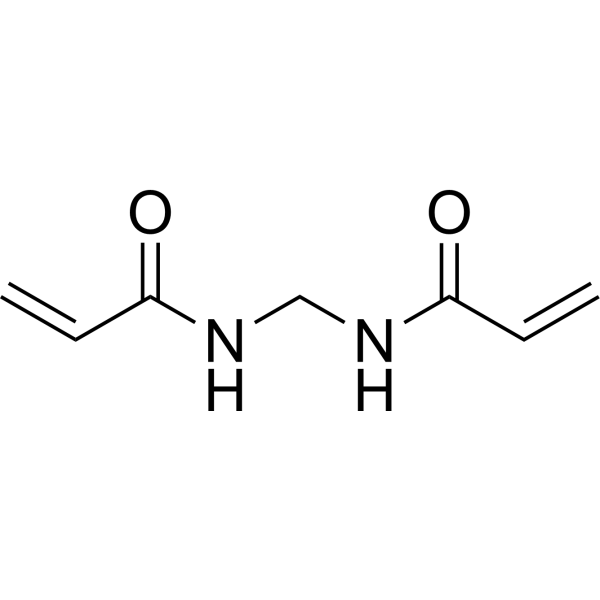
    Bisacrylamide; MBA; Methylenebisacrylamide; N,N-Methylenebisacrylamide

    Biochemical Assay Reagents MDM-2/p53 Caspase Cardiovascular Disease Endocrinology Cancer
    N,N'-Methylenebisacrylamide (Bisacrylamide) is an orally active acrylamide dimer and crosslinker. N,N'-Methylenebisacrylamide increases CYP2E1, P53, cleaved caspase-3. N,N'-Methylenebisacrylamide promotes hepatic cancer. N,N'-Methylenebisacrylamide changes sperm abnormality rate and sperm count. N,N'-Methylenebisacrylamide decreases the number of various cells in the blood as well as induces liver and testicular damage. N,N'-Methylenebisacrylamide is used to prepare polyacrylamide gel .
    N,N'-Methylenebisacrylamide
  • HY-114118B
    Semaglutide acetate
    Maximum Cited Publications
    35 Publications Verification

    GLP Receptor Insulin Receptor α-synuclein Apoptosis p38 MAPK Autophagy Bcl-2 Family Neurological Disease Metabolic Disease Cancer
    Semaglutide acetate is a long-acting, selective, competitive GLP-1R agonist that can penetrate the blood-brain barrier. After activating GLP-1R, Semaglutide acetate promotes insulin secretion, inhibits gastric emptying and appetite, and at the same time enhances autophagy, inhibits oxidative stress and apoptosis. Semaglutide acetate also regulates mitochondrial function and lipid metabolism (such as reducing de novo lipogenesis in the liver). Semaglutide acetate has activities such as lowering blood sugar, reducing weight, neuroprotection (such as improving motor function in Parkinson's disease models, reducing α-synuclein aggregation) and improving hepatic steatosis. Semaglutide acetate can be used for the study of neurodegenerative diseases and liver diseases such as type 2 diabetes, obesity, Parkinson's disease, metabolic associated fatty liver disease (MASLD), and cancer .
    Semaglutide acetate
  • HY-114118A
    Semaglutide TFA
    Maximum Cited Publications
    35 Publications Verification

    GLP Receptor Insulin Receptor α-synuclein Apoptosis p38 MAPK Autophagy Bcl-2 Family Neurological Disease Metabolic Disease Cancer
    Semaglutide TFA is a long-acting, selective, competitive GLP-1R agonist that can penetrate the blood-brain barrier. After activating GLP-1R, Semaglutide TFA promotes insulin secretion, inhibits gastric emptying and appetite, and at the same time enhances autophagy, inhibits oxidative stress and apoptosis. Semaglutide TFA also regulates mitochondrial function and lipid metabolism (such as reducing de novo lipogenesis in the liver). Semaglutide TFA has activities such as lowering blood sugar, reducing weight, neuroprotection (such as improving motor function in Parkinson's disease models, reducing α-synuclein aggregation) and improving hepatic steatosis. Semaglutide TFA can be used for the study of neurodegenerative diseases and liver diseases such as type 2 diabetes, obesity, Parkinson's disease, metabolic associated fatty liver disease (MASLD), and cancer .
    Semaglutide TFA
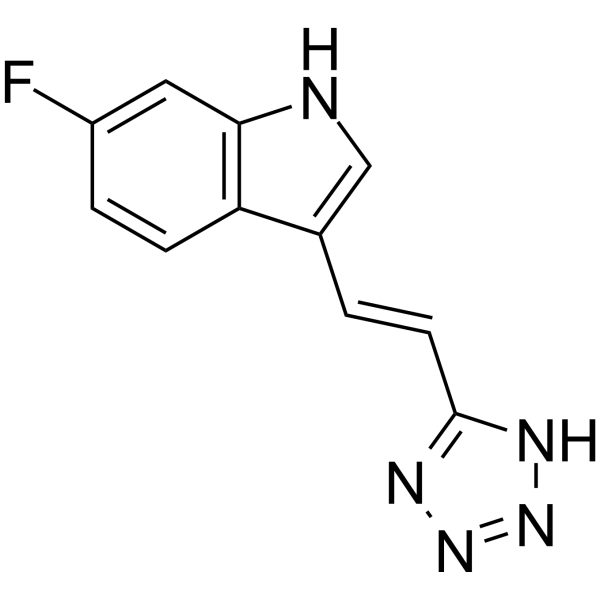
  • HY-33298
    LM10
    1 Publications Verification

    Indoleamine 2,3-Dioxygenase (IDO) Cancer
    LM10 is a potent inhibitor of tryptophan 2,3-dioxygenase (TDO). Tryptophan 2,3-dioxygenase (TDO) is an unrelated hepatic enzyme that also degrades tryptophan along the kynurenine pathway. LM10 has the potential for the research of cancer diseases .
    LM10
  • HY-B1172
    Lactulose
    1 Publications Verification

    4-O-β-D-Galactopyranosyl-D-fructose

    Bacterial Interleukin Related DNA/RNA Synthesis Infection Inflammation/Immunology Endocrinology Cancer
    Lactulose is an orally active galactose-fructose disaccharide. Lactulose suppresses upregulation of TNF-α and IL-6. Lactulose decreases the degree of DNA damage. Lactulose exhibits many of the properties of other oligosaccharides, including increasing the numbers of Bifidobacteria in feces. Lactulose restores the structure and composition of the intestinal microbiota, mitigates inflammation, and suppresses inflammatory tumorigenesis in mice with colitis-associated cancer. Lactulose can be used in the research of constipation .
    Lactulose
  • HY-125848

    Apoptosis AMPK PPAR p38 MAPK PI3K Akt GSK-3 Reactive Oxygen Species (ROS) SOD Caspase Neurological Disease Metabolic Disease Inflammation/Immunology Cancer
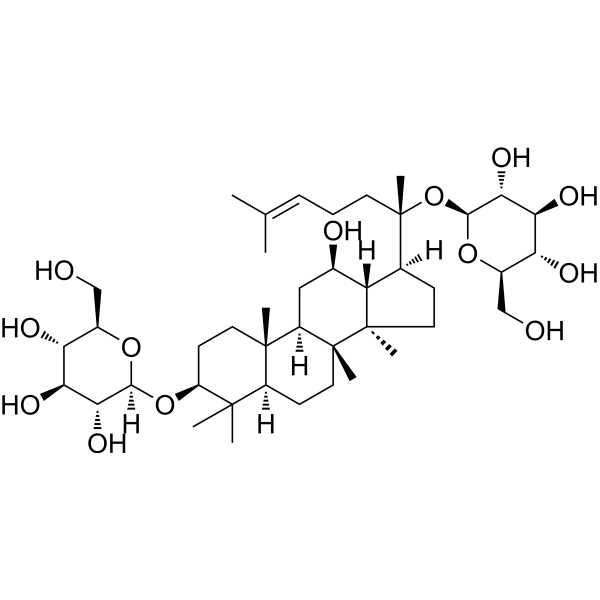
    Ginsenoside F2 is an orally active bioactive compound that participates in the regulation of metabolism and inflammation. Ginsenoside F2 promotes the phosphorylation of AMPK and ACC, binds to PPARγ, inhibits the phosphorylation of MAPK, activates the PI3K/AKT/GSK-3β pathway, reduces GLRX expression, and regulates lipid metabolism. Ginsenoside F2 reduces ROS production and MDA levels, restores SOD activity in cells, and alleviates oxidative stress. Ginsenoside F2 induces cell apoptosis (Apoptosis) and increases the number of cleaved caspase-3-positive cells. Ginsenoside F2 reduces body weight gain, adipose tissue weight and serum lipid levels in obese mice, and activates the hepatic AMPK signaling pathway and the expression of antioxidant enzymes. Ginsenoside F2 alleviates atopic dermatitis in mice by inhibiting inflammation and reshaping the gut microbiota . Ginsenoside F2 is applicable to research related to insulin resistance, obesity, atopic dermatitis, liver cancer, glioblastoma and glioma .
    Ginsenoside F2
  • HY-122515
    Fulvic Acid
    1 Publications Verification

    Others Metabolic Disease Inflammation/Immunology
    Fulvic Acid is a natural product, which comes from humic substances produced by microorganisms in soil. Fulvic Acid can modulate the immune system, influence the oxidative state of cells, and improve gastrointestinal function. Fulvic Acid has the potential for researching chronic inflammatory diseases, including diabetes .
    Fulvic Acid
  • HY-138795

    Endogenous Metabolite Cancer
    Curcumin-β-D-glucuronide is a major metabolite after oral intake of Curcumin in hepatic tissue and portal blood. Curcumin-β-D-glucuronide can be used for the research of colon cancer .
    Curcumin-β-D-glucuronide
  • HY-B1334
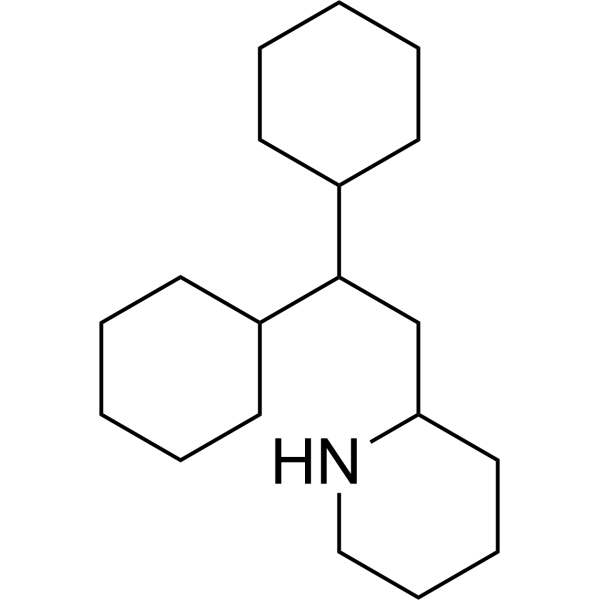
    Perhexiline
    5+ Cited Publications

    Carnitine Palmitoyltransferase (CPT) Mitochondrial Metabolism Apoptosis Cardiovascular Disease Cancer
    Perhexiline is an orally active CPT1 and CPT2 inhibitor that reduces fatty acid metabolism. Perhexiline induces mitochondrial dysfunction and apoptosis in hepatic cells. Perhexiline can cross the blood brain barrier (BBB) and shows anti-tumor activity. Perhexiline can be used in the research of cancers, and cardiovascular disease like angina .
    Perhexiline
  • HY-W614269

    Radionuclide-Drug Conjugates (RDCs) Cancer
    DOTA-GA(tBu)4 stabilizes the attachment of radiometals to ligands. DOTA-GA(tBu)4 improves the biodistribution of radiolabeled second-generation Affibody molecules by increasing their net negative charge and reducing hepatic uptake, leading to enhanced tumor-to-blood and tumor-to-liver ratios. DOTA-GA(tBu)4 targets HER2>-expressing breast and gastrointestinal cancer .
    DOTA-GA(tBu)4
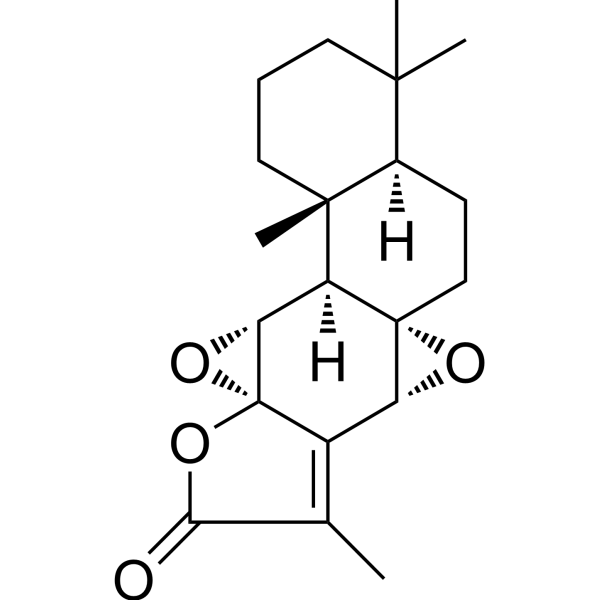
  • HY-N0732
    Jolkinolide B
    1 Publications Verification

    IAP Akt Caspase NF-κB TGF-beta/Smad JAK Bacterial Apoptosis Infection Metabolic Disease Inflammation/Immunology Cancer
    Jolkinolide B is a bioactive diterpene isolated from the roots of Euphorbia fischeriana Steud with oral activity. Jolkinolide B downregulates XIAP, cIAP1, cIAP2, and phosphorylated Akt, upregulates Smac, activates caspase-3 and caspase-9, and inhibits NF-κB, TGFβ/smad3 and JAK/STAT3 pathways. Jolkinolide B exerts comprehensive biological effects including inducing cancer cell apoptosis, suppressing inflammatory responses, improving lung function, alleviating hepatic steatosis and eliminating intracellular Mycobacterium tuberculosis. Jolkinolide B can be used for the research of leukemia, histiocytic lymphoma, asthma, metabolic dysfunction-associated steatotic liver disease and tuberculosis .
    Jolkinolide B
  • HY-N0538

    Xylite

    Environmental Pollutants Endogenous Metabolite Bacterial Autophagy Atg7 Atg8/LC3 Metabolic Disease Cancer
    Xylitol can be classified as a polyol and sugar alcohol, exhibiting inhibitory activity on cancer cell proliferation. It induces autophagy (Autophagy) and cell death in A549 cells by activating the autophagy signaling pathway, as evidenced by the increased expression of LC3-II and Atg5-Atg12 upon Xylitol treatment. Additionally, Xylitol inhibits acetaldehyde production by Candida species, thereby reducing their carcinogenic potential. In vivo, Xylitol induces alterations in the gut microbiota of mice, which may enhance cholesterol accumulation and upregulate hepatic ChREBP, while also slowing tumor growth in the B16F10 melanoma C57BL/6 mouse model .
    Xylitol
  • HY-114118CP

    GLP Receptor Insulin Receptor α-synuclein Apoptosis p38 MAPK Autophagy Bcl-2 Family Neurological Disease Metabolic Disease Cancer
    Semaglutide (crude) is the crude form of Semaglutide (HY-114118). Semaglutide is a long-acting, selective, competitive GLP-1R agonist that can penetrate the blood-brain barrier. After activating GLP-1R, Semaglutide promotes insulin secretion, inhibits gastric emptying and appetite, and at the same time enhances Autophagy, inhibits oxidative stress and Apoptosis. Semaglutide also regulates mitochondrial function and lipid metabolism (such as reducing de novo lipogenesis in the liver). Semaglutide has activities such as lowering blood sugar, reducing weight, neuroprotection (such as improving motor function in Parkinson's disease models, reducing α-synuclein aggregation) and improving hepatic steatosis. Semaglutide can be used for the study of neurodegenerative diseases and liver diseases such as type 2 diabetes, obesity, Parkinson's disease, metabolic associated fatty liver disease (MASLD), and cancer .
    Semaglutide (crude)
  • HY-114118S3

    Isotope-Labeled Compounds GLP Receptor Insulin Receptor α-synuclein Apoptosis p38 MAPK Autophagy Bcl-2 Family Metabolic Disease
    Semaglutide- 13C6, 15N TFA is the 13C- and 15N-labeled Semaglutide TFA (HY-114118A). Semaglutide TFA is a long-acting, selective, competitive GLP-1R agonist that can penetrate the blood-brain barrier. After activating GLP-1R, Semaglutide TFA promotes insulin secretion, inhibits gastric emptying and appetite, and at the same time enhances autophagy, inhibits oxidative stress and apoptosis. Semaglutide TFA also regulates mitochondrial function and lipid metabolism (such as reducing de novo lipogenesis in the liver). Semaglutide TFA has activities such as lowering blood sugar, reducing weight, neuroprotection (such as improving motor function in Parkinson's disease models, reducing α-synuclein aggregation) and improving hepatic steatosis. Semaglutide TFA can be used for the study of neurodegenerative diseases and liver diseases such as type 2 diabetes, obesity, Parkinson's disease, metabolic associated fatty liver disease (MASLD), and cancer .
    Semaglutide-13C6,15N TFA
  • HY-107582

    Ser/Thr Protease Calcium Channel PKC Cancer
    JW480 is a selective KIAA1363/AADACL1 inhibitor with oral activity, featuring IC50 values of 12 nM against human KIAA1363, 20 nM against mouse KIAA1363. JW480 blocks lipid deacetylase activity to restrain HAG metabolism and lowers retinyl ester hydrolase function in hepatic stellate cells. JW480 reduces MAGE lipid levels and inhibits migration, invasion, survival and tumor growth of prostate cancer cells. JW480 lowers PKCδ phosphorylation, facilitates HAGP accumulation, diminishes platelet aggregation, dense granule secretion and Ca 2+ flux, delays arterial thrombosis and prolongs tail bleeding time in rats. JW480 can be used for the study of prostate cancer and thrombosis .
    JW480
  • HY-Y1325H

    Environmental Pollutants Fungal Endogenous Metabolite Caspase PPAR AMPK Reactive Oxygen Species (ROS) Neurological Disease Metabolic Disease Inflammation/Immunology Cancer
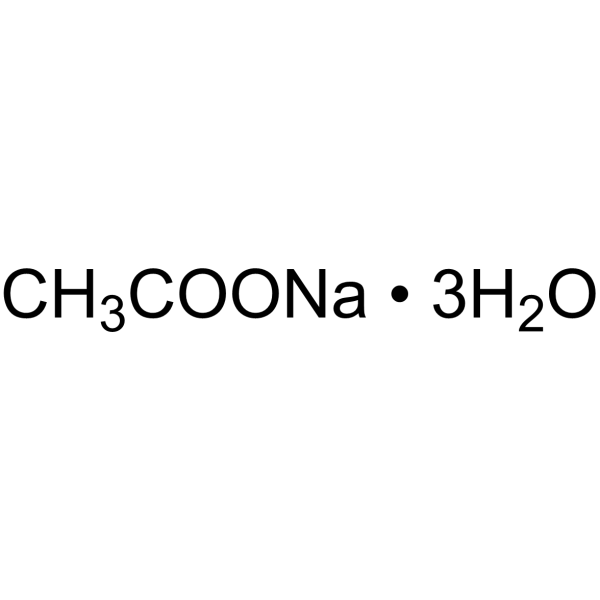
    Sodium acetate trihydrate is a carboxylic acid and short-chain fatty acid (SCFAs). Sodium acetate trihydrate activates AMPK, increases ROS, cleaved caspase 9, PPARα, downregulates SREBP-1c, ChREBP expression. Sodium acetate trihydrate exhibits antifungal activity against Saccharomyces cerevisiae W303-1A. Sodium acetate trihydrate regulates energy metabolism. Sodium acetate trihydrate has anticancer activity against gastric cancer. Sodium acetate trihydrate induces writhing reaction and ulcerative colitis. Sodium acetate trihydrate can be used in the researches for gastric cancer, ulcerative colitis, hepatic steatosis, and pain .
    Sodium acetate trihydrate, meets analytical specification of Ph. Eur. BP USP FCC E262, ≤0.00002% Al
  • HY-P10709

    Collagen Cardiovascular Disease Cancer
    CREKA peptide is a selective non-covalent binding agent targeting fibrin, type IV collagen, and fibronectin, often used as a targeting ligand to modify delivery carriers. CREKA peptide specifically recognizes fibrin, fibronectin, and type IV collagen that are excessively deposited in the tumor microenvironment or fibrotic tissue, mediating the targeted accumulation of the carrier at the lesion site and promoting drug internalization into target cells (such as cancer cells and activated hepatic stellate cells). CREKA peptide can enhance targeted delivery efficiency, increase drug concentration at the lesion site, and reduce systemic side effects .
    CREKA peptide
  • HY-N0712
    Typhaneoside
    3 Publications Verification

    Autophagy mTOR Akt FXR Cardiovascular Disease Neurological Disease Metabolic Disease Cancer
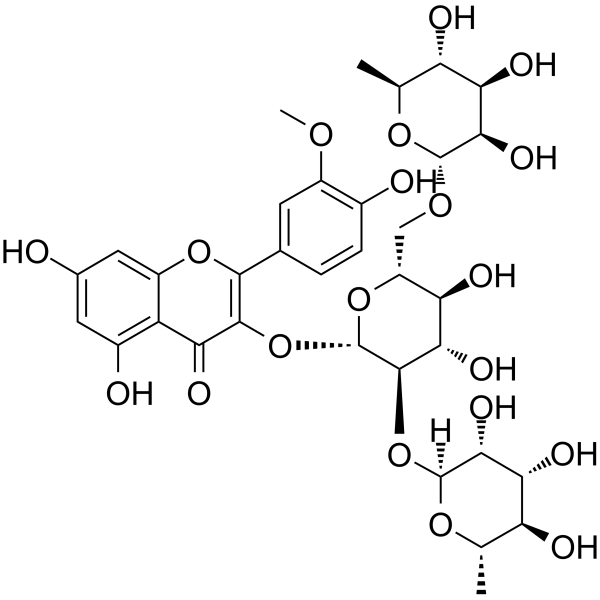
    Typhaneoside is an orally bioavailable signal modulator and cellular regulator. Typhaneoside regulates the PI3K/Akt/mTOR autophagy transduction pathway. Typhaneoside promotes the activation of AMP-activated protein kinase and Caspase-3, induces apoptosis, ferroptosis, autophagy, ROS accumulation, and cell cycle arrest at the G2/M phase, and reduces cancer cell viability. Typhaneoside activates the farnesoid X receptor signaling pathway, improves glucose and lipid metabolism, alleviates inflammatory responses, oxidative stress and hepatic lipid accumulation, and exerts hepatoprotective effects. Typhaneoside is applicable to research related to post-myocardial infarction heart failure, acute myeloid leukemia, non-alcoholic fatty liver disease, and neurological disorders .
    Typhaneoside
  • HY-Y0319G

    Endogenous Metabolite AMPK Reactive Oxygen Species (ROS) Caspase Fungal PPAR Infection Neurological Disease Metabolic Disease Inflammation/Immunology Cancer
    Magnesium acetate tetrahydrate is a carboxylic acid and short-chain fatty acid (SCFAs). Magnesium acetate tetrahydrate activates AMPK, increases ROS, cleaved caspase 9, PPARα, downregulates SREBP-1c, ChREBP expression. Magnesium acetate tetrahydrate exhibits antifungal activity against Saccharomyces cerevisiae W303-1A. Magnesium acetate tetrahydrate regulates energy metabolism. Magnesium acetate tetrahydrate has anticancer activity against gastric cancer. Magnesium acetate tetrahydrate induces writhing reaction and ulcerative colitis. Magnesium acetate tetrahydrate can be used in the researches for gastric cancer, ulcerative colitis, hepatic steatosis, and pain .
    Magnesium acetate tetrahydrate
  • HY-P3016A

    EC 2.6.1.1, porcine heart; GOT, porcine heart; AST, porcine heart

    Aminotransferases (Transaminases) Cardiovascular Disease
    Aspartate aminotransferase (EC 2.6.1.1), porcine heart is a metabolic regulator with the highest activity in the heart, liver and skeletal muscle. Aspartate aminotransferase, porcine heart comprises two isozymes: the cytoplasmic form (AST1) and the mitochondrial form (AST2). By catalyzing reversible transamination reactions between oxaloacetate, L-glutamate and other substances, it is deeply involved in key physiological processes such as amino acid metabolism, the tricarboxylic acid cycle and neurotransmitter synthesis. Aspartate aminotransferase, porcine heart also provides substrate support for the synthesis of urea and purines/pyrimidines. Aspartate aminotransferase, porcine heart is a serum marker reflecting cardiac and hepatic injury, and its abnormal levels are also closely associated with myocardial infarction, cardiovascular diseases and various cancers .
    Aspartate aminotransferase, porcine heart
  • HY-110390

    Carboxylesterase (CES) Free Fatty Acid Receptor Reactive Oxygen Species (ROS) Mitochondrial Metabolism Ferroptosis Apoptosis Cardiovascular Disease Cancer
    GR148672X is an inhibitor of carboxylesterase 1 (CES1) and hepatic microsomal triglyceride hydrolase (TGH). GR148672X blocks the catalytic activity of CES1, impairs the functions of triglyceride and cholesteryl ester lipase, reduces triglyceride mobilization and secretion, and decreases apolipoprotein B-100 secretion in primary rat hepatocytes. Under low-glucose conditions, GR148672X inhibits the survival of colorectal cancer cells by reducing free fatty acid availability, inducing toxic triglyceride accumulation, ROS production, mitochondrial damage, ferroptosis and apoptosis. GR148672X can be used in studies related to colorectal cancer and atherosclerosis .
    GR148672X
  • HY-B2099A
    Buformin hydrochloride
    3 Publications Verification

    1-Butylbiguanide hydrochloride

    AMPK Cancer
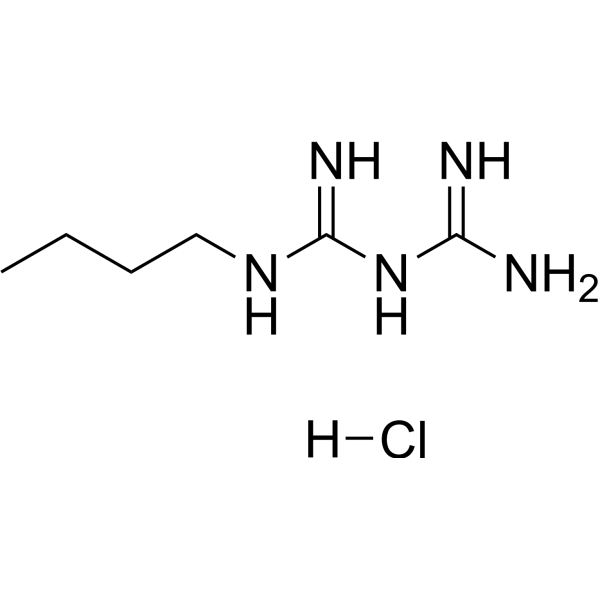
    Buformin hydrochloride (1-Butylbiguanide hydrochloride), a potent AMPK activator, acts as an orally active biguanide antidiabetic agent. Buformin hydrochloride decreases hepatic gluconeogenesis and lowers blood glucose production in vivo. Buformin hydrochloride also has anti-cancer activities and is applied in cancer study (such as, cervical cancer and breast cancer, et al) .
    Buformin hydrochloride
  • HY-B0653A
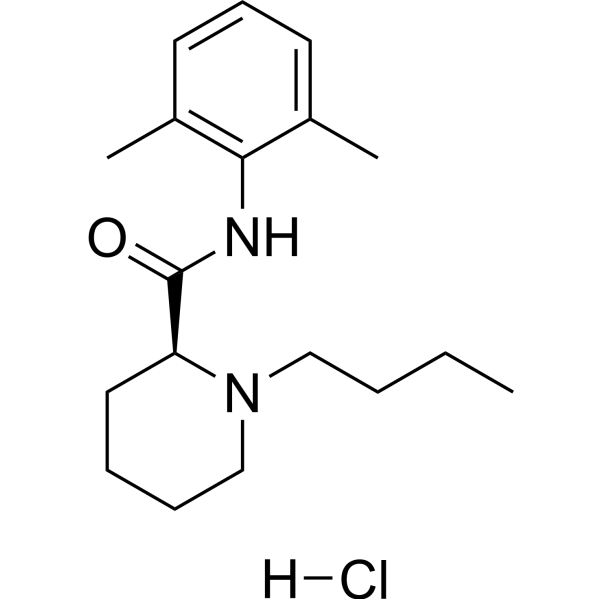
    Levobupivacaine hydrochloride
    2 Publications Verification

    (S)-(-)-Bupivacaine monohydrochloride

    Sodium Channel Ferroptosis Cardiovascular Disease Neurological Disease Cancer
    Levobupivacaine hydrochloride ((S)-(-)-Bupivacaine monohydrochloride) is a long-acting amide local agent that can suppress or relieve pain. Levobupivacaine hydrochloride exerts agent that can suppress or relieve pain. and analgesic effects through reversible blockade of neuronal sodium channel. Levobupivacaine hydrochloride can inhibit impulse transmission and conduction in cardiovascular and other tissues, possessing certain cardiac and CNS toxicity. Levobupivacaine hydrochloride is metabolized by hepatic cytochrome P450 (CYP450) enzymes in vivo. Levobupivacaine hydrochloride can also induce ferroptosis by miR-489-3p/SLC7A11 signaling in gastric cancer .
    Levobupivacaine hydrochloride
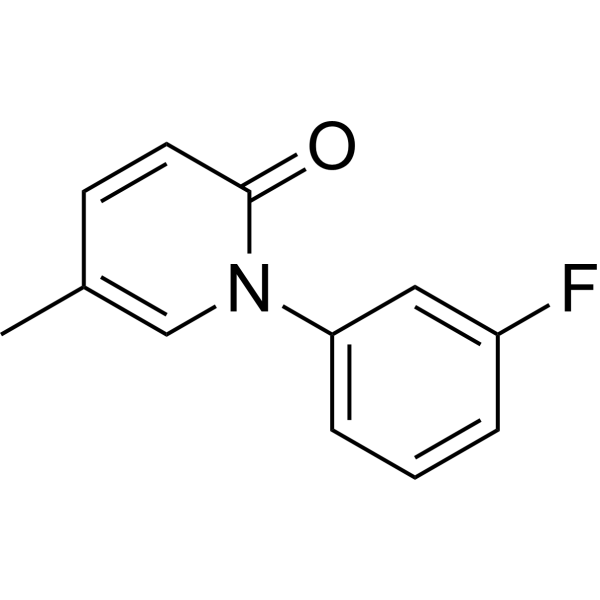
  • HY-121246
    Fluorofenidone
    1 Publications Verification

    AKF-PD

    ACSL Family NF-κB ERK TGF-beta/Smad Inflammation/Immunology Cancer
    Fluorofenidone (AKF-PD) is an orally active compound with anti-fibrotic, antioxidant, and anti-inflammatory pharmacological effects. Fluorofenidone downregulates the expression of ACSL4, upregulates GPX4 expression and inhibits the NF-κB signaling pathway to alleviate inflammation and fibrosis. Fluorofenidone ameliorates cholestasis and fibrosis by inhibiting hepatic Erk/-Egr-1 signaling and Tgfβ1/Smad pathway in mice. Fluorofenidone demonstrates protective effects against chronic lung injury in mice. Fluorofenidone can be used for the study of chronic obstructive pulmonary disease (COPD), pulmonary interstitial fibrosis (PIF) and non-small cell lung cancer (NSCLC) .
    Fluorofenidone
  • HY-114118S1

    Isotope-Labeled Compounds GLP Receptor Insulin Receptor α-synuclein Apoptosis p38 MAPK Autophagy Bcl-2 Family Neurological Disease Metabolic Disease Cancer
    Semaglutide-d8 tetraTFA is the deuterium labeled Semaglutide (HY-114118). Semaglutide is a long-acting, selective, competitive GLP-1R agonist that can penetrate the blood-brain barrier. After activating GLP-1R, Semaglutide promotes insulin secretion, inhibits gastric emptying and appetite, and at the same time enhances autophagy, inhibits oxidative stress and apoptosis. Semaglutide also regulates mitochondrial function and lipid metabolism (such as reducing de novo lipogenesis in the liver). Semaglutide has activities such as lowering blood sugar, reducing weight, neuroprotection (such as improving motor function in Parkinson's disease models, reducing α-synuclein aggregation) and improving hepatic steatosis. Semaglutide can be used for the study of neurodegenerative diseases and liver diseases such as type 2 diabetes, obesity, Parkinson's disease, metabolic associated fatty liver disease (MASLD), and cancer .
    Semaglutide-d8 tetraTFA
  • HY-114118S

    Isotope-Labeled Compounds GLP Receptor Insulin Receptor α-synuclein Apoptosis p38 MAPK Autophagy Bcl-2 Family Neurological Disease Metabolic Disease Cancer
    Semaglutide-d8 is the deuterium labeled Semaglutide (HY-114118). Semaglutide is a long-acting, selective, competitive GLP-1R agonist that can penetrate the blood-brain barrier. After activating GLP-1R, Semaglutide promotes insulin secretion, inhibits gastric emptying and appetite, and at the same time enhances autophagy, inhibits oxidative stress and apoptosis. Semaglutide also regulates mitochondrial function and lipid metabolism (such as reducing de novo lipogenesis in the liver). Semaglutide has activities such as lowering blood sugar, reducing weight, neuroprotection (such as improving motor function in Parkinson's disease models, reducing α-synuclein aggregation) and improving hepatic steatosis. Semaglutide can be used for the study of neurodegenerative diseases and liver diseases such as type 2 diabetes, obesity, Parkinson's disease, metabolic associated fatty liver disease (MASLD), and cancer .
    Semaglutide-d8
  • HY-Y0496

    Insecticide Environmental Pollutants Mitosis Cancer
    1,4-Dichlorobenzene is a non-genotoxic, orally active mitogenic/tumor-promoting carcinogen that is also widely used as a dye, resin intermediate, and deodorant, moth repellent/insecticide. 1,4-Dichlorobenzene induces liver tumors in mice and promotes the growth of spontaneous precancerous lesions, but shows no liver tumor-inducing activity in F344 rats. Exposure to 1,4-dichlorobenzene leads to elevated leukocyte counts, serum alanine aminotransferase, and blood urea nitrogen levels. Due to the hepatotoxic characteristics, 1,4-Dichlorobenzene is applicable to liver cancer-related research .
    1,4-Dichlorobenzene
  • HY-P2989

    Endogenous Metabolite Metabolic Disease Cancer
    Pyruvate carboxylase is a key mitochondrial anaplerotic enzyme that catalyzes the conversion of pyruvate to oxaloacetate. Pyruvate carboxylase not only maintains tricarboxylic acid cycle activity and redox homeostasis, but also drives hepatic gluconeogenesis and fatty acid synthesis. The activity of Pyruvate carboxylase is upregulated in insulin-resistant states, exacerbating hepatic glucose production. Pyruvate carboxylase also shows significantly enhanced expression in early-stage non-small cell lung cancer (NSCLC). Pyruvate carboxylase promotes tumor proliferation by supporting nucleotide and lipid synthesis, and its functional deficiency cannot be compensated by glutaminolysis. Pyruvate carboxylase can be used in the research of prediabetes type 2 and NSCLC .
    Pyruvate carboxylase
  • HY-162353

    Cancer
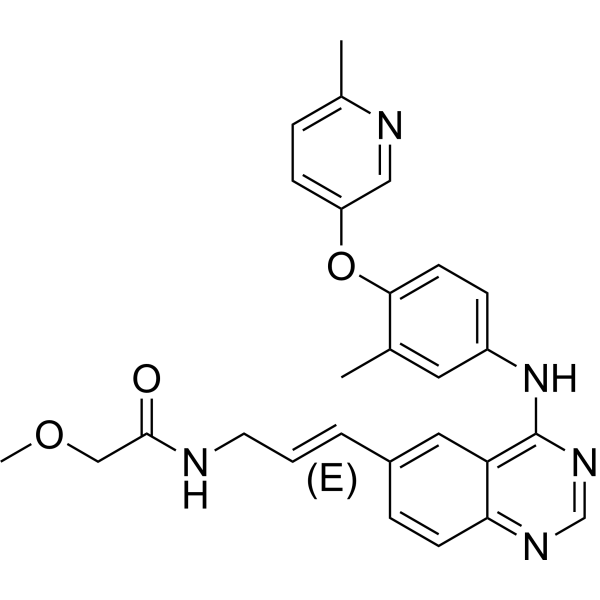
    AZ'9567 is an orally active MAT2a inhibitor with a pIC50 of 9.1. AZ'9567 binds to MAT2a allosterically, reduces the synthesis of SAM, decreases SDMA levels, and exerts antiproliferative effects on MTAP-knockout cells. AZ'9567 depletes SAM, causes methionine accumulation in plasma and tissues, triggers adaptive disorders in one-carbon metabolism, transsulfuration metabolism and lipid metabolism, and induces oxidative stress, hepatic steatosis and lipid homeostasis imbalance. AZ'9567 can be used in studies related to MTAP-deficient/deleted cancers .
    AZ'9567
  • HY-P3016

    EC 2.6.1.1; GOT; AST

    Aminotransferases (Transaminases) Cardiovascular Disease
    Aspartate aminotransferase (EC 2.6.1.1), Genetically engineered bacteria is a metabolic regulator with the highest activity in the heart, liver and skeletal muscle. Aspartate aminotransferase, Genetically engineered bacteria comprises two isozymes: the cytoplasmic form (AST1) and the mitochondrial form (AST2). By catalyzing reversible transamination reactions between oxaloacetate, L-glutamate and other substances, it is deeply involved in key physiological processes such as amino acid metabolism, the tricarboxylic acid cycle and neurotransmitter synthesis. Aspartate aminotransferase, Genetically engineered bacteria also provides substrate support for the synthesis of urea and purines/pyrimidines. Aspartate aminotransferase, Genetically engineered bacteria is a serum marker reflecting cardiac and hepatic injury, and its abnormal levels are also closely associated with myocardial infarction, cardiovascular diseases and various cancers .
    Aspartate aminotransferase, Genetically engineered bacteria
  • HY-N13250

    Apoptosis AMPK Elastase Bcl-2 Family Interleukin Related Caspase PI3K Akt SOD Cardiovascular Disease
    Hawthorn Extract is an orally active hawthorn extract. Hawthorn Extract decreases Bax expression and increases Bcl-2 expression in the aorta. Hawthorn Extract regulates the AMPK signaling pathway, induces apoptosis, enhances the hepatic antioxidant system, and ameliorates symptoms of liver injury, inflammation and cancer. Hawthorn Extract reduces plasma levels of pro-inflammatory factors, increases plasma levels of anti-inflammatory adiponectin, and alleviates atherosclerotic plaque lesions in the aorta. Hawthorn Extract improves symptoms associated with chronic heart failure . Hawthorn Extract inhibits FMLP-induced superoxide anion production, Elastase release, ILB4 generation and calcium signaling in neutrophils, and also reduces LPS-induced cytokine production in neutrophils. Hawthorn Extract induces autophagy and inhibits the proliferation of intestinal stem cells. Hawthorn Extract can be used in research related to atherosclerosis, hepatitis, alcoholic liver disease, non-alcoholic fatty liver disease, hepatocellular carcinoma, chronic heart failure and hypotension .
    Hawthorn Extract
  • HY-136591

    Drug Metabolite Neurological Disease Cancer
    Demoxepam is a major metabolite of Chlordiazepoxide. Demoxepam exhibits cytotoxicity activity against cancer cell lines. Demoxepam has anticonvulsant and anxiolytic effects. Demoxepam has an inhibitory effect on in vitro [ 3H]tryptophan binding to rat hepatic nuclei .
    Demoxepam
  • HY-W001084

    Others Infection Cancer
    Methyl 4-hydroxyphenylacetate is a compound found in the marine fungus Penicillium oxalicum 0312F1. Methyl 4-hydroxyphenylacetate can be Methyl 4-hydroxyphenylacetate inhibits replication of tobacco mosaic virus (TMV) in Nicotiana tabacum leaf discs. Methyl 4-hydroxyphenylacetate shows inhibitory activity against proliferation of cancer cells. Methyl 4-hydroxyphenylacetate can be used for the researches of TMV infection and cancer .
    Methyl 4-hydroxyphenylacetate
  • HY-W006398S

    Anhydrous sodium acetate-d3

    Isotope-Labeled Compounds Neurological Disease Inflammation/Immunology Cancer
    Acetic acid-d3 sodium is the deuterium labeled Acetic acid (HY-Y0319) . Acetic acid is a carboxylic acid and short-chain fatty acid (SCFAs). Acetic acid activates AMPK, increases ROS, cleaved caspase 9, PPARα, downregulates SREBP-1c, ChREBP expression. Acetic acid exhibits antifungal activity against Saccharomyces cerevisiae W303-1A. Acetic acid regulates energy metabolism. Acetic acid has anticancer activity against gastric cancer. Acetic acid induces writhing reaction and ulcerative colitis. Acetic acid can be used in the researches for gastric cancer, ulcerative colitis, hepatic steatosis, and pain.
    Acetic acid-d3 sodium
  • HY-Y0319D

    Endogenous Metabolite AMPK Reactive Oxygen Species (ROS) Caspase Fungal PPAR Infection Neurological Disease Metabolic Disease Inflammation/Immunology Cancer
    Acetic acid lead is a carboxylic acid and short-chain fatty acid (SCFAs). Magnesium acetate tetrahydrate activates AMPK, increases ROS, cleaved caspase 9, PPARα, downregulates SREBP-1c, ChREBP expression. Acetic acid lead exhibits antifungal activity against Saccharomyces cerevisiae W303-1A. Acetic acid lead regulates energy metabolism. Acetic acid lead has anticancer activity against gastric cancer. Acetic acid lead induces writhing reaction and ulcerative colitis. Acetic acid lead can be used in the researches for gastric cancer, ulcerative colitis, hepatic steatosis, and pain .
    Acetic acid lead
  • HY-W020788

    CGA 154281

    Environmental Pollutants Glutathione S-transferase Estrogen Receptor/ERR Pregnane X Receptor (PXR) FXR Metabolic Disease Cancer
    Benoxacor (CGA 154281) is a herbicide safener and xenobiotic metabolism regulator. Benoxacor protects maize from the toxicity of metolachlor mainly by inducing detoxifying enzymes such as Glutathione S-transferase. Benoxacor also activates FXR, PXR and ERRα, and inhibits aromatase (aromatase). However, Benoxacor exhibits potential subacute oral toxicity and a high risk of hepatotoxicity in animal models. Benoxacor induces reactive oxygen species accumulation, interferes with embryonic heart development, and causes increased liver and kidney weights as well as alterations in gut microbiota in mice. Benoxacor can be used in studies related to hepatic steatosis, infertility, breast cancer and developmental toxicity .
    Benoxacor
  • HY-Y1269D

    Salmiac, for molecular biology

    TGF-beta/Smad Apoptosis Chloride Channel Neurological Disease Cancer
    Ammonium chloride (Salmiac), for molecular biology is an inhibitor of Slc26a4 and SMAD2. Ammonium chloride, for molecular biology reduces the protein expression level of Slc26a4 in lung tissue, and attenuates ozone-induced increases in proinflammatory cytokines, inflammatory cells, pulmonary resistance, goblet cell hyperplasia, peribronchial inflammation and thiocyanate levels in mouse tissues and bronchoalveolar lavage fluid. Ammonium chloride, for molecular biology decreases the level of phosphorylated SMAD2, inhibits autophagy by reducing autophagy-related proteins, and enhances Cisplatin (HY-17394)-induced cancer cell apoptosis and DNA double-strand breaks. Ammonium chloride, for molecular biology also inhibits the TCA cycle, reduces ATP production, increases glucose utilization, regulates the levels of lactic acid, glutamic acid and ATP, and induces morphological degeneration of neuroblastoma cells. Ammonium chloride, for molecular biology can be used in studies related to ozone-induced airway injury, hepatocellular carcinoma, human cervical cancer, hepatic encephalopathy, Reye syndrome, epilepsy and neurodegenerative diseases .
    Ammonium chloride, for molecular biology
  • HY-B2099

    1-Butylbiguanide

    AMPK Metabolic Disease Cancer
    Buformin (1-Butylbiguanide), a potent AMPK activator, acts as an orally active biguanide antidiabetic agent. Buformin decreases hepatic gluconeogenesis and lowers blood glucose production in vivo. Buformin also has anti-cancer activities and is applied in cancer study (such as, cervical cancer and breast cancer, et al) .
    Buformin
  • HY-Y0817R

    Anhydrous sodium acetate (Standard)

    Reference Standards Cancer
    Acetic acid sodium (Standard) (Anhydrous sodium acetate (Standard) is the analytical standard of Anhydrous sodium acetate. This product is intended for research and analytical applications. Acetic acid is a carboxylic acid and short-chain fatty acid (SCFAs). Acetic acid activates AMPK, increases ROS, cleaved caspase 9, PPARα, downregulates SREBP-1c, ChREBP expression. Acetic acid exhibits antifungal activity against Saccharomyces cerevisiae W303-1A. Acetic acid regulates energy metabolism. Acetic acid has anticancer activity against gastric cancer. Acetic acid induces writhing reaction and ulcerative colitis. Acetic acid can be used in the researches for gastric cancer, ulcerative colitis, hepatic steatosis, and pain .
    Acetic acid sodium (Standard)
  • HY-B0653
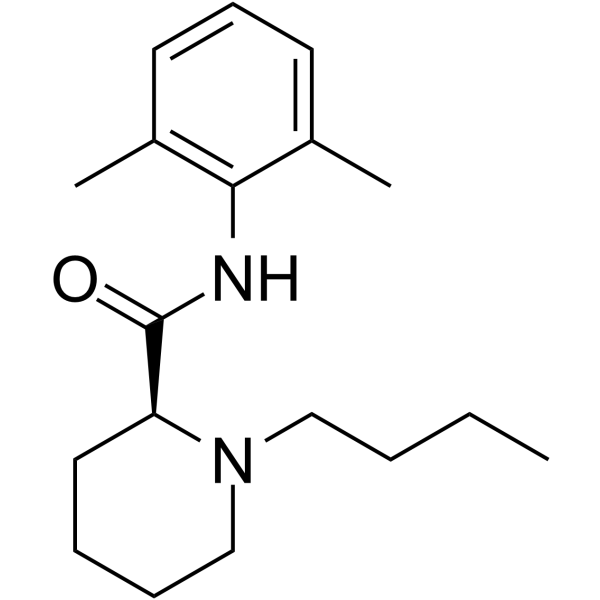
    Levobupivacaine
    2 Publications Verification

    (S)-(-)-Bupivacaine

    Sodium Channel Ferroptosis Neurological Disease Cancer
    Levobupivacaine ((S)-(-)-Bupivacaine) is a long-acting amide local agent that can suppress or relieve pain. Levobupivacaine exerts agent that can suppress or relieve pain. and analgesic effects through reversible blockade of neuronal sodium channel. Levobupivacaine can inhibit impulse transmission and conduction in cardiovascular and other tissues, possessing certain cardiac and CNS toxicity. Levobupivacaine is metabolized by hepatic cytochrome P450 (CYP450) enzymes in vivo. Levobupivacaine can also induce ferroptosis by miR-489-3p/SLC7A11 signaling in gastric cancer .
    Levobupivacaine
  • HY-141439

    Keap1-Nrf2 Quinone Reductase Glutathione S-transferase Apoptosis TNF Receptor Inflammation/Immunology Cancer
    TBE 31 is an orally active Keap1/Nrf2 pathway activator and NQO1 inducer with a Dm value of 1.1 nM for NQO1. TBE 31 binds to cysteine residues of Keap1, inhibits ubiquitination and degradation of Nrf2, thereby activating the expression of ARE-dependent genes. TBE 31 induces cytoprotective enzymes including NQO1 and GST isoforms, promotes Nrf2 accumulation, and upregulates Nrf2-regulated genes related to antioxidation and lipid metabolism. TBE 31 inhibits pro-inflammatory responses, formation of AFB1-DNA adducts, endoplasmic reticulum stress, cell apoptosis (apoptosis), hepatic fibrosis, oxidative stress, and the expression of ChREBP. TBE 31 reduces the number of tumors in a mouse model of ultraviolet-induced skin carcinogenesis. TBE 31 enhances nerve growth factor-induced neurite outgrowth. TBE 31 attenuates LPS-induced serum TNF-α levels and immobility time in mice. TBE 31 can be used in research related to liver cancer, skin cancer, inflammation-related depression, and non-alcoholic steatohepatitis .
    TBE 31
  • HY-10585AR

    Sodium Valproate (Standard); VPA sodium (Standard); 2-Propylpentanoic acid sodium (Standard)

    Organoid Reference Standards HDAC Autophagy Mitophagy HIV Notch Apoptosis Endogenous Metabolite Infection Neurological Disease Metabolic Disease Cancer
    Valproic acid (sodium) (Standard) is the analytical standard of Valproic acid (sodium). This product is intended for research and analytical applications. Valproic acid (Sodium Valproate) sodium is an orally active HDAC inhibitor, with IC50 in the range of 0.5 and 2 mM, also inhibits HDAC1 (IC50, 400 μM), and induces proteasomal degradation of HDAC2. Valproic acid sodium activates Notch1 signaling and inhibits proliferation in small cell lung cancer (SCLC) cells. Valproic acid sodium is used in the treatment of epilepsy, bipolar disorder, metabolic disease, HIV infection and prevention of migraine headaches .
    Valproic acid sodium (Standard)
  • HY-10585B

    Sodium Valproate (2:1); VPA sodium (2:1); 2-Propylpentanoic acid sodium (2:1)

    HDAC Autophagy Mitophagy HIV Notch Apoptosis Endogenous Metabolite Infection Neurological Disease Metabolic Disease Cancer
    Valproic acid (VPA) sodium (2:1) is an orally active HDAC inhibitor, with IC50 in the range of 0.5 and 2 mM, also inhibits HDAC1 (IC50, 400 μM), and induces proteasomal degradation of HDAC2. Valproic acid sodium (2:1) activates Notch1 signaling and inhibits proliferation in small cell lung cancer (SCLC) cells. Valproic acid sodium (2:1) is used in the treatment of epilepsy, bipolar disorder, metabolic disease, HIV infection and prevention of migraine headaches .
    Valproic acid sodium (2:1)

Inquiry Online

Your information is safe with us. * Required Fields.

Salutation


Country or Region *

Applicant Name *


Organization Name *

Department *


Email Address *


Product Name *

Cat. No.


Requested quantity *

Phone Number *


Remarks

Inquiry Online

Inquiry Information

Product Name:
Cat. No.:
Quantity:
MCE Japan Authorized Agent:

