

Delivery of temperature sensitive items including proteins and kits will be paused on 6/19 for the Juneteenth holiday. For urgent orders please contact customer service.
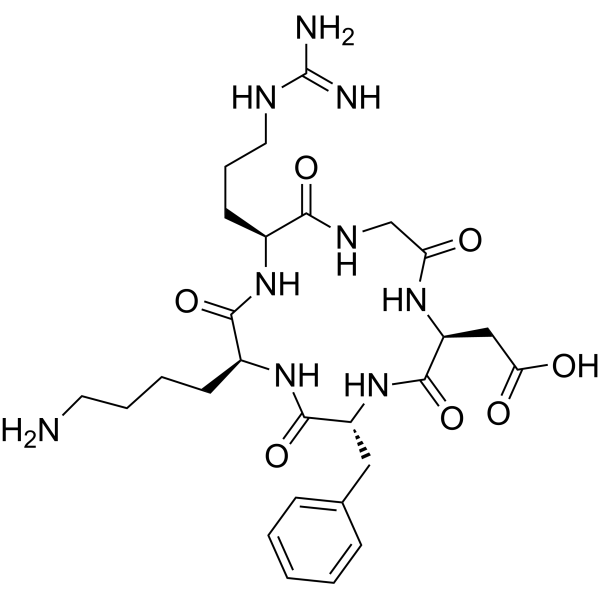
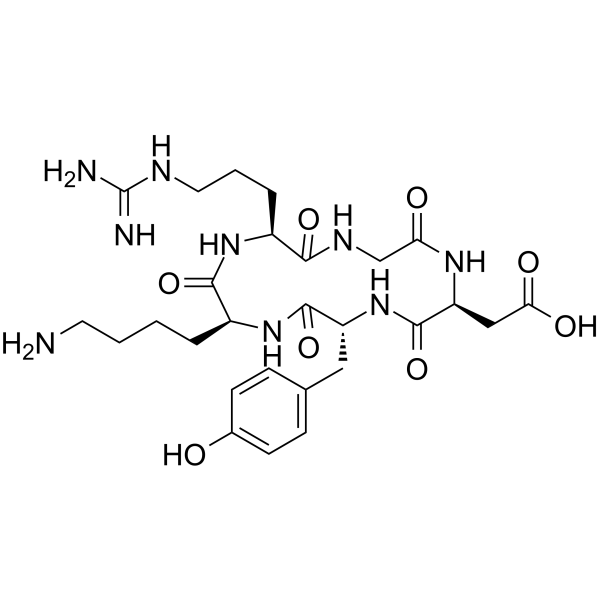
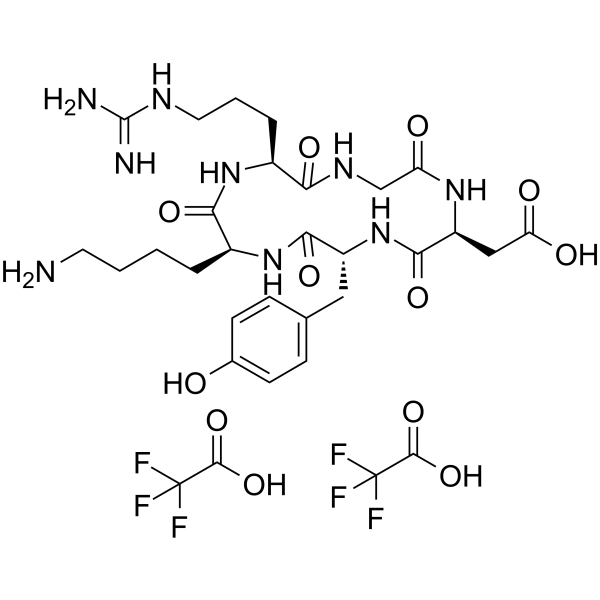
Cyclo(-RGDfK) is a potent and selective inhibitor of the αvβ3integrin, with an IC50 of 0.94 nM. Cyclo(-RGDfK) potently targets tumor microvasculature and cancer cells through the specific binding to the αvβ3integrin on the cell surface .
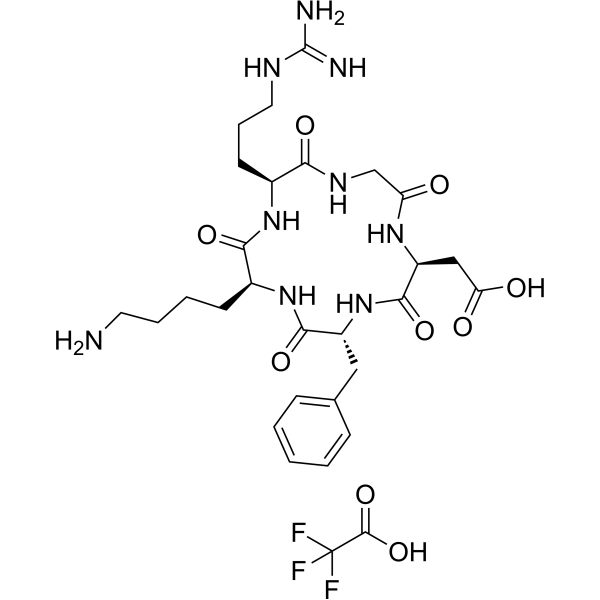
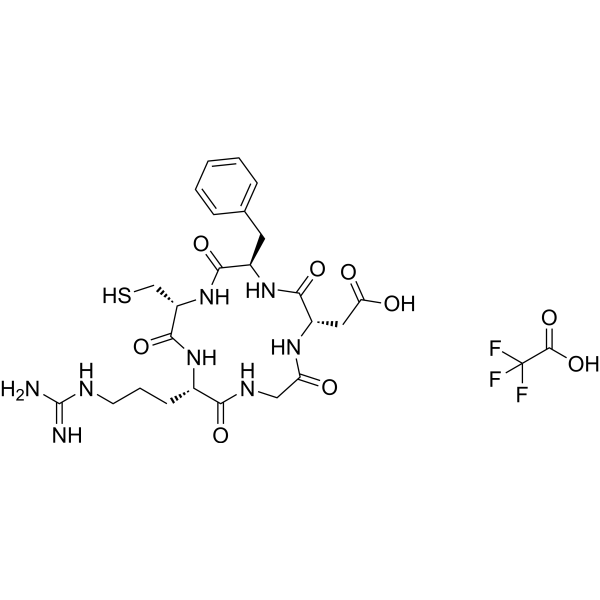
Cyclo(-RGDfK) TFA is a potent and selective inhibitor of the αvβ3integrin, with an IC50 of 0.94 nM . Cyclo(-RGDfK) TFA potently targets tumor microvasculature and cancer cells through the specific binding to the αvβ3integrin on the cell surface .
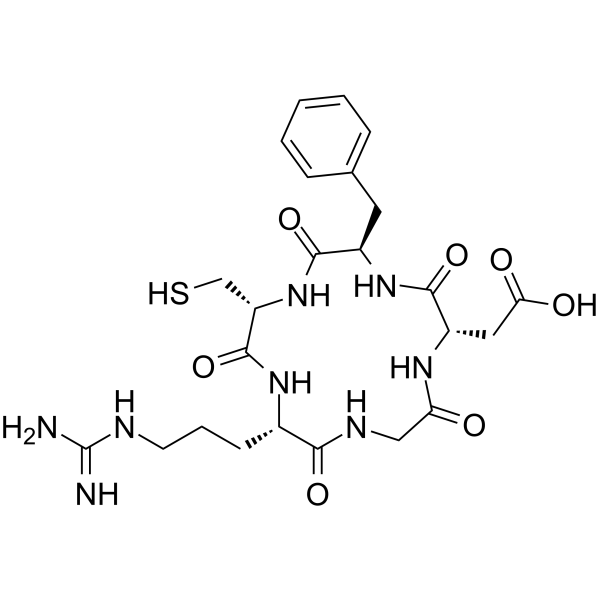
Cyclo(Arg-Gly-Asp-D-Phe-Cys) (Cyclo RGDfC), a cyclic RGD peptide which has high affinity to αvβ3, can disrupt cell integrin interactions. Cyclo(Arg-Gly-Asp-D-Phe-Cys) inhibits pluripotent marker expression in embryonic stem cells (ESCs) and the tumorigenic potential of mESCs in vivo. Cyclo(Arg-Gly-Asp-D-Phe-Cys) can be used in the research of tumors .
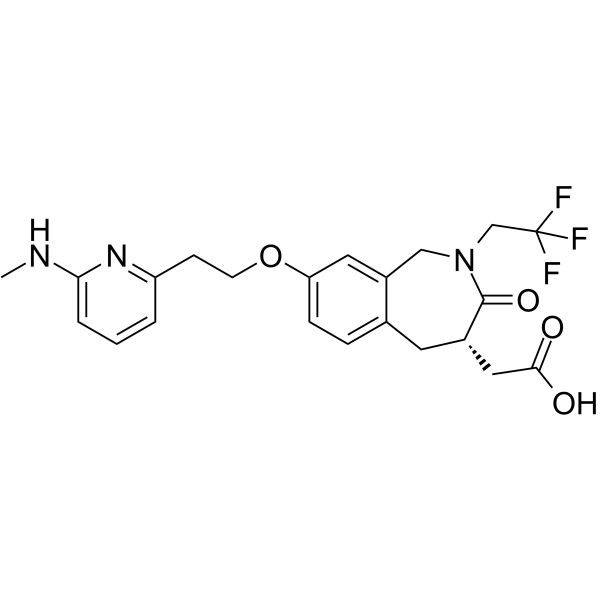
MK-0429 (L-000845704) is an orally active, potent, selective and nonpeptide pan-integrin antagonist with IC50 values of 1.6 nM, 2.8 nM, 0.1 nM, 0.7 nM, 0.5 nM and 12.2 nM for αvβ1, αvβ3, αvβ5, αvβ6, αvβ8 and α5β1, respectively .
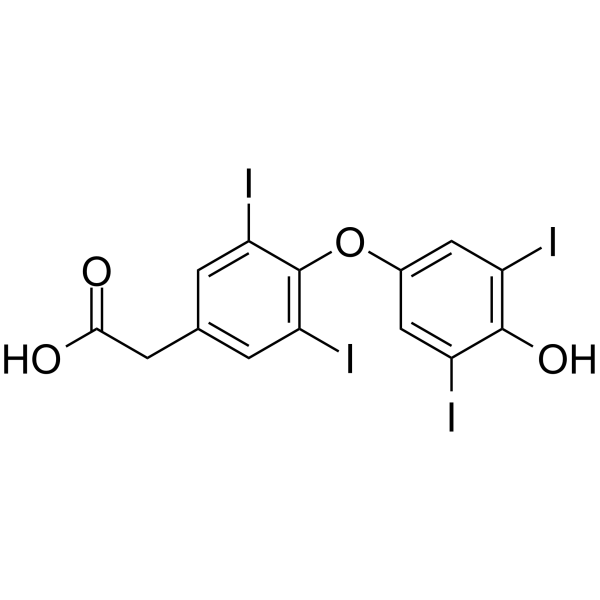
Tetrac (Tetraiodothyroacetic acid), a derivative of L-thyroxine (T4), is a thyrointegrin receptor antagonist. Tetrac blocks the actions of T4 and 3,5,3'-triiodo-L-thyronine (T3) at the cell surface receptor for thyroid hormone on integrin αvβ3. Tetra has anti-angiogenic and anti-tumor activities .
OSU-T315 (ILK-IN-1) is a small Integrin-linked kinase (ILK) inhibitor with an IC50 of 0.6 μM, inhibiting PI3K/AKT signaling by dephosphorylation of AKT-Ser473 and other ILK targets (GSK-3β and myosin light chain) . OSU-T315 abrogates AKT activation by impeding AKT localization in lipid rafts and triggers caspase-dependent apoptosis in an ILK-independent manner . OSU-T315 causes cell death through apoptosis and autophagy .
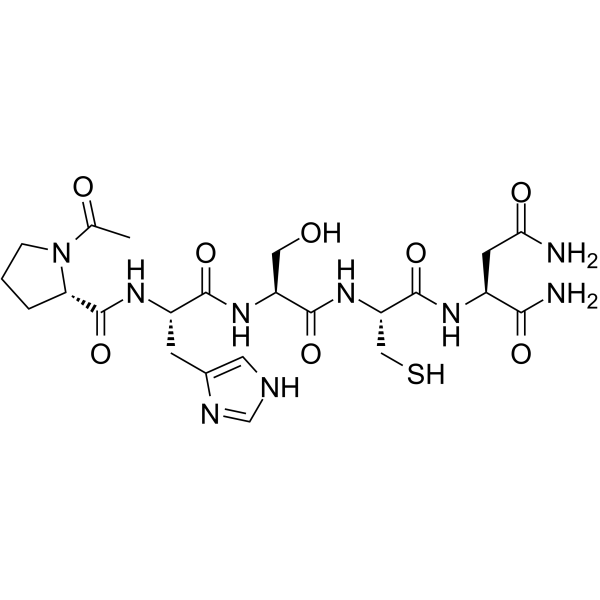
Synstatin (92-119) is an inhibitor of αvβ3/αvβ5 integrins and IGF1R with anti-angiogenic, anti-proliferative, antioxidant and anti-tumor activities. Synstatin (92-119) competitively blocks the capture of αvβ3/αvβ5integrins and IGF1R by syndecan-1, disrupts the formation of the syndecan-1 : integrin : IGF1R ternary complex, inhibits integrin activation and talin-mediated signaling pathways, and blocks VEGF-induced angiogenesis. Synstatin (92-119) is applicable to research related to cancer and hepatocellular carcinoma .
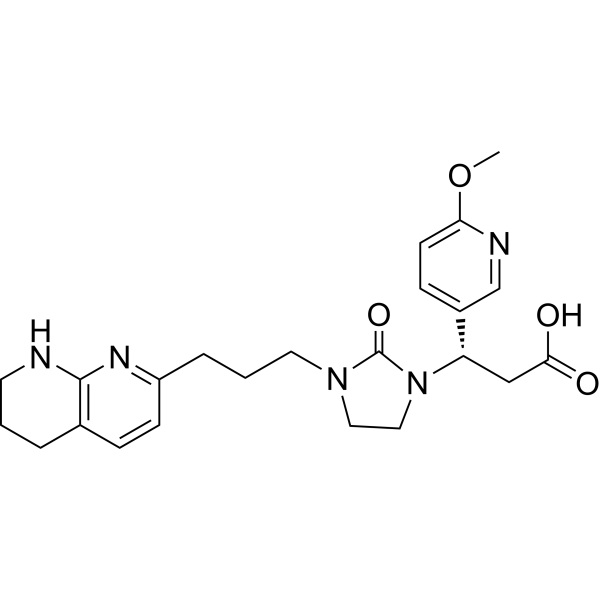
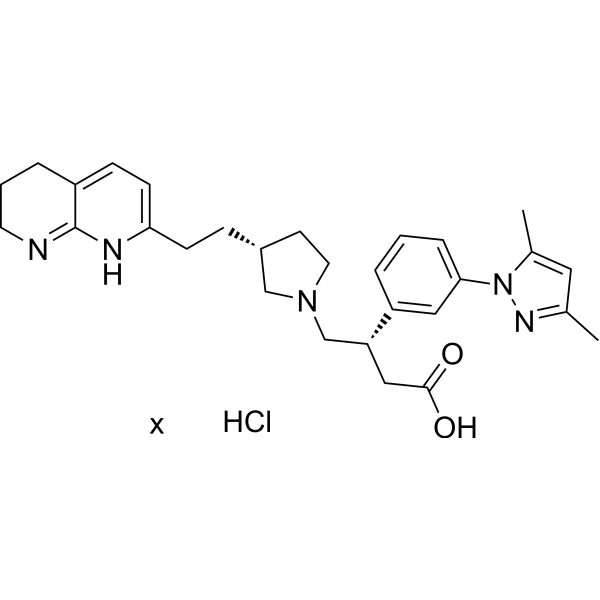
GSK 3008348 is a small molecule antagonist of integrinαvβ6 with IC50 values for αvβ6, αvβ1, αvβ3, αvβ5, and αvβ8 are 1.50, 2.83, 12.53, 4.00, and 2.26 nM, respectively. GSK 3008348 can target the αvβ6integrin, inhibit TGF-β activation, and thereby alleviate the fibrotic process. GSK 3008348 prevents the binding of the foot-and-mouth disease virus (FMDV) to the αvβ6 integrin receptor on the surface of host cells, thereby inhibiting the entry of the virus. GSK 3008348 can be used for research on pulmonary fibrosis and various types of cancer .
SB-273005 is an orally active non-peptide αvβ3integrin antagonist with Ki values of 1.2 nM and 0.3 nM for αvβ3 and αvβ5, respectively. SB-273005 blocks the binding of integrins to the RGD sequence in the extracellular matrix. SB-273005 inhibits Rictor phosphorylation and reduces IL-10 secretion. SB-273005 inhibits inflammation, prevents bone loss, regulates vascular smooth muscle function, and reverses pregnancy-induced immune deviation. SB-273005 can be used in the study of rheumatoid arthritis, osteoporosis, and aneurysms. .
E (c (RGDfK)) 2 is a αvβ3integrin ligand and tumor-targeting agent. E (c (RGDfK)) 2 binds to αvβ3integrin, mediates receptor-mediated endocytosis of conjugated payloads, and inhibits integrin-dependent cell adhesion to fibrinogen. E (c (RGDfK)) 2 inhibits the proliferation of cancer cells and endothelial cells. E (c (RGDfK)) 2 preferentially accumulates in orthotopic mouse breast tumors and human ovarian cancer xenograft tumors. E (c (RGDfK)) 2 can be used in research related to glioblastoma, lung cancer, breast adenocarcinoma and ovarian cancer .
Etaracizumab (LM 609) is an αvβ3integrin IgG mAb. Etaracizumab is developed to target αvβ3+ cancer cells via NK cell-mediated cytotoxicity. Etaracizumab sterically hinders access of large ligands to the RGD-binding pocket, without obstructing it. Etaracizumab decreases p-Akt in vitro. Etaracizumab can decrease cancer proliferation and invasion. Etaracizumab induces tumor cell apoptosis, and inhibition ofαvβ3-mediated cell adhesion, endothelial cell migration and osteoclast-mediated bone resorption. Etaracizumab can be studied in anti-tumor research against cancers such as ovarian cancer, metastatic melanoma as well as advanced solid tumors. Recommend Isotype Control: Human IgG1 kappa, Isotype Control (HY-P99001) .
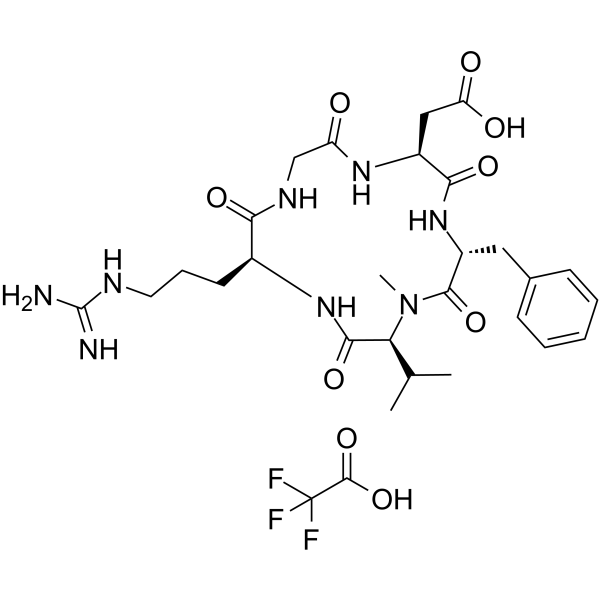
Cyclo(Arg-Gly-Asp-D-Phe-Val) (TFA) (Cyclo(RGDfV) (TFA))is an integrin αvβ3 inhibitor. Cyclo(Arg-Gly-Asp-D-Phe-Val) (TFA) has antitumor activity. Cyclo(Arg-Gly-Asp-D-Phe-Val) (TFA) can be used for the research of acute myeloid leukemia .
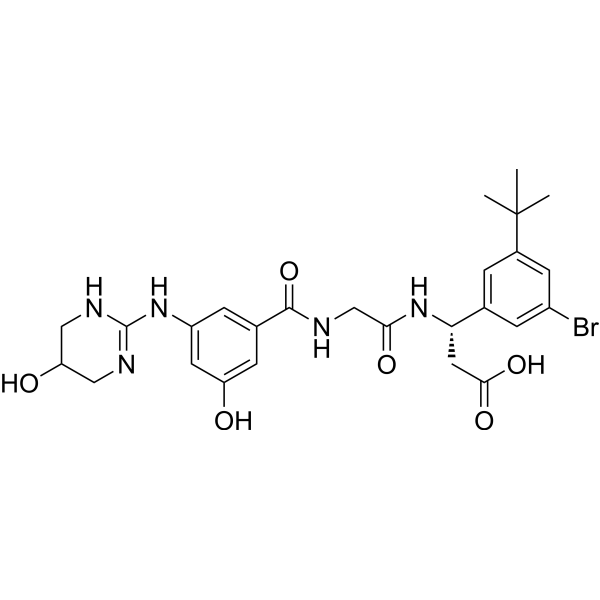
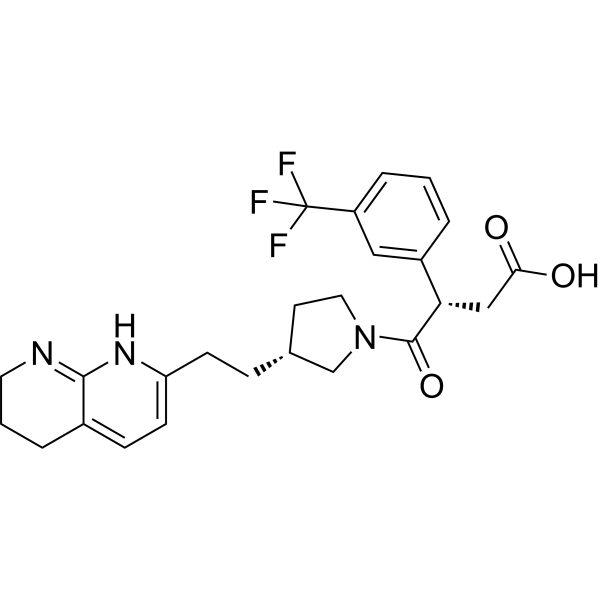
Integrin-IN-2 (compound 39) is an orally bioavailable pan αv integrin inhibitor. Integrin-IN-2 can increases the αvβ6, αvβ3, αvβ5 and αvβ8 binding affinities with pIC50 values of 7.8, 8.4, 8.4 and 7.4, respectively .
Fibrin is an insoluble protein found in blood that is produced in response to bleeding. As the main component of blood clots, fibrin functions in blood coagulation. Fibrin binds to the integrinsICAM-1, VE-cadherin, αIIbβ3, αMβ2, αvβ3 and α5β1. Fibrin is used in research related to chronic wounds .
GSK 3008348 hydrochloride is a small molecule antagonist of integrinαvβ6 with IC50 values for αvβ6, αvβ1, αvβ3, αvβ5, and αvβ8 are 1.50, 2.83, 12.53, 4.00, and 2.26 nM, respectively. GSK 3008348 hydrochloride can target the αvβ6integrin, inhibit TGF-β activation, and thereby alleviate the fibrotic process. GSK 3008348 hydrochloride prevents the binding of the foot-and-mouth disease virus (FMDV) to the αvβ6 integrin receptor on the surface of host cells, thereby inhibiting the entry of the virus. GSK 3008348 hydrochloride can be used for research on pulmonary fibrosis and various types of cancer .
Gly-Arg-Gly-Asp-Ser (GRGDS) is a pentapeptide that forms the cell-binding domain of a glycoprotein, osteopontin. Gly-Arg-Gly-Asp-Ser binds to integrin receptors αvβ3 and αvβ5 with estimated IC50 of ~5 and ~6.5 μM
ITGB3-IN-1 is an orally active integrin subunit beta 3ITGB3 inhibitor with a Kd of 7.26 μM. ITGB3-IN-1 exhibits potent anti-orthopoxvirus effects with an EC50 for vaccinia virus (VACV) of 1.82 μM. ITGB3-IN-1 inhibits hERG with an IC50 of 1.13 μM. ITGB3-IN-1 can be used for the study of orthopoxvirus .
Integrin antagonist 27 (Compound 27) is a small molecule integrinαvβ3 antagonist with an affinity of 18 nM. Integrin antagonist 27 can be combined with Paclitaxel (HY-B0015) to selectively target αvβ3-positive metastatic cancer cells. Integrin antagonist 27 is used as an anticancer agent .
LXW7, a cyclic peptide containing Arg-Gly-Asp (RGD), is an integrin αvβ3 inhibitor. LXW7 has a high binding affinity to αvβ3integrin with an IC50 of 0.68 μM. LXW7 increases phosphorylation of VEGFR-2 and activation of ERK1/2. Anti-inflammatory effect .
BOP sodium is a potent and selective dual α9β1/α4β1integrin inhibitor with Kd values in the picomolar range. BOP sodium shows the rapid and preferential mobilization of hematopoietic stem cell (HSC) and progenitors. BOP sodium has little inhibitory activity on α4β7, α1β1, α2β1, and α5β1, αIIBβ3integrins .
Cyclo(Arg-Gly-Asp-(D-Phe)-Glu) c(RGDfE) is a cyclic RGD peptide targeting integrin αvβ3. Cyclo(Arg-Gly-Asp-(D-Phe)-Glu) is commonly used for modifying drug loaded nanoparticles. Cyclo(Arg-Gly-Asp-(D-Phe)-Glu) is often used in cancer research, such as pancreatic cancer .
Cyclo(Arg-Gly-Asp-D-Phe-Cys) (Cyclo RGDfC) TFA, a cyclic RGD peptide which has high affinity to αvβ3, can disrupt cell integrin interactions. Cyclo(Arg-Gly-Asp-D-Phe-Cys) TFA inhibits pluripotent marker expression in embryonic stem cells (ESCs) and the tumorigenic potential of mESCs in vivo. Cyclo(Arg-Gly-Asp-D-Phe-Cys) TFA can be used in the research of tumors .
SB-267268 is a selective and nonpeptidic alpha(v)beta3 (αvβ3) and alpha(v)beta5 (αvβ5)integrins antagonist, with Kis of 0.9, 0.5 and 0.7 nM for human αvβ3, monkey αvβ3 and human αvβ5, respectively. SB-267268 inhibits human and mouse αvβ3 with IC50s of 0.68 and 0.29 nM, respectively. SB-267268 reduces angiogenesis and VEGF expression .
c-RGD-SH is a ligand for integrin αvβ3(Integrin αvβ3). Conjugation of c-RGD-SH with core-crosslinked polymeric micelles (CCPM) enables the synthesis of a bimodal nanoprobe, which can be labeled with Cy7 and 111In for SPECT and NIRF imaging of tumors .
Lys-Gln-Ala-Gly-Asp-Val (KQAGDV) is the six most carboxyl-terminal amino acids in the fibrinogen γ-chain sequence. Lys-Gln-Ala-Gly-Asp-Val is a cell adhesion peptide which is mediated through the α2bβ3integrin. Lys-Gln-Ala-Gly-Asp-Val is a potent adhesion ligand for smooth muscle cells (SMCs) .
LXW7 TFA, a cyclic peptide containing Arg-Gly-Asp (RGD), is an integrin αvβ3 inhibitor. LXW7 has a high binding affinity to αvβ3integrin with an IC50 of 0.68 μM. LXW7 TFA increases phosphorylation of VEGFR-2 and activation of ERK1/2. Anti-inflammatory effect .
NCGC00351170 is an antiplatelet agent that disrupts the calcium and integrin-binding protein 1 (CIB1)-αIIbβ3 interaction. NCGC00351170 inhibits thrombin-induced human platelet aggregation .
mP6 (Myr-FEEERA-OH) TFA is a myristoylated peptide. mP6 TFA inhibits the interaction of Gα13 with integrinβ3 without disrupting talin-dependent integrin function. mP6 TFA can block the GTP usage of Rac1, Rap1, and Rab7, effectively inhibiting the infection of CHO-A24 cells .
RGD-PEG-Cy3 is a fluorescent labeling reagent that combines Cy3 fluorescent dye, peptide (RGD) and polyethylene glycol (PEG). The Cy3 fluorophore is commonly used in applications such as immunolabeling, nucleic acid labeling, fluorescence microscopy, and flow cytometry. Cy3 has an emission maximum around 562-570 nm. RGD is a peptide sequence (CRGDKGPDCiRGD) that binds to αvβ3 and αvβ5integrin receptors on tumor neovasculogenesis to achieve specific tumor tissue targeting .
M6766 is a selective endoplasmic reticulum oxidoreductase 1α (ERO1α) inhibitor with an IC50 of 1.4 μM and a KD of 1.1 μM. M6766 also inhibits ERO1β with an IC50 of 7.2 μM. M6766 binds to the flavin adenine dinucleotide-binding pocket in ERO1α. M6766 inhibits granule secretion, αIIbβ3integrin activation, Ca 2+ mobilization, and platelet aggregation. M6766 can be used for the research of neurological disease, such as ischemic stroke .
VIP236 is a small-molecule drug conjugate targeting αvβ3integrin. VIP236 achieves tumor homing via specific binding to αvβ3integrin and delivers its payload to the tumor microenvironment. The linker of VIP236 is cleavable by neutrophil elastase, which is highly expressed in the tumor microenvironment, to release the payload 7-ethylcamptothecin. This payload induces DNA damage by inhibiting topoisomerase 1, thereby exerting anti-tumor effects. VIP236 exhibits excellent plasma stability and tumor targeting property, with a tumor/plasma payload ratio 10-fold higher than that of the single administration. It effectively induces tumor regression, reduces metastasis formation, and shows good tolerance in mouse models. VIP236 has been used in studies related to non-small cell lung cancer, clear cell renal cell carcinoma, colon cancer, triple-negative breast cancer, small cell lung cancer, and metastatic solid tumors .
NOTA-IMB-RGD is a dual molecular probe targeting integrin αvβ3 and programmed death ligand-1 (PD-L1). NOTA-IMB-RGD blocks the PD-1/PD-L1 signaling pathway and integrin αvβ3-overexpressing tumor vasculature. NOTA-IMB-RGD is promising for research of solid tumors co-expressing PD-L1 and αvβ3 (e.g., glioma, breast cancer) .
Tadocizumab (C4G1; YM-337) is a humanized monoclonal antibody tageting integrinαIIbβ3. Tadocizumab has antiplatelet and antithrombotic effects, and can be used for cardiovascular disease research .
Maraciclatide is a synthetic molecule that binds with high affinity to αvβ3 and αvβ5integrins via the RGD peptide. Maraciclatide can be used to detect bone metastasis, breast tumors, vascular disease and rheumatoid arthritis in animal models. Maraciclatide can be studied in research on angiogenesis and inflammation .
Cyclo(Arg-Gly-Asp-D-Phe-Val) (Cyclo(RGDfV)) is an integrin αvβ3 inhibitor. Cyclo(Arg-Gly-Asp-D-Phe-Val) has antitumor activity. Cyclo(Arg-Gly-Asp-D-Phe-Val) can be used for the research of acute myeloid leukemia .
c-RGD-SH TFA is an Integrin αvβ3 ligand. c-RGD-SH TFA conjugated with core-crosslinked polymeric micelles (CCPM) can be used for synthesis a dual modality nanoparticle probe, and this probe labeled with both Cy7 and 111In can be used for SPECT and NIRF imaging of tumor .
Tetrac (Tetraiodothyroacetic acid), a derivative of L-thyroxine (T4), is a thyrointegrin receptor antagonist. Tetrac blocks the actions of T4 and 3,5,3'-triiodo-L-thyronine (T3) at the cell surface receptor for thyroid hormone on integrin αvβ3. Tetra has anti-angiogenic and anti-tumor activities .
RGD-DA6 is an αvβ3-targeted ligand. RGD-DA6 consists of RGDfK (an integrin αvβ3-targeted RGD peptide), DOTADG, d-Glu, Lys, AMBA, and IPBA. RGD-DA6 can be radiolabeled as an αvβ3-targeted radioligand and used for high-contrast tumor imaging and enhanced anticancer efficacy .
C16Y is a short peptide and an inhibitor of integrinsαvβ3 and α5β1. C16Y acts on the cell membrane and exerts its anticancer activity by inhibiting angiogenesis .
T3 Peptide is an active fragment of tumstatin. T3 Peptide binds integrin αvβ3/αvβ5, activates the PI3K/Akt/p70S6K signaling pathway, and thus stimulates the proliferation and migration of rat cardiac fibroblasts .
myr-RGT is a nutmeg acylated RGT peptide. myr-RGT can be used to inhibit extracellular signaling of integrinβ3. myr-RGT can be used in the research of atherosclerosis and other related conditions .
JNJ-26076713 is a potent and orally active alpha V integrin antagonist with IC50 values of 2.3 nM and 6.3 nM for alpha(V)beta(3) and alpha(V)beta(5), respectively. JNJ-26076713 inhibits retinal neovascularization .
Cyclo(GRGDSPA) is a cyclic RGD peptide targeting αvβ3integrin. Cyclo(GRGDSPA) reduces the formation of colonies in mice injected with B16-FE7 melanoma cells. Cyclo(GRGDSPA) can be used for melanoma research .
Cys-Arg-Gly-Asp-Phe-Pro-Ala-Ser-Ser-Cys (Disulfide bridge: Cys1-Cys10), a decapeptide containing a cyclic RGD active sequence, is an IntegrinαIIbβ3 antagonist that inhibits platelet and Adhesion of proMMP-13 .
L-739758 is an antagonist for αIIbβ3integrin (platelet glycoprotein IIb/IIIa). L-739758 acts as a peptidomimetic, binds to αIIbβ3integrin by mimicking the interaction of the RGD (arginine-glycine-aspartic acid) motif, and is involved in the blood coagulation process. L-739758 inhibits platelet aggregation, and is used for thrombosis research .
Arg-Gly-Asp (RGD) is a synthetic peptide corresponding to the cell adhesion sequence for the integrins αVβ1, αVβ3, αVβ5, αVβ6, αVβ8, α8β1, and α5β1. It is a component of radioligands and peptidomimetics that have been used in the study of integrin expression and activity in vivo.
mP6 (Myr-FEEERA-OH) is a myristoylated peptide. mP6 inhibits the interaction of Gα13 with integrinβ3 without disrupting talin-dependent integrin function. mP6 can block the GTP usage of Rac1, Rap1, and Rab7, effectively inhibiting the infection of CHO-A24 cells .
Gly-Arg-Gly-Asp-Ser (TFA) is a pentapeptide that forms the cell-binding domain of a glycoprotein, osteopontin . Gly-Arg-Gly-Asp-Ser binds to integrin receptors αvβ3 and αvβ5 with estimated IC50 of ∼5 and ∼6.5 μM .
TC113 is a c(RGDyK)-Based conjugate of Gemcitabine (GEM). TC113 could be internalized by A549 cells through integrin αvβ3. TC113 shows potent antiproliferative properties against WM266.4 and A549 cells .
Chrysotobibenzyl can be isolated from stem of Dendrobium pulchellum. Chrysotobibenzyl inhibits lung cancer cell (H460 and H292) migration, invasion, filopodia formation via Cav-1, integrinsβ1, β3, and αν, and EMT suppressions. Chrysotobibenzyl also sensitizes lung cancer cell death mediated by Cisplatin (HY-17394) .
p-SCN-Bn-DOTA(tBu)4 is the derivative of DOTA (HY-W053583). p-SCN-Bn-DOTA(tBu)4 is the component of the Gd(III)-DOTA-IAC, which is a targeted magnetic resonance imaging (MRI) contrast agent for αvβ3integrin receptor .
PAWI-2 is a p53-Activator and Wnt Inhibitor. PAWI-2 inhibits β3-KRAS signaling independent of KRAS. PAWI-2 selectively inhibits phosphorylation of TBK1. PAWI-2 activates apoptosis (activation of caspase-3/7), and induces PARP cleavage. PAWI-2 promotes optineurin translocation into the nucleus and causes G2/M arrest. PAWI-2 reverses cancer stemness and overcomes drug resistance in an integrinβ3 KRAS-dependent human pancreatic cancer stem cells (hPCSCs). PAWI-2 inhibits growth of tumors from hPCSCs in orthopic xenograft mice model .
AB-3PRGD2 is a radiotherapeutic agent targeting integrinαvβ3. AB-3PRGD2 shows improved tumor uptake and prolonged tumor retention, leading to significantly enhanced tumor growth suppression. AB-3PRGD2 can remodel the tumor immune microenvironment by upregulating PD-L1 expression and increasing tumor-infiltrating CD8 + T cells .
α5β1 integrin-IN-1 (compound 65) is a potent and selective α5β1 integrin inhibitor with a pIC50 of 9.4. α5β1 integrin-IN-1 displays >10000-fold selectivity for α5β1 over αVβ3 (pIC50 = 5.5). α5β1 integrin-IN-1 reduces airway smooth muscle (ASM) tension through the disruption of cellular tethering. α5β1 integrin-IN-1 exhibits excellent inhalation pharmacokinetics in rodent. α5β1 integrin-IN-1 can be used for asthma research .
3P-RGD2 is a dimeric cyclic RGD (Arg-Gly-Asp) peptide. When radiolabeled with 99mTc, 3P-RGD2 serves as a selective radiotracer for integrinαvβ3. When radiolabeled with 99mTc, 3P-RGD2 enables single-photon emission computed tomography imaging of integrin αvβ3 .
SU015 (DOTA-RGDfK dimer) is a Integrin αvβ5 and αvβ3 antagonist. SU015 exhibits comparable affinity for αvβ5 and αvβ3, with relatively higher potency and specificity compared to other integrins. SU015 inhibits αvβ3-mediated cell adhesion to fibrinogen, αvβ3-mediated adhesion of activated platelets to osteopontin, and αvβ5-mediated cell adhesion to vitronectin. SU015 shows potent inhibitory effects on FGF2-induced angiogenesis in the CAM model. SU015 carries a linker arm available for radioisotope conjugation, and acts as a target-specific radioreagent when labeled with 90Y (i.e., RP697) or 177Lu (i.e., RP688). SU015 can be used in studies related to tumor metastasis and tumors .
C16Y acetate is a short peptide and an inhibitor of integrinsαvβ3 and α5β1. C16Y acetate acts on the cell membrane and exerts its anticancer activity by inhibiting angiogenesis .
Cyclo(RGDyK) (Standard) is the analytical standard of Cyclo(RGDyK) (HY-100563A). This product is intended for research and analytical applications. Cyclo(RGDyK) is a potent and selective αVβ3integrin inhibitor with an IC50 of 20 nM.
Cyclo(RGDyK) (trifluoroacetate) (Standard) is the analytical standard of Cyclo(RGDyK) (trifluoroacetate) (HY-100563). This product is intended for research and analytical applications. Cyclo(RGDyK) trifluoroacetate is a potent and selective αVβ3integrin inhibitor with an IC50 of 20 nM.
KAFDITYVRLKF is a selective, competitive integrinαvβ3 binder. KAFDITYVRLKF induces the production of MMP-9. KAFDITYVRLKF blocks monocyte migration, promotes melanoma cell migration, protects neurons, and improves motor and cognitive functions. KAFDITYVRLKF can be used in research related to melanoma and Parkinson's disease .
HYNIC-3P-RGD2 is a dimeric cyclic RGD peptide with high binding affinity for integrinαvβ3 (IC50 = 33 nM). HYNIC-3P-RGD2 acts as a precursor molecule for radiotracers and is used to detect tumor angiogenesis .
RGD-PEG-Cy3 is a fluorescent labeling reagent that combines Cy3 fluorescent dye, peptide (RGD) and polyethylene glycol (PEG). The Cy3 fluorophore is commonly used in applications such as immunolabeling, nucleic acid labeling, fluorescence microscopy, and flow cytometry. Cy3 has an emission maximum around 562-570 nm. RGD is a peptide sequence (CRGDKGPDCiRGD) that binds to αvβ3 and αvβ5integrin receptors on tumor neovasculogenesis to achieve specific tumor tissue targeting .
Cyclo(-RGDfK) is a potent and selective inhibitor of the αvβ3integrin, with an IC50 of 0.94 nM. Cyclo(-RGDfK) potently targets tumor microvasculature and cancer cells through the specific binding to the αvβ3integrin on the cell surface .
Cyclo(-RGDfK) TFA is a potent and selective inhibitor of the αvβ3integrin, with an IC50 of 0.94 nM . Cyclo(-RGDfK) TFA potently targets tumor microvasculature and cancer cells through the specific binding to the αvβ3integrin on the cell surface .
Cyclo(Arg-Gly-Asp-D-Phe-Cys) (Cyclo RGDfC), a cyclic RGD peptide which has high affinity to αvβ3, can disrupt cell integrin interactions. Cyclo(Arg-Gly-Asp-D-Phe-Cys) inhibits pluripotent marker expression in embryonic stem cells (ESCs) and the tumorigenic potential of mESCs in vivo. Cyclo(Arg-Gly-Asp-D-Phe-Cys) can be used in the research of tumors .
Synstatin (92-119) is an inhibitor of αvβ3/αvβ5 integrins and IGF1R with anti-angiogenic, anti-proliferative, antioxidant and anti-tumor activities. Synstatin (92-119) competitively blocks the capture of αvβ3/αvβ5integrins and IGF1R by syndecan-1, disrupts the formation of the syndecan-1 : integrin : IGF1R ternary complex, inhibits integrin activation and talin-mediated signaling pathways, and blocks VEGF-induced angiogenesis. Synstatin (92-119) is applicable to research related to cancer and hepatocellular carcinoma .
E (c (RGDfK)) 2 is a αvβ3integrin ligand and tumor-targeting agent. E (c (RGDfK)) 2 binds to αvβ3integrin, mediates receptor-mediated endocytosis of conjugated payloads, and inhibits integrin-dependent cell adhesion to fibrinogen. E (c (RGDfK)) 2 inhibits the proliferation of cancer cells and endothelial cells. E (c (RGDfK)) 2 preferentially accumulates in orthotopic mouse breast tumors and human ovarian cancer xenograft tumors. E (c (RGDfK)) 2 can be used in research related to glioblastoma, lung cancer, breast adenocarcinoma and ovarian cancer .
Cyclo(Arg-Gly-Asp-D-Phe-Val) (TFA) (Cyclo(RGDfV) (TFA))is an integrin αvβ3 inhibitor. Cyclo(Arg-Gly-Asp-D-Phe-Val) (TFA) has antitumor activity. Cyclo(Arg-Gly-Asp-D-Phe-Val) (TFA) can be used for the research of acute myeloid leukemia .
Gly-Arg-Gly-Asp-Ser (GRGDS) is a pentapeptide that forms the cell-binding domain of a glycoprotein, osteopontin. Gly-Arg-Gly-Asp-Ser binds to integrin receptors αvβ3 and αvβ5 with estimated IC50 of ~5 and ~6.5 μM
LXW7, a cyclic peptide containing Arg-Gly-Asp (RGD), is an integrin αvβ3 inhibitor. LXW7 has a high binding affinity to αvβ3integrin with an IC50 of 0.68 μM. LXW7 increases phosphorylation of VEGFR-2 and activation of ERK1/2. Anti-inflammatory effect .
Cyclo(Arg-Gly-Asp-(D-Phe)-Glu) c(RGDfE) is a cyclic RGD peptide targeting integrin αvβ3. Cyclo(Arg-Gly-Asp-(D-Phe)-Glu) is commonly used for modifying drug loaded nanoparticles. Cyclo(Arg-Gly-Asp-(D-Phe)-Glu) is often used in cancer research, such as pancreatic cancer .
Cyclo(Arg-Gly-Asp-D-Phe-Cys) (Cyclo RGDfC) TFA, a cyclic RGD peptide which has high affinity to αvβ3, can disrupt cell integrin interactions. Cyclo(Arg-Gly-Asp-D-Phe-Cys) TFA inhibits pluripotent marker expression in embryonic stem cells (ESCs) and the tumorigenic potential of mESCs in vivo. Cyclo(Arg-Gly-Asp-D-Phe-Cys) TFA can be used in the research of tumors .
c-RGD-SH is a ligand for integrin αvβ3(Integrin αvβ3). Conjugation of c-RGD-SH with core-crosslinked polymeric micelles (CCPM) enables the synthesis of a bimodal nanoprobe, which can be labeled with Cy7 and 111In for SPECT and NIRF imaging of tumors .
Lys-Gln-Ala-Gly-Asp-Val (KQAGDV) is the six most carboxyl-terminal amino acids in the fibrinogen γ-chain sequence. Lys-Gln-Ala-Gly-Asp-Val is a cell adhesion peptide which is mediated through the α2bβ3integrin. Lys-Gln-Ala-Gly-Asp-Val is a potent adhesion ligand for smooth muscle cells (SMCs) .
LXW7 TFA, a cyclic peptide containing Arg-Gly-Asp (RGD), is an integrin αvβ3 inhibitor. LXW7 has a high binding affinity to αvβ3integrin with an IC50 of 0.68 μM. LXW7 TFA increases phosphorylation of VEGFR-2 and activation of ERK1/2. Anti-inflammatory effect .
mP6 (Myr-FEEERA-OH) TFA is a myristoylated peptide. mP6 TFA inhibits the interaction of Gα13 with integrinβ3 without disrupting talin-dependent integrin function. mP6 TFA can block the GTP usage of Rac1, Rap1, and Rab7, effectively inhibiting the infection of CHO-A24 cells .
NOTA-IMB-RGD is a dual molecular probe targeting integrin αvβ3 and programmed death ligand-1 (PD-L1). NOTA-IMB-RGD blocks the PD-1/PD-L1 signaling pathway and integrin αvβ3-overexpressing tumor vasculature. NOTA-IMB-RGD is promising for research of solid tumors co-expressing PD-L1 and αvβ3 (e.g., glioma, breast cancer) .
Maraciclatide is a synthetic molecule that binds with high affinity to αvβ3 and αvβ5integrins via the RGD peptide. Maraciclatide can be used to detect bone metastasis, breast tumors, vascular disease and rheumatoid arthritis in animal models. Maraciclatide can be studied in research on angiogenesis and inflammation .
Cyclo(Arg-Gly-Asp-D-Phe-Val) (Cyclo(RGDfV)) is an integrin αvβ3 inhibitor. Cyclo(Arg-Gly-Asp-D-Phe-Val) has antitumor activity. Cyclo(Arg-Gly-Asp-D-Phe-Val) can be used for the research of acute myeloid leukemia .
c-RGD-SH TFA is an Integrin αvβ3 ligand. c-RGD-SH TFA conjugated with core-crosslinked polymeric micelles (CCPM) can be used for synthesis a dual modality nanoparticle probe, and this probe labeled with both Cy7 and 111In can be used for SPECT and NIRF imaging of tumor .
C16Y is a short peptide and an inhibitor of integrinsαvβ3 and α5β1. C16Y acts on the cell membrane and exerts its anticancer activity by inhibiting angiogenesis .
T3 Peptide is an active fragment of tumstatin. T3 Peptide binds integrin αvβ3/αvβ5, activates the PI3K/Akt/p70S6K signaling pathway, and thus stimulates the proliferation and migration of rat cardiac fibroblasts .
myr-RGT is a nutmeg acylated RGT peptide. myr-RGT can be used to inhibit extracellular signaling of integrinβ3. myr-RGT can be used in the research of atherosclerosis and other related conditions .
Cyclo(GRGDSPA) is a cyclic RGD peptide targeting αvβ3integrin. Cyclo(GRGDSPA) reduces the formation of colonies in mice injected with B16-FE7 melanoma cells. Cyclo(GRGDSPA) can be used for melanoma research .
Cys-Arg-Gly-Asp-Phe-Pro-Ala-Ser-Ser-Cys (Disulfide bridge: Cys1-Cys10), a decapeptide containing a cyclic RGD active sequence, is an IntegrinαIIbβ3 antagonist that inhibits platelet and Adhesion of proMMP-13 .
mP6 (Myr-FEEERA-OH) is a myristoylated peptide. mP6 inhibits the interaction of Gα13 with integrinβ3 without disrupting talin-dependent integrin function. mP6 can block the GTP usage of Rac1, Rap1, and Rab7, effectively inhibiting the infection of CHO-A24 cells .
Gly-Arg-Gly-Asp-Ser (TFA) is a pentapeptide that forms the cell-binding domain of a glycoprotein, osteopontin . Gly-Arg-Gly-Asp-Ser binds to integrin receptors αvβ3 and αvβ5 with estimated IC50 of ∼5 and ∼6.5 μM .
3P-RGD2 is a dimeric cyclic RGD (Arg-Gly-Asp) peptide. When radiolabeled with 99mTc, 3P-RGD2 serves as a selective radiotracer for integrinαvβ3. When radiolabeled with 99mTc, 3P-RGD2 enables single-photon emission computed tomography imaging of integrin αvβ3 .
SU015 (DOTA-RGDfK dimer) is a Integrin αvβ5 and αvβ3 antagonist. SU015 exhibits comparable affinity for αvβ5 and αvβ3, with relatively higher potency and specificity compared to other integrins. SU015 inhibits αvβ3-mediated cell adhesion to fibrinogen, αvβ3-mediated adhesion of activated platelets to osteopontin, and αvβ5-mediated cell adhesion to vitronectin. SU015 shows potent inhibitory effects on FGF2-induced angiogenesis in the CAM model. SU015 carries a linker arm available for radioisotope conjugation, and acts as a target-specific radioreagent when labeled with 90Y (i.e., RP697) or 177Lu (i.e., RP688). SU015 can be used in studies related to tumor metastasis and tumors .
C16Y acetate is a short peptide and an inhibitor of integrinsαvβ3 and α5β1. C16Y acetate acts on the cell membrane and exerts its anticancer activity by inhibiting angiogenesis .
Cyclo(RGDyK) (Standard) is the analytical standard of Cyclo(RGDyK) (HY-100563A). This product is intended for research and analytical applications. Cyclo(RGDyK) is a potent and selective αVβ3integrin inhibitor with an IC50 of 20 nM.
Cyclo(RGDyK) (trifluoroacetate) (Standard) is the analytical standard of Cyclo(RGDyK) (trifluoroacetate) (HY-100563). This product is intended for research and analytical applications. Cyclo(RGDyK) trifluoroacetate is a potent and selective αVβ3integrin inhibitor with an IC50 of 20 nM.
KAFDITYVRLKF is a selective, competitive integrinαvβ3 binder. KAFDITYVRLKF induces the production of MMP-9. KAFDITYVRLKF blocks monocyte migration, promotes melanoma cell migration, protects neurons, and improves motor and cognitive functions. KAFDITYVRLKF can be used in research related to melanoma and Parkinson's disease .
HYNIC-3P-RGD2 is a dimeric cyclic RGD peptide with high binding affinity for integrinαvβ3 (IC50 = 33 nM). HYNIC-3P-RGD2 acts as a precursor molecule for radiotracers and is used to detect tumor angiogenesis .
Etaracizumab (LM 609) is an αvβ3integrin IgG mAb. Etaracizumab is developed to target αvβ3+ cancer cells via NK cell-mediated cytotoxicity. Etaracizumab sterically hinders access of large ligands to the RGD-binding pocket, without obstructing it. Etaracizumab decreases p-Akt in vitro. Etaracizumab can decrease cancer proliferation and invasion. Etaracizumab induces tumor cell apoptosis, and inhibition ofαvβ3-mediated cell adhesion, endothelial cell migration and osteoclast-mediated bone resorption. Etaracizumab can be studied in anti-tumor research against cancers such as ovarian cancer, metastatic melanoma as well as advanced solid tumors. Recommend Isotype Control: Human IgG1 kappa, Isotype Control (HY-P99001) .
Tadocizumab (C4G1; YM-337) is a humanized monoclonal antibody tageting integrinαIIbβ3. Tadocizumab has antiplatelet and antithrombotic effects, and can be used for cardiovascular disease research .
Tetrac (Tetraiodothyroacetic acid), a derivative of L-thyroxine (T4), is a thyrointegrin receptor antagonist. Tetrac blocks the actions of T4 and 3,5,3'-triiodo-L-thyronine (T3) at the cell surface receptor for thyroid hormone on integrin αvβ3. Tetra has anti-angiogenic and anti-tumor activities .
Fibrin is an insoluble protein found in blood that is produced in response to bleeding. As the main component of blood clots, fibrin functions in blood coagulation. Fibrin binds to the integrinsICAM-1, VE-cadherin, αIIbβ3, αMβ2, αvβ3 and α5β1. Fibrin is used in research related to chronic wounds .
Tetrac (Tetraiodothyroacetic acid), a derivative of L-thyroxine (T4), is a thyrointegrin receptor antagonist. Tetrac blocks the actions of T4 and 3,5,3'-triiodo-L-thyronine (T3) at the cell surface receptor for thyroid hormone on integrin αvβ3. Tetra has anti-angiogenic and anti-tumor activities .
Chrysotobibenzyl can be isolated from stem of Dendrobium pulchellum. Chrysotobibenzyl inhibits lung cancer cell (H460 and H292) migration, invasion, filopodia formation via Cav-1, integrinsβ1, β3, and αν, and EMT suppressions. Chrysotobibenzyl also sensitizes lung cancer cell death mediated by Cisplatin (HY-17394) .
Integrin alpha-V/beta-3 (ITGAV:ITGB3) is a receptor for cytotactin, fibronectin, laminin, matrix metalloproteinase-2, osteopontin, osteomodulin, prothrombin, thrombospondin, vitronectin and von Willebrand factor. Integrin alpha V beta 3 Protein, Human (HEK293, His-Avi) is a recombinant protein dimer complex containing human-derived Integrin alpha V beta 3 protein, expressed by HEK293, with C-His, C-Avi labeled tag. Integrin alpha V beta 3 Protein, Human (HEK293, His-Avi), has molecular weight of 85-140 kDa.
Integrin alpha V beta 3 (ITGAV:ITGB3) functions as a receptor for CD40LG, enhancing Lilrb4a inhibitory effects on mast cell activation. It suppresses marginal zone B cell antibody production through Lilrb4a interaction. ITGAV:ITGB3, forming a heterodimer with ITGAV, interacts with ligands such as RAB25, CIB1, FBLN5, and more. It also forms a complex with PTPRZ1 and PTN, stimulating endothelial cell migration. Integrin alpha V beta 3 Protein, Mouse (HEK293, hFc) is a recombinant protein dimer complex containing mouse-derived Integrin alpha V beta 3 protein, expressed by HEK293 , with C-hFc labeled tag. Integrin alpha V beta 3 Protein, Mouse (HEK293, hFc), has molecular weight of 110-135 kDa & 50-60 kDa, respectively.
Integrin alpha V beta 3 (ITGAV:ITGB3) functions as a receptor for CD40LG, enhancing Lilrb4a inhibitory effects on mast cell activation. It suppresses marginal zone B cell antibody production through Lilrb4a interaction. ITGAV:ITGB3, forming a heterodimer with ITGAV, interacts with ligands such as RAB25, CIB1, FBLN5, and more. It also forms a complex with PTPRZ1 and PTN, stimulating endothelial cell migration. Integrin alpha V beta 3 Protein, Mouse (HEK293, His) is a recombinant protein dimer complex containing mouse-derived Integrin alpha V beta 3 protein, expressed by HEK293 , with C-His labeled tag. Integrin alpha V beta 3 Protein, Mouse (HEK293, His), has molecular weight of 90-130 kDa.
Integrin alpha V beta 3 Protein, part of the integrin alpha chain family, is highlighted. Integrin alpha V beta 3 Protein, Cynomolgus (HEK293, His) is a recombinant protein dimer complex containing cynomolgus-derived Integrin alpha V beta 3 protein, expressed by HEK293 , with C-His labeled tag. Integrin alpha V beta 3 Protein, Cynomolgus (HEK293, His), has molecular weight of 95-140 kDa.
Integrin alpha-V/beta-3 (ITGAV:ITGB3) is a receptor for cytotactin, fibronectin, laminin, matrix metalloproteinase-2, osteopontin, osteomodulin, prothrombin, thrombospondin, vitronectin and von Willebrand factor. Integrin alpha V beta 3 Protein, Human (Biotinylated, HEK293, His-Avi) is a recombinant protein dimer complex containing human-derived Integrin alpha V beta 3 protein, expressed by HEK293 , with C-Avi, C-His labeled tag. Integrin alpha V beta 3 Protein, Human (Biotinylated, HEK293, His-Avi), has molecular weight of 90-160 kDa.
Integrin alpha V beta 3 (ITGAV:ITGB3) functions as a receptor for CD40LG, enhancing Lilrb4a inhibitory effects on mast cell activation. It suppresses marginal zone B cell antibody production through Lilrb4a interaction. ITGAV:ITGB3, forming a heterodimer with ITGAV, interacts with ligands such as RAB25, CIB1, FBLN5, and more. It also forms a complex with PTPRZ1 and PTN, stimulating endothelial cell migration. Integrin alpha V beta 3 Protein, Mouse (Biotinylated, HEK293, His-Avi) is a recombinant protein dimer complex containing mouse-derived Integrin alpha V beta 3 protein, expressed by HEK293 , with C-Avi, C-His labeled tag. Integrin alpha V beta 3 Protein, Mouse (Biotinylated, HEK293, His-Avi), has molecular weight of 90-130 kDa.
Integrin α V beta 3 proteins, specifically the α-V (ITGAV) subunit, are multifunctional receptors for ligands such as vitronectin and fibronectin and recognize RGD sequences. ITGAV: ITGB3 binds fractalkine and acts as a coreceptor in CX3CR1-dependent signaling. Integrin alpha V beta 3 Protein, Human (HEK293, His, solution) is a recombinant protein dimer complex containing human-derived Integrin alpha V beta 3 protein, expressed by HEK293 , with C-His labeled tag. Integrin alpha V beta 3 Protein, Human (HEK293, His, solution), has molecular weight of ~193.32 kDa.
Integrin α V beta 3 proteins, specifically the α-V (ITGAV) subunit, are multifunctional receptors for ligands such as vitronectin and fibronectin and recognize RGD sequences. ITGAV: ITGB3 binds fractalkine and acts as a coreceptor in CX3CR1-dependent signaling. Integrin alpha V beta 3 Protein, Human (HEK293, C-His) is a recombinant protein dimer complex containing human-derived Integrin alpha V beta 3 protein, expressed by HEK293 , with C-10*His labeled tag. Integrin alpha V beta 3 Protein, Human (HEK293, C-His), has molecular weight of ~90.31 & 110-150 kDa, respectively.
Integrin alpha 2B beta 3 Protein, found on platelets, plays a crucial role in blood clotting. It binds to fibrinogen, facilitating platelet aggregation and forming stable clots. Understanding the functions of Integrin alpha 2B beta 3 Protein can help in developing therapies for clotting disorders and improving hemostasis. Integrin alpha 2B beta 3 Protein, Human (HEK293, His) is a recombinant protein dimer complex containing human-derived Integrin alpha 2B beta 3 protein, expressed by HEK293 , with C-His labeled tag. Integrin alpha 2B beta 3 Protein, Human (HEK293, His), has molecular weight of 95-115 kDa.
Integrin α-IIb/β-3 is a multifunctional receptor that recognizes multiple ligands and plays a key role in platelet function and hemostasis. It binds fibronectin, fibrinogen, plasminogen, prothrombin, thrombospondin and vitronectin via the RGD sequence, specifically recognizing the HHLGGGAKQAGDV sequence in fibrinogen. Integrin alpha 2B beta 3 Protein, Mouse (HEK293, His) is a recombinant protein dimer complex containing mouse-derived Integrin alpha 2B beta 3 protein, expressed by HEK293 , with C-His labeled tag. Integrin alpha 2B beta 3 Protein, Mouse (HEK293, His), has molecular weight of 90-113 kDa.
Western blot analysis of extracts from THP-1(lane 2(20μg), Jurkat (lane 3(20μg) and NIH3T3(lane 4(20μg) using FOXO1A (HY-P80132) Rabbit mAb. Proteins were transferred
to a PVDF membrane and blocked with 5% non-fat milk in TBST for 2 hour at room temperature. The primary antibody (1/1000) and Loading control antibody (Beta Actin, HY-P80438, 1/10000) was
used in 5% non-fat milk in TBST at 4°C overnight. Goat Anti-Mouse/Rabbit IgG-HRP Secondary Antibody (1/10000) was used for 1 hour at room temperature.
Western blot analysis of extracts from THP-1(lane 2(20μg), Jurkat (lane 3(20μg) and NIH3T3(lane 4(20μg) using FOXO1A (HY-P80132) Rabbit mAb. Proteins were transferred
to a PVDF membrane and blocked with 5% non-fat milk in TBST for 2 hour at room temperature. The primary antibody (1/1000) and Loading control antibody (Beta Actin, HY-P80438, 1/10000) was
used in 5% non-fat milk in TBST at 4°C overnight. Goat Anti-Mouse/Rabbit IgG-HRP Secondary Antibody (1/10000) was used for 1 hour at room temperature.
Western blot analysis of extracts from THP-1(lane 2(20μg), Jurkat (lane 3(20μg) and NIH3T3(lane 4(20μg) using FOXO1A (HY-P80132) Rabbit mAb. Proteins were transferred
to a PVDF membrane and blocked with 5% non-fat milk in TBST for 2 hour at room temperature. The primary antibody (1/1000) and Loading control antibody (Beta Actin, HY-P80438, 1/10000) was
used in 5% non-fat milk in TBST at 4°C overnight. Goat Anti-Mouse/Rabbit IgG-HRP Secondary Antibody (1/10000) was used for 1 hour at room temperature.
Western blot analysis of extracts from THP-1(lane 2(20μg), Jurkat (lane 3(20μg) and NIH3T3(lane 4(20μg) using FOXO1A (HY-P80132) Rabbit mAb. Proteins were transferred
to a PVDF membrane and blocked with 5% non-fat milk in TBST for 2 hour at room temperature. The primary antibody (1/1000) and Loading control antibody (Beta Actin, HY-P80438, 1/10000) was
MedchemExpress Validation 03
Western blot analysis of extracts from THP-1(lane 2(20μg), Jurkat (lane 3(20μg) and NIH3T3(lane 4(20μg) using FOXO1A (HY-P80132) Rabbit mAb. Proteins were transferred
MedchemExpress Validation 04
Western blot analysis of extracts from THP-1(lane 2(20μg), Jurkat (lane 3(20μg) and NIH3T3(lane 4(20μg) using FOXO1A (HY-P80132) Rabbit mAb. Proteins were transferred
to a PVDF membrane and blocked with 5% non-fat milk in TBST for 2 hour at room temperature. The primary antibody (1/1000) and Loading control antibody (Beta Actin, HY-P80438, 1/10000) was
used in 5% non-fat milk in TBST at 4°C overnight. Goat Anti-Mouse/Rabbit IgG-HRP Secondary Antibody (1/10000) was used for 1 hour at room temperature.
MedchemExpress Validation
Western blot analysis of extracts from THP-1(lane 2(20μg), Jurkat (lane 3(20μg) and NIH3T3(lane 4(20μg) using FOXO1A (HY-P80132) Rabbit mAb. Proteins were transferred
to a PVDF membrane and blocked with 5% non-fat milk in TBST for 2 hour at room temperature. The primary antibody (1/1000) and Loading control antibody (Beta Actin, HY-P80438, 1/10000) was
used in 5% non-fat milk in TBST at 4°C overnight. Goat Anti-Mouse/Rabbit IgG-HRP Secondary Antibody (1/10000) was used for 1 hour at room temperature.
Western blot analysis of extracts from THP-1(lane 2(20μg), Jurkat (lane 3(20μg) and NIH3T3(lane 4(20μg) using FOXO1A (HY-P80132) Rabbit mAb. Proteins were transferred
to a PVDF membrane and blocked with 5% non-fat milk in TBST for 2 hour at room temperature. The primary antibody (1/1000) and Loading control antibody (Beta Actin, HY-P80438, 1/10000) was
used in 5% non-fat milk in TBST at 4°C overnight. Goat Anti-Mouse/Rabbit IgG-HRP Secondary Antibody (1/10000) was used for 1 hour at room temperature.
MedchemExpress Validation
Western blot analysis of extracts from THP-1(lane 2(20μg), Jurkat (lane 3(20μg) and NIH3T3(lane 4(20μg) using FOXO1A (HY-P80132) Rabbit mAb. Proteins were transferred
to a PVDF membrane and blocked with 5% non-fat milk in TBST for 2 hour at room temperature. The primary antibody (1/1000) and Loading control antibody (Beta Actin, HY-P80438, 1/10000) was
used in 5% non-fat milk in TBST at 4°C overnight. Goat Anti-Mouse/Rabbit IgG-HRP Secondary Antibody (1/10000) was used for 1 hour at room temperature.
MedchemExpress Validation
Western blot analysis of extracts from THP-1(lane 2(20μg), Jurkat (lane 3(20μg) and NIH3T3(lane 4(20μg) using FOXO1A (HY-P80132) Rabbit mAb. Proteins were transferred
to a PVDF membrane and blocked with 5% non-fat milk in TBST for 2 hour at room temperature. The primary antibody (1/1000) and Loading control antibody (Beta Actin, HY-P80438, 1/10000) was
used in 5% non-fat milk in TBST at 4°C overnight. Goat Anti-Mouse/Rabbit IgG-HRP Secondary Antibody (1/10000) was used for 1 hour at room temperature.
MedchemExpress Validation
Western blot analysis of extracts from THP-1(lane 2(20μg), Jurkat (lane 3(20μg) and NIH3T3(lane 4(20μg) using FOXO1A (HY-P80132) Rabbit mAb. Proteins were transferred
to a PVDF membrane and blocked with 5% non-fat milk in TBST for 2 hour at room temperature. The primary antibody (1/1000) and Loading control antibody (Beta Actin, HY-P80438, 1/10000) was
used in 5% non-fat milk in TBST at 4°C overnight. Goat Anti-Mouse/Rabbit IgG-HRP Secondary Antibody (1/10000) was used for 1 hour at room temperature.
MedchemExpress Validation
Western blot analysis of extracts from THP-1(lane 2(20μg), Jurkat (lane 3(20μg) and NIH3T3(lane 4(20μg) using FOXO1A (HY-P80132) Rabbit mAb. Proteins were transferred
to a PVDF membrane and blocked with 5% non-fat milk in TBST for 2 hour at room temperature. The primary antibody (1/1000) and Loading control antibody (Beta Actin, HY-P80438, 1/10000) was
used in 5% non-fat milk in TBST at 4°C overnight. Goat Anti-Mouse/Rabbit IgG-HRP Secondary Antibody (1/10000) was used for 1 hour at room temperature.
MedchemExpress Validation
Western blot analysis of extracts from THP-1(lane 2(20μg), Jurkat (lane 3(20μg) and NIH3T3(lane 4(20μg) using FOXO1A (HY-P80132) Rabbit mAb. Proteins were transferred
to a PVDF membrane and blocked with 5% non-fat milk in TBST for 2 hour at room temperature. The primary antibody (1/1000) and Loading control antibody (Beta Actin, HY-P80438, 1/10000) was
used in 5% non-fat milk in TBST at 4°C overnight. Goat Anti-Mouse/Rabbit IgG-HRP Secondary Antibody (1/10000) was used for 1 hour at room temperature.
MedchemExpress Validation
Western blot analysis of extracts from THP-1(lane 2(20μg), Jurkat (lane 3(20μg) and NIH3T3(lane 4(20μg) using FOXO1A (HY-P80132) Rabbit mAb. Proteins were transferred
to a PVDF membrane and blocked with 5% non-fat milk in TBST for 2 hour at room temperature. The primary antibody (1/1000) and Loading control antibody (Beta Actin, HY-P80438, 1/10000) was
used in 5% non-fat milk in TBST at 4°C overnight. Goat Anti-Mouse/Rabbit IgG-HRP Secondary Antibody (1/10000) was used for 1 hour at room temperature.
MedChemExpress values your privacy and your trust is important to us. We use cookies to enhance your website experience. Some cookies are necessary to run the website.
Privacy and Cookie Policy

