



1. Search Result
Search Result
Results for "

M pro

" in MedChemExpress (MCE) Product Catalog:

135

Inhibitors & Agonists

1

Screening Libraries

1

Fluorescent Dyes

1

Biochemical Assay Reagents

10

Peptides

4

Inhibitory Antibodies

11

Natural
Products

8

Recombinant Proteins

2

Antibodies

1

Click Chemistry

Cat. No. Product Name Target Research Areas Chemical Structure
  • HY-18234A
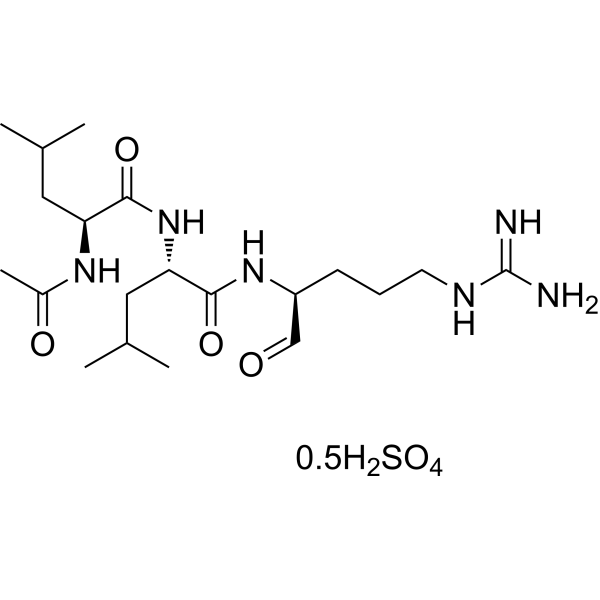
    Leupeptin hemisulfate
    Maximum Cited Publications
    61 Publications Verification

    Cathepsin Ser/Thr Protease Virus Protease Infection Inflammation/Immunology
    Leupeptin hemisulfate is a broad-spectrum, membrane-permeable protease inhibitor. Leupeptin hemisulfate potently inhibits serine, cysteine and threonine proteases. Leupeptin hemisulfate inhibits M pro (the main protease of SARS-CoV-2) and also has anti-inflammatory activity .
    Leupeptin hemisulfate
  • HY-N7073
    Silymarin
    5+ Cited Publications

    SARS-CoV Infection Neurological Disease Inflammation/Immunology Cancer
    Silymarin is an extract of the milk thistle (Silybum marianum). Silymarin is an effective SARS-CoV-2 main protease (M pro) inhibitor. Silymarin can significantly reduce tumor cell proliferation, angiogenesis as well as insulin resistance. Silymarin has the chemopreventive effect on hepatocellular carcinoma (HCC). Silymarin has the potential for COVID-19 research .
    Silymarin
  • HY-156654
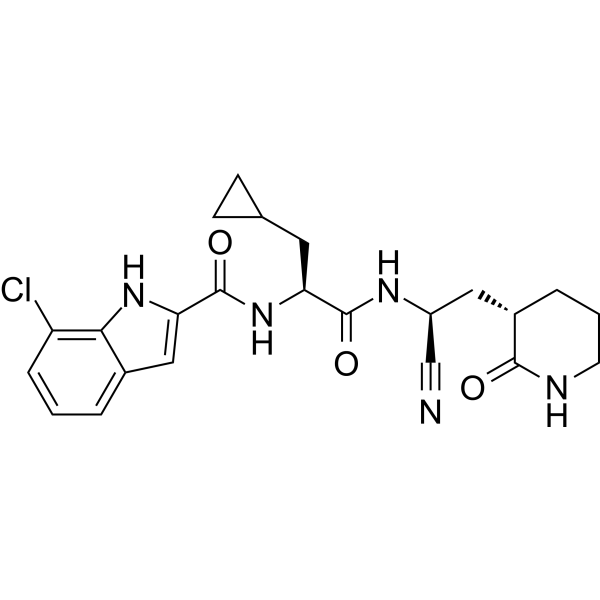
    Ibuzatrelvir
    1 Publications Verification

    PF-07817883

    SARS-CoV Virus Protease Infection
    Ibuzatrelvir (PF-07817883), a second-generation, orally bioavailable, is SARS-CoV-2 main protease (M pro and 3CL pro) inhibitor with improved metabolic stability. Ibuzatrelvir has demonstrated pan-human coronavirus antiviral activity and off-target selectivity profile in vitro and in preclinical animal studies. Ibuzatrelvir is well tolerated with a safety profile similar to placebo and prevents viral infection and transmission. Ibuzatrelvir can be used to inhibit COVID-19 .
    Ibuzatrelvir
  • HY-W614507

    NADPH Oxidase Apoptosis Bcl-2 Family Metabolic Disease Cancer
    Dihydronicotinamide riboside is a potent NAD + concentration enhancer. Dihydronicotinamide riboside modulates targets BAX, PUMA, NQO2, and IκB kinase. Dihydronicotinamide riboside mediates apoptosis, induces pro-oxidant activity, mitochondrial dysfunction, metabolic dysregulation, redox modulation, and pro-inflammatory M1 phenotype induction. Dihydronicotinamide riboside increases intracellular and mitochondrial NAD + levels, maintains cell survival against NAD +-depleting genotoxins. Dihydronicotinamide riboside can be used for the research of hepatocellular carcinoma .
    Dihydronicotinamide riboside
  • HY-133894

    FB2001

    SARS-CoV Infection
    Bofutrelvir (FB2001) is a SARS-CoV-2 main protease M pro inhibitor with an IC50 value of 53 nM and an EC50 value of 0.53 μM. Bofutrelvir exhibits potent antiviral efficacy against several current SARS-CoV-2 variants with EC50 values of 0.26-0.42 μM. Bofutrelvir has an additive antiviral effect when combined with Remdesivir (HY-104077) .
    Bofutrelvir
  • HY-18234

    Ser/Thr Protease Virus Protease Cathepsin Infection Inflammation/Immunology
    Leupeptin is a broad-spectrum, membrane-permeable protease inhibitor. Leupeptin potently inhibits serine, cysteine and threonine proteases. Leupeptin inhibits M pro (the main protease of SARS-CoV-2) and also has anti-inflammatory activity .
    Leupeptin
  • HY-B1076
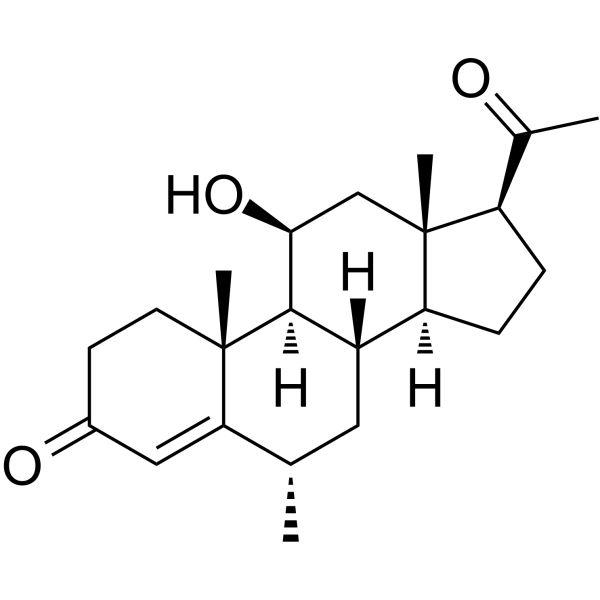
    Medrysone
    1 Publications Verification

    HMS; 6α-Methyl-11β-hydroxyprogesterone

    VEGFR CCR STAT Neurological Disease
    Medrysone (HMS; 6α-Methyl-11β-hydroxyprogesterone) is a STAT6 modulator and M2 macrophage polarization inducer. Medrysone enhances IL-4-triggered STAT6 activation, upregulates the expression of M2 markers, and promotes the secretion of VEGF and CCL2. Medrysone also enhances the pro-migratory activity of M2-like macrophages toward endothelial cells. By regulating macrophage polarization and related repair pathways, Medrysone significantly promotes corneal wound repair in a rat mechanical injury model. Medrysone can be used for research related to corneal injury .
    Medrysone
  • HY-P99236
    Bexmarilimab
    1 Publications Verification

    FP-1305

    Transmembrane Glycoprotein Inflammation/Immunology Cancer
    Bexmarilimab (FP-1305) is a potent humanized anti-CLEVER-1 IgG4 antibody with an IC50 value of 4.51 nM. Bexmarilimab is capable of inducing a phenotypic M2 to M1 immune switch of tumor-associated macrophages. Bexmarilimab can promote antigen presentation and pro-inflammatory cytokine secretion. Bexmarilimab can induce B-cell and T-cell activation. Bexmarilimab can be used in researches of immunology and cancer, such as colorectal carcinoma .
    Bexmarilimab
  • HY-107111

    mAChR Neurological Disease
    GSK1034702 is an orally active and allosteric agonist of M1 mAChR (pEC50=8.1) that can cross the blood-brain barrier. GSK1034702 activates the Gq/11 protein-mediated signaling pathway, enhancing neuronal firing and long-term potentiation (LTP) in the CA1 region of the hippocampus. GSK1034702 can modulate hippocampal function, improve memory encoding in the nicotine withdrawal cognitive dysfunction model, and show pro-cognitive effects in rodents. GSK1034702 can be used for the study of the mechanisms of cognitive impairment diseases such as Alzheimer's disease, and has certain peripheral M receptor activation-related side effects (such as gastrointestinal reactions) .
    GSK1034702
  • HY-136298A

    SARS-CoV Infection
    X77 is a potent non-covalent inhibitor of the main protease of SARS-CoV-2 (SARS-CoV-2 M pro) . X77 binds to SARS-CoV-2 M pro with a Kd value of 0.057 μM .
    X77
  • HY-128578
    KPLH1130
    2 Publications Verification

    PDHK NO Synthase Interleukin Related HIF/HIF Prolyl-Hydroxylase Metabolic Disease Inflammation/Immunology
    KPLH1130 is a pyruvate dehydrogenase kinase (PDK) inhibitor. KPLH1130 potently inhibits M1 macrophage polarization by reducing the expression of pro-inflammatory cytokines, decreasing the levels of M1 phenotype markers (HIF-1α, iNOS) and nitric oxide (NO) production. KPLH1130 prevents the reduction of mitochondrial oxygen consumption rate (OCR) induced by inflammatory stimuli (LPS ((HY-D1056) + IFN-γ) in various macrophage types. KPLH1130 improves glucose tolerance in HFD-fed mice. KPLH1130 can be used for the study of obesity-associated metabolic disorders and other inflammatory conditions .
    KPLH1130
  • HY-P1130

    Galanin-(2-13)-Glu-His-(pro)3-(Ala-Leu)2-Ala-amide

    Neuropeptide Y Receptor Cardiovascular Disease Neurological Disease Inflammation/Immunology Endocrinology Cancer
    M871 (Galanin-(2-13)-Glu-His-(Pro)3-(Ala-Leu)2-Ala-amide) is an orally active and selective galanin receptor type 2 (GalR2) antagonist. M871 exhibits Ki values of 13.1 nM, 420 nM and >10 μM for GalR2, GalR1 and GalR3 respectively. M871 relieves the mice allergic rhinitis by reducing IgE production, as well as the number of B cells in tissues. M871 can inhibit the nerve invasion of salivary adenoid cystic carcinoma (SACC) and alleviate myocardial ischemia-reperfusion injury. M871 can be used for research on GalR2-related diseases (such as epilepsy, pain) .
    M871
  • HY-152101

    SARS-CoV Infection
    LY1 is a potent, selective and covalent inhibitor against both SARS-CoV-2 PL pro and M pro with Kd values of 1.5 μM and 2.3 μM for M pro C145A protein and PL pro C111A protein, respectively. LY1 potent against the viral proteases, with IC50s of 0.12 μM and 0.99 μM against M pro and PL pro. LY1 shows high selectivity over other kinases, human proteases and metalloenzyme .
    LY1
  • HY-153228
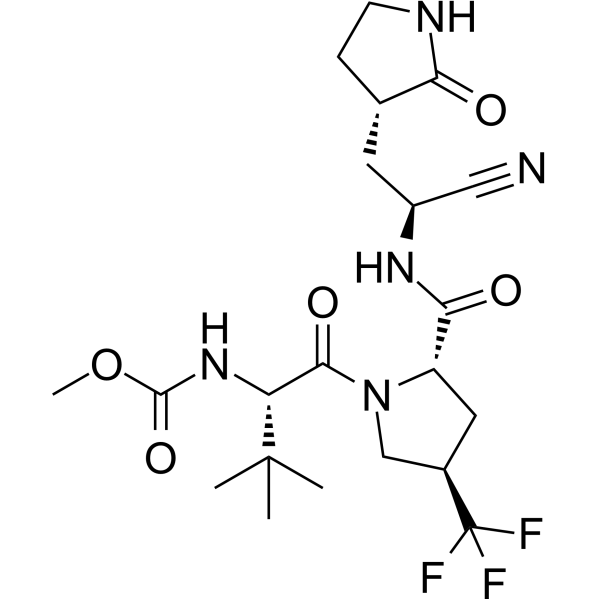
    Pomotrelvir
    1 Publications Verification

    PBI-0451

    SARS-CoV Infection
    Pomotrelvir is a selective, competitive, orally active covalent inhibitor of the SARS-CoV-2 main protease (M pro), with an IC50 of 24 nM for wild-type SARS-CoV-2 M pro. Pomotrelvir inhibits viral polyprotein processing, thereby preventing viral replication. Pomotrelvir has shown broad antiviral activity against multiple SARS-CoV-2 variants (including Omicron) in cell-based experiments, and has an additive effect when combined with nucleoside analogs that target viral RNA synthesis. Pomotrelvir is primarily used for the research and development of COVID-19 antiviral drugs, especially for infections caused by SARS-CoV-2 and its variants .
    Pomotrelvir
  • HY-14562

    mAChR Amyloid-β Neurological Disease Inflammation/Immunology
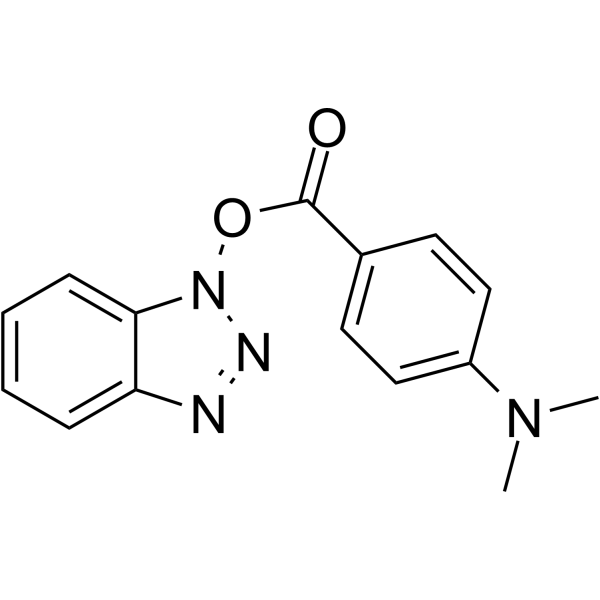
    TBPB (tert-butyl peroxybenzoate) is a highly selective, blood-brain-permeable M1 mAChR allosteric agonist (EC50=289 nM) with anti-schizophrenia and anti-inflammatory activities. TBPB can enhance the sensitivity of M1 receptors to acetylcholine, activate downstream signaling pathways, and inhibit the release of pro-inflammatory cytokines (TNF-α, IL-6). TBPB can regulate the processing of amyloid and can be used in the study of neurodegenerative diseases (such as Alzheimer's disease) and inflammation-related diseases (such as sepsis) .
    TBPB
  • HY-105005

    AAD-2004

    Prostaglandin Receptor PGE synthase Reactive Oxygen Species (ROS) Apoptosis Neurological Disease Inflammation/Immunology
    Crisdesalazine (AAD-2004) is a microsomal prostaglandin E2 synthase-1 (mPGES-1) inhibitor. Crisdesalazine acts as a potent free radical scavenger that directly neutralizes reactive oxygen species (ROS) including hydrogen peroxide, exerting neuroprotective effects against apoptosis and axonal damage. Crisdesalazine inhibits PGE2 production, mediates inflammatory responses, and promotes the conversion of macrophages from the pro-inflammatory M1 phenotype to the anti-inflammatory M2 phenotype. Crisdesalazine is applicable to neuroprotection research in multiple sclerosis and spinal cord injury .
    Crisdesalazine
  • HY-151482

    SARS-CoV Infection
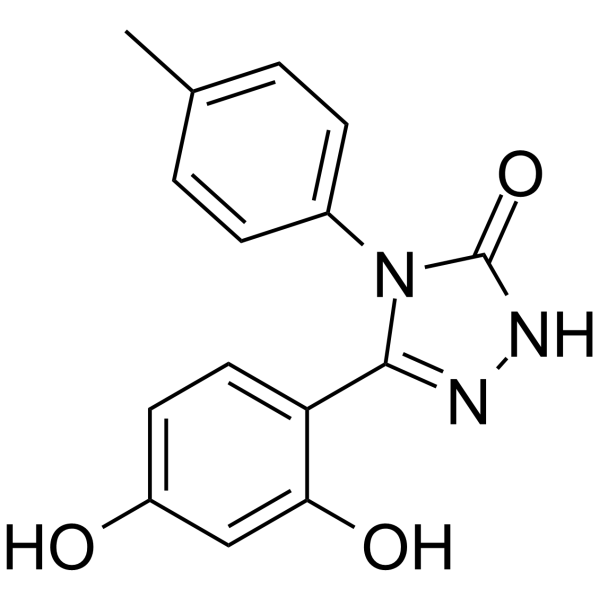
    SARS-CoV-2 Mpro-IN-2 (compound GC-14) is a selective, low cytotoxic and non-covalent M pro inhibitor (IC50=0.40 μM) with good anti-SARS-CoV-2 activity (EC50=1.1 μM). SARS-CoV-2 Mpro-IN-2 can be used in COVID-19 studies .
    SARS-CoV-2 Mpro-IN-2
  • HY-136298

    SARS-CoV Infection
    (Rac)-X77?is a racemate of X77. X77 is a potent non-covalent inhibitor of the main protease of SARS-CoV-2 (SARS-CoV-2 M pro) . X77 binds to SARS-CoV-2 M pro with a Kd value of 0.057 μM .
    (Rac)-X77
  • HY-136284
    XP-59
    1 Publications Verification

    SARS-CoV Infection
    XP-59 is a potent inhibitor of the SARS-CoV M pro, with a Ki of 0.1 μM .
    XP-59
  • HY-155813

    SARS-CoV Infection
    MPI60 is a potent SARS-CoV-2 M Pro inhibitor with high antiviral potency, low cellular cytotoxicity, and high in vitro metabolic stability. MPI60 can be used for SARS-CoV-2 research .
    MPI60
  • HY-153613

    Ac-pro-Leu-Val-Glu(OMe)-CH2F

    Cathepsin Cancer
    Ac-PLVE-FMK (Ac-Pro-Leu-Val-Glu(OMe)-CH2F), a tetrapeptidyl m-FMKs, is a Cats inhibitor. Ac-PLVE-FMK can be used for the research of cancer .
    Ac-PLVE-FMK
  • HY-149365

    Salt-inducible Kinase (SIK) Inflammation/Immunology
    SIKs-IN-1 (compound 8h), a pyrimidine-5-carboxamide derivative, is a Salt-inducible kinases (SIKs) inhibitor. SIKs regulates the transformation of M1/M2 macrophages, involving in inflammation process. SIKs-IN-1 inhibits SIK activity, up-regulates anti-inflammatory cytokine IL-10, but down-regulates pro-inflammatory cytokine IL-12. SIKs-IN-1 shows excellent anti-inflammatory effects in a DSS-induced colitis model .
    SIKs-IN-1
  • HY-152108

    SARS-CoV Infection
    SARS-CoV-2 Mpro-IN-6 is a covalent, irreversible and selective SARS-CoV-2 M pro inhibitor with an IC50 of 0.18 μM. SARS-CoV-2 Mpro-IN-6 does not inhibit human cathepsins B, F, K, and L, and caspase 3 .
    SARS-CoV-2 Mpro-IN-6
  • HY-161245

    Virus Protease Cathepsin Infection
    FGA146 is a dual, selective inhibitor for M pro and human Cathepsin L, with Kis of 2.19 μM, 0.96 μM and 0.87 μM, for Mal-M pro, pET21-M pro and Cathepsin L, respectively. FGA146 reveals an antiviral activity against SARS-CoV-2 .
    FGA146
  • HY-170598

    PROTACs SARS-CoV Virus Protease Infection
    HP211206 is a SARS-CoV-2 main protease (M pro) PROTAC degrader. HP211206 effectively degrades SARS-CoV-2 M pro and its drug-resistant mutants. HP211206 has an IC50 of 181.9 nM and a DC50 of 621 nM for M pro. HP211206 has antiviral activity. (Pink: H117 (HY-170599); Black: linker (HY-B0236); Blue: E3 ligase ligand (HY-41547)) .
    HP211206
  • HY-144062

    SARS-CoV Infection
    INSCoV-614(1B) is a potent inhibitor of M pro (3CL pro). Proteases (PL pro and 3CL pro) are involved with transcription and replication of the virus. INSCoV-614(1B) has the potential for the research of SARS-CoV-2 infection (extracted from patent WO2021219089A1) .
    INSCoV-614(1B)
  • HY-163389

    SARS-CoV Cathepsin Infection
    Mpro/Cathepsin L-IN-1 (Compound 4d) is a SARS-CoV-2 M pro/hCatL inhibitor, with Kis of 5.54 μM and 0.701 μM respectively .
    Mpro/Cathepsin L-IN-1
  • HY-144647

    SARS-CoV Virus Protease Infection
    SP inhibitor 1 (compound 34) is a selective SARS-CoV-2 spike protein (SP) inhibitor with an IC50 of 3.26 μM, >25 μM, >25 μM for SP, M pro and PL pro protein, respectively. SP inhibitor 1 is a vitro SARS-CoV-2 replication inhibitor at non-toxic concentrations (0.3250<5.98 μM). SP inhibitor 1 shows cellular antiviral activity .
    SP inhibitor 1
  • HY-141622

    Interleukin Related Caspase SARS-CoV Infection Inflammation/Immunology
    SDZ 224-015 is an orally active inhibitor of the interleukin-1 beta (IL-1β) converting enzyme and caspase-1. SDZ 224-015 possesses anti-COVID-19 activity, targeting M pro (IC50 of 30 nM) .
    SDZ 224-015
  • HY-178480

    SARS-CoV Virus Protease Infection
    SARS-CoV-2 Mpro-IN-49 (Compound 22e) is a potent SARS-CoV-2 main protease (M pro) inhibitor (IC50=0.087 μM). SARS-CoV-2 Mpro-IN-49 is promising for research of SARS-CoV-2 and coronavirus .
    SARS-CoV-2 Mpro-IN-49
  • HY-178945

    Opioid Receptor Interleukin Related TNF Receptor Sigma Receptor Neurological Disease Inflammation/Immunology
    KOR agonist 7 (Compound 29) is a highly selective κ-opioid receptor (KOR) agonist with a Ki of 138 nM. KOR agonist 7 shows no activity at μ- and δ-opioid receptors or σ1 receptor, and exhibits extremely low affinity for σ2 receptor (Ki = 2.8 μM). KOR agonist 7 significantly reduces the secretion of pro-inflammatory cytokines such as IL-6, TNF-α, and IFN-γ, while increasing the production of the anti-inflammatory cytokine IL-10. KOR agonist 7 downregulates the expression of the pro-inflammatory M1 macrophage marker CD80 and upregulates the anti-inflammatory M2 macrophage marker CD163. KOR agonist 7 holds potential for applications in analgesia and immune modulation .
    KOR agonist 7
  • HY-151478

    SARS-CoV Infection Cancer
    SARS-CoV-2-IN-33 (compound 3m) is a COVID-19 inhibitor. SARS-CoV-2-IN-33 shows anti-proliferative activity against cancer cells. SARS-CoV-2-IN-33 exhibits comparatively good binding affinity (-8.0 Kcal/mole) to COVID-19 main protease (M pro) (PDB ID: 6LU7). SARS-CoV-2-IN-33 can be used in studies of cancer and COVID-19 .
    SARS-CoV-2-IN-33
  • HY-176229

    SARS-CoV Cathepsin Virus Protease Infection
    Mpro/Cathepsin L-IN-2 (Compound 1) is a dual irreversible inhibitor of SARS-CoV-2 main protease (M pro, pIC50=8.61) and human cathepsin L (hCTSL, pIC50=7.64). Mpro/Cathepsin L-IN-2 is promising for research of COVID-19 and other coronavirus infections .
    Mpro/Cathepsin L-IN-2
  • HY-P991217

    Transmembrane Glycoprotein Cancer
    EU-103 is a humanized monoclonal antibody targeting V-Set And Immunoglobulin Domain Containing 4 (VSIG4) with a KD value ranging from 10 −7 and 10 −9. EU-103 blocks the interaction between VSIG4 and CD8+ T cells, promotes the conversion of M2 macrophages into M1 macrophages, induces the proliferation of CD8+ T cells and the secretion of pro-inflammatory cytokines, thereby inhibiting tumor growth. EU-103 is promising for research of cancers, such as bladder cancer, breast cancer, and colon cancer .
    EU-103
  • HY-158073

    SARS-CoV Infection
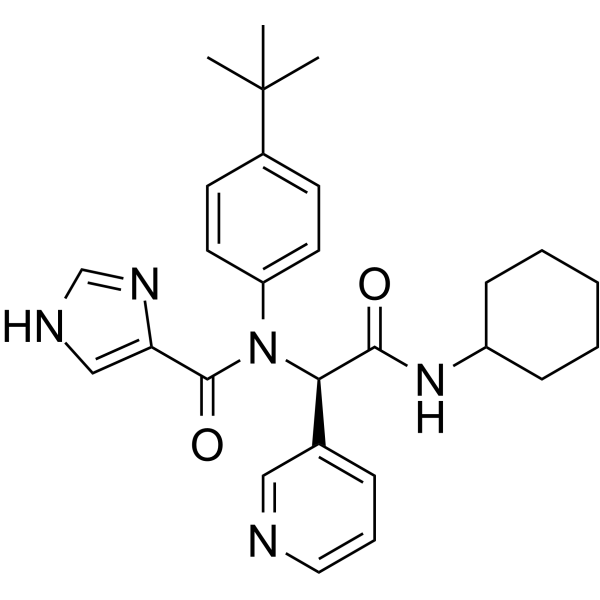
    ML2006a4 is an orally active inhibitor for SARS-CoV-2 main protease (M pro) with IC50 in picomolare value. ML2006a4 is cell permeable and antiviral active, that inhibits replication in SARS-CoV-2 in cells Huh7.5.1-ACE2-TMPRSS2 (Huh7.5.1++) in picomolare level
    ML2006a4
  • HY-172960

    SARS-CoV Virus Protease Infection Inflammation/Immunology
    SARS-CoV-2 Mpro-IN-44 (Compound 25) is a broad-spectrum coronavirus main protease (Mpro) inhibitor. SARS-CoV-2 Mpro-IN-44 has inhibitory activity against a variety of high-risk coronaviruses (including SARS-CoV-2 and PEDV, etc.) (IC50: < 0.6 μM). SARS-CoV-2 Mpro-IN-44 achieves broad-spectrum inhibition of coronaviruses by enhancing the interaction with the conserved sites of Mpro. SARS-CoV-2 Mpro-IN-44 can be used for anti-coronavirus drug development .
    SARS-CoV-2 Mpro-IN-44
  • HY-161244

    SARS-CoV Cathepsin Virus Protease Infection
    FGA145 is a dual, selective inhibitor for M pro and human Cathepsin L, with Kis of 3.71 μM, 9.82 μM and 53 nM, for Mal-M pro, pET21-M pro and Cathepsin L, respectively. FGA145 reveals a multitarget effects in the antiviral activity .
    FGA145
  • HY-172965

    SARS-CoV Virus Protease Infection Inflammation/Immunology
    SARS-CoV-2 Mpro-IN-43 (Compound 1) is a coronavirus main protease (Mpro) inhibitor (IC50: 72 μM). SARS-CoV-2 Mpro-IN-43 interacts with key residues in the active site of Mpro via non-covalent binding, exerting its anti-coronavirus effect. SARS-CoV-2 Mpro-IN-43 exhibits moderate to low cytotoxicity, with CC50 values of 13.24, 41.02, and 42.26 µM in HaCaT, HEK293T, and HepG2 cells, respectively. SARS-CoV-2 Mpro-IN-43 can be used in anti-SARS-CoV-2 research .
    SARS-CoV-2 Mpro-IN-43
  • HY-144648

    SARS-CoV Infection
    Mpro/PLpro-IN-1 (Compound 29) is a potent inhibitor of M pro/PL pro. Mpro/PLpro-IN-1 is a dual acting SARS-CoV-2 proteases inhibitor featuring micromolar inhibitory potency versus M pro (IC50 = 1.72 μM) and submicromolar potency versus PL pro (IC50 = 0.67 μM) .
    Mpro/PLpro-IN-1
  • HY-155136

    SARS-CoV Infection
    NSC89641 inhibits MERS-CoV M pro, with an IC50 value < 3.5 μM. NSC89641 exhibits the high inhibitory potency against SARS-CoV-2 M pro enzymatic activity, with an IC50 of 3.05 μM .
    NSC89641
  • HY-154976

    SARS-CoV Infection
    SARS-CoV-2-IN-50 (Compound X77C) is a SARS-CoV-2 main protease (M Pro) inhibitor.. SARS-CoV-2-IN-50 has a high affinity to the catalytic site of M Pro .
    SARS-CoV-2-IN-50
  • HY-P10858

    SARS-CoV Virus Protease Infection
    UCI-1 is a SARS-CoV-2 main protease (M pro) cyclic peptide inhibitor with an IC50 of 160 μM. UCI-1 shows no obvious cytotoxicity at the concentration of inhibiting M pro. UCI-1 can be used in the study of anti-COVID-19 drugs .
    UCI-1
  • HY-N2949

    SARS-CoV Infection Cancer
    Bonducellpin D is a furanoditerpenoid lactone isolated from Caesalpinia minax. Bonducellpin D exhibits broad-spectrum inhibition potential against SARS-CoV M pro and MERS-CoV M pro, with an Ki of 467.11 and 284.86 nM, respectively. Bonducellpin D also exhibits moderate anti-cancer activity in vitro .
    Bonducellpin D
  • HY-131096

    H-pro-4MβNA hydrochloride

    Drug Intermediate Cancer
    L-Proline 4-methoxy-β-naphthylamide hydrochloride (H-Pro-4MβNA hydrochloride) can be used for Fap-activated anti-tumor compounds preparaction .
    L-Proline 4-methoxy-β-naphthylamide hydrochloride
  • HY-144063

    SARS-CoV Infection
    INSCoV-600K(1) is a potent inhibitor of M pro (3CL pro). Proteases (PL pro and 3CL pro) are involved with transcription and replication of the virus. INSCoV-600K(1) has the potential for the research of SARS-CoV-2 infection (extracted from patent WO2021219089A1) .
    INSCoV-600K(1)
  • HY-144061

    SARS-CoV Infection
    INSCoV-601I(1) is a potent inhibitor of M pro (3CL pro). Proteases (PL pro and 3CL pro) are involved with transcription and replication of the virus. INSCoV-601I(1) has the potential for the research of SARS-CoV-2 infection (extracted from patent WO2021219089A1) .
    INSCoV-601I(1)
  • HY-162474

    SARS-CoV Virus Protease Infection
    BZG2 is an allosteric inhibitor for the SARS-CoV-2 main protease (M pro), with an IC50 of 77 µM .
    BZG2
  • HY-P4593

    Thrombin Others
    Z-Gly-Pro-Arg-4MβNA is the cleavage of the substrate of thrombin to release free 4-methoxy-2-naphthylamine (4MβNA). Free 4MβNA can be captured by 5-nitrosalicylaldehyde to produce an insoluble yellow fluorescent and marks the site of thrombin activity .
    Z-Gly-Pro-Arg-4MβNA
  • HY-155416

    SARS-CoV Infection
    M56-S2 iodide is a SARS-CoV-2 M pro inhibitor (IC50=4.0 μM). M56-S2 iodide showed good oral bioavailability and low toxicity in ADMET prediction. M56-S2 iodide has good drug potential and can be used in antiviral (such as SARS-CoV-2) research .
    M56-S2 iodide
  • HY-139683

    SARS-CoV Infection
    Antiviral agent 5 is an intermediate used in antiviral agents targeting 3C and 3CL proteases including SARS-CoV-2 M pro.
    Antiviral agent 5

Inquiry Online

Your information is safe with us. * Required Fields.

Salutation


Country or Region *

Applicant Name *


Organization Name *

Department *


Email Address *


Product Name *

Cat. No.


Requested quantity *

Phone Number *


Remarks

Inquiry Online

Inquiry Information

Product Name:
Cat. No.:
Quantity:
MCE Japan Authorized Agent:

