
304 Results for "

Neurotoxic.

" in MedChemExpress (MCE) Product Catalog:
Products (304)

304 Results for "Neurotoxic." in MCE Product Catalog:

98
98 Publications Verification
Cat. No.: HY-P1061
CAS No.: 867021-83-8
Target:  

STAT Amyloid-β

Research Areas:  

Neurological Disease

Colivelin is a brain penetrant neuroprotective peptide and a potent activator of STAT3, suppresses neuronal death by activating STAT3 in vitro . Colivelin exhibits long-term beneficial effects against neurotoxicity, Aβ deposition, neuronal apoptosis, and synaptic plasticity deficits in neurodegenerative disease . Colivelin has the potential for the treatment of alzheimer's disease and ischemic brain injury
loading...
    loading...
98
98 Publications Verification
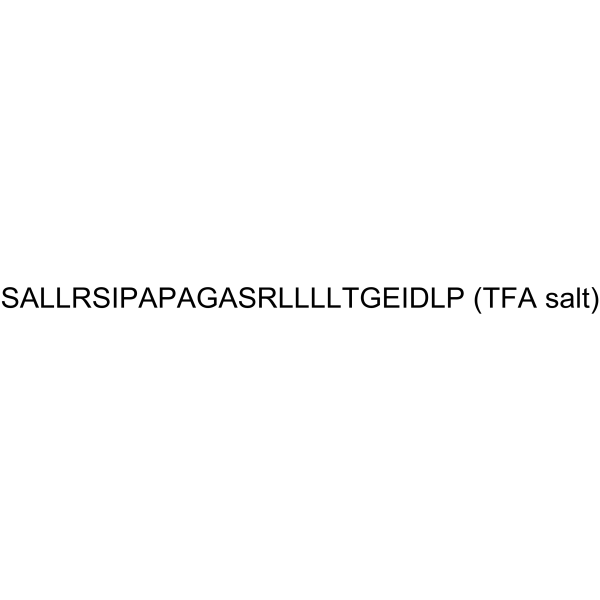
Cat. No.: HY-P1061A
CAS No.: 2803948-60-7
Target:  

STAT Amyloid-β Apoptosis

Research Areas:  

Neurological Disease

Colivelin TFA is a brain penetrant neuroprotective peptide and a potent activator of STAT3, suppresses neuronal death by activating STAT3 in vitro . Colivelin TFA exhibits long-term beneficial effects against neurotoxicity, Aβ deposition, neuronal apoptosis, and synaptic plasticity deficits in neurodegenerative disease . Colivelin TFA has the potential for the treatment of alzheimer's disease and ischemic brain injury .
loading...
    loading...
57
57 Cited Publications
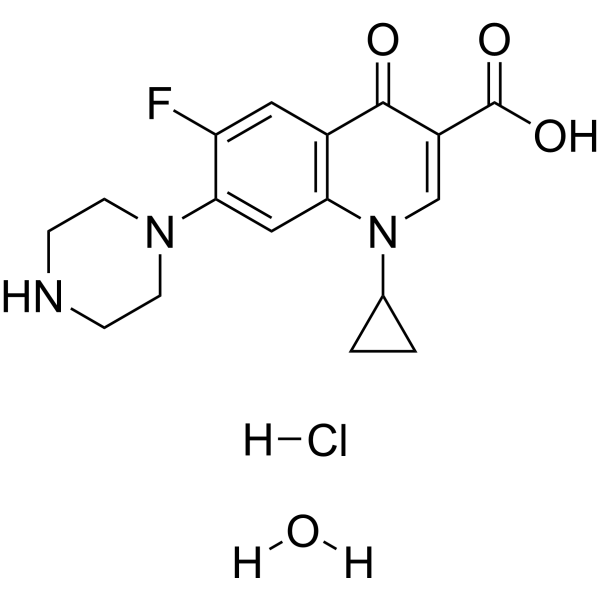
Cat. No.: HY-B0356B
CAS No.: 86393-32-0
Synonyms: Bay-09867 hydrochloride monohydrate
Ciprofloxacin (Bay-09867) hydrochloride monohydrate is an orally active, blood-brain barrier permeable fluoroquinolone antibacterial agent. Ciprofloxacin hydrochloride monohydrate exerts bactericidal effects primarily by inhibiting topoisomerase II and IV. Ciprofloxacin hydrochloride monohydrate inhibits the proliferation of human dental pulp stem cells and chondrocytes from young rats, and also activates the Akt signaling pathway and upregulates markers such as β-catenin and Nanog to maintain the morphological characteristics of stem cells. Ciprofloxacin hydrochloride monohydrate induces significant neurotoxicity and tissue damage, including reducing serotonin and glutathione levels in the brain, inducing oxidative stress and depression-like behaviors, and causing articular cartilage damage. Ciprofloxacin hydrochloride monohydrate can be applied to research related to infections of necrotic young permanent teeth and neurotoxicity .
loading...
    loading...
57
57 Cited Publications
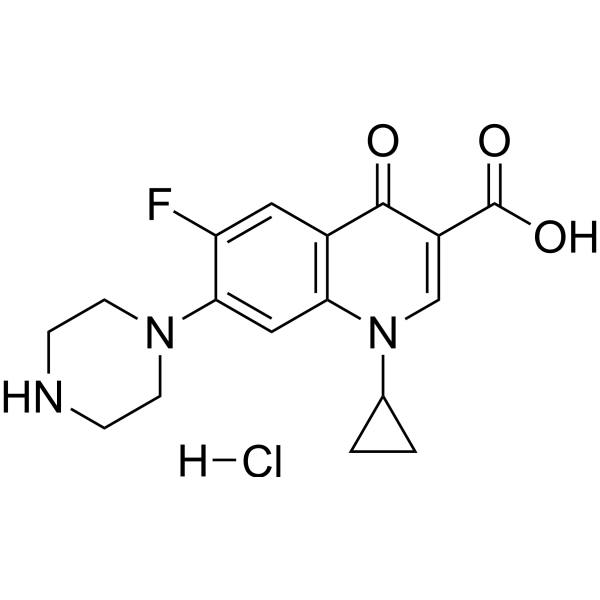
Cat. No.: HY-B0356A
CAS No.: 93107-08-5
Synonyms: Bay-09867 monohydrochloride
Ciprofloxacin (Bay-09867) monohydrochloride is an orally active, blood-brain barrier permeable fluoroquinolone antibacterial agent. Ciprofloxacin monohydrochloride exerts bactericidal effects primarily by inhibiting topoisomerase II and IV. Ciprofloxacin monohydrochloride inhibits the proliferation of human dental pulp stem cells and chondrocytes from young rats, and also activates the Akt signaling pathway and upregulates markers such as β-catenin and Nanog to maintain the morphological characteristics of stem cells. Ciprofloxacin monohydrochloride induces significant neurotoxicity and tissue damage, including reducing serotonin and glutathione levels in the brain, inducing oxidative stress and depression-like behaviors, and causing articular cartilage damage. Ciprofloxacin monohydrochloride can be applied to research related to infections of necrotic young permanent teeth and neurotoxicity .
loading...
    loading...
45
45 Cited Publications
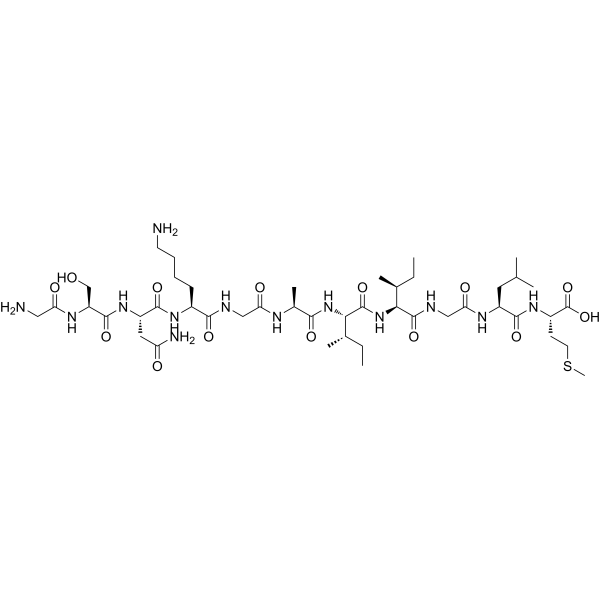
Cat. No.: HY-P0128
CAS No.: 131602-53-4
Synonyms: Amyloid beta-peptide (25-35); Aβ25-35; β-Amyloid peptide (25-35)
Target:  

Amyloid-β

Research Areas:  

Neurological Disease

β-Amyloid (25-35) (Amyloid beta-peptide (25-35)) is the fragment Aβ(25-35) of the Alzheimer's amyloid β-peptide, has shown neurotoxic activities in cultured cells .
loading...
    loading...
45
45 Cited Publications
Cat. No.: HY-P0128A
CAS No.: 131602-53-4
Synonyms: Amyloid beta-peptide (25-35), HFIP-treated; Aβ25-35, HFIP-treated; β-Amyloid peptide (25-35), HFIP-treated
Target:  

Amyloid-β

Research Areas:  

Neurological Disease

β-Amyloid (25-35) (Amyloid beta-peptide (25-35)), HFIP-treated is a β-Amyloid (25-35) (HY-P0128) treated with HFIP. β-Amyloid (25-35) (Amyloid beta-peptide (25-35)) is the fragment Aβ(25-35) of the Alzheimer's amyloid β-peptide, has shown neurotoxic activities in cultured cells .
loading...
    loading...
37
37 Cited Publications
Cat. No.: HY-W008719
CAS No.: 36913-39-0
Research Areas:  

Neurological Disease

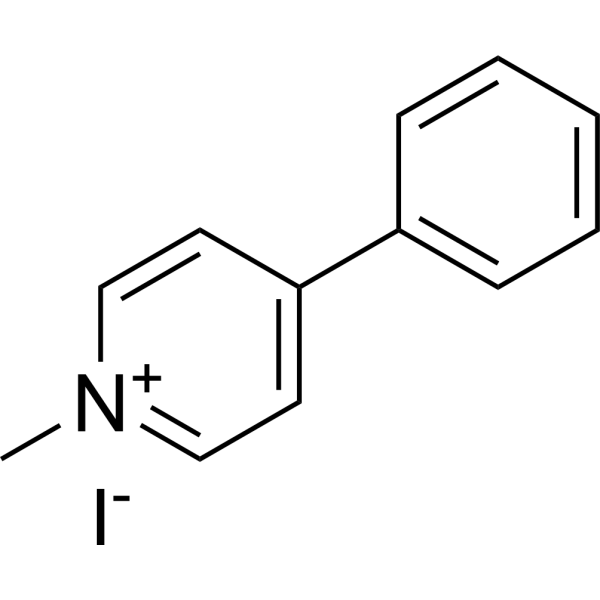
MPP+ iodide, a toxic metabolite of the neurotoxin MPTP, causes symptom of Parkinson's disease in animal models by selectively destroying dopaminergic neurons in substantia nigra. MPP+ iodide is taken up by the dopamine transporter into dopaminergic neurons where it exerts its neurotoxic action on mitochondria by affecting complex I of the respiratory chain. MPP+ iodide is also a high affinity substrate for the serotonin transporter (SERT) .
loading...
    loading...
27
27 Cited Publications
Cat. No.: HY-P1363
Synonyms: Amyloid β-peptide (1-42) (human) TFA
Target:  

Amyloid-β

Research Areas:  

Neurological Disease

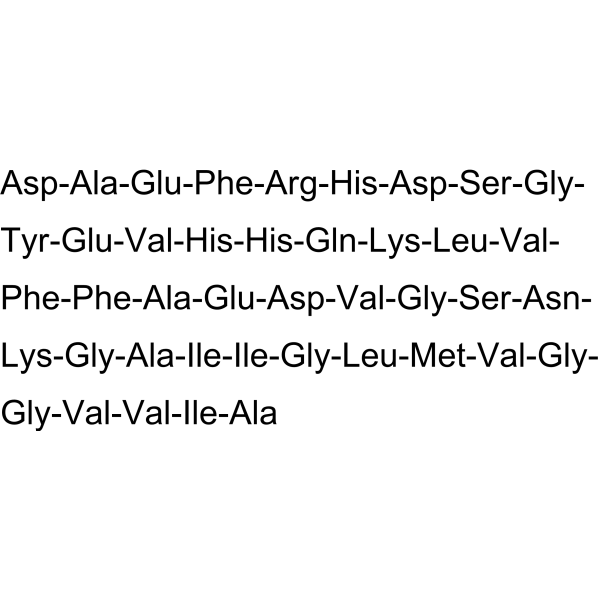
β-Amyloid (1-42) (Amyloid β-peptide (1-42), human TFA, a 42-amino acid peptide that has not been treated with HFIP, is a brain-penetrant amyloid protein fragment, which can be used in research on Alzheimer's disease and Down’s syndrome. β-Amyloid (1-42), human TFA remaining as a monomer exhibits antioxidant and neuroprotective effects. β-Amyloid (1-42), human TFA, after being monomericized by HFIP and dissolved in DMSO to form the stock solution, on the one hand, can form soluble oligomers (AβOs) when incubated at 4 °C, which have synaptic toxicity and neurotoxicity; on the other hand, it can be incubated at 37 °C to form insoluble fibrils, with lower neurotoxicity, and participating in the oxidative damage process. Aβ42 oligomers bind to various neuronal surface receptors (such as PrPc, mGluR5, NMDA receptors, etc.), triggering oxidative stress, calcium homeostasis imbalance, and synaptic toxicity via activating downstream signaling pathways, leading to neuronal dysfunction and death .
loading...
    loading...
27
27 Cited Publications
Cat. No.: HY-P1363A
CAS No.: 107761-42-2
Synonyms: Amyloid β-peptide (1-42) (human)
Target:  

Amyloid-β

Research Areas:  

Neurological Disease

β-Amyloid (1-42) (Amyloid β-peptide (1-42)), human, a 42-amino acid peptide that has not been treated with HFIP, is a brain-penetrant amyloid protein fragment, which can be used in research on Alzheimer's disease and Down’s syndrome. β-Amyloid (1-42), human remaining as a monomer exhibits antioxidant and neuroprotective effects. β-Amyloid (1-42), human, after being monomericized by HFIP and dissolved in DMSO to form the stock solution, on the one hand, can form soluble oligomers (AβOs) when incubated at 4 °C, which have synaptic toxicity and neurotoxicity; on the other hand, it can be incubated at 37 °C to form insoluble fibrils, with lower neurotoxicity, and participating in the oxidative damage process. Aβ42 oligomers bind to various neuronal surface receptors (such as PrPc, mGluR5, NMDA receptors, etc.), triggering oxidative stress, calcium homeostasis imbalance, and synaptic toxicity via activating downstream signaling pathways, leading to neuronal dysfunction and death .
loading...
    loading...
27
27 Cited Publications
Cat. No.: HY-P1363B
CAS No.: 107761-42-2
Target:  

Amyloid-β

Research Areas:  

Neurological Disease

β-Amyloid (1-42), human, HFIP-treated, a 42-amino acid peptide that has been treated with HFIP from β-Amyloid (1-42), human (HY-P1363A), is a brain-penetrant amyloid protein fragment, which can be used in research on Alzheimer's disease and Down’s syndrome. β-Amyloid (1-42), human, HFIP-treated remaining as a monomer exhibits antioxidant and neuroprotective effects. β-Amyloid (1-42), human, HFIP-treated, after being dissolved in DMSO to form the stock solution, on the one hand, can form soluble oligomers (AβOs) when incubated at 4°C, which have synaptic toxicity and neurotoxicity; on the other hand, it can be incubated at 37°C to form insoluble fibrils, with lower neurotoxicity, and participating in the oxidative damage process. Aβ42 oligomers bind to various neuronal surface receptors (such as PrPc, mGluR5, NMDA receptors, etc.), triggering oxidative stress, calcium homeostasis imbalance, and synaptic toxicity via activating downstream signaling pathways, leading to neuronal dysfunction and death .
loading...
    loading...
24
24 Cited Publications
Cat. No.: HY-B0034
CAS No.: 120011-70-3
Synonyms: E2020
Target:  

Cholinesterase (ChE)

Research Areas:  

Neurological Disease Cancer

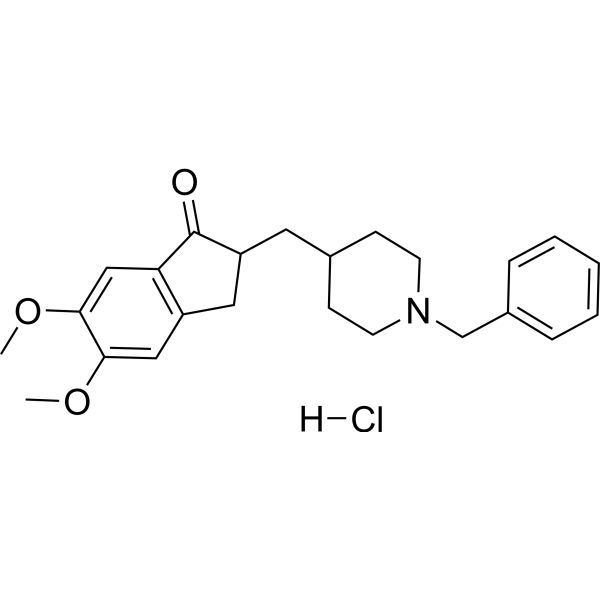
Donepezil Hydrochloride (E2020) is a reversible, selective AChE inhibitor with an IC50 of 6.7 nM for AChE activity. Donepezil shows high selectivity for AChE over BuChE . Donepezil exhibits neuroprotective effect on Aβ42 neurotoxicity .
loading...
    loading...
13
13 Cited Publications
Cat. No.: HY-B1945
CAS No.: 117-81-7
Synonyms: Bis(2-ethylhexyl) phthalate; Ergoplast FDO; ESBO-D 82
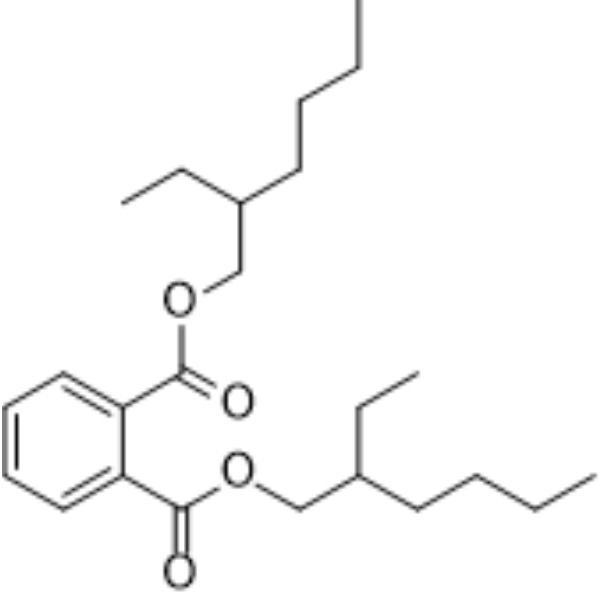
DEHP (Bis(2-ethylhexyl) phthalate) is a widely used plasticizer, which has orally active. DEHP can produce a wide spectrum of toxic effects on organisms including neurotoxicity, liver toxicity, immunotoxicity, and reproductive toxicity .
loading...
    loading...
10
10 Cited Publications
Cat. No.: HY-B0763
CAS No.: 50847-11-5
Synonyms: KC-404; AV-411; MN-166
Research Areas:  

Inflammation/Immunology Cancer

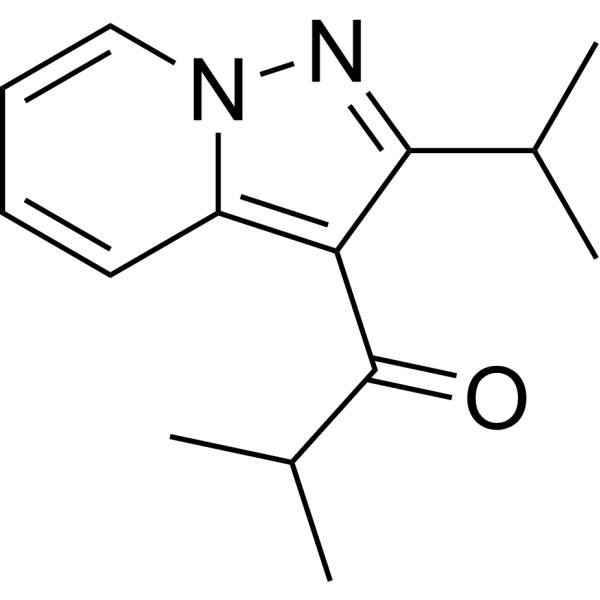
Ibudilast (KC-404; AV-411; MN-166) is a cyclic AMP phosphodiesterase (PDE) inhibitor. Ibudilast has platelet anti-aggregatory effects. Ibudilast can be used for the research of asthma for its inhibitory effects on tracheal smooth muscle contractility. Ibudilast may be a useful neuroprotective and anti-dementia agent counteracting neurotoxicity in activated microglia .
loading...
    loading...
10
10 Cited Publications
Cat. No.: HY-N0303
CAS No.: 58186-27-9
Research Areas:  

Neurological Disease

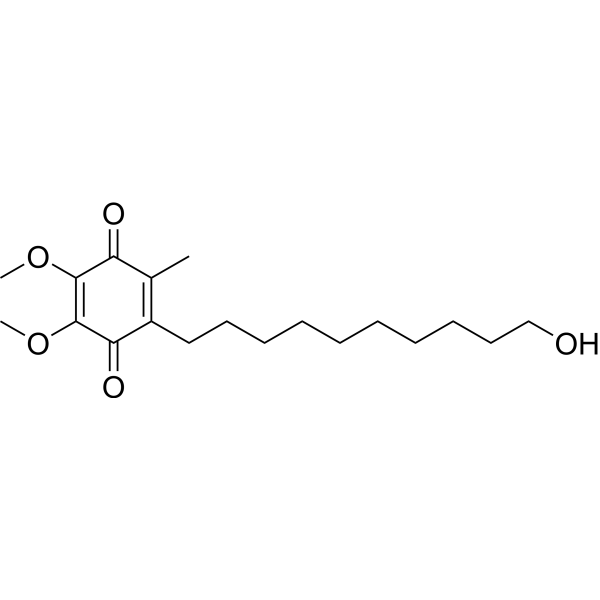
Idebenone, a well-appreciated mitochondrial protectant, exhibits protective efficacy against neurotoxicity and can be used for the research of Alzheimer's disease, Huntington's disease. Idebenone (oxidised form) has a dose-dependent inhibitory effect on the enzymatic metabolism of arachidonic acid in astroglial homogenates (IC50=16.65 μM) . Idebenone, a coenzyme Q10 analog and an antioxidant, induces apoptotic cell death in the human dopaminergic neuroblastoma SHSY-5Y cells . Idebenone quickly crosses the blood-brain barrier.
loading...
    loading...
10
10 Cited Publications
Cat. No.: HY-B1777A
CAS No.: 306-67-2
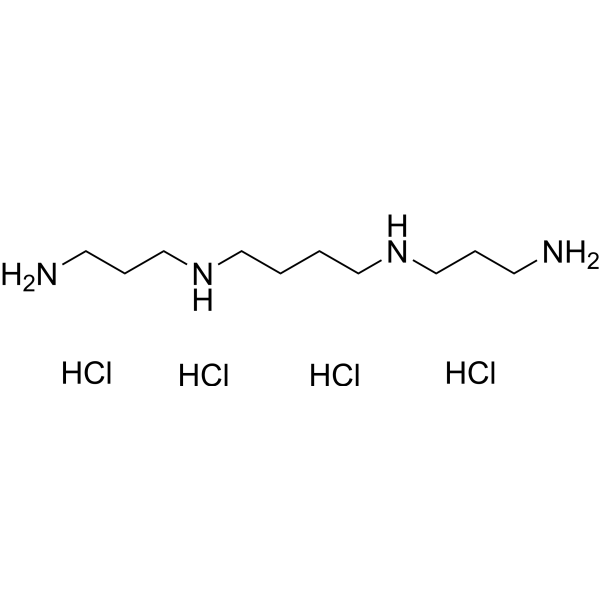
Spermine tetrahydrochloride is a polyamine nitric oxide donor that can provide nitric oxide to platelets and inhibit platelet activation to a certain extent concentration-dependently. Spermine tetrahydrochloride occurs in mammalian tissues, plants, bacteria, ribosomes and bacteriophage. Spermine tetrahydrochloride inhibits primary human embryo lung fibroblasts in vitro. Spermine is a natural antioxidant and anti-inflammatory agent. Spermine is known to inhibit some bacterial cultures, especially strains of Staphylococcus aureus. Spermine induces neurotoxicity in the striarum dose-dependently. Spermine can reversibly inhibits DNA synthetic response, mixed lymphocyte response and the induction of cytolytic lymphocyte response in primary cultures of murine spleen cells .
loading...
    loading...
5
5 Cited Publications
Cat. No.: HY-B1066
CAS No.: 25013-16-5
Synonyms: Butylated hydroxyanisole; E320
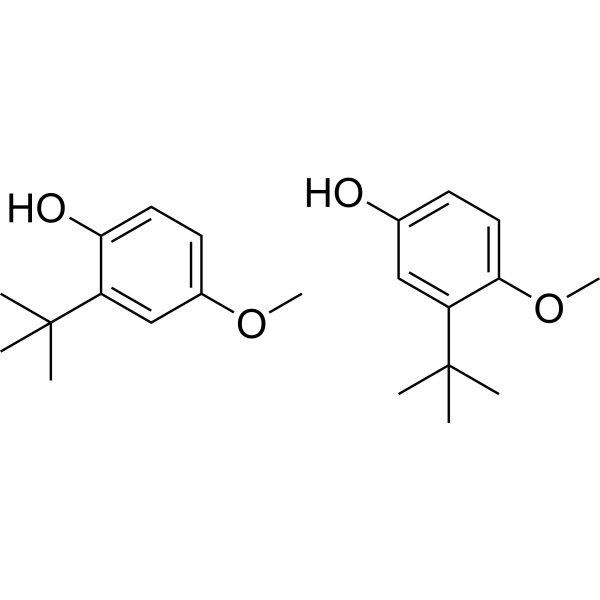
Butylhydroxyanisole (Butylated hydroxyanisole) is an antioxidant used as a food additive preservative. Butylhydroxyanisole mediates liver toxicity, retardation in reproductive organ development and learning, and sleep deficit. Butylhydroxyanisole exerts neurotoxic effects and leads to disruption of the brain and nerve development . Butylhydroxyanisole is a ferroptosis inducer .
loading...
    loading...
4
4 Cited Publications
Cat. No.: HY-138800
CAS No.: 168316-95-8
Purity:  96.19%
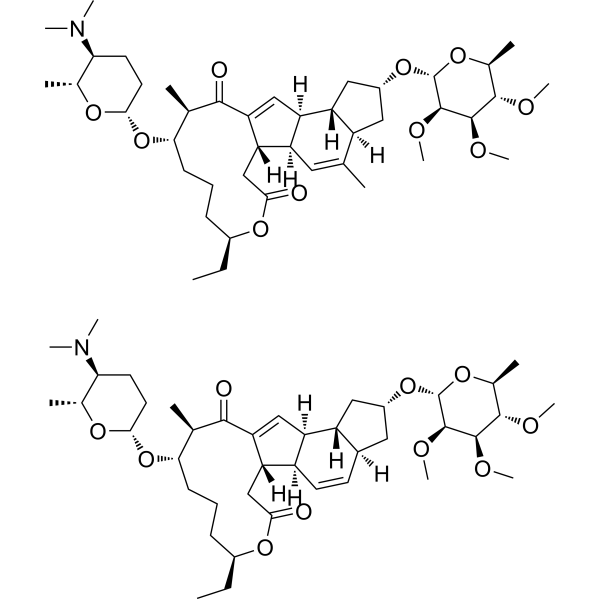
Spinosad, a mixture of spinosyns A and D known as fermentation products of a soil actinomycete (Saccharopolyspora spinosa), is a biological neurotoxic insecticide with a broader action spectrum. Spinosad targets the nicotinic acetylcholine receptor (nAChRs) of the insect nervous system. Spinosad has an excellent environmental and mammalian toxicological profile. Larvicidal activity .
loading...
    loading...
4
4 Cited Publications
Cat. No.: HY-N0061
CAS No.: 4046-02-0
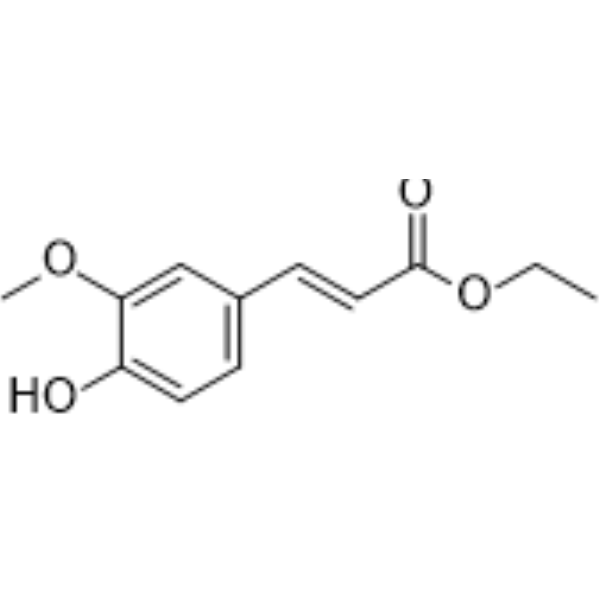
Ethyl ferulate, a naturally lipophilic derivative of ferulic acid originally derived from Rhizoma Chuanxiong, induces heme oxygenase-1 (HO-1) and protects rat neurons against oxidative stress . Ethyl ferulate also protects neurons against amyloid β peptide (1-42)-induced oxidative stress and neurotoxicity .
loading...
    loading...
4
4 Cited Publications
Cat. No.: HY-13963
CAS No.: 587841-73-4
Purity:  98.49%
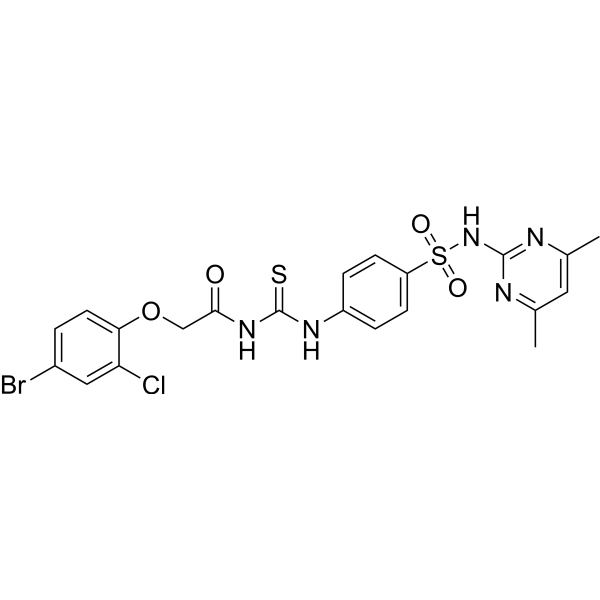
ZCL278 is a selective Cdc42 inhibitor with Kds of 6.4 μM in fluorescence titration and 11.4 μM in surface plasmon resonance (SPR) measurement. ZCL278 is able to disrupt the Cdc42-ITSN interaction as well as GTP/GDP binding. ZCL278 has inhibitory effects on various enveloped viruses, but is ineffective against non-enveloped viruses. ZCL278 can be used for the studies of arsenic neurotoxicity and HER2-positive gastric cancer (GC) .
loading...
    loading...
4
4 Cited Publications
Cat. No.: HY-B0827
CAS No.: 165252-70-0
Synonyms: MTI-446
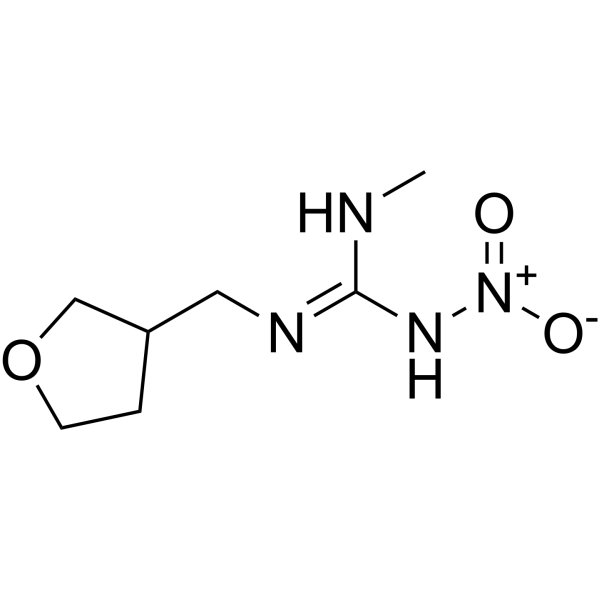
Dinotefuran is an orally active and competitive inhibitor and insecticide targeting insect nicotinic acetylcholine receptors (nAChRs). Dinotefuran blocks neural signaling and induces neural dysfunction in insects. Dinotefuran binds to [ 3H]epibatidine in the neural cord membrane of American cockroach with an IC50 of 890 nM and to [ 3H]α-bungarotoxin with an IC50 of 36.1 μM. Dinotefuran exhibits knockdown activity (KD50=0.351 nmol/g) and lethal activity (LD50=0.173 nmol/g) against German cockroach. Dinotefuran is mainly used for agricultural pest control, such as field control of piercing-sucking and chewing insects (e.g., aphids, planthoppers), while its environmental toxicological effects (e.g., oxidative stress and reproductive neurotoxicity on earthworms) are also a research focus to assess ecological risks .
loading...
    loading...

