Search Result
Results for "
PAMs
" in MedChemExpress (MCE) Product Catalog:
4
Biochemical Assay Reagents
7
Isotope-Labeled Compounds
| Cat. No. |
Product Name |
Target |
Research Areas |
Chemical Structure |
-
- HY-108471
-
|
|
Toll-like Receptor (TLR)
|
Cancer
|
|
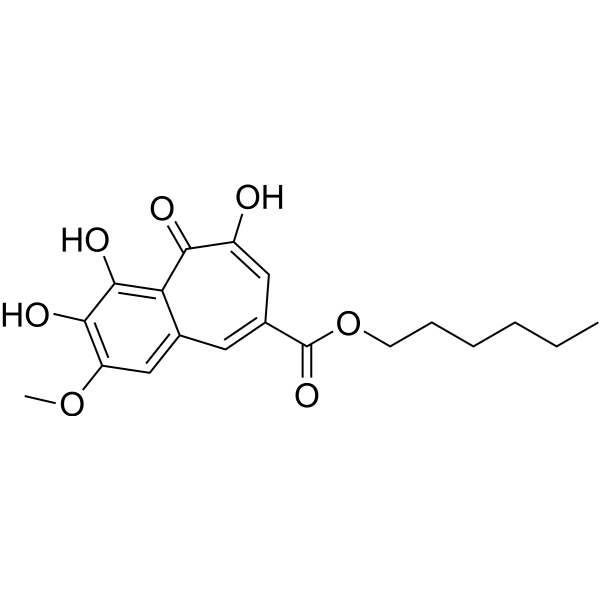
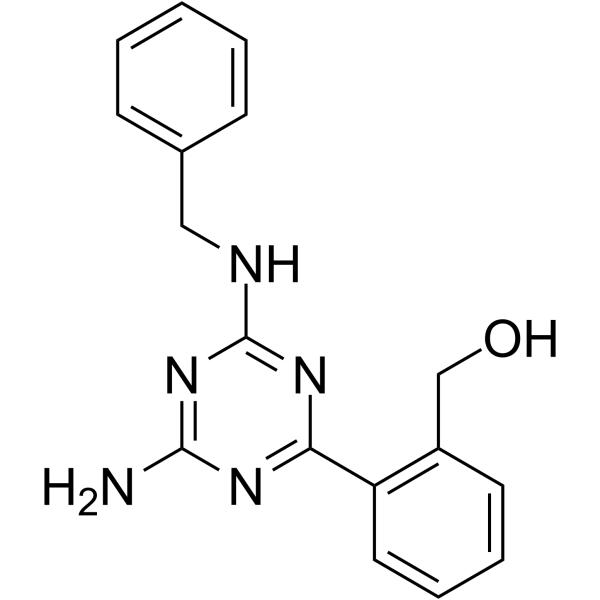
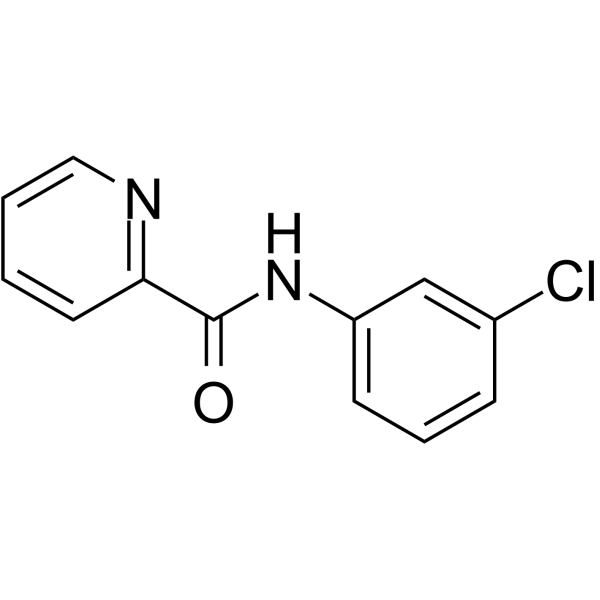
CU-CPT22 is a potent protein complex of toll-like receptor 1 and 2 (TLR1/2) inhibitor, and competes with the synthetic triacylated lipoprotein (Pam3CSK4) binding to TLR1/2 with a Ki of 0.41 µM. CU-CPT22 blocks Pam3CSK4-induced TLR1/2 activation with an IC50 of 0.58 µM .
|
-
-
- HY-111052
-
|
|
GABA Receptor
Cytochrome P450
|
Neurological Disease
Inflammation/Immunology
|
|
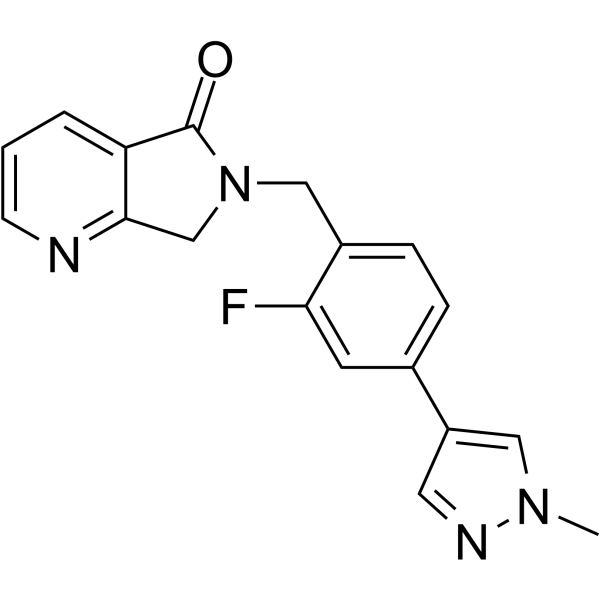
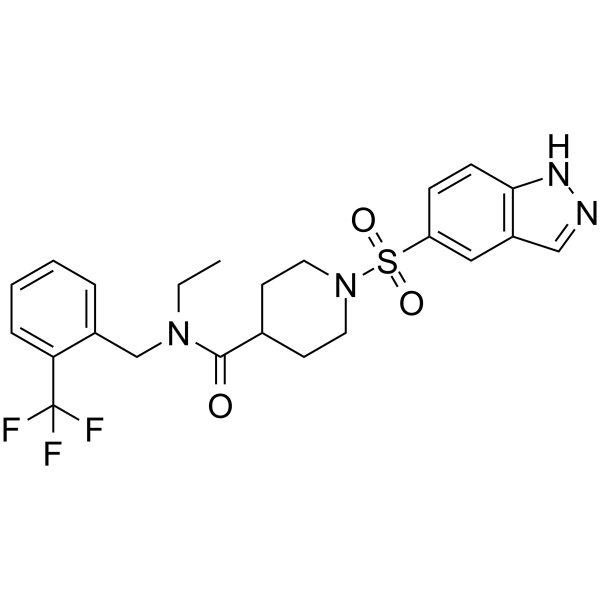
AZD7325 is a potent and orally active partial selective PAM of GABAAα2 and Aα3 receptor (Ki=0.3 and 1.3 nM, respectively), and has less antagonistic efficacy at the Aα1 and Aα5 receptor subtypes . AZD7325 is a moderate CYP1A2 and a potent CYP3A4 inducer in vitro . AZD7325 has the potential for the investigation of anxiety and dravet syndrome . PAM: positive allosteric modulator.
|
-
-
- HY-112146
-
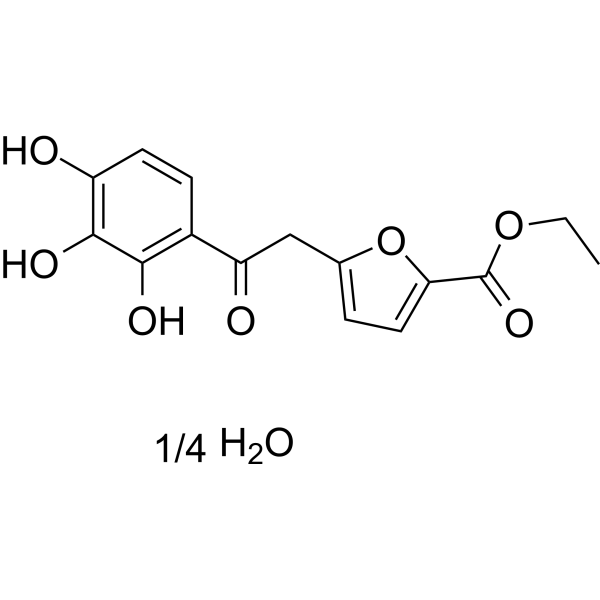
MMG-11
5 Publications Verification
|
Toll-like Receptor (TLR)
|
Inflammation/Immunology
|
|
MMG-11 is a potent and selective human TLR2 antagonist with low cytotoxicity. MMG-11 inhibits both TLR2/1 and TLR2/6 signaling with IC50s of 1.7 µM for Pam3CSK4-induced hTLR2/1 and 5.7 µM for Pam2CSK4-induced hTLR2/6 responses .
|
-
-
- HY-120874
-
|
PF-06372865; CVL-865
|
GABA Receptor
|
Neurological Disease
|
|
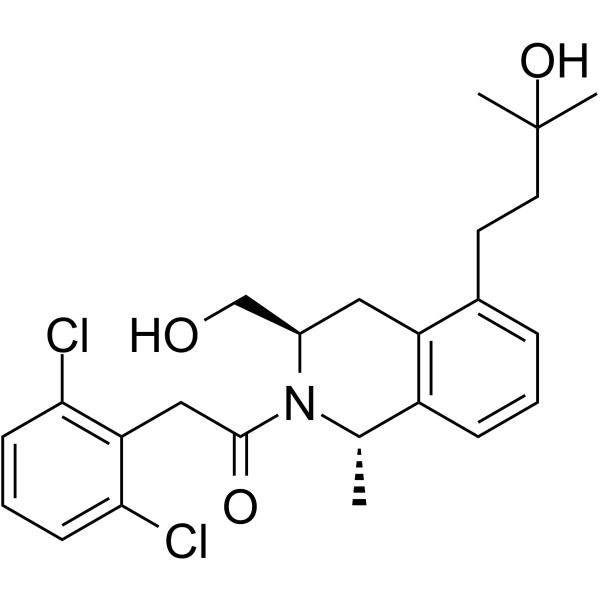
Darigabat (PF-06372865) is an orally active, α2/α3/α5 subtype-selective GABAA positive allosteric modulator (PAM). Darigabat is a high affinity ligand at GABAA receptors containing α1/α2/α3/α5 subunits (Kis of 2.9 nM, 21 nM, 134 nM for α2, α1 PAM, α2 PAM, respectively), with low affinity for α4/α6 subunits. Darigabat can across the blood-brain barrier (BBB). Darigabat has anxiolytic activity and has the potential for epilepsy .
|
-
-
- HY-P1181A
-
|
|
Toll-like Receptor (TLR)
NO Synthase
IKK
Akt
PKC
NF-κB
p38 MAPK
Interleukin Related
|
Cardiovascular Disease
Infection
Inflammation/Immunology
Cancer
|
|
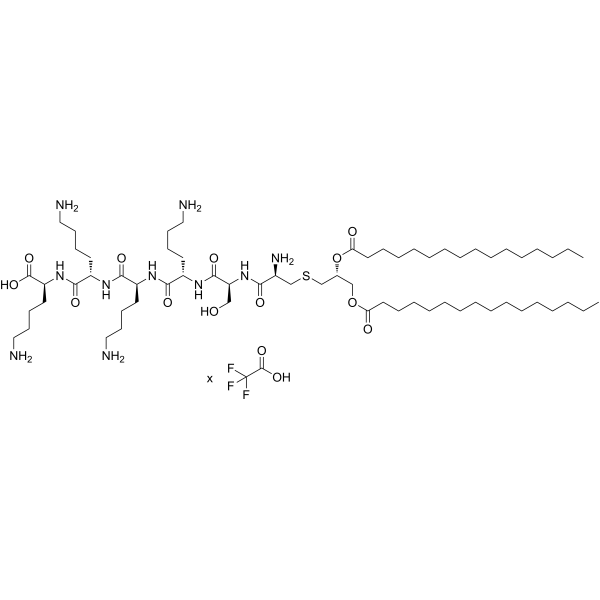
Pam2CSK4 TFA is a TLR2 agonist. Pam2CSK4 TFA induces the expression of iNOS and NO in macrophage cell lines via TBK1 and MyD88 molecules. Pam2CSK4 TFA activates the NF-κB and Bruton's tyrosine kinase signaling pathways in platelets, and promotes platelet-endothelial cell interactions. TLR2 activation triggered by Pam2CSK4 TFA expands myeloid-derived suppressor cells (MDSCs) and suppresses anti-tumor immune responses in the tumor microenvironment. Pam2CSK4 TFA acts as a Th2-polarizing adjuvant in mouse vaccine models against Leishmania major and Brugia malayi. Pam2CSK4 TFA can be used in the research of various diseases, including thromboinflammatory diseases, sepsis, atherosclerosis, heart failure, influenza, lymphoma, melanoma, cutaneous leishmaniasis and lymphatic filariasis .
|
-
-
- HY-165613
-
|
Dipalmitoyl-S-glyceryl-cysteine; S-[2,3-Bis(palmitoyloxy)propyl]cysteine
|
Toll-like Receptor (TLR)
Influenza Virus
NF-κB
|
Infection
Inflammation/Immunology
|
|
Pam2Cys (Dipalmitoyl-S-glyceryl-cysteine; S-[2,3-Bis(palmitoyloxy)propyl]cysteine) is a TLR2 agonist and immunostimulant. Pam2Cys binds to TLR2 to activate dendritic cells and trigger the TLR2-dependent NF-κB signaling pathway. Pam2Cys also induces dendritic cell maturation by upregulating the expression of cell surface MHC II molecules. Pam2Cys activates innate immune signaling pathways, drives pro-inflammatory and antimicrobial responses, enhances the expression of macrophage activation markers, increases phagocytic activity, induces the release of IL-12 and pro-inflammatory cytokines, and polarizes macrophages into a pro-inflammatory, antimicrobial phenotype without interfering with IL-10-induced macrophage polarization. Pam2Cys also serves as the lipid moiety in synthetic lipopeptide vaccines and possesses self-adjuvant properties. Pam2Cys enhances the immunogenicity of conjugated peptide segments and induces cellular and humoral immune responses. However, it does not activate CD4 T cells in mouse splenocyte cultures when used alone. Pam2Cys activates pulmonary TLR2 signaling pathways, triggers innate immune responses, recruits neutrophils and macrophages, induces the secretion of various cytokines, alleviates symptoms and damages associated with influenza A virus infection in mice without impairing adaptive immunity. Pam2Cys can be used in studies related to tuberculosis and influenza A virus infection .
|
-
-
- HY-124419
-
|
|
mGluR
|
Neurological Disease
|
|
RO0711401 is a selective and orally active positive allosteric modulator of mGlu1 receptor with an EC50 of 56 nM .
|
-
-
- HY-129086
-
|
|
iGluR
|
Neurological Disease
|
|
BPAM344 is a kainate receptor (KAR) subunits GluK1b, GluK2a, and GluK3a positive allosteric modulator (PAM) .
|
-
-
- HY-120613
-
|
|
Opioid Receptor
|
Neurological Disease
|
|
BMS-986187 is an δ-opioid receptor-selective positive allosteric modulator (PAM) with an EC50 of 0.03 μM and a pKB of 6.02 (~1 μM). BMS-986187 has no observable PAM activity at the μ-receptor (EC50=3 μM) .
|
-
-
- HY-P1181
-
|
|
Toll-like Receptor (TLR)
NO Synthase
IKK
Akt
PKC
NF-κB
p38 MAPK
Interleukin Related
|
Cardiovascular Disease
Infection
Inflammation/Immunology
Cancer
|
|
Pam2CSK4 is a TLR2 agonist. Pam2CSK4 induces the expression of iNOS and NO in macrophage cell lines via TBK1 and MyD88 molecules. Pam2CSK4 activates the NF-κB and Bruton's tyrosine kinase signaling pathways in platelets, and promotes platelet-endothelial cell interactions. TLR2 activation triggered by Pam2CSK4 expands myeloid-derived suppressor cells (MDSCs) and suppresses anti-tumor immune responses in the tumor microenvironment. Pam2CSK4 acts as a Th2-polarizing adjuvant in mouse vaccine models against Leishmania major and Brugia malayi. Pam2CSK4 can be used in the research of various diseases, including thromboinflammatory diseases, sepsis, atherosclerosis, heart failure, influenza, lymphoma, melanoma, cutaneous leishmaniasis and lymphatic filariasis .
|
-
-
- HY-18654
-
|
|
mGluR
|
Neurological Disease
|
|
ADX88178 is a potent metabotropic glutamate receptor 4 positive allosteric modulator (mGluR4 PAM) with an EC50 of 4 nM for human mGluR4.
|
-
-
- HY-120530
-
|
|
mGluR
|
Neurological Disease
|
|
JNJ-46281222 is an metabotropic glutamate (mGlu) 2-selective, highly potent PAM (positive allosteric modulator) with nanomolar affinity (Kd = 1.7 nM) and a high modulatory potency (pEC50 = 7.71) .
|
-
-
- HY-120023
-
|
|
mAChR
|
Neurological Disease
|
|
VU0453595 is a highly selective, systemically active M1 positive allosteric modulator (PAM, EC50=2140 nM) for the research of schizophrenia .
|
-
-
- HY-122255
-
|
|
mGluR
|
Neurological Disease
|
|
LY487379 is a selective human mGluR2 positive allosteric modulator (PAM). LY487379 potentiates glutamate-stimulated [ 35S]GTPγS binding with EC50 values of 1.7 μM and >10 μM for mGlu2 and mGlu3 receptors respectively. LY487379 promotes cognitive flexibility and facilitates behavioral inhibition in a rat model. LY487379 can be used for schizophrenia research .
|
-
-
- HY-103475
-
|
|
GABA Receptor
|
Neurological Disease
|
|
GS39783 is a positive allosteric modulator (PAM) of GABABR. Positive modulation of the GABABR can be used for the research of Nicotine addiction .
|
-
-
- HY-12439
-
ML380
1 Publications Verification
|
mAChR
|
Neurological Disease
|
|
ML380 is a potent, subtype-selective, and brain-penetrant positive allosteric modulator (PAM) of M5 mAChR, with EC50s of 190 and 610 nM for human and rat M5, respectively. ML380 exhibits moderate selectivity versus the M1 and M3 mAChR subtypes. ML380 could increase the affinity of ACh for the M5 mAChR .
|
-
-
- HY-W141789
-
-
-
- HY-131004
-
|
|
Cannabinoid Receptor
|
Neurological Disease
|
|
CB2R PAM is an orally active cannabinoid type-2 receptors (CB2Rs) positive allosteric modulator. CB2R PAM displays antinociceptive activity in vivo in an experimental mouse model of neuropathic pain .
|
-
-
- HY-113346
-
|
Tetrahydro-11-deoxycorticosterone
|
GABA Receptor
Endogenous Metabolite
|
Neurological Disease
|
|
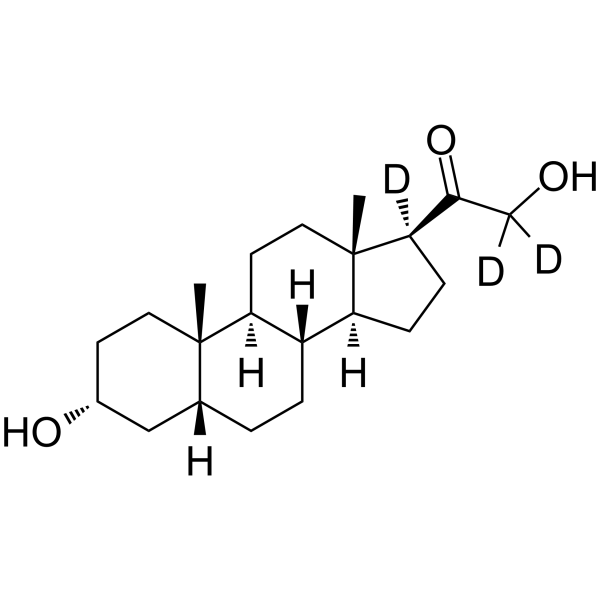
Tetrahydrodeoxycorticosterone, an neurosteroid, is a potent positive allosteric modulator (PAM) of GABAA receptor. Tetrahydrodeoxycorticosterone has potent neuroinhibitory properties .
|
-
-
- HY-108340
-
|
|
mAChR
|
Neurological Disease
|
|
PF-06767832 is a potent muscarinic M1 selective positive allosteric modulator (PAM), with the EC50 of 60 nM. PF-06767832 has good brain penetration .
|
-
-
- HY-W338852
-
|
|
Drug Metabolite
|
Cancer
|
|
Gentisuric acid, a metabolite of Aspirin (HY-14654), is a substrate of α-amidating monooxygenase (PAM). Gentisuric acid prevents DNA-damage by Mitomycin C (HY-13316) .
|
-
-
- HY-141515
-
|
|
Opioid Receptor
|
Neurological Disease
|
|
BMS-986121 is a positive allosteric modulator (PAM) of the μ opioid receptor extracted from patent WO2014107344. BMS-986121 is built on a chemical scaffold representing a new chemotype for μ receptor PAMs .
|
-
-
- HY-122819
-
|
|
CaSR
|
Cardiovascular Disease
|
|
Calindol hydrochloride is a positive allosteric modulator (PAM) of calcimimetic calcium-sensing receptor (CaSR) with an EC50 of 132 nM .
|
-
-
- HY-124821
-
|
|
5-HT Receptor
|
Neurological Disease
Metabolic Disease
|
|
VA012 (compound 11) is a positive allosteric modulator (PAM) of the serotonin 5-HT2C receptor. VA012 reduces food intake and body weight gain without causing CNS-related malaise during subchronic administration. VA012 can be utilized in obesity research .
|
-
-
- HY-126327A
-
|
|
Histone Methyltransferase
|
Cancer
|
|
UNC4976 TFA is a positive allosteric modulator (PAM) peptidomimetic of CBX7 chromodomain binding to nucleic acids. UNC4976 TFA simultaneously antagonizes H3K27me3-specific recruitment of CBX7 to target genes while increasing non-specific binding to DNA and RNA .
|
-
-
- HY-173396
-
|
VU319
|
mAChR
|
Neurological Disease
|
|
VU0467319 (Compound VU319) is a highly selective and blood-brain-permeable, orally active M1 positive allosteric modulator (PAM) (EC50: 492 nM). VU0467319 is selective (EC50 > 30 μM) versus M2-5 for both human and rat. VU0467319 improves cognitive impairment in Alzheimer's disease (AD) through central M1 muscarinic receptors. VU0467319 does not induce cholinergic adverse reactions and has potential in AD research .
|
-
-
- HY-112146A
-
|
|
Toll-like Receptor (TLR)
|
Inflammation/Immunology
|
|
MMG-11 quarterhydrate is a potent and selective human TLR2 antagonist with low cytotoxicity. MMG-11 quarterhydrate inhibits both TLR2/1 and TLR2/6 signaling with IC50s of 1.7 μM for Pam3CSK4-induced hTLR2/1 and 5.7 μM for Pam2CSK4-induced hTLR2/6 responses .
|
-
-
- HY-136190
-
|
|
TRP Channel
|
Neurological Disease
|
|
TRPC6-PAM-C20 is a selective positive allosteric modulator (PAM) of TRPC6 channels. TRPC6-PAM-C20 is a potent enhancer of channel activation, enabling low basal concentrations of DAG to induce activation of the ion channel. TRPC6-PAM-C20 induces increases in intracellular Ca 2+ concentrations ([Ca 2+]i) in TRPC6-expressing HEK293 cells with an EC50 of 2.37 μM. TRPC6-PAM-C20 can be used as a valuable tool to selectively exaggerate TRPC6-dependent signals .
|
-
-
- HY-116463
-
-
-
- HY-P1405
-
-
-
- HY-I0673
-
|
|
Apoptosis
|
Infection
Inflammation/Immunology
|
|
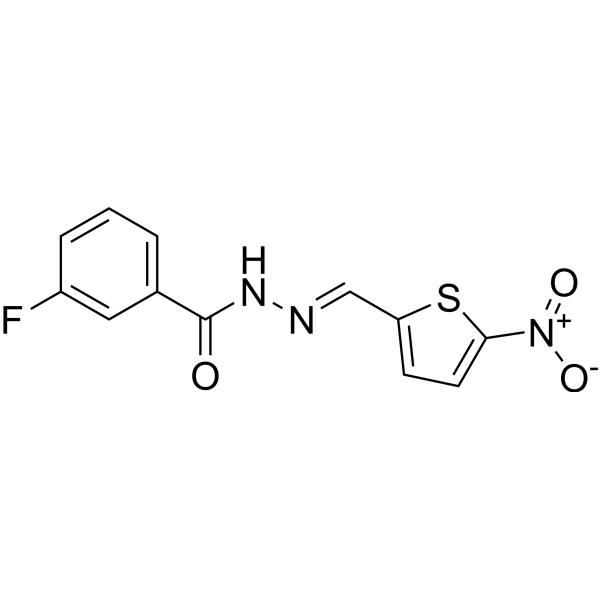
Flucofuron exhibits high efficacy against trophozoites of both N. fowleri strains (ATCC 30808 : IC50 = 2.58 μM and ATCC 30215: IC50 = 2.47 μM), being even active against the resistant cyst stage (IC50 = 0.88 μM). Flucofuron can induce cell apoptosis. Flucofuron can be used for the researches of infection and inflammation, such as Primary amoebic meningoencephalitis (PAM) .
|
-
-
- HY-P1180B
-
|
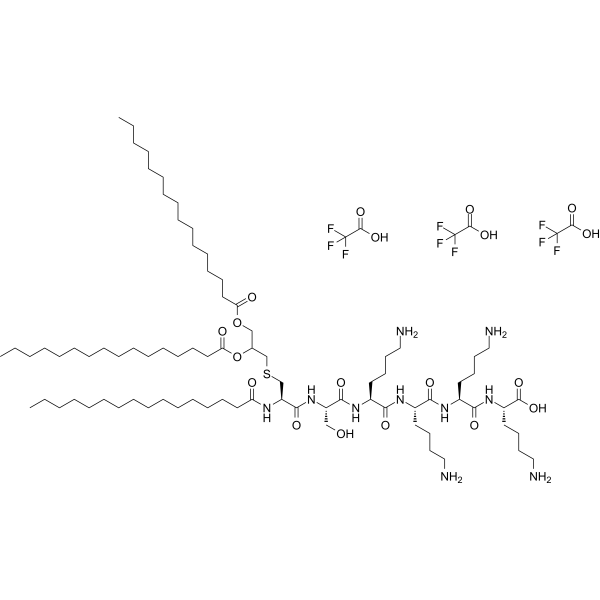
Pam3Cys-Ser-(Lys)4 trihydrochloride
|
Biochemical Assay Reagents
|
Others
|
|
Pam3Cys-Ser-(Lys)4 trihydrochloride is a biochemical reagent that can be used as a biological material or organic compound for life science related research.
|
-
-
- HY-100605
-
|
|
mGluR
|
Others
|
|
VU0483605 is a potent and brain-penetrated mGlu1 receptor positive allosteric modulator (PAM). VU0483605 shows excellent mGlu1 PAM activity at both human and rat, with EC50 values of 390 and 356 nM, respectively .
|
-
-
- HY-107423
-
|
|
iGluR
|
Neurological Disease
|
|
GNE 6901 (compound 40) is a potent GluN2A-selective NMDAR positive allosteric modulator (PAM) with an EC50 of 382 nM .
|
-
-
- HY-103571
-
|
|
mGluR
|
Neurological Disease
|
|
VU0285683 is a selective mGluR5 positive allosteric modulator (PAM). VU0285683 has anxiolytic-like activity in rodent models for anxiety .
|
-
-
- HY-120004
-
|
|
mAChR
|
Infection
|
|
PF-06827443 is a potent, low-clearance, orally bioavailable, and CNS-penetrant M1-selective positive allosteric modulator (PAM) with minimal agonist activity. PF-06827443 induce cholinergic AEs and convulsion .
|
-
-
- HY-121806
-
|
|
mAChR
|
Neurological Disease
|
|
VU0486846 is an orally active and selective muscarinic acetylcholine receptor M1 positive allosteric modulator (PAM) .
|
-
-
- HY-117851
-
|
|
CaSR
|
Metabolic Disease
Endocrinology
|
|
AC-265347 is a calcium-sensing receptor (CaSR) agonist and positive allosteric modulator (ago-PAM) with the functional affinity (pKB) of 5.1. AC-265347 can be used for the research of hyperparathyroidism and related diseases .
|
-
-
- HY-126327
-
|
|
Histone Methyltransferase
|
Cancer
|
|
UNC4976 is a positive allosteric modulator (PAM) peptidomimetic of CBX7 chromodomain binding to nucleic acids. UNC4976 simultaneously antagonizes H3K27me3-specific recruitment of CBX7 to target genes while increasing non-specific binding to DNA and RNA .
|
-
-
- HY-RS10011
-
|
|
Small Interfering RNA (siRNA)
|
Others
|
|
PAM Human Pre-designed siRNA Set A contains three designed siRNAs for PAM gene (Human), as well as a negative control, a positive control, and a FAM-labeled negative control.
|
-
PAM Human Pre-designed siRNA Set A
-
- HY-118179
-
|
|
mGluR
|
Neurological Disease
|
|
VU0486321 is a compound in a class of mGlu1 positive allosteric modulators (PAMs). VU0486321 maintains acceptable mGlu1 PAM potency, DMPK profile, CNS permeability, and mGluR selectivity.
|
-
-
- HY-101841
-
|
|
mAChR
|
Neurological Disease
|
|
LY 2033298 is a selective positive allosteric modulator of the muscarinic M4 receptor. LY 2033298 can be used in the study of psychiatric disorders .
|
-
-
- HY-14419
-
|
|
mGluR
|
Neurological Disease
|
|
TCN238 is an orally bioavailable mGlu4 receptor positive allosteric modulator (PAM) with an EC50 of 1 μM .
|
-
-
- HY-119078
-
|
|
mGluR
|
Neurological Disease
|
|
VU0080241 is a positive allosteric modulator (PAM) of the metabotropic glutamate receptor subtype 4 (mGluR4), with an EC50 of 4.6 μM .
|
-
-
- HY-19623
-
|
|
mGluR
|
Neurological Disease
|
|
VU0092273 is a potent mGlu5 positive allosteric modulator (PAM) that also binds to the MPEP site, with an EC50 of 0.27 μM .
|
-
-
- HY-139044
-
|
|
mAChR
|
Neurological Disease
|
|
VU6000918 is a muscarinic acetylcholine (M4) positive allosteric modulator, with an EC50 of 19 nM for hM4 .
|
-
-
- HY-16951
-
|
|
mGluR
|
Neurological Disease
|
|
VU-1545 is a metabotropic glutamate receptor 5 positive allosteric modulator (mGluR5 PAM) with a Ki of 156 nM and an EC50 of 9.6 nM .
|
-
-
- HY-113689
-
|
|
Cannabinoid Receptor
|
Neurological Disease
|
|
GAT211 is a cannabinoid 1 receptor (CB1R) positive allosteric modulator (PAM). GAT211 activates cAMP and β-arrestin2 with EC50 values of 260 nM and 650 nM, respectively. GAT211 inhibits GAT211 can be used for neuropathic and/or inflammatory pain research .
|
-
-
- HY-170499
-
|
BI02982816
|
mGluR
|
Neurological Disease
|
|
VU6024578 (BI02982816) is a selective, orally active positive allosteric modulator (PAM) for metabotropic glutamate receptor (mGluR1), that activates human mGluR1 and rat mGluR1 with EC50 of 54 nM and 46 nM. VU6024578 exhibits antipsychotic activity in rats amphetamine-induced hyperactivity models and MK-801 (HY-15084B)-induced novel object recognition (NOR) models. VU6024578 is blood brain barrier penetrable .
|
-
-
- HY-P1405A
-
-
- HY-162454
-
|
|
EAAT
|
Neurological Disease
|
|
DA-023 (Compound 4) is a selective positive allosteric modulator (PAM) of EAAT2 with an EC50 value of 1 nM .
|
-
- HY-117611
-
-
- HY-137204
-
|
|
GABA Receptor
|
Neurological Disease
|
|
COR659 is a potent and effective GABAB positive allosteric modulator (PAM). COR659 suppresses alcohol and chocolate self-administration in rats .
|
-
- HY-172981
-
|
|
5-HT Receptor
|
Neurological Disease
|
|
CTW0404 is a potent 5-HT Receptor positive allosteric modulators (PAMs). CTW0404 is promising for research of neuropsychiatric disorders .
|
-
- HY-172982
-
|
|
5-HT Receptor
|
Neurological Disease
|
|
CTW0419 is a potent 5-HT Receptor positive allosteric modulators (PAMs). CTW0419 is promising for research of neuropsychiatric disorders .
|
-
- HY-179240
-
|
|
Dopamine Receptor
|
Neurological Disease
|
|
UNC9815 is a D1 dopamine receptor (D1R) orthosteric allosteric modulator (PAM). UNC9815 can dose-dependently enhance the functional efficacy of dopamine in β-inhibitory protein recruitment experiments and cAMP accumulation experiments. When used in combination with other PAMs, UNC9815 exhibits a significant synergistic enhancement effect. UNC9815 can be used to study neurological and psychiatric diseases such as Parkinson's disease and schizophrenia .
|
-
- HY-124372
-
|
|
mGluR
|
Neurological Disease
|
|
JNJ-46356479 is a selective and orally bioavailable mGlu2 receptor positive allosteric modulator (PAM), with the EC50 of 78 nM. JNJ-46356479 shows active in vivo .
|
-
- HY-155628
-
|
|
iGluR
|
Others
|
|
AMPA receptor modulator-6 is an AMPA receptor positive allosteric modulator (PAM). AMPA receptor modulator-6 can be used in the study of neurological diseases .
|
-
- HY-162662
-
|
|
Cytochrome P450
mAChR
|
Neurological Disease
|
|
VU6008677 is a positive allosteric modulator (PAM) for M4, with EC50 of 120 nM for hM4. VU6008677 inhibits cytochrome P450, exhibits good pharmacokinetic characteristics in rats .
|
-
- HY-155467
-
-
- HY-123667
-
|
|
mGluR
|
Neurological Disease
|
|
NCFP is a metabotropic glutamate receptor 5 (mGlu5) positive allosteric modulator (PAM). NCFP can be used in the study of central nervous system diseases .
|
-
- HY-159177
-
|
|
mAChR
|
Neurological Disease
|
|
M4 mAChR Modulator-1 (compound 23i) is a M4 mAChR positive allosteric modulator (PAM). M4 mAChR Modulator-1 exhibits significantly greater cooperativity with ACh in β-arrestin recruitment over G protein activation. M4 mAChR Modulator-1 displays weak PAM effect in G protein-mediated responses, but strong PAM effect in β-arrestin recruitment .
|
-
- HY-168025
-
|
|
nAChR
|
Neurological Disease
|
|
VU6007496 is a highly selective and CNS penetrant M1 positive allosteric modulator (PAM). VU6007496 shows excellent pharmacokinetics (PK) .
|
-
- HY-160529
-
|
|
nAChR
|
Neurological Disease
|
|
α7 nAChR Modulator-2 (Compound 7b) is a α7 nAChR positive allosteric modulator (PAM) with an EC50 of 2.1 μM. α7 nAChR Modulator-2 can be used for the research of cognitive disorders .
|
-
- HY-18679
-
|
|
mGluR
|
Neurological Disease
|
|
TC-N 22A is a potent, selective, orally active and brain-permeable mGlu4 PAM with an EC50 of 9 nM in human mGlu4-expressing BHK cells. TC-N 22A is less active (EC50>10 μM) in agonist and PAM model at mGlu 1, 2, 3, 5, and 7 receptors. TC-N 22A has the potential for research of CNS disease in vivo .
|
-
- HY-118022
-
|
|
mGluR
|
Neurological Disease
|
|
VU0361747 is a potent and selective positive allosteric modulator of metabotropic glutamate receptor 4 (mGluR4 PAM). VU0361737 has neuroprotective effect. VU0361737 significantly reverses Amphetamine-induced hyperlocomotion in vivo .
|
-
- HY-122164
-
|
|
iGluR
|
Neurological Disease
|
|
LY-503430 is an orally active AMPA receptor positive allosteric modulator (PAM). LY-503430 can be used for the study of Parkinson's disease .
|
-
- HY-151899
-
|
|
Adenosine Receptor
|
Inflammation/Immunology
|
|
A3AR modulator 1 (MRS8054) is an orally active A3 adenosine receptor (A3AR) (Adenosine Receptor) positive allosteric modulator (PAM). A3AR modulator 1 greatly enhances Cl-IB-MECA-stimulated [ 35S]GTPγS binding Emax .
|
-
- HY-116463D
-
|
|
Sigma Receptor
|
Neurological Disease
|
|
(Rac)-E1R (Compound 2) is the racemate of E1R. (Rac)-E1R is a sigma-1 receptor positive allosteric modulator (Sig1R PAM) used for the research of cognition/memory disorders .
|
-
- HY-111052R
-
|
|
GABA Receptor
Cytochrome P450
|
Neurological Disease
Inflammation/Immunology
|
|
AZD7325 (Standard) is the analytical standard of AZD7325. This product is intended for research and analytical applications. AZD7325 is a potent and orally active partial selective PAM of GABAAα2 and Aα3 receptor (Ki=0.3 and 1.3 nM, respectively), and has less antagonistic efficacy at the Aα1 and Aα5 receptor subtypes . AZD7325 is a moderate CYP1A2 and a potent CYP3A4 inducer in vitro . AZD7325 has the potential for the investigation of anxiety and dravet syndrome . PAM: positive allosteric modulator.
|
-
- HY-116463B
-
|
|
Sigma Receptor
|
Neurological Disease
|
|
(2S,3S)-E1R (Compound 2d) is an enantiomer of E1R. (2S,3S)-E1R is a sigma-1 receptor positive allosteric modulator (Sig1R PAM) for the treatment of cognition/memory disorders .
|
-
- HY-116463A
-
|
|
Sigma Receptor
|
Neurological Disease
|
|
(2R,3S)-E1R (Compound 2c) is an enantiomer of E1R. (2R,3S)-E1R is a sigma-1 receptor positive allosteric modulator (Sig1R PAM) for the treatment of cognition/memory disorders .
|
-
- HY-116463C
-
|
|
Sigma Receptor
|
Neurological Disease
|
|
(2R,3R)-E1R (Compound 2b) is an enantiomer of E1R. (2R,3R)-E1R is a sigma-1 receptor positive allosteric modulator (Sig1R PAM) for the treatment of cognition/memory disorders .
|
-
- HY-103552
-
|
|
mGluR
|
Neurological Disease
|
|
LY487379 hydrochloride is a selective human mGluR2 positive allosteric modulator (PAM). LY487379 hydrochloride potentiates glutamate-stimulated [ 35S]GTPγS binding with EC50 values of 1.7 μM and >10 μM for mGlu2 and mGlu3 receptors respectively. LY487379 hydrochloride promotes cognitive flexibility and facilitates behavioral inhibition in a rat model. LY487379 hydrochloride can be used for schizophrenia research .
|
-
- HY-120576
-
|
VU0405652
|
mAChR
|
Neurological Disease
|
|
ML169 (VU0405652) is a potent, selective and brain penetrant positive allosteric modulator (PAM) of M1 mAChR, with an EC50 of 1.38 µM. ML169 is a MLPCN probe and can be used for Alzheimer’s disease .
|
-
- HY-171981
-
|
|
mAChR
|
Neurological Disease
|
|
VU6002703 (Compound 17) is a BBB-penetrable M4 mAChR positive allosteric modulator (PAM) with an EC50 of 0.6 μM for hM4. VU6002703 can be used for neuropsychiatric and rare genetic CNS disorders research .
|
-
- HY-173032
-
|
|
mGluR
|
Neurological Disease
|
|
VU6033685 is the orally active positive allosteric modulator (PAM) for mGlu1 that positively modulates human mGlu1 and human mGlu5 with EC50 of 39 nM and 3960 nM. VU6033685 also inhibits CYP1A2, CYP2C9 and CYP2D6 with IC50 of 26, 22.3 and 23.8 μM, respectively. VU6033685 reverses amphetamine-induced rats hyperlocomotion, protects rats from MK-801 (HY-15084B)-induced cognitive impairment. VU6033685 exhibits good pharmacokinetics characteristics in rats with an oral bioavailability of 42.8% .
|
-
- HY-123934
-
|
|
P-glycoprotein
|
Neurological Disease
|
|
VU6007477 is a brain-penetrant, selective M1 positive allosteric modulator (PAM) with an EC50 value of 230 nM. VU6007477 is also a human P-glycoprotein (P-gp) substrate with moderate permeability. VU6007477 displays improved central nervous system (CNS) penetration over the hydroxylated congeners. VU6007477 a pyranyl amide derivative, which is promising for research of robust cholinergic seizure activity .
|
-
- HY-161118
-
|
|
nAChR
|
Neurological Disease
|
|
MB327 is a bipyridine nonoxime compound that restores neuromuscular function. MB327 restores the activity of nicotinamide acetylcholine receptors (nAChRs) for carbachol desensitization in a typical type II PAM manner. MB327 can neutralize nerve agent poisoning .
|
-
- HY-173251S
-
|
|
GABA Receptor
|
Neurological Disease
|
|
ENX-101 is an orally active (GABAA) receptor partial positive allosteric modulator (PAM). ENX-101 is selective to α2β2γ2L (EC50 = 0.76 nM), α2β3γ2L (EC50 = 0.61 nM), α3 (EC50 = 1.97 nM), α5 (EC50 = 0.85 nM) subunits of GABA receptor. ENX-101 possesses antiseizure activity in several animal models .
|
-
- HY-169247
-
-
- HY-P4802
-
-
- HY-RS23002
-
|
|
Small Interfering RNA (siRNA)
|
Others
|
|
Pam Rat Pre-designed siRNA Set A contains three designed siRNAs for Pam gene (Rat), as well as a negative control, a positive control, and a FAM-labeled negative control.
|
-
Pam Rat Pre-designed siRNA Set A
- HY-RS16569
-
|
|
Small Interfering RNA (siRNA)
|
Others
|
|
Pam Mouse Pre-designed siRNA Set A contains three designed siRNAs for Pam gene (Mouse), as well as a negative control, a positive control, and a FAM-labeled negative control.
|
-
Pam Mouse Pre-designed siRNA Set A
- HY-149975
-
|
|
iGluR
|
Neurological Disease
|
|
AMPA receptor modulator-4, a 3,4-dihydro-2H-1,2,4-benzothiadiazine 1,1-dioxide (BTD), is an orally active positive allosteric modulator of the AMPA receptors (AMPAR PAMs). AMPA receptor modulator-4 can cross the blood-brain barrier. AMPA receptor modulator-4 increases the cognition performance and improves working memory performance in mice .
|
-
- HY-RS25961
-
|
|
Small Interfering RNA (siRNA)
|
Others
|
|
Pam16 Rat Pre-designed siRNA Set A contains three designed siRNAs for Pam16 gene (Rat), as well as a negative control, a positive control, and a FAM-labeled negative control.
|
-
Pam16 Rat Pre-designed siRNA Set A
- HY-RS19468
-
|
|
Small Interfering RNA (siRNA)
|
Others
|
|
Pam16 Mouse Pre-designed siRNA Set A contains three designed siRNAs for Pam16 gene (Mouse), as well as a negative control, a positive control, and a FAM-labeled negative control.
|
-
Pam16 Mouse Pre-designed siRNA Set A
- HY-RS10012
-
|
|
Small Interfering RNA (siRNA)
|
Others
|
|
PAM16 Human Pre-designed siRNA Set A contains three designed siRNAs for PAM16 gene (Human), as well as a negative control, a positive control, and a FAM-labeled negative control.
|
-
PAM16 Human Pre-designed siRNA Set A
- HY-124112
-
|
|
Parasite
|
Infection
|
|
PAM 1392 is active orally against Plasmodium berghei in mice, P. cynofologi and P. knowlesi in monkeys and Trypanosoma cruzi in tissue cultures of mice, and hemolytic streptococci in vitro. PAM 1392 has antimalarial and antitrypanosomal activities, which is proming for rasearch of drug-resistant malaria .
|
-
- HY-103535
-
-
- HY-134912
-
|
|
GABA Receptor
|
Neurological Disease
|
|
CMPPE is a GABAB receptor positive allosteric modulator (PAM) that inhibits alcohol self-administration and reinstatement behavior in rats .
|
-
- HY-112814
-
|
|
mGluR
|
Neurological Disease
|
|
VU6001376 is a potent and selective positive allosteric modulator of the metabotropic glutamate receptor 4 (mGlu4 PAM) with an EC50 of 50.1 nM .
|
-
- HY-147421
-
-
- HY-161810
-
|
|
Adenosine Receptor
|
Others
|
|
MRS8247 is a positive allosteric modulator (PAM) of the A3 adenosine receptor (A3AR) that can also slow the dissociation rate of agonists .
|
-
- HY-117408
-
|
|
mAChR
|
Neurological Disease
|
|
VU6004256 is a potent and selective M1 muscarinic positive allosteric modulator (PAM) with an EC50 value of 155 nM. VU6004256 has the potential for the research of schizophrenia .
|
-
- HY-161113
-
|
|
CaSR
|
Metabolic Disease
|
|
Z8554052021 (compound 2021) is a potent CaSR and indeed GPCR positive allosteric modulator (PAM) with an EC50 of 3.3 nM. Z8554052021 has the potential for hyperparathyroidism research .
|
-
- HY-180400
-
|
|
nAChR
Calcium Channel
|
Neurological Disease
|
|
PAM-2 is a potent, orally active, CNS-penetrant selective α7 nAChR positive allosteric modulator (human α7 nAChR EC50: 39 μM, rat α7 nAChR EC50: 12 μM) with anti-nociceptive and anti-inflammatory activity. PAM-2 exhibits selectivity over α9α10 nAChR (IC50 = 174 μM) and CaV2.2 channel (IC50 = 89 μM). PAM-2 decreases Streptozotocin (STZ) (HY-13753)- and Oxaliplatin (HY-17371)-inducned nuroparhic pain in mice by α7 nAChR potentiation. PAM-2 can be used for the research of neuropathic pain .
|
-
- HY-185007
-
|
|
GABA Receptor
|
Neurological Disease
|
|
LI-633 is a selective and orally active GABAA receptor positive allosteric modulator (PAM) with a Ki of 21 nM. LI-633 produces robust potentiation of GABA-induced inward current, with EC50 values ranging from 8 nM (α5β2γ2) to 128 nM (α3β2γ2). LI-633 potentiates muscimol-induced GABAergic currents in rat dorsal root ganglion (DRG) neurons with an EC50 of 70.4 nM. LI-633 can be used for the study of visceral pain .
|
-
- HY-101841R
-
|
|
mAChR
Reference Standards
|
Neurological Disease
|
|
LY 2033298 (Standard) is the analytical standard of LY 2033298 (HY-101841). This product is intended for research and analytical applications. LY 2033298 is a selective positive allosteric modulator of the muscarinic M4 receptor. LY 2033298 can be used in the study of psychiatric disorders .
|
-
- HY-108471R
-
|
|
Reference Standards
Toll-like Receptor (TLR)
|
Cancer
|
|
CU-CPT22 (Standard) is the analytical standard of CU-CPT22 (HY-108471). This product is intended for research and analytical applications. CU-CPT22 is a potent protein complex of toll-like receptor 1 and 2 (TLR1/2) inhibitor, and competes with the synthetic triacylated lipoprotein (Pam3CSK4) binding to TLR1/2 with a Ki of 0.41 µM. CU-CPT22 blocks Pam3CSK4-induced TLR1/2 activation with an IC50 of 0.58 µM .
|
-
- HY-144291
-
|
|
Dopamine Receptor
|
Neurological Disease
|
|
LY3154885 is an orally active dopamine D1 receptor positive allosteric modulator (PAM). LY3154885 has an improved agent-agent interactions (DDI) risk profile .
|
-
- HY-108703
-
|
PXT002331
|
mGluR
|
Neurological Disease
|
|
Foliglurax (PXT002331) is a highly selective and potent, brain-penetrant metabotropic glutamate receptor 4 positive allosteric modulator (mGluR4 PAM) with an EC50 of 79 nM . Antiparkinsonian effect .
|
-
- HY-P1180
-
-
- HY-159624
-
|
|
GABA Receptor
|
Neurological Disease
|
|
KK-92A, a blood-brain barrier penetrated GABAB positive allosteric modulator (PAM), suppresses alcohol self-administration and cue-induced reinstatement of alcohol seeking in rats .
|
-
- HY-113346S
-
-
- HY-15393
-
|
|
mGluR
|
Neurological Disease
|
|
VU 0357121 is a positive and highly selective mGlu5R allosteric modulator (PAM) with an EC50 of 33 nM. VU 0357121 is inactive or very weakly antagonizing at other mGlu receptor subtypes .
|
-
- HY-12149
-
|
|
nAChR
|
Neurological Disease
|
|
A-867744 is a highly potent and selective type II positive allosteric modulator (PAM) of the alpha7 nicotinic acetylcholine receptors (nAChR) with an EC50 of 1.0 μM .
|
-
- HY-100588
-
|
|
mGluR
|
Neurological Disease
|
|
VU0364770 is a selective and potent positive allosteric modulator (PAM) of mGlu4. VU0346770 exhibits EC50s of 290 nM and 1.1 μM at rat mGlu4 and human mGlu4 receptor, respectively. VU0364770 exhibits antagonist activity at mGlu5 with a potency of 17.9 μM and PAM activity at mGlu6 with a potency of 6.8 μM. VU0364770 also possesses activity at MAO with Ki values of 8.5 and 0.72 μM for human MAO-A and human MAO-B, respectively .
|
-
- HY-100588A
-
|
|
mGluR
|
Neurological Disease
|
|
VU0364770 hydrochloride is a selective and potent positive allosteric modulator (PAM) of mGlu4. VU0346770 hydrochloride exhibits EC50s of 290 nM and 1.1 μM at rat mGlu4 and human mGlu4 receptor, respectively. VU0364770 hydrochloride exhibits antagonist activity at mGlu5 with a potency of 17.9 μM and PAM activity at mGlu6 with a potency of 6.8 μM. VU0364770 hydrochloride also possesses activity at MAO with Ki values of 8.5 and 0.72 μM for human MAO-A and human MAO-B, respectively .
|
-
- HY-119226
-
|
|
mAChR
|
Neurological Disease
|
|
VU0152099 is a potent, selective and brain-penetrant mAChR M4 positive allosteric modulator with an EC50 of 0.4 µM for rat M4 receptor. VU0152099 is inactive for other mAChR subtypes or other GPCRs. VU0152099 has no agonist activity but potentiated responses of M4 to acetylcholine .
|
-
- HY-119772
-
|
ML137
|
Cholinesterase (ChE)
|
Neurological Disease
|
|
VU0366369 (ML137) is a selective positive allosteric modulator (PAM) for mAChR M1 with an EC50 of 830 nM. VU0366369 can be used in research about central nervous system diseases .
|
-
- HY-119363
-
|
|
mAChR
|
Neurological Disease
|
|
VU6009453 (compound 15q) is a brain-penetrant M4 mAChR positive allosteric modulator (PAM) with an EC50 of 383 nM. VU6009453 can be used for research on neurological diseases .
|
-
- HY-P1180A
-
-
- HY-128770
-
|
|
Dopamine Receptor
|
Neurological Disease
|
|
LY3154207 is a potent, subtype selective, and orally available human dopamine D1 receptor
positive allosteric modulator (PAM) with minimal allosteric agonist activity (EC50=3 nM) .
|
-
- HY-108703A
-
|
PXT002331 monohydrochloride
|
mGluR
|
Neurological Disease
|
|
Foliglurax monohydrochloride (PXT002331 monohydrochloride) is a highly selective and potent, brain-penetrant metabotropic glutamate receptor 4 positive allosteric modulator (mGluR4 PAM) , with an EC50 of 79 nM . Antiparkinsonian effect .
|
-
- HY-113320
-
|
5β-Androsterone
|
GABA Receptor
Endogenous Metabolite
|
Neurological Disease
|
|
Etiocholanolone (5β-Androsterone) is the excreted metabolite of testosterone and has anticonvulsant activity . Etiocholanolone is a less potent neurosteroid positive allosteric modulator (PAM) of the GABAA receptor than its enantiomer form .
|
-
- HY-111332
-
|
|
mGluR
|
Others
|
|
(E)-PHCCC is a positive allosteric modulator (PAM) for mGluR4, that enhances the activity of the receptor's endogenous ligand (glutamate), and exhibits activity in the calcium mobilization assay in CHO cells with an EC50 of 3.2 μM .
|
-
- HY-118416
-
|
|
Opioid Receptor
|
Neurological Disease
|
|
BMS-986124 is a μ-opioid receptor silent allosteric modulator (μ-SAMs). BMS-986124 antagonizes positive allosteric modulator effect of BMS-986122 (µ-OR PAM) .
|
-
- HY-W777503
-
|
|
Isotope-Labeled Compounds
CaSR
|
Cardiovascular Disease
|
|
Calindol hydrochloride- 13C,d2 is the deuterium and 13C labeled Calindol hydrochloride (HY-122819). Calindol hydrochloride is a positive allosteric modulator (PAM) of calcimimetic calcium-sensing receptor (CaSR) with an EC50 of 132 nM .
|
-
- HY-14417
-
|
|
mGluR
|
Neurological Disease
|
|
VU0155041 is a potent, selective positive allosteric modulator (PAM) of mGluR4, with EC50s of 798 nM and 693 nM for human and rat mGluR4, respectively. VU0155041 has potential for the research of Parkinson's disease (PD) .
|
-
- HY-128783
-
|
|
mAChR
|
Neurological Disease
|
|
VU0090157 is a positive allosteric modulator (PAM) of the M1 muscarinic acetylcholine receptor (mAChR). VU0090157 increases the affinity of ACh by binding to the allosteric site. VU0090157 can be used in the study of schizophrenia and Alzheimer's disease .
|
-
- HY-14417B
-
|
|
mGluR
|
Neurological Disease
|
|
VU0155041 sodium is a potent, selective positive allosteric modulator (PAM) of mGluR4, with EC50s of 798 nM and 693 nM for human and rat mGluR4, respectively. VU0155041 has potential for the research of Parkinson's disease (PD) .
|
-
- HY-13058
-
|
|
mGluR
|
Neurological Disease
|
|
ADX-47273 is a potent, selective and brain-penetrant mGluR5 positive allosteric modulator (PAM), with an EC50 of 0.17 μM for potentiation of glutamate (50 nM) response. ADX-47273 has antipsychotic and procognitive activities .
|
-
- HY-116855
-
|
|
mGluR
|
Neurological Disease
|
|
TASP0433864 is a selective positive allosteric modulator (PAM) of metabotropic glutamate 2 (mGlu2) receptor with EC50 values of 199 nM and 206 nM against human and rat mGlu2 receptors, respectively. TASP0433864 has antipsychotic activity .
|
-
- HY-116819A
-
|
|
GCGR
|
Metabolic Disease
|
|
VU0453379 hydrochloride is a highly selective and central nervous system (CNS) penetrant positive allosteric modulator (PAM) of glucagon-like peptide-1R (GLP-1R) with an EC50 of 1.3 μM .
|
-
- HY-107504
-
|
|
mGluR
|
Neurological Disease
|
|
VU0360172 hydrochloride is a potent and selective mGlu5 receptor positive allosteric modulator (PAM) with an EC50 value of 16 nM and a Ki of 195 nM, respectively. VU0360172 hydrochloride stimulates polyphosphoinositide (PI) hydrolysis in vivo, which is abrogated in mGlu5 receptors gene deleted mice .
|
-
- HY-100588AR
-
|
|
mGluR
Reference Standards
|
Neurological Disease
|
|
VU0364770 (hydrochloride) (Standard) is the analytical standard of VU0364770 (hydrochloride) (HY-100588A). This product is intended for research and analytical applications. VU0364770 hydrochloride is a selective and potent positive allosteric modulator (PAM) of mGlu4. VU0346770 hydrochloride exhibits EC50s of 290 nM and 1.1 μM at rat mGlu4 and human mGlu4 receptor, respectively. VU0364770 hydrochloride exhibits antagonist activity at mGlu5 with a potency of 17.9 μM and PAM activity at mGlu6 with a potency of 6.8 μM. VU0364770 hydrochloride also possesses activity at MAO with Ki values of 8.5 and 0.72 μM for human MAO-A and human MAO-B, respectively .
|
-
- HY-100588R
-
|
|
mGluR
Reference Standards
|
Neurological Disease
|
|
VU0364770 (Standard) is the analytical standard of VU0364770 (HY-100588). This product is intended for research and analytical applications. VU0364770 is a selective and potent positive allosteric modulator (PAM) of mGlu4. VU0346770 exhibits EC50s of 290 nM and 1.1 μM at rat mGlu4 and human mGlu4 receptor, respectively. VU0364770 exhibits antagonist activity at mGlu5 with a potency of 17.9 μM and PAM activity at mGlu6 with a potency of 6.8 μM. VU0364770 also possesses activity at MAO with Ki values of 8.5 and 0.72 μM for human MAO-A and human MAO-B, respectively .
|
-
- HY-113320S
-
|
5β-Androsterone-d5
|
Isotope-Labeled Compounds
GABA Receptor
Endogenous Metabolite
|
Neurological Disease
|
|
Etiocholanolone-d5 is the deuterium labeled Etiocholanolone. Etiocholanolone (5β-Androsterone) is the excreted metabolite of testosterone and has anticonvulsant activity . Etiocholanolone is a less potent?neurosteroid positive allosteric modulator?(PAM) of the GABAA?receptor than its?enantiomer form .
|
-
- HY-W338852R
-
|
|
Drug Metabolite
Reference Standards
|
Cancer
|
|
Gentisuric acid (Standard) is the analytical standard of Gentisuric acid. This product is intended for research and analytical applications. Gentisuric acid, a metabolite of Aspirin (HY-14654), is a substrate of α-amidating monooxygenase (PAM). Gentisuric acid prevents DNA-damage by Mitomycin C (HY-13316)[1][2].
|
-
- HY-14612
-
|
|
mGluR
|
Neurological Disease
|
|
CPPHA is potent and selective positive allosteric modulator (PAM) of the mGluR5 and mGluR1 (metabotropic glutamate receptor). CPPHA can potentiate responses of mGluR5 and mGluR1 to activation of these receptors. CPPHA is developed for the research of central nervous system disorders .
|
-
- HY-129517
-
|
|
iGluR
|
Neurological Disease
|
|
UBP714 exhibts agonistic activity for recombinant GluN1/GluN2 receptor by binding to the positive allosteric site (PAM) of NMDARs. UBP714 enhances NMDAR-mediated field excitatory postsynaptic potentials (f-EPSPs) in Xenopus oocytes .
|
-
- HY-113608
-
|
|
Adenosine Receptor
|
Neurological Disease
|
|
VCP171 is a potent adenosine A1 receptor (A1R) positive allosteric modulator (PAM). VCP171 is effective at decreasing excitatory synaptic currents in Lamina II of neuropathic pain model. VCP171 can be used for researching neuropathic pain .
|
-
- HY-115467
-
|
|
HSP
|
Metabolic Disease
|
|
MitoBloCK-10 (MB-10) is the first small molecule modulator to attenuate protein-associated motor (PAM) complex activity. MitoBloCK-10 (MB-10) inhibits Tim44 (C-terminal domain) binding to the precursor and to Hsp70 .
|
-
- HY-114933
-
|
|
mAChR
|
Neurological Disease
Metabolic Disease
|
|
VU0119498 is a pan Gq mAChR M1, M3, M5 positive allosteric modulator (PAM), with EC50s of 6.04, 6.38, and 4.08 µM, respectively. VU0119498 has antidiabetic activity .
|
-
- HY-113320S1
-
|
5β-Androsterone-d2
|
Isotope-Labeled Compounds
GABA Receptor
Endogenous Metabolite
|
Neurological Disease
|
|
Etiocholanolone-d2 is the deuterium labeled Etiocholanolone. Etiocholanolone (5β-Androsterone) is the excreted metabolite of testosterone and has anticonvulsant activity . Etiocholanolone is a less potent?neurosteroid positive allosteric modulator?(PAM) of the GABAA?receptor than its?enantiomer form .
|
-
- HY-169329
-
|
|
PINK1/Parkin
E1/E2/E3 Enzyme
|
Neurological Disease
|
|
BIO-2007817 is a Parkin positive allosteric modulators (PAMs). BIO-2007817 enhances the activity of wildtype Parkin. BIO-2007817 stimulates Parkin (an E3 ligase)autoubiquitination and induces the appearance of monoubiquitinated forms of Miro1 (EC50: 0.17 μM) .
|
-
- HY-128584
-
|
AZN-00016130
|
mAChR
|
Neurological Disease
|
|
VU6005806 (AZN-00016130) is a potent muscarnic acethylcholine receptor subtype 4 (M4) positive allosteric modulator (PAM), with EC50s of 94 nM, 28 nM, 87 nM and 68 nM for human, rat, dog and cyno M4, respectively. Used in the research of neuropsychiatric disorders .
|
-
- HY-A0106
-
|
(-)-Tetramisole
|
nAChR
Parasite
|
Infection
Inflammation/Immunology
Cancer
|
|
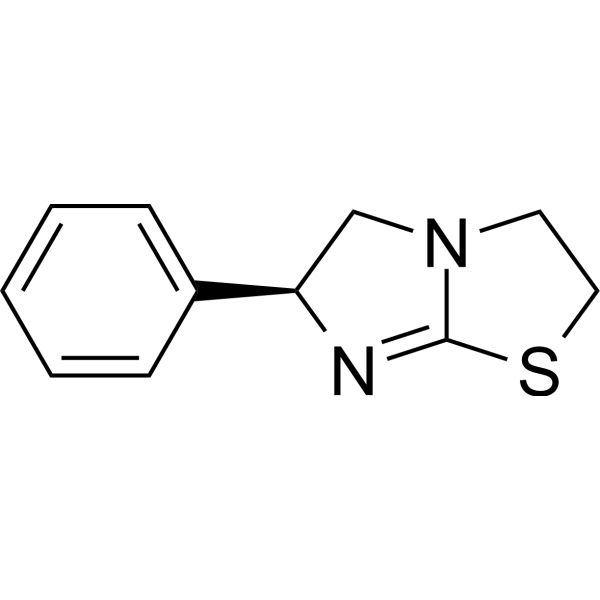
Levamisole ((-)-Levamisole), an anthelmintic agent with immunomodulatory properties. Levamisole acts as a positive allosteric modulator (PAM) for the α3β2 (EC50=300 μM) and α3β4 (EC50=100 μM) subtype of nAChRs. Orally active .
|
-
- HY-170903
-
|
|
GABA Receptor
|
Neurological Disease
|
|
GABAA receptor modulator-3 (compound 3b) is a positive allosteric modulator (PAM). GABAA receptor modulator-3 inhibits α1β3γ2 GABAAR at peak and steady state currents with IC50s of 671 and 64 μM, respectively .
|
-
- HY-114978
-
|
|
mGluR
PERK
|
Neurological Disease
|
|
VU0424465 is a potent and partial PAM (positive allosteric modulator)-agonist for mGlu5 mediated iCa 2+ mobilization. VU0424465 exhibits high affinity at MPEP allosteric binding site, with a Ki value of 11.8 nM. VU0424465 is also a agonist for pERK1/2 in cortical neurons .
|
-
- HY-118256
-
|
|
mGluR
|
Neurological Disease
|
|
LSN2814617 is an orally active, potent, brain-penetrant, and selective mGlu5 (metabotropic glutamate 5) positive allosteric modulator (PAM), with EC50 values of 52 nM (Human mGlu5) and 42 nM (rat mGlu5). LSN2814617 shows wake-promoting effect. LSN2814617 can be used for schizophrenia research .
|
-
- HY-12158
-
|
|
mAChR
|
Neurological Disease
|
|
VU0238441 is a pan muscarinic acetylcholine receptor (mAChR) positive allosteric modulator (PAM) with EC50s of 3.2 μM, 2.8 μM, 2.2 μM, 2.1 μM, >10 μM for M1, M2, M3, M5 and M4, respectively .
|
-
- HY-108703AR
-
|
PXT002331 monohydrochloride (Standard)
|
Reference Standards
mGluR
|
Neurological Disease
|
|
Foliglurax monohydrochloride (Standard) is the analytical standard of Foliglurax (monohydrochloride) (HY-108703A). This product is intended for research and analytical applications. Foliglurax monohydrochloride (PXT002331 monohydrochloride) is a highly selective and potent, brain-penetrant metabotropic glutamate receptor 4 positive allosteric modulator (mGluR4 PAM) , with an EC50 of 79 nM . AntiparKinsonian effect .
|
-
- HY-14418
-
|
ML-128
|
mGluR
|
Neurological Disease
|
|
VU0361737 (ML-128) is a potent, selective and CNS penetrant positive allosteric modulator of metabotropic glutamate receptor 4 (mGluR4 PAM), with EC50s of 240 nM and 110 nM for human and rat mGluR4 receptors, respectively. VU0361737 has neuroprotective effect. VU0361737 is potential for Parkinson's disease research .
|
-
- HY-179621
-
|
|
Cholinesterase (ChE)
Amyloid-β
|
Neurological Disease
|
|
EQ-04 is a highly selective positive allosteric modulator (PAM) of α7 nAChR. EQ-04 has no direct inhibitory activity on AChE and BChE. EQ-04 inhibits Aβ aggregation. EQ-04 has safe cytotoxicity and potent neuroprotective activity. EQ-04 can be used for the study of Alzheimer's disease.
|
-
- HY-156331
-
|
|
mGluR
|
Neurological Disease
|
|
VU6004909 is a blood-brain barrier penetrated mGlu1 positive allosteric modulator (PAM), with the EC50s of 25.7 nM and 31 nM for human mGlu1 and rat mGlu1, respectively. VU6004909 reduces dorsolateral striatal dopamine (DA) release in vivo and displays antipsychotic efficacy .
|
-
- HY-B1456A
-
|
LILLY-53858
|
COX
Melanocortin Receptor
ERK
|
Inflammation/Immunology
|
|
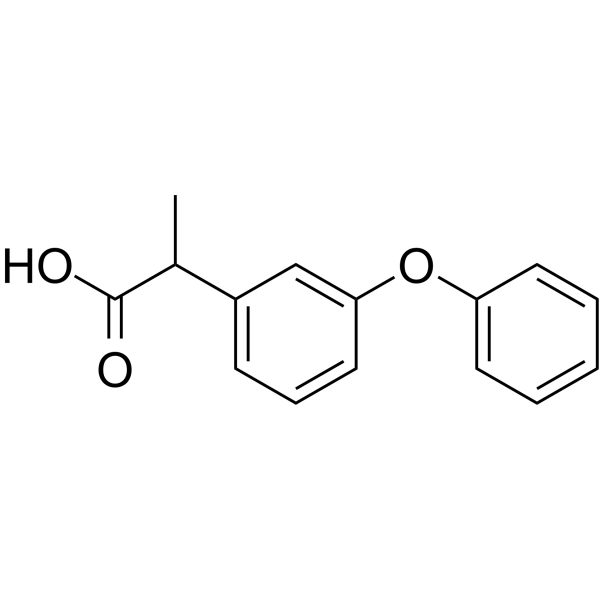
Fenoprofen (LILLY-53858) is a nonsteroidal anti-inflammatory agent (NSAID) and inhibits cyclooxygenase (COX). Fenoprofen is a melanocortin receptors (MCRs) positive allosteric modulator (PAM). Fenoprofen also increases ERK1/2 activation in HEK293T cells. Fenoprofen has anti-arthritic activities and can be used for the study of rheumatoid arthritis and osteoarthritis .
|
-
- HY-143312D
-
|
|
GLP Receptor
|
Metabolic Disease
|
|
(R)-V-0219 hydrochloride is an enantiomer of V-0219 (HY-143312). V-0219 is an orally active and positive allosteric modulator (PAM) of the GLP Receptor-1 (GLP-1R). (R)-V-0219 hydrochloride activates calcium fluxes in HEK cells stably expressing hGLP-1R .
|
-
- HY-11048
-
NS11394
3 Publications Verification
|
GABA Receptor
|
Neurological Disease
|
|
NS11394 is an orally active and unique subtype-selective GABAA positive allosteric receptor (PAM), with a Ki of ~0.5 nM. NS11394 shows a selectivity profile in the order of GABAA-5 > α3 > α2 > α1-containing receptors. NS11394 has anxiolytic and anti-inflammatory properties .
|
-
- HY-175508
-
|
|
iGluR
|
Neurological Disease
|
|
NMDA receptor modulator 9 is an orally active NMDA receptor positive allosteric modulator (PAM). NMDA receptor modulator 9 enhances GluN2A receptor activity. NMDA receptor modulator 9 demonstrates significant antidepressant-like effects in chronic restraint stress (CRS)-induced depression mice. NMDA receptor modulator 9 can be used for the study of depression .
|
-
- HY-143312B
-
|
|
GLP Receptor
|
Metabolic Disease
|
|
(R)-V-0219 is an enantiomer of V-0219 (HY-143312). V-0219 is an orally active and positive allosteric modulator (PAM) of the GLP Receptor-1 (GLP-1R). (R)-V-0219 activates calcium fluxes in HEK cells stably expressing hGLP-1R .
|
-
- HY-149453
-
|
|
Guanylate Cyclase
|
Cardiovascular Disease
|
|
MCUF-651 is an orally active guanylyl cyclase A receptor (GC-A) positive allosteric modulator (PAM) (KD: 397 nM ). MCUF-651 binds to GC-A and selectively enhances the binding of atrial natriuretic peptide (ANP) to GC-A. MCUF-651 enhances ANP-mediated cGMP generation in human cardiac, renal, and fat cells. MCUF-651 inhibits cardiomyocyte hypertrophy .
|
-
- HY-114863
-
|
THCCC
|
mGluR
|
Neurological Disease
|
|
PHCCC(4Me) (THCCC), a PHCCC analog, is a dual mGluR2 (IC50 of 1.5 μM) negative allosteric modulator and mGluR3 (EC50 of 8.9 μM) positive allosteric modulator .
|
-
- HY-A0106R
-
|
(-)-Tetramisole (Standard)
|
Reference Standards
nAChR
Parasite
|
Infection
Inflammation/Immunology
Cancer
|
|
Levamisole (Standard) is the analytical standard of Levamisole. This product is intended for research and analytical applications. Levamisole ((-)-Levamisole), an anthelmintic agent with immunomodulatory properties. Levamisole acts as a positive allosteric modulator (PAM) for the α3β2 (EC50=300 μM) and α3β4 (EC50=100 μM) subtype of nAChRs. Orally active .
|
-
- HY-121600
-
|
|
Cannabinoid Receptor
|
|
|
GAT229 is a CB1 positive allosteric modulator (PAM) that effectively reduces intraocular pressure (IOP) in high IOP mouse models and enhances CB1 receptor-mediated IOP-lowering effects. A 0.2% GAT229 solution or 10 mg/kg of GAT229 alone significantly reduces IOP. GAT229 is promising for research related to glaucoma and elevated intraocular pressure .
|
-
- HY-B0288A
-
|
LILLY-53858 Calcium
|
COX
Melanocortin Receptor
ERK
|
Inflammation/Immunology
|
|
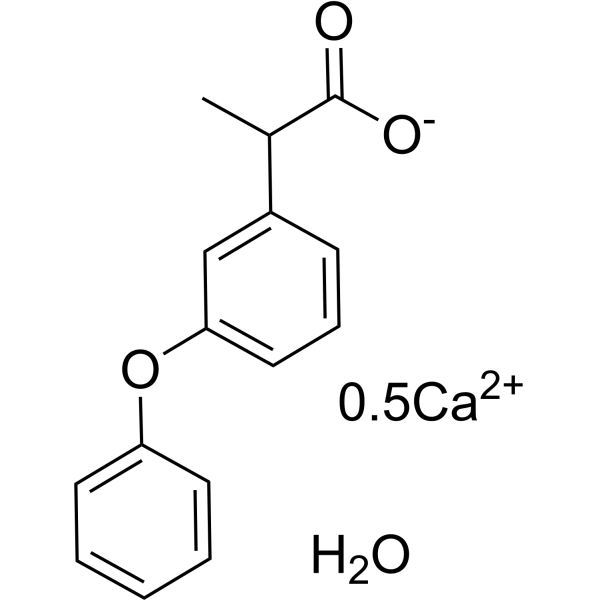
Fenoprofen (LILLY-53858) Calcium is a nonsteroidal anti-inflammatory agent (NSAID) and inhibits cyclooxygenase (COX). Fenoprofen Calcium is a melanocortin receptors (MCRs) positive allosteric modulator (PAM). Fenoprofen Calcium also increases ERK1/2 activation in HEK293T cells. Fenoprofen Calcium has anti-arthritic activities and can be used for the study of rheumatoid arthritis and osteoarthritis .
|
-
- HY-120727
-
|
|
mGluR
|
Neurological Disease
|
|
VU0364289 is a highly selective mGlu5 positive allosteric modulator (PAM) (binds to the MPEP (HY-14609A) site), with an EC50 of 1.6 μM. VU0364289 shows excellent central nervous system penetration. VU0364289 can reverse amphetamine-induced hyperlocomotion in a dose-dependent manner, which can be used for schizophrenia and other psychiatric research .
|
-
- HY-163280
-
|
|
NAMPT
|
Neurological Disease
|
|
JGB-1-155 is a positive allosteric modulators (N-PAMs), which enhances the activity of nicotinamide phosphoribosyltransferase NAMPT with EC50 of 3.29 μM. JGB-1-155 counteracts the oxidative stress, through upregulating the NAD + in THP-1 human monocytes. JGB-1-155 attenuates TNFα-induced ROS in HT-22 cells .
|
-
- HY-B0288B
-
|
LILLY-53858 Calcium hydrate
|
COX
Melanocortin Receptor
ERK
|
Inflammation/Immunology
|
|
Fenoprofen (LILLY-53858) Calcium hydrate is a nonsteroidal anti-inflammatory agent (NSAID) and inhibits cyclooxygenase (COX). Fenoprofen Calcium hydrate is a melanocortin receptors (MCRs) positive allosteric modulator (PAM). Fenoprofen Calcium hydrate also increases ERK1/2 activation in HEK293T cells. Fenoprofen Calcium hydrate has anti-arthritic activities and can be used for the study of rheumatoid arthritis and osteoarthritis .
|
-
- HY-181956
-
|
|
Opioid Receptor
|
Neurological Disease
|
|
MPAM-15 is a blood-brain barrier-penetrant pan-orthosteric allosteric modulator (PAM) of opioid receptors, with ≥16-fold selectivity for μOR over δOR and κOR. MPAM-15 acts as an anti-nociceptive potentiator and analgesic, and its activity is observed in mouse models via both intracerebroventricular and intraperitoneal administration. MPAM-15 is applicable for pain-related research .
|
-
- HY-110279
-
Ogerin
2 Publications Verification
|
GPR68
|
Neurological Disease
|
|
Ogerin, a chemical probe, is a selective GPR68 positive aliasing modulator (PAM) (pEC50=6.83) with a moderate antagonistic effect on A2A (Ki=220 nM). Ogerin inhibits the fear conditioning reflex in mice and also inhibits TGF-β-induced myofibroblast differentiation of fibroblasts from multiple organ systems. Ogerin can be used in the studies of fibrotic diseases and neurological disorders .
|
-
- HY-148867
-
|
|
Dopamine Receptor
|
Neurological Disease
|
|
UCM-1306 is a potent and orally active human dopamine D1 receptor allosteric modulator (PAM). UCM-1306 increases the endogenous dopamine (DA) maximal effect both in human and mouse D1 receptors. UCM-1306 is not only for improving motor symptoms but also for addressing the key comorbid cognitive impairment associated with long-term Parkinson’s disease (PD) .
|
-
- HY-103497
-
|
PNU-89843 hydrochloride
|
GABA Receptor
|
Neurological Disease
|
|
U-89843A (PNU-89843) hydrochloride is a GABAA receptors positive allosteric modulator (PAM). U-89843A hydrochloride enhances GABA-induced Cl - currents in the α1β2γ2, α3β2γ2 and α6β2γ2 subtypes. U-89843A hydrochloride shows antioxidant and sedative effects .
|
-
- HY-129431
-
|
PNU-89843
|
GABA Receptor
|
Neurological Disease
|
|
U-89843A (PNU-89843) is a GABAA receptors positive allosteric modulator (PAM). U-89843A enhances GABA-induced Cl - currents in the α1β2γ2, α3β2γ2 and α6β2γ2 subtypes. U-89843A shows antioxidant and sedative effects .
|
-
- HY-W115727D
-
|
PAM,average Mn 40000
|
Biochemical Assay Reagents
|
Others
|
|
Polyacrylamide (PAM), average Mn 40000 is a versatile, high-molecular-weight polyacrylamide copolymer. Polyacrylamide series materials can maintain enzyme activity in enzyme immobilization, act as drug carriers to achieve controlled release, serve as smart materials responding to temperature/pH stimuli, and be used for in vitro toxin adsorption and soft tissue filling through mechanisms such as physical entrapment, covalent binding or chemical crosslinking. Polyacrylamide finds applications in biomedical engineering, environmental management and industrial applications .
|
-
- HY-B1456AR
-
|
LILLY-53858 (Standard)
|
Reference Standards
COX
Melanocortin Receptor
ERK
|
Inflammation/Immunology
|
|
Fenoprofen (Standard) (LILLY-53858 (Standard)) is the analytical standard of Fenoprofen (HY-B1456A). This product is intended for research and analytical applications. Fenoprofenc is a nonsteroidal anti-inflammatory agent (NSAID) and inhibits cyclooxygenase (COX). Fenoprofen is a melanocortin receptors (MCRs) positive allosteric modulator (PAM). Fenoprofen also increases ERK1/2 activation in HEK293T cells. Fenoprofen has anti-arthritic activities and can be used for the study of rheumatoid arthritis and osteoarthritis.
|
-
- HY-178783
-
|
|
Adenosine Receptor
|
Metabolic Disease
Inflammation/Immunology
Cancer
|
|
MRS8454 is a positive allosteric modulator (PAM) of the A3 adenosine receptor (A3AR). MRS8454 can significantly enhance the maximum effect of the standard agonist Cl-IB-MECA by approximately 286%-300%, and significantly reduce its EC50 value. MRS8454 effectively enhances the ability of A3AR agonists to inhibit the cAMP accumulation induced by Forskolin (HY-15371). MRS8454 can be used for the development of molecular probes .
|
-
- HY-116149
-
|
|
nAChR
|
Others
|
|
A-424274 is a positive allosteric modulator of the α4β2 neuronal nicotinic acetylcholine receptor with activity to enhance the efficacy of analgesics. A-424274 selectively enhances the potency of a range of nicotinic acetylcholine receptor agonists at the α4β2 receptor and, in preclinical models, co-administration with an α4β2 PAM significantly enhances the analgesic efficacy of ABT-594 at clinically well-tolerated doses in humans.
|
-
- HY-143312C
-
|
|
GLP Receptor
|
Metabolic Disease
|
|
(S)-V-0219 is an enantiomer of V-0219 (HY-143312). V-0219 is an orally active and positive allosteric modulator (PAM) of the GLP Receptor-1 (GLP-1R). (S)-V-0219 activates calcium fluxes in HEK cells stably expressing hGLP-1R. (S)-V-0219 is orally active and ameliorates high glucose levels in mice and inhibits feeding behavior in fasted mice .
|
-
- HY-B0288BR
-
|
LILLY-53858 Calcium hydrate (Standard)
|
Reference Standards
COX
Melanocortin Receptor
ERK
|
Inflammation/Immunology
|
|
Fenoprofen (LILLY-53858 (Standard)) (Standard) Calcium hydrate is the analytical standard of Fenoprofen Calcium hydrate (HY-B0288B). This product is intended for research and analytical applications. Fenoprofen is a nonsteroidal anti-inflammatory agent (NSAID) and inhibits cyclooxygenase (COX). Fenoprofen is a melanocortin receptors (MCRs) positive allosteric modulator (PAM). Fenoprofen also increases ERK1/2 activation in HEK293T cells. Fenoprofen has anti-arthritic activities and can be used for the study of rheumatoid arthritis and osteoarthritis.
|
-
- HY-167922
-
|
|
Endogenous Metabolite
|
Neurological Disease
|
|
(R,R,S)-GAT107 is a fully agonistic positive modulator of α7 nicotinic receptors with significant biological activity. Its activity is entirely present in its (+)-isomer 1b, while (-)-isomer 1a does not affect its activity when used together. Studies have shown that (R,R,S)-GAT107 is the most potent ago-PAM for α7 nicotinic receptors currently known and has the potential for further in vivo evaluation .
|
-
- HY-143312E
-
|
|
GLP Receptor
|
Metabolic Disease
|
|
(S)-V-0219 hydrochloride is an enantiomer of V-0219 (HY-143312). V-0219 is an orally active and positive allosteric modulator (PAM) of the GLP Receptor-1 (GLP-1R). (S)-V-0219 hydrochloride activates calcium fluxes in HEK cells stably expressing hGLP-1R. (S)-V-0219 hydrochloride is orally active and ameliorates high glucose levels in mice and inhibits feeding behavior in fasted mice .
|
-
- HY-107506
-
|
|
mGluR
|
Neurological Disease
|
|
Ro 67-4853 is a positive allosteric modulator (PAM) of mGluR1 (pEC50=7.16 for rmGlu1a receptor). Ro67-4853 exhibits activity at all group I mGlu receptors including hmGlu1, rmGlu1, and rmGlu5. Ro 67-4853 enhances the potency of L-Glu by interacting with the transmembrane domain (TMD) of the receptor. Ro 67-4853 potentiates sensory synaptic responses to repetitive vibrissa stimulation .
|
-
- HY-W115727E
-
|
PAM,average Mn 150000
|
Biochemical Assay Reagents
|
Others
|
|
Polyacrylamide, average Mn 150000 (PAM, average Mn 150000) is a versatile, high-molecular-weight polyacrylamide copolymer. Polyacrylamide series materials can maintain enzyme activity in enzyme immobilization, act as drug carriers to achieve controlled release, serve as smart materials responding to temperature/pH stimuli, and be used for in vitro toxin adsorption and soft tissue filling through mechanisms such as physical entrapment, covalent binding or chemical crosslinking. Polyacrylamide finds applications in biomedical engineering, environmental management and industrial applications .
|
-
- HY-136258
-
|
|
nAChR
|
Neurological Disease
|
|
nAChR agonist CMPI hydrochloride is a potent and selective positive allosteric modulator (PAM) of nAChR containing a α4:α4 subunit interface. nAChR agonist CMPI hydrochloride enhances the response of (α4)3(β2)2 nAChR to ACh (10 µM) with an EC50 of 0.26 µM. nAChR agonist CMPI hydrochloride has potential for the research of nicotine dependence and many neuropsychiatric conditions associated with decreased brain cholinergic activity .
|
-
- HY-173356
-
|
|
Parasite
Reactive Oxygen Species (ROS)
|
Infection
Inflammation/Immunology
|
|
Antiparasitic agent-26 (Compound 8) is an antiparasitic compound that potently inhibits the growth of Naegleria fowleri, with IC50 values of 22.87 μM (trophozoite stage) and 25.16 μM (cyst stage). Antiparasitic agent-26 exerts its antiparasitic activity by inducing programmed cell death, including cytoplasmic calcium accumulation, mitochondrial membrane potential collapse, ATP synthesis inhibition, ROS accumulation, and chromatin condensation. Antiparasitic agent-26 can be used in the research of primary amoebic meningoencephalitis (PAM) .
|
-
- HY-178153
-
|
|
iGluR
|
Neurological Disease
|
|
BPAM363 is an orally active, selective positive allosteric modulator (PAM) of AMPARs with blood-brain barrier penetration. BPAM363 selectively potentiates AMPAR activity in human and rat models, with an EC2x value of 0.96 μM in rat embryonic cortex primary neurons. BPAM363 upregulates BDNF protein expression in rat primary cortical neuronal cultures. BPAM363 enhances AMPA-mediated excitatory postsynaptic responses in rat and mice. BPAM363 can be used for the study of cognitive disorders .
|
-
- HY-B1456AS
-
|
LILLY-53858-13C6 sodium hydrate
|
Isotope-Labeled Compounds
COX
Melanocortin Receptor
ERK
|
Inflammation/Immunology
|
|
Fenoprofen- 13C6 (LILLY-53858- 13C6) sodium hydrate is the 13C labeled Fenoprofen (HY-B1456A).Fenoprofen (LILLY-53858) is a nonsteroidal anti-inflammatory agent (NSAID) and inhibits cyclooxygenase (COX). Fenoprofen is a melanocortin receptors (MCRs) positive allosteric modulator (PAM). Fenoprofen also increases ERK1/2 activation in HEK293T cells. Fenoprofen has anti-arthritic activities and can be used for the study of rheumatoid arthritis and osteoarthritis .
|
-
- HY-116819
-
|
|
GCGR
|
Neurological Disease
Metabolic Disease
|
|
VU0453379 is a blood-brain barrier permeable GLP-1R positive allosteric modulator (PAM) with an EC50 value of 1.3 μM. VU0453379 potentiates the actions of endogenous GLP-1 and synthetic peptide agonists, and promotes GLP-1 receptor internalization. VU0453379 stimulates insulin secretion from primary mouse islets. VU0453379 enhances the function of endogenous GLP-1R and reverses catalepsy in animal models. VU0453379 is useful for research on Parkinson's disease and type 2 diabetes .
|
-
- HY-120184
-
|
AZ13713945
|
mAChR
|
Neurological Disease
|
|
VU0467485 (AZ13713945) is a potent, selective, and orally bioavailable muscarinic acetylcholine receptor 4 (M4) positive allosteric modulator (PAM). VU0467485 (AZ13713945) potentiates activity of ACh at M4 with EC50s of 26.6 nM and 78.8 nM at rat and human M4 receptors, respectively. VU0467485 (AZ13713945) shows selectivity for M4 over human and rat M1/2/3/5. VU0467485 (AZ13713945) displays moderate to high CNS penetration. VU0467485 (AZ13713945) has antipsychotic-like activity .
|
-
- HY-131196
-
|
|
mAChR
|
Neurological Disease
|
|
M3 mAChR agonist 1 is an M3-preferring M3/M5 mAChR dual positive allosteric modulators (PAM). M3 mAChR agonist 1 shows excellent subtype selectivity over other subtypes of mAChRs including M1, M2, and M4 mAChRs. M3 mAChR agonist 1 increases the contraction of isolated rat bladder strips by modulating the M3 muscarinic acetylcholine receptor, leading to enhanced signaling pathways. M3 mAChR agonist 1 can be used for the research of endocrinology .
|
-
- HY-167922S
-
|
|
Isotope-Labeled Compounds
Endogenous Metabolite
|
Neurological Disease
|
|
Heptadecanoyl L-carnitine-d3 HCl is the deuterium labeled (R,R,S)-GAT107 (HY-167922). (R,R,S)-GAT107 is a fully agonistic positive modulator of α7 nicotinic receptors with significant biological activity. Its activity is entirely present in its (+)-isomer 1b, while (-)-isomer 1a does not affect its activity when used together. Studies have shown that (R,R,S)-GAT107 is the most potent ago-PAM for α7 nicotinic receptors currently known and has the potential for further in vivo evaluation .
|
-
- HY-175670
-
|
|
GABA Receptor
|
Neurological Disease
|
|
GABAA receptor modulator-10 is an orally active, potent positive allosteric modulator (PAM) of the α1β2γ2 GABAA receptor with favorable blood-brain barrier (BBB) penetration. GABAA receptor modulator-10 enhances α1β2γ2 GABAA receptor function and potentiates GABA-evoked currents. GABAA receptor modulator-10 demonstrates potent antiepileptic efficacy in both the Pentetrazol (PTZ)- and Kainic Acid (KA) (HY-N2309)-induced mice epilepsy models. GABAA receptor modulator-10 can be used for the study of epilepsy .
|
-
- HY-N0754
-
|
|
YAP
HSP
Reactive Oxygen Species (ROS)
ERK
Autophagy
Apoptosis
Tyrosinase
DNA/RNA Synthesis
|
Neurological Disease
Inflammation/Immunology
Cancer
|
|
Eupalinolide A is a Yes-associated protein (YAP) degrader and HSP70 inducer. Eupalinolide A inhibits osteogenic differentiation of tendon-derived stem cells (TDSCs). Eupalinolide A induces autophagy in hepatocellular carcinoma cells via activating the ROS/ERK signaling pathway. Eupalinolide A protects PAM212 cells from UVB-, Menadione (HY-B0332)-, or heat shock-induced apoptosis. Eupalinolide A alleviates trauma-induced heterotopic ossification (HO) of Achilles tendon and inhibits growth of MHCC97-L and HCCLM3 hepatocellular carcinoma xenograft tumors in mice. Eupalinolide A can be used for the study of traumatic heterotopic ossification of tendons and hepatocellular carcinoma .
|
-
- HY-175505
-
|
|
Dopamine Receptor
|
Neurological Disease
|
|
Dopamine D3 receptor antagonist-3 is a D3 dopamine receptor (D3R)-selective positive allosteric modulator (PAM)-antagonist that can cross the blood-brain barrier. Dopamine D3 receptor antagonist-3 exhibits antagonist activity in the D3R-mediated β-arrestin recruitment assay with an IC50 and a Kd of 2.5 μM and 0.49 μM. amine D3 receptor antagonist-3 is also an antagonist in the D3R-mediated Go-BRET assay with an IC50 of 0.34 μM. Dopamine D3 receptor antagonist-3 can be used for the study of neuropsychiatric disorders, including substance use disorder .
|
-
- HY-W115727B
-
|
PAM,Anion,Mw 18 million
|
Biochemical Assay Reagents
|
Others
|
|
Polyacrylamide,Anion,Mw 18 million (PAM,Anion,Mw 18 million) is a multifunctional high molecular weight anionic polyacrylamide copolymer. The anionic properties of Polyacrylamide,Anion,Mw 18 million enable it to be used as a flocculant to achieve charge neutralization and aggregation, while its high molecular weight properties provide viscoelastic properties for fluid applications. Polyacrylamide series materials can maintain enzyme activity in enzyme immobilization, act as drug carriers to achieve controlled release, serve as smart materials responding to temperature/pH stimuli, and be used for in vitro toxin adsorption and soft tissue filling through mechanisms such as physical entrapment, covalent binding or chemical crosslinking. Polyacrylamide finds applications in biomedical engineering, environmental management and industrial applications .
|
-
- HY-P5352
-
|
|
CD44
|
Inflammation/Immunology
Cancer
|
|
Hyaluronan-IN-1 (Pep-1) is a Hyaluronan inhibitor with a Kd value of 1.65 μM. Hyaluronan-IN-1 blocks CD44-dependent cell adhesion. Hyaluronan-IN-1 inhibits cell adhesion to hyaluronan substrates. Hyaluronan-IN-1 suppresses the development of contact hypersensitivity in mice by blocking the homing process of inflammatory cells to the skin. Hyaluronan-IN-1 also inhibits responses during the sensitization phase. Hyaluronan-IN-1 reduces lung metastasis of melanoma and prolongs the survival of mice. Hyaluronan-IN-1 can be used in research related to contact hypersensitivity, chronic skin inflammation, and melanoma .
|
-
- HY-182450
-
|
|
Ser/Thr Protease
|
Cancer
|
|
WX-293 is a highly selective urokinase-type plasminogen activator (uPA) inhibitor with a Ki value of 2.4 μM. WX-293 abolishes hypoxia-induced keratinocyte migration and in vitro wound closure. WX-293 can be used in research on hypoxia-mediated skin wounds and solid malignant tumors .
|
-
- HY-175504
-
|
|
Dopamine Receptor
PERK
|
Neurological Disease
|
|
MLS6357 is a D3 dopamine receptor (D3R)-selective positive allosteric modulator (PAM)-antagonist. MLS6357 exhibits antagonist activity in the D3R-mediated and the BRET-based β-arrestin recruitment assay with IC50s of 13 and 14 μM, and no activity for other DAR subtypes (D1R/D2R/D4R/D5R) (IC50 > 100 μM). MLS6357 is also an antagonist in the D3R-mediated Go-BRET assay with an IC50 of 17 μM. MLS6357 can be used for the study of neuropsychiatric disorders, including substance use disorder .
|
-
- HY-132806
-
|
RG-7816; RO-7017773
|
GABA Receptor
|
Neurological Disease
|
|
Alogabat is a positive allosteric modulator (PAM) and agonist (Ki <100 nM) of the GABAA α5 receptor, targeting the α5β3γ2 subunit with a Ki of 8.7 nM. Alogabat increases the expression level of α5β3γ2 in oocytes (1.97-fold). GABAA has been implicated in cognitive impairment associated with central nervous system (CNS) disorders, brain cancer (including brain tumors such as medulloblastoma), and can be used in the study of mild cognitive impairment (MCI), amnestic MCI (aMCI), age-associated memory impairment (AAMI), age-related cognitive decline (ARCD), dementia, Alzheimer's disease (AD), prodromal AD, post-traumatic stress disorder (PTSD), schizophrenia, bipolar disorder, amyotrophic lateral sclerosis (ALS), cognitive impairment associated with cancer treatment, mental retardation, Parkinson's disease (PD), autism spectrum disorder, fragile X, Rett syndrome, obsessive-compulsive behavior, and substance addiction .
|
-
- HY-175532
-
|
|
mAChR
|
Neurological Disease
|
|
M4 mAChR Modulator-2 is an orally active, selective, brain-penetrant positive allosteric modulator (PAM) of the M4 muscarinic acetylcholine receptor (M4 mAChR) (EC50 = 513 nM). M4 mAChR Modulator-2 exhibits high target selectivity, showing negligible affinity and low inhibition rates for non-target receptors (D1R/D2R/D3R, 5-HT subtypes, κ/δ/μ opioid receptors, H1, M1/M2) while specifically binding to M4 mAChR with a Ki of 377 nM and an inhibition rate of 62.8%. M4 mAChR Modulator-2 reverses Dizocilpine (MK-801) (HY-15084B)-induced hyperlocomotion in mice. M4 mAChR Modulator-2 can be used for the study of schizophrenia
|
-
-
-
HY-L170
-
|
|
250 compounds
|
|
An emerging drug design method is based on the secondary binding site effect, where small molecule drugs are designed to bind to secondary binding sites on target biomolecules rather than primary orthomorphic sites. Successful potential drugs (known as allosteric modulators) will be able to bind to allosteric sites and remotely alter (or modify) the conformation of the main orthosteric binding sites of biological targets. Allosteric modulators (AMs) are ligands of proteins that act through binding sites different from natural (orthosteric) ligand sites. AMs are relatively small, more lipophilic, and more rigid compounds. The binding efficacy of AMs with their targets is often slightly lower. AMs are divided into positive AMs (PAMs) and negative AMs (NAMs). AMs are ideal drug targets because they can fine-tune receptor activity while preserving the spatial and temporal signal transduction characteristics of endogenous ligands, resulting in fewer targeted side effects, improved subtype selectivity, and better promotion of biased signal transduction than normal ligands.
MCE designs a unique collection of 250 small allosteric modulators. It is a good tool to be used for research on metabolize, cancer and other diseases.
|
| Cat. No. |
Product Name |
Type |
-
- HY-W115727B
-
|
PAM,Anion,Mw 18 million
|
Biochemical Assay Reagents
|
|
Polyacrylamide,Anion,Mw 18 million (PAM,Anion,Mw 18 million) is a multifunctional high molecular weight anionic polyacrylamide copolymer. The anionic properties of Polyacrylamide,Anion,Mw 18 million enable it to be used as a flocculant to achieve charge neutralization and aggregation, while its high molecular weight properties provide viscoelastic properties for fluid applications. Polyacrylamide series materials can maintain enzyme activity in enzyme immobilization, act as drug carriers to achieve controlled release, serve as smart materials responding to temperature/pH stimuli, and be used for in vitro toxin adsorption and soft tissue filling through mechanisms such as physical entrapment, covalent binding or chemical crosslinking. Polyacrylamide finds applications in biomedical engineering, environmental management and industrial applications .
|
-
- HY-W115727E
-
|
PAM,average Mn 150000
|
Biochemical Assay Reagents
|
|
Polyacrylamide, average Mn 150000 (PAM, average Mn 150000) is a versatile, high-molecular-weight polyacrylamide copolymer. Polyacrylamide series materials can maintain enzyme activity in enzyme immobilization, act as drug carriers to achieve controlled release, serve as smart materials responding to temperature/pH stimuli, and be used for in vitro toxin adsorption and soft tissue filling through mechanisms such as physical entrapment, covalent binding or chemical crosslinking. Polyacrylamide finds applications in biomedical engineering, environmental management and industrial applications .
|
-
- HY-W115727D
-
|
PAM,average Mn 40000
|
Biochemical Assay Reagents
|
|
Polyacrylamide (PAM), average Mn 40000 is a versatile, high-molecular-weight polyacrylamide copolymer. Polyacrylamide series materials can maintain enzyme activity in enzyme immobilization, act as drug carriers to achieve controlled release, serve as smart materials responding to temperature/pH stimuli, and be used for in vitro toxin adsorption and soft tissue filling through mechanisms such as physical entrapment, covalent binding or chemical crosslinking. Polyacrylamide finds applications in biomedical engineering, environmental management and industrial applications .
|
-
- HY-P1180B
-
|
Pam3Cys-Ser-(Lys)4 trihydrochloride
|
Biochemical Assay Reagents
|
|
Pam3Cys-Ser-(Lys)4 trihydrochloride is a biochemical reagent that can be used as a biological material or organic compound for life science related research.
|
| Cat. No. |
Product Name |
Target |
Research Area |
-
- HY-P1180A
-
-
- HY-P1181A
-
|
|
Toll-like Receptor (TLR)
NO Synthase
IKK
Akt
PKC
NF-κB
p38 MAPK
Interleukin Related
|
Cardiovascular Disease
Infection
Inflammation/Immunology
Cancer
|
|
Pam2CSK4 TFA is a TLR2 agonist. Pam2CSK4 TFA induces the expression of iNOS and NO in macrophage cell lines via TBK1 and MyD88 molecules. Pam2CSK4 TFA activates the NF-κB and Bruton's tyrosine kinase signaling pathways in platelets, and promotes platelet-endothelial cell interactions. TLR2 activation triggered by Pam2CSK4 TFA expands myeloid-derived suppressor cells (MDSCs) and suppresses anti-tumor immune responses in the tumor microenvironment. Pam2CSK4 TFA acts as a Th2-polarizing adjuvant in mouse vaccine models against Leishmania major and Brugia malayi. Pam2CSK4 TFA can be used in the research of various diseases, including thromboinflammatory diseases, sepsis, atherosclerosis, heart failure, influenza, lymphoma, melanoma, cutaneous leishmaniasis and lymphatic filariasis .
|
-
- HY-P1180
-
-
- HY-P1181
-
|
|
Toll-like Receptor (TLR)
NO Synthase
IKK
Akt
PKC
NF-κB
p38 MAPK
Interleukin Related
|
Cardiovascular Disease
Infection
Inflammation/Immunology
Cancer
|
|
Pam2CSK4 is a TLR2 agonist. Pam2CSK4 induces the expression of iNOS and NO in macrophage cell lines via TBK1 and MyD88 molecules. Pam2CSK4 activates the NF-κB and Bruton's tyrosine kinase signaling pathways in platelets, and promotes platelet-endothelial cell interactions. TLR2 activation triggered by Pam2CSK4 expands myeloid-derived suppressor cells (MDSCs) and suppresses anti-tumor immune responses in the tumor microenvironment. Pam2CSK4 acts as a Th2-polarizing adjuvant in mouse vaccine models against Leishmania major and Brugia malayi. Pam2CSK4 can be used in the research of various diseases, including thromboinflammatory diseases, sepsis, atherosclerosis, heart failure, influenza, lymphoma, melanoma, cutaneous leishmaniasis and lymphatic filariasis .
|
-
- HY-W141789
-
-
- HY-126327A
-
|
|
Histone Methyltransferase
|
Cancer
|
|
UNC4976 TFA is a positive allosteric modulator (PAM) peptidomimetic of CBX7 chromodomain binding to nucleic acids. UNC4976 TFA simultaneously antagonizes H3K27me3-specific recruitment of CBX7 to target genes while increasing non-specific binding to DNA and RNA .
|
-
- HY-P1405
-
-
- HY-P1180B
-
|
Pam3Cys-Ser-(Lys)4 trihydrochloride
|
Biochemical Assay Reagents
|
Others
|
|
Pam3Cys-Ser-(Lys)4 trihydrochloride is a biochemical reagent that can be used as a biological material or organic compound for life science related research.
|
-
- HY-126327
-
|
|
Histone Methyltransferase
|
Cancer
|
|
UNC4976 is a positive allosteric modulator (PAM) peptidomimetic of CBX7 chromodomain binding to nucleic acids. UNC4976 simultaneously antagonizes H3K27me3-specific recruitment of CBX7 to target genes while increasing non-specific binding to DNA and RNA .
|
-
- HY-P1405A
-
-
- HY-P5352
-
|
|
CD44
|
Inflammation/Immunology
Cancer
|
|
Hyaluronan-IN-1 (Pep-1) is a Hyaluronan inhibitor with a Kd value of 1.65 μM. Hyaluronan-IN-1 blocks CD44-dependent cell adhesion. Hyaluronan-IN-1 inhibits cell adhesion to hyaluronan substrates. Hyaluronan-IN-1 suppresses the development of contact hypersensitivity in mice by blocking the homing process of inflammatory cells to the skin. Hyaluronan-IN-1 also inhibits responses during the sensitization phase. Hyaluronan-IN-1 reduces lung metastasis of melanoma and prolongs the survival of mice. Hyaluronan-IN-1 can be used in research related to contact hypersensitivity, chronic skin inflammation, and melanoma .
|
-
- HY-P4802
-
| Cat. No. |
Product Name |
Category |
Target |
Chemical Structure |
| Cat. No. |
Product Name |
Chemical Structure |
-
- HY-113346S
-
1 Publications Verification
|
|
Tetrahydrodeoxycorticosterone-d3 is the deuterium labeled Tetrahydrodeoxycorticosterone. Tetrahydrodeoxycorticosterone, an neurosteroid, is a potent positive allosteric modulator (PAM) of GABAA receptor. Tetrahydrodeoxycorticosterone has potent neuroinhibitory properties .
|
-
-
- HY-113320S
-
|
|
|
Etiocholanolone-d5 is the deuterium labeled Etiocholanolone. Etiocholanolone (5β-Androsterone) is the excreted metabolite of testosterone and has anticonvulsant activity . Etiocholanolone is a less potent?neurosteroid positive allosteric modulator?(PAM) of the GABAA?receptor than its?enantiomer form .
|
-
-
- HY-173251S
-
|
|
|
ENX-101 is an orally active (GABAA) receptor partial positive allosteric modulator (PAM). ENX-101 is selective to α2β2γ2L (EC50 = 0.76 nM), α2β3γ2L (EC50 = 0.61 nM), α3 (EC50 = 1.97 nM), α5 (EC50 = 0.85 nM) subunits of GABA receptor. ENX-101 possesses antiseizure activity in several animal models .
|
-
-
- HY-W777503
-
|
|
|
Calindol hydrochloride- 13C,d2 is the deuterium and 13C labeled Calindol hydrochloride (HY-122819). Calindol hydrochloride is a positive allosteric modulator (PAM) of calcimimetic calcium-sensing receptor (CaSR) with an EC50 of 132 nM .
|
-
-
- HY-113320S1
-
|
|
|
Etiocholanolone-d2 is the deuterium labeled Etiocholanolone. Etiocholanolone (5β-Androsterone) is the excreted metabolite of testosterone and has anticonvulsant activity . Etiocholanolone is a less potent?neurosteroid positive allosteric modulator?(PAM) of the GABAA?receptor than its?enantiomer form .
|
-
-
- HY-B1456AS
-
|
|
|
Fenoprofen- 13C6 (LILLY-53858- 13C6) sodium hydrate is the 13C labeled Fenoprofen (HY-B1456A).Fenoprofen (LILLY-53858) is a nonsteroidal anti-inflammatory agent (NSAID) and inhibits cyclooxygenase (COX). Fenoprofen is a melanocortin receptors (MCRs) positive allosteric modulator (PAM). Fenoprofen also increases ERK1/2 activation in HEK293T cells. Fenoprofen has anti-arthritic activities and can be used for the study of rheumatoid arthritis and osteoarthritis .
|
-
-
- HY-167922S
-
|
|
|
Heptadecanoyl L-carnitine-d3 HCl is the deuterium labeled (R,R,S)-GAT107 (HY-167922). (R,R,S)-GAT107 is a fully agonistic positive modulator of α7 nicotinic receptors with significant biological activity. Its activity is entirely present in its (+)-isomer 1b, while (-)-isomer 1a does not affect its activity when used together. Studies have shown that (R,R,S)-GAT107 is the most potent ago-PAM for α7 nicotinic receptors currently known and has the potential for further in vivo evaluation .
|
-
| Cat. No. |
Product Name |
|
Classification |
-
- HY-118022
-
|
|
|
Alkynes
|
|
VU0361747 is a potent and selective positive allosteric modulator of metabotropic glutamate receptor 4 (mGluR4 PAM). VU0361737 has neuroprotective effect. VU0361737 significantly reverses Amphetamine-induced hyperlocomotion in vivo .
|
| Cat. No. |
Product Name |
|
Classification |
-
- HY-RS10011
-
|
|
|
siRNAs
Human Pre-designed siRNA Sets
|
|
PAM Human Pre-designed siRNA Set A contains three designed siRNAs for PAM gene (Human), as well as a negative control, a positive control, and a FAM-labeled negative control.
|
-
- HY-RS23002
-
|
|
|
siRNAs
Rat Pre-designed siRNA Sets
|
|
Pam Rat Pre-designed siRNA Set A contains three designed siRNAs for Pam gene (Rat), as well as a negative control, a positive control, and a FAM-labeled negative control.
|
-
- HY-RS16569
-
|
|
|
siRNAs
Mouse Pre-designed siRNA Sets
|
|
Pam Mouse Pre-designed siRNA Set A contains three designed siRNAs for Pam gene (Mouse), as well as a negative control, a positive control, and a FAM-labeled negative control.
|
-
- HY-RS25961
-
|
|
|
siRNAs
Rat Pre-designed siRNA Sets
|
|
Pam16 Rat Pre-designed siRNA Set A contains three designed siRNAs for Pam16 gene (Rat), as well as a negative control, a positive control, and a FAM-labeled negative control.
|
-
- HY-RS19468
-
|
|
|
siRNAs
Mouse Pre-designed siRNA Sets
|
|
Pam16 Mouse Pre-designed siRNA Set A contains three designed siRNAs for Pam16 gene (Mouse), as well as a negative control, a positive control, and a FAM-labeled negative control.
|
-
- HY-RS10012
-
|
|
|
siRNAs
Human Pre-designed siRNA Sets
|
|
PAM16 Human Pre-designed siRNA Set A contains three designed siRNAs for PAM16 gene (Human), as well as a negative control, a positive control, and a FAM-labeled negative control.
|
Your information is safe with us. * Required Fields.
Inquiry Information
- Product Name:
- Cat. No.:
- Quantity:
- MCE Japan Authorized Agent:

