1. Search Result
Search Result
Results for "

RHO

" in MedChemExpress (MCE) Product Catalog:

98

Inhibitors & Agonists

3

Fluorescent Dye

4

Biochemical Assay Reagents

4

Peptides

11

Natural
Products

9

Recombinant Proteins

1

Isotope-Labeled Compounds

30

Antibodies

5

Oligonucleotides

2

GMP Molecules

Targets Recommended:
Cat. No. Product Name Target Research Areas Chemical Structure
  • HY-10583
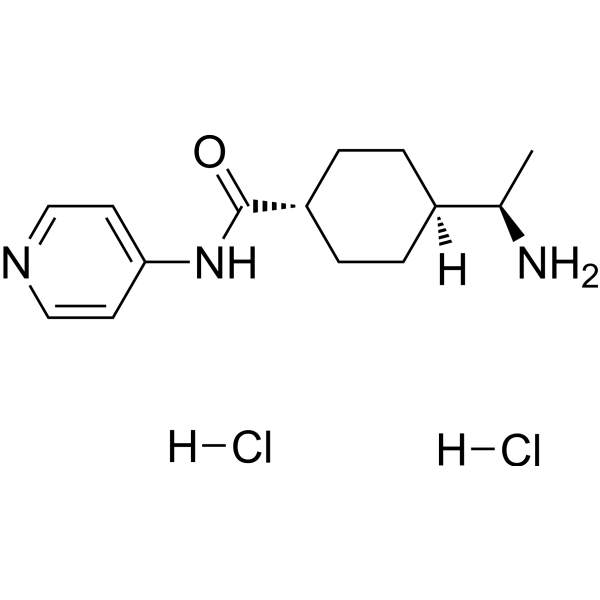
    Y-27632 dihydrochloride
    Maximum Cited Publications
    533 Publications Verification

    Organoid ROCK Neurological Disease Cancer
    Y-27632 dihydrochloride is an orally active and ATP-competitive ROCK (Rho-kinase) inhibitor (ROCK-I Ki=220 nM; ROCK-II Ki=300 nM). Y-27632 dihydrochloride shows antiepileptic effects .
    Y-27632 dihydrochloride
  • HY-15392
    Chroman 1
    60+ Cited Publications

    ROCK Cardiovascular Disease
    Chroman 1 is a highly potent and selective ROCK inhibitor. Chroman 1 is more potent against ROCK2 (IC50=1 pM) than ROCK1 (IC50=52 pM). Chroman 1 also has inhibitory activity against MRCK, with an IC50 of 150 nM .
    Chroman 1
  • HY-16563
    Narciclasine
    Maximum Cited Publications
    22 Publications Verification

    Lycoricidinol

    ROCK Cancer
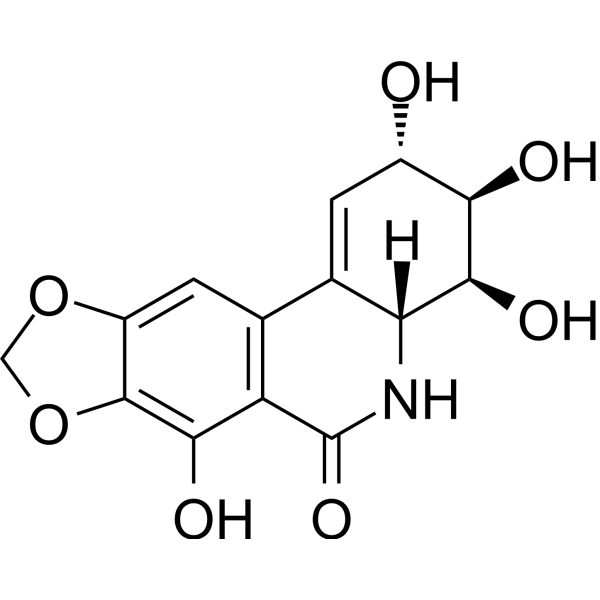
    Narciclasine is a plant growth modulator. Narciclasine modulates the Rho/Rho kinase/LIM kinase/cofilin signaling pathway, greatly increasing GTPase RhoA activity as well as inducing actin stress fiber formation in a RhoA-dependent manner.
    Narciclasine
  • HY-I0400
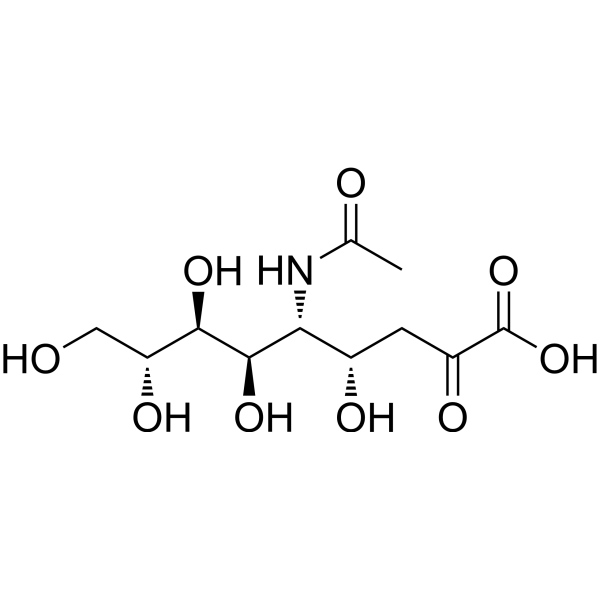
    N-Acetylneuraminic acid
    5 Publications Verification

    NANA; Lactaminic acid

    Tyrosinase Ras Influenza Virus Endogenous Metabolite Cardiovascular Disease Inflammation/Immunology Cancer
    N-Acetylneuraminic acid (NANA; Lactaminic acid), a nonphenolic structure, is the predominant form of sialic from Collocalia esculenta. N-Acetylneuraminic acid plays a biological role in myocardial injury, melanoma and viral or bacterial infection. N-Acetylneuraminic acid inhibits melanogenesis by reducing tyrosinase activity and triggers myocardial injury in vitro and in vivo by activation of the Rho/Rho-associated signaling pathway through binding to RhoA and Cdc42. N-Acetylneuraminic acid may prevent high fat diet (HFD)-induced inflammation and oxidative stress, thereby prevents hyperlipidemia-associated inflammation and oxidative stress. N-Acetylneuraminic acid is promising for research in the field of melanoma, coronary artery, obesity-related diseases and hyperlipidemia .
    N-Acetylneuraminic acid
  • HY-12755
    ML141
    30+ Cited Publications

    CID-2950007

    Ras Apoptosis Cancer
    ML141 (CID-2950007) is a potent, allosteric, selective and reversible non-competitive inhibitor of Cdc42 GTPase. ML141 inhibits Cdc42 wild type and Cdc42 Q61L mutant with EC50s of 2.1 and 2.6 μM, respectively. ML141 shows low micromolar potency and selectivity against other members of the Rho family of GTPases (Rac1, Rab2, Rab7). ML141 do not show cytotoxicity in multiple cell lines .
    ML141
  • HY-12646
    Rhosin hydrochloride
    35+ Cited Publications

    Ras Apoptosis Cancer
    Rhosin hydrochloride is a potent, specific RhoA subfamily Rho GTPases inhibitor. Rhosin hydrochloride specifically binds to RhoA to inhibit RhoA-GEF interaction with a Kd of ~ 0.4 uM, and does not interact with Cdc42 or Rac1, nor the GEF, LARG. Rhosin hydrochloride induces cell apoptosis . Rhosin hydrochloride promotes stress resiliency through enhancing D1-MSN plasticity and reducing hyperexcitability .
    Rhosin hydrochloride
  • HY-10583G
    Y-27632 dihydrochloride
    1 Publications Verification

    ROCK Neurological Disease Cancer
    Y-27632 dihydrochloride (GMP) is the GMP level of Y-27632 dihydrochloride (HY-10583). GMP guidelines are used to produce Y-27632 dihydrochloride (GMP). GMP small molecules works appropriately as an auxiliary reagent for cell research manufacture. Y-27632 dihydrochloride is an orally active and ATP-competitive ROCK (Rho-kinase) inhibitor with antiepileptic effect .
    Y-27632 dihydrochloride
  • HY-10583R
    Y-27632 dihydrochloride (Standard)
    Maximum Cited Publications
    533 Publications Verification

    ROCK Organoid Reference Standards Cancer
    Y-27632 dihydrochloride (Standard) is the analytical standard of Y-27632 dihydrochloride. Y-27632 dihydrochloride is an orally active and ATP-competitive ROCK (Rho-kinase) inhibitor (ROCK-I Ki=220 nM; ROCK-II Ki=300 nM). Y-27632 dihydrochloride shows antiepileptic effects .
    Y-27632 dihydrochloride (Standard)
  • HY-148808

    RXC007

    ROCK Cancer
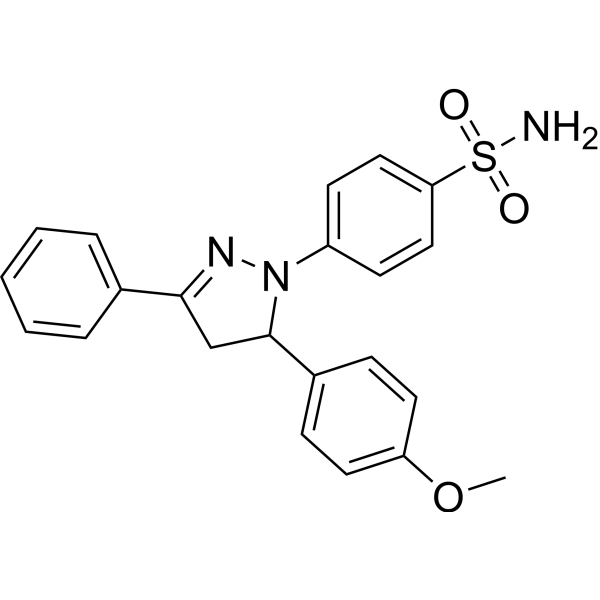
    Zelasudil (RXC007) is an orally active, highly selective small molecule Rho-associated coiled-coil containing protein kinase 2 (ROCK2) inhibitor with anti-fibrotic efficacy. Zelasudil elicits positive immunomodulatory effects in metastatic pancreatic tumors with increase of CD8+ and CD4+ T cell infiltrate into the tumor cortex and reduction in immunosuppressive FOXP3+ regulatory T cells at the tumor border. Zelasudil is promising for research of pancreatic ductal adenocarcinoma .
    Zelasudil
  • HY-13991
    CCG-1423
    10+ Cited Publications

    Ras Apoptosis Cancer
    CCG-1423 is an inhibitor of Rho/MRTF/SRF pathway. CCG-1423 shows activities in several cancer cells. CCG-1423 is a promising lead compound for the development of novel pharmacologic tools, and it can be used for the research of cancer and diabetes .
    CCG-1423
  • HY-17543
    ML-323
    15+ Cited Publications

    Deubiquitinase Cancer
    ML-323 is a reversible, potent USP1-UAF1 inhibitor with IC50 of 76 nM in a Ub-Rho assay. The measured inhibition constants of ML-323 for the free enzyme (Ki) is 68 nM.
    ML-323
  • HY-111458
    GSK2643943A
    5+ Cited Publications

    Deubiquitinase Cancer
    GSK2643943A is a deubiquitinating enzyme (DUB) inhibitor targeting USP20. GSK2643943A has affinity with an IC50 of 160 nM for USP20/Ub-Rho. GSK2643943A has anti-tumor efficacy and can be used for the research of oral squamous cell carcinoma (OSCC) .
    GSK2643943A
  • HY-12646A
    Rhosin
    35+ Cited Publications

    Ras Apoptosis Cancer
    Rhosin is a potent, specific RhoA subfamily Rho GTPases inhibitor, which specifically binds to RhoA to inhibit RhoA-GEF interaction with a Kd of ~ 0.4 uM, and does not interact with Cdc42 or Rac1, nor the GEF, LARG. Rhosin induces cell apoptosis . Rhosin promotes stress resiliency through enhancing D1-MSN plasticity and reducing hyperexcitability .
    Rhosin
  • HY-108361
    CCG-203971
    2 Publications Verification

    Ras Inflammation/Immunology Cancer
    CCG-203971 is a second-generation Rho/MRTF/SRF pathway inhibitor. CCG-203971 potently targets RhoA/C-activated SRE-luciferase (IC50 =6.4 μM). CCG-203971 inhibits PC-3 cell migration with an IC50 of 4.2 μM. Potential anti-metastasis Agent .
    CCG-203971
  • HY-12649
    Y16
    5+ Cited Publications

    Ras Cancer
    Y16 is a specific inhibitor of Leukemia-associated Rho guanine nucleotide exchange factor (LARG) with a Kd value of 76 nM. Y16 is active in blocking the interaction of LARG and related G-protein-coupled Rho GEFs with RhoA. Y16 shows no detectable effect on other diffuse B-cell lymphoma (Dbl) family Rho GEFs, Rho effectors, or a RhoGAP .
    Y16
  • HY-104064
    1A-116
    5+ Cited Publications

    Ras Apoptosis Cancer
    1A-116, a potent Rac1 inhibitor, is specific for W56 residues, can prevent EGF-induced Rac1 activation and block Rac1-P-Rex1 interaction. 1A-116 can induce apoptosis and inhibit cell proliferation, migration and cycle progression in a concentration-dependent manner. 1A-116 also demonstrates a high antimetastatic activity in vivo .
    1A-116
  • HY-12798
    Netarsudil
    1 Publications Verification

    AR-13324

    Monoamine Transporter ROCK Cardiovascular Disease Neurological Disease
    Netarsudil (AR-13324) is a competitive inhibitor of Rho-associated protein kinases (ROCK I and ROCK II) and a reversible inhibitor of the norepinephrine transporter (NET). Netarsudil reduces intraocular pressure by inhibiting ROCK, causing relaxation of trabecular meshwork cells and dilation of episcleral veins, thereby increasing the ease of aqueous humor outflow, while inhibiting NET to reduce aqueous humor production. Netarsudil is mainly used in the study of ocular hypertension and primary open-angle glaucoma .
    Netarsudil
  • HY-121750
    CCG-222740
    1 Publications Verification

    Ras ROCK Cancer
    CCG-222740 is an orally active and selective Rho/myocardin-related transcription factor (MRTF) pathway inhibitor . CCG-222740 is also a potent inhibitor of alpha-smooth muscle actin protein expression. CCG-222740 effectively reduces fibrosis in skin and blocks melanoma metastasis .
    CCG-222740
  • HY-N6012
    (-)-Alkannin
    2 Publications Verification

    Apoptosis Inflammation/Immunology Cancer
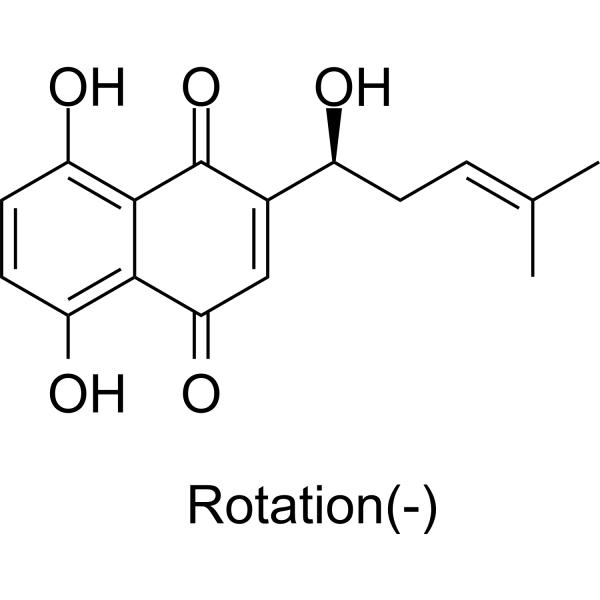
    (-)-Alkannin, found in Alkanna tinctoria, is used as a food coloring. (-)-Alkannin shows anticancer activity, arrests cell cycle, and induces apoptosis. (-)-Alkannin improves hepatic inflammation in a Rho-kinase pathway .
    (-)-Alkannin
  • HY-111432

    Ras Others
    CCG-232601 (compound 8f) is a potent and orally active Rho/MRTF/SRF transcriptional pathway inhibitor. CCG-232601 inhibits the development of Bleomycin-induced dermal fibrosis in mice. CCG-232601 has the potential for the research of antifibrotic for systemic scleroderma .
    CCG-232601
  • HY-108518

    ROCK Cardiovascular Disease Inflammation/Immunology
    SB-772077B dihydrochloride is an orally active aminofuran-based Rho kinase ((ROCK)) inhibitor with IC50 values of 5.6 nM and 6 nM for ROCK1 and ROCK2, respectively. SB-772077B dihydrochloride reduces inflammatory cytokines (TNF-α and IL-6). SB-772077B dihydrochloride relaxes aortic rings and lowers blood pressure. SB-772077B dihydrochloride can be used in the research of inflammatory diseases .
    SB-772077B dihydrochloride
  • HY-12798B
    Netarsudil hydrochloride
    1 Publications Verification

    AR-13324 hydrochloride

    ROCK Cardiovascular Disease Neurological Disease
    Netarsudil (AR-13324) hydrochloride is a competitive inhibitor of Rho-associated protein kinases (ROCK I and ROCK II) and a reversible inhibitor of the norepinephrine transporter (NET). Netarsudil hydrochloride reduces intraocular pressure by inhibiting ROCK, causing relaxation of trabecular meshwork cells and dilation of episcleral veins, thereby increasing the ease of aqueous humor outflow, while inhibiting NET to reduce aqueous humor production. Netarsudil hydrochloride is mainly used in the study of ocular hypertension and primary open-angle glaucoma .
    Netarsudil hydrochloride
  • HY-B0515
    Ibandronate Sodium Monohydrate
    1 Publications Verification

    BM-210955; RPR-102289A

    Apoptosis Metabolic Disease Cancer
    Ibandronate Sodium Monohydrate (BM-210955; RPR-102289A) is an orally active, selective inhibitor of farnesyl pyrophosphate synthase (FPP synthase). Ibandronate Sodium Monohydrate can block the mevalonate pathway to inhibit the isoprenylation modification of small GTPases (such as RAS, RHO family proteins), induce tumor cell apoptosis and inhibit bone resorption. Ibandronate Sodium Monohydrate inhibits tumor cell proliferation (such as ER + breast cancer cells), promotes the expression of the pro-apoptotic gene FAS, and can produce synergistic anti-tumor effects with anti-estrogen compounds. Ibandronate Sodium Monohydrate is used in the study of osteoporosis and bone metastatic tumors (such as breast cancer bone metastasis) .
    Ibandronate Sodium Monohydrate
  • HY-12798A
    Netarsudil dimesylate
    1 Publications Verification

    AR-13324 dimesylate

    ROCK Cardiovascular Disease Neurological Disease
    Netarsudil (AR-13324) dimesylate is a competitive inhibitor of Rho-associated protein kinases (ROCK I and ROCK II) and a reversible inhibitor of the norepinephrine transporter (NET). Netarsudil dimesylate reduces intraocular pressure by inhibiting ROCK, causing relaxation of trabecular meshwork cells and dilation of episcleral veins, thereby increasing the ease of aqueous humor outflow, while inhibiting NET to reduce aqueous humor production. Netarsudil dimesylate is mainly used in the study of ocular hypertension and primary open-angle glaucoma .
    Netarsudil dimesylate
  • HY-N0430

    Coptisin

    Indoleamine 2,3-Dioxygenase (IDO) NF-κB p38 MAPK PI3K Akt Apoptosis Reactive Oxygen Species (ROS) Mitochondrial Metabolism DNA/RNA Synthesis ROCK LDLR Cardiovascular Disease Neurological Disease Metabolic Disease Inflammation/Immunology Cancer
    Coptisine is an orally active and brain-penetrant alkaloid found in Coptis chinensis. Coptisine is a reversible, uncompetitive IDO inhibitor with a Ki of 5.8 μM and an IC50 of 6.3 μM. Coptisine suppresses neuroinflammation, reduces Aβ plaque burden and shows neuroprotective activity. Coptisine shows anti-inflammation activity by blocking NF-κB, MAPK, and PI3K/Akt activation. Coptisine inhibits cancer cells proliferation, induces DNA damage, G2/M phase cell cycle arrest, apoptosis, ROS production and mitochondrial dysfunction. Coptisine inhibits Rho/ROCK pathway activation, reduces arrhythmia, limits cardiac injury marker release, reduces infarct size, and preserves cardiac function in rat myocardial ischemia/reperfusion models. Coptisine downregulates HMGCR and upregulates LDLR and CYP7A1 to modulate cholesterol metabolism, reduces abnormal serum lipid levels, and promotes fecal bile acid excretion. Coptisine can be used for the research of cancer, hypercholesterolemia, Alzheimer’s disease, inflammatory disorders and cardiovascular disease .
    Coptisine
  • HY-N0430A
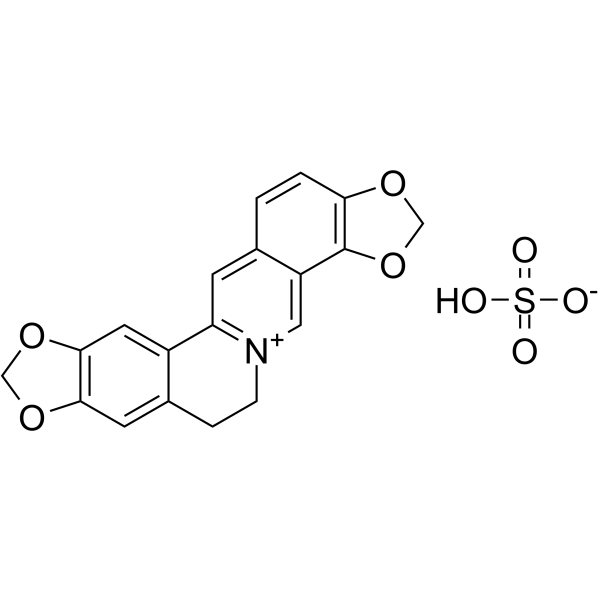
    Coptisine Sulfate
    5 Publications Verification

    Indoleamine 2,3-Dioxygenase (IDO) NF-κB p38 MAPK PI3K Akt Apoptosis Reactive Oxygen Species (ROS) Mitochondrial Metabolism DNA/RNA Synthesis ROCK LDLR Cardiovascular Disease Neurological Disease Metabolic Disease Inflammation/Immunology Cancer
    Coptisine Sulfate is an orally active and brain-penetrant alkaloid found in Coptis chinensis. Coptisine Sulfate is a reversible, uncompetitive IDO inhibitor with a Ki of 5.8 μM and an IC50 of 6.3 μM. Coptisine Sulfate suppresses neuroinflammation, reduces Aβ plaque burden and shows neuroprotective activity. Coptisine Sulfate shows anti-inflammation activity by blocking NF-κB, MAPK, and PI3K/Akt activation. Coptisine Sulfate inhibits cancer cells proliferation, induces DNA damage, G2/M phase cell cycle arrest, apoptosis, ROS production and mitochondrial dysfunction. Coptisine Sulfate inhibits Rho/ROCK pathway activation, reduces arrhythmia, limits cardiac injury marker release, reduces infarct size, and preserves cardiac function in rat myocardial ischemia/reperfusion models. Coptisine Sulfate downregulates HMGCR and upregulates LDLR and CYP7A1 to modulate cholesterol metabolism, reduces abnormal serum lipid levels, and promotes fecal bile acid excretion. Coptisine Sulfate be used for the research of cancer, hypercholesterolemia, Alzheimer’s disease, inflammatory disorders and cardiovascular disease .
    Coptisine Sulfate
  • HY-19518

    NCX116; LBN

    Prostaglandin Receptor Neurological Disease
    Latanoprostene bunod (NCX116; LBN) is a nitric oxide-releasing prostaglandin F2α analog. Latanoprostene bunod is a prodrug that, upon instillation into the eye, is hydrolyzed by corneal esterases into two active metabolites: Latanoprost (HY-B0577) and NO. Latanoprost activates the prostaglandin FP receptor to increase the outflow of aqueous humor through the uveoscleral pathway. NO increases aqueous humor drainage through the trabecular meshwork pathway, achieving synergistic enhancement targeting the dual pathways of aqueous humor outflow. Latanoprostene bunod can be used in research related to open-angle glaucoma and ocular hypertension .
    Latanoprostene bunod
  • HY-N0600

    Interleukin Related IFNAR NF-κB Inflammation/Immunology
    Ginsenoside F3 is a saponin extracted from the leaves of Panax ginseng with immunoenhancing and antitumor immunostimulatory activities. Ginsenoside F3 upregulates RIPOR2 with a Kd value of 3.77 μM. Ginsenoside F3 enhances NF‑κB activation, upregulates T‑bet and downregulates GATA‑3, increases the production of IL‑2 and IFN‑γ, decreases the production of IL‑4 and IL‑10, reverses CD8⁺ T‑cell exhaustion, restores cytokine secretion, and enhances antitumor immunity in a mouse non‑small cell lung cancer model. Ginsenoside F3 can be used for the research of non-small cell lung cancer .
    Ginsenoside F3
  • HY-100270

    ROCK Cancer
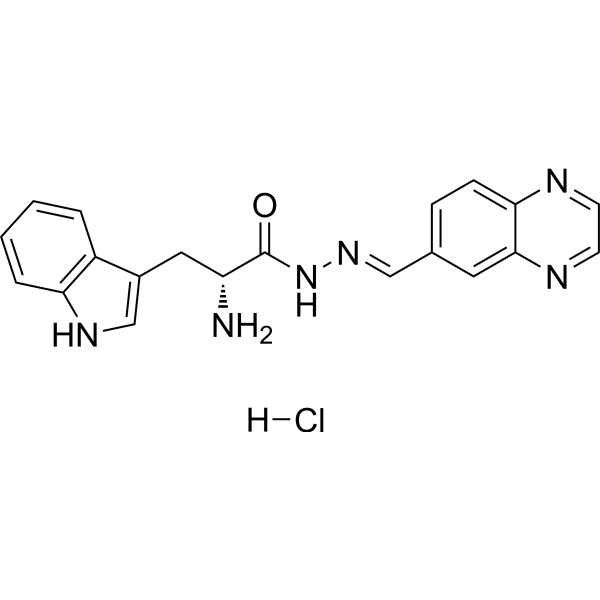
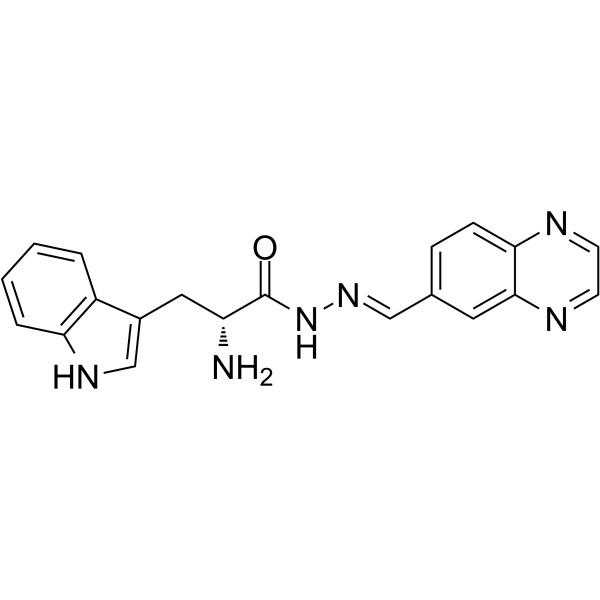
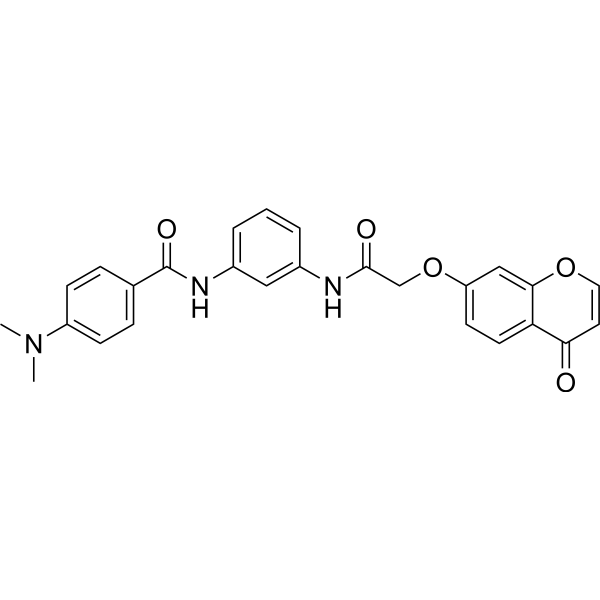
    Rho-Kinase-IN-1 is a Rho kinase (ROCK) inhibitor (Ki values of 30.5 and 3.9 nM for ROCK1 and ROCK2, respectively) extracted from US20090325960A1, compound 1.008 .
    Rho-Kinase-IN-1
  • HY-32951

    Drug Intermediate Others
    2-Fluoropyridine-4-boronic acid is a coupling reagent and chemical intermediate. 2-Fluoropyridine-4-boronic acid facilitates the synthesis of Rho kinase (ROCK) inhibitor Compound 37 .
    2-Fluoropyridine-4-boronic acid
  • HY-N2438
    Methylophiopogonanone B
    2 Publications Verification

    Ras Microtubule/Tubulin Cancer
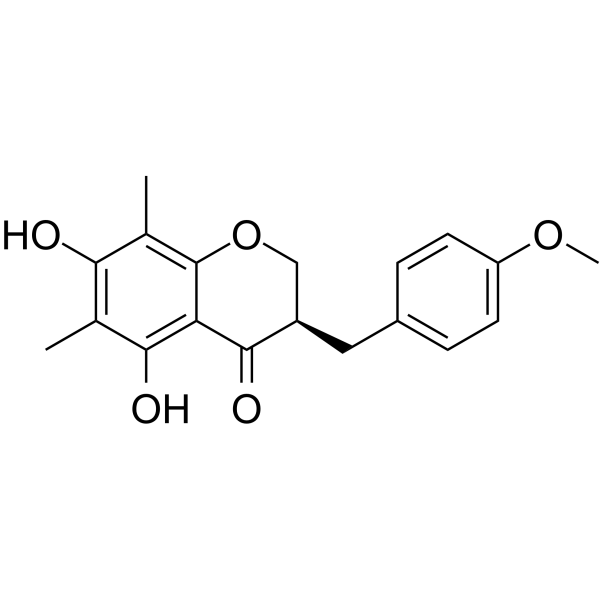
    Methylophiopogonanone B is a homoisoflavonoid compound. Methylophiopogonanone B can be isolated from O. japonicus root. Methylophiopogonanone B promotes Rho activation and Tubulin depolymerization. Methylophiopogonanone B significantly increases GTP-Rho, but not GTP-Rac or GTP-CDC42. Methylophiopogonanone B induces cell morphological change via melanocyte dendrite retraction and stress fiber formation. Methylophiopogonanone B exhibits strong antioxidant activity. Methylophiopogonanone B can be used in the research of cervical cancer .
    Methylophiopogonanone B
  • HY-112362

    Rockout; 3-(4-Pyridinyl)-1H-indole; RHO Kinase Inhibitor III, Rockout

    ROCK Inflammation/Immunology
    3-(4-Pyridyl)indole (Rockout) is a Rho-kinase (ROCK) inhibitor, with an IC50 of 25 μM. 3-(4-Pyridyl)indole can inhibit blebbing and cause dissolution of actin stress fibers in a wound healing assay .
    3-(4-Pyridyl)indole
  • HY-139170

    ROCK Metabolic Disease
    CAY10746 is a selective Rho kinase (ROCK) inhibitor. CAY10746 has inhibitory activity for ROCK I, ROCK II with IC50 values of 0.014 μM and 0.003 μM, respectively. CAY10746 can be used for the research of diabetic retinopathy (DR) .
    CAY10746
  • HY-18990
    GSK180736A
    5+ Cited Publications

    ROCK G Protein-coupled Receptor Kinase (GRK) Cardiovascular Disease
    GSK180736A is potent Rho-associated coiled-coil kinase 1 (ROCK1) inhibitor with an IC50 of 100 nM. GSK180736A is also a selective and ATP-competitive G protein-coupled receptor kinase 2 (GRK2) inhibitor with an IC50 of 0.77 μM.
    GSK180736A
  • HY-109191

    PHP-201; AMA0076

    ROCK Others
    Sovesudil (PHP-201) is a potent, ATP-competitive, locally acting Rho kinase (ROCK) inhibitor with IC50s of 3.7 and 2.3 nM for ROCK-I and ROCK-II, respectively. Sovesudil lowers intraocular pressure (IOP) without inducing hyperemia .
    Sovesudil
  • HY-134817
    USP7-IN-8
    1 Publications Verification

    Deubiquitinase Cancer
    USP7-IN-8 (example 81) is a selective ubiquitin-specific protease 7 (USP7) inhibitor with an IC50 of 1.4 μM in an Ub-Rho110 assay. USP7-IN-8 shows no activity against USP47 and USP5. USP7-IN-8 has anticancer effects .
    USP7-IN-8
  • HY-115376

    ZINC08010136

    Ras Inflammation/Immunology
    Z62954982 (ZINC08010136) is a potent, selective and cell-permeable Rac1 (IC50=12 μM) inhibitor that is 4 times more effective than NSC23766 (HY-15723A) (IC50=50 μM). Z62954982 disrupts the Rac1/Tiam1 complex and decreases cytoplasmic levels of active Rac1 (GTP-bound Rac1), without affecting the activity of other Rho GTPases (such as Cdc42 or RhoA) .
    Z62954982
  • HY-150640

    ROCK Neurological Disease Inflammation/Immunology Cancer
    Rho-Kinase-IN-2 (Compound 23) is an orally active, selective, and CNS-penetrant Rho Kinase (ROCK) inhibitor (ROCK2 IC50 = 3 nM). Rho-Kinase-IN-2 can be used in Huntington’s research .
    Rho-Kinase-IN-2
  • HY-117149

    Ras Cancer
    MLS000532223 is a high affinity, selective inhibitor of Rho family GTPases, with EC50 values ranging from 16 μM to 120 μM. MLS000532223 prevents GTP binding to several GTPases .
    MLS000532223
  • HY-15392A
    Chroman 1 dihydrochloride
    60+ Cited Publications

    ROCK Cardiovascular Disease
    Chroman 1 dihydrochloride is a highly potent and selective ROCK inhibitor. Chroman 1 dihydrochloride is more potent against ROCK2 (IC50=1 pM) than ROCK1 (IC50=52 pM). Chroman 1 dihydrochloride also has inhibitory activity against MRCK, with an IC50 of 150 nM .
    Chroman 1 dihydrochloride
  • HY-B0515B
    Ibandronate Sodium
    1 Publications Verification

    Apoptosis Metabolic Disease Cancer
    Ibandronate Sodium is an orally active, selective inhibitor of farnesyl pyrophosphate synthase (FPP synthase). Ibandronate Sodium can block the mevalonate pathway to inhibit the isoprenylation modification of small GTPases (such as RAS, RHO family proteins), induce tumor cell apoptosis and inhibit bone resorption. Ibandronate Sodium inhibits tumor cell proliferation (such as ER+ breast cancer cells), promotes the expression of the pro-apoptotic gene FAS, and can produce synergistic anti-tumor effects with anti-estrogen compounds. Ibandronate Sodium is used in the study of osteoporosis and bone metastatic tumors (such as breast cancer bone metastasis) .
    Ibandronate Sodium
  • HY-172917

    Ras Cancer
    Rho GTPase inhibitor 1 (compound 7) is a potent Rho GTPase inhibitor. Rho GTPase inhibitor 1 exhibits high affinity on Cdc42, Rac1 and RhoA with KDs of 151, 352, and 232 μM, respectively. Rho GTPase inhibitor 1 reduces cell migration on glioma cell line .
    Rho GTPase inhibitor 1
  • HY-N10341

    IFNAR ROCK Inflammation/Immunology Cancer
    Centaureidin is an orally active IFN-promoter that can be isolated from Bidens pilosa with an EC50 of 0.9 μg/mL. Centaureidin activates the Rho signal pathway, leading to actin and tubulin disassembly, and resulting in dendrite retraction and stress fiber formation in melanocytes. Centaureidin shows high tumor cell growth inhibitory activities. Centaureidin significantly inhibits paw edema in mice [1][2][3][4][5].
    Centaureidin
  • HY-I0400R

    NANA (Standard); Lactaminic acid (Standard)

    Reference Standards Tyrosinase Ras Influenza Virus Endogenous Metabolite Cardiovascular Disease Inflammation/Immunology Cancer
    N-Acetylneuraminic acid (Standard) is the analytical standard of N-Acetylneuraminic acid. This product is intended for research and analytical applications. N-Acetylneuraminic acid (NANA; Lactaminic acid), a nonphenolic structure, is the predominant form of sialic from Collocalia esculenta. N-Acetylneuraminic acid plays a biological role in myocardial injury, melanoma and viral or bacterial infection. N-Acetylneuraminic acid inhibits melanogenesis by reducing tyrosinase activity and triggers myocardial injury in vitro and in vivo by activation of the Rho/Rho-associated signaling pathway through binding to RhoA and Cdc42. N-Acetylneuraminic acid may prevent high fat diet (HFD)-induced inflammation and oxidative stress, thereby prevents hyperlipidemia-associated inflammation and oxidative stress. N-Acetylneuraminic acid is promising for research in the field of melanoma, coronary artery, obesity-related diseases and hyperlipidemia .
    N-Acetylneuraminic acid (Standard)
  • HY-P2325

    Biochemical Assay Reagents ROCK Neurological Disease Metabolic Disease
    Exoenzyme C3, clostridium botulinum, is a mono-ADP-ribosylating enzyme. Exoenzyme C3, clostridium botulinum specifically modifies RhoA, B, and C by transferring ADP-ribose to them, thereby inactivating these GTPases. Exoenzyme C3, clostridium botulinum can induce neuronal axonal and dendritic growth, inhibit macrophage migration, and regulate cytoskeletal dynamics. Exoenzyme C3, clostridium botulinum can be used in the research of spinal cord injury and diabetic painful neuropathy .
    Exoenzyme C3, clostridium botulinum
  • HY-126432

    BA-1049

    ROCK Neurological Disease
    NRL-1049 dihydrochloride (BA-1049) is a selective and orally active rho-associated protein kinase 2 (ROCK2) inhibitor with an IC50 of 0.59 μM. NRL-1049 dihydrochloride shows selectivity for ROCK2 is 44 times that of ROCK1 (IC50 = 26 μM). NRL-1049 dihydrochloride can preserve the blood-brain barrier after acute injury .
    NRL-1049 dihydrochloride
  • HY-15720B

    ROCK Aurora Kinase CaMK Neurological Disease
    Glycyl H-1152 hydrochloride (compound 18) is a glycyl derivative of Rho-kinase inhibitors H-1152 dihydrochloride. Glycyl H-1152 hydrochloride inhibits ROCKII, Aurora A, CAMKII and PKG, with IC50s of 0.0118, 2.35, 2.57 and 3.26 μM respectively. Glycyl H-1152 hydrochloride has higher selective than H-1152 hydrochloride .
    Glycyl H-1152 hydrochloride
  • HY-W050122

    GABA Receptor Neurological Disease
    S-(+)-GABOB is an endogenous ligand with antiepileptic activity. S-(+)-GABOB is a metabolite of GABA and may function as a neurotransmitter. S-(+)-GABOB behaves as a full agonist when bound to the ρ(1) wild-type receptor. S-(+)-GABOB acts as a competitive antagonist in the ρ(1) T244S mutant receptor .
    S-(+)-GABOB
  • HY-109191A

    PHP-201 hydrochloride; AMA0076 hydrochloride

    ROCK Neurological Disease
    Sovesudil (PHP-201) hydrochloride is a potent, ATP-competitive, locally acting Rho kinase (ROCK) inhibitor with IC50s of 3.7 and 2.3 nM for ROCK-I and ROCK-II, respectively. Sovesudil hydrochloride lowers intraocular pressure (IOP) without inducing hyperemia .
    Sovesudil hydrochloride
  • HY-16563R

    Lycoricidinol (Standard)

    Reference Standards ROCK Cancer
    Narciclasine (Standard) is the analytical standard of Narciclasine. This product is intended for research and analytical applications. Narciclasine is a plant growth modulator. Narciclasine modulates the Rho/Rho kinase/LIM kinase/cofilin signaling pathway, greatly increasing GTPase RhoA activity as well as inducing actin stress fiber formation in a RhoA-dependent manner.
    Narciclasine (Standard)

Inquiry Online

Your information is safe with us. * Required Fields.

Salutation


Country or Region *

Applicant Name *


Organization Name *

Department *


Email Address *


Product Name *

Cat. No.


Requested quantity *

Phone Number *


Remarks

Inquiry Online

Inquiry Information

Product Name:
Cat. No.:
Quantity:
MCE Japan Authorized Agent:

