

1. Search Result
Search Result
Pathways Recommended: TGF-beta/Smad
Results for "

Smad

" in MedChemExpress (MCE) Product Catalog:

220

Inhibitors & Agonists

2

Screening Libraries

2

Fluorescent Dye

5

Biochemical Assay Reagents

12

Peptides

1

MCE Kits

10

Inhibitory Antibodies

56

Natural
Products

10

Recombinant Proteins

11

Isotope-Labeled Compounds

45

Antibodies

27

Oligonucleotides

2

GMP Molecules

Targets Recommended:
Cat. No. Product Name Target Research Areas Chemical Structure
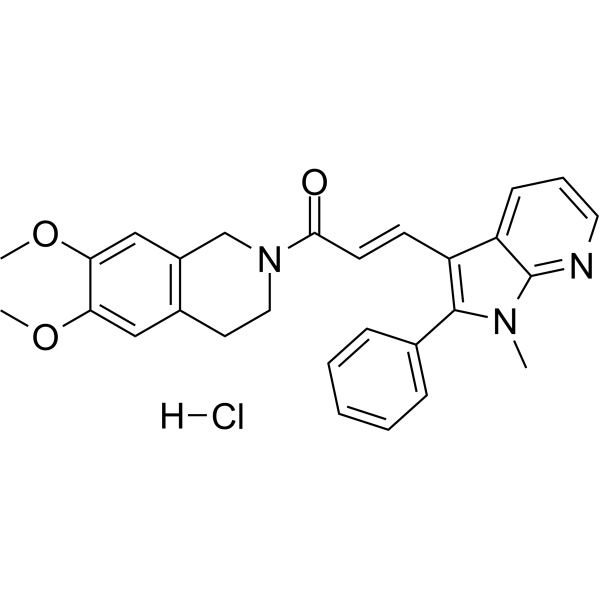
  • HY-13013
    SIS3
    Maximum Cited Publications
    106 Publications Verification

    TGF-beta/Smad Inflammation/Immunology
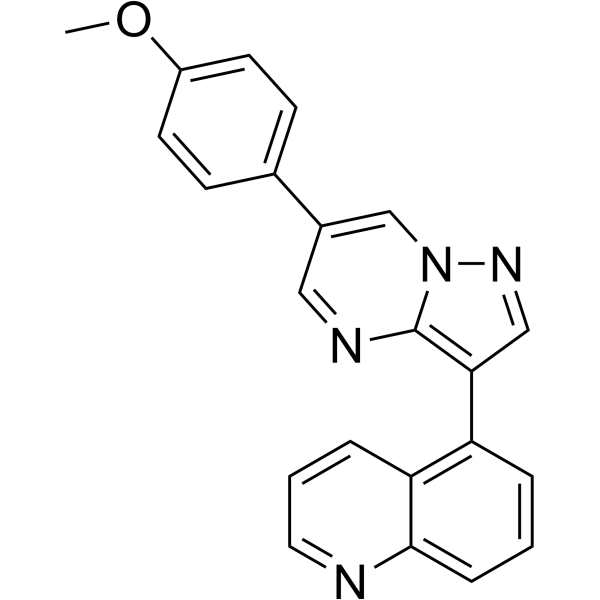
    SIS3 is a potent and selective inhibitor of Smad3 with an IC50 of 3 μM for Smad3 phosphorylation. SIS3 inhibits the myofibroblast differentiation of fibroblasts by TGF-β1 .
    SIS3
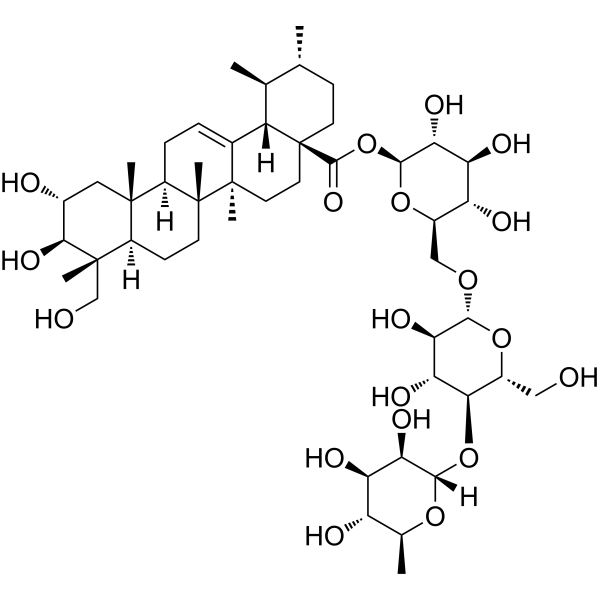
  • HY-N0439
    Asiaticoside
    15+ Cited Publications

    p38 MAPK TGF-beta/Smad Reactive Oxygen Species (ROS) Apoptosis Endogenous Metabolite Cardiovascular Disease Neurological Disease Inflammation/Immunology Cancer
    Asiaticoside, a trisaccaride triterpene from Centella asiatica, suppresses TGF-β/Smad signaling through inducing Smad7 and inhibiting TGF-βRI and TGF-βRII in keloid fibroblasts; Asiaticoside shows antioxidant, anti-inflammatory, and anti-ulcer properties.
    Asiaticoside
  • HY-124697
    BMP signaling agonist sb4
    5+ Cited Publications

    TGF-β Receptor Cancer
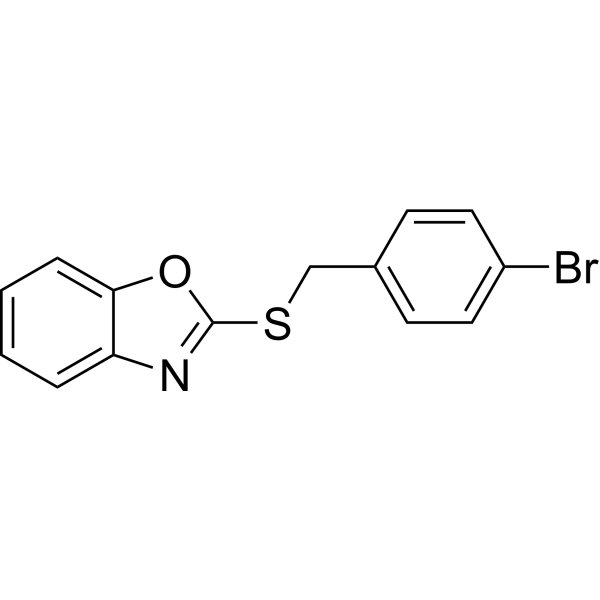
    BMP signaling agonist sb4 is a potent benzoxazole bone morphogenetic protein 4 (BMP4) signaling agonist with a EC50 value of 74 nM, activates BMP signaling by stabilizing intracellular p-SMAD-1/5/9. BMP signaling agonist sb4 activates BMP4 target genes (inhibitors of DNA binding,?Id1?and?Id3) canonical BMP signaling .
    BMP signaling agonist sb4
  • HY-N2033
    Chebulinic acid
    3 Publications Verification

    DNA/RNA Synthesis TGF-beta/Smad Proton Pump Infection
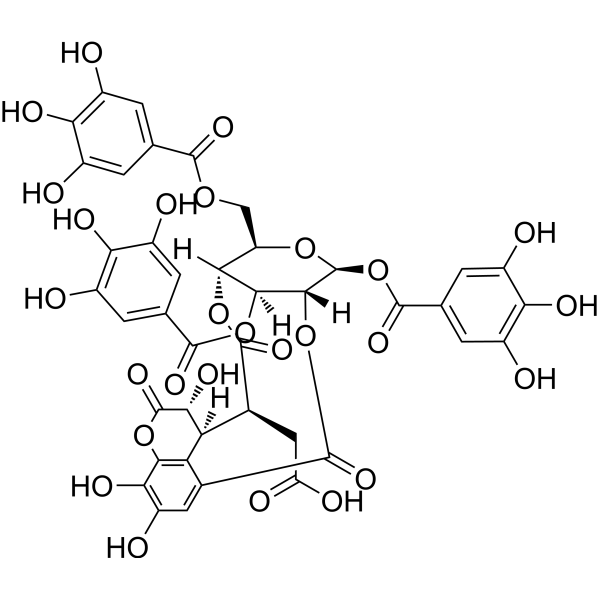
    Chebulinic acid is a potent natural inhibitor of M. tuberculosis DNA gyrase, also can inhibit SMAD-3 phosphorylation, inhibit H+ K+-ATPase activity.
    Chebulinic acid
  • HY-W012977
    3,3-Dimethyl-1-butanol
    1 Publications Verification

    DMB; Neohexanol

    TGF-beta/Smad NF-κB Endogenous Metabolite Cardiovascular Disease Metabolic Disease Inflammation/Immunology Cancer
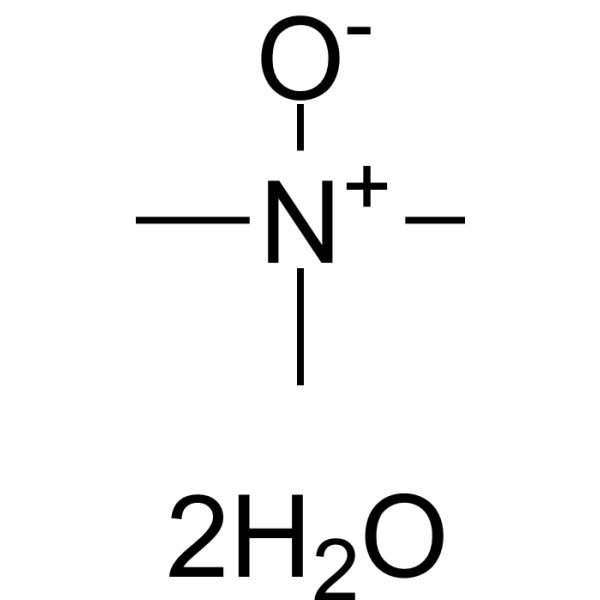
    3,3-Dimethyl-1-butanol (DMB) is an orally active inhibitor of trimethylamine (TMA) and trimethylamine N-oxide (TMAO). 3,3-Dimethyl-1-butanol inhibits the signaling pathway of p65 NF-κB and TGF-β1/Smad3. 3,3-Dimethyl-1-butanol has potential applications in cardiovascular disease (CVD) .
    3,3-Dimethyl-1-butanol
  • HY-10431G

    TGF-β Receptor Neurological Disease Cancer
    SB-431542 (GMP) is SB-431542 (HY-10431) produced by using GMP guidelines. GMP small molecules works appropriately as an auxiliary reagent for cell therapy manufacture. SB-431542 is a TGF-β receptor kinase inhibitor (TRKI) in SMAD signaling .
    SB-431542
  • HY-100830
    NCB-0846
    4 Publications Verification

    Wnt MAP4K TGF-beta/Smad Cancer
    NCB-0846 is an orally active, selective inhibitor for Wnt, that inhibits Traf2- and Nck-interacting kinase (TNIK) with an IC50 of 21 nM. NCB-0846 blocks TGF-β signaling pathway by inhibiting SMAD2/3 phosphorylation and nuclear translocation .
    NCB-0846
  • HY-P99720
    Luspatercept
    5 Publications Verification

    ACE-536; luspatercept–aamt

    TGF-beta/Smad Metabolic Disease Cancer
    Luspatercept (ACE-536) is a recombinant modified ActRIIB fusion protein that binds with transforming growth factor β superfamily ligands. Luspatercept increases the erythrocyte numbers and promotes maturation of erythroid precursors. Luspatercept binds with GDF11 and inhibits Smad2/3 signaling. Luspatercept can be used for the research of anemia .
    Luspatercept
  • HY-N0316
    Mollugin
    2 Publications Verification

    JAK NF-κB Reactive Oxygen Species (ROS) Apoptosis VEGFR c-Myc Cancer
    Mollugin is an orally active and potent NF-κB inhibitor. Mollugin induces S-phase arrest of HepG2 cells, and increased intracellular reactive oxygen species (ROS) levels. Mollugin induces DNA damage in HepG2 cells, as well as an increase in the expression of p-H2AX. Mollugin shows anti-cancer effect by inhibiting TNF-α-induced NF-κB activation. Mollugin enhances the osteogenic action of BMP-2 (bone morphogenetic protein 2) via the p38-Smad signaling pathway .
    Mollugin
  • HY-124748A
    ENMD-1068 hydrochloride
    2 Publications Verification

    Protease Activated Receptor (PAR) Apoptosis Inflammation/Immunology
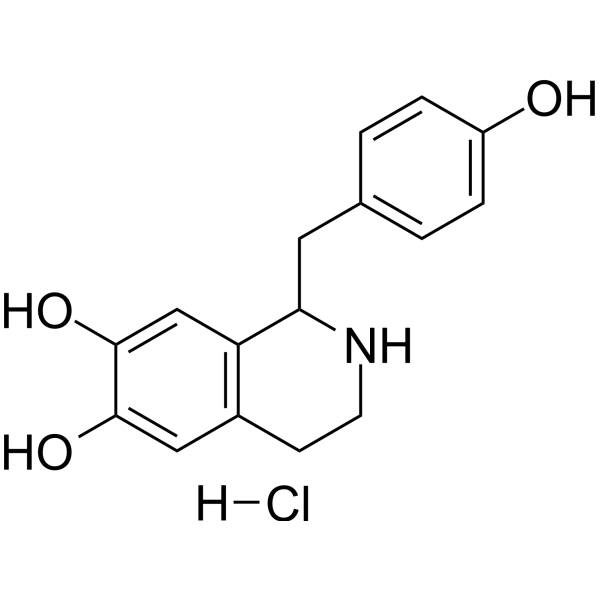
    ENMD-1068 hydrochloride is a selective protease-activated receptor 2 (PAR2) antagonist. ENMD-1068 hydrochloride reduces hepatic stellate cell activation and collagen expression by inhibiting TGF-β1/Smad signaling. ENMD-1068 hydrochloride also inhibits the proliferation of endometrial cells and induces apoptosis of epithelial cells in the lesion. ENMD-1068 hydrochloride can be used in the study of endometriosis and liver fibrosis .
    ENMD-1068 hydrochloride
  • HY-103021
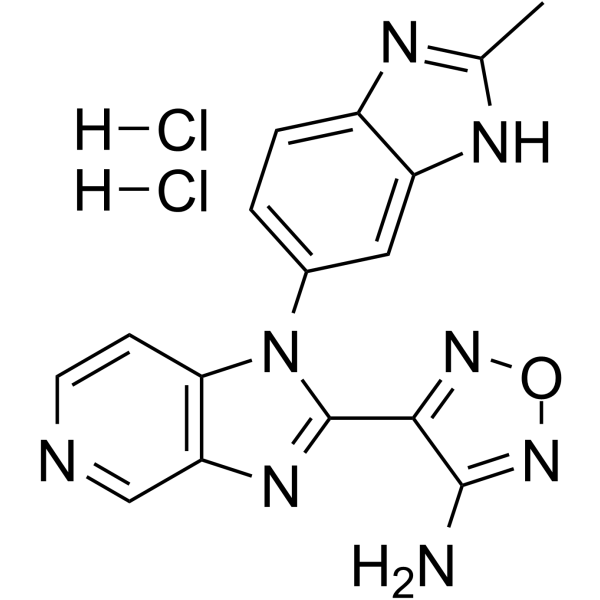
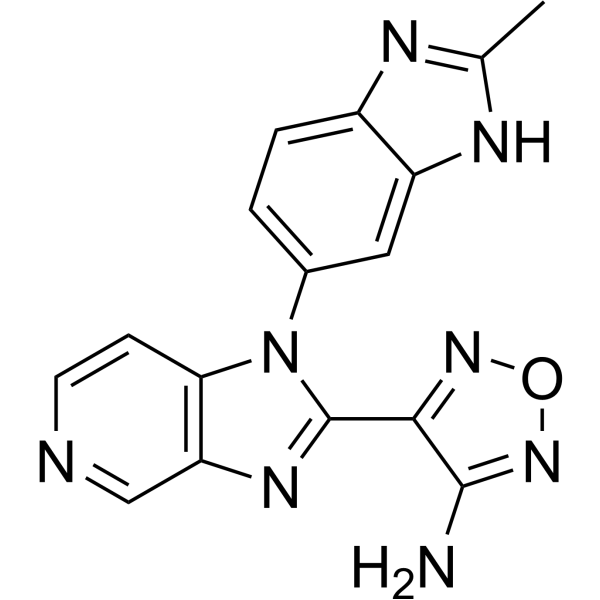
    LY3200882
    10+ Cited Publications

    TGF-β Receptor Inflammation/Immunology Cancer
    LY3200882 is a potent, highly selective, ATP-competitive and orally active TGF-β receptor type 1 (ALK5) inhibitor with an IC50 of 38.2 nM. LY3200882 inhibits various pro-tumorigenic activities and is also used as an immune modulatory agent .
    LY3200882
  • HY-108527
    CD1530
    3 Publications Verification

    RAR/RXR Bacterial TGF-beta/Smad β-catenin MMP Reactive Oxygen Species (ROS) Infection Metabolic Disease Endocrinology
    CD1530 is an orally active, selective RARγ agonist and antibacterial agent. CD1530 reduces Smad1/5/8 phosphorylation and overall Smad levels. CD1530 reduces β-catenin, MMP9 protein, and ROS levels. CD1530 exhibits activities such as inhibiting heterotopic ossification, promoting Achilles tendon healing, and inhibiting muscle fatty infiltration. CD1530 can be used in the research of orthopedic diseases (such as heterotopic ossification, Achilles tendon injury), muscle diseases (such as muscle fatty infiltration-related diseases) .
    CD1530
  • HY-N6985
    Baccatin III
    2 Publications Verification

    Others Cancer
    Baccatin III is an orally available, selective inhibitor of the TGF-β1 signaling pathway and myeloid-derived suppressor cell (MDSC) activation. Baccatin III targets the AKT/STAT6 and Smad2/3 pathways, blocking TGF-β1-induced fibroblast differentiation and MDSC-mediated immunosuppression. Baccatin III exerts anti-inflammatory and anti-fibrotic effects by inhibiting macrophage activation and extracellular matrix deposition, and shows potential in the treatment of pulmonary fibrosis and cancer in terms of regulating the tumor immune microenvironment .
    Baccatin III
  • HY-B0449
    Methacycline hydrochloride
    2 Publications Verification

    Bacterial Antibiotic Infection
    Methacycline hydrochloride is a tetracycline antibiotic and can inhibits bacterial protein synthesis. Methacycline hydrochloride is a potent epithelial-mesenchymal transition (EMT) inhibitor. Methacycline hydrochloride blocks EMT in vitro and fibrogenesis in vivo without directly affecting TGF-β1 Smad signaling. Methacycline hydrochloride is an antimicrobial and has the potential for pulmonary fibrosis .
    Methacycline hydrochloride
  • HY-164145

    TGF-β Receptor Others Cancer
    CDD-1653 is a potent and selective BMPR2 inhibitor (IC50=2.8 nM). CDD-1653 reduces the ability of ATP to bind to the kinase domain of BMPR2, thereby affecting the phosphorylation of SMAD1/5/8 transcription factors, which play a key role in the BMP signaling pathway. CDD-1653 can be used to study diseases related to the BMP signaling pathway .
    CDD-1653
  • HY-P99494
    Carotuximab
    1 Publications Verification

    TRC105; DE-122

    TGF-beta/Smad Cancer
    Carotuximab (TRC105) is a IgG1 monoclonal antibody that blocks endoglin (CD105) and its downstream Smad signaling pathway. Carotuximab has immunomodulatory and antineoplastic actions .
    Carotuximab
  • HY-100444
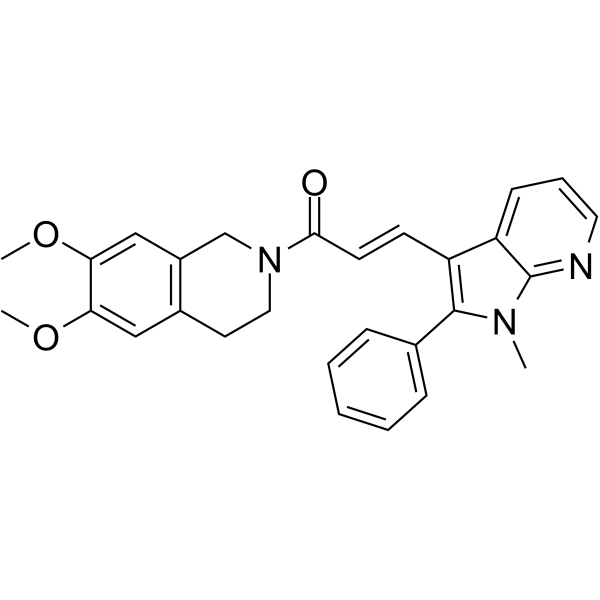
    SIS3 free base
    Maximum Cited Publications
    106 Publications Verification

    TGF-beta/Smad Inflammation/Immunology
    SIS3 free base is a potent and selective inhibitor of Smad3 phosphorylation. SIS3 free base inhibits the myofibroblast differentiation of fibroblasts by TGF-β1. SIS3 free base does not affect the phosphorylation of Smad2 .
    SIS3 free base
  • HY-145608

    INCB-000928; NBU-928

    TGF-β Receptor Cardiovascular Disease Cancer
    Zilurgisertib (INCB-000928; NBU-928) is a selective ALK2 inhibitor with an IC50 value of 15 nM. Zilurgisertib inhibits SMAD1/5 phosphorylation with an IC50 value of 63 nM. Zilurgisertib inhibits hepcidin production and improve anemia. Zilurgisertib can be used in melanoma research .
    Zilurgisertib
  • HY-N0439R

    p38 MAPK Reference Standards TGF-beta/Smad Reactive Oxygen Species (ROS) Apoptosis Endogenous Metabolite Cardiovascular Disease Neurological Disease Inflammation/Immunology Cancer
    Asiaticoside (Standard) is the analytical standard of Asiaticoside. This product is intended for research and analytical applications. Asiaticoside, a trisaccaride triterpene from Centella asiatica, suppresses TGF-β/Smad signaling through inducing Smad7 and inhibiting TGF-βRI and TGF-βRII in keloid fibroblasts; Asiaticoside shows antioxidant, anti-inflammatory, and anti-ulcer properties.
    Asiaticoside (Standard)
  • HY-12274
    ML347
    5+ Cited Publications

    LDN 193719

    TGF-β Receptor Cancer
    ML347 (LDN193719) is a highly selective ALK1/ALK2 inhibitor. ML347 has IC50 values of 46 and 32 nM against ALK1 and ALK2, respectively, >300-fold selective over ALK3. ML347 block the phosphorylation of Smad1/5 by TGF-β1 .
    ML347
  • HY-47888

    Integrin Inflammation/Immunology
    PLN-1474 (compound 1) is an orally active and selective ανβ1 integrin inhibitor with an IC50 value of <50 nM. PLN-1474 reduces levels of pSMAD3/SMAD3 in liver, hepatic collagen gene expression and hepatic OHP concentration in liver fibrosis mouse model. PLN-1474 can be used for the research of preventing, delaying or researching a fibrotic or cirrhotic disease or disorder.
    PLN-1474
  • HY-P99359

    ABT-555; AE12-1Y-QL; Anti-RGMA Reference Antibody (elezanumab)

    TGF-beta/Smad Metabolic Disease
    Elezanumab (ABT-555; AE12-1Y-QL) is a human monoclonal antibody that selectively targets repulsive guidance molecule A (RGMa). Elezanumab potently inhibited RGMa mediated BMP signalling via the SMAD1/5/8 pathway, with an IC50 around 97 pM. Elezanumab promotes neuroregeneration and neuroprotection in neuronal injury and demyelination models binds N-terminal RGMa, blocks BMP signaling and lacks RGMc cross-reactivity. elezanumab has neuroregenerative and neuroprotective activities without impact on iron metabolism .
    Elezanumab
  • HY-147372

    TGF-beta/Smad Metabolic Disease
    SJ000063181 is a potent BMP signaling activator. SJ000063181 activates BMP4 and the phosphorylation of SMAD1/5/8 (p-SMAD1/5/8). SJ000063181 induces ventralization in zebrafish embryos .
    SJ000063181
  • HY-162405

    STAT TGF-beta/Smad Interleukin Related Inflammation/Immunology
    STAT6-IN-12 is a potent STAT6 inhibitor with an IC50 of 50 nM. STAT6-IN-12 also inhibits Smad2/3 with an IC50 of 68 nM. STAT6-IN-12 inhibits TGFβ-dependent Smad2/3 signaling pathway, IL-4-dependent STAT6 signaling pathway, and cellular inflammatory responses. STAT6-IN-12 can be used for the research of inflammation .
    STAT6-IN-12
  • HY-P5832

    TGF-beta/Smad RUNX Metabolic Disease
    BMP2-derived peptide is an osteogenic inducer and BMP receptor ligand. BMP2-derived peptide binds to BMP receptors on the cell surface to form a complex, activates the downstream Smad signaling pathway, and regulates the expression of osteogenic transcription factors. BMP2-derived peptide effectively promotes the adhesion, proliferation, osteogenic differentiation and mineralization of bone marrow mesenchymal stem cells, significantly up-regulates the mRNA levels of OCN, Runx2 and type I collagen, and increases alkaline phosphatase activity and calcium deposition. BMP2-derived peptide induces osteoblast differentiation and ectopic bone regeneration, and improves cranial bone defect repair. Meanwhile, BMP2-derived peptide enhances the cytocompatibility of mesoporous silica nanoparticles, synergistically increases osteogenic activity with Dexamethasone (HY-14648), serving as an important tool for bone defect repair research .
    BMP2-derived peptide
  • HY-N4107
    Phyllanthin
    1 Publications Verification

    TGF-beta/Smad Infection Inflammation/Immunology Cancer
    Phyllanthin is an effective oral anticancer agent. Phyllanthin inhibits MOLT-4 cell viability, increases apoptosis, inhibits cell migration and invasion. Phyllanthin exerts anti-fibrotic effects by down-regulating TGF signaling pathway via ALK5 and Smad2/3. Phyllanthin also has anti-inflammatory and antibacterial properties .
    Phyllanthin
  • HY-P5542

    SB-01; Peniel 2000

    Factor Xa TGF-beta/Smad Inflammation/Immunology
    Vicatertide (SB-01, Peniel 2000) is a polypeptide with both competitive inhibitory activity against TGF-β1 and selective inhibitory activity against human factor XIa (hFXIa, with a Ka of 80 nM for hFXIa). Vicatertide binds allosterically to the two binding sites of dimeric hFXI/hFXIa, while directly binding to activated TGF-β1, selectively blocking the Smad1/5/8 pathway and maintaining low-level activation of the Smad2 pathway to enhance the synthesis of type Ⅱ collagen and aggrecan. Vicatertide inhibits thrombus formation in arteriovenous thrombosis models, and also reduces thrombus weight and thrombus incidence in mouse lung cancer models. Vicatertide can be used for research on degenerative disc disease and thrombosis-related diseases .
    Vicatertide
  • HY-163536

    TGF-beta/Smad Inflammation/Immunology
    TGF-β1/Smad3-IN-1 (Compound 5aa) is an inhibitor of the TGF-β1/Smad3 signaling pathway(IC50=1.07 μM). TGF-β1/Smad3-IN-1 possesses antifibrotic activity and oral potency .
    TGF-β1/Smad3-IN-1
  • HY-RS13395

    Small Interfering RNA (siRNA) Others

    SMAD4 Human Pre-designed siRNA Set A contains three designed siRNAs for SMAD4 gene (Human), as well as a negative control, a positive control, and a FAM-labeled negative control.

    SMAD4 Human Pre-designed siRNA Set A
    SMAD4 Human Pre-designed siRNA Set A
  • HY-128439

    DYRK Cancer
    BT173 is a potent homeodomain interacting protein kinase 2 (HIPK2) inhibitor. BT173 binds to HIPK2 and does not inhibit HIPK2 kinase activity but rather, interfered allosterically with the ability of HIPK2 to associate with Smad3. BT173 attenuates renal fibrosis through suppression of the TGF-β1/Smad3 pathway. BT173 can be studied in research for kidney diseases such as renal fibrosis .
    BT173
  • HY-160928

    E1/E2/E3 Enzyme Cardiovascular Disease
    Smurf1 modulator-1 (Compound 20) is a selective inhibitor for Smad ubiquitination regulatory factor 1 (Smurf1), with IC50 of 180 nM .
    Smurf1 modulator-1
  • HY-P99720A

    RAP-536

    TGF-beta/Smad Metabolic Disease
    Luspatercept (mIgG2a) (RAP-536) is a fusion protein, consisting of a modified extracellular domain of human ActRIIB linked to the murine IgG2a Fc domain. Luspatercept (mIgG2a) inhibits Smad2/3 signaling, promotes differentiation of late-stage erythroid precursors and mitigates ineffective erythropoiesis (IE) in murine β-thalassemia. Luspatercept (mIgG2a) reduces anemia, α-globin aggregates, hemolysis, and disease complications of IE such as iron overload, splenomegaly, and bone defects .
    Luspatercept (mIgG2a)
  • HY-144043

    TGF-β Receptor Cancer
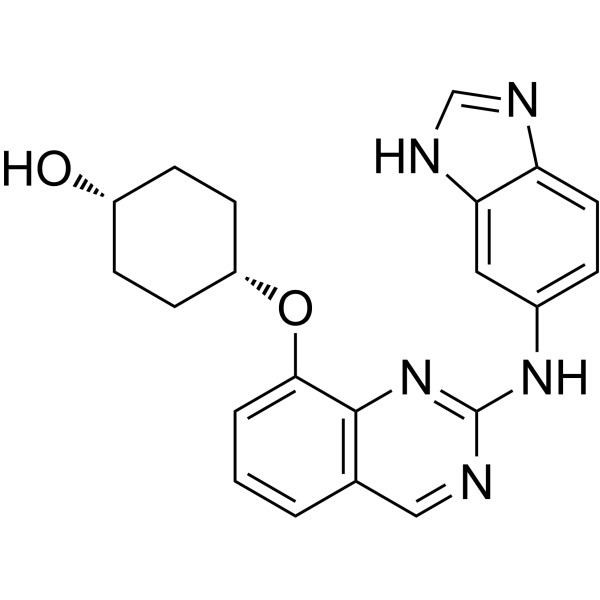
    ALK5-IN-8 is a potent inhibitor of TGFβRI (ALK5). ALK5-IN-8 Inhibits the phosphorylation of ALK5 on its downstream signaling proteins (Smad2 or Smad3) by blocking the binding of TGFβRI to ligands, thereby affecting or blocking TGF-β signaling. ALK5-IN-8 has the potential for the research of various ALK5-mediated related diseases (extracted from patent WO2021190425A1, compound 1) .
    ALK5-IN-8
  • HY-P10363

    TGF-β Receptor Others
    Tiger17 is an effective wound healing agent. Tiger17 is able to induce the secretion of TGF-β1 and acts through the Smad signaling pathway, specifically promoting wound healing by increasing the phosphorylation of Smad2 and Smad3 .
    Tiger17
  • HY-P10414A

    KP1 (human) hydrochloride

    TGF-beta/Smad p38 MAPK Inflammation/Immunology
    Klotho-derived peptide 1 (KP1 human) hydrochloride blocks TGF-β/TGF-β receptor 2 interaction, inhibits TGF-β-induced activation of Smad2/3 and mitogen-activated protein kinase (MAPK), and exhibits anti-fibrotic and kidney protective effects in mouse model .
    Klotho-derived peptide 1 hydrochloride
  • HY-W005379

    TGF-beta/Smad Inflammation/Immunology
    DGM is an inhibitor of the TGF-β1/Smad signaling pathway with significant antifibrotic effects. DGM inhibits the epithelial-mesenchymal transition (EMT) process in alveolar epithelial cells and slows the progression of pulmonary fibrosis in vivo by reducing lung inflammation, improving lung function, and decreasing extracellular matrix (ECM) remodeling. DGM can be used in research on idiopathic pulmonary fibrosis (IPF) and EMT-related diseases .
    DGM
  • HY-174416

    E1/E2/E3 Enzyme Cardiovascular Disease
    Smurf1-IN-5 (Compound cpd-6) is an allosteric SMAD ubiquitin regulatory factor 1 (SMURF1) inhibitor. Smurf1-IN-5 leads to a reduction in the ubiquitylation of substrates such as BMPR2 (bone morphogenetic protein receptor 2) and SMAD1, enhancing the BMP (bone morphogenetic protein) signaling pathway. Smurf1-IN-5 is promising for research of pulmonary arterial hypertension (PAH) .
    Smurf1-IN-5
  • HY-173149

    Anaplastic lymphoma kinase (ALK) TGF-beta/Smad TGF-β Receptor Cancer
    CDD-2789 is a potent and selective ALK2 inhibitor with an IC50 0.54 μM and a Kd of 2.1 nM, respectively. CDD-2789 exhibits >120-fold selectivity over ALK3/5/6. CDD-2789 reduces activin A- and BMP2-induced SMAD1/5 phosphorylation in fibroblasts. CDD-2789 can be used for ALK2-related cancer research .
    CDD-2789
  • HY-162404

    STAT TGF-beta/Smad Interleukin Related TGF-β Receptor Inflammation/Immunology
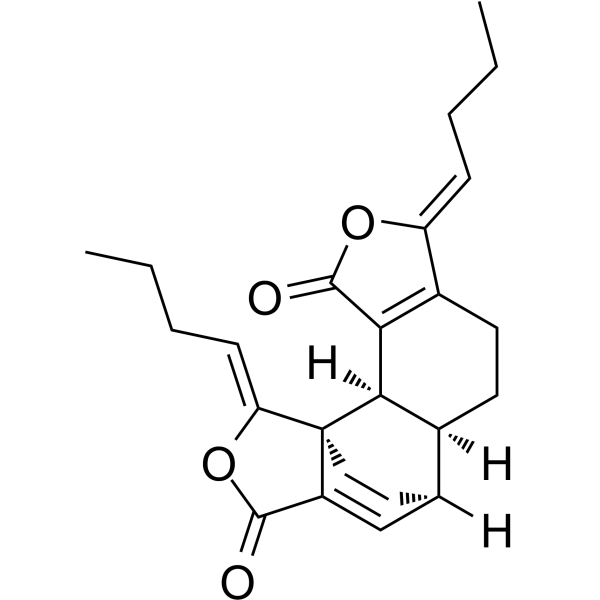
    (14S,15R)-14-Deoxyoxacyclododecindione (Compound 3) acts as an inhibitor of TGF-β-dependent Smad2/3 and IL-4-dependent STAT6, with IC50 values of 90 nM and 20 nM, respectively. (14S,15R)-14-deoxyoxacyclododecindione is a potent IL-4 inhibitor with an IC50
    value of 20 nM. (14S,15R)-14-Deoxyoxacyclododecindione is applicable to the research of chronic inflammation and fibrotic diseases .
    (14S,15R)-14-Deoxyoxacyclododecindione
  • HY-RS13398

    Small Interfering RNA (siRNA) Others

    SMAD7 Human Pre-designed siRNA Set A contains three designed siRNAs for SMAD7 gene (Human), as well as a negative control, a positive control, and a FAM-labeled negative control.

    SMAD7 Human Pre-designed siRNA Set A
    SMAD7 Human Pre-designed siRNA Set A
  • HY-P10359A

    TGF-beta/Smad MMP Neurological Disease
    TAT-QFNP12 acetate is a peptide that blocks the NDRG2-PPM1A binding and reduces Smad2/3 phosphorylation, decreases astrocytic MMP-9 production and BBB disruption after subarachnoid hemorrhage (SAH) .
    TAT-QFNP12 acetate
  • HY-P10414

    KP1 (human)

    TGF-beta/Smad p38 MAPK Inflammation/Immunology
    Klotho-derived peptide 1 (KP1 human) blocks TGF-β/TGF-β receptor 2 interaction, inhibits TGF-β-induced activation of Smad2/3 and mitogen-activated protein kinase (MAPK), and exhibits anti-fibrotic and kidney protective effects in mouse model .
    Klotho-derived peptide 1
  • HY-149414

    Microtubule/Tubulin Apoptosis ERK TGF-beta/Smad Cancer
    MY-673 is a colchicine binding site inhibitor (CBSI), that inhibits tubulin polymerization. MY-673 inhibits the ERK signaling pathway, which in turn affects SMAD4 protein expression levels in the TGF-β/SMAD pathway. MY-673 inhibited cell proliferation, migration and induced apoptosis in vivo and in vitro .
    MY-673
  • HY-118528A
    TP0427736 hydrochloride
    2 Publications Verification

    TGF-β Receptor Endocrinology
    TP0427736 hydrochloride is a potent inhibitor of ALK5 kinase activity with an IC50 of 2.72 nM and this effect is 300-fold higher than the inhibitory effect on ALK3 (IC50=836 nM). TP0427736 hydrochloride also inhibits Smad2/3 phosphorylation in A549 cells induced by TGF-β1 with an IC50 value of 8.68 nM. TP0427736 hydrochloride can be used for the research of androgenic alopecia (AGA) .
    TP0427736 hydrochloride
  • HY-171878

    TGF-β Receptor PDGFR TGF-beta/Smad Inflammation/Immunology Cancer
    BI-4659 is a TGFβRI and PDGFRα inhibitor with IC50 values of 19 nM and 99 nM, respectively. BI-4659 inhibits the kinase activities of TGFβRI and PDGFRα, blocks the downstream TGFβRI signaling pathway, and reduces the phosphorylation level of Smad2/3 without altering the expression of TGF-β1. BI-4659 is applicable to research related to pulmonary fibrosis, cancer, and renal ischemia-reperfusion injury .
    BI-4659
  • HY-RS13393

    Small Interfering RNA (siRNA) Others

    SMAD2 Human Pre-designed siRNA Set A contains three designed siRNAs for SMAD2 gene (Human), as well as a negative control, a positive control, and a FAM-labeled negative control.

    SMAD2 Human Pre-designed siRNA Set A
    SMAD2 Human Pre-designed siRNA Set A
  • HY-RS13397

    Small Interfering RNA (siRNA) Others

    SMAD6 Human Pre-designed siRNA Set A contains three designed siRNAs for SMAD6 gene (Human), as well as a negative control, a positive control, and a FAM-labeled negative control.

    SMAD6 Human Pre-designed siRNA Set A
    SMAD6 Human Pre-designed siRNA Set A
  • HY-135702

    NF-κB Others
    UBS109, as a curcumin analogue, can promote the differentiation and mineralization of osteoblasts. UBS109 shows to regulate bone cell function by activating Smad and inhibiting NF-kB. UBS109 can be used in bone tissue engineering and osteoporosis research .
    UBS109
  • HY-W108953

    TGF-beta/Smad Metabolic Disease
    Myristoyl tetrapeptide-12 directly activates SMAD2 and induces the linking of SMAD3 with DNA. Myristoyl tetrapeptide-12 is capable of stimulating hair growth, especially at the level of eyelashes .
    Myristoyl tetrapeptide-12
  • HY-100830A

    Wnt MAP4K TGF-beta/Smad Inflammation/Immunology
    NCB-0970 is the negative control of NCB-0846 (HY-100830). NCB-0846 is an orally active, selective inhibitor for Wnt, that inhibits Traf2- and Nck-interacting kinase (TNIK) with an IC50 of 21 nM. NCB-0846 blocks TGF-β signaling pathway by inhibiting SMAD2/3 phosphorylation and nuclear translocation .
    NCB-0970

Inquiry Online

Your information is safe with us. * Required Fields.

Salutation


Country or Region *

Applicant Name *


Organization Name *

Department *


Email Address *


Product Name *

Cat. No.


Requested quantity *

Phone Number *


Remarks

Inquiry Online

Inquiry Information

Product Name:
Cat. No.:
Quantity:
MCE Japan Authorized Agent:

