
1. Search Result
Search Result
Results for "

UV

" in MedChemExpress (MCE) Product Catalog:

222

Inhibitors & Agonists

24

Fluorescent Dye

16

Biochemical Assay Reagents

10

Peptides

45

Natural
Products

5

Recombinant Proteins

33

Isotope-Labeled Compounds

10

Antibodies

2

Click Chemistry

3

Oligonucleotides

Cat. No. Product Name Target Research Areas Chemical Structure
  • HY-113485
    Melanin
    1 Publications Verification

    Endogenous Metabolite Others
    Melanin is a unique pigment with myriad functions. It is multifunctional, providing defense against environmental stresses such as ultraviolet (UV) light, oxidizing agents and ionizing radiation.
    Melanin
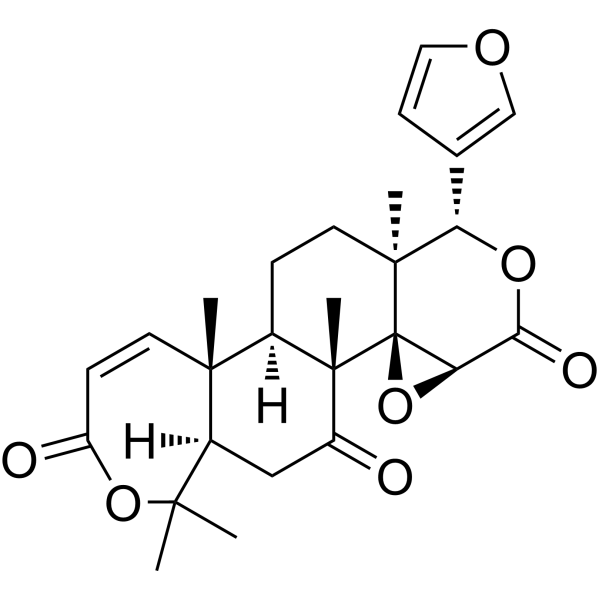
  • HY-N0428
    Obacunone
    4 Publications Verification

    Apoptosis Cancer
    Obacunone is a highly oxidized triterpenoid limonoid isolated from citrus plants. Obacunone exerts its anticancer effects by inducing apoptosis. Obacunone also protects retinal pigment epithelial (RPE) cells from ultraviolet (UV) radiation (UVR)-induced oxidative damage .
    Obacunone
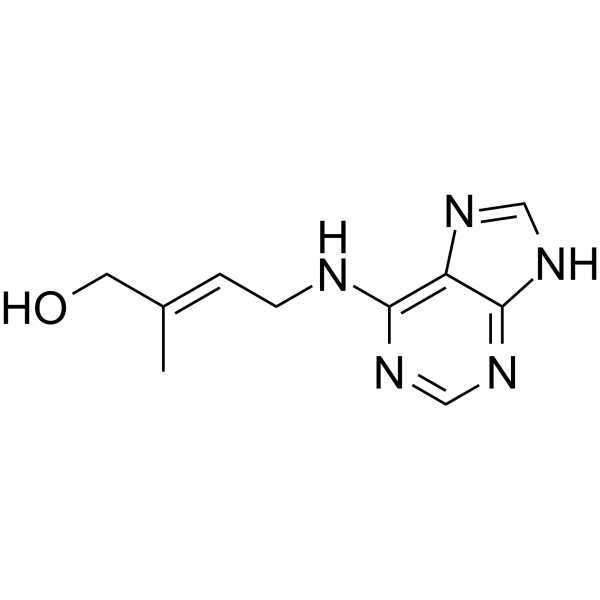
  • HY-19700
    trans-Zeatin
    3 Publications Verification

    Environmental Pollutants Endogenous Metabolite MEK ERK Others
    trans-Zeatin is a plant cytokinin, which plays an important role in cell growth, differentiation, and division; trans-Zeatin also inhibits UV-induced MEK/ERK activation.
    trans-Zeatin
  • HY-B1234

    Octyl methoxycinnamate

    Environmental Pollutants Estrogen Receptor/ERR Androgen Receptor Cytochrome P450 Thyroid Hormone Receptor Metabolic Disease Endocrinology
    Octinoxate (Octyl methoxycinnamate) is a thyroid hormone receptor agonist, reducing the levels of triiodothyronine (T3) and thyroxine (T4) and transcription levels of genes related to type II deiodinase (deio2) in Japanese Medaka. Octinoxate is commonly used as a safe ultraviolet (UV) filter used in the aquatic environment. Octinoxate inhibits CYP1A1 and CYP1B1 to regulate hyaluronan (HA) (HY-B0633A) metabolism in a PI3K pathway-dependent manner in human keratinocytes. Octinoxate also exhibits an anti-estrogenic and anti-androgenic effect in vitro and in vivo .
    Octinoxate
  • HY-W014837

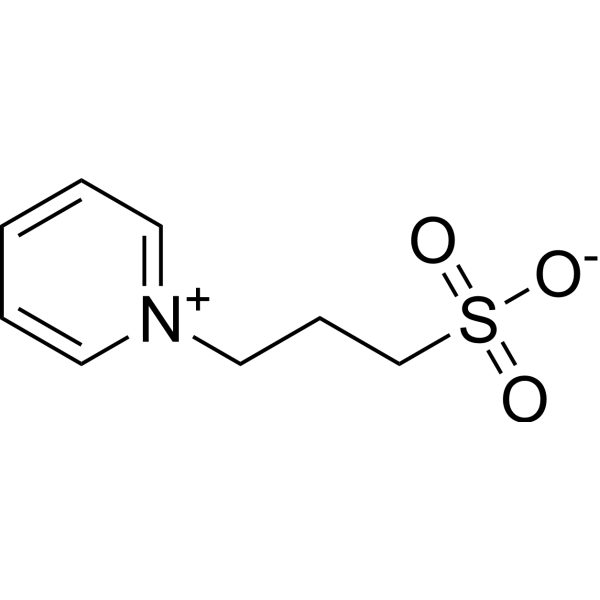
    3-(1-Pyridinio)-1-propanesulfonate

    Biochemical Assay Reagents Others
    NDSB-201 consists of a pyridine group attached to a propane chain, which in turn is attached to a sulfonate group. This compound is commonly used as a buffer in biochemical and biological research, especially in electrophoretic applications. It maintains a stable pH in aqueous solutions and has low UV absorption, making it suitable for use in the UV spectrum. Furthermore, due to its ability to form stable complexes with DNA and other biomolecules, 3-(pyridin-1-ium-1-yl)propane-1-sulfonate has been investigated for its potential in drug delivery and genetic research.
    NDSB-201
  • HY-B1398
    Ampyrone
    1 Publications Verification

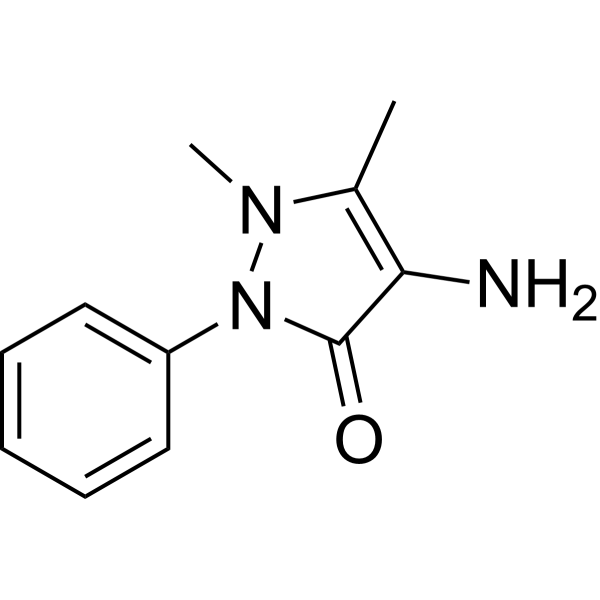
    4-Aminophenazone

    COX Drug Metabolite Neurological Disease Inflammation/Immunology Cancer
    Ampyrone (4-Aminophenazone; 4-Aminoantipyrine) is a reversible and low-damage optical clearing agent and non-selective COX inhibitor based on UV absorption properties. Ampyrone can improve the optical transmittance of mouse skin and other tissues. Ampyrone can induce tissue refractive index matching by enhancing UV absorption, reduce light scattering, and achieve tissue transparency in vivo. Ampyrone reduces the synthesis of prostaglandin PGE2, thereby exerting anti-inflammatory, analgesic and antipyretic effects. Ampyrone inhibits DNA damage, cell apoptosis and immune cell phagocytosis induced by Doxorubicin (HY-15142A) and Cisplatin (HY-17394), etc., and participates in the regulation of toxicity in tumor chemotherapy .
    Ampyrone
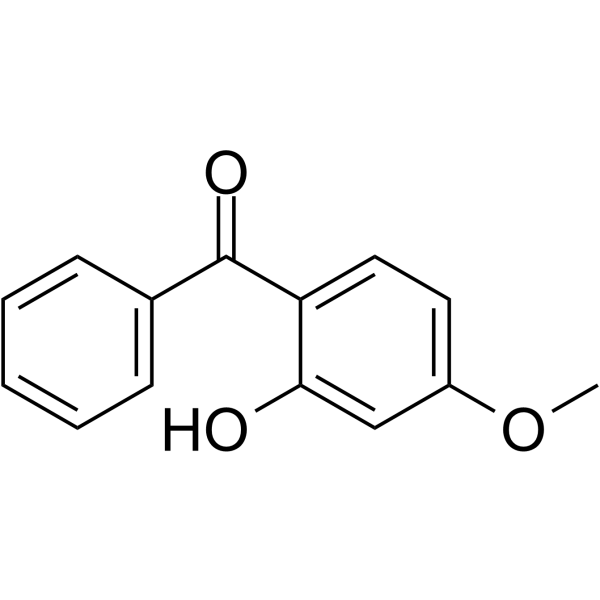
  • HY-A0067
    Oxybenzone
    5+ Cited Publications

    Benzophenone 3

    Environmental Pollutants Autophagy RAR/RXR Apoptosis Neurological Disease
    Oxybenzone (Benzophenone 3) is a commonly used UV filter in sun tans and skin protectants. Oxybenzone act as endocrine disrupting chemicals (EDCs) and can pass through the placental and blood-brain barriers. Benzophenone-3 impairs autophagy, alters epigenetic status, and disrupts retinoid X receptor signaling in apoptotic neuronal cells .
    Oxybenzone
  • HY-109656

    DHHB

    Biochemical Assay Reagents Others
    Diethylamino hydroxybenzoyl hexyl benzoate is a photostable UV-A absorber.
    Diethylamino hydroxybenzoyl hexyl benzoate
  • HY-B0928
    Homosalate
    1 Publications Verification

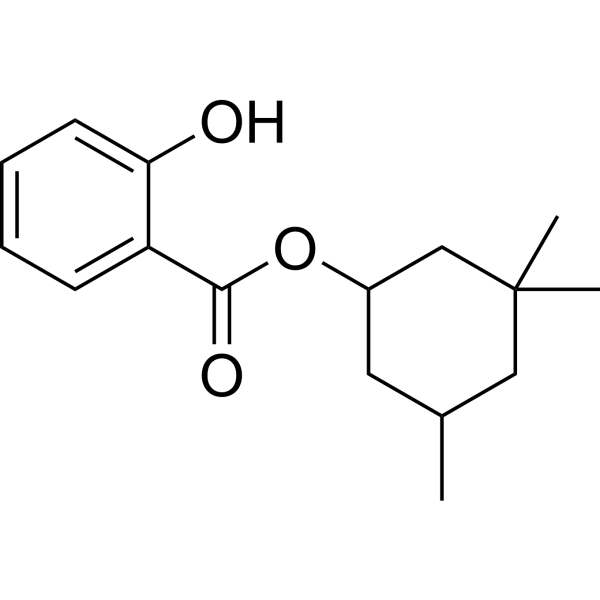
    Homomenthyl salicylate

    Environmental Pollutants Biochemical Assay Reagents Others
    Homosalate (Homomenthyl salicylate) is an organic compound used as a sunscreen to filter UV rays and protect the skin from sun damage. Homosalate has anti-inflammatory activity .
    Homosalate
  • HY-B1162
    Sulisobenzone
    1 Publications Verification

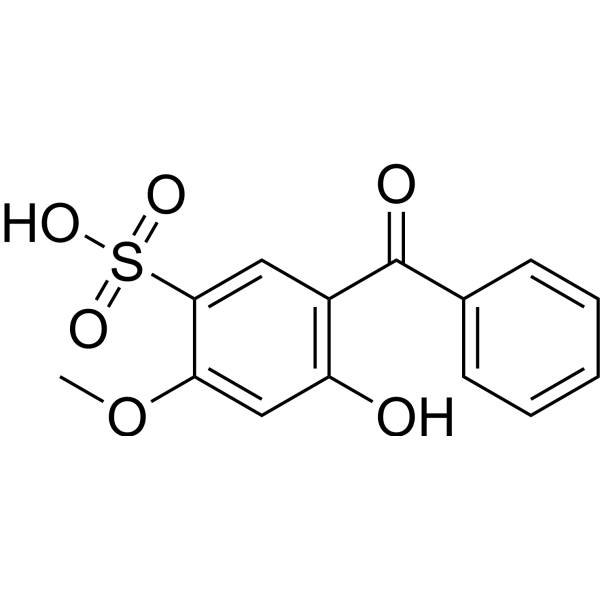
    Benzophenone-4

    Environmental Pollutants Biochemical Assay Reagents Metabolic Disease
    Sulisobenzone (Benzophenone-4) is a benzophenone-type UV filter. Sulisobenzone can act as a endocrine disrupting compound. Sulisobenzone disrupts energy metabolism, nucleotide synthesis, oxidative stress response, and endocrine function. Sulisobenzone thyroid hormone biosynthesis and induces oxidative stress .
    Sulisobenzone
  • HY-B0966

    Benzophenone-8; UV-24

    Biochemical Assay Reagents Inflammation/Immunology Cancer
    Dioxybenzone (Benzophenone-8; UV-24) is an organic compound used to block UVB and short-wave UVA (ultraviolet) radiation. Dioxybenzone has orally activity. Dioxybenzone exhibits estrogenic disrupting effect. Dioxybenzone up-regulates inflammatory cytokines. Dioxybenzone can be used for cancer, reproductive system disease and inflammatory disease study .
    Dioxybenzone
  • HY-B1556

    NSC 6647

    Environmental Pollutants Apoptosis Drug Derivative p38 MAPK ERK JNK Cancer
    Benzyl salicylate (NSC 6647)?is a salicylic acid benzyl ester. It can be used as a fragrance additive or UV light absorber .
    Benzyl salicylate
  • HY-17587
    4-Methylbenzylidene camphor
    2 Publications Verification

    4-MBC; Enzacamene

    Apoptosis PI3K Akt ERK Metabolic Disease
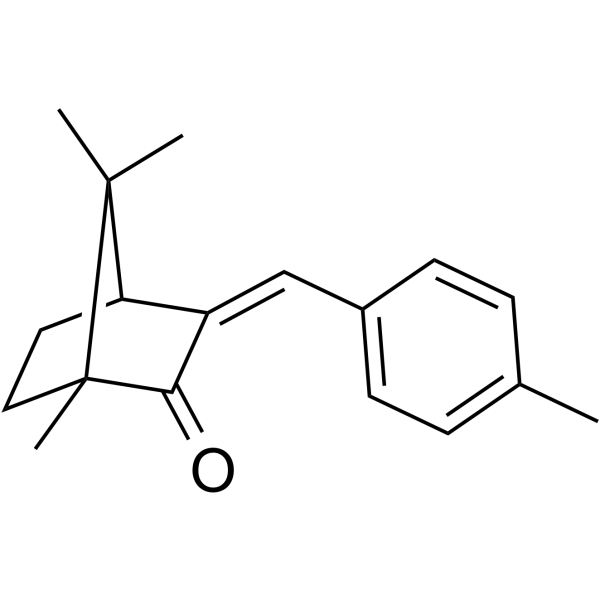
    4-Methylbenzylidene camphor (4-MBC) is an endocrine disrupter that produces estrogen-like effects. 4-Methylbenzylidene camphor decreases the proliferation of human trophoblast cells and induces apoptosis. 4-Methylbenzylidene camphor activates PI3K/AKT and ERK1/2 signaling pathways and elevates intracellular ROS production. 4-Methylbenzylidene camphor is a ultraviolet (UV) filter and may hamper normal placental formation during early pregnancy .
    4-Methylbenzylidene camphor
  • HY-109655

    Octyl triazone

    Biochemical Assay Reagents Others
    Ethylhexyl triazone is an approved ultraviolet-B (UV-B) chemical filter for commercial sunscreens.
    Ethylhexyl triazone
  • HY-N6599

    3-O-Feruloylquinic acid

    Interleukin Related COX NO Synthase NF-κB Inflammation/Immunology
    3-Feruloylquinic acid (3-O-Feruloylquinic acid), a derivative of quinic acid-bound phenolic acid, shows antioxidant and anti-inflammatory activities .
    3-Feruloylquinic acid
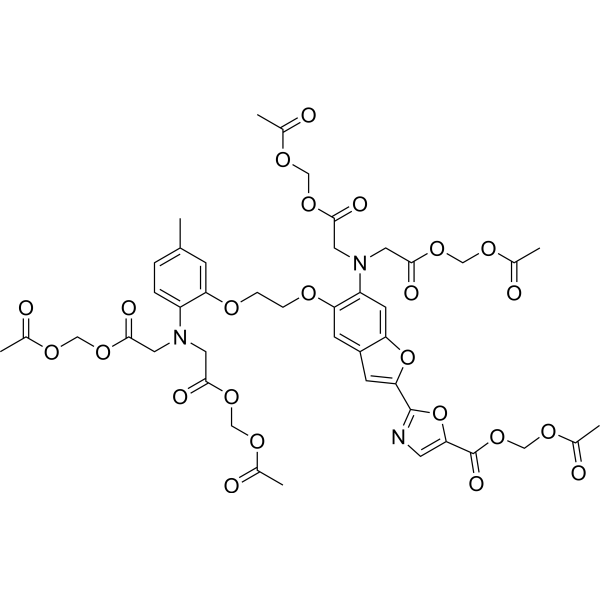
  • HY-109654

    Reactive Oxygen Species (ROS) Metabolic Disease
    Ensulizole is a sulfonated UV absorber and can intense UVB and partial UVA absorption. Ensulizole can damage the DNA through the generation of reactive oxygen species (ROS) upon UV or sunlight irradiation .
    Ensulizole
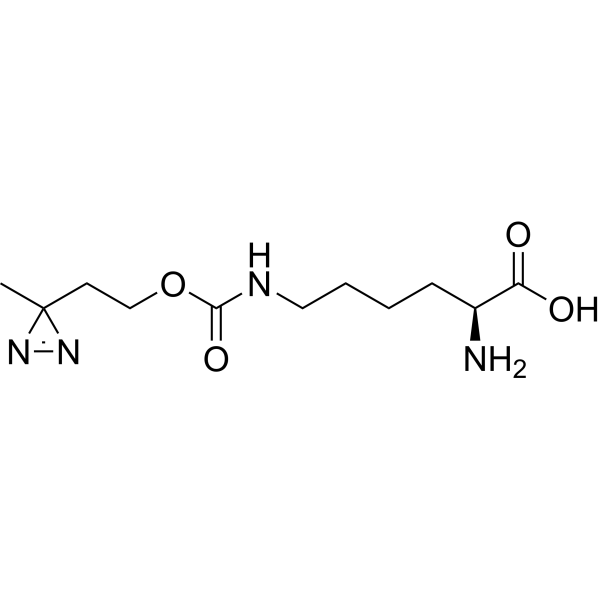
  • HY-D0853
    DiAzKs
    1 Publications Verification

    H-L-Photo-lysine

    Fluorescent Dye Others
    DiAzKs (H-L-Photo-lysine) is a diazirine-containing lysine amino acid and is a photo-cross-linker. DiAzKs can site-selective incorporated into proteins and is used to crosslink protein-protein interactions in vitro and in living cells. DiAzKs acts as a UV light-activated photo-crosslinking probe .
    DiAzKs
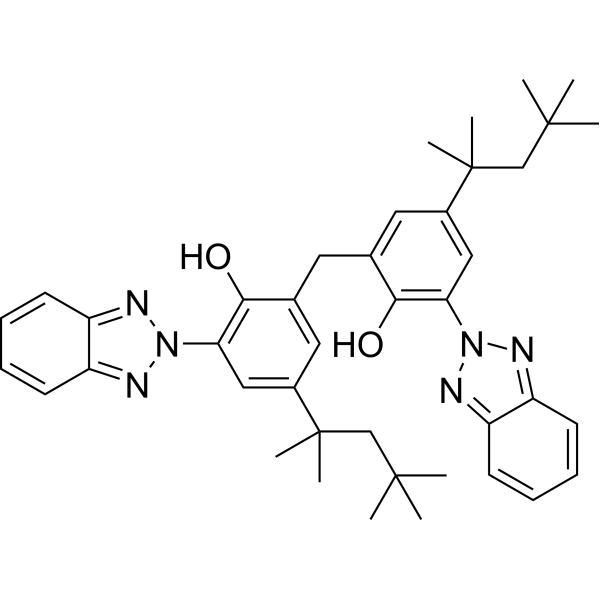
  • HY-B0897
    Bisoctrizole
    1 Publications Verification

    Biochemical Assay Reagents Others
    Bisoctrizole is a broad-spectrum UVA/UVB absorber that belongs to the benzotriazole class of compounds. Bisoctrizole absorbs UV light through hydroxyphenyl groups, causing reversible electronic transitions, thereby converting light energy into heat energy, inhibiting UV-induced material or skin damage. Bisoctrizole is highly efficient in capturing UVA (320-400 nm) and some UVB (280-320 nm) radiation. Bisoctrizole delays the photodegradation of materials such as silicones, improving their UV aging resistance or enhancing the photoprotective ability of sunscreen products .
    Bisoctrizole
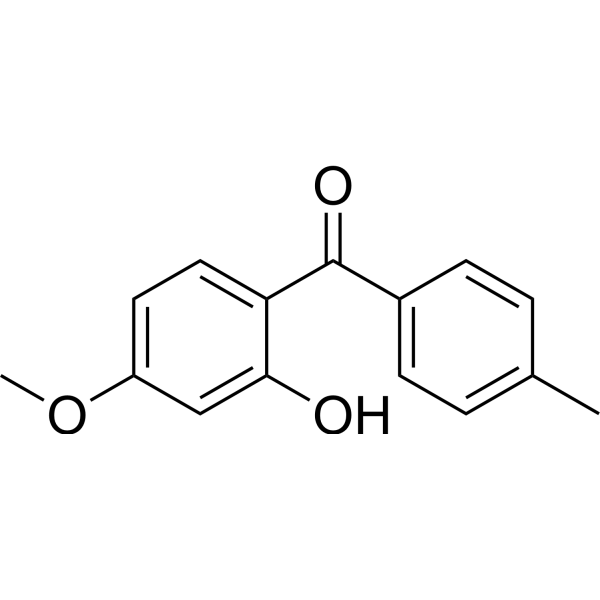
  • HY-B1023
    Mexenone
    1 Publications Verification

    Biochemical Assay Reagents Others
    Mexenone is a potent benzophenone-type UV filter. Mexenone is used for sunscreening agent .
    Mexenone
  • HY-131551

    Environmental Pollutants Biochemical Assay Reagents Others
    Drometrizole is an orally active UV absorber and can be used in cosmetic research. Drometrizole has low acute toxicity, no teratogenicity and carcinogenicity .
    Drometrizole
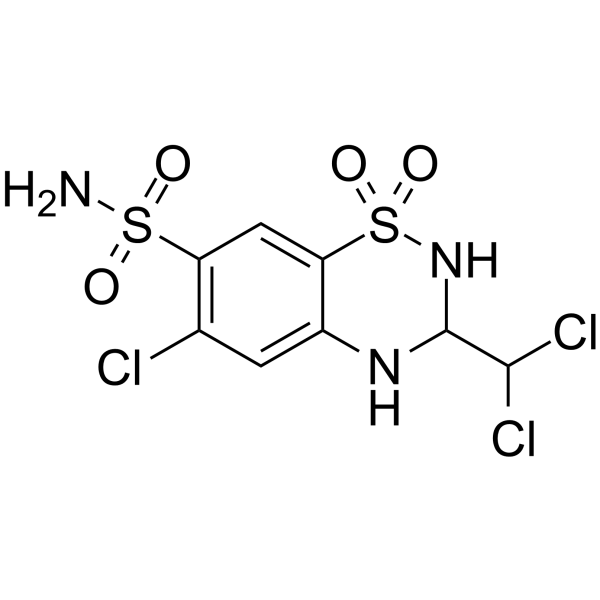
  • HY-B0235
    Trichlormethiazide
    2 Publications Verification

    Carbonic Anhydrase Metabolic Disease
    Trichlormethiazide is an orally active thiazide diuretic, with antihypertensive effect. Trichlormethiazide increases urine volume (UV), Na and K excretion and tends to improve the depressed creatinine clearance (CCRE) in acute renal failure rats model .
    Trichlormethiazide
  • HY-19700S

    MEK ERK Endogenous Metabolite Others
    trans-Zeatin-d5 is deuterium labeled trans-Zeatin. trans-Zeatin is a plant cytokinin, which plays an important role in cell growth, differentiation, and division; trans-Zeatin also inhibits UV-induced MEK/ERK activation.
    trans-Zeatin-d5
  • HY-W014223

    Ultraviolet absorber UV-0

    Environmental Pollutants Toll-like Receptor (TLR) NF-κB Reactive Oxygen Species (ROS) MyD88 IRAK Inflammation/Immunology
    2,4′-Dihydroxybenzophenone (Ultraviolet absorber UV-0) occupies the hydrophobic pocket of MD2 and blocks the dimerization of TLR4. 2,4′-Dihydroxybenzophenone inhibits the LPS induced mtROS production, and LPS induced inflammatory response by downregulating pro-inflammatory mediators and decreasing the expression of MyD88, p-IRAK4, and NF-κB. 2,4′-Dihydroxybenzophenone is also a UV absorber .
    2,4′-Dihydroxybenzophenone
  • HY-140920

    PROTAC Linkers Cancer
    UV Cleavable Biotin-PEG2-Azide is a PEG-based PROTAC linker that can be used in the synthesis of PROTACs . UV Cleavable Biotin-PEG2-Azide is a click chemistry reagent, it contains an Azide group and can undergo copper-catalyzed azide-alkyne cycloaddition reaction (CuAAc) with molecules containing Alkyne groups. It can also undergo strain-promoted alkyne-azide cycloaddition (SPAAC) reactions with molecules containing DBCO or BCN groups.
    UV Cleavable Biotin-PEG2-Azide
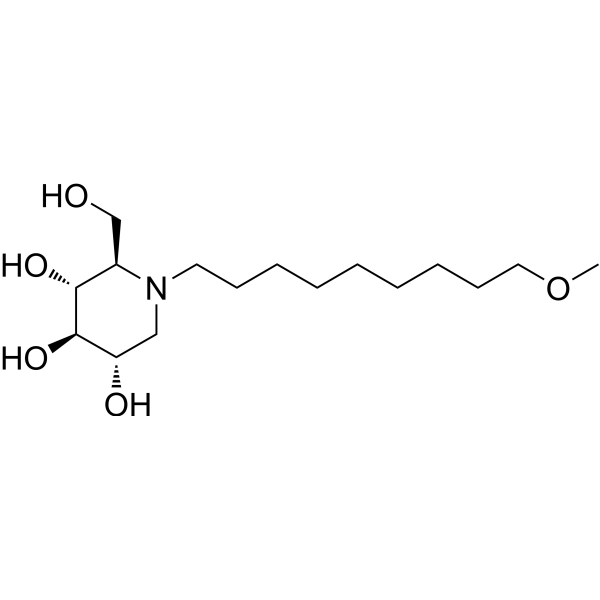
  • HY-U00160
    SP187
    3 Publications Verification

    MON-​DNJ; UV4

    Flavivirus Dengue Virus Infection
    SP187 is a host-targeted iminosugar with activity against filovirus infections in vitro and in vivo. SP187 is active against influenza and dengue in vivo.
    SP187
  • HY-130189

    Drug Metabolite Others
    S-Phenylmercapturic acid, a metabolite of benzene, can be used as a biomarker, identified by GC, HPLC (UV or fluorescence detection), GC-MS, LC-MS/MS or immunoassay .
    S-Phenylmercapturic acid
  • HY-P4417

    Fluorescent Dye Others
    Ac-IEPD-AMC is a fluorogenic substrate for the determination of protease activity. Ac-IEPD-AMC undergoes hydrolysis and releases the fluorescent product 7-amino-4-methylcoumarin (AMC). AMC is fluorescent under UV light and can emit a fluorescent signal .
    Ac-IEPD-AMC
  • HY-W014937

    Drug Intermediate Cancer
    4-Hydroxybenzophenone is an intermediate for synthesizing Tamoxifen (HY-13757A) and can be used as a source for chemical synthesis, UV protection products, and UV-absorbing ingredients in cosmetics .
    4-Hydroxybenzophenone
  • HY-D0853A
    DiAzKs hydrochloride
    1 Publications Verification

    H-L-Photo-lysine hydrochloride

    Fluorescent Dye Others
    DiAzKs (H-L-Photo-lysine) hydrochloride is a diazirine-containing lysine amino acid and is a photo-cross-linker. DiAzKs hydrochloride can site-selective incorporated into proteins and is used to crosslink protein-protein interactions in vitro and in living cells. DiAzKs hydrochloride acts as a UV light-activated photo-crosslinking probe .
    DiAzKs hydrochloride
  • HY-143498

    DNA/RNA Synthesis Cancer
    ERCC1-XPF-IN-1 is a potent and high-affinity ERCC1-XPF inhibitor with IC50 value of 0.49 μM. ERCC1-XPF-IN-1 has the capacity to potentiate the cytotoxicity effect of UV radiation and inhibiting DAN repair, by the inhibition of removal of CPDs, and cyclophosphamide toxicity to colorectal cancer cells .
    ERCC1-XPF-IN-1
  • HY-W011954

    Biochemical Assay Reagents Inflammation/Immunology
    Isopentyl 3-(4-methoxyphenyl)acrylate, a derivative of cinnamon acid ester, is a UV-filter with anti-inflammatory activity .
    Isopentyl 3-(4-methoxyphenyl)acrylate
  • HY-N4096

    Others Inflammation/Immunology
    Tsugaric acid A can significantly inhibit superoxide anion formation. Tsugaric acid A also protects human keratinocytes against damage induced by ultraviolet B (UV B) light. Tsugaric acid A can protect keratinocytes from photodamage.
    Tsugaric acid A
  • HY-W099730R

    Tinosorb S (Standard)

    Reference Standards Others Others
    Bemotrizinol (Standard) is the analytical standard of Bemotrizinol. This product is intended for research and analytical applications. Bemotrizinol (Tinosorb S), an ultraviolet (UV) filter, has been shown to accept atomic oxygen generated by N-oxide photodeoxygenation .
    Bemotrizinol (Standard)
  • HY-B1556S

    NSC 6647-d4

    Isotope-Labeled Compounds ERK Drug Derivative Apoptosis p38 MAPK JNK Cancer
    Benzyl salicylate-d4 (NSC 6647-d4) is the deuterium labeled Benzyl salicylate (HY-B1556). Benzyl salicylate (NSC 6647)?is a salicylic acid benzyl ester. It can be used as a fragrance additive or UV light absorber .
    Benzyl salicylate-d4
  • HY-D0272

    Estrogen Receptor/ERR Metabolic Disease
    2,3,4-Trihydroxybenzophenone is a hydroxylated benzophenone UV filter with estrogenic activity. 2,3,4-Trihydroxybenzophenone is a quorum sensing inhibitor and an EC 1.14.18.1 (tyrosinase) inhibitor. 2,3,4-Trihydroxybenzophenone is also a human urinary metabolite, a rat metabolite and a drug metabolite .
    2,3,4-Trihydroxybenzophenone
  • HY-A0087R

    Biochemical Assay Reagents Reference Standards PPAR Estrogen Receptor/ERR Cytochrome P450 Others
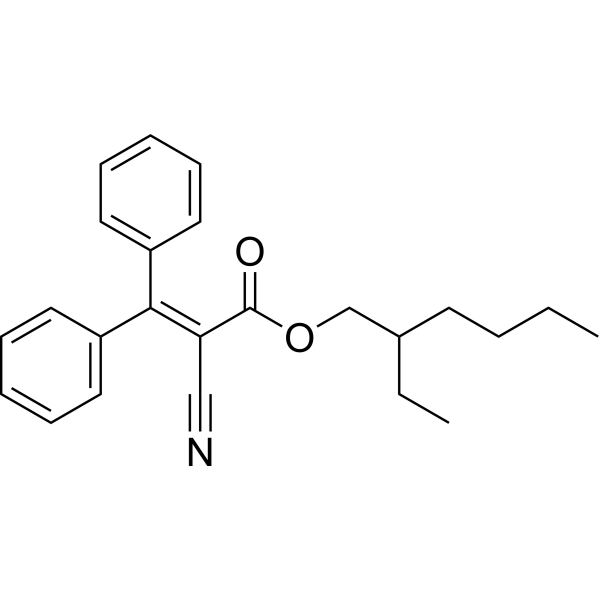
    Octocrylene (Standard) is the analytical standard of Octocrylene. This product is intended for research and analytical applications. Octocrylene is an organic ultraviolet (UV) filter which absorbs mainly UVB radiation and short UVA wavelengths. Octocrylene has the potential for using in various cosmetic products to either provide an appropriate sun protection factor in sunscreen products or to protect cosmetic formulations from UV radiation .
    Octocrylene (Standard)
  • HY-W026842

    o-Benzoylbenzoic acid

    Drug Derivative Others
    2-Benzoylbenzoic acid is a Benzophenone (HY-Y0546) analog. 2-Benzoylbenzoic acid is non-phototoxic due to the alteration of the functional groups. 2-Benzoylbenzoic acid can be used to study the mechanism of phototoxicit .
    2-Benzoylbenzoic acid
  • HY-109656R

    DHHB (Standard)

    Biochemical Assay Reagents Reference Standards Others
    Diethylamino hydroxybenzoyl hexyl benzoate (Standard) is the analytical standard of Diethylamino hydroxybenzoyl hexyl benzoate. This product is intended for research and analytical applications. Diethylamino hydroxybenzoyl hexyl benzoate is a photostable UV-A absorber.
    Diethylamino hydroxybenzoyl hexyl benzoate (Standard)
  • HY-103427

    Dopamine Receptor Neurological Disease
    NPEC-caged-dopamine is a caged version of dopamine. NPEC-caged-Dopamine was used by applying focal photolysis with UV light (360 nm) to releases dopamine, which leads to D1 receptor activation .
    NPEC-caged-dopamine
  • HY-W110166

    Biochemical Assay Reagents Others
    Hexyl acrylate is a photoinitiator. Hexyl acrylate undergoes self-polymerization via piCVD under 254 nm UV radiation. Hexyl acrylate can be polymerized by atom transfer radical polymerization technology .
    Hexyl acrylate
  • HY-W010169
    Sodium 4-aminobenzoate
    1 Publications Verification

    Biochemical Assay Reagents Others
    Sodium 4-aminobenzoate is a biochemical assay reagent. According to its structure, sodium 4-aminobenzoate exhibits antioxidant, anticoagulant, fubrinolytic and immunomodulating activities, and can be utilized as a protective agent against UV-irradiation and in diagnostic tests for the state of the gastrointestinal tract .
    Sodium 4-aminobenzoate
  • HY-130189R

    Drug Metabolite Reference Standards Others
    S-Phenylmercapturic acid (Standard) is the analytical standard of S-Phenylmercapturic acid. This product is intended for research and analytical applications. S-Phenylmercapturic acid, a metabolite of benzene, can be used as a biomarker, identified by GC, HPLC (UV or fluorescence detection), GC-MS, LC-MS/MS or immunoassay .
    S-Phenylmercapturic acid (Standard)
  • HY-N3265

    MSA

    Others Others
    Methyl sinapate (MSA), a hydroxycinnamic acid, is a natural UV screening agent .
    Methyl sinapate
  • HY-171145

    Biochemical Assay Reagents Others
    ATP-ArN3 is a UV-activatable ATP-crosslinker analog. ATP-ArN3 relys on UV irradiation to activate the aryl azide (ArN3) crosslinking group and conjugate substrate to kinases and associated proteins .
    ATP-ArN3
  • HY-W103225

    Bacterial Infection
    Dihydroanthracene (9,10-Dihydroanthracene) is a substrate for toluene dioxygenase (TDO) expressed by Pseudomonas putida UV4. Toluene dioxygenase (TDO) expressed by Pseudomonas putida UV4 catalyzes the benzylic monooxygenation of Dihydroanthracene to 9-hydroxy-9,10-DHA as the only product .
    Dihydroanthracene
  • HY-117134

    Octyl palmitate

    Environmental Pollutants Biochemical Assay Reagents Others
    2-Ethylhexyl palmitate is a cosmetic peptide. 2-Ethylhexyl palmitate can be used in the preparation of UV sunscreening composition .
    2-Ethylhexyl palmitate
  • HY-N15684

    Others Metabolic Disease
    Rhodoxanthin is a carotenoid. Rhodoxanthin exerts antioxidant activity via free radical scavenging and lipid peroxidation inhibition. Rhodoxanthin is promising for research of oxidative stress-related diseases (e.g., UV-induced skin damage) .
    Rhodoxanthin
  • HY-E70578

    DNA Glycosylase Others
    T4 Endonuclease V is a dual-activity DNA glycosylase that combines the activities of DNA N-glycosylase and AP lyase. T4 Endonuclease V can repair ultraviolet (UV)-induced cyclobutane pyrimidine dimers in DNA .
    T4 Endonuclease V
  • HY-140927

    UV Cleavable Biotin-PEG2-alkyne

    PROTAC Linkers Cancer
    Azido-C3-UV-biotin is a PEG-based PROTAC linker that can be used in the synthesis of PROTACs . Azido-C3-UV-biotin is a click chemistry reagent, it contains an Alkyne group and can undergo copper-catalyzed azide-alkyne cycloaddition (CuAAc) with molecules containing Azide groups.
    Azido-C3-UV-biotin
  • HY-161650

    PROTACs Epigenetic Reader Domain Cancer
    PROTAC BRD4 Degrader-26 (PROTAC-2) is a photo-regulated PROTAC, which degrades 80% BRD4 at 1 μM by using photocleavable linker. PROTAC BRD4 Degrader-26 will be deactivated by UV light. (Pink: ligand for target protein BRD4 ligand 6 (HY-161651); Black: linker (HY-161653); Blue: E3 ligase ligand Thalidomide 4-fluoride (HY-41547))
    PROTAC BRD4 Degrader-26

Inquiry Online

Your information is safe with us. * Required Fields.

Salutation


Country or Region *

Applicant Name *


Organization Name *

Department *


Email Address *


Product Name *

Cat. No.


Requested quantity *

Phone Number *


Remarks

Inquiry Online

Inquiry Information

Product Name:
Cat. No.:
Quantity:
MCE Japan Authorized Agent:

