1. Search Result
Search Result
Results for "

activated intermediate

" in MedChemExpress (MCE) Product Catalog:

61

Inhibitors & Agonists

1

Fluorescent Dyes

5

Biochemical Assay Reagents

2

Inhibitory Antibodies

18

Natural
Products

3

Isotope-Labeled Compounds

1

Oligonucleotides

Targets Recommended:
Cat. No. Product Name Target Research Areas Chemical Structure
  • HY-B1247
    Protoporphyrin IX
    Maximum Cited Publications
    22 Publications Verification

    PPIX

    Endogenous Metabolite Others
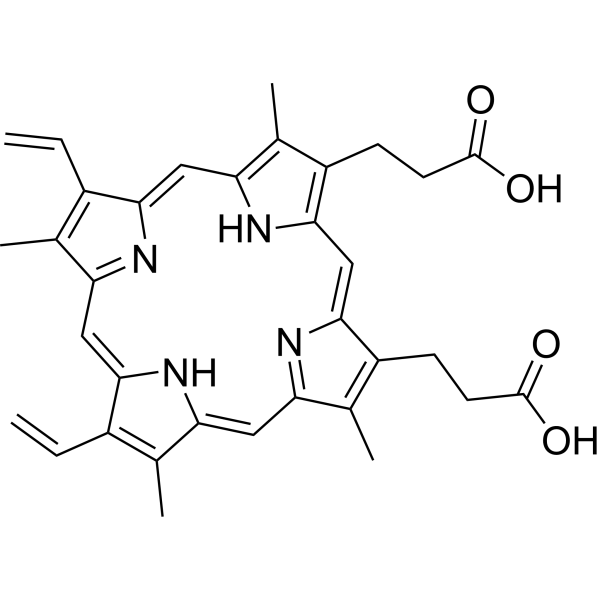
    Protoporphyrin IX is a final intermediate in the heme biosynthetic pathway, which acts as a radiation sensitizer enhancing ROS generation even in a hypoxic state and inducing DNA damage. Protoporphyrin IX also acts as a photo sensitizer undergoing photobleaching that occurs through direct degradation by light irradiation. Protoporphyrin IX is formed and accumulated following 5-aminolevulinic acid (5-ALA) (HY-W000450) administration in the tumor cells of rats. Protoporphyrin IX causes selective improvement of basal cell carcinoma when activated red fluorescence of a peak wavelength at 405 nm. Protoporphyrin IX is promising for research of sonodynamic and photodynamic agents for a wide range of cancers, such as bladder cancer and nodular basal cell carcinoma .
    Protoporphyrin IX
  • HY-153169
    6PPD-Q
    5+ Cited Publications

    6PPD-Quinone

    α-synuclein Environmental Pollutants Others
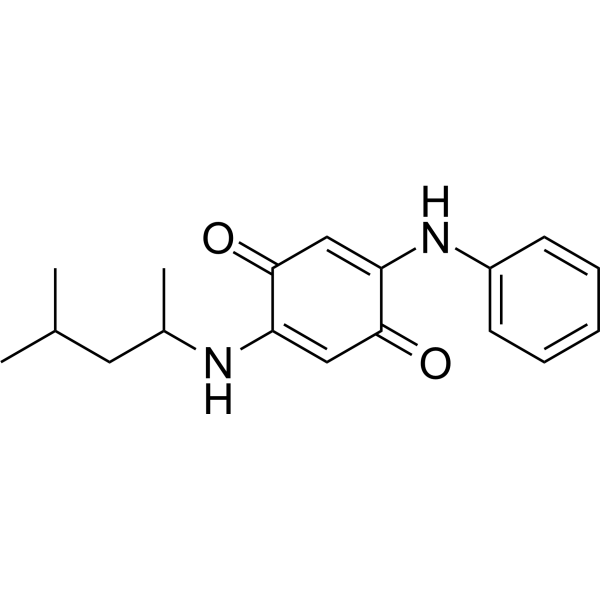
    6PPD-Q (6PPD-Quinone) is an environmental pollutant that can be detected in human urine and is widely present in the environment. 6PPD-Q targets and binds to CNR2, CNR1, AA2AR, LCAT, and TRPA1, with CNR2 exhibiting the highest binding affinity, potentially acting as a CNR2 receptor agonist to activate cannabinoid receptors. 6PPD-Q induces intestinal inflammation and barrier damage by disrupting mitochondrial function, reducing neuronal glycolysis metabolites and TCA cycle intermediates, and exacerbating α-synuclein (α-syn) aggregation. 6PPD-Q is applicable in research on environmental toxicology, neurodegenerative diseases, and inflammation-related disorders .
    6PPD-Q
  • HY-126370A

    Endogenous Metabolite YAP Apoptosis Interleukin Related STAT ERK Ras Cancer
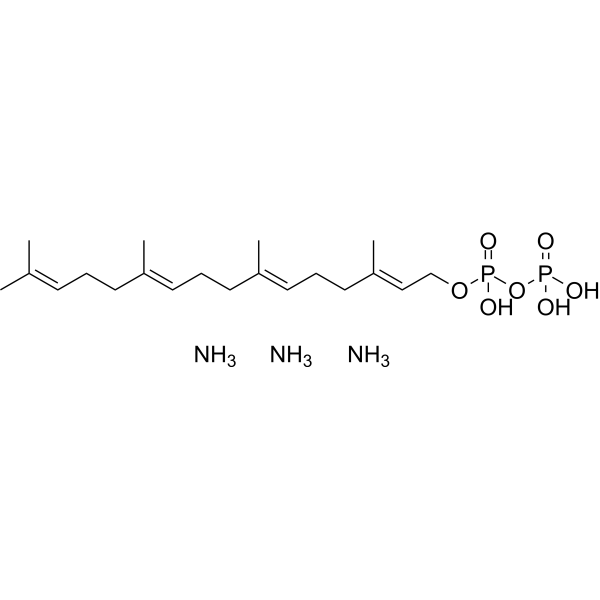
    Geranylgeranyl pyrophosphate triammonium is a type of isoprenoid metabolic intermediate, mainly synthesized through the mevalonate pathway. Geranylgeranyl pyrophosphate triammonium is a key precursor in various biological synthesis processes, especially as a necessary substrate for post-translational modification of proteins - geranylgeranyl phosphorylation. Geranylgeranyl pyrophosphate triammonium regulates various cellular processes and disease progression through protein geranylgeranyl phosphorylation, such as activating the YAP signaling pathway, promoting cell proliferation and inhibiting apoptosis; promoting IL-2 production and STAT5 phosphorylation; and influencing metabolic homeostasis and cancer, etc .
    Geranylgeranyl pyrophosphate triammonium
  • HY-125665

    Apoptosis Cardiovascular Disease Cancer
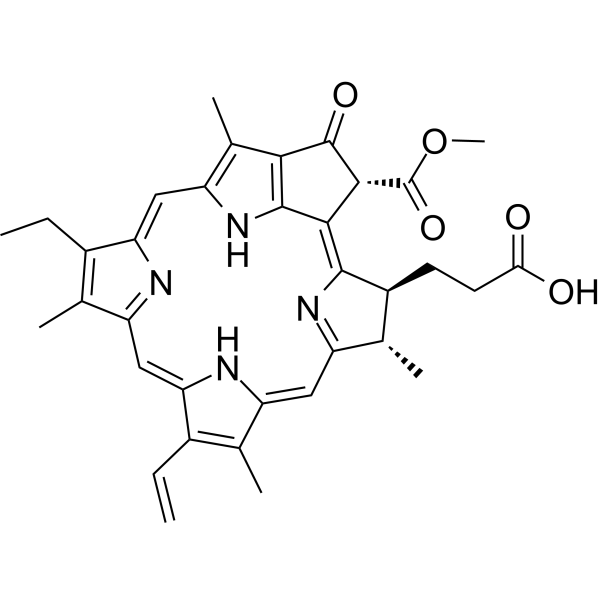
    Pheophorbide A is an intermediate product in the chlorophyll degradation pathway. Pheophorbide A can be used as a photosensitizer. Pheophorbide A is a lymphatic vascular activator. Pheophorbide A has antitumor activity. Pheophorbide A can be used for human lymphatic vascular insufficiencies research .
    Pheophorbide A
  • HY-126585
    SAICAR
    4 Publications Verification

    Endogenous Metabolite Cancer
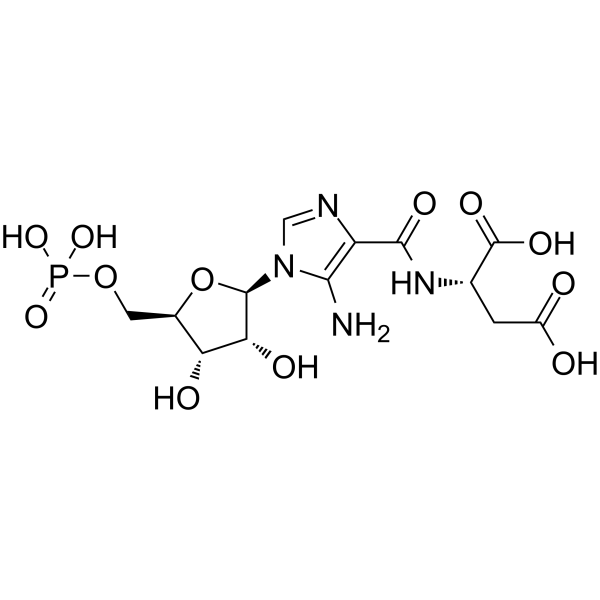
    SAICAR is an intermediate of de novo purine nucleotide biosynthesis, activates pyruvate kinase isoform M2 (PKM2) in an isozyme-selective manner, with an EC50 of 0.3 mM. SAICAR stimulates PKM2 and promotes cancer cell survival in glucose-limited conditions .
    SAICAR
  • HY-21623

    Biochemical Assay Reagents Others
    Dichloro[1,1'-bis(diphenylphosphino)ferrocene]palladium(II) dichloromethane adduct is a common dichloromethane solvate of the palladium catalyst Pd(dppf)Cl2, a phosphine ligand palladium(II) complex, which can be used as a versatile precatalyst for various cross-coupling reactions. Dichloro[1,1'-bis(diphenylphosphino)ferrocene]palladium(II) dichloromethane adduct can stabilize reaction intermediates and lower the reaction activation energy in coupling reactions, and can be used in Suzuki-Miyaura coupling reaction studies .
    Dichloro[1,1'-bis(diphenylphosphino)ferrocene]palladium(II) dichloromethane adduct
  • HY-13519
    TRAM-34
    Maximum Cited Publications
    28 Publications Verification

    Potassium Channel Neurological Disease
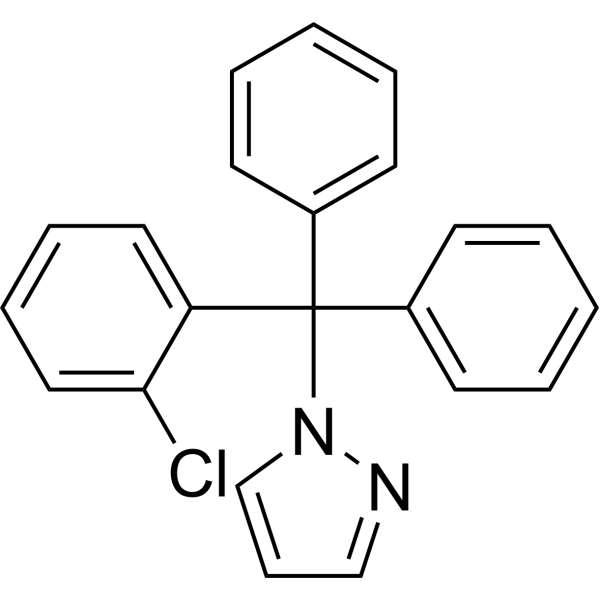
    TRAM-34 is a highly selective blocker of intermediate-conductance calcium-activated K + channel (IKCa1) (Kd=20 nM).
    TRAM-34
  • HY-110105
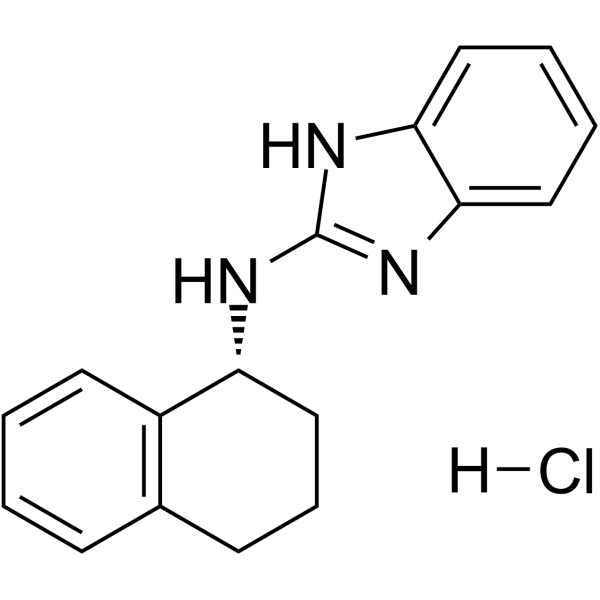
    NS8593 hydrochloride
    1 Publications Verification

    Potassium Channel Neurological Disease
    NS8593 hydrochloride is a potent and selective small conductance Ca 2+-activated K + channels (SK channels) inhibitor. NS8593 hydrochloride reversibly inhibits SK3-mediated currents with a Kd value of 77 nM. NS8593 hydrochloride inhibits all the SK1-3 subtypes Ca 2+-dependently (Kds of 0.42, 0.60, and 0.73 μM, respectively, at 0.5 μM Ca 2+), and does not affect the Ca 2+-activated K + channels of intermediate and large conductance (hIK and hBK channels, respectively) .
    NS8593 hydrochloride
  • HY-W018158

    5,6-Dihydroxyindole-2-carboxylic acid

    Endogenous Metabolite GPR35 Arrestin DNA/RNA Synthesis Drug Intermediate SOD Cancer
    DHICA (5,6-Dihydroxyindole-2-carboxylic acid) is an eumelanin building block, GPR35 agonist and melanin synthesis intermediate. DHICA activates GPR35, triggering dynamic mass redistribution and β-arrestin translocation. DHICA interacts with DNA and interferes with Fpg activity . DHICA promotes the generation of single-strand breaks in plasmid DNA. DHICA increases the activity and expression levels of SOD and Catalase. DHICA is applicable to research related to skin cancer and colon cancer .
    DHICA
  • HY-P99752

    ALKS 4230; RDB-1450

    Interleukin Related Inflammation/Immunology Cancer
    Nemvaleukin alfa (ALKS 4230) is a IL-2 fusion protein that selectively binds to intermediate-affinity IL-2R. Nemvaleukin alfa is an activator of NK and effector T cells. Nemvaleukin alfa can be used for research of cancer .
    Nemvaleukin alfa
  • HY-110247
    TRAF-STOP inhibitor 6877002
    4 Publications Verification

    TNF Receptor NF-κB Cardiovascular Disease Inflammation/Immunology
    TRAF-STOP inhibitor 6877002 is a selective CD40-TRAF6 interaction inhibitor. TRAF-STOP inhibitor 6877002 exerts anti-atherosclerotic activity by blocking the CD40-TRAF6 signaling pathway, inhibiting classical monocyte activation, leukocyte recruitment, and macrophage activation and migration. TRAF-STOP inhibitor 6877002 reduces the phosphorylation levels of signaling intermediates in the canonical NF-κB pathway .
    TRAF-STOP inhibitor 6877002
  • HY-108738

    Ro 24-7375

    Interleukin Related Apoptosis Inflammation/Immunology Cancer
    Daclizumab (Ro 24-7375) is a humanized, monoclonal antibody that blocks CD25 (α-subunit of the high-affinity interleukin-2 receptor (IL-2R-HA)). Daclizumab inhibits effector T cell activation, regulatory T cell (Treg) expansion and survival, and activation-induced T-cell apoptosis. Daclizumab increases IL-2 bioavailability to bind to the intermediate-affinity IL-2R (IL-2R-IA), driving the expansion of anti-inflammatory CD56bright natural killer (NK) cells. Daclizumab can be used for multiple sclerosis and cancer research .
    Daclizumab
  • HY-W014589
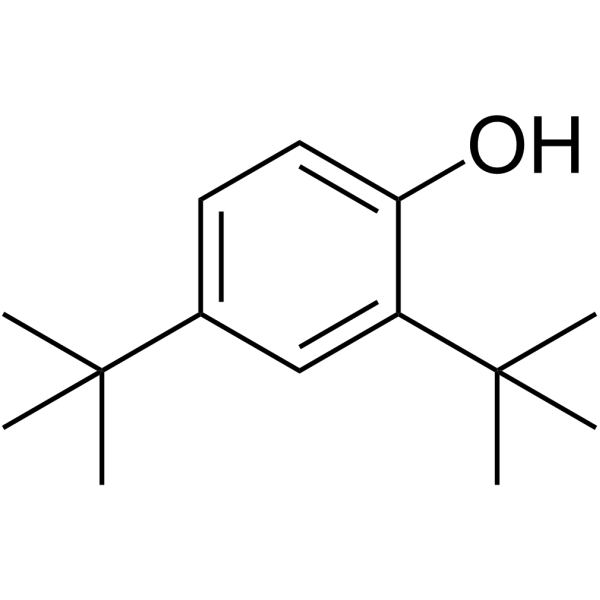
    2,4-Di-tert-butylphenol
    2 Publications Verification

    2,4-DTBP

    Endogenous Metabolite Fungal Apoptosis RAR/RXR Amyloid-β Infection Neurological Disease Inflammation/Immunology Cancer
    2,4-Di-tert-butylphenol (2,4-DTBP) is an orally active RXRα activator and a human estrogen receptor ligand with anti-inflammatory and antioxidant activities, which can induce apoptosis in tumor cells. 2,4-Di-tert-butylphenol can activate the RXRα subtype in LXRα/RXRα, PPARγ/RXRα, and hormone receptor β/RXRα. 2,4-Di-tert-butylphenol also has antiviral and antifungal activities and has the potential to inhibit -induced neurotoxicity. 2,4-Di-tert-butylphenol can be used as an intermediate in the preparation of antioxidants and UV stabilizers, and is also used in the manufacture of drugs and fragrances .
    2,4-Di-tert-butylphenol
  • HY-N2353
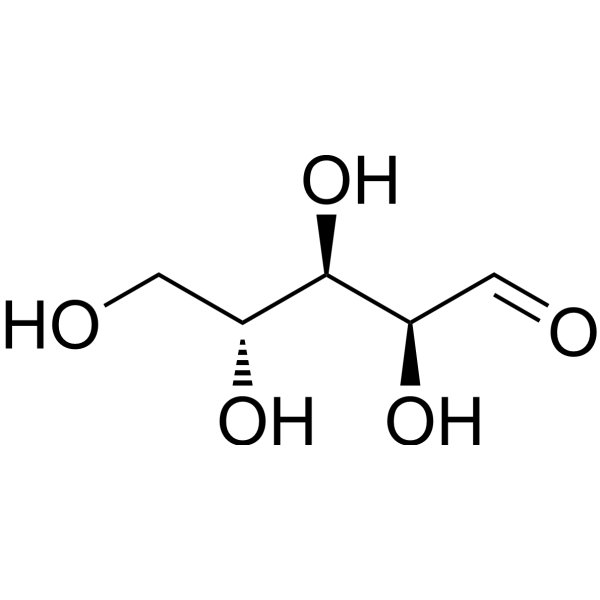
    Arabinose
    1 Publications Verification

    (±)​-​Arabinose; DL-​Arabinose; dl-​Arabinose

    Environmental Pollutants Endogenous Metabolite Neurological Disease Inflammation/Immunology Cancer
    Arabinose is a pentose sugar commonly found in plants. Arabinose alleviates immune dysregulation and inflammation by promoting balanced immune responses and reducing inflammation. Arabinose induces cytotoxicity, autophagy (Autophagy), and cell cycle arrest in breast cancer cells through the p38-MAPK signaling pathway. Arabinose activates the ACSS2-PPARγ/TFEB-AMPK axis in neuroblastoma cells, thereby exerting neuromodulatory/antidepressant effects. Arabinose can also be used as an intermediate in compound synthesis. Arabinose may be applied in research related to immune inflammation, depression, breast cancer, and other diseases .
    Arabinose
  • HY-141466

    Endogenous Metabolite Histone Acetyltransferase Infection Metabolic Disease Inflammation/Immunology
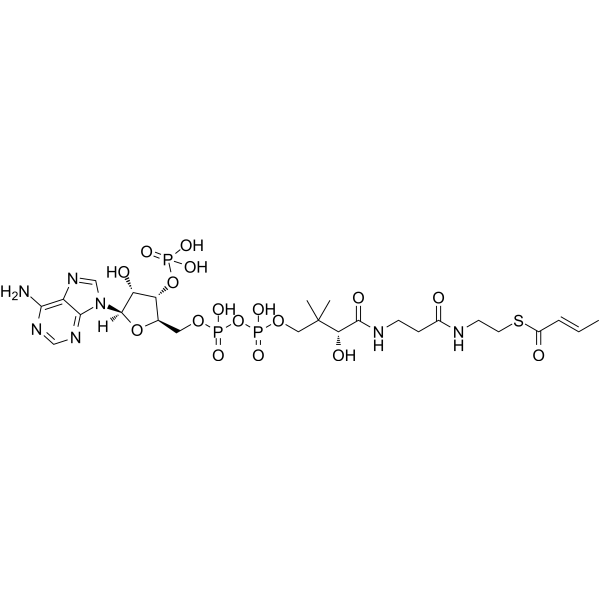
    Crotonyl-CoA, a high-energy acyl donor, is an intermediate in the fermentation of butyric acid, and in the metabolism of lysine and tryptophan. Crotonyl-CoA is important in the metabolism of fatty acids and amino acids. Crotonyl-CoA acts as a substrate for p300’s histone crotonyltransferase activity, competing with acetyl-CoA for p300-mediated histone acylation reactions. Crotonyl-CoA regulates global and gene-specific histone crotonylation levels in cells, with cellular concentration changes altering histone crotonylation at regulatory elements of activated genes. Crotonyl-CoA serves as the substrate for crotonyl-CoA reductase/carboxylase (CCRC)-catalyzed NADPH-mediated reduction and carbon dioxide trapping to form unusual alkylmalonyl-CoA polyketide synthase extender units. Crotonyl-CoA can be used for the research of LPS-induced inflammatory response .
    Crotonyl-CoA
  • HY-141466A

    Endogenous Metabolite Histone Acetyltransferase Infection Metabolic Disease Inflammation/Immunology
    Crotonyl-CoA tetrasodium, a high-energy acyl donor, is an intermediate in the fermentation of butyric acid, and in the metabolism of lysine and tryptophan. Crotonyl-CoA tetrasodium is important in the metabolism of fatty acids and amino acids. Crotonyl-CoA tetrasodium acts as a substrate for p300’s histone crotonyltransferase activity, competing with acetyl-CoA for p300-mediated histone acylation reactions. Crotonyl-CoA tetrasodium regulates global and gene-specific histone crotonylation levels in cells, with cellular concentration changes altering histone crotonylation at regulatory elements of activated genes. Crotonyl-CoA tetrasodium serves as the substrate for crotonyl-CoA reductase/carboxylase (CCRC)-catalyzed NADPH-mediated reduction and carbon dioxide trapping to form unusual alkylmalonyl-CoA polyketide synthase extender units. Crotonyl-CoA tetrasodium can be used for the research of LPS-induced inflammatory response .
    Crotonyl-CoA tetrasodium
  • HY-W054424

    Drug Intermediate Others
    tert-Butyl (3-aminobicyclo[1.1.1]pentan-1-yl) carbamate is a pharmaceutical intermediate used in the synthesis of various active compounds, such as for the preparation of tetrazole-based eIF2B activators .
    tert-Butyl (3-aminobicyclo[1.1.1]pentan-1-yl)carbamate
  • HY-Y0973

    Biochemical Assay Reagents Drug Intermediate Others
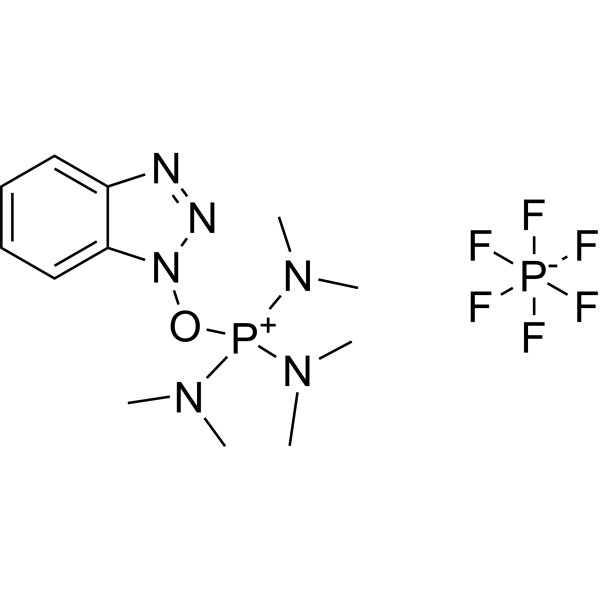
    BOP hexafluorophosphate is a phosphonium-type condensing agent. BOP hexafluorophosphate activates the carboxylic acid component to form a highly reactive O-benzotriazole ester (active ester) intermediate, which then reacts with the amino component to form an amide bond (peptide bond). BOP hexafluorophosphate is applicable to solid-phase polypeptide synthesis and nucleoside modification .
    BOP hexafluorophosphate
  • HY-134891

    (E)-4-Hydroxy-3-methyl-but-2-enyl diphosphate lithium

    Nuclear Factor of activated T Cells (NFAT) Infection Inflammation/Immunology
    HMBPP lithium is an intermediate in isoprenoid biosynthesis that can be produced by bacteria and protozoa that use the non-mevalonate pathway for isoprenoid biosynthesis. HMBPP lithium is a ligand of the internal domain of BTN3A1 and is an activator for human Vγ9/Vδ2 T cells. HMBPP lithium exhibits phagostimulant property in mosquitos .
    HMBPP lithium
  • HY-113037

    (E/Z)-Farnesyl diphosphate

    TRP Channel Endogenous Metabolite Neurological Disease
    (E/Z)-Farnesyl pyrophosphate ((E/Z)-Farnesyl diphosphate), a 15-carbon isoprenoid, is a metabolic intermediate of the mevalonate (MVA) pathway. (E/Z)-Farnesyl pyrophosphate is a TRPM2 (TRP Channel) agonist, activates TRPM2 opening for ion influx. (E/Z)-Farnesyl pyrophosphate is a key branch substrate for cholesterol synthesis, ubiquinones synthesis, protein farnesylation decoration, and geranyl-geranyl pyrophosphate (GGPP) synthesis .
    (E/Z)-Farnesyl pyrophosphate
  • HY-126370

    Endogenous Metabolite YAP Apoptosis Interleukin Related STAT ERK Ras Cancer
    Geranylgeranyl pyrophosphate is a type of isoprenoid metabolic intermediate, mainly synthesized through the mevalonate pathway. Geranylgeranyl pyrophosphate is a key precursor in various biological synthesis processes, especially as a necessary substrate for post-translational modification of proteins - geranylgeranyl phosphorylation. Geranylgeranyl pyrophosphate regulates various cellular processes and disease progression through protein geranylgeranyl phosphorylation, such as activating the YAP signaling pathway, promoting cell proliferation and inhibiting apoptosis; promoting IL-2 production and STAT5 phosphorylation; and influencing metabolic homeostasis and cancer, etc .
    Geranylgeranyl pyrophosphate
  • HY-B1399

    o-Cresotic acid; Hydroxytoluic acid

    Endogenous Metabolite Cardiovascular Disease
    3-Methylsalicylic acid (o-Cresotic acid) is a derivative of salicylic acid. 3-Methylsalicylic acid exhibits significant fibrinolytic activity in human plasma by activating the fibrinolytic system. 3-Methylsalicylic acid can be used as an intermediate for the synthesis of other compounds. 3-Methylsalicylic acid inhibits the feeding of midges .
    3-Methylsalicylic acid
  • HY-135700

    Calcineurin Ras HMG-CoA Reductase (HMGCR) Metabolic Disease Inflammation/Immunology
    Mevalonolactone is an intermediate metabolite in the eukaryotic mevalonate pathway, serving as the stable δ-lactone form of mevalonate with oral activity. Mevalonolactone exhibits binding affinity for ZNF384 (Ka = 12.6 μM) and inhibitory activity against aconitase (aconitase). Mevalonolactone promotes the nuclear localization of ZNF384 and enhances its binding to the GGPPS promoter. Mevalonolactone induces insulin resistance, disrupts glucose and lipid metabolism, enhances the isoprenylation of K-Ras, and inhibits the activation of the insulin signaling pathway. Mevalonolactone inhibits polypeptide synthesis of HMG-CoA reductase in isolated rat hepatocytes, promotes its degradation, and reduces its enzymatic activity. Mevalonolactone impairs mitochondrial function in rat brains. Mevalonolactone promotes the development of metabolically unhealthy obesity. Mevalonolactone can be used in research related to metabolically abnormal obesity, mevalonic aciduria, HMGCR-related limb-girdle myopathy, and statin-induced myopathy .
    Mevalonolactone
  • HY-B1247R

    PPIX (Standard)

    Reference Standards Endogenous Metabolite Others
    Protoporphyrin IX (Standard) is the analytical standard of Protoporphyrin IX. This product is intended for research and analytical applications. Protoporphyrin IX is a final intermediate in the heme biosynthetic pathway, which acts as a radiation sensitizer enhancing ROS generation even in a hypoxic state and inducing DNA damage. Protoporphyrin IX also acts as a photo sensitizer undergoing photobleaching that occurs through direct degradation by light irradiation. Protoporphyrin IX is formed and accumulated following 5-aminolevulinic acid (5-ALA) (HY-W000450) administration in the tumor cells of rats. Protoporphyrin IX causes selective improvement of basal cell carcinoma when activated red fluorescence of a peak wavelength at 405 nm. Protoporphyrin IX is promising for research of sonodynamic and photodynamic agents for a wide range of cancers, such as bladder cancer and nodular basal cell carcinoma .
    Protoporphyrin IX (Standard)
  • HY-W441002

    Drug Derivative Drug Intermediate Cancer
    DSPE-succinic acid is a derivative of Succinic acid (HY-N0420) and an intermediate of DSPE-Doxorubicin. DSPE-succinic acid can be used to synthesize DSPE-Doxorubicin via EDC/NHS activation. DSPE-succinic acid is applicable to the research of triple-negative breast cancer .
    DSPE-succinic acid
  • HY-W008753

    N-Cbz-L-valine

    Biochemical Assay Reagents Drug Intermediate Amino Acid Derivatives Infection
    Z-L-Val-OH (N-Cbz-L-valine) is an amino acid derivative and key intermediate in organic synthesis. Z-L-Val-OH can be used in the synthesis of anti-cytomegalovirus compounds and peptide inhibitors of human spleen plasminogen activator (SFP) and human leukocyte elastase-like protease (ELP) .
    Z-L-Val-OH
  • HY-137952

    Potassium Channel TRP Channel Neurological Disease
    NS8593 is an SK channel (small conductance Ca 2+-activated K+ channels) inhibitor. NS8593 reversibly inhibited recombinant SK3-mediated currents (human SK3 and rat SK3). NS8593 inhibits all the SK1-3 subtypes Ca 2+-dependently (Kd = 0.42, 0.60, and 0.73 μM, respectively, at 0.5 μM Ca 2+). NS8593 does not affect the Ca 2+-activated K channels of intermediate and large conductance (hlk and hBK channels, respectively). NS8593 can also inhibit TRPM7 (melastatin-related TRP cation channel 7) (IC50 = 1.6 mM). NS8593 can be used for the study of central nervous system (CNS) related diseases .
    NS8593
  • HY-141581

    Platelet-activating Factor Receptor (PAFR) Endogenous Metabolite Cardiovascular Disease
    Lyso-PAF C-18 is an intermediate for the synthesis of C18-PAF (HY-130345). It has an easily substituted "Lyso-PAF" structure and is easy to purify and has high yield. C18-PAF is a ligand for platelet-activating factor and PAF G protein-coupled receptor (PAFR) and has renovasodilator properties and antihypertensive lipid properties .
    Lyso-PAF C-18
  • HY-W599279

    Molecular Glues NEKs Cancer
    ABS-752 is a potent and orally active GSPT1 and NEK7 molecular glue degrader. ABS-752 shows cytotoxicity. ABS-752 decreases the protein expression of GSPT1 and SALL4, NEK7. ABS-752 is a prodrug activated by the monoamine oxidase, VAP-1, to an aldehyde intermediate and subsequently to the active molecule, ABT-002 (HY-175283). ABS-752 has the potential for the research of hepatocellular carcinoma .
    ABS-752
  • HY-W018158R

    5,6-Dihydroxyindole-2-carboxylic acid (Standard)

    Reference Standards Endogenous Metabolite GPR35 Arrestin DNA/RNA Synthesis Drug Intermediate SOD Cancer
    DHICA (Standard) is an analytical standard of DHICA (HY-W018158). This product is for research and analytical applications. DHICA (5,6-Dihydroxyindole-2-carboxylic acid) is an eumelanin building block, GPR35 agonist and melanin synthesis intermediate. DHICA activates GPR35, triggering dynamic mass redistribution and β-arrestin translocation. DHICA interacts with DNA and interferes with Fpg activity . DHICA promotes the generation of single-strand breaks in plasmid DNA. DHICA increases the activity and expression levels of SOD and Catalase. DHICA is applicable to research related to skin cancer and colon cancer .
    DHICA (Standard)
  • HY-W014589R

    2,4-DTBP (Standard)

    Reference Standards Endogenous Metabolite Fungal Apoptosis RAR/RXR Amyloid-β Infection Neurological Disease Inflammation/Immunology Cancer
    2,4-Di-tert-butylphenol (Standard) is the analytical standard of 2,4-Di-tert-butylphenol (HY-W014589). This product is intended for research and analytical applications. 2,4-Di-tert-butylphenol (2,4-DTBP) is an orally active RXRα activator and a human estrogen receptor ligand with anti-inflammatory and antioxidant activities, which can induce apoptosis in tumor cells. 2,4-Di-tert-butylphenol can activate the RXRα subtype in LXRα/RXRα, PPARγ/RXRα, and hormone receptor β/RXRα. 2,4-Di-tert-butylphenol also has antiviral and antifungal activities, and has the potential to inhibit -induced neurotoxicity. 2,4-Di-tert-butylphenol can be used as an intermediate in the preparation of antioxidants and UV stabilizers, and is also used in the manufacture of pharmaceuticals and fragrances .
    2,4-Di-tert-butylphenol (Standard)
  • HY-W749327

    2,4-DTBP-d21

    Isotope-Labeled Compounds RAR/RXR Amyloid-β Fungal Apoptosis Endogenous Metabolite Infection Neurological Disease Inflammation/Immunology Cancer
    2,4-Di-tert-butylphenol-d21 (2,4-DTBP-d21) is the deuterium labeled 2,4-Di-tert-butylphenol (HY-W014589). 2,4-Di-tert-butylphenol (2,4-DTBP) is an orally active RXRα activator and a human estrogen receptor ligand with anti-inflammatory and antioxidant activities, which can induce apoptosis in tumor cells. 2,4-Di-tert-butylphenol can activate the RXRα subtype in LXRα/RXRα, PPARγ/RXRα, and hormone receptor β/RXRα. 2,4-Di-tert-butylphenol also has antiviral and antifungal activities and has the potential to inhibit Aβ-induced neurotoxicity. 2,4-Di-tert-butylphenol can be used as an intermediate in the preparation of antioxidants and UV stabilizers, and is also used in the manufacture of drugs and fragrances .
    2,4-Di-tert-butylphenol-d21
  • HY-E70245

    Cholyl-coenzyme A

    Biochemical Assay Reagents Metabolic Disease
    Cholyl-CoA (Cholyl-coenzyme A) is a biologically active steroidal acyl-coenzyme A intermediate. Cholyl-CoA reacts with taurine in the presence of liver supernatant enzymes to promote the synthesis of taurocholic acid. Cholyl-CoA is formed by the activation of cholic acid with coenzyme A. Cholyl-CoA plays a key role in the biosynthesis, metabolism and conjugation reactions of bile acids .
    Cholyl-CoA
  • HY-W002458

    Drug Intermediate Others
    4-Nitropyrazole is a five-membered nitrogen-containing heterocyclic compound that can be used as a drug intermediate. 4-Nitropyrazole can be synthesized into antibiotics/antifungal/antiviral agents containing pyrazole rings. 4-Nitropyrazole is synthesized through C-H activation reactions to produce LRRK2 inhibitors, which are used in the research of Parkinson's disease .
    4-Nitropyrazole
  • HY-B1247A
    Protoporphyrin IX disodium
    20+ Cited Publications

    PPIX disodium

    Endogenous Metabolite Cancer
    Protoporphyrin IX disodium is a final intermediate in the heme biosynthetic pathway, which acts as a radiation sensitizer enhancing ROS generation even in a hypoxic state and inducing DNA damage. Protoporphyrin IX disodium also acts as a photo sensitizer undergoing photobleaching that occurs through direct degradation by light irradiation. Protoporphyrin IX disodium is formed and accumulated following 5-aminolevulinic acid (5-ALA) (HY-W000450) administration in the tumor cells of rats. Protoporphyrin IX disodium causes selective improvement of basal cell carcinoma when activated red fluorescence of a peak wavelength at 405 nm. Protoporphyrin IX disodium is promising for research of sonodynamic and photodynamic agents for a wide range of cancers, such as bladder cancer and nodular basal cell carcinoma .
    Protoporphyrin IX disodium
  • HY-113492
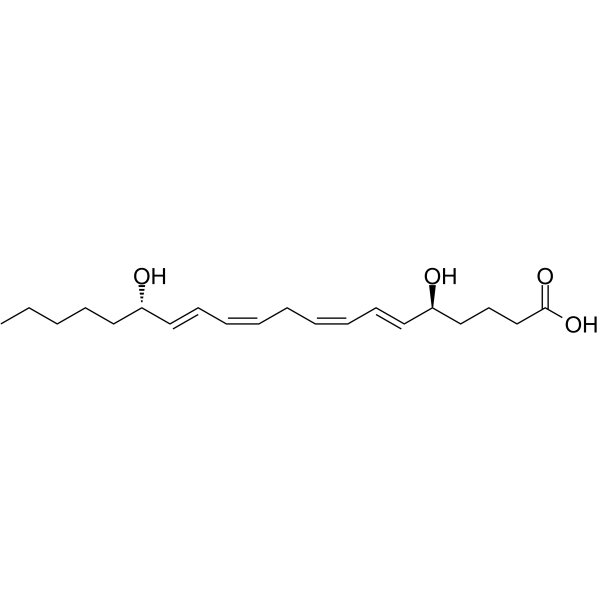
    5(S)15(S)-DiHETE
    1 Publications Verification

    Interleukin Related Cardiovascular Disease Inflammation/Immunology
    5(S)15(S)-DiHETE is an “activatedintermediate, inhibits platelet aggregation with an IC50 of 1.3 μM. 5(S)15(S)-DiHETE enhances the rate of either LXA4 or LXB4 biosynthesis .
    5(S)15(S)-DiHETE
  • HY-126585S

    Endogenous Metabolite Metabolic Disease
    SAICAR-d3 is the deuterium labeled SAICAR. SAICAR is an intermediate of de novo purine nucleotide biosynthesis, activates pyruvate kinase isoform M2 (PKM2) in an isozyme-selective manner, with an EC50 of 0.3 mM. SAICAR stimulates PKM2 and promotes cancer cell survival in glucose-limited conditions .
    SAICAR-d3
  • HY-166309

    Endogenous Metabolite Histone Acetyltransferase Infection Metabolic Disease Inflammation/Immunology
    Crotonyl-CoA tetralithium, a high-energy acyl donor, is an intermediate in the fermentation of butyric acid, and in the metabolism of lysine and tryptophan. Crotonyl-CoA tetralithium is important in the metabolism of fatty acids and amino acids. Crotonyl-CoA tetralithium acts as a substrate for p300’s histone crotonyltransferase activity, competing with acetyl-CoA for p300-mediated histone acylation reactions. Crotonyl-CoA tetralithium regulates global and gene-specific histone crotonylation levels in cells, with cellular concentration changes altering histone crotonylation at regulatory elements of activated genes. Crotonyl-CoA tetralithium serves as the substrate for crotonyl-CoA reductase/carboxylase (CCRC)-catalyzed NADPH-mediated reduction and carbon dioxide trapping to form unusual alkylmalonyl-CoA polyketide synthase extender units. Crotonyl-CoA tetralithium can be used for the research of LPS-induced inflammatory response .
    Crotonyl-CoA tetralithium
  • HY-103308

    Potassium Channel Neurological Disease
    TRAM-39 is a selective blocker of intermediate conductance Ca2+-activated K+ (IKCa) channels. TRAM-39 inhibits KCa3.1 channel with an IC50 value of 60 nM. TRAM-39 can be used for the research of ataxia, epilepsy, memory disorders, schizophrenia and Parkinson’s disease .
    TRAM-39
  • HY-174438

    HSP Metabolic Disease
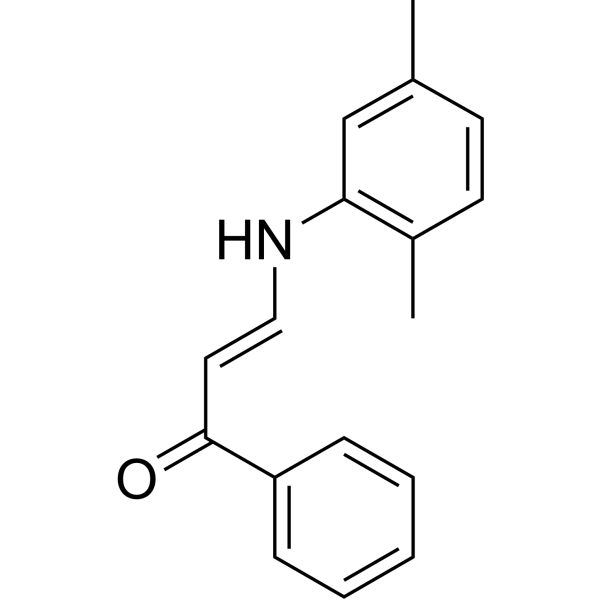
    PSEC13 is an activator of HSF-1/DAF-16 axis. PSEC13 can upregulate heat shock proteins. PSEC13 can form hydrogen bonds with key residues in the HSP-16.2 active site. PSEC13 can be used to enhance proteostasis and extend lifespan through the modulation of HSP-16.2. PSEC13 could promote the nuclear translocation of daf-16, upgrading the proportion of intermediate. PSEC13 can be studied in research for aging and age-related diseases .
    PSEC13
  • HY-169371

    SOS1 Drug Intermediate Others
    SOS1 Ligand intermediate-7 (65) is an intermediate for the synthesis of SOS1 ligand (HY-111671). SOS1 activator 1 (HY-111671) can be used for the synthesis of PROTAC SOS1 degrader-1 (HY-145737) .
    SOS1 Ligand intermediate-7
  • HY-48564

    ADC Payload Cancer
    TAM558 intermediate-54 is an intermediate in the synthesis of TAM558 (HY-148127).TAM558 is the payload molecule used in the synthesis of OMTX705.OMTX705 is a humanized anti-fibroblast activation protein (FAP) antibody that binds to the cytolysin TAM470 (HY-148128) and has anti-tumor activity .
    TAM558 intermediate-5
  • HY-400690

    Drug Intermediate Cancer
    TAM558 intermediate-4 is an intermediate in the synthesis of TAM558 (HY-148127).TAM558 is the payload molecule used in the synthesis of OMTX705.OMTX705 is a humanized anti-fibroblast activation protein (FAP) antibody that binds to the cytolysin TAM470 (HY-148128) and has anti-tumor activity .
    TAM558 intermediate-4
  • HY-400688

    ADC Payload Cancer
    TAM558 intermediate-24 is an intermediate in the synthesis of TAM558 (HY-148127).TAM558 is the payload molecule used in the synthesis of OMTX705.OMTX705 is a humanized anti-fibroblast activation protein (FAP) antibody that binds to the cytolysin TAM470 (HY-148128) and has anti-tumor activity .
    TAM558 intermediate-2
  • HY-400687

    Drug Intermediate Cancer
    TAM558 intermediate-1 is an intermediate in the synthesis of TAM558 (HY-148127).TAM558 is the payload molecule used in the synthesis of OMTX705.OMTX705 is a humanized anti-fibroblast activation protein (FAP) antibody that binds to the cytolysin TAM470 (HY-148128) and has anti-tumor activity .
    TAM558 intermediate-1
  • HY-400689

    Drug Intermediate Cancer
    TAM558 intermediate-34 is an intermediate in the synthesis of TAM558 (HY-148127).TAM558 is the payload molecule used in the synthesis of OMTX705.OMTX705 is a humanized anti-fibroblast activation protein (FAP) antibody that binds to the cytolysin TAM470 (HY-148128) and has anti-tumor activity .
    TAM558 intermediate-3
  • HY-117993

    Drug Intermediate Neurological Disease
    MIND4 is a neuroprotective thiozoline compound that inhibits the deacetylase SIRT2. MIND4 is also an inducer and activator of the nuclear factor NRF2. MIND4 can induce NRF2 activation in neurons and non-neuronal cells and reduce the production of reactive oxygen and nitrogen intermediates .
    MIND4
  • HY-156194

    FLAP Cardiovascular Disease
    FLAP-IN-1 (Intermediate 14) is a 5-lipoxygenase-activating protein (FLAP) inhibitor with an IC50 value of 654 nM. FLAP-IN-1 can be used in cardiovascular disease research .
    FLAP-IN-1
  • HY-W800683

    Biochemical Assay Reagents Others
    4-Azide-TFP-Amide-SS-Sulfo-NHS consists of an aryl azide, a cleavable disulfide bond, and an NHS ester. The aryl azide can be photo-activated with UV light (250 to 350 nm) for conjugation with biomolecules. Fluoro helps to stabilize the free radical intermediate. The NHS ester reacts with amines. The disulfide bond can be cleaved by reducing agents.
    4-Azide-TFP-amide-SS-Sulfo-NHS
  • HY-B1399R

    o-Cresotic acid (Standard); Hydroxytoluic acid (Standard)

    Endogenous Metabolite Reference Standards Cardiovascular Disease
    3-Methylsalicylic acid (Standard) is the analytical standard of 3-Methylsalicylic acid. This product is intended for research and analytical applications. 3-Methylsalicylic acid (o-Cresotic acid) is a derivative of salicylic acid. 3-Methylsalicylic acid exhibits significant fibrinolytic activity in human plasma by activating the fibrinolytic system. 3-Methylsalicylic acid can be used as an intermediate for the synthesis of other compounds. 3-Methylsalicylic acid inhibits the feeding of midges.
    3-Methylsalicylic acid (Standard)

Inquiry Online

Your information is safe with us. * Required Fields.

Salutation


Country or Region *

Applicant Name *


Organization Name *

Department *


Email Address *


Product Name *

Cat. No.


Requested quantity *

Phone Number *


Remarks

Inquiry Online

Inquiry Information

Product Name:
Cat. No.:
Quantity:
MCE Japan Authorized Agent: