80 Results for "

antiviral drugs

" in MedChemExpress (MCE) Product Catalog:
Products (80)

80 Results for "antiviral drugs" in MCE Product Catalog:

95
95 Publications Verification
Cat. No.: HY-W031727
CAS No.: 118-42-3
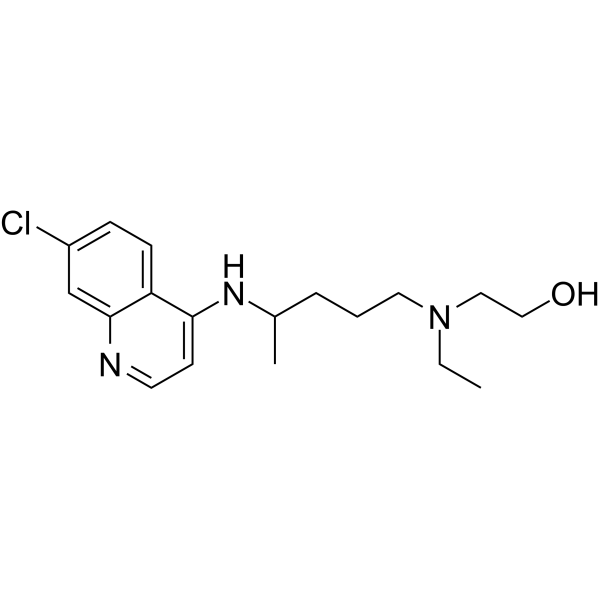
Hydroxychloroquine (HCQ) is a synthetic oral antimalarial drug that can be used in the study of malaria and autoimmune diseases such as systemic lupus erythematosus and rheumatoid arthritis. Hydroxychloroquine is a potent autophagic flux inhibitor with antiviral activity (such as SARS-CoV-2 virus) that inhibits Toll-like receptor 7/9 (TLR7/9) signaling .
loading...
    loading...
4
4 Cited Publications
Cat. No.: HY-14674
CAS No.: 383432-38-0
Purity:  98.72%
Research Areas:  

Infection Cancer

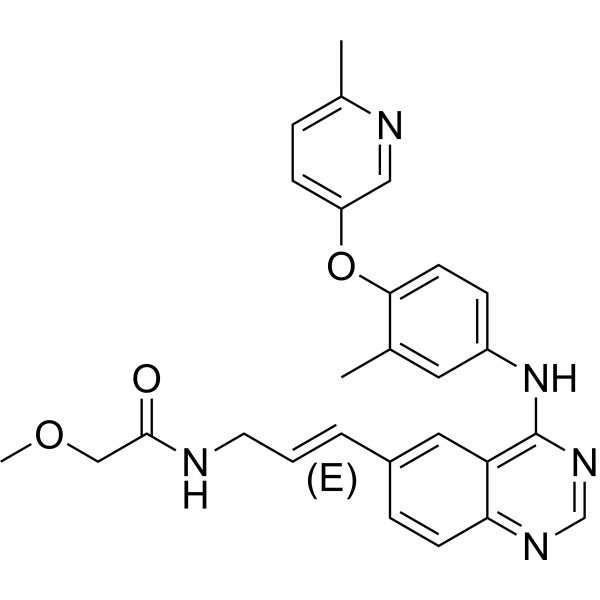
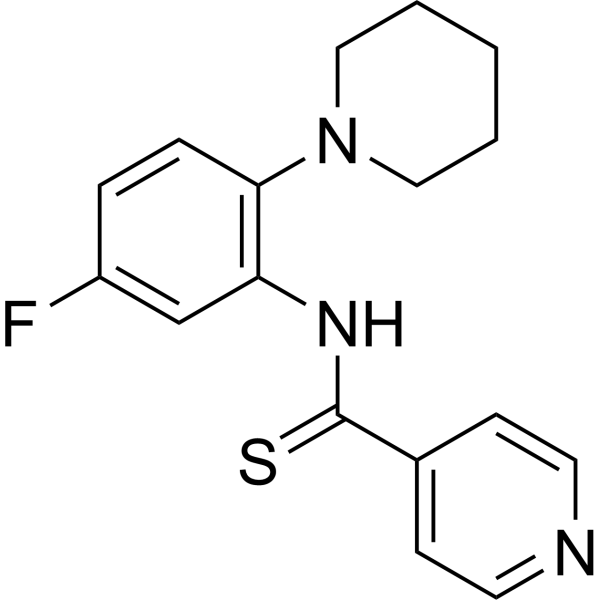
CP-724714 is an orally active and selective HER2 tyrosine kinase inhibitor with an IC50 of 10 nM. CP-724714 inhibits HER2 receptor autophosphorylation and blocks the downstream Ras-Raf-Mek-Erk signaling pathway, thereby inducing cell cycle arrest and apoptosis in tumor cells. CP-724714 exhibits antiviral activity and inhibits various porcine diarrheal coronaviruses, including SADS-CoV (IC50 of 0.91 μM). CP-724714 is an inhibitor of the hepatic transport receptors OATP1B1/MDR1/BSEP, and can enter hepatocytes via active uptake and trigger the accumulation of drugs and bile acids within hepatocytes. CP-724714 can be used in research related to HER2-overexpressing breast cancer and porcine diarrheal coronavirus infection .
loading...
    loading...
3
3 Cited Publications
Cat. No.: HY-P1291
CAS No.: 201422-03-9
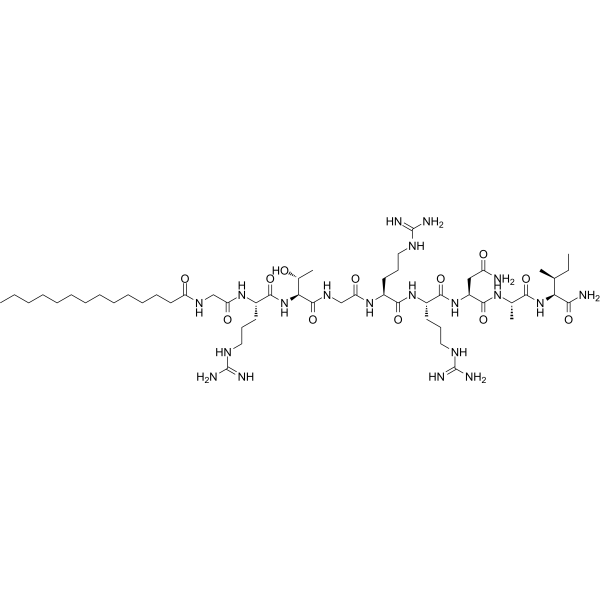
PKI 14-22 amide, myristoylated is a selective, cAMP-dependent, competitive PKA inhibitor with Ki=~36 nM. The myristoylation modification of PKI 14-22 amide, myristoylated makes it more permeable to cell membranes and blood-brain barriers than the precursor molecule. PKI 14-22 amide, myristoylated can block the phosphorylation of cAMP-dependent downstream targets (such as CREB). PKI 14-22 amide, myristoylated can prevent the development of morphine analgesic tolerance in mice, and also inhibits protein translation and negative-strand RNA synthesis of Zika virus. PKI 14-22 amide, myristoylated can be used in research fields such as opioid tolerance mechanisms and antiviral drugs .
loading...
    loading...
3
3 Cited Publications
Cat. No.: HY-P1291A
PKI 14-22 amide, myristoylated TFA is a selective, cAMP-dependent, competitive PKA inhibitor with Ki=~36 nM. The myristoylation modification of PKI 14-22 amide, myristoylated TFA makes it more permeable to cell membranes and blood-brain barriers than the precursor molecule. PKI 14-22 amide, myristoylated TFA can block the phosphorylation of cAMP-dependent downstream targets (such as CREB). PKI 14-22 amide, myristoylated TFA can prevent the development of analgesic tolerance in mice, and also inhibits protein translation and negative-strand RNA synthesis of Zika virus. PKI 14-22 amide, myristoylated TFA can be used in research fields such as opioid tolerance mechanisms and antiviral drugs .
loading...
    loading...
2
2 Cited Publications
Cat. No.: HY-W014589
CAS No.: 96-76-4
Synonyms: 2,4-DTBP
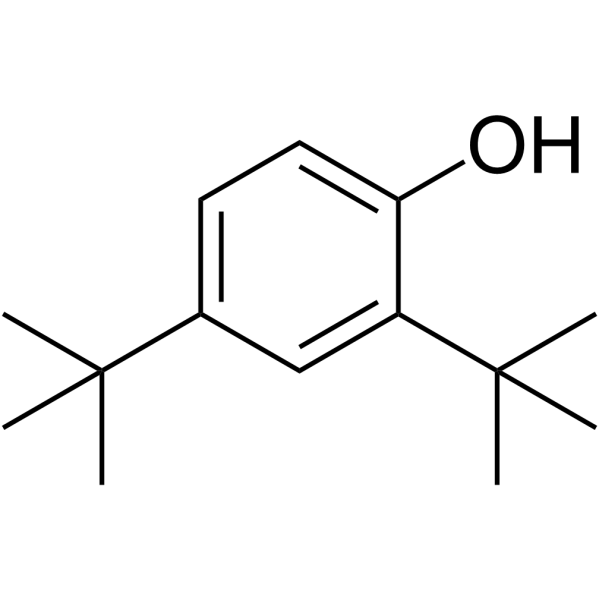
2,4-Di-tert-butylphenol (2,4-DTBP) is an orally active RXRα activator and a human estrogen receptor ligand with anti-inflammatory and antioxidant activities, which can induce apoptosis in tumor cells. 2,4-Di-tert-butylphenol can activate the RXRα subtype in LXRα/RXRα, PPARγ/RXRα, and hormone receptor β/RXRα. 2,4-Di-tert-butylphenol also has antiviral and antifungal activities and has the potential to inhibit Aβ-induced neurotoxicity. 2,4-Di-tert-butylphenol can be used as an intermediate in the preparation of antioxidants and UV stabilizers, and is also used in the manufacture of drugs and fragrances .
loading...
    loading...
2
2 Cited Publications
Cat. No.: HY-N0248
CAS No.: 58316-41-9
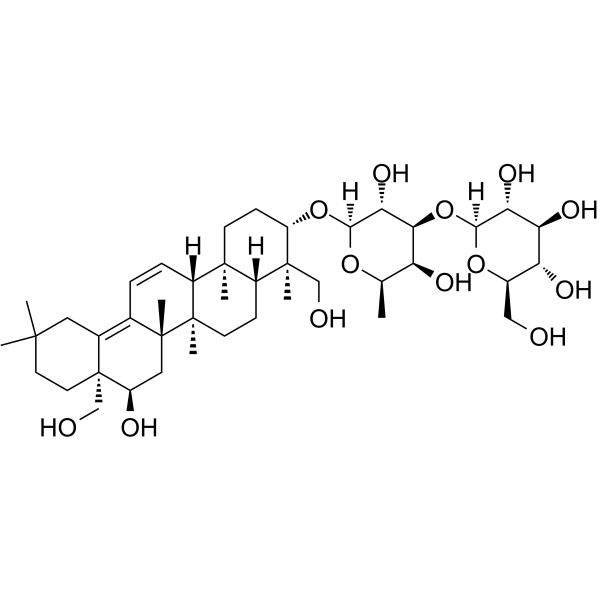
Saikosaponin B2 is an antiviral and anticancer agent that regulates multiple transporters (such as various solute carriers and ATP-binding cassette transporters including MRP1, MRP2, and OCT2). Saikosaponin B2 is isolated from the plant glycoside component of the roots of Bupleurum scorzonerifolium. Saikosaponin B2 enhances the liver targeting of anticancer drugs via vinegar-baked Radix Bupleuri. Saikosaponin B2 inhibits HCV entry, replication, and translation, is effective against Daclatasvir (HY-10466)-resistant strains, and exerts a synergistic effect when used in combination with Daclatasvir. Saikosaponin B2 is commonly used in studies related to hepatocellular carcinoma and HCV infection .
loading...
    loading...
1
1 Cited Publications
Cat. No.: HY-N7135
CAS No.: 533-75-5
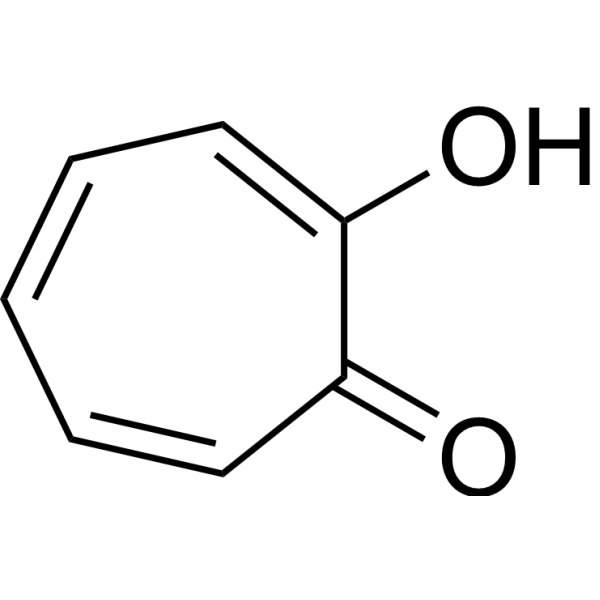
Tropolone is a seven-membered non-benzenoid aromatic compound, which is the precursor of many Azulene derivatives. Tropolone is a potent mushroom tyrosinase inhibitor with an IC50 value of 0.4 μM. Its inhibitory effect can be achieved by dialysis or excess CU2+ Reversa. Tropolone exhibits broad anti-viral and anti-fungal activity and is synergistic upon co-treatment with nucleos(t)ide analog drugs. Tropolone is a promising candidate for research in osteosarcoma .
loading...
    loading...
1
1 Cited Publications
Cat. No.: HY-153228
CAS No.: 2713437-86-4
Purity:  96.73%
Synonyms: PBI-0451
Target:  

SARS-CoV

Research Areas:  

Infection

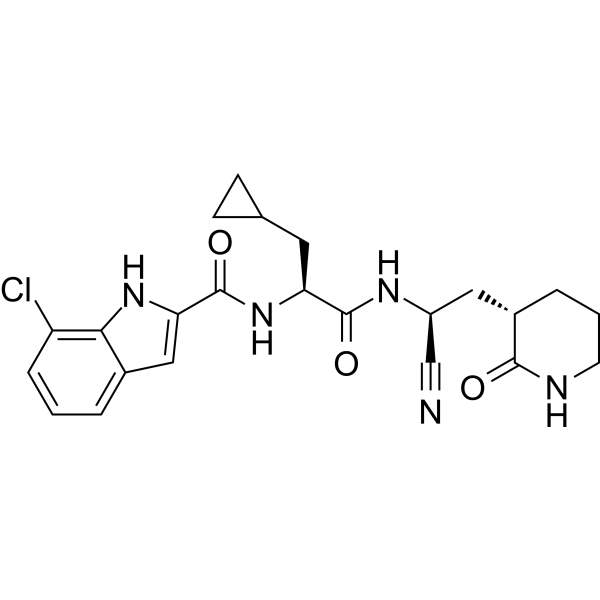
Pomotrelvir is a selective, competitive, orally active covalent inhibitor of the SARS-CoV-2 main protease (M pro), with an IC50 of 24 nM for wild-type SARS-CoV-2 M pro. Pomotrelvir inhibits viral polyprotein processing, thereby preventing viral replication. Pomotrelvir has shown broad antiviral activity against multiple SARS-CoV-2 variants (including Omicron) in cell-based experiments, and has an additive effect when combined with nucleoside analogs that target viral RNA synthesis. Pomotrelvir is primarily used for the research and development of COVID-19 antiviral drugs, especially for infections caused by SARS-CoV-2 and its variants .
loading...
    loading...
1
1 Cited Publications
Cat. No.: HY-15349
CAS No.: 149488-17-5
Purity:  98.62%
Synonyms: LY300046
Research Areas:  

Infection

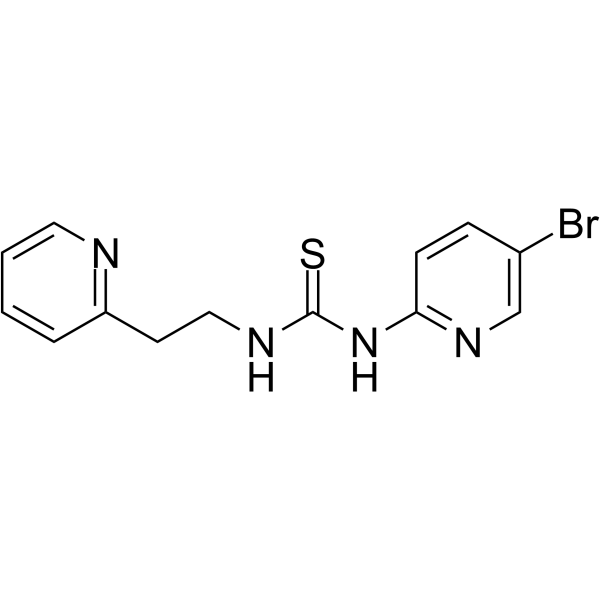
Trovirdine (LY300046) is a selective non-nucleoside HIV-1 reverse transcriptase inhibitor, with an IC50 value of 0.012 μM against the wild-type enzyme. Trovirdine inhibits the replication of both wild-type and mutant HIV-1, and exerts synergistic or additive effects when combined with some antiviral drugs. Trovirdine is applicable to research related to HIV-1 infection .
loading...
    loading...
Cat. No.: HY-B0766
CAS No.: 118159-48-1
Synonyms: SY801
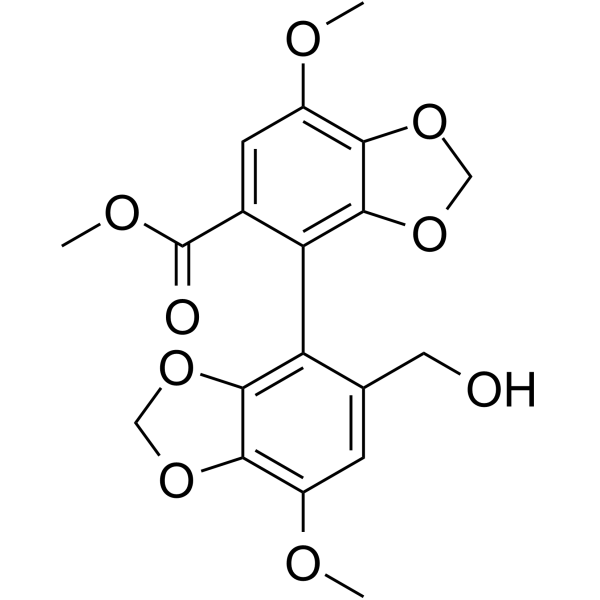
Bicyclol (SY801) is an orally active derivative of the traditional Chinese medicine Schisandra chinensis, which has antiviral, anti-inflammatory, immunomodulatory, antioxidant, anti-steatosis, anti-fibrotic and anti-tumor activities. Bicyclol regulates the expression of heat shock proteins and plays an anti-apoptosis role in hepatocytes. Bicyclol reduces the activation of NF-κB and the levels of inflammatory factors in hepatocytes infected with hepatitis C virus (HCV) by inhibiting the activation of the ROS-MAPK-NF-κB pathway, and prevents ferroptosis in acute liver injury. Bicyclol can change the expression of Mdr-1, GSH/GST and Bcl-2, increase the intracellular concentration of anticancer drugs, and sensitize drug-resistant cells to anticancer drugs. Bicyclol inhibits the proliferation of human malignant hepatoma cells by regulating the PI3K/AKT pathway and the Ras/Raf/MEK/ERK pathway. Bicyclol can be used in the study of chronic hepatitis, acute liver injury, nonalcoholic fatty liver disease, liver fibrosis and hepatocellular carcinoma .
loading...
    loading...
Cat. No.: HY-P1939
CAS No.: 2873-36-1
Synonyms: Cyclo(L-prolyl-L-leucyl)
Research Areas:  

Infection

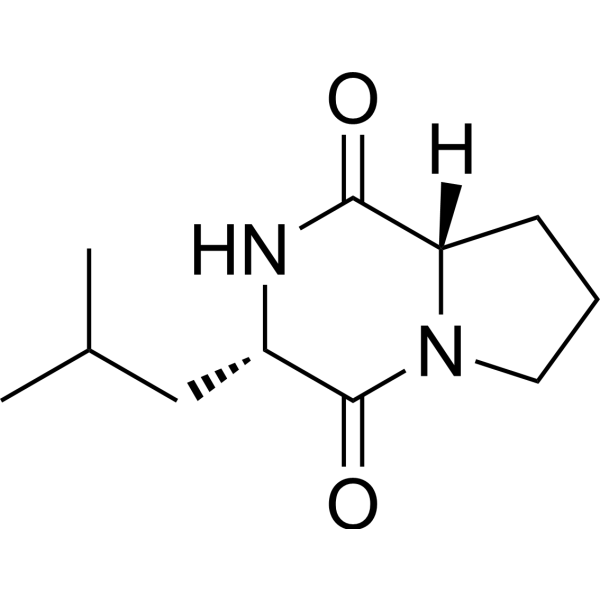
Cyclo(L-Leu-L-Pro) is a cyclic dipeptide with broad-spectrum antibacterial, antiviral and antifungal activities. Its biological activity is highly dependent on the stereoconfiguration and is widely present in microbial metabolites. Cyclo(L-Leu-L-Pro) efficiently and specifically inhibits the production of aflatoxin by Aspergillus flavus. The cis configuration of Cyclo(L-Leu-L-Pro) (cis-cyclo(L-Leu-L-Pro)) has broad-spectrum antibacterial activity against multi-drug resistant bacteria and significantly inhibits the influenza A virus H3N2 .
loading...
    loading...
Cat. No.: HY-P991200

Target:  

HCV Claudin

Research Areas:  

Infection

OM-7D3-B3 is an antibody-based antiviral agent targeting the tight junction protein CLDN1 (Kd=4 nM). By binding to the first extracellular domain of CLDN1, OM-7D3-B3 disrupts the formation of the CLDN1-CD81 co-receptor complex, thereby effectively inhibiting the entry of hepatitis C virus (HCV). OM-7D3-B3 not only prevents de novo and chronic HCV infections in humanized liver chimeric mice and uPA-SCID mice transplanted with human livers, but also exhibits favorable safety with no toxic effects observed. OM-7D3-B3 serves as a critical tool for research on HCV infection mechanisms and antiviral drug development .
loading...
    loading...
Cat. No.: HY-128753
CAS No.: 1114-34-7
Purity:  ≥98.0%
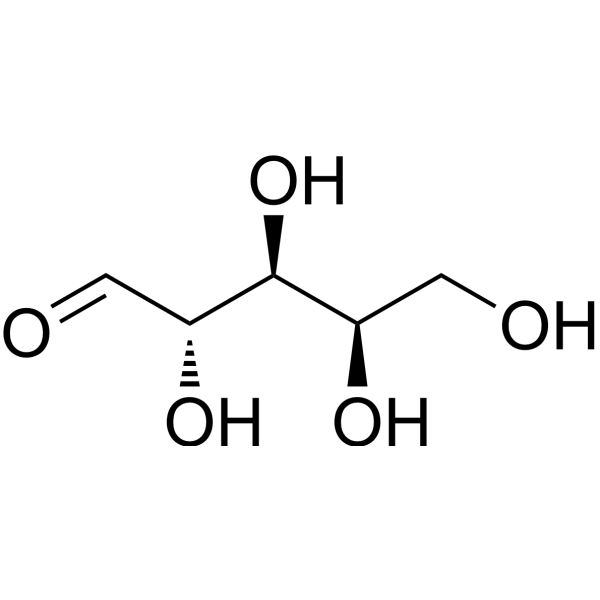
D-Lyxose is an endogenous metabolite. D-Lyxose is a rare pentose with significant potential for pharmaceutical synthesis. D-Lyxose serves as a starting material for antitumor agents (such as α-galactosylceramide-based immunostimulants). D-Lyxose acts as a precursor for L-nucleoside analogs used in the development of antiviral drugs. D-Lyxose can be used as a synthetic intermediate for other rare sugars (such as L-ribose) .
loading...
    loading...
Cat. No.: HY-18944
CAS No.: 1113044-49-7
Research Areas:  

Infection

FIT-039 is a selective, ATP-competitive and orally active CDK9 inhibitor with an IC50 of 5.8 μM for CKD9/cyclin T1. FIT-039 does not inhibit other CDKs and other kinases. FIT-039 inhibits replication of HSV-1 (IC50 of 0.69 μM), HSV-2, human adenovirus, and human CMV. FIT-039 is a promising antiviral agent for inhibiting drug-resistant HSVs and other DNA viruses.
loading...
    loading...
Cat. No.: HY-W010649
CAS No.: 288-14-2
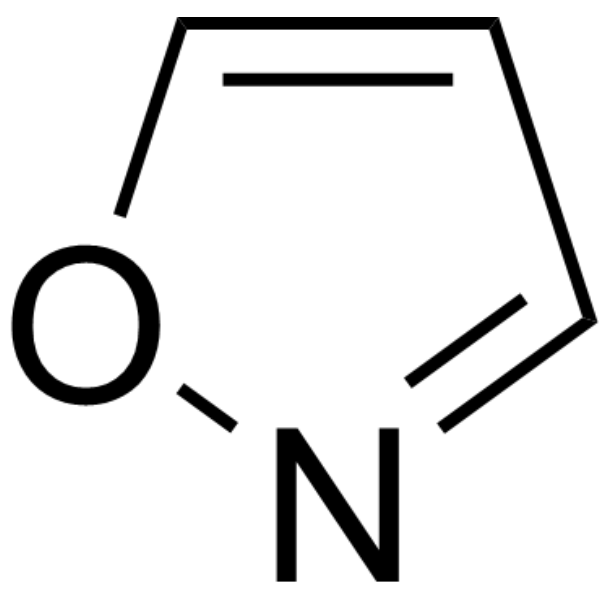
Isoxazole is a member of the five-membered heterocycle drug scaffold. Isoxazole has been used as a BET bromodomain inhibitor and can improve β-cell function in a diabetic mouse model. Isoxazole and its derivatives exhibit broad biological activities (such as antimicrobial, antibacterial, antifungal, antiviral, anticancer, anti-inflammatory, immunomodulatory, analgesic, anti-tuberculosis, and anti-diabetic effects). For example, the bicyclic Isoxazole can act as an HSP90 inhibitor, and the tricyclic Isoxazole is promising as a selective multidrug resistance protein (MRP1) inhibitor​ .
loading...
    loading...
Cat. No.: HY-101954
CAS No.: 475650-36-3
Synonyms: ORI-9020; SB-9000
Target:  

HBV

Research Areas:  

Infection

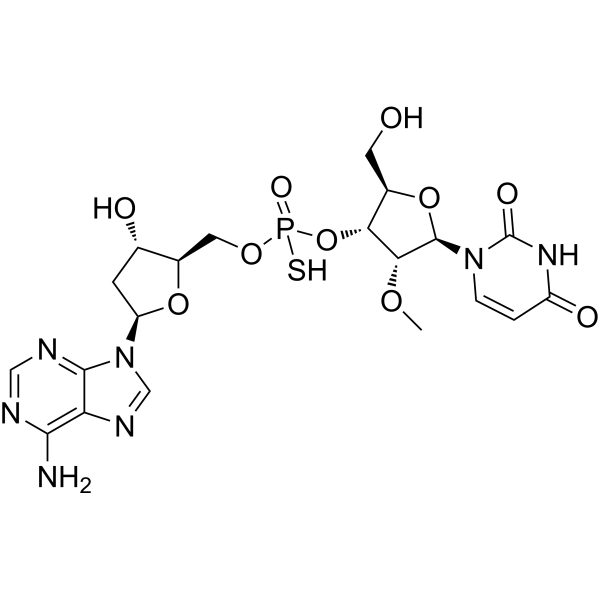
Inarigivir (ORI-9020) is a dinucleotide antiviral drug that can significantly reduce liver HBV DNA in transgenic mice expressing hepatitis B virus. Inarigivir (ORI-9020) act as a RIG-I agonist to activate cellular innate immune responses .
loading...
    loading...
Cat. No.: HY-101954A
CAS No.: 2172788-92-8
Purity:  99.04%
Synonyms: ORI-9020 ammonium; SB-9000 ammonium
Target:  

HBV

Research Areas:  

Infection Inflammation/Immunology

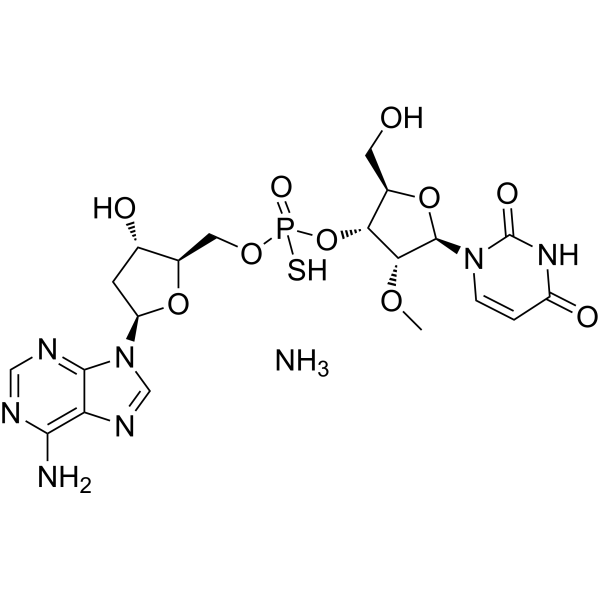
Inarigivir (ORI-9020) ammonium is a dinucleotide antiviral drug that can significantly reduce liver HBV DNA in transgenic mice expressing hepatitis B virus. Inarigivir (ORI-9020) ammonium acts as a RIG-I (Retinoic acid-inducible gene-I) agonist to activate cellular innate immune responses .
loading...
    loading...
Cat. No.: HY-W031727R
CAS No.: 118-42-3
Hydroxychloroquine (HCQ) is a synthetic oral antimalarial drug that can be used in the study of malaria and autoimmune diseases such as systemic lupus erythematosus and rheumatoid arthritis. Hydroxychloroquine is a potent autophagic flux inhibitor with antiviral activity (such as SARS-CoV-2 virus) that inhibits Toll-like receptor 7/9 (TLR7/9) signaling .
loading...
    loading...
Cat. No.: HY-W749327
CAS No.: 1413431-25-0
Synonyms: 2,4-DTBP-d21
2,4-Di-tert-butylphenol-d21 (2,4-DTBP-d21) is the deuterium labeled 2,4-Di-tert-butylphenol (HY-W014589). 2,4-Di-tert-butylphenol (2,4-DTBP) is an orally active RXRα activator and a human estrogen receptor ligand with anti-inflammatory and antioxidant activities, which can induce apoptosis in tumor cells. 2,4-Di-tert-butylphenol can activate the RXRα subtype in LXRα/RXRα, PPARγ/RXRα, and hormone receptor β/RXRα. 2,4-Di-tert-butylphenol also has antiviral and antifungal activities and has the potential to inhibit Aβ-induced neurotoxicity. 2,4-Di-tert-butylphenol can be used as an intermediate in the preparation of antioxidants and UV stabilizers, and is also used in the manufacture of drugs and fragrances .
loading...
    loading...
Cat. No.: HY-W002458
CAS No.: 2075-46-9
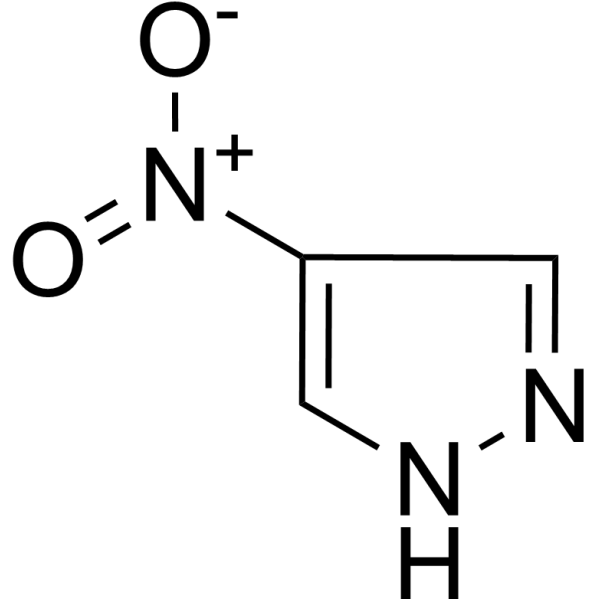
4-Nitropyrazole is a five-membered nitrogen-containing heterocyclic compound that can be used as a drug intermediate. 4-Nitropyrazole can be synthesized into antibiotics/antifungal/antiviral agents containing pyrazole rings. 4-Nitropyrazole is synthesized through C-H activation reactions to produce LRRK2 inhibitors, which are used in the research of Parkinson's disease .
loading...
    loading...

