1. Search Result
Search Result
Results for "

aspartate

" in MedChemExpress (MCE) Product Catalog:

233

Inhibitors & Agonists

1

Screening Libraries

2

Biochemical Assay Reagents

19

Peptides

1

Inhibitory Antibodies

37

Natural
Products

8

Recombinant Proteins

36

Isotope-Labeled Compounds

11

Antibodies

1

Click Chemistry

1

Oligonucleotides

Cat. No. Product Name Target Research Areas Chemical Structure
  • HY-107994
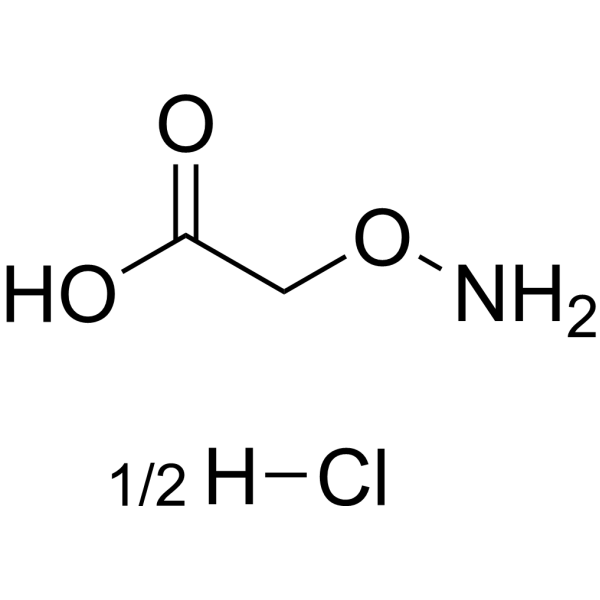
    Aminooxyacetic acid hemihydrochloride
    Maximum Cited Publications
    24 Publications Verification

    Carboxymethoxylamine hemihydrochloride; Aminooxyacetate hemihydrochloride

    GABA Receptor Cancer
    Aminooxyacetic acid (Carboxymethoxylamine) hemihydrochloride is a malate-aspartate shuttle (MAS) inhibitor which also inhibits the GABA degradating enzyme GABA-T.
    Aminooxyacetic acid hemihydrochloride
  • HY-B0591
    Memantine
    5+ Cited Publications

    iGluR Neurological Disease
    Memantine is an orally active, noncompetitive N-methyl-D-aspartate receptor (NMDAR) antagonist. Memantine can be used for the research of moderate-to-severe Alzheimer's disease (AD) .
    Memantine
  • HY-Y1169

    4-tert-Butyl N-(fluoren-9-ylmethoxycarbonyl)-L-aspartate; Fmoc-L-Asp(OtBu)-OH

    Amino Acid Derivatives Others
    Fmoc-Asp(OtBu)-OH (4-tert-Butyl N-(fluoren-9-ylmethoxycarbonyl)-L-aspartate) is an aspartate derivative containing amine protecting group Fmoc. Fmoc-Asp(OtBu)-OH can be used for peptide synthesis .
    Fmoc-Asp(OtBu)-OH
  • HY-112732B
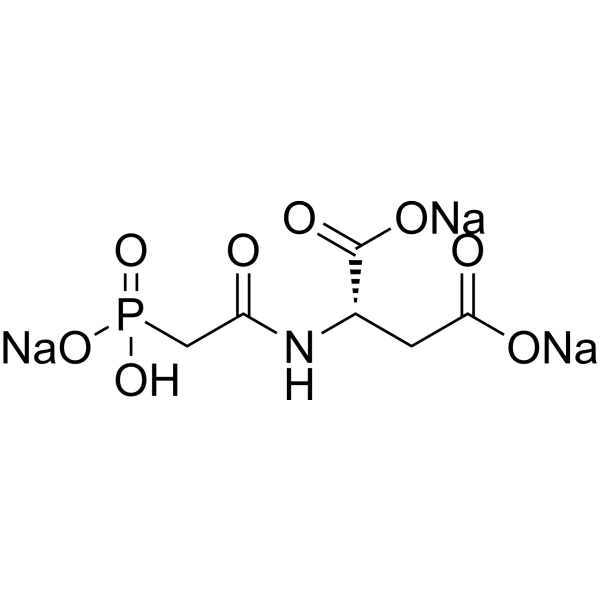
    Sparfosic acid trisodium
    4 Publications Verification

    Apoptosis Metabolic Disease Cancer
    Sparfosic acid trisodium is a DNA antimetabolite agent and a potent inhibitor of aspartate transcarbamoyl transferase. Aspartate transcarbamoyl transferase catalyzes the second step of de novo pyrimidine biosynthesis. Sparfosic acid trisodium synergistically enhances the cytotoxicity of a combination of 5-fluorouracil (5-FU) and interferon-alpha (IFN) against human colon cancer cell lines .
    Sparfosic acid trisodium
  • HY-N2311
    Ibotenic acid
    5+ Cited Publications

    (RS)-Ibotenic acid; DL-Ibotenic acid

    iGluR Neurological Disease
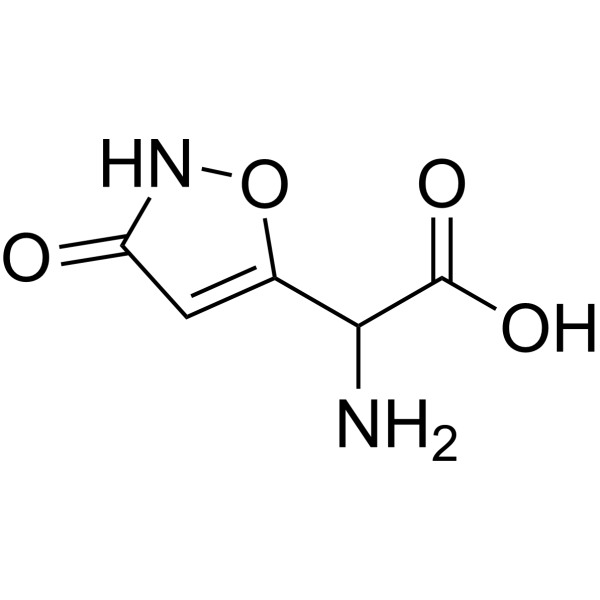
    Ibotenic acid has agonist activity at both the N-methyl-D-aspartate (NMDA) and trans-ACPD or metabolotropic quisqualate (Qm) receptor sites.
    Ibotenic acid
  • HY-B0184
    Felbamate
    2 Publications Verification

    W-554; ADD-03055

    iGluR Neurological Disease
    Felbamate (W-554) is a potent nonsedative anticonvulsant whose clinical effect may be related to the inhibition of N-methyl-D-aspartate (NMDA).
    Felbamate
  • HY-112732
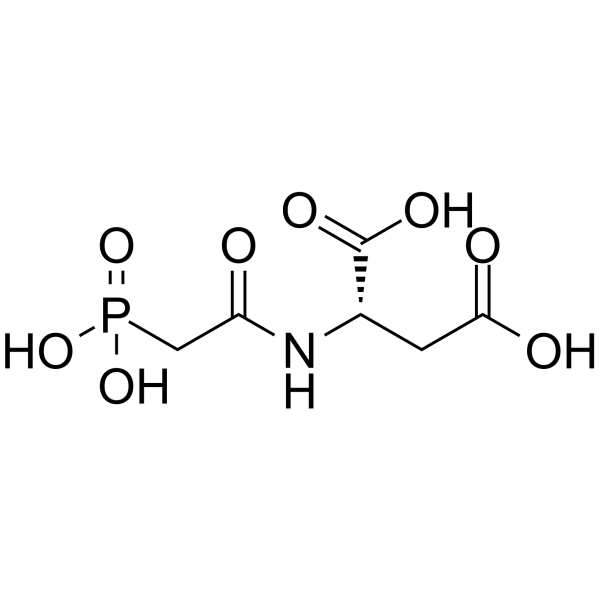
    Sparfosic acid
    4 Publications Verification

    Apoptosis Metabolic Disease Cancer
    Sparfosic acid, a DNA antimetabolite agent, is a potent inhibitor of aspartate transcarbamoyl transferase, the enzyme catalyzing the second step of de novo pyrimidine biosynthesis. Sparfosic acid synergistically enhances the cytotoxicity of a combination of 5-fluorouracil (5-FU) and interferon-alpha (IFN) against human colon cancer cell lines .
    Sparfosic acid
  • HY-107994A
    Aminoxyacetic acid
    Maximum Cited Publications
    24 Publications Verification

    Carboxymethoxylamine; Aminooxyacetate

    GABA Receptor Cancer
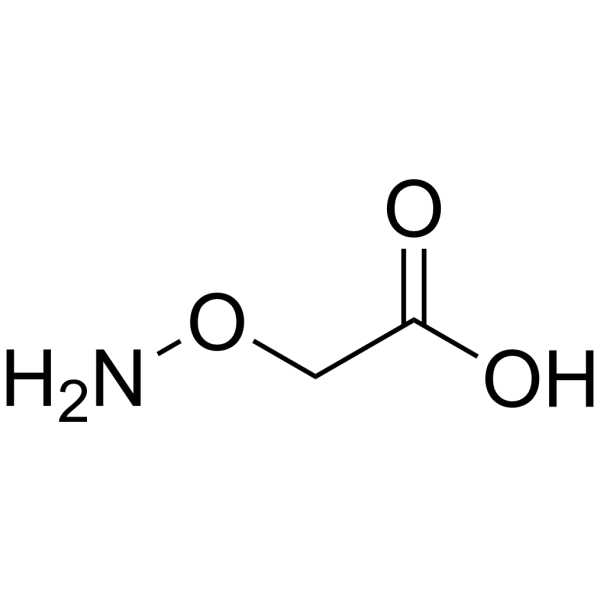
    Aminooxyacetic acid (Carboxymethoxylamine) is a malate-aspartate shuttle (MAS) inhibitor. Aminooxyacetic acid also inhibits the GABA degradating enzyme GABA-T.
    Aminoxyacetic acid
  • HY-N2370
    24-Hydroxycholesterol
    3 Publications Verification

    iGluR LXR Neurological Disease
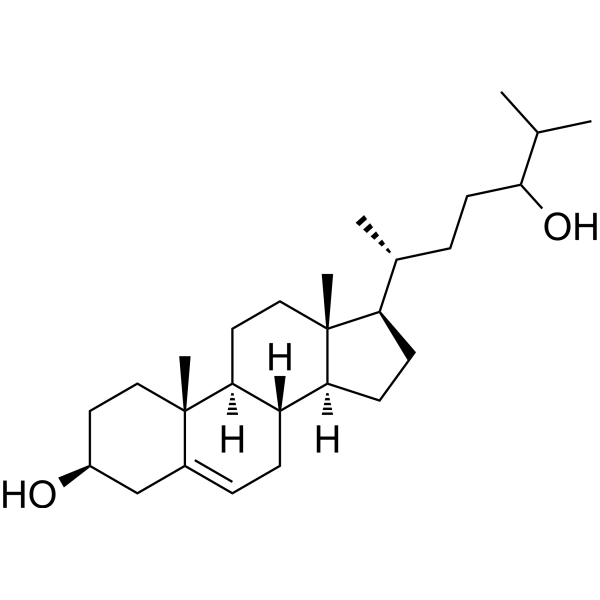
    24-Hydroxycholesterol is a natural sterol, which serves as a positive allosteric modulator of N-Methyl-d-Aspartate (NMDA) receptorsR, and a potent activator of the transcription factors LXR.
    24-Hydroxycholesterol
  • HY-W016288
    Naphthalene-2,3-dicarboxaldehyde
    1 Publications Verification

    2,3-Naphthalenedicarboxaldehyde; Naphthalene-2,3-dialdehyde

    Fungal Infection
    Naphthalene-2,3-dicarboxaldehyde (NDA) is an effective inhibitor of Candida albicans aspartate semialdehyde dehydrogenase (ASADH), with a Ki value of 45 μM. Naphthalene-2,3-dicarboxaldehyde targets ASADH in the aspartate biosynthetic pathway of Candida albicans. Naphthalene-2,3-dicarboxaldehyde reacts with primary amines to generate highly fluorescent and stable derivatives. Naphthalene-2,3-dicarboxaldehyde serves as a fungistatic agent and a fluorogenic derivatization reagent. Naphthalene-2,3-Dicarboxaldehyde can be used for the research of candidiasis .
    Naphthalene-2,3-dicarboxaldehyde
  • HY-B1487

    Tricyclamol hydrochloride; (±)-Procyclidine hydrochloride

    iGluR mAChR Neurological Disease
    Procyclidine (Tricyclamol, (±)-Procyclidine) hydrochloride , an anticholinergic agent, is a muscarinic receptor antagonist that also has the properties of an N-methyl-D-aspartate (NMDA) antagonist. Procyclidine hydrochloride can be used in studies of Parkinson's disease and related psychiatric disorders such as Soman-induced epilepsy .
    Procyclidine hydrochloride
  • HY-P3016A

    EC 2.6.1.1, porcine heart; GOT, porcine heart; AST, porcine heart

    Aminotransferases (Transaminases) Cardiovascular Disease
    Aspartate aminotransferase (EC 2.6.1.1), porcine heart is a metabolic regulator with the highest activity in the heart, liver and skeletal muscle. Aspartate aminotransferase, porcine heart comprises two isozymes: the cytoplasmic form (AST1) and the mitochondrial form (AST2). By catalyzing reversible transamination reactions between oxaloacetate, L-glutamate and other substances, it is deeply involved in key physiological processes such as amino acid metabolism, the tricarboxylic acid cycle and neurotransmitter synthesis. Aspartate aminotransferase, porcine heart also provides substrate support for the synthesis of urea and purines/pyrimidines. Aspartate aminotransferase, porcine heart is a serum marker reflecting cardiac and hepatic injury, and its abnormal levels are also closely associated with myocardial infarction, cardiovascular diseases and various cancers .
    Aspartate aminotransferase, porcine heart
  • HY-A0282

    Amino Acid Derivatives Metabolic Disease Inflammation/Immunology
    L-Ornithine L-aspartate is a stable salt of two natural nonessential L-amino acids with oral activity: ornithine and aspartic acid. L-Ornithine L-aspartate lowers blood ammonia concentration and to eliminate symptoms of hepatic encephalopathy associated with liver cirrhosis. L-Ornithine L-aspartate also improves mitochondrial functions .
    L-Ornithine L-aspartate
  • HY-109164

    AGN-241751; GATE-251

    iGluR Neurological Disease
    Zelquistinel (AGN-241751) is the orally active N-methyl-D-aspartate (NMDA) receptor partial agonist used for the research of depression, anxiety and other related psychiatric disorders .
    Zelquistinel
  • HY-139580

    CAD-9303

    iGluR Neurological Disease
    Plazinemdor (CAD-9303) is a positive allosteric modulator of N-methyl-D-aspartate (NMDA) receptors, which is used in the research of neurological diseases .
    Plazinemdor
  • HY-15084A

    (-)-MK-801 maleate

    iGluR Neurological Disease
    (-)-Dizocilpine maleate ((-)-MK-801 maleate) is a less active (-)-enantiomer of Dizocilpine. (-)-Dizocilpine maleate is a selective and non-competitive N-methyl-D-aspartate (NMDA) receptor antagonist with a Ki of 211.7 nM. (-)-Dizocilpine maleate has antidepressant effects .
    (-)-Dizocilpine maleate
  • HY-106441A

    MK-0657; CERC-301

    iGluR Neurological Disease
    Rislenemdaz (CERC-301) is an orally bioavailable and selective N-methyl-D-aspartate (NMDA) receptor subunit 2B (GluN2B) antagonist with Ki and IC 50 of 8.1 nM and 3.6 nM, respectively.
    Rislenemdaz
  • HY-P3016

    EC 2.6.1.1; GOT; AST

    Aminotransferases (Transaminases) Cardiovascular Disease
    Aspartate aminotransferase (EC 2.6.1.1), Genetically engineered bacteria is a metabolic regulator with the highest activity in the heart, liver and skeletal muscle. Aspartate aminotransferase, Genetically engineered bacteria comprises two isozymes: the cytoplasmic form (AST1) and the mitochondrial form (AST2). By catalyzing reversible transamination reactions between oxaloacetate, L-glutamate and other substances, it is deeply involved in key physiological processes such as amino acid metabolism, the tricarboxylic acid cycle and neurotransmitter synthesis. Aspartate aminotransferase, Genetically engineered bacteria also provides substrate support for the synthesis of urea and purines/pyrimidines. Aspartate aminotransferase, Genetically engineered bacteria is a serum marker reflecting cardiac and hepatic injury, and its abnormal levels are also closely associated with myocardial infarction, cardiovascular diseases and various cancers .
    Aspartate aminotransferase, Genetically engineered bacteria
  • HY-Y1801

    L-Aspartic acid β-methyl ester hydrochloride

    Amino Acid Derivatives Others
    β-Methyl L-aspartate hydrochloride is an aspartic acid derivative .
    β-Methyl L-aspartate hydrochloride
  • HY-N0666B
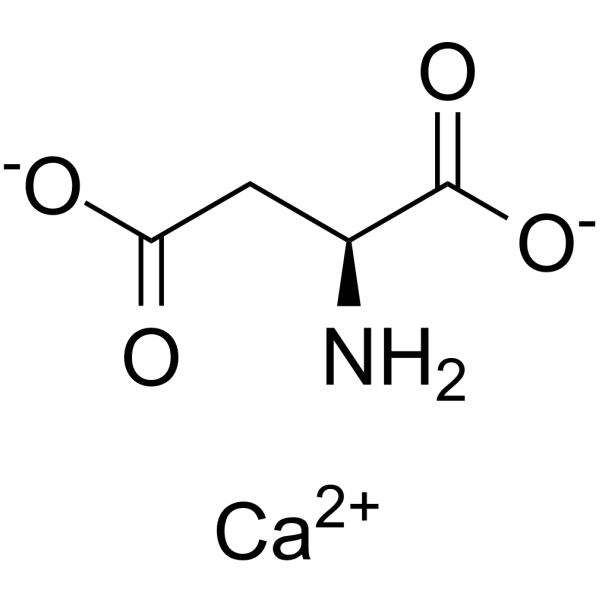
    Aspartic acid calcium
    4 Publications Verification

    Calcium L-aspartate

    Endogenous Metabolite Inflammation/Immunology
    Aspartic acid calcium (Calcium L-aspartate) is a chelate where calcium is attached to an amino acid naming L-Aspartic acid. L-Aspartic aicd calcium is an amino acid that can penetrate the blood-brain barrier. L-Aspartic aicd calcium is commonly used for preparing prodrugs to target colon and cecal tissues. L-Aspartic aicd calcium commonly used in the study of inflammatory conditions .
    Aspartic acid calcium
  • HY-W001941

    Drug Isomer Bacterial Antibiotic Others
    D-Cystine is the D-enantiomer of L-Cystine. D-Cystine inhibits L-aspartate-β-semialdehyde dehydrogenase (ASADH) from Escherichia coli .
    D-Cystine
  • HY-79136
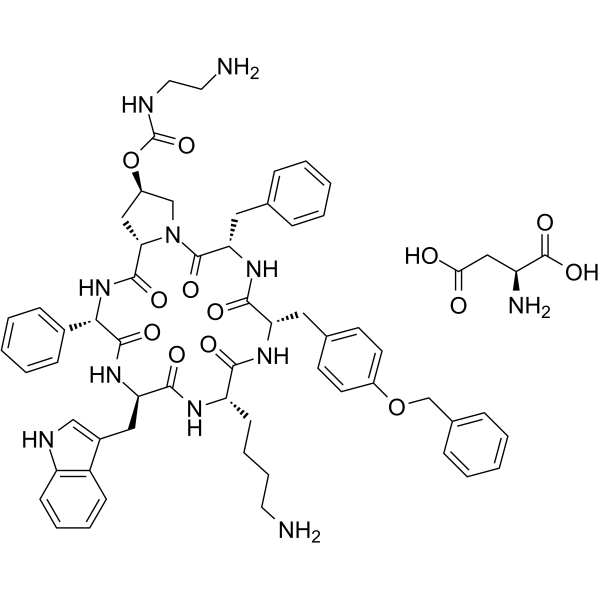
    Pasireotide L-aspartate salt
    5+ Cited Publications

    SOM230 L-aspartate

    Somatostatin Receptor Endocrinology Cancer
    Pasireotide (SOM230) L-aspartate salt, a long-acting cyclohexapeptide somatostatin analogue, can improve agonist activity at somatostatin receptors (subtypes sst1/2/3/4/5, pKi=8.2/9.0/9.1/<7.0/9.9, respectively). Pasireotide L-aspartate salt exhibits antisecretory, antiproliferative, and proapoptotic activity .
    Pasireotide L-aspartate salt
  • HY-W051513
    2-Methylquinazolin-4-ol
    1 Publications Verification

    PARP Others
    2-Methylquinazolin-4-ol is a potent competitive poly(ADP-ribose) synthetase inhibitor, with a Ki of 1.1 μM. 2-Methylquinazolin-4-ol mammalian aspartate transcarbamylase (ATCase) inhibitor, with 0.20 mM .
    2-Methylquinazolin-4-ol
  • HY-124825

    Aminotransferases (Transaminases) Cancer
    iGOT1-01 is a potent aspartate aminotransferase 1 (glutamate oxaloacetate transaminase 1; GOT1) inhibitor. iGOT1-01 has IC50s of 85 μM and 11.3 μM in MDH coupled GOT1 enzymatic assay and GOT1/GLOX/HRP assay, respectively. iGOT1-01 has anti-cancer activity .
    iGOT1-01
  • HY-N7697F

    Others Metabolic Disease
    Chitobiose is an orally active chitosan oligosaccharide (degree of polymerization 2). Chitobiose shows hepatoprotective activity and counteracts CCl4-induced elevation of plasma aspartate transaminase and alanine transaminase activities in rats. Chitobiose can be used for the research of carbon tetrachloride-induced acute hepatotoxicity .
    Chitobiose
  • HY-N0666C
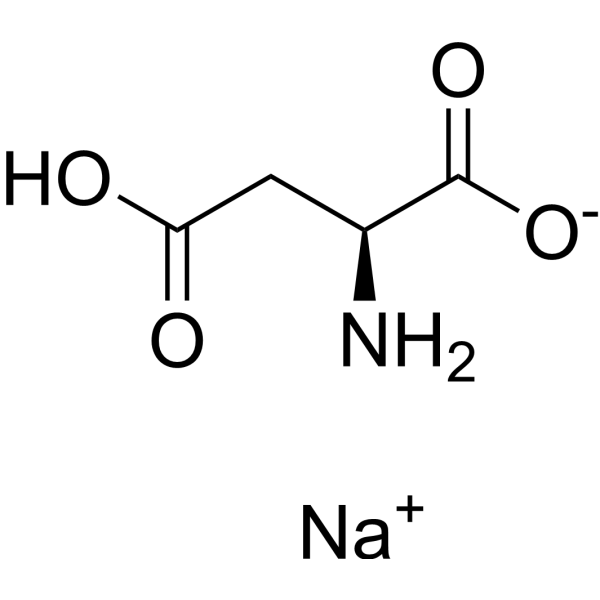
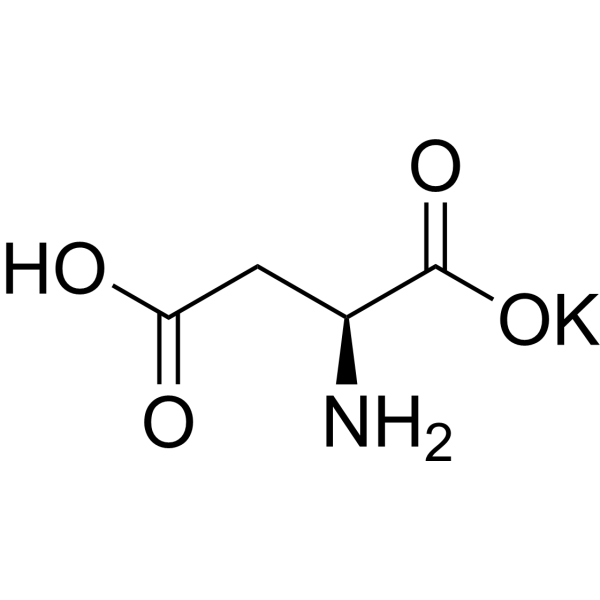
    L-Aspartic aicd sodium
    4 Publications Verification

    Sodium L-aspartate

    Endogenous Metabolite Neurological Disease Inflammation/Immunology
    L-Aspartic aicd sodium is an amino acid. L-Aspartic aicd sodium is commonly used for preparing prodrugs to target colon and cecal tissues. L-Aspartic aicd sodium commonly used in the study of inflammatory conditions .
    L-Aspartic aicd sodium
  • HY-128696

    Amlodipine aspartate

    Drug Metabolite Calcium Channel Cardiovascular Disease
    Amlodipine aspartic acid impurity (Amlodipine aspartate) is the impurity of Amlodipine aspartic acid. Amlodipine aspartic acid is a calcium channel blocker with antihypertensive and antianginal properties. Amlodipine aspartic acid impurity can control blood pressure. Amlodipine aspartic acid impurity corrects gut dysbiosis and enhances taurine and hypotaurine metabolism. Amlodipine aspartic acid impurity can be studied in research for NAFLD and hypertension .
    Amlodipine aspartic acid impurity
  • HY-10711A

    (R)-NFPS hydrochloride

    GlyT Neurological Disease
    ALX-5407 ((R)-NFPS) hydrochloride is a selective and orally active glycine transporter GlyT1 inhibitor with an IC50 value of 3 nM. ALX-5407 hydrochloride can be used the research of N-methyl-D-aspartate-receptor function and schizophrenia .
    ALX-5407 hydrochloride
  • HY-N0666D
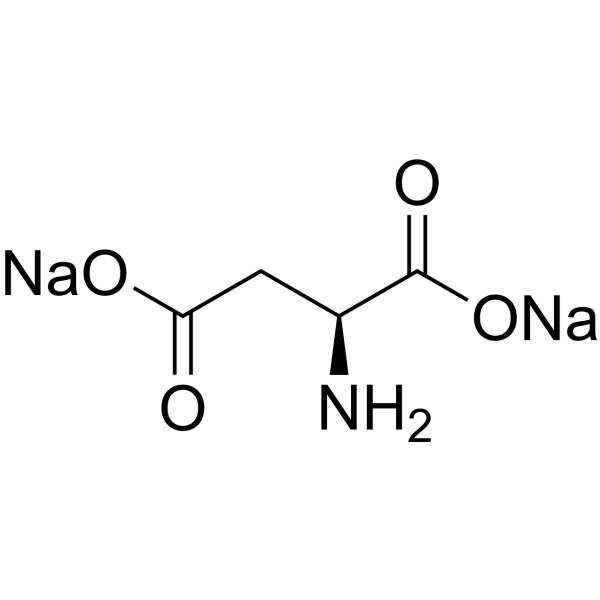
    L-Aspartic aicd disodium
    4 Publications Verification

    Disodium L-aspartate

    Endogenous Metabolite Neurological Disease Inflammation/Immunology
    L-Aspartic acid disodium is an amino acid. L-Aspartic aicd disodium is commonly used for preparing prodrugs to target colon and cecal tissues. L-Aspartic aicd disodium commonly used in the study of inflammatory conditions .
    L-Aspartic aicd disodium
  • HY-W654331

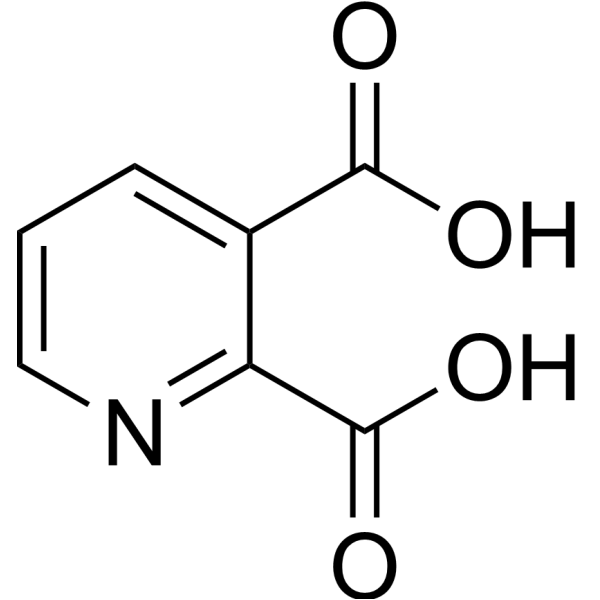
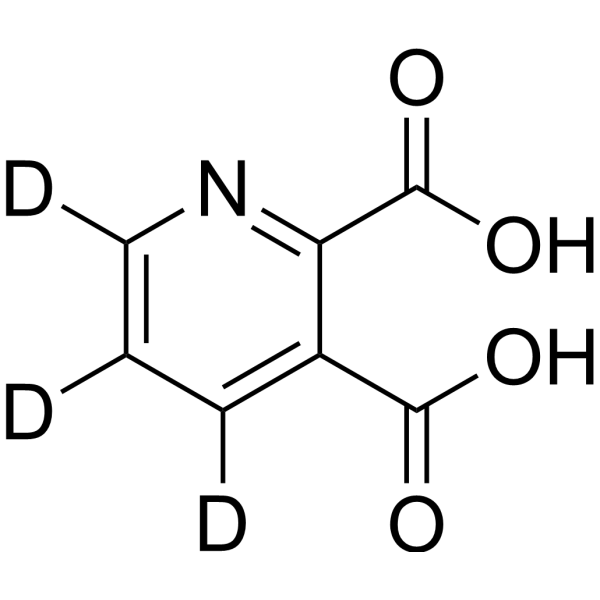
    2,3-Pyridinedicarboxylic Acid-13C3,15N

    Isotope-Labeled Compounds iGluR Endogenous Metabolite Inflammation/Immunology
    Quinolinic acid- 13C3, 15N (2,3-Pyridinedicarboxylic Acid- 13C3, 15N) is the 13C- and 15N-labeled Quinolinic acid (HY-100807). Quinolinic acid is an endogenous N-methyl-D-aspartate (NMDA) receptor agonist synthesized from L-tryptophan via the kynurenine pathway and thereby has the potential of mediating N-methyl-D-aspartate neuronal damage and dysfunction .
    Quinolinic acid-13C3, 15N
  • HY-W105809R

    (S)-2-Amino-5-((diaminomethylene)amino)pentanoic acid compound with L-aspartic acid (1:1) (Standard)

    Reference Standards
    L-Arginine L-aspartate (Standard) is the analytical standard of L-Arginine L-aspartate. This product is intended for research and analytical applications.
    L-Arginine L-aspartate (Standard)
  • HY-N2370R

    Reference Standards iGluR LXR Neurological Disease
    24-Hydroxycholesterol is a natural sterol, which serves as a positive allosteric modulator of N-Methyl-d-Aspartate (NMDA) receptorsR, and a potent activator of the transcription factors LXR.
    24-Hydroxycholesterol (Standard)
  • HY-150637

    Bacterial Infection
    Mab Aspartate Decarboxylase-IN-1 is a potent aspartate decarboxylase (PanD) inhibitor with an IC50 value of 56.3 μM. Mab Aspartate Decarboxylase-IN-1 shows antibacterial activity .
    Mab Aspartate Decarboxylase-IN-1
  • HY-P3016B

    EC 2.6.1.1, Human liver; GOT, Human liver; AST, Human liver

    Aminotransferases (Transaminases) Cardiovascular Disease
    Aspartate aminotransferase (EC 2.6.1.1), Human liver is a metabolic regulator with the highest activity in the heart, liver and skeletal muscle. Aspartate aminotransferase, Human liver comprises two isozymes: the cytoplasmic form (AST1) and the mitochondrial form (AST2). By catalyzing reversible transamination reactions between oxaloacetate, L-glutamate and other substances, it is deeply involved in key physiological processes such as amino acid metabolism, the tricarboxylic acid cycle and neurotransmitter synthesis. Aspartate aminotransferase, Human liver also provides substrate support for the synthesis of urea and purines/pyrimidines. Aspartate aminotransferase, Human liver is a serum marker reflecting cardiac and hepatic injury, and its abnormal levels are also closely associated with myocardial infarction, cardiovascular diseases and various cancers .
    Aspartate aminotransferase, Human liver
  • HY-B1680

    Litarex

    Biochemical Assay Reagents Neurological Disease
    Lithium citrate is a lithium supplement that reduces excess brain N-acetylaspartate (NAA) in Canavan disease. Canavan disease is an autosomal recessive leukodystrophy caused by mutations in the aspartate acylase (ASPA) gene, which catalyzes the hydrolysis of N-acetylaspartate (NAA) to acetate and aspartate .
    Lithium citrate
  • HY-177127

    iGluR Neurological Disease
    Satoprodil (example 2) is a potent N-methyl-D-aspartate (NMDA) receptor negative allosteric modulator with an IC50 value of 123 nM for NR2B .
    Satoprodil
  • HY-W835175

    iGluR Neurological Disease
    Neramexane hydrochloride is an oral N-methyl-D-aspartate (NMDA) receptor antagonist, as a potential neuroprotectant for various central nervous system disorders, including Alzheimer's disease, and for the potential study of drug and alcohol dependence, and pain.
    Neramexane hydrochloride
  • HY-B0455B

    SC47111A (aspartate); NY-198 (aspartate)

    Bacterial Antibiotic Infection
    Lomefloxacin (SC47111A) aspartate is a broad-spectrum quinolone antibiotic, with antimicrobial activity. Lomefloxacin aspartate can be used for researching respiratory tract infections, genitourinary infections, gastrointestinal infections, ENT infections, etc. .
    Lomefloxacin (aspartate)
  • HY-42069

    Amino Acid Derivatives Others
    1-Benzyl D-Aspartate is an aspartic acid derivative .
    1-Benzyl D-Aspartate
  • HY-131921

    Biochemical Assay Reagents Endocrinology
    DL-Glyceraldehyde 3-phosphate diethyl acetal barium is an Aspartate Aminotransferase isozyme inhibitor .
    DL-Glyceraldehyde 3-phosphate diethyl acetal barium
  • HY-10711

    (R)-NFPS

    GlyT Neurological Disease
    ALX-5407 ((R)-NFPS) is a selective and orally active glycine transporter GlyT1 inhibitor with an IC50 value of 3 nM. ALX-5407 can be used the research of N-methyl-D-aspartate-receptor function and schizophrenia .
    ALX-5407
  • HY-W140900

    Sodium L-aspartate monohydrate

    Biochemical Assay Reagents Cardiovascular Disease
    Sodium (S)-3-amino-3-carboxypropanoate hydrate is a biochemical assay reagent, which is utilized in bypass surgery as part of the cardioplegia solution .
    Sodium (S)-3-amino-3-carboxypropanoate hydrate
  • HY-B0184A

    W-554 hydrate; ADD-03055 hydrate

    iGluR Neurological Disease
    Felbamate hydrate (W-554 hydrate) is a potent nonsedative anticonvulsant whose clinical effect may be related to the inhibition of N-methyl-D-aspartate (NMDA) .
    Felbamate hydrate
  • HY-146646

    Antibiotic Infection Cancer
    Bleomycin A2, an antitumor antibiotic promoting DNA-degradation, is an aspartate/asparagine-β-hydroxylase (AspH) inhibitor with an IC50 of 1.47 μM .
    Bleomycin A2
  • HY-100667
    UBP608
    1 Publications Verification

    iGluR Neurological Disease
    UBP608 is a potent N-Methyl-D-aspartate receptors (NMDARs) negative allosteric modulator. UBP608 has the potential for the research of neurological disorders .
    UBP608
  • HY-107702

    iGluR Neurological Disease
    CGP 37849 is a potent, competitive and orally active N-methyl-D-aspartate (NMDA) receptor antagonist. CGP 37849 is an anticonvulsant in rodents and has antidepressant and anxiolytic-like effects .
    CGP 37849
  • HY-114550

    iGluR Neurological Disease
    LY339434 is a potent and selective agonist for the hydrochloride receptor GluR5. LY339434 affects the rapid death of neurons through n-methyl-D-aspartate (NMDA) receptors .
    LY339434
  • HY-148994

    Dihydrofolate reductase (DHFR) Cancer
    Methotrexate-γ-aspartate is a Ll210 cell dihydrofolate reductase inhibitor. Methotrexate-γ-aspartate is apparently more resistant to enzymic cleavage than is methotrexate-y-glutamate. Methotrexate-γ-aspartate can be used in antibody-targeted liposomes and is promising for research of leukemic .
    Methotrexate-γ-aspartate
  • HY-B0220C

    Antibiotic Bacterial DNA/RNA Synthesis Infection Cancer
    Erythromycin aspartate is a macrolide antibiotic produced by actinomycete?Streptomyces erythreus?with a broad spectrum of antimicrobial activity. Erythromycin aspartate binds to bacterial 50S ribosomal subunits and inhibits?RNA-dependent protein synthesis?by blockage of transpeptidation and/or translocation reactions, without affecting synthesis of nucleic acid [1][2]. Erythromycin aspartate also exhibits antitumor and neuroprotective effect in different fields of research [3][4].
    Erythromycin (aspartate)
  • HY-175053

    SOM230 (aspartate) TFA

    Somatostatin Receptor Apoptosis Metabolic Disease
    Pasireotide (aspartate) TFA, a long-acting cyclohexapeptide somatostatin analogue, can improve agonist activity at somatostatin receptors (subtypes sst1/2/3/4/5, pKi=8.2/9.0/9.1/<7.0/9.9, respectively). Pasireotide (aspartate) TFA can suppress GH, IGF-I and ACTH secretion, indicating potential efficacy in acromegaly and Cushing's disease. Pasireotide (aspartate) TFA also exhibits antisecretory, antiproliferative, and proapoptotic activity .
    Pasireotide (aspartate) TFA

Inquiry Online

Your information is safe with us. * Required Fields.

Salutation


Country or Region *

Applicant Name *


Organization Name *

Department *


Email Address *


Product Name *

Cat. No.


Requested quantity *

Phone Number *


Remarks

Inquiry Online

Inquiry Information

Product Name:
Cat. No.:
Quantity:
MCE Japan Authorized Agent:

