
Search Result
Results for "
bladder activity
" in MedChemExpress (MCE) Product Catalog:
6
Isotope-Labeled Compounds
| Cat. No. |
Product Name |
Target |
Research Areas |
Chemical Structure |
-
- HY-129046
-
|
Ribonuclease A; EC 4.6.1.18; RNase A
|
Endonuclease
DNA/RNA Synthesis
|
Others
|
|
RNase A (Bovine pancreatic RNase) is a widely used Endonuclease in DNA purification by specifically hydrolyzing cytosine or uracil residues of RNA. RNase A degrades the RNA in the RNA/DNA duplex. RNase A catalyses the breakdown of 3',5'-phosphodiester linkages of single stranded RNA. RNase A family members in organisms are tightly involved in various physiological and pathological processes including cell growth and development, proliferation, differentiation and migration. Dysregulation of RNase A activity or expression level is closely related to pancreatic, ovarian, bladder and thyroid cancer. RNase A has tumor cell-killing ability .
|
-
-
- HY-N1372A
-
Fangchinoline
Maximum Cited Publications
10 Publications Verification
|
HIV
FAK
Apoptosis
Autophagy
|
Infection
Cancer
|
|
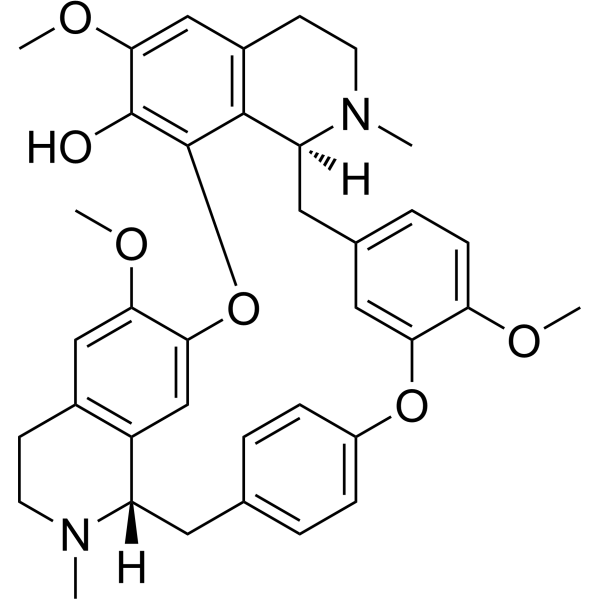
Fangchinoline is isolated from Stephania tetrandra with extensive biological activities, such as enhancing immunity, anti-inflammatory sterilization and anti-atherosclerosis. Fangchinoline, a novel HIV-1 inhibitor, inhibits HIV-1 replication by impairing gp160 proteolytic processing . Fangchinoline targets Focal adhesion kinase (FAK) and suppresses FAK-mediated signaling pathway in tumor cells which highly expressed FAK . Fangchinoline induces apoptosis and adaptive autophagy in bladder cancer .
|
-
-
- HY-101064
-
|
N-FMOC-leucine; NPC 15199; NSC 334290
|
PPAR
Calcium Channel
Lipase
|
Metabolic Disease
Inflammation/Immunology
|
|
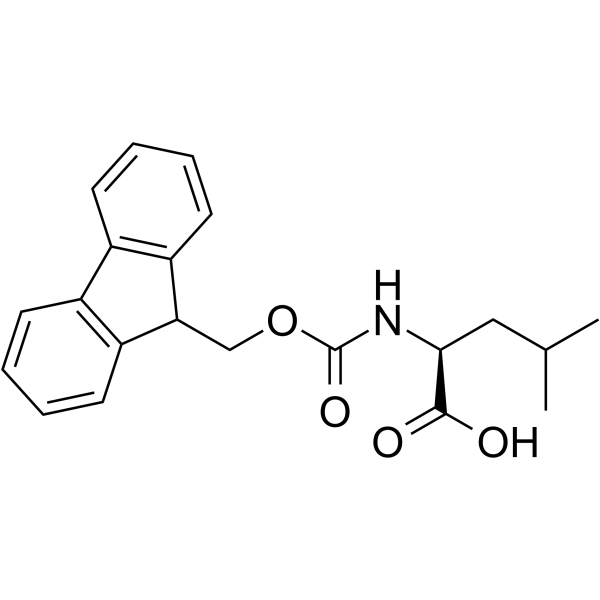
Fmoc-Leucine (N-FMOC-leucine) is an anti-inflammatory agent that not only promotes extracellular Ca 2+ influx but also facilitates intracellular Ca 2+ release. Fmoc-Leucine is a selective ligand for PPARγ (Ki = 15 μM), exhibiting insulin-sensitizing effects but with weak fatogenic activity. Fmoc-Leucine exhibits unique self-assembly properties and can form transient gels, stable gels, or crystals/2D sheets through different pathways. Fmoc-Leucine can be used in the research of diabetes, colitis, and bladder cancer .
|
-
-
- HY-N2593
-
|
|
Carnitine Palmitoyltransferase (CPT)
Reactive Oxygen Species (ROS)
Autophagy
Apoptosis
NF-κB
PI3K
Akt
MMP
Keap1-Nrf2
|
Metabolic Disease
Inflammation/Immunology
Cancer
|
|
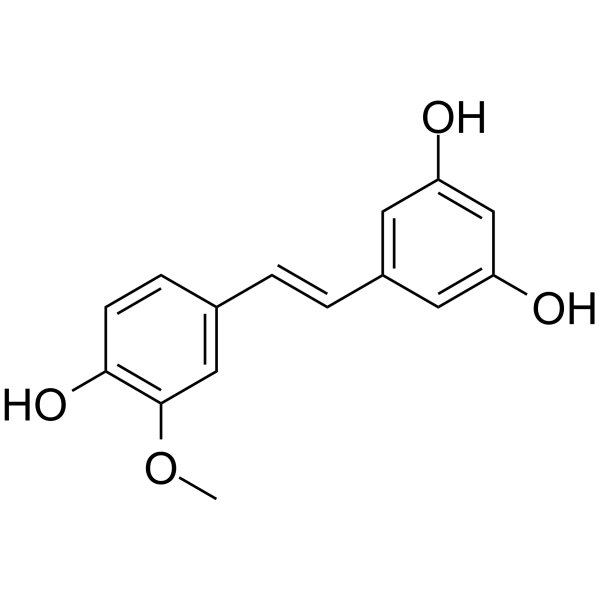
Isorhapontigenin is an orally active dietary polyphenol. Isorhapontigenin acts as a potent antioxidant that reduces the production of reactive oxygen species (ROS). Isorhapontigenin promotes the binding of JUN to the AP-1 site on the SESN2 promoter, induces SESN2 transcription, triggers MAPK8-dependent JUN activation, and upregulates the expression of PPAR-α, PGC-1α and CPT-1A to facilitate fatty acid oxidation. Isorhapontigenin induces autophagy, apoptosis and preadipocyte differentiation; it inhibits tumor growth, cell invasion, NF-κB transcriptional activity, the PI3K/Akt signaling pathway, STAT1 phosphorylation and MMP-2 expression. Isorhapontigenin alleviates oxidative stress, inflammatory cytokine release and triglyceride accumulation; it increases intracellular ATP levels and promotes Nrf2 nuclear translocation. Isorhapontigenin improves insulin sensitivity in adipose tissue and glucose tolerance, and reduces postprandial blood glucose, insulin and free fatty acid levels. Isorhapontigenin is applicable to research on bladder cancer, liver injury, chronic obstructive pulmonary disease, acute lung injury and type 2 diabetes .
|
-
-
- HY-B0860
-
Diuron
2 Publications Verification
|
Environmental Pollutants
Reactive Oxygen Species (ROS)
Herbicide
MDM-2/p53
|
Cancer
|
|
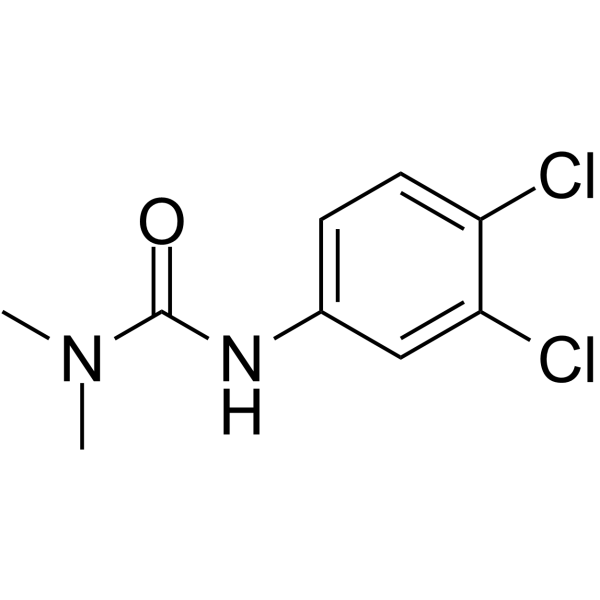
Diuron is an orally active phenylurea herbicide. Diuron inhibits photosynthesis in plants by blocking the formation of ATP and NADH. Diuron increases the production of ROS. Diuron increases expression of p53 in certain cell lines. Diuron has herbicidal activity against annual and perennial broadleaf weeds and grass weeds. Diuron promotes DMBA/BBN-induced bladder cancer. Diuron can be used in breast cancer research .
|
-
-
- HY-W017113
-
|
|
Environmental Pollutants
Endogenous Metabolite
|
Metabolic Disease
|
|
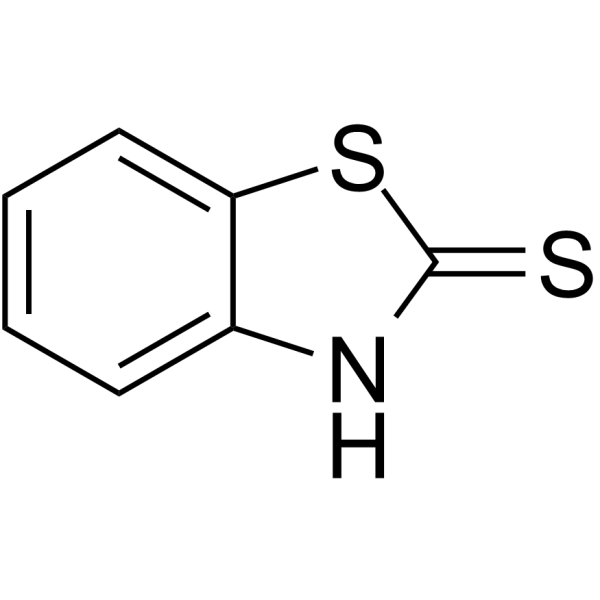
2-Mercaptobenzothiazole is an activator of the aryl hydrocarbon receptor (AhR) , inhibiting thyroid hormone synthesis and dopamine beta-hydroxylase activity . 2-Mercaptobenzothiazole promotes bladder cancer cell invasion by altering the conformation of the AhR ligand binding domain (LBD), activating AhR transcription, and upregulating the mRNA and protein expression of target genes CYP1A1 and CYP1B1 . 2-Mercaptobenzothiazole inhibits thyroid peroxidase (TPO) with an IC50 value of 11.5 μM, induces histological changes such as follicular cell hypertrophy in Xenopus laevis tadpoles, delaying metamorphosis . 2-Mercaptobenzothiazole increases chromosomal aberrations and sister chromatid exchanges (SCEs) in Chinese hamster ovary (CHO) cells, and enhances carcinogenicity in F344/N rats . 2-Mercaptobenzothiazole inhibits norepinephrine synthesis in mice and completely blocks the conversion of exogenous dopamine to norepinephrine in rat cardiomyocytes .
|
-
-
- HY-N0800
-
|
(-)-Protosappanin B
|
Apoptosis
|
Cancer
|
|
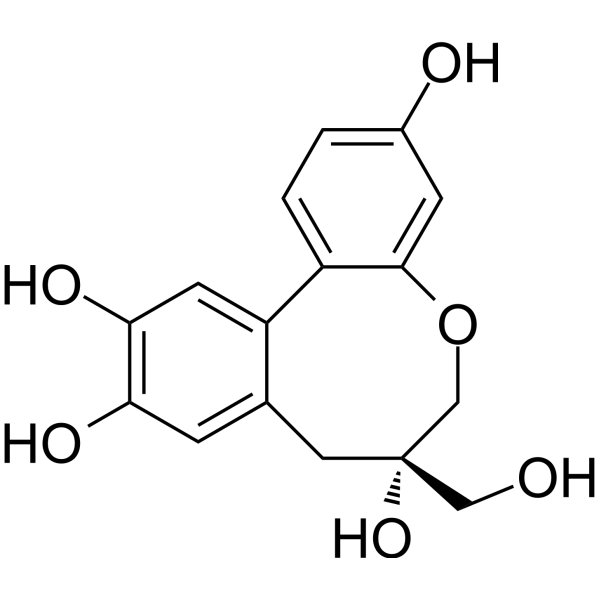
Protosappanin B is a phenolic compound extracted from Caesalpinia sappan. Anti-cancer activity . Protosappanin B induces apoptosis and causes G1 cell cycle arrest in human bladder cancer cells .
|
-
-
- HY-Y1117
-
-
-
- HY-129046C
-
|
Ribonuclease B, Bovine Pancreas
|
Endonuclease
DNA/RNA Synthesis
|
Endocrinology
Cancer
|
|
RNase A (Bovine pancreatic RNase) is a widely used Endonuclease in DNA purification by specifically hydrolyzing cytosine or uracil residues of RNA. RNase A degrades the RNA in the RNA/DNA duplex. RNase A catalyses the breakdown of 3',5'-phosphodiester linkages of single stranded RNA. RNase A family members in organisms are tightly involved in various physiological and pathological processes including cell growth and development, proliferation, differentiation and migration. Dysregulation of RNase A activity or expression level is closely related to pancreatic, ovarian, bladder and thyroid cancer. RNase A has tumor cell-killing ability. RNase B, Bovine Pancreas (Ribonuclease B, Bovine Pancreas) is the N-glycosylated form of RNase A. RNase B, Bovine Pancreas can promote the folding of polypeptide chains and play a role similar to molecular chaperones .
|
-
-
- HY-N1366
-
|
Methylumbelliferone
|
Apoptosis
Bacterial
|
Infection
Cancer
|
|
Herniarin is a natural coumarin occurs in some flowering plants with anticancer effects. Herniarin results in a significant decrease in cell viability by inducing apoptosis in MCF-7 cells. Herniarin also has anti-dermatophytic activity. Herniarin can be used for the study of bladder cancer and breast cancer .
|
-
-
- HY-W013272
-
|
HFT
|
Androgen Receptor
Drug Metabolite
Akt
PI3K
Gap Junction Protein
Integrin
|
Cancer
|
|
Hydroxyflutamide (HFT) is the active metabolite of Flutamide (HY-B0022) and exhibits oral activity. Hydroxyflutamide is a potent androgen receptor antagonist with an IC50 of 700 nM. Hydroxyflutamide can affect embryonic development and reproductive tract development in mice. Additionally, Hydroxyflutamide can enhance the efficacy of Bacillus Calmette-Guérin (BCG) to better inhibit the progression of bladder cancer. Hydroxyflutamide can be used in research related to tumors and reproductive diseases .
|
-
-
- HY-N5084
-
|
|
TRP Channel
HDAC
p38 MAPK
JNK
ERK
NF-κB
TNF Receptor
Interleukin Related
|
Neurological Disease
Inflammation/Immunology
Cancer
|
|
Pinocembrin 7-O-[3''-O-galloyl-4'',6''-hexahydroxydiphenoyl]-β-D-glucoside is a TRPV1 antagonist and HDAC7 inhibitor. Pinocembrin 7-O-[3''-O-galloyl-4'',6''-hexahydroxydiphenoyl]-β-D-glucoside blocks TRPV1-mediated calcium influx, suppresses phosphorylation of p65, IκBα, p38, JNK, and ERK1/2, inhibiting NF-κB and MAPK signaling cascades. Pinocembrin 7-O-[3''-O-galloyl-4'',6''-hexahydroxydiphenoyl]-β-D-glucoside reduces production and gene expression of pro-inflammatory cytokines IL-1β, IL-6, and TNF-α. Pinocembrin 7-O-[3''-O-galloyl-4'',6''-hexahydroxydiphenoyl]-β-D-glucoside exhibits potent analgesic activity, elevates thermal pain threshold and mechanical pain threshold in murine models. Pinocembrin 7-O-[3''-O-galloyl-4'',6''-hexahydroxydiphenoyl]-β-D-glucoside restores CD8 + T cell infiltration into bladder cancer tumors and improves bladder cancer immunotherapy efficacy. Pinocembrin 7-O-[3''-O-galloyl-4'',6''-hexahydroxydiphenoyl]-β-D-glucoside can be used for the researches of painand bladder cancer .
|
-
-
- HY-129046I
-
|
|
DNA/RNA Synthesis
Endonuclease
|
Endocrinology
Cancer
|
|
RNase A (Bovine pancreatic RNase) is a widely used Endonuclease in DNA purification by specifically hydrolyzing cytosine or uracil residues of RNA. RNase A degrades the RNA in the RNA/DNA duplex. RNase A catalyses the breakdown of 3',5'-phosphodiester linkages of single stranded RNA. RNase A family members in organisms are tightly involved in various physiological and pathological processes including cell growth and development, proliferation, differentiation and migration. Dysregulation of RNase A activity or expression level is closely related to pancreatic, ovarian, bladder and thyroid cancer. RNase A has tumor cell-killing ability. RNase A, Recombinant (animal free) is recombinant RNase A with no animal-derived components .
|
-
-
- HY-108059
-
|
(3R)-β-Cryptoxanthin
|
Drug Derivative
|
Neurological Disease
Metabolic Disease
Inflammation/Immunology
Cancer
|
|
β-Cryptoxanthin ((3R)-β-Cryptoxanthin) is an orally active carotenoid found in fruits and vegetables such as angerines, red peppers, and pumpkin. β-Cryptoxanthin inhibits prevents osteoclast formation and inhibits bone resorption. β-Cryptoxanthin maintains retinol status in vivo. β-cryptoxanthin shows anti-inflammation and anticancer activity. β-Cryptoxanthin can be used for the researches of osteoporosis and bladder carcer .
|
-
-
- HY-164315
-
|
|
Ras
PERK
|
Cancer
|
|
KRAS G12C inhibitor 67 (Example 35) is an orally active KRAS G12C inhibitor. KRAS G12C inhibitor 67 inhibits pERK and active KRas. KRAS G12C inhibitor 67 selectively inhibits the growth of various KRAS G12C mutant tumor cell lines. KRAS G12C inhibitor 67 exhibits anticancer activity against esophageal cancer, bladder cancer, colorectal cancer, lung cancer, and pancreatic cancer .
|
-
-
- HY-129046D
-
|
Ribonuclease A, Recombinant
|
Endonuclease
DNA/RNA Synthesis
|
Endocrinology
Cancer
|
|
RNase A (Bovine pancreatic RNase) is a widely used Endonuclease in DNA purification by specifically hydrolyzing cytosine or uracil residues of RNA. RNase A degrades the RNA in the RNA/DNA duplex. RNase A catalyses the breakdown of 3',5'-phosphodiester linkages of single stranded RNA. RNase A family members in organisms are tightly involved in various physiological and pathological processes including cell growth and development, proliferation, differentiation and migration. Dysregulation of RNase A activity or expression level is closely related to pancreatic, ovarian, bladder and thyroid cancer. RNase A has tumor cell-killing ability. RNase A, Recombinant (Ribonuclease A, Recombinant) is a recombinant form of RNase A .
|
-
-
- HY-124805
-
|
|
HSP
|
Cancer
|
|
MAL3-101 is a potent HSP70 allosteric inhibitor. MAL3-101 inhibits HSP70 ATPase activity by blocking Hsp40 co-chaperone interaction. MAL3-101 can be used for researching muscle invasive bladder cancer (MIBC) .
|
-
-
- HY-N2384
-
|
|
Parasite
DNA/RNA Synthesis
Apoptosis
|
Infection
Cancer
|
|
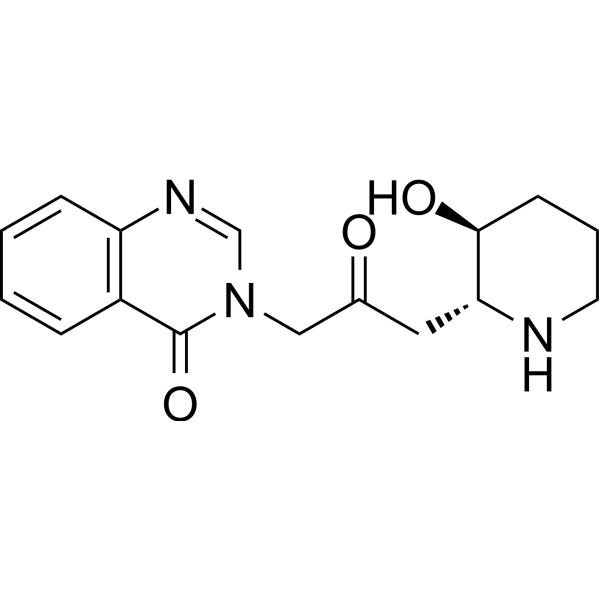
Febrifugine is a quinazolinone alkaloid that inhibits P. falciparum and has antimalarial activity. Febrifugine inhibits bladder cancer by inhibiting DNA synthesis, inducing apoptosis, and reducing steroids .
|
-
-
- HY-115565
-
|
|
CDK
Apoptosis
|
Cancer
|
|
CGP-74514 (Compound 13) is a highly selective cyclin-dependent kinase 1 (CDK1) inhibitor (IC50=25 nM). CGP-74514 inhibits CDK1/cyclin B complex activity, arrests the cell cycle at G2/M phase and induces tumor cell apoptosis. CGP-74514 is promising for research of bladder cancer .
|
-
-
- HY-118301
-
|
|
GABA Receptor
5-HT Receptor
|
Neurological Disease
|
|
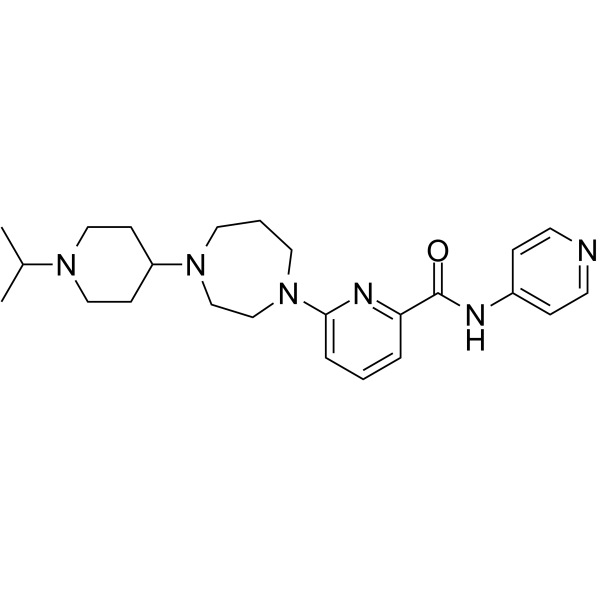
ADX71441 is an orally active, blood-brain barrier penetrant positive allosteric modulator of GABAB receptor. ADX71441 potentiates the activity of endogenous GABA at GABAB receptor, with an EC50 of 96 nM. ADX71441 functionally inhibits adenosine transporters and 5-HT2B receptor. ADX71441 produces anxiolytic-like, analgesic, muscle relaxant, hypothermic and overactive bladder inhibitory effects, reduces acute locomotor activity levels, decreases voluntary intake of alcohol and saccharin, attenuates stress-induced neuronal activation, and exhibits anti-hyperalgesic activity .
|
-
-
- HY-P99884
-
|
PF-06801591
|
PD-1/PD-L1
|
Inflammation/Immunology
Cancer
|
|
Sasanlimab is a humanized IgG4 isotype anti-PD-1 antibody. Sasanlimab blocks PD-1 interaction with PD-L1/PD-L2, reverses PD-1-mediated inhibitory T-cell signaling, augments T-cell proliferation and cytokine production. Sasanlimab inhibits colon adenocarcinoma tumor growth, and accelerates graft-versus-host disease incidence via enhanced T-cell activity. Sasanlimab can be used for the research of cancer, such as bladder cancer and colon adenocarcinoma .
|
-
-
- HY-N2384A
-
|
|
Parasite
DNA/RNA Synthesis
Apoptosis
|
Infection
Cancer
|
|
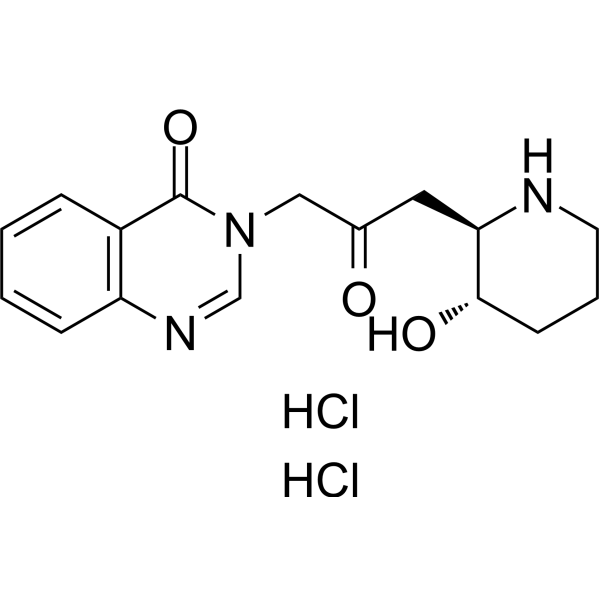
Febrifugine dihydrochloride is a quinazolinone alkaloid that inhibits P. falciparum and has antimalarial activity. Febrifugine dihydrochloride inhibits bladder cancer by inhibiting DNA synthesis, inducing apoptosis, and reducing steroids .
|
-
-
- HY-171030
-
|
|
Reactive Oxygen Species (ROS)
|
Cancer
|
|
Pro-GA is a γ-glutamyl cyclotransferase (GGCT) inhibitor. Pro-GA inhibits the enzymatic activity of GGCT, disrupts glutathione homeostasis, induces the production of mitochondrial ROS, and upregulates the expression of p21, p27 and p16 in cells. Pro-GA inhibits the growth of cancer cells, induces cell cycle arrest and cellular senescence. Pro-GA exerts anti-tumor effects in breast cancer xenograft mouse models. Pro-GA can be used in research related to bladder cancer and breast cancer .
|
-
-
- HY-108511
-
|
|
Sigma Receptor
Apoptosis
SARS-CoV
|
Infection
Cancer
|
|
PB28 dihydrochloride, a cyclohexylpiperazine derivative, is a high affinity and selective sigma 2 (σ2) receptor agonist with a Ki of 0.68 nM. PB28 dihydrochloride is also a σ1 antagonist with a Ki of 0.38 nM. PB28 dihydrochloride is less affinity for other receptors. PB28 dihydrochloride inhibits electrically evoked twitch in guinea pig bladder and ileum with EC50 values of 2.62 μM and 3.96 μM, respectively. PB28 dihydrochloride can modulate SARS-CoV-2-human protein-protein interaction. PB28 dihydrochloride induces caspase-independent apoptosis and has antitumor activity .
|
-
-
- HY-N0469R
-
|
|
Reference Standards
Endogenous Metabolite
Virus Protease
HSV
|
Infection
Metabolic Disease
Inflammation/Immunology
|
L-Lysine (Standard) is the analytical standard of L-Lysine. This product is intended for research and analytical applications. L-lysine is an essential amino acid for humans with orally activity. L-lysine can inhibit the occurrence of HSV infections and is used in herpes research. L-lysine increases calcium absorption, reduces diabetes-related diseases, improves gut health, and alleviates pancreatic inflammation. L-lysine can be used in research on metabolism, infection, and inflammation .
IC50 & Target:L-lysine (150 mg/kg) promotes, but not initiates, bladder cancer. The administration of L-lysine to rats submitted to colovesical cystoplasty accelerates the development of transitional metaplasia of the intestinal epithelium .
L-lysine (10 mg/kg) treatment attenuates pancreatic tissue injury induced by L-arginine by inhibiting the release of the inflammatory cytokine IL-6 and enhance antioxidant activity .
In Vivo:L-lysine (10?mg/kg, p.o., pre-treated or post-treated, administration duration 15 days) treatment attenuates pancreatic tissue injury induced by L-arginine by inhibiting the release of the inflammatory cytokine IL-6 and enhance antioxidant activity in acute pancreatitis mice model .
L-lysine (5 or 10?mg/kg, p.o., 45 days) ameliorates sepsis-induced acute lung injury in a lipopolysaccharide (HY-D1056)-induced mouse model .
|
-
-
- HY-114244
-
USL311
1 Publications Verification
|
CXCR
|
Cancer
|
|
USL311 is an orally active CXCR4 inhibitor. USL311 blocks the activity of the CXCR4 receptor. USL311 is applicable to research related to various cancers including breast cancer, bladder cancer, colon cancer, rectal cancer, liver cancer and glioblastoma .
|
-
-
- HY-150510
-
|
|
Histone Methyltransferase
|
Neurological Disease
Cancer
|
|
MS8511 is a selective G9a/GLP covalent irreversible inhibitor by targeting a cysteine residue at the substrate binding site, with IC50 values of 100 nM (G9a) and 140 nM (GLP), and Kd values of 44 nM (G9a) and 46 nM (GLP). MS8511 reduces the cellular H3K9me2 level and enhances antiproliferation activity. MS8511 can be used for the research of several types of cancers including brain, breast, ovarian, lung, bladder, melanoma, colorectal cancer, and other disease such as Alzheimer’s disease (AD), sickle cell disease, Prader−Willi syndrome (PWS) .
|
-
-
- HY-129046E
-
|
Ribonuclease A DNase & Protease Free, Recombinant
|
Endonuclease
DNA/RNA Synthesis
|
Endocrinology
Cancer
|
|
RNase A (Bovine pancreatic RNase) is a widely used Endonuclease in DNA purification by specifically hydrolyzing cytosine or uracil residues of RNA. RNase A degrades the RNA in the RNA/DNA duplex. RNase A catalyses the breakdown of 3',5'-phosphodiester linkages of single stranded RNA. RNase A family members in organisms are tightly involved in various physiological and pathological processes including cell growth and development, proliferation, differentiation and migration. Dysregulation of RNase A activity or expression level is closely related to pancreatic, ovarian, bladder and thyroid cancer. RNase A has tumor cell-killing ability. RNase A (DNase & Protease Free), Recombinant is recombinant RNase A, which does not contain DNase and protease .
|
-
-
- HY-129046B
-
|
Ribonuclease A DNase & Protease Free
|
Endonuclease
DNA/RNA Synthesis
|
Others
Endocrinology
Cancer
|
|
RNase A (Bovine pancreatic RNase) is a widely used Endonuclease in DNA purification by specifically hydrolyzing cytosine or uracil residues of RNA. RNase A degrades the RNA in the RNA/DNA duplex. RNase A catalyses the breakdown of 3',5'-phosphodiester linkages of single stranded RNA. RNase A family members in organisms are tightly involved in various physiological and pathological processes including cell growth and development, proliferation, differentiation and migration. Dysregulation of RNase A activity or expression level is closely related to pancreatic, ovarian, bladder and thyroid cancer. RNase A has tumor cell-killing ability. RNase A, Bovine Pancreas (DNase & Protease Free) is RNase A derived from bovine pancreas and does not contain DNase or protease .
|
-
-
- HY-108960
-
|
|
P2X Receptor
Interleukin Related
|
Neurological Disease
|
|
PPADS is a P2X receptor (P2X Receptor) antagonist and a reversible competitive antagonist of NAADP receptors, with IC50 values of 68 nM (P2X1) and 214 nM (P2X3), respectively. PPADS alleviates pain-related behaviors in the central and peripheral nervous systems of mice after peripheral neuropathy, inhibits the overproduction of IL-1β, IL-6, iNOS and nNOS, and suppresses the hydrolytic activity of extracellular ATPase. PPADS blocks ATP-mediated inward currents on recombinant rat P2X1 and P2X3 receptors, and inhibits purinergic nerve stimulation-induced contraction of rabbit bladder detrusor muscle. PPADS is applicable to research related to neuropathic pain .
|
-
-
- HY-B0267C
-
|
Aroxybutynin
|
mAChR
|
Neurological Disease
|
|
(R)-Oxybutynin (Aroxybutynin) is the racemic isomer of Oxybutynin and an orally active muscarinic receptor antagonist. (R)-Oxybutynin has antispasmodic, antimuscarinic, and anticholinergic activities and competitively antagonizes carbachol-induced contractions. (R)-Oxybutynin can be used to study urinary incontinence caused by neurogenic bladder dysfunction .
|
-
-
- HY-B0860S
-
|
|
Isotope-Labeled Compounds
Herbicide
Reactive Oxygen Species (ROS)
MDM-2/p53
|
Cancer
|
|
Diuron-d6 is the deuterium labeled Diuron (HY-B0860). Diuron is an orally active phenylurea herbicide. Diuron inhibits photosynthesis in plants by blocking the formation of ATP and NADH. Diuron increases the production of ROS. Diuron increases expression of p53 in certain cell lines. Diuron has herbicidal activity against annual and perennial broadleaf weeds and grass weeds. Diuron promotes DMBA/BBN-induced bladder cancer. Diuron can be used in breast cancer research .
|
-
-
- HY-17509
-
|
SC 046; SC 46; SC 59046
|
COX
Apoptosis
|
Neurological Disease
Inflammation/Immunology
Cancer
|
|
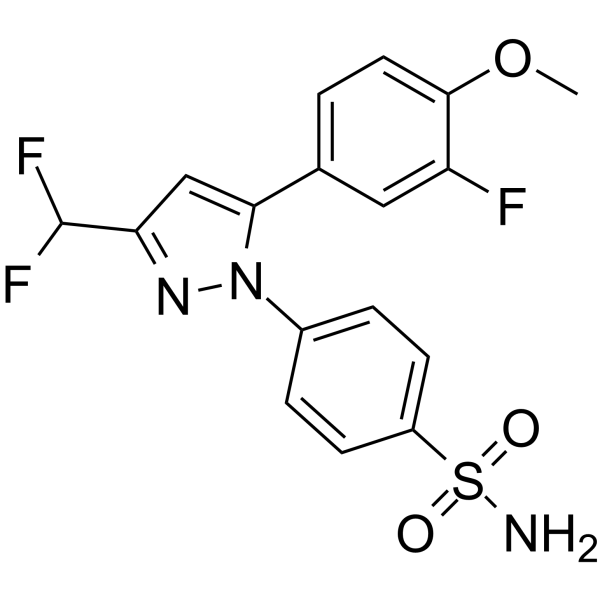
Deracoxib (SC 046; SC 59046), an orally active COX-2 inhibitor, is a veterinary nonsteroidal anti-inflammatory agent used exclusively in dogs. Deracoxib inhibits the COX-2 enzyme to reduce the production of prostaglandins, effectively controlling pain and inflammation after canine soft tissue surgery. Deracoxib reduces the inhibition of COX-1 and lowers the risk of gastrointestinal side effects. Deracoxib induces tumor cell cycle arrest and apoptosis, and shows anti-tumor activity in canine osteosarcoma, breast tumors and bladder transitional cell carcinomas .
|
-
-
- HY-150510A
-
|
|
Histone Methyltransferase
|
Neurological Disease
Cancer
|
|
MS8511 (hydrochloride) is a selective G9a/GLP covalent irreversible inhibitor by targeting a cysteine residue at the substrate binding site, with IC50 values of 100 nM (G9a) and 140 nM (GLP), and Kd values of 44 nM (G9a) and 46 nM (GLP). MS8511 (hydrochloride) reduces the cellular H3K9me2 level and enhances antiproliferation activity. MS8511 (hydrochloride) can be used for the research of several types of cancers including brain, breast, ovarian, lung, bladder, melanoma, colorectal cancer, and other disease such as Alzheimer’s disease (AD), sickle cell disease, Prader−Willi syndrome (PWS) .
|
-
-
- HY-129046H
-
|
|
DNA/RNA Synthesis
Endonuclease
|
Endocrinology
Cancer
|
|
RNase A (Bovine pancreatic RNase) is a widely used Endonuclease in DNA purification by specifically hydrolyzing cytosine or uracil residues of RNA. RNase A degrades the RNA in the RNA/DNA duplex. RNase A catalyses the breakdown of 3',5'-phosphodiester linkages of single stranded RNA. RNase A family members in organisms are tightly involved in various physiological and pathological processes including cell growth and development, proliferation, differentiation and migration. Dysregulation of RNase A activity or expression level is closely related to pancreatic, ovarian, bladder and thyroid cancer. RNase A has tumor cell-killing ability. RNase A, Recombinant (Protease & DNase free, animal free) is recombinant RNase A that does not contain protease and DNase and does not contain animal components .
|
-
-
- HY-N1366S
-
|
7-Methoxycoumarin-d3; Methyl umbelliferyl ether-d3
|
Isotope-Labeled Compounds
Apoptosis
Bacterial
|
Infection
Cancer
|
|
Herniarin-d3 is the deuterium labeled Herniarin (HY-N1366). Herniarin is a natural coumarin occurs in some flowering plants with anticancer effects. Herniarin results in a significant decrease in cell viability by inducing apoptosis in MCF-7 cells. Herniarin also has anti-dermatophytic activity. Herniarin can be used for the study of bladder cancer and breast cancer .
|
-
-
- HY-118976
-
|
CGP-74514A
|
CDK
Apoptosis
|
Cancer
|
|
CGP-74514 hydrochloride is a highly selective cyclin-dependent kinase 1 (CDK1) inhibitor (IC50: 25 nM). CGP-74514 hydrochloride inhibits CDK1/cyclin B complex activity, arrests the cell cycle at G2/M phase and induces tumor cell apoptosis. CGP-74514 hydrochloride is promising for research of bladder cancer .
|
-
-
- HY-B0267B
-
|
Aroxybutynin hydrochloride
|
mAChR
|
Neurological Disease
|
|
(R)-Oxybutynin hydrochloride, a (R)-isomer of Oxybutynin hydrochloride, is an orally active muscarinic receptor antagonist. (R)-Oxybutynin hydrochloride has antimuscarinic, antispasmodic and anticholinergic activity, competitively antagonizes Carbachol-induced contractions. (R)-Oxybutynin hydrochloride can be used for researching incontinence due to neurogenic bladder dysfunction . (R)-Oxybutynin (hydrochloride) is a click chemistry reagent, it contains an Alkyne group and can undergo copper-catalyzed azide-alkyne cycloaddition (CuAAc) with molecules containing Azide groups.
|
-
-
- HY-17509S
-
|
SC 046-d3; SC 46-d3; SC 59046-d3
|
Isotope-Labeled Compounds
COX
Apoptosis
|
Neurological Disease
Inflammation/Immunology
Cancer
|
|
Deracoxib-d3 (SC 046-d3; SC 59046-d3) is the deuterium labeled Deracoxib (HY-17509). Deracoxib, an orally active COX-2 inhibitor, is a veterinary nonsteroidal anti-inflammatory agent used exclusively in dogs. Deracoxib inhibits the COX-2 enzyme to reduce the production of prostaglandins, effectively controlling pain and inflammation after canine soft tissue surgery. Deracoxib reduces the inhibition of COX-1 and lowers the risk of gastrointestinal side effects. Deracoxib induces tumor cell cycle arrest and apoptosis, and shows anti-tumor activity in canine osteosarcoma, breast tumors and bladder transitional cell carcinomas.
|
-
-
- HY-101256
-
|
|
Potassium Channel
|
Others
|
|
ZM226600 is an ATP-sensitive potassium channel opener (EC50: 500 nM). ZM226600 inhibits bladder spontaneous activity .
|
-
-
- HY-W975966
-
|
|
Keap1-Nrf2
|
Neurological Disease
|
|
CPDT is an orally active and highly potent inducer of phase 2 enzymes and an activator of Nrf2. The activities of key phase 2 enzymes, including glutathione S-transferase, NAD(P)H:quinone:oxidoreductase 1 and glutamate cysteine synthetase, and levels of glutathione were elevated by CPDT in rat bladder in vivo and in cultured bladder cells in vitro [2].
|
-
-
- HY-117372
-
|
|
TRP Channel
|
Metabolic Disease
|
|
DFL23448 is a selective transient receptor potential melastatin-8 (TRPM8) antagonist. DFL23448 shows IC50 values of 10 and 21 nM in hTRPM8 human embryonic kidney 293 cells activated by Cooling Agent 10 or cold. DFL23448 has limited activity (IC50 >10 μM) at transient receptor potential vanilloids TRPV1, TRPA1, or TRPV4 or at various G protein-coupled receptors. DFL23448 can modify bladder function and reduce bladder overactivity in awake rats .
|
-
-
- HY-W103960
-
|
|
Adrenergic Receptor
|
Metabolic Disease
|
|
Mirabegron impurity-1 is a potent and selective β3- adrenergic receptor agonist. Mirabegron impurity-1 has the activity of inhibiting metabolism. Mirabegron impurity-1 can be used in the study of the study of bladder impurity .
|
-
-
- HY-126566
-
|
|
Fungal
HDAC
Apoptosis
|
Infection
Cancer
|
|
Trichostatin C is an inhibitor for histone deacetylase (HDAC), induces apoptosis and arrests cell cycle at G2/M phase, and exhibits anticancer activity against lung cancer and urothelial bladder cancer . Trichostatin C induces differentation of Friend leukemic cells . Trichostatin C exhibits antifungal activity .
|
-
-
- HY-101679A
-
|
|
mAChR
|
Neurological Disease
|
|
YM-58790 free base is a potent antagonist of mAChR. YM-58790 free base binds M1, M2, M3 with Ki values of 28 nM, 260 nM, and 15 nM. YM-58790 free base exhibits potent inhibitory activity on bladder pressuer in reflexly-evoked rhythmic contraction in rats .
|
-
-
- HY-110359
-
|
|
CDK
Apoptosis
|
Cancer
|
|
CGP-74514 dihydrochloride is a highly selective cyclin-dependent kinase 1 (CDK1) inhibitor (IC50=25 nM). CGP-74514 dihydrochloride inhibits CDK1/cyclin B complex activity, arrests the cell cycle at G2/M phase and induces tumor cell apoptosis. CGP-74514 dihydrochloride is promising for research of bladder cancer .
|
-
-
- HY-121020
-
|
|
SARS-CoV
|
Infection
Others
Inflammation/Immunology
|
|
Arcapillin is a flavonoid that can be isolated from Artemisia capillaris Thunb. Arcapillin induces dose-dependent relaxation of ileum and pulmonary artery smooth muscle, causes slight urinary bladder smooth muscle contraction at highest tested concentrations. Arcapillin binds to the active site of SARS-CoV-2 Mpro via interactions with Gln139, His163, and His164, exhibits antiviral activity against SARS-CoV-2 and MERS-CoV. Arcapillin can be used for the research of gastrointestinal disorders, COVID-19, and Middle East respiratory syndrome (MERS) .
|
-
-
- HY-B0860R
-
|
|
Herbicide
Reference Standards
Reactive Oxygen Species (ROS)
MDM-2/p53
|
Cancer
|
|
Diuron (Standard) is the analytical standard of Diuron (HY-B0860). This product is intended for research and analytical applications. Diuron is an orally active phenylurea herbicide. Diuron inhibits photosynthesis in plants by blocking the formation of ATP and NADH. Diuron increases the production of ROS. Diuron increases expression of p53 in certain cell lines. Diuron has herbicidal activity against annual and perennial broadleaf weeds and grass weeds. Diuron promotes DMBA/BBN-induced bladder cancer. Diuron can be used in breast cancer research .
|
-
-
- HY-N1372AR
-
|
|
Reference Standards
HIV
FAK
Apoptosis
Autophagy
|
Infection
Cancer
|
|
Fangchinoline (Standard) is the analytical standard of Fangchinoline. This product is intended for research and analytical applications. Fangchinoline is isolated from Stephania tetrandra with extensive biological activities, such as enhancing immunity, anti-inflammatory sterilization and anti-atherosclerosis. Fangchinoline, a novel HIV-1 inhibitor, inhibits HIV-1 replication by impairing gp160 proteolytic processing . Fangchinoline targets Focal adhesion kinase (FAK) and suppresses FAK-mediated signaling pathway in tumor cells which highly expressed FAK . Fangchinoline induces apoptosis and adaptive autophagy in bladder cancer .
|
-
-
- HY-108511A
-
|
|
Sigma Receptor
Apoptosis
SARS-CoV
|
Infection
Cancer
|
|
PB28 is a cyclohexylpiperazine derivative and a high affinity and selective sigma 2 (σ2) receptor agonist with a Ki of 0.68 nM. PB28 is also a σ1 antagonist with a Ki of 0.38 nM. PB28 is less affinity for other receptors. PB28 inhibits electrically evoked twitch in guinea pig bladder and ileum with EC50 values of 2.62 μM and 3.96 μM, respectively. PB28 can modulate SARS-CoV-2-human protein-protein interaction. PB28 induces caspase-independent apoptosis and has antitumor activity .
|
-
- HY-151137
-
|
|
mTOR
HSP
Apoptosis
Autophagy
|
Cancer
|
|
HSP90/mTOR-IN-1 is a potent and orally active Hsp90 and mTOR inhibitor with IC50 values of 69 nM and 29 nM, respectively. HSP90/mTOR-IN-1 suppresses the proliferation of SW780 cells through the over-activation of the PI3K/AKT/mTOR pathway. HSP90/mTOR-IN-1 induces apoptosis and autophagy via selective Hsp90 and mTOR inhibition. HSP90/mTOR-IN-1 also has considerable in vivo anti-tumor activity. HSP90/mTOR-IN-1 can be used for researching bladder cancer .
|
-
- HY-174086
-
|
|
Glutathione Peroxidase
Ferroptosis
ROS Kinase
PROTACs
|
Cancer
|
|
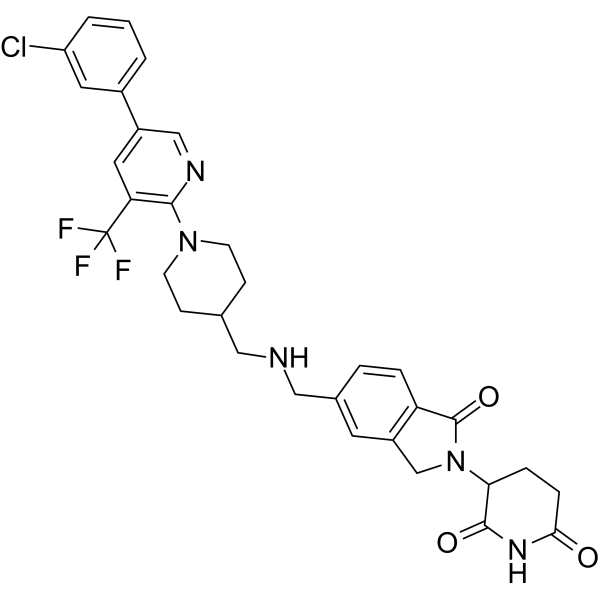
PROTAC GPX4 degrader-4 is a GPX4 PROTAC degrader (DC50: 5.32 nM). PROTAC GPX4 degrader-4 inhibits the activity of RT4, T24, and J82 cancer cells (IC50 values are 0.09, 2.97, and 7.58 μM, respectively). PROTAC GPX4 degrader-4 increases lipid ROS levels and induces ferroptosis in T24 and RT4 cells. PROTAC GPX4 degrader-4 has antitumor activity in T24 tumor-bearing BALB/c nude mouse model. PROTAC GPX4 degrader-4 can be used for bladder cancer research. (Pink: target protein ligand (HY-N0193); blue: E3 ligase ligand (HY-1035960); black: linker (HY-W013907); E3 ligase ligand + linker (HY-174087)) .
|
-
- HY-174981
-
|
|
PROTACs
FGFR
ATP Synthase
|
Cancer
|
|
LC-MF-4 is a selective FGFR3 PROTAC degrader with a DC50 of 30.89 nM in KMS-11 cells. LC-MF-4 inhibits the metabolic function of FGFR3-TACC3 fusion positive cancers with reduction of ATP synthesis and inhibition of mitochondrial biogenesis genes. LC-MF-4 has potent antitumor activity in the Ba/F3-FGFR3-TACC3 xenograft mice model. LC-MF-4 can be used for FGFR3-altered cancers like bladder cancer and urothelial carcinoma (UC) research . Pink: FGFR3 ligand (HY-175414); Blue: VHL ligase ligand (HY-125905); Black: linker (HY-Y1224)
|
-
- HY-19228
-
|
|
mAChR
Calcium Channel
|
Neurological Disease
Metabolic Disease
|
|
FK 584 is a potent detrusor muscle contraction inhibitor. FK 584 possesses potent antimuscarinic activity and weak calcium channel blocking activity. FK 584 has demonstrated potent detrusor muscle inhibitory activity in various experimental models with a manageable risk of mydriasis. FK 584 can be used to study overactive bladder (OAB).
|
-
- HY-160161
-
|
|
PPAR
|
Cancer
|
|
BAY-5094 is a PPAR gamma (PPARG) inverse agonist. BAY-5094 has oral activity. BAY-5094 can be used in the research of luminal bladder cancer .
|
-
- HY-173473
-
|
|
Reactive Oxygen Species (ROS)
Apoptosis
Ferroptosis
|
Cancer
|
|
Anticancer agent 272 (Compound 2) is an anticancer agent. Anticancer agent 272 has significant anti-bladder cancer cell (T-24) activity (IC50: 2.81 μM). Anticancer agent 272 consumes glutathione (GSH) through Fenton-like reaction, produces reactive oxygen species (ROS) and hydroxyl radicals (?OH), and induces apoptosis and ferroptosis. Anticancer agent 272 can enhance chemodynamic therapy (CDT) and promote tumor cell death through mitochondrial dysfunction and autophagy. Anticancer agent 272 has potential in the study of bladder cancer .
|
-
- HY-120059
-
|
|
Potassium Channel
|
Neurological Disease
|
|
NS4591 is a modulator of calcium-activated potassium channels with activity that enhances small (SK) and intermediate (IK) conductivity. NS4591 doubled IK-mediated currents in whole-cell patch-clamp experiments at a concentration of 45 +/- 6 nM, and doubled SK3-mediated currents at a concentration of 530 +/- 100 nM. NS4591 inhibits the number of action potentials generated by suprathreshold depolarizing pulses in acutely isolated bladder primary afferent neurons. NS4591 also reduced carbakol-induced detrusor ring contraction in the rat bladder, demonstrating sensitivity to apamin .
|
-
- HY-101679
-
|
|
mAChR
|
Neurological Disease
|
|
YM-58790 is a potent antagonist of mAChR. YM-58790 binds M1, M2, M3 with Ki values of 28 nM, 260 nM, and 15 nM. YM-58790 exhibits potent inhibitory activity on bladder pressuer in reflexly-evoked rhythmic contraction in rats .
|
-
- HY-N0800R
-
|
(-)-Protosappanin B (Standard)
|
Reference Standards
Apoptosis
|
Cancer
|
|
Protosappanin B (Standard) is the analytical standard of Protosappanin B. This product is intended for research and analytical applications. Protosappanin B is a phenolic compound extracted from Caesalpinia sappan. Anti-cancer activity . Protosappanin B induces apoptosis and causes G1 cell cycle arrest in human bladder cancer cells .
|
-
- HY-173280
-
|
CHNQD-01228
|
Arf Family GTPase
BMX Kinase
|
Cancer
|
|
Brefeldin A 4-O-nicotinate (CHNQD-01228) is a dual inhibitor of Arf1 and BMX proteins. The IC50 value for the proliferation of T24 cells is 0.22 μM. It can also dose-dependently inhibit the migration and colony formation of T24 cells, induce G1 phase arrest and trigger Apoptosis. Brefeldin A 4-O-nicotinate exerts its anti-cancer activity by targeting the BMX protein to inhibit the AKT/p-AKT and STAT3/p-STAT3 signaling pathways, as well as by inhibiting the Arf1 protein to eliminate bladder cancer stem cells and activate anti-tumor immunity. Brefeldin A 4-O-nicotinate can be used in the research related to bladder cancer .
|
-
- HY-161341
-
|
|
Photosensitizer
|
Cancer
|
|
β-Glucuronidase responsive conjugate 1 (compound 3) is a well-balanced photosensitizer which has photodynamic activity. β-Glucuronidase responsive conjugate 1 inhibits T-24 cell viability and growth with an IC50 of 0.2 μM. β-Glucuronidase responsive conjugate 1 can used to study bladder cancers .
|
-
- HY-W103960R
-
|
|
Adrenergic Receptor
Reference Standards
|
Metabolic Disease
|
|
Mirabegron impurity-1 (Standard) is the analytical standard of Mirabegron impurity-1. This product is intended for research and analytical applications. Mirabegron impurity-1 is a potent and selective β3- adrenergic receptor agonist. Mirabegron impurity-1 has the activity of inhibiting metabolism. Mirabegron impurity-1 can be used in the study of the study of bladder impurity .
|
-
- HY-118350
-
|
|
Biochemical Assay Reagents
|
Neurological Disease
|
|
FR 75513 is a 1,1'-biphenyl-2,6-dicarboxylic acid diester series compound that can inhibit the contraction of the detrusor muscle of guinea pig bladder (IC50=3.3 μg/mL). After intravenous injection of FR 75513 into anesthetized rats, it also showed strong inhibitory activity on the detrusor contraction (ID50=0.04 mg/kg).
|
-
- HY-N1366R
-
|
Methylumbelliferone (Standard)
|
Reference Standards
Apoptosis
Bacterial
|
Cancer
|
|
Herniarin (Standard) (Methylumbelliferone (Standard)) is the analytical standard of Herniarin (HY-N1366). This product is intended for research and analytical applications. Herniarin is a natural coumarin occurs in some flowering plants with anticancer effects. Herniarin results in a significant decrease in cell viability by inducing apoptosis in MCF-7 cells. Herniarin also has anti-dermatophytic activity. Herniarin can be used for the study of bladder cancer and breast cancer.
|
-
- HY-B0267CS
-
|
Aroxybutynin-d10
|
Isotope-Labeled Compounds
mAChR
|
Neurological Disease
|
|
(R)-Oxybutynin-d10 (Aroxybutynin-d10) is deuterium labeled (R)-Oxybutynin. (R)-Oxybutynin (Aroxybutynin) is the racemic isomer of Oxybutynin and an orally active muscarinic receptor antagonist. (R)-Oxybutynin has antispasmodic, antimuscarinic, and anticholinergic activities and competitively antagonizes carbachol-induced contractions. (R)-Oxybutynin can be used to study urinary incontinence caused by neurogenic bladder dysfunction .
|
-
- HY-B1435A
-
|
Thymoxamine
|
Adrenergic Receptor
|
Neurological Disease
|
|
Moxisylyte (Thymoxamine) is an alpha 1-selective antagonist with activity that improves bladder emptying. Moxisylyte is used to suppress urinary difficulties in patients with multiple system atrophy (MSA) by blocking alpha 1-adrenergic receptors to reduce the amount of residual urine after urination. Moxisylyte is also used to suppress erectile dysfunction and can improve blood circulation problems caused by Raynaud's syndrome in the short term. In addition, Moxisylyte can be applied topically to the eye to reverse the mydriasis caused by phenylephrine and other sympathetic stimulants .
|
-
- HY-B0098C
-
|
(S)-UK 33274
|
Adrenergic Receptor
|
Cardiovascular Disease
Neurological Disease
|
|
(S)-Doxazosin is a long-acting selective α1-adrenoceptor antagonist. (S)-Doxazosin exhibits antihypertensive activity through lowering total perioheral resistance by selective postsynaptic α1-blockade. (S)-Doxazosin reduces blood pressure in dog model with experimentally induced renal hypertension. (S)-Doxazosin can alleviate bladder outflow obstruction. (S)-Doxazosin can also be studied in mental health disorder-related research .
|
-
- HY-W013272R
-
|
HFT (Standard)
|
Reference Standards
Androgen Receptor
Drug Metabolite
Akt
PI3K
Gap Junction Protein
Integrin
|
Cancer
|
|
Hydroxyflutamide (Standard) (HFT (Standard)) is the analytical standard of Hydroxyflutamide (HY-W013272). This product is intended for research and analytical applications. Hydroxyflutamide (HFT) is the active metabolite of Flutamide (HY-B0022) and exhibits oral activity. Hydroxyflutamide is a potent androgen receptor antagonist with an IC50 of 700 nM. Hydroxyflutamide can affect embryonic development and reproductive tract development in mice. Additionally, Hydroxyflutamide can enhance the efficacy of Bacillus Calmette-Guérin (BCG) to better inhibit the progression of bladder cancer. Hydroxyflutamide can be used in research related to tumors and reproductive diseases .
|
-
- HY-B0267BS
-
|
|
mAChR
Isotope-Labeled Compounds
|
Neurological Disease
|
|
Oxybutynin-d5 hydrochloride is deuterated labeled (R)-Oxybutynin hydrochloride (HY-B0267B). (R)-Oxybutynin hydrochloride, a (R)-isomer of Oxybutynin hydrochloride, is an orally active muscarinic receptor antagonist. (R)-Oxybutynin hydrochloride has antimuscarinic, antispasmodic and anticholinergic activity, competitively antagonizes Carbachol-induced contractions. (R)-Oxybutynin hydrochloride can be used for researching incontinence due to neurogenic bladder dysfunction . (R)-Oxybutynin hydrochloride is a click chemistry reagent, it contains an Alkyne group and can undergo copper-catalyzed azide-alkyne cycloaddition (CuAAc) with molecules containing Azide groups.
|
-
- HY-17509R
-
|
SC 046 (Standard); SC 46 (Standard); SC 59046 (Standard)
|
Reference Standards
COX
Apoptosis
|
Neurological Disease
Inflammation/Immunology
Cancer
|
|
Deracoxib (SC 046; SC 59046) (Standard) is the analytical standard of Deracoxib (HY-17509). This product is intended for research and analytical applications. Deracoxib, an orally active COX-2 inhibitor, is a veterinary nonsteroidal anti-inflammatory agent used exclusively in dogs. Deracoxib inhibits the COX-2 enzyme to reduce the production of prostaglandins, effectively controlling pain and inflammation after canine soft tissue surgery. Deracoxib reduces the inhibition of COX-1 and lowers the risk of gastrointestinal side effects. Deracoxib induces tumor cell cycle arrest and apoptosis, and shows anti-tumor activity in canine osteosarcoma, breast tumors and bladder transitional cell carcinomas
|
-
- HY-W703540
-
|
SC 046-d4; SC 46-d4; SC 59046-d4
|
Isotope-Labeled Compounds
Apoptosis
COX
|
Neurological Disease
Inflammation/Immunology
Cancer
|
|
Deracoxib-d4 (SC 046-d4; SC 59046--d4) is deuterium labeled Deracoxib (HY-17509). Deracoxib, an orally active COX-2 inhibitor, is a veterinary nonsteroidal anti-inflammatory agent used exclusively in dogs. Deracoxib inhibits the COX-2 enzyme to reduce the production of prostaglandins, effectively controlling pain and inflammation after canine soft tissue surgery. Deracoxib reduces the inhibition of COX-1 and lowers the risk of gastrointestinal side effects. Deracoxib induces tumor cell cycle arrest and apoptosis, and shows anti-tumor activity in canine osteosarcoma, breast tumors and bladder transitional cell carcinomas.
|
-
- HY-N2593R
-
|
|
Reference Standards
Carnitine Palmitoyltransferase (CPT)
Reactive Oxygen Species (ROS)
Autophagy
Apoptosis
NF-κB
PI3K
Akt
MMP
Keap1-Nrf2
|
Inflammation/Immunology
Cancer
|
|
Isorhapontigenin (Standard) is the analytical standard of Isorhapontigenin (HY-N2593). This product is intended for research and analytical applications. Isorhapontigenin is an orally active dietary polyphenol. Isorhapontigenin acts as a potent antioxidant that reduces the production of reactive oxygen species (ROS). Isorhapontigenin promotes the binding of JUN to the AP-1 site on the SESN2 promoter, induces SESN2 transcription, triggers MAPK8-dependent JUN activation, and upregulates the expression of PPAR-α, PGC-1α and CPT-1A to facilitate fatty acid oxidation. Isorhapontigenin induces autophagy, apoptosis and preadipocyte differentiation; it inhibits tumor growth, cell invasion, NF-κB transcriptional activity, the PI3K/Akt signaling pathway, STAT1 phosphorylation and MMP-2 expression. Isorhapontigenin alleviates oxidative stress, inflammatory cytokine release and triglyceride accumulation; it increases intracellular ATP levels and promotes Nrf2 nuclear translocation. Isorhapontigenin improves insulin sensitivity in adipose tissue and glucose tolerance, and reduces postprandial blood glucose, insulin and free fatty acid levels. Isorhapontigenin is applicable to research on bladder cancer, liver injury, chronic obstructive pulmonary disease, acute lung injury and type 2 diabetes.
|
-
- HY-182513
-
|
|
Prostaglandin Receptor
|
Others
Inflammation/Immunology
|
|
ONO-8539 is an orally active prostanoid EP1 receptor antagonist with competitive, insurmountable binding and slow receptor dissociation for long-duration inhibition. ONO-8539 modulates afferent nerve function related to bladder activity, inhibits detrusor overactivity-related contractions, decreases nonvoiding contractions and voiding duration, and increases uroflow rate with ATP (HY-B2176)-induced detrusor overactivity. ONO-8539 attenuates acid-induced heartburn symptoms, extends time to first heartburn sensation, and prevents primary hypersensitivity after distal esophageal acidification. ONO-8539 can be used for the research of overactive bladder and gastroesophageal reflux disease .
|
-
- HY-183297
-
|
|
CDK
|
Cancer
|
|
CDK4-IN-5 is a potent, orally active and selective CDK4 inhibitor. CDK4-IN-5 suppresses CDK4 expression and downregulates the CDK4/CyclinD1 complex. CDK4-IN-5 induces G0/G1 phase cell cycle arrest in bladder cancer cells via CyclinD1 expression suppression. CDK4-IN-5 selectively exerts activity against bladder cancer cells. CDK4-IN-5 can be used for the research of bladder cancer .
|
-
- HY-183312
-
|
|
ATP Synthase
Reactive Oxygen Species (ROS)
Apoptosis
Ferroptosis
|
Cancer
|
|
Antitumor agent-217 is a dual mitochondria-targeted anticancer agent. Antitumor agent-217 exhibits potent and selective antiproliferative activity against bladder cancer cell line J82 (IC50 = 6.3 μM), and inhibits colony formation and migration of J82 cells. Antitumor agent-217 accumulates in mitochondria, alters mitochondrial morphology, reduces ATP production, increases ROS generation and decreases mitochondrial membrane potential. Antitumor agent-217 induces apoptosis (Apoptosis) and ferroptosis (Ferroptosis) in bladder cancer cells. Antitumor agent-217 can be used for the research of bladder cancer .
|
-
- HY-181489
-
|
|
SARS-CoV
|
Infection
Cancer
|
|
SARS-CoV-2 3CLpro-IN-35 is a SARS-CoV-2 3CLpro inhibitor with an IC50 of 0.15 μM. SARS-CoV-2 3CLpro-IN-35 inhibits the proliferation of bladder cancer cells, exerts anti-SARS-CoV-2 activity, and exhibits low cytotoxicity in fibroblasts. SARS-CoV-2 3CLpro-IN-35 is applicable to research related to SARS-CoV-2 infection and bladder cancer .
|
-
- HY-149035
-
|
|
Others
|
Cancer
|
|
PAA4 is a methide carbon-centered polynuclear Au(I) clusters. PAA4 shows antiproliferative activity. PAA4 increases the expression of pH2AX in a time dependent manner. PAA4 shows anti-tumor effect in orthotopic bladder cancer mouse model .
|
-
- HY-W713147
-
|
|
Herbicide
|
Others
|
|
Thiencarbazone-methyl is a triazole herbicide and also a substrate for microbial degradation. Thiencarbazone-methyl can be degraded by specific fungi and strains. Thiencarbazone-methyl has intrinsic toxicity to the bladder and urinary function. Thiencarbazone-methyl possesses herbicidal activity and can be applied to corn, wheat, lawns and ornamental plants .
|
-
- HY-181752
-
|
|
FGFR
TNK1
Apoptosis
Caspase
|
Cancer
|
|
FGFR3-IN-12 is a selective fibroblast growth factor receptor 3 (FGFR3) inhibitor with an IC50 of 6.8 nM. FGFR3-IN-12 shows an IC50 of 19.2 nM against FGFR3 V555M and an IC50 of 16.9 nM against TNK1 (Thirty-eight Negative Kinase 1). FGFR3-IN-12 inhibits cancer cells proliferation and induces caspase-mediated apoptosis. FGFR3-IN-12 exhibits antitumor activity in bladder cancer xenografts mice models. FGFR3-IN-12 can be used for the research of cancer, such as bladder cancer .
|
-
- HY-N15348
-
|
|
Others
|
Cancer
|
|
Aphidicolins B32 is a diterpenoid compound discovered in the marine fungus Botryotinia fuckeliana, exhibiting cytotoxic activity against human bladder cancer cells. It inhibits the proliferation of T24 cells in the G0/G1 phase, with an IC50 of 27.6 μM. Aphidicolins B32 holds potential for research in the field of cancer therapy .
|
-
- HY-101679R
-
|
|
mAChR
Reference Standards
|
Neurological Disease
|
|
YM-58790 (Standard) is the analytical standard of YM-58790 (HY-101679). This product is intended for research and analytical applications. YM-58790 is a potent antagonist of mAChR. YM-58790 binds M1, M2, M3 with Ki values of 28 nM, 260 nM, and 15 nM. YM-58790 exhibits potent inhibitory activity on bladder pressuer in reflexly-evoked rhythmic contraction in rats .
|
-
- HY-W409652
-
|
|
CDK
EGFR
HDAC
|
Cancer
|
|
CLK1/4-IN-2 is a selective CLK1/4 inhibitor, with an IC50 of 7 nM against CLK1 and an IC50 of 2.3 nM against CLK4. CLK1/4-IN-2 induces protein depletion in cancer cells and exhibits anticancer activity. CLK1/4-IN-2 can be used in research related to breast cancer, monocytic leukemia, bladder cancer, mammary adenocarcinoma and hepatocellular carcinoma .
|
-
- HY-129878
-
|
AD-41
|
Endogenous Metabolite
|
Cancer
|
|
N-Trifluoroacetyladriamycin (AD-41) is a chemotherapeutic compound with antitumor activity. N-Trifluoroacetyladriamycin exhibits the highest fluorescence and radioactivity levels in the small intestine and liver, indicating its significant accumulation in these tissues. N-Trifluoroacetyladriamycin also shows significant accumulation in the kidney, spleen, large intestine, lung, and heart. N-Trifluoroacetyladriamycin is a metabolite of Valrubicin, which is used to inhibit bladder cancer. The presence of N-Trifluoroacetyladriamycin and its derivatives may be related to the biotransformation of the compound and its antitumor mechanism .
|
-
- HY-179531
-
|
|
Autophagy
Ferroptosis
ROS Kinase
|
Cancer
|
|
DHODH-IN-33 is a selective dihydroorotate dehydrogenase (DHODH) inhibitor with potent activity against A549 (IC50 = 5.22 μM) and 5637 (IC50 = 3.03 μM). DHODH-IN-33 induces autophagy-dependent ferroptosis (mitochondrial dysfunction, lipid peroxidation, and ROS accumulation) with no notable toxicity in vivo. DHODH-IN-33 exerts anti-cancer effect by promoting the autophagy-dependent degradation of DHODH. DHODH-IN-33 can be used for non-small cell lung cancer and bladder cancer .
|
-
- HY-129296
-
|
|
Endogenous Metabolite
|
Neurological Disease
|
|
YM-44781 free acid is a non-peptide neuropeptide receptor antagonist with efficient NK(2) and NK(1) receptor antagonist activity. YM-44781 exhibits significant binding affinity on the NK(2) receptor (pKi = 9.94) and also on the NK(1) receptor Higher binding affinity (pKi = 9.09). In addition, YM-44781 also showed significant inhibitory effects on bladder contraction induced by selective NK(1) receptor agonists .
|
-
- HY-182747
-
|
|
HDAC
Autophagy
Apoptosis
|
Cancer
|
|
HDAC6-IN-79 is a HDAC6 inhibitor with an IC50 of 98.40 nM, and it also exhibits inhibitory activity against other HDAC subtypes (HDAC1: 639.0 nM, HDAC2: 798.9 nM, HDAC8: 865.7 nM, HDAC4: 1187 nM). HDAC6-IN-79 induces acetylation of α-tubulin and histone H3, reduces the viability of cancer cells, activates the autophagy pathway and induces apoptosis. HDAC6-IN-79 can be used for research related to urothelial carcinoma (bladder cancer) .
|
-
- HY-181031
-
|
|
FGFR
Apoptosis
Akt
p38 MAPK
|
Cancer
|
|
FGFR-IN-24 (Compound 8r) is a FGFR inhibitor. FGFR-IN-24 potently inhibits FGFR1/2/3 with IC50 values of 10.0, 6.9, and 30.2 nM, respectively. FGFR-IN-24 exhibits superior inhibitory activity toward FGFR1 V561M, FGFR2 V564F, and FGFR2 N549K mutations with IC50 values of 6.8, 0.7, and 0.8 nM, respectively. FGFR-IN-24 induces Apoptosis. FGFR-IN-24 efficiently suppresses the phosphorylation of FGFR2 and its downstream signaling mediators (AKT and MAPK). FGFR-IN-24 demonstrates favorable antitumor efficacy in an RT112/84 bladder cancer xenograft model .
|
-
| Cat. No. |
Product Name |
Target |
Research Area |
Image |
-
- HY-P99884
-
|
PF-06801591
|
PD-1/PD-L1
|
Inflammation/Immunology
Cancer
|
|
Sasanlimab is a humanized IgG4 isotype anti-PD-1 antibody. Sasanlimab blocks PD-1 interaction with PD-L1/PD-L2, reverses PD-1-mediated inhibitory T-cell signaling, augments T-cell proliferation and cytokine production. Sasanlimab inhibits colon adenocarcinoma tumor growth, and accelerates graft-versus-host disease incidence via enhanced T-cell activity. Sasanlimab can be used for the research of cancer, such as bladder cancer and colon adenocarcinoma .
|
-
(5)
| Cat. No. |
Product Name |
Category |
Target |
Chemical Structure |
-
- HY-N1372A
-
-
-
- HY-N2593
-
|
|
Structural Classification
Stilbenes
Classification of Application Fields
Gnetum cleistostachyum C. Y. Cheng
Phenols
Polyphenols
Gnetaceae
Plants
Inflammation/Immunology
Disease Research Fields
Source Classification
|
Carnitine Palmitoyltransferase (CPT)
Reactive Oxygen Species (ROS)
Autophagy
Apoptosis
NF-κB
PI3K
Akt
MMP
Keap1-Nrf2
|
|
Isorhapontigenin is an orally active dietary polyphenol. Isorhapontigenin acts as a potent antioxidant that reduces the production of reactive oxygen species (ROS). Isorhapontigenin promotes the binding of JUN to the AP-1 site on the SESN2 promoter, induces SESN2 transcription, triggers MAPK8-dependent JUN activation, and upregulates the expression of PPAR-α, PGC-1α and CPT-1A to facilitate fatty acid oxidation. Isorhapontigenin induces autophagy, apoptosis and preadipocyte differentiation; it inhibits tumor growth, cell invasion, NF-κB transcriptional activity, the PI3K/Akt signaling pathway, STAT1 phosphorylation and MMP-2 expression. Isorhapontigenin alleviates oxidative stress, inflammatory cytokine release and triglyceride accumulation; it increases intracellular ATP levels and promotes Nrf2 nuclear translocation. Isorhapontigenin improves insulin sensitivity in adipose tissue and glucose tolerance, and reduces postprandial blood glucose, insulin and free fatty acid levels. Isorhapontigenin is applicable to research on bladder cancer, liver injury, chronic obstructive pulmonary disease, acute lung injury and type 2 diabetes .
|
-
-
- HY-W017113
-
|
|
Structural Classification
Natural Products
Classification of Application Fields
Metabolic Disease
Endogenous metabolite
Disease Research Fields
Source Classification
|
Environmental Pollutants
Endogenous Metabolite
|
|
2-Mercaptobenzothiazole is an activator of the aryl hydrocarbon receptor (AhR) , inhibiting thyroid hormone synthesis and dopamine beta-hydroxylase activity . 2-Mercaptobenzothiazole promotes bladder cancer cell invasion by altering the conformation of the AhR ligand binding domain (LBD), activating AhR transcription, and upregulating the mRNA and protein expression of target genes CYP1A1 and CYP1B1 . 2-Mercaptobenzothiazole inhibits thyroid peroxidase (TPO) with an IC50 value of 11.5 μM, induces histological changes such as follicular cell hypertrophy in Xenopus laevis tadpoles, delaying metamorphosis . 2-Mercaptobenzothiazole increases chromosomal aberrations and sister chromatid exchanges (SCEs) in Chinese hamster ovary (CHO) cells, and enhances carcinogenicity in F344/N rats . 2-Mercaptobenzothiazole inhibits norepinephrine synthesis in mice and completely blocks the conversion of exogenous dopamine to norepinephrine in rat cardiomyocytes .
|
-
-
- HY-N0800
-
-
-
- HY-Y1117
-
-
-
- HY-N1366
-
-
-
- HY-N5084
-
|
|
Structural Classification
Flavonoids
Classification of Application Fields
Flavonones
Other Diseases
Phenols
Polyphenols
Saxifragaceae
Plants
Penthorum chinense Pursh
Disease Research Fields
Source Classification
|
TRP Channel
HDAC
p38 MAPK
JNK
ERK
NF-κB
TNF Receptor
Interleukin Related
|
|
Pinocembrin 7-O-[3''-O-galloyl-4'',6''-hexahydroxydiphenoyl]-β-D-glucoside is a TRPV1 antagonist and HDAC7 inhibitor. Pinocembrin 7-O-[3''-O-galloyl-4'',6''-hexahydroxydiphenoyl]-β-D-glucoside blocks TRPV1-mediated calcium influx, suppresses phosphorylation of p65, IκBα, p38, JNK, and ERK1/2, inhibiting NF-κB and MAPK signaling cascades. Pinocembrin 7-O-[3''-O-galloyl-4'',6''-hexahydroxydiphenoyl]-β-D-glucoside reduces production and gene expression of pro-inflammatory cytokines IL-1β, IL-6, and TNF-α. Pinocembrin 7-O-[3''-O-galloyl-4'',6''-hexahydroxydiphenoyl]-β-D-glucoside exhibits potent analgesic activity, elevates thermal pain threshold and mechanical pain threshold in murine models. Pinocembrin 7-O-[3''-O-galloyl-4'',6''-hexahydroxydiphenoyl]-β-D-glucoside restores CD8 + T cell infiltration into bladder cancer tumors and improves bladder cancer immunotherapy efficacy. Pinocembrin 7-O-[3''-O-galloyl-4'',6''-hexahydroxydiphenoyl]-β-D-glucoside can be used for the researches of painand bladder cancer .
|
-
-
- HY-108059
-
-
-
- HY-N2384
-
-
-
- HY-N2384A
-
-
-
- HY-N0469R
-
|
|
Structural Classification
Microorganisms
Disease markers
Endocrine diseases
Amino acids
Nervous System Disorder
Endogenous metabolite
Source Classification
|
Reference Standards
Endogenous Metabolite
Virus Protease
HSV
|
L-Lysine (Standard) is the analytical standard of L-Lysine. This product is intended for research and analytical applications. L-lysine is an essential amino acid for humans with orally activity. L-lysine can inhibit the occurrence of HSV infections and is used in herpes research. L-lysine increases calcium absorption, reduces diabetes-related diseases, improves gut health, and alleviates pancreatic inflammation. L-lysine can be used in research on metabolism, infection, and inflammation .
IC50 & Target:L-lysine (150 mg/kg) promotes, but not initiates, bladder cancer. The administration of L-lysine to rats submitted to colovesical cystoplasty accelerates the development of transitional metaplasia of the intestinal epithelium .
L-lysine (10 mg/kg) treatment attenuates pancreatic tissue injury induced by L-arginine by inhibiting the release of the inflammatory cytokine IL-6 and enhance antioxidant activity .
In Vivo:L-lysine (10?mg/kg, p.o., pre-treated or post-treated, administration duration 15 days) treatment attenuates pancreatic tissue injury induced by L-arginine by inhibiting the release of the inflammatory cytokine IL-6 and enhance antioxidant activity in acute pancreatitis mice model .
L-lysine (5 or 10?mg/kg, p.o., 45 days) ameliorates sepsis-induced acute lung injury in a lipopolysaccharide (HY-D1056)-induced mouse model .
|
-
-
- HY-126566
-
|
|
Natural Products
Microorganisms
Source Classification
|
Fungal
HDAC
Apoptosis
|
|
Trichostatin C is an inhibitor for histone deacetylase (HDAC), induces apoptosis and arrests cell cycle at G2/M phase, and exhibits anticancer activity against lung cancer and urothelial bladder cancer . Trichostatin C induces differentation of Friend leukemic cells . Trichostatin C exhibits antifungal activity .
|
-
-
- HY-121020
-
|
|
Structural Classification
Flavonoids
Flavones
Plants
Compositae
Artemisia capillaris Thunb.
Source Classification
|
SARS-CoV
|
|
Arcapillin is a flavonoid that can be isolated from Artemisia capillaris Thunb. Arcapillin induces dose-dependent relaxation of ileum and pulmonary artery smooth muscle, causes slight urinary bladder smooth muscle contraction at highest tested concentrations. Arcapillin binds to the active site of SARS-CoV-2 Mpro via interactions with Gln139, His163, and His164, exhibits antiviral activity against SARS-CoV-2 and MERS-CoV. Arcapillin can be used for the research of gastrointestinal disorders, COVID-19, and Middle East respiratory syndrome (MERS) .
|
-
-
- HY-N1372AR
-
-
-
- HY-N0800R
-
-
-
- HY-N1366R
-
|
Methylumbelliferone (Standard)
|
Structural Classification
other families
Coumarins
Phenylpropanoids
Plants
Source Classification
|
Reference Standards
Apoptosis
Bacterial
|
|
Herniarin (Standard) (Methylumbelliferone (Standard)) is the analytical standard of Herniarin (HY-N1366). This product is intended for research and analytical applications. Herniarin is a natural coumarin occurs in some flowering plants with anticancer effects. Herniarin results in a significant decrease in cell viability by inducing apoptosis in MCF-7 cells. Herniarin also has anti-dermatophytic activity. Herniarin can be used for the study of bladder cancer and breast cancer.
|
-
-
- HY-N2593R
-
|
|
Structural Classification
Stilbenes
Gnetum cleistostachyum C. Y. Cheng
Phenols
Polyphenols
Gnetaceae
Plants
Source Classification
|
Reference Standards
Carnitine Palmitoyltransferase (CPT)
Reactive Oxygen Species (ROS)
Autophagy
Apoptosis
NF-κB
PI3K
Akt
MMP
Keap1-Nrf2
|
|
Isorhapontigenin (Standard) is the analytical standard of Isorhapontigenin (HY-N2593). This product is intended for research and analytical applications. Isorhapontigenin is an orally active dietary polyphenol. Isorhapontigenin acts as a potent antioxidant that reduces the production of reactive oxygen species (ROS). Isorhapontigenin promotes the binding of JUN to the AP-1 site on the SESN2 promoter, induces SESN2 transcription, triggers MAPK8-dependent JUN activation, and upregulates the expression of PPAR-α, PGC-1α and CPT-1A to facilitate fatty acid oxidation. Isorhapontigenin induces autophagy, apoptosis and preadipocyte differentiation; it inhibits tumor growth, cell invasion, NF-κB transcriptional activity, the PI3K/Akt signaling pathway, STAT1 phosphorylation and MMP-2 expression. Isorhapontigenin alleviates oxidative stress, inflammatory cytokine release and triglyceride accumulation; it increases intracellular ATP levels and promotes Nrf2 nuclear translocation. Isorhapontigenin improves insulin sensitivity in adipose tissue and glucose tolerance, and reduces postprandial blood glucose, insulin and free fatty acid levels. Isorhapontigenin is applicable to research on bladder cancer, liver injury, chronic obstructive pulmonary disease, acute lung injury and type 2 diabetes.
|
-
-
- HY-N15348
-
|
|
Microorganisms
Terpenoids
Diterpenoids
Source Classification
|
Others
|
|
Aphidicolins B32 is a diterpenoid compound discovered in the marine fungus Botryotinia fuckeliana, exhibiting cytotoxic activity against human bladder cancer cells. It inhibits the proliferation of T24 cells in the G0/G1 phase, with an IC50 of 27.6 μM. Aphidicolins B32 holds potential for research in the field of cancer therapy .
|
-
| Cat. No. |
Product Name |
Chemical Structure |
-
- HY-B0860S
-
|
|
|
Diuron-d6 is the deuterium labeled Diuron (HY-B0860). Diuron is an orally active phenylurea herbicide. Diuron inhibits photosynthesis in plants by blocking the formation of ATP and NADH. Diuron increases the production of ROS. Diuron increases expression of p53 in certain cell lines. Diuron has herbicidal activity against annual and perennial broadleaf weeds and grass weeds. Diuron promotes DMBA/BBN-induced bladder cancer. Diuron can be used in breast cancer research .
|
-
-
- HY-N1366S
-
|
|
|
Herniarin-d3 is the deuterium labeled Herniarin (HY-N1366). Herniarin is a natural coumarin occurs in some flowering plants with anticancer effects. Herniarin results in a significant decrease in cell viability by inducing apoptosis in MCF-7 cells. Herniarin also has anti-dermatophytic activity. Herniarin can be used for the study of bladder cancer and breast cancer .
|
-
-
- HY-17509S
-
|
|
|
Deracoxib-d3 (SC 046-d3; SC 59046-d3) is the deuterium labeled Deracoxib (HY-17509). Deracoxib, an orally active COX-2 inhibitor, is a veterinary nonsteroidal anti-inflammatory agent used exclusively in dogs. Deracoxib inhibits the COX-2 enzyme to reduce the production of prostaglandins, effectively controlling pain and inflammation after canine soft tissue surgery. Deracoxib reduces the inhibition of COX-1 and lowers the risk of gastrointestinal side effects. Deracoxib induces tumor cell cycle arrest and apoptosis, and shows anti-tumor activity in canine osteosarcoma, breast tumors and bladder transitional cell carcinomas.
|
-
-
- HY-B0267CS
-
|
|
|
(R)-Oxybutynin-d10 (Aroxybutynin-d10) is deuterium labeled (R)-Oxybutynin. (R)-Oxybutynin (Aroxybutynin) is the racemic isomer of Oxybutynin and an orally active muscarinic receptor antagonist. (R)-Oxybutynin has antispasmodic, antimuscarinic, and anticholinergic activities and competitively antagonizes carbachol-induced contractions. (R)-Oxybutynin can be used to study urinary incontinence caused by neurogenic bladder dysfunction .
|
-
-
- HY-B0267BS
-
|
|
|
Oxybutynin-d5 hydrochloride is deuterated labeled (R)-Oxybutynin hydrochloride (HY-B0267B). (R)-Oxybutynin hydrochloride, a (R)-isomer of Oxybutynin hydrochloride, is an orally active muscarinic receptor antagonist. (R)-Oxybutynin hydrochloride has antimuscarinic, antispasmodic and anticholinergic activity, competitively antagonizes Carbachol-induced contractions. (R)-Oxybutynin hydrochloride can be used for researching incontinence due to neurogenic bladder dysfunction . (R)-Oxybutynin hydrochloride is a click chemistry reagent, it contains an Alkyne group and can undergo copper-catalyzed azide-alkyne cycloaddition (CuAAc) with molecules containing Azide groups.
|
-
-
- HY-W703540
-
|
|
|
Deracoxib-d4 (SC 046-d4; SC 59046--d4) is deuterium labeled Deracoxib (HY-17509). Deracoxib, an orally active COX-2 inhibitor, is a veterinary nonsteroidal anti-inflammatory agent used exclusively in dogs. Deracoxib inhibits the COX-2 enzyme to reduce the production of prostaglandins, effectively controlling pain and inflammation after canine soft tissue surgery. Deracoxib reduces the inhibition of COX-1 and lowers the risk of gastrointestinal side effects. Deracoxib induces tumor cell cycle arrest and apoptosis, and shows anti-tumor activity in canine osteosarcoma, breast tumors and bladder transitional cell carcinomas.
|
-
Your information is safe with us. * Required Fields.
Inquiry Information
- Product Name:
- Cat. No.:
- Quantity:
- MCE Japan Authorized Agent: