
1. Search Result
Search Result
Results for "

cAMP phosphodiesterase

" in MedChemExpress (MCE) Product Catalog:

98

Inhibitors & Agonists

1

Fluorescent Dyes

1

Biochemical Assay Reagents

19

Natural
Products

4

Recombinant Proteins

2

Isotope-Labeled Compounds

2

Antibodies

1

GMP Molecules

Targets Recommended:
Cat. No. Product Name Target Research Areas Chemical Structure
  • HY-100927

    Ro 20-174

    Phosphodiesterase (PDE) Neurological Disease
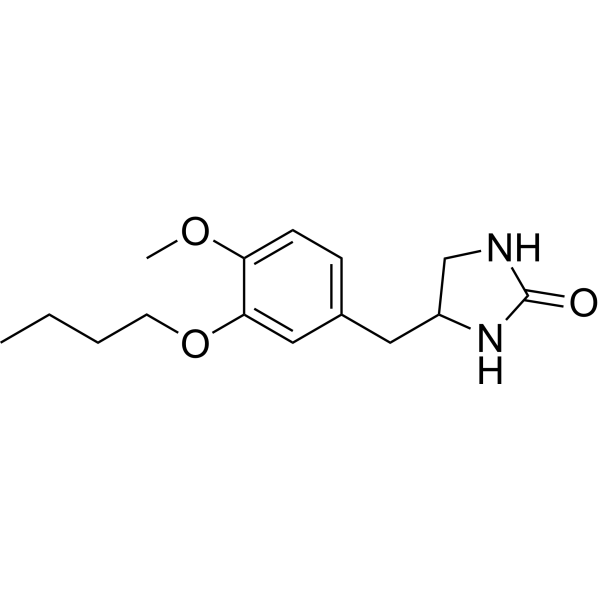
    Ro 20-1724 (Ro 20-174) is a potent inhibitor of cAMP-specific phosphodiesterase (PDE4/PDE IV) with a Ki of 1930 nM. Neuroprotective effect .
    Ro 20-1724
  • HY-100530D
    Rp-cAMPS sodium salt
    5 Publications Verification

    PKA Neurological Disease
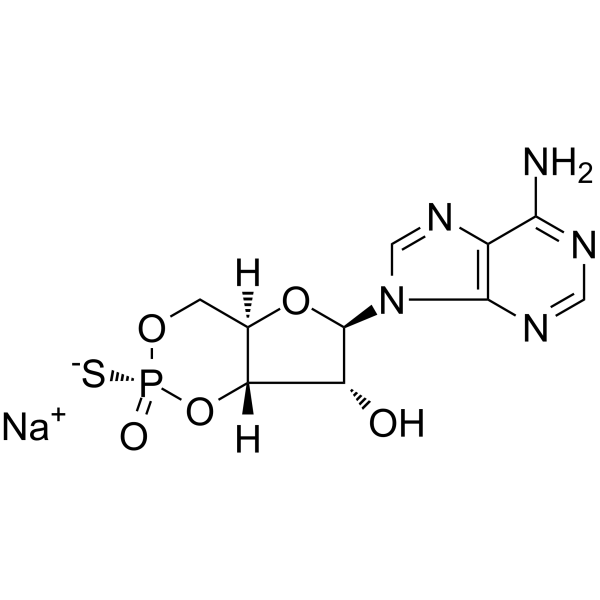
    Rp-cAMPS sodium salt, a cAMP analog, is a potent, competitive cAMP-induced activation of cAMP-dependent PKA I and II (Kis of 12.5 µM and 4.5 µM, respectively) antagonist. Rp-cAMPS sodium salt is resistant to hydrolysis by phosphodiesterases .
    Rp-cAMPS sodium salt
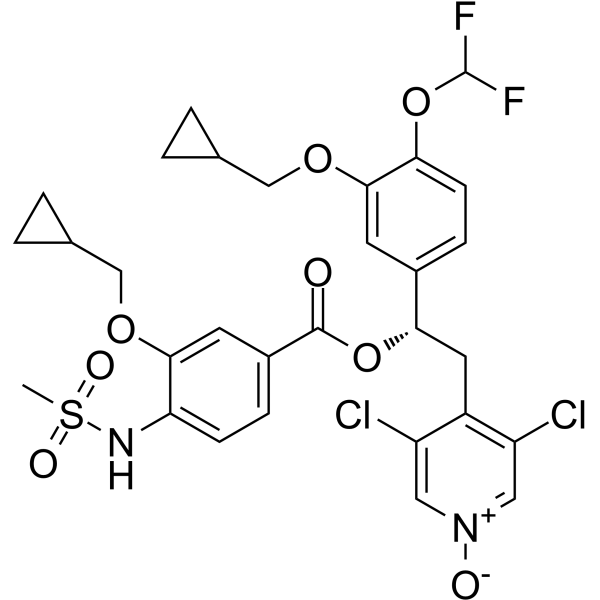
  • HY-12887

    RP 73401; RPR 73401

    Phosphodiesterase (PDE) Inflammation/Immunology Cancer
    Piclamilast (RP 73401) is a phosphodiesterase 4 (PDE4) inhibitor, with IC50 values of 16 nM and 2 nM in pig aorta and eosinophil soluble, respectively .
    Piclamilast
  • HY-B0531

    COX Phosphodiesterase (PDE) NF-κB NO Synthase Prostaglandin Receptor Infection Neurological Disease Inflammation/Immunology Cancer
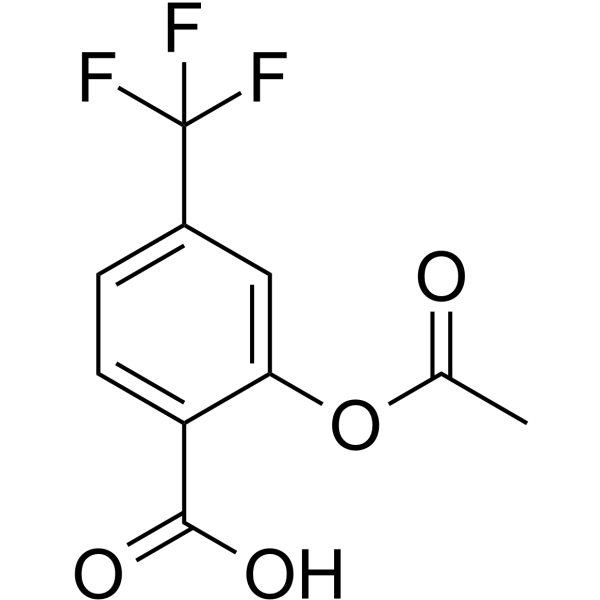
    Triflusal is an orally bioavailable, blood-brain barrier-permeable dual Cyclooxygenase-1 (COX-1)/cAMP phosphodiesterase inhibitor. Triflusal inhibits platelet aggregation, NF-κB activation, iNOS activity, and prostaglandin synthesis in ischaemic tissue. Triflusal stimulates neutrophil nitric oxide production, eNOS protein expression, and cNOS activity. Triflusal alleviates cerebral ischemic injury in rats and ameliorates pathological lesions and related gene expression in transgenic Alzheimer’s disease models. Triflusal can be used for the research of thromboembolic/ischemic cardiovascular and cerebrovascular diseases, and Alzheimer’s disease .
    Triflusal
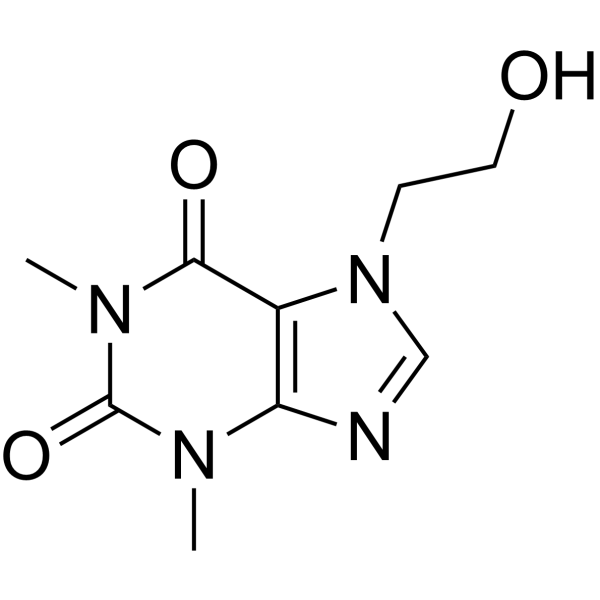
  • HY-B1209

    7-(β-Hydroxyethyl)theophylline

    Phosphodiesterase (PDE) Cardiovascular Disease Inflammation/Immunology
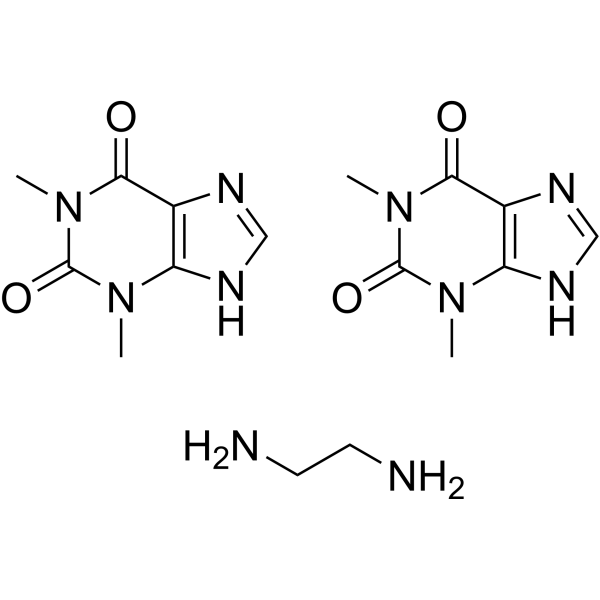
    Etofylline (7-(β-Hydroxyethyl) theophylline) is an oral bronchodilator with anti-inflammatory effects. Etofylline inhibits phosphodiesterase and prevents the degradation of cAMP (cyclic adenosine monophosphate), leading to smooth muscle relaxation, reducing inflammatory responses and improving respiratory function. Etofylline affects the development of zebrafish embryos .
    Etofylline
  • HY-19929

    CHF-6001

    Phosphodiesterase (PDE) NF-κB Interleukin Related CXCR CCR TNF Receptor Inflammation/Immunology
    Tanimilast (CHF-6001) is an orally active and selective phosphodiesterase 4 inhibitor (IC50=0.026 nM) with robust anti-inflammatory activity and suitable for topical pulmonary administration. Tanimilast increases cellular cAMP levels, and inhibits NF-κB signaling pathway. Tanimilast is used for the research of obstructive lung diseases .
    Tanimilast
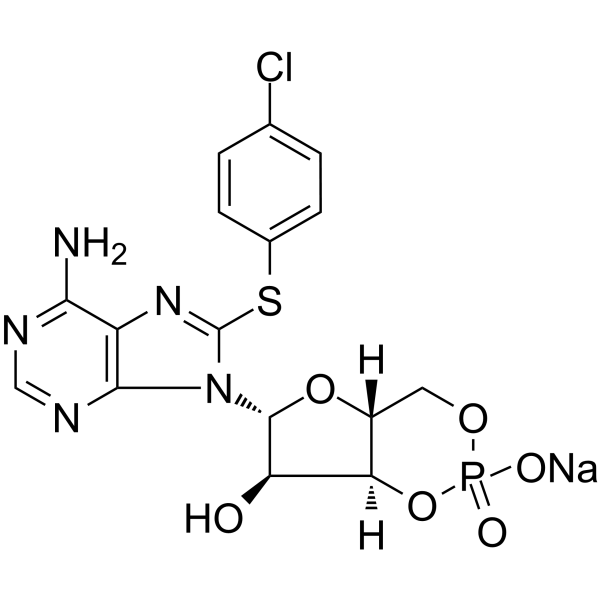
  • HY-111673

    8-CPT-cAMP sodium; 8-(p-Chlorophenylthio)-cAMP sodium

    PKA Phosphodiesterase (PDE) Inflammation/Immunology
    8-CPT-Cyclic AMP (8-CPT-cAMP) sodium is a selective activator of cyclic AMP-dependent protein kinase (PKA). 8-CPT-Cyclic AMP sodium is also a potent inhibitor of the cyclic GMP-specific phosphodiesterase (PDE VA) with an IC50 of 0.9 μM. 8-CPT-Cyclic AMP sodium also inhibits PDE III and PDE IV with IC50Epac and is a potent Epac activator .
    8-CPT-Cyclic AMP sodium
  • HY-N1860

    Phosphodiesterase (PDE) NO Synthase Infection Neurological Disease Inflammation/Immunology
    3-O-Methylquercetin is an inhibitor of cAMP and CGMP-phosphodiesterase (PDE) with IC50 at 13.8 μM and 14.3 μM, respectively. 3-O-Methylquercetin is an inhibitor of β-secretase with an IC50 of 6.5 μM. 3-O-Methylquercetin has a neuroprotective effect against neuronal death caused by oxidative damage. 3-O-Methylquercetin has strong antiviral activity against poliovirus, coxsackie virus and human rhinovirus. 3-O-Methylquercetin has anti-inflammatory and trachea-relaxing effects and can be used in the study of inflammatory diseases and asthma .
    3-O-Methylquercetin
  • HY-B1505
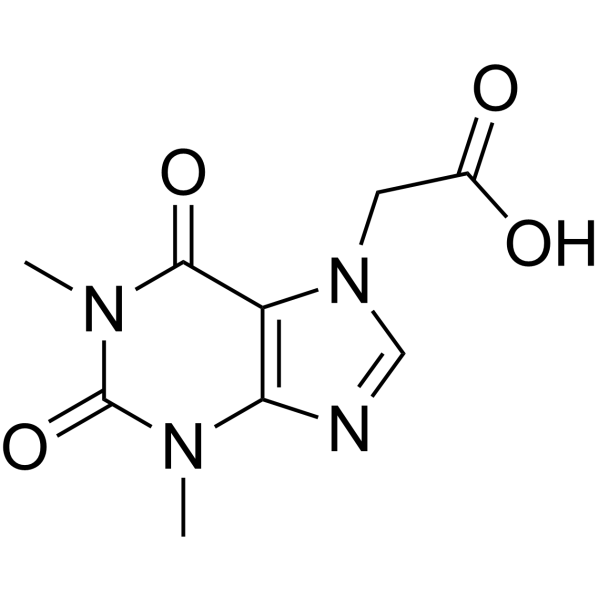
    Acefylline
    1 Publications Verification

    Theophyllineacetic acid; Theophylline-7-acetic acid

    Adenosine Receptor Protein Arginine Deiminase Phosphodiesterase (PDE) Cardiovascular Disease Neurological Disease Inflammation/Immunology
    Acefylline (Theophyllineacetic acid), a xanthine derivative, is an Adenosine Receptor antagonist. Acefylline is a peptidylarginine deiminase (PAD) activator. Acefylline is also a bronchodilator and cardiac stimulant that inhibits rat lung cAMP phosphodiesterase isoenzymes. Acefylline can be used in asthma research .
    Acefylline
  • HY-P2878
    Phosphodiesterase I
    1 Publications Verification

    PDE

    Phosphodiesterase (PDE) Neurological Disease Cancer
    Phosphodiesterase I (PDE) is an enzyme that can catalyze the hydrolysis of the 3' ring phosphate bond of cyclic nucleotides, and is often used in biochemical research. Phosphodiesterase I acts as an important regulator of signal transduction mediated by the second messenger molecules cAMP and cGMP. According to their specificity to cyclic nucleotides, they can also be divided into different types, such as PDE1-PDE11, which also have certain potential in various diseases .
    Phosphodiesterase I
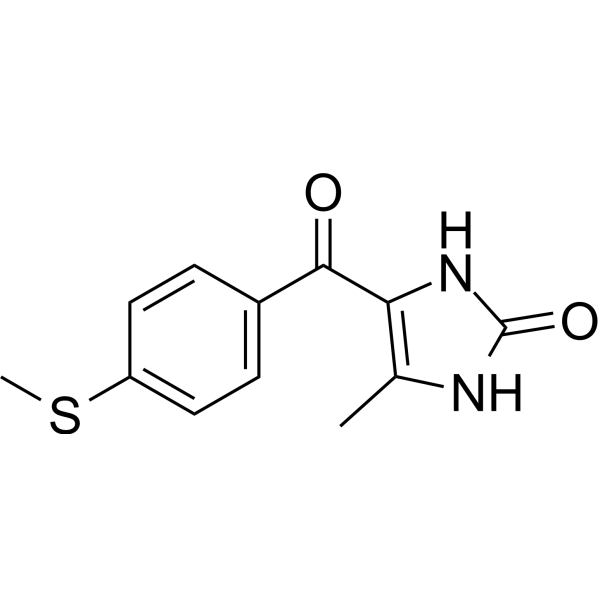
  • HY-B1639

    Phosphodiesterase (PDE) Cardiovascular Disease Inflammation/Immunology
    Enoximone is an inotropic vasodilating agent and a selective and orally active phosphodiesterase III (PDE3) inhibitor with an IC50 of 5.9 μM. Enoximone induces vasodilatation and increases intracellular levels of cAMP by inhibiting cGMP-inhibited PDE. Enoximone also exhibits PDE4 inhibitory effect with an IC50 of 21.1 μM for myocardial PDE4A. Enoximone has the potential for congestive heart failure research and has bronchodilatory, antiasthma and anti-inflammatory effects .
    Enoximone
  • HY-N2038

    Phosphodiesterase (PDE) Neurological Disease Cancer
    3,5,6,7,8,3',4'-Heptemthoxyflavone, a flavonoid from satsuma peel, is an orally available CREB activator with anti-tumor and anti-neuroinflammatory activity. 3,5,6,7,8,3',4'-Heptemthoxyflavone inhibits collagenase activity and increases the content of type I procollagen in human dermal fibroblast neoblast (HDFn) cells. 3,5,6,7,8,3',4'-Heptemthoxyflavone induces brain-derived neurotrophic factor (BDNF) expression through the cAMP/ERK/CREB signaling pathway and reduces phosphodiesterase activity in C6 glioma .
    3,​5,​6,​7,​8,​3',​4'-​Heptemthoxyflavone
  • HY-B0392

    (+)-Rolipram; (S)-Rolipram

    Phosphodiesterase (PDE) Apoptosis Neurological Disease Inflammation/Immunology Cancer
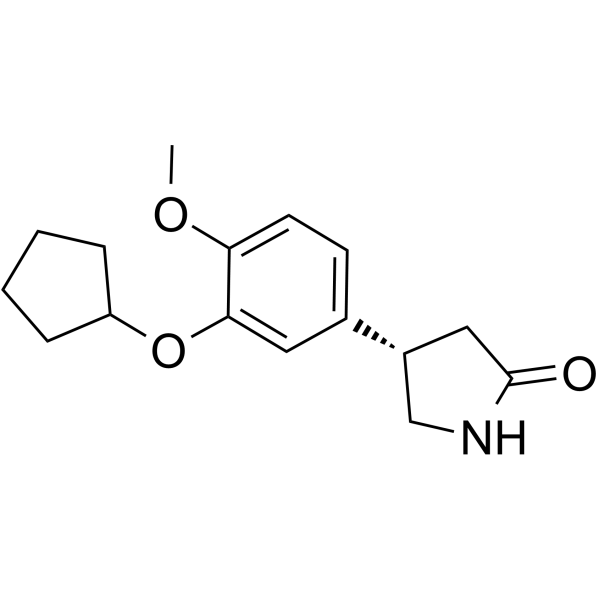
    (S)-(+)-Rolipram ((+)-Rolipram) is a cyclic AMP(cAMP)-specific phosphodiesterase 4 (PDE4) inhibitor, with an IC50 of 1100 nM. (S)-(+)-Rolipram can suppresse tumor necrosis factor-alpha (TNFα) production by human mononuclear cells .
    (S)-(+)-Rolipram
  • HY-135490

    Adrenergic Receptor Phosphodiesterase (PDE) Inflammation/Immunology
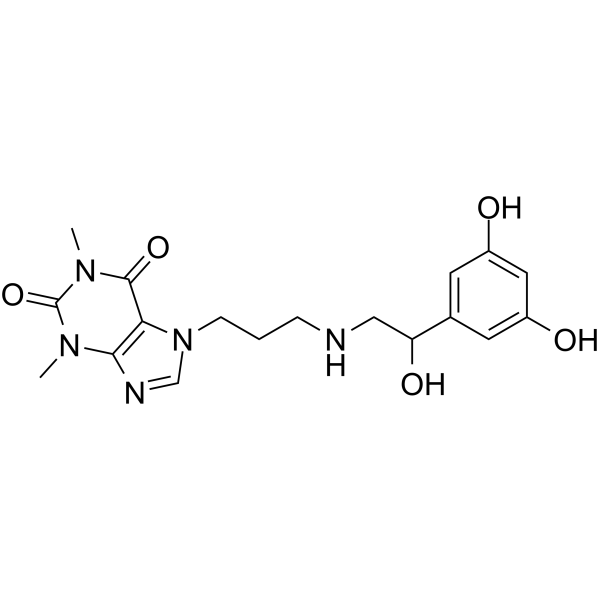
    Reproterol is a selective β2-adrenoceptor agonist and cAMP phosphodiesterase (PDE) inhibitor. Reproterol inhibits adenylate cyclase-induced phosphodiesterase activity. Reproterol inhibits histamine release from mast cells. Reproterol is applicable to research related to asthma .
    Reproterol
  • HY-N2168
    Pinoresinol 4-O-β-D-glucopyranoside
    1 Publications Verification

    (+)-Pinoresinol 4-O-β-D-glucopyranoside

    Glycosidase Estrogen Receptor/ERR Phosphodiesterase (PDE) Neurological Disease Metabolic Disease Cancer
    Pinoresinol 4-O-β-D-glucopyranoside ((+)-Pinoresinol 4-O-β-D-glucopyranoside) is an orally active α-glucosidase inhibitor, with an IC50 of 48.13 μg/mL. Pinoresinol 4-O-β-D-glucopyranoside binds to estrogen receptors. Pinoresinol 4-O-β-D-glucopyranoside inhibits phosphodiesterase. Pinoresinol 4-O-β-D-glucopyranoside exhibits various activities such as antioxidant, anti-inflammatory, anti-hyperglycemic, hepatoprotective and anti-epileptic effects .
    Pinoresinol 4-O-β-D-glucopyranoside
  • HY-105118A

    CGS-9343B; KW 5617

    Calmodulin Neurological Disease Metabolic Disease Inflammation/Immunology
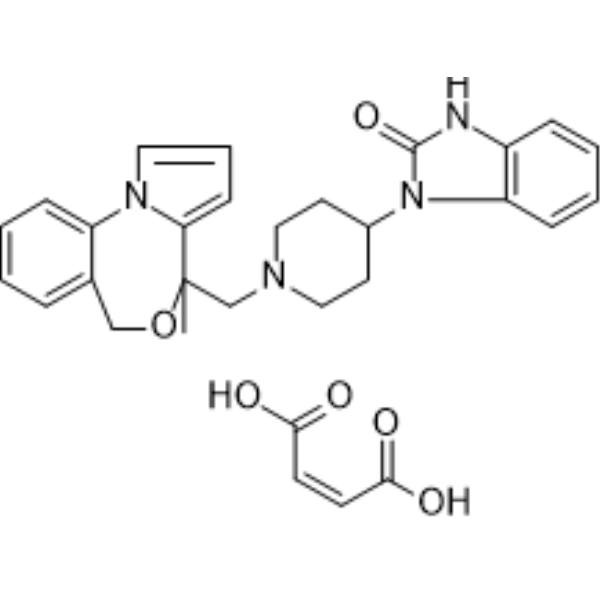
    Zaldaride maleate (CGS-9343B) is a potent, orally active and selective inhibitor of calmodulin. Zaldaride maleate inhibits CaM (calmodulin)-stimulated cAMP phosphodiesterase activity, with an IC50 of 3.3 nM . Zaldaride maleate prevents estrogen-induced transcription activation by ER, reversibly blocks voltage-activated Na +, Ca 2+ and K + currents in PC12 cells and inhibits nAChR .
    Zaldaride maleate
  • HY-100530C

    PKA Phosphodiesterase (PDE) Neurological Disease Metabolic Disease
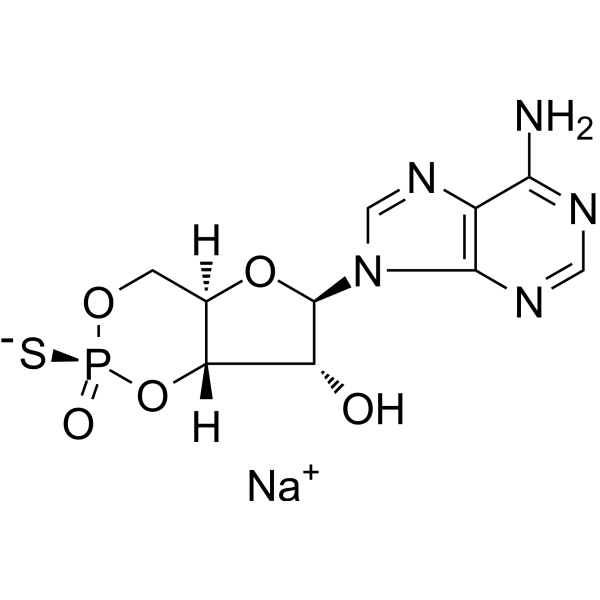
    Sp-cAMPS sodium salt, a cAMP analog, is potent activator of cAMP-dependent PKA I and PKA II. Sp-cAMPS sodium salt is also a potent, competitive phosphodiesterase (PDE3A) inhibitor with a Ki of 47.6 µM. Sp-cAMPS sodium salt binds the PDE10 GAF domain with an EC50 of 40 μM .
    Sp-cAMPS sodium salt
  • HY-136637

    Phosphodiesterase (PDE) Parasite Infection
    NPD-001 is a potent Trypanosoma brucei phosphodiesterases 1/2 (TbrPDEB1/2) inhibitor, with IC50 values of 4 and 3 nM, respectively. NPD-001 also inhibits hPDE4. NPD-001 can increase cAMP levels in parasites, prevent cytokinesis, and cause the parasites to form multinucleated, multi-flagellated cells that eventually lyse. NPD-001 can be used for the research of infection .
    NPD-001
  • HY-100936

    SQ 20009; EHT 0202 hydrochloride

    Phosphodiesterase (PDE) GABA Receptor Neurological Disease Inflammation/Immunology
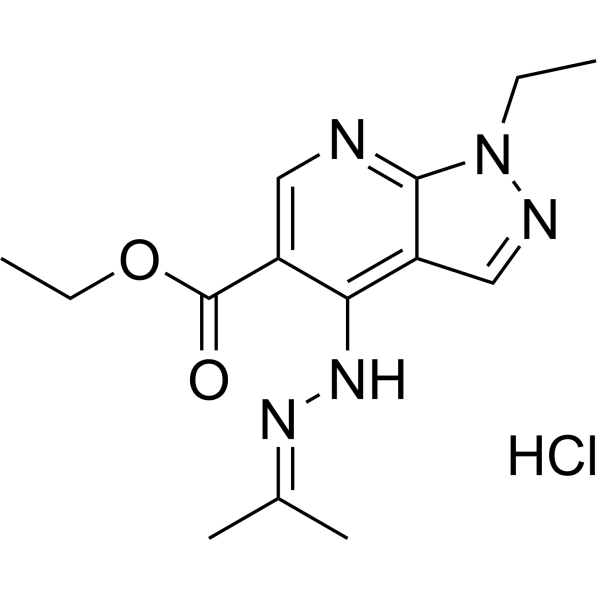
    Etazolate hydrochloride (SQ 20009) is an orally active, selective inhibitor of type 4 phosphodiesterase (PDE4) with an IC50 of 2 μM. Etazolate hydrochloride is a γ-aminobutyric acid A (GABAA) receptor regulator. Etazolate hydrochloride is an α-secretase activator and induced the production of soluble amyloid precursor protein (sAPPα). Etazolate hydrochloride, a pyrazolopyridine class derivative, increases cAMP levels. Etazolate hydrochloride has anxiolyticlike, antidepressant-like and anti-inflammatory effects .
    Etazolate hydrochloride
  • HY-108047

    Phosphodiesterase (PDE) Metabolic Disease Inflammation/Immunology
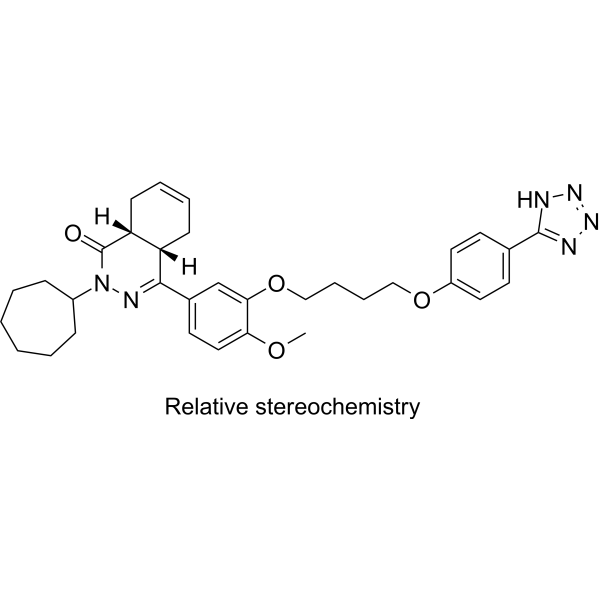
    MK-0873 is a selective phosphodiesterase-4 (PDE4) inhibitor. MK-0873 increases intracellular levels of cyclic adenosine phosphate (cAMP) by inhibiting the activity of the PDE4 enzyme and subsequently activates protein kinase A (PKA). Activated PKA inhibits the activity of inflammatory cells and leads to direct relaxation of airway smooth muscle. MK-0873 can be used in studies of chronic obstructive pulmonary disease (COPD) .
    MK-0873
  • HY-100530A

    PKA Neurological Disease
    Rp-cAMPS, a cAMP analog, is a potent, competitive cAMP-induced activation of cAMP-dependent PKA I and II (Kis of 12.5 µM and 4.5 µM, respectively) antagonist. Rp-cAMPS is resistant to hydrolysis by phosphodiesterases .
    Rp-cAMPS
  • HY-100530
    Rp-cAMPS triethylammonium salt
    5 Publications Verification

    PKA Neurological Disease
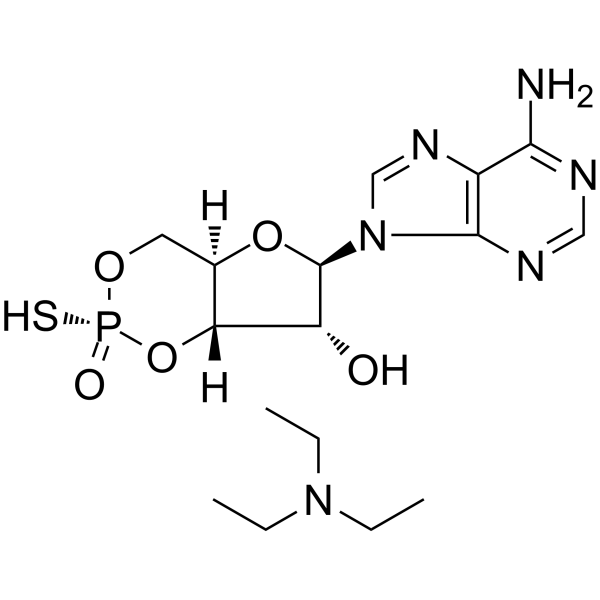
    Rp-cAMPS triethylammonium salt, a cAMP analog, is a potent, competitive cAMP-induced activation of cAMP-dependent PKA I and II (Kis of 12.5 µM and 4.5 µM, respectively) antagonist. Rp-cAMPS triethylammonium salt is resistant to hydrolysis by phosphodiesterases .
    Rp-cAMPS triethylammonium salt
  • HY-P2867

    3′-Exonuclease

    Phosphodiesterase (PDE) Neurological Disease
    Phosphodiesterase II (EC 3.1.16.1), namely phosphodiesterase 2, is mainly involved in the hydrolysis of the important second messengers cyclic adenosine monophosphate (cAMP) and cyclic guanosine monophosphate (cGMP), and is often used in biochemical research. Phosphodiesterase II is expressed in a variety of tissues, such as the adrenal medulla, brain, heart, platelets, macrophages and endothelial cells, and is involved in the regulation of many different intracellular processes .
    Phosphodiesterase II, Bovine Spleen
  • HY-106358

    CR 2039 free base; Dizolast free base

    Phosphodiesterase (PDE) Inflammation/Immunology
    Andolast (CR 2039) (free base) is an anti-allergic agent. Andolast can inhibit cAMP-phosphodiesterase with an IC50 value of 50 μM. Andolast can be used for the research of asthma .
    Andolast free base
  • HY-N8092

    Phosphodiesterase (PDE) Infection Inflammation/Immunology
    Kushenol B is an isoprenoid flavonoid isolated from S. flavescens, has antimicrobial, anti-inflammatory and antioxidant activities . Kushenol B has inhibitory activity against cAMP phosphodiesterase (PDE), with an IC50 of 31 µM .
    Kushenol B
  • HY-114727

    Phosphodiesterase (PDE) Inflammation/Immunology
    PDE7-IN-4 is a phosphodiesterase 7 (PDE7) inhibitor with activity that increases intracellular cyclic adenosine monophosphate (cAMP) levels. PDE7-IN-4 shows potential inhibitory effects in neurotransmission and anti-inflammatory applications. PDE7-IN-4 exerts its biological activity by acting on the cAMP/cAMP response element binding protein (CREB) pathway. The development of PDE7-IN-4 aims to improve its pharmacokinetic characteristics to more effectively target neurodegenerative diseases and other inflammation-related diseases .
    PDE7-IN-4
  • HY-B1505A

    Theophyllineacetic acid piperazine; Theophylline-7-acetic acid piperazine

    Adenosine Receptor Protein Arginine Deiminase Phosphodiesterase (PDE) Cardiovascular Disease Neurological Disease Inflammation/Immunology
    Acefylline (Theophyllineacetic acid) piperazine, a xanthine derivative, is an Adenosine Receptor antagonist. Acefylline piperazine is a peptidylarginine deiminase (PAD) activator. Acefylline piperazine is also a bronchodilator and cardiac stimulant that inhibits rat lung cAMP phosphodiesterase isoenzymes. Acefylline piperazine can be used in asthma research .
    Acefylline piperazine
  • HY-19026

    SKF 94836

    Phosphodiesterase (PDE) Cardiovascular Disease
    Siguazodan (SKF 94836) is a potent, selective and orally active phosphodiesterase III (PDE-III) inhibitor with an IC50 of 117 nM. Siguazodan increases cAMP accumulation in intact platelets with an EC50 of 18.88 μM. Siguazodan also inhibits phenylephrine-induced 5-HT release with an IC50 value of 4.2 μM .
    Siguazodan
  • HY-108621

    Phosphodiesterase (PDE) Neurological Disease Metabolic Disease Inflammation/Immunology Cancer
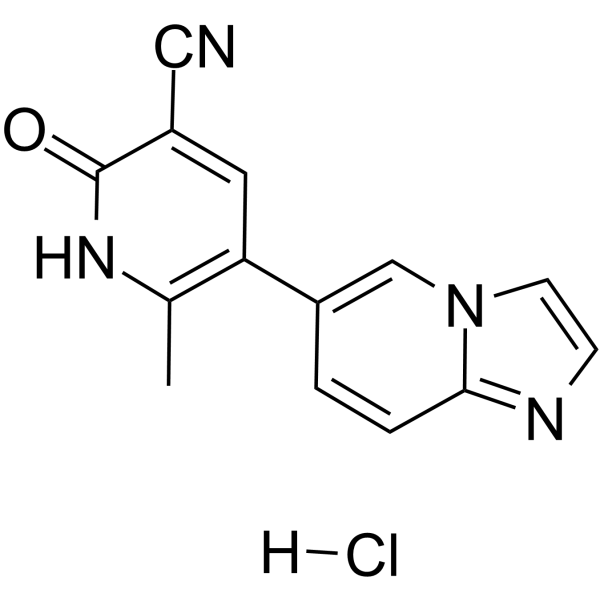
    RS-25344 hydrochloride is a selective cAMP-phosphodiesterase 4 (PDE 4; PDE IV) inhibitor with an IC50 of 0.28 nM in human lymphocytes. RS-25344 hydrochloride has only weak inhibitory effects on PDE I, II, III (IC50 of >100 μM, 160 μM, 330 μM, respectively). RS-25344 hydrochloride has anti-inflammatory, memory- and cognition enhancing, and antineoplastic effects .
    RS-25344 hydrochloride
  • HY-W349178

    Phosphodiesterase (PDE) Cardiovascular Disease
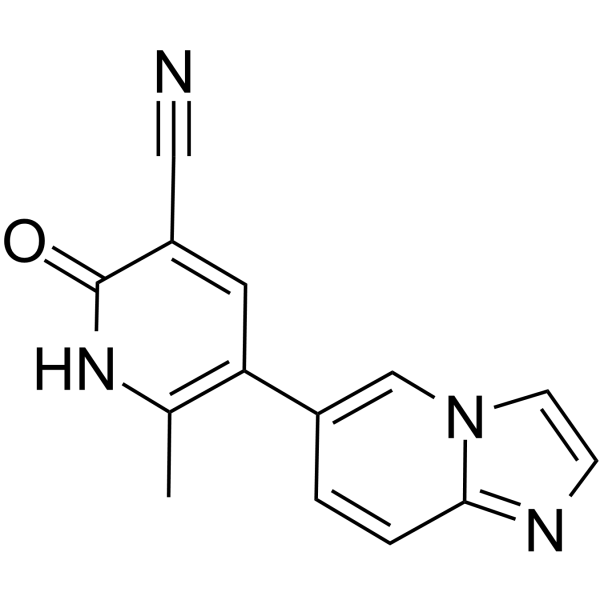
    Medorinone is an inhibitor of cAMP phosphodiesterase activity. Medorinone can be used as a cardiac stimulant/vasodilator .
    Medorinone
  • HY-100530B

    PKA Phosphodiesterase (PDE) Neurological Disease Metabolic Disease
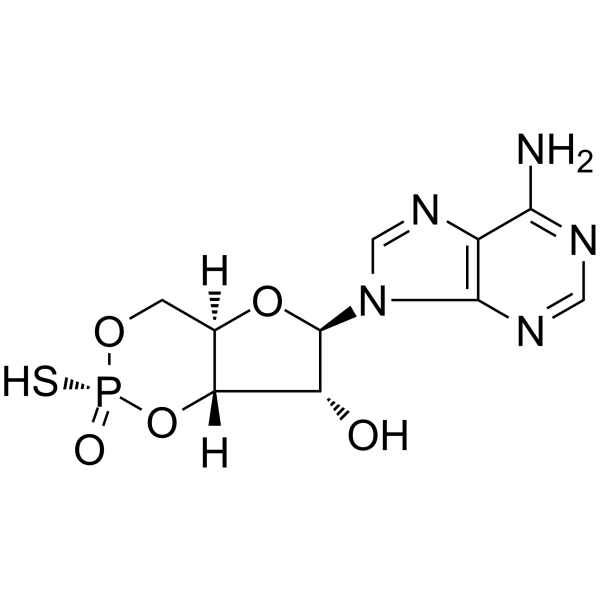
    Sp-cAMPS, a cAMP analog, is potent activator of cAMP-dependent PKA I and PKA II. Sp-cAMPS is also a potent, competitive phosphodiesterase (PDE3A) inhibitor with a Ki of 47.6 µM. Sp-cAMPS binds the PDE10 GAF domain with an EC50 of 40 μM .
    Sp-cAMPS
  • HY-110005

    PKA Phosphodiesterase (PDE) Neurological Disease Metabolic Disease
    Sp-cAMPS triethylamine, a cAMP analog, is potent activator of cAMP-dependent PKA I and PKA II. Sp-cAMPS triethylamine is also a potent, competitive phosphodiesterase (PDE3A) inhibitor with a Ki of 47.6 µM. Sp-cAMPS triethylamine binds the PDE10 GAF domain with an EC50 of 40 μM .
    Sp-cAMPS triethylamine
  • HY-106358A

    CR 2039; Dizolast

    Phosphodiesterase (PDE) Inflammation/Immunology
    Andolast (CR 2039) is an anti-allergic agent. Andolast can inhibit cAMP-phosphodiesterase with an IC50 value of 50 μM. Andolast can be used for the research of asthma .
    Andolast
  • HY-N2658

    Phosphodiesterase (PDE) Others
    5,7-Diacetoxy-8-methoxyflavone is a natural product that could come from scutellaria genus plants. 5,7-Diacetoxy-8-methoxyflavone has inhibitory activity for cAMP phosphodiesterase .
    5,7-Diacetoxy-8-methoxyflavone
  • HY-108623

    CP-80,633

    Phosphodiesterase (PDE) Inflammation/Immunology
    Atizoram (CP-80,633) is an orally active phosphodiesterase type 4 (PDE4) inhibitor. Atizoram blocks cAMP degradation, thereby increasing intracellular and plasma cAMP levels. Atizoram inhibits TNFα release. Atizoram can be used in research related to acute respiratory distress syndrome .
    Atizoram
  • HY-130786

    BRL 30892

    Phosphodiesterase (PDE) Others Inflammation/Immunology
    Denbufylline (BRL 30892) is an inhibitor of phosphodiesterase-4 (PDE4). Denbufylline is able to block the degradation of intracellular cAMP (cyclic adenosine phosphate) thereby increasing the level of intracellular cAMP, which helps regulate a variety of cellular functions. Denbufylline can be used in the study of chronic obstructive pulmonary disease (COPD), asthma and other inflammatory diseases .
    Denbufylline
  • HY-126754

    Nuclear Factor of activated T Cells (NFAT) Phosphodiesterase (PDE) Inflammation/Immunology Cancer
    Archangelicin is an inhibitor for cAMP-phosphodiesterase (cAMP-PDE) with IC50 >400 μM. Archangelicin inhibits nuclear factor of activated T cell (NFAT) with IC50 of 9 μM. Archangelicin exhibits antitumor and anti-inflammatory .
    Archangelicin
  • HY-B1505R

    Theophyllineacetic acid (Standard); Theophylline-7-acetic acid (Standard)

    Reference Standards Adenosine Receptor Protein Arginine Deiminase Phosphodiesterase (PDE) Cardiovascular Disease Neurological Disease Inflammation/Immunology
    Acefylline (Theophyllineacetic acid) (Standard) is the analytical standard of Acefylline (HY-B1505). This product is intended for research and analytical applications. Acefylline (Theophyllineacetic acid), a xanthine derivative, is an Adenosine Receptor antagonist. Acefylline is a peptidylarginine deiminase (PAD) activator. Acefylline is also a bronchodilator and cardiac stimulant that inhibits rat lung cAMP phosphodiesterase isoenzymes. Acefylline can be used in asthma research .
    Acefylline (Standard)
  • HY-N7648

    Atherospermine

    Parasite Phosphodiesterase (PDE) Infection
    Atherosperminine (Atherospermine) is a phosphodiesterase inhibitor. Atherosperminine inhibits growth of chloroquine-resistant Plasmodium falciparum. Atherosperminine scavenges DPPH free radicals, exhibits ferric reducing power, and chelates metal ions. Atherosperminine can be used for the research of malaria .
    Atherosperminine
  • HY-131764

    2′-O-Monobutyryl-cGMP sodium

    Phosphodiesterase (PDE) Others
    2'-O-MB-cGMP (2′-O-Monobutyryl-cGMP) sodium is a cyclic GMP-specific phosphodiesterase inhibitor with an I50 value of 35 µM. 2'-O-MB-cGMP (2′-O-Monobutyryl-cGMP) sodium inhibits Ca 2+ dependent phosphodiesterase hydrolysis using cAMP or cGMP as substrate .
    2'-O-MB-cGMP sodium
  • HY-105482

    Phosphodiesterase (PDE) Cardiovascular Disease
    BMY 20844 is an orally active platelet cAMP phosphodiesterase inhibitor with anti-thrombosis activity. BMY 20844 can elevate cAMP levels and activate protein kinase in platelets. BMY 20844 can be used for the research of cardiovascular disease .
    BMY 20844
  • HY-116540A

    7DMB-Forskolin

    Adenylate Cyclase Cardiovascular Disease
    L 858051 (7DMB-Forskolin) dihydrochloride, an analog of Forskolin (HY-15371), is an adenylyl cyclase stimulator. L 858051 dihydrochloride directly activates adenylyl cyclase to increase intracellular, cellular, and ciliary cAMP levels. L 858051 dihydrochloride activates recombinant cyclic nucleotide-gated (E583M CNGA2) channels to induce a non-selective, Mg 2+-sensitive current in adult rat ventricular myocytes. L 858051 dihydrochloride maximally stimulates L-type Ca 2+ current in adult rat ventricular myocytes. L 858051 dihydrochloride increases total PDE3 and PDE4 activities in adult rat ventricular myocytes, with effects insensitive to PKA inhibition. L 858051 dihydrochloride serves as a tool to elevate intracellular cAMP for studying subsarcolemmal cAMP dynamics and compartmentation in adult rat ventricular myocytes .
    L 858051 dihydrochloride
  • HY-134302

    8-Hexylamino-cAMP

    PKA Others
    8-HA-cAMP is a membrane-permeable cAMP analogue and an activator of cAMP-dependent protein kinase and PKA I. 8-HA-cAMP exerts metabolic stability towards mammalian cyclic nucleotide-responsive phosphodiesterases .
    8-HA-cAMP
  • HY-100927R

    Ro 20-174 (Standard)

    Reference Standards Phosphodiesterase (PDE) Neurological Disease
    Ro 20-1724 (Standard) is the analytical standard of Ro 20-1724. This product is intended for research and analytical applications. Ro 20-1724 (Ro 20-174) is a potent inhibitor of cAMP-specific phosphodiesterase (PDE4/PDE IV) with a Ki of 1930 nM. Neuroprotective effect .
    Ro 20-1724 (Standard)
  • HY-116755

    CR 605

    Phosphodiesterase (PDE) Neurological Disease
    Tiropramide (CR 605) is a tyrosine derivative with antispastic properties. Tiropramide hydrochloride inhibits phosphodiesterase activity involved in cAMP catabolism in rabbit colon homogenates. Tiropramide relaxes smooth muscle in rabbit isolated colon. Tiropramide can be used for the research of irritable colon and biliary dyskinesia .
    Tiropramide
  • HY-100936R

    SQ 20009 (Standard); EHT 0202 hydrochloride (Standard)

    Reference Standards Phosphodiesterase (PDE) GABA Receptor Neurological Disease Inflammation/Immunology
    Etazolate (hydrochloride) (Standard) is the analytical standard of Etazolate (hydrochloride). This product is intended for research and analytical applications. Etazolate hydrochloride (SQ 20009) is an orally active, selective inhibitor of type 4 phosphodiesterase (PDE4) with an IC50 of 2 μM. Etazolate hydrochloride is a γ-aminobutyric acid A (GABAA) receptor regulator. Etazolate hydrochloride is an α-secretase activator and induced the production of soluble amyloid precursor protein (sAPPα). Etazolate hydrochloride, a pyrazolopyridine class derivative, increases cAMP levels. Etazolate hydrochloride has anxiolyticlike, antidepressant-like and anti-inflammatory effects .
    Etazolate hydrochloride (Standard)
  • HY-120684

    Phosphodiesterase (PDE) Others
    PDE10-IN-6 is a phosphodiesterase-10 inhibitor that inhibits the breakdown of cAMP and cGMP, thereby slowing or halting their hydrolysis.
    PDE10-IN-6
  • HY-N1189

    Syringaresinol Diacetate

    Others Cancer
    DL-Syringaresinol diacetate is a glucoside. DL-Syringaresinol inhibits cAMP phosphodiesterase and alleviation of stress .
    DL-Syringaresinol diacetate
  • HY-134325

    8-Hydroxy-cAMP

    PKA Cardiovascular Disease Metabolic Disease
    8-OH-cAMP (8-Hydroxy-cAMP) is a polar, membrane-impermeable cyclic adenosine monophosphate analog that is resistant to mammalian cyclic nucleotide-dependent phosphodiesterases. As a polar PKA agonist, 8-OH-cAMP is used to study the role of cAMP in the development and progression of cardiovascular and metabolic diseases .
    8-OH-cAMP
  • HY-134283

    PKA Apoptosis Others
    8-Benzylthio-cAMP is a derivative of cyclic adenosine monophosphate (cAMP). 8-Bn-cAMP is a site-selective activator of cAMP-dependent protein kinases. Compared with cyclic adenosine monophosphate, it is more stable to phosphodiesterase (PDE) hydrolysis and has higher membrane permeability. 8-Bn-cAMP can be used to study the role of cAMP in regulating cell proliferation, differentiation and apoptosis .
    8-Benzylthio-cAMP

Inquiry Online

Your information is safe with us. * Required Fields.

Salutation


Country or Region *

Applicant Name *


Organization Name *

Department *


Email Address *


Product Name *

Cat. No.


Requested quantity *

Phone Number *


Remarks

Inquiry Online

Inquiry Information

Product Name:
Cat. No.:
Quantity:
MCE Japan Authorized Agent:

