103 Results for "

cancer chemotherapy

" in MedChemExpress (MCE) Product Catalog:
Products (103)

103 Results for "cancer chemotherapy" in MCE Product Catalog:

  • Categories Recommended:
    More
862
862 Publications Verification
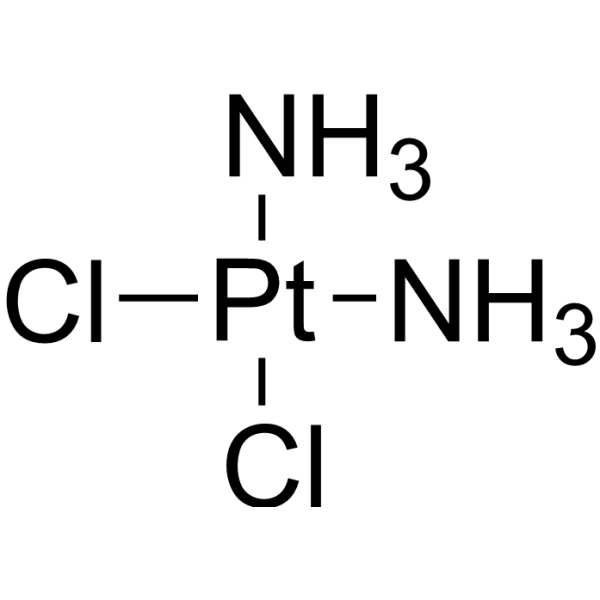
Cat. No.: HY-17394
CAS No.: 15663-27-1
Synonyms: cis-Platinum; CDDP; cis-Diaminodichloroplatinum
Cisplatin (CDDP) is an antineoplastic chemotherapy agent by cross-linking with DNA and causing DNA damage in cancer cells. Cisplatin activates ferroptosis and induces autophagy .
loading...
    loading...
713
713 Cited Publications
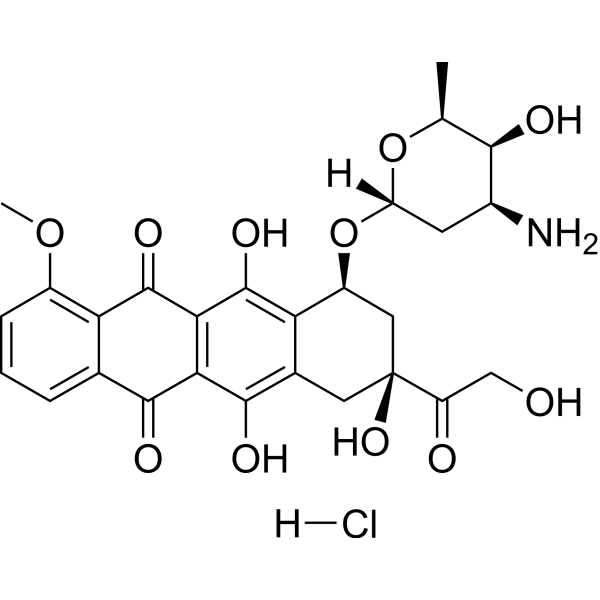
Cat. No.: HY-15142
CAS No.: 25316-40-9
Purity:  99.90%
Synonyms: Hydroxydaunorubicin hydrochloride; ADR
Doxorubicin hydrochloride (Hydroxydaunorubicin hydrochloride; ADR), a cytotoxic anthracycline antibiotic, is an anti-cancer chemotherapy agent. Doxorubicin hydrochloride is a potent human DNA topoisomerase I and topoisomerase II inhibitor with IC50s of 0.8 μM and 2.67 μM, respectively. Doxorubicin hydrochloride reduces basal phosphorylation of AMPK and its downstream target acetyl-CoA carboxylase. Doxorubicin hydrochloride induces apoptosis and autophagy .
loading...
    loading...
191
191 Cited Publications
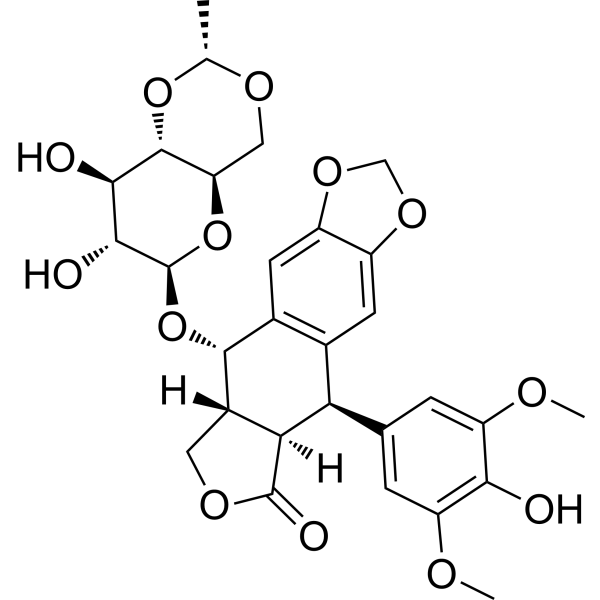
Cat. No.: HY-13629
CAS No.: 33419-42-0
Purity:  99.94%
Synonyms: VP-16; VP-16-213
Etoposide (VP-16; VP-16-213) is an anti-cancer chemotherapy agent. Etoposide inhibits topoisomerase II, thus stopping DNA replication. Etoposide induces cell cycle arrest, apoptosis and autophagy .
loading...
    loading...
191
191 Cited Publications
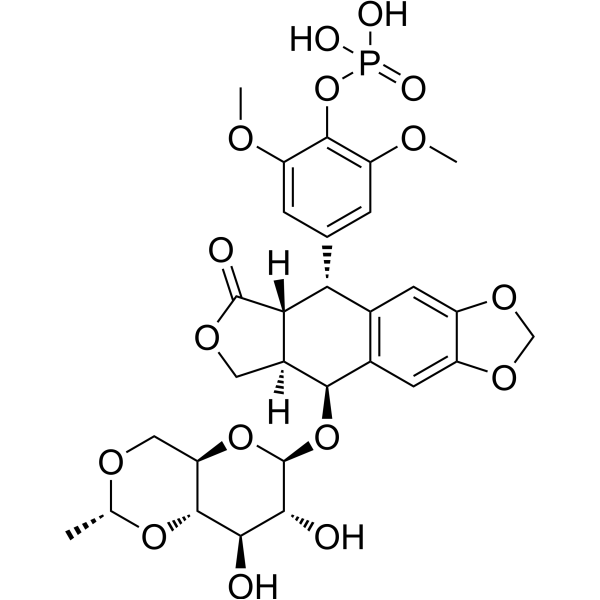
Cat. No.: HY-13630
CAS No.: 117091-64-2
Purity:  99.28%
Synonyms: BMY-40481
Etoposide phosphate (BMY-40481) is a potent anti-cancer chemotherapy agent and a selective topoisomerase II inhibitor to prevent re-ligation of DNA strands. Etoposide phosphate is the phosphate ester proagent of etoposide and is considered as active equivalent to Etoposide. Etoposide phosphate induces cell cycle arrest, apoptosis, and autophagy.
loading...
    loading...
162
162 Cited Publications
Cat. No.: HY-10087A1
CAS No.: 1093851-28-5
Synonyms: ABT-263 dihydrochloride
Navitoclax dihydrochloride (ABT-263 dihydrochloride) is an orally active BH3 mimetic and an inhibitor of Bcl-2, Bcl-xL, and Bcl-w, with a Ki value of <1 nM for each target. Navitoclax dihydrochloride triggers endogenous Apoptosis and downregulates the expression of Survivin and TGFβ2. Navitoclax dihydrochloride alleviates fibrosis and induces thrombocytopenia. Navitoclax dihydrochloride exhibits anticancer activity against a variety of tumors and enhances the efficacy of chemotherapy and radiotherapy. Navitoclax dihydrochloride can be used in the research of acute lymphoblastic leukemia, ovarian cancer, and fibrotic diseases .
loading...
    loading...
46
46 Cited Publications
Cat. No.: HY-19543
CAS No.: 14907-98-3
Synonyms: NSC 172924
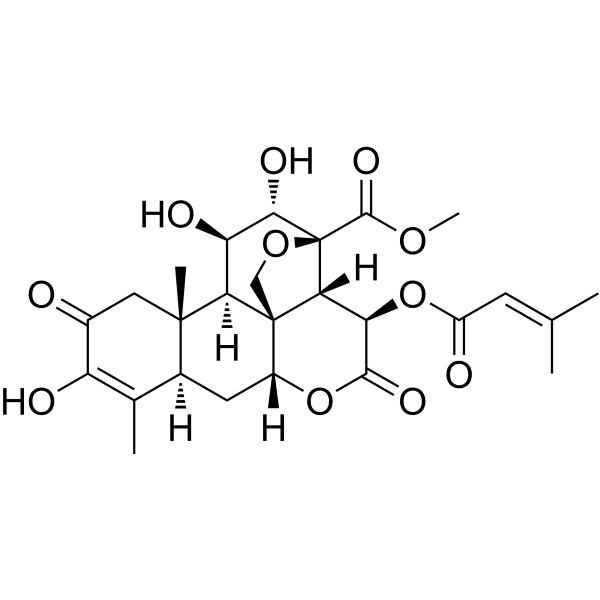
Brusatol (NSC 172924) is a unique inhibitor of the Nrf2 pathway that sensitizes a broad spectrum of cancer cells to Cisplatin and other chemotherapeutic agents. Brusatol enhances the efficacy of chemotherapy by inhibiting the Nrf2-mediated defense mechanism. Brusatol can be developed into an adjuvant chemotherapeutic agent . Brusatol increases cellular apoptosis .
loading...
    loading...
23
23 Cited Publications
Cat. No.: HY-W010342
CAS No.: 329-89-5
Target:  

NADPH Oxidase

Research Areas:  

Cancer

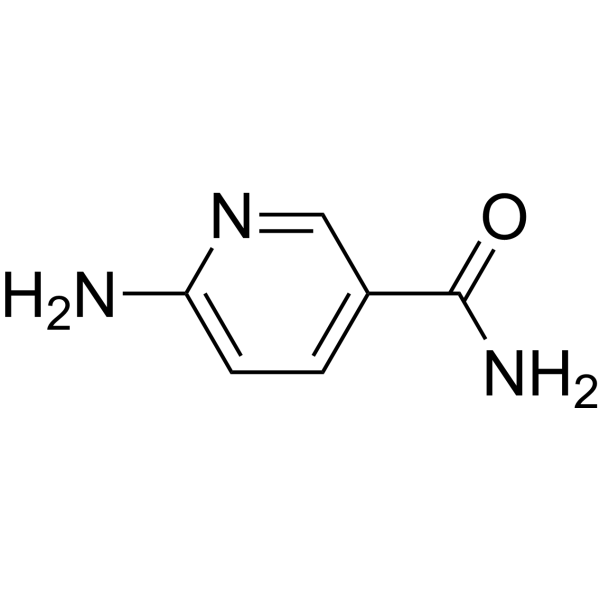
6-Aminonicotinamide, a potent antimetabolite of nicotinamide, is competitive NADP +-dependent enzyme glucose-6-phosphate dehydrogenase (G6PD) inhibitor (Ki=0.46 μM). 6-Aminonicotinamide resultis ATP depletion and synergizes with DNA-crosslinking chemotherapy agents, such as Cisplatin (HY-17394), in killing cancer cells .
loading...
    loading...
21
21 Cited Publications
Cat. No.: HY-130250
CAS No.: 2387704-62-1
Purity:  99.64%
Target:  

CDK Apoptosis

Research Areas:  

Cancer

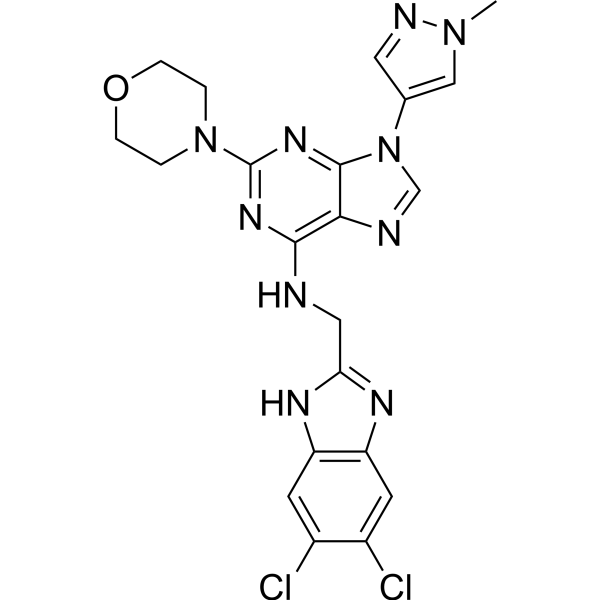
SR-4835 is a potent, highly selective and ATP competitive dual inhibitor of CDK12/CDK13 (CDK12: IC50=99 nM, Kd=98 nM; CDK13: Kd=4.9 nM). SR-4835 acts in synergy with DNA-damaging chemotherapy and PARP inhibitors and provokes triple-negative breast cancer (TNBC) cell death .
loading...
    loading...
16
16 Cited Publications
Cat. No.: HY-100421
CAS No.: 1628208-23-0
Purity:  98.31%
Target:  

Histone Demethylase

Research Areas:  

Cancer

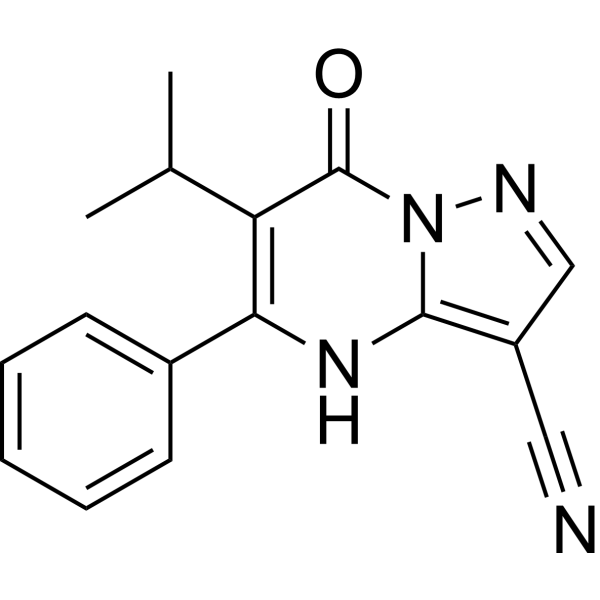
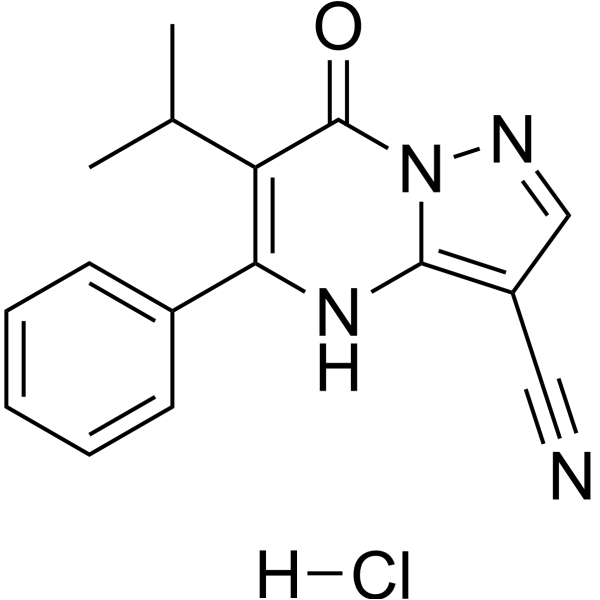
CPI-455 is a specific, pan-KDM5 inhibitor with an IC50 of 10 nM for KDM5A. CPI-455 mediates KDM5 inhibition, elevates global levels of H3K4me3, and decreases the number of drug-tolerant persister cancer cells in multiple cancer cell line models treated with standard chemotherapy or targeted agents .
loading...
    loading...
16
16 Cited Publications
Cat. No.: HY-100421A
CAS No.: 2095432-28-1
Target:  

Histone Demethylase

Research Areas:  

Cancer

CPI-455 hydrochloride is a specific, pan-KDM5 inhibitor with an IC50 of 10 nM for KDM5A. CPI-455 hydrochloride mediates KDM5 inhibition, elevates global levels of H3K4me3, and decreases the number of drug-tolerant persister cancer cells in multiple cancer cell line models treated with standard chemotherapy or targeted agents .
loading...
    loading...
5
5 Cited Publications
Cat. No.: HY-15142R
CAS No.: 25316-40-9
Synonyms: Hydroxydaunorubicin hydrochloride (Standard); ADR (Standard)
Doxorubicin hydrochloride (Standard) is the analytical standard of Doxorubicin hydrochloride. This product is intended for research and analytical applications. Doxorubicin (Hydroxydaunorubicin) hydrochloride, a cytotoxic anthracycline antibiotic, is an anti-cancer chemotherapy agent. Doxorubicin hydrochloride is a potent human DNA topoisomerase I and topoisomerase II inhibitor with IC50s of 0.8 μM and 2.67 μM, respectively. Doxorubicin hydrochloride reduces basal phosphorylation of AMPK and its downstream target acetyl-CoA carboxylase. Doxorubicin hydrochloride induces apoptosis and autophagy .
loading...
    loading...
3
3 Cited Publications
Cat. No.: HY-19542
CAS No.: 124753-97-5
Synonyms: C6-Cer; N-Hexanoylsphingosine
Target:  

Apoptosis

Research Areas:  

Cancer

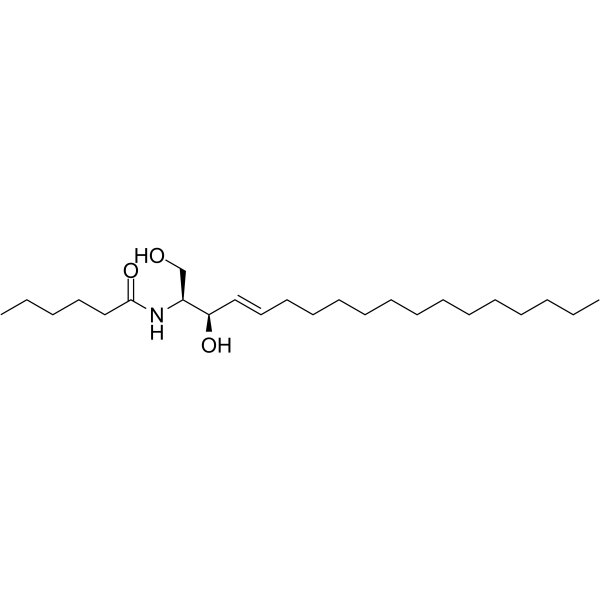
C6 Ceramide (C6-Cer) is a short-chain, cell-permeable ceramide pathway activator with anticancer activity. C6 Ceramide-mediated miR-29b expression participates in the progression of multiple myeloma through suppressing the proliferation, migration and angiogenesis of endothelial cells by targeting Akt signal pathway. C6 Ceramide exhibits multiple anti-cancer properties including cell cycle arrest, Apoptosis, inhibition of tumor growth and enhances the effects of chemotherapy in drug-resistant cancer cells. C6-ceramide can be used as an adjuvant for chemotherapeutic agents, to enhance anti-tumor effects .
loading...
    loading...
2
2 Cited Publications
Cat. No.: HY-109050
CAS No.: 1637771-14-2
Purity:  98.04%
Synonyms: GS-5829
Research Areas:  

Cancer

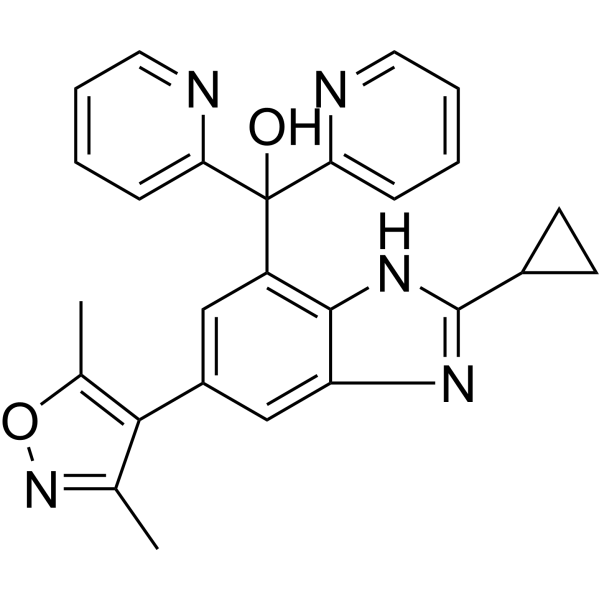
Alobresib (GS-5829) is a BET bromodomain inhibitor, which represents a highly effective therapeutics agent against recurrent/chemotherapy resistant uterine serous carcinoma (USC) overexpressing c-Myc. Alobresib can be used in the metastatic castration-resistant prostate cancer (mCRPC) research .
loading...
    loading...
2
2 Cited Publications
Cat. No.: HY-12703
CAS No.: 1151813-61-4
Purity:  98.94%
Target:  

c-Myc Autophagy

Research Areas:  

Cancer

KSI-3716 is a potent c-Myc inhibitor that blocks c-MYC/MAX binding to target gene promoters. KSI-3716 is an effective intravesical chemotherapy agent for bladder cancer .
loading...
    loading...
2
2 Cited Publications
Cat. No.: HY-114842
CAS No.: 1644626-43-6
Purity:  99.84%
Target:  

DNA/RNA Synthesis

Research Areas:  

Cancer

TDRL-551 is a potent replication protein A (RPA) inhibitor (IC50 = 18 µM). TDRL-551 inhibits RPA-DNA interaction and increases the anti-cancer efficacy of Platinum (Pt)-based chemotherapy. TDRL-551 can be used for the research of cancer, such as non-small cell lung cancer (NSCLC) .
loading...
    loading...
1
1 Cited Publications
Cat. No.: HY-13627
CAS No.: 52205-73-9
Purity:  99.42%
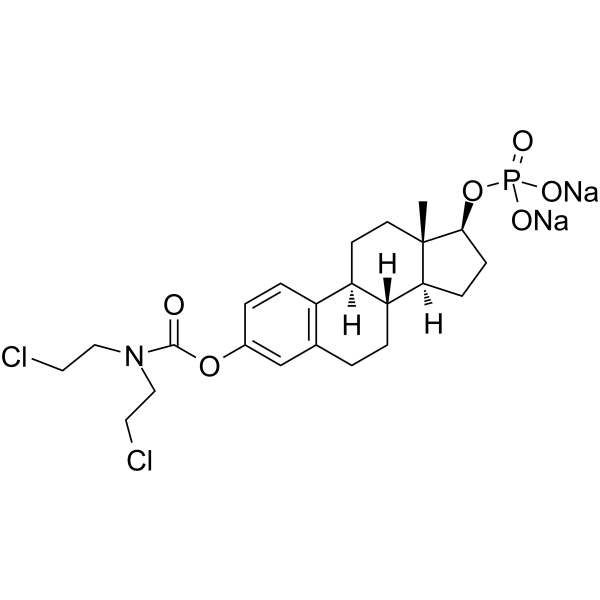
Estramustine phosphate sodium, an estradiol analog, is an orally active antimicrotubule chemotherapy agent. Estramustine phosphate sodium depolymerises microtubules by binding to microtubule associated proteins (MAPs) and/or to tubulin. Estramustine phosphate sodium can interfere mitosis, trigger cell death and induce apoptosis, which can be used for the research of cancer like prostate cancer .
loading...
    loading...
1
1 Cited Publications
Cat. No.: HY-103711
CAS No.: 2998-57-4
Purity:  99.15%
Research Areas:  

Cancer

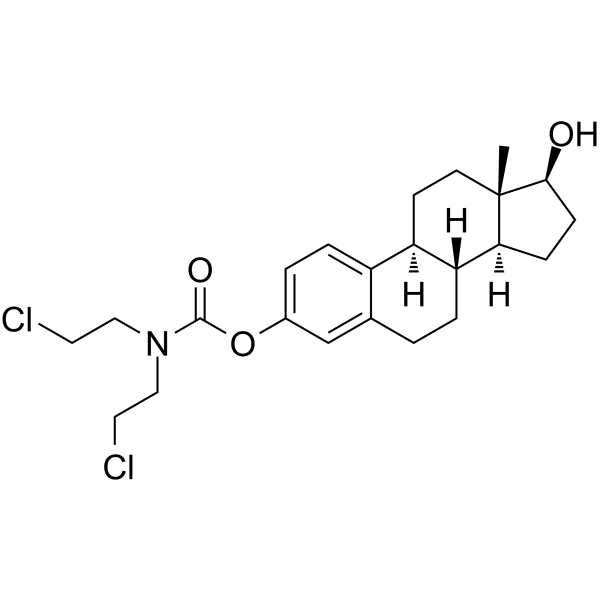
Estramustine, an estradiol analog, is an orally active antimicrotubule chemotherapy agent. Estramustine depolymerises microtubules by binding to microtubule associated proteins (MAPs) and/or to tubulin. Estramustine can interfere mitosis, trigger cell death and induce apoptosis, which can be used for the research of cancer like prostate cancer .
loading...
    loading...
1
1 Cited Publications
Cat. No.: HY-N4168A
CAS No.: 123410-65-1
Synonyms: 5-O-Caffeoylquinic acid methyl ester
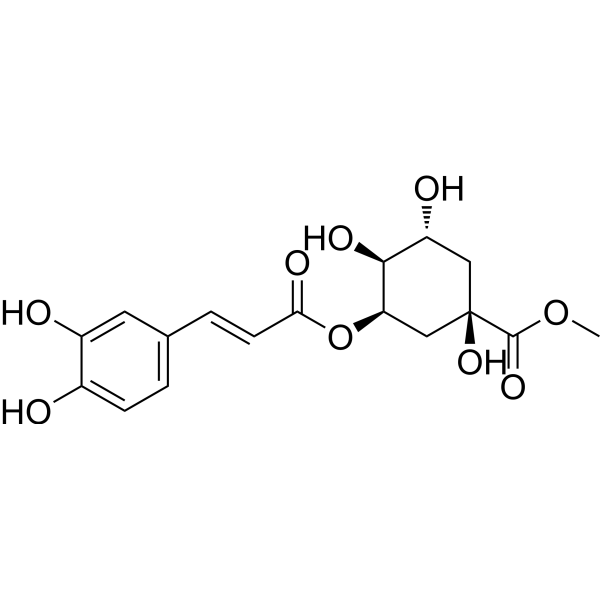
Neochlorogenic acid (5-O-Caffeoylquinic) methyl ester is a selective quinone reductase inducer (EC50 = 6.7 μM) and also exhibits hydroxyl radical scavenging activity (EC50 = 0.81 μM). Neochlorogenic acid methyl ester scavenges hydroxyl radicals by donating electrons or hydrogen atoms, while simultaneously inducing quinone reductase expression to enhance carcinogen detoxification, thus exerting antioxidant and cancer chemopreventive activities. Neochlorogenic acid methyl ester is used in research on antioxidant damage and promoting detoxification metabolism, primarily in the fields of cancer chemotherapy and antioxidant-related diseases. Neochlorogenic acid methyl ester is also an HBV inhibitor and can be isolated from the flower buds of *L. japonica* .
loading...
    loading...
1
1 Cited Publications
Cat. No.: HY-13629R
CAS No.: 33419-42-0
Synonyms: VP-16 (Standard); VP-16-213 (Standard)
Etoposide (Standard) is the analytical standard of Etoposide. This product is intended for research and analytical applications. Etoposide (VP-16; VP-16-213) is an anti-cancer chemotherapy agent. Etoposide inhibits topoisomerase II, thus stopping DNA replication. Etoposide induces cell cycle arrest, apoptosis and autophagy .
loading...
    loading...
1
1 Cited Publications
Cat. No.: HY-124582
CAS No.: 1361198-80-2
Purity:  ≥98.0%
Target:  

Autophagy mTOR

Research Areas:  

Cancer

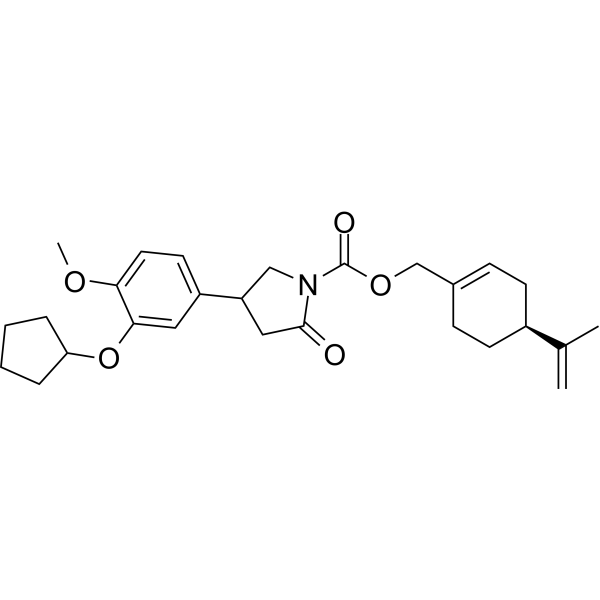
NEO214 is an autophagy inhibitor and a covalent conjugate of the PDE4 inhibitor Rolipram (HY-16900) and perillyl alcohol (HY-N7000). It has anti-cancer activity and blood-brain barrier (BBB) permeability. Over sex. NEO214 prevents autophagy-lysosome fusion, thereby blocking autophagic flux and triggering glioma cell death. The process involves mTOR activation, andTFEB(Transcription Factor EB) aggregation. NEO214 inhibitionMacroautophagy/autophagy in glioblastoma cells has the potential to overcome chemotherapy resistance in glioblastoma .
loading...
    loading...

