
115 Results for "

cell-cycle progression

" in MedChemExpress (MCE) Product Catalog:
Products (115)

115 Results for "cell-cycle progression" in MCE Product Catalog:

48
48 Publications Verification
Cat. No.: HY-100599
CAS No.: 1143-70-0
Purity:  99.82%
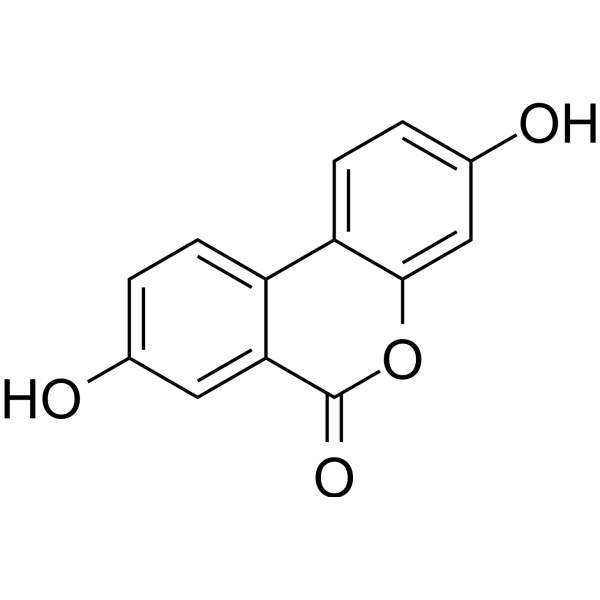
Urolithin A, a gut-microbial metabolite of ellagic acid, exerts anti-inflammatory, antiproliferative, and antioxidant properties. Urolithin A induces autophagy and apoptosis, suppresses cell cycle progression, and inhibits DNA synthesis .
loading...
    loading...
14
14 Cited Publications
Cat. No.: HY-13555
CAS No.: 4707-32-8
Purity:  99.93%
Synonyms: ARQ-501; NSC-26326
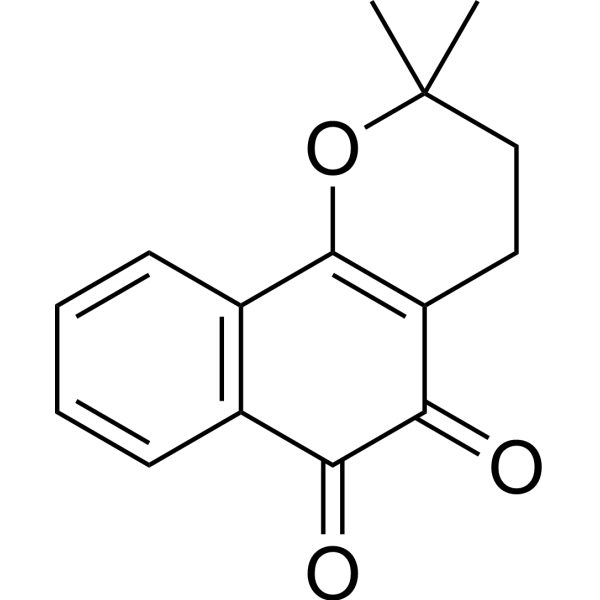
β-Lapachone (ARQ-501;NSC-26326) is a naturally occurring O-naphthoquinone, acts as a topoisomerase I inhibitor, and induces apoptosis by inhibiting cell cycle progression.
loading...
    loading...
9
9 Cited Publications
Cat. No.: HY-110382
CAS No.: 2222132-40-1
Purity:  98.78%
Synonyms: c-di-GMP disodium; cyclic diguanylate disodium; 5GP-5GP disodium
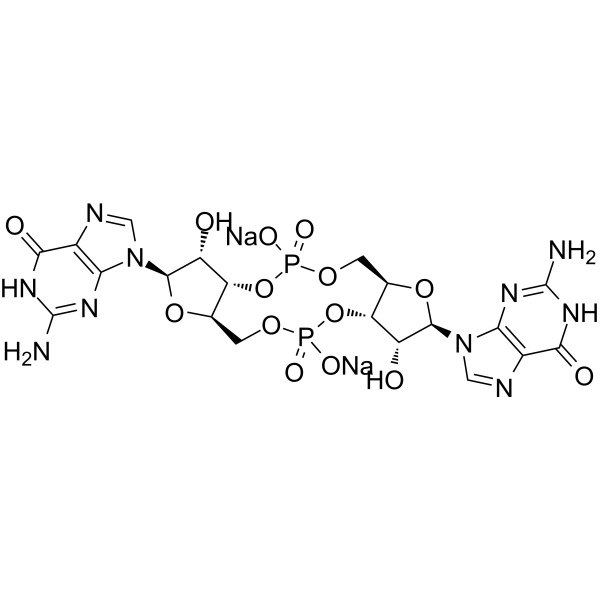
Cyclic-di-GMP disodium is a STING agonist and a bacterial second messenger that coordinates different aspects of bacterial growth and behavior, including motility, virulence, biofilm formation, and cell cycle progression. Cyclic-di-GMP disodium has anti-cancer cell proliferation activity and also induces elevated CD4 receptor expression and cell cycle arrest. Cyclic-di-GMP disodium can be used in cancer research .
loading...
    loading...
9
9 Cited Publications
Cat. No.: HY-107780B
CAS No.: 609343-82-0
Purity:  99.07%
Synonyms: c-di-GMP diammonium; cyclic diguanylate diammonium; 5GP-5GP diammonium
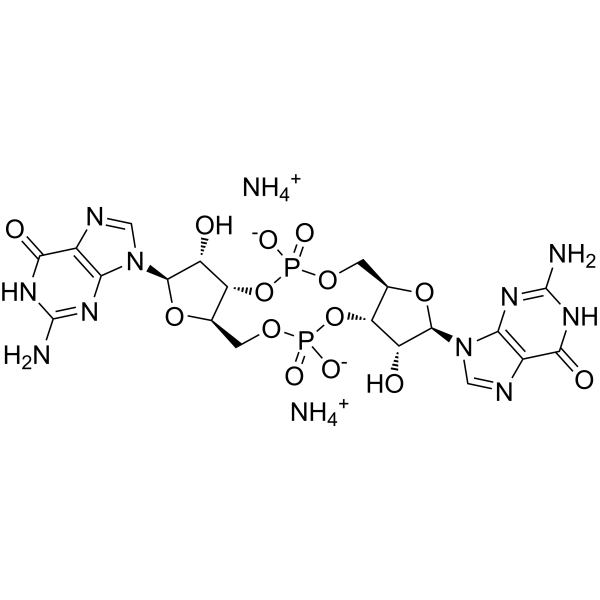
Cyclic-di-GMP diammonium is a STING agonist and a bacterial second messenger that coordinates different aspects of bacterial growth and behavior, including motility, virulence, biofilm formation, and cell cycle progression. Cyclic-di-GMP diammonium has anti-cancer cell proliferation activity and also induces elevated CD4 receptor expression and cell cycle arrest. Cyclic-di-GMP diammonium can be used in cancer research .
loading...
    loading...
4
4 Cited Publications
Cat. No.: HY-N1535
CAS No.: 52617-37-5
Synonyms: Rubescensine B
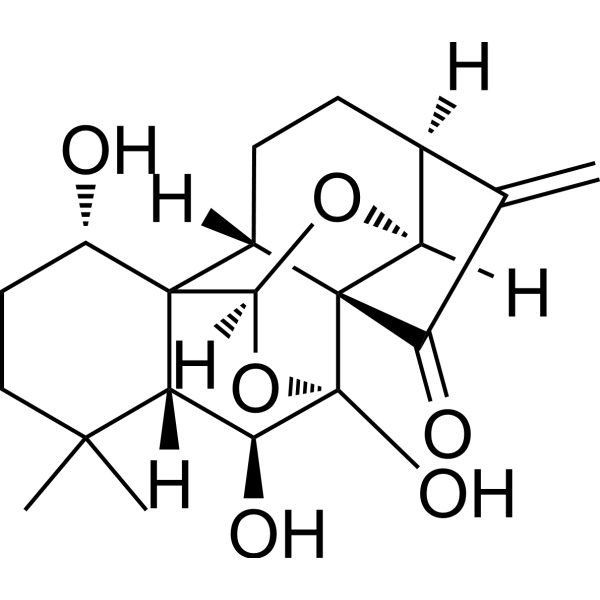
Ponicidin (Rubescensine B) is an orally active RIPK1 inhibitor with a Kd value of 135 nM. Ponicidin inhibits the JAK2/STAT3 pathway to induce apoptosis, activates the PI3K/Akt pathway, upregulates SIRT1 expression, alleviates oxidative stress, suppresses inflammatory responses and necroptosis, and blocks cell cycle progression. Ponicidin induces ROS production to exert antiproliferative and antiviral effects, while also improving cognitive function and reducing plaque deposition. Ponicidin can be used in studies related to hepatocellular carcinoma, Alzheimer's disease, and gastric cancer .
loading...
    loading...
3
3 Cited Publications
Cat. No.: HY-19542
CAS No.: 124753-97-5
Synonyms: C6-Cer; N-Hexanoylsphingosine
Target:  

Apoptosis

Research Areas:  

Cancer

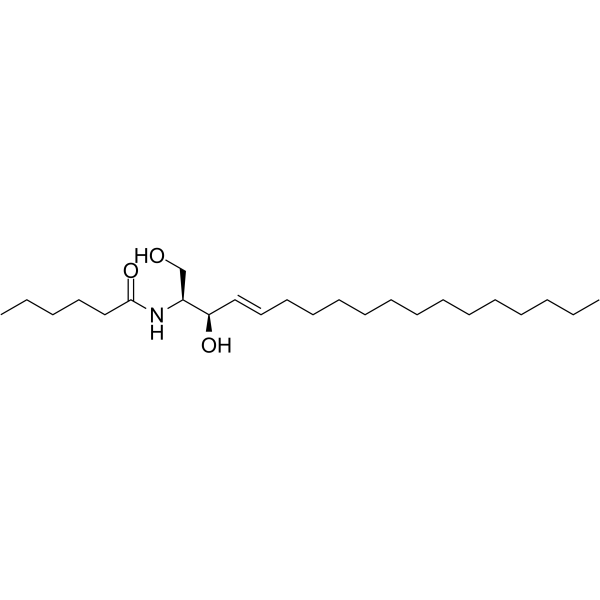
C6 Ceramide (C6-Cer) is a short-chain, cell-permeable ceramide pathway activator with anticancer activity. C6 Ceramide-mediated miR-29b expression participates in the progression of multiple myeloma through suppressing the proliferation, migration and angiogenesis of endothelial cells by targeting Akt signal pathway. C6 Ceramide exhibits multiple anti-cancer properties including cell cycle arrest, Apoptosis, inhibition of tumor growth and enhances the effects of chemotherapy in drug-resistant cancer cells. C6-ceramide can be used as an adjuvant for chemotherapeutic agents, to enhance anti-tumor effects .
loading...
    loading...
3
3 Cited Publications
Cat. No.: HY-100789
CAS No.: 1312471-39-8
Purity:  99.90%
Research Areas:  

Cancer

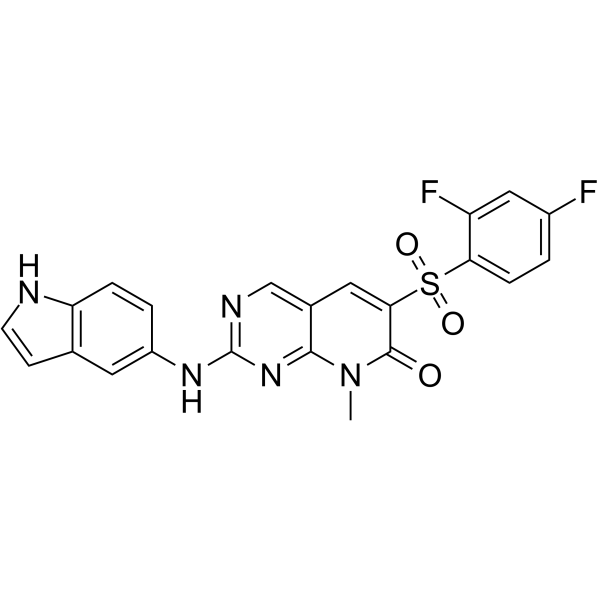
ON1231320 is a highly specific polo like kinase 2 (PLK2) inhibitor with an IC50 of 0.31 μM. ON1231320 blocks tumor cell cycle progression in the G2/M phase in mitosis, causing apoptotic cell death. ON1231320, an arylsulfonyl pyrido-pyrimidinone, has antitumor activity .
loading...
    loading...
3
3 Cited Publications
Cat. No.: HY-148333
CAS No.: 2225938-86-1
Purity:  98.00%
Research Areas:  

Cancer

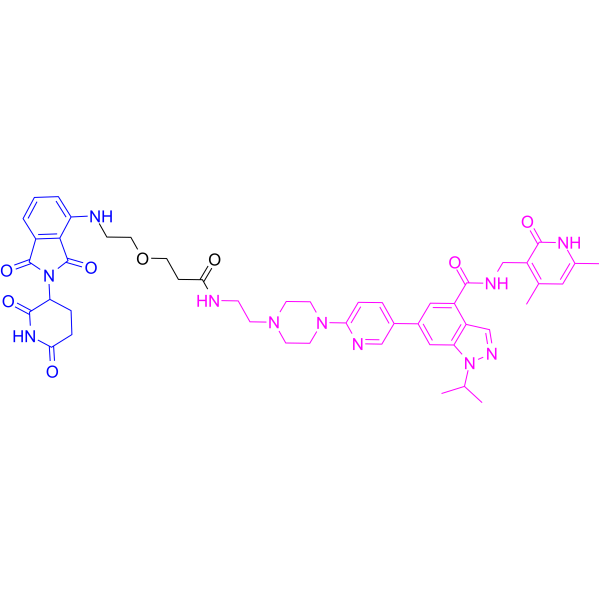
MS177 is an effective and fast-acting EZH2 degrader. MS177 is a PROTAC that consists of a CRBN ligand, linker, and a potent enzymatic EZH2 inhibitor C24 (C24 IC50): 12 nM). MS177 effectively depletes both canonical EZH2-PRC2 and noncanonical EZH2-cMyc complexes. MS177 induces leukaemia cell growth inhibition, apoptosis and cell cycle progression arrest .
loading...
    loading...
3
3 Cited Publications
Cat. No.: HY-139604
CAS No.: 2623158-64-3
Purity:  99.56%
Target:  

MARK Apoptosis

Research Areas:  

Cancer

PCC0208017 is a microtubule affinity regulating kinases (MARK3/MARK4) inhibitor with IC50s of 1.8 and 2.01 nM, respectively. PCC0208017 has much lower inhibitory activity against MARK1 and MARK2, with IC50s of 31.4 and 33.7 nM, respectively. PCC0208017 suppresses glioma progression in vitro and in vivo. PCC0208017 disrupts microtubule dynamics and induces G2/M phase cell cycle arrest and cell apoptosis. PCC0208017 demonstrates robust antitumor activity in vivo and displays good BBB permeability .
loading...
    loading...
3
3 Cited Publications
Cat. No.: HY-W369099
CAS No.: 1420290-88-5
Target:  

STAT Apoptosis

Research Areas:  

Cancer

HJC0152 (free base) is an orally active and potent inhibitor of STAT3. HJC0152 (free base) inhibits cell cycle progression and induces apoptosis. HJC0152 (free base) significantly suppresses MDA-MB-231 xenograft tumor growth in mice .
loading...
    loading...
2
2 Cited Publications
Cat. No.: HY-111380
CAS No.: 1425945-60-3
Purity:  98.16%
Target:  

DYRK

Research Areas:  

Neurological Disease

EHT 1610 is a potent inhibitor of DYRK, with IC50s of 0.36 nM (DYRK1A), 0.59 nM (DYRK1B), respectively. EHT 1610 exhibits antileukemia effect, regulates cell cycle and induces cell apoptosis - .
loading...
    loading...
2
2 Cited Publications
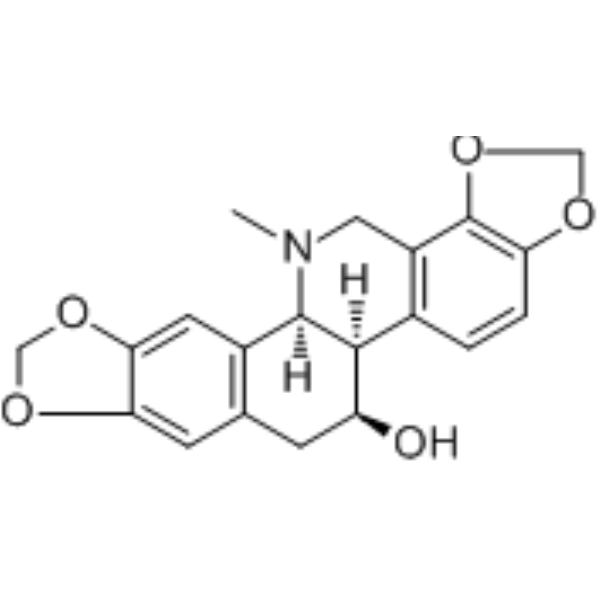
Cat. No.: HY-N2369
CAS No.: 476-32-4
Chelidonine, an isoquinoline alkaloid, can be isolated from Chelidonium majus L.. Chelidonine causes G2/M arrest and induces caspase-dependent and caspase-independent apoptosis, and prevents cell cycle progression of stem cells in Dugesia japonica. Chelidonine has cytotoxic activity against melanoma cell lines. with anticancer and antiviral activity .
loading...
    loading...
1
1 Cited Publications
Cat. No.: HY-125474
CAS No.: 9000-07-1
Carrageenan is an antiviral and anticancer agent. Carrageenan inhibits herpes simplex virus (HSV), HIV, and hepatitis A virus (HAV) by directly binding to the viral capsid to block the attachment of viruses such as HPV to HSPG factors on the cell surface. Carrageenan delays and arrests cell cycle progression, exhibits cytotoxicity against HeLa cancer cells, and can be applied to studies related to cervical cancer, genital warts, hepatitis A, and other conditions. Carrageenan also induces acute non-immune inflammation, triggers a three-phase inflammatory response involving the release of multiple proinflammatory mediators, and causes persistent edema, hyperalgesia, and neutrophil recruitment in mice .
loading...
    loading...
1
1 Cited Publications
Cat. No.: HY-122506
CAS No.: 119400-86-1
Purity:  99.61%
Salviolone is a natural diterpenoid derivative that can against melanoma cells. Salviolone exhibits a pleiotropic effect against melanoma by hampering cell cycle progression, STAT3 signaling, and malignant phenotype of A375 melanoma cells .
loading...
    loading...
1
1 Cited Publications
Cat. No.: HY-N0107
CAS No.: 860-79-7
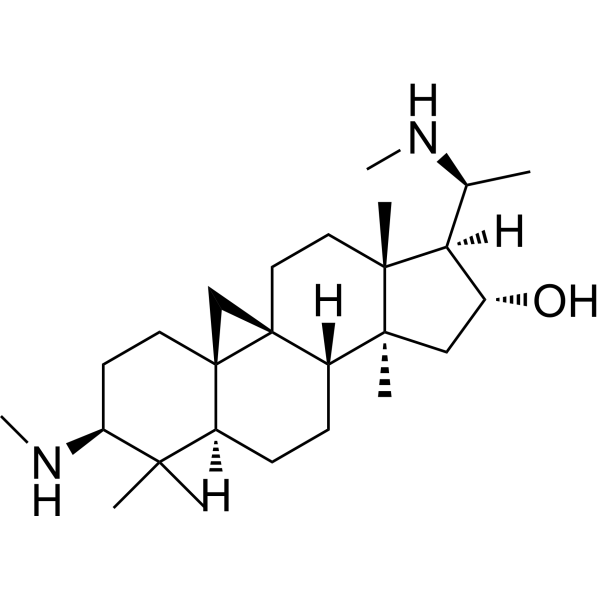
Cyclovirobuxine D (CVB-D) is the main active component of the traditional Chinese medicine Buxus microphylla. Cyclovirobuxine D induces autophagy and attenuates the phosphorylation of Akt and mTOR . Cyclovirobuxine D inhibits cell proliferation of gastric cancer cells through suppression of cell cycle progression and inducement of mitochondria-mediated apoptosis . Cyclovirobuxine D is beneficial for heart failure induced by myocardial infarction .
loading...
    loading...
1
1 Cited Publications
Cat. No.: HY-117049
CAS No.: 1112978-84-3
Purity:  98.70%
Leucettine L41 is a potent inhibitor of dual-specificity tyrosine phosphorylation-regulated kinases (DYRKs) and CDC-like kinases (CLKs). Leucettine L41 can also inhibit GSK-3 singnaling. Leucettine L41 can inhibit cell apoptosis and ROS production. Leucettine L41 can promote β-cell cell cycle progression, cell proliferation and increase insulin secretion. Leucettine L41 can be used for the researches of neurological disease and metabolic disease, such as Alzheimer’s disease (AD) and diabetes .
loading...
    loading...
1
1 Cited Publications
Cat. No.: HY-P2196A
Target:  

Apelin Receptor (APJ)

Research Areas:  

Cancer

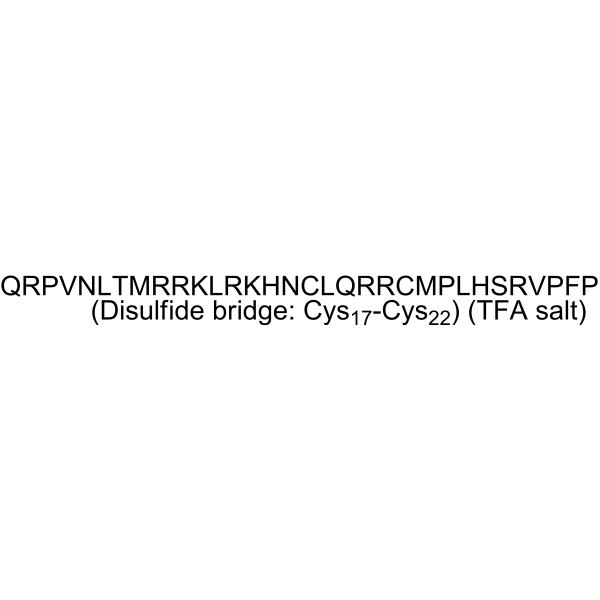
ELA-32(human) TFA is a potent, high affinity apelin receptor agonist (IC50=0.27 nM; Kd=0.51 nM). ELA-32(human) TFA exhibits no binding GPR15 and GPR25. ELA-32(human) TFA activates the PI3K/AKT pathway and promotes self-renewal of hESCs via cell-cycle progression and protein translation. ELA-32(human) TFA also potentiates the TGFβ pathway, priming hESCs toward the endoderm lineage. ELA-32(human) TFA stimulates angiogenesis in HUVEC cells.
loading...
    loading...
1
1 Cited Publications
Cat. No.: HY-119737
CAS No.: 64902-72-3
Purity:  99.95%
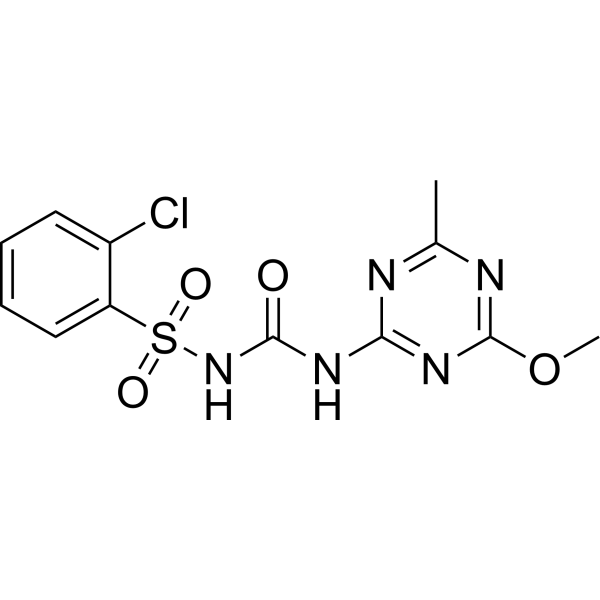
Chlorsulfuron is an acetolactate synthase inhibitor and selective systemic herbicide. Chlorsulfuron blocks the synthesis of branched-chain amino acids (valine and isoleucine), thereby inhibiting protein synthesis, cell growth, and cell division. Chlorsulfuron blocks G1 and G2 phase cell cycle progression in plant root tip cells without directly interfering with mitosis or DNA synthesis. Chlorsulfuron completely inhibits germination of non-target terrestrial plants and is highly toxic to aquatic macrophytes. Chlorsulfuron has low toxicity to mammals, birds and bees, and moderate toxicity to fish and aquatic invertebrates. Chlorsulfuron can be used in studies related to herbicides, plant cell cycles and ecotoxicology .
loading...
    loading...
1
1 Cited Publications
Cat. No.: HY-153190
CAS No.: 2740522-79-4
Purity:  99.25%
Research Areas:  

Cancer

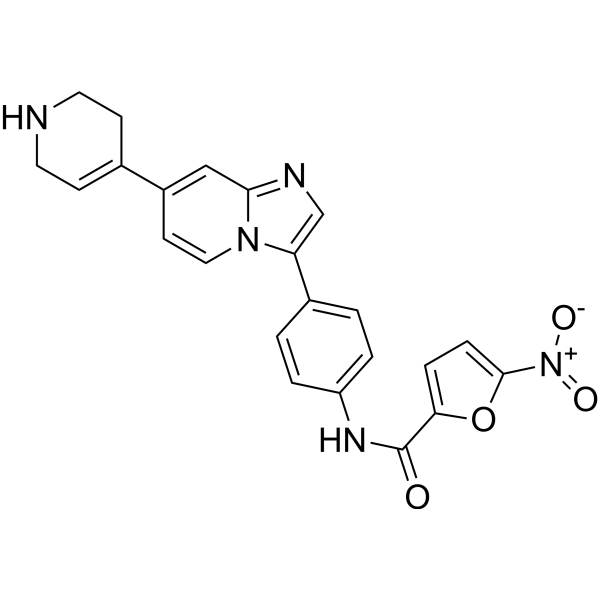
W1131 is a potent STAT3 inhibitor, triggering ferroptosis. W1131 suppresses cancer progression in gastric cancer cell subcutaneous xenograft model, organoids model, and PDX model. W1131 effectively alleviates chemical resistance of cancer cells to 5-FU (HY-90006). W1131 regulates cell cycle, DNA damage response, and oxidative phosphorylation, including IL6-JAK-STAT3 pathway and ferroptosis pathway .
loading...
    loading...
1
1 Cited Publications
Cat. No.: HY-153190A
Purity:  99.27%
Target:  

Ferroptosis STAT

Research Areas:  

Cancer

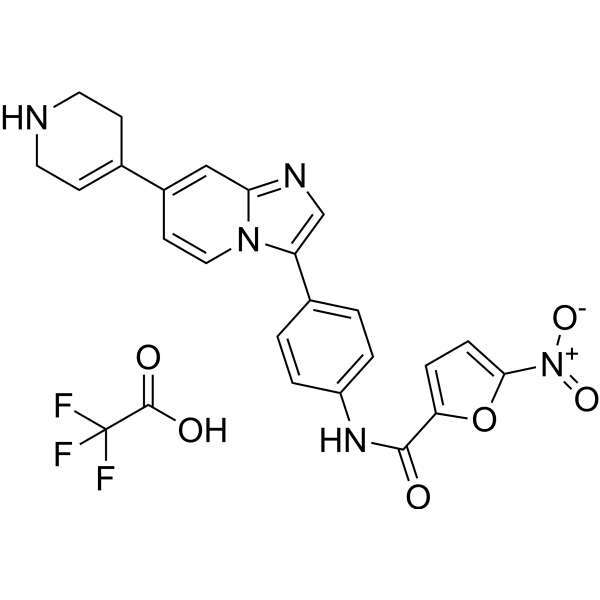
W1131 TFA is a potent STAT3 inhibitor that induces ferroptosis. W1131 inhibits cancer progression in subcutaneous xenograft, organoid, and PDX models of gastric cancer. W1131 effectively alleviates cancer cell chemoresistance to 5-FU (HY-90006). W1131 regulates the cell cycle, DNA damage response, and oxidative phosphorylation, including the IL6-JAK-STAT3 pathway and the ferroptosis pathway .
loading...
    loading...

