1. Search Result
Search Result
Results for "

chelate

" in MedChemExpress (MCE) Product Catalog:

319

Inhibitors & Agonists

13

Fluorescent Dye

76

Biochemical Assay Reagents

21

Peptides

5

MCE Kits

49

Natural
Products

10

Isotope-Labeled Compounds

3

Click Chemistry

3

Oligonucleotides

Cat. No. Product Name Target Research Areas Chemical Structure
  • HY-N0420
    Succinic acid
    5+ Cited Publications

    Wormwood acid

    Environmental Pollutants Endogenous Metabolite Neurological Disease
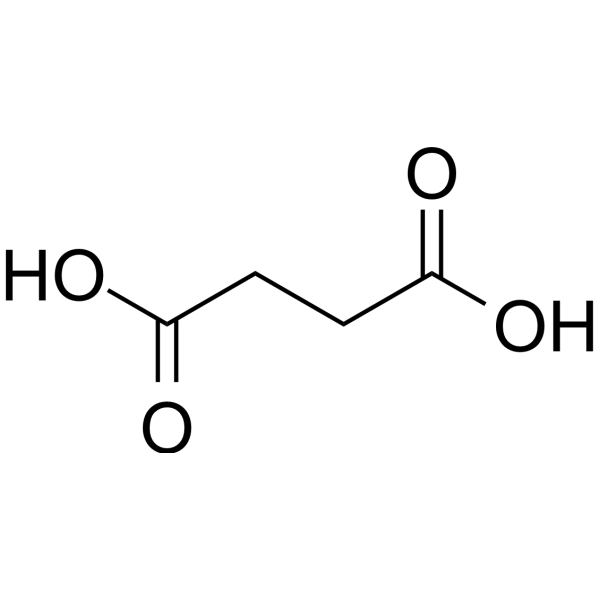
    Succinic acid is an anti-anxiety agent with oral activity. Disodium succinate is the salt form of Succinic acid. Succinic acid is an intermediate product of the tricarboxylic acid cycle. Succinic acid is an important platform chemical. Succinic acid can be used as surfactant, additive, ion chelating agent, flavoring agent and other applications in chemical, pharmaceutical and food fields .
    Succinic acid
  • HY-Y0682
    Ethylenediaminetetraacetic acid
    Maximum Cited Publications
    29 Publications Verification

    EDTA

    Environmental Pollutants Biochemical Assay Reagents Bacterial SOD Cardiovascular Disease Neurological Disease Cancer
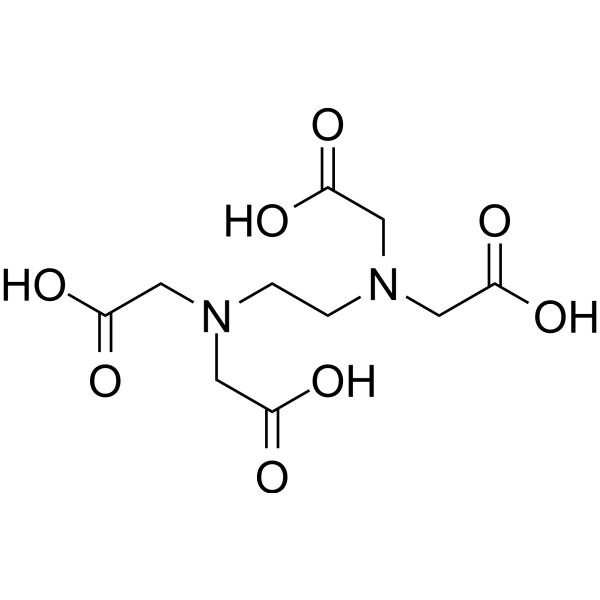
    Ethylenediaminetetraacetic acid (EDTA) is a kind of metal chelating agent (binds to bivalent and trivalent metal cations, including calcium). Ethylenediaminetetraacetic acid has antibacterial, anti-inflammatory, antioxidant, anti-hypercalcemia and anticoagulant activities. Ethylenediaminetetraacetic acid decreases the metal ion-catalyzed oxidative damage to proteins, and allows maintenance of reducing environment during protein purification. Ethylenediaminetetraacetic acid can alleviate the liver fibrosis. Ethylenediaminetetraacetic acid can be used for coronary artery disease and neural system disease research .
    Ethylenediaminetetraacetic acid
  • HY-B0581
    Dexrazoxane
    15+ Cited Publications

    ICRF-187; ADR-529; NSC-169780

    Ferroptosis Apoptosis Cardiovascular Disease Neurological Disease Inflammation/Immunology Cancer
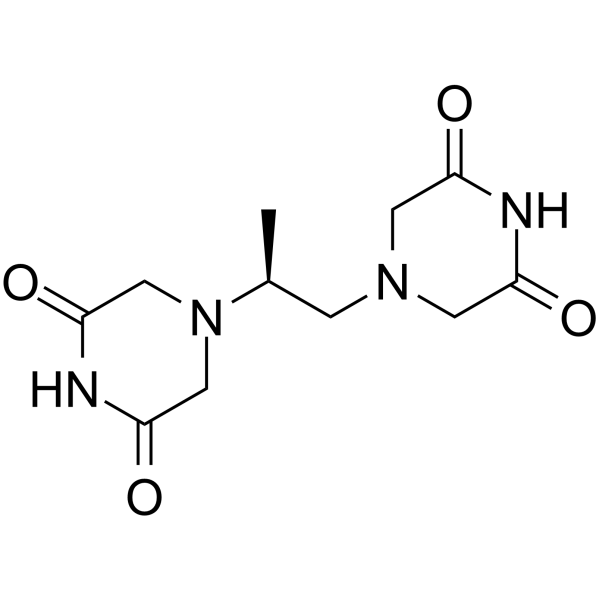
    Dexrazoxane, as an intracellular iron chelating agent, reduces the formation of superoxide radicals and has cardioprotective, anti-inflammatory, antioxidant, anti-tumor and neuroprotective activities. Dexrazoxane inhibits ferroptosis of H9c2 cells by inhibiting HMGB1. Dexrazoxane induces DNA damage and apoptosis in human fibrosarcoma cells .
    Dexrazoxane
  • HY-W015410
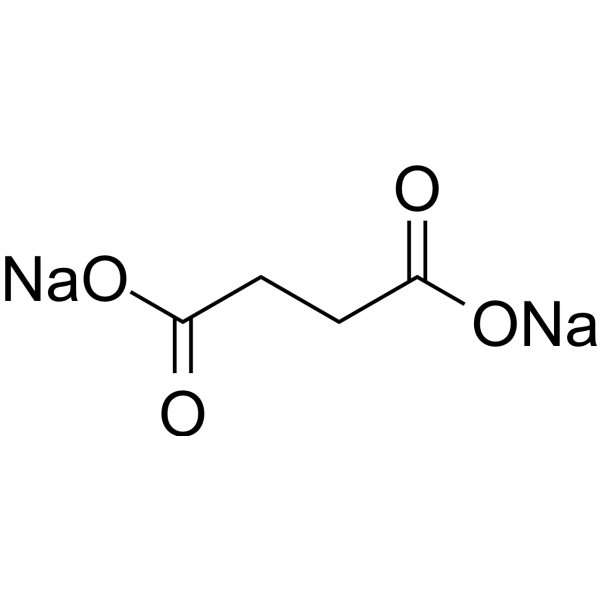
    Disodium succinate
    5+ Cited Publications

    Endogenous Metabolite Inflammation/Immunology
    Disodium succinate is an anti-anxiety agent with oral activity. Disodium succinate is the salt form of Succinic acid. Disodium succinate is an intermediate product of the tricarboxylic acid cycle. Disodium succinate is an important platform chemical. Disodium succinate can be used as surfactant, additive, ion chelating agent, flavoring agent and other applications in chemical, pharmaceutical and food fields .
    Disodium succinate
  • HY-D0020
    2,2'-Bipyridine
    1 Publications Verification

    MOFs Infection Endocrinology
    2,2'-Bipyridine is the unique molecular scaffold of the bioactive natural products. 2,2'-Bipyridine is extensively used as the core structure of many chelating ligands by acting as a bridge in the arrangement of the catalytic center. 2,2'-Bipyridine shows robust redox stability and hyperglycemic activity .
    2,2'-Bipyridine
  • HY-W018746
    EDTA disodium
    20+ Cited Publications

    Ethylenediaminetetraacetic acid disodium

    Environmental Pollutants Biochemical Assay Reagents Others
    EDTA disodium salt, also known as ethylenediaminetetraacetic acid disodium, belongs to the chelating agent category, which is formed by chelating a central metal ion with four carboxylate groups and two amine groups. This compound, with its ability to bind and chelate metal ions such as calcium, magnesium and iron, is commonly used in a variety of applications, including industrial, medical and research settings. It is used as a preservative in food and beverage, as a stabilizer in medicine, as a chelating agent in water treatment, and as a reagent in biochemical and biomedical research. In addition, EDTA disodium salt has been studied for potential research effects such as improving heavy metal poisoning and cardiovascular disease.
    EDTA disodium
  • HY-114377
    p-SCN-Bn-DOTA
    1 Publications Verification

    Radionuclide-Drug Conjugates (RDCs) Cancer
    p-SCN-Bn-DOTA is a bifunctional chelating agent. p-SCN-Bn-DOTA can simultaneously chelate radionuclides and link monoclonal antibody for radioimmunoresearch of tumor .
    p-SCN-Bn-DOTA
  • HY-Y0682A

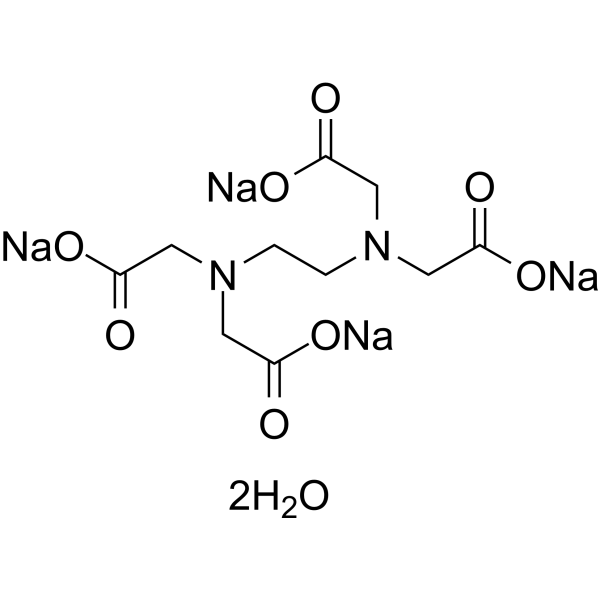
    EDTA disodium dihydrate

    Environmental Pollutants Biochemical Assay Reagents Bacterial SOD Cardiovascular Disease Neurological Disease Cancer
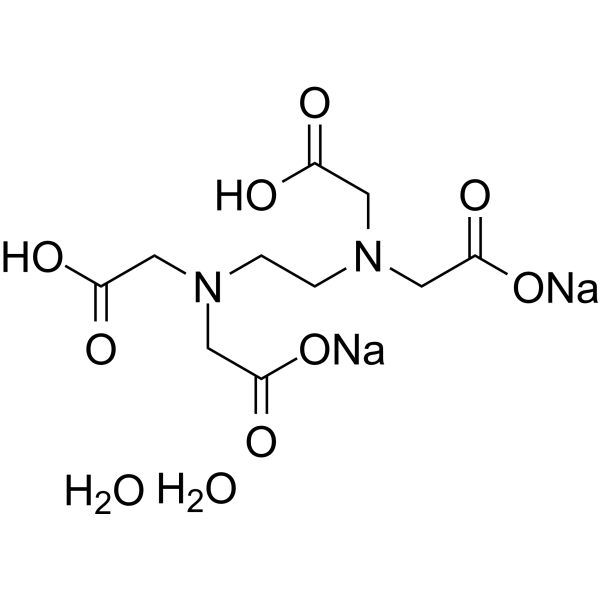
    Ethylenediaminetetraacetic acid (EDTA) disodium dehydrate is a kind of metal chelating agent (binds to bivalent and trivalent metal cations, including calcium). Ethylenediaminetetraacetic acid disodium dehydrate has antibacterial, anti-inflammatory, antioxidant, anti-hypercalcemia and anticoagulant activities. Ethylenediaminetetraacetic acid disodium dehydrate decreases the metal ion-catalyzed oxidative damage to proteins, and allows maintenance of reducing environment during protein purification. Ethylenediaminetetraacetic acid disodium dehydrate can alleviate the liver fibrosis. Ethylenediaminetetraacetic acid disodium dehydrate can be used for coronary artery disease and neural system disease research .
    Ethylenediaminetetraacetic acid disodium dihydrate
  • HY-Y0569C
    D-Gluconic acid potassium
    1 Publications Verification

    Environmental Pollutants Endogenous Metabolite Fungal Infection Cancer
    D-Gluconic acid potassium is an orally active carboxylic acid by the oxidation with antiseptic and chelating properties .
    D-Gluconic acid potassium
  • HY-D0190
    2-Thenoyltrifluoroacetone
    5+ Cited Publications

    HTTA; TTA; TTFA

    Mitochondrial Metabolism Infection Others Cancer
    2-Theoyltrifluoroacetone is a chelating agent and mitochondrial electron transfer chain inhibitor, with a IC50 value of 51.5 μM. 2-Thermoyltrifluoroacetone can chelate with various metal ions and has cytotoxicity and anti-tumor activity, which is expected to play an important role in the treatment of mitochondrial dysfunction related diseases .
    2-Thenoyltrifluoroacetone
  • HY-134418

    Radionuclide-Drug Conjugates (RDCs) Cardiovascular Disease Cancer
    NOTA is a bifunctional chelate which acts as the framework to construct PET imaging tools. NOTA also can be used for probe design and signal amplification via the multivalent effect. NOTA can be used in multiple myeloma, breast cancer, lymphoma and myocardial infarction research .
    NOTA
  • HY-N7059

    Bacterial Reactive Oxygen Species (ROS) Infection
    Lactobionic acid is a bionic acid that can be naturally found in the Caspian Sea yogurt and chemically constituted of a gluconic acid bonded to a galactose. Lactobionic acid has antioxidant, antimicrobial, chelating, stabilizer, acidulant, and moisturizing properties. Lactobionic acid can be obtained by electrolytic methods, microbial fermentation or biocatalytic approaches. Lactobionic acid can be used in foodstuffs, to produce new functional products and against food-borne pathogens. Lactobionic acid inhibits DNA repair and protein synthesis, induction of oxidative stress and inhibition of metabolic pathways against MRSA .
    Lactobionic acid
  • HY-Y0569

    Environmental Pollutants Endogenous Metabolite Fungal Infection Metabolic Disease Cancer
    D-Gluconic acid is the carboxylic acid by the oxidation with antiseptic and chelating properties.
    D-Gluconic acid (solution) (51.205% in water)
  • HY-B1768
    Succimer
    1 Publications Verification

    Dimercaptosuccinic acid; DMSA

    Biochemical Assay Reagents Others Cancer
    Succimer is a widely used chelating agent for the treatment of Pb poisoning.
    Succimer
  • HY-B0729
    Polaprezinc
    1 Publications Verification

    Zinc L-carnosine

    Biochemical Assay Reagents Inflammation/Immunology Cancer
    Polaprezinc is an orally bioavailable chelate composed of zinc and L-carnosine, with potential gastroprotective, anti-oxidant, anti-ulcer and anti-inflammatory activities.
    Polaprezinc
  • HY-129328
    Magnesium glycinate
    1 Publications Verification

    Magnesium bisglycinate; Magnesium diglycinate

    Biochemical Assay Reagents Cancer
    Magnesium glycinate (Magnesium bisglycinate), the magnesium salt of glycine, is a nutrient supplement. Magnesium glycinate has satisfactory physico-chemical properties and bioactivities. Metal glycinate chelates are formed by glycine and metal compounds through chemical reactions. Magnesium is an essential mineral that plays a critical role in the human body. Magnesium takes part in the process of energy metabolism and assists the maintenance of normal muscle function .
    Magnesium glycinate
  • HY-B1009

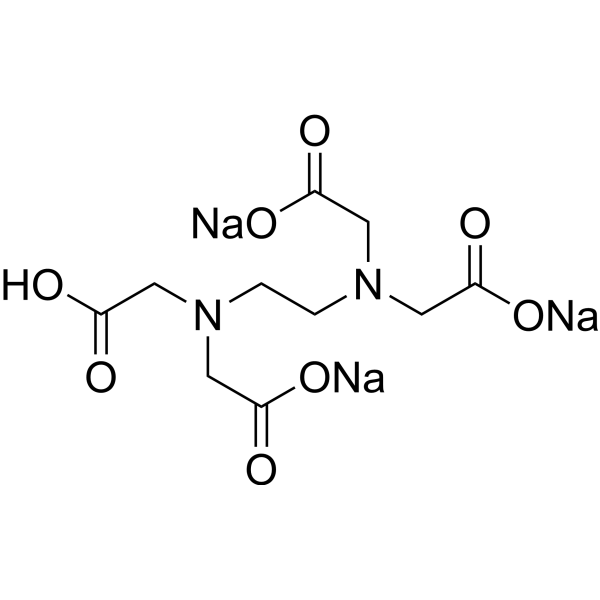
    EDTA trisodium salt; Trisodium EDTA

    Environmental Pollutants Bacterial SOD Ferroptosis Cardiovascular Disease Neurological Disease Cancer
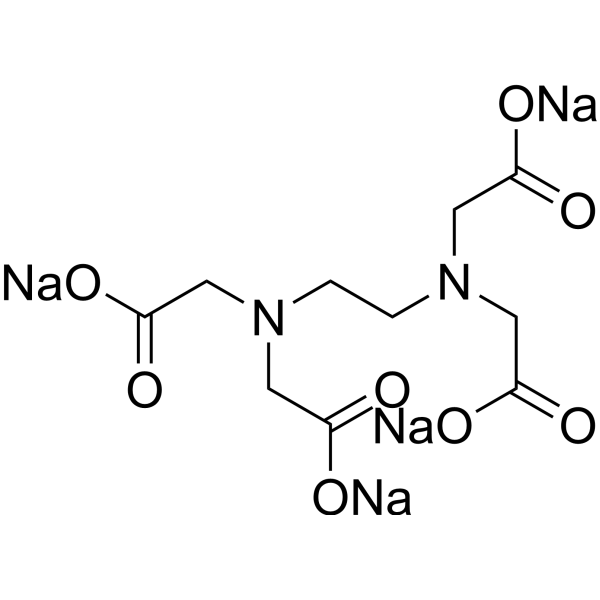
    Ethylenediaminetetraacetic acid trisodium salt (EDTA trisodium salt; Trisodium EDTA) is a kind of metal chelating agent (binds to bivalent and trivalent metal cations, including calcium). Ethylenediaminetetraacetic acid trisodium salt has antibacterial, anti-inflammatory, antioxidant, anti-hypercalcemia and anticoagulant activities. Ethylenediaminetetraacetic acid trisodium salt decreases the metal ion-catalyzed oxidative damage to proteins, and allows maintenance of reducing environment during protein purification. Ethylenediaminetetraacetic acid trisodium salt can alleviate the liver fibrosis. Ethylenediaminetetraacetic acid can be used for coronary artery disease and neural system disease research .
    Ethylenediaminetetraacetic acid trisodium salt
  • HY-Y0998

    Red prussiate, 99.5%

    Biochemical Assay Reagents Others
    Potassium hexacyanoferrate(III), 99.5% (Red prussiate, 99.5%) is a chelating agent for metals such as iron and copper.
    Potassium hexacyanoferrate(III), 99.5%
  • HY-I0301
    D-(+)-Glucono-1,5-lactone
    1 Publications Verification

    Gluconic acid lactone

    Environmental Pollutants Endogenous Metabolite Reactive Oxygen Species (ROS) Others
    D-(+)-Glucono-1,5-lactone is a polyhydroxy (PHA) that is capable of metal chelating, moisturizing and antioxidant activity.
    D-(+)-Glucono-1,5-lactone
  • HY-W013178

    Biochemical Assay Reagents Others
    DCTA monohydrate is an organic acid. DCTA refers to N,N,N',N' -tetraacetic acid, which has a strong chelating ability. DCTA monohydrate can be used as a chelating agent and coordination reagent for metal ions. DCTA monohydrate, for example, forms stable complexes with many metal ions, including calcium, magnesium and zinc. DCTA modified with ethylene glycol is selective to calcium ions in the presence of magnesium ions .
    DCTA monohydrate
  • HY-W134072

    Environmental Pollutants Endogenous Metabolite Biochemical Assay Reagents Bacterial Infection Others
    Tetrasodium glutamate diacetate (46% in water) is a biodegradable chelating agent that enhances antibacterial efficacy. Tetrasodium glutamate diacetate (46% in water) improves the antibacterial performance of multifunctional additives in cosmetic formulations. Tetrasodium glutamate diacetate (46% in water) acts as a chelating agent in cosmetic formulations .
    Tetrasodium glutamate diacetate (46% in water)
  • HY-16564

    Ferroptosis Bacterial Others
    Deferasirox Fe3+ Chelate is an iron chelating agent extracted from patent WO2003053986 .
    Deferasirox (Fe3+ chelate)
  • HY-N15871

    Liposome Others
    18:1 DGS-NTA(Ni) is a nickel chelating lipid. 18:1 DGS-NTA(Ni) has high affinity for histidine-tags and can bind histidine tags of recombinant proteins. 18:1 DGS-NTA(Ni) can be used for preparation of liposomes and nanosize multilamellar vesicles (NMVs) which are used in protein and peptide binding studies and antigen delivery .
    18:1 DGS-NTA(Ni)
  • HY-145955

    Sodium stearoyl glutamate

    Biochemical Assay Reagents Others
    Sodium stearoyl glutamate is a sodium salt of monocarboxylic acid anionic surfactant, which serves as a chelating agent, skin sensitizer and anionic co-emulsifier .
    Stearoyl glutamic acid sodium
  • HY-W030778
    Nitrilotriacetic acid
    1 Publications Verification

    Triglycollamic acid

    Biochemical Assay Reagents Others
    Nitrilotriacetic acid is an orally active chelating agent for metal ions. Nitrilotriacetic acid is an aminotricarboxylic acid that can sequester metal ions as water soluble complexes. Nitrilotriacetic acid reacts with strong oxidizing agents such as hypochlorite, chlorine, ozone, or oxygen in the presence of palladium/carbon catalyst. Nitrilotriacetic acid interacts with solid phases such as cell membranes and bone matrices in the mammalian system. Nitrilotriacetic acid is classified as an epigenetic rodent carcinogen .
    Nitrilotriacetic acid
  • HY-W017457

    (±)-Penicillamine

    Biochemical Assay Reagents Others
    DL-Penicillamine [(±)-Penicillamine] is a copper chelating agent. DL-Penicillamine has antidotal effects in thallotoxicosis rats when co-treated with Prussian blue (HY-106594A). DL-Penicillamine can cause pyridoxine deficiency and then induce optic axial neuritis. DL-Penicillamine can also depress primary immune response .
    DL-Penicillamine
  • HY-W127774
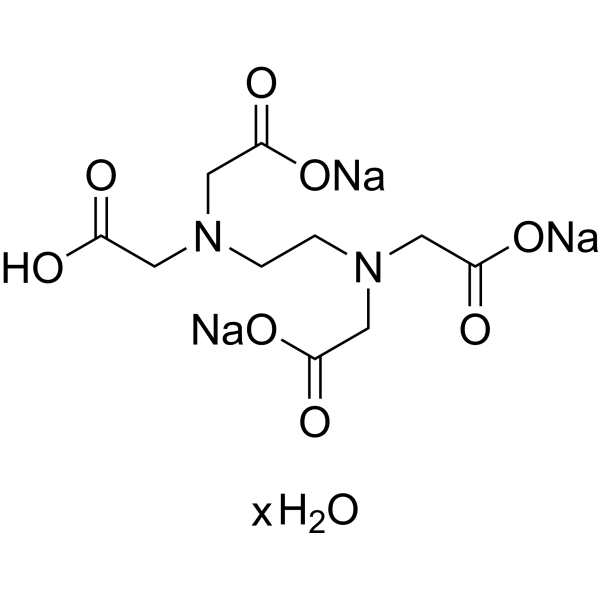
    EDTA hydrate sodium
    20+ Cited Publications

    Ethylenediaminetetraacetic acid hydrate sodium

    Biochemical Assay Reagents Bacterial SOD Cardiovascular Disease Neurological Disease Cancer
    EDTA (Ethylenediaminetetraacetic acid) hydrate sodium is a kind of metal chelating agent (binds to bivalent and trivalent metal cations, including calcium). EDTA hydrate sodium has antibacterial, anti-inflammatory, antioxidant, anti-hypercalcemia and anticoagulant activities. EDTA hydrate sodium decreases the metal ion-catalyzed oxidative damage to proteins, and allows maintenance of reducing environment during protein purification. EDTA hydrate sodium can alleviate the liver fibrosis. Ethylenediaminetetraacetic acid can be used for coronary artery disease and neural system disease research .
    EDTA hydrate sodium
  • HY-W013851

    Environmental Pollutants Biochemical Assay Reagents Others
    EDTA-OH is a chelating agent, which forms thermodynamically stable chelates with metal ions like calcium, magnesium, iron, zinc and copper . EDTA-OH exhibits ability of phytoremediation in heavy-metal-contaminated soils . EDTA-OH is able to cross brain-blood barrier .
    EDTA-OH
  • HY-158067

    DFO-DBCO

    Biochemical Assay Reagents Radionuclide-Drug Conjugates (RDCs) Cancer
    Deferoxamine-DBCO is a bifunctional chelating agent. Deferoxamine-DBCO efficiently chelates with radioactive metals (such as 89Zr) through the DFO structure to achieve radiolabeling. Deferoxamine-DBCO undergoes a metal-free Huisgen cycloaddition reaction with azide-containing biomolecules (such as siRNA, monoclonal antibodies) under bioorthogonal conditions through the DBCO structure to achieve targeted coupling. Deferoxamine-DBCO has efficient metal chelating ability and specific bioorthogonal reaction activity. Deferoxamine-DBCO can be used for targeted radioactive imaging studies of tumors .
    Deferoxamine-DBCO
  • HY-155483

    NOTA-PSMA

    Radionuclide-Drug Conjugates (RDCs) Cancer
    PSMA-BCH (NOTA-PSMA) is a NOTA-conjugated precursor. NOTA is a bifunctional chelate which acts as the framework to construct PET imaging tools .
    PSMA-BCH
  • HY-W094516
    Disodium succinate hexahydrate
    4 Publications Verification

    Wormwood acid disodium hexahydrate

    Endogenous Metabolite Neurological Disease Inflammation/Immunology
    Disodium succinate hexahydrate (Wormwood acid disodium hexahydrate) is an anti-anxiety agent with oral activity. Disodium succinate hexahydrate is an intermediate product of the tricarboxylic acid cycle. Disodium succinate hexahydrate is an important platform chemical. Disodium succinate hexahydrate can be used as surfactant, additive, ion chelating agent, flavoring agent and other applications in chemical, pharmaceutical and food fields .
    Disodium succinate hexahydrate
  • HY-N0420R
    Succinic acid (Standard)
    5+ Cited Publications

    Wormwood acid (Standard)

    Reference Standards Endogenous Metabolite Neurological Disease
    Succinic acid (Standard) is the analytical standard of Succinic acid. This product is intended for research and analytical applications. Succinic acid is an anti-anxiety agent with oral activity. Disodium succinate is the salt form of Succinic acid. Succinic acid is an intermediate product of the tricarboxylic acid cycle. Succinic acid is an important platform chemical. Succinic acid can be used as surfactant, additive, ion chelating agent, flavoring agent and other applications in chemical, pharmaceutical and food fields .
    Succinic acid (Standard)
  • HY-W088011B

    Sodium hydroxyacetate, 98%

    Environmental Pollutants Biochemical Assay Reagents Others
    Sodium glycolate, 98% is a metal chelating agent.
    Sodium glycolate, 98%
  • HY-Y0569B
    D-Gluconic acid calcium hydrate
    1 Publications Verification

    Fungal Endogenous Metabolite Cancer
    D-Gluconic acid calcium hydrate is the carboxylic acid by the oxidation with antiseptic and chelating properties.
    D-Gluconic acid calcium hydrate
  • HY-W102590

    Biochemical Assay Reagents Others
    DOTMP is a bifunctional chelator. Bifunctional chelating agents are used to stably link the radiometal to the carrier moiety of the radiopharmaceutical .
    DOTMP
  • HY-114091
    PF-00356231 hydrochloride
    2 Publications Verification

    MMP Inflammation/Immunology
    PF-00356231 hydrochloride is a specific, non-peptidic, non-zinc chelating ligand and inhibitor of matrix metalloproteinase MMP-12 (IC50=1.4 μM). PF-00356231 hydrochloride binds to MMP-12 and forms PF-00356231/MMP-12 complex. PF-00356231 hydrochloride shows potency against MMP-13, MMP-8, MMP-9, MMP-3 with IC50s of 0.00065, 1.7, 0.98, 0.39 μM, respectively .
    PF-00356231 hydrochloride
  • HY-Y0682B

    EDTA tetrasodium

    Environmental Pollutants Biochemical Assay Reagents Bacterial SOD Cardiovascular Disease Neurological Disease Cancer
    Ethylenediaminetetraacetic acid (EDTA) tetrasodium is a kind of metal chelating agent (binds to bivalent and trivalent metal cations, including calcium). Ethylenediaminetetraacetic acid tetrasodium has antibacterial, anti-inflammatory, antioxidant, anti-hypercalcemia and anticoagulant activities. Ethylenediaminetetraacetic acid tetrasodium decreases the metal ion-catalyzed oxidative damage to proteins, and allows maintenance of reducing environment during protein purification. Ethylenediaminetetraacetic acid tetrasodium can alleviate the liver fibrosis. Ethylenediaminetetraacetic acid tetrasodium can be used for coronary artery disease and neural system disease research .
    Ethylenediaminetetraacetic acid tetrasodium
  • HY-W018746R

    Ethylenediaminetetraacetic acid disodium (Standard)

    Biochemical Assay Reagents Reference Standards Others
    EDTA (disodium) (Standard) is the analytical standard of EDTA (disodium). This product is intended for research and analytical applications. EDTA disodium salt, also known as ethylenediaminetetraacetic acid disodium, belongs to the chelating agent category, which is formed by chelating a central metal ion with four carboxylate groups and two amine groups. This compound, with its ability to bind and chelate metal ions such as calcium, magnesium and iron, is commonly used in a variety of applications, including industrial, medical and research settings. It is used as a preservative in food and beverage, as a stabilizer in medicine, as a chelating agent in water treatment, and as a reagent in biochemical and biomedical research. In addition, EDTA disodium salt has been studied for potential research effects such as improving heavy metal poisoning and cardiovascular disease.
    EDTA disodium (Standard)
  • HY-W010488

    Biochemical Assay Reagents Others
    Dithiooxamide (Rubeanic Acid) is a selective chelating agent and sulfur-containing analog of Oxamide. Dithiooxamide forms stable chelates with various metal ions (such as lead, iron, cadmium, manganese, and aluminum), which can be separated, enriched, and detected by adsorption on solid adsorbents or electrode surfaces .
    Dithiooxamide
  • HY-W749867

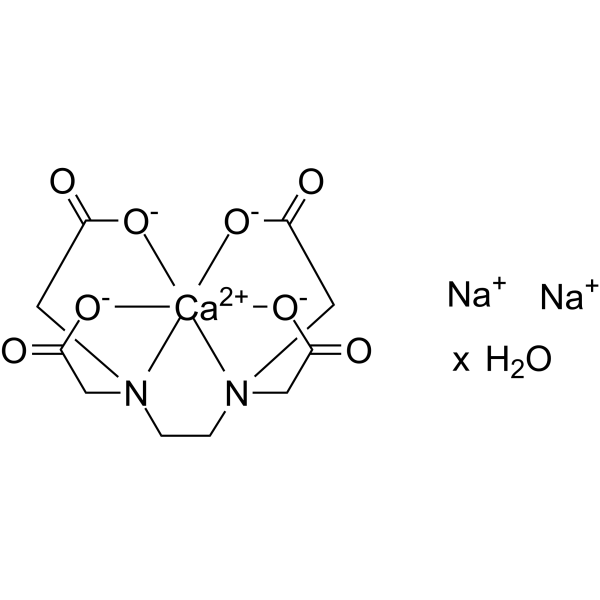
    Calcium disodium EDTA dihydrate

    Bacterial Infection Others
    CaⅡ-EDTA disodium dihydrate (Calcium disodium EDTA dihydrate) is an orally active metal chelating reagent, exhibits bactericidal activities against periodontal pathogens Aggregatibacter actinomycetemcomitans, Prevotella intermedia and Porphyromonas gingivalis . CaⅡ-EDTA disodium dihydrate is effective chelating antidotes for lead- and cadmium poisoning .
    Ca(II)-EDTA disodium dihydrate
  • HY-109560

    Zn-DTPA trisodium

    Biochemical Assay Reagents Others
    Pentetate zinc trisodium (Zn-DTPA trisodium) forms stable chelates with metal ions by exchanging zinc for a metal of greater binding capacity .
    Pentetate zinc trisodium
  • HY-Y0569CR

    Reference Standards Endogenous Metabolite Fungal Infection Cancer
    D-Gluconic acid (potassium) (Standard) is the analytical standard of D-Gluconic acid (potassium). This product is intended for research and analytical applications. D-Gluconic acid potassium is an orally active carboxylic acid by the oxidation with antiseptic and chelating properties .
    D-Gluconic acid potassium (Standard)
  • HY-W012037
    8-Hydroxyquinoline hemisulfate
    1 Publications Verification

    8-Quinolinol hemisulfate

    Environmental Pollutants Antibiotic Bacterial Infection
    8-Hydroxyquinoline hemisulfate (8-Quinolinol hemisulfate) is a monoprotic bidentate chelating agent, exhibits antiseptic, disinfectant, and pesticide properties, functioning as a transcription inhibitor.
    8-Hydroxyquinoline hemisulfate
  • HY-165576

    HOPO 14-1

    Biochemical Assay Reagents Others
    3,4,3-LI(1,2-HOPO) (HOPO 14-1) is a metal chelating agent. 3,4,3-LI(1,2-HOPO) exhibits extremely high affinity for lanthanide metal ions .
    3,4,3-LI(1,2-HOPO)
  • HY-W105700

    EDTA sodium hydrate

    Biochemical Assay Reagents Bacterial SOD Cardiovascular Disease Neurological Disease Cancer
    Ethylenediaminetetraacetic acid (EDTA) sodium hydrate is a kind of metal chelating agent (binds to bivalent and trivalent metal cations, including calcium). Ethylenediaminetetraacetic acid sodium hydrate has antibacterial, anti-inflammatory, antioxidant, anti-hypercalcemia and anticoagulant activities. Ethylenediaminetetraacetic acid sodium hydrate decreases the metal ion-catalyzed oxidative damage to proteins, and allows maintenance of reducing environment during protein purification. Ethylenediaminetetraacetic acid sodium hydrate can alleviate the liver fibrosis. Ethylenediaminetetraacetic acid sodium hydrate can be used for coronary artery disease and neural system disease research .
    Ethylenediaminetetraacetic acid sodium hydrate
  • HY-W087947
    EDTA dihydrate tripotassium
    20+ Cited Publications

    Ethylenediaminetetraacetic acid dihydrate tripotassium

    Bacterial SOD Cardiovascular Disease Neurological Disease Cancer
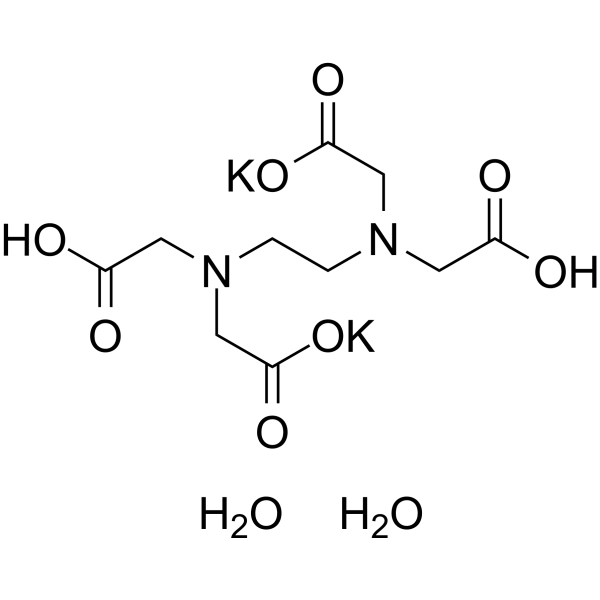
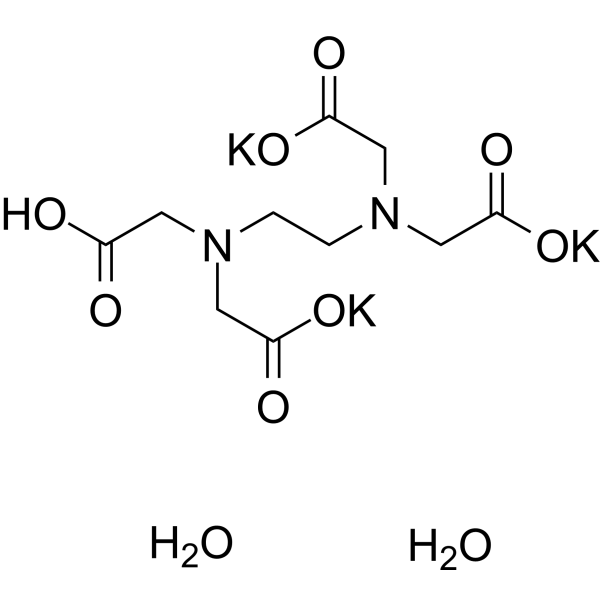
    EDTA dihydrate tripotassium (Ethylenediaminetetraacetic acid dihydrate tripotassium) is a kind of metal chelating agent (binds to bivalent and trivalent metal cations, including calcium). EDTA dihydrate tripotassium has antibacterial, anti-inflammatory, antioxidant, anti-hypercalcemia and anticoagulant activities. EDTA dihydrate tripotassium decreases the metal ion-catalyzed oxidative damage to proteins, and allows maintenance of reducing environment during protein purification. EDTA dihydrate tripotassium can alleviate the liver fibrosis. EDTA dihydrate tripotassium can be used for coronary artery disease and neural system disease research .
    EDTA dihydrate tripotassium
  • HY-W031536

    2-Oxoimidazolidine, 96%

    Biochemical Assay Reagents Others
    2-Imidazolidone, 96% is a chelating agent that forms complexes with metal ions, enabling its use in catalytic processes.
    2-Imidazolidone, 96%
  • HY-W004649

    Biochemical Assay Reagents Others
    Tris-BOC-cyclen is a bifunctional chelator. Bifunctional chelating agentscan be used to stably link the radiometal to the carrier moiety of the radiopharmaceutical .
    Tris-BOC-cyclen
  • HY-117738

    Aminopeptidase sFRP-1 Others
    Benarthin is a catechol-type siderophore isolated from the marine actinomycete Streptomyces YM5-799 that exhibits iron-chelating properties .
    Benarthin
  • HY-W008585

    B15C5

    Biochemical Assay Reagents Others
    Benzo-15-crown-5-ether can be used as a chelating agent for sodium and potassium .
    Benzo-15-crown-5-ether

Inquiry Online

Your information is safe with us. * Required Fields.

Salutation


Country or Region *

Applicant Name *


Organization Name *

Department *


Email Address *


Product Name *

Cat. No.


Requested quantity *

Phone Number *


Remarks

Inquiry Online

Inquiry Information

Product Name:
Cat. No.:
Quantity:
MCE Japan Authorized Agent:

