1. Search Result
Search Result
Results for "

enzyme–substrate

" in MedChemExpress (MCE) Product Catalog:

234

Inhibitors & Agonists

6

Fluorescent Dyes

236

Biochemical Assay Reagents

2

Peptides

8

Natural
Products

2

Oligonucleotides

Cat. No. Product Name Target Research Areas Chemical Structure
  • HY-116285
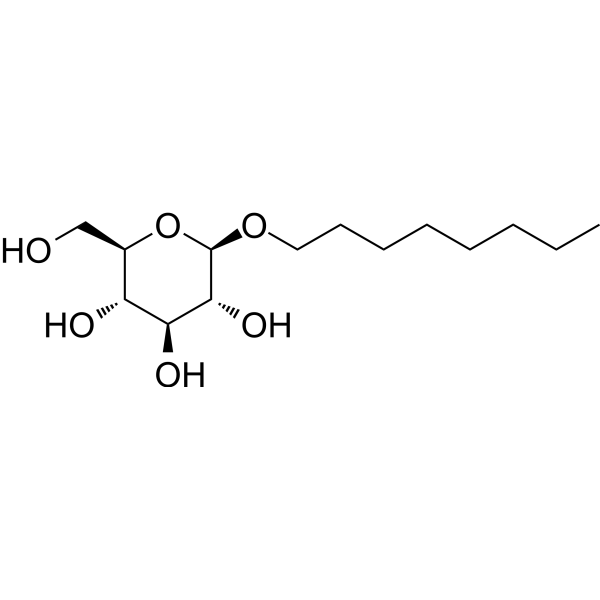
    n-Octyl β-D-glucopyranoside
    3 Publications Verification

    Biochemical Assay Reagents Others
    n-Octyl-β-d-glucopyranoside is a non-ionic detergent, it can be widely used in the research of biotechnical, biochemical applications, solubilization and crystallization of membrane proteins. n-Octyl-β-d-glucopyranoside can completely inhibit cavitation-induced cell lysis in vitro .
    n-Octyl β-D-glucopyranoside
  • HY-B0445A
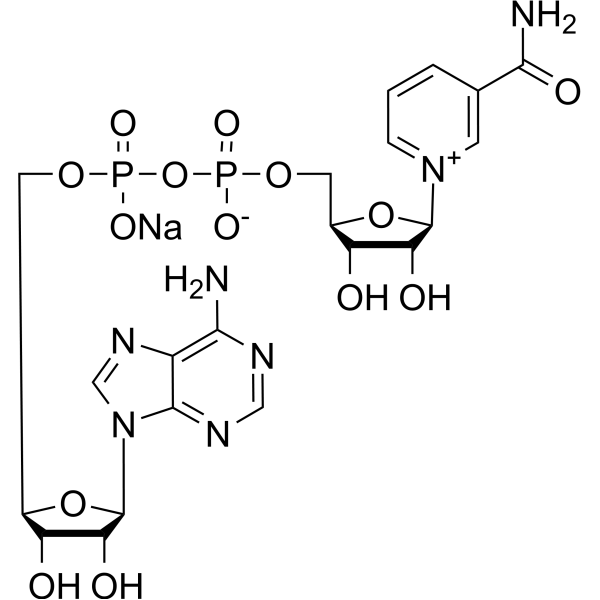
    NAD sodium
    Maximum Cited Publications
    45 Publications Verification

    β-DPN sodium; β-NAD sodium; β-Nicotinamide Adenine Dinucleotide sodium

    Endogenous Metabolite Metabolic Disease
    NAD sodium is an orally effective cofactor and homeostatic regulator. NAD sodium can be reduced to β-nicotinamide adenine dinucleotide (NADH) during coupling with reactions that oxidize organic substrates. NAD sodium can be converted to β-nicotinamide adenine dinucleotide (NADH) and passes to the inside of mitochondria, which indirectly generates ATP. NAD sodium can be used for the research of non-alcoholic fatty liver disease, obesity, and glucose intolerance .
    NAD sodium
  • HY-128851B
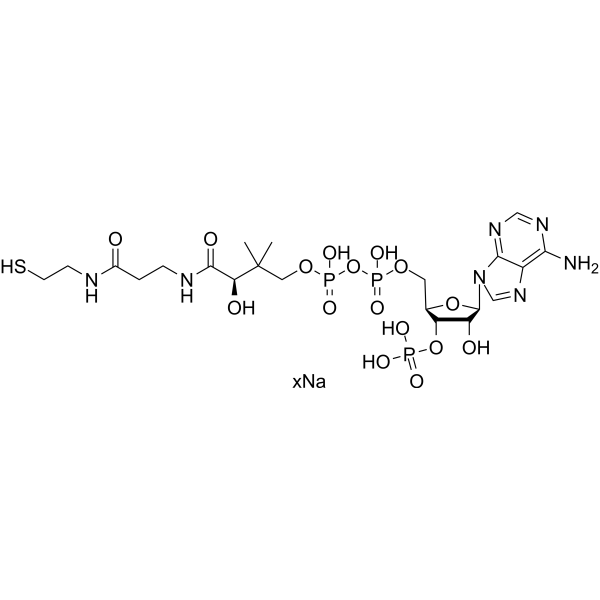
    Coenzyme A sodium
    2 Publications Verification

    Endogenous Metabolite Fatty Acid Synthase (FASN) Metabolic Disease Cancer
    Coenzyme A (CoASH) sodium is a ubiquitous and essential cofactor, which is an acyl group carrier and carbonyl-activating group for the citric acid cycle and fatty acid metabolism. Coenzyme A plays a central role in the oxidation of pyruvate in the citric acid cycle and the metabolism of carboxylic acids, including short- and long-chain fatty acids .
    Coenzyme A sodium
  • HY-15926
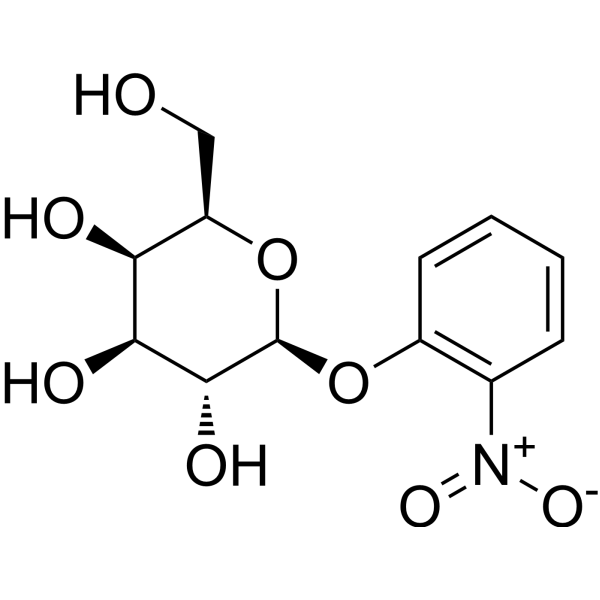
    ONPG
    5+ Cited Publications

    2-Nitrophenyl β-D-galactopyranoside

    Biochemical Assay Reagents Others
    ONPG is a colorimetric and spectrophotometric substrate for detection of β-galactosidase activity.
    ONPG
  • HY-116022A

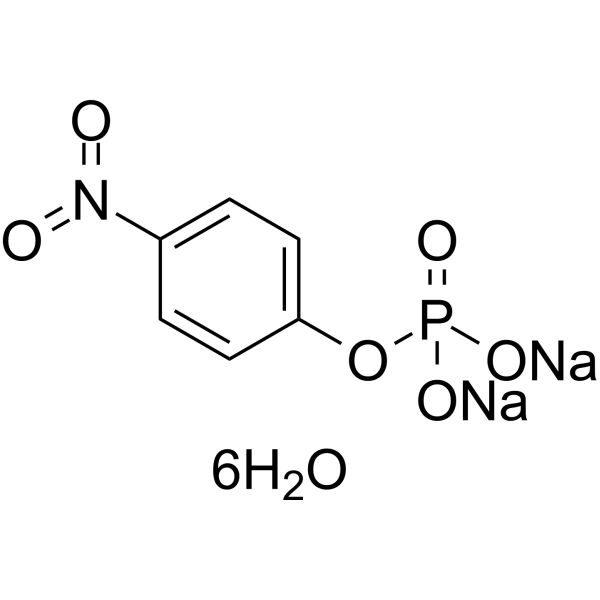
    p-Nitrophenyl phosphate disodium hexahydrate

    Biochemical Assay Reagents Others
    4-Nitrophenyl phosphate (p-nitrophenyl phosphate) disodium hexahydrate is widely used as a small molecule phosphotyrosine-like substrate in activity assays for protein tyrosine phosphatases. 4-Nitrophenyl phosphate disodium hexahydrate is a colorless substrate that upon hydrolysis is converted to a yellow 4-nitrophenolate ion that can be monitored by absorbance at 405 nm .
    4-Nitrophenyl phosphate disodium hexahydrate
  • HY-W014449

    Biochemical Assay Reagents Others
    4-Nitrophenyl butyrate consists of butyric acid chains esterified with 4-nitrophenol groups, thus giving it a yellow color. This compound is commonly used as a substrate in enzyme assays to measure esterase and lipase activity. When these enzymes cleave the ester bond, the nitrophenol group is released and the color changes from yellow to orange. Thus, the rate of color change can be used to determine enzyme activity. In addition, 4-Nitrophenyl butyrate can also be used as organic synthesis reagent and dye intermediate.
    4-Nitrophenyl butyrate
  • HY-48999A
    FSK hydrochloride
    1 Publications Verification

    EGFR Cancer
    FSK hydrochloride is fluorosulfonyloxybenzoyl-L-lysine, which features a long, flexible aryl fluorosulfate-containing side chain that can reach protein sites inaccessible to covalent conjugation. FSK hydrochloride modifies nanomolecules to target epidermal growth factor receptor (EGFR), resulting in irreversibly bound covalent interactions. Through genetically encoded chemical crosslinking, FSK hydrochloride captures unknown enzyme-substrate interactions in living cells, targets residues other than Cys, and mediates crosslinking at the binding periphery. FSK hydrochloride enables the construction of a bioreactive SuFEx system for generating covalent bonds in various proteins both in vitro and in vivo .
    FSK hydrochloride
  • HY-134426

    Endogenous Metabolite Metabolic Disease
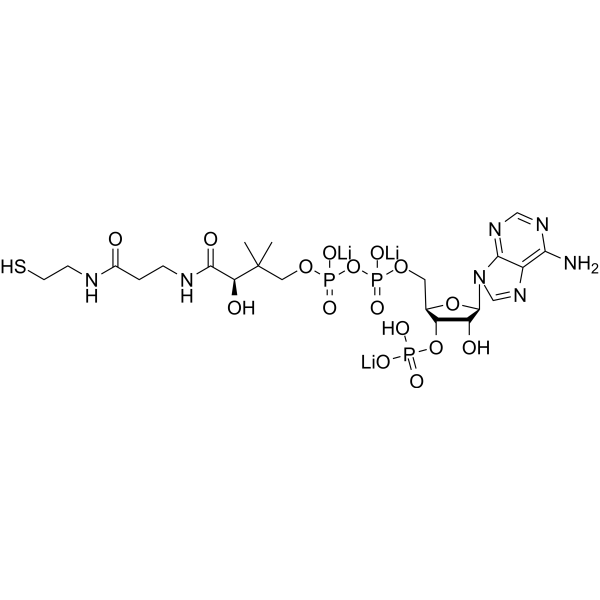
    DL-β-Hydroxybutyryl coenzyme A lithium is an intermediate in the fermentation of butyric acid and the metabolism of lysine and tryptophan, and is produced from β-hydroxybutyric acid by short-chain-CoA synthase .
    DL-β-Hydroxybutyryl coenzyme A lithium
  • HY-W039911

    PNP-alpha-D-Gal; PNP-α-D-Gal

    Biochemical Assay Reagents Others
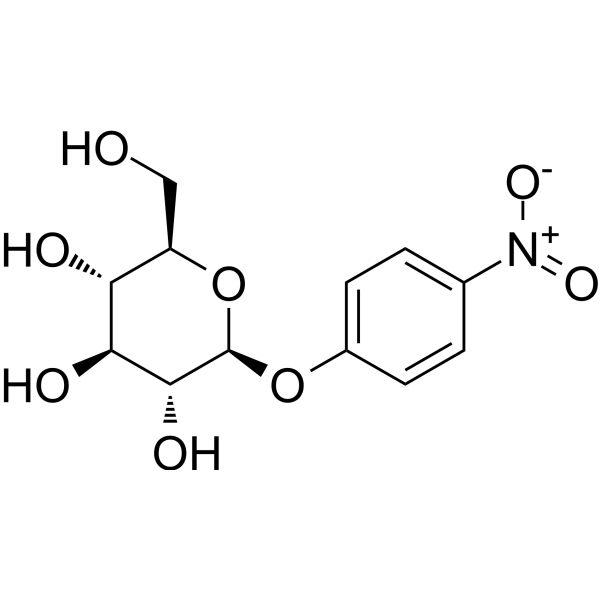
    4-Nitrophenyl α-D-galactopyranoside (PNP-alpha-D-Gal) is an artificial substrate of 4-nitrophenyl (pNP) glycopyranoside for detecting α-galactosidase activity. The amount of released pNP is significantly increased when 4-Nitrophenyl α-D-galactopyranoside is used as substrates .
    4-Nitrophenyl α-D-galactopyranoside
  • HY-W011012

    Adenosine Receptor Metabolic Disease
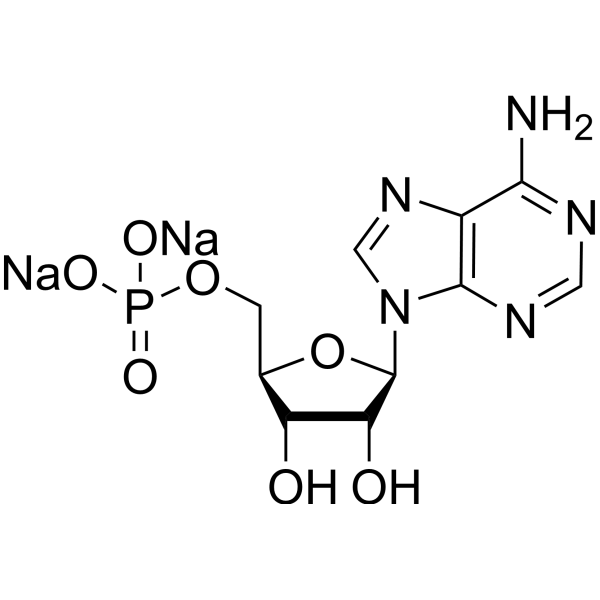
    Adenosine 5'-monophosphate disodium is an orally active purine nucleotide, and participates in ATP metabolism. Adenosine 5'-monophosphate disodium is also a ligand for adenosine 2B receptor. Adenosine 5'-monophosphate disodium can activate AMPK in skeletal muscle, and ameliorates insulin resistance and impaired glucose metabolism. Adenosine 5'-monophosphate disodium can be used for research of diabetes .
    Adenosine 5'-monophosphate disodium
  • HY-W017386
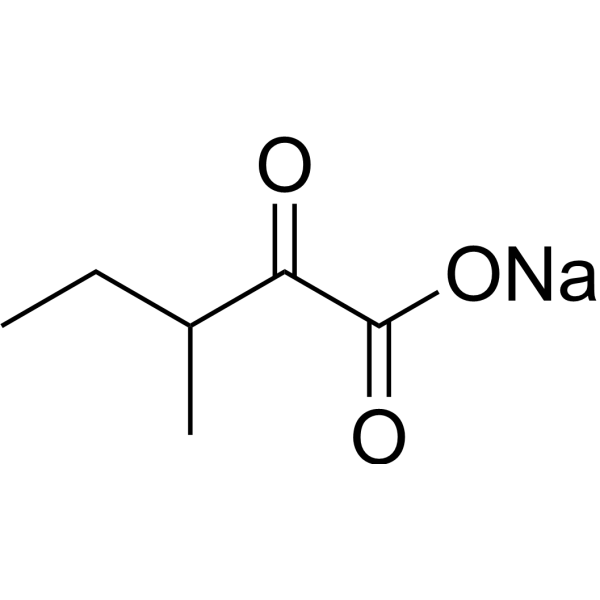
    3-Methyl-2-oxovaleric acid sodium
    3 Publications Verification

    Endogenous Metabolite Metabolic Disease
    3-Methyl-2-oxovaleric acid sodium is a degradation product from Isoleucine. 3-Methyl-2-oxovaleric acid sodium is a biomarker of mustard airway diseases (MADs) and uric acid stone .
    3-Methyl-2-oxovaleric acid sodium
  • HY-134421

    HMG-CoA Reductase (HMGCR) Metabolic Disease
    2-Butenoyl coenzyme A lithium is an inactivator and a substrate of Plasmodium falciparum enoyl-β-hydroxyacyl-acyl carrier protein (ACP) reductase and other enoyl-CoA reductases, and it is also the lithium salt of trans-2-methyl-2-butenoyl coenzyme A. 2-Butenoyl coenzyme A lithium acts on short-chain and medium-chain coenzyme A dehydrogenases as well as glutaryl-CoA dehydrogenase, and shows no activity against wild-type isovaleryl-CoA dehydrogenase. 2-Butenoyl coenzyme A lithium functions as a metabolite in the L-isoleucine catabolic pathway, and can serve as a substrate in the activity assay of 3-ketothiolase. 2-Butenoyl coenzyme A lithium is applicable to research related to 3-ketothiolase deficiency .
    2-Butenoyl coenzyme A lithium
  • HY-W010164

    Biochemical Assay Reagents Others
    4-Hydroxybenzoate sodium, also known as sodium p-hydroxybenzoate or sodium paraben, is commonly used as a food preservative and cosmetic preservative. It can also be used as an additive in a variety of other products, including pharmaceuticals, personal care products, and industrial products. Additionally, 4-Hydroxybenzoate sodium has the potential to function as xenoestrogens, which may mimic the effects of estrogen in the body and affect hormonal balance.
    4-Hydroxybenzoate sodium
  • HY-15936

    L-γ-Glutamyl-3-carboxy-4-nitroanilide ammonium salt

    γ-Glutamyl Transferase (GGT) Metabolic Disease
    L-Glutamic acid γ-(3-carboxy-4-nitroanilide) ammonium salt is a donor substrate of gamma-glutamyltransferase (GGT) that can be used to measure GGT activity .
    L-Glutamic acid γ-(3-carboxy-4-nitroanilide) ammonium salt
  • HY-W008953

    Biochemical Assay Reagents Others
    N-Benzoyl-DL-arginine-4-nitroanilide hydrochloride is a biochemical reagent that can be used as a biological material or organic compound for life science related research.
    N-Benzoyl-DL-arginine-4-nitroanilide hydrochloride
  • HY-114294A

    HMG-CoA disodium hydrate

    Biochemical Assay Reagents Metabolic Disease
    DL-3-Hydroxy-3-methylglutaryl coenzyme A disodium hydrate is a disodium salt compound of HMG-CoA, is a intermediate of terpenes and ketone bodies. DL-3-Hydroxy-3-methylglutaryl coenzyme A disodium also involves in ester metabolism in vivo, as a precursor for cholesterol synthesis, and regulates cholesterol synthesis by coupling LDL receptor .
    DL-3-Hydroxy-3-methylglutaryl coenzyme A disodium hydrate
  • HY-E70181

    EC:3.2.1.46; GALC

    Ceramidase Others
    Galactosylceramidase involves in lysosomal catabollsm of galactosytceramide. Galactosylceramidase can be used in study Krabbe disease .
    Galactosylceramidase
  • HY-W010365

    Biochemical Assay Reagents Enterovirus Drug Intermediate Infection Cancer
    Rhodanine is a selective Echovirus 12 proliferation inhibitor and intermediate. Rhodanine is used to determine tannase activity. Rhodanine can be used in the synthesis of anticancer and antibacterial agents .
    Rhodanine
  • HY-W013098

    5'-Dexoadenosine triphosphate disodium

    Biochemical Assay Reagents
    2'-Deoxyadenosine 5'-triphosphate disodium (5'-Dexoadenosine triphosphate disodium) is a nucleotide with important biological activities and can serve as a substrate for a variety of polymerases, including DNA polymerases and reverse transcriptases. 2'-Deoxyadenosine 5'-triphosphate disodium plays a key role in DNA synthesis and reverse transcription. 2'-Deoxyadenosine 5'-triphosphate disodium is also widely used in in vitro reactions in molecular biology research.
    2'-Deoxyadenosine 5'-triphosphate disodium
  • HY-W015616

    4-Penylbutan-2-one

    Environmental Pollutants Tyrosinase Infection Metabolic Disease
    Benzylacetone (4-Penylbutan-2-one) is an aromatic compound. Benzylacetone is a mushroom tyrosinase inhibitor with an IC50 of 2.8 mM, a Ki of 1.25 mM for monophenolase and an IC50 of 0.6 mM, a Ki of 0.39 mM for diphenolase. Benzylacetone inhibits free mushroom tyrosinase and enzyme-substrate complex. Benzylacetone acts as an appetite enhancer via olfactory stimulation, reduces spontaneous locomotor activity, induces weight gain. Benzylacetone exhibits repellent, fumigant, and contact toxicity against Tribolium castaneum adults .
    Benzylacetone
  • HY-W098322

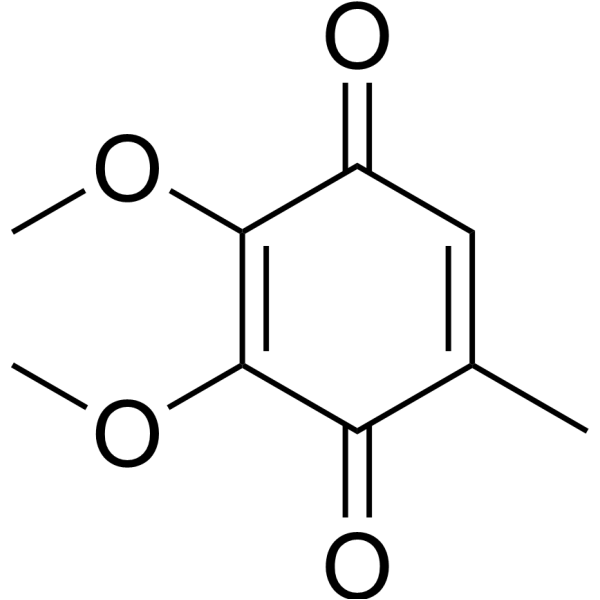
    Drug Intermediate Others
    Z-Lys-OMe hydrochloride is a synthetic intermediate that can be used in the synthesis of peptide enzyme substrates and lysine cationic surfactants.
    Z-Lys-OMe hydrochloride
  • HY-W100403

    Choline p-toluenesulfonate

    Phospholipase Others
    Choline tosylate (Choline p-toluenesulfonate) is an intermediate and also a substrate of choline acetyltransferase (CHAT). Choline tosylate inhibits phospholipase A2 and phospholipase C .
    Choline tosylate
  • HY-134459

    Others Others
    4-Nitrophenyl Laurate is a class of 4-nitrophenyl ester, which can be used as enzyme substrate .
    4-Nitrophenyl Laurate
  • HY-W556338

    Biochemical Assay Reagents
    α-D-Glucose 1-phosphate (dipotassium) is a biochemical reagent used in the study of glycobiology. Glycobiology studies the structure, synthesis, biology, and evolution of sugars. It deals with carbohydrate chemistry, glycan formation and degradation enzymology, protein-glycan recognition, and the role of glycans in biological systems. The field is closely related to basic research, biomedicine and biotechnology .
    α-D-Glucose 1-phosphate dipotassium
  • HY-167805

    Biochemical Assay Reagents
    D-Glucose 6-phosphate potassium is a biologically active compound that has the activity of being a substrate for glucose-6-phosphate isomerase. D-Glucose 6-phosphate potassium can participate in the sugar metabolism process and promote the production and utilization of energy in cells.
    D-Glucose 6-phosphate potassium
  • HY-134438

    Endogenous Metabolite Metabolic Disease
    Hexanoyl coenzyme A trilithium is a hexanoyl-based medium-chain fatty acyl coenzyme A that is present in all organisms. Hexanoyl coenzyme A trilithium can be used as a precursor for cannabinoid biosynthesis and acts as a competitive inhibitor of medium-chain acyl coenzyme A dehydrogenase (MCAD) .
    Hexanoyl coenzyme A trilithium
  • HY-153101

    Biochemical Assay Reagents Others
    Gal-G2-CNP is a galactopyranosyl maltoside. Gal-G2-CNP is an amylase substrate specific to salivary amylase, which produces a yellow hydrolyzate upon decomposition. Gal-G2-CNP can serve as a matrix for the assays of novel amylases and pancreatic amylases .
    Gal-G2-CNP
  • HY-W047324

    4-Aminophenylmannoside, 98%

    Biochemical Assay Reagents Others
    4-Aminophenyl-α-D-mannopyranoside, 98% is a synthetic glycoside primarily used as a molecular tool in biochemical research for studying glycosylation processes and enzyme-substrate interactions.
    4-Aminophenyl-α-D-mannopyranoside, 98%
  • HY-N0187A

    Hymecromone sodium salt; 4-MU sodium salt

    Biochemical Assay Reagents Cancer
    4-Methylumbelliferone (sodium salt) is a coumarin derivative. 4-Methylumbelliferone (sodium salt) can be used as a standard to quantify the free 4-methylumbelliferone released as a result of enzyme-substrate action. 4-Methylumbelliferone (sodium salt) inhibits hyaluronan production in vitro. 4-Methylumbelliferone (sodium salt) can be studied in ovarian cancer research .
    4-Methylumbelliferone sodium salt
  • HY-114150

    PAI-1 Others
    D-Val-Leu-Arg-pNA is a glandular kininoreleasing enzyme substrate that also acts as a substrate for tissue-type plasminogen activator (t-PA) with no apparent affinity for fibrin .
    D-Val-Leu-Arg-pNA
  • HY-P3363

    Caspase Cancer
    Z-DEVD-AMC is a selective caspase-3 substrate that can be measured by fluorescence spectrometry. AMC can be used as a fluorescence reference standard for AMC-based enzyme substrates including AMC-based caspase substrates .
    Z-DEVD-AMC
  • HY-134428

    Endogenous Metabolite Metabolic Disease
    Arachidonoyl coenzyme A lithium is an unsaturated fatty acyl coenzyme A, formed by the condensation of the thiol group of coenzyme A with the carboxyl group of arachidonic acid .
    Arachidonoyl coenzyme A lithium
  • HY-123000

    Biochemical Assay Reagents
    4-Methylumbelliferyl 2-acetamido-2-deoxy-α-D-galactopyranoside is a fluorogenic substrate for studying the enzymatic activity of α-galactosidase. 4-Methylumbelliferyl 2-acetamido-2-deoxy-α-D-galactopyranoside is used to analyze enzyme activity in various biological samples, helping scientists gain insight into the function of the enzyme in vivo. 4-Methylumbelliferyl 2-acetamido-2-deoxy-α-D-galactopyranoside can also be used to screen potential compounds to inhibit or activate this enzyme.
    4-Methylumbelliferyl 2-acetamido-2-deoxy-α-D-galactopyranoside
  • HY-170462

    Biochemical Assay Reagents Others
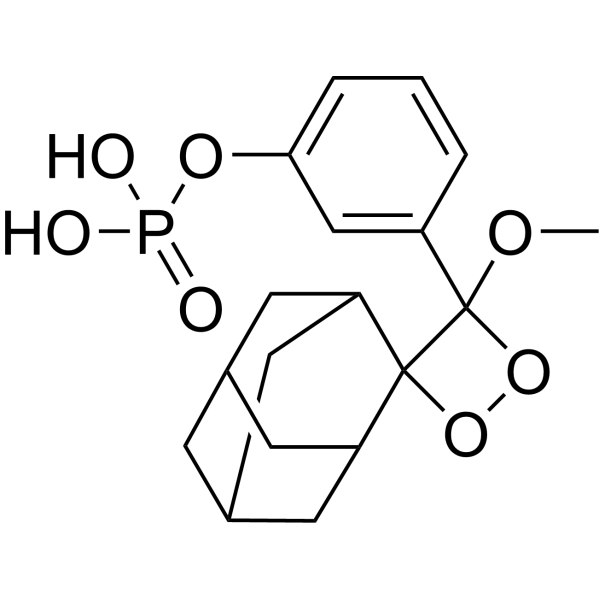
    CSPD substrate is a chemiluminescent substrate of alkaline phosphatase. CSPD substrate provides the enhanced alkaline phosphatase sensitivity and a more simplified assay .
    CSPD substrate
  • HY-W017353

    Biochemical Assay Reagents Others
    Pseudopelletierine is an alkaloid compound that can be used as a enzyme substrate .
    Pseudopelletierine
  • HY-126877

    HSV Infection
    3-Deaza-2 '-deoxyadenosine is a nucleoside analog synthesized from 2' -deoxyadenosine. 3-Deaza-2 '-deoxyadenosine inhibits RNA synthesis by binding to ribose fragments of ribonucleotides, thereby preventing the formation of enzyme-substrate complexes, thereby preventing chain elongation, It can also inhibit DNA synthesis by binding deoxyribose fragments of DNA and preventing DNA polymerase from adding nucleotides to the growth chain. 3-Deaza-2 '-deoxyadenosine has antiviral activity .
    3-Deaza-2'-deoxyadenosine
  • HY-137613

    HIV Infection Inflammation/Immunology
    Sp-TTPαS is a competitivesterile alpha motif and HD domain containing protein 1 (SAMHD1) hydrolysis inhibitor. Sp-TTPαS competitively inhibits SAMHD1 triphosphohydrolase activity with a Ki value of 46 µM .
    Sp-TTPαS
  • HY-W099563

    Biochemical Assay Reagents Others
    4-Nitrophenyl stearate, which is an ester formed by the condensation of stearic acid and 4-nitrophenol, is commonly used as a substrate for enzymatic assays, where the hydrolysis of ester bonds by esterase and lipase can be measured by absorbance or ratio In addition, 4-Nitrophenyl stearate has been used as a model compound to study the enzymatic activity and selectivity of lipases and esterases from various sources. The long hydrophobic tail of the molecule makes it suitable for use in lipophilic Good solubility in the environment makes it a useful probe for studying lipid metabolism.
    4-Nitrophenyl stearate
  • HY-137887

    Biochemical Assay Reagents Others
    Nα-Benzoyl-L-arginine-7-amido-4-methylcoumarin hydrochloride is a biochemical assay reagent.
    Nα-Benzoyl-L-arginine-7-amido-4-methylcoumarin hydrochloride
  • HY-W011346

    Bis-MSB,99%

    Biochemical Assay Reagents Others
    1,4-Bis(2-methylstyryl)-benzene,99% (Bis-MSB,99%) is a biochemical assay reagent.
    1,4-Bis(2-methylstyryl)-benzene,99%
  • HY-137895

    H-Arg-pNA 2HCl, 98%

    Biochemical Assay Reagents Others
    L-Arginine p-nitroanilide dihydrochloride, 98% (H-Arg-pNA 2HCl, 98%) is a chromogenic substrate for cathepsin H and aminopeptidases.
    L-Arginine p-nitroanilide dihydrochloride, 98%
  • HY-E70191

    EC:2.4.1.22; B4GALT2

    Glycosyltransferase Others
    β-1,4-Galactosyltransferase 2 catal exclusive specificity for the donor substrate UDP-galactose and all transfer galactosein a beta1,4 linkage .
    β-1,4-Galactosyltransferase 2
  • HY-W322022

    Biochemical Assay Reagents Others
    Disodium Phenyl phosphate is a substrate for alkaline phosphatase .
    Disodium phenyl phosphate
  • HY-116022B

    p-Nitrophenyl phosphate ditromethamine

    Biochemical Assay Reagents Others
    4-Nitrophenyl phosphate ditromethamine is an enzyme substrate commonly used in biochemical assays to measure the activity of various phosphatases, including alkaline phosphatase. 4-Nitrophenylphosphate has unique chemical properties that allow it to be hydrolyzed by phosphatases, releasing a yellow product that can be detected spectrophotometrically.
    4-Nitrophenyl phosphate ditromethamine
  • HY-134136

    Endogenous Metabolite Others
    Octanoyl coenzyme A is an enoyl-CoA hydratase binder. Octanoyl coenzyme A binds to the active site of enoyl-CoA hydratase, occupies the binding pocket for the fatty acid tail of the enzyme's substrate, and induces a conformational shift in a flexible protein loop via its longer octanoyl chain, forming an open channel leading to the inter-trimer gap .
    Octanoyl Coenzyme A
  • HY-130767

    Biochemical Assay Reagents Others
    Naphthol AS-TR Phosphate is a water-soluble dye commonly used as an enzyme substrate in various biochemical assays to detect alkaline phosphatase activity. Naphthol AS-TR Phosphate has unique chemical properties that allow it to be hydrolyzed by alkaline phosphatase to form a colored product that can be detected spectrophotometrically. This makes it a useful tool for monitoring enzyme activity in biological samples such as serum or urine.
    Naphthol AS-TR phosphate
  • HY-D1534

    Biochemical Assay Reagents Others
    H-L-Ile-Amc (TFA) is an enzyme substrate, and can detect the yeasts and molds in the sample using aminopeptidase substrates .
    H-L-Ile-Amc TFA
  • HY-W283889

    Biochemical Assay Reagents Others
    Blue caprate is a chromogenic enzyme substrate typically used to detect lipase activity. It is hydrolyzed by lipase to produce a blue-purple product (biosynth: EB04034).
    Blue caprate
  • HY-W288676

    Biochemical Assay Reagents Others
    6-Fluoro-3-indolyl-β-D-galactopyranoside is a chromogenic enzyme substrate commonly used in microbiology to detect the expression of β-galactosidase in bacterial colonies.
    6-Fluoro-3-indolyl-β-D-galactopyranoside
  • HY-W550907

    Biochemical Assay Reagents Others
    5-Bromo-4-chloro-3-indolyl-α-D-maltotrioside is an enzyme substrate with chemiluminescent properties. It is used in diagnostic assays to detect bacterial and fungal infections and other diseases.
    5-Bromo-4-chloro-3-indolyl-α-D-maltotrioside

Inquiry Online

Your information is safe with us. * Required Fields.

Salutation


Country or Region *

Applicant Name *


Organization Name *

Department *


Email Address *


Product Name *

Cat. No.


Requested quantity *

Phone Number *


Remarks

Inquiry Online

Inquiry Information

Product Name:
Cat. No.:
Quantity:
MCE Japan Authorized Agent:

