
254 Results for "

glucose metabolism

" in MedChemExpress (MCE) Product Catalog:
Products (254)

254 Results for "glucose metabolism" in MCE Product Catalog:

390
390 Publications Verification
Cat. No.: HY-13966
CAS No.: 154-17-6
Purity:  99.93%
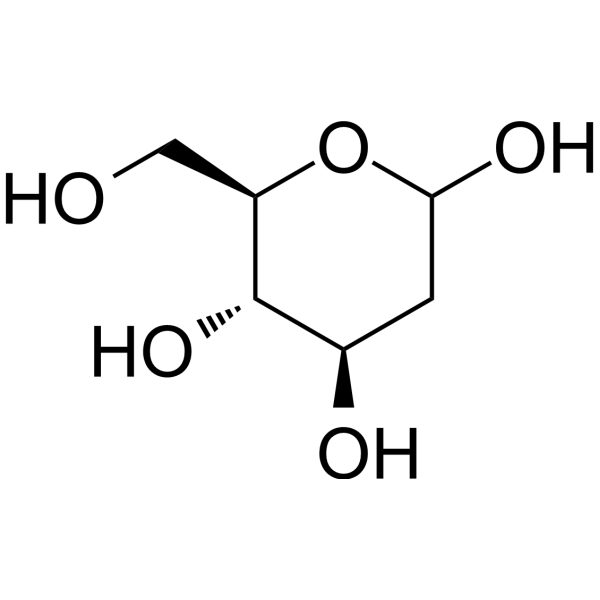
Synonyms: 2-DG; 2-Deoxy-D-arabino-hexose; D-Arabino-2-deoxyhexose
2-Deoxy-D-glucose is a glucose analog that acts as a competitive inhibitor of glucose metabolism, inhibiting glycolysis via its actions on hexokinase .
loading...
    loading...
231
231 Cited Publications
Cat. No.: HY-13417A
CAS No.: 681006-28-0
Purity:  99.98%
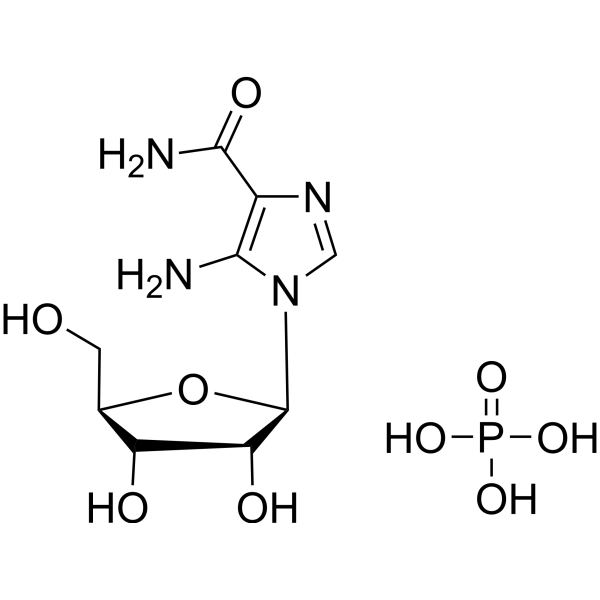
Synonyms: Acadesine phosphate; AICA Riboside phosphate
AICAR phosphate (Acadesine phosphate) is an adenosine analog and a AMPK activator. AICAR phosphate regulates the glucose and lipid metabolism, and inhibits proinflammatory cytokines and iNOS production. AICAR phosphate is also an autophagy, YAP and mitophagy inhibitor .
loading...
    loading...
231
231 Cited Publications
Cat. No.: HY-13417
CAS No.: 2627-69-2
Purity:  99.98%
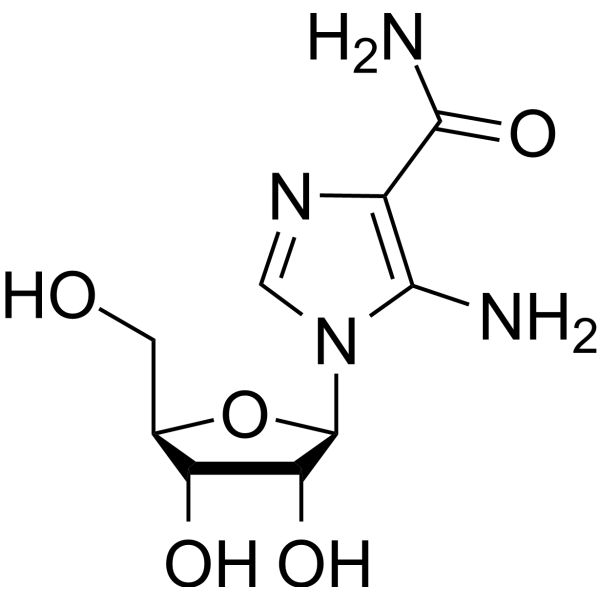
Synonyms: Acadesine; AICA Riboside
AICAR (Acadesine) is an adenosine analog and a AMPK activator. AICAR is also an autophagy, YAP and mitophagy inhibitor. AICAR regulates the glucose and lipid metabolism, and inhibits proinflammatory cytokines and iNOS production. AICAR inhibits autophagy through a mechanism independent of AMPK activity .
loading...
    loading...
63
63 Cited Publications
Cat. No.: HY-B0389
CAS No.: 50-99-7
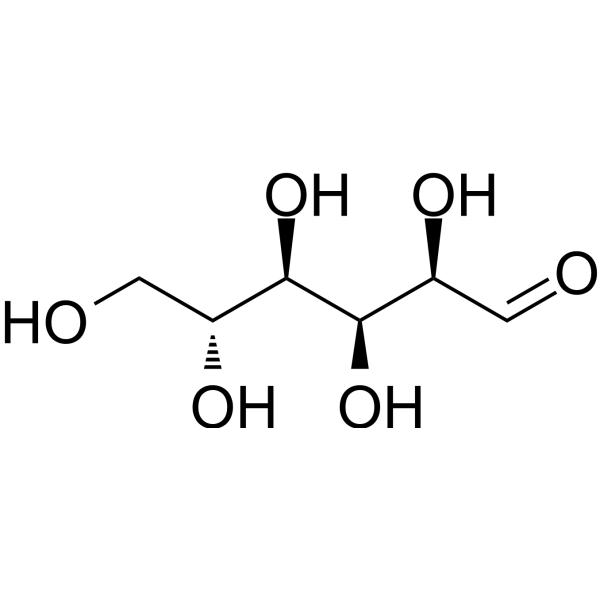
Synonyms: glucose; D-(+)-glucose; Dextrose
D-Glucose is the naturally occurring form of glucose and the most abundant monosaccharide. D-Glucose is a critical components of the general metabolism, and serve as critical signaling molecules in relation to both cellular metabolic status and biotic or abiotic stress response .
loading...
    loading...
60
60 Cited Publications
Cat. No.: HY-100017
CAS No.: 1799753-84-6
Purity:  99.67%
Target:  

GLUT Disulfidptosis

Research Areas:  

Cancer

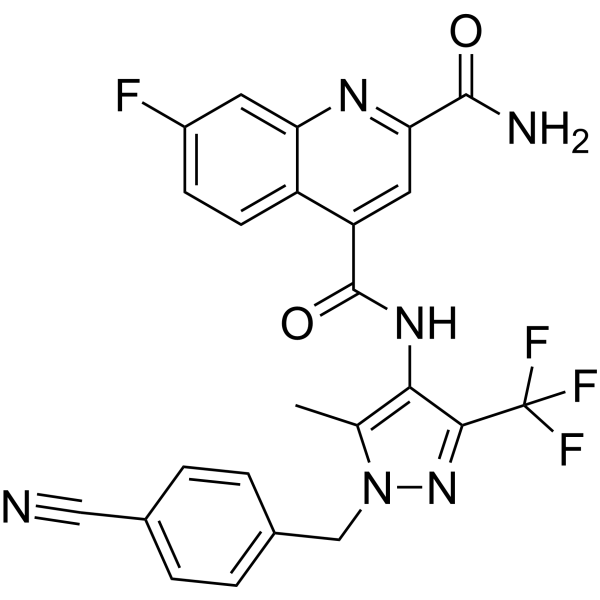
BAY-876, a chemical probe, is an orally active and selective glucose transporter 1 (GLUT1) inhibitor with an IC50 of 2 nM. BAY-876 is >130-fold more selective for GLUT1 than GLUT2, GLUT3, and GLUT4. BAY-876 is also a potent blocker of glycolytic metabolism and ovarian cancer growth. In addition, BAY-876 can induce the formation of disulfide bonds in actin cytoskeletal proteins, leading to the occurrence of cellular disulfidptosis .
loading...
    loading...
22
22 Cited Publications
Cat. No.: HY-W011012
CAS No.: 4578-31-8
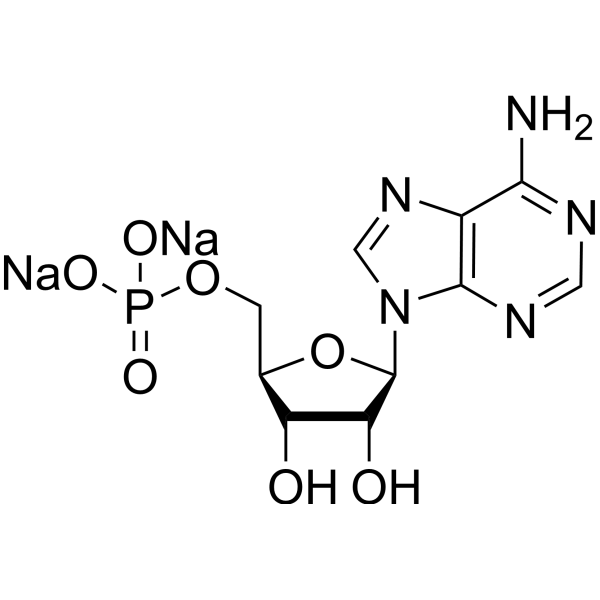
Adenosine 5'-monophosphate disodium is an orally active purine nucleotide, and participates in ATP metabolism. Adenosine 5'-monophosphate disodium is also a ligand for adenosine 2B receptor. Adenosine 5'-monophosphate disodium can activate AMPK in skeletal muscle, and ameliorates insulin resistance and impaired glucose metabolism. Adenosine 5'-monophosphate disodium can be used for research of diabetes .
loading...
    loading...
10
10 Cited Publications
Cat. No.: HY-128923
CAS No.: 320386-54-7
Purity:  96.35%
Synonyms: 3-Mercaptopicolinic acid hydrochloride; 3-MPA hydrochloride
Target:  

PEPCK

Research Areas:  

Metabolic Disease

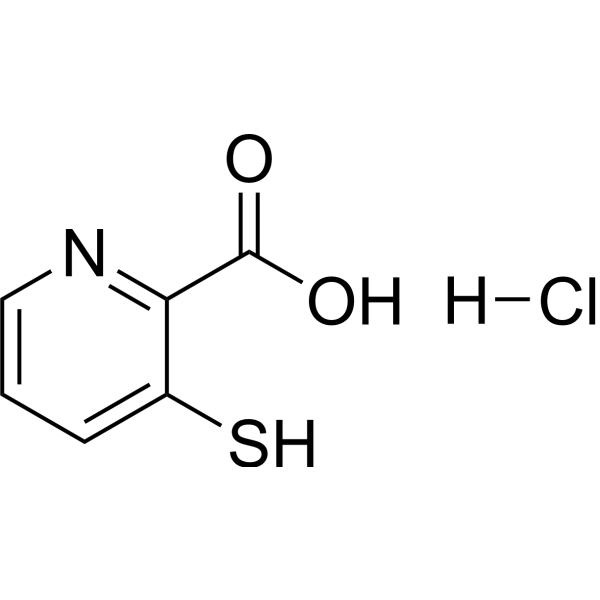
SKF-34288 (3-Mercaptopicolinic acid) hydrochloride is an orally active phosphoenolpyruvate carboxykinase (PEPCK) inhibitor (Ki: 2-9 μM). SKF-34288 hydrochloride is a potent hypoglycemic agent by inhibiting glucose synthesis. SKF-34288 hydrochloride also inhibits Asn metabolism and increases amino acids and amides .
loading...
    loading...
6
6 Cited Publications
Cat. No.: HY-145597
CAS No.: 1369452-53-8
Purity:  99.40%
Target:  

GLUT Disulfidptosis

Research Areas:  

Metabolic Disease Cancer

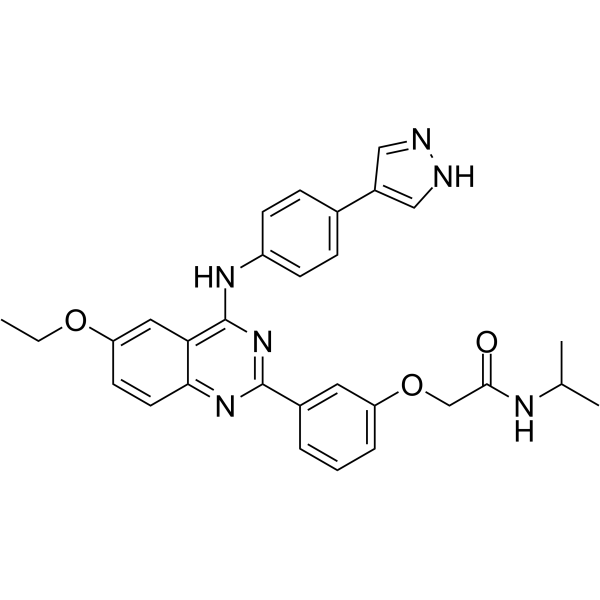
KL-11743 is a potent, orally active, and glucose-competitive inhibitor of the class I glucose transporters, with IC50s of 115, 137, 90, and 68 nM for GLUT1, GLUT2, GLUT3, and GLUT4, respectively. KL-11743 specifically blocks glucose metabolism. KL-11743 can synergize with electron transport inhibitors to induce cell death. In addition, KL-11743 can induce the formation of disulfide bonds in actin cytoskeletal proteins, leading to the occurrence of cellular disulfidptosis .
loading...
    loading...
6
6 Cited Publications
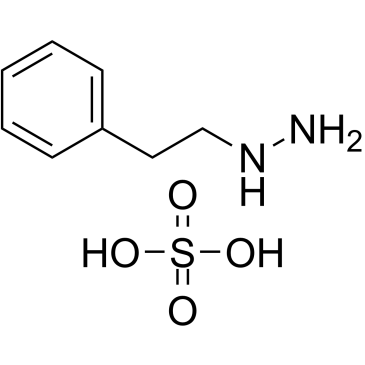
Cat. No.: HY-B1018A
CAS No.: 156-51-4
Phenelzine sulfate, an antidepressant agent, is an irreversible and orally active monoamine oxidase (MAO-A and MAO-B) inhibitor. Phenelzine sulfate inhibits GABA transaminase and primary amine oxidase (PrAO), and sequester reactive aldehydes. Phenelzine sulfate also inhibits LSD1 (Ki: 5.6 μM) and suppresses oxidative stress and lipogenesis. Phenelzine sulfate elevates neurotransmitters (serotonin, norepinephrine, dopamine). Phenelzine sulfate is studied in neurological, metabolic and cancer diseases for depression and anxiety disorders, stroke, spinal cord injury, traumatic brain injury, multiple sclerosis, Parkinson’s disease, Alzheimer’s disease, inflammatory pain, obesity and prostate cancer .
loading...
    loading...
5
5 Cited Publications
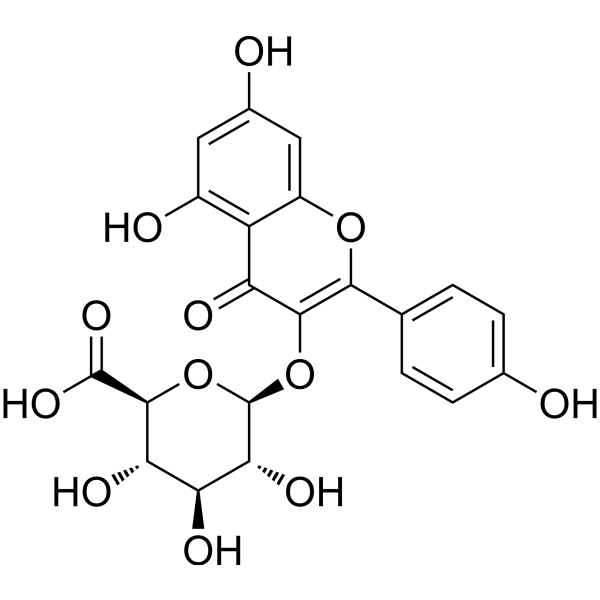
Cat. No.: HY-N7176
CAS No.: 22688-78-4
Synonyms: Kaempferol-3-glucuronide; Kaempferol-3-O-glucuronide
Kaempferol 3-O-β-D-glucuronide (Kaempferol-3-glucuronide) is a metabolite of kaempferol that can be taken orally and has anti-inflammatory properties. Kaempferol 3-O-β-D-glucuronide can activate AKT/GSK3β phosphorylation and improve glucose metabolism .
loading...
    loading...
4
4 Cited Publications
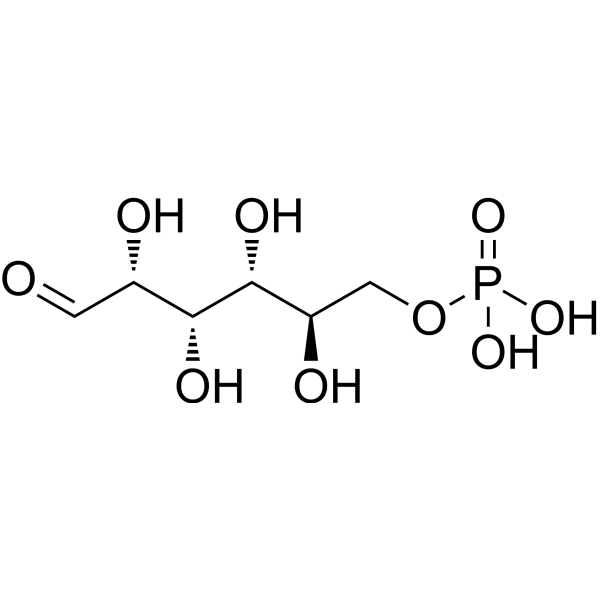
Cat. No.: HY-112537
CAS No.: 56-73-5
Purity:  99.90%
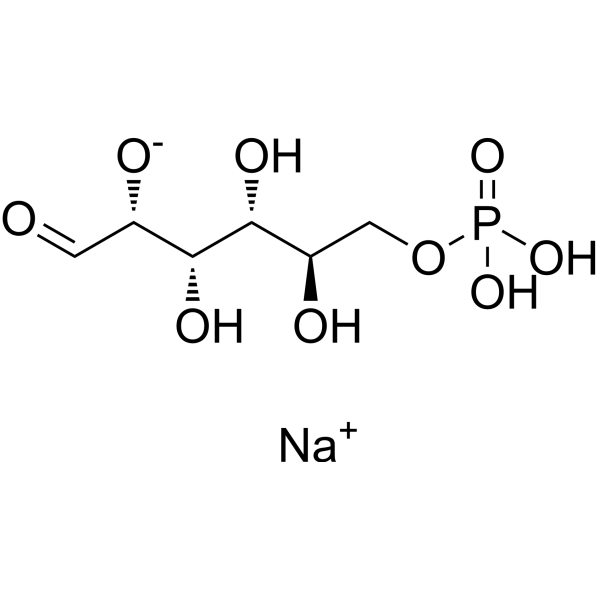
D-Glucose 6-phosphate is a key central node metabolite in glucose metabolism. It serves as the initiating metabolite for glycolysis and the pentose phosphate pathway, as well as a substrate for glycogen synthesis. D-Glucose 6-phosphate acts as a metabolic stress signal, which activates the mTOR pathway to promote protein synthesis, especially when phosphoglucose isomerase (PGI) is inhibited, thereby participating in cardiac remodeling processes. D-Glucose 6-phosphate can be used in research related to non-insulin-dependent diabetes mellitus and heart failure .
loading...
    loading...
4
4 Cited Publications
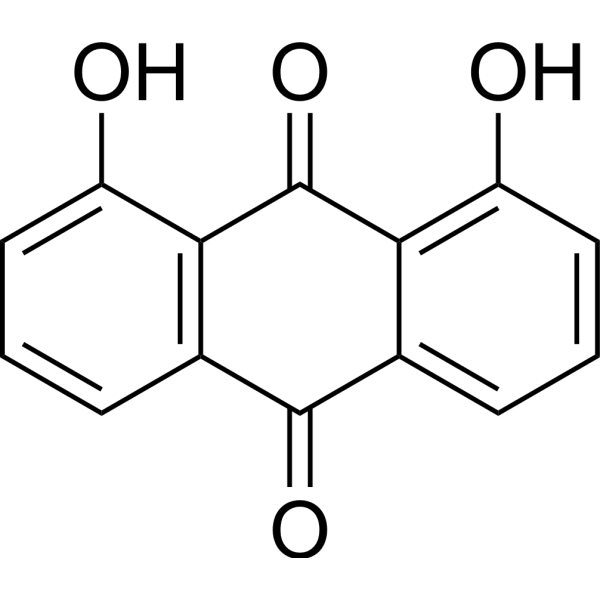
Cat. No.: HY-B0923
CAS No.: 117-10-2
Synonyms: Dantron; Chrysazin; 1,8-Dihydroxyanthraquinone
Danthron is a natural product extracted from the traditional Chinese medicine Salvia miltiorrhiza Bunge. Danthron functions in regulating glucose and lipid metabolism by activating AMPK.
loading...
    loading...
4
4 Cited Publications
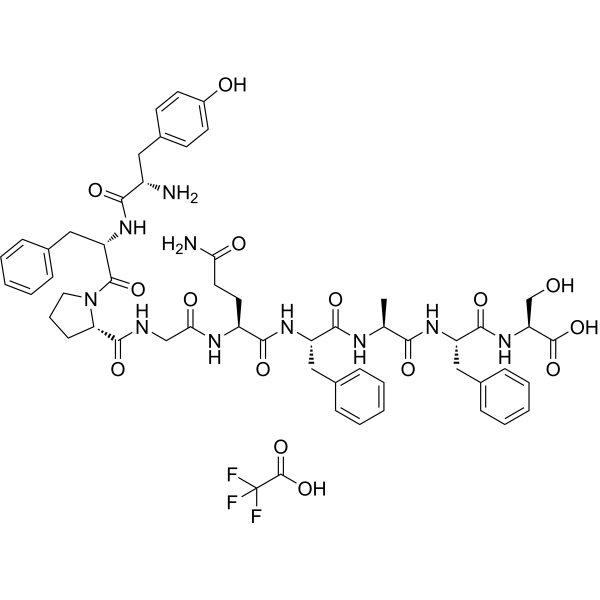
Cat. No.: HY-P1844A
Chemerin-9 (149-157) TFA is a potent agonist of chemokine-like receptor 1 (CMKLR1) . Chemerin-9 (149-157) TFA has anti-inflammatory activity. Chemerin-9 (149-157) TFA stimulates phosphorylation of Akt and ERK as well as ROS production. Chemerin-9 (149-157) TFA ameliorates Aβ1-42-induced memory impairmen. Chemerin-9 (149-157) TFA regulates immune responses, adipocyte differentiation, and glucose metabolism .
loading...
    loading...
4
4 Cited Publications
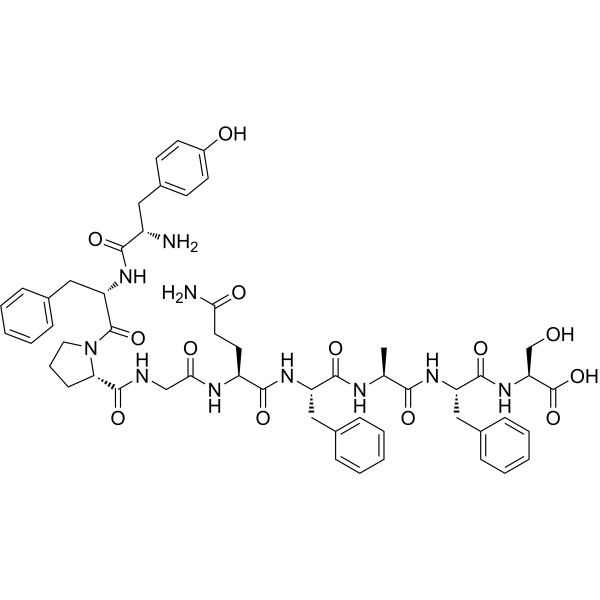
Cat. No.: HY-P1844
CAS No.: 676367-27-4
Chemerin-9 (149-157) is a potent agonist of chemokine-like receptor 1 (CMKLR1) . Chemerin-9 (149-157) has anti-inflammatory activity. Chemerin-9 (149-157) stimulates phosphorylation of Akt and ERK as well as ROS production. Chemerin-9 (149-157) ameliorates Aβ1-42-induced memory impairmen. Chemerin-9 (149-157) regulates immune responses, adipocyte differentiation, and glucose metabolism .
loading...
    loading...
4
4 Cited Publications
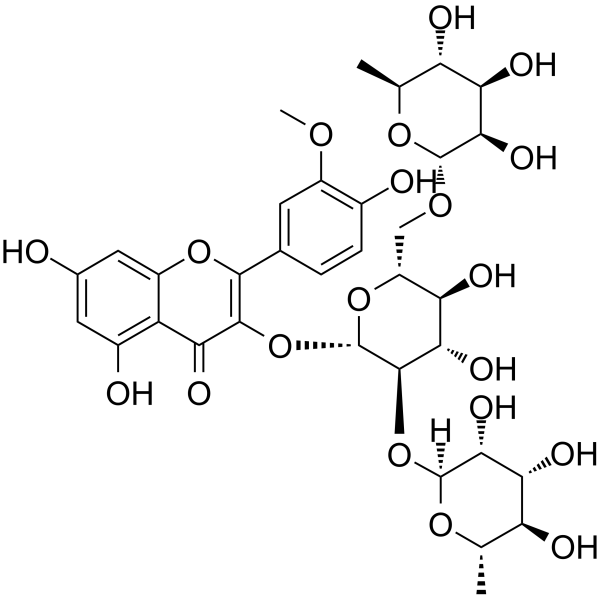
Cat. No.: HY-N0712
CAS No.: 104472-68-6
Typhaneoside is an orally active activator of PI3K/Akt/mTOR and farnesoid X receptor. Typhaneoside promotes the activation of AMPK and Caspase-3, induces apoptosis, ferroptosis, autophagy, ROS accumulation, cell cycle arrest at the G2/M phase, and reduces cancer cell viability. Typhaneoside improves glucose and lipid metabolism, alleviates inflammatory responses, oxidative stress and hepatic lipid accumulation, and exerts hepatoprotective effects. Typhaneoside can be used in research related to heart failure after myocardial infarction, acute myeloid leukemia, non-alcoholic fatty liver disease and neurological disorders .
loading...
    loading...
4
4 Cited Publications
Cat. No.: HY-N7075
CAS No.: 9005-80-5
Inulin is an orally active prebiotic targeting the intestinal microbiota, selectively promoting the proliferation and activity of beneficial bacteria such as bifidobacteria and lactic acid bacteria, and playing a role in regulating the intestinal microecology. The functions of Inulin include: Fermentation by probiotics in the colon to produce short-chain fatty acids (such as butyrate and propionate), lowering the intestinal pH and inhibiting the overgrowth of harmful bacteria; Enhancing the intestinal barrier function and reducing endotoxin translocation; Directly scavenging free radicals (such as superoxide free radicals, hydroxyl free radicals) and activating antioxidant enzymes (SOD, CAT) to reduce oxidative stress. Inulin can also be used in the study of intestinal diseases (constipation, IBD), metabolic syndrome (diabetes, obesity) and liver damage by regulating glucose and lipid metabolism (such as reducing triglycerides, improving insulin sensitivity) and immune response (enhancing NK cell activity, inhibiting inflammatory factors)[1][2][3][4].
loading...
    loading...
3
3 Cited Publications
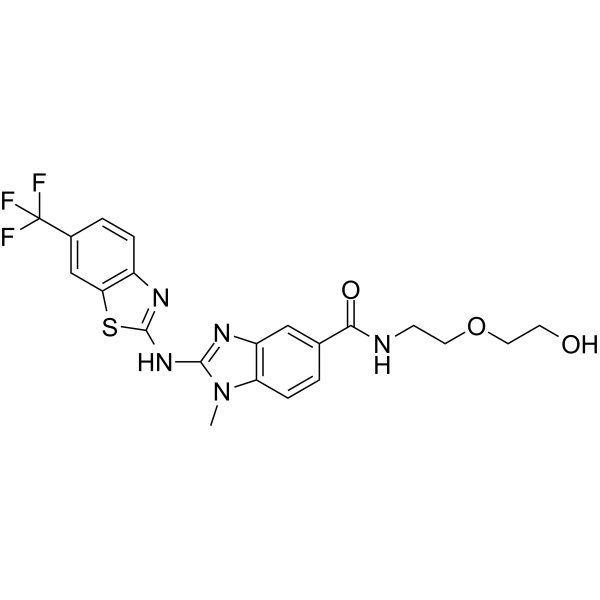
Cat. No.: HY-153040
CAS No.: 1325721-55-8
Purity:  99.67%
Synonyms: Bach1-IN-1
Research Areas:  

Metabolic Disease

HPPE (compound 236) is an orally active, potential Bach1 inhibitor. Bach1 is a transcription factor of the cap'n'collar type alkaline region leucine zipper factor family (CNC-bZip) that regulates mitochondrial metabolism and reduces glucose utilization. HPPE can be used for research in psoriasis, multiple sclerosis, and COPD .
loading...
    loading...
3
3 Cited Publications
Cat. No.: HY-112537B
CAS No.: 54010-71-8
Purity:  ≥98.0%
D-Glucose 6-phosphate sodium is a key central node metabolite in glucose metabolism. It serves as the initiating metabolite for glycolysis and the pentose phosphate pathway, as well as a substrate for glycogen synthesis. D-Glucose 6-phosphate sodium acts as a metabolic stress signal, which activates the mTOR pathway to promote protein synthesis, especially when phosphoglucose isomerase (PGI) is inhibited, thereby participating in cardiac remodeling processes. D-Glucose 6-phosphate sodium can be used in research related to non-insulin-dependent diabetes mellitus and heart failure .
loading...
    loading...
3
3 Cited Publications
Cat. No.: HY-W011527
CAS No.: 146-80-5
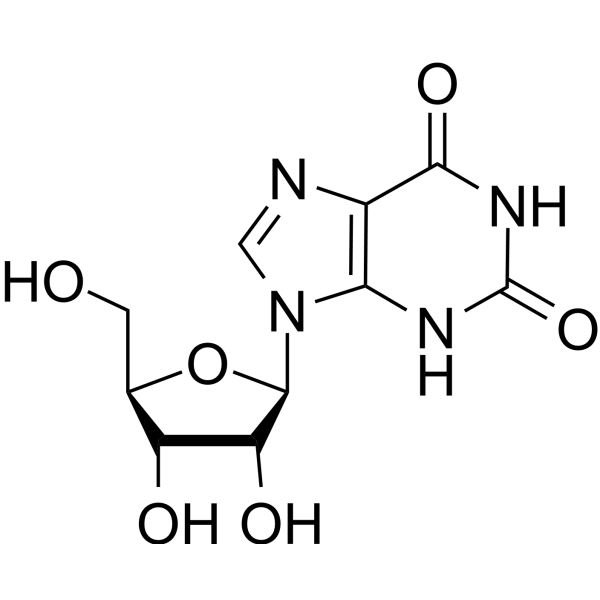
Xanthosine is a nucleoside derived from xanthine and ribose. Xanthosine activates the AMPK/FoxO1/AKT/GSK3β signaling cascade. Xanthosine promotes cell proliferation and regulates blood glucose metabolism. Xanthosine increases milk production in cows and goats. Xanthosine is used in mammary stem cell and type 2 diabetes research .
loading...
    loading...
3
3 Cited Publications
Cat. No.: HY-N2181
CAS No.: 24502-78-1
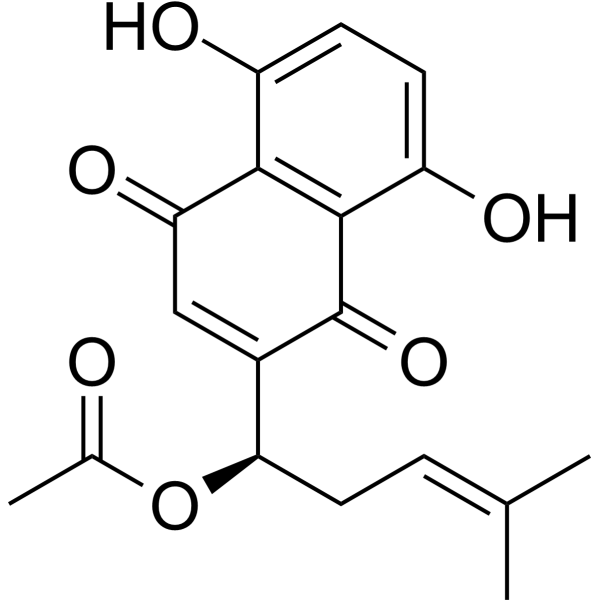
Acetylshikonin is an oral active anti-cancer, anti-inflammatory, antioxidant, anti-fertility, antibacterial, and neuroprotective agent. Acetylshikonin is a inhibitor of acetylcholinase (AChE) (IC50=34.6 μM) and nonselective cytochrome P450. Acetylshikonin can induce Apoptosis and Autophagy in cancer cells. Acetylshikonin regulates blood glucose, liver fat metabolism, and renal fibrosis, and is used in the study of diabetes, diabetic nephropathy (DN), obesity, and nonalcoholic fatty liver disease (NAFLD) .
loading...
    loading...

