
1695 Results for "

hPDE5A catalytic fragment

" in MedChemExpress (MCE) Product Catalog:
Products (1695)

1695 Results for "hPDE5A catalytic fragment" in MCE Product Catalog:

115
115 Publications Verification
Cat. No.: HY-107455
CAS No.: 1889279-16-6
Purity:  99.87%
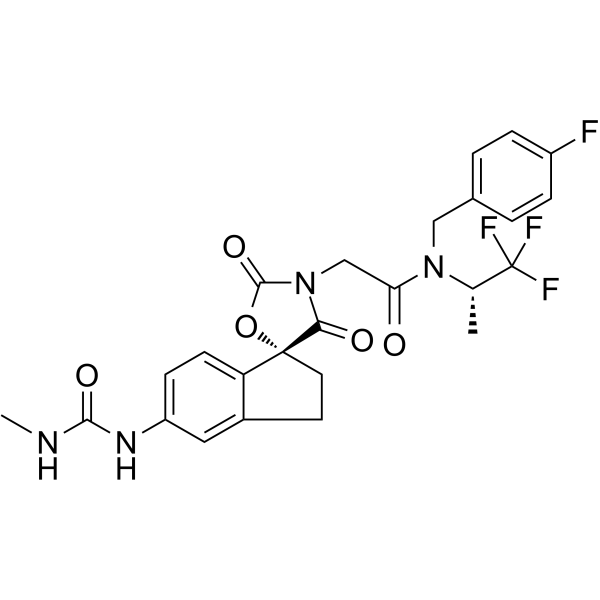
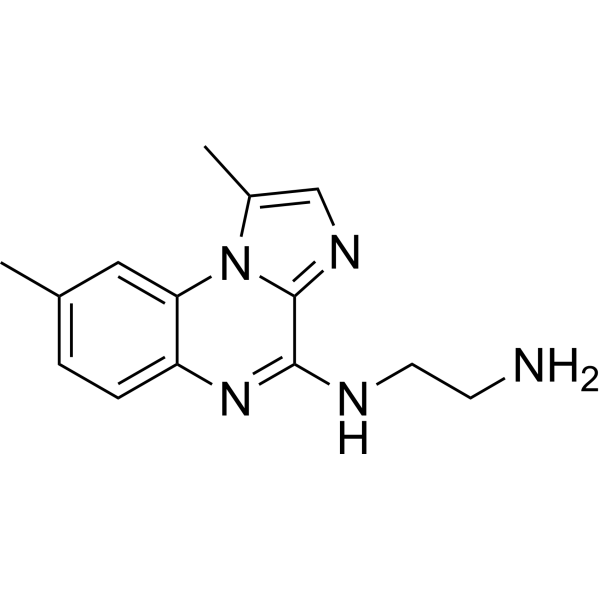
A-485, a chemical probe, is a potent and selective catalytic inhibitor of p300/CBP with IC50s of 9.8 nM and 2.6 nM for p300 and CBP histone acetyltransferase (HAT), respectively .
loading...
    loading...
57
57 Cited Publications
Cat. No.: HY-123606
CAS No.: 1652629-23-6
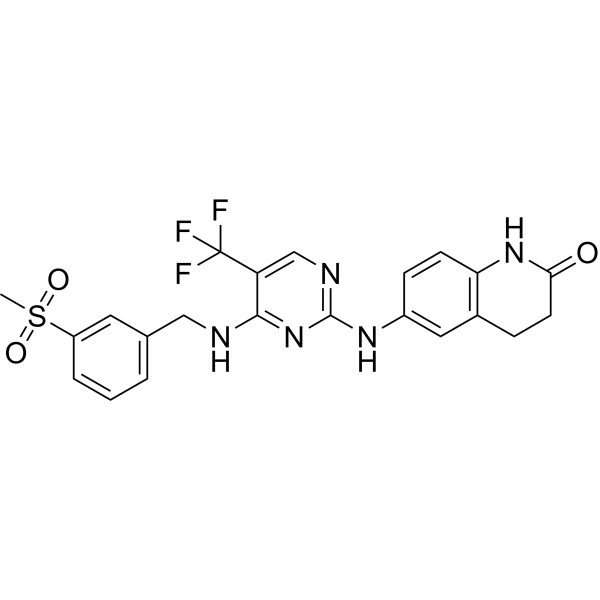
GSK484 is a PAD4 inhibitor that effectively inhibits protein citrullination and the formation of neutrophil extracellular traps (NETs) by blocking the catalytic activity of PAD4. GSK484 suppresses the production of histone H3, MHC-I expression, CD8 + T cell activation, proliferation and inflammatory cytokine release. GSK484 reduces inflammation and bone destruction in collagen-induced rheumatoid arthritis, alleviates pain and mast cell activation in sickle cell disease, and improves myocardial ischemia-reperfusion injury and experimental colitis. In addition, GSK484 restores intestinal microbial homeostasis by reversing ferroptosis-induced dysbiosis. GSK484 can be used to study the disease mechanisms of rheumatoid arthritis, sickle cell disease, thrombosis, myocardial injury, colitis and other conditions [5] .
loading...
    loading...
51
51 Cited Publications
Cat. No.: HY-P0128
CAS No.: 131602-53-4
Synonyms: Amyloid beta-peptide (25-35); Aβ25-35; β-Amyloid peptide (25-35)
Target:  

Amyloid-β

Research Areas:  

Neurological Disease

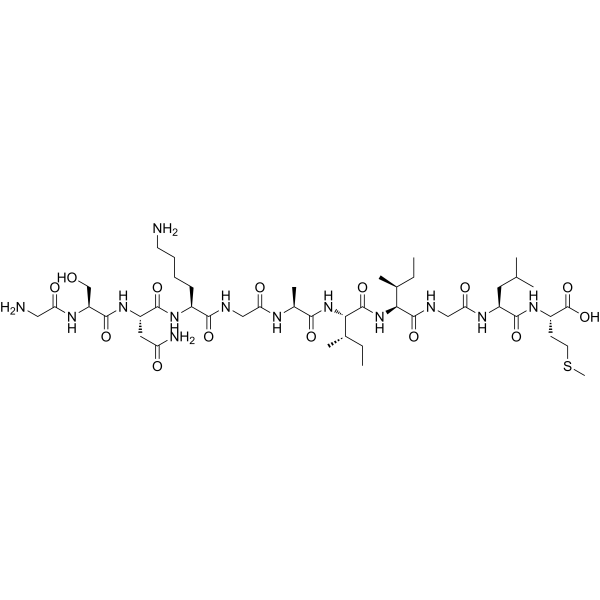
β-Amyloid (25-35) (Amyloid beta-peptide (25-35)) is the fragment Aβ(25-35) of the Alzheimer's amyloid β-peptide, has shown neurotoxic activities in cultured cells .
loading...
    loading...
51
51 Cited Publications
Cat. No.: HY-P0128A
CAS No.: 131602-53-4
Synonyms: Amyloid beta-peptide (25-35), HFIP-treated; Aβ25-35, HFIP-treated; β-Amyloid peptide (25-35), HFIP-treated
Target:  

Amyloid-β

Research Areas:  

Neurological Disease

β-Amyloid (25-35) (Amyloid beta-peptide (25-35)), HFIP-treated is a β-Amyloid (25-35) (HY-P0128) treated with HFIP. β-Amyloid (25-35) (Amyloid beta-peptide (25-35)) is the fragment Aβ(25-35) of the Alzheimer's amyloid β-peptide, has shown neurotoxic activities in cultured cells .
loading...
    loading...
41
41 Cited Publications
Cat. No.: HY-10461
CAS No.: 869288-64-2
Purity:  99.25%
Target:  

FAK Apoptosis

Research Areas:  

Cancer

PF-573228 is a potent and selective FAK inhibitor with IC50 of 4 nM for purified recombinant catalytic fragment of FAK.
loading...
    loading...
38
38 Cited Publications
Cat. No.: HY-10518
CAS No.: 547757-23-3
Purity:  99.90%
Target:  

IKK

Research Areas:  

Cancer

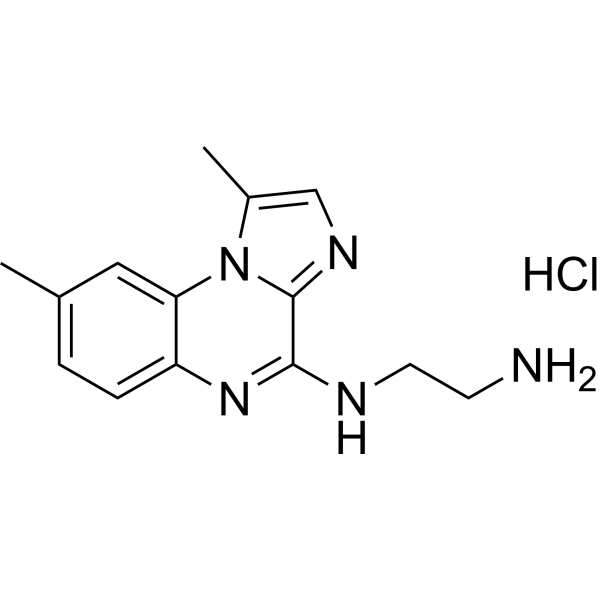
BMS-345541 hydrochloride is a selective inhibitor of the catalytic subunits of IKK (IKK-2 IC50=0.3 μM, IKK-1 IC50=4 μM). BMS-345541 binds at an allosteric site of IKK.
loading...
    loading...
38
38 Cited Publications
Cat. No.: HY-10519
CAS No.: 445430-58-0
Purity:  99.86%
Target:  

IKK

Research Areas:  

Cancer

BMS-345541 is a selective inhibitor of the catalytic subunits of IKK (IKK-2 IC50=0.3 μM, IKK-1 IC50=4 μM). BMS-345541 binds at an allosteric site of IKK.
loading...
    loading...
28
28 Cited Publications
Cat. No.: HY-13821
CAS No.: 134381-21-8
Purity:  99.39%
Synonyms: BU-4061T
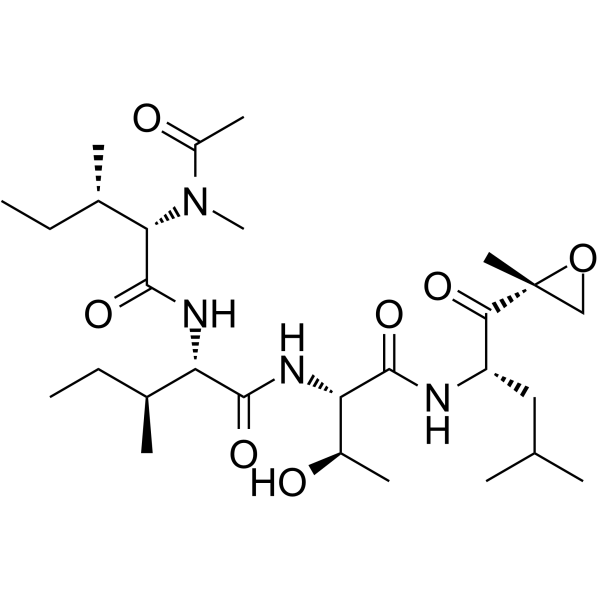
Epoxomicin (BU-4061T) is an epoxyketone-containing natural product and a potent, selective and irreversible proteasome inhibitor. Epoxomicin covalently binds to the LMP7, X, MECL1, and Z catalytic subunits of the proteasome and potently inhibits primarily the chymotrypsin-like activity. Epoxomicin can cross the blood-brain barrier. Epoxomicin has strongly antitumor and anti-inflammatory activity [5].
loading...
    loading...
28
28 Cited Publications
Cat. No.: HY-P1363
Synonyms: Amyloid β-peptide (1-42) (human) TFA
Target:  

Amyloid-β

Research Areas:  

Neurological Disease

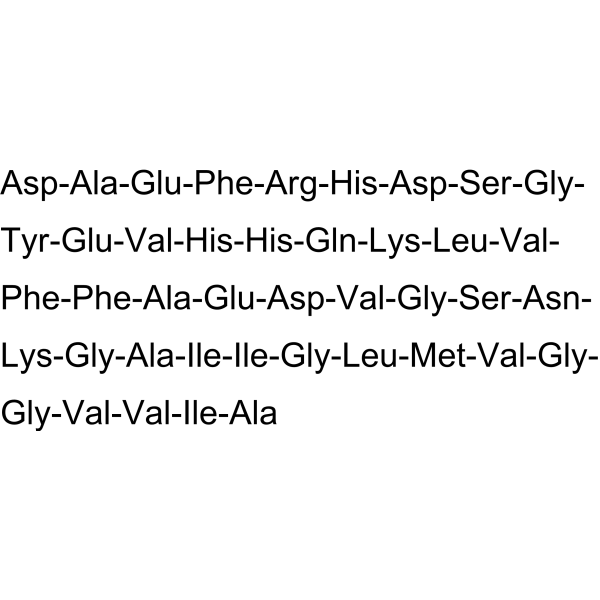
β-Amyloid (1-42) (Amyloid β-peptide (1-42), human TFA, a 42-amino acid peptide that has not been treated with HFIP, is a brain-penetrant amyloid protein fragment, which can be used in research on Alzheimer's disease and Down’s syndrome. β-Amyloid (1-42), human TFA remaining as a monomer exhibits antioxidant and neuroprotective effects. β-Amyloid (1-42), human TFA, after being monomericized by HFIP and dissolved in DMSO to form the stock solution, on the one hand, can form soluble oligomers (AβOs) when incubated at 4 °C, which have synaptic toxicity and neurotoxicity; on the other hand, it can be incubated at 37 °C to form insoluble fibrils, with lower neurotoxicity, and participating in the oxidative damage process. Aβ42 oligomers bind to various neuronal surface receptors (such as PrPc, mGluR5, NMDA receptors, etc.), triggering oxidative stress, calcium homeostasis imbalance, and synaptic toxicity via activating downstream signaling pathways, leading to neuronal dysfunction and death [5] .
loading...
    loading...
28
28 Cited Publications
Cat. No.: HY-P1363A
CAS No.: 107761-42-2
Synonyms: Amyloid β-peptide (1-42) (human)
Target:  

Amyloid-β

Research Areas:  

Neurological Disease

β-Amyloid (1-42) (Amyloid β-peptide (1-42)), human, a 42-amino acid peptide that has not been treated with HFIP, is a brain-penetrant amyloid protein fragment, which can be used in research on Alzheimer's disease and Down’s syndrome. β-Amyloid (1-42), human remaining as a monomer exhibits antioxidant and neuroprotective effects. β-Amyloid (1-42), human, after being monomericized by HFIP and dissolved in DMSO to form the stock solution, on the one hand, can form soluble oligomers (AβOs) when incubated at 4 °C, which have synaptic toxicity and neurotoxicity; on the other hand, it can be incubated at 37 °C to form insoluble fibrils, with lower neurotoxicity, and participating in the oxidative damage process. Aβ42 oligomers bind to various neuronal surface receptors (such as PrPc, mGluR5, NMDA receptors, etc.), triggering oxidative stress, calcium homeostasis imbalance, and synaptic toxicity via activating downstream signaling pathways, leading to neuronal dysfunction and death [5] .
loading...
    loading...
28
28 Cited Publications
Cat. No.: HY-P1363B
CAS No.: 107761-42-2
Target:  

Amyloid-β

Research Areas:  

Neurological Disease

β-Amyloid (1-42), human, HFIP-treated, a 42-amino acid peptide that has been treated with HFIP from β-Amyloid (1-42), human (HY-P1363A), is a brain-penetrant amyloid protein fragment, which can be used in research on Alzheimer's disease and Down’s syndrome. β-Amyloid (1-42), human, HFIP-treated remaining as a monomer exhibits antioxidant and neuroprotective effects. β-Amyloid (1-42), human, HFIP-treated, after being dissolved in DMSO to form the stock solution, on the one hand, can form soluble oligomers (AβOs) when incubated at 4°C, which have synaptic toxicity and neurotoxicity; on the other hand, it can be incubated at 37°C to form insoluble fibrils, with lower neurotoxicity, and participating in the oxidative damage process. Aβ42 oligomers bind to various neuronal surface receptors (such as PrPc, mGluR5, NMDA receptors, etc.), triggering oxidative stress, calcium homeostasis imbalance, and synaptic toxicity via activating downstream signaling pathways, leading to neuronal dysfunction and death [5] .
loading...
    loading...
26
26 Cited Publications
Cat. No.: HY-13817
CAS No.: 314245-33-5
Purity:  99.30%
IU1 is a selective, reversible USP14 inhibitor with an IC50 of 4-5 μM. IU1 binds USP14’s catalytic cleft to block deubiquitinase activity. IU1 induces calpain-dependent Tau cleavage, causes ATP deficits, reduces E1~Ub thioester levels and 26S proteasome assembly. IU1 enhances 26S proteasome chymotrypsin-like activity, modulates LC3B-dependent autophagy flux, reduces cancer cell proliferation and migration, and blocks G0/G1 to S phase cell cycle transition in follicular thyroid cancer cells. IU1 activates autophagy-lysosomal and ubiquitin-proteasome pathways, triggers apoptosis, and reduces cervical cancer cell growth. IU1 enhances degradation of proteasome substrates linked to neurodegenerative disease, accelerates oxidized protein degradation, and increases oxidative stress resistance. IU1 can be used for the research of Alzheimer’s disease, follicular thyroid cancer, ischemic stroke, cervical cancer, and neurodegenerative disease [5].
loading...
    loading...
23
23 Cited Publications
Cat. No.: HY-N0931
CAS No.: 1477949-42-0
Synonyms: CAY-10683
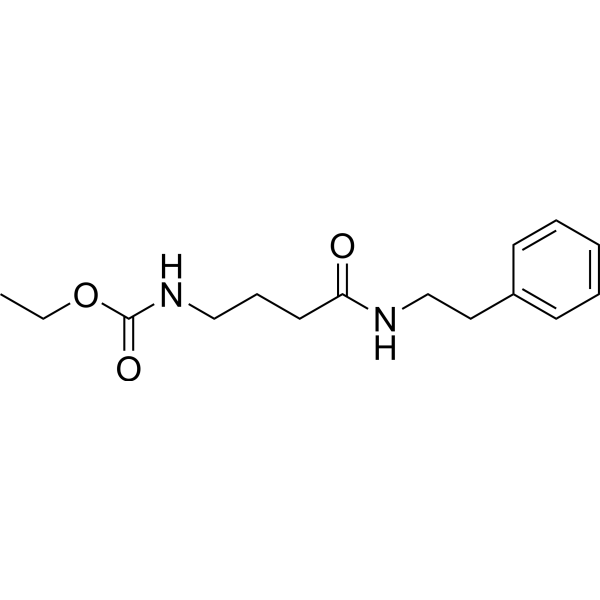
Santacruzamate A (CAY-10683, STA) is a potent and selective HDAC2 inhibitor with an IC50 of 119 pM. STA also exerts neuroprotective property against amyloid-β protein fragment 25–35. STA can be used for cancer and neurological disease research .
loading...
    loading...
22
22 Cited Publications
Cat. No.: HY-117383
CAS No.: 790702-57-7
Purity:  99.97%
Synonyms: ML414
Target:  

Virus Protease

Research Areas:  

Cancer

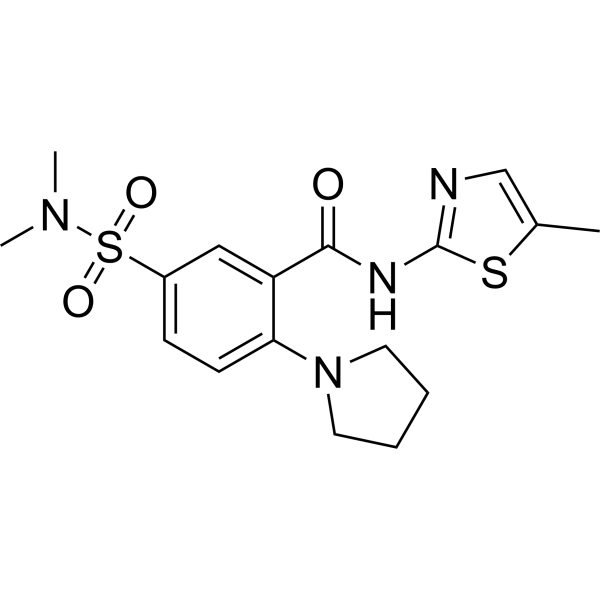
NGI-1 (ML414) is a potent oligosaccharyltransferase (OST) inhibitor, directly targeting and blocking the function of the OST catalytic subunits STT3A and STT3B . NGI-1 is a cell permeable inhibitor and can effectively reduce virus infectivity without affecting cell viability .
loading...
    loading...
19
19 Cited Publications
Cat. No.: HY-P1846
CAS No.: 219127-21-6
Target:  

Notch

Research Areas:  

Cancer

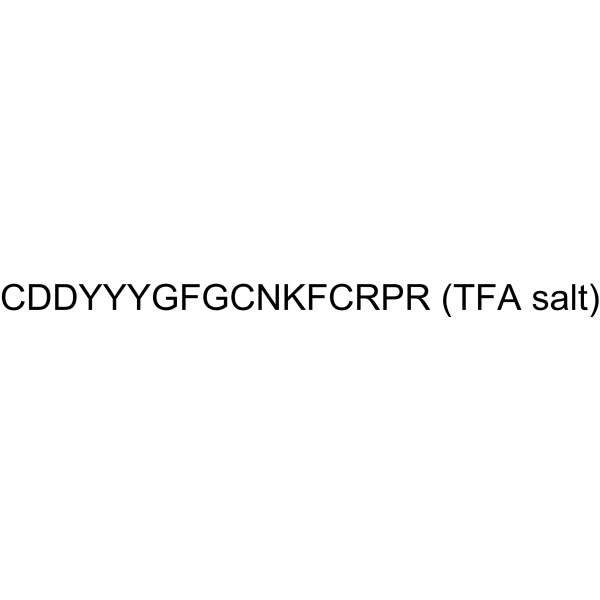
Jagged-1 (188-204) is a fragment of the Jagged-1 (JAG-1) protein with Notch agonist activity. JAG-1 is a Notch ligand highly expressed in cultured and primary multiple myeloma (MM) cells. JAG-1 induces maturation of monocyte-derived human dendritic cells .
loading...
    loading...
19
19 Cited Publications
Cat. No.: HY-P1846A
Target:  

Notch

Research Areas:  

Cancer

Jagged-1 (188-204) TFA is a fragment of the Jagged-1 (JAG-1) protein with Notch agonist activity. JAG-1 is a Notch ligand highly expressed in cultured and primary multiple myeloma (MM) cells. JAG-1 induces maturation of monocyte-derived human dendritic cells .
loading...
    loading...
18
18 Cited Publications
Cat. No.: HY-10114
CAS No.: 663619-89-4
Purity:  99.74%
Target:  

PI3K

Research Areas:  

Cancer

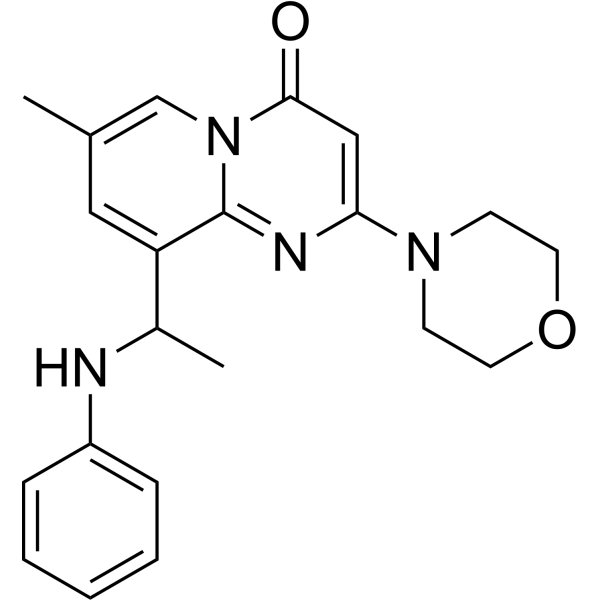
TGX-221 is a potent, selective, and cell membrane permeable inhibitor of the PI3K p110β catalytic subunit, used for cancer treatment.
loading...
    loading...
16
16 Cited Publications
Cat. No.: HY-W001187
CAS No.: 2564-83-2
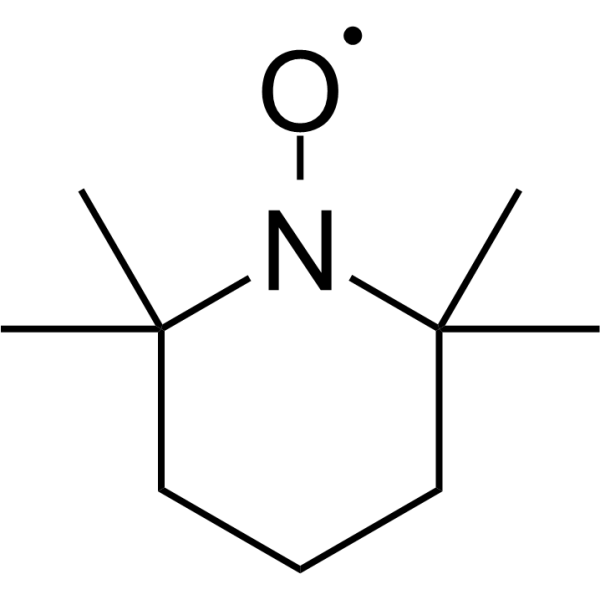
Tempo is a nitric oxide radical and a selective scavenger of ROS in mitochondria. Tempo is also an organocatalyst that disproportionates superoxide and oxidizes primary alcohols to aldehydes in a catalytic cycle. Tempo has mutagenic and antioxidant effects and can induceDNA strand breaks. Tempo also exerts cytotoxic and mutagenic properties in mouse lymphoma cells .
loading...
    loading...
16
16 Cited Publications
Cat. No.: HY-11107
CAS No.: 477575-56-7
Purity:  99.86%
Research Areas:  

Cancer

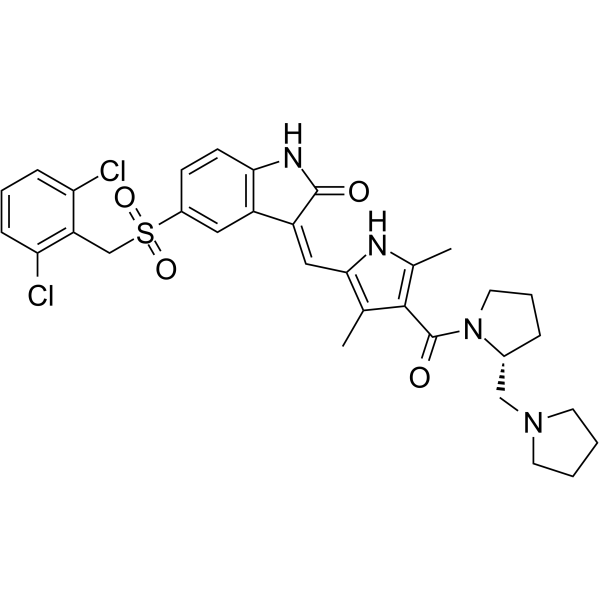
PHA-665752 is a selective, ATP-competitive, and active-site inhibitor of the catalytic activity of c-Met kinase (Ki=4 nM; IC50=9 nM). PHA-665752 exhibits >50-fold selectivity for c-Met compared with a panel of diverse tyrosine and serine-threonine kinases. PHA-665752 induces apoptosis and cell cycle arrest, and exhibits cytoreductive antitumor activity .
loading...
    loading...
12
12 Cited Publications
Cat. No.: HY-A0210
CAS No.: 17397-89-6
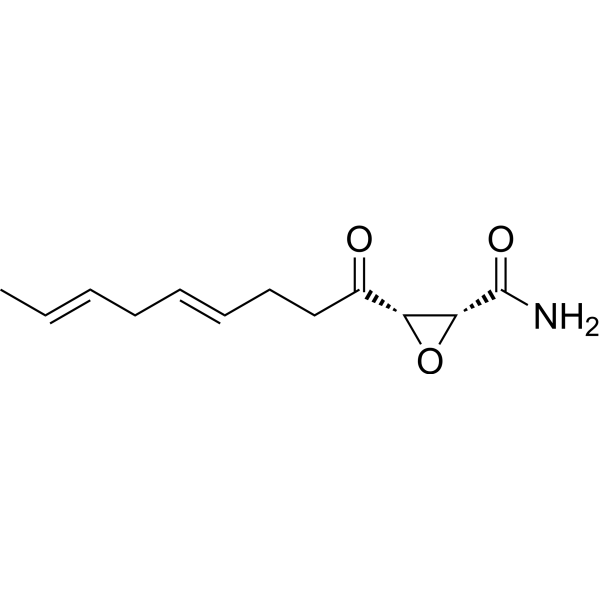
Cerulenin, a potent, natural inhibitor of fatty acid synthase (FASN), is an epoxide produced by the fungus Cephalosporium caeruleus. Cerulenin inhibits topoisomerase I catalytic activity and augments SN-38-induced apoptosis. Cerulenin has antifungal and antitumor activies .
loading...
    loading...

