

102 Results for "

human neuroblastoma cells

" in MedChemExpress (MCE) Product Catalog:
Products (102)

102 Results for "human neuroblastoma cells" in MCE Product Catalog:

26
26 Cited Publications
Cat. No.: HY-P1731C
Synonyms: LY3298176 sodium
Tirzepatide sodium (LY3298176 sodium) is a dual glucose-dependent insulinotropic polypeptide (GIP) and glucagon-like peptide-1 (GLP-1) receptor agonist. Tirzepatide sodium exerts anti-apoptotic and pro-differentiation effects via the pAkt/CREB/BDNF cascade and miRNA in neurons; in the heart, it promotes BCAA catabolism and inhibits the mTOR pathway by mediating the dephosphorylation of BCKDHA; meanwhile, it effectively reduces insulin and leptin levels and suppresses inflammatory responses at the systemic level. Tirzepatide sodium can be used for research on myocardial infarction, colon cancer, diabetes, diabetic cognitive impairment, neurodegeneration, diabetes-related neuropathy, and obesity .
loading...
    loading...
18
18 Cited Publications
Cat. No.: HY-N0143A
CAS No.: 7061-54-3
Synonyms: Floridzin dihydrate
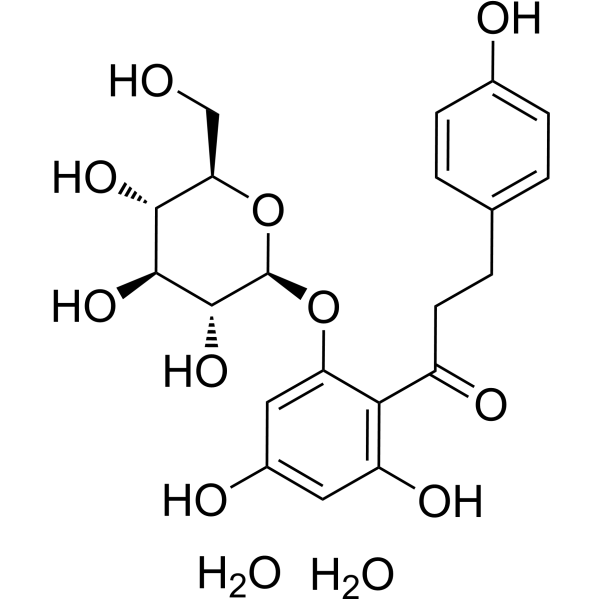
Phlorizin (Floridzin) dihydrate is an orally active non-selective sodium-glucose cotransporter (SGLT) inhibitor, with an IC50 of 0.04 μM and a Ki of 39 nM against hSGLT2, and an IC50 of 0.17 μM and a Ki of 0.31 μM against hSGLT1. Phlorizin dihydrate promotes GLUT4 translocation, inhibits gluconeogenesis and promotes glycogen synthesis by activating the PI3K/Akt/mTOR pathway. Phlorizin dihydrate reduces DNA damage and apoptosis (apoptosis) by inhibiting the NF-κB inflammatory pathway. Phlorizin dihydrate induces apoptosis via activating the Caspase pathway by antagonizing the JAK/STAT3 and PCK pathways. Phlorizin dihydrate also exhibits antibacterial, anti-inflammatory and neuroprotective activities .
loading...
    loading...
15
15 Cited Publications
Cat. No.: HY-15894A
CAS No.: 173326-37-9
Purity:  98.66%
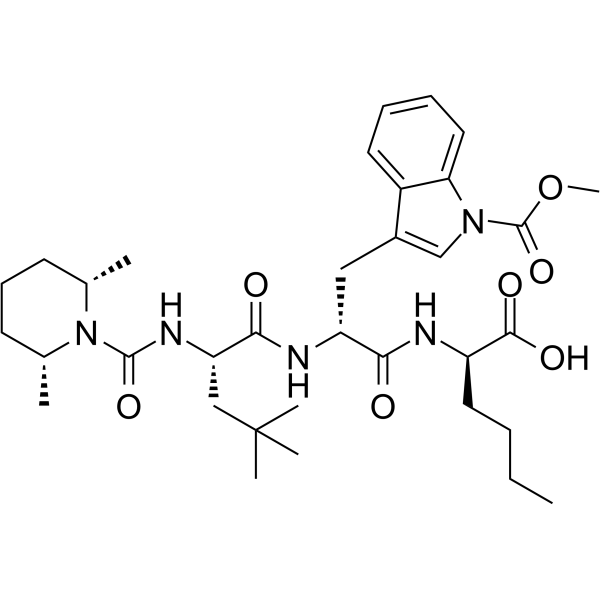
BQ-788 is a potent, selective ETB receptor antagonist with IC50 of 1.2 nM for inhibition of ET-1 binding to human Girardi heart cells, poorly inhibiting the binding to ETA receptors in human neuroblastoma cell line SK-N-MC cells with IC50 of 1300 nM .
loading...
    loading...
10
10 Cited Publications
Cat. No.: HY-N0303
CAS No.: 58186-27-9
Research Areas:  

Neurological Disease

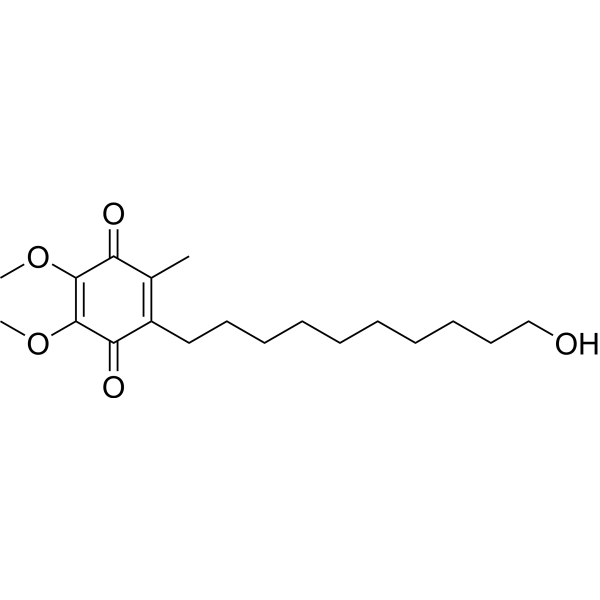
Idebenone, a well-appreciated mitochondrial protectant, exhibits protective efficacy against neurotoxicity and can be used for the research of Alzheimer's disease, Huntington's disease. Idebenone (oxidised form) has a dose-dependent inhibitory effect on the enzymatic metabolism of arachidonic acid in astroglial homogenates (IC50=16.65 μM) . Idebenone, a coenzyme Q10 analog and an antioxidant, induces apoptotic cell death in the human dopaminergic neuroblastoma SHSY-5Y cells . Idebenone quickly crosses the blood-brain barrier.
loading...
    loading...
8
8 Cited Publications
Cat. No.: HY-P99974
Synonyms: Nanoparticle albumin-bound Paclitaxel; Nanoparticle albumin-bound ABI-007

Research Areas:  

Cancer

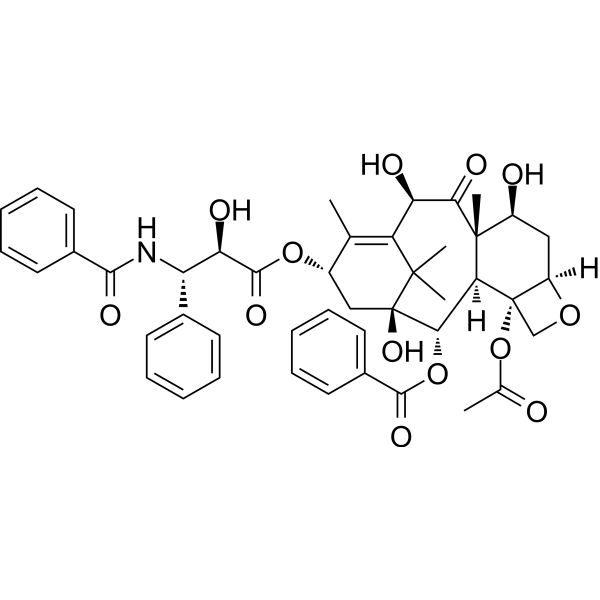
Nab-Paclitaxel (Nanoparticle albumin-bound Paclitaxel) is an albumin-bound nanoparticle formulation of Paclitaxel (HY-B0015). Nab-Paclitaxel is composed of albumin and the active pharmaceutical ingredient Paclitaxel, in which human albumin is used as an excipient to disperse and stabilize particles and carry the main drug. Nab-Paclitaxel is a solvent-free taxane with higher response rates and improved tolerability. Nab-Paclitaxel displays less toxicity and greater antitumor activity. Nab-Paclitaxel is more readily available for tumor cell uptake in three rhabdomyosarcoma, seven neuroblastoma cell lines, and one ostersarcoma cell line Nab-Paclitaxel can be studied in cancer research for example breast cancer and solid tumors. (The product specifications below only indicate the effective content of Paditaxel, the actual albumin quality depends on the batch; the ratio of each ingredient in this product is Paditaxel: albumin -1:7~1:11) .
loading...
    loading...
4
4 Cited Publications
Cat. No.: HY-B0512
CAS No.: 127-79-7
Synonyms: RP2632
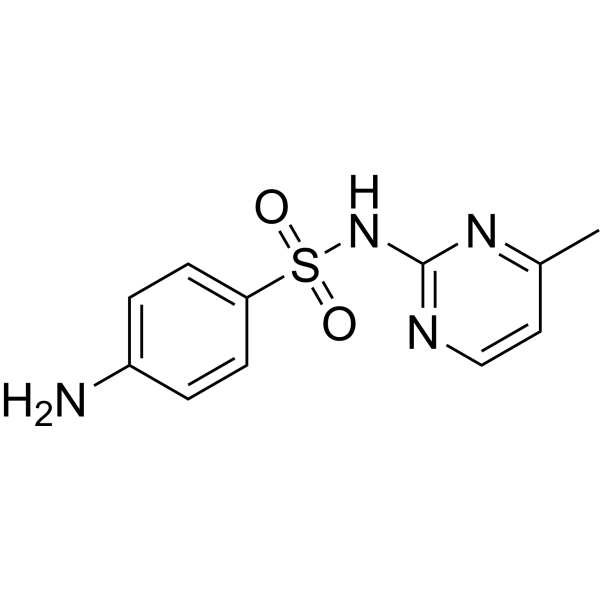
Sulfamerazine (RP2632) is a brain-penetrant and orally active sulfonamide antibiotic and α-synuclein inhibitor with human α-synuclein KD of 352 μM. Sulfamerazine inhibits the synthesis of dihydrofolate by bacteria, thereby inhibiting bacterial growth. Sulfamerazine inhibits α-synuclein fibrillation, reduces α-synuclein aggregation-associated toxicity and α-synuclein aggregate accumulation. Sulfamerazine can be used for the research of Parkinson’s disease and bacterial infection .
loading...
    loading...
1
1 Cited Publications
Cat. No.: HY-126562
CAS No.: 5950-12-9
Purity:  99.31%
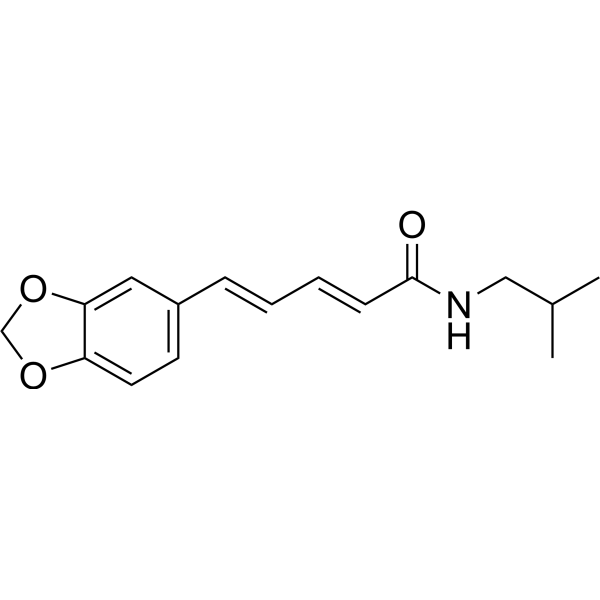
Piperlonguminine is a cytochrome P450 (CYP450) inhibitor. Piperlonguminine also inhibits the growth of epimastigotes and intracellular amastigotes of Trypanosoma cruzi, with IC50 values of 53.8 and 33.9 μM, respectively . Piperlonguminine regulates HMGB1/TLR4-NF-κB/MAPK-related inflammatory responses, endothelial protein C receptor (EPCR) shedding, melanogenesis, glycolipid metabolism, ischemic brain injury and tumor growth. Piperlonguminine can be used in research on hyperlipidemia, sepsis, Chagas disease, ischemic stroke, sarcoma and severe acute pancreatitis-associated lung injury .
loading...
    loading...
1
1 Cited Publications
Cat. No.: HY-N1391
CAS No.: 78432-77-6
Synonyms: 10-Deacetylpaclitaxel
10-Deacetyltaxol (10-Deacetylpaclitaxel) is a taxane derivative found in Taxus wallichiana Zucc. and exhibits cytotoxicity against human neurotumor cell lines. It shows a concentration-dependent cytotoxic effect on cancer cells and demonstrates activity in the mouse leukemia system. 10-Deacetyltaxol can be used for research on neuroblastoma, glioblastoma multiforme, and lymphocytic leukemia .
loading...
    loading...
1
1 Cited Publications
Cat. No.: HY-172705
Target:  

Liposome nAChR

Research Areas:  

Neurological Disease

DSPE-PEG2000-RVG29 is a PEG conjugate composed of DSPE and rabies virus glycoprotein 29 (RVG29). RVG29 specifically binds to nicotinic acetylcholine receptors (nAChR) at the blood-brain barrier (BBB), crosses the BBB, and mediates receptor-dependent transcytosis. DSPE-PEG2000-RVG29 can be used for brain-targeted drug delivery, surface modification of nanocarriers, as well as gene and nucleic acid delivery. DSPE-PEG2000-RVG29 is applicable to research related to hypoxic-ischemic brain injury, Parkinson's disease, and other conditions .
loading...
    loading...
1
1 Cited Publications
Cat. No.: HY-N11077
CAS No.: 89886-30-6
Synonyms: 4,5-di-O-CQA
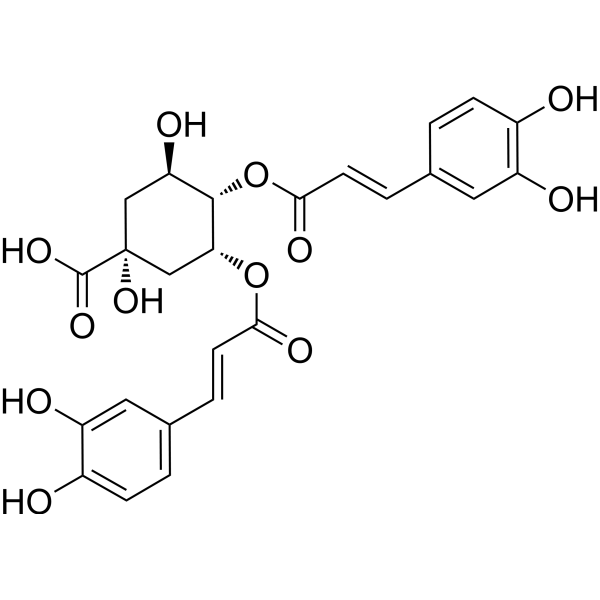
4,5-Di-O-caffeoylquinic acid (4,5-di-O-CQA) is a natural product with multiple activities including anti-inflammatory, antioxidant, and antibacterial properties. 4,5-Di-O-caffeoylquinic acid induces intracellular Ca 2+ influx, and inhibits hypoxia-induced COX-2 expression and cell migration via the TRPV1-mediated pathway. 4,5-Di-O-caffeoylquinic acid scavenges DPPH free radicals, inhibits Cu 2+-mediated LDL oxidation, and reduces the production of TBARS. 4,5-Di-O-caffeoylquinic acid promotes intracellular ATP production, inhibits Aβ42 aggregation and β-sheet conversion, and protects neuroblastoma cells. 4,5-Di-O-caffeoylquinic acid inhibits the growth of Bacillus shigae. 4,5-Di-O-caffeoylquinic acid can be used in studies related to atherosclerosis, Alzheimer's disease, and bacterial infections .
loading...
    loading...
1
1 Cited Publications
Cat. No.: HY-W795960
CAS No.: 108340-81-4
D-myo-inositol 1,4,5-trisphosphate sodium salt is a widely distributed intracellular second messenger. D-myo-inositol 1,4,5-trisphosphate sodium salt acts as a potent agonist of the Ins (1,4,5) P3 receptor with an EC50 of 0.12 μM and inhibits bovine PLC-δ1, with an IC50 of 5.4 μM for binding and an IC50 of 12.4 μM for hydrolysis. D-myo-inositol 1,4,5-trisphosphate sodium saltis metabolized into Ins (1,4) P2 and Ins (1,3,4,5) P4. D-myo-inositol 1,4,5-trisphosphate sodium salt mediates various cellular processes, including growth, development, fertilization, secretion, contraction and neuromodulation. D-myo-inositol 1,4,5-trisphosphate sodium salt inhibits PIP2 hydrolysis and Ca 2+-ATPase activity. D-myo-inositol 1,4,5-trisphosphate sodium salt is used for cardiac preconditioning, exerts cardioprotective effects and mimics ischemic preconditioning. D-myo-inositol 1,4,5-trisphosphate sodium salt is applied in studies related to intracellular calcium and phosphoinositol signaling pathways .
loading...
    loading...
Cat. No.: HY-P9933
CAS No.: 1363687-32-4
Synonyms: APN-311; Ch14.18; MAb-14.18

Target:  

Apoptosis PERK mTOR

Research Areas:  

Cancer

Dinutuximab (APN-311) is a chimeric human-mouse anti-GD2 monoclonal antibody. Dinutuximab can bind to GD2 on the cell surface, triggering antibody-dependent cell-mediated cytotoxicity and complement-dependent cytotoxicity, and promoting tumor regression. Dinutuximab can inhibit the growth, invasion, and migration and induce apoptosis of tumor cells. Dinutuximab can be used in the research of tumors such as neuroblastoma and breast cancer .
loading...
    loading...
Cat. No.: HY-W143216
CAS No.: 531-57-7
Synonyms: Monomethylthionine
Target:  

Amyloid-β Tau Protein HSP

Research Areas:  

Neurological Disease

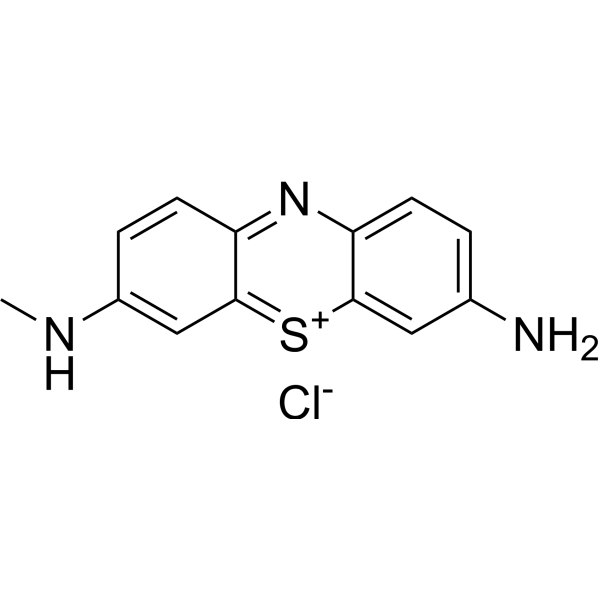
Azure C (Monomethylthionine) acts as a tau oligomer inhibitor and Aβ42 oligomerization inhibitor. Azure C regulates hsp70 ATPase activity, thereby mediating the clearance of tau protein. Azure C reduces the levels of toxic tau oligomers by promoting the formation of non-toxic tau aggregates, rescues neuroblastoma cells from tau oligomer-induced toxicity, and binds to and inhibits Aβ42 oligomerization. Azure C is generated via continuous oxidation of methylene blue or azure B through a horseradish peroxidase-mediated reaction. Azure C can be used in research related to tauopathies, including Alzheimer's disease .
loading...
    loading...
Cat. No.: HY-N6013
CAS No.: 8015-61-0
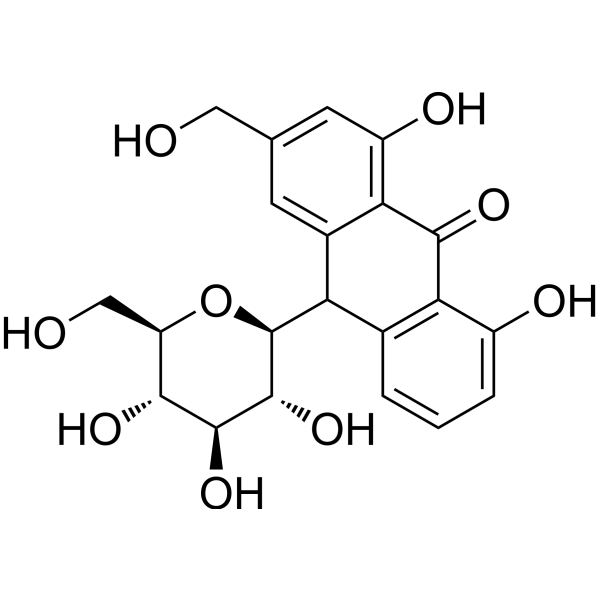
Aloin (mixture of A&B) is an orally active anthraquinone derivative isolated from Aloe vera. Aloin (mixture of A&B) mitigates airway impairment and exerts neuroprotective, anti-inflammatory, antioxidant, antibacterial, antifungal, antiviral and antitumor effects. Aloin (mixture of A&B) inhibits Clostridium histolyticum collagenase, granulocyte matrix metalloproteinases and human 20S proteasome. Aloin (mixture of A&B) upregulates the Nrf2/HO-1 pathway, suppresses the TGF-β/Smad2/3 pathway. Aloin (mixture of A&B) reduces IL-4/IL-5/IL-13 levels, and reverses oxidative stress markers (MDA, SOD, GSH). Aloin (mixture of A&B) can be used for research on chronic ulcers, burns, wounds, inflammatory and degenerative disorders, asthma and neuroblastoma .
loading...
    loading...
Cat. No.: HY-136832
CAS No.: 110514-35-7
Noribogaine hydrochloride is an orally active, blood-brain barrier permeable SERT inhibitor (IC50=50-300 nM) and hERG channel blocker. Noribogaine hydrochloride enhances serotonergic transmission, activates the κ-opioid receptor (OPRK) G protein signaling pathway and inhibits β-arrestin recruitment. Meanwhile, Noribogaine hydrochloride blocks the μ-opioid receptor (OPRM) signaling pathway as well as ion channels associated with cardiac repolarization. Noribogaine hydrochloride induces neuritogenesis, upregulates GDNF mRNA expression, and modulates opioid tolerance. Noribogaine hydrochloride reduces alcohol-seeking behavior in experimental animals, and is widely used in studies related to depression, addiction, alcoholism, and cardiotoxicity .
loading...
    loading...
Cat. No.: HY-129912
CAS No.: 82414-35-5
Purity:  99.96%
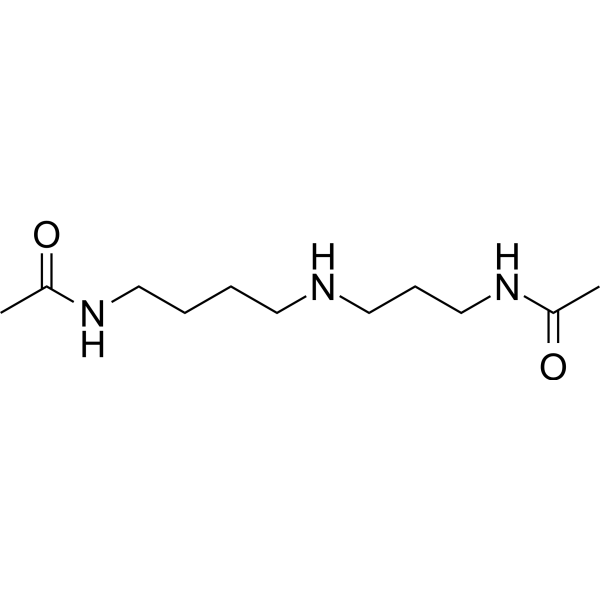
N1,N8-Diacetylspermidine is a diacetylated polyamine metabolite and also a urine biomarker associated with diagnosis, prognosis and disease severity. Urinary levels of N1,N8-Diacetylspermidine increase in breast cancer, colorectal cancer, urogenital malignancies and Parkinson's disease. N1,N8-Diacetylspermidine can be used in studies related to breast cancer, colorectal cancer, urogenital malignancies and Parkinson's disease .
loading...
    loading...
Cat. No.: HY-100604
CAS No.: 1146594-87-7
Purity:  ≥99.0%
Target:  

γ-secretase Amyloid-β

Research Areas:  

Neurological Disease

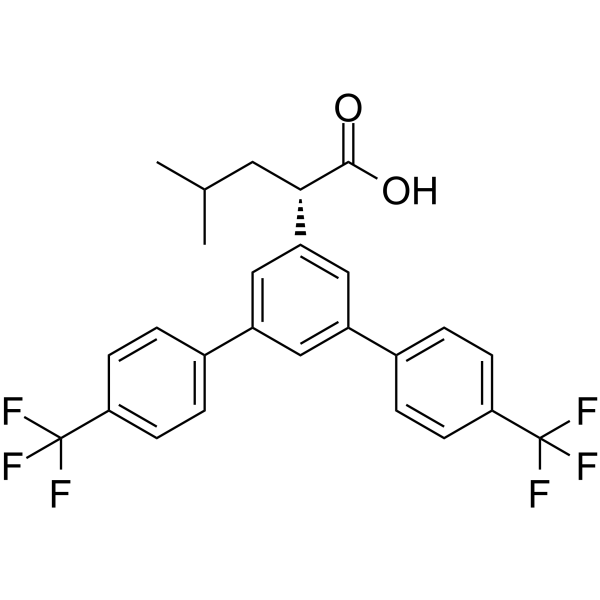
JNJ-40418677 is an orally active modulator of γ-secretase, can cross the blood-brain barrier. JNJ-40418677 inhibits Aβ42 and NS2B-NS3 protease, with IC50s of 200 nM and 3.9 μM, respectively. JNJ-40418677 displays good biological tolerance, can be use for Alzheimer’s disease research .
loading...
    loading...
Cat. No.: HY-18257
CAS No.: 751-97-3
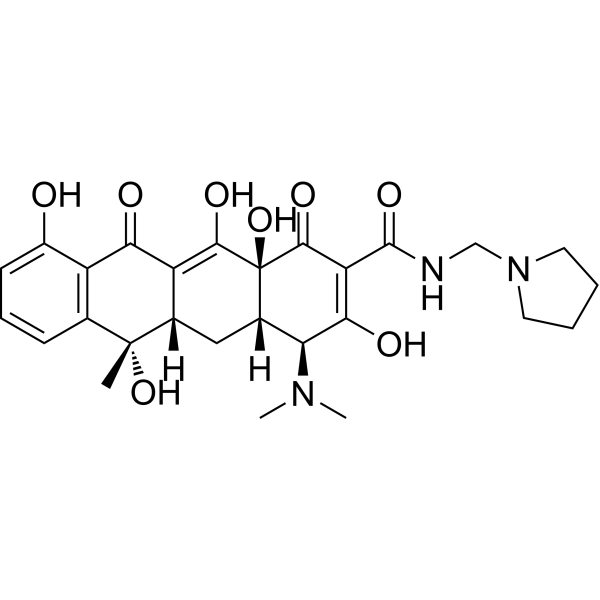
Rolitetracycline is a highly soluble, broad-spectrum antibiotic derived from tetracycline. Rolitetracycline binds to and stabilizes bovine serum albumin, and also inhibits HIV-1 integrase, blocks Aβ fibril formation and suppresses dengue virus proliferation. Rolitetracycline mediates the inhibition of Aβ fibrils via a specific three-dimensional pharmacophore conformation, and exerts bacteriostatic and bactericidal activities. Rolitetracycline acts synergistically with Penicillin G (HY-N7139) or Cephalothin (HY-B1275A) to alter the effects on microbial growth. Rolitetracycline serves as an important tool compound for the study of bacterial infections (urinary tract infections, sepsis), HIV-1 and dengue virus infections, as well as Alzheimer's disease .
loading...
    loading...
Cat. No.: HY-N0046
CAS No.: 88105-29-7
Synonyms: Notoginseng triterpenes; Ginsenoside Mb
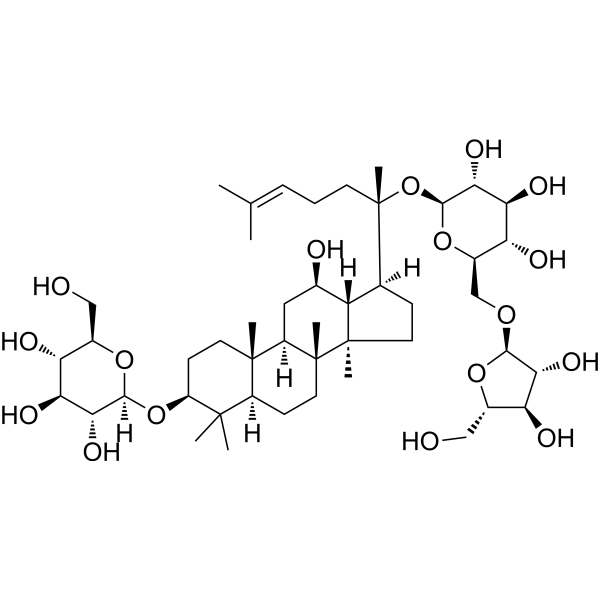
Notoginsenoside Fe (Notoginseng triterpenes; Ginsenoside Mb) is a saponin with anti-obesity and anti-neuroblastoma activities. Notoginsenoside Fe can be isolated from leaves of Panax notoginseng. Notoginsenoside Fe specifically activates paraventricular nucleus neurons in the hypothalamus, effectively reducing body weight, improving fasting blood glucose and protecting liver function by decreasing food intake, increasing resting metabolic rate and enhancing energy expenditure. Notoginsenoside Fe also inhibits the c-Src signaling pathway, blocks the proliferation and viability of human neuroblastoma cells, while improving mitochondrial dysfunction and alleviating apoptosis. Notoginsenoside Fe can be used in studies related to diet-induced obesity and neuroblastoma .
loading...
    loading...
Cat. No.: HY-P990845

Target:  

Inhibitory Antibodies

Research Areas:  

Cancer

Anti-Ganglioside GD2 Antibody (14G2a) is a kind of mouse IgG2a κ chimeric antibody inhibitor, targeting to human Ganglioside GD2. Anti-Ganglioside GD2 Antibody (14G2a) can induce neuroblastoma cells autophagy and lysis. Anti-Ganglioside GD2 Antibody (14G2a) can be used for the research of cancer, such as neuroblastoma .
loading...
    loading...

