1. Search Result
Search Result
Results for "

intermediate type

" in MedChemExpress (MCE) Product Catalog:

56

Inhibitors & Agonists

1

Screening Libraries

1

Fluorescent Dyes

7

Biochemical Assay Reagents

4

Peptides

23

Natural
Products

5

Isotope-Labeled Compounds

4

Antibodies

1

Oligonucleotides

Cat. No. Product Name Target Research Areas Chemical Structure
  • HY-W011474

    NF-κB Inflammation/Immunology
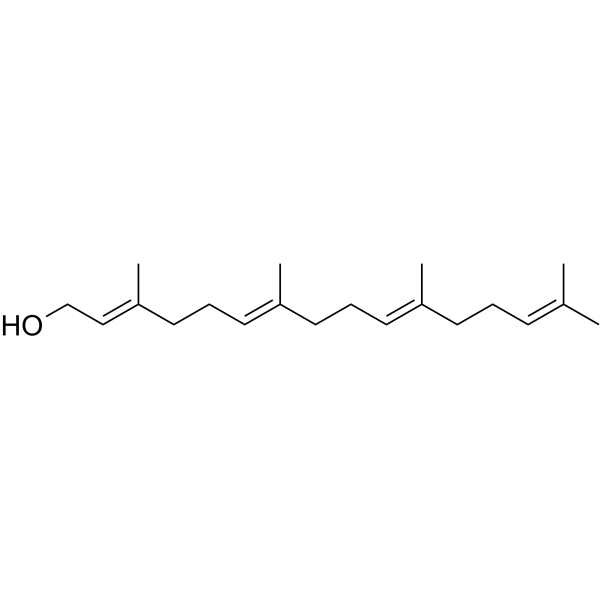
    Geranylgeraniol is an orally acitve vitamin K2 sub-type, an intermediate of the mevalonate pathway. Geranylgeraniol targets NF-kB signaling pathway and could alleviate LPS-induced microglial inflammation in animal model .
    Geranylgeraniol
  • HY-113381
    2-Hydroxybutyric acid
    1 Publications Verification

    α-Hydroxybutyric acid

    Endogenous Metabolite Metabolic Disease Inflammation/Immunology
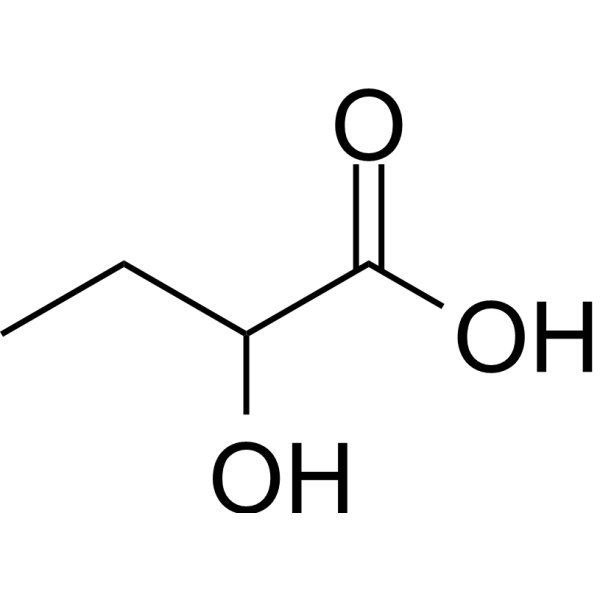
    2-Hydroxybutyric acid (α-Hydroxybutyric acid ) is converted from 2-Aminobutyric acid, with 2-oxobutyric acid as an intermediate metabolite . 2-Hydroxybutyric acid is a potential biomarker for type 2 diabetes and preeclampsia . 2-Hydroxybutyric acid prevents the acetaminophen (AP)-induced liver injury .
    2-Hydroxybutyric acid
  • HY-126370A

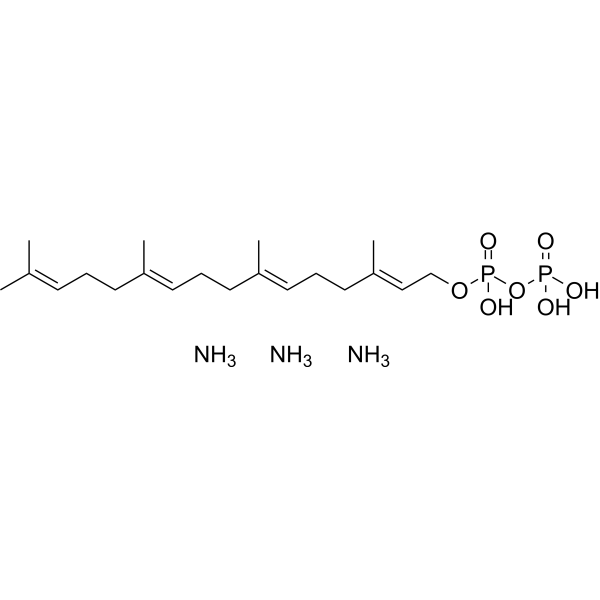
    Endogenous Metabolite YAP Apoptosis Interleukin Related STAT ERK Ras Cancer
    Geranylgeranyl pyrophosphate triammonium is a type of isoprenoid metabolic intermediate, mainly synthesized through the mevalonate pathway. Geranylgeranyl pyrophosphate triammonium is a key precursor in various biological synthesis processes, especially as a necessary substrate for post-translational modification of proteins - geranylgeranyl phosphorylation. Geranylgeranyl pyrophosphate triammonium regulates various cellular processes and disease progression through protein geranylgeranyl phosphorylation, such as activating the YAP signaling pathway, promoting cell proliferation and inhibiting apoptosis; promoting IL-2 production and STAT5 phosphorylation; and influencing metabolic homeostasis and cancer, etc .
    Geranylgeranyl pyrophosphate triammonium
  • HY-113166
    Dodecanoylcarnitine
    1 Publications Verification

    (-)-Lauroylcarnitine

    Endogenous Metabolite Metabolic Disease Inflammation/Immunology
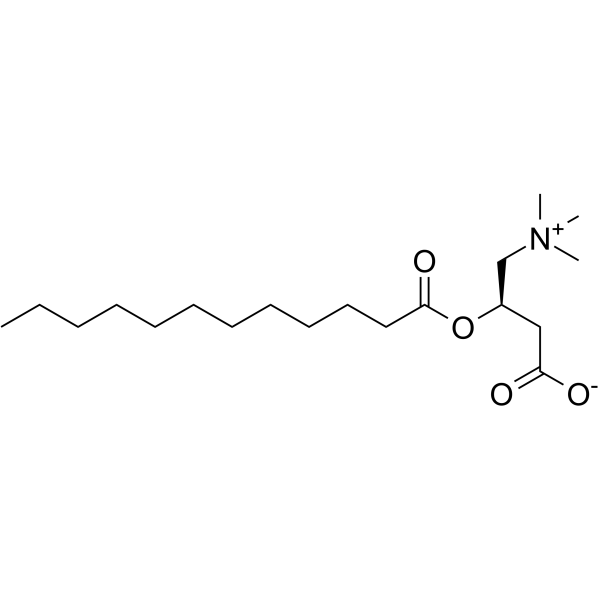
    Dodecanoylcarnitine ((-)-Lauroylcarnitine) is a medium long-chain acylcarnitine, an intermediate product in key energy metabolic pathways of fatty acid β-oxidation and amino acids catabolism. The abnormal decrease in the Dodecanoylcarnitine levels indicats that mitochondrial fuel metabolism, including fatty acid oxidation is significantly disturbed. Changes in plasma concentrations of Dodecanoylcarnitine are not only associated with type II diabetes, but also with pre-diabetes status. Dodecanoylcarnitine is present in fatty acid oxidation disorders such as long-chain acyl CoA dehydrogenase deficiency, carnitine palmitoyltransferase I/II deficiency, and is also associated with celiac disease. Dodecanoylcarnitine deomonstrates high sensitivities and specificities in predicting asthma. Combined model of Decanoylcarnitine (HY-113069), Dodecanoylcarnitine, PC (16:0/0:0), and Asp Arg Pro can be used as a potential biomarker for the diagnosis of Yin-deficiency-heat syndrome .
    Dodecanoylcarnitine
  • HY-113004

    Endogenous Metabolite Metabolic Disease
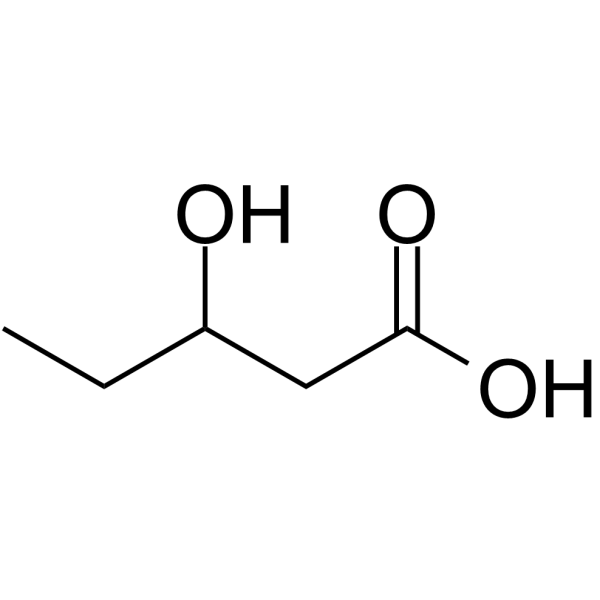
    3-Hydroxyvaleric acid is a five-carbon ketone body byproduct that can undergo an anaplerotic reaction to replenish the intermediates of the tricarboxylic acid cycle. 3-Hydroxyvaleric acid is one of the important monomers for the synthesis of polyhydroxyalkanoates (PHA). PHA is a type of biodegradable plastic that is widely used in environmentally friendly packaging, disposable products, and medical materials .
    3-Hydroxyvaleric acid
  • HY-151424

    Proteasome Mitosis Cancer
    Vimentin-IN-1 is a FiVe1 derivative, an orally active and selective anticancer agent. FiVe1 binds type III intermediate filament protein vimentin (VIM), to induce hyperphosphorylation of Ser56, resulting selective disruption of mitosis and multinucleation in transformed VIM-expressing mesenchymal cancer cells. Vimentin-IN-1 shows better oral bioavailability and pharmacokinetic profiles than FiVe1 .
    Vimentin-IN-1
  • HY-W008820

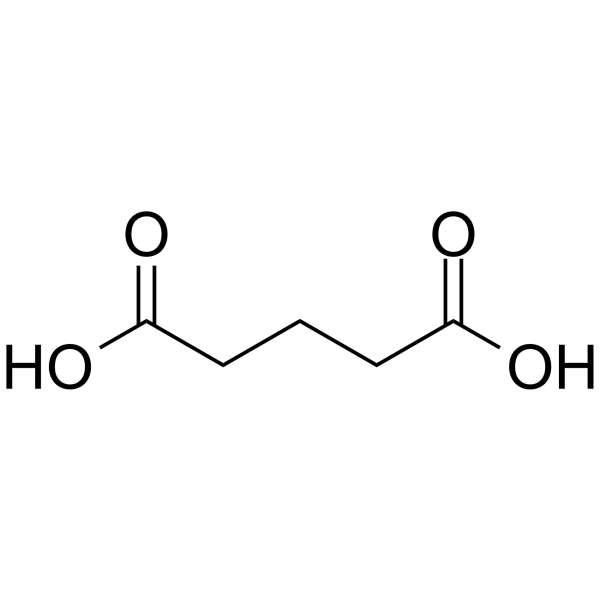
    MOFs Endogenous Metabolite Metabolic Disease
    Glutaric acid, C5 dicarboxylic acid, is an intermediate during the catabolic pathways of lysine and tryptophan. Glutaric acid affects pericyte contractility and migration. Glutaric acid is an indicator of glutaric aciduria type I .
    Glutaric acid
  • HY-W010040
    4-​Hydroxyphenylpyruvic acid
    1 Publications Verification

    Endogenous Metabolite Cardiovascular Disease Metabolic Disease
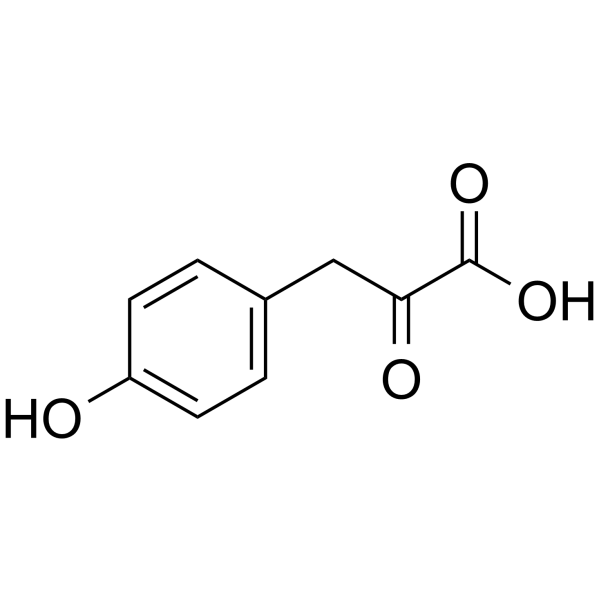
    4-Hydroxyphenylpyruvic acid is an intermediate in the metabolism of the amino acid phenylalanine. 4-Hydroxyphenylpyruvic acid is a substrate of 4-hydroxyphenylpyruvic acid dioxygenase (HPPA). 4-Hydroxyphenylpyruvic acid can be used in the study of HPD-related diseases, such as type III tyrosinemia and hawkinsinuria .
    4-​Hydroxyphenylpyruvic acid
  • HY-34596

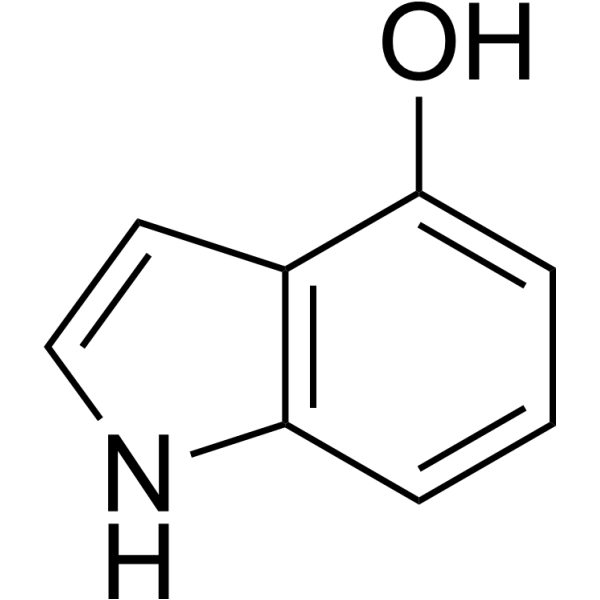
    Biochemical Assay Reagents Amyloid-β Neurological Disease Metabolic Disease
    4-Hydroxyindole is a type of hydroxyindole in which the 1H-indole at position 4 is substituted by a hydroxyl group. 4-Hydroxyindole serves as an important raw material or intermediate in the synthesis of pharmaceutical products and industrial polymers. 4-Hydroxyindole inhibits amyloid fibrillization and induces liver function impairment, thyroid abnormalities, and blood glucose fluctuations in mice. 4-Hydroxyindole holds potential for research in neurodegenerative diseases and metabolic disorders .
    4-Hydroxyindole
  • HY-W002339

    Drug Intermediate Others
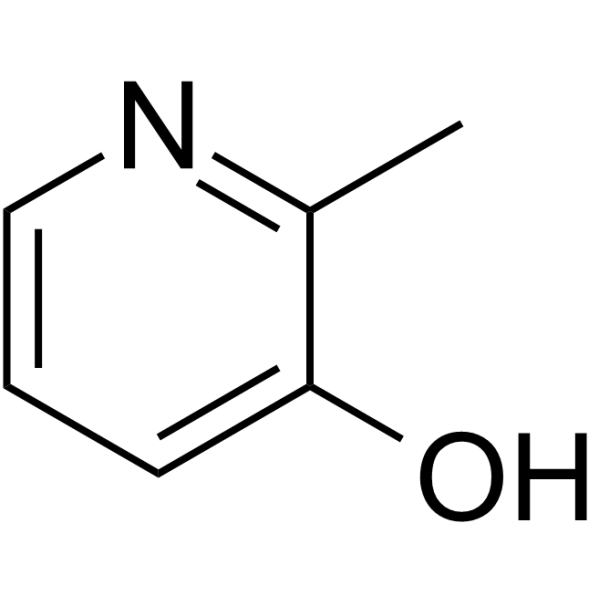
    3-Hydroxy-2-methylpyridine is a pharmaceutical intermediate that can be used in the synthesis of pyrimidines. 3-Hydroxy-2-methylpyridine acts as a corrosion inhibitor, serving as a mixed-type corrosion inhibitor for carbon steel in HCl medium .
    3-Hydroxy-2-methylpyridine
  • HY-Y0973

    Biochemical Assay Reagents Drug Intermediate Others
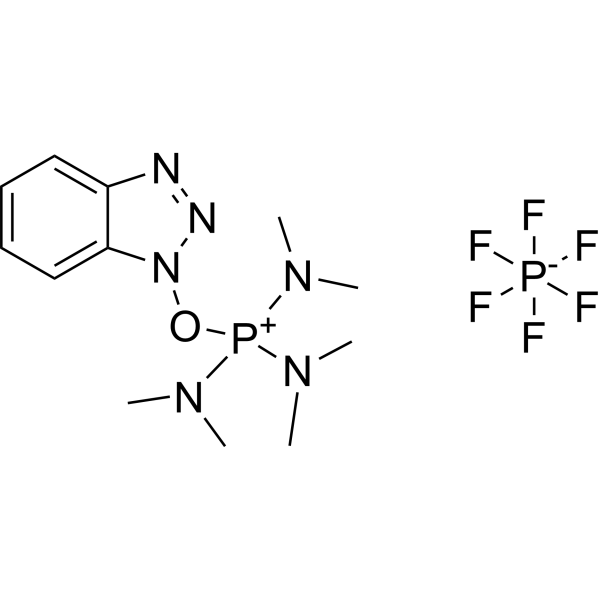
    BOP hexafluorophosphate is a phosphonium-type condensing agent. BOP hexafluorophosphate activates the carboxylic acid component to form a highly reactive O-benzotriazole ester (active ester) intermediate, which then reacts with the amino component to form an amide bond (peptide bond). BOP hexafluorophosphate is applicable to solid-phase polypeptide synthesis and nucleoside modification .
    BOP hexafluorophosphate
  • HY-126370

    Endogenous Metabolite YAP Apoptosis Interleukin Related STAT ERK Ras Cancer
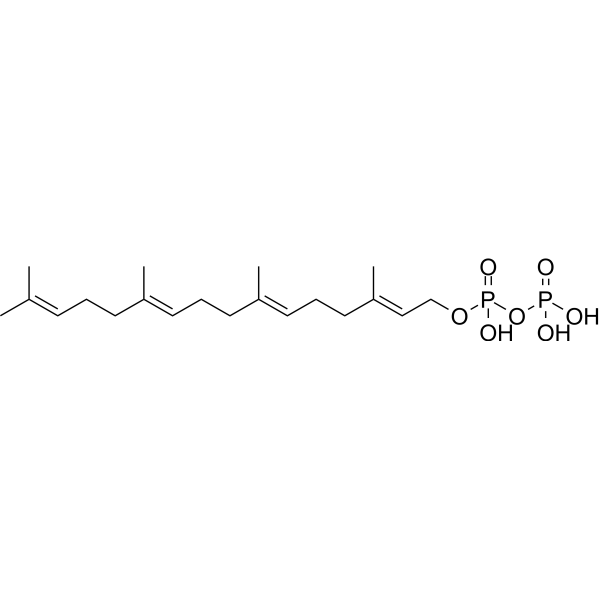
    Geranylgeranyl pyrophosphate is a type of isoprenoid metabolic intermediate, mainly synthesized through the mevalonate pathway. Geranylgeranyl pyrophosphate is a key precursor in various biological synthesis processes, especially as a necessary substrate for post-translational modification of proteins - geranylgeranyl phosphorylation. Geranylgeranyl pyrophosphate regulates various cellular processes and disease progression through protein geranylgeranyl phosphorylation, such as activating the YAP signaling pathway, promoting cell proliferation and inhibiting apoptosis; promoting IL-2 production and STAT5 phosphorylation; and influencing metabolic homeostasis and cancer, etc .
    Geranylgeranyl pyrophosphate
  • HY-W008820S
    Glutaric acid-d6
    1 Publications Verification

    Endogenous Metabolite Metabolic Disease
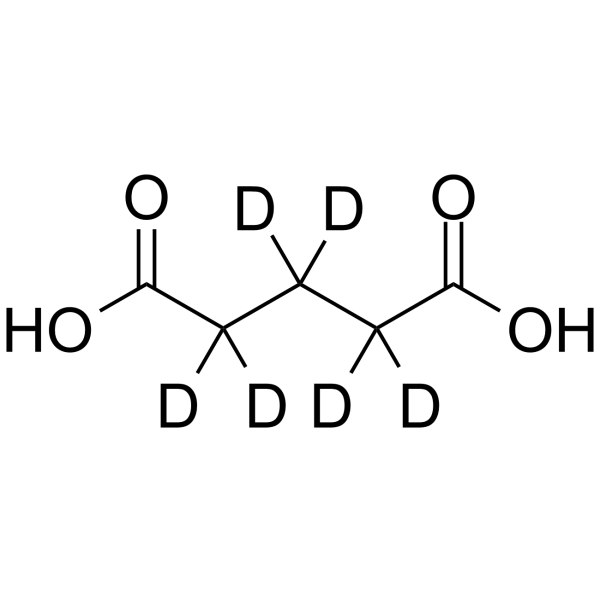
    Glutaric acid-d6 is the deuterium labeled Glutaric acid. Glutaric acid is an intermediate during the catabolic pathways of lysine and tryptophan. Glutaric acid affects pericyte contractility and migration. Glutaric acid is an indicator of glutaric aciduria type I .
    Glutaric acid-d6
  • HY-N0348

    Glucocorticoid Receptor Drug Intermediate Inflammation/Immunology
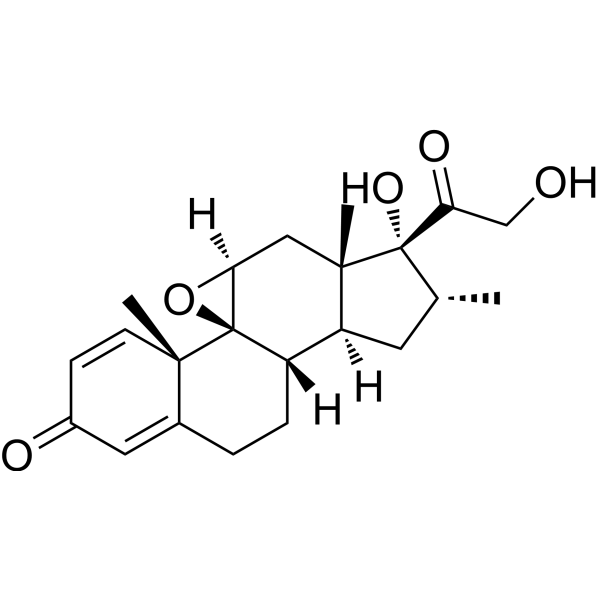
    Dexamethasone 9,11-epoxide is a type of glucocorticoid. Dexamethasone 9,11-epoxide can be used as a drug intermediate to prepare Dexamethasone (HY-14648) and Betamethasone (HY-13570). Dexamethasone 9,11-epoxide can be employed in the research of inflammation and immune diseases .
    Dexamethasone 9,11-epoxide
  • HY-W012790
    Sodium 2-hydroxybutanoate
    1 Publications Verification

    2-Hydroxybutyric acid sodium

    Endogenous Metabolite Metabolic Disease
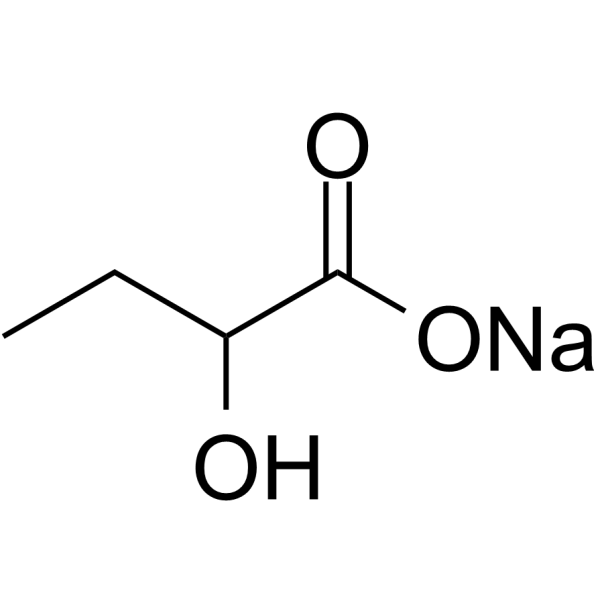
    Sodium 2-hydroxybutanoate (2-Hydroxybutyric acid sodium) is converted from 2-Aminobutyric acid, with 2-oxobutyric acid as an intermediate metabolite . Sodium 2-hydroxybutanoate is a potential biomarker for type 2 diabetes and preeclampsia . Sodium 2-hydroxybutanoate prevents the acetaminophen (AP)-induced liver injury .
    Sodium 2-hydroxybutanoate
  • HY-W587796

    6-PGδL; 6-Phosphonoglucono-D-lactone

    Endogenous Metabolite Cardiovascular Disease Metabolic Disease Cancer
    6-Phosphoglucono-δ-lactone (6-PGδL), a reversal substrate of glucose-6-phosphate dehydrogenase (G6PD), is an intermediate compound in the oxidative branch of the pentose phosphate pathway (PPP). 6-Phosphoglucono-δ-lactone produced from D-glucose-6-phosphate by glucose-6-phosphate dehydrogenase (G6PDH) and is converted to 6-phosphoglutonate by lactonase. 6-Phosphoglucono-δ-lactone can be used for heart failure, type 2 diabetes and cancers research .
    6-Phosphoglucono-δ-lactone
  • HY-CE02028

    Glutaconyl-coenzyme A

    Endogenous Metabolite Metabolic Disease
    Glutaconyl-CoA (Glutaconyl-coenzyme A) is a key metabolic intermediate in the mitochondrial catabolic pathways of lysine, hydroxylysine and tryptophan. Glutaconyl-CoA competitively inhibits wild-type glutaryl-CoA dehydrogenase (GCDH) with a Ki value of 1.1 µM. Glutaconyl-CoA is generated via the oxidative decarboxylation of glutaryl-CoA catalyzed by GCDH, and is subsequently further metabolized. Glutaconyl-CoA can be used in the research of type I glutaric aciduria .
    Glutaconyl-CoA
  • HY-W130074

    Endogenous Metabolite Drug Intermediate Cytochrome P450 Metabolic Disease
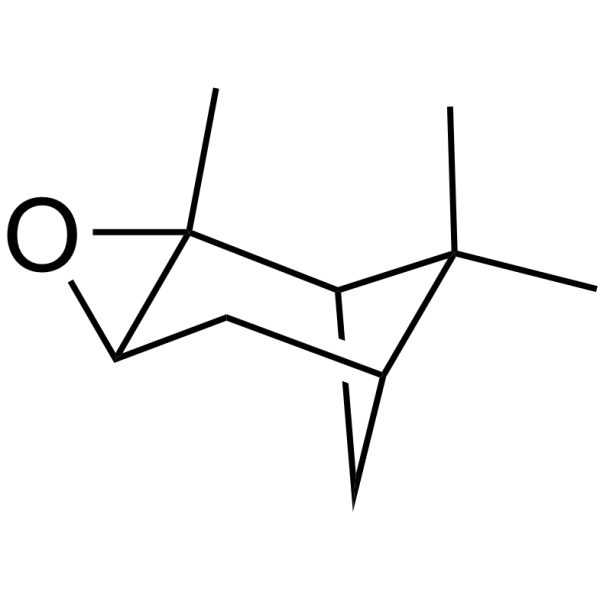
    α-Pinene oxide is a type of monoterpene epoxidation intermediate. α-Pinene oxide is produced via the cytochrome P-450-mediated oxidation pathway in Dendroctonus terebrans body microsomes and rat liver microsomes, and can be further converted into alcohols, ketones and insect pheromone derivatives. α-Pinene oxide can generate the perfume intermediate myrtenal. α-Pinene oxide is used in studies related to terpenoid metabolism and perfume synthesis .
    α-Pinene oxide
  • HY-114327

    R15P

    Endogenous Metabolite Drug Intermediate Biochemical Assay Reagents Others
    D-Ribose 1,5-diphosphate (R15P) is a metabolic intermediate and enzyme substrate. Purified Tk-E2b2 converts D-Ribose 1,5-diphosphate into Ribulose-1,5-bisphosphate, with a specific activity of 32.3 μmol min -1 mg -1[1] .
    D-Ribose 1,5-diphosphate
  • HY-164804

    Endogenous Metabolite Metabolic Disease
    N-Lactylvaline is an endogenous metabolite that can be identified in patients with the intermediate type of maple syrup urine disease .
    N-Lactylvaline
  • HY-W035904

    Cycloheptatrienone

    Drug Intermediate Others
    Tropone (Cycloheptatrienone) is a non-benzene aromatic natural product and a derivative of a tropane-type compound. Tropone is the direct precursor of various tropane-type natural products, such as Tropolone (HY-N7135) and Tropodithietic acid (HY-N6705), and can be used as a drug intermediate in their biosynthesis .
    Tropone
  • HY-W011474R

    Reference Standards NF-κB Inflammation/Immunology
    Geranylgeraniol (Standard) is the analytical standard of Geranylgeraniol. This product is intended for research and analytical applications. Geranylgeraniol is an orally acitve vitamin K2 sub-type, an intermediate of the mevalonate pathway. Geranylgeraniol targets NF-kB signaling pathway and could alleviate LPS-induced microglial inflammation in animal model [4].
    Geranylgeraniol (Standard)
  • HY-W003222

    Drug Intermediate Metabolic Disease
    N-tert-Boc-cis-4-fluoro-L-proline (Compound 11) is a drug intermediate for the synthesis of 4-fluoropyrrolidine-2-carbonitrile DPP-4 inhibitor. N-tert-Boc-cis-4-fluoro-L-proline can be used to study type 2 diabetes .
    N-tert-Boc-cis-4-fluoro-L-proline
  • HY-W015229R

    Indole-3-propionic acid (Standard); 3-IPA (Standard)

    Reference Standards Endogenous Metabolite Reactive Oxygen Species (ROS) Neurological Disease Metabolic Disease
    3-Indolepropionic acid (Standard) is the analytical standard of 3-Indolepropionic acid. This product is intended for research and analytical applications. 3-Indolepropionic acid is shown to be a powerful antioxidant and has potential in the treatment for Alzheimer’s disease. In Vitro: 3-Indolepropionic acid is shown to be a powerful antioxidant and has potential in the treatment for Alzheimer’s disease . 3-Indolepropionic acid is a more potent scavenger of hydroxyl radicals than melatonin. Similar to melatonin but unlike other antioxidants, 3-Indolepropionic acid scavenges radicals without subsequently generating reactive and pro-oxidant intermediate compounds . It is also suggested that indolepropionic acid, a gut microbiota-produced metabolite, is a potential biomarker for the development of type 2 diabetes (T2D) that may mediate its protective effect by preservation of β-cell function .
    3-Indolepropionic acid (Standard)
  • HY-164805

    Endogenous Metabolite Others
    N-Lactylleucine is an endogenous metabolite that can be identified in patients with the intermediate type of maple syrup urine disease .
    N-Lactylleucine
  • HY-W002734

    3-Hydroxybenzeneboronic acid

    Drug Intermediate Endocrinology
    (3-Hydroxyphenyl)boronic acid (3-Hydroxybenzeneboronic acid) is a drug intermediate that can be used for the synthesis of 17β-hydroxysteroid dehydrogenase type 1 inhibitors .
    (3-Hydroxyphenyl)boronic acid
  • HY-44087

    Drug Intermediate Others
    Ethyl (E)-3-(1-pyrrolidinyl)crotonate is an organic synthetic intermediate of the enamine ester type. Ethyl (E)-3-(1-pyrrolidinyl)crotonate has a stable structure and strong reactivity, and is mainly used for the construction of heterocyclic compounds and drug molecules.
    Ethyl (E)-3-(1-pyrrolidinyl)crotonate
  • HY-W010040R

    Reference Standards Endogenous Metabolite Cardiovascular Disease Metabolic Disease
    4-​Hydroxyphenylpyruvic acid (Standard) is the analytical standard of 4-​Hydroxyphenylpyruvic acid (HY-W010040). This product is intended for research and analytical applications. 4-Hydroxyphenylpyruvic acid is an intermediate in the metabolism of the amino acid phenylalanine. 4-Hydroxyphenylpyruvic acid is a substrate of 4-hydroxyphenylpyruvic acid dioxygenase (HPPA). 4-Hydroxyphenylpyruvic acid can be used in the study of HPD-related diseases, such as type III tyrosinemia and hawkinsinuria .
    4-Hydroxyphenylpyruvic acid (Standard)
  • HY-W014226

    Drug Intermediate Ser/Thr Protease Others
    4,4'-Dihydroxybenzophenone is a type of phenolic ultraviolet absorber and a drug intermediate for synthesis of various anticancer active compounds (such as Sivifene (HY-14801)). 4,4'-Dihydroxybenzophenone binds to the active site of trypsin with binding constants (KA = 7.59 x 10 5 L/moL) and leads to abnormal structure of trypsin, suggesting that long-term intake may affect the digestive function of the human body. 4,4’-dihydroxybenzophenone has a relatively low toxicity to Chlorella vulgaris and a moderate toxicity to Daphnia magna .
    4,4'-Dihydroxybenzophenone
  • HY-W008820R

    Reference Standards Endogenous Metabolite Metabolic Disease
    Glutaric acid (Standard) is the analytical standard of Glutaric acid. This product is intended for research and analytical applications. Glutaric acid, C5 dicarboxylic acid, is an intermediate during the catabolic pathways of lysine and tryptophan. Glutaric acid affects pericyte contractility and migration. Glutaric acid is an indicator of glutaric aciduria type I . In Vitro: Glutaric acid (GA) at concentrations of 1 and 2 mM is able to reduce TRAP measurement by up to 28% in a dose-dependent manner (β=0.77; P<0.001). Furthermore, a significantly inverse correlation is also verified between chemiluminescence and TRAP (β=0.81; P<0.001). Glutaric acid does not alter the activities of Cat and SOD, but strongly inhibits (up to 46%) the activity of GPx even at the lower concentration used (0.5 mM). It is observed that the metabolite inhibits this activity in a dose-dependent manner at concentrations as low as 0.05 mM .
    Glutaric acid (Standard)
  • HY-W008820S1

    Endogenous Metabolite Metabolic Disease
    Glutaric acid-d4 is the deuterium labeled Glutaric acid. Glutaric acid, C5 dicarboxylic acid, is an intermediate during the catabolic pathways of lysine and tryptophan. Glutaric acid affects pericyte contractility and migration. Glutaric acid is an indicator of glutaric aciduria type I .
    Glutaric acid-d4
  • HY-W012790S

    Endogenous Metabolite Metabolic Disease
    Sodium 2-hydroxybutanoate-d3 is the deuterium labeled Sodium 2-hydroxybutanoate . Sodium 2-hydroxybutanoate (2-Hydroxybutyric acid sodium) is converted from 2-Aminobutyric acid, with 2-oxobutyric acid as an intermediate metabolite . Sodium 2-hydroxybutanoate is a potential biomarker for type 2 diabetes and preeclampsia . Sodium 2-hydroxybutanoate prevents the acetaminophen (AP)-induced liver injury .
    Sodium 2-hydroxybutanoate-d3
  • HY-77642

    Biochemical Assay Reagents Drug Intermediate Metabolic Disease
    4-(Methylsulfonyl)phenylboronic acid is an intermediate. 4-(Methylsulfonyl)phenylboronic acid can be used to synthesize GPR119 agonists via Suzuki coupling reaction. 4-(Methylsulfonyl)phenylboronic acid can be used in the research of type 2 diabetes .
    4-(Methylsulfonyl)phenylboronic acid
  • HY-59320

    Biochemical Assay Reagents Drug Intermediate Metabolic Disease
    4-Thiazolecarboxylic acid (Compound 1e) is an intermediate. 4-Thiazolecarboxylic acid can be used in the synthesis of MGL-IN-2 (HY-177534). MGL-IN-2 inhibits wild-type MGL enzyme activity with an IC50 of 0.0121 μM. 4-Thiazolecarboxylic acid can be used in the research of metabolic diseases .
    4-Thiazolecarboxylic acid
  • HY-165569

    Potassium Channel Neurological Disease
    AU-1421 is a potassium ion (K⁺) site-directed regulator that specifically acts on various cation transport ATPases. AU-1421 can distinguish between two different K⁺-sensitive phosphorylation intermediate (E2P) states: for non-K⁺ transport type ATPases (such as the sarcoplasmic reticulum Ca²⁺-ATPase), after binding to AU-1421, it mimics the agonistic effect of K⁺, significantly accelerating the hydrolysis (dephosphorylation) of E2P. For K⁺ transport type ATPases (such as the gastric mucosa H⁺/K⁺-ATPase and the renal Na⁺/K⁺-ATPase), after binding to AU-1421, it inhibits the hydrolysis of E2P, stabilizing the phosphorylated intermediate, thereby blocking the ion transport cycle. AU-1421 can be used to study the mechanism of the potassium ion pump .
    AU-1421
  • HY-W019780

    Dichlorobromomethane

    Glutathione S-transferase Metabolic Disease Cancer
    Bromodichloromethane (Dichlorobromomethane) is a type of trihalomethane, commonly found in chlorinated drinking water for disinfection, and is a disinfection by-product. The bromination of bromodichloromethane can cause the formation of mutagenic intermediates through the transformation mediated by glutathione S-transferase (GST). Bromodichloromethane inhibits the differentiation of human placental trophoblast cells and reduces the secretion of chorionic gonadotropin (CG). Bromodichloromethane has potential reproductive toxicity and carcinogenicity .
    Bromodichloromethane
  • HY-P2883A

    Biochemical Assay Reagents Others
    Recombinant Human Keratin2 is a type II or neutral basic keratin intermediate filament protein that protects against collagen loss .
    Recombinant Human Keratin2
  • HY-W011474S

    Isotope-Labeled Compounds NF-κB Inflammation/Immunology
    Geranylgeraniol-d5 is the deuterium labeled Geranylgeraniol (HY-W011474). Geranylgeraniol is an orally acitve vitamin K2 sub-type, an intermediate of the mevalonate pathway. Geranylgeraniol targets NF-kB signaling pathway and could alleviate LPS-induced microglial inflammation in animal model .
    Geranylgeraniol-d5
  • HY-W012790R

    Reference Standards Endogenous Metabolite Metabolic Disease
    Sodium 2-hydroxybutanoate is an endogenous metabolite. Sodium 2-hydroxybutanoate (2-Hydroxybutyric acid sodium) is converted from 2-Aminobutyric acid, with 2-oxobutyric acid as an intermediate metabolite . Sodium 2-hydroxybutanoate is a potential biomarker for type 2 diabetes and preeclampsia . Sodium 2-hydroxybutanoate prevents the acetaminophen (AP)-induced liver injury .
    Sodium 2-hydroxybutanoate (Standard)
  • HY-113004R

    Endogenous Metabolite Reference Standards Metabolic Disease
    3-Hydroxyvaleric acid (Standard) is the analytical standard of 3-Hydroxyvaleric acid. This product is intended for research and analytical applications. 3-Hydroxyvaleric acid is a five-carbon ketone body byproduct that can undergo an anaplerotic reaction to replenish the intermediates of the tricarboxylic acid cycle. 3-Hydroxyvaleric acid is one of the important monomers for the synthesis of polyhydroxyalkanoates (PHA). PHA is a type of biodegradable plastic that is widely used in environmentally friendly packaging, disposable products, and medical materials .
    3-Hydroxyvaleric acid (Standard)
  • HY-W205529

    Fluorescent Dye Neurological Disease
    RO 16-6491 Free base is a selective, reversible inhibitor of monoamine oxidase type B (MAO-B), exhibiting high affinity and specificity for binding sites in human frontal cortex mitochondria and platelet membranes. RO 16-6491 demonstrates a fast dissociation of bound radioactivity at 20 degrees C, indicating its dynamic binding properties. RO 16-6491 also acts as a substrate for MAO-B, suggesting that its oxidation may produce a stable intermediate responsible for its potent inhibitory effects. RO 16-6491 serves as an excellent radioligand probe for investigating the regional tissue distribution of MAO-B in various physiological and pathological states.
    RO 16-6491 free base
  • HY-W738639

    18-OH-DOC; 11-Deoxy-18-hydroxycorticosterone

    Melanocortin Receptor Angiotensin Receptor Drug Metabolite Mineralocorticoid Receptor Cardiovascular Disease Metabolic Disease
    18-Hydroxy-11-deoxy corticosterone (18-OH-DOC) is a mineralocorticoid whose synthesis is regulated by adrenocorticotropic hormone (ACTH) and angiotensin II. 18-Hydroxy-11-deoxy corticosterone is an intermediate in the metabolism of progesterone and plays an important role in regulating blood pressure and water-salt balance. Continuous infusion of 18-Hydroxy-11-deoxy corticosterone can increase systolic blood pressure in rats, and plasma levels of 18-Hydroxy-11-deoxy corticosterone are significantly elevated in the db/db mouse model of type 2 diabetes, suggesting its potential involvement in metabolic dysregulation and diabetes-related regulation. 18-Hydroxy-11-deoxy corticosterone holds promise for research in areas such as hypertension, diabetes, and other related fields .
    18-Hydroxy-11-deoxy corticosterone
  • HY-113166R

    (-)-Lauroylcarnitine (Standard)

    Reference Standards Endogenous Metabolite Metabolic Disease Inflammation/Immunology
    Dodecanoylcarnitine (Standard) is the analytical standard of Dodecanoylcarnitine (HY-113166). This product is intended for research and analytical applications. Dodecanoylcarnitine ((-)-Lauroylcarnitine) is a medium long-chain acylcarnitine, an intermediate product in key energy metabolic pathways of fatty acid β-oxidation and amino acids catabolism. The abnormal decrease in the Dodecanoylcarnitine levels indicats that mitochondrial fuel metabolism, including fatty acid oxidation is significantly disturbed. Changes in plasma concentrations of Dodecanoylcarnitine are not only associated with type II diabetes, but also with pre-diabetes status. Dodecanoylcarnitine is present in fatty acid oxidation disorders such as long-chain acyl CoA dehydrogenase deficiency, carnitine palmitoyltransferase I/II deficiency, and is also associated with celiac disease. Dodecanoylcarnitine deomonstrates high sensitivities and specificities in predicting asthma. Combined model of Decanoylcarnitine (HY-113069), Dodecanoylcarnitine, PC (16:0/0:0), and Asp Arg Pro can be used as a potential biomarker for the diagnosis of Yin-deficiency-heat syndrome .
    Dodecanoylcarnitine (Standard)
  • HY-22204

    Drug Intermediate Others
    3,2'-Dihydroxyflavone (Compound 4) is a type of flavonol compound that can be used as a drug intermediate for the synthesis of tetracyclic compounds .
    3,2'-Dihydroxyflavone
  • HY-176028

    NAPE(16:0/16:0/18:0); N-Stearoyl-1,3-dipalmitoyl-3-PE

    Drug Intermediate Inflammation/Immunology
    N-Stearoyl-DPPE ammonium is a type of N-acylphosphatidylethanolamine (NAPE). N-Stearoyl-DPPE ammonium is an important intermediate in the endocannabinoid biosynthesis pathway .
    N-Stearoyl-DPPE ammonium
  • HY-N17787

    Drug Intermediate Inflammation/Immunology
    Labdanolic acid is a labdane-type diterpenoid compound that can be isolated from Cistus ladaniferus, a plant growing in Portugal. Labdanolic acid is a key intermediate in the synthesis of anti-inflammatory molecules and has both medicinal and industrial applications .
    Labdanolic acid
  • HY-W008820S2

    Isotope-Labeled Compounds Endogenous Metabolite Metabolic Disease
    Glutaric acid-d2 is the deuterium labeled Glutaric acid. Glutaric acid, C5 dicarboxylic acid, is an intermediate during the catabolic pathways of lysine and tryptophan. Glutaric acid affects pericyte contractility and migration. Glutaric acid is an indicator of glutaric aciduria type I .
    Glutaric acid-d2
  • HY-W035904R

    Cycloheptatrienone (Standard)

    Drug Intermediate Reference Standards Others
    Tropone (Standard) is the analytical standard of Tropone (HY-W035904). This product is intended for research and analytical applications. Tropone (Cycloheptatrienone) is a non-benzene aromatic natural product and a derivative of a tropane-type compound. Tropone is the direct precursor of various tropane-type natural products, such as Tropolone (HY-N7135) and Tropodithietic acid (HY-N6705), and can be used as a drug intermediate in their biosynthesis .
    Tropone (Standard)
  • HY-W738465

    N-Carbonylguanidine

    Endogenous Metabolite Metabolic Disease
    N,N-Dimethylamidino Urea (N-Carbonylguanidine) is an intermediate in the electrochemical oxidation of Metformin (HY-B0627). Metformin can be used in the study of type 2 diabetes. N,N-Dimethylamidino Urea can be used as a marker to study the metabolic pathway of metformin in vivo .
    N,N-Dimethylamidino Urea
  • HY-185226

    Drug Metabolite Cancer
    γ-Linolenic acid NHS ester is a lipid metabolite of γ-Linolenic acid (GLA) (HY-N7140), which can serve as a synthetic intermediate or probe labeling reagent for the preparation of GLA conjugates. In practical applications, γ-Linolenic acid NHS ester can be conjugated with taxanes and polysaccharides to form dual-type conjugates for drug delivery purposes .
    γ-Linolenic acid NHS ester

Inquiry Online

Your information is safe with us. * Required Fields.

Salutation


Country or Region *

Applicant Name *


Organization Name *

Department *


Email Address *


Product Name *

Cat. No.


Requested quantity *

Phone Number *


Remarks

Inquiry Online

Inquiry Information

Product Name:
Cat. No.:
Quantity:
MCE Japan Authorized Agent:

