


1. Search Result
Search Result
Results for "

junction

" in MedChemExpress (MCE) Product Catalog:

147

Inhibitors & Agonists

2

Screening Libraries

9

Fluorescent Dyes

9

Biochemical Assay Reagents

27

Peptides

2

MCE Kits

9

Inhibitory Antibodies

25

Natural
Products

7

Recombinant Proteins

6

Isotope-Labeled Compounds

11

Antibodies

3

Oligonucleotides

1

GMP Molecules

Targets Recommended:
Cat. No. Product Name Target Research Areas Chemical Structure
  • HY-Y0873J
    PEG8000
    2 Publications Verification

    Polyethylene glycol 8000

    Environmental Pollutants Biochemical Assay Reagents Others
    PEG8000 can be used for phage precipitation, isolation of plasmid DNA, and promotion of flat end-junction reactions .
    PEG8000
  • HY-13813
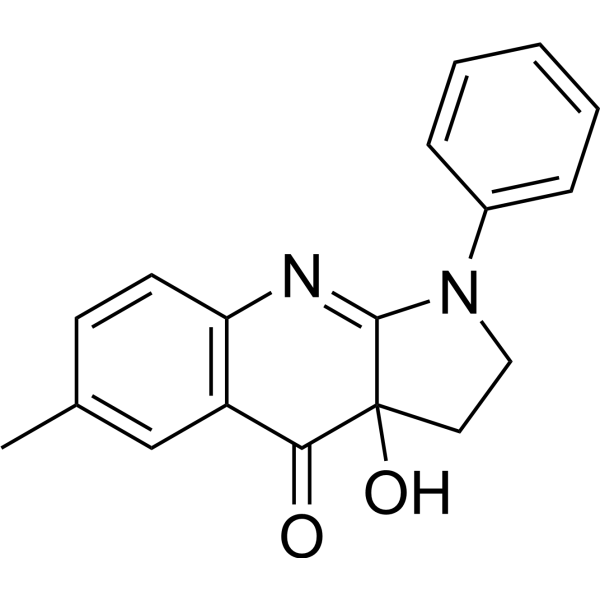
    Blebbistatin
    Maximum Cited Publications
    42 Publications Verification

    Myosin Others
    Blebbistatin is a selective non-muscle myosin II (NMII) inhibitor, promotes directional migration of corneal endothelial cells (CECs) and accelerates wound healing, and better preserves cell junctional integrity and barrier function. Blebbistatin blocks cell migration .
    Blebbistatin
  • HY-P0203
    α-CGRP (mouse, rat)
    Maximum Cited Publications
    8 Publications Verification

    CGRP (83-119), mouse, rat

    CGRP Receptor Cardiovascular Disease Metabolic Disease Inflammation/Immunology
    α-CGRP (mouse, rat), a neuropeptide (calcitonin gene-related peptide (CGRP)) mainly expressed in neuromuscular junction, is a potent vasodilator. α-CGRP (mouse, rat) can lead to a fall in blood pressure and an increase in heart rate by peripheral administration, also relax colonie smooth muscle. α-CGRP (mouse, rat) has the potential in cardiovascular, pro-inflammatory, migraine and metabolic studies .
    α-CGRP (mouse, rat)
  • HY-N6684
    Deoxynivalenol
    Maximum Cited Publications
    16 Publications Verification

    Vomitoxin

    P-glycoprotein Metabolic Disease
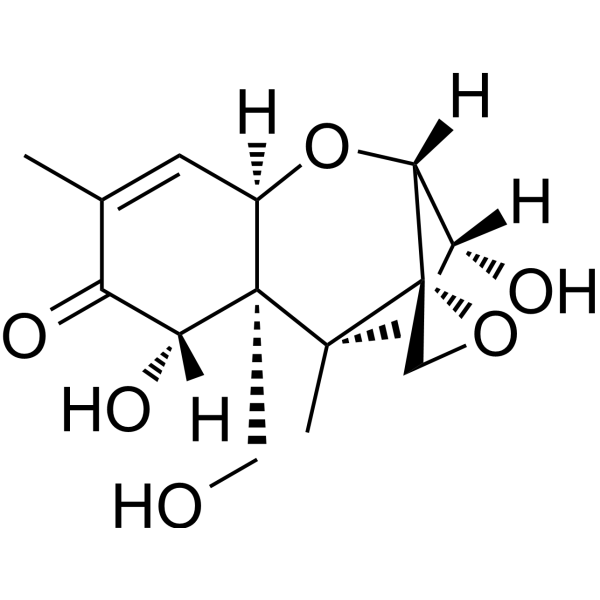
    Deoxynivalenol, an orally active mycotoxin of the trichothecenes family, crosses the intestinal mucosa by a paracellular pathway through the tight junctions. The Deoxynivalenol transport is not affected by P-glycoprotein (PgP) or multidrug resistance-associated proteins (MRPs) inhibitors .
    Deoxynivalenol
  • HY-128692
    Luc Yellow CH dilithium
    5 Publications Verification

    Fluorescent Dye Neurological Disease
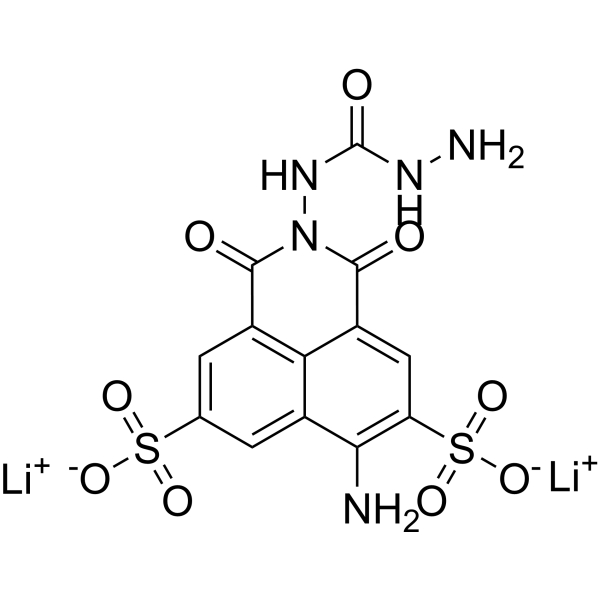
    Luc Yellow CH dilithium is a high-intensity fluorescent probe containing free hydrazyl groups. Luc Yellow CH can react with fatty aldehydes at room temperature. Luc Yellow CH serves as a biological tracer to monitor neuronal branching, regeneration, gap junction detection and characterization, and selective ablation of cells after aldehyde fixation. Luc Yellow CH displays the maximum excitation/emission of 430 nm/540 nm, respectively .
    Luc Yellow CH dilithium
  • HY-14946

    3,4-Diaminopyridine

    Potassium Channel Neurological Disease
    Amifampridine (3,4-Diaminopyridine) is an orally active, potent and cell permeable voltage-gated potassium (Kv) channel blocker (PCB). Amifampridine is efficacy in the reversal of BoNT/A (HY-P79153) intoxication. Amifampridine increases transmitter release from neuromuscular junctions (NMJs). Amifampridine can be used for Lambert-Eaton myasthenic syndrome (LEMS) research .
    Amifampridine
  • HY-148033

    N,N,N-Trimethylchitosan

    Drug Derivative Others
    Trimethyl chitosan (N,N,N-Trimethylchitosan) is a multifunctional polymer and a derivative of Chitosan (HY-B2144A). Trimethyl chitosan targets the absorption enhancing proteins of tight junctions of intestinal and mucosal epithelial cells, induces tight junction protein rearrangement, and increases intercellular permeability. Trimethyl chitosan can stimulate the activity of promoting transmembrane transport of hydrophilic drugs (such as peptides and proteins) and can be used for drug delivery and synthesis of nanoparticles .
    Trimethyl chitosan
  • HY-P0033
    Argireline
    2 Publications Verification

    Acetyl hexapeptide-3; Acetyl hexapeptide-8

    Calcium Channel Neurological Disease
    Argireline (Acetyl hexapeptide-3) is a non-toxic, skin-permeable, antiwrinkle peptide. Argireline significantly inhibits Ca 2+ dependent neurotransmitter release (acetylcholine) at the neuromuscular junction. Argireline has antiwrinkle and anti-aging activity .
    Argireline
  • HY-B1367
    Carbenoxolone disodium
    5+ Cited Publications

    Gap Junction Protein Orthopoxvirus 11β-HSD Infection Inflammation/Immunology
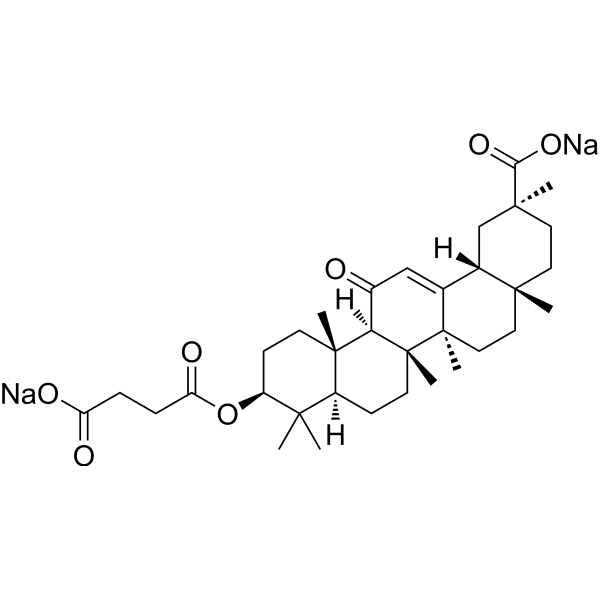
    Carbenoxolone disodium is the active metabolite of Glycyrrhizic acid (HY-N0184) and the inhibitor of human 11β-HSD and bacterial 3α, 20β-HSD . Carbenoxolone disodium is an uncoupling agent for gap junctions and a potent inhibitor of Vaccinia virus replication . Carbenoxolone disodium is used for the study of peptic, esophageal and oral ulceration and inflammation. Carbenoxolone disodium inhibits Vaccinia virus replication.
    Carbenoxolone disodium
  • HY-W127715
    Lucifer Yellow CH dipotassium salt
    5 Publications Verification

    Fluorescent Dye Others
    Lucifer Yellow CH dipotassium is a high-intensity fluorescent probe containing free hydrazyl groups. Lucifer Yellow CH can react with fatty aldehydes at room temperature. Lucifer Yellow CH serves as a biological tracer to monitor neuronal branching, regeneration, gap junction detection and characterization, and selective ablation of cells after aldehyde fixation. Lucifer yellow CH displays the maximum excitation/emission of 430 nm/540 nm, respectively .
    Lucifer Yellow CH dipotassium salt
  • HY-117275
    Meclofenamic acid
    5+ Cited Publications

    Meclofenamate

    Fat Mass and Obesity-associated Protein (FTO) Potassium Channel Gap Junction Protein Endogenous Metabolite Neurological Disease Metabolic Disease Inflammation/Immunology
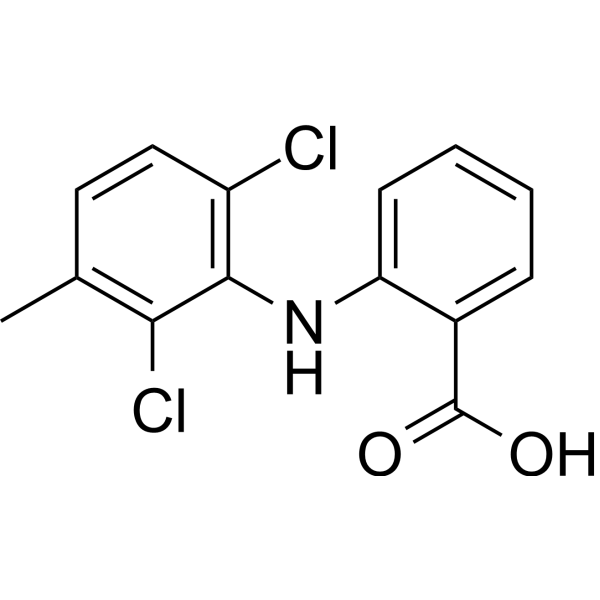
    Meclofenamic acid (Meclofenamate) is a non-steroidal anti-inflammatory agent. Meclofenamic acid is a highly selective FTO (fat mass and obesity-associated) enzyme inhibitor. Meclofenamic acid competes with FTO binding for the m(6)A-containing nucleic acid. Meclofenamic acid is a non-selective gap-junction blocker. Meclofenamic acid inhibits hKv2.1 and hKv1.1, with IC50 values of 56.0 and 155.9 μM, respectively .
    Meclofenamic acid
  • HY-15204
    Tonabersat
    15+ Cited Publications

    SB-220453

    Gap Junction Protein Neurological Disease Inflammation/Immunology
    Tonabersat (SB-220453) is a gap-junction modulator. Tonabersat prevents inflammatory damage in the central nervous system .
    Tonabersat
  • HY-P0139
    Gap 27
    5+ Cited Publications

    Gap Junction Protein Cardiovascular Disease
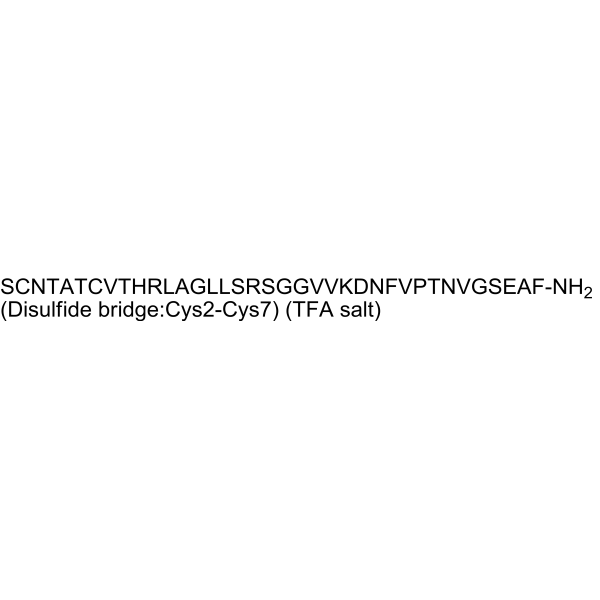
    Gap 27, a synthetic connexin43 mimetic peptide, is a gap junction inhibitor. Gap 27 possesses conserved sequence homology to a portion of the second extracellular loop leading into the fourth transmembrane connexin segment .
    Gap 27
  • HY-B1320
    Meclofenamic acid sodium
    5+ Cited Publications

    Meclofenamate sodium

    Gap Junction Protein Endogenous Metabolite Fat Mass and Obesity-associated Protein (FTO) Inflammation/Immunology Cancer
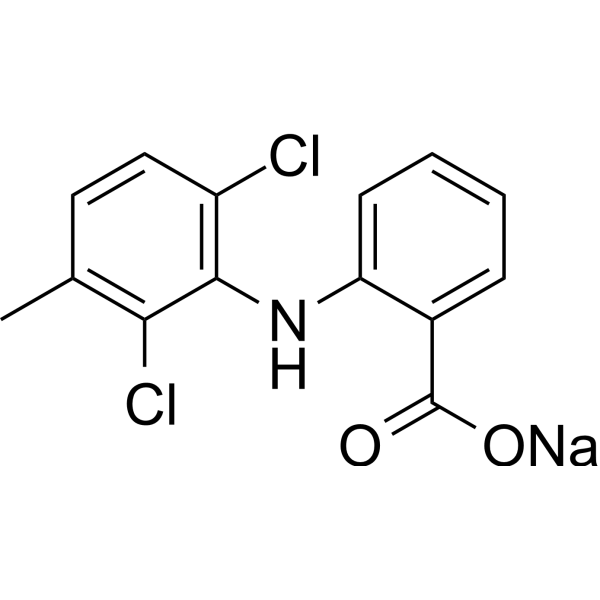
    Meclofenamic acid (Meclofenamate) sodium is a non-steroidal anti-inflammatory agent (NSAID). Meclofenamic acid sodium is a non-selective gap-junction blocker and a highly selective inhibitor of fat - and obesity-related enzyme (FTO). Meclofenamic acid sodium has anti-inflammatory and antitumor activities .
    Meclofenamic acid sodium
  • HY-P2860

    ACHE; EC 3.1.1.7

    Cholinesterase (ChE) Neurological Disease
    Acetylcholinesterase, Fly head (ACHE; EC 3.1.1.7) is a cholinergic enzyme mainly found in neuromuscular junctions and cholinergic type chemical synapses used in biochemical research. Acetylcholinesterase, Fly head catalyzes the breakdown or hydrolysis of acetylcholine and some other choline esters that act as neurotransmitters into acetate and choline. Acetylcholinesterase, Fly head's main role is to terminate neuronal transmission and signaling between synapses to prevent ACh spread and activation of nearby receptors .
    Acetylcholinesterase, Fly head
  • HY-106225
    Rotigaptide
    1 Publications Verification

    ZP123

    Gap Junction Protein Cardiovascular Disease
    Rotigaptide (ZP123) is a novel and specific modulator of connexin 43 (Cx43). Rotigaptide prevents the uncoupling of Cx43-mediated gap junction communication and normalizes cell-to-cell communication during acute metabolic stress. Rotigaptide is a potent antiarrhythmic peptide (AAP) with improved stability and has the potential for the investigation of cardiac arrhythmias-specifically atrial fibrillation .
    Rotigaptide
  • HY-P0102

    nAChR Neurological Disease Metabolic Disease
    Dipeptide diaminobutyroyl benzylamide diacetate, a Wagerlin-1-mimicking peptide, is a nAChR antagonist. Dipeptide diaminobutyroyl benzylamide diacetate mimics Waglerin-1 to block neuromuscular junction nicotinic acetylcholine receptors, partially inhibits neuronal signal transduction, and relaxes muscles. Dipeptide diaminobutyroyl benzylamide diacetate reduces appearance of facial wrinkles linked to repeated muscle movement.Dipeptide diaminobutyroyl benzylamide diacetate can be used for the research of mild-to-moderate fine and coarse periocular and perioral wrinkles and periorbital ageing .
    Dipeptide diaminobutyroyl benzylamide diacetate
  • HY-10913A
    Danegaptide Hydrochloride
    1 Publications Verification

    GAP-134 Hydrochloride; ZP 1609 Hydrochloride

    Gap Junction Protein Cardiovascular Disease
    Danegaptide Hydrochloride (GAP-134 Hydrochloride) is a potent, selective and orally active gap-junction modifier with an antiarrhythmic effect .
    Danegaptide Hydrochloride
  • HY-P1082
    Gap 26
    Maximum Cited Publications
    8 Publications Verification

    Connexin Gap Junction Protein Cardiovascular Disease
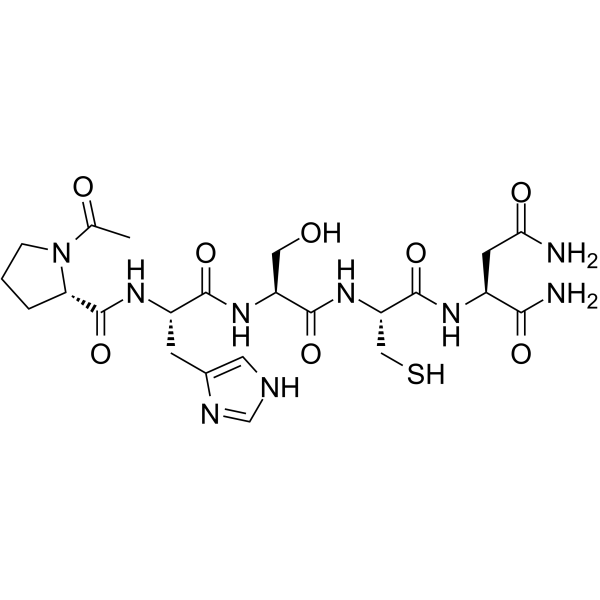
    Gap 26 is a connexin mimetic peptide, composed of residue numbers 63-75 of the first extracellular loop of connexin 43 (gap junction blocker), containing the SHVR amino acid motif .
    Gap 26
  • HY-W010653

    lrganox 1010; AT1010

    Environmental Pollutants Biochemical Assay Reagents Others
    Antioxidant 1010 (lrganox 1010; AT1010) is a hindered phenolic antioxidant. Antioxidant 1010 does not inhibit intercellular gap-junctional communication. Antioxidant 1010 exhibits antioxidant efficacy in plastic, rubber and synthetic fiber .
    Antioxidant 1010
  • HY-13831
    BPTU
    1 Publications Verification

    BMS-646786

    P2Y Receptor Neurological Disease Cancer
    BPTU (BMS-646786) is a non-nucleotide P2Y1 receptor allosteric antagonist with antithrombotic activity. BPTU is able to block the P2Y1 receptor located at the neuromuscular junction of the gastrointestinal tract .
    BPTU
  • HY-P2860A

    Cholinesterase (ChE) Neurological Disease
    Acetylcholinesterase, Electric eel is a cholinergic enzyme that is mainly found in neuromuscular junctions and cholinergic chemical synapses and is often used in biochemical research. Acetylcholinesterase, Electric eel can catalyze the decomposition or hydrolysis of acetylcholine and some other choline esters that act as neurotransmitters into acetic acid and choline. The main function of Acetylcholinesterase, Electric eel is to terminate neuronal transmission and signal conduction between synapses to prevent ACh diffusion and activation of nearby receptors .
    Acetylcholinesterase, Electric eel
  • HY-N2376
    Chrysin-7-O-glucuronide
    1 Publications Verification

    Glycosidase Amylases NF-κB Metabolic Disease Inflammation/Immunology
    Chrysin-7-O-glucuronide is a flavonoid found in Scutellaria baicalensis. Chrysin-7-O-glucuronide inhibits α-glucosidase and α-amylase with IC50 values of 612.13 and 980.73 μg/mL. Chrysin-7-O-glucuronide suppresses NF-κB signaling activity. Chrysin-7-O-glucuronide scavenges free radicals, acts as a tight junction protector, and mitigates intestinal mucosal barrier injury. Chrysin-7-O-glucuronide can be used for the research of type 2 diabetes and severe acute pancreatitis-induced intestinal mucosal barrier injury .
    Chrysin-7-O-glucuronide
  • HY-E70005K

    Proteasome Others
    Collagenase (Type A, animal free) is a proteolytic enzyme targeting collagen, capable of releasing corneal endothelial cells (CECs) without damaging cell junctions .
    Collagenase (Type A, animal free)
  • HY-N0634
    Cimifugin
    1 Publications Verification

    Cimitin

    NF-κB Inflammation/Immunology
    Cimifugin (Cimitin) is a bioactive component of Cimicifuga racemosa, a Chinese herb. Cimifugin suppresses allergic inflammation by reducing epithelial derived initiative key factors via regulating tight junctions . Cimifugin reduces the migration and chemotaxis of RAW264.7 cells and inhibits the release of inflammatory factors and activation of MAPKs and NF-κB signaling pathways induced by LPS .
    Cimifugin
  • HY-114426A

    Gap Junction Protein Metabolic Disease
    AT-1002 TFA, a 6-mer synthetic peptide , is a tight junction regulator and absorption enhancer .
    AT-1002 TFA
  • HY-E70005M

    Proteasome Others
    Collagenase (Type C, animal free) is a proteolytic enzyme targeting collagen, capable of releasing corneal endothelial cells (CECs) without damaging cell junctions .
    Collagenase (Type C, animal free)
  • HY-128852

    Galectin Endogenous Metabolite Others
    N-Acetyl-D-galactosamine (GalNAc) is a terminal essential amino sugar derived from galactose and forms the antigens of blood group A in humans. N-Acetyl-D-galactosamine (GalNAc) interact with Soya bean agglutinin (SBA), hence decreasing the effects of SBA on cellular membrane permeability and tight junction protein expression in piglets . N-Acetyl-D-galactosamine (GalNAc) inhibits the hemagglutinating activity by the lectin .
    N-Acetyl-D-galactosamine, 98%
  • HY-P99523

    AMG 199

    CD3 Cancer
    Vepsitamab (AMG 199) is a bispecific T-cell engager (HLE BiTE) that binds to MUC17 and CD3. Vepsitamab directs CD3-positive cells to target MUC17-positive cells. Vepsitamab induces cell activation and proliferation. Vepsitamab is applicable to research related to gastric cancer and gastroesophageal junction (g/gej) cancer .
    Vepsitamab
  • HY-P3443
    Peanut agglutinin
    1 Publications Verification

    PNA

    Biochemical Assay Reagents Cancer
    Peanut agglutinin (PNA) is a carbohydrate-recognition protein that binds competitively and irreversibly to cell-surface β-D-Gal (1-3)-GalNAc, and this binding can be inhibited by D-galactose and asialofetuin. Peanut agglutinin recognizes exposed glycoepitopes and reflects the glycosylation status of cells. Peanut agglutinin can label glycoconjugates at neuromuscular junctions to safely visualize synaptic structures. Peanut agglutinin can be used to synthesize dyes to distinguish between normal and tumor tissues. Peanut agglutinin provides support for research on leukemia, Burkitt's tumors, and cutaneous squamous lesions .
    Peanut agglutinin
  • HY-E70005L

    Proteasome Others
    Collagenase (Type B, animal free) is a proteolytic enzyme targeting collagen, capable of releasing corneal endothelial cells (CECs) without damaging cell junctions .
    Collagenase (Type B, animal free)
  • HY-P99413

    ASP1650

    HCV Cancer
    IMAB027 (ASP1650) is a specific anti-CLDN6 mAb, while CLDN6 (Claudin 6) is a tight junction membrane protein, aberrantly expressed in various human cancer types, ovarian cancers particularly. IMAB 027 shows anti-tumor activity, and induces apoptosis in CLDN6 + ovarian and testicular cancer cell lines .
    IMAB027
  • HY-145935
    NT219
    1 Publications Verification

    Insulin Receptor STAT Cancer
    NT219 is a potent and dual inhibitor of insulin receptor substrates 1/2 (IRS1/2) and STAT3. IRS1/2 and STAT3 are major signaling junctions regulated by various oncogenes. NT219 affects IRS1/2 degradation and inhibits STAT3 phosphorylation. NT219 has the potential for the research of cancer diseases .
    NT219
  • HY-D0830

    Fluorexon tetraethyl ester

    Fluorescent Dye Others
    Calcein tetraethyl ester is a tetraethylated derivative of calcein, with its core function serving as a live cell-specific fluorescent tracer. Calcein tetraethyl ester can diffuse between human periodontal ligament cells via gap junctions, thus enabling the evaluation of gap junction intercellular communication function, and its diffusion is enhanced under hydrogen peroxide induction. Calcein tetraethyl ester can be applied in the fields of cell biology and fluorescent labeling .
    Calcein (tetraethyl ester)
  • HY-P990302

    nAChR Neurological Disease
    Anti-Human/Rat/Fish AChR Antibody (Mab35) is an anti-human/rat/fish AChR IgG1 monoclonal antibody. Anti-Human/Rat/Fish AChR Antibody (Mab35) can attack the AChR of neuromuscular junctions. Anti-Human/Rat/Fish AChR Antibody (Mab35) can be used for the construction of myasthenia gravis models .
    Anti-Human/Rat/Fish AChR Antibody (Mab35)
  • HY-136642

    Glucocorticoid Receptor Inflammation/Immunology
    Fluocinolone is a potent steroid with highly selective glucocorticoid receptor agonist activity. Fluocinolone stabilizes the blood-retinal barrier by enhancing endothelial tight junctions, inhibiting the VEGF pathway and inflammatory factors. Fluocinolone has high lipophilicity, enabling long-term sustained release in the vitreous. Fluocinolone is used in research related to dermatological diseases, diabetic macular edema, uveitis and oral lichen planus .
    Fluocinolone
  • HY-P10886

    Gap Junction Protein Claudin Inflammation/Immunology
    Zifogaptide is a gap junction protein channel regulator. Zifogaptide mimics the PDZ-binding motif at the C-terminal of Claudin C and competitively interferes with the interaction between Claudin–TJP1 (ZO-1) scaffold. Zifogaptide can promote epithelial cell migration, reduce scar formation, and accelerate wound healing. Zifogaptide can be used for radiation dermatitis, skin injuries, etc .
    Zifogaptide
  • HY-B1588
    Carbenoxolone
    5+ Cited Publications

    Amyloid-β Gap Junction Protein Neurological Disease Metabolic Disease
    Carbenoxolone is a blood-brain barrier-permeable Pannexin1 inhibitor, gap junction (Gap junction) blocker, and β-amyloid 42 inhibitor. Carbenoxolone modulates voltage-gated currents of wild-type and mutant Panx1, and inhibits stimulus-activated Panx1 channel function. Carbenoxolone interacts with stable residues of β-amyloid 42 peptides, fibrils and oligomers, thereby inhibiting their aggregation. Carbenoxolone alleviates liver fibrosis. Carbenoxolone exerts neuroprotective and nootropic effects. Carbenoxolone can be used in studies related to Alzheimer's disease and liver fibrosis .
    Carbenoxolone
  • HY-P991739

    VEGFR PD-1/PD-L1 Cancer
    RC148 is a humanized IgG1 bispecific antibody targeting VEGF and PD-1. RC148 blocks PD-1-PD-L1 and VEGF-VEGFR interactions, triggers VEGF-dependent enhanced PD-1 binding, enables VEGF crosslinking, and inhibits PD-1-mediated immunosuppression. RC148 can be used for the research of metastatic gastric/gastroesophageal junction adenocarcinoma, non-small cell lung cancer, and metastatic breast cancer .
    RC148
  • HY-21170B

    Triflate lithium; Trifluoromethylsulfonate lithium; Trifluoromethanesulphonic acid lithium

    Biochemical Assay Reagents Herbicide Others
    Trifluoromethanesulfonate (Triflate;Trifluoromethylsulfonate) lithium is a stable lithium salt and dopant with four resonance states, which is commonly used as an electrolyte component in polymer light-emitting electrochemical cells and primary lithium batteries. Trifluoromethanesulfonate lithiumalso acts as a catalyst for the preparation of the herbicide Imazapyr. In MEH-PPV-based light-emitting electrochemical cells, Trifluoromethanesulfonate lithium promotes electrochemical p-type doping at the anode interface under applied bias, thereby facilitating the formation of p-i-n junctions, exciton generation, and light emission. Trifluoromethanesulfonate lithiumexhibits strong ion pairing in non-aqueous electrolytes, but its electrochemical stability window is narrower than that of lithium bistrifluoromethylsulfonyl imidee .
    Trifluoromethanesulfonate lithium
  • HY-W248583

    PM650

    Fluorescent Dye Others
    Pyrromethene 650 (PM650) is a green-fluorescent polar tracer dye. It is used for investigations of membrane fusion, lysis, and gap-junctional communication and to detect volume changes in cells or liposomes.
    Pyrromethene 650
  • HY-P1082A
    Gap 26 TFA
    Maximum Cited Publications
    8 Publications Verification

    Connexin Gap Junction Protein Cardiovascular Disease
    Gap 26 TFA is a connexin mimetic peptide, composed of residue numbers 63-75 of the first extracellular loop of connexin 43 (gap junction blocker), containing the SHVR amino acid motif .
    Gap 26 TFA
  • HY-10913

    GAP-134; ZP 1609

    Gap Junction Protein Cardiovascular Disease
    Danegaptide (GAP-134) is a potent, selective and orally active gap-junction modifier with an antiarrhythmic effect .
    Danegaptide
  • HY-114426

    Gap Junction Protein Metabolic Disease
    AT-1002, a 6-mer synthetic peptide , is a tight junction regulator and absorption enhancer .
    AT-1002
  • HY-E70005O

    Proteasome Others
    Collagenase (Type A, filtered, animal free) is a proteolytic enzyme targeting collagen, capable of releasing corneal endothelial cells (CECs) without damaging cell junctions .
    Collagenase (Type A, filtered, animal free)
  • HY-D1777

    PM605

    Fluorescent Dye Others
    Pyrromethene 605 (PM605) is a green-fluorescent polar tracer dye. It is used for investigations of membrane fusion, lysis, and gap-junctional communication and to detect volume changes in cells or liposomes.
    Pyrromethene 605
  • HY-W101718

    ADC Linker Cancer
    Fmoc-N-(2-Boc-aminoethyl)-Gly-OH is a Fmoc-protected glycine derivative that can be used in antibody agent coupling (ADC) synthesis. ADC consists of antibodies that are linked to ADC cytotoxins via ADC junctions .
    Fmoc-N-(2-Boc-aminoethyl)-Gly-OH
  • HY-N6612B
    Glucuronic acid sodium
    1 Publications Verification

    Bacterial Inflammation/Immunology
    Glucuronic acid sodium is a polysaccharide that exhibits anti-inflammatory activity, supporting the healing of ulcerative colitis. Glucuronic acid sodium also enhances the intestinal barrier by upregulating tight junction proteins like ZO-1 and Occludin. Furthermore, Glucuronic acid sodium plays a role in modulating gut microbiota by increasing beneficial bacterial populations while suppressing harmful ones.
    Glucuronic acid sodium
  • HY-E70016

    TdT

    DNA/RNA Synthesis Others Cancer
    Terminal deoxyribonucleotidyltransferase (TdT) catalyses the condensation of deoxyribonucleotide triphosphates onto the 3' hydroxyl ends of DNA strands and adds N-regions to gene segment junctions during V(D)J recombination. Terminal deoxyribonucleotidyltransferase is expressed in immature, pre-B, pre-T lymphoid cells, and acute lymphoblastic leukemia/lymphoma cells .
    Terminal deoxyribonucleotidyltransferase
  • HY-P3828

    Fluorescent Dye Neurological Disease
    Biotin-myelin basic protein (94-102) is a peptide fragemt. Myelin basic protein is responsible for adhesion of the cytosolic surfaces of multilayered compact myelin, it plays an important role in the process of myelination of nerves in the nervous system. Myelin basic protein also acts as a membrane actin-binding protein, which might allow it to participate in transmission of extracellular signals to the cytoskeleton in oligodendrocytes and tight junctions in myelin .
    Biotin-myelin basic protein (94-102)

Inquiry Online

Your information is safe with us. * Required Fields.

Salutation


Country or Region *

Applicant Name *


Organization Name *

Department *


Email Address *


Product Name *

Cat. No.


Requested quantity *

Phone Number *


Remarks

Inquiry Online

Inquiry Information

Product Name:
Cat. No.:
Quantity:
MCE Japan Authorized Agent:

