
165 Results for "

leukemia cell lines

" in MedChemExpress (MCE) Product Catalog:
Products (165)

165 Results for "leukemia cell lines" in MCE Product Catalog:

26
26 Publications Verification
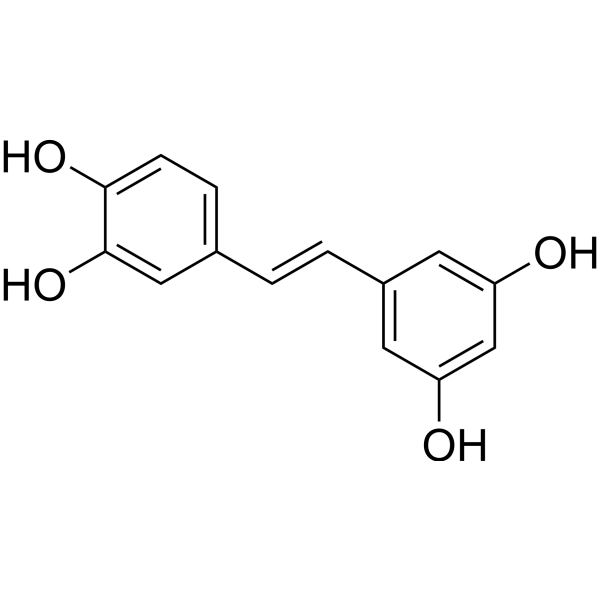
Cat. No.: HY-13518
CAS No.: 10083-24-6
Purity:  98.97%
Synonyms: Astringenin; trans-Piceatannol
Piceatannol is a well-known Syk inhibitor and reduces the expression of iNOS induced by TNF. Piceatannol is an effective agent for research of acute lung injury (ALI) . Piceatannol is a naturally occurring polyphenolic stilbene found in various fruits and vegetables and exhibits anticancer and anti-inflammatory properties . Piceatannol induces apoptosis in DLBCL cell lines . Piceatannol induces autophagy and apoptosis in MOLT-4 human leukemia cells .
loading...
    loading...
10
10 Cited Publications
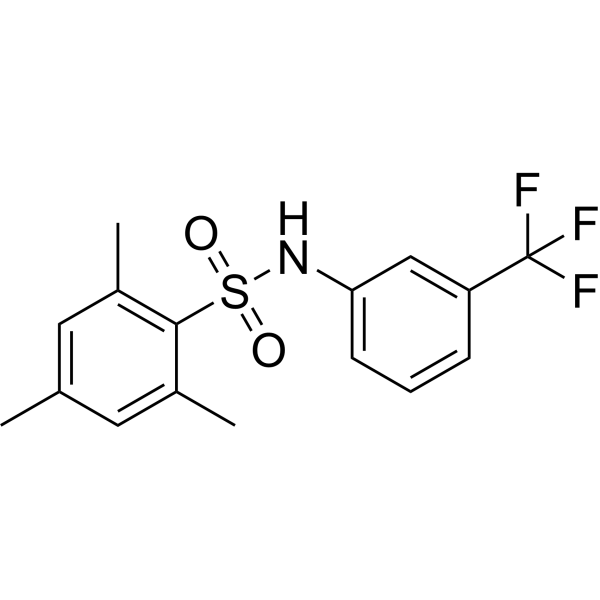
Cat. No.: HY-19619
CAS No.: 200933-14-8
Target:  

Phospholipase Apoptosis

Research Areas:  

Cancer

m-3M3FBS is a potent phospholipase C (PLC) activator. m-3M3FBS stimulates superoxide generation in human neutrophils, upregulates intracellular calcium concentration, and stimulates inositol phosphate generation in various cell lines. m-3M3FBS induces monocytic leukemia cell apoptosis .
loading...
    loading...
10
10 Cited Publications
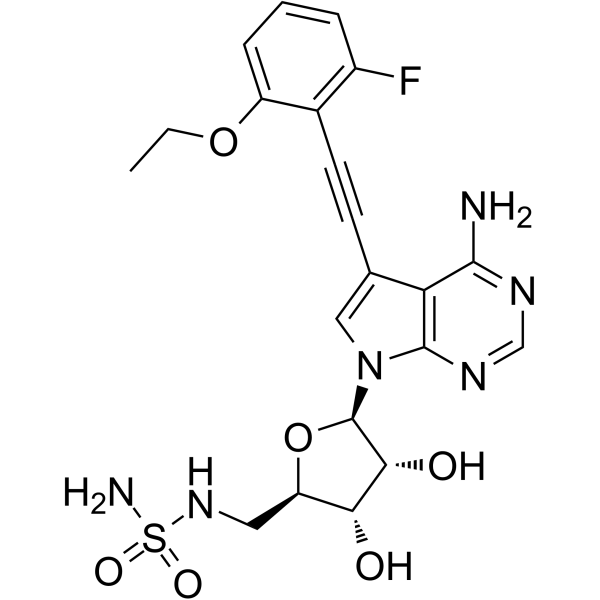
Cat. No.: HY-128586
CAS No.: 1848959-10-3
Purity:  99.52%
TAS4464 is a long-acting, highly selective covalent inhibitor targeting NEDD8-activating enzyme (NAE) (IC50=0.955 nM), and also inhibits CAII with an IC50 of 0.73 μM, which is less potent than MLN4924 (HY-70062). The IC50 values of TAS4464 against other E1 enzymes UAE and SAE are 449 nM and 1280 nM, respectively. TAS4464 targets NEDD8 in an ATP-dependent manner to inhibit NAE, blocks the neddylation pathway, causes accumulation of CRL ubiquitin ligase substrates (such as CDT1, p27, phosphorylated IκBα), and further induces tumor cell apoptosis. TAS4464 exhibits antiproliferative and cytotoxic effects, and has broad-spectrum antitumor activity against various hematologic and solid tumor cell lines as well as patient-derived tumor cells. TAS4464 has a wide selcetive window, without obvious toxicity. TAS4464 can be used in the research of hematologic malignancies (leukemia, lymphoma, multiple myeloma, etc.) and solid tumors (small cell lung cancer, colorectal cancer, sarcoma, endometrial cancer, ovarian cancer, etc.) .
loading...
    loading...
10
10 Cited Publications
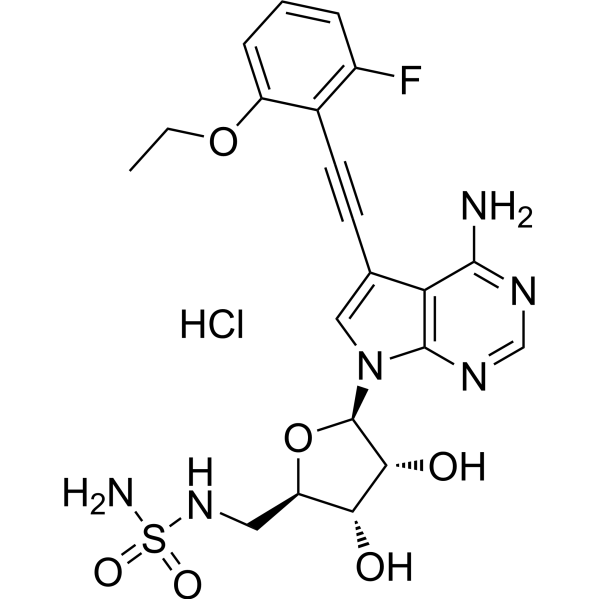
Cat. No.: HY-128586A
CAS No.: 1848959-11-4
Purity:  98.91%
TAS4464 hydrochloride is a long-acting, highly selective covalent inhibitor targeting NEDD8-activating enzyme (NAE) (IC50=0.955 nM), and also inhibits CAII with an IC50 of 0.73 μM, which is less potent than MLN4924 (HY-70062). The IC50 values of TAS4464 hydrochloride against other E1 enzymes UAE and SAE are 449 nM and 1280 nM, respectively. TAS4464 hydrochloride targets NEDD8 in an ATP-dependent manner to inhibit NAE, blocks the neddylation pathway, causes accumulation of CRL ubiquitin ligase substrates (such as CDT1, p27, phosphorylated IκBα), and further induces tumor cell apoptosis. TAS4464 hydrochloride exhibits antiproliferative and cytotoxic effects, and has broad-spectrum antitumor activity against various hematologic and solid tumor cell lines as well as patient-derived tumor cells. TAS4464 hydrochloride has a wide therapeutic window, without obvious toxicity. TAS4464 hydrochloride can be used in the research of hematologic malignancies (leukemia, lymphoma, multiple myeloma, etc.) and solid tumors (small cell lung cancer, colorectal cancer, sarcoma, endometrial cancer, ovarian cancer, etc.) .
loading...
    loading...
3
3 Cited Publications
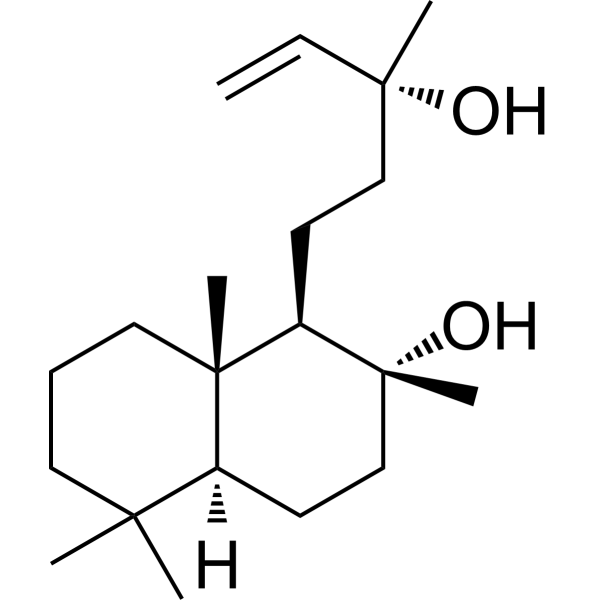
Cat. No.: HY-N0128
CAS No.: 515-03-7
Sclareol is isolated from Salvia sclarea with anticarcinogenic activity. Sclareol shows strong cytotoxic activity against mouse leukemia (P-388), human epidermal carcinoma (KB) cells and human leukemia cell lines. Sclareol induces cell apoptosis .
loading...
    loading...
3
3 Cited Publications
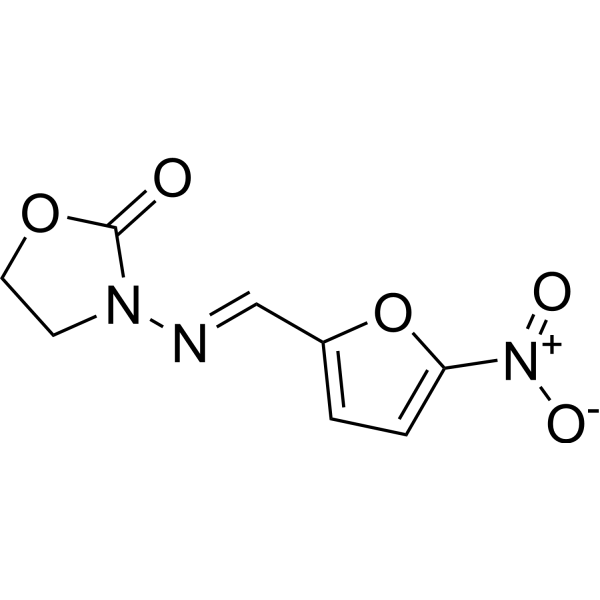
Cat. No.: HY-B1336
CAS No.: 67-45-8
Furazolidone is a monoamine oxidase (MAO) inhibitor with antiproliferative, apoptosis-inducing and differentiation-promoting activities. Furazolidone may inhibit leukemia fusion protein-mediated bone marrow transformation by upregulating the stability of the tumor suppressor protein p53. Furazolidone exhibits anti-leukemic activity in acute myeloid leukemia (AML) cell lines and can be used for anti-AML research [2].
loading...
    loading...
3
3 Cited Publications
Cat. No.: HY-N6893
CAS No.: 54999-07-4
Ergolide is an orally active dual inhibitor targeting NF-κB/p65 and NLRP3. Ergolide blocks the NF-κB signaling pathway and the nuclear translocation of p65, and irreversibly binds to the NACHT domain of NLRP3 to inhibit inflammasome assembly. Ergolide significantly reduces the production of inflammatory mediators (e.g., NO, PGE2) and cytokines, induces cancer cell apoptosis, autophagy and ROS generation. Ergolide also enhances the anti-tumor effect of vincristine. Ergolide alleviates acute lung injury via an NLRP3-dependent mechanism, and effectively improves the survival rate and behavioral function of septic mice and inflammatory zebrafish models. Ergolide is used in the research of metastatic uveal melanoma, neurodegenerative diseases (such as Alzheimer's disease, Parkinson's disease), sepsis and acute lymphoblastic leukemia .
loading...
    loading...
2
2 Cited Publications
Cat. No.: HY-15160
CAS No.: 1137868-52-0
Purity:  99.75%
Research Areas:  

Cancer

TAK-960 is an orally available, selective inhibitor of polo-like kinase 1 (PLK1), with an IC50 of 0.8 nM. TAK-960 also shows inhibitory activities against PLK2 and PLK3, with IC50s of 16.9 and 50.2 nM, respectively. TAK-960 inhibits proliferation of multiple cancer cell lines and exhibits significant efficacy against multiple tumor xenografts .
loading...
    loading...
2
2 Cited Publications
Cat. No.: HY-108420
CAS No.: 6314-70-1
Purity:  98.10%
Target:  

CDK

Research Areas:  

Cancer

INK4C-IN-2 is a p18 INK4C inhibitor. NK4C-IN-2 promotes hematopoietic stem cells (HSCs) division by inhibiting INK4C and activating CDK4/6, with an ED50 of 5.21 nM. INK4C-IN-2 shows no cytotoxic to normal 32D cells, HSCs, leukemia cell lines and myeloma cell lines .
loading...
    loading...
2
2 Cited Publications
Cat. No.: HY-15160B
Purity:  99.19%
Research Areas:  

Cancer

TAK-960 dihydrochloride is an orally available, selective inhibitor of polo-like kinase 1 (PLK1), with an IC50 of 0.8 nM. TAK-960 dihydrochloride also shows inhibitory activities against PLK2 and PLK3, with IC50s of 16.9 and 50.2 nM, respectively. TAK-960 dihydrochloride inhibits proliferation of multiple cancer cell lines and exhibits significant efficacy against multiple tumor xenografts .
loading...
    loading...
2
2 Cited Publications
Cat. No.: HY-115463
CAS No.: 1839150-63-8
Purity:  99.57%
Target:  

AMPK Apoptosis

Research Areas:  

Cancer

EB-3D is a potent and selective choline kinase α (ChoKα) inhibitor, with an IC50 of 1 μM for ChoKα1. EB-3D exerts effects on ChoKα expression, AMPK activation, apoptosis, endoplasmic reticulum stress and lipid metabolism. EB-3D exhibits a potent antiproliferative activity in a panel of T-leukemia cell lines. Anti-cancer activity .
loading...
    loading...
2
2 Cited Publications
Cat. No.: HY-144433
CAS No.: 1403598-56-0
Purity:  99.94%
Target:  

DNA Methyltransferase

Research Areas:  

Infection

DNMT3A-IN-1 (compound 1) is an effective and selective DNMT3A inhibitor. DNMT3A-IN-1 exhibits inhibitory activity against DNMT3A, with KI values ranging from 9.16 to 18.85 μM (AdoMet) and 11.37 to 23.34 μM (poly dI-dC). DNMT3A-IN-1 can induce apoptosis in acute myeloid leukemia (AML) cell lines (Apoptosis) .
loading...
    loading...
2
2 Cited Publications
Cat. No.: HY-136351
CAS No.: 2058075-45-7
Purity:  99.86%
Target:  

Autophagy

Research Areas:  

Cancer

THZ-P1-2 is a first-in-class and selective PI5P4K inhibitor, with an IC50 of 190 nM for PI5P4Kα. THZ-P1-2 covalently targets cysteines on a disordered loop in PI5P4Kα/β/γ. THZ-P1-2 causes autophagy disruption and upregulates TFEB signaling. THZ-P1-2 displays anticancer activity in leukemia cell lines .
loading...
    loading...
2
2 Cited Publications
Cat. No.: HY-N2374
CAS No.: 855-96-9
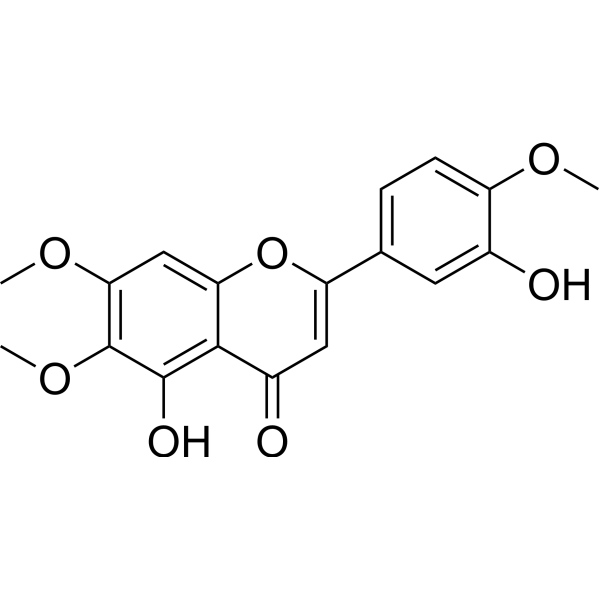
Eupatorin is an orally active flavonoid with antiproliferative and vasodilatory properties. Eupatorin downregulates the expression levels of NF-κB, MMP9, IL-1β and TNF-α. Eupatorin induces apoptosis, G2/M phase cell cycle arrest, and reactive oxygen species (ROS) production. Eupatorin modulates the activities of muscarinic receptors and β-adrenergic receptors; inhibits sarcoplasmic reticulum calcium release and calcium channels; and activates the NO/sGC/cGMP pathway, indomethacin-sensitive pathway, and potassium channel pathway. Eupatorin exerts cytotoxic effects on cancer cell lines, and is metabolized by CYP1A1 and CYP1 family enzymes to form metabolites with antiproliferative activity. Eupatorin can be used in research related to breast cancer, hypertension, and leukemia .
loading...
    loading...
1
1 Cited Publications
Cat. No.: HY-12892
CAS No.: 1259484-97-3
Purity:  99.29%
Target:  

SphK Apoptosis

Research Areas:  

Cancer

SKI-178 is a potent sphingosine kinase-1 (SphK1) and SphK2 inhibitor. SKI-178 is cytotoxic at IC50 concentrations ranging from 1.8 to 0.1 μM in both agent sensitive and multi-agent resistant cancer cell lines (i.e., MTR3, NCI-ADR and HL60/VCR cells). SKI-178 induces apoptosis in a CDK1-dependent manner in human acute myeloid leukemia cell lines .
loading...
    loading...
1
1 Cited Publications
Cat. No.: HY-107426
CAS No.: 3148-09-2
Purity:  99.89%
Synonyms: Muconomycin A
Research Areas:  

Cancer

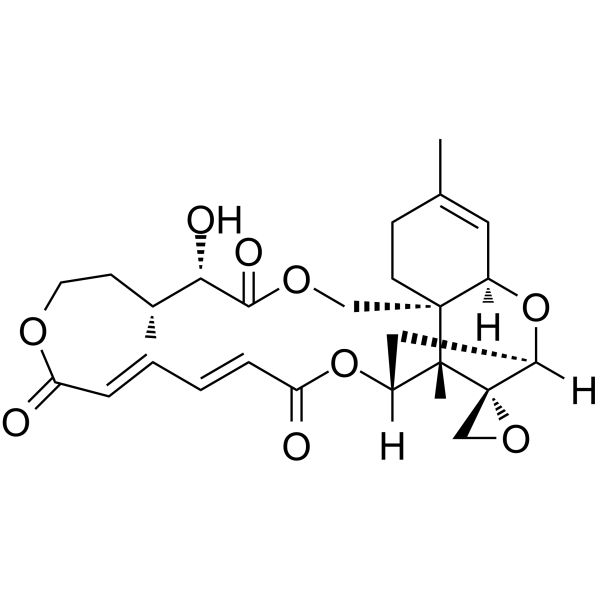
Verrucarin A (Muconomycin A), a Type D macrocyclic mycotoxin derived from the pathogen fungus Myrothecium verrucaria, is an inhibitor of protein synthesis. Verrucarin A inhibits growth of leukemia cell lines and activates caspases and apoptosis and inflammatory signaling in macrophages. Verrucarin A effectively increased the phosphorylation of p38 MAPK and diminished the phosphorylation of ERK/Akt. Verrucarin A caused cell cycle deregulation through the induction of p21 and p53 .
loading...
    loading...
1
1 Cited Publications
Cat. No.: HY-148422
CAS No.: 1139253-73-8
Purity:  99.40%
Research Areas:  

Cancer

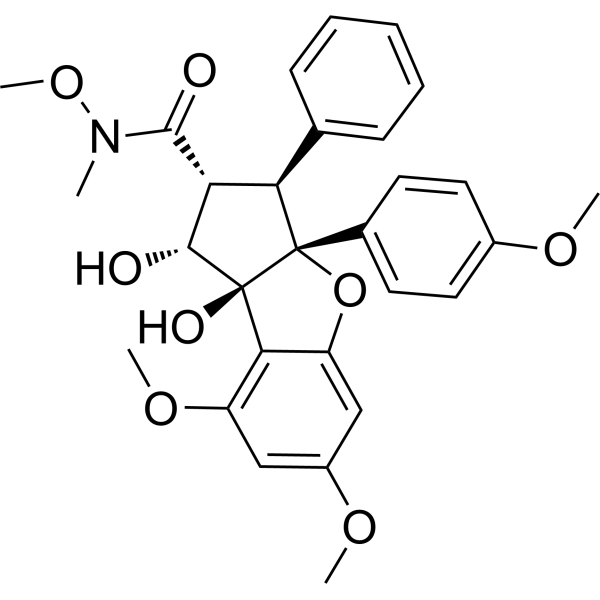
Rohinitib is a potent and specific eIF4A inhibitor. Rohinitib induces cell apoptosis of acute myeloid leukemia (AML) cell lines and reduces the leukemia burden of AML xenograft model. Rohinitib can be used for the research of AML .
loading...
    loading...
1
1 Cited Publications
Cat. No.: HY-123578
CAS No.: 241127-79-7
Purity:  99.65%
Target:  

EGFR E1/E2/E3 Enzyme

Research Areas:  

Cancer

NSC689857 is a potent EGFR and SCF SKP2 inhibitor with an IC50 value of 36 μM for Skp2-Cks1. NSC689857 can inhibit p27 ubiquitylation (IC50=30 μM). NSC689857 has varied activity across cancer types, with more activity against leukemia cell lines than others .
loading...
    loading...
1
1 Cited Publications
Cat. No.: HY-145162
CAS No.: 2458219-65-1
Purity:  95.83%
Research Areas:  

Cancer

SHP2-D26 is a SHP2 PROTAC degrader with DC50 values of 6.0 nM (KYSE520 cells) and 2.6 nM (MV4;11 cells), respectively. SHP2-D26 inhibits ERK phosphorylation, upregulates Bim levels, downregulates Mcl-1 levels, and induces cell cycle arrest and apoptosis. SHP2-D26 can be used in studies related to esophageal cancer, acute myeloid leukemia and non-small cell lung cancer .
loading...
    loading...
1
1 Cited Publications
Cat. No.: HY-132182
CAS No.: 383418-30-2
Purity:  99.4%
Research Areas:  

Neurological Disease Cancer

HPA-12 is a blood-brain barrier-permeable small-molecule inhibitor of ceramide transfer protein (CERT) with four stereoisomers (the (1R,3R)-stereoisomer exhibits the highest activity). HPA-12 blocks the transport of ceramide from the endoplasmic reticulum to the Golgi apparatus by binding to the START domain of CERT, leading to intracellular ceramide accumulation and inhibition of sphingomyelin (SM) synthesis. HPA-12 induces endoplasmic reticulum stress via the GRP78/ATF6/CHOP axis and activates mitochondrial autophagy, thereby inhibiting cell growth and inducing apoptosis. In in vivo experiments, HPA-12 significantly reduces the leukemia burden and splenomegaly in mouse models of acute myeloid leukemia (AML) and prolongs survival. HPA-12 is applicable for the research of lipid metabolism in acute myeloid leukemia and Alzheimer's disease .
loading...
    loading...

