



3278 Results for "

long-acting insulin analogues

" in MedChemExpress (MCE) Product Catalog:
Products (3278)

3278 Results for "long-acting insulin analogues" in MCE Product Catalog:

356
356 Publications Verification
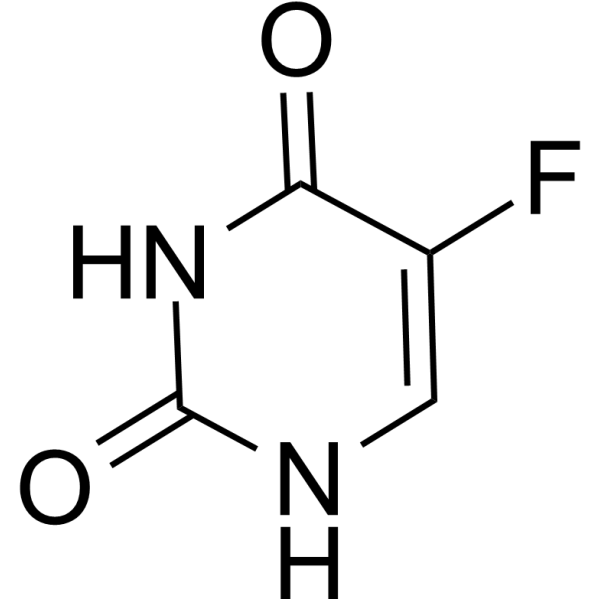
Cat. No.: HY-90006
CAS No.: 51-21-8
Synonyms: 5-FU
5-Fluorouracil (5-FU) is an analogue of uracil and a potent antitumor agent. 5-Fluorouracil affects pyrimidine synthesis by inhibiting thymidylate synthetase thus depleting intracellular dTTP pools. 5-Fluorouracil induces apoptosis and can be used as a chemical sensitizer . 5-Fluorouracil also inhibits HIV .
loading...
    loading...
230
230 Cited Publications
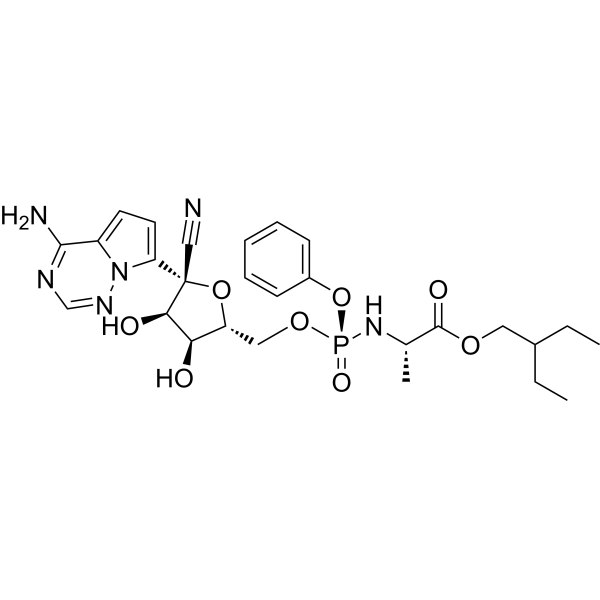
Cat. No.: HY-104077
CAS No.: 1809249-37-3
Purity:  99.95%
Synonyms: GS-5734
Research Areas:  

Infection

Remdesivir (GS-5734) is a nucleoside analogue with effective antiviral activity. Remdesivir can inhibit the synthesis of viral DNA or RNA. Remdesivir can be used for the research of infection, such as SARS-CoV and MHV infection .
loading...
    loading...
213
213 Cited Publications
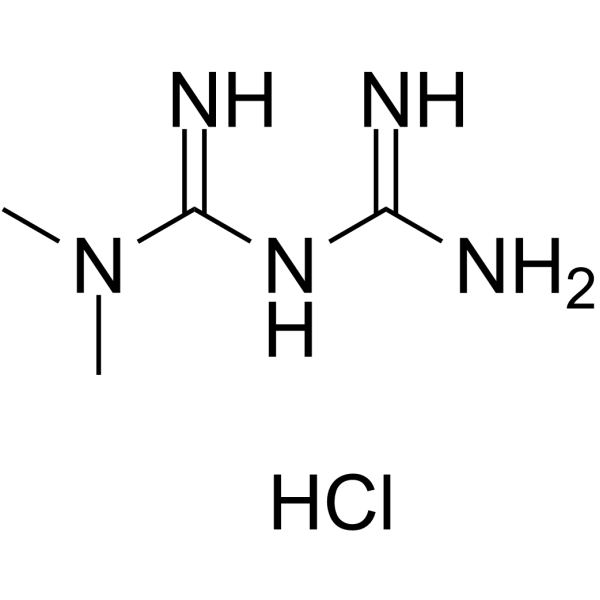
Cat. No.: HY-17471A
CAS No.: 1115-70-4
Synonyms: 1,1-Dimethylbiguanide hydrochloride
Metformin (1,1-Dimethylbiguanide) hydrochloride inhibits the mitochondrial respiratory chain in the liver, leading to AMPK activation and enhancing insulin sensitivity, and can be used in the study of type 2 diabetes. Metformin hydrochloride exerts central glucose-lowering effects by inhibiting Ras-related protein 1 (Rap1) in SF1 hypothalamic neurons. Metformin hydrochloride also inhibits liver oxidative stress, nitrosative stress, inflammation, and apoptosis caused by liver ischemia/reperfusion injury. In addition, Metformin hydrochloride regulates the expression of autophagy-related proteins by activating AMPK and inhibiting the mTOR signaling pathway, thereby inducing tumor cell autophagy and inhibiting the growth of renal cell carcinoma in vitro and in vivo .
loading...
    loading...
213
213 Cited Publications
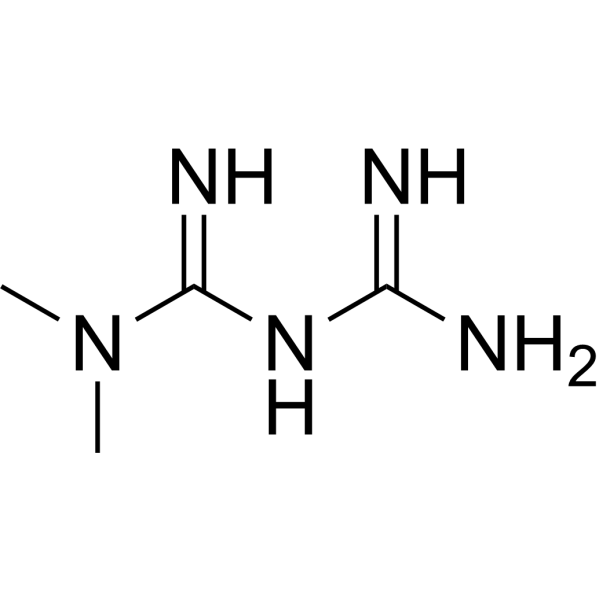
Cat. No.: HY-B0627
CAS No.: 657-24-9
Synonyms: 1,1-Dimethylbiguanide
Metformin (1,1-Dimethylbiguanide) inhibits the mitochondrial respiratory chain in the liver, leading to AMPK activation and enhancing insulin sensitivity, and can be used in the study of type 2 diabetes. Metformin exerts central glucose-lowering effects by inhibiting Ras-related protein 1 (Rap1) in SF1 hypothalamic neurons. Metformin also inhibits liver oxidative stress, nitrosative stress, inflammation, and apoptosis caused by liver ischemia/reperfusion injury. In addition, Metformin regulates the expression of autophagy-related proteins by activating AMPK and inhibiting the mTOR signaling pathway, thereby inducing tumor cell autophagy and inhibiting the growth of renal cell carcinoma in vitro and in vivo .
loading...
    loading...
184
184 Cited Publications
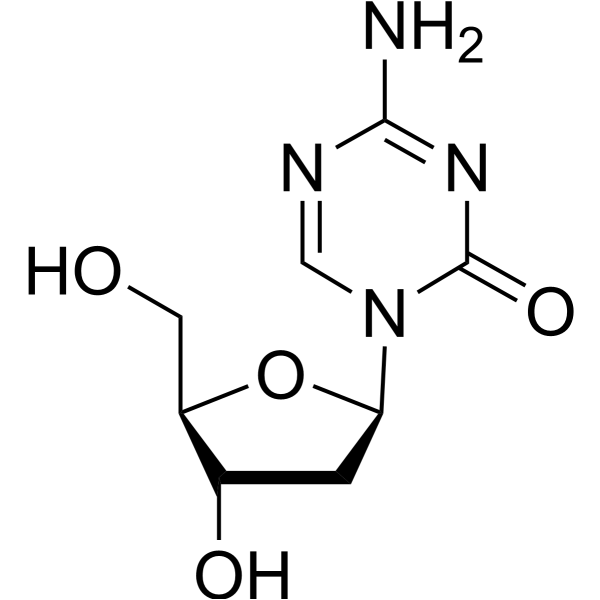
Cat. No.: HY-A0004
CAS No.: 2353-33-5
Synonyms: 5-Aza-2'-deoxycytidine; 5-AZA-CdR; NSC 127716
Decitabine (NSC 127716) is an orally active deoxycytidine analogue antimetabolite and DNA methyltransferase inhibitor. Decitabine incorporates into DNA in place of cytosine can covalently trap DNA methyltransferase to DNA causing irreversible inhibition of the enzyme. Decitabine induces cell G2/M arrest and cell Apoptosis. Decitabine has potent anticancer activity .
loading...
    loading...
168
168 Cited Publications
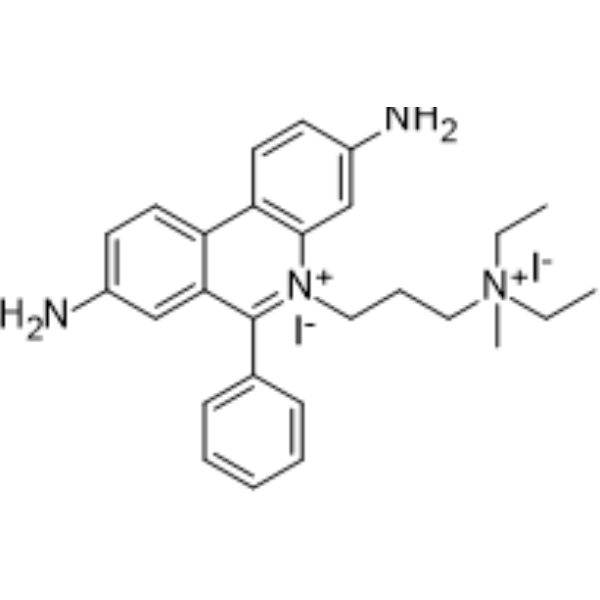
Cat. No.: HY-D0815
CAS No.: 25535-16-4
Propidium Iodide (PI) is a nuclear staining agent that stains DNA. Propidium Iodide is an analogue of ethidine bromide that emits red fluorescence upon embedding in double-stranded DNA. Propidium Iodide cannot pass through living cell membranes, but it can pass through damaged cell membranes to stain the nucleus. Propidium Iodide has a fluorescence wavelength of 493/617 nm and a wavelength of 536/635 nm after Mosaic with DNA. Propidium Iodide is commonly used in the detection of apoptosis (apoptosis) or necrosis (necrosis), and is often used in flow cytometry analysis.
loading...
    loading...
142
142 Cited Publications
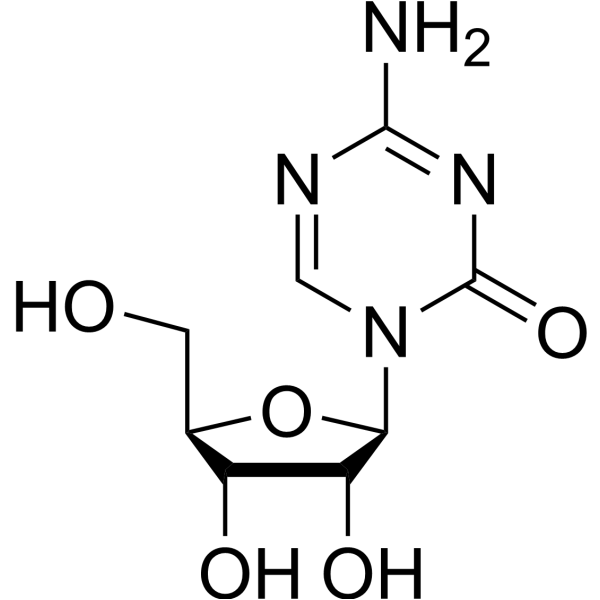
Cat. No.: HY-10586
CAS No.: 320-67-2
Purity:  99.91%
Synonyms: Azacitidine; 5-AzaC; Ladakamycin
5-Azacytidine (Azacitidine; 5-AzaC; Ladakamycin) is a nucleoside analogue of cytidine that specifically inhibits DNA methylation. 5-Azacytidine is incorporated into DNA to covalently trap DNA methyltransferases and contributes to reverse epigenetic changes . 5-Azacytidine induces cell autophagy .
loading...
    loading...
120
120 Cited Publications
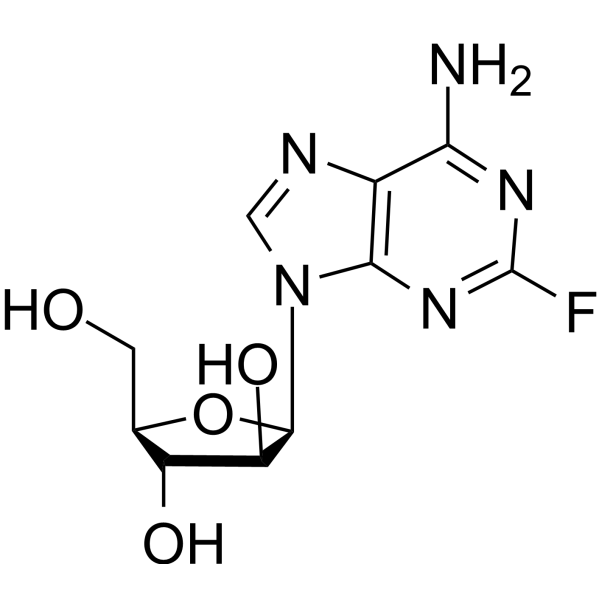
Cat. No.: HY-B0069
CAS No.: 21679-14-1
Synonyms: F-ara-A; NSC 118218
Fludarabine (NSC 118218) is a DNA synthesis inhibitor and a fluorinated purine analogue with antineoplastic activity in lymphoproliferative malignancies. Fludarabine inhibits the cytokine-induced activation of STAT1 and STAT1-dependent gene transcription in normal resting or activated lymphocytes .
loading...
    loading...
106
106 Cited Publications
Cat. No.: HY-P0035
CAS No.: 11061-68-0
Target:  

Insulin Receptor

Research Areas:  

Metabolic Disease Endocrinology

Insulin (human) is a polypeptide hormone that regulates the level of glucose. Insulin (human) can be used for the diabetes mellitus .
loading...
    loading...
106
106 Cited Publications
Cat. No.: HY-P0035A
CAS No.: 11061-68-0
Target:  

Insulin Receptor

Research Areas:  

Metabolic Disease

Insulin solution (human) is a polypeptide hormone that regulates the level of glucose. Insulin solution (human) can be used for the diabetes mellitus .
loading...
    loading...
88
88 Cited Publications
Cat. No.: HY-15893
CAS No.: 89464-63-1
Purity:  99.69%
Synonyms: Dimethyloxallyl Glycine
Research Areas:  

Cancer

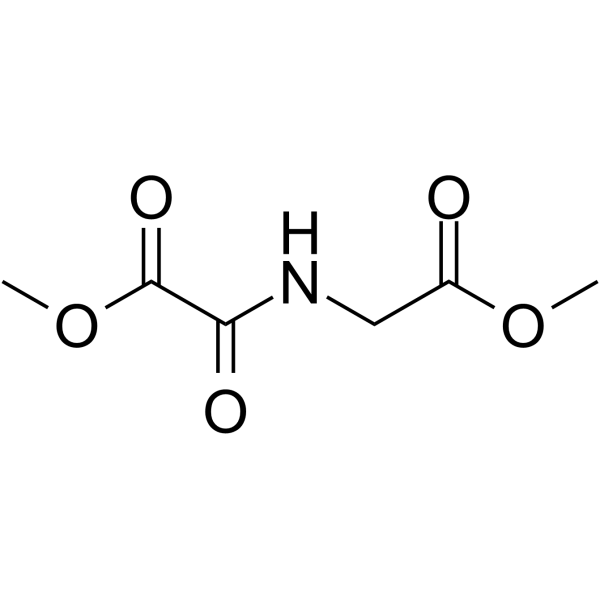
DMOG (Dimethyloxallyl Glycine) is a cell permeable and competitive inhibitor of HIF-PH, which results in HIF-1α stabilisation and accmulation in vitro and in vivo . DMOG is an α-ketoglutarate analogue and inhibits α-KG-dependent hydroxylases. DMOG acts as a pro-angiogenic agent and plays a protective role in experimental model of colitis and diarrhoea via HIF-1 related signal . DMOG induces cell autophagy .
loading...
    loading...
72
72 Cited Publications
Cat. No.: HY-13443
CAS No.: 141758-74-9
Purity:  99.95%
Synonyms: Exenatide
Exendin‑4 (Exenatide) is an orally active, blood-brain barrier-permeable glucagon-like peptide-1 receptor (GLP‑1 receptor) agonist that resists degradation mediated by dipeptidyl peptidase IV. Exendin‑4 mediates multiple glucose-regulating effects, including stimulation of glucose-dependent insulin secretion, inhibition of glucagon production, increase in β-cell mass, delay of gastric emptying, reduction of food intake, improvement of peripheral insulin sensitivity, and restoration of normal islet structure. Exendin‑4 inhibits oxidative stress, alleviates inflammatory responses, and reduces neuronal apoptosis. Exendin‑4 reduces the aggregation level of mutant huntingtin, improves motor function, prolongs survival time, and regulates the expression levels of leptin and ghrelin. Exendin‑4 can be used in research related to type 2 diabetes, acute ischemic stroke, and Huntington's disease .
loading...
    loading...
72
72 Cited Publications
Cat. No.: HY-13443A
CAS No.: 914454-01-6
Purity:  99.91%
Synonyms: Exenatide acetate
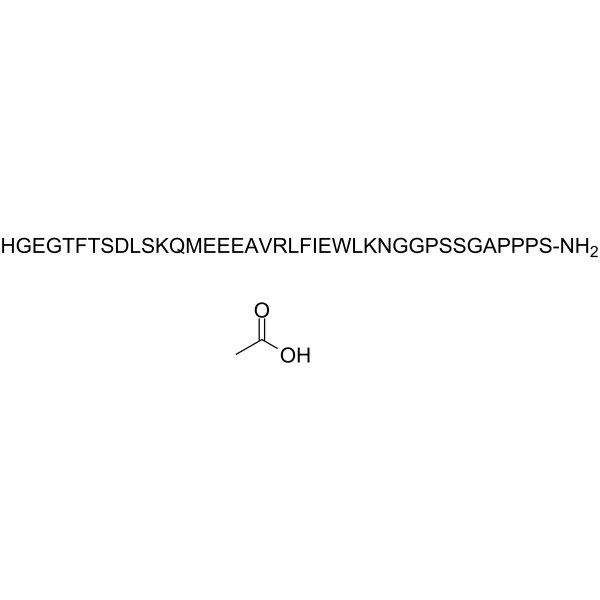
Exendin-4 acetate (Exenatide acetate) is an orally active, blood-brain barrier-permeable glucagon-like peptide-1 receptor (GLP‑1 receptor) agonist that resists degradation mediated by dipeptidyl peptidase IV. Exendin-4 acetate mediates multiple glucose-regulating effects, including stimulation of glucose-dependent insulin secretion, inhibition of glucagon production, increase in β-cell mass, delay of gastric emptying, reduction of food intake, improvement of peripheral insulin sensitivity, and restoration of normal islet structure. Exendin-4 acetate inhibits oxidative stress, alleviates inflammatory responses, and reduces neuronal apoptosis. Exendin-4 acetate reduces the aggregation level of mutant huntingtin, improves motor function, prolongs survival time, and regulates the expression levels of leptin and ghrelin. Exendin-4 acetate can be used in research related to type 2 diabetes, acute ischemic stroke, and Huntington's disease .
loading...
    loading...
66
66 Cited Publications
Cat. No.: HY-15640
CAS No.: 138977-28-3
Purity:  98.14%
Target:  

TRP Channel Apoptosis

Research Areas:  

Cancer

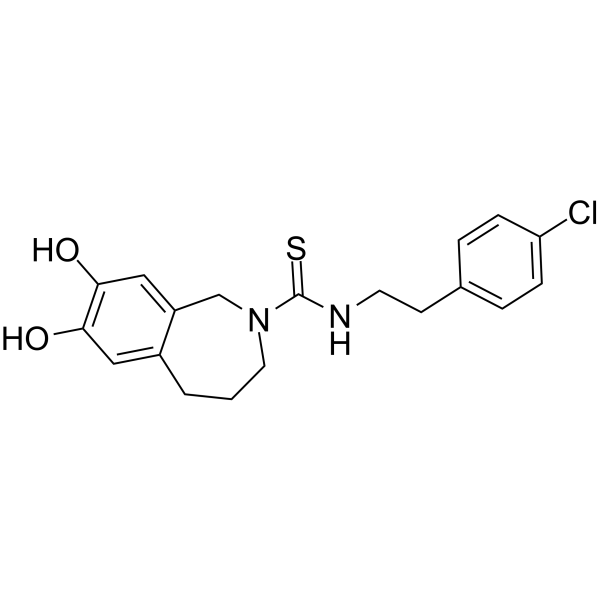
Capsazepine is a synthetic analogue of the sensory neurone excitotoxin, and an antagonist of TRPV1 receptor with an IC50 of 562 nM.
loading...
    loading...
54
54 Cited Publications
Cat. No.: HY-10001
CAS No.: 112965-21-6
Purity:  99.93%
Synonyms: MC 903; Calcipotriene
Target:  

VD/VDR

Research Areas:  

Inflammation/Immunology Cancer

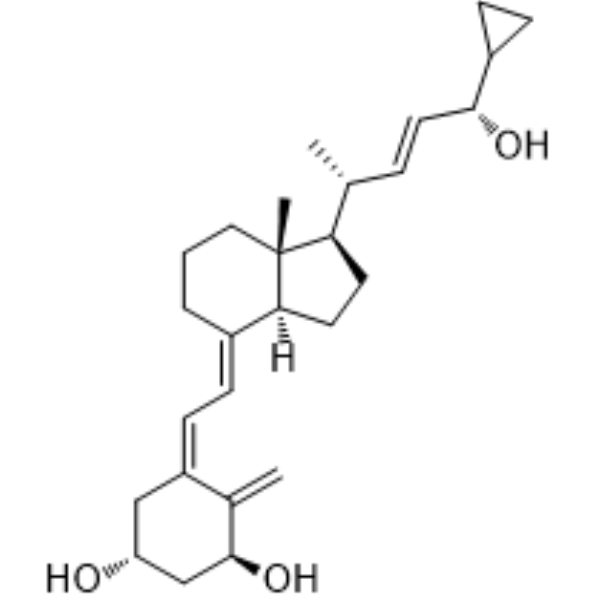
Calcipotriol is a synthetic VitD3 analogue with a high affinity for the vitamin D receptor.
loading...
    loading...
54
54 Cited Publications
Cat. No.: HY-10001A
CAS No.: 147657-22-5
Purity:  99.95%
Target:  

VD/VDR

Research Areas:  

Inflammation/Immunology Cancer

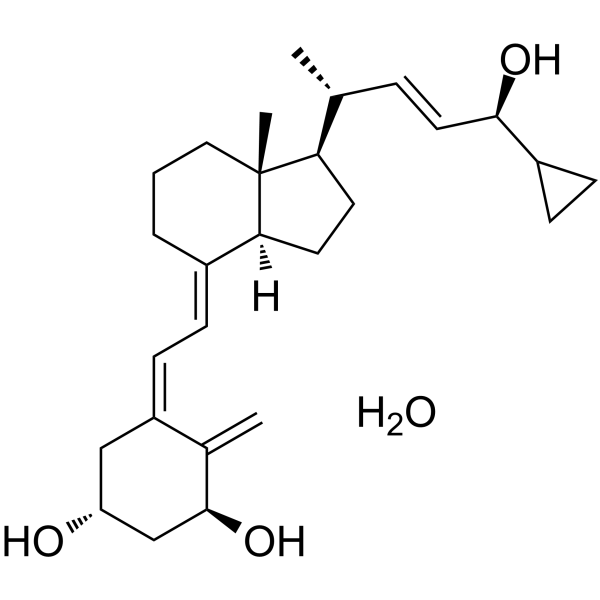
Calcipotriol monohydrate is a synthetic VitD3 analogue with a high affinity for the vitamin D receptor.
loading...
    loading...
53
53 Cited Publications
Cat. No.: HY-10191
CAS No.: 867160-71-2
Purity:  99.87%
Synonyms: OSI-906
Target:  

IGF-1R Insulin Receptor

Research Areas:  

Endocrinology Cancer

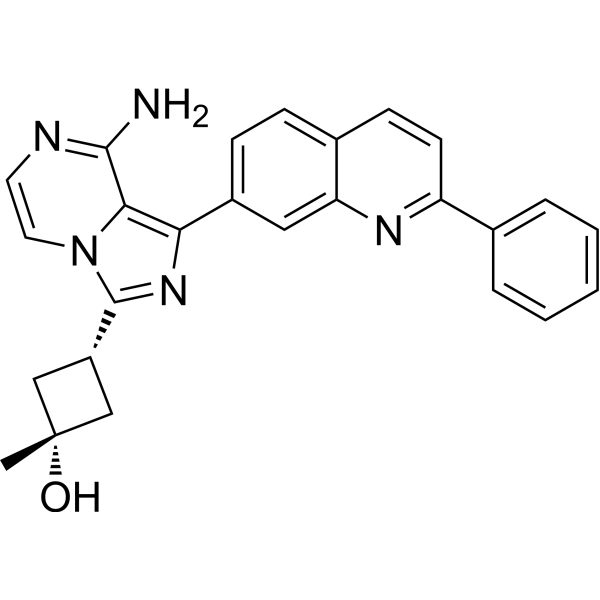
Linsitinib (OSI-906) is a potent, selective and orally bioavailable dual inhibitor of the IGF-1 receptor and insulin receptor (IR) with IC50s of 35 and 75 nM, respectively .
loading...
    loading...
50
50 Cited Publications
Cat. No.: HY-114118
CAS No.: 910463-68-2
Purity:  99.84%
Semaglutide is a long-acting, selective, competitive GLP-1R agonist that can penetrate the blood-brain barrier. After activating GLP-1R, Semaglutide promotes insulin secretion, inhibits gastric emptying and appetite, and at the same time enhances autophagy, inhibits oxidative stress and apoptosis. Semaglutide also regulates mitochondrial function and lipid metabolism (such as reducing de novo lipogenesis in the liver). Semaglutide has activities such as lowering blood sugar, reducing weight, neuroprotection (such as improving motor function in Parkinson's disease models, reducing α-synuclein aggregation) and improving hepatic steatosis. Semaglutide can be used for the study of neurodegenerative diseases and liver diseases such as type 2 diabetes, obesity, Parkinson's disease, metabolic associated fatty liver disease (MASLD), and cancer .
loading...
    loading...
50
50 Cited Publications
Cat. No.: HY-114118B
CAS No.: 1997361-85-9
Purity:  99.92%
Semaglutide acetate is a long-acting, selective, competitive GLP-1R agonist that can penetrate the blood-brain barrier. After activating GLP-1R, Semaglutide acetate promotes insulin secretion, inhibits gastric emptying and appetite, and at the same time enhances autophagy, inhibits oxidative stress and apoptosis. Semaglutide acetate also regulates mitochondrial function and lipid metabolism (such as reducing de novo lipogenesis in the liver). Semaglutide acetate has activities such as lowering blood sugar, reducing weight, neuroprotection (such as improving motor function in Parkinson's disease models, reducing α-synuclein aggregation) and improving hepatic steatosis. Semaglutide acetate can be used for the study of neurodegenerative diseases and liver diseases such as type 2 diabetes, obesity, Parkinson's disease, metabolic associated fatty liver disease (MASLD), and cancer .
loading...
    loading...
50
50 Cited Publications
Cat. No.: HY-114118A
Purity:  99.92%
Semaglutide TFA is a long-acting, selective, competitive GLP-1R agonist that can penetrate the blood-brain barrier. After activating GLP-1R, Semaglutide TFA promotes insulin secretion, inhibits gastric emptying and appetite, and at the same time enhances autophagy, inhibits oxidative stress and apoptosis. Semaglutide TFA also regulates mitochondrial function and lipid metabolism (such as reducing de novo lipogenesis in the liver). Semaglutide TFA has activities such as lowering blood sugar, reducing weight, neuroprotection (such as improving motor function in Parkinson's disease models, reducing α-synuclein aggregation) and improving hepatic steatosis. Semaglutide TFA can be used for the study of neurodegenerative diseases and liver diseases such as type 2 diabetes, obesity, Parkinson's disease, metabolic associated fatty liver disease (MASLD), and cancer .
loading...
    loading...

