
2227 Results for "

lysosomal transport impairments

" in MedChemExpress (MCE) Product Catalog:
Products (2227)

2227 Results for "lysosomal transport impairments" in MCE Product Catalog:

  • Categories Recommended:
    More
206
206 Publications Verification
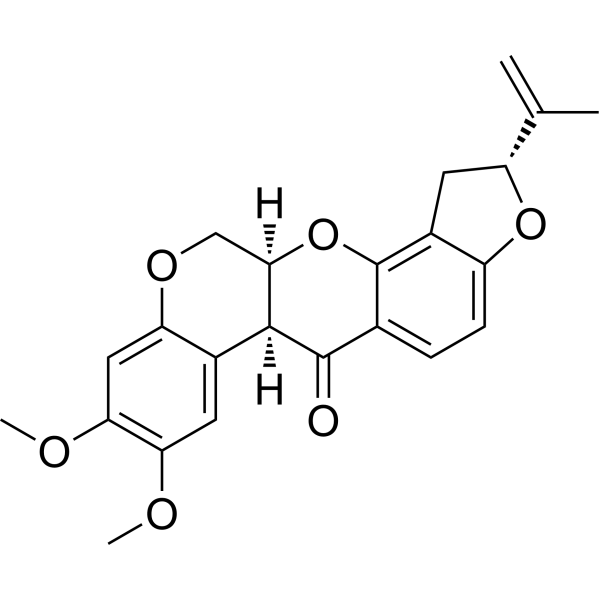
Cat. No.: HY-B1756
CAS No.: 83-79-4
Rotenone is a mitochondrial electron transport chain complex I inhibitor. Rotenone induces apoptosis through enhancing mitochondrial reactive oxygen species production.
loading...
    loading...
171
171 Cited Publications
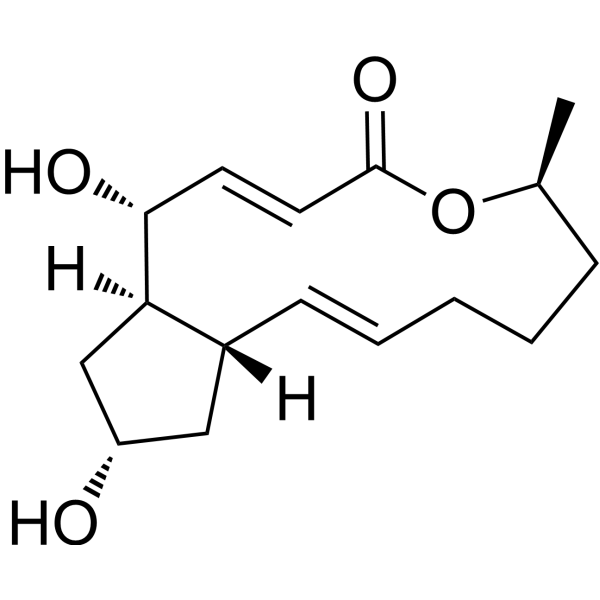
Cat. No.: HY-16592
CAS No.: 20350-15-6
Synonyms: BFA; Cyanein; Decumbin
Brefeldin A (BFA) is a lactone antibiotic and a specific inhibitor of protein trafficking. Brefeldin A blocks the transport of secreted and membrane proteins from endoplasmic reticulum to Golgi apparatus . Brefeldin A is also an autophagy and mitophagy inhibitor . Brefeldin A inhibits HSV-1 and has anti-cancer activity .
loading...
    loading...
121
121 Cited Publications
Cat. No.: HY-N6782
CAS No.: 1404-19-9
Oligomycin, an antifungal antibiotic, is an inhibitor of H +-ATP-synthase. Oligomycin blocks oxidative phosphorylation and the electron transport chain. Oligomycin inhibits HIF-1alpha expression in hypoxic tumor cells .
loading...
    loading...
97
97 Cited Publications
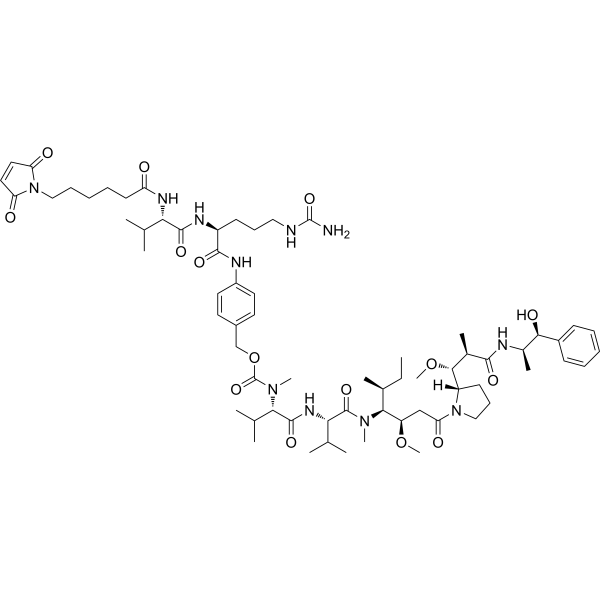
Cat. No.: HY-15575
CAS No.: 646502-53-6
Purity:  99.94%
Synonyms: MC-Val-Cit-PAB-MMAE; mc-vc-PAB-MMAE; Vedotin
VcMMAE (mc-vc-PAB-MMAE) is a agent-linker conjugate for ADC with potent antitumor activity by using the anti-mitotic agent, monomethyl auristatin E (MMAE, a tubulin inhibitor), linked via the lysosomally cleavable dipeptide, valine-citrulline (vc).
loading...
    loading...
85
85 Cited Publications
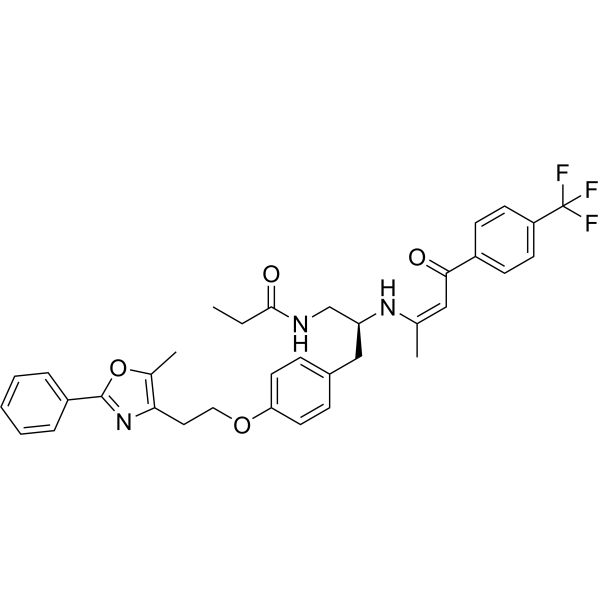
Cat. No.: HY-15372
CAS No.: 880635-03-0
Purity:  99.64%
Target:  

PPAR Apoptosis

Research Areas:  

Cancer

GW6471 is a selective peroxisome proliferator-activated receptor α (PPARα) antagonist. GW6471 reduces cancer stem cell viability, proliferation, and spheroid formation. GW6471 induces apoptosis and causes metabolic impairment including energy imbalance. GW6471 can be used for the research of paragangliomas and triple-negative breast cancer .
loading...
    loading...
77
77 Cited Publications
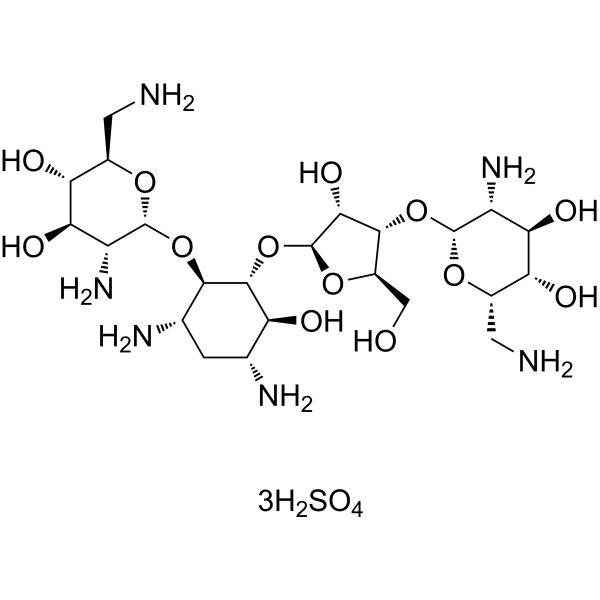
Cat. No.: HY-B0470
CAS No.: 1405-10-3
Neomycin sulfate, an aminoglycoside antibiotic, exerts antibacterial activity through irreversible binding of the nuclear 30S ribosomal subunit, thereby blocking bacterial protein synthesis. Neomycin sulfate is a known phospholipase C (PLC) inhibitor. Neomycin sulfate potently inhibits both the nuclear translocation of angiogenin and angiogenin-induced cell proliferation and angiogenesis. Neomycin sulfate inhibits IP3-mediated Ca 2+ release, MgATP-dependent Ca 2+ uptake, and electrical excitation-evoked skeletal muscle Ca 2+ transients. Neomycin sulfate depletes gut microbiota in specific mouse models, causes hearing impairment, and kidney damage with prolonged exposure. Neomycin sulfate can be used for the research of cancer .
loading...
    loading...
68
68 Cited Publications
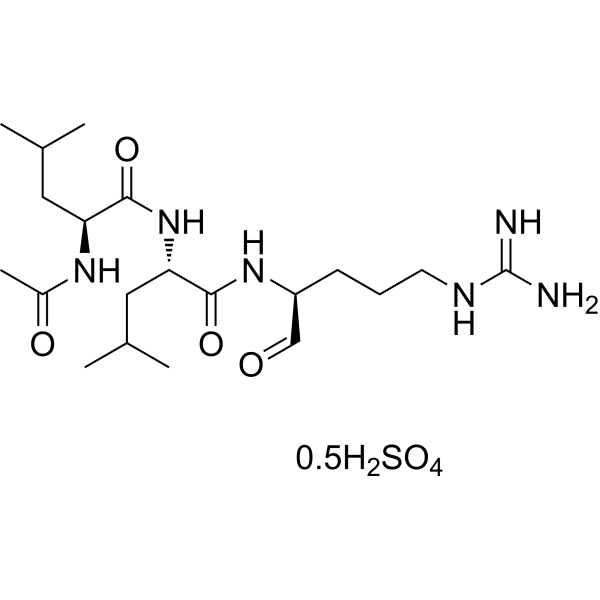
Cat. No.: HY-18234A
CAS No.: 103476-89-7
Leupeptin hemisulfate is a broad-spectrum protease inhibitor . By inhibiting the activation of the PTEN/PI3K/Akt/NF-κB/ERK1/2/p38 signaling pathway, Leupeptin hemisulfate significantly reduces LPS-induced NO and ROS production, mitochondrial membrane potential hyperpolarization, phagocytic activity, pro-inflammatory cytokine release, and M1 polarization in mouse peritoneal macrophages, and reverses autophagic flux impairment. It also decreases Concanavalin A (HY-P2149)-induced proliferation index of mouse splenic lymphocytes and the Th1/IL-10 and Th2/IL-10 cytokine ratios, thereby modulating innate and adaptive immune responses. Leupeptin hemisulfate inhibits blood coagulation and tumorigenesis in mouse skin. Leupeptin hemisulfate can be used in research on chronic inflammatory diseases and skin tumorigenesis .
loading...
    loading...
57
57 Cited Publications
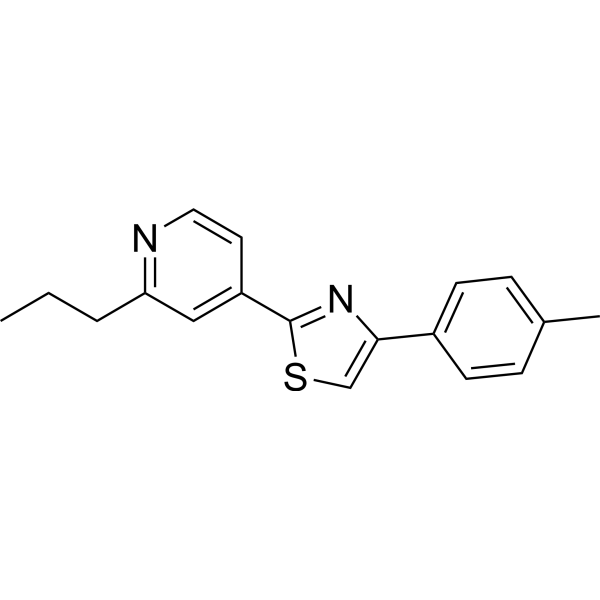
Cat. No.: HY-14452
CAS No.: 125256-00-0
Purity:  99.85%
Synonyms: 125B11
Research Areas:  

Cancer

Fatostatin (125B11), a specific inhibitor of SREBP activation, impairs the activation of SREBP-1 and SREBP-2. Fatostatin binds to SCAP (SREBP cleavage-activating protein), and inhibits the ER-Golgi translocation of SREBPs. Fatostatin decreases the transcription of lipogenic genes in cells. Fatostatin possesses antitumor properties, and lowers hyperglycemia in ob/ob mice .
loading...
    loading...
57
57 Cited Publications
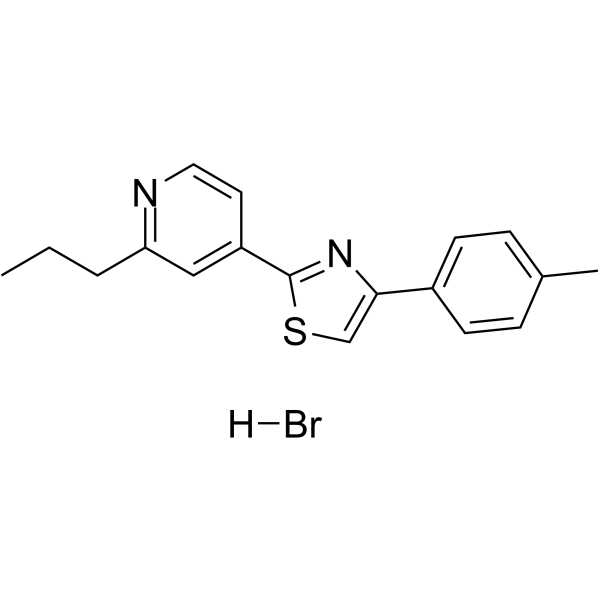
Cat. No.: HY-14452A
CAS No.: 298197-04-3
Purity:  99.52%
Synonyms: 125B11 hydrobromide
Research Areas:  

Cancer

Fatostatin hydrobromide (125B11 hydrobromide), a specific inhibitor of SREBP activation, impairs the activation of SREBP-1 and SREBP-2. Fatostatin hydrobromide binds to SCAP (SREBP cleavage-activating protein), and inhibits the ER-Golgi translocation of SREBPs. Fatostatin hydrobromide decreases the transcription of lipogenic genes in cells. Fatostatin hydrobromide possesses antitumor properties, and lowers hyperglycemia in ob/ob mice .
loading...
    loading...
52
52 Cited Publications
Cat. No.: HY-B0764
CAS No.: 16980-89-5
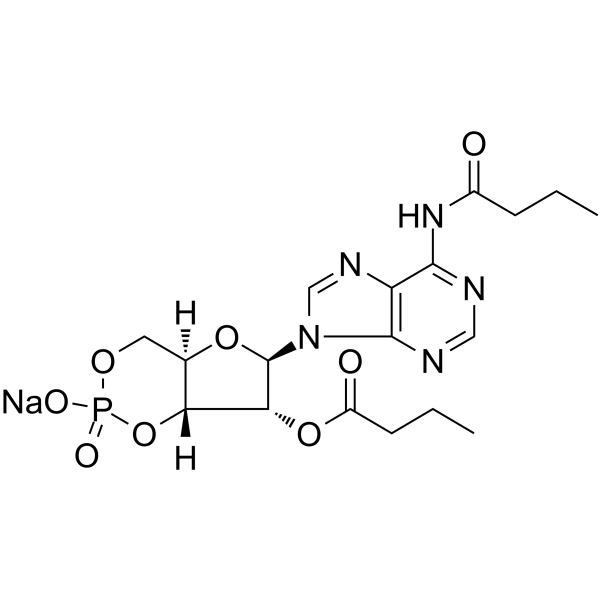
Synonyms: Dibutyryl cAMP sodium; DBcAMP sodium
Bucladesine (Dibutyryl cAMP; DBcAMP) sodium is a membrane-permeable 3′, 5′-cyclic adenosine monophosphate (cAMP) analog. Bucladesine selectively activates cAMP dependent protein kinase (PKA) by increasing the intracellular level of cAMP. Bucladesine significantly attenuates MDMA-induced increases in hippocampal mitochondrial ROS formation, mitochondrial outer membrane damage, cytochrome c release, and hippocampal ADP/ATP ratio, thereby improving spatial learning and memory impairments. Bucladesine exhibit anti-nociceptive and anti-inflammation effect. Bucladesine can inhibit cancer cells proliferation, induce apoptosis. Bucladesine can be used for the researches of neurological disease, cancer, inflammation .
loading...
    loading...
52
52 Cited Publications
Cat. No.: HY-B0764A
CAS No.: 938448-87-4
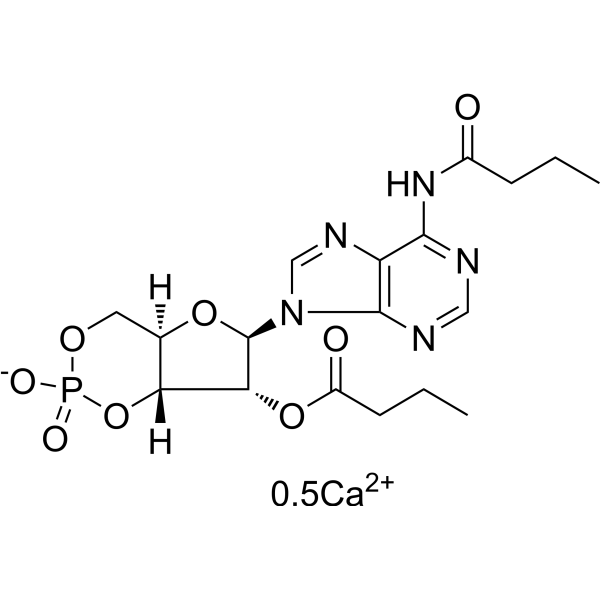
Synonyms: Dibutyryl cAMP hemicalcium; DBcAMP hemicalcium
Bucladesine (Dibutyryl cAMP; DBcAMP) hemicalcium is a membrane-permeable 3′, 5′-cyclic adenosine monophosphate (cAMP) analog. Bucladesine selectively activates cAMP dependent protein kinase (PKA) by increasing the intracellular level of cAMP. Bucladesine significantly attenuates MDMA-induced increases in hippocampal mitochondrial ROS formation, mitochondrial outer membrane damage, cytochrome c release, and hippocampal ADP/ATP ratio, thereby improving spatial learning and memory impairments. Bucladesine exhibit anti-nociceptive and anti-inflammation effect. Bucladesine can inhibit cancer cells proliferation, induce apoptosis. Bucladesine can be used for the researches of neurological disease, cancer, inflammation .
loading...
    loading...
48
48 Cited Publications
Cat. No.: HY-10465
CAS No.: 1009119-65-6
Purity:  99.68%
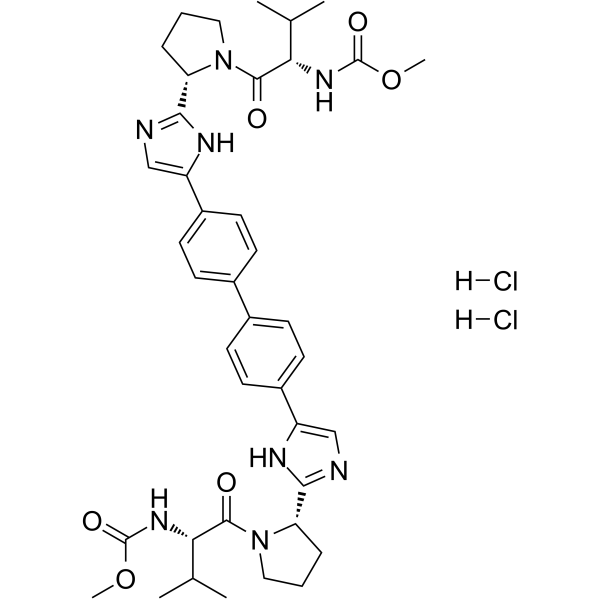
Synonyms: BMS-790052 dihydrochloride; EBP 883 dihydrochloride
Target:  

HCV

Research Areas:  

Infection

Daclatasvir dihydrochloride (BMS-790052 dihydrochloride) is a potent and orally active HCV NS5A protein inhibitor with EC50s range of 9-146 pM for multiple HCV replicon genotypes. Daclatasvir dihydrochloride is also an organic anion transporting polypeptide 1B (OATP1B) and OATP1B3 inhibitor with IC50s of 1.5 μM and 3.27 μM, respectively .
loading...
    loading...
48
48 Cited Publications
Cat. No.: HY-10466
CAS No.: 1009119-64-5
Purity:  98.68%
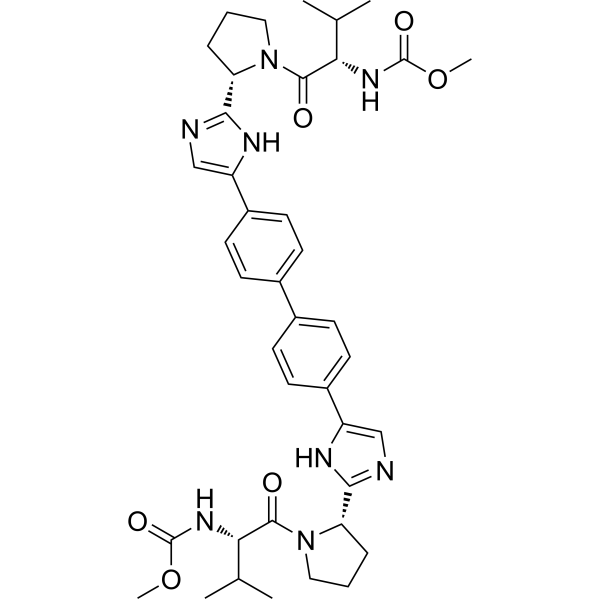
Synonyms: BMS-790052; EBP 883
Target:  

HCV

Research Areas:  

Infection

Daclatasvir (BMS-790052) is a potent and orally active HCV NS5A protein inhibitor with EC50s range of 9-146 pM for multiple HCV replicon genotypes. Daclatasvir is also a organic anion transporting polypeptide 1B (OATP1B) and OATP1B3 inhibitor with IC50s of 1.5 µM and 3.27 µM, respectively .
loading...
    loading...
46
46 Cited Publications
Cat. No.: HY-112847A
Purity:  ≥98.0%
Synonyms: Sulfo-N-succinimidyl oleate sodium
Target:  

Mitophagy

Research Areas:  

Inflammation/Immunology

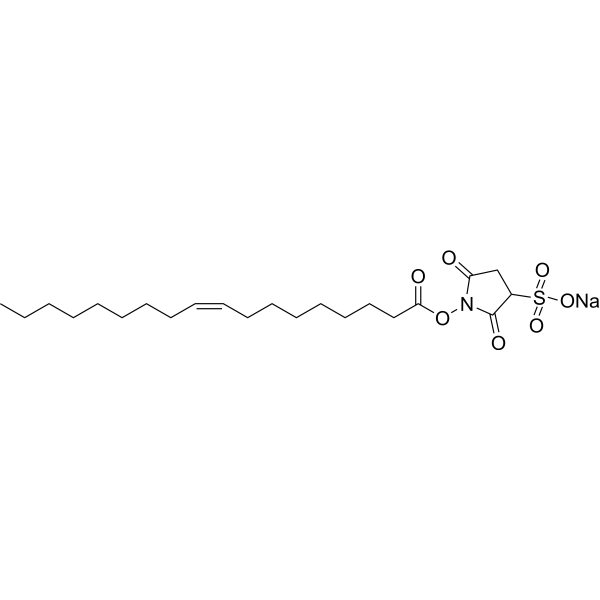
Sulfosuccinimidyl oleate sodium (Sulfo-N-succinimidyl oleate sodium) is a long chain fatty acid that inhibits fatty acid transport into cells. Sulfosuccinimidyl oleate sodium is a potent and irreversible inhibitor of mitochondrial respiratory chain. Sulfosuccinimidyl oleate sodium binds the CD36 receptor on the surface of microglia. Anti-inflammatory effect .
loading...
    loading...
46
46 Cited Publications
Cat. No.: HY-D0843
CAS No.: 128-53-0
Synonyms: NEM
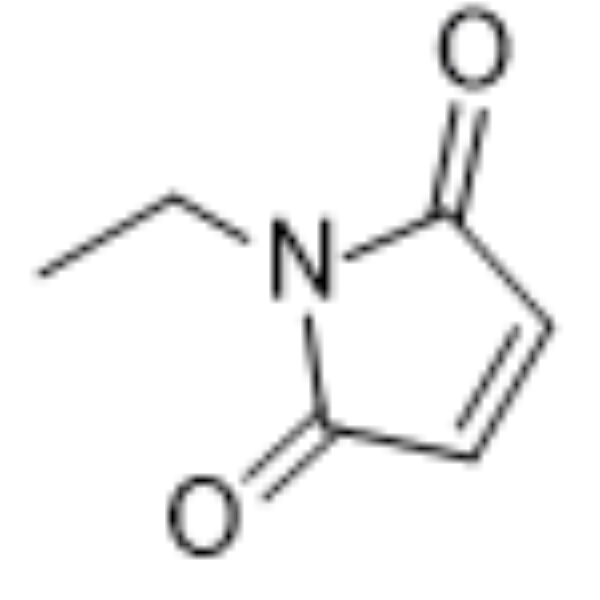
N-Ethylmaleimide (NEM) derives from maleic acid, it can alkylates free sulfhydryl. N-Ethylmaleimide is an irreversible cysteine protease inhibitor. N-ethylmaleimide specific inhibits phosphate transport in mitochondria. N-Ethylmaleimide inhibits prolyl endopeptidase with an IC50 value of 6.3 μM. N-Ethylmaleimide can be used to modify cysteine residues in proteins and peptides .
loading...
    loading...
43
43 Cited Publications
Cat. No.: HY-N0293
CAS No.: 23180-57-6
Synonyms: Peoniflorin
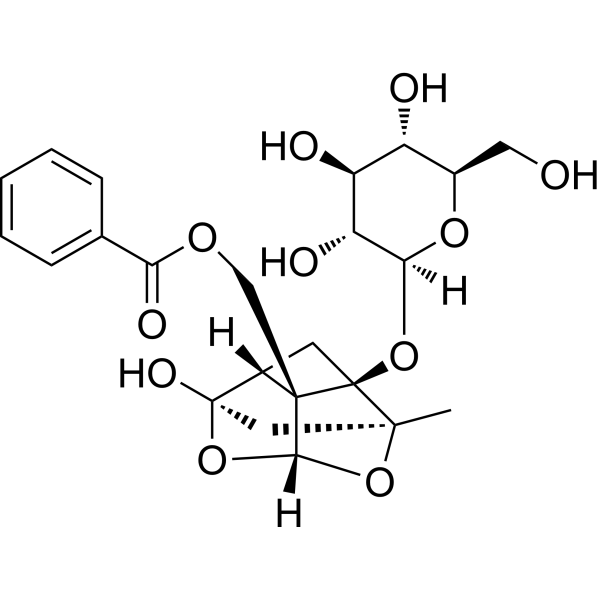
Paeoniflorin is a heat shock protein-inducing compound and commonly exists in the plants of Paeoniaceae family, with various biological activities, including anticancer activity, anti-inflammatory activity, enhancing cognition and attenuating learning impairment, anti-oxidative stress, antiplatelet aggregation, expansion of blood vessels, and reducing blood viscosity .
loading...
    loading...
37
37 Cited Publications
Cat. No.: HY-10496
CAS No.: 913822-46-5
Purity:  99.24%
Target:  

NF-κB Influenza Virus

Research Areas:  

Infection Cancer

SC75741 is a broad and efficient NF-κB inhibitor with an IC50 of 200 nM for p65 . SC75741 blocks influenza viruses (IV) replication. SC75741 impairs DNA binding of the NF-κB subunit p65, resulting in reduced expression of cytokines, chemokines, and pro-apoptotic factors. SC75741 subsequently inhibits caspase activation and blocks caspase-mediated nuclear export of viral ribonucleoproteins .
loading...
    loading...
37
37 Cited Publications
Cat. No.: HY-16954
CAS No.: 1818885-28-7
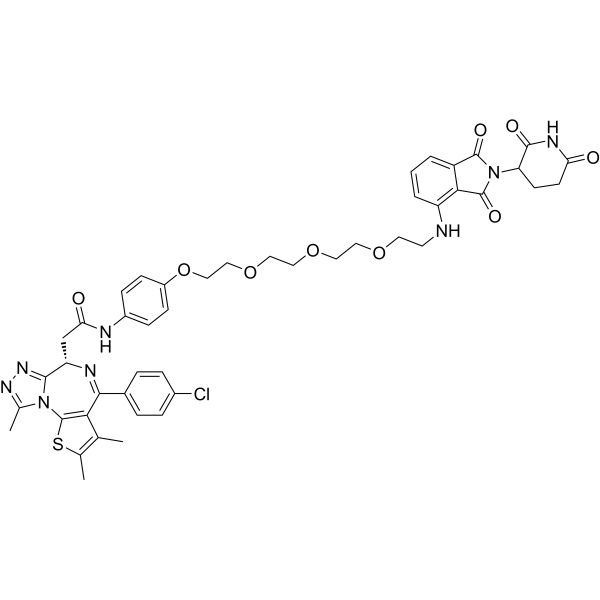
ARV-825 is a BET protein PROTAC degrader that recruits cereblon, and it targets BRD2, BRD3, and BRD4 for degradation via the ubiquitin-proteasome pathway. ARV-825 downregulates c-MYC, PLK1, MYCN, CDK4/6, JAK2, pSTAT3/5, PIM1, and Bcl-xL, upregulates p21 and p27, and modulates H3K27Ac-mediated transcription, the G2/M checkpoint, the Wnt/β-catenin pathway, and amino acid transport pathways. ARV-825 induces G1 phase cell cycle arrest, caspase 3/PARP-mediated apoptosis, DNA damage, and reactive oxygen species (ROS) production, reduces mitochondrial respiration, and simultaneously inhibits cell proliferation, clonogenic growth, and cell migration. ARV-825 is used in research on gastric cancer, leukemia, neuroblastoma, and cholangiocarcinoma .
loading...
    loading...
33
33 Cited Publications
Cat. No.: HY-101086
CAS No.: 2260-50-6
Purity:  98.59%
Synonyms: ACh iodide
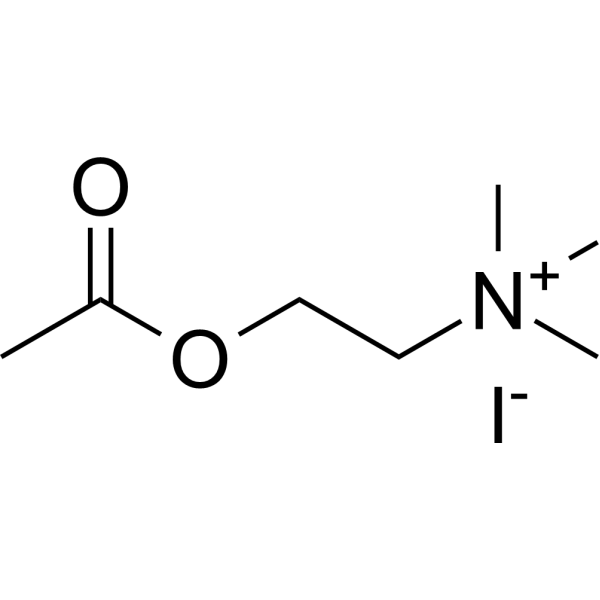
Acetylcholine iodide is a muscarinic receptor modulator. Acetylcholine iodide specifically binds to muscarinic receptors, inhibits sodium absorption, and induces chloride secretion. Acetylcholine iodide changes intestinal ion transport, enhances intestinal secretory function, induces or maintains mammary gland development and lactation. Acetylcholine iodide can be used for intestinal ion transport regulation and mammary gland physiological function research .
loading...
    loading...
31
31 Cited Publications
Cat. No.: HY-11068
CAS No.: 193551-21-2
Purity:  99.15%
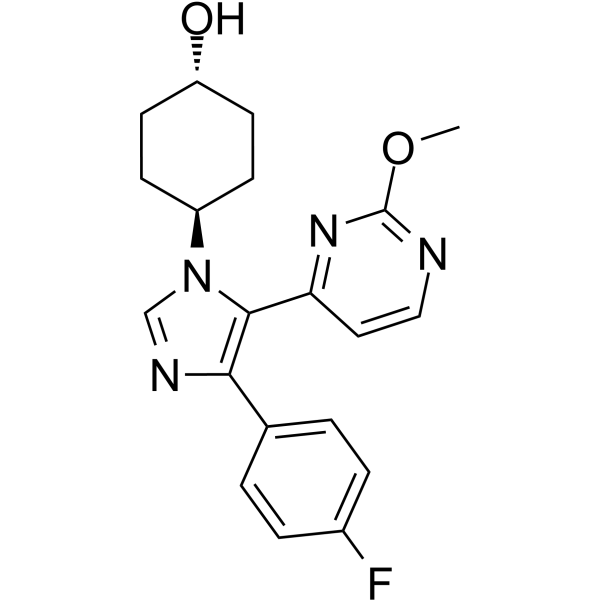
SB 239063 is a potent, selective and orally active p38 MAPK inhibitor, exhibits an IC50 of 44 nM for recombinant purified human p38α, with equipotent inhibitory activity against p38α and p38β. SB 239063 has no effect on p38γ or p38δ. With anti-asthma activity and also be used to enhance memory which is impaired due to aging or medical conditions, such as, AD. SB 239063 can penetrate the blood brain barrier (BBB) .
loading...
    loading...

