1. Search Result
Search Result
Results for "

memory disorders

" in MedChemExpress (MCE) Product Catalog:

44

Inhibitors & Agonists

1

Screening Libraries

1

Fluorescent Dyes

1

Biochemical Assay Reagents

4

Peptides

1

Inhibitory Antibodies

3

Natural
Products

1

GMP Molecules

Cat. No. Product Name Target Research Areas Chemical Structure
  • HY-16900
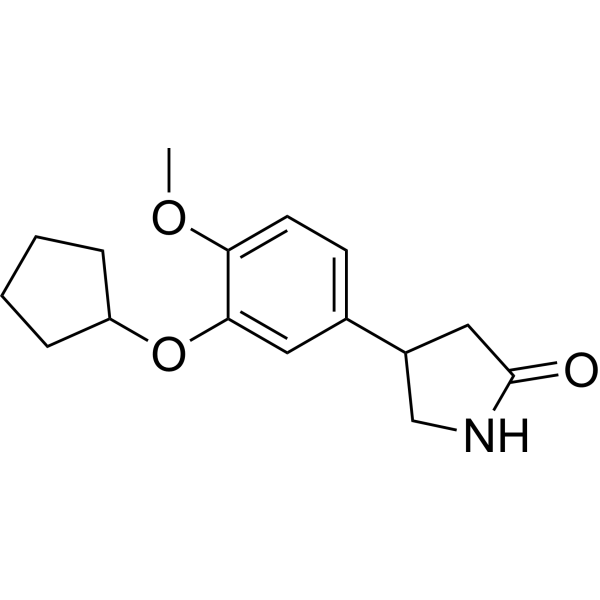
    Rolipram
    Maximum Cited Publications
    19 Publications Verification

    (R,S)-Rolipram; (±)-Rolipram; ZK 62711

    Bacterial HIV Phosphodiesterase (PDE) Epigenetic Reader Domain Amyloid-β Infection Neurological Disease Cancer
    Rolipram is a PDE4 inhibitor, with blood-brain barrier permeability, that reverses β-amyloid-induced learning and memory impairment in rats. Rolipram elevates intracellular cAMP and clevels and regulates the cAMP/CREB signaling pathway, thereby alleviating neuroinflammation and apoptotic responses. Rolipram promotes neuronal differentiation of human bone marrow mesenchymal stem cells and inhibits Methamphetamine- and morphine-induced hyperlocomotion in mice. Rolipram also reduces the viability of glioblastoma stem-like cells and enhances Bevacizumab (HY-P9906)-induced cell death. Rolipram inhibits the expression of proinflammatory cytokines and enhances central noradrenergic transmission. Rolipram is mainly used in studies related to various central nervous system diseases including Alzheimer's disease, major depressive disorder, glioblastoma multiforme, and multiple sclerosis .
    Rolipram
  • HY-115864

    TAK-653; NBI-1065845

    iGluR Lipoxygenase Neurological Disease
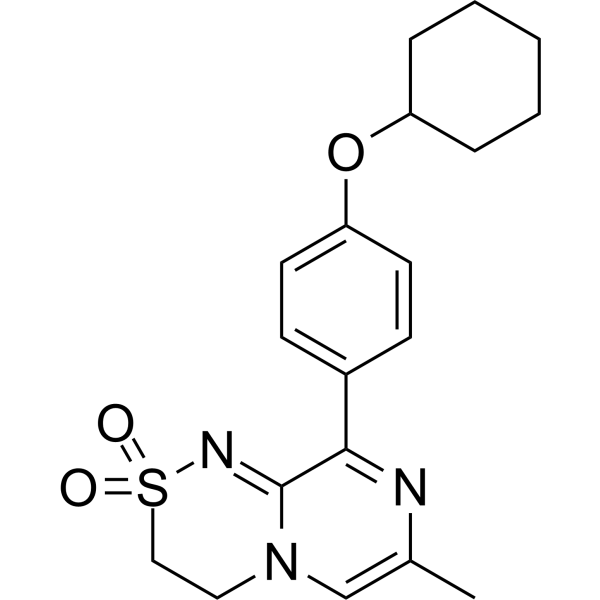
    Osavampator (TAK-653) is a AMPA receptor positive allosteric modulator. Osavampator selectively binds to AMPA-R in a glutamate-dependent manner and induces Ca2+ influx in hGluA1i CHO cells (EC50 = 3.3 μM). Osavampator improves learning and memory in many models. Osavampator is can be used for the research of depressive disorders .
    Osavampator
  • HY-B2167R

    DHA (Standard); Cervonic acid (Standard)

    Reference Standards Endogenous Metabolite Neurological Disease Cancer
    Docosahexaenoic acid (Standard) is the analytical standard of Docosahexaenoic acid. This product is intended for research and analytical applications. Docosahexaenoic Acid (DHA) is an omega-3 fatty acid abundantly present brain and retina. It can be obtained directly from fish oil and maternal milk. In Vitro: Docosahexaenoic acid (DHA) is essential for the growth and functional development of the brain in infants. DHA is also required for maintenance of normal brain function in adults. The inclusion of plentiful DHA in the diet improves learning ability and memory . DHA is an essential requirement in every step of brain development like neural cell proliferation, migration, differentiation, synaptogenesis. The multiple double bonds and unique structure allow DHA to impart special membrane characteristics for effective cell signaling. Many development disorders like dyslexia, autism spectrum disorder, attention deficit hyperactivity disorder, schizophrenia etc. are causally related to decreased level of DHA . DHA is a potent RXR ligand inducing robust RXR activation already at low micro molar concentrations. The EC50 for RXRα activation by DHA is about 5-10 μM fatty acid . In Vivo: Docosahexaenoic acid administration over 10 weeks significantly reduces the number of reference memory errors, without affecting the number of working memory errors, and significantly increases the docosahexaenoic acid content and the docosahexaenoic acid/arachidonic acid ratio in both the hippocampus and the cerebral cortex . DHA treatment exerts neuroprotective actions on an experimental mouse model of PD. There is a decrease tendency in brain lipid oxidation of MPTP mice but it does not significantly .
    Docosahexaenoic acid (Standard)
  • HY-15522
    WAY-267464
    2 Publications Verification

    Oxytocin Receptor Neurological Disease
    WAY-267464 is a non-peptide oxytocin receptor (OTR) agonist. WAY-267464 can impair social recognition memory in rats through a vasopressin 1A receptor antagonist action. WAY-267464 can be used for the research of psychiatric disorders, such disorders include autism spectrum disorder, schizophrenia, and social anxiety disorder .
    WAY-267464
  • HY-175188

    BPN-0027490

    Myosin Neurological Disease
    MT-110 (BPN-0027490) is a non-muscle myosin NMIIB-selective inhibitor with high brain penetration and favorable safety profile. MT-110 specifically disrupts NMIIB-dependent actin dynamics in dendritic spines, while it exerts no significant adverse effects on cardiac myosin II and cardiac functions (such as cardiac output and heart rate) at tested concentrations. A single administration of MT-110 produces long-lasting (sustained for several weeks) blockade of methamphetamine motivation associated with environmental cues. MT-110 exhibits extremely high specificity, with no interference with cocaine motivation, hippocampus-dependent memory, fear memory, or locomotor and anxiety-like behaviors. MT-110 serves as a valuable tool compound for investigating the mechanisms of methamphetamine use disorder .
    MT-110
  • HY-B0106A

    UCB 6474

    Drug Derivative Neurological Disease
    Etiracetam is a racetam-class nootropic agent. Etiracetam enhances learning and memory in both normal and amnesic rats. Etiracetam can be used in studies related to memory retrieval disorders and amnesic diseases such as Alzheimer's disease .
    Etiracetam
  • HY-101528

    iGluR Neurological Disease
    IDRA 21 is a positive and orally active modulator of the AMPA receptor. IDRA 21 facilitates excitatory neurotransmission via GluR1/2 receptors. IDRA 21 has the potential for the research of cognitive/memory disorders, including those associated with aging .
    IDRA 21
  • HY-118424

    iGluR Neurological Disease Metabolic Disease
    JNJ-55511118 is a selective TARP γ-8 binding AMPA receptor modulator with oral bioavailability and blood-brain barrier permeability, with a Ki of 26 nM. JNJ-55511118 reduces voluntary intake of sweetened alcohol in male mice. In rodent models, JNJ-55511118 inhibits hippocampal neurotransmission, reduces specific electroencephalogram frequency bands, induces transient hyperlocomotion, impairs learning and memory abilities, and exerts anticonvulsant effects. JNJ-55511118 is applicable to research related to alcohol use disorder and seizures .
    JNJ-55511118
  • HY-160505

    HCN Channel Neurological Disease
    RO-275 (compound 29) is a potent, selective and orally active HCN1 inhibitor with IC50 values of 0.046, 14.3, 4.6, 13.9 µM for HCN1, HCN2, HCN3, HCN4, respectively. RO-275 rescues decremented working memory. RO-275 has the potential for the research of cognitive dysfunction in brain disorder .
    RO-275
  • HY-132806

    RG-7816; RO-7017773

    GABA Receptor Neurological Disease
    Alogabat is a positive allosteric modulator (PAM) and agonist (Ki <100 nM) of the GABAA α5 receptor, targeting the α5β3γ2 subunit with a Ki of 8.7 nM. Alogabat increases the expression level of α5β3γ2 in oocytes (1.97-fold). GABAA has been implicated in cognitive impairment associated with central nervous system (CNS) disorders, brain cancer (including brain tumors such as medulloblastoma), and can be used in the study of mild cognitive impairment (MCI), amnestic MCI (aMCI), age-associated memory impairment (AAMI), age-related cognitive decline (ARCD), dementia, Alzheimer's disease (AD), prodromal AD, post-traumatic stress disorder (PTSD), schizophrenia, bipolar disorder, amyotrophic lateral sclerosis (ALS), cognitive impairment associated with cancer treatment, mental retardation, Parkinson's disease (PD), autism spectrum disorder, fragile X, Rett syndrome, obsessive-compulsive behavior, and substance addiction .
    Alogabat
  • HY-112831
    Osoresnontrine
    1 Publications Verification

    BI-409306

    Phosphodiesterase (PDE) Neurological Disease
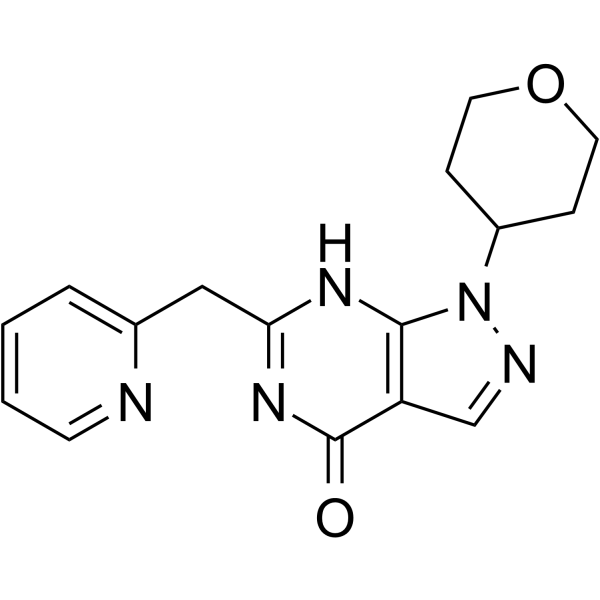
    Osoresnontrine (BI-409306) is a potent and selective PDE9A inhibitor, with an IC50 of 52 nM, and shows weak activity against other PDEs, such as PDE1A (IC50, 1.4 µM), PDE1C (IC50, 1.0 µM), PDE2A, PDE3A, PDE4B, PDE5A, PDE6AB, PDE7A, and PDE10A (IC50 all > 10 μM); Osoresnontrine can be used in the research of memory enhancement in CNS disorders.
    Osoresnontrine
  • HY-B1752
    Quinpirole
    4 Publications Verification

    LY 171555; (-)-LY 141865

    Dopamine Receptor Calcium Channel Bcl-2 Family iGluR Apoptosis Neurological Disease
    Quinpirole (LY 171555; (-)-LY 141865) is a D2/D3 dopamine receptor agonist and a CaV1.3 calcium channel modulator. Quinpirole normalizes dendritic spine density in dopamine-depleted striatum, upregulates the protein expression of BCL2 and GluR2, downregulates the protein expression of BAX, and delays the onset of seizures. Quinpirole enhances learning and memory, inhibits neuronal apoptosis (apoptosis), and induces anxiety-like, stereotyped, and compulsive behaviors. Quinpirole disrupts prepulse inhibition in rhesus monkeys, enhances the activity of paraventricular thalamic neurons to promote recovery from Isoflurane anesthesia, and alters the composition of the gut microbiota in rats. Quinpirole can be used in research related to dyskinesia, pain, epilepsy, and neurological disorders including anxiety disorder, obsessive-compulsive disorder, and schizophrenia .
    Quinpirole
  • HY-N1414

    Trk Receptor NF-κB Amyloid-β Neurological Disease
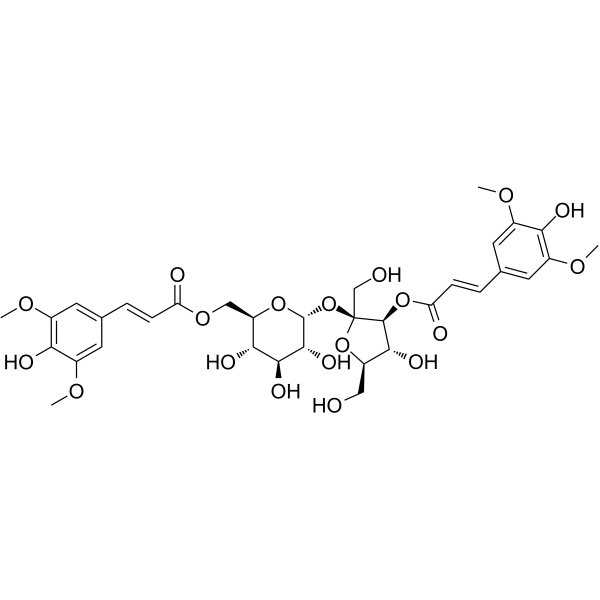
    (E)-3',6-Disinapoylsucrose is an orally active, blood-brain barrier permeable neuroprotective agent that inhibits protein aggregation. (E)-3',6-Disinapoylsucrose exerts anxiolytic, anti-inflammatory and cognitive-enhancing effects. (E)-3',6-Disinapoylsucrose regulates the TrkB/BDNF signaling pathway, inhibits the expression of NF-κB p65, reduces pro-inflammatory cytokine levels, and alleviates neuronal damage. (E)-3',6-Disinapoylsucrose also enhances the functions of central 5-HT and noradrenergic systems, thereby improving spatial learning and memory abilities and reducing anxiety-like behaviors. (E)-3',6-Disinapoylsucrose can be used for the research of related diseases such as Alzheimer's disease, depression, memory impairment and anxiety disorder .
    (E)-3',6-Disinapoylsucrose
  • HY-125931

    DM232

    iGluR Neurological Disease Inflammation/Immunology
    Unifiram (DM232) is a AMPA receptor activator and cognitive enhancer. Unifiram activates the AMPA-mediated neurotransmission system. Unifiram reverses NBQX-induced amnesia in the passive avoidance test in mice. Unifiram reverses the antagonistic effect of kynurenic acid on NMDA-mediated [ 3H]NA release in rat hippocampal slices. Unifiram enhances excitatory synaptic transmission in the rat hippocampus in vitro. Unifiram can be used in studies related to amnesia and cognitive dysfunction, including age-related memory decline, neurodegenerative diseases such as Alzheimer's disease or Parkinson's disease, multiple sclerosis, schizophrenia, and attention deficit hyperactivity disorder .
    Unifiram
  • HY-15114
    S 17092
    1 Publications Verification

    S 17092-1

    Prolyl Endopeptidase (PREP) Apoptosis Neurological Disease
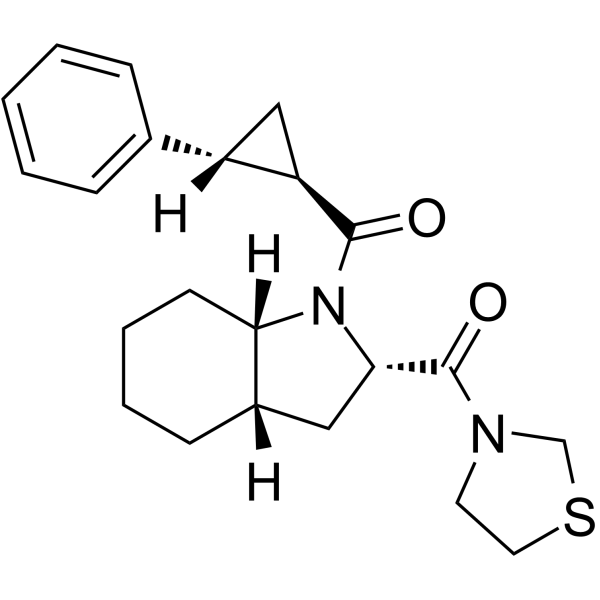
    S 17092 (S 17092-1) is an orally active cerebral prolyl-endopeptidase (PEP) inhibitor with an IC50 of 1.2 nM. S 17092 inhibits cell apoptosis. S 17092 mechanism of action is to inhibit the activity of PEP, slowing down the degradation of neuroactive peptides and thus enhancing memory function. S 17092 can be used for the research of memory impairment and cognitive disorders associated with cerebral aging .
    S 17092
  • HY-108679
    WAY-267464 hydrochloride
    2 Publications Verification

    Oxytocin Receptor Neurological Disease
    WAY-267464 (hydrochloride) is a non-peptide oxytocin receptor (OTR) agonist. WAY-267464 (hydrochloride) can impair social recognition memory in rats through a vasopressin 1A receptor antagonist action. WAY-267464 (hydrochloride) can be used for the research of psychiatric disorders, such disorders include autism spectrum disorder, schizophrenia, and social anxiety disorder .
    WAY-267464 hydrochloride
  • HY-148325

    nAChR Neurological Disease
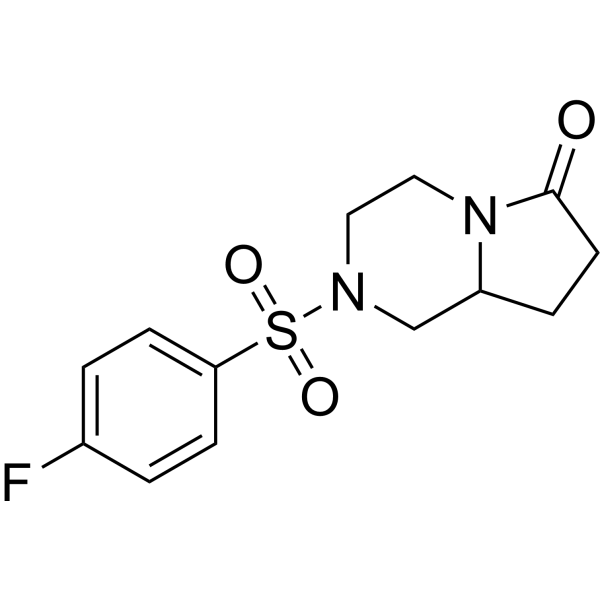
    α7 Nicotinic receptor agonist-1 (Preparation 5) is an α7 nAChR agonist. α7 Nicotinic receptor agonist-1 can be used in studies of psychiatric disorders (such as schizophrenia, manic or hypomanic depression and anxiety disorders) and intellectual disorders (such as alzheimer's disease, learning deficits, cognitive deficits, attention deficits, memory loss, lewy body dementia and attention deficit hyperactivity disorder) .
    α7 Nicotinic receptor agonist-1
  • HY-116463

    Sigma Receptor Neurological Disease
    E1R is a positive allosteric modulator of sigma-1 receptors (Sig1R PAM) with cognition-enhancing activity .
    E1R
  • HY-128174

    Beta-CCM; Ro 22-7497

    GABA Receptor Neurological Disease
    β-CCM is a benzodiazepine receptor inverse agonist with anxiogenic and proconvulsant effects. β-CCM enhances emotional reactivity and reduces vulnerability to interference in spatial working memory tasks. β-CCM can be used for research on anxiety-related disorders .
    β-CCM
  • HY-148331

    Prolyl Endopeptidase (PREP) Neurological Disease
    Z-Thioprolyl-Thioproline is a bovine brain prolyl endopeptidase (PEP) inhibitor (IC50=16 µM; Ki=37 µM). Z-Thioprolyl-Thioproline is used in the study of neurological disorders such as memory disorders and cognitive disorders .
    Z-Thioprolyl-Thioproline
  • HY-Z8890

    Cholinesterase (ChE) Neurological Disease
    Norneostigmine is a potent inhibitor of AChE that can penetrate the blood-brain barrier. Norneostigmine can achieve a 50% inhibition rate of mouse brain AChE after 10 min treatment, which is close to the inhibitory effect of tetrahydroaminoacridine (57% at 10 min). Norneostigmine can be used to study memory disorders related to Alzheimer's disease and other memory disorders .
    Norneostigmine
  • HY-103146

    5-HT Receptor Neurological Disease
    GR125487 sulfamate is an orally active and selective antagonist of 5-HT4R. GR125487 sulfamate effectively blocks the cognition enhancing effect. GR125487 sulfamate can be used to study memory disorders, gastrointestinal disorders, mood disorders and urinary tract dysfunction .
    GR125487 sulfamate
  • HY-107676

    nAChR Neurological Disease
    SIB-1553A is an orally bioavailable nicotinic acetylcholine receptors (nAChRs) agonist, with selectivity for β4 subunit-containing nAChRs. SIB-1553A is also a selective neuronal nAChR ligand. SIB-1553A is a cognitive enhancer, and has therapeutic potential for the symptomatic treatment of Alzheimer’s disease and other cognitive disorders .
    SIB-1553A
  • HY-103308

    Potassium Channel Neurological Disease
    TRAM-39 is a selective blocker of intermediate conductance Ca2+-activated K+ (IKCa) channels. TRAM-39 inhibits KCa3.1 channel with an IC50 value of 60 nM. TRAM-39 can be used for the research of ataxia, epilepsy, memory disorders, schizophrenia and Parkinson’s disease .
    TRAM-39
  • HY-P1426

    Potassium Channel Neurological Disease
    AmmTX3 is a peptide toxin identified from the venom of the scorpion Androctonus mauretanicus. AmmTX3 is a highly specific blocker of Kv4 channels, which selectively and almost completely blocks transient A-type K + currents with a Ki of 131 nM. AmmTX3 induces epileptiform behaviors and causes death in mice receiving intracerebroventricular injection. AmmTX3 increases the excitability of dentate gyrus granule cells, reduces GABAergic inhibition, enhances and stabilizes the EPSP-spike component of long-term potentiation, and impairs reference memory. AmmTX3 can be used in research related to pain, epilepsy, and autism spectrum disorder .
    AmmTX3
  • HY-16900R

    (R,S)-Rolipram (Standard); (±)-Rolipram (Standard); ZK 62711 (Standard)

    Reference Standards Bacterial HIV Phosphodiesterase (PDE) Epigenetic Reader Domain Amyloid-β Neurological Disease Cancer
    Rolipram (Standard) is the analytical standard of Rolipram (HY-16900). This product is intended for research and analytical applications. Rolipram is a PDE4 inhibitor, with blood-brain barrier permeability, that reverses β-amyloid-induced learning and memory impairment in rats. Rolipram elevates intracellular cAMP and clevels and regulates the cAMP/CREB signaling pathway, thereby alleviating neuroinflammation and apoptotic responses. Rolipram promotes neuronal differentiation of human bone marrow mesenchymal stem cells and inhibits Methamphetamine- and morphine-induced hyperlocomotion in mice. Rolipram also reduces the viability of glioblastoma stem-like cells and enhances Bevacizumab (HY-P9906)-induced cell death. Rolipram inhibits the expression of proinflammatory cytokines and enhances central noradrenergic transmission. Rolipram is mainly used in studies related to various central nervous system diseases including Alzheimer's disease, major depressive disorder, glioblastoma multiforme, and multiple sclerosis .
    Rolipram (Standard)
  • HY-116463D

    Sigma Receptor Neurological Disease
    (Rac)-E1R (Compound 2) is the racemate of E1R. (Rac)-E1R is a sigma-1 receptor positive allosteric modulator (Sig1R PAM) used for the research of cognition/memory disorders .
    (Rac)-E1R
  • HY-116463B

    Sigma Receptor Neurological Disease
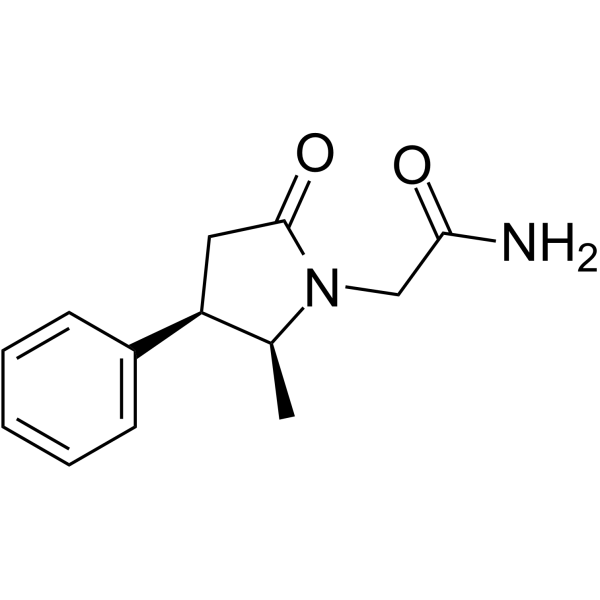
    (2S,3S)-E1R (Compound 2d) is an enantiomer of E1R. (2S,3S)-E1R is a sigma-1 receptor positive allosteric modulator (Sig1R PAM) for the treatment of cognition/memory disorders .
    (2S,3S)-E1R
  • HY-116463A

    Sigma Receptor Neurological Disease
    (2R,3S)-E1R (Compound 2c) is an enantiomer of E1R. (2R,3S)-E1R is a sigma-1 receptor positive allosteric modulator (Sig1R PAM) for the treatment of cognition/memory disorders .
    (2R,3S)-E1R
  • HY-116463C

    Sigma Receptor Neurological Disease
    (2R,3R)-E1R (Compound 2b) is an enantiomer of E1R. (2R,3R)-E1R is a sigma-1 receptor positive allosteric modulator (Sig1R PAM) for the treatment of cognition/memory disorders .
    (2R,3R)-E1R
  • HY-14824A

    ABT 894 benzenesulfonate

    nAChR Neurological Disease
    Sofinicline benzenesulfonate (ABT 894 benzenesulfonate) is a novel nicotinic acetylcholine receptor agonist, specifically acting on the α4β2 subtype of nAChR (IC50=0.1 nM). Sofinicline benzenesulfonate has the potential to improve cognitive function, including attention, memory and working memory. Sofinicline benzenesulfonate can be used in studies of attention deficit, hyperactivity disorder (ADHD) .
    Sofinicline benzenesulfonate
  • HY-P11092

    Endogenous Metabolite Neurological Disease
    TLQP-62 (mouse,rat) is a secreted C-terminal peptide that can be derived from protein VGF. TLQP-62 activates the BDNF-TrkB signaling pathway, inducing acute, transient phosphorylation of TrkB receptor and downstream CREB (Ser133) phosphorylation. TLQP-62 demonstrates excellent efficacy in promoting long-term fear memory formationin wild-type mice and reversing memory impairment in VGF heterozygous knock-out mice. TLQP-62 can be used for the study of memory-related neurological disorders (e.g., Alzheimer’s disease, frontotemporal dementia) .
    TLQP-62 (mouse,rat)
  • HY-107676A

    nAChR Neurological Disease
    SIB-1553A free base is an orally bioavailable nicotinic acetylcholine receptors (nAChRs) agonist, with selectivity for β4 subunit-containing nAChRs. SIB-1553A free base is also a selective neuronal nAChR ligand. SIB-1553A free base is a cognitive enhancer, and has therapeutic potential for the symptomatic treatment of Alzheimer’s disease and other cognitive disorders .
    SIB-1553A free base
  • HY-135493

    5-HT Receptor Neurological Disease
    RS-56812 is a partial agonist of the 5-HT3 receptor. RS-56812 significantly enhances the propulsive peristalsis of the colon. RS-56812 indirectly enhances cholinergic neurotransmission and improves the working memory performance of non-human primates. RS-56812 is used in research on diarrhea/colon peristalsis and cognitive disorders (such as Alzheimer's disease) .
    RS-56812
  • HY-19136

    5-HT Receptor Neurological Disease
    WAY-100289 is an orally active antagonist for 5-HT3 receptor, that exhibits high affinity to the isolated rat vagus nerves with pA2 of 8.9. WAY-100289 inhibits the Bezold-Jarisch reflex in anesthetized and awake rats .
    WAY-100289
  • HY-108157

    mAChR Neurological Disease
    A-72055 is a partial agonist of muscarinic receptors. A-72055 has binding activity to both M1 and M2 receptors, with Ki values of 32 nM and 30 nM, respectively. A-72055 can enhance cognitive function and improve learning and memory deficits. A-72055 has better security. A-72055 can be used for research on neurological disorders such as cognitive impairment .
    A-72055
  • HY-N11997

    Cholinesterase (ChE) Neurological Disease
    Feralolide is a dihydroisocoumarin isolated from the methanolic extract of aloe vera resin. Feralolide is also a dual inhibitor of AChE and BuChE, with IC50s of 55 μg/mL and 52 μg/mL respectively. Feralolide has antioxidant activity and inhibits 2,2-diphenyl-1-picrylhydrazyl (DPPH) and 2, 2′-azinobis-3-ethylbenzothiazoline-6-sulfonic acid (ABTS). Feralolide could be used in research into cognitive disorders such as Alzheimer's disease, potentially restoring and enhancing memory .
    Feralolide
  • HY-P1426A

    Potassium Channel Neurological Disease
    AmmTX3 TFA is a peptide toxin identified from the venom of the scorpion Androctonus mauretanicus. AmmTX3 TFA is a highly specific blocker of Kv4 channels, which selectively and almost completely blocks transient A-type K + currents with a Ki of 131 nM. AmmTX3 TFA induces epileptiform behaviors and causes death in mice receiving intracerebroventricular injection. AmmTX3 TFA increases the excitability of dentate gyrus granule cells, reduces GABAergic inhibition, enhances and stabilizes the EPSP-spike component of long-term potentiation, and impairs reference memory. AmmTX3 TFA can be used in research related to pain, epilepsy, and autism spectrum disorder .
    AmmTX3 TFA
  • HY-103308R

    Reference Standards Potassium Channel Neurological Disease
    TRAM-39 (Standard) is the analytical standard of TRAM-39 (HY-103308). This product is intended for research and analytical applications. TRAM-39 is a selective blocker of intermediate conductance Ca2+-activated K+ (IKCa) channels. TRAM-39 inhibits KCa3.1 channel with an IC50 value of 60 nM. TRAM-39 can be used for the research of ataxia, epilepsy, memory disorders, schizophrenia and Parkinson’s disease .
    TRAM-39 (Standard)
  • HY-P0267A

    Melanocortin Receptor Neurological Disease Metabolic Disease Endocrinology
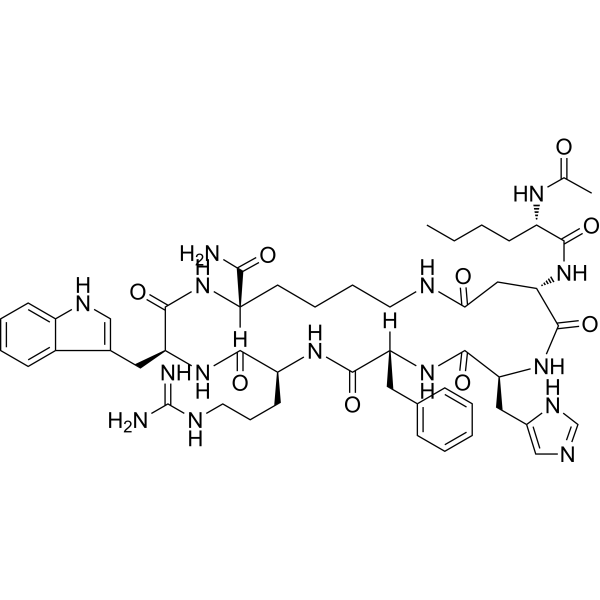
    Melanotan (MT)-II acetate is a melanocortin receptor agonist that crosses the blood-brain barrier. Melanotan (MT)-II acetate activates melanocortin receptor 3 and melanocortin receptor 4, and stimulates the release of central endogenous oxytocin. Melanotan (MT)-II acetate reverses recognition memory impairment, increased anxiety levels and reduced exploratory tendency in zebrafish exposed to short-term high-fat diet. Melanotan (MT)-II acetate improves impaired social behavior indicators in mouse models of autism spectrum disorder. Melanotan (MT)-II acetate induces weight loss, reduces food intake and exerts anorectic effects. Melanotan (MT)-II acetate increases intracavernous pressure and erectile activity in brown rats. Melanotan (MT)-II acetate can be used in studies related to memory impairment, anxiety, reduced exploratory behavior, autism spectrum disorder, obesity and erectile dysfunction .
    Melanotan (MT)-II acetate
  • HY-14314

    Endogenous Metabolite Neurological Disease
    ABT-418 is a selective neuronal nicotinic acetylcholine receptor ligand with activity in improving spatial memory. ABT-418 administered before training can significantly reduce the spatial discrimination deficit caused by ventricular damage. ABT-418 is considered to be a potential treatment for attention deficit disorder .
    ABT-418
  • HY-101528R

    iGluR Reference Standards Neurological Disease
    IDRA 21 (Standard) is the analytical standard of IDRA 21 (HY-101528). This product is intended for research and analytical applications. IDRA 21 is a positive and orally active modulator of the AMPA receptor. IDRA 21 facilitates excitatory neurotransmission via GluR1/2 receptors. IDRA 21 has the potential for the research of cognitive/memory disorders, including those associated with aging .
    IDRA 21 (Standard)
  • HY-P992360

    GABA Receptor Neurological Disease Cancer
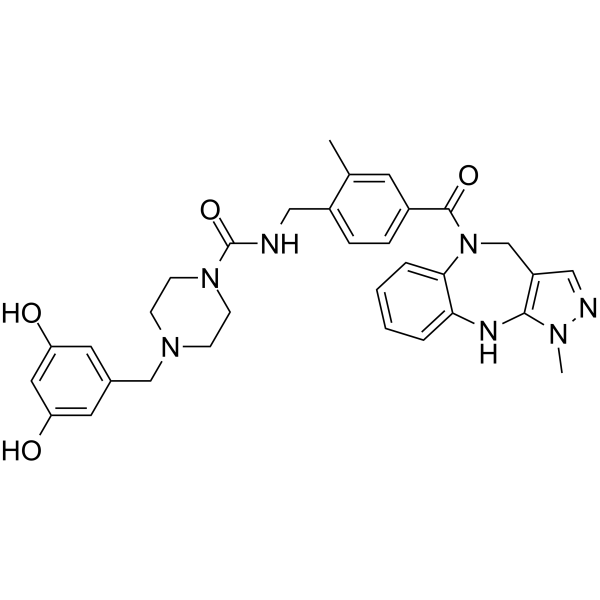
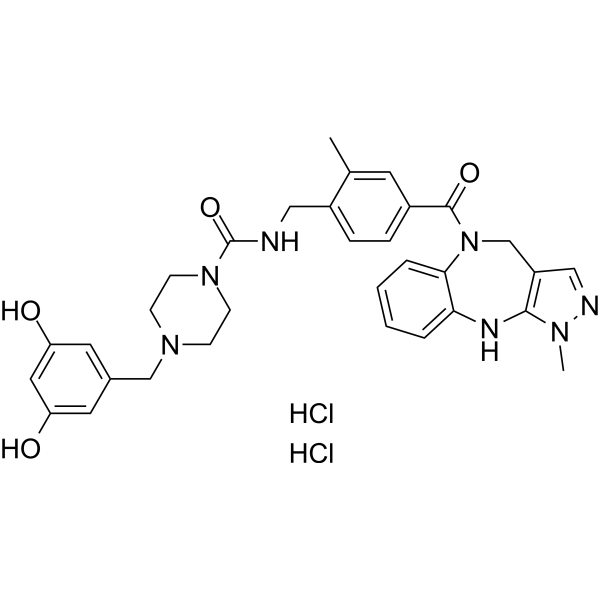
    GT-002 is a partial positive allosteric modulator targeting the α3 subtype of GABAA receptors, as well as a specific binder of tumor-associated TF-glycosylated LYPD3. GT-002 mildly enhances GABA-induced chloride currents by binding to the benzodiazepine site of GABAA receptors, thereby alleviating prefrontal hypofunction and improving cognitive, memory and social interaction abilities. GT-002 can be used in research related to schizophrenia spectrum disorders, various squamous cell carcinomas, colorectal cancer, non-small cell lung cancer, and aromatic L-amino acid decarboxylase deficiency .
    GT-002
  • HY-16900G

    Phosphodiesterase (PDE) Epigenetic Reader Domain Amyloid-β Neurological Disease Inflammation/Immunology Cancer
    Rolipram GMP is Rolipram (HY-16900) produced by using GMP guidelines. GMP small molecules works appropriately as an auxiliary reagent for cell therapy manufacture. Rolipram is a PDE4 inhibitor, with blood-brain barrier permeability, that reverses β-amyloid-induced learning and memory impairment in rats. Rolipram elevates intracellular cAMP and clevels and regulates the cAMP/CREB signaling pathway, thereby alleviating neuroinflammation and apoptotic responses. Rolipram promotes neuronal differentiation of human bone marrow mesenchymal stem cells and inhibits Methamphetamine- and morphine-induced hyperlocomotion in mice. Rolipram also reduces the viability of glioblastoma stem-like cells and enhances Bevacizumab (HY-P9906)-induced cell death. Rolipram inhibits the expression of proinflammatory cytokines and enhances central noradrenergic transmission. Rolipram is mainly used in studies related to various central nervous system diseases including Alzheimer's disease, major depressive disorder, glioblastoma multiforme, and multiple sclerosis .
    Rolipram

Inquiry Online

Your information is safe with us. * Required Fields.

Salutation


Country or Region *

Applicant Name *


Organization Name *

Department *


Email Address *


Product Name *

Cat. No.


Requested quantity *

Phone Number *


Remarks

Inquiry Online

Inquiry Information

Product Name:
Cat. No.:
Quantity:
MCE Japan Authorized Agent:

