842 Results for "

mid-gestation uterine rings

" in MedChemExpress (MCE) Product Catalog:
Products (842)

842 Results for "mid-gestation uterine rings" in MCE Product Catalog:

270
270 Publications Verification
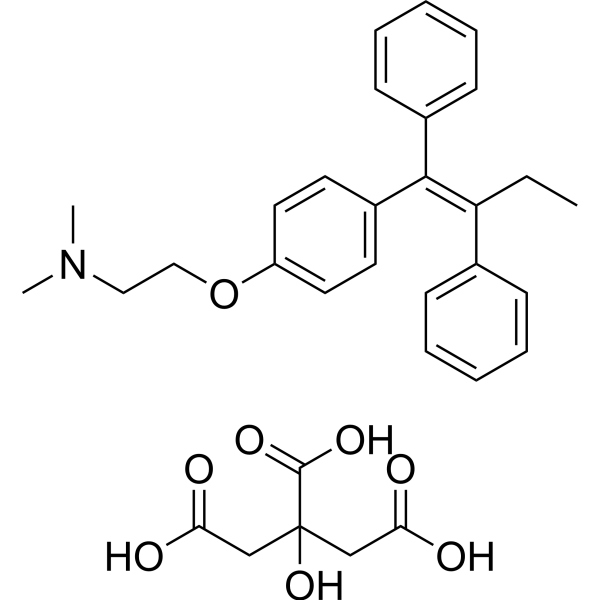
Cat. No.: HY-13757
CAS No.: 54965-24-1
Purity:  99.93%
Synonyms: ICI 46474; (Z)-Tamoxifen Citrate; trans-Tamoxifen Citrate
Tamoxifen Citrate (ICI 46474) is an orally active, selective estrogen receptor modulator (SERM) which blocks estrogen action in breast cells and can activate estrogen activity in other cells, such as bone, liver, and uterine cells.Tamoxifen Citrate is a potent Hsp90 activator and enhances the Hsp90 molecular chaperone ATPase activity. Tamoxifen Citrate also potent inhibits infectious EBOV Zaire and Marburg (MARV) with IC50 of 0.1 μM and 1.8 μM, respectively. Tamoxifen Citrate activates autophagy and induces apoptosis. Tamoxifen Citrate can also be used to induce gene knockout in CreER transgenic mice .
loading...
    loading...
270
270 Publications Verification
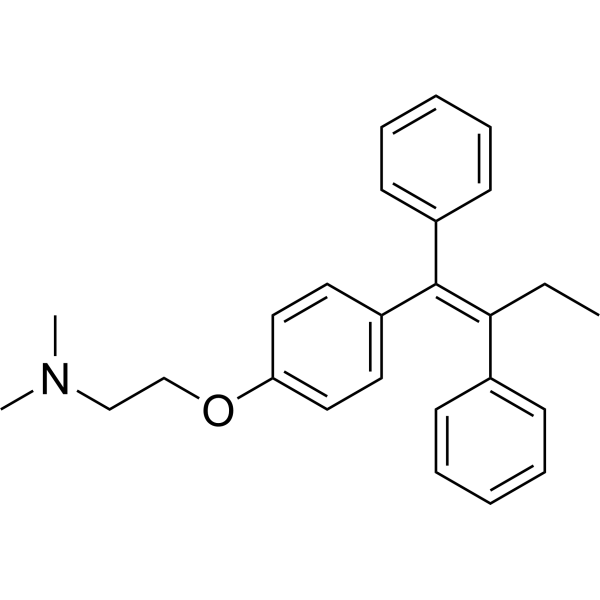
Cat. No.: HY-13757A
CAS No.: 10540-29-1
Purity:  99.78%
Synonyms: ICI 47699; (Z)-Tamoxifen; trans-Tamoxifen
Tamoxifen (ICI 47699) is an orally active, selective estrogen receptor modulator (SERM) which blocks estrogen action in breast cells and can activate estrogen activity in other cells, such as bone, liver, and uterine cells. Tamoxifen is a potent Hsp90 activator and enhances the Hsp90 molecular chaperone ATPase activity. Tamoxifen also potent inhibits infectious EBOV Zaire and Marburg (MARV) with IC50 of 0.1 μM and 1.8 μM, respectively. Tamoxifen activates autophagy and induces apoptosis. Tamoxifen can also be dissolved in corn oil (HY-Y1888) for use in inducing gene knockout in CreER transgenic mice. Tamoxifen has better solubility in corn oil compared to Tamoxifen Citrate (HY-13757) .
loading...
    loading...
232
232 Cited Publications
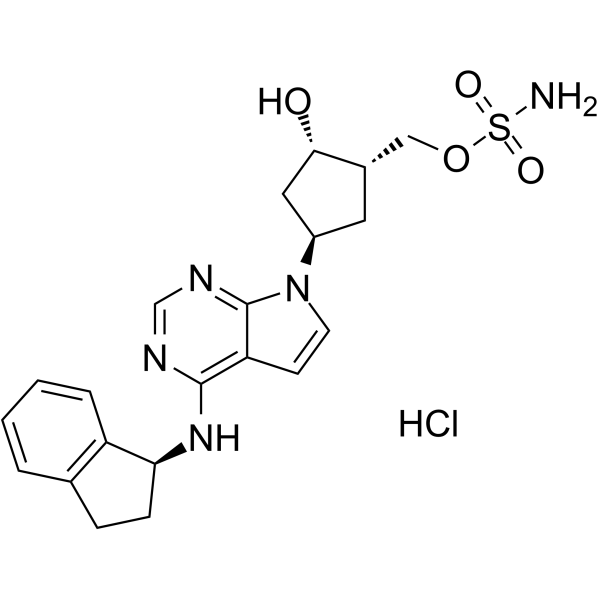
Cat. No.: HY-10484
CAS No.: 1160295-21-5
Purity:  98.58%
Synonyms: MLN4924 hydrochloride
Research Areas:  

Cancer

Pevonedistat (MLN4924) hydrochloride is a potent and selective NEDD8-activating enzyme (NAE) inhibitor, with an IC50 of 4.7 nM. Pevonedistat hydrochloride induces the deregulation of S-phase DNA synthesis, thereby disrupting protein turnover mediated by cullin-RING ligase, leading to apoptosis of human tumor cells. Pevonedistat hydrochloride suppresses the growth of human tumour xenografts in mice .
loading...
    loading...
232
232 Cited Publications
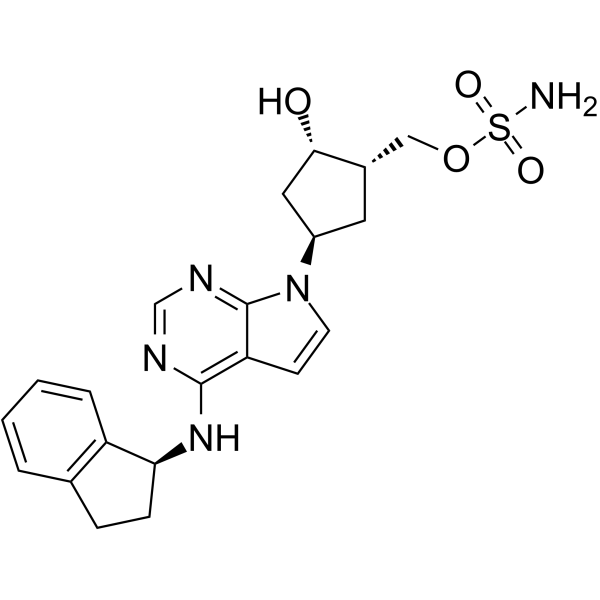
Cat. No.: HY-70062
CAS No.: 905579-51-3
Synonyms: MLN4924
Research Areas:  

Cancer

Pevonedistat (MLN4924) is a potent and selective NEDD8-activating enzyme (NAE) inhibitor with an IC50 of 4.7 nM. Pevonedistat induces the deregulation of S-phase DNA synthesis, thereby disrupting protein turnover mediated by cullin-RING ligase, leading to apoptosis of human tumor cells. Pevonedistat suppresses the growth of human tumour xenografts in mice .
loading...
    loading...
49
49 Cited Publications
Cat. No.: HY-15917
CAS No.: 3483-12-3
Synonyms: DTT; rel-(2R,3R)-1,4-Dimercapto-2,3-butanediol
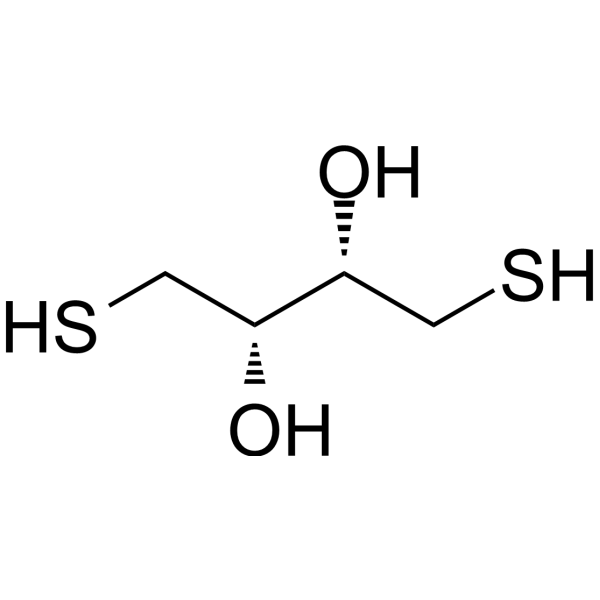
DL-Dithiothreitol (DTT) is a strong reductant with anti-disulfidptosis activity. When DL-Dithiothreitol is oxidized, it forms a stable six-membered ring with an internal disulfide bond .
loading...
    loading...
27
27 Cited Publications
Cat. No.: HY-N6718
CAS No.: 480-49-9
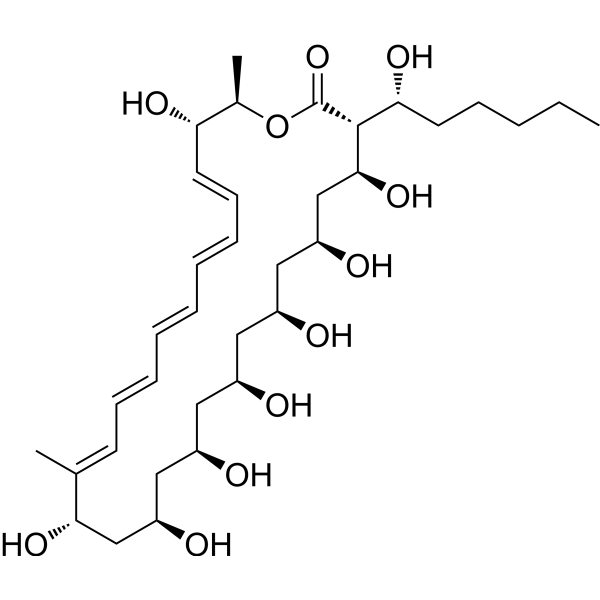
Filipin III is the major component of Filipin, a 28-membered ring pentaene macrolide antifungal antibiotic produced by S. filipinensis, S. avermitilis and S. miharaensis. Filipin interacts with membrane sterols causing the alteration of membrane structure .
loading...
    loading...
25
25 Cited Publications
Cat. No.: HY-B1302
CAS No.: 6151-40-2
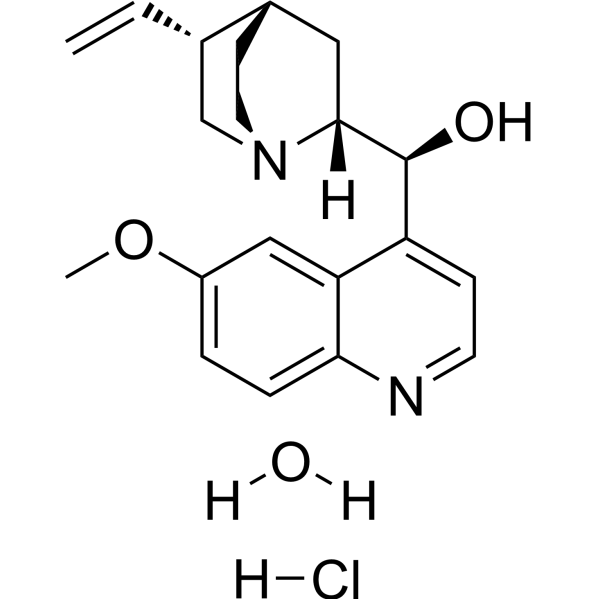
Quinidine hydrochloride monohydrate is an orally active antiarrhythmic agent. Quinidine hydrochloride monohydrate reduces the expression level of P-gp, inhibits P-gp-mediated efflux, increases the intracellular accumulation of P-gp substrates, induces PARP cleavage and Caspase-3 activation, and elevates the proportion of Apoptotic cells at the sub-G1 phase. Quinidine hydrochloride monohydrate exerts sustained block and open-channel block effects on IK(f). Quinidine hydrochloride monohydrate alters the urinary metabolic ratio of Amphetamine, modulates the Pentylenetetrazol-induced seizure threshold, and regulates the anticonvulsant effect of Dextromethorphan. Quinidine hydrochloride monohydrate can be used in studies related to uterine sarcoma and seizures .
loading...
    loading...
24
24 Cited Publications
Cat. No.: HY-B1751
CAS No.: 56-54-2
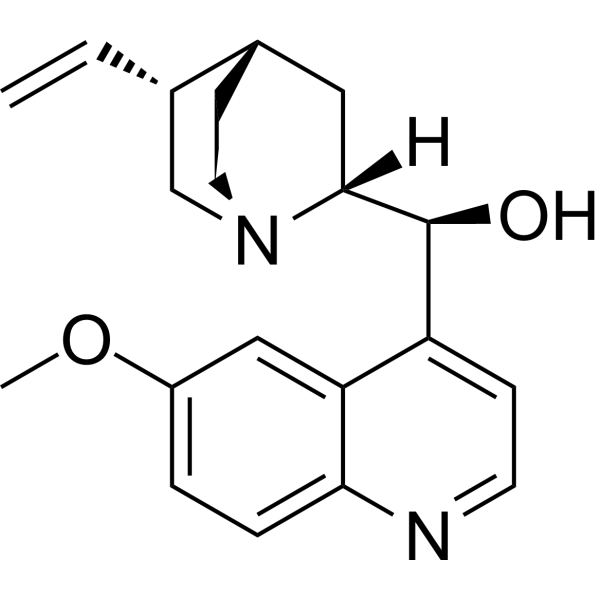
Quinidine (15% dihydroquinidine) is an orally active antiarrhythmic agent. Quinidine (15% dihydroquinidine) reduces the expression level of P-gp, inhibits P-gp-mediated efflux, increases the intracellular accumulation of P-gp substrates, induces PARP cleavage and Caspase-3 activation, and elevates the proportion of Apoptotic cells at the sub-G1 phase. Quinidine (15% dihydroquinidine) exerts sustained block and open-channel block effects on IK(f). Quinidine (15% dihydroquinidine) alters the urinary metabolic ratio of Amphetamine, modulates the Pentylenetetrazol-induced seizure threshold, and regulates the anticonvulsant effect of Dextromethorphan. Quinidine (15% dihydroquinidine) can be used in studies related to uterine sarcoma and seizures .
loading...
    loading...
22
22 Cited Publications
Cat. No.: HY-B1449
CAS No.: 58-96-8
Synonyms: β-Uridine
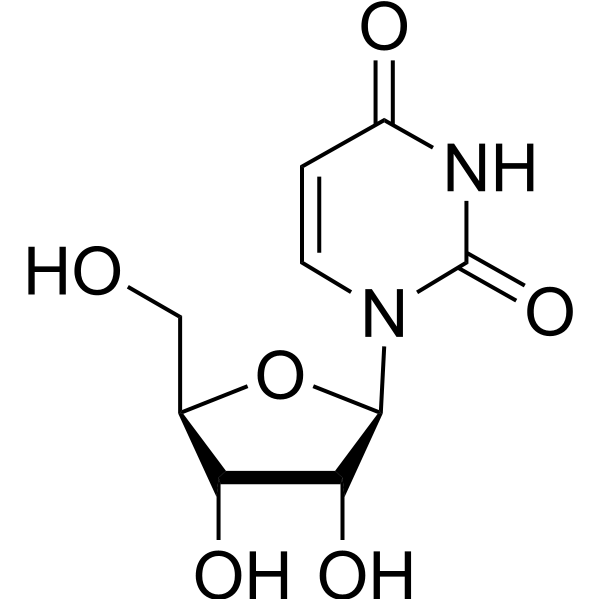
Uridine (β-Uridine) is a nucleoside compound composed of uracil and a ribose ring, which are connected by a β-N1-glycosidic bond .
loading...
    loading...
20
20 Cited Publications
Cat. No.: HY-13738A
CAS No.: 82640-04-8
Purity:  99.78%
Synonyms: Keoxifene hydrochloride; LY156758; LY139481 hydrochloride
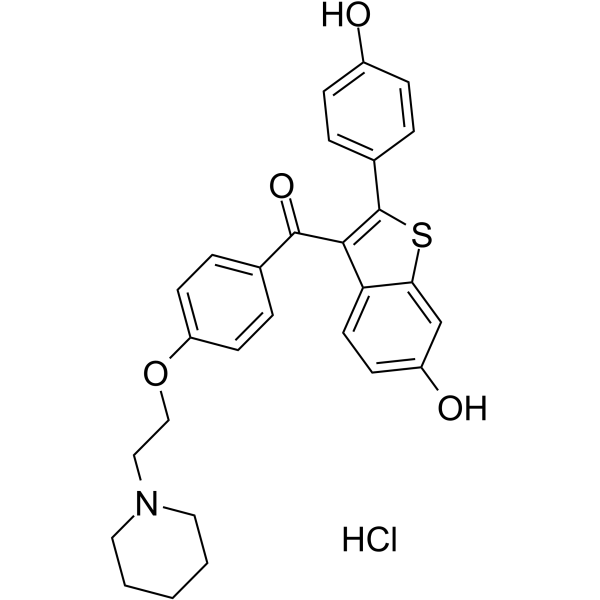
Raloxifene hydrochloride (Keoxifene hydrochloride) is a second generation selective and orally active estrogen receptor modulator. Raloxifene hydrochloride produces estrogen-agonistic effects on bone and lipid metabolism and estrogen-antagonistic effects on uterine endometrium and breast tissue .
loading...
    loading...
17
17 Cited Publications
Cat. No.: HY-103454
CAS No.: 911295-24-4
Purity:  99.54%
Research Areas:  

Endocrinology Cancer

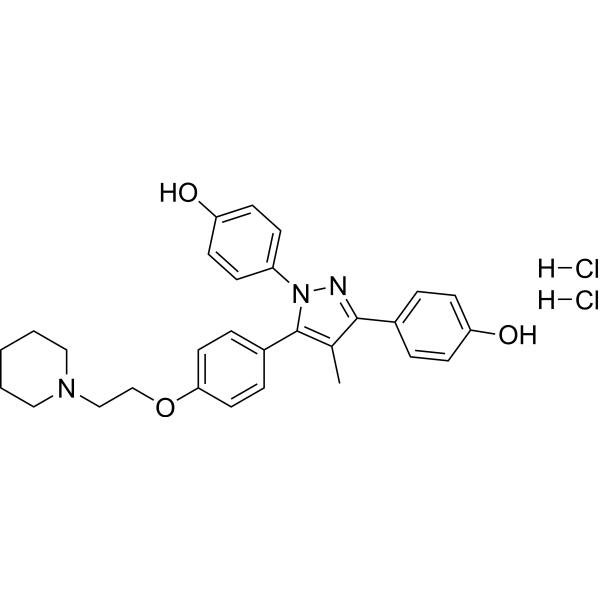
MPP dihydrochloride is a potent and selective ER (estrogen receptor) modulator. MPP dihydrochloride induces significant apoptosis in the endometrial cancer and oLE cell lines. MPP dihydrochloride reverses the positive effects of beta-estradiol. MPP dihydrochloride has mixed agonist/antagonist action on murine uterine ERalpha in vivo .
loading...
    loading...
17
17 Cited Publications
Cat. No.: HY-103454B
CAS No.: 2863676-89-3
Purity:  99.28%
Research Areas:  

Endocrinology Cancer

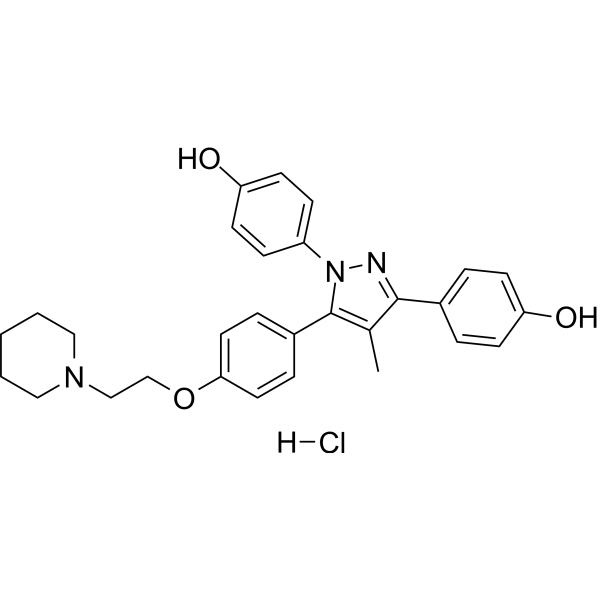
MPP hydrochloride is a potent and selective ER (estrogen receptor) modulator. MPP hydrochloride induces significant apoptosis in the endometrial cancer and oLE cell lines. MPP hydrochloride reverses the the positive effects of beta-estradiol. MPP hydrochloride has mixed agonist/antagonist action on murine uterine ERalpha in vivo .
loading...
    loading...
13
13 Cited Publications
Cat. No.: HY-Y0337A
CAS No.: 52-89-1
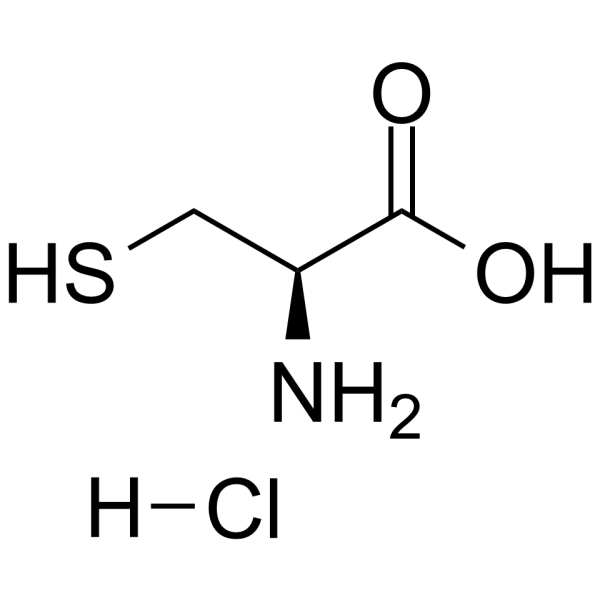
L-Cysteine hydrochloride is an orally active conditionally essential amino acid, which acts as a precursor for biologically active molecules such as hydrogen sulphide (H2S), glutathione and taurine. L-Cysteine hydrochloride suppresses ghrelin and reduces appetite in rodents. L-Cysteine hydrochloride inhibits Aspergillus flavus growth and AFB synthesis by disrupting cell structure and antioxidant system balance. L-Cysteine hydrochloride enhances relaxant responses of rat aortic rings to NO and reduces responses to endothelium-derived relaxing factor (EDRF) .
loading...
    loading...
12
12 Cited Publications
Cat. No.: HY-N0097
CAS No.: 118-00-3
Synonyms: DL-Guanosine; Vernine
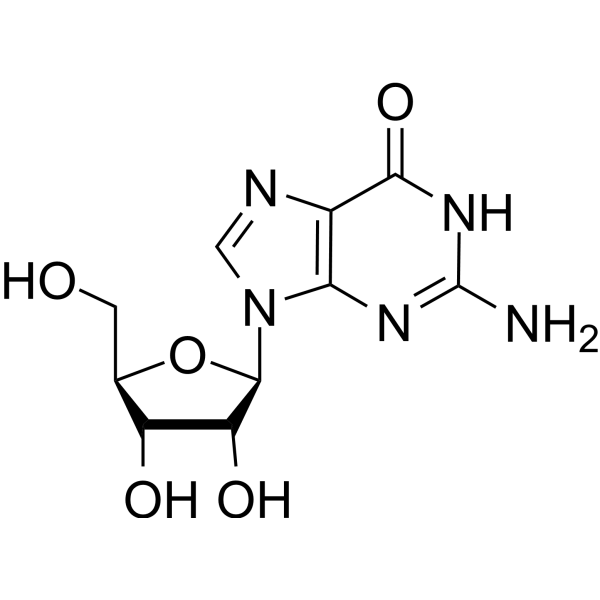
Guanosine (DL-Guanosine) is a purine nucleoside comprising guanine attached to a ribose (ribofuranose) ring via a β-N9-glycosidic bond. Guanosine possesses anti-HSV activity.
loading...
    loading...
7
7 Cited Publications
Cat. No.: HY-W019711
CAS No.: 14371-10-9
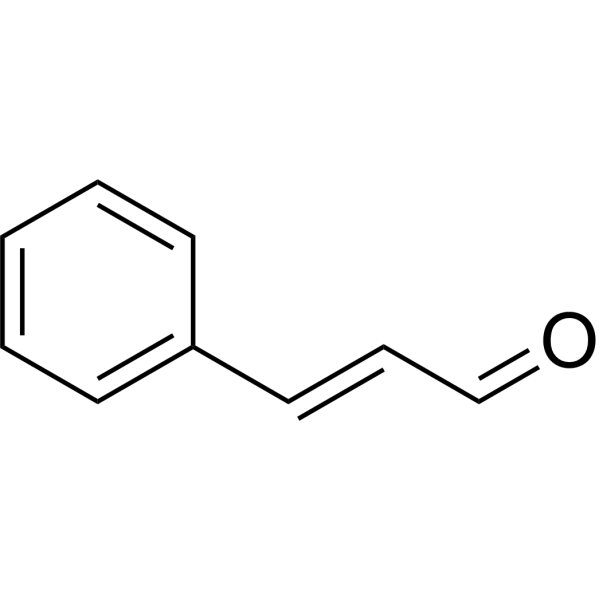
trans-Cinnamaldehyde can be used to prepare highly polyfunctionalized furan ring by reaction of alkyl isocyanides with dialkyl acetylenedicarboxylate . trans-Cinnamaldehyde can be used to synthesize trans-cinnamaldehyde -β-cyclodextrin complex, an antimicrobial edible coating that increases the shelf life of fresh-cut fruits .
loading...
    loading...
7
7 Cited Publications
Cat. No.: HY-138153
CAS No.: 2421119-60-8
Purity:  99.54%
Research Areas:  

Cancer

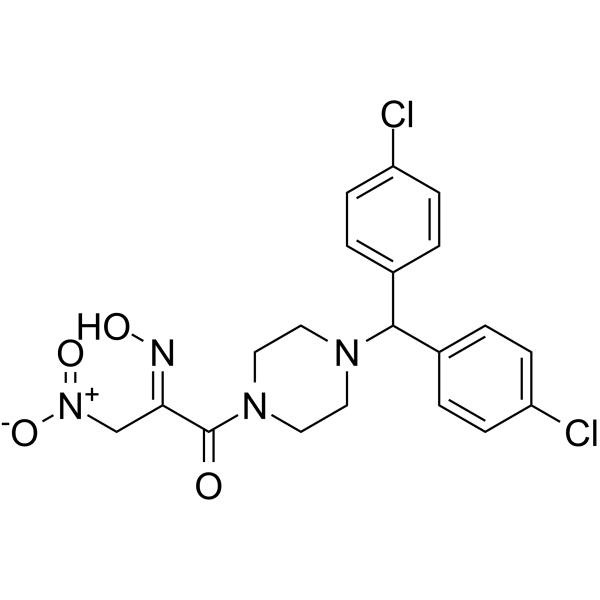
JKE-1674 is an orally active glutathione peroxidase 4 (GPX4) inhibitor and an active metabolite of GPX4 inhibitor ML-210. JKE-1674, an analog of ML-210 in which the nitroisoxazole ring is replaced with an α-nitroketoxime. JKE-1674 can convert into a nitrile oxide JKE-1777. JKE-1674 kills LOX-IMVI cells in a manner that is equipotent to ML-210 and is completely rescued by ferroptosis inhibitors .
loading...
    loading...
6
6 Cited Publications
Cat. No.: HY-103192
CAS No.: 40297-09-4
Purity:  99.82%
Synonyms: RMI12330A
MDL12330A (RMI12330A) is an adenylyl cyclases inhibitor. MDL12330A can inhibit KV channels, increases insulin secretion and Ca 2+ levels. MDL12330A accentuates contractions in uterine rings and inhibits cardiac functions. MDL12330A can be used for the research of endocrinology, metabolic and cardiovascular disease .
loading...
    loading...
6
6 Cited Publications
Cat. No.: HY-109176
CAS No.: 1953133-47-5
Purity:  99.52%
Synonyms: GDC-9545; RG6171
Target:  

Estrogen Receptor/ERR

Research Areas:  

Endocrinology Cancer

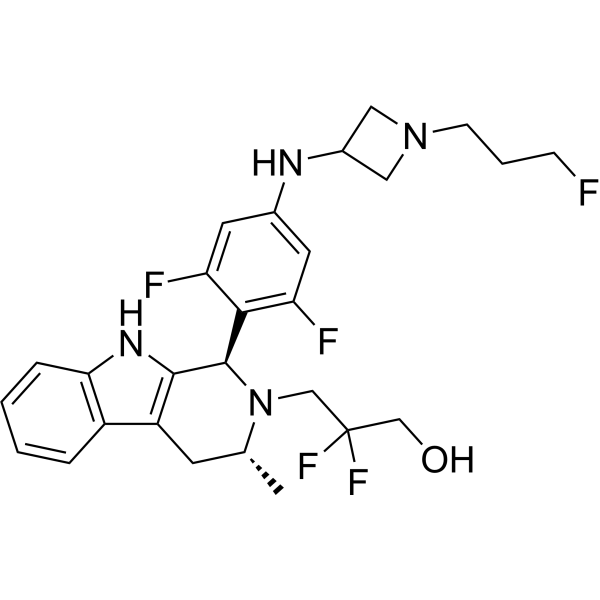
Giredestrant (GDC-9545) is an orally active, full, selective Estrogen receptor α (ERα) degrader and antagonist with a DC50 of 0.03 nM. Giredestrant promotes the degradation of ERα protein, including the ESR1 Y537S mutant ERα. Giredestrant reduces uterine wet weight in immature rats and induces a low cuboidal phenotype in their endometrial epithelium. Giredestrant induces tumor regression in both ESR1 Y537S mutant and wild-type ERα tumor models. Giredestrant can be used for the research of ER + breast cancer .
loading...
    loading...
5
5 Cited Publications
Cat. No.: HY-16508
CAS No.: 126784-99-4
Synonyms: CDB-2914
Research Areas:  

Metabolic Disease Cancer

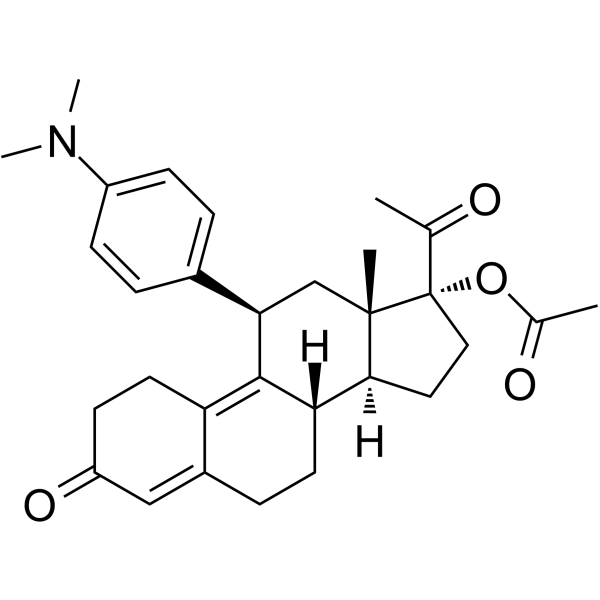
Ulipristal acetate (CDB-2914) is an orally active, selective progesterone receptor modulator (SPRM). Ulipristal acetate stimulates the autophagic response selectively in leiomyoma cells. Ulipristal acetate has the potential for benign gynecological conditions treatment, such as uterine myoma .
loading...
    loading...
5
5 Cited Publications
Cat. No.: HY-N7143
CAS No.: 131-70-4
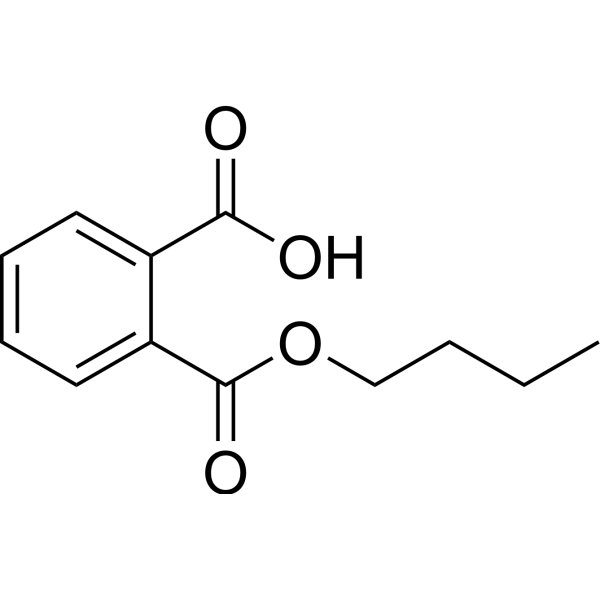
Monobutyl phthalate is an orally active metabolite of Di-n-butyl phthalate (HY-Y0304) and an embryotoxic agent. Monobutyl phthalate regulates mesodermal lineage gene expression, inhibits uterine decidualization, reduces fetal testosterone levels without directly binding to the androgen receptor, and induces teratogenic effects during organogenesis. Monobutyl phthalate induces testicular oxidative stress and sperm abnormalities. Monobutyl phthalate can be used in studies of developmental toxicity and male reproductive toxicity .
loading...
    loading...

