812 Results for "

model compound

" in MedChemExpress (MCE) Product Catalog:
Products (812)

812 Results for "model compound" in MCE Product Catalog:

10
10 Publications Verification
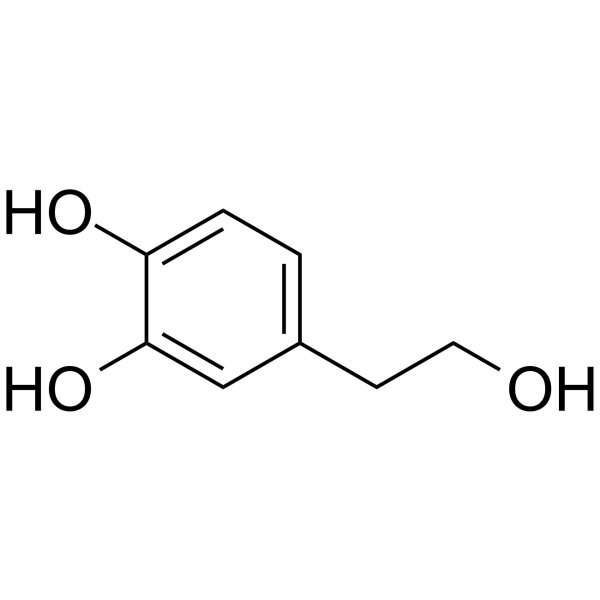
Cat. No.: HY-N0570
CAS No.: 10597-60-1
Synonyms: DOPET; 3,4-Dihydroxyphenethyl alcohol; 3-Hydroxytyrosol
Hydroxytyrosol (DOPET; 3,4-Dihydroxyphenethyl alcohol) is an orally active, blood-brain barrier-permeable multi-active compound with multiple effects including antibacterial, antioxidant, anti-platelet aggregation, and neuroprotective activities. Hydroxytyrosol not only inhibits the growth of Vibrio by increasing bacterial membrane permeability, but also interacts with DNA and mediates supercoiled DNA relaxation. Meanwhile, Hydroxytyrosol effectively reduces thrombosis and inhibits lipid oxidation by inhibiting COX activity and promoting vascular nitric oxide production. In terms of neuroprotection, Hydroxytyrosol significantly alleviates neuronal apoptosis and inflammatory responses by up-regulating the expression level of ERβ, thereby improving cognitive function in Alzheimer's disease models. Hydroxytyrosol has been widely used in scientific research related to Vibrio infection, arterial thrombosis, Alzheimer's disease and other related fields .
loading...
    loading...
9
9 Cited Publications
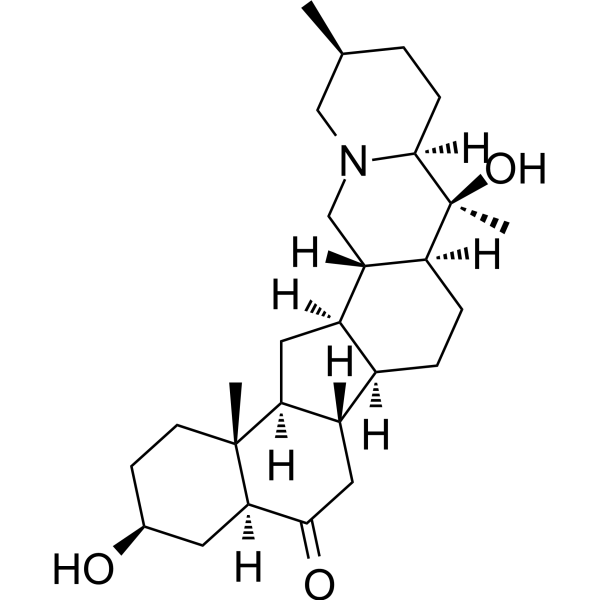
Cat. No.: HY-N0213
CAS No.: 18059-10-4
Synonyms: Verticinone; Raddeanine
Peiminine is a compound that can be isolated from Bolbostemma paniculatum (Maxim) Franquet (Cucurbitaceae family). Peiminine can induce apoptosis in human hepatocellular carcinoma HepG2 cells through both extrinsic and intrinsic apoptotic pathways. Peiminine has anti-inflammatory, anticancer, anti-osteoporosis, cardioprotective and other activities in many animal models .
loading...
    loading...
8
8 Cited Publications
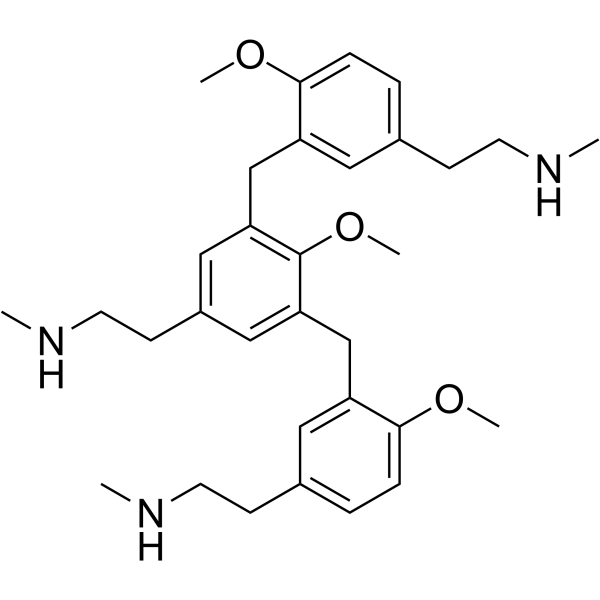
Cat. No.: HY-115768
CAS No.: 94724-12-6
Purity:  99.98%
Synonyms: Poly-p-methoxyphenethylmethylamine
Target:  

Phospholipase

Research Areas:  

Neurological Disease Cancer

Compound 48/80 (Poly-p-methoxyphenethylmethylamine) is widely used in animal and tissue models as a "selective" mast cell activator. Compound 48/80 acts at the mast cell membrane to stimulate trimeric G-proteins and induces degranulation via phospholipase C and D pathways .
loading...
    loading...
8
8 Cited Publications
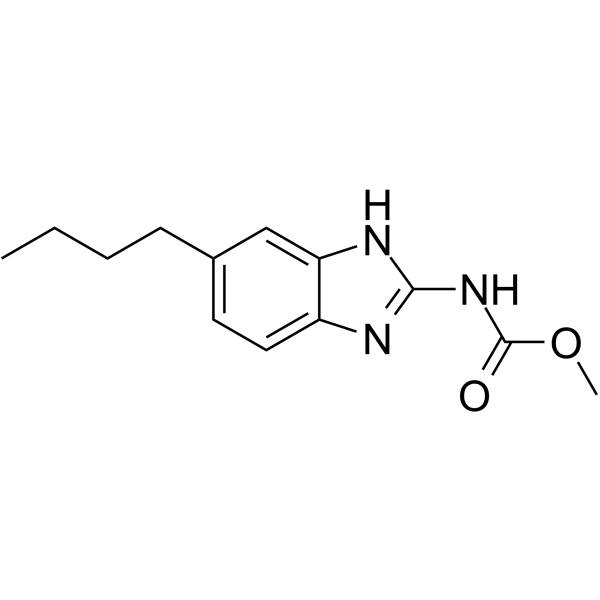
Cat. No.: HY-115364
CAS No.: 14255-87-9
Purity:  99.87%
Synonyms: SKF 29044
Parbendazole (SKF‑29044) is an orally active benzimidazole carbamate compound with multiple biological activities. Parbendazole binds to free tubulin and inhibits microtubule polymerization; it also activates the JNK/c‑Jun signaling axis and upregulates the expression of the downstream axonal repulsion factor Sema3A. Parbendazole upregulates KAL-1 mRNA expression, reduces nerve growth factor levels, and promotes the terminal differentiation of normal human epidermal keratinocytes. Parbendazole induces apoptosis in differentiated acute myeloid leukemia monocytes and exerts antileukemic activity in a mouse xenograft model of acute myeloid leukemia. Parbendazole exhibits broad-spectrum anthelmintic activity against various animal nematodes. Parbendazole is used in research related to acute myeloid leukemia and parasitic infections .
loading...
    loading...
7
7 Cited Publications
Cat. No.: HY-120012
CAS No.: 1893415-00-3
Purity:  99.71%
Synonyms: AZD9567
Mizacorat (AZD9567; compound 15) is a potent, oral active, non-steroidal and selective glucocorticoid receptor modulator (SGRM), with an IC50 of 3.8 nM. Exhibits excellent efficacy in the streptococcal cell wall (SCW) reactivation model of joint inflammation .
loading...
    loading...
6
6 Cited Publications
Cat. No.: HY-17035
CAS No.: 117704-25-3
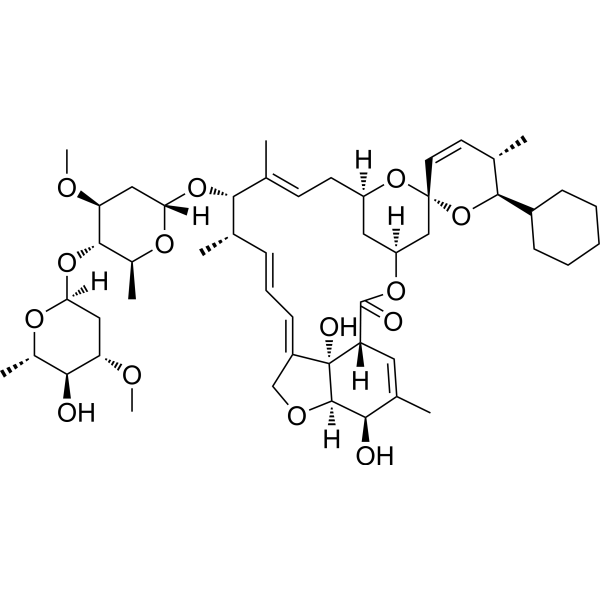
Doramectin is a derivative of Ivermectin (HY-15310). Doramectin is a potent antiparasitic antibiotic. Doramectin is an active compound against S.mansoni in an NMRI mouse infection model .
loading...
    loading...
6
6 Cited Publications
Cat. No.: HY-113308
CAS No.: 516-90-5
Purity:  98.06%
Taurolithocholic acid is an orally active bile acid and antiviral agent. Taurolithocholic acid upregulates FADS2 by activating the TGR5-PI3K/AKT-SREBP2 signaling axis, inhibits SFTSV-induced ferroptosis (Ferroptosis), viral replication and viral entry of HBV/HDV, while reducing the release of IL-1β, lipid ROS and LDH. While exerting antiviral protective effects, Taurolithocholic acid also stimulates the recycling of hepatocellular membrane transporters, impairs canalicular bile acid secretion function, and induces hepatocyte cholestasis, apoptosis and acute hepatocellular injury. Taurolithocholic acid serves as an experimental model compound for hepatocellular cholestasis. At concentrations ≤200 μM, Taurolithocholic acid shows no cytotoxicity and does not activate the interferon pathway. Taurolithocholic acid not only protects mice from lethal SFTSV infection but also is suitable for studies related to severe fever with thrombocytopenia syndrome and cholestasis .
loading...
    loading...
6
6 Cited Publications
Cat. No.: HY-113308A
CAS No.: 6042-32-6
Purity:  99.81%
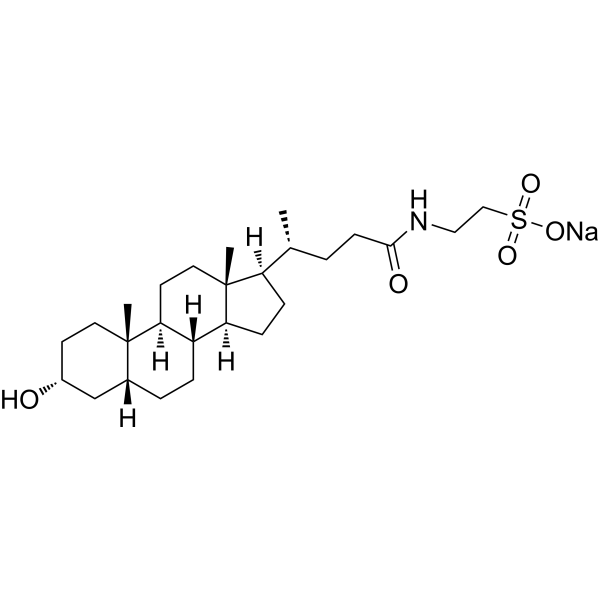
Taurolithocholic acid sodium salt is an orally active bile acid and antiviral agent. Taurolithocholic acid sodium salt upregulates FADS2 by activating the TGR5-PI3K/AKT-SREBP2 signaling axis, inhibits SFTSV-induced ferroptosis, viral replication and viral entry of HBV/HDV, while reducing the release of IL-1β, lipid ROS and LDH. While exerting antiviral protective effects, Taurolithocholic acid sodium salt also stimulates the recycling of hepatocellular membrane transporters, impairs canalicular bile acid secretion function, and induces hepatocyte cholestasis, apoptosis and acute hepatocellular injury. Taurolithocholic acid sodium salt serves as an experimental model compound for hepatocellular cholestasis. At concentrations ≤200 μM, Taurolithocholic acid sodium salt shows no cytotoxicity and does not activate the interferon pathway. Taurolithocholic acid sodium salt not only protects mice from lethal SFTSV infection but also is suitable for studies related to severe fever with thrombocytopenia syndrome and cholestasis .
loading...
    loading...
4
4 Cited Publications
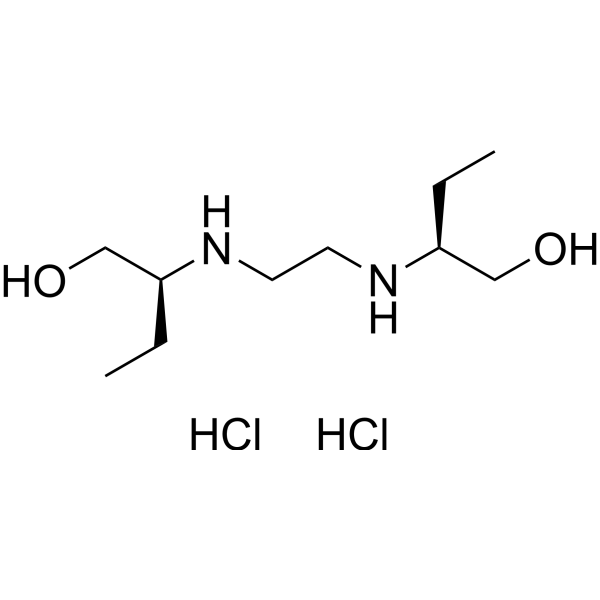
Cat. No.: HY-B0535A
CAS No.: 1070-11-7
Synonyms: Emb dihydrochloride
Ethambutol dihydrochloride is an antimycobacterial compound that prevents cell wall formation by inhibiting arabinosyltransferase activity. Ethambutol dihydrochloride can be used to establish animal models of hyperuricemia and optic neuropathy.
loading...
    loading...
4
4 Cited Publications
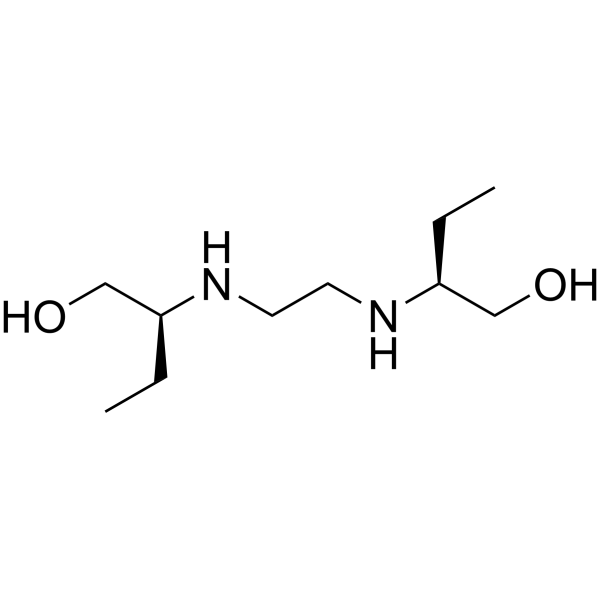
Cat. No.: HY-B0535
CAS No.: 74-55-5
Target:  

Bacterial Antibiotic

Research Areas:  

Infection

Ethambutol is an antimycobacterial compound that prevents cell wall formation by inhibiting arabinosyltransferase activity. Ethambutol can be used to establish animal models of hyperuricemia and optic neuropathy.
loading...
    loading...
4
4 Cited Publications
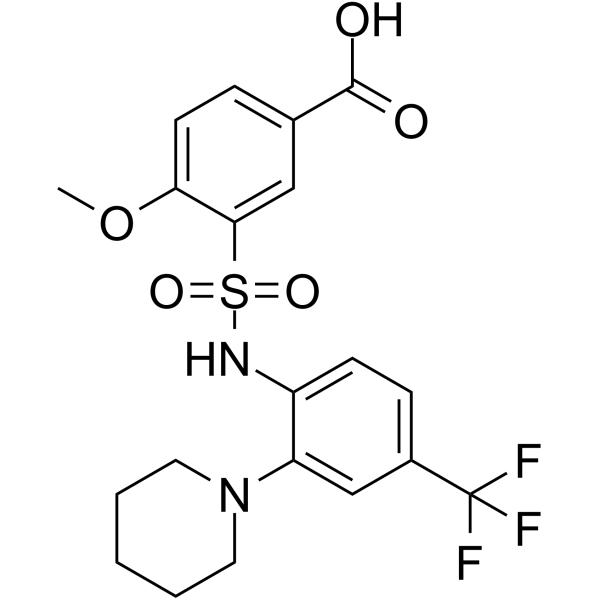
Cat. No.: HY-156798
CAS No.: 2757333-37-0
Purity:  99.74%
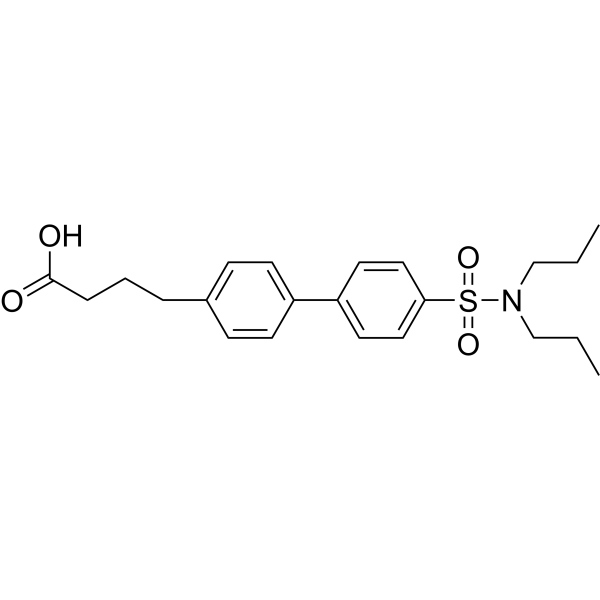
ADS032 is a sulfonylurea compound that is an NLRP1 and NLRP3 inflammasome inhibitor. ADS032 reduces the secretion of inflammatory factors and inhibits the oligomerization of ASC. ADS032 has anti-inflammatory effects in a variety of inflammatory models and can be used in the study of inflammatory diseases .
loading...
    loading...
3
3 Cited Publications
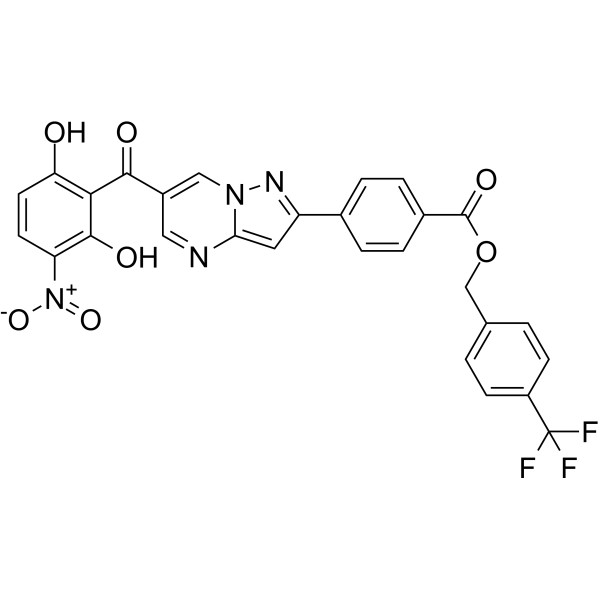
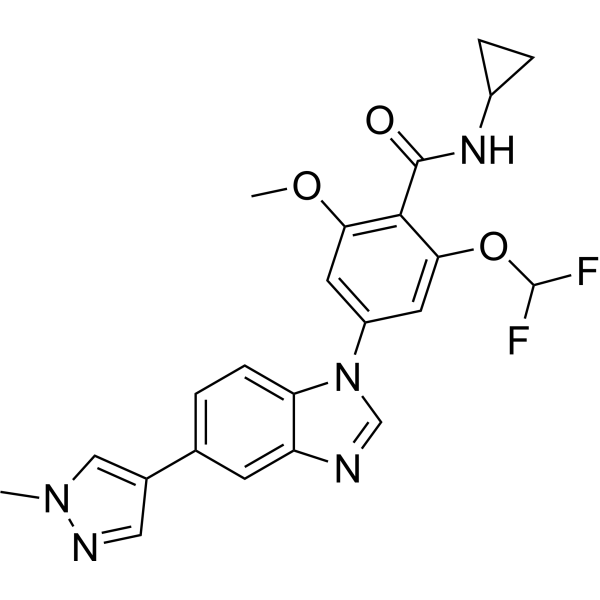
Cat. No.: HY-155489
CAS No.: 3029515-97-4
Purity:  98.55%
Research Areas:  

Cancer

DDO-2728 (compound 19) is a selective AlkB homologue 5 (ALKBH5) inhibitor with an IC50 of 2.97 μM. DDO-2728 increases the abundance of N 6 methyladenosine (m 6A) modifications, inducing cell apoptosis and cycle arrest. DDO-2728 suppresses tumor growth in the MV4 11 xenograft model with favorable safety profile, shows the potential of targeting ALKBH5 in cancer research .
loading...
    loading...
2
2 Cited Publications
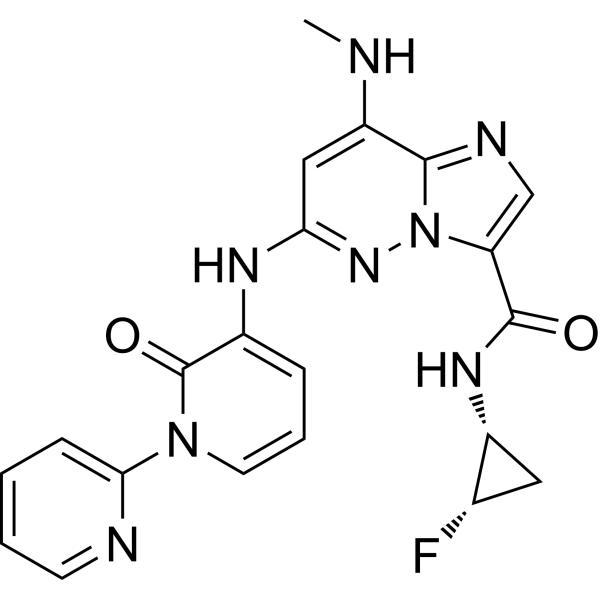
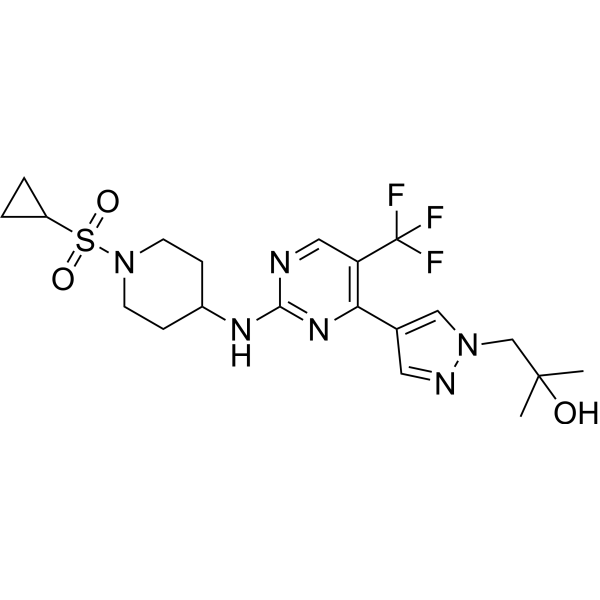
Cat. No.: HY-111745
CAS No.: 1797432-62-2
Purity:  99.35%
Target:  

JAK

Research Areas:  

Inflammation/Immunology

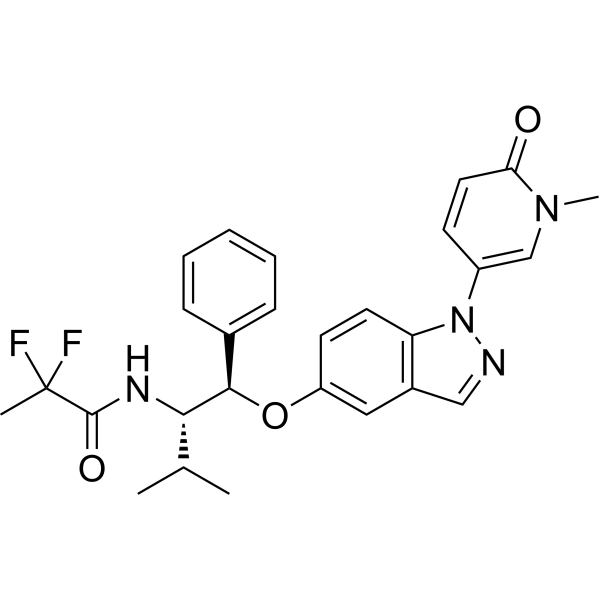
Tyk2-IN-5 (compound 6) is a potent, selective and orally active tyrosine kinase 2 (Tyk2) inhibitor that acts on the JH2 structural domain. Tyk2-IN-5 shows a Ki value of 0.086 nM for Tyk2 JH2 and an IC50 value of 25 nM for IFNα. Tyk2-IN-5 efficiently inhibits the production of IFNγ in a pharmacodynamic rat model and is fully efficacious in a rat model of arthritis .
loading...
    loading...
2
2 Cited Publications
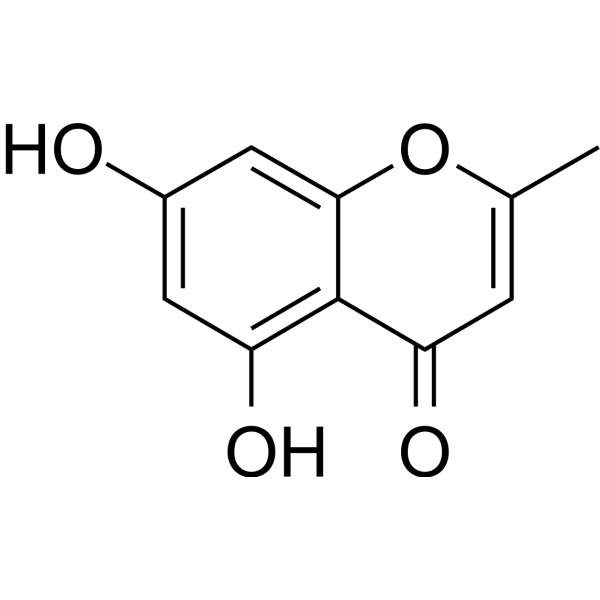
Cat. No.: HY-N3029
CAS No.: 1013-69-0
Noreugenin is a phenolic compound found in Calea uniflora Less. Noreugenin inhibits myeloperoxidase activity and reduces levels of proinflammatory cytokines IL-1β and IL-17A levels in LPS (HY-D1056)-induced murine pleurisy model. Noreugenin reduces apoptosis and necrosis. Noreugenin reduces lipid peroxidation, and antioxidant enzyme (CAT, SOD, GST) activity. Noreugenin exhibits anti-inflammatory and antioxidant effects. Noreugenin can be used for the research of inflammatory conditions, such as pleurisy .
loading...
    loading...
1
1 Cited Publications
Cat. No.: HY-150504
CAS No.: 2420551-38-6
Purity:  98.86%
Target:  

Aminopeptidase

Research Areas:  

Inflammation/Immunology

ERAP2-IN-1 (compound 61) is an uncompetitive ERAP2 inhibitor. ERAP2-IN-1 specifically inhibits the ERAP2 peptide hydrolysis activity, inhibiting Arg-AMC hydrolysis with an IC50 of 27 μM and model peptide hydrolysis with an IC50 of 44 μM .
loading...
    loading...
1
1 Cited Publications
Cat. No.: HY-117762
CAS No.: 137018-55-4
Purity:  98.44%
Synonyms: PNU-83836E
Research Areas:  

Inflammation/Immunology

U-83836E (PNU-83836E) is a compound with anti-inflammatory and antioxidant activities that reduces lung inflammation inhibiting oxidative stress and ROS production. U-83836E has shown potential for studying asthma and lung inflammation in animal models .
loading...
    loading...
1
1 Cited Publications
Cat. No.: HY-162255
CAS No.: 2488073-20-5
Target:  

CDK

Research Areas:  

Cancer

CDK2-IN-23 (Compound 17) is a kinase selective and highly potent CDK2 inhibitor (IC50 = 0.29 nM). CDK2-IN-23 shows the pharmacodynamic inhibition of CDK2 in CCNE1-amplified mouse models. CDK2-IN-23 can be used for the research of cancer .
loading...
    loading...
1
1 Cited Publications
Cat. No.: HY-157442
CAS No.: 2340388-72-7
Purity:  98.57%
GLPG3312 (Compound 28) is an orally active SIK inhibitor with IC50 values of 2.0 nM, 0.7 nM and 0.6 nM for SIK1, SIK2 and SIK3, respectively. GLPG3312 exhibits anti-inflammatory and immunomodulatory activity in vitro on human primary myeloid cells and in vivo in mouse models. GLPG3312 has good oral bioavailability and can be used for research on inflammatory and immune diseases .
loading...
    loading...
1
1 Cited Publications
Cat. No.: HY-153896
CAS No.: 2764850-23-7
Purity:  98.74%
Target:  

c-Met/HGFR

Research Areas:  

Cancer

LMTK3-IN-1 (compound C28) is an ATP-competitive inhibitor of lemur tyrosine kinase 3 (LMTK3) (Kd=2.5 μM),that acts by degrading LMTK3 via the ubiquitin-proteasome pathway. LMTK3-IN-1 shows anticancer activity in a variety of cancer cell lines and in vivo BC mouse models. LMTK3-IN-1 induces apoptosis in BC cell lines at 10-20 μM .
loading...
    loading...
1
1 Cited Publications
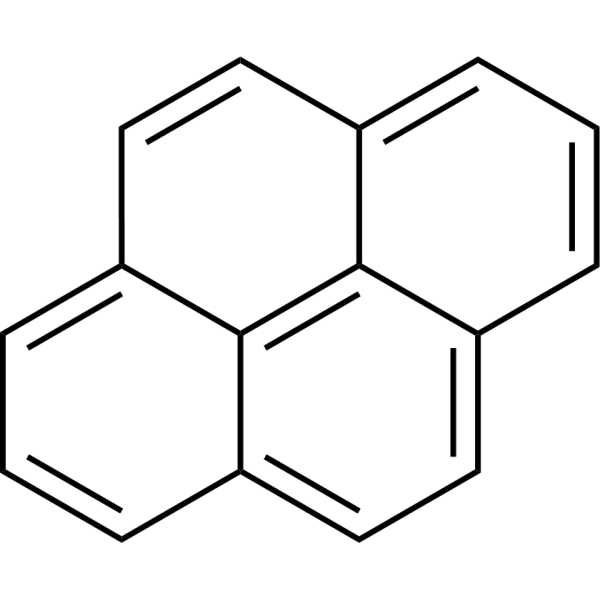
Cat. No.: HY-103609
CAS No.: 129-00-0
Purity:  99.72%
Synonyms: Benzo[def]phenanthrene
Pyrene is a polycyclic aromatic hydrocarbon (PAH) composed of four fused benzene rings. It has a distinct aromatic odor, produced by incomplete combustion of organic matter. Pyrene exhibits strong fluorescence, emitting in the blue region of the spectrum, making it useful as a probe for studying molecular interactions in solution and on surfaces. Pyrene is also used as a model compound for the study of PAHs in various environments and biological systems because of its ubiquity in these environments. However, long-term exposure to pyrene has been associated with potential health risks, including carcinogenicity and mutagenicity.
loading...
    loading...

