735 Results for "

murine articular cartilage

" in MedChemExpress (MCE) Product Catalog:
Products (735)

735 Results for "murine articular cartilage" in MCE Product Catalog:

  • Categories Recommended:
    More
81
81 Publications Verification
Cat. No.: HY-10964
CAS No.: 117570-53-3
Purity:  99.93%
Synonyms: DMXAA; ASA-404
Research Areas:  

Infection Cancer

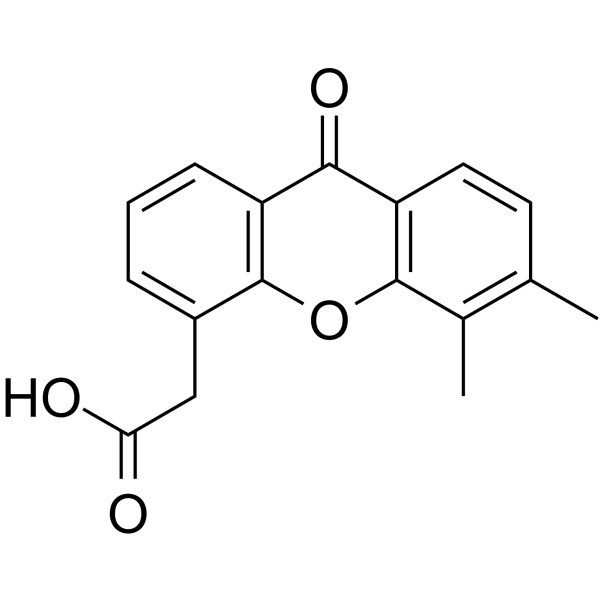
Vadimezan (DMXAA), the tumor vascular disrupting agent (tumor-VDA), is a murine agonist of the stimulator of interferon genes (STING) and also a potent inducer of type I IFNs and other cytokines. Vadimezan is unable to activate human STING. Vadimezan has anti-influenza virus H1N1-PR8 activities.
loading...
    loading...
78
78 Cited Publications
Cat. No.: HY-10029
CAS No.: 675576-98-4
Purity:  99.00%
Synonyms: Rebemadlin
Research Areas:  

Cancer

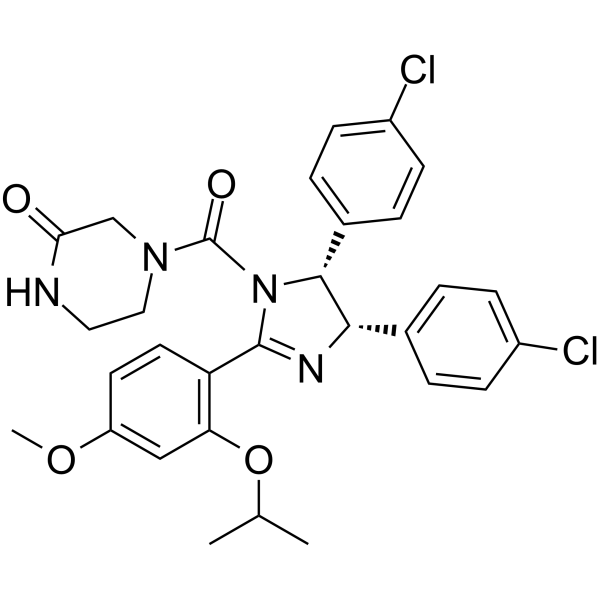
Nutlin-3a (Rebemadlin), an active enantiomer of Nutlin-3, is a potent murine double minute (MDM2) inhibitor (IC50=90 nM). Nutlin-3a inhibits MDM2-p53 interactions and stabilizes the p53 protein, and induces cell autophagy and apoptosis. Nutlin-3a has the potential for the study of TP53 wild-type ovarian carcinomas .
loading...
    loading...
60
60 Cited Publications
Cat. No.: HY-B0356B
CAS No.: 86393-32-0
Synonyms: Bay-09867 hydrochloride monohydrate
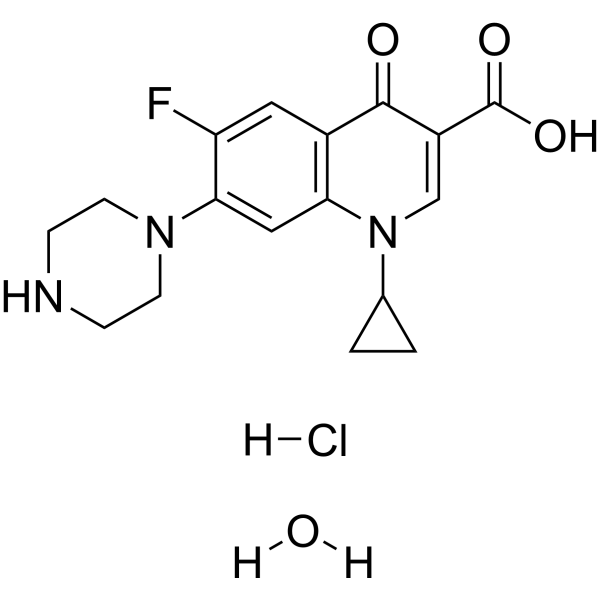
Ciprofloxacin (Bay-09867) hydrochloride monohydrate is an orally active, blood-brain barrier permeable fluoroquinolone antibacterial agent. Ciprofloxacin hydrochloride monohydrate exerts bactericidal effects primarily by inhibiting topoisomerase II and IV. Ciprofloxacin hydrochloride monohydrate inhibits the proliferation of human dental pulp stem cells and chondrocytes from young rats, and also activates the Akt signaling pathway and upregulates markers such as β-catenin and Nanog to maintain the morphological characteristics of stem cells. Ciprofloxacin hydrochloride monohydrate induces significant neurotoxicity and tissue damage, including reducing serotonin and glutathione levels in the brain, inducing oxidative stress and depression-like behaviors, and causing articular cartilage damage. Ciprofloxacin hydrochloride monohydrate can be applied to research related to infections of necrotic young permanent teeth and neurotoxicity .
loading...
    loading...
60
60 Cited Publications
Cat. No.: HY-B0356A
CAS No.: 93107-08-5
Synonyms: Bay-09867 monohydrochloride
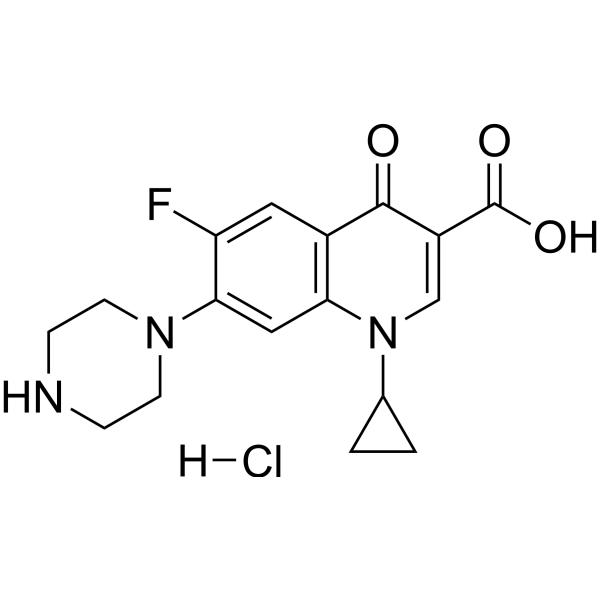
Ciprofloxacin (Bay-09867) monohydrochloride is an orally active, blood-brain barrier permeable fluoroquinolone antibacterial agent. Ciprofloxacin monohydrochloride exerts bactericidal effects primarily by inhibiting topoisomerase II and IV. Ciprofloxacin monohydrochloride inhibits the proliferation of human dental pulp stem cells and chondrocytes from young rats, and also activates the Akt signaling pathway and upregulates markers such as β-catenin and Nanog to maintain the morphological characteristics of stem cells. Ciprofloxacin monohydrochloride induces significant neurotoxicity and tissue damage, including reducing serotonin and glutathione levels in the brain, inducing oxidative stress and depression-like behaviors, and causing articular cartilage damage. Ciprofloxacin monohydrochloride can be applied to research related to infections of necrotic young permanent teeth and neurotoxicity .
loading...
    loading...
38
38 Cited Publications
Cat. No.: HY-16995
CAS No.: 50892-23-4
Synonyms: Wy-14643
Target:  

PPAR

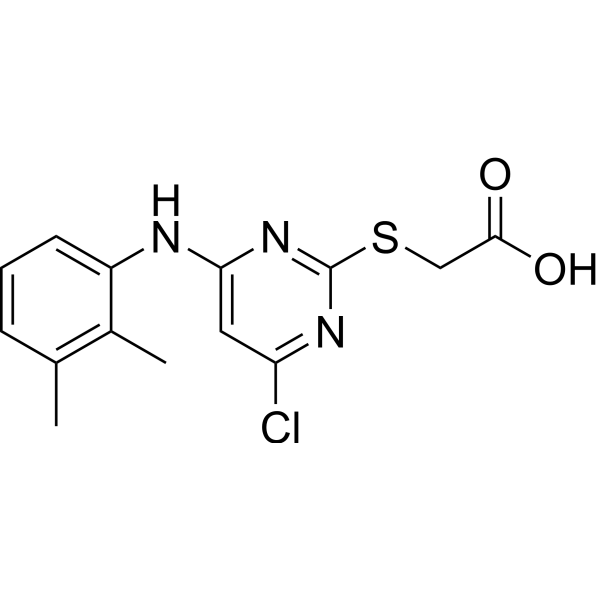
Pirinixic acid (Wy-14643) is a potent agonist of PPARα, with EC50s of 0.63 μM, 32 μM for murine PPARα and PPARγ, and 5.0 μM, 60 μM, 35 μM for human PPARα, PPARγ and PPARδ, respectively.
loading...
    loading...
36
36 Cited Publications
Cat. No.: HY-50935
CAS No.: 97322-87-7
Synonyms: CS-045
Research Areas:  

Metabolic Disease Cancer

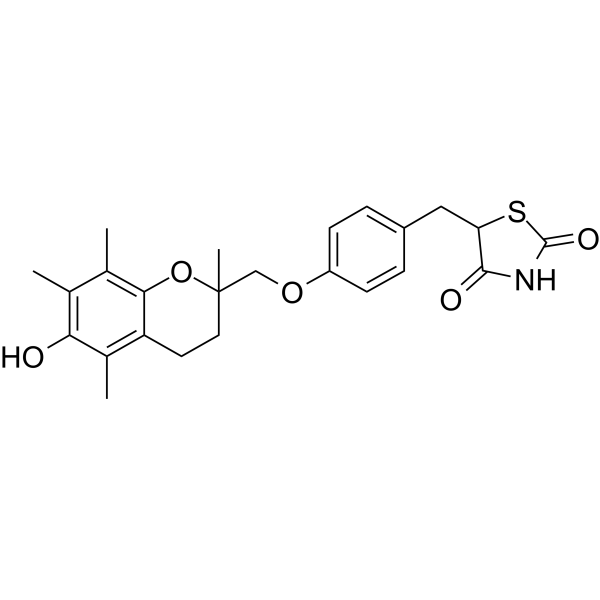
Troglitazone is an orally active PPARγ agonist, with EC50s of 550 nM and 780 nM for human and murine PPARγ receptor, respectively. Troglitazone has anticancer activity, prevents and inhibits the development of type 2 diabetes.
loading...
    loading...
33
33 Cited Publications
Cat. No.: HY-16268
CAS No.: 4727-31-5
Synonyms: KGN
Target:  

TGF-beta/Smad

Research Areas:  

Inflammation/Immunology

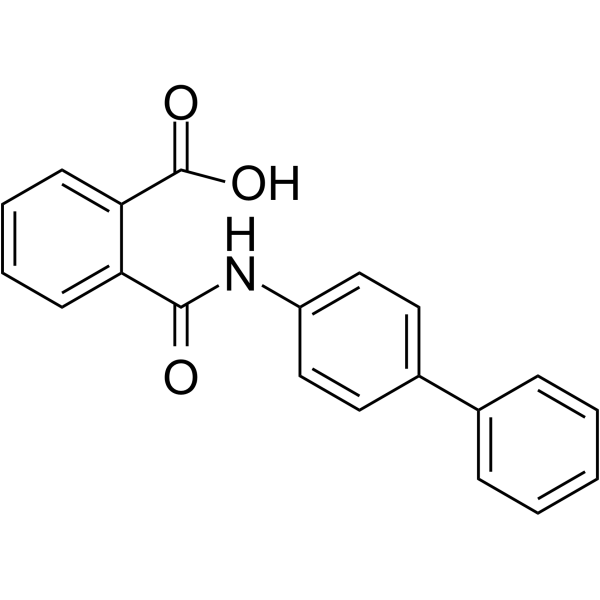
Kartogenin (KGN) is an inducer of chondrogenic tissue formation (EC50: 100 nM). Kartogenin induces chondrogenesis by binding to fibrin A, disrupting its interaction with the transcription factor core binding factor beta subunit (CBFβ), and by modulating the CBFβ-RUNX1 transcriptional program. Kartogenin also promotes tendon-bone junction (TBJ) wound healing by stimulating collagen synthesis. Kartogenin is widely used in cell-free therapy in the field of regeneration for cartilage regeneration and protection, tendon-bone healing, wound healing and limb development. Kartogenin promotes cartilage repair, coordinates limb development, and is also used in osteoarthritis (OA) research .
loading...
    loading...
33
33 Cited Publications
Cat. No.: HY-16268A
CAS No.: 1401168-39-5
Synonyms: KGN sodium
Target:  

TGF-beta/Smad

Research Areas:  

Inflammation/Immunology

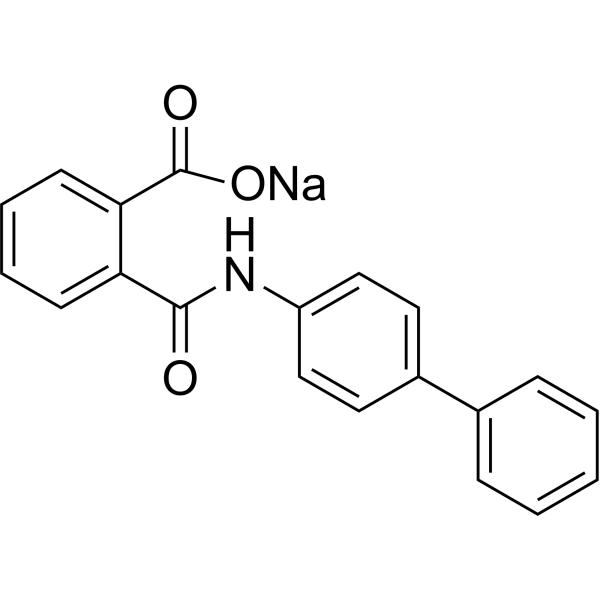
Kartogenin (KGN) sodium is an inducer of chondrogenic tissue formation (EC50: 100 nM). Kartogenin sodium induces chondrogenesis by binding to fibrin A, disrupting its interaction with the transcription factor core binding factor beta subunit (CBFβ), and by modulating the CBFβ-RUNX1 transcriptional program. Kartogenin sodium also promotes tendon-bone junction (TBJ) wound healing by stimulating collagen synthesis. Kartogenin sodium is widely used in cell-free therapy in the field of regeneration for cartilage regeneration and protection, tendon-bone healing, wound healing and limb development. Kartogenin sodium promotes cartilage repair, coordinates limb development, and is also used in osteoarthritis (OA) research .
loading...
    loading...
27
27 Cited Publications
Cat. No.: HY-100574A
CAS No.: 1373232-26-8
Purity:  99.82%
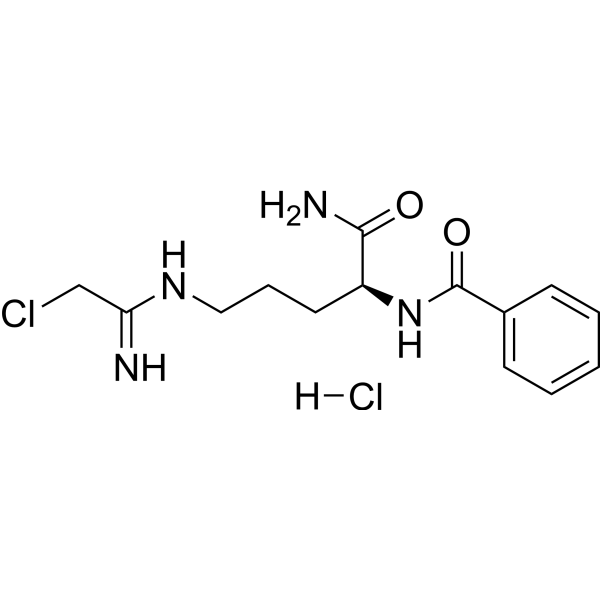
Cl-amidine hydrochloride is an orally active peptidylarginine deminase (PAD) inhibitor, with IC50 values of 0.8 μM, 6.2 μM and 5.9 μM for PAD1, PAD3, and PAD4, respectively. Cl-amidine hydrochloride induces apoptosis in cancer cells. Cl-amidine hydrochloride induces microRNA (miR)-16 (miRNA-16, microRNA-16) expression and causes cell cycle arrest. Cl-Amidine hydrochloride prevents histone 3 citrullination and neutrophil extracellular trap formation, and improves survival in a murine sepsis model .
loading...
    loading...
27
27 Cited Publications
Cat. No.: HY-100574B
CAS No.: 1043444-18-3
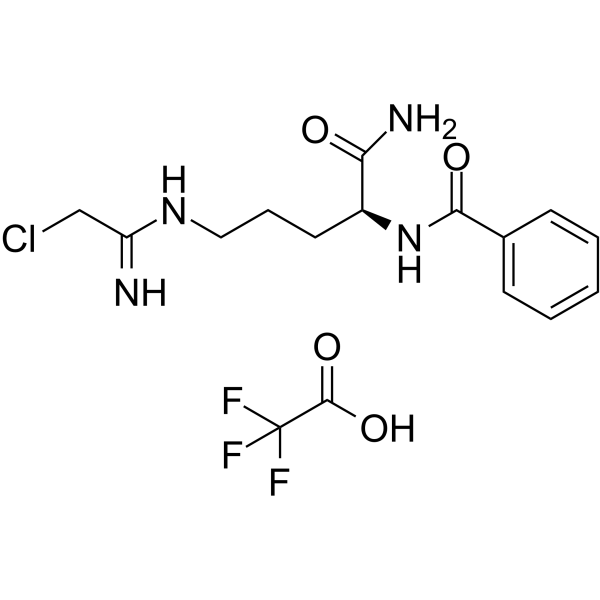
Cl-amidine TFA is an orally active peptidylarginine deminase (PAD) inhibitor, with IC50 values of 0.8 μM, 6.2 μM and 5.9 μM for PAD1, PAD3, and PAD4, respectively. Cl-amidine TFA induces apoptosis in cancer cells. Cl-amidine TFA induces microRNA (miR)-16 (miRNA-16, microRNA-16) expression and causes cell cycle arrest. Cl-Amidine TFA prevents histone 3 citrullination and neutrophil extracellular trap formation, and improves survival in a murine sepsis model .
loading...
    loading...
26
26 Cited Publications
Cat. No.: HY-12836
CAS No.: 844882-93-5
Target:  

IFNAR

Research Areas:  

Inflammation/Immunology

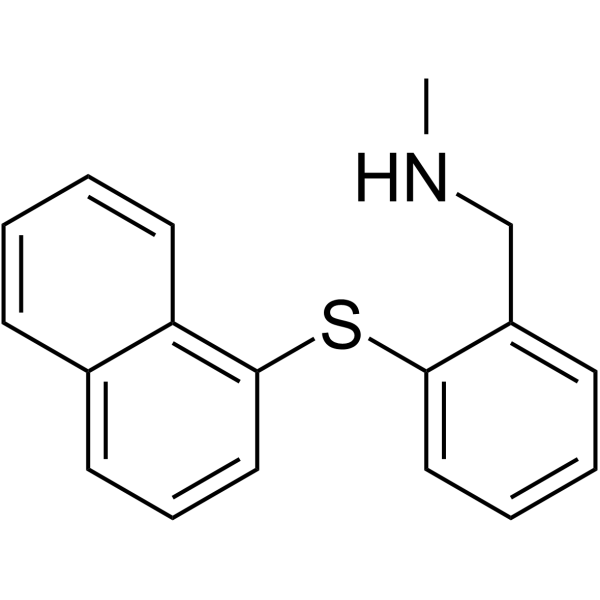
IFN alpha-IFNAR-IN-1 is a nonpeptidic, low-molecular-weight inhibitor of the interaction between IFN-α and IFNAR. IFN alpha-IFNAR-IN-1 inhibits modified Vaccinia virus ankara (MVA)-induced IFN-α responses in murine bone-marrow-derived, Flt3- L-differentiated pDC cultures (BM-pDCs) (IC50=2-8 μM) .
loading...
    loading...
26
26 Cited Publications
Cat. No.: HY-12836A
CAS No.: 2070014-98-9
Purity:  99.76%
Target:  

IFNAR

Research Areas:  

Inflammation/Immunology

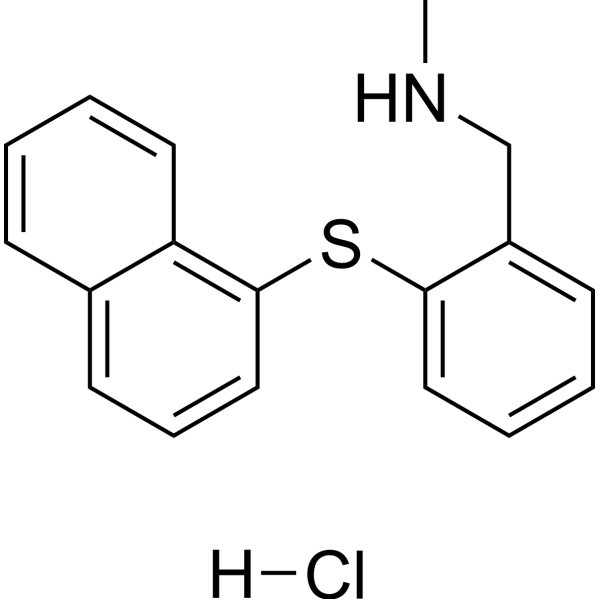
IFN alpha-IFNAR-IN-1 hydrochloride is a nonpeptidic, low-molecular-weight inhibitor of the interaction between IFN-α and IFNAR. IFN alpha-IFNAR-IN-1 hydrochloride inhibits modified Vaccinia virus ankara (MVA)-induced IFN-α responses in murine bone-marrow-derived, Flt3- L-differentiated pDC cultures (BM-pDCs) (IC50=2-8 μM) .
loading...
    loading...
22
22 Cited Publications
Cat. No.: HY-16261
CAS No.: 1361644-26-9
Synonyms: INNO-206; DOXO-EMCH
Research Areas:  

Cancer

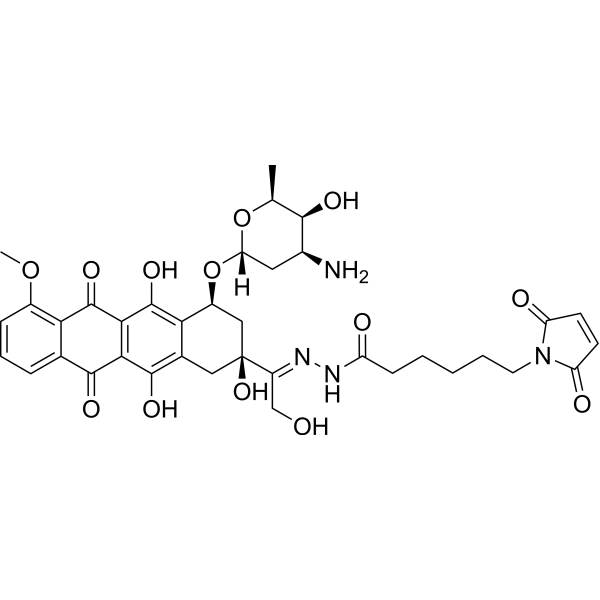
Aldoxorubicin (INNO-206) is an albumin-binding proagent of Doxorubicin (DNA topoisomerase II inhibitor), which is released from albumin under acidic conditions. Aldoxorubicin (INNO-206) has potent antitumor activities in various cancer cell lines and in murine tumor models.
loading...
    loading...
17
17 Cited Publications
Cat. No.: HY-103454B
CAS No.: 2863676-89-3
Purity:  99.28%
Research Areas:  

Endocrinology Cancer

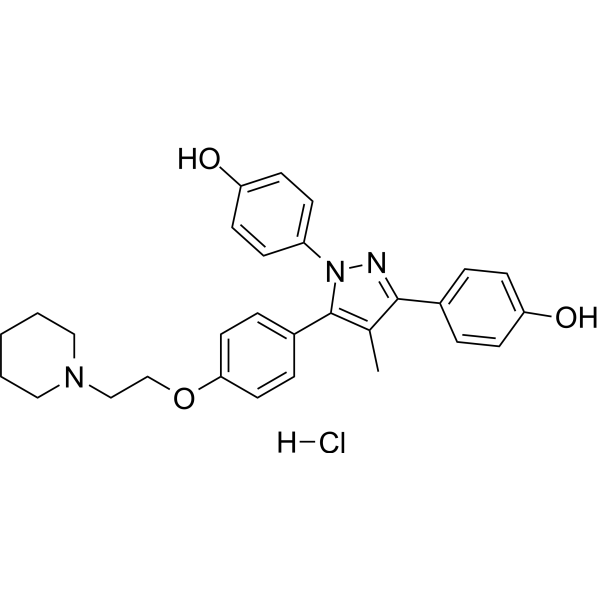
MPP hydrochloride is a potent and selective ER (estrogen receptor) modulator. MPP hydrochloride induces significant apoptosis in the endometrial cancer and oLE cell lines. MPP hydrochloride reverses the the positive effects of beta-estradiol. MPP hydrochloride has mixed agonist/antagonist action on murine uterine ERalpha in vivo .
loading...
    loading...
17
17 Cited Publications
Cat. No.: HY-103454
CAS No.: 911295-24-4
Purity:  99.54%
Research Areas:  

Endocrinology Cancer

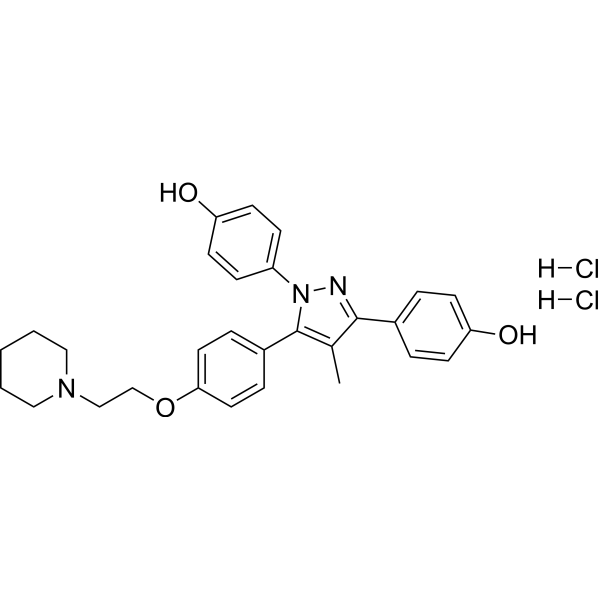
MPP dihydrochloride is a potent and selective ER (estrogen receptor) modulator. MPP dihydrochloride induces significant apoptosis in the endometrial cancer and oLE cell lines. MPP dihydrochloride reverses the positive effects of beta-estradiol. MPP dihydrochloride has mixed agonist/antagonist action on murine uterine ERalpha in vivo .
loading...
    loading...
15
15 Cited Publications
Cat. No.: HY-B0637
CAS No.: 41859-67-0
Synonyms: BM15075
Target:  

PPAR

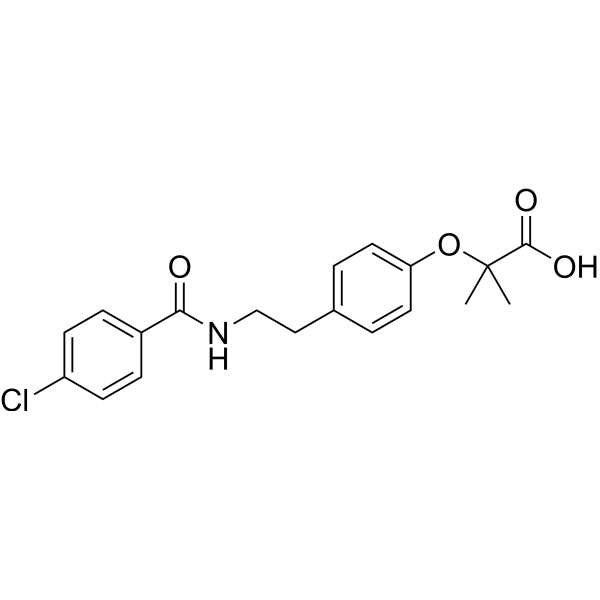
Bezafibrate is an agonist of PPAR, with EC50s of 50 μM, 60 μM, 20 μM for human PPARα, PPARγ and PPARδ, and 90 μM, 55 μM, 110 μM for murine PPARα, PPARγ and PPARδ, respectively; Bezafibrate is used as an hypolipidemic agent.
loading...
    loading...
13
13 Cited Publications
Cat. No.: HY-B1125
CAS No.: 3416-24-8
Synonyms: D-Glucosamine; Chitosamine
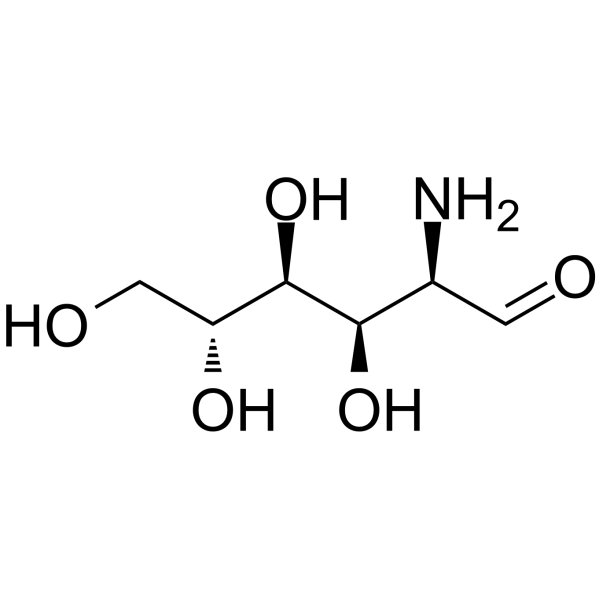
Glucosamine (D-Glucosamine) is an amino sugar and a prominent precursor in the biochemical synthesis of glycosylated proteins and lipids, is used as a dietary supplement. Glucosamine also is a natural constituent of glycosaminoglycans in the cartilage matrix and synovial fluid, which when administered exogenously, exerts pharmacological effects on osteoarthritic cartilage and chondrocytes .
loading...
    loading...
13
13 Cited Publications
Cat. No.: HY-N0733
CAS No.: 66-84-2
Synonyms: D-(+)-Glucosamine hydrochloride; Chitosamine hydrochloride
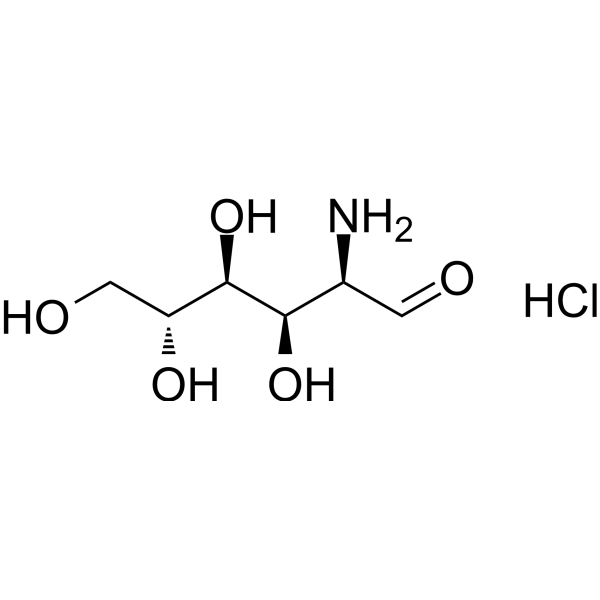
Glucosamine hydrochloride (D-Glucosamine hydrochloride) is an amino sugar and a prominent precursor in the biochemical synthesis of glycosylated proteins and lipids, is used as a dietary supplement. Glucosamine hydrochloride also is a natural constituent of glycosaminoglycans in the cartilage matrix and synovial fluid, which when administered exogenously, exerts pharmacological effects on osteoarthritic cartilage and chondrocytes .
loading...
    loading...
13
13 Cited Publications
Cat. No.: HY-N0487
CAS No.: 29031-19-4
Synonyms: D-Glucosamine sulfate
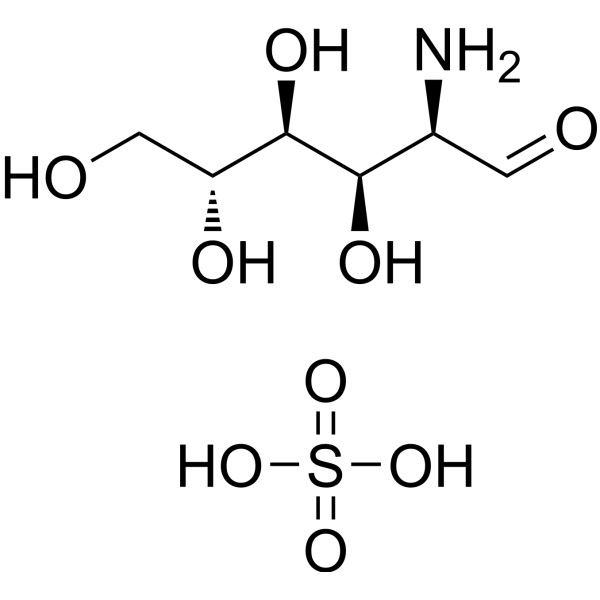
Glucosamine sulfate (D-Glucosamine sulfate) is an amino sugar and a prominent precursor in the biochemical synthesis of glycosylated proteins and lipids, is used as a dietary supplement. Glucosamine sulfate also is a natural constituent of glycosaminoglycans in the cartilage matrix and synovial fluid, which when administered exogenously, exerts pharmacological effects on osteoarthritic cartilage and chondrocytes .
loading...
    loading...
13
13 Cited Publications
Cat. No.: HY-15655
CAS No.: 196808-24-9
Purity:  99.93%
Target:  

PPAR

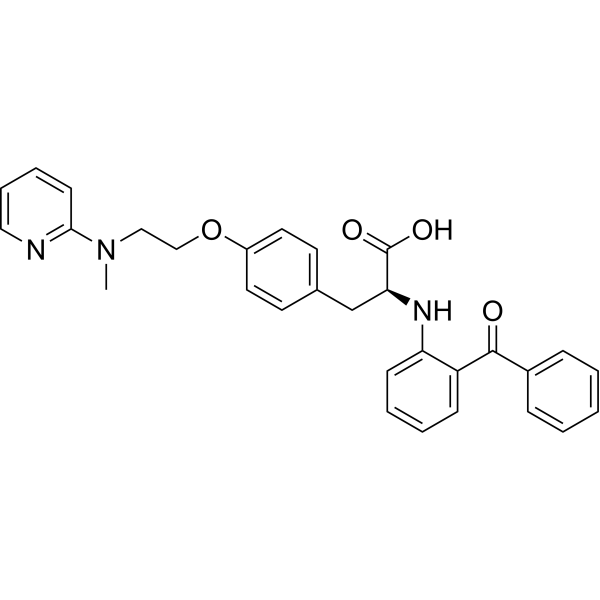
GW 1929 is an orally active peroxisome proliferator-activated receptor-γ (PPARγ) agonist with a pKi of 8.84 for human PPAR-γ, and pEC50s of 8.56 and 8.27 for human PPAR-γ and murine PPAR-γ, respectively. GW 1929 (hydrochloride) has antidiabetic efficacy and neuroprotective potential .
loading...
    loading...

