
1. Search Result
Search Result
Pathways Recommended: Vitamin D Related/Nuclear Receptor
Results for "

nuclear transcription

" in MedChemExpress (MCE) Product Catalog:

112

阻害剤およびアゴニスト

3

スクリーニングライブラリ

1

蛍光色素

1

生化学アッセイ試薬

7

ペプチド

21

天然物

1

組換えタンパク質

6

同位体標識化合物

42

抗体

6

オリゴヌクレオチド

製品番号 製品名 Target 研究分野 構造式
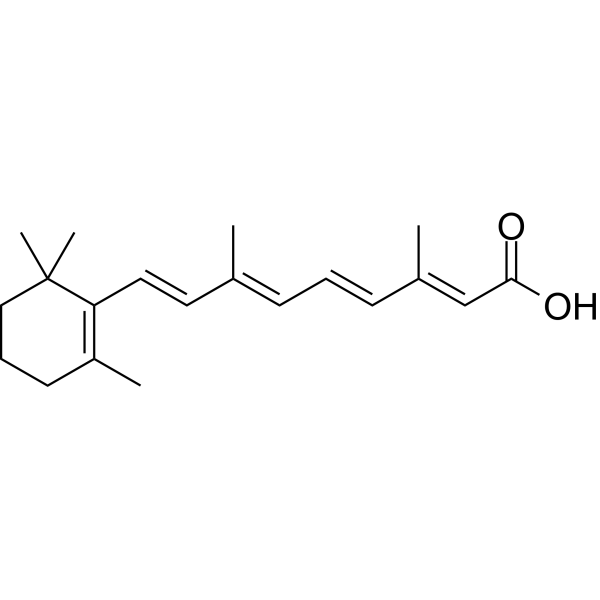
  • HY-14649
    Retinoic acid
    Maximum Cited Publications
    127 Publications Verification

    Vitamin A acid; all-trans-Retinoic acid; ATRA

    Organoid RAR/RXR PPAR Endogenous Metabolite Autophagy Neurological Disease Metabolic Disease Inflammation/Immunology Cancer
    Retinoic acid is a metabolite of vitamin A that plays important roles in cell growth, differentiation, and organogenesis. Retinoic acid is a natural agonist of RAR nuclear receptors, with IC50s of 14 nM for RARα/β/γ. Retinoic acid bind to PPARβ/δ with Kd of 17 nM. Retinoic acid acts as an inhibitor of transcription factor Nrf2 through activation of retinoic acid receptor alpha.
    Retinoic acid
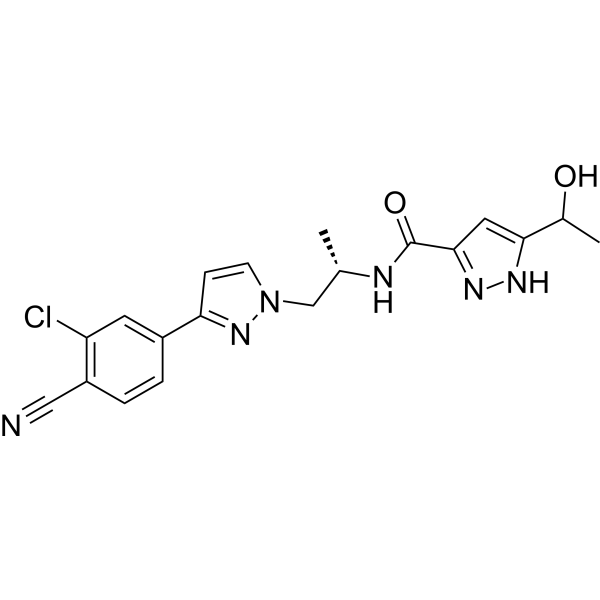
  • HY-16985
    Darolutamide
    5+ Cited Publications

    ODM-201; BAY-1841788

    Androgen Receptor Cancer
    Darolutamide (ODM-201) is an orally active competitive androgen receptor (AR) antagonist. Darolutamide has a Ki of 11 nM for rat wild-type AR (wtAR) and IC50 of 26 nM for human wild-type AR (hAR)-mediated transcriptional activation . Darolutamide inhibits testosterone-induced AR nuclear translocation and transcriptional activation . Darolutamide exerts selective effects on AR-positive cells by inhibiting AR-dependent signaling pathways, and its active metabolite retains full antagonistic activity against AR mutants . Darolutamide can be used for the research of prostate cancer, including androgen receptor-dependent prostate cancer .
    Darolutamide
  • HY-13982
    JSH-23
    Maximum Cited Publications
    141 Publications Verification

    NF-κB Metabolic Disease Inflammation/Immunology Cancer
    JSH-23 is an NF-κB inhibitor which inhibits NF-κB transcriptional activity with an IC50 of 7.1 μM in lipopolysaccharide (LPS)-stimulated macrophages RAW 264.7. JSH-23 inhibits nuclear translocation of NF-κB p65 without affecting IκBα degradation .
    JSH-23
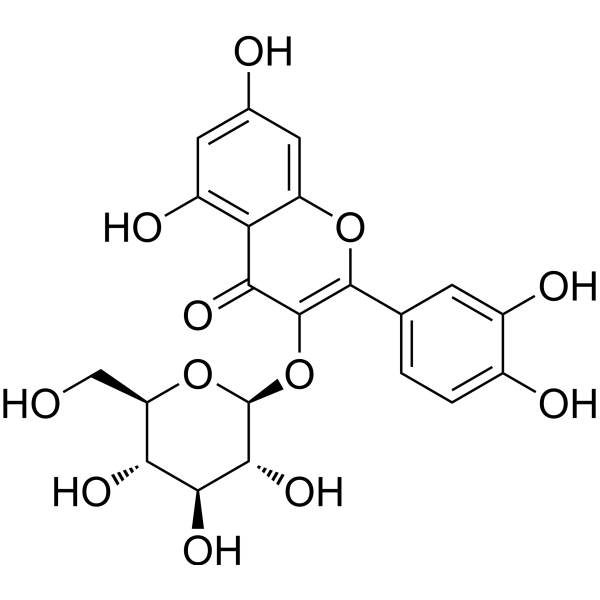
  • HY-N1445
    Isoquercitrin
    5+ Cited Publications

    Isoquercetin; Quercetin 3-glucoside

    NF-κB NO Synthase Inflammation/Immunology Cancer
    Isoquercetin (Quercetin 3-glucoside) is a naturally occurring polyphenol that has antioxidant, anti-proliferative, and anti-inflammatory properties. Isoquercetin alleviates ethanol-induced hepatotoxicity, oxidative stress, and inflammatory responses via the Nrf2/ARE antioxidant signaling pathway . Isoquercetin regulates the expression of nitric oxide synthase 2 (NO2) via modulating the nuclear factor-κB (NF-κB) transcription regulation system. Isoquercetin has high bioavailability and low toxicity, is a promising candidate agent to prevent birth defects in diabetic pregnancies .
    Isoquercitrin
  • HY-14649R
    Retinoic acid (Standard)
    Maximum Cited Publications
    127 Publications Verification

    Vitamin A acid (Standard); all-trans-Retinoic acid (Standard); ATRA (Standard)

    Reference Standards RAR/RXR PPAR Endogenous Metabolite Autophagy Cancer
    Retinoic acid (Standard) is the analytical standard of Retinoic acid. This product is intended for research and analytical applications. Retinoic acid is a metabolite of vitamin A that plays important roles in cell growth, differentiation, and organogenesis. Retinoic acid is a natural agonist of RAR nuclear receptors, with IC50s of 14 nM for RARα/β/γ. Retinoic acid bind to PPARβ/δ with Kd of 17 nM. Retinoic acid acts as an inhibitor of transcription factor Nrf2 through activation of retinoic acid receptor alpha.
    Retinoic acid (Standard)
  • HY-138794
    XL177A
    5 Publications Verification

    Deubiquitinase Histone Demethylase SARS-CoV Cancer
    XL177A is a covalent USP7 inhibitor that blocks the deubiquitinase activity of USP7. XL177A destabilizes non-canonical PRC1 complexes or KDM6A and reduces chromatin deposition of H2AK119Ub, thereby relieving the repression of neuronal differentiation programs. Meanwhile, XL177A also regulates the ELOF1-UVSSA-USP7-nuclear β-catenin axis, decreasing the transcription levels of related proteins and the accumulation of nuclear β-catenin. XL177A exerts antiviral effects by reducing the expression levels of coronavirus receptors, and exhibits inhibitory activity against APC-mutated colorectal cancer cells, neuroblastoma, and coronaviruses including SARS-CoV-2 variants. XL177A is mainly used in studies related to colorectal cancer, neuroblastoma, and coronavirus infections .
    XL177A
  • HY-N0010
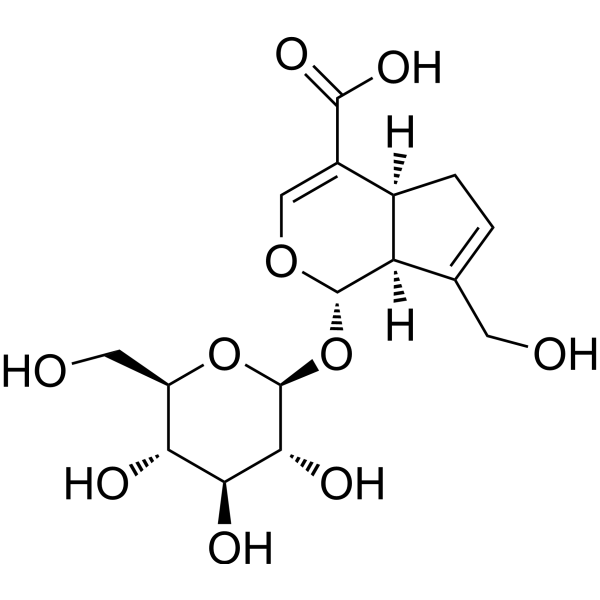
    Geniposidic acid
    5+ Cited Publications

    FXR Sirtuin TNF Receptor Interleukin Related Metabolic Disease
    Geniposidic acid is an orally active FXR modulator and SIRT6 activator. Geniposidic acid binds to the Ser332 and His447 sites on the FXR ligand-binding domain, thereby driving nuclear translocation, coactivator recruitment, and transcription of downstream bile acid and cholesterol metabolism-related genes. Geniposidic acid improves metabolic dysfunction-related fatty liver disease by activating the SIRT6 signaling pathway. Geniposidic acid inhibits inflammation and modulates gut microbiota to alleviate colitis. Geniposidic acid can be used in research on drug-induced liver injury, inflammatory bowel disease, metabolic dysfunction-related fatty liver disease, and metabolic dysfunction-related steatohepatitis .
    Geniposidic acid
  • HY-111498A
    RGX-104
    3 Publications Verification

    Abequolixron

    LXR Inflammation/Immunology Cancer
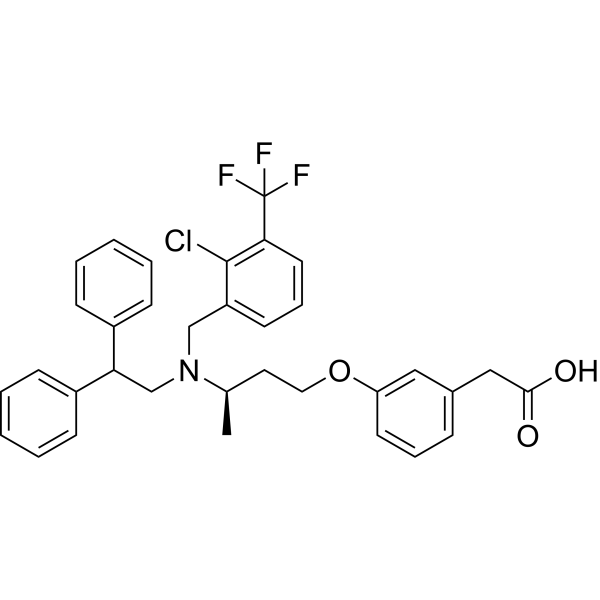
    RGX-104 is an orally bioavailable and potent liver-X nuclear hormone receptor (LXR) agonist that modulates innate immunity via transcriptional activation of the ApoE gene.
    RGX-104
  • HY-124500
    AC-4-130
    5+ Cited Publications

    STAT Apoptosis Cancer
    AC-4-130 is a potent STAT5 SH2 domain inhibitor. AC-4-130 directly binds to STAT5 and disrupts STAT5 activation, dimerization, nuclear translocation, and STAT5-dependent gene transcription. AC-4-130 induces cell cycle arrest and apoptosis in FLT3-ITD-driven leukemic cells. AC-4-130 has anti-cancer activity and can efficiently block pathological levels of STAT5 activity in acute myeloid leukemia (AML) .
    AC-4-130
  • HY-N0866
    20-Deoxyingenol
    5 Publications Verification

    Autophagy Inflammation/Immunology
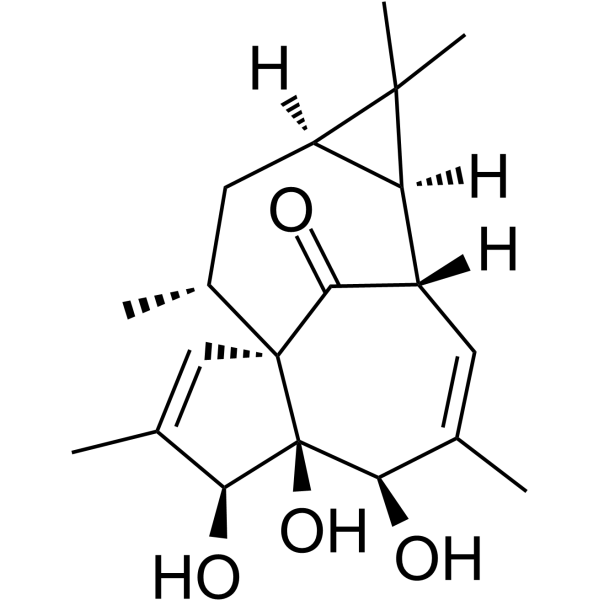
    20-Deoxyingenol, a diterpene, is isolated from the roots of Euphorbia kansui. 20-Deoxyingenol can promote autophagy and lysosomal biogenesis by promoting the nuclear translocation of transcription factor EB (TFEB) in vitro. 20-Deoxyingenol can be used for the research of osteoarthritis (OA) .
    20-Deoxyingenol
  • HY-N6747

    c-Myc Autophagy Cancer
    Stauprimide is a staurosporine analog that promotes embryonic stem cell (ESC) differentiation. Stauprimide is a non-broad spectrum inhibitor that binds to the MYC transcription factor NME2 and blocks its nuclear localization in ESCs, which results in down-regulation of MYC transcription .
    Stauprimide
  • HY-30267
    4-Hydroxyphenyl acetate
    2 Publications Verification

    4-HPA; 4-Acetoxyphenol

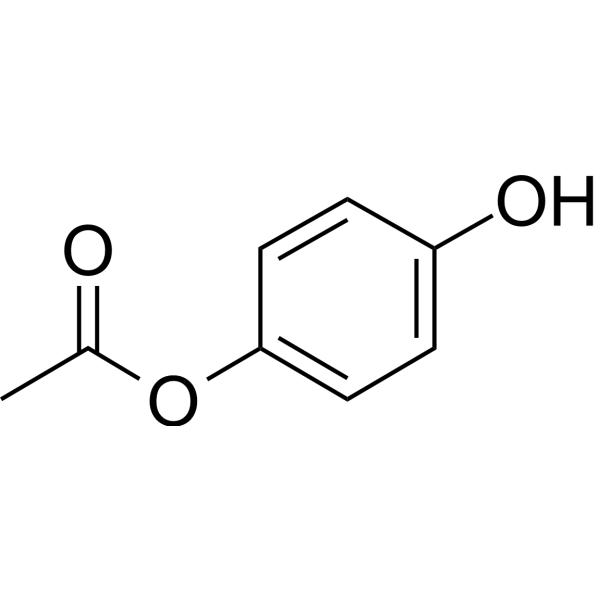
    Quinone Reductase Endogenous Metabolite Others
    4-Hydroxyphenyl acetate (4-HPA) is a natural antioxidant and protects cells from oxidative stress-induced necrosis. 4-Hydroxyphenyl acetate blocks the increase of cellular ROS induced by oxidative stress, and up-regulates NQO1 and HO-1 genes by stabilizing and inducing the nuclear translocation of NRF2 transcription factor .
    4-Hydroxyphenyl acetate
  • HY-100008
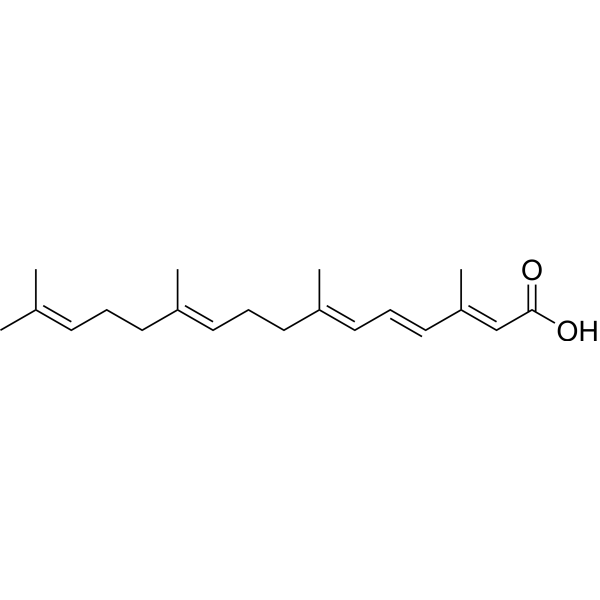
    Peretinoin
    5+ Cited Publications

    NIK333

    RAR/RXR SphK Autophagy HCV Infection Cancer
    Peretinoin is an oral acyclic retinoid with a vitamin A-like structure that targets retinoid nuclear receptors such as retinoid X receptor (RXR) and retinoic acid receptor (RAR). Peretinoin reduces the mRNA level of sphingosine kinase 1 (SPHK1) in vitro by downregulating a transcription factor, Sp1 . Peretinoin prevents the progression of non-alcoholic steatohepatitis (NASH) and the development of hepatocellular carcinoma (HCC) through activating the autophagy pathway by increased Atg16L1 expression . Peretinoin inhibits HCV RNA amplification and virus release by altering lipid metabolism with a EC50 of 9 μM .
    Peretinoin
  • HY-120072
    PF-3450074
    5 Publications Verification

    PF-74

    HIV Infection
    PF-3450074 (PF-74) is a specifical inhibitor of HIV-1 capsid protein (CA) and displays a broad-spectrum inhibition of HIV isolates with submicromolar potency (EC50=8-640 nM). PF-3450074 (PF-74) acts at an early stage of HIV-1 infection, inhibits viral replication by directly competing with the binding of CPSF6 and NUP153, and blocks the uncoating, assembly, and the reverse transcription steps of the viral life cycle . CPSF6: nuclear host factors cleavage and polyadenylation specific factor 6; NUP153: nucleoporin 153.
    PF-3450074
  • HY-120855
    CCG-100602
    2 Publications Verification

    Ras Cardiovascular Disease
    CCG-100602 is a specific inhibitor of myocardin-related transcription factor A/serum response factor (MRTF-A/SRF) signaling. CCG-100602 specifically block MRTF-A nuclear localization and thus inhibit the fibrogenic transcription factor SRF .
    CCG-100602
  • HY-107494A
    all-trans-4-Oxoretinoic acid
    1 Publications Verification

    all-trans 4-Keto Retinoic Acid

    Endogenous Metabolite Metabolic Disease
    all-trans-4-Oxoretinoic acid, an active metabolite of vitamin A, induces gene transcription via binding to nuclear retinoic acid receptors (RARs).
    all-trans-4-Oxoretinoic acid
  • HY-W019721

    Nuclear Factor of activated T Cells (NFAT) Inflammation/Immunology
    Cyclosporin D, a metabolite of Cyclosporin A, is a weak immunosuppressant. Cyclosporin D is used as internal standard for quantification of Cyclosporin A . Cyclosporin A is a potent immunosuppressant agent, suppress T cell activation by inhibiting calcineurin and the calcineurin-dependent transcription factors nuclear factor of activated T cells (NFAc) .
    Cyclosporin D
  • HY-N0167
    Gynostemma Extract
    1 Publications Verification

    Ginsenoside C-Mx1; Gypenoside IX

    p38 MAPK Akt NF-κB COX Interleukin Related NO Synthase Metabolic Disease Inflammation/Immunology
    Gynostemma Extract (Gypenoside IX) is a triterpenoid saponin. Gynostemma Extract can be isolated from Panax notoginseng. Gynostemma Extract reduces NFκB nuclear translocation and transcriptional activity by inhibiting the p38 MAPK/Akt/NFκB signaling pathway. Gynostemma Extract reduces the expression of cytokines (COX-2, IL-6) and the production of NO. Gynostemma Extract has anti-inflammatory activity. Gynostemma Extract can be used in the study of liver injury and neuroinflammation .
    Gynostemma Extract
  • HY-W035137

    5,15-DPP

    STAT Cancer
    5,15-Diphenylporphyrin (5,15-DPP) is an inhibitor of the oncogenic transcription factor STAT3. 5,15-Diphenylporphyrin specifically binds to the SH2 domain of STAT3, blocking the pTyr-SH2 interaction, thereby inhibiting the dimerization, nuclear translocation and DNA binding activity of STAT3, and ultimately inhibiting the expression of cancer cell-related genes. 5,15-Diphenylporphyrin can be used in research fields related to the development of anticancer drugs[1][2].
    5,15-Diphenylporphyrin
  • HY-168016

    PROTACs YAP Cancer
    PROTAC YAP degrader-1 is a VHL-recruiting PROTAC degrader (DC50=8.2 μM) and antiproliferative agent that targets YAP. PROTAC YAP degrader-1 recruits the E3 ligase VHL and binds to VHL to form a ternary complex containing YAP. PROTAC YAP degrader-1 inhibits the nuclear localization of YAP in cancer cells, reduces YAP/TEAD-mediated transcription, and induces TAZ protein degradation. PROTAC YAP degrader-1 reduces the oncogenic activity of YAP and exerts antiproliferative effects in the Huh7 xenograft mouse model. PROTAC YAP degrader-1 can be used for the research of hepatocellular carcinoma and mesothelioma .
    PROTAC YAP degrader-1
  • HY-136741
    BOT-64
    2 Publications Verification

    IKK Inflammation/Immunology
    BOT-64 is an inhibitory κB (IκB) kinase β (IKKβ) inhibitor with an IC50 of 1 µM. BOT-64 blocks lipopolysaccharide-induced nuclear factor-κB activation and nuclear factor-κB-regulated inflammatory gene transcription .
    BOT-64
  • HY-135572

    Orphan Nuclear Receptor Neurological Disease Cancer
    TLX agonist 1 (ccrp2) is an orphan nuclear receptor tailless (TLX, NR2E1) modulator (EC50=1μM; Kd= 650 nM). TLX agonist 1 potentiates TLX transcriptional repressive activity .
    TLX agonist 1
  • HY-117669

    Androgen Receptor Cancer
    VPC-14228 is an inhibitor that selectively targets androgen receptor DNA binding domain (AR-DBD). VPC-14228 inhibits the interaction between AR and DNA, thereby blocking AR-mediated transcriptional activation. VPC-14228 does not rely on nuclear localization inhibition, but rather inhibits the activity of full-length AR and splice variant AR-V7 by interfering with AR binding to chromatin. And VPC-14228 has high selectivity for other nuclear receptors such as ER and PR. VPC-14228 can be used in the study of prostate cancer [2].
    VPC-14228
  • HY-135691

    c-Myc Apoptosis Cancer
    hnRNPK-IN-1 is a heterogeneous nuclear ribonucleoprotein K (hnRNPK) binding ligand with Kd values of 4.6 μM and 2.6 μM measured with SPR and MST, respectively. hnRNPK-IN-1 inhibits c-myc transcription by disrupting the binding of hnRNPK and c-myc promoter. hnRNPK-IN-1 induces Hela cells apoptosis and has strongly anti-tumor activities .
    hnRNPK-IN-1
  • HY-N1921
    Edpetiline
    2 Publications Verification

    NF-κB p38 MAPK TNF Receptor Reactive Oxygen Species (ROS) COX Interleukin Related Inflammation/Immunology
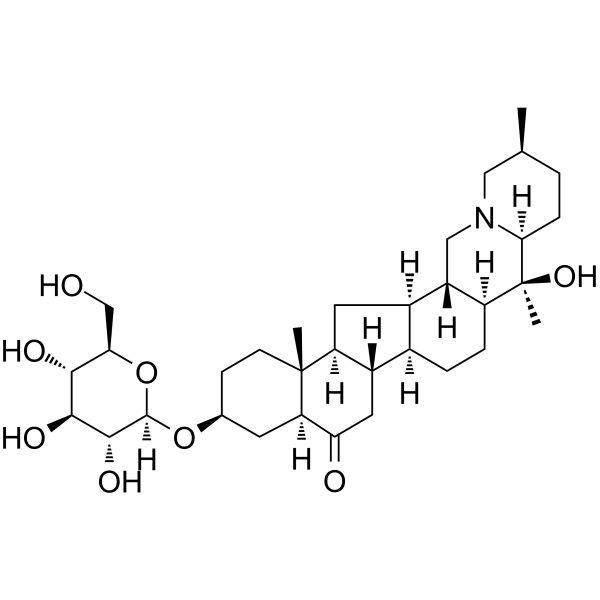
    Edpetiline is an anti-inflammatory agent. Edpetiline inhibits the phosphorylation of IκB, nuclear transcription/translocation of NF-κB p65, as well as the phosphorylation of p38 MAPK and ERK MAPK. Edpetiline reduces intracellular ROS levels, inhibits the expression of TNF-α, IL-6, iNOS, COX-2, and promotes the expression of IL-4. Edpetiline is applicable to the research of diseases associated with inflammation and oxidative stress .
    Edpetiline
  • HY-43515

    Endogenous Metabolite Metabolic Disease
    ESI1 is a small molecule epigenetic silencing inhibitor. ESI1 can trigger the formation of nuclear condensates of key lipid metabolism regulators SREBP1/2, concentrating transcriptional co-activators to drive lipid/cholesterol biosynthesis. ESI1 can promote myelin regeneration in demyelinated animal models and facilitate de novo myelination on regenerating CNS axons, reversing age-related declines in cognitive abilities .
    ESI1
  • HY-14649S4

    Vitamin A acid-d5; all-trans-Retinoic acid-d5; ATRA-d5

    Isotope-Labeled Compounds RAR/RXR PPAR Endogenous Metabolite Autophagy Cancer
    Retinoic acid-d5 is the the deuterium labeled Retinoic acid (HY-14649). Retinoic acid is a metabolite of vitamin A that plays important roles in cell growth, differentiation, and organogenesis. Retinoic acid is a natural agonist of RAR nuclear receptors, with IC50s of 14 nM for RARα/β/γ. Retinoic acid bind to PPARβ/δ with Kd of 17 nM. Retinoic acid acts as an inhibitor of transcription factor Nrf2 through activation of retinoic acid receptor alpha .
    Retinoic acid-d5
  • HY-156190A

    Orphan Nuclear Receptor Cancer
    NR2F2-IN-1 (free base) is a potent and selective orphan nuclear receptor COUP-TFII (NR2F2) inhibitor. NR2F2-IN-1 (free base) substantially inhibits COUP-TFII–driven NGFIA reporter expression. NR2F2-IN-1 (free base) directly binds to the COUP-TFII ligand-binding domain and disrupts COUP-TFII interaction with transcription regulators, including FOXA1, thus repressing COUP-TFII activity on target gene regulation .
    NR2F2-IN-1 free base
  • HY-144339
    AhR agonist 2
    1 Publications Verification

    Aryl Hydrocarbon Receptor Others
    AhR agonist 2 (Compound 12a) is a potent agonist of aryl hydrocarbon receptor (AhR) with an EC50 of 0.03 nM. AhR agonist 2 induces rapid nuclear enrichment of AhR, triggers the transcription of downstream genes and promote skin barrier repair. AhR agonist 2 has the potential for the research of psoriasis .
    AhR agonist 2
  • HY-107404

    Orphan Nuclear Receptor Endocrinology
    SID 7969543 is a selective SF-1 (steroidogenic factor 1, NR5A1) inhibitor with an IC50 of 760 nM. SID 7969543 inhibits SF-1-triggered luciferase expression with IC50 of 30 nM. SF-1 is a transcription factor belonging to the nuclear receptor superfamily .
    SID 7969543
  • HY-160496

    STAT Cancer
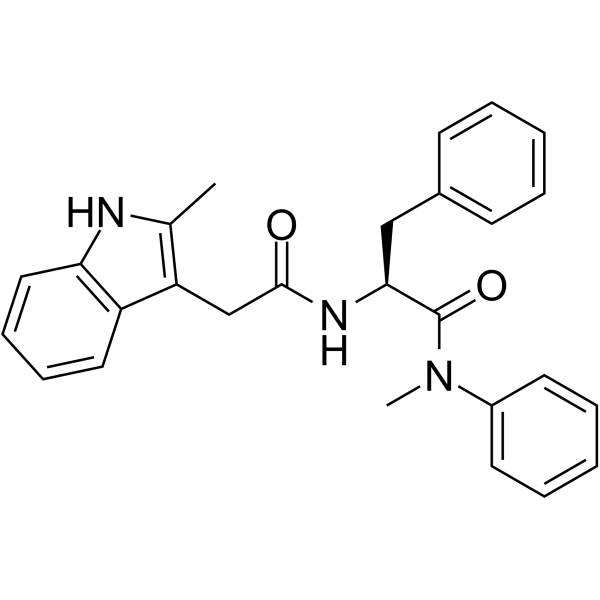
    STAT3-IN-25 (Compound 2p) is a potent STAT3 inhibitor with a p-trifluoroethoxy benzyl substituent. STAT3-IN-25 shows STAT3 luciferase inhibition activity using HEK293T cells with an IC50 of 22.3 nM and ATP production inhibition activity using BxPC-3 cells with an IC50 of 32.5 nM. STAT3-IN-25 has the potential for pancreatic cancer research .
    STAT3-IN-25
  • HY-N1445R
    Isoquercitrin (Standard)
    1 Publications Verification

    Isoquercetin (Standard); Quercetin 3-glucoside (Standard)

    Reference Standards NF-κB NO Synthase Inflammation/Immunology Cancer
    Isoquercetin (Standard) is the analytical standard of Isoquercetin. This product is intended for research and analytical applications. Isoquercetin (Quercetin 3-glucoside) is a naturally occurring polyphenol that has antioxidant, anti-proliferative, and anti-inflammatory properties. Isoquercetin alleviates ethanol-induced hepatotoxicity, oxidative stress, and inflammatory responses via the Nrf2/ARE antioxidant signaling pathway . Isoquercetin regulates the expression of nitric oxide synthase 2 (NO2) via modulating the nuclear factor-κB (NF-κB) transcription regulation system. Isoquercetin has high bioavailability and low toxicity, is a promising candidate agent to prevent birth defects in diabetic pregnancies .
    Isoquercitrin (Standard)
  • HY-44062

    Histone Methyltransferase Inflammation/Immunology Cancer
    G9a-IN-1 (Compound 113) is a G9a protein inhibitor. G9A/EHMT2 is a nuclear histone lysine methyltransferase that catalyzes histone H3 lysine 9 dimethylation (H3K9me2), which is a reversible modification generally associated with transcriptional gene silencing. G9a-IN-1 can be used for the research of autoimmune disorders or cancer .
    G9a-IN-1
  • HY-16985S

    ODM-201-d4; BAY-1841788-d4

    Isotope-Labeled Compounds Androgen Receptor Cancer
    Darolutamide-d4 (ODM-201-d4) is deuterium labeled Darolutamide (HY-16985). Darolutamide (ODM-201) is an orally active competitive androgen receptor (AR) antagonist, with a Ki of 11 nM for rat wild-type AR (wtAR) and an IC50 of 26 nM for human wild-type AR (hAR)-mediated transcriptional activation . Darolutamide inhibits testosterone-induced AR nuclear translocation and transcriptional activation . Darolutamide exerts selective effects on AR-positive cells by inhibiting AR-dependent signaling pathways, and its active metabolite retains full antagonistic activity against AR mutants . Darolutamide can be used for the research of prostate cancer, including androgen receptor-dependent prostate cancer .
    Darolutamide-d4
  • HY-W273690

    1-Hexyltheobromine; Hexyltheobromine

    Drug Intermediate Collagen Cardiovascular Disease Neurological Disease
    Pentifylline (1-Hexyltheobromine; Hexyltheobromine), PTX (HY-B0715) precursor compound, is a vasodilator. Pentifylline decreases procollagen levels and inhibits collagen production. Pentifylline reduces functional nuclear NF-1 to suppress procollagen gene transcription .
    Pentifylline
  • HY-P1832A
    PTD-p65-P1 Peptide TFA
    3 Publications Verification

    NF-κB Apoptosis Inflammation/Immunology Cancer
    PTD-p65-P1 Peptide TFA is a potent, selective nuclear transcription factor NF-κB inhibitor and derives from the p65 subunit of NF-κB amino acid residues 271-282, which selectively inhibits NF-κB activation induced by various inflammatory stimulation, down-regulate NF-κB-mediated gene expression and up-regulate apoptosis .
    PTD-p65-P1 Peptide TFA
  • HY-164373

    Androgen Receptor Apoptosis Cancer
    SC428 is an androgen receptor (AR) inhibitor that targets the N-terminal domain. SC428 potently decrease the transactivation of (AR)-V7, (AR)v567es, as well as full-length ( AR ) (AR-FL) and its LBD mutants, substantially. SC428 inhibits androgen-stimulated (AR)-FL nuclear translocation, chromatin binding, and (AR) -regulated gene transcription. SC428 inhibits the proliferation of tumor cells in vitro. SC428 inhibits tumor cell growth by inducing apoptosis in mice transplanted with 22RV1 .
    SC428
  • HY-173025

    Nuclear Hormone Receptor 4A/NR4A Neurological Disease
    Nurr1 agonist 12 (Compound 37) is the agonist for nuclear receptor-associated protein 1 (Nurr1) that activates the transcriptional activity of Nurr1 with an EC50 of 0.06 μM. Nurr1 agonist 12 activates the human response elements NBRE, NurRE, and DR5 with EC50 of 0.07 μM, 0.027 μM, and 0.014 μM, respectively. Nurr1 agonist 12 induces the expression of Nurr1-regulated neurotrophic genes, such as tyrosine hydroxylase (TH), SOD1/2, BDNF, Sestrin 3, and BIRC5 (Survivin). Nurr1 agonist 12 exhibits neuroprotective efficacy against Paraquat-induced neurotoxicity .
    Nurr1 agonist 12
  • HY-16985R

    ODM-201 (Standard); BAY-1841788 (Standard)

    Reference Standards Androgen Receptor Cancer
    Darolutamide (Standard) is the analytical standard of Darolutamide (HY-16985). This product is intended for research and analytical applications. Darolutamide (ODM-201) is an orally active competitive androgen receptor (AR) antagonist, with a Ki of 11 nM for rat wild-type AR (wtAR) and an IC50 of 26 nM for human wild-type AR (hAR)-mediated transcriptional activation . Darolutamide inhibits testosterone-induced AR nuclear translocation and transcriptional activation . Darolutamide exerts selective effects on AR-positive cells by inhibiting AR-dependent signaling pathways, and its active metabolite retains full antagonistic activity against AR mutants . Darolutamide can be used for the research of prostate cancer, including androgen receptor-dependent prostate cancer .
    Darolutamide (Standard)
  • HY-162152

    Keap1-Nrf2 Inflammation/Immunology
    biKEAP1 (compound 3) is an inhibitor targeting the dimerKEAP1. biKEAP1 binds to cellular KEAP1 dimers and releases the NRF2 protein sequestered by KEAP1, resulting in immediate activation of NRF2. biKEAP1 also promotes nuclear translocation of NRF2 and directly inhibits proinflammatory cytokine transcription. biKEAP1 can reduce acute inflammation and reduce inflammatory damage in acute inflammation models .
    biKEAP1
  • HY-162866

    Autophagy Metabolic Disease
    CXM102 is an autophagy activator. CXM102 can induce autophagy in aged BMSCs, leading to the rejuvenation of BMSCs and preferential differentiation into osteoblasts. CXM102 promotes the nuclear translocation of transcription factor EB (TFEB) and the formation of osteoblasts. CXM102 can stimulate bone synthesis metabolism in middle-aged male mice, reduce bone marrow adipocytes, delay bone loss, lower serum inflammation levels, decrease organ fibrosis, and extend the lifespan of the mice .
    CXM102
  • HY-W1005067

    Molecular Glues Hippo (MST) Estrogen Receptor/ERR Others
    EN171 is a covalent ligand that covalently targets both C38 and C96 on 14-3-3 to enhance 14-3-3 interactions with ERα, YAP and TAZ, leading to impaired estrogen receptor and Hippo pathway transcriptional activity. EN171 can not only be used as a molecular glue to enhance native protein interactions but can also be used as a covalent 14-3-3 recruiter in heterobifunctional molecules to sequester nuclear neo-substrates such as BRD4 and BLC6 into the cytosol .
    EN171
  • HY-156190

    Orphan Nuclear Receptor Cancer
    NR2F2-IN-1 (CIA1) is a potent and selective orphan nuclear receptor COUP-TFII (NR2F2) inhibitor. NR2F2-IN-1 substantially inhibits COUP-TFII-driven NGFIA reporter expression. NR2F2-IN-1 directly binds to the COUP-TFII ligand-binding domain and disrupts COUP-TFII interaction with transcription regulators, including FOXA1, thus repressing COUP-TFII activity on target gene regulation .
    NR2F2-IN-1
  • HY-N1326

    Santamarin; Balchanin

    JNK p38 MAPK MMP NF-κB COX TNF Receptor Interleukin Related Reactive Oxygen Species (ROS) Apoptosis Mitochondrial Metabolism DNA/RNA Synthesis Keap1-Nrf2 Bcl-2 Family Caspase PARP TGF-beta/Smad Metabolic Disease Inflammation/Immunology Cancer
    Santamarine (Santamarin; Balchanin) is a sesquiterpene lactone found in Artemisia scoparia. Santamarine shows anti-inflammatory, antioxidant, anticancer and anti-photoaging activities. Santamarine suppresses UVA-induced phosphorylation of JNK and p38 MAPK, nuclear translocation of phosphorylated c-Fos and c-Jun, and AP-1-mediated MMP-1 transcription and secretion. Santamarine suppresses NF-κB signaling, iNOS, COX-2, TNF-α, and IL-1β production. Santamarine inhibits thioredoxin reductase activity, induces ROS production, mitochondrial apoptosis, G2/M cell cycle arrest, and DNA damage, and reduces cancer cell growth. Santamarine can be used for the photoaging, inflammatory diseases and cancer .
    Santamarine
  • HY-P4101

    HIV Infection
    Cys(Npys)-TAT (47-57) is a peptide fragment of TAT peptide and it is able to interact with plasmid DNA electrostatically. Cys(Npys)-TAT (47-57) is corresponding to the transduction domain of TAT with an activated cysteine residue C. TAT is a small nuclear transcriptional activator protein encoded by HIV-1 .
    Cys(Npys)-TAT (47-57)
  • HY-174132

    CRM1 Inflammation/Immunology
    CW8001 is a covalent XPO1 (Exportin-1) inhibitor with an EC50 value of 1 nM for inhibiting T cell activation. CW8001 prevents nuclear localization of NFAT transcription factors, suppressing expression of inflammatory cytokines like IL-2. CW8001 is promising for research of T cell-driven immune diseases such as graft-versus-host disease (GVHD) .
    CW8001
  • HY-138794A

    Deubiquitinase Cancer
    (Rac)-XL177A is the racemic isomer of XL177A (HY-138794). XL177A is a covalent USP7 inhibitor that blocks the deubiquitinase activity of USP7. XL177A destabilizes non-canonical PRC1 complexes or KDM6A and reduces chromatin deposition of H2AK119Ub, thereby relieving the repression of neuronal differentiation programs. Meanwhile, XL177A also regulates the ELOF1-UVSSA-USP7-nuclear β-catenin axis, decreasing the transcription levels of related proteins and the accumulation of nuclear β-catenin. XL177A exerts antiviral effects by reducing the expression levels of coronavirus receptors, and exhibits inhibitory activity against APC-mutated colorectal cancer cells, neuroblastoma, and coronaviruses including SARS-CoV-2 variants. XL177A is mainly used in studies related to colorectal cancer, neuroblastoma, and coronavirus infections .
    (Rac)-XL177A
  • HY-124067

    IKK JAK STAT NF-κB Cancer
    EC-70124 is an orally active multikinase inhibitor targeting IKKβ and JAK2. EC-70124 blocks IkB phosphorylation and STAT3 (Tyr705) activation, suppressing NF-κB nuclear translocation and STAT3 transcriptional activity. EC-70124 reduces tumor growth and cancer stem cell (CSC) populations in prostate cancer cells and xenograft models. EC-70124 is promising for research of prostate cancer .
    EC-70124
  • HY-174575

    mRNA Cancer
    Human MYOD1 mRNA encodes the human myogenic differentiation 1 (MYOD1) protein, a nuclear protein that belongs to the basic helix-loop-helix family of transcription factors and the myogenic factors subfamily. MYOD1 acts as a transcriptional activator that promotes transcription of muscle-specific target genes and plays a role in muscle differentiation.
    Human MYOD1 mRNA
  • HY-132243

    Nuclear Factor of activated T Cells (NFAT) Inflammation/Immunology
    NFAT Inhibitor-3 (Compound 10) is a factor nuclear factor of activated T cells (NFAT) inhibitor. NFAT Inhibitor-3 inhibits IL-2 production. NFAT Inhibitor-3 binds in a sequence-selective manner directly to DNA. NFAT Inhibitor-3 can be used for the research of transcription factor dysregulation .
    NFAT Inhibitor-3

オンラインお問い合わせ

入力情報は安全に管理されます. 必須入力項目.

タイトル


国或いは地域 *

お名前 *


組纖名 *

デパートメント *


メールアドレス *


製品名 *

製品番号


カスタマ需要量 *

電話番号 *


必ず会社名を記載ください。個人への返信は行いません。

備考

バルクお問い合わせ

Inquiry Information

製品名:
製品番号:
数量:
MCE 日本正規代理店:

