1. Search Result
Search Result
Results for "

nucleobase

" in MedChemExpress (MCE) Product Catalog:

85

Inhibitors & Agonists

2

Screening Libraries

1

Fluorescent Dyes

5

Biochemical Assay Reagents

7

Peptides

27

Natural
Products

1

Recombinant Proteins

31

Isotope-Labeled Compounds

7

Oligonucleotides

Cat. No. Product Name Target Research Areas Chemical Structure
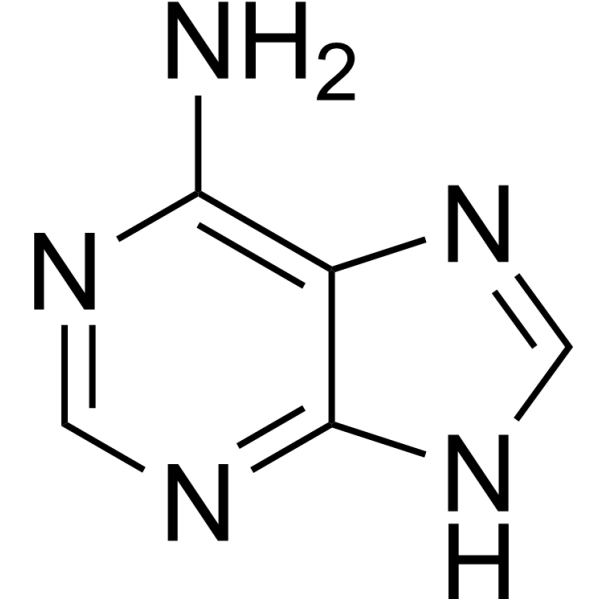
  • HY-B0152
    Adenine
    Maximum Cited Publications
    22 Publications Verification

    DNA/RNA Synthesis Endogenous Metabolite Infection Cancer
    Adenine (6-Aminopurine), a purine, is one of the four nucleobases in the nucleic acid of DNA. Adenine acts as a chemical component of DNA and RNA. Adenine also plays an important role in biochemistry involved in cellular respiration, the form of both ATP and the cofactors (NAD and FAD), and protein synthesis .
    Adenine
  • HY-N10574
    Queuine
    1 Publications Verification

    Bacterial Metabolic Disease Cancer
    Queuine is a selective substrate for tRNA guanine transglycosylase (TGT) and can be incorporated into eukaryotic tRNA. Queuine promotes tRNA modification, affecting mitochondrial function and Warburg metabolic phenotype. If Queuine is deficient, aerobic glycolysis can be enhanced, oxidative phosphorylation can be inhibited, and Warburg metabolism can be promoted, accompanied by increased ammonia and lactate production and increased lactate dehydrogenase activity. Queuine can be used for autoimmune diseases (such as experimental models of multiple sclerosis) and cancer metabolic regulation, and its deficiency is associated with low tRNA modification in tumor cells .
    Queuine
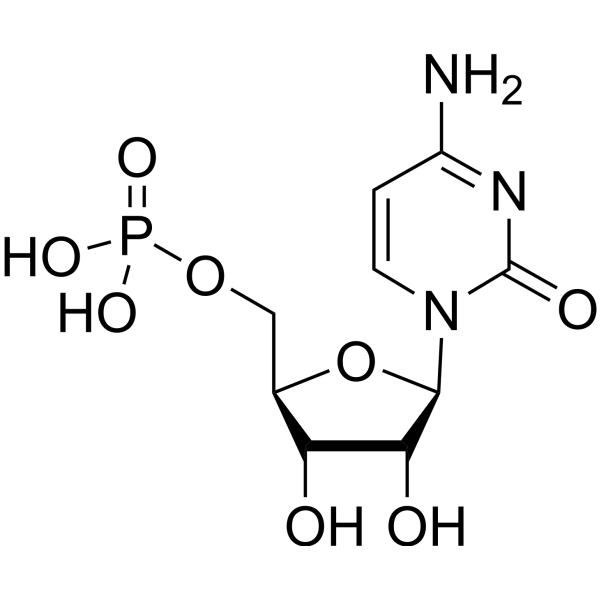
  • HY-W009162
    Cytidine 5'-monophosphate
    1 Publications Verification

    5'-Cytidylic acid; 5'-CMP

    Endogenous Metabolite Metabolic Disease
    Cytidine 5'-monophosphate (5'-Cytidylic acid) is a nucleotide which is used as a monomer in RNA. Cytidine 5'-monophosphate consists of the nucleobase cytosine, the pentose sugar ribose, and the phosphate group .
    Cytidine 5'-monophosphate
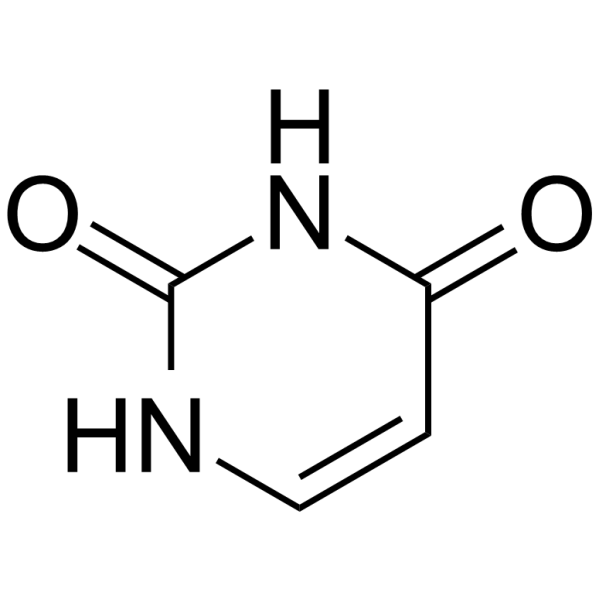
  • HY-I0960
    Uracil
    4 Publications Verification

    Endogenous Metabolite Drug Derivative Infection Cancer
    Uracil is a pyrimidine derivative and one of the four nucleobases in the nucleic acid of RNA. Uracil is a frequently occurring DNA base damage that results from the spontaneous or chemically induced deamination of cytosine and is mutagenic at the level of replication. Uracil could potentially alter transcriptional fidelity, resulting in production of mutant proteins .
    Uracil
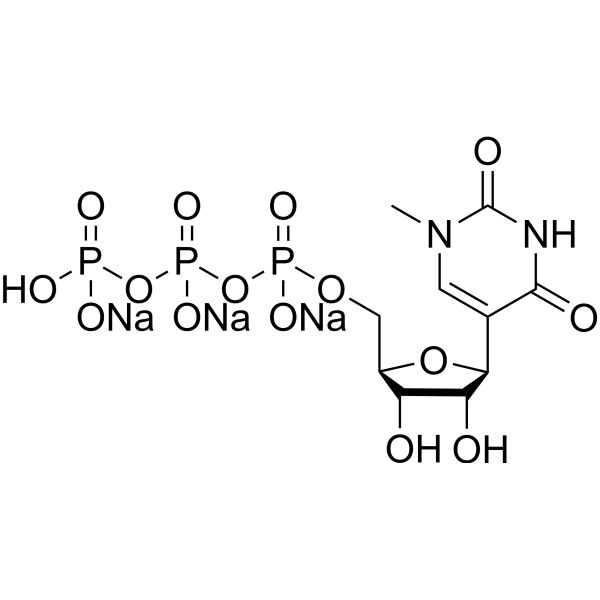
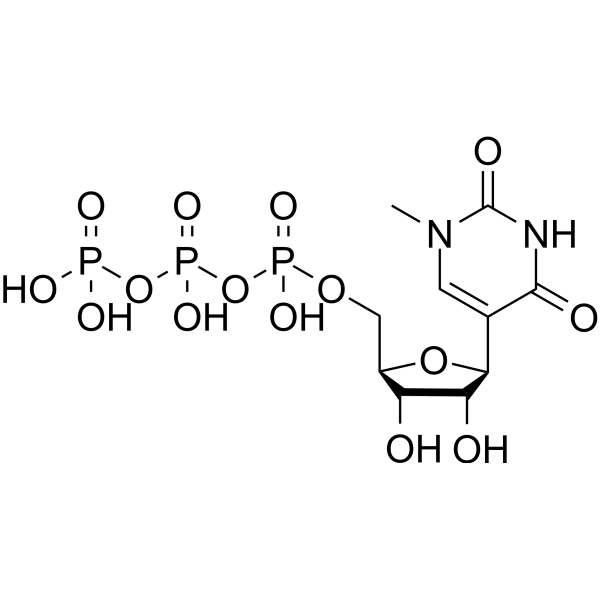
  • HY-112582C

    1-Methylpseudouridine-5′-triphosphate trisodium; N1-Me-Pseudo UTP trisodium; N1-Methyl-Pseudo-UTP trisodium

    Nucleoside Antimetabolite/Analog DNA/RNA Synthesis Cardiovascular Disease
    N1-Methylpseudouridine-5′-triphosphate (1-Methylpseudouridine-5′-triphosphate) trisodium solution (100 mM) is a nucleobase-modified nucleotide. N1-Methylpseudouridine-5′-triphosphate (1-Methylpseudouridine-5′-triphosphate) trisodium solution (100 mM) is used for synthesizing mRNA with reduced immunogenicity and improved stability .
    N1-Methylpseudouridine-5′-triphosphate trisodium solution (100 mM)
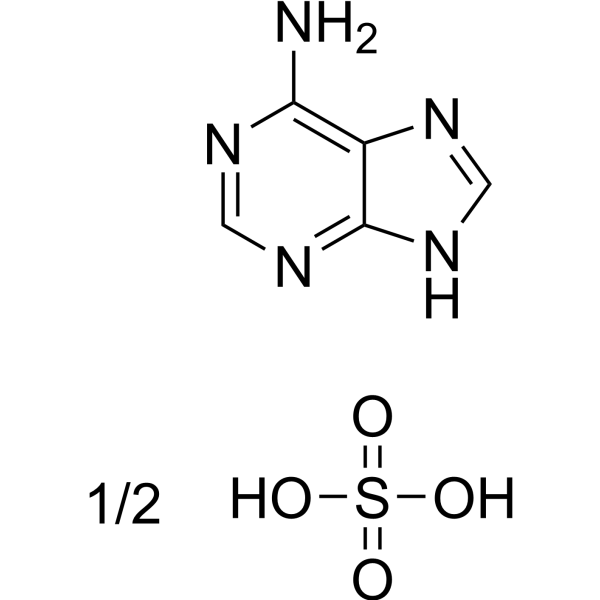
  • HY-B0152B
    Adenine hemisulfate
    Maximum Cited Publications
    22 Publications Verification

    6-Aminopurine hemisulfate; Vitamin B4 hemisulfate

    DNA/RNA Synthesis Endogenous Metabolite Cancer
    Adenine hemisulfate (6-Aminopurine hemisulfate), a purine, is one of the four nucleobases in the nucleic acid of DNA. Adenine hemisulfate acts as a chemical component of DNA and RNA. Adenine hemisulfate also plays an important role in biochemistry involved in cellular respiration, the form of both ATP and the cofactors (NAD and FAD), and protein synthesis .
    Adenine hemisulfate
  • HY-112582A

    1-Methylpseudouridine-5′-triphosphate

    Nucleoside Antimetabolite/Analog DNA/RNA Synthesis Cardiovascular Disease Others
    N1-Methylpseudouridine-5′-triphosphate (1-Methylpseudouridine-5′-triphosphate) is a nucleobase-modified nucleotide, used for synthesizing mRNA with reduced immunogenicity and improved stability.
    N1-Methylpseudouridine-5′-triphosphate solution (100 mM)
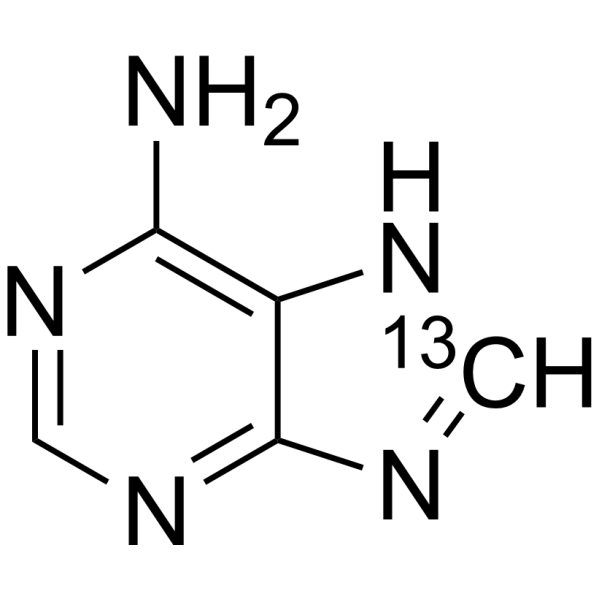
  • HY-B0152S1
    Adenine-13C
    2 Publications Verification

    Adenine-8-C13; 9H-Purin-6-amine-8-13C

    DNA/RNA Synthesis Endogenous Metabolite Cancer
    Adenine- 13C is the 13C labeled Adenine . Adenine (6-Aminopurine), a purine, is one of the four nucleobases in the nucleic acid of DNA. Adenine acts as a chemical component of DNA and RNA. Adenine also plays an important role in biochemistry involved in cellular respiration, the form of both ATP and the cofactors (NAD and FAD), and protein synthesis .
    Adenine-13C
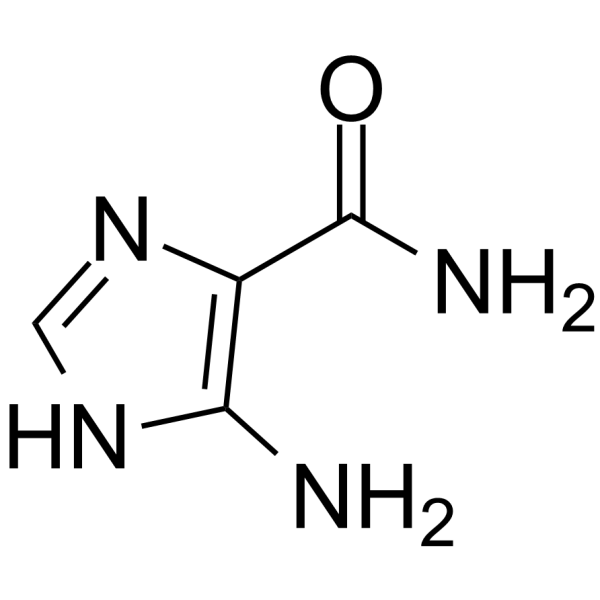
  • HY-41461
    5-Amino-3H-imidazole-4-Carboxamide
    1 Publications Verification

    5-Aminoimidazole-4-carboxamide; AICA

    Endogenous Metabolite Others
    5-Amino-3H-imidazole-4-Carboxamide (5-Aminoimidazole-4-carboxamide; AICA) is an important precursor for the synthesis of purines in general and of the nucleobases adenine and guanine in particular .
    5-Amino-3H-imidazole-4-Carboxamide
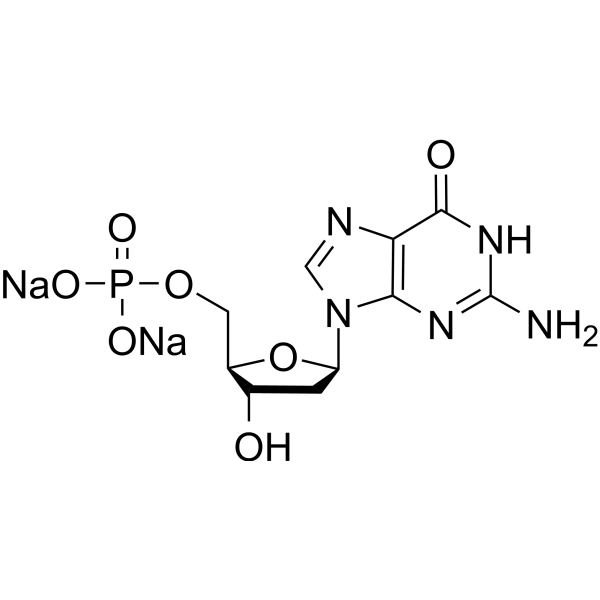
  • HY-W013159

    5′-dGMP disodium

    Endogenous Metabolite Nucleoside Antimetabolite/Analog Metabolic Disease
    2'-Deoxyguanosine 5'-monophosphate (5′-dGMP) disodium is a mononucleotide having guanine as the nucleobase. 2'-Deoxyguanosine 5'-monophosphate disodium is a reactant involved in analysis of self-assembling in solution and nucleation/growth of G-qudruplexes, nucleophilic trapping and reductive alkylation. 2'-Deoxyguanosine 5'-monophosphate disodium can be used as an oxidizable target. 2'-Deoxyguanosine 5'-monophosphate disodium is a nucleic acid guanosine triphosphate (GTP) derivative and is a nucleotide precursor used in DNA synthesis .
    2'-Deoxyguanosine 5'-monophosphate disodium
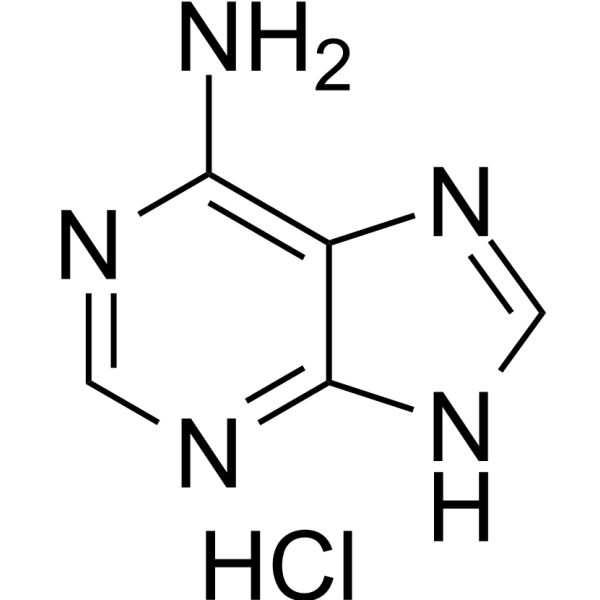
  • HY-B0152A
    Adenine hydrochloride
    Maximum Cited Publications
    22 Publications Verification

    6-Aminopurine hydrochloride; Vitamin B4 hydrochloride

    DNA/RNA Synthesis Endogenous Metabolite Cancer
    Adenine hydrochloride (6-Aminopurine hydrochloride), a purine, is one of the four nucleobases in the nucleic acid of DNA. Adenine hydrochloride acts as a chemical component of DNA and RNA. Adenine hydrochloride also plays an important role in biochemistry involved in cellular respiration, the form of both ATP and the cofactors (NAD and FAD), and protein synthesis .
    Adenine hydrochloride
  • HY-115642

    Nucleoside Antimetabolite/Analog Metabolic Disease
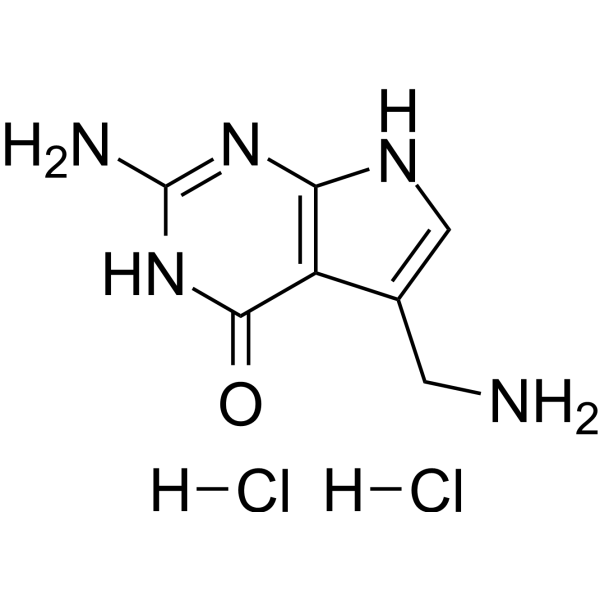
    preQ1 dihydrochloride is a modified, guanine-derived nucleobase and a precursor of Queuine (HY-N10574) biosynthesis. preQ1 dihydrochloride binds to the aptamer of PreQ1 riboswitch with high affinity .
    preQ1 dihydrochloride
  • HY-W006395

    Nucleoside Antimetabolite/Analog Cancer
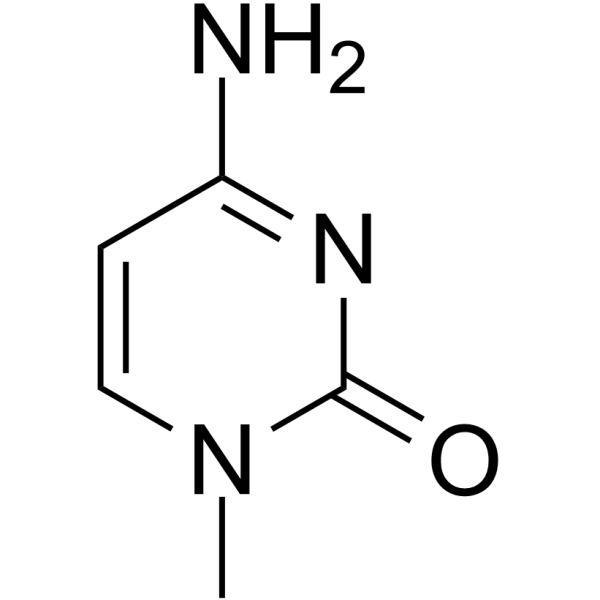
    1-Methylcytosine is a pyrimidinone that serves as a nucleobase for hachimoji DNA and pairs with isoguanine . 1-Methylcytosine exerts weak antiproliferative activity against cervical cancer cells. 1-Methylcytosine can be used in the research of cervical cancer .
    1-Methylcytosine
  • HY-W019815

    ENU; N-Nitroso-N-ethylurea

    DNA/RNA Synthesis Neurological Disease Cancer
    N-Ethyl-N-nitrosourea (ENU) is a DNA alkylating agent. N-Ethyl-N-nitrosourea induces leukemia by alkylating nucleobases, disrupting DNA, and resulting in bone marrow suppression and the formation of leukemic cells. N-Ethyl-N-nitrosourea is teratogenic in vivo, inducing tumor formation and paw malformations in pregnant rats. N-Ethyl-N-nitrosourea cause central nervous system (CNS) tumors and genetic disorders .
    N-Ethyl-N-nitrosourea
  • HY-W002272

    Nucleoside Antimetabolite/Analog Others
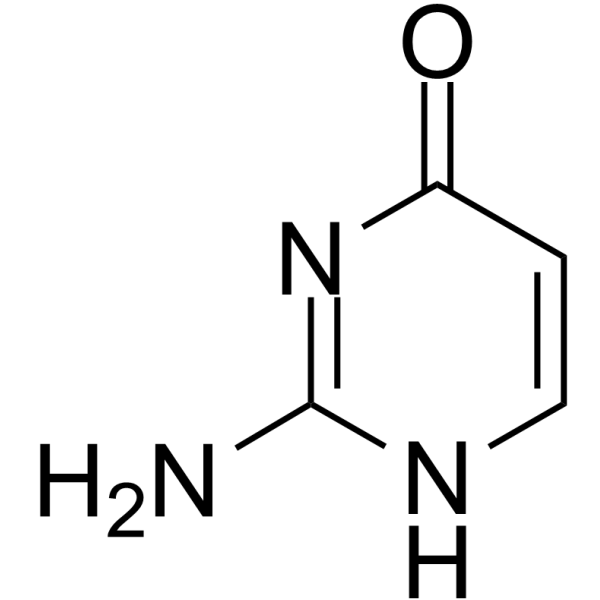
    Isocytosine is a non-natural nucleobase and an isomer of cytosine. It is used in combination with Isoguanine in studies of unnatural nucleic acid analogues of the normal base pairs in DNA and used as a nucleobase of hachimoji RNA .
    Isocytosine
  • HY-69014

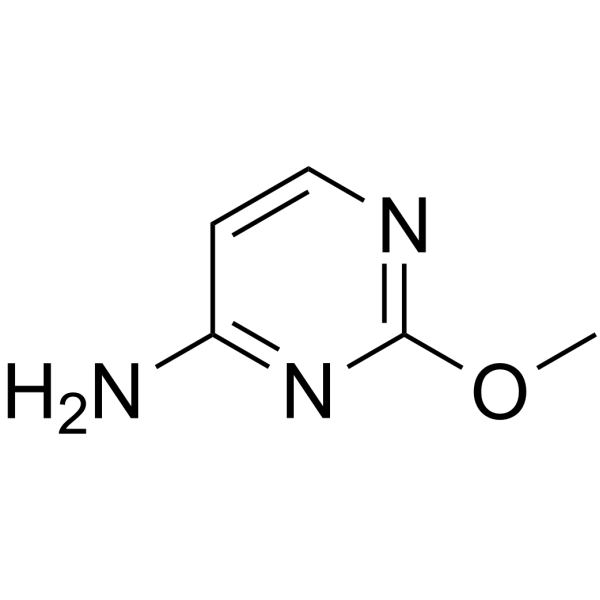
    DNA/RNA Synthesis Endogenous Metabolite Cancer
    2-O-Methylcytosine, an O-alkylated analogue a DNA adduct, is the damaged nucleobase .
    2-O-Methylcytosine
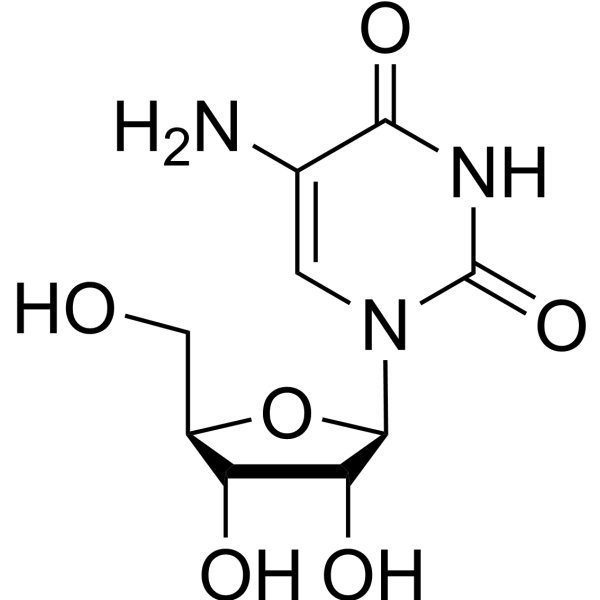
  • HY-130802

    Fungal Influenza Virus Infection Cancer
    5-Aminouridine can modify nucleobases and can be incorporated into the target DNA. 5-Aminouridine exhibits a wide range of biological activity and it inhibits the growth of tumors, fungi and viruses .
    5-Aminouridine
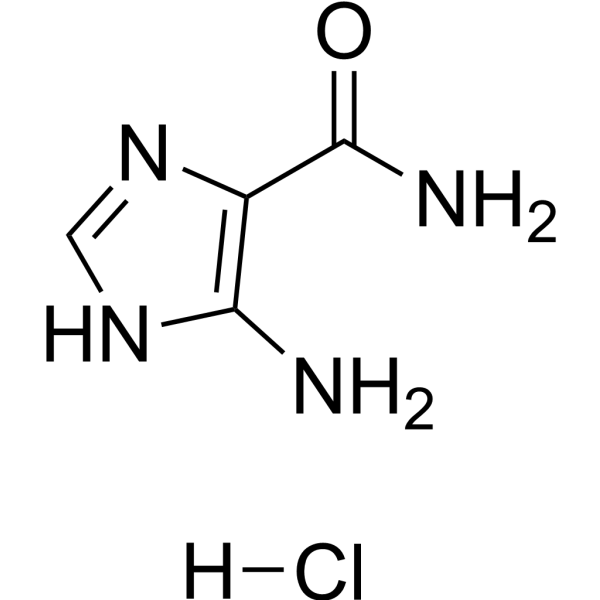
  • HY-41461A

    5-Aminoimidazole-4-carboxamide hydrochloride; AICA hydrochloride

    Endogenous Metabolite Others
    5-Amino-3H-imidazole-4-Carboxamide (AICA) hydrochloride is an important precursor for the synthesis of purines in general and of the nucleobases adenine and guanine in particular .
    5-Amino-3H-imidazole-4-carboxamide hydrochloride
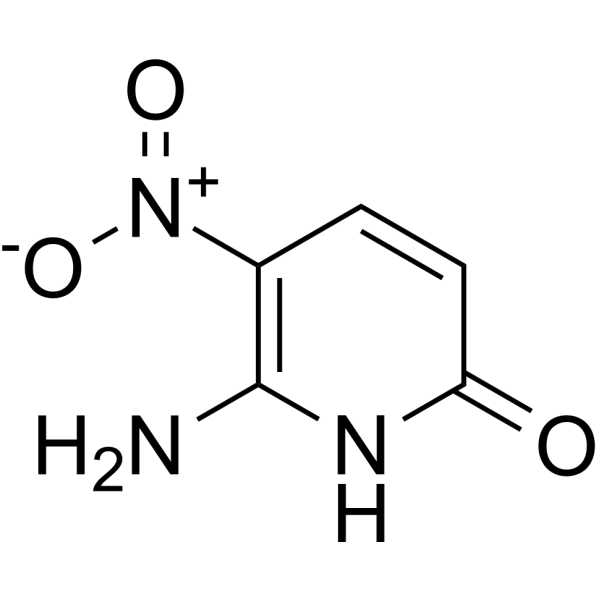
  • HY-50071

    Nucleoside Antimetabolite/Analog Others
    6-Amino-5-nitropyridin-2-one is a pyridine base and used as a nucleobase of hachimoji DNA, in which it pairs with 5-aza-7-deazaguanine .
    6-Amino-5-nitropyridin-2-one
  • HY-N10574A
    Queuine dihydrochloride
    1 Publications Verification

    Others Metabolic Disease Cancer
    Queuine dihydrochloride is a selective substrate for tRNA guanine transglycosylase (TGT) and can be incorporated into eukaryotic tRNA. Queuine dihydrochloride promotes tRNA modification, affecting mitochondrial function and Warburg metabolic phenotype. If Queuine dihydrochloride is deficient, aerobic glycolysis can be enhanced, oxidative phosphorylation can be inhibited, and Warburg metabolism can be promoted, accompanied by increased ammonia and lactate production and increased lactate dehydrogenase activity. Queuine dihydrochloride can be used for autoimmune diseases (such as experimental models of multiple sclerosis) and cancer metabolic regulation, and its deficiency is associated with low tRNA modification in tumor cells .
    Queuine dihydrochloride
  • HY-111531

    Phosphoramidites Nucleoside Antimetabolite/Analog DNA/RNA Synthesis Others
    DMTr-LNA-5MeU-3-CED-phosphoramidite is a Phosphoramidite derivative and Nucleoside derivative .
    DMTr-LNA-5MeU-3-CED-phosphoramidite
  • HY-117813

    Nucleoside Antimetabolite/Analog DNA/RNA Synthesis Dengue Virus Flavivirus CHIKV SARS-CoV Infection
    2-Thiouridine is an orally active modified nucleobase. 2-Thiouridine stabilizes U:A base pairs and destabilizes U:G wobble base pairs. 2-Thiouridine significantly improves the efficiency and accuracy of nonenzymatic replication of mixed-sequence A/U-containing RNA templates. 2-Thiouridine exhibits antiviral activity against multiple positive-sense single-stranded RNA viruses (DENV2, ZIKV, YFV, JEV, WNV, CHIKV, human coronaviruses ( [HCoV]-229E, HCoV-OC43, SARS-CoV), and MERS-CoV) .
    2-Thiouridine
  • HY-B0152S4

    6-Aminopurine-15N5; Vitamin B4-15N5

    Isotope-Labeled Compounds DNA/RNA Synthesis Endogenous Metabolite Cancer
    Adenine- 15N5 (6-Aminopurine- 15N5; Vitamin B4- 15N5) is 15N labeled Adenine (HY-B0152). Adenine (6-Aminopurine), a purine, is one of the four nucleobases in the nucleic acid of DNA. Adenine acts as a chemical component of DNA and RNA. Adenine also plays an important role in biochemistry involved in cellular respiration, the form of both ATP and the cofactors (NAD and FAD), and protein synthesis.
    Adenine-15N5
  • HY-E70042

    Endogenous Metabolite Metabolic Disease
    Nucleoside hydrolase (IAGNH) is a glycosidase. Nucleoside hydrolase (IAGNH) catalyzes the cleavage of the N-glycosidic bond in nucleosides to enable the recycling of the nucleobases and Rib .
    Nucleoside hydrolase (IAGNH)
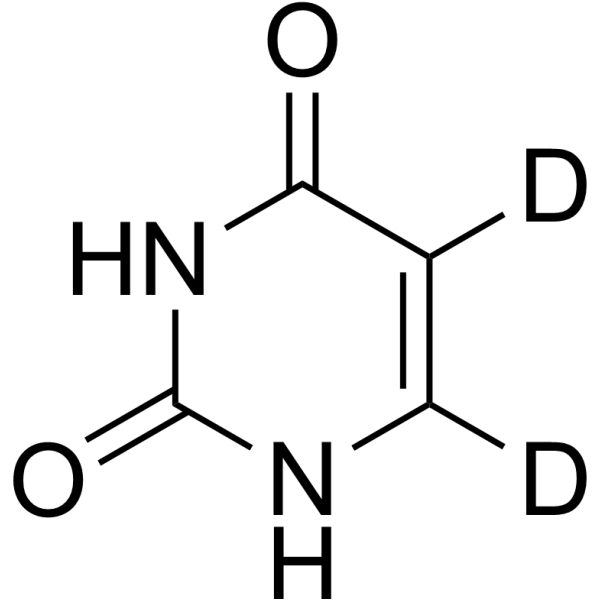
  • HY-I0960S4

    Endogenous Metabolite Cancer
    Uracil-d2 is the deuterium labeled Uracil . Uracil is a common and naturally occurring pyrimidine derivative and one of the four nucleobases in the nucleic acid of RNA .
    Uracil-d2
  • HY-W010450R

    Reference Standards Endogenous Metabolite Metabolic Disease Cancer
    Thymine (Standard) is the analytical standard of Thymine. This product is intended for research and analytical applications. Thymine is one of the four nucleobases in the nucleic acid of DNA and can be a target for actions of 5-fluorouracil (5-FU) in cancer treatment, with a Km of 2.3 μM.
    Thymine (Standard)
  • HY-B0152S

    6-Aminopurine-d1; Vitamin B4-d1

    DNA/RNA Synthesis Endogenous Metabolite Cancer
    Adenine-d is the deuterium labeled Adenine. Adenine (6-Aminopurine), a purine, is one of the four nucleobases in the nucleic acid of DNA. Adenine acts as a chemical component of DNA and RNA. Adenine also plays an important role in biochemistry involved in cellular respiration, the form of both ATP and the cofactors (NAD and FAD), and protein synthesis .
    Adenine-d1
  • HY-B0152R

    Reference Standards DNA/RNA Synthesis Endogenous Metabolite Cancer
    Adenine (Standard) is the analytical standard of Adenine. This product is intended for research and analytical applications. Adenine (6-Aminopurine), a purine, is one of the four nucleobases in the nucleic acid of DNA. Adenine acts as a chemical component of DNA and RNA. Adenine also plays an important role in biochemistry involved in cellular respiration, the form of both ATP and the cofactors (NAD and FAD), and protein synthesis .
    Adenine (Standard)
  • HY-D2353

    DNA/RNA Synthesis Cancer
    Biotin-PEG3-benzophenone is biotin-labeled Benzophenone (HY-Y0546). Benzophenone is an endogenous metabolite and a photosensitizer that has been implicated in photosensitive damage to DNA. Benzophenone causes nucleobase oxidation, formation of cyclobutane-pyrimidine dimers, single-strand breaks, DNA-protein cross-links or abasic sites, different pathologies that may occur in nucleosides, oligonucleotides or DNA .
    Biotin-PEG3-benzophenone
  • HY-W009162S5

    5'-Cytidylic acid-13C9,15N3 dilithium; 5'-CMP-13C9,15N3 dilithium

    Isotope-Labeled Compounds Endogenous Metabolite Metabolic Disease
    Cytidine 5′-monophosphate- 13C9, 15N3 (5'-Cytidylic acid- 13C9, 15N3 dilithium; 5'-CMP- 13C9, 15N3) dilithium is 13C and 15N-labeled Cytidine 5'-monophosphate (HY-W009162). Cytidine 5'-monophosphate (5'-Cytidylic acid) is a nucleotide which is used as a monomer in RNA. Cytidine 5'-monophosphate consists of the nucleobase cytosine, the pentose sugar ribose, and the phosphate group.
    Cytidine 5′-monophosphate-13C9,15N3 dilithium
  • HY-W010918R

    Adenosine diphosphate (Standard); ADP (Standard)

    Reference Standards Endogenous Metabolite Others
    Adenosine 5'-diphosphate (Standard) is the analytical standard of Adenosine 5'-diphosphate. This product is intended for research and analytical applications. Adenosine 5'-diphosphate (Adenosine diphosphate) is a nucleoside diphosphate. Adenosine 5'-diphosphate is the product of ATP dephosphorylation by ATPases. Adenosine 5'-diphosphate induces human platelet aggregation and inhibits stimulated adenylate cyclase by an action at P2T-purinoceptors. In Vitro: Adenosine 5'-diphosphate consists of the pyrophosphate group, the pentose sugar ribose, and the nucleobase adenine. Adenosine 5'-diphosphate is the product of ATP dephosphorylation by ATPases. ADP is converted back to ATP by ATP synthases. ATP is an important energy transfer molecule in cells. Adenosine 5'-diphosphate is utilized in a wide number of cellular processes, including respiration, biosynthetic reactions, motility, and cell division.
    Adenosine 5'-diphosphate (Standard)
  • HY-B0152S3

    6-Aminopurine-13C5; Vitamin B4-13C5

    Isotope-Labeled Compounds DNA/RNA Synthesis Endogenous Metabolite Cancer
    Adenine- 13C5 (6-Aminopurine- 13C5; Vitamin B4- 13C5) is 13C-labeled Adenine (HY-B0152). Adenine (6-Aminopurine), a purine, is one of the four nucleobases in the nucleic acid of DNA. Adenine acts as a chemical component of DNA and RNA. Adenine also plays an important role in biochemistry involved in cellular respiration, the form of both ATP and the cofactors (NAD and FAD), and protein synthesis.
    Adenine-13C5
  • HY-I0960R

    Reference Standards Endogenous Metabolite Cancer
    Uracil (Standard) is the analytical standard of Uracil. This product is intended for research and analytical applications. Uracil is a common and naturally occurring pyrimidine derivative and one of the four nucleobases in the nucleic acid of RNA.
    Uracil (Standard)
  • HY-I0960S1

    Endogenous Metabolite Cancer
    Uracil- 13C4 is the 13C labeled Uracil . Uracil is a common and naturally occurring pyrimidine derivative and one of the four nucleobases in the nucleic acid of RNA .
    Uracil-13C4
  • HY-I0960S9

    Endogenous Metabolite Cancer
    Uracil-d4 is the deuterium labeled Uracil[1]. Uracil is a common and naturally occurring pyrimidine derivative and one of the four nucleobases in the nucleic acid of RNA[2].
    Uracil-d4
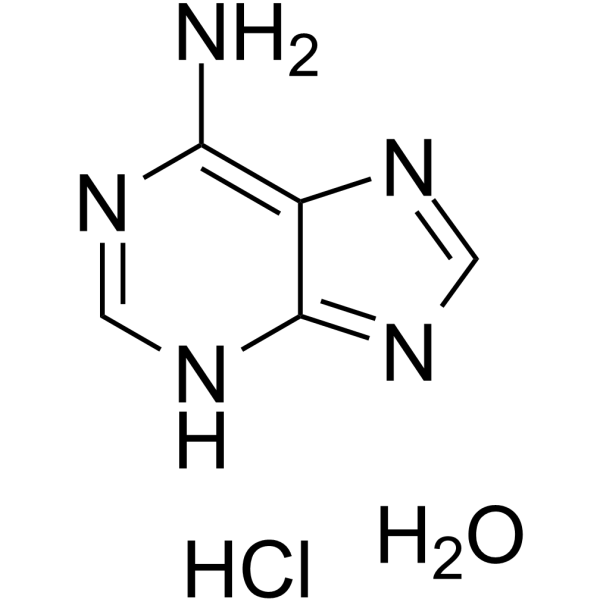
  • HY-W015213
    Adenine monohydrochloride hemihydrate
    Maximum Cited Publications
    22 Publications Verification

    Endogenous Metabolite DNA/RNA Synthesis Metabolic Disease
    Adenine monohydrochloride hemihydrate is a hydrochloride derivative of Adenine. Adenine (6-Aminopurine), a purine, is one of the four nucleobases in the nucleic acid of DNA. Adenine acts as a chemical component of DNA and RNA. Adenine also plays an important role in biochemistry involved in cellular respiration, the form of both ATP and the cofactors (NAD and FAD), and protein synthesis .
    Adenine monohydrochloride hemihydrate
  • HY-136559

    Nucleoside Antimetabolite/Analog DNA/RNA Synthesis Bacterial Influenza Virus Infection
    6-Azathymine, a 6-nitrogen analog of thymine, is a potent D-3-aminoisobutyrate-pyruvate aminotransferase inhibitor. 6-Azathymine inhibits the biosynthesis of DNA, and has antibacterial and antiviral activities .
    6-Azathymine
  • HY-N15159

    Cyclic GMP-AMP Synthase STING Parasite Infection Inflammation/Immunology
    Cladophorol A is a cyclic GMP-AMP synthase (cGAS) inhibitor. Cladophorol A binds to the conserved adenosine nucleobase binding site within the cGAS active site to inhibit its catalytic activity. Cladophorol A effectively inhibits the overactivation of the cGAS-STING pathway with an IC50 of 370 nM. Cladophorol A inhibits asexual blood-stage Plasmodium falciparum with an EC50 of 0.7 μg/mL. Cladophorol A can be used for the researches of inflammatory disease and malaria .
    Cladophorol A
  • HY-B0152S7

    6-Aminopurine-15N5 hydrochloride hydrate; Vitamin B4-15N5 hydrochloride hydrate

    Isotope-Labeled Compounds DNA/RNA Synthesis Cancer
    Adenine- 15N5 (6-Aminopurine- 15N5) hydrochloride hydrate is the 15N-labeled Adenine (HY-B0152). Adenine (6-Aminopurine), a purine, is one of the four nucleobases in the nucleic acid of DNA. Adenine acts as a chemical component of DNA and RNA. Adenine also plays an important role in biochemistry involved in cellular respiration, the form of both ATP and the cofactors (NAD and FAD), and protein synthesis .
    Adenine-15N5 hydrochloride hydrate
  • HY-W749117

    Endogenous Metabolite Metabolic Disease
    Inosine 5’-diphosphate sodium is a purine ribonucleoside 5’-diphosphate with inosine as the nucleobase, which can participate in intracellular energy metabolism and signal transduction processes .
    Inosine 5′-diphosphate sodium
  • HY-I0960S5

    Endogenous Metabolite Cancer
    Uracil- 15N2 is the 15N labeled Uracil . Uracil is a common and naturally occurring pyrimidine derivative and one of the four nucleobases in the nucleic acid of RNA .
    Uracil-15N2
  • HY-I0960S6

    Endogenous Metabolite Cancer
    Uracil-d2-1 is the deuterium labeled Uracil . Uracil is a common and naturally occurring pyrimidine derivative and one of the four nucleobases in the nucleic acid of RNA .
    Uracil-d2-1
  • HY-I0960S3

    Endogenous Metabolite Cancer
    Uracil- 13C4, 15N2 is the 13C and 15N labeled Uracil . Uracil is a common and naturally occurring pyrimidine derivative and one of the four nucleobases in the nucleic acid of RNA .
    Uracil-13C4,15N2
  • HY-W010450S4

    Endogenous Metabolite Cancer
    Thymine-d4-1 is the deuterium labeled Thymine . Thymine is one of the four nucleobases in the nucleic acid of DNA and can be a target for actions of 5-fluorouracil (5-FU) in cancer treatment, with a Km of 2.3 μM .
    Thymine-d4-1
  • HY-W747214

    Isotope-Labeled Compounds Endogenous Metabolite Cancer
    Thymine- 15N2, 13C is the 13C and 15N labeled Thymine (HY-W010450). Thymine is one of the four nucleobases in the nucleic acid of DNA and can be a target for actions of 5-Fluorouracil (HY-90006) in cancer treatment, with a Km of 2.3 μM .
    Thymine-15N2,13C
  • HY-W009162R

    5'-Cytidylic acid (Standard); 5'-CMP (Standard)

    Reference Standards Endogenous Metabolite Metabolic Disease
    Cytidine 5'-monophosphate (Standard) is the analytical standard of Cytidine 5'-monophosphate. This product is intended for research and analytical applications. Cytidine 5'-monophosphate (5'-Cytidylic acid) is a nucleotide which is used as a monomer in RNA. Cytidine 5'-monophosphate consists of the nucleobase cytosine, the pentose sugar ribose, and the phosphate group .
    Cytidine 5'-monophosphate (Standard)
  • HY-W013159S

    5′-dGMP-13C10,15N5 disodium

    Isotope-Labeled Compounds Endogenous Metabolite Nucleoside Antimetabolite/Analog Metabolic Disease
    2'-Deoxyguanosine 5'-monophosphate- 13C10, 15N5 (dGMP- 13C10, 15N5) disodium is the 13C and 15N labeled 2'-Deoxyguanosine 5'-monophosphate disodium (HY-W013159). 2'-Deoxyguanosine 5'-monophosphate (5′-dGMP) disodium is a mononucleotide having guanine as the nucleobase. 2'-Deoxyguanosine 5'-monophosphate disodium is a reactant involved in analysis of self-assembling in solution and nucleation/growth of G-qudruplexes, nucleophilic trapping and reductive alkylation. 2'-Deoxyguanosine 5'-monophosphate disodium can be used as an oxidizable target. 2'-Deoxyguanosine 5'-monophosphate disodium is a nucleic acid guanosine triphosphate (GTP) derivative and is a nucleotide precursor used in DNA synthesis .
    2'-Deoxyguanosine 5'-monophosphate-13C10,15N5 disodium
  • HY-B0152BR

    6-Aminopurine hemisulfate (Standard); Vitamin B4 hemisulfate (Standard)

    DNA/RNA Synthesis Endogenous Metabolite Reference Standards Cancer
    Adenine (hemisulfate) (Standard) is the analytical standard of Adenine (hemisulfate). This product is intended for research and analytical applications. Adenine hemisulfate (6-Aminopurine hemisulfate), a purine, is one of the four nucleobases in the nucleic acid of DNA. Adenine hemisulfate acts as a chemical component of DNA and RNA. Adenine hemisulfate also plays an important role in biochemistry involved in cellular respiration, the form of both ATP and the cofactors (NAD and FAD), and protein synthesis .
    Adenine hemisulfate (Standard)
  • HY-126060

    Nucleoside Antimetabolite/Analog Cancer
    9-Ethylguanine is a modified nucleobase derived from guanine that coordinates to azolato-bridged dinuclear platinum(II) complexes via its N7 nitrogen atom. 9-Ethylguanine forms adducts with a ruthenium(II) complex via the N7 position of its guanine moiety .
    9-Ethylguanine
  • HY-I0960S

    Isotope-Labeled Compounds Endogenous Metabolite Cancer
    Uracil- 13C2, 15N2 is the 13C-labeled and 15N-labeled Uracil. Uracil is a common and naturally occurring pyrimidine derivative and one of the four nucleobases in the nucleic acid of RNA.
    Uracil-13C2,15N2

Inquiry Online

Your information is safe with us. * Required Fields.

Salutation


Country or Region *

Applicant Name *


Organization Name *

Department *


Email Address *


Product Name *

Cat. No.


Requested quantity *

Phone Number *


Remarks

Inquiry Online

Inquiry Information

Product Name:
Cat. No.:
Quantity:
MCE Japan Authorized Agent:

